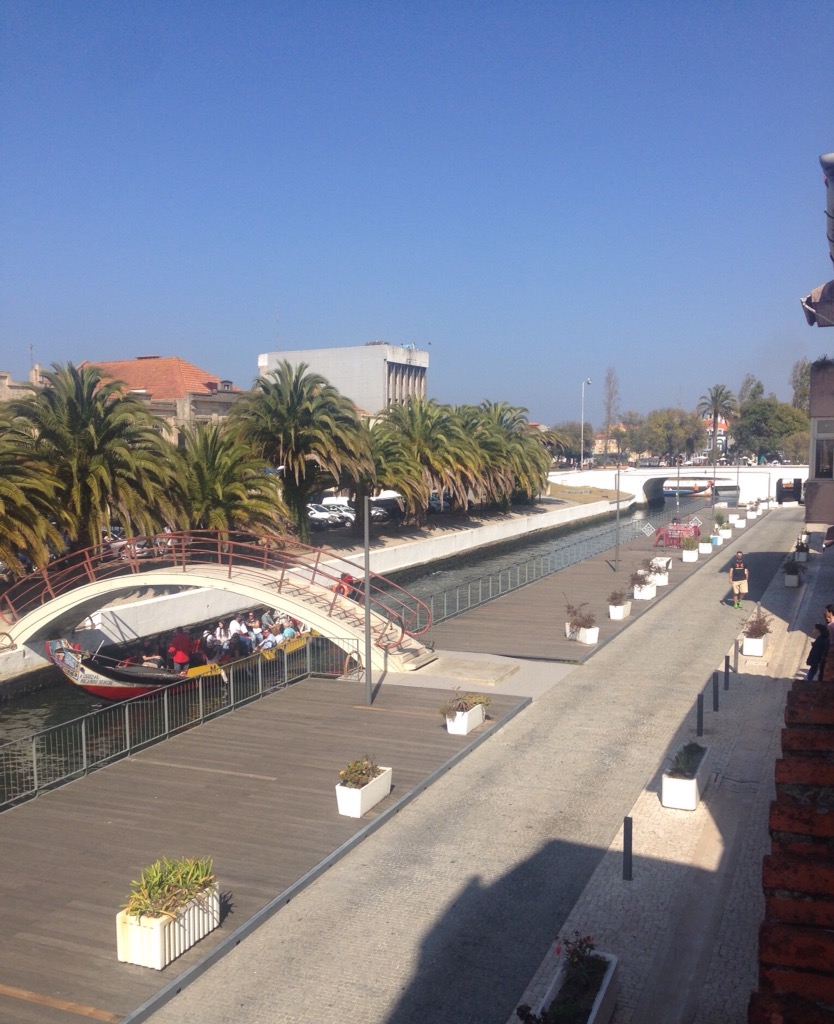
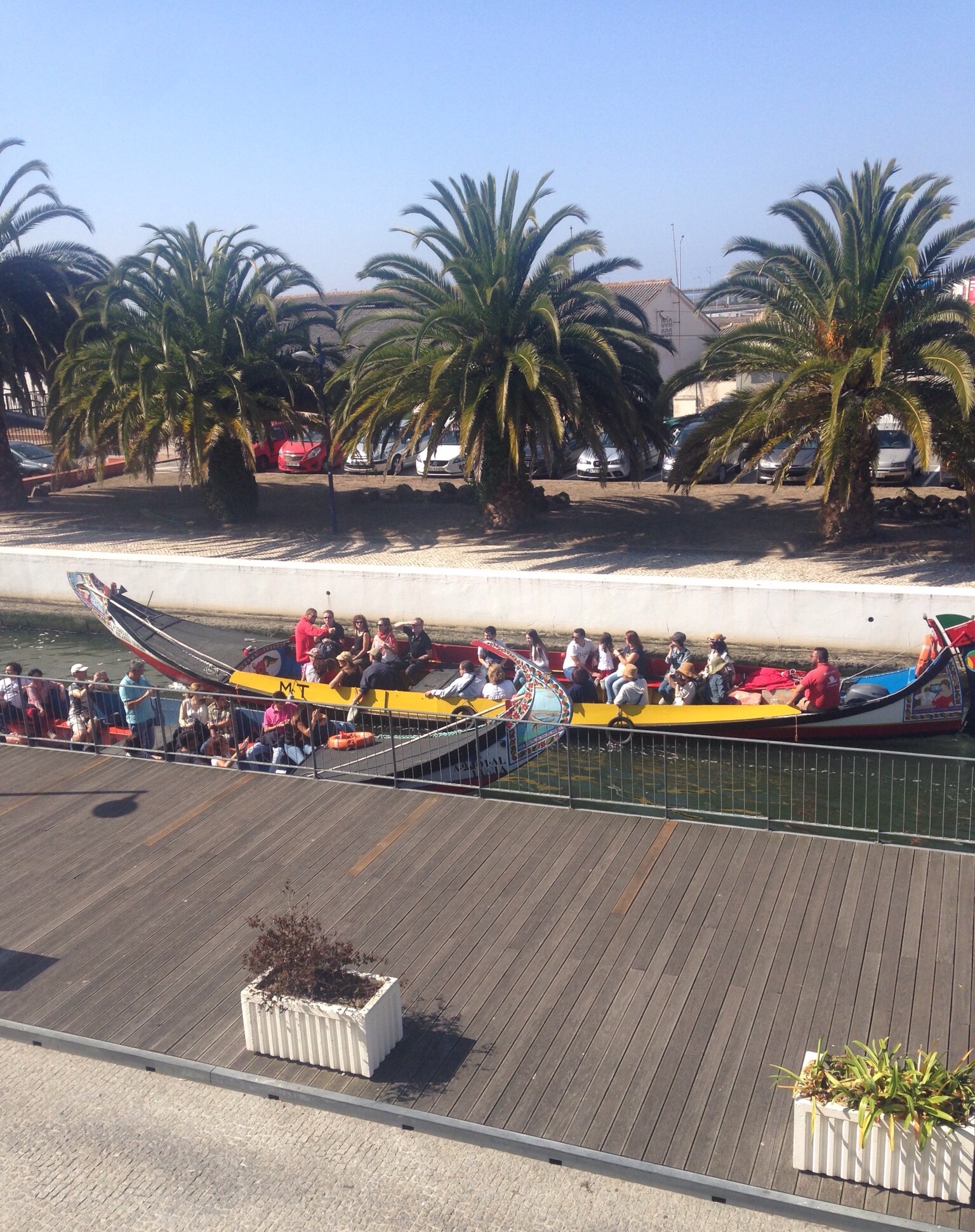
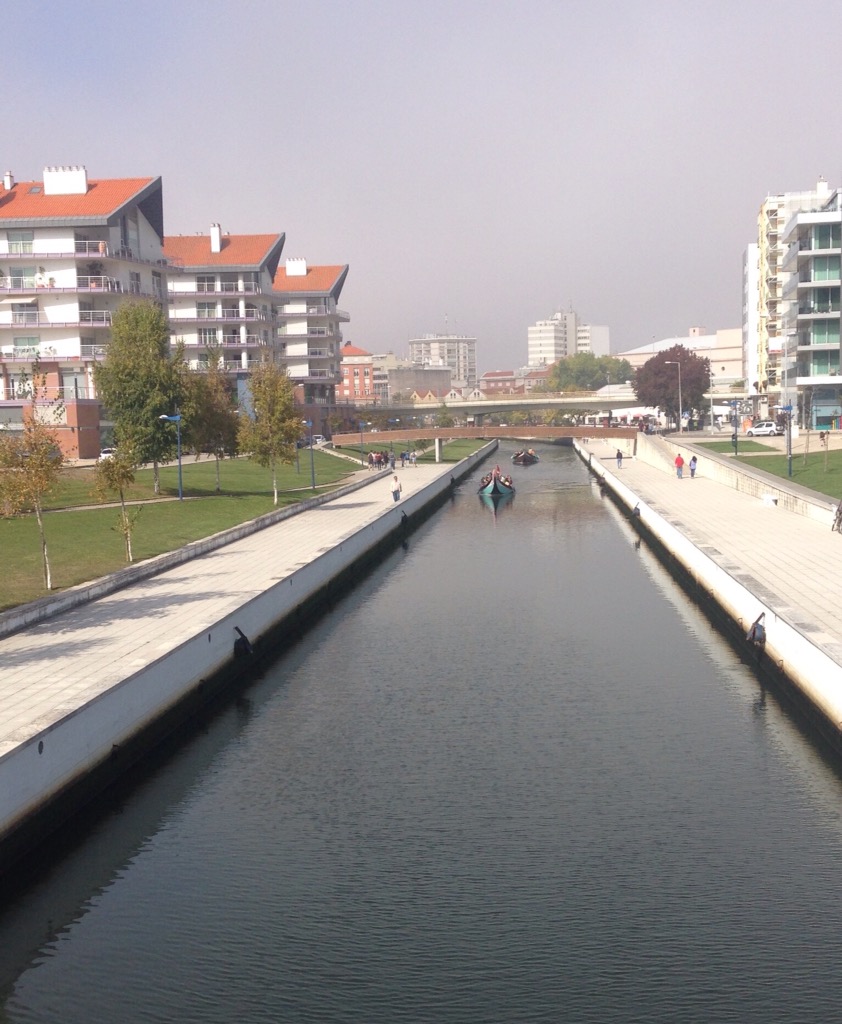
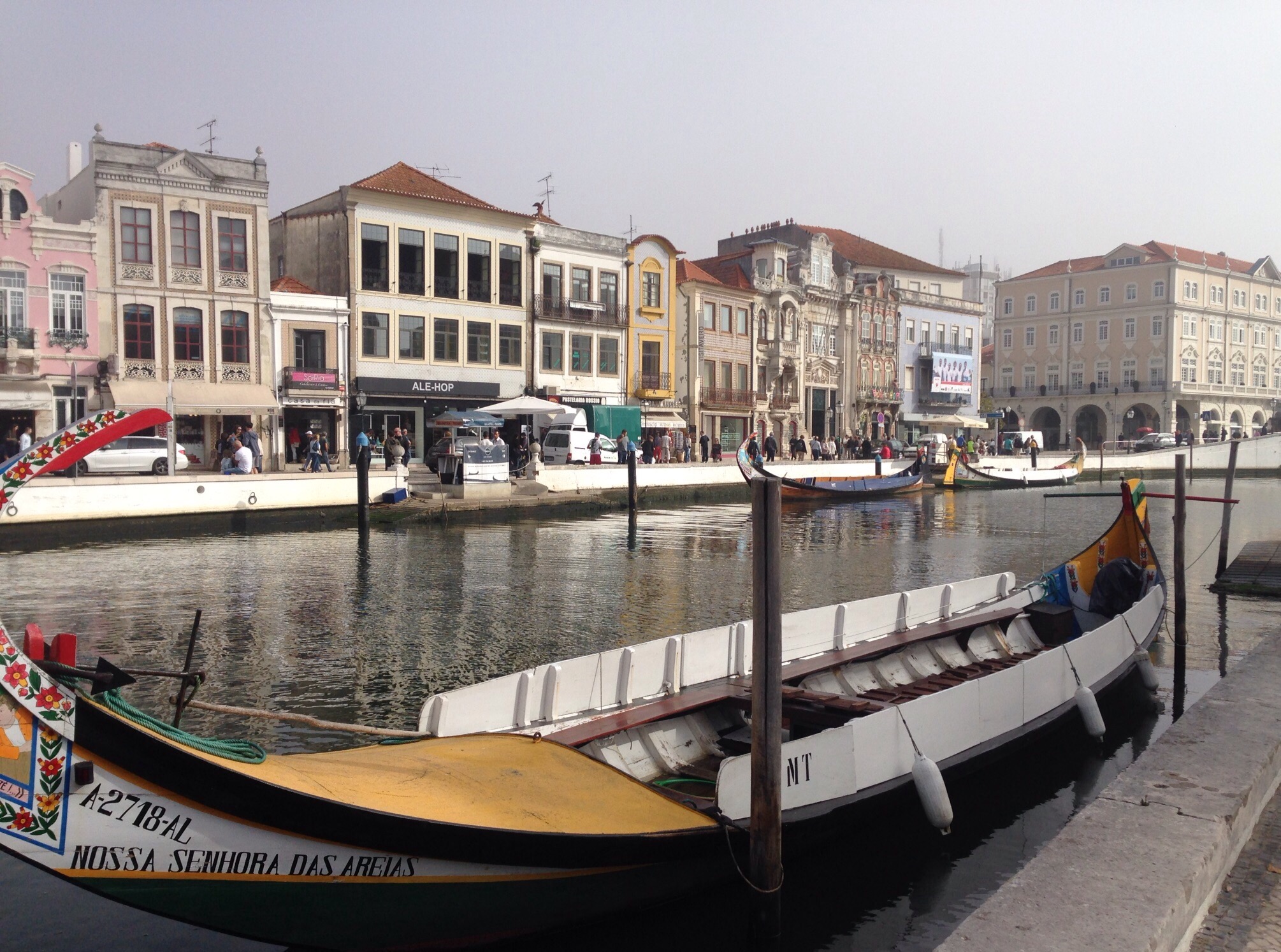
The lovely Aveiro, Portugal is the Venice of Portugal with its network of canals that originally facilitated the commerce of salt for the area. There are 4 canals — Canal do Côjo, Canal Central, Canal das Prâmides, and Canal de S. Roque. Ten companies now vie to provide narrated rides for tourists, making the canals an active, vibrant place. The rides cost about $12 per person and last approximately 1 hour. We enjoyed both watching the boats from our Airbnb room (gorgeous! Best one yet), walking along the water, and finally as a participant. The boat “drivers” keep things fun by interacting frequently with individuals on the other boats as well as people watching on the shore.
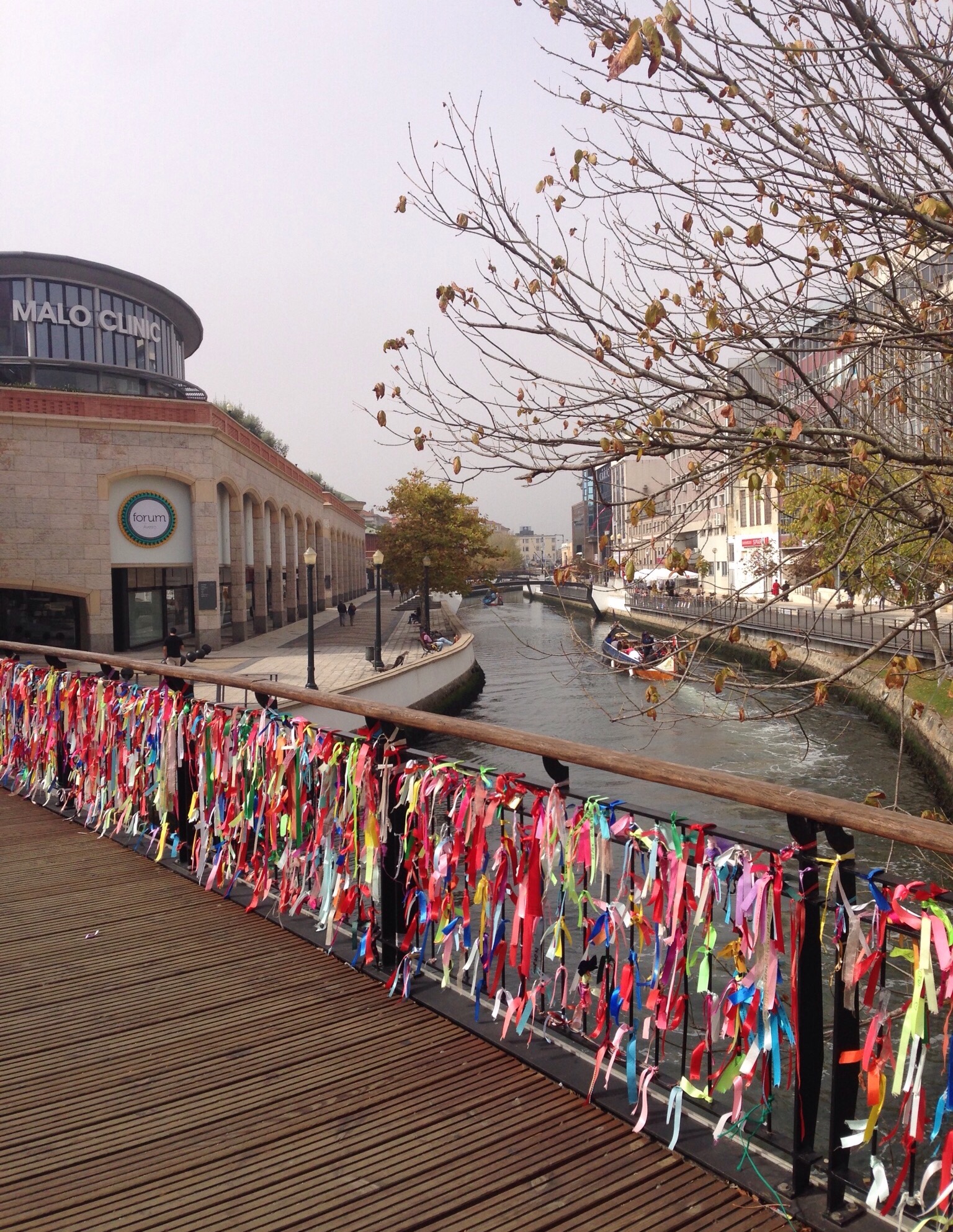
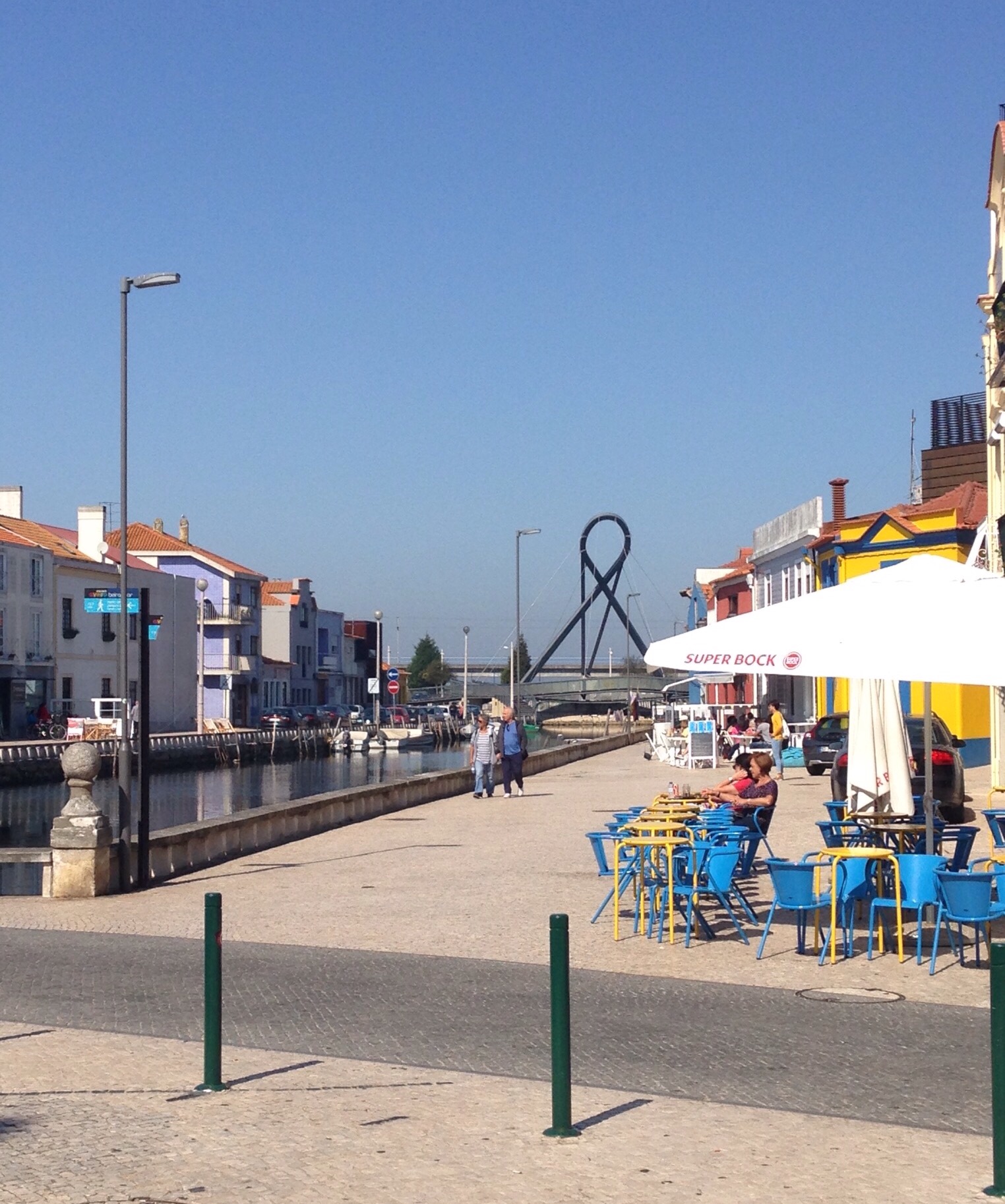
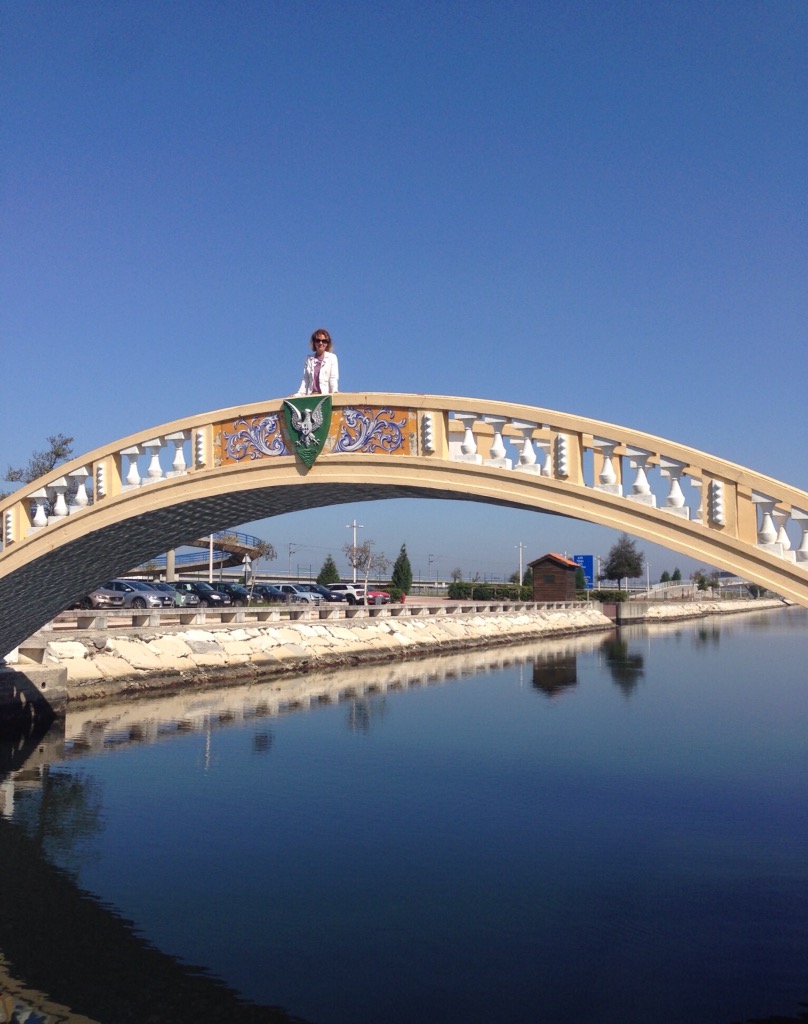
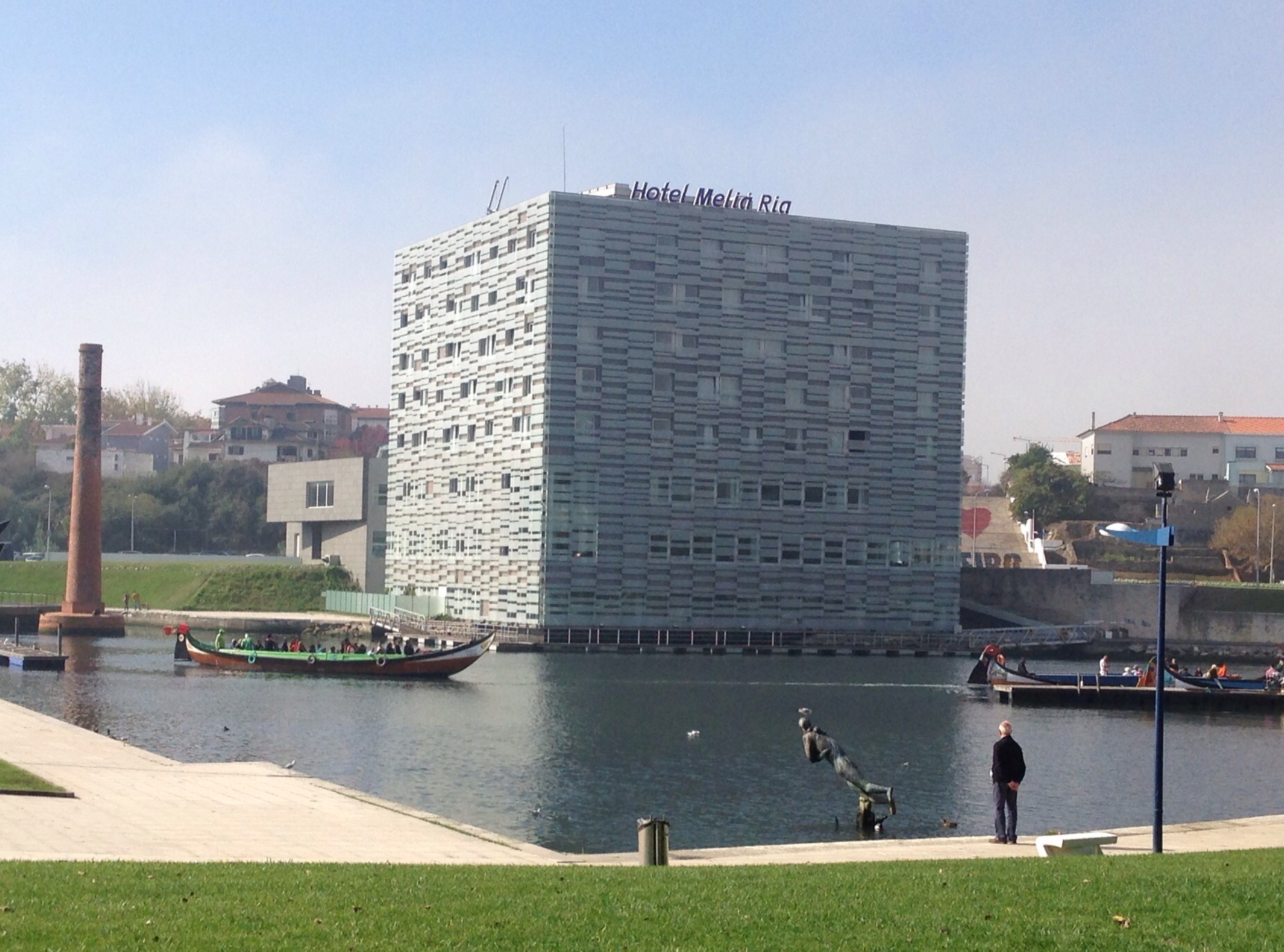
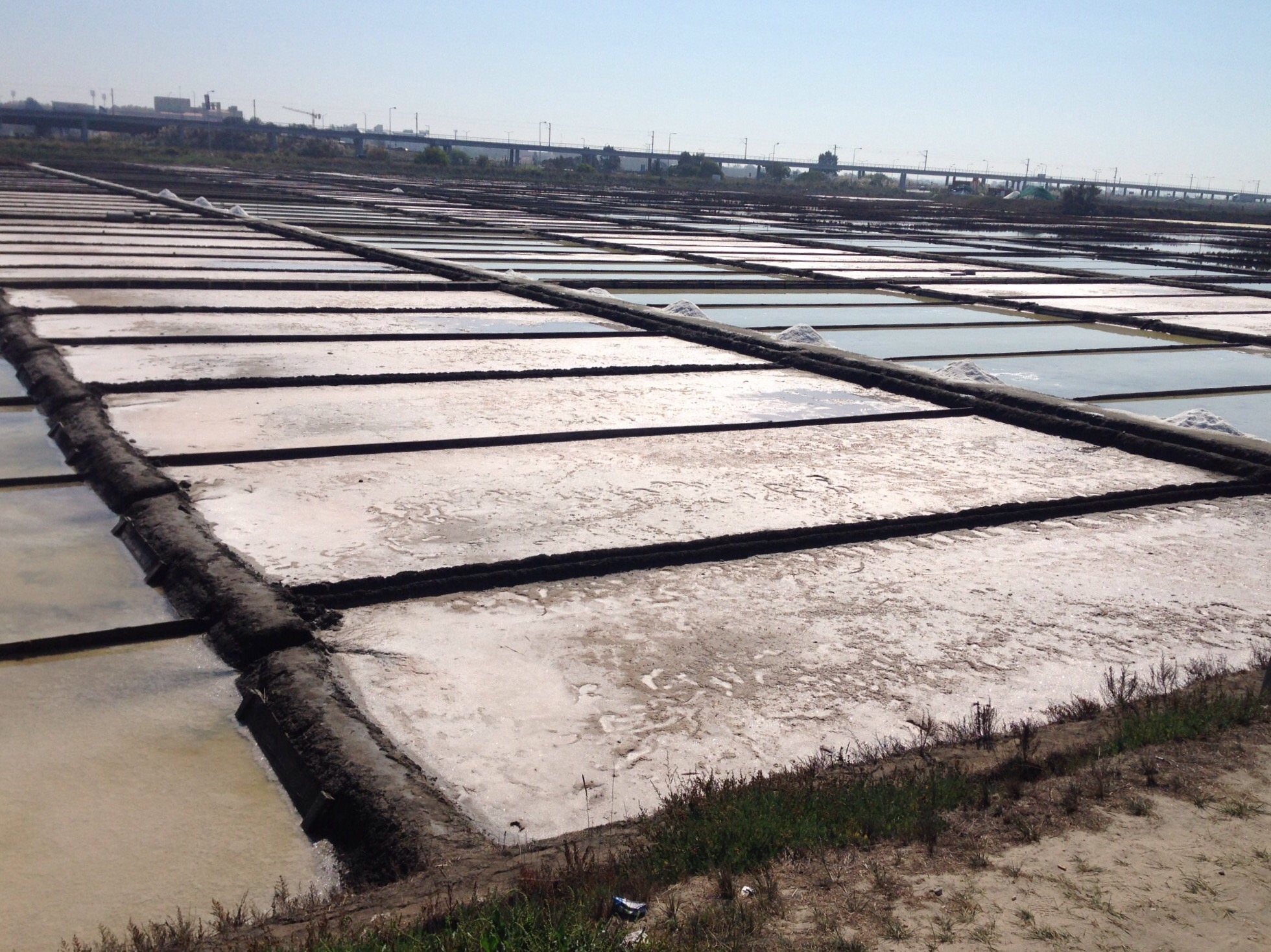
One view from our room looking back towards the center of townCanal traffic below our roomAlong the Central Canal, an old factory area that has been completely renovatedA bridge along the canal near the big open-air mall. It use to be covered in padlocks, but the cumulative weight damaged the bridge so people now show their love with ribbonsCafes along the canalA decorative bridge across the canalCanal boats moored along the central canal — most of the boats used for the tourist rides were of the size that use to be used to transport seaweed to sell to farmers for fertilizerA man-made lake at the end of the Canal do CôjoWhile the salt trade in Aveiro is much reduced, there are still salt beds being worked.
Some of the salt beds along one of the canalsSalt — mostly now sold as specialized salts to the public where it used to be sold commercially to preserve food
In addition to Aveiro’s canals and art, it also has some beautiful architecture and parks. (The food isn’t bad either, especially the ovos moles — a lovely little sweet that is basically an egg yolk confection in a paper-looking wrap in the shape of a shell. This is why we walk around so much — to either “earn” our treats or work them off.). But back to the buildings —
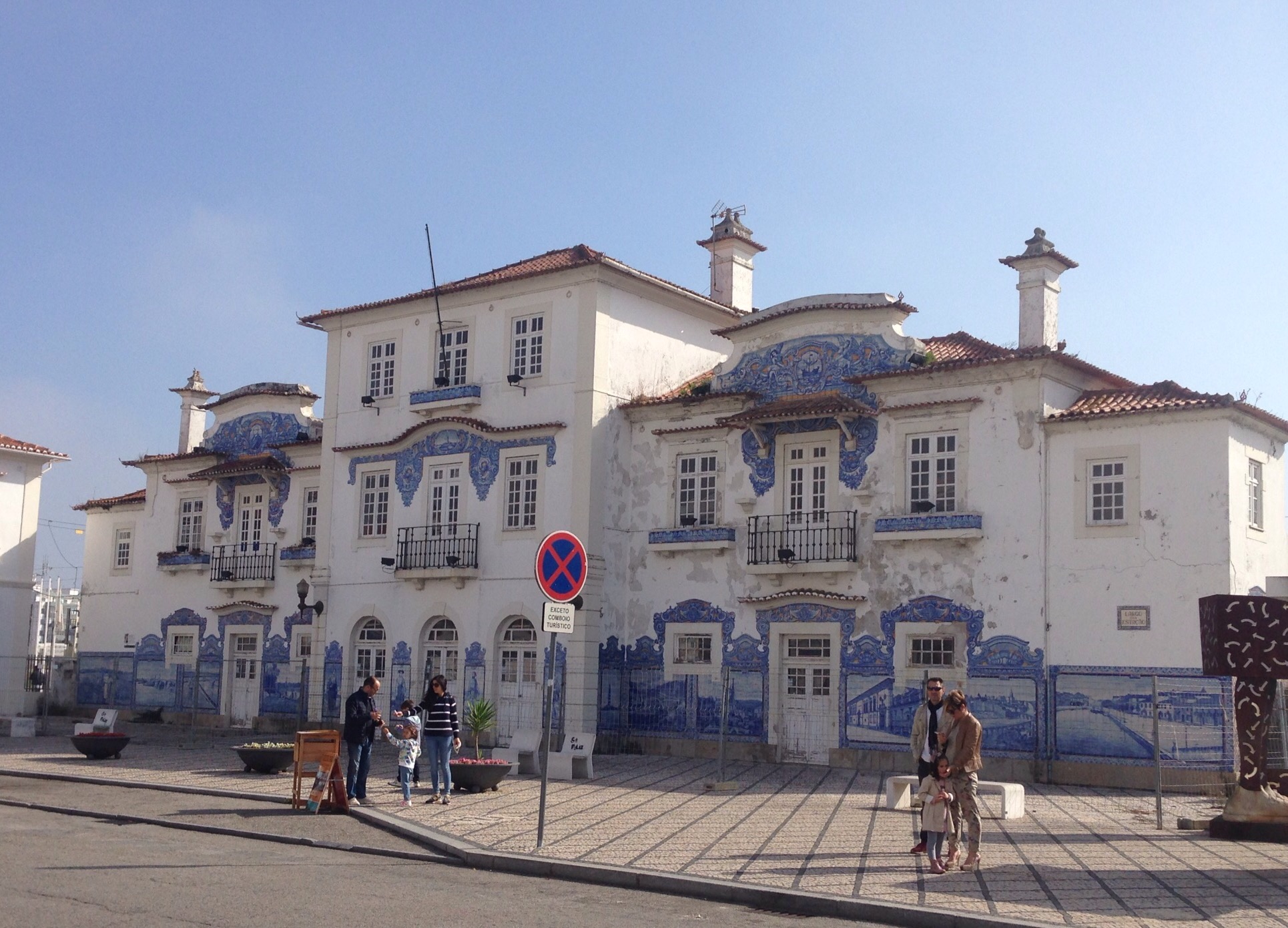
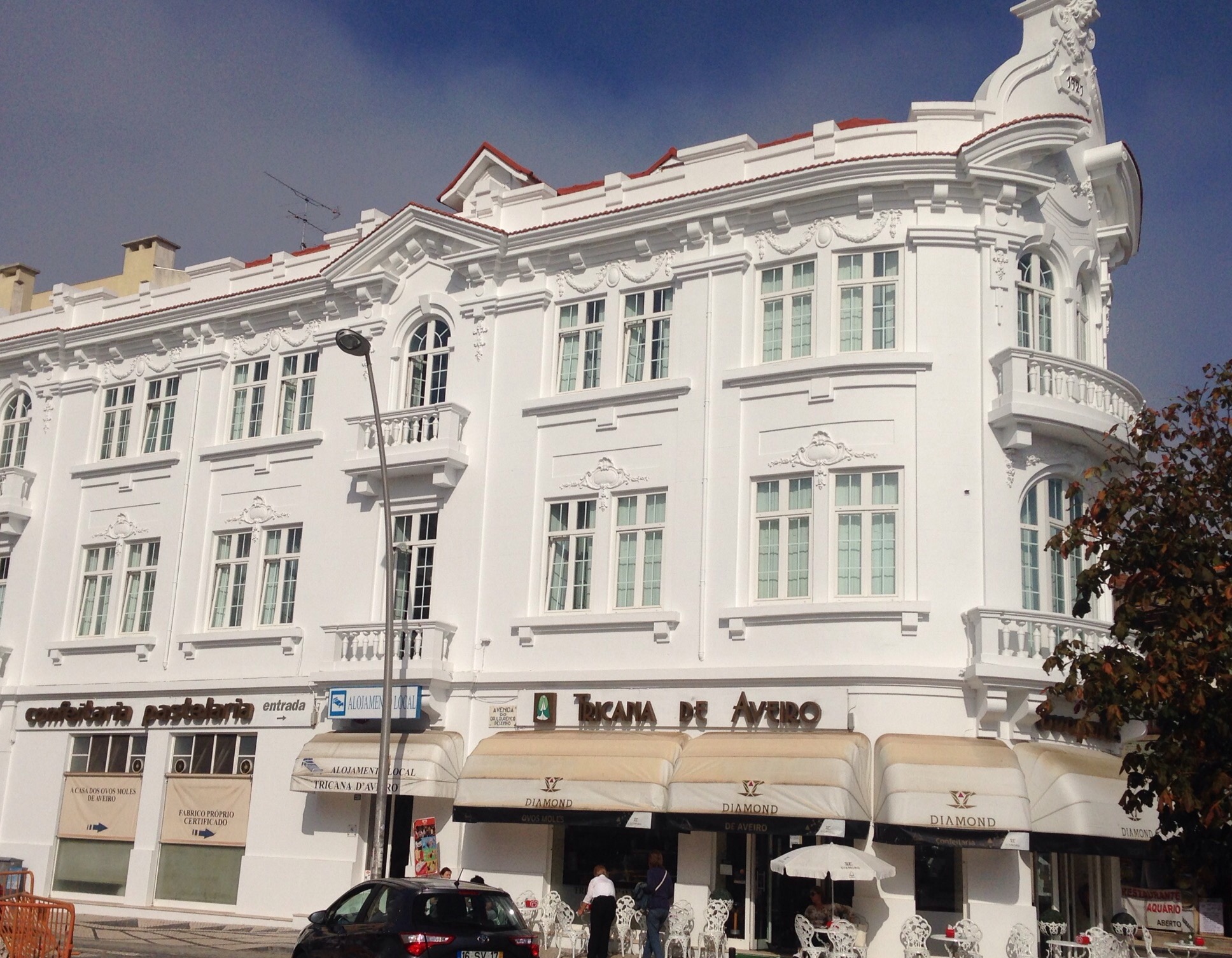
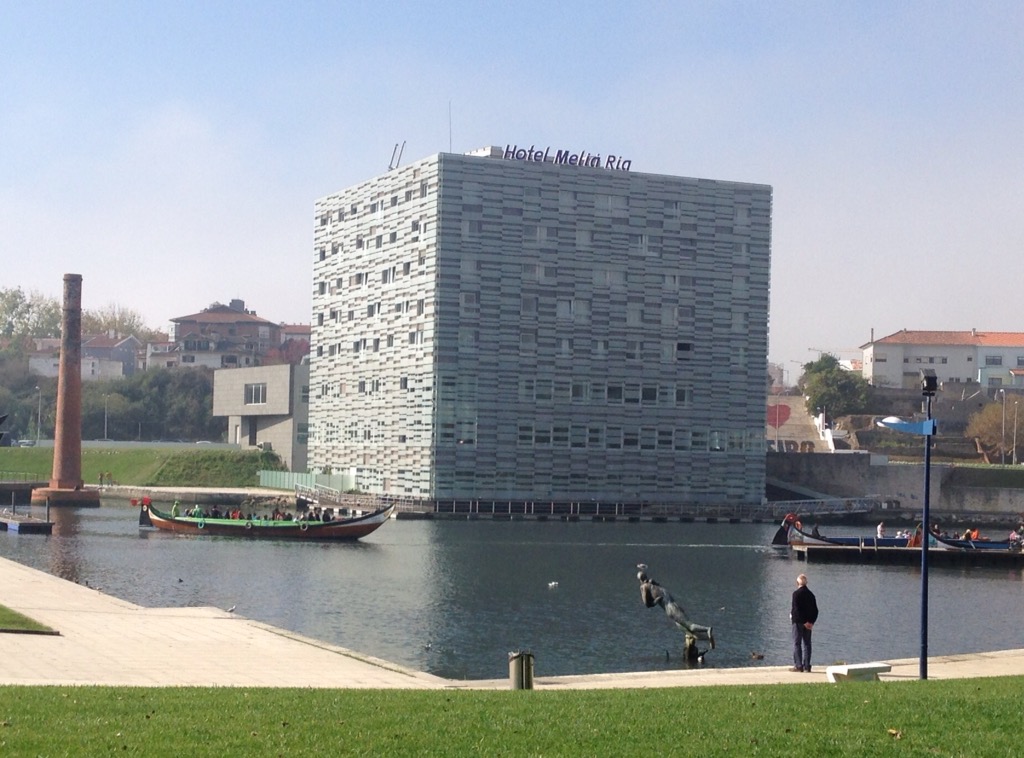
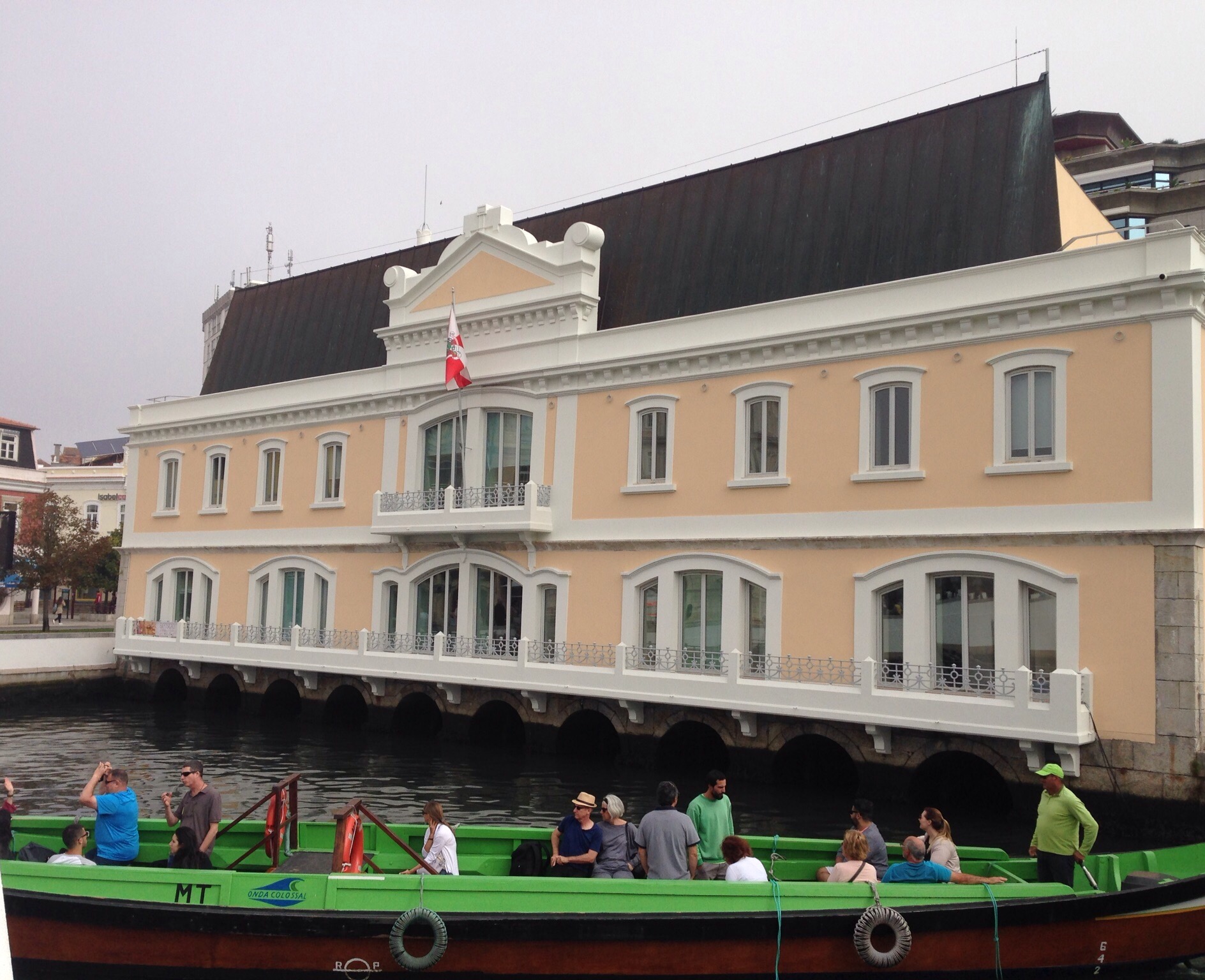
A very attractive building close to our Airbnb The former rail station, located right next to the new one The first building you see on the way out of the train station (right past the block-headed sculpture). It just seemed so incredibly white! While the hotel looks a bit boxy, it has a lovely bar over looking the lake where you can watch the boats go by and the people playing in the park. You can also see a bit of the I love Aveiro sign, and a another sculpture near the lake. This former ceramic factory is the only factory building in this once industrial area that was retained. It has been repurposed for governmental offices. All of the factories still in existence have been moved to an industrial park outside of town to make space for the lake, park, and residential/retail developments along the canal. The former canal administration building that now houses governmental offices
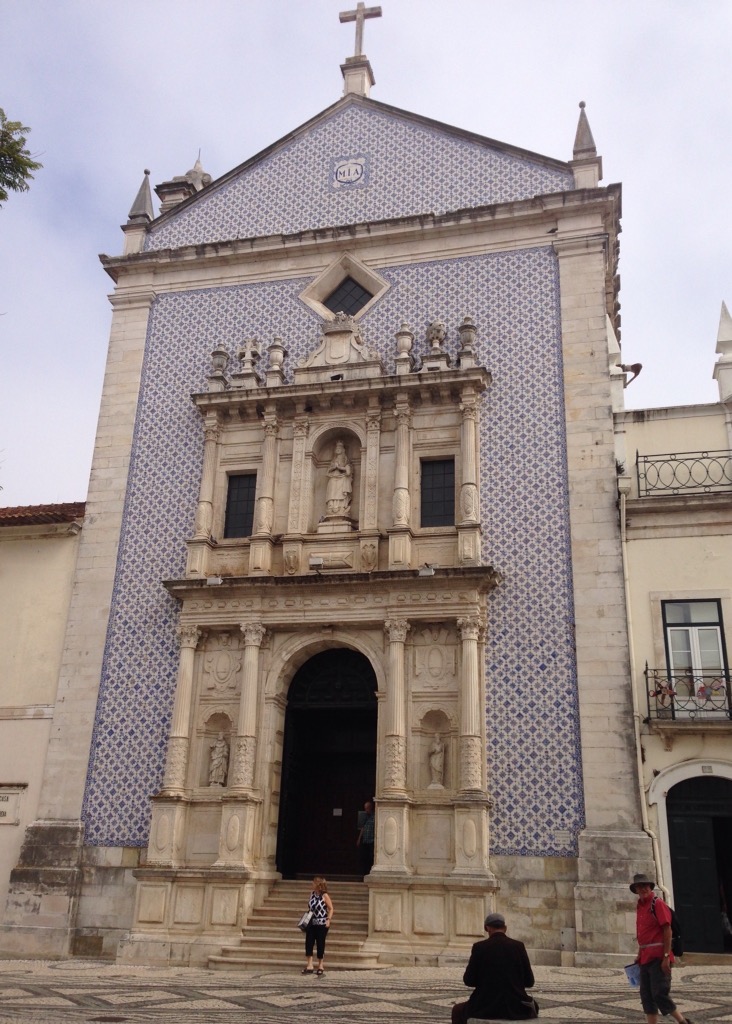
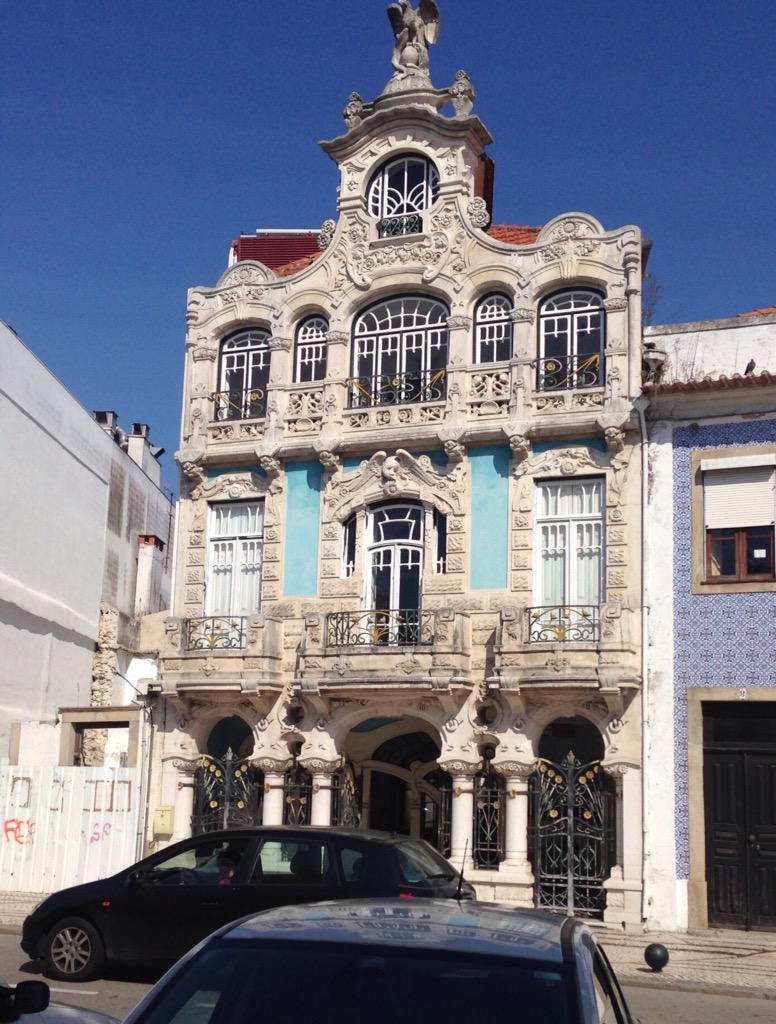
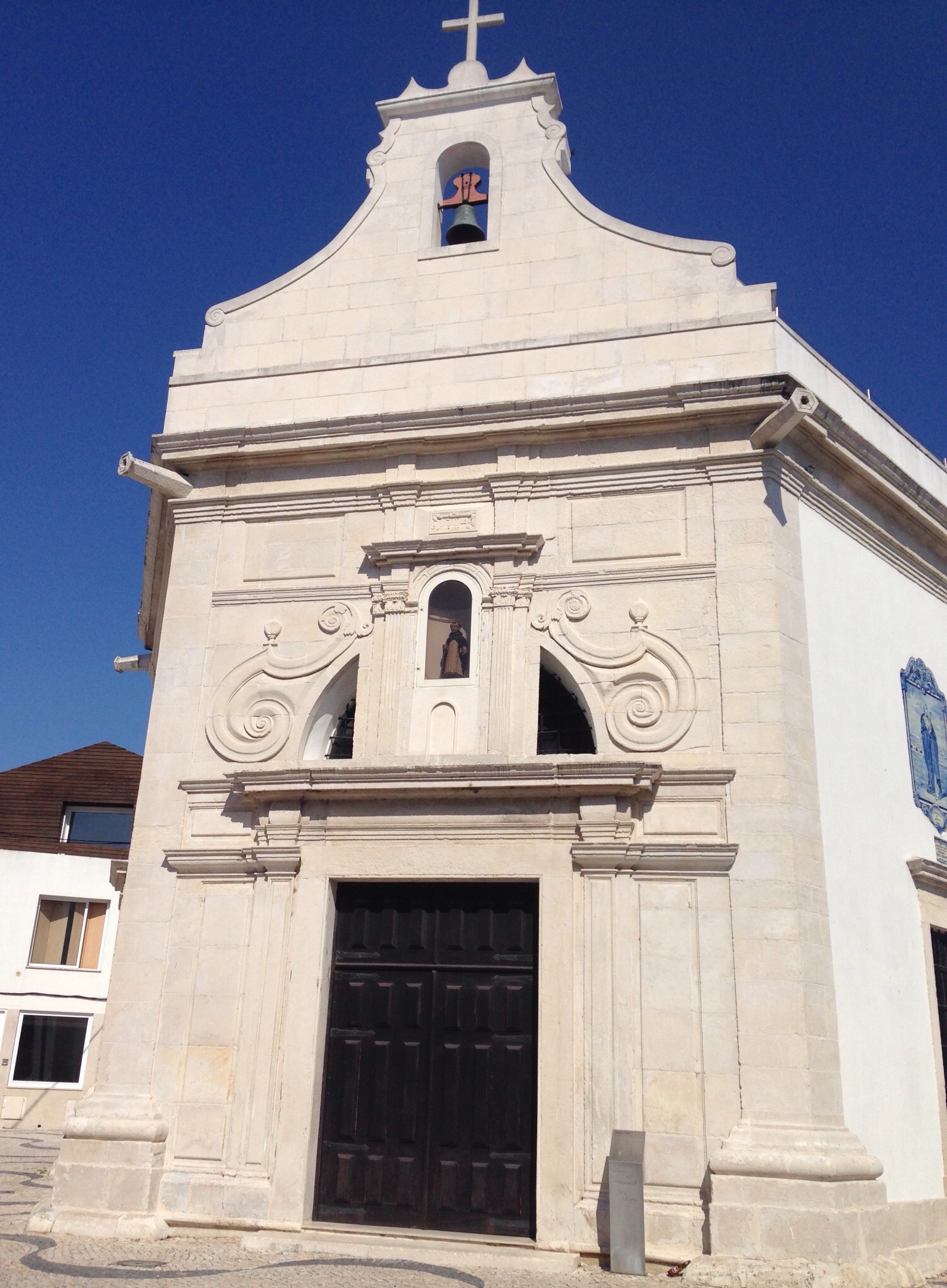
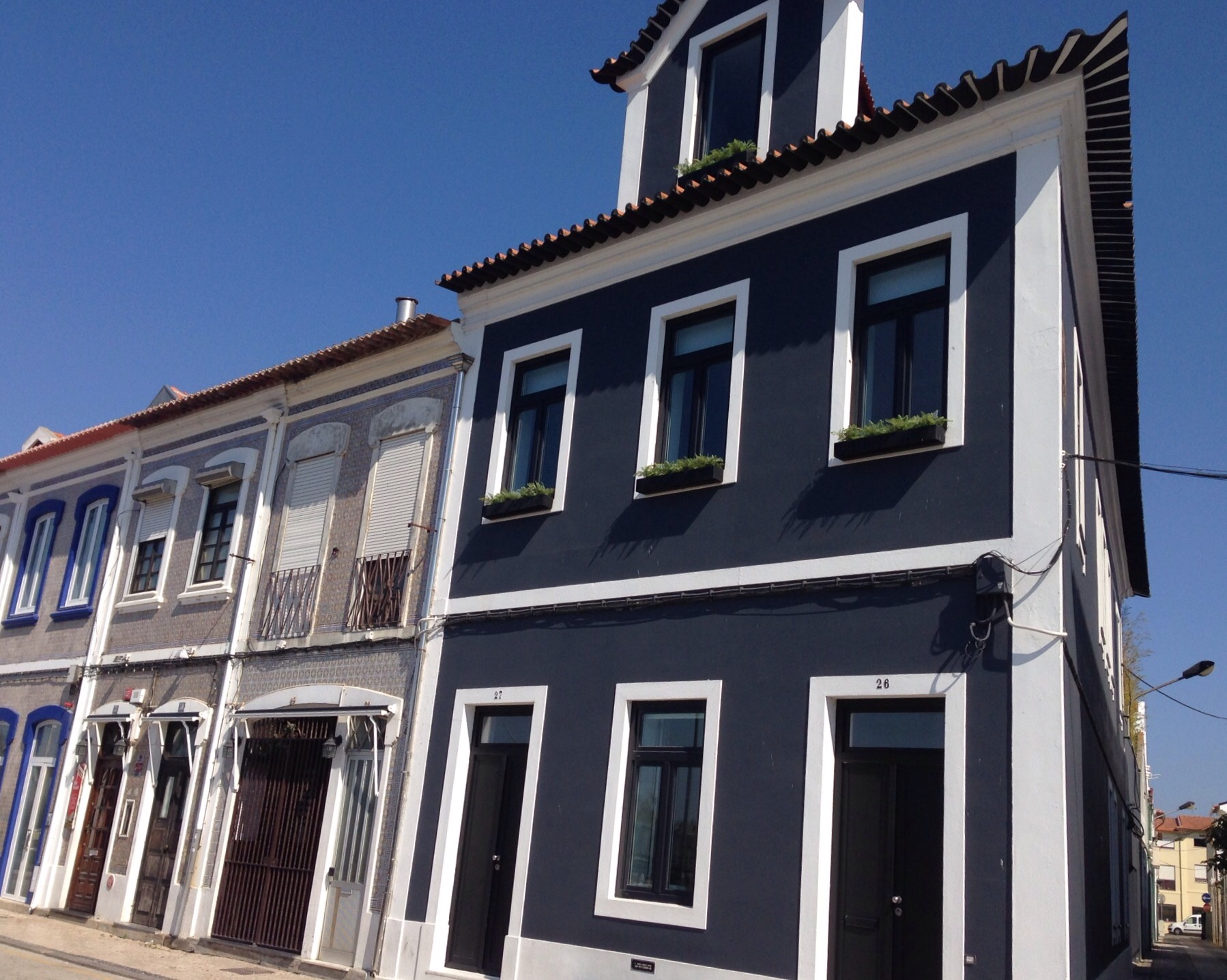
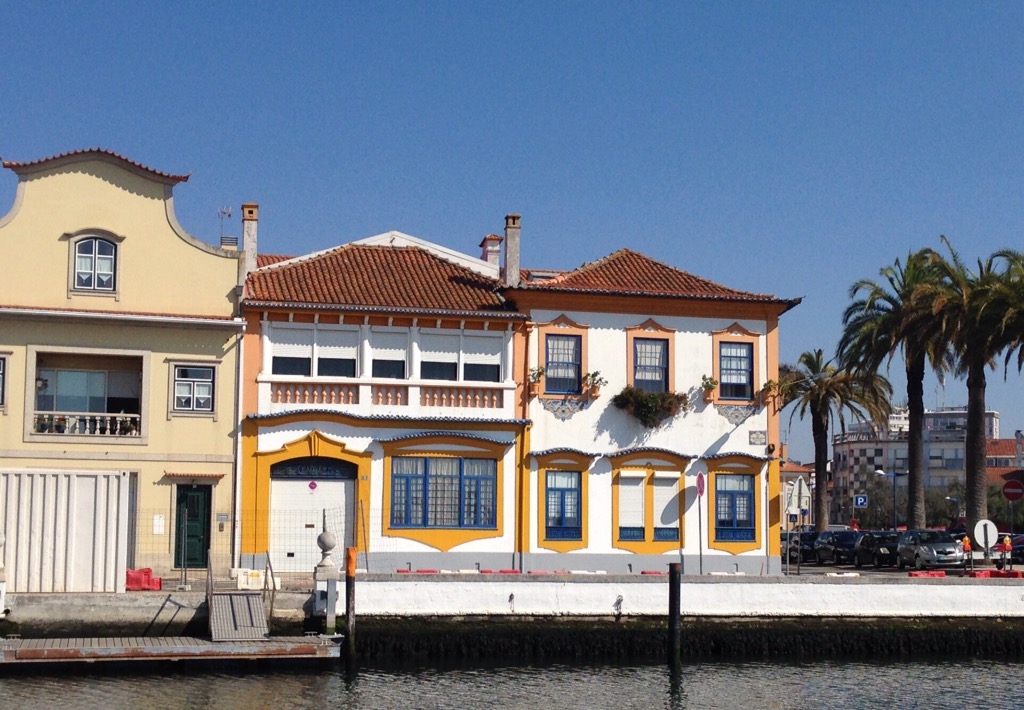
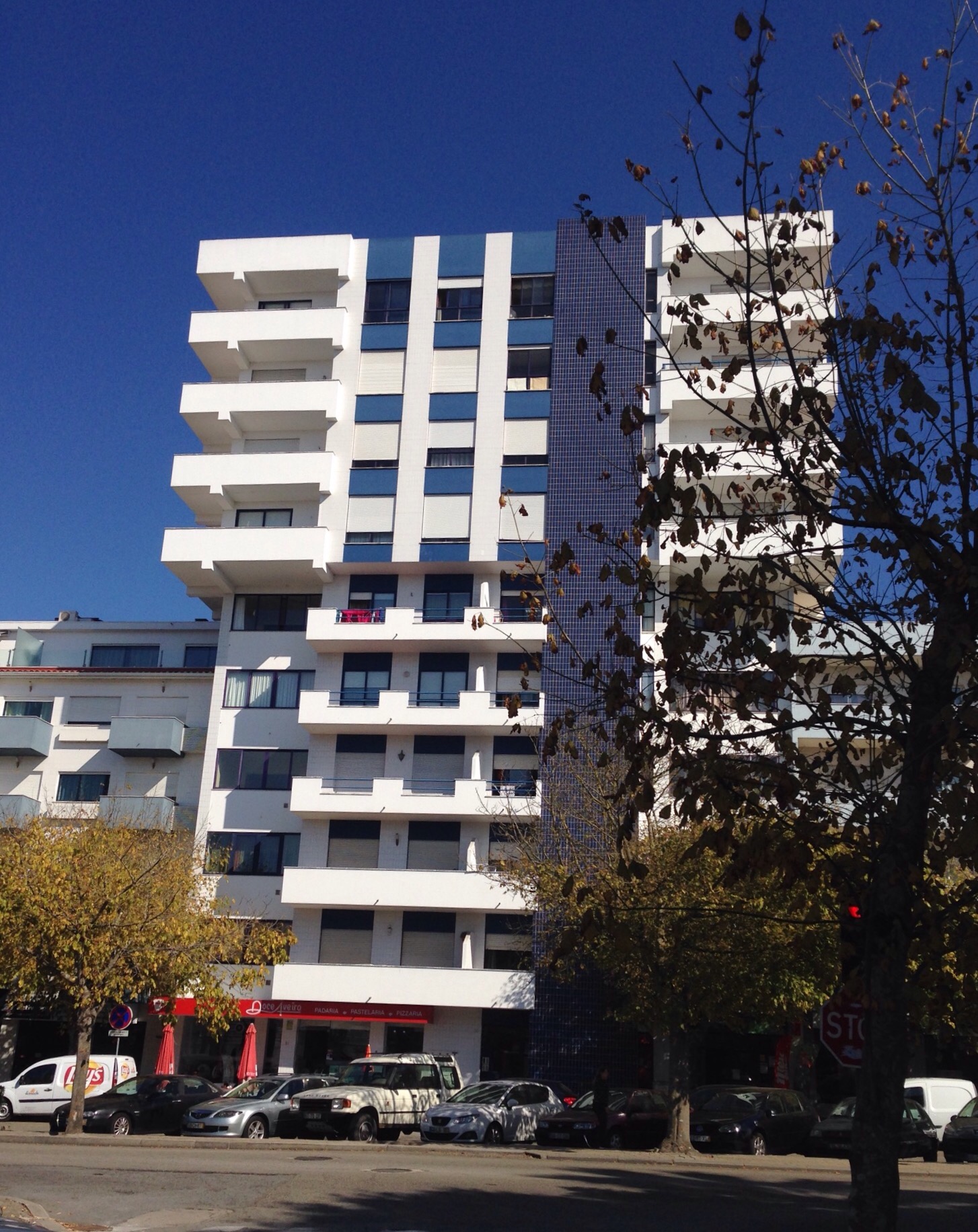
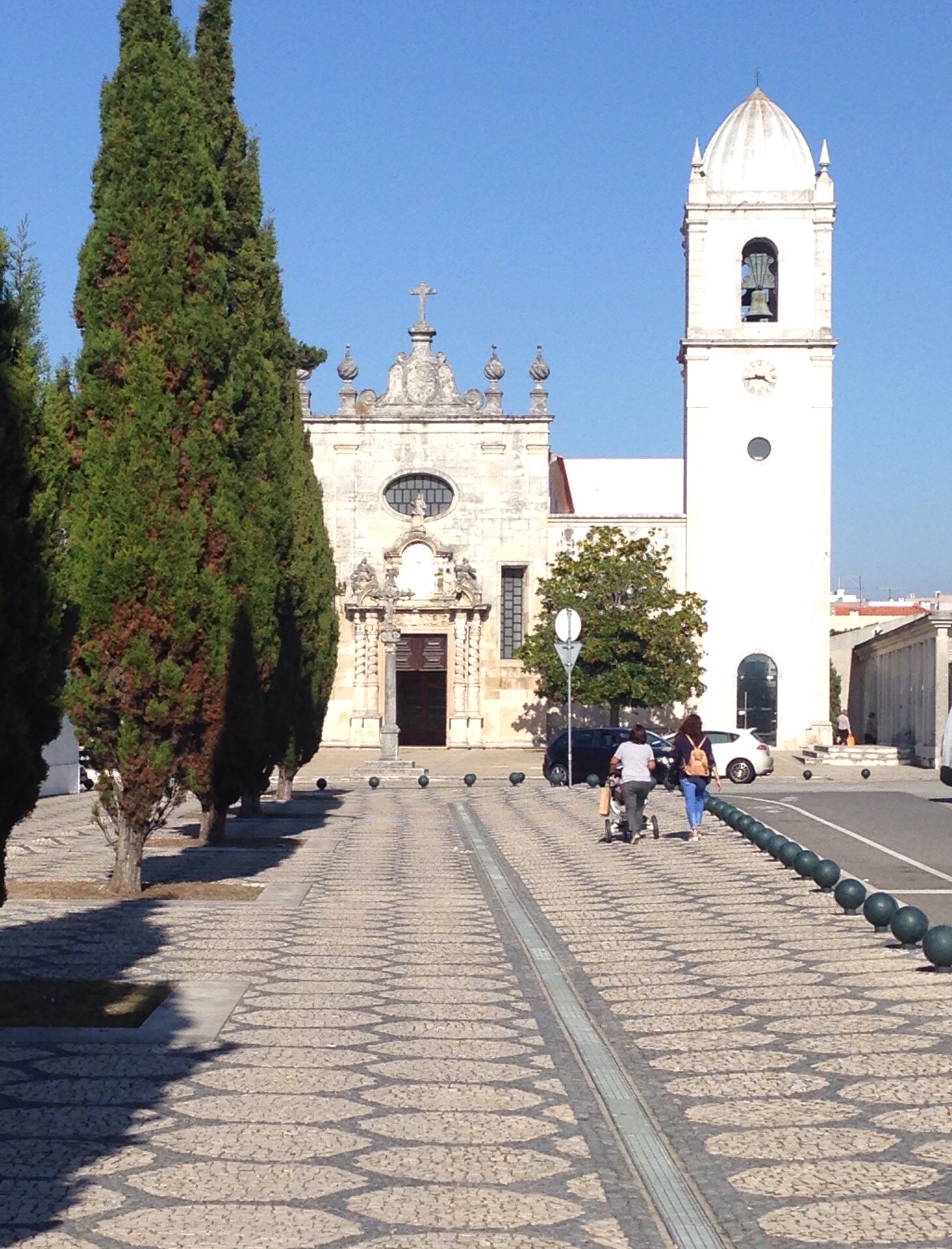
The church of Misericórdia dating from the 17th century The beautiful art nouveau building that now houses the City Museum Aveiro’s city center has a number of buildings in the art nouveau style. This building is the Art Nouveau Museum which honors the Portugese heritage of this design style. Chapel of São Gonçalinho Just some houses that we liked Traditionally colored Portugese facade — gold over blue An attractive building in the modern part of town The Santa Joana Museum of Aveiro which contains collections of religious art in a former Dominican monastery The Aveiro Cathedral next to the Aveiro Museum
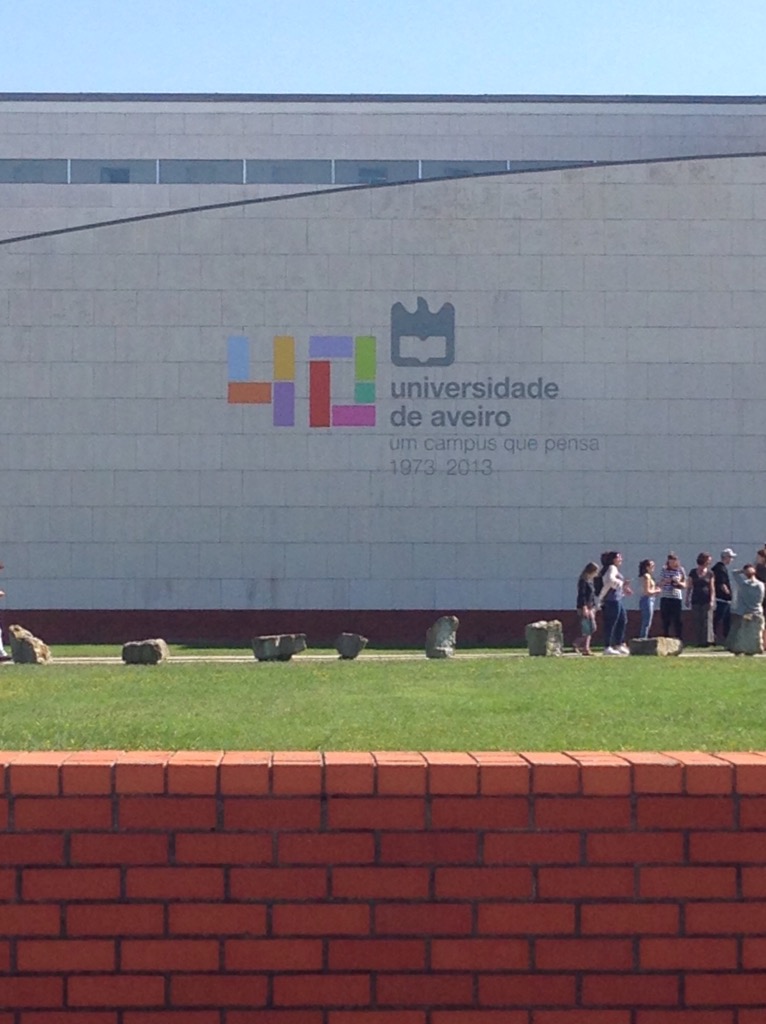
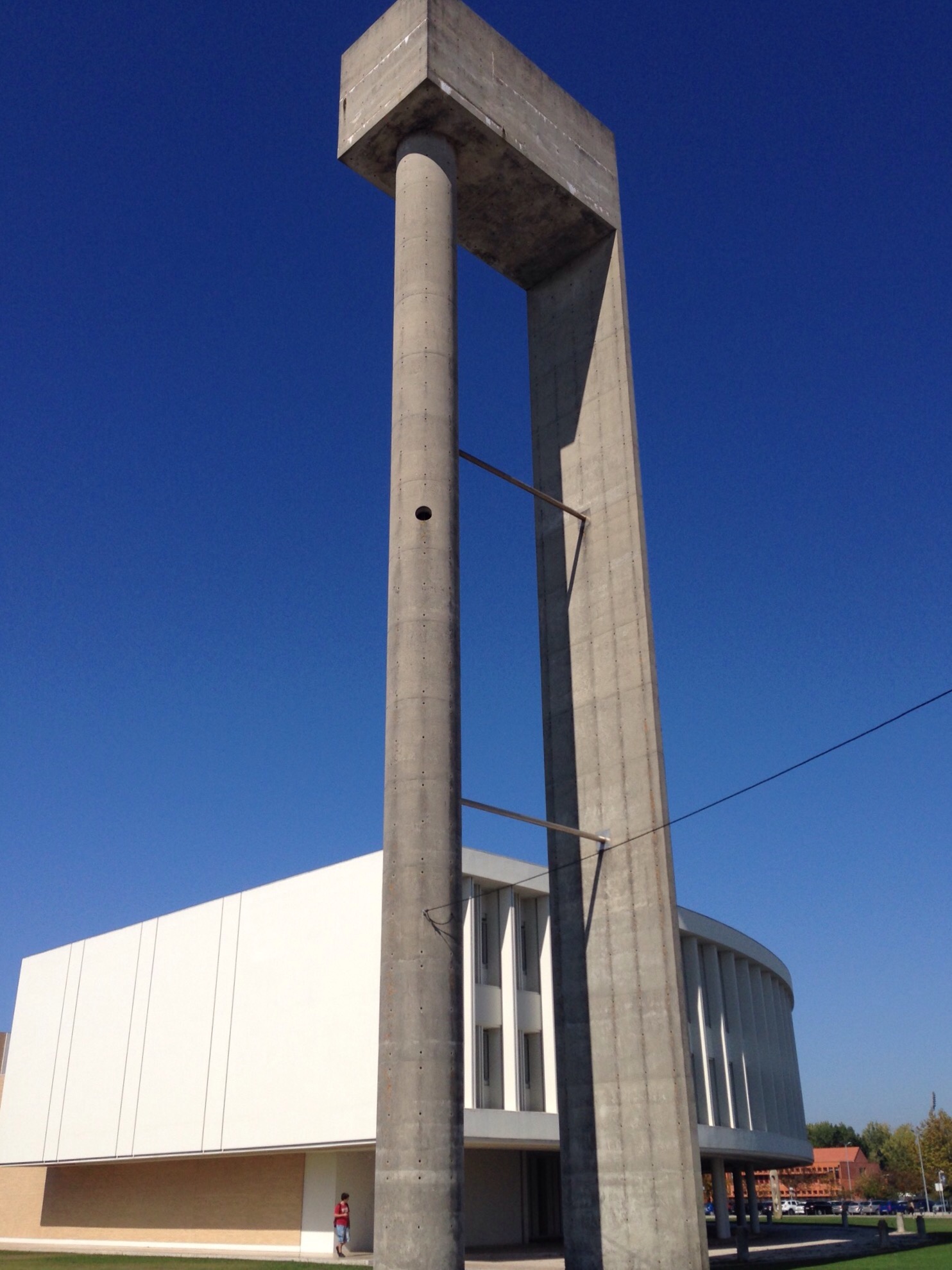
We also explored a little bit of the campus of the University of Aveiro. It is only 40 years old with 12,500 students and offers 58 baccalaureate, 40 masters and 25 PhD programs.
One of the many signs up announcing the 40th anniversary One of the science buildings on campus The University of Aveiro Water Tank
From the University, we walked back to our Airbnb through a lovely park.
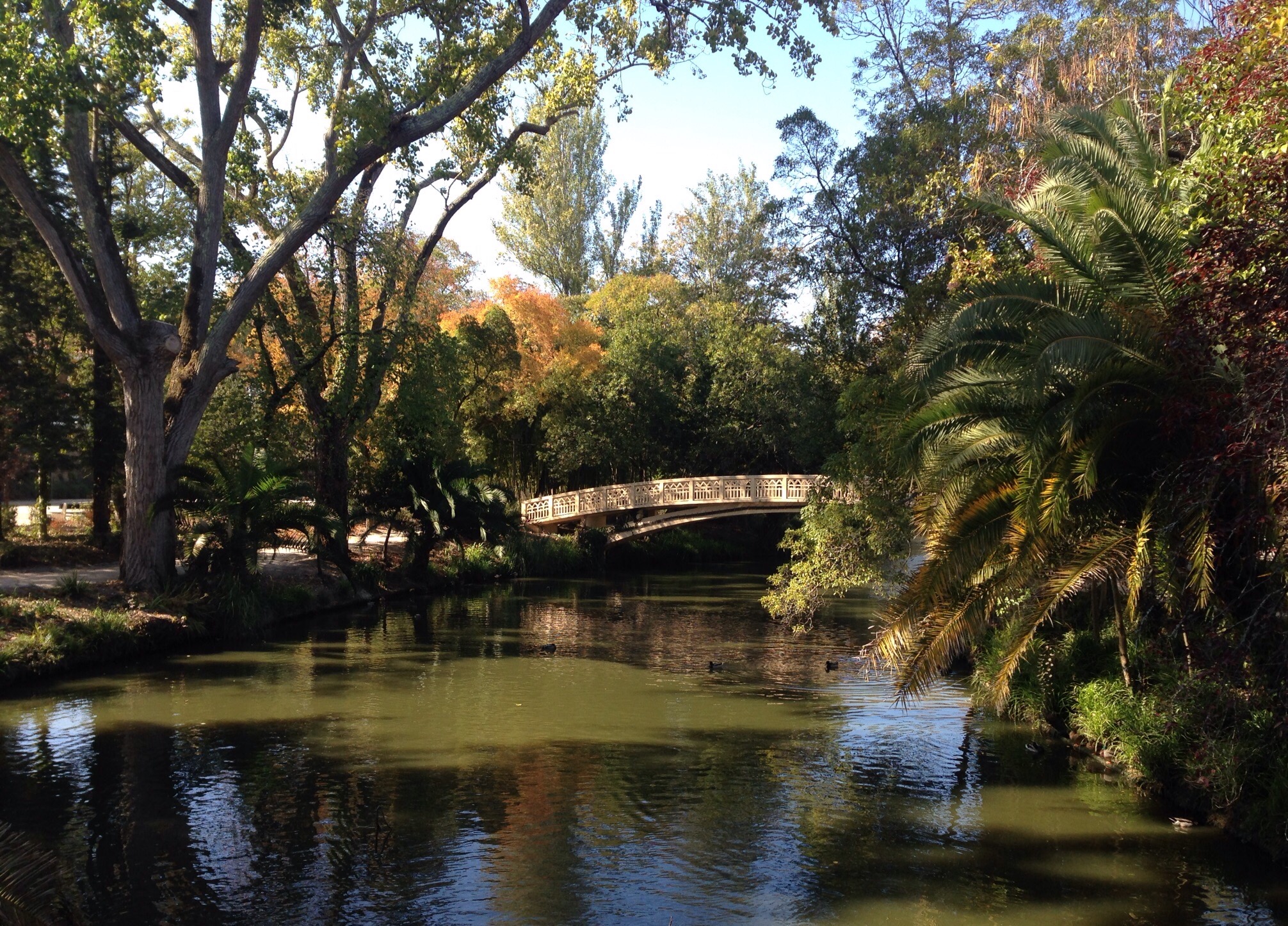
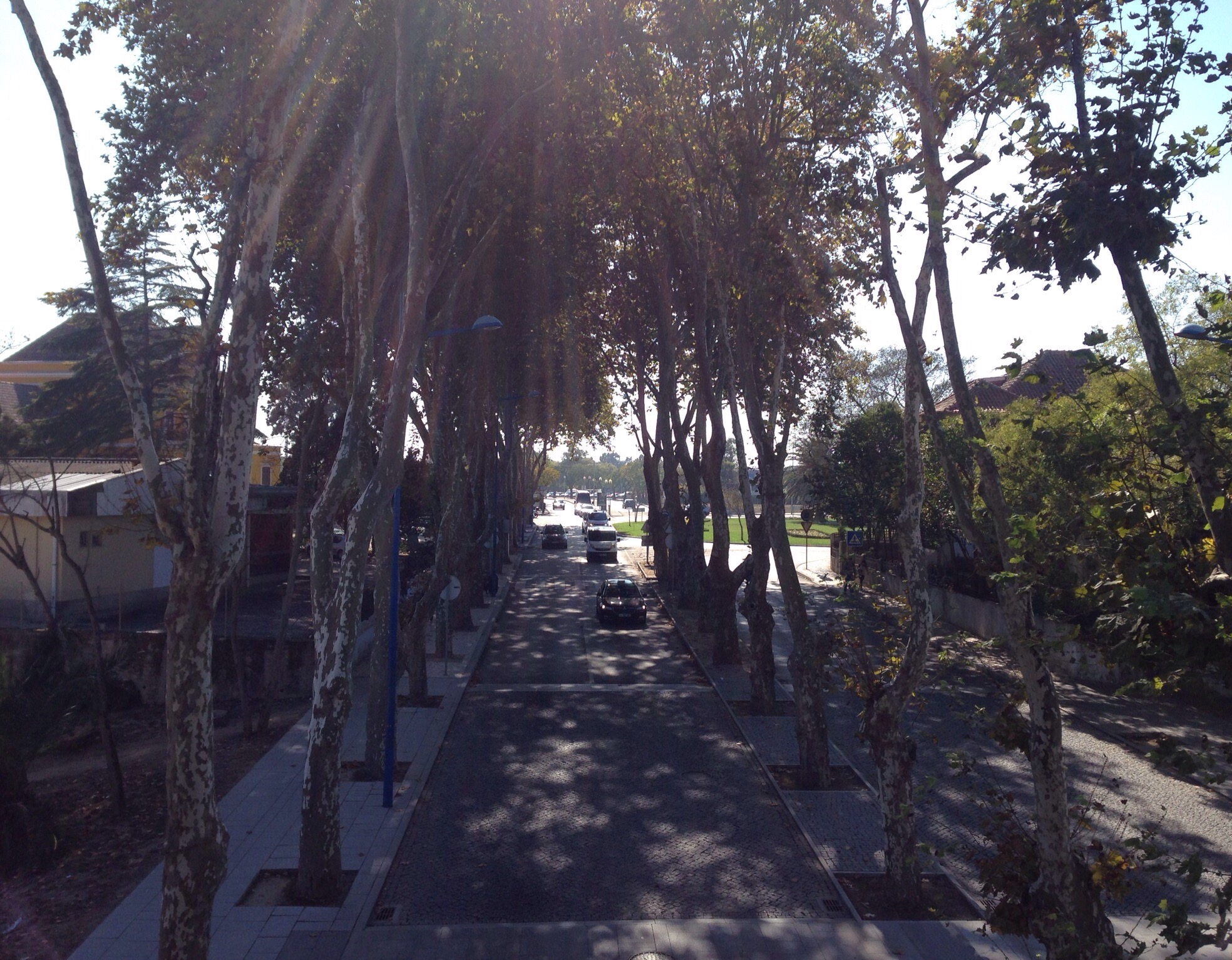
A little lake with a duck house A bridge across the lake The tree- lined street that splits the park A fountain by the tennis and pickle ball courts
Plan A for our second trip to Porto was to take a day trip into the Duoro Valley to see some of the wineries that make the country’s renowned drink. However, we didn’t realize how far Porto was from the valley (about 2 hours by car). A day trip was definitely an option, but after having spent a full day in a bus, neither of us was eager to spend 4 hours in a train (solo journey) or Van (group tour), so we decided to just enjoy the day in Porto and make another visit to the Port houses across the Duoro River in the Vila Nova de Gaia.
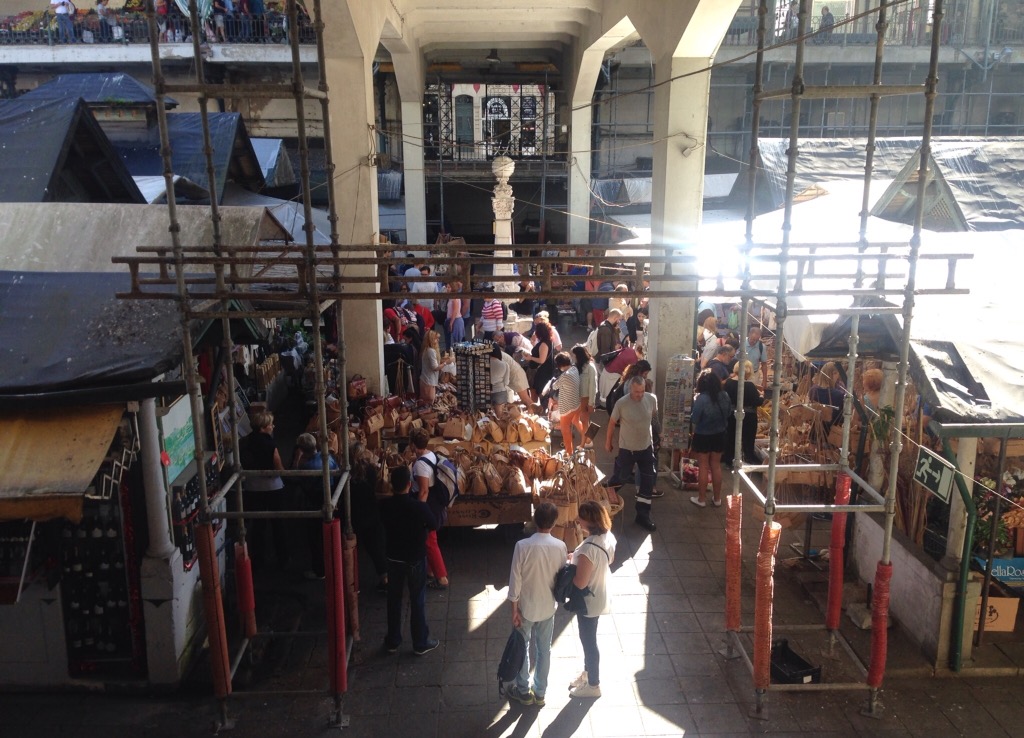
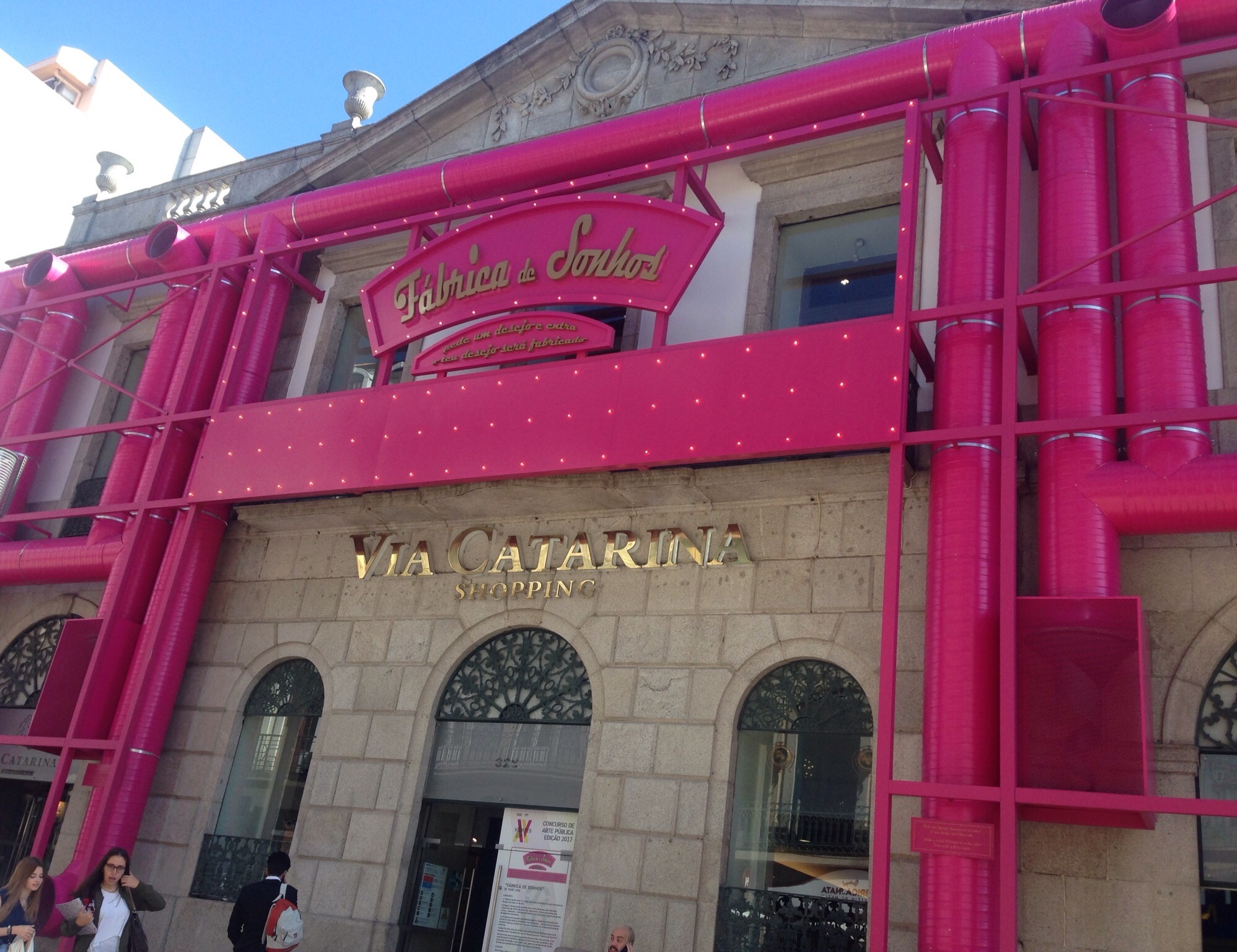
We did a bit of shopping (both window and the real kind) in the morning with a return trip to the Bolhão Market and the St. Catherine pedestrian street area.
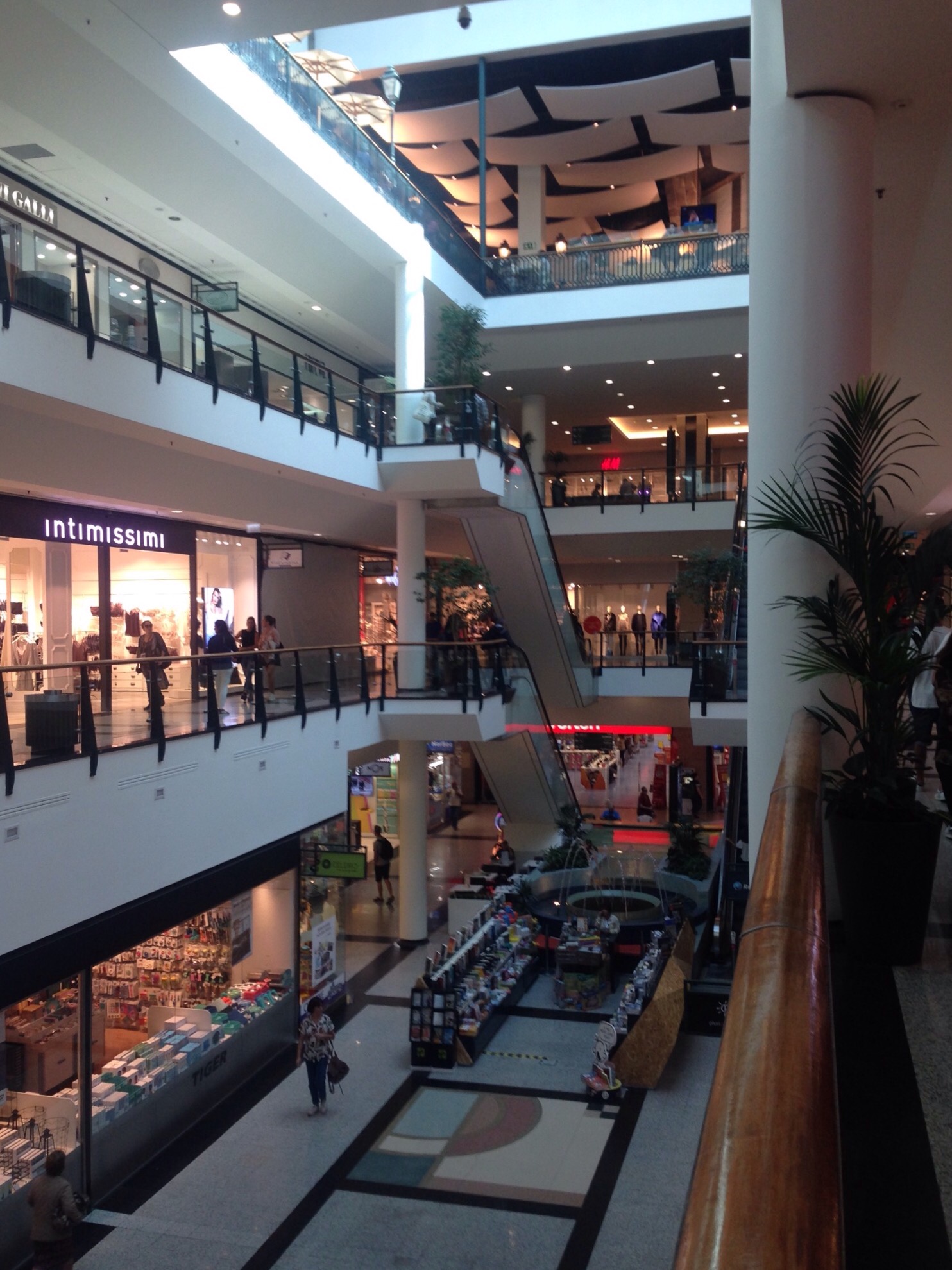
The market in actionThe modern Via Catarina mall (though you really can’t tell it’s a mall from the pedestrian-only street)The multi-level Via CatarinaThe top level of the mall
So after a hard morning of shopping, we thought we’d try our luck getting into one or more of the port houses in Vila Nova de Gaia. The area was hopping, but we managed to try 2 new houses — Taylor’s and Ramos Pinto. We had done a tour and tasting at Graham’s last year.
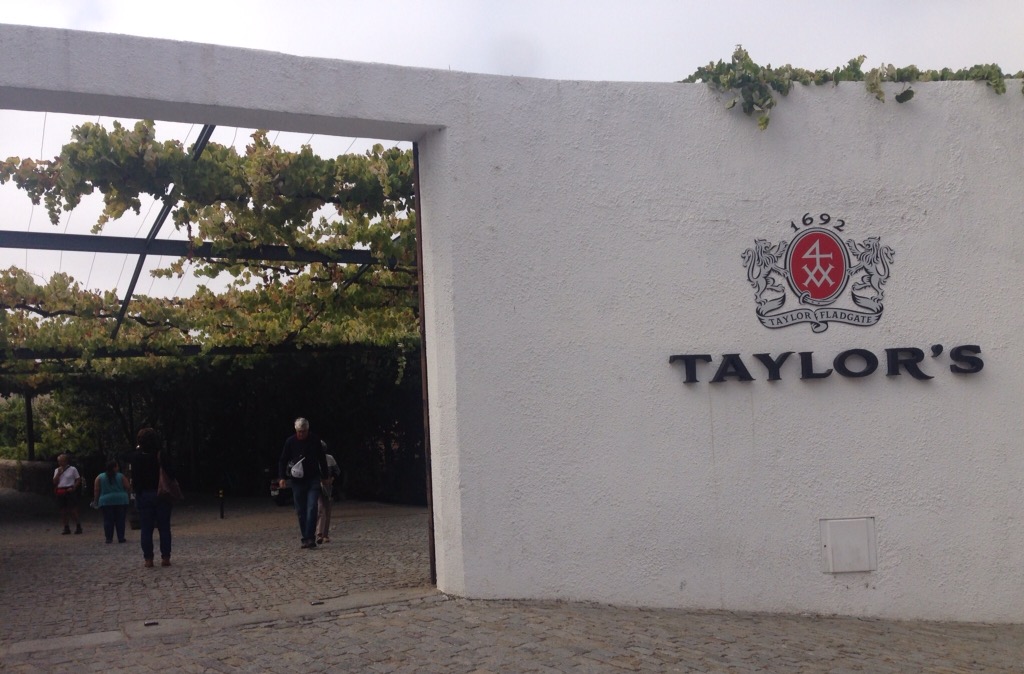
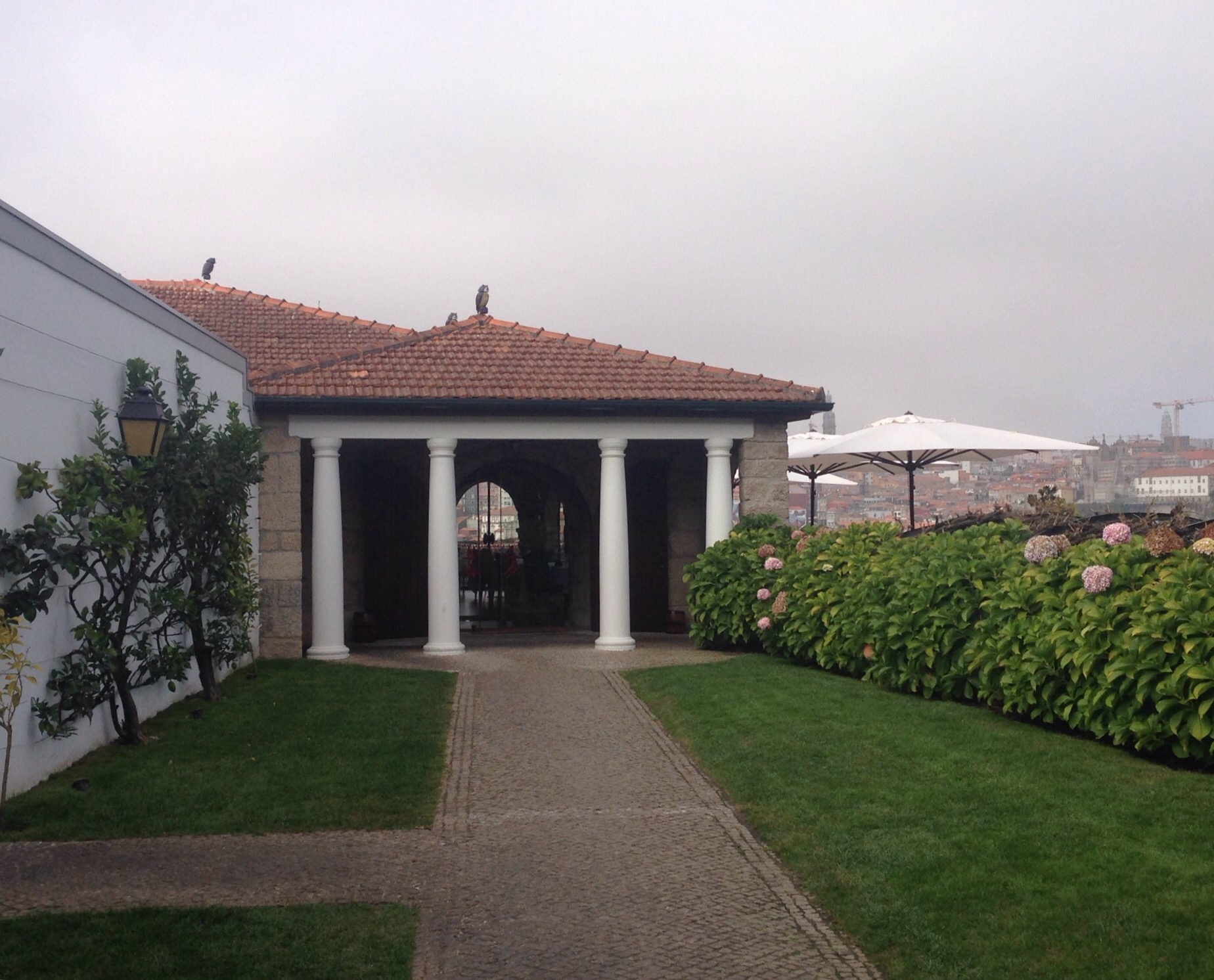
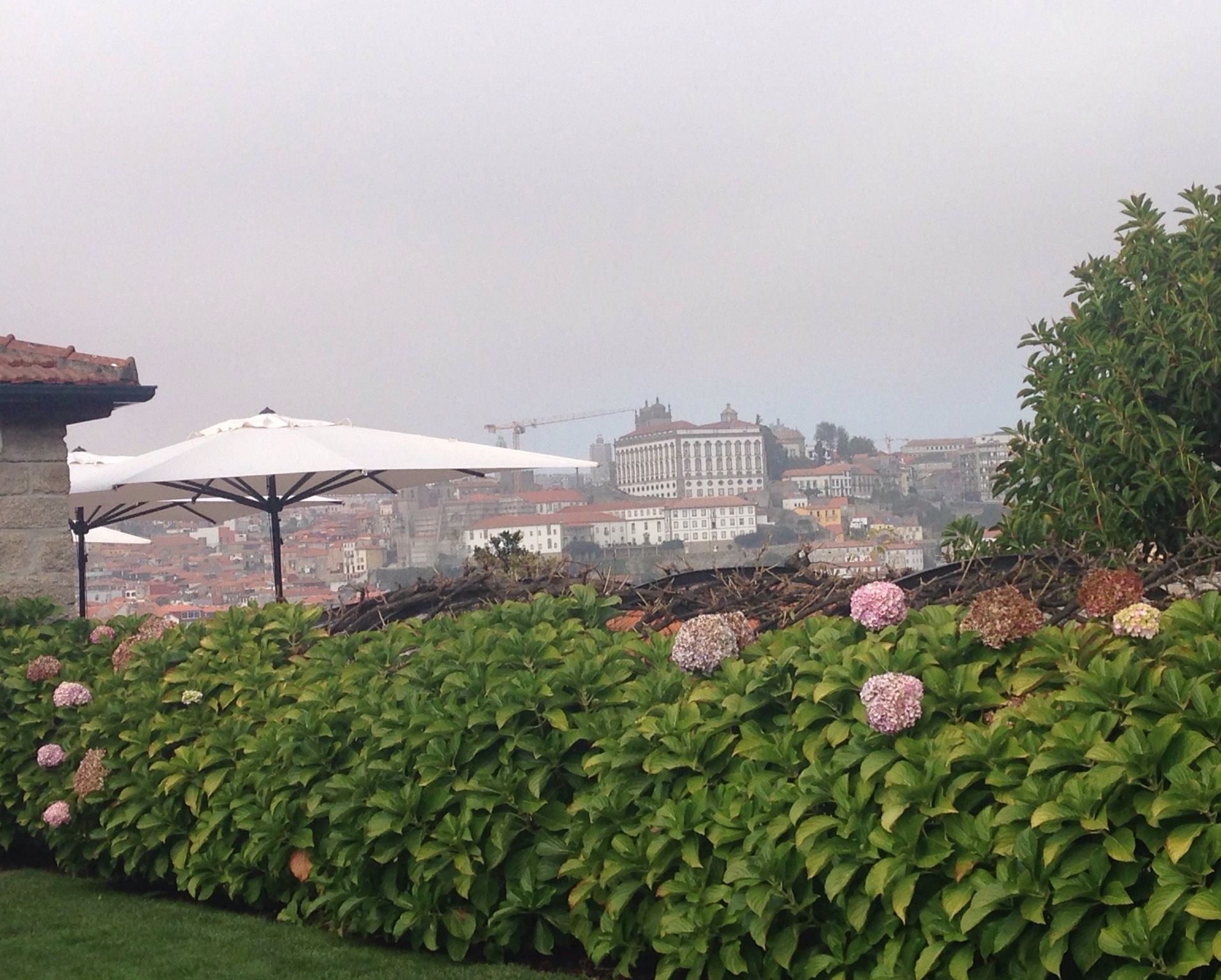
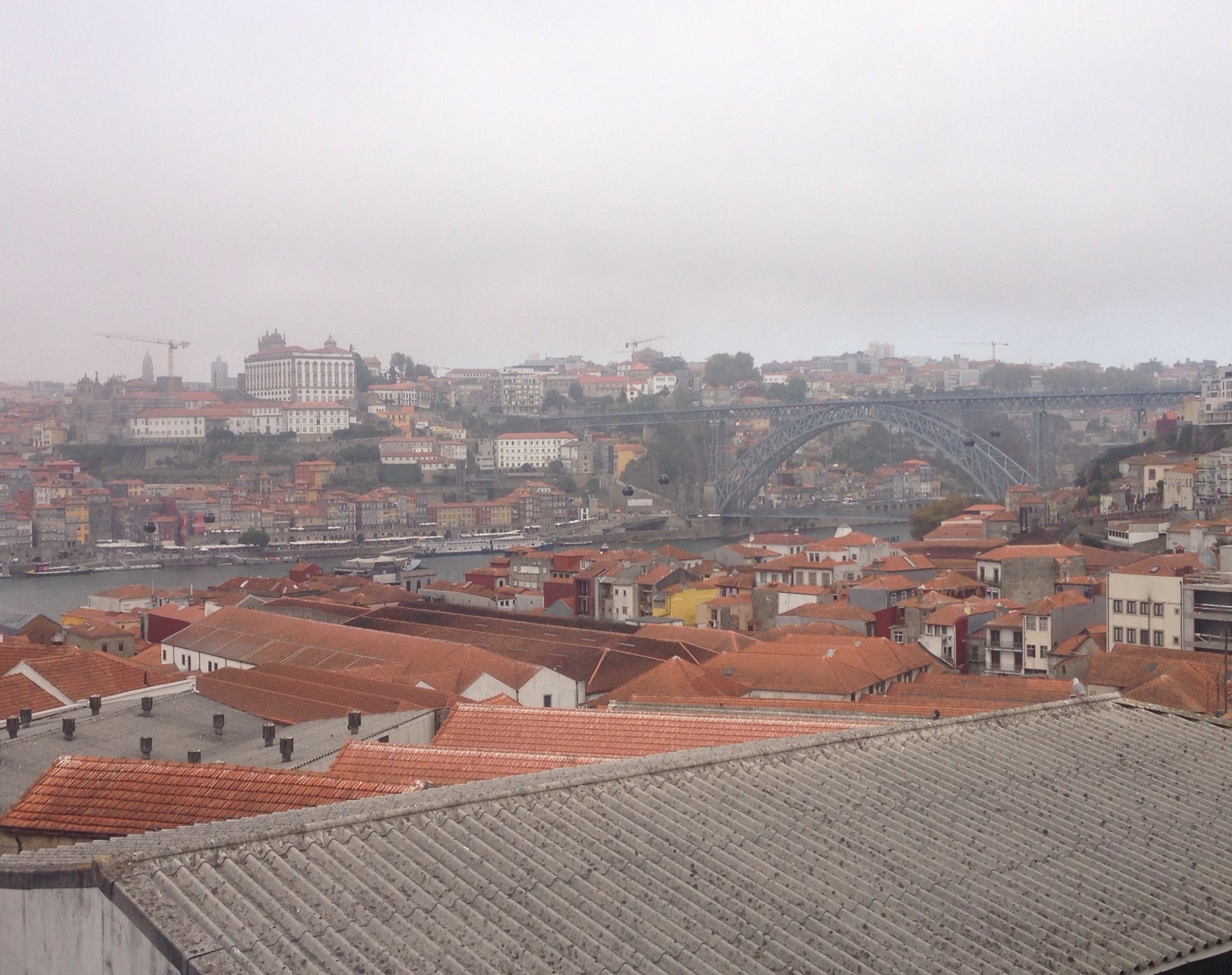
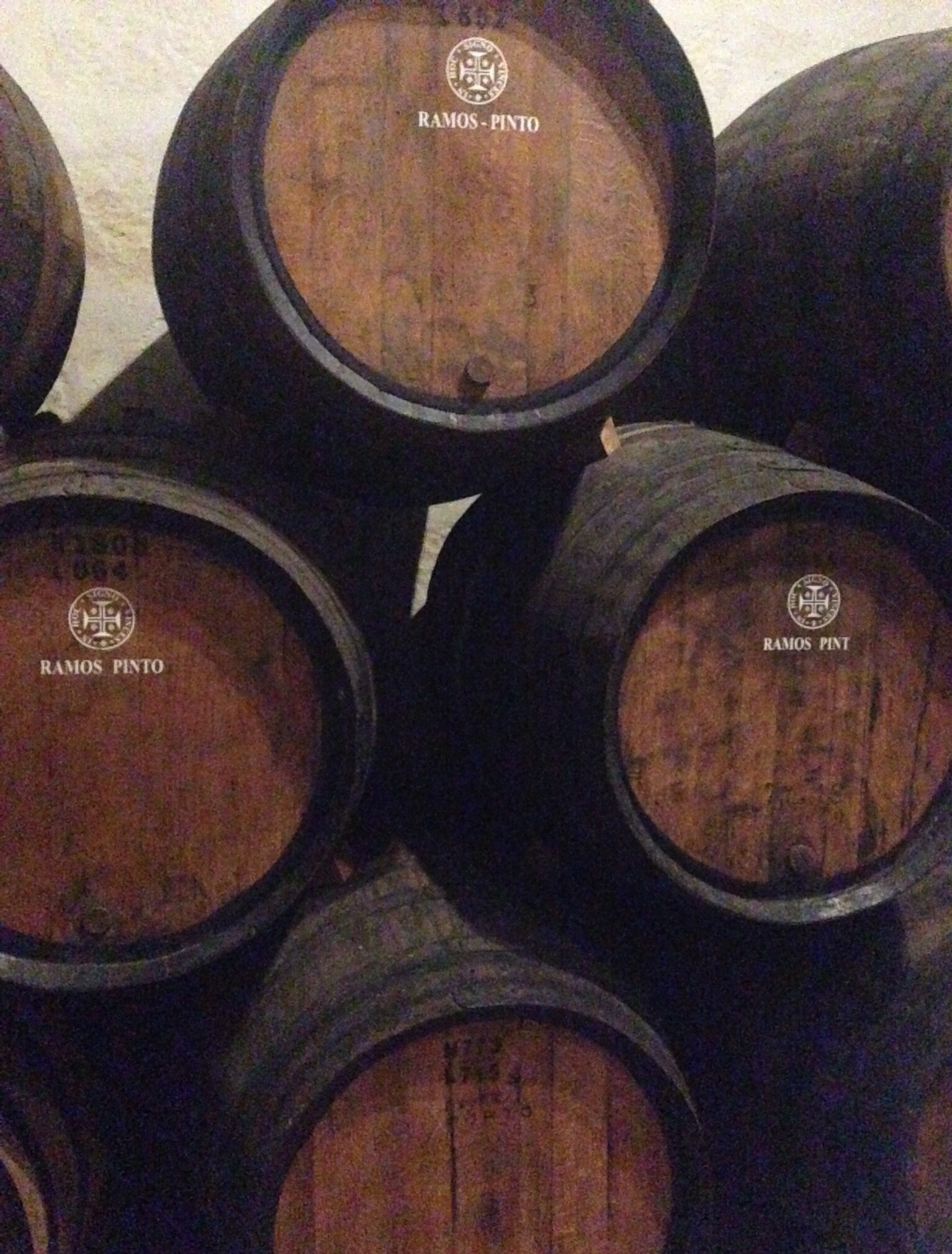
View of the Dom Luis I bridge that we crossed to go to the port houses and the Serra do Pilar monastery at the top of the hillThe entrance to Taylor’sThe sidewalk to the restaurant at Taylor’sA view from the terrace at Taylor’sThe tasting room at Taylor’s where Bob and I split a glass of their 20 year tawny.The view of the Dom Luis I bridge, the Duoro River, and Porto from Taylor’sA sign at the entrance to Ramos Pinto based on one of their posters for which they are knownSome of the casks in the Ramos Pinto cellar — here we did the tour and tasting of two of their ports
Other photos from our time in Porto —
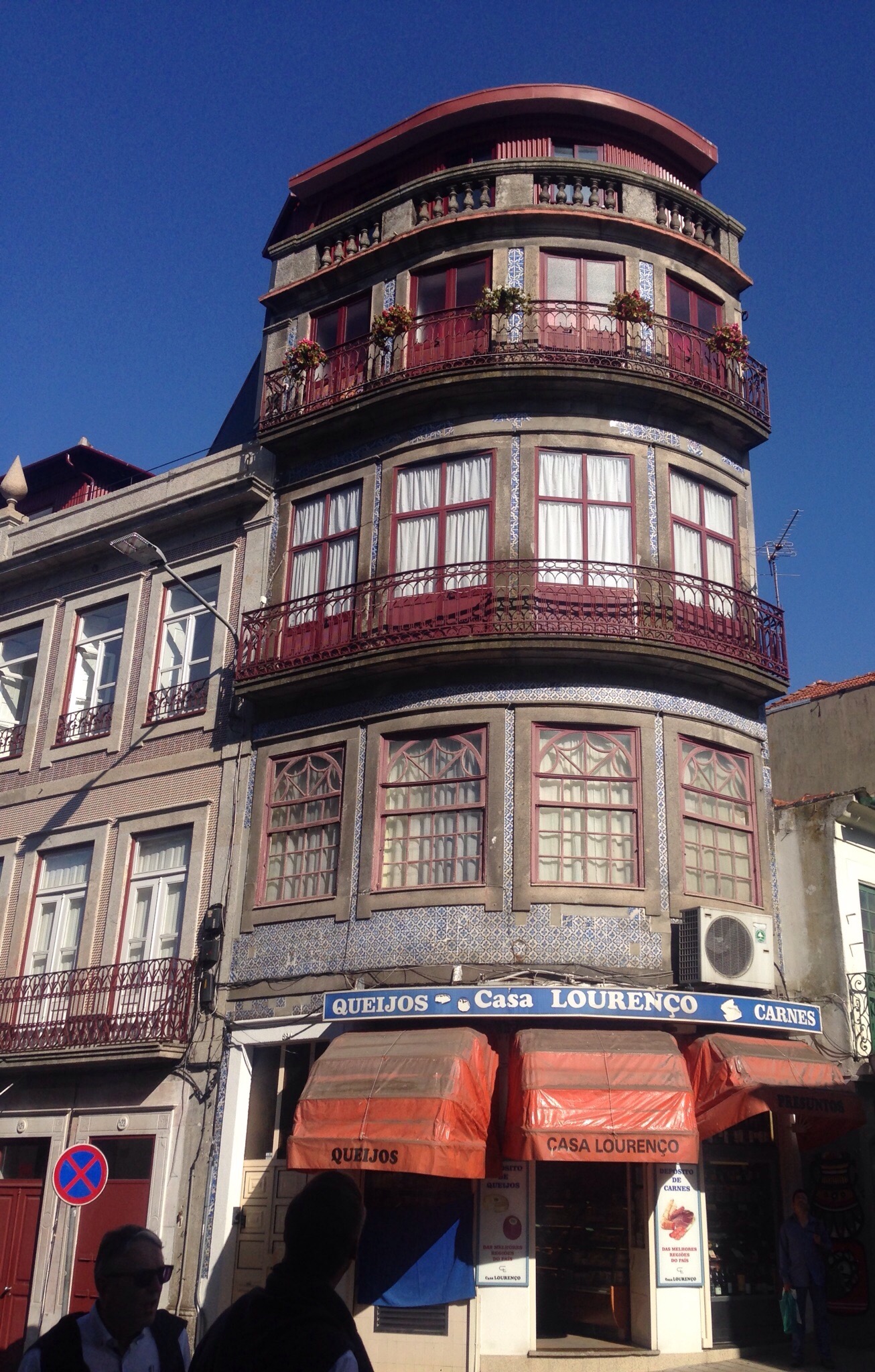
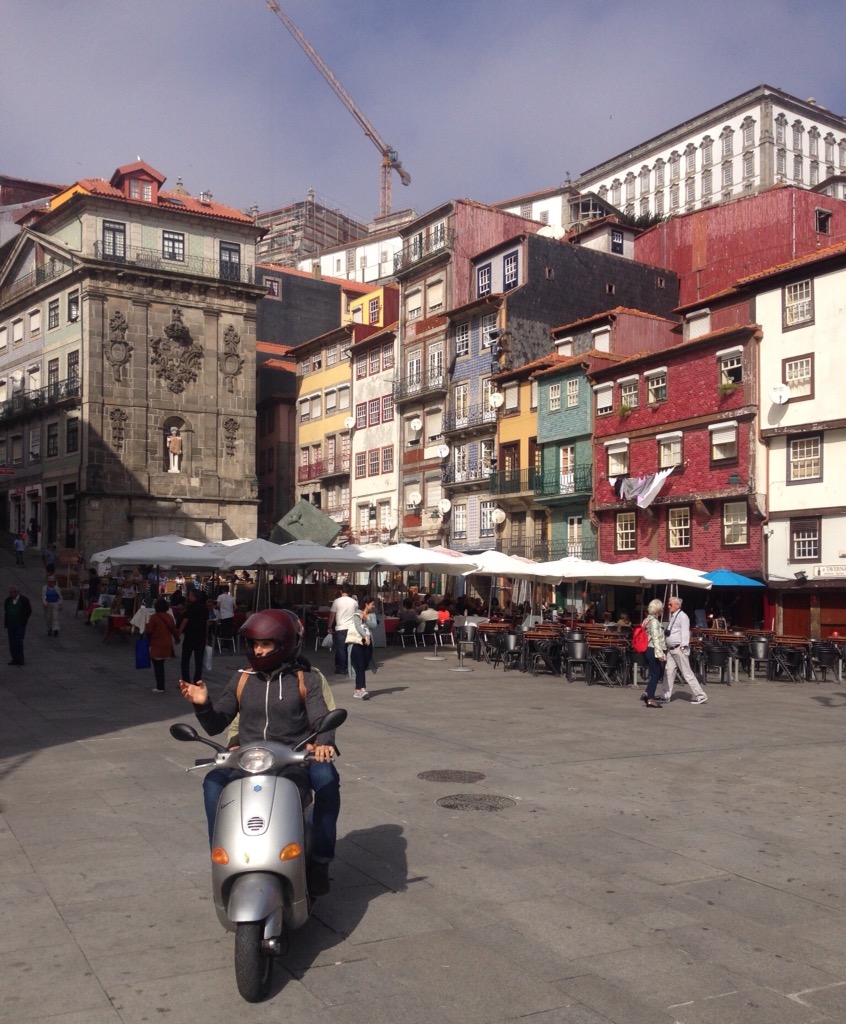
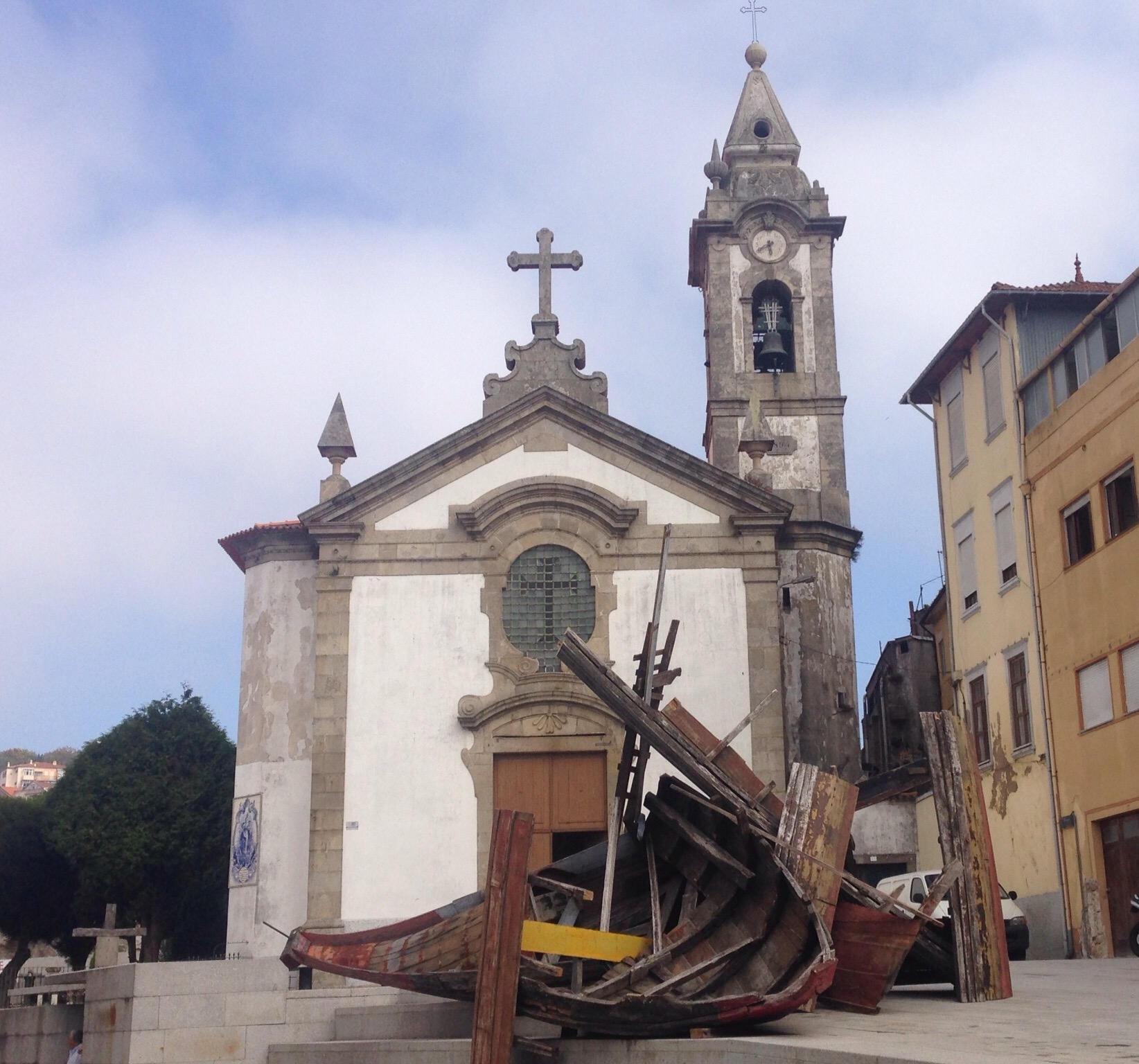
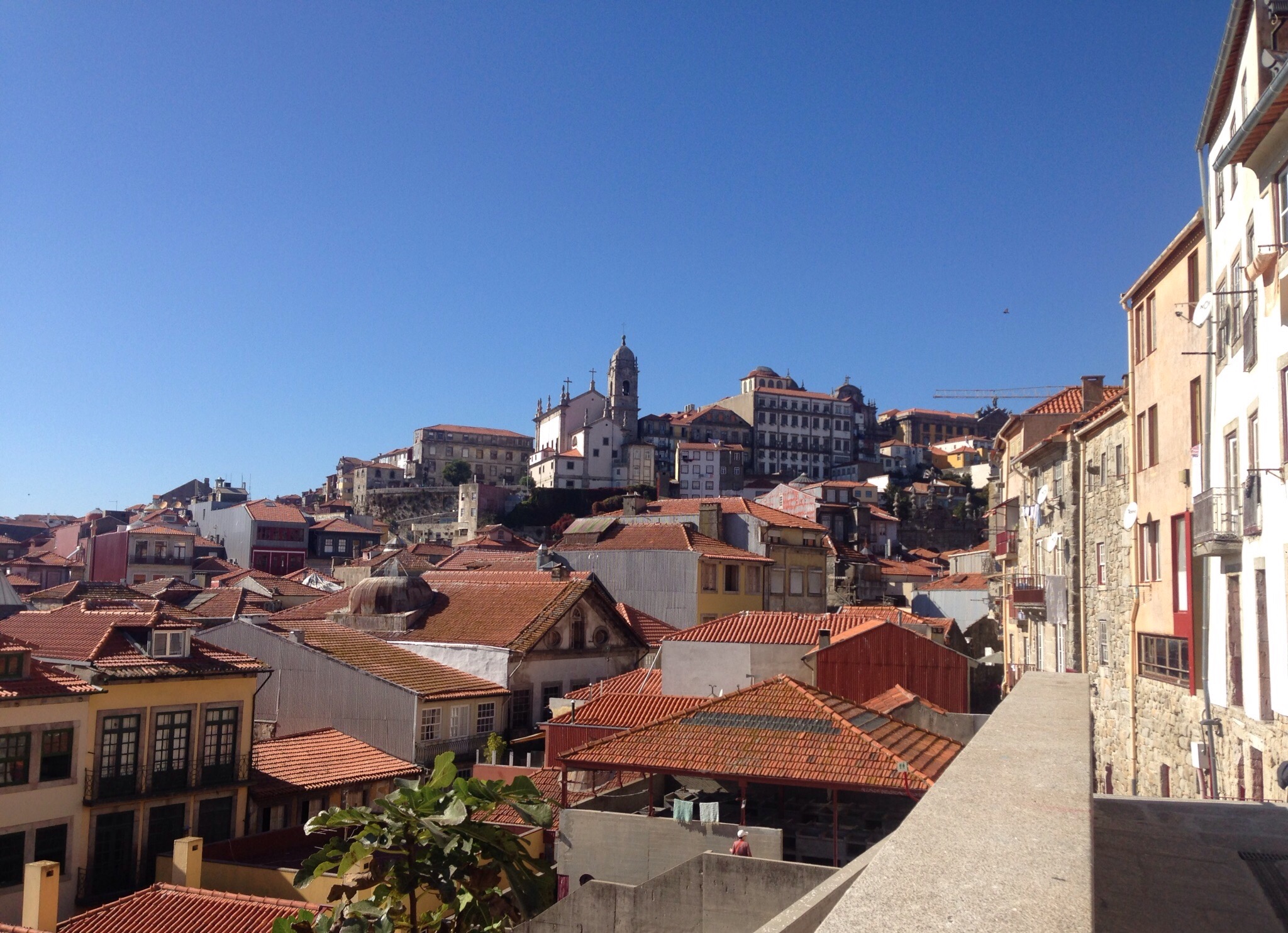
Liked the mix of tile and ironwork on this cheese store and residential buildingA busy square with typical Portugese buildingsA local church with an interesting display out frontAnd for something completely random — Bob decided to capture his first experience with a urinal with a video screen
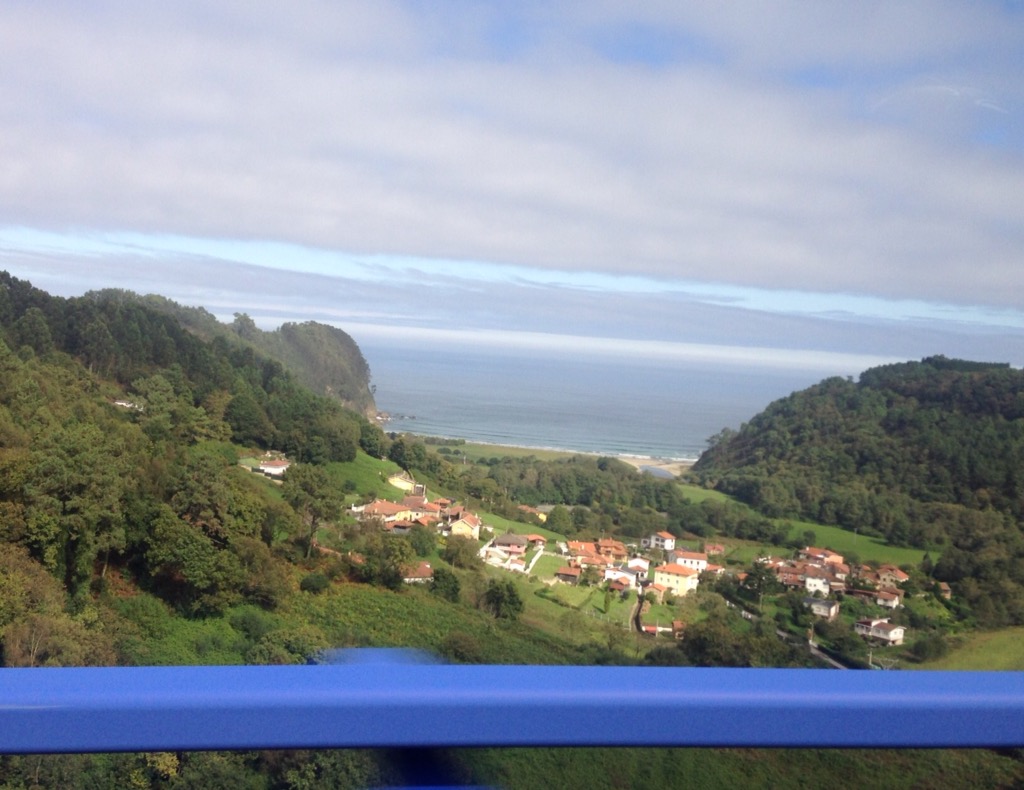
Bob and I left Bilbao on a rainy Monday by Flixbus. We got a great price — $79 for both of us. The bus was new and the seats were comfy but while GoogleMaps told us that a car ride from Bilbao, Spain to Porto, Portugal would be 6 hours our bus ride was scheduled (and did take) about 12. Yea, a whole lot of butt-in-seat time with a crew of four who did a whole lot of VERY LOUD talking to each other or their cell phones. We didn’t get many announcements for stops either, including the one we took to put more air in the tires and wash the bus. They did announce the “20” minute stop for lunch which actually lasted 50 minutes cuz what’s a good, long lunch without a smoke after? On the very upside, we got a great tour of the gorgeous northern Spanish coast and countryside — see below.
Typical scene from our bus ride through northern Spain
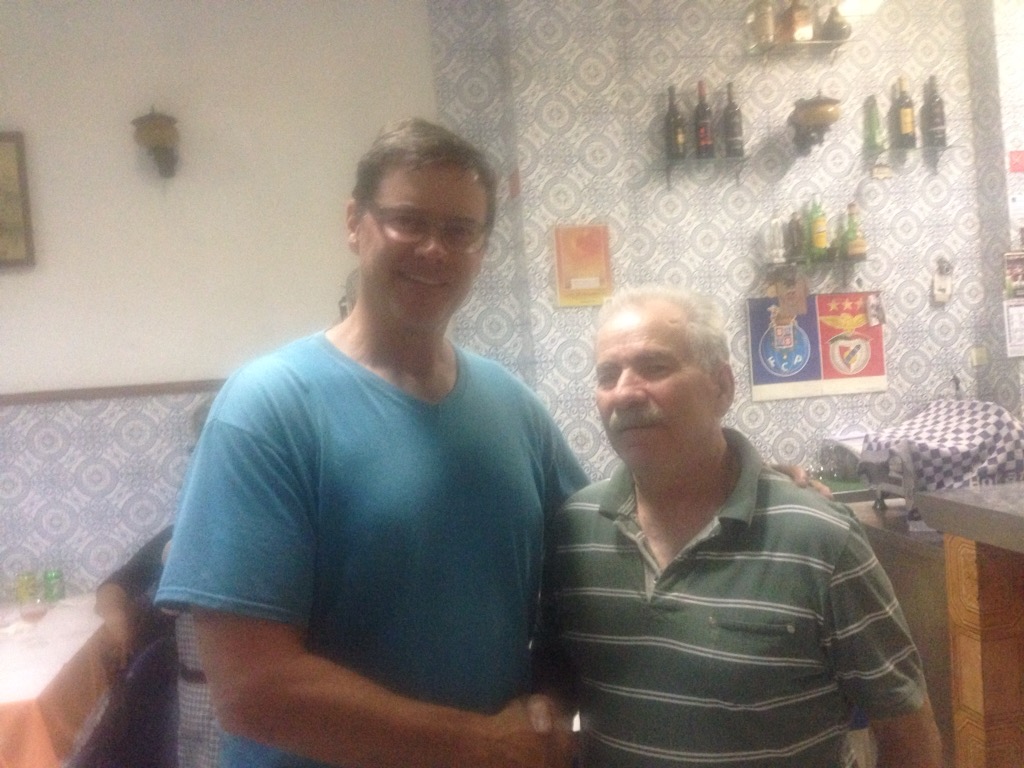
Anyhoo, it makes for a great story, and we arrived safely into Porto about 8. It was close to 9 by the time we walked to and checked into our accommodation, so we ended up grabbing dinner at the restaurant next door where we were staying. There, we had a good time trying to order from the proprietor in a mixture of English, Portugese, and Spanish. He was very nice, and Bob made a new friend, as he does in these situations.
Bob and the owner of the restaurant — his wife does the cooking
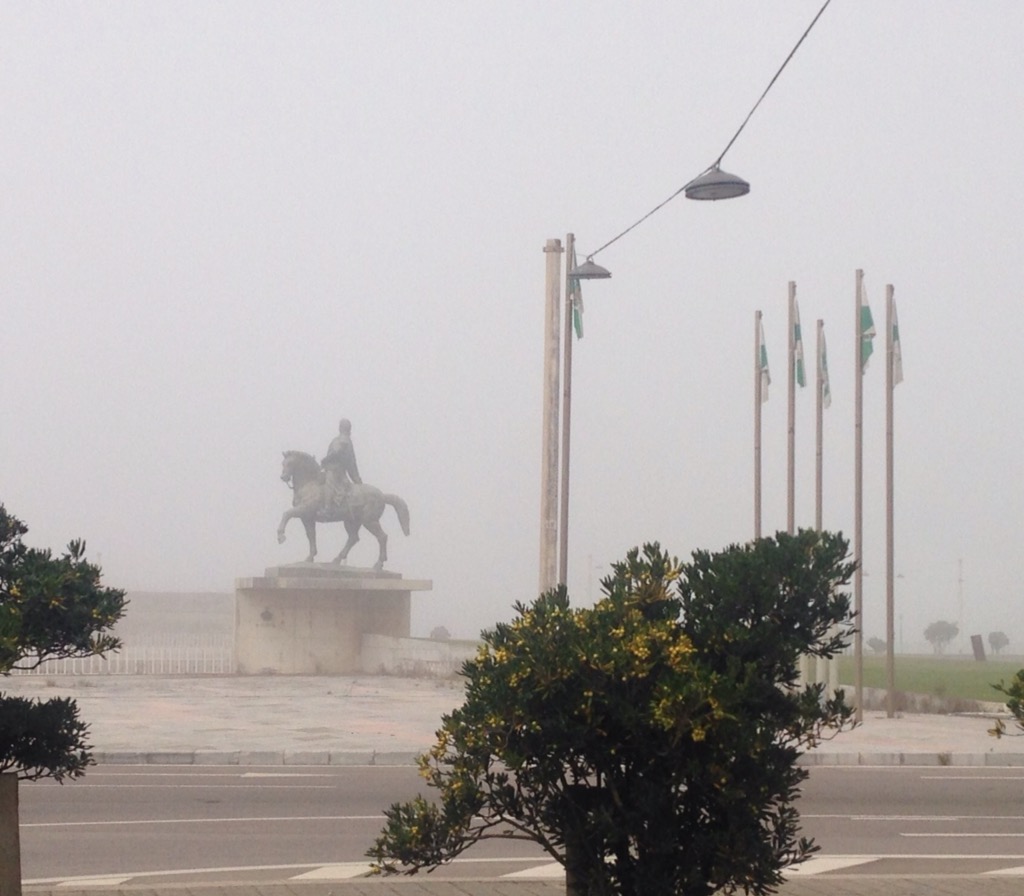
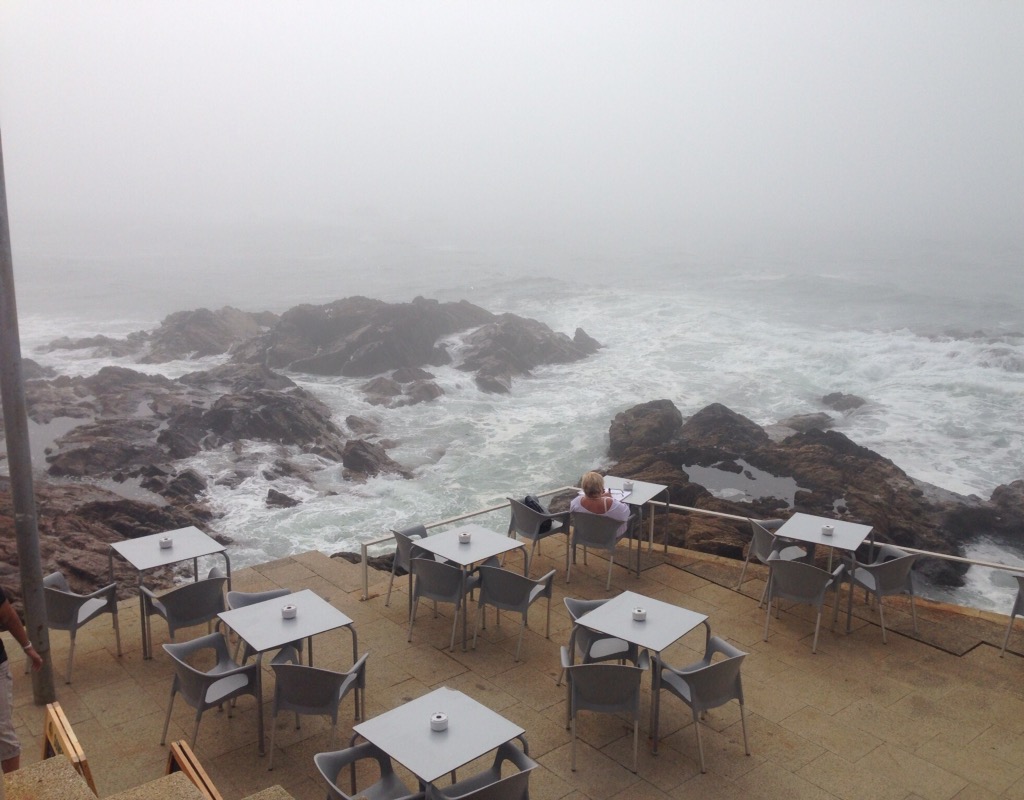
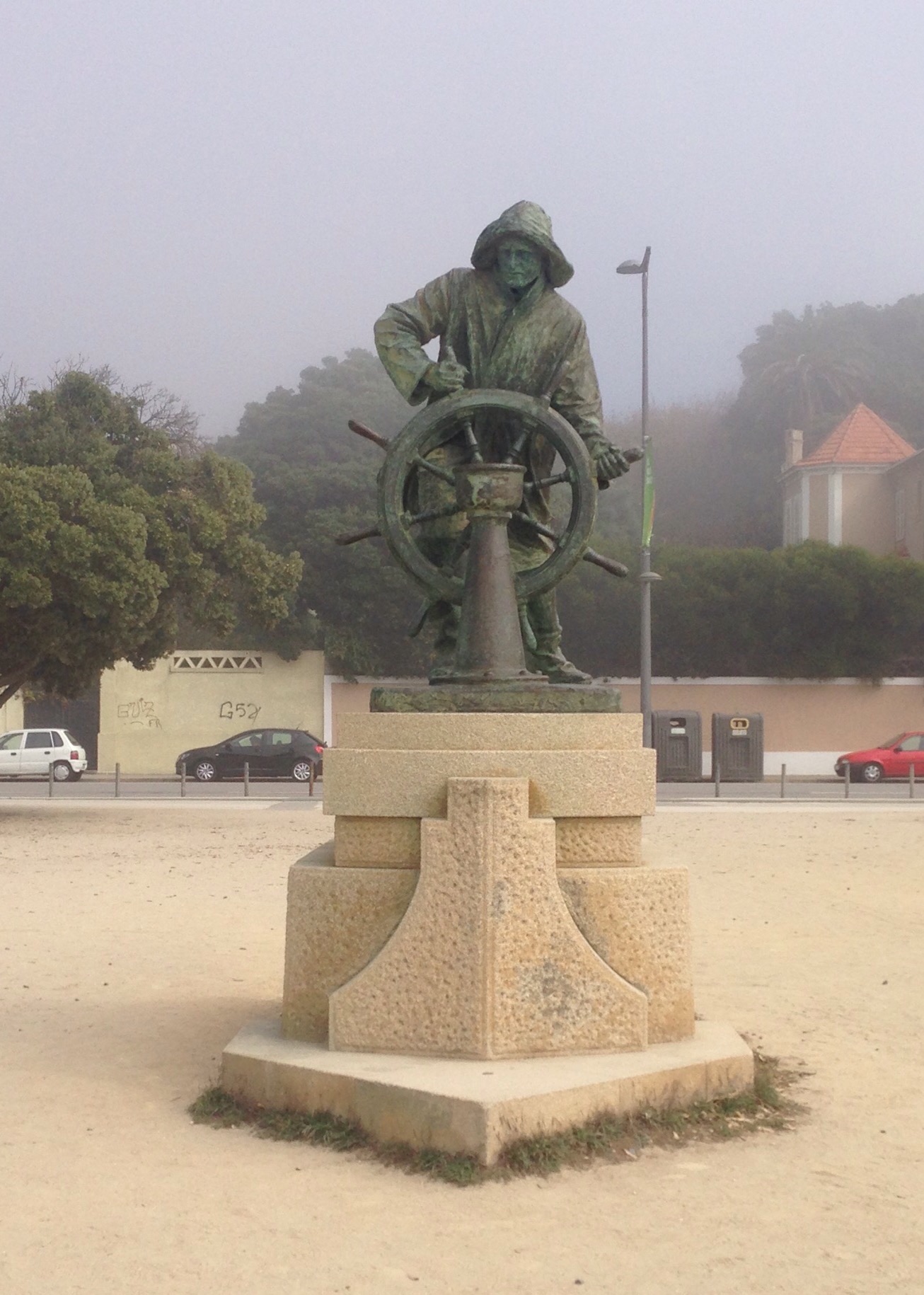
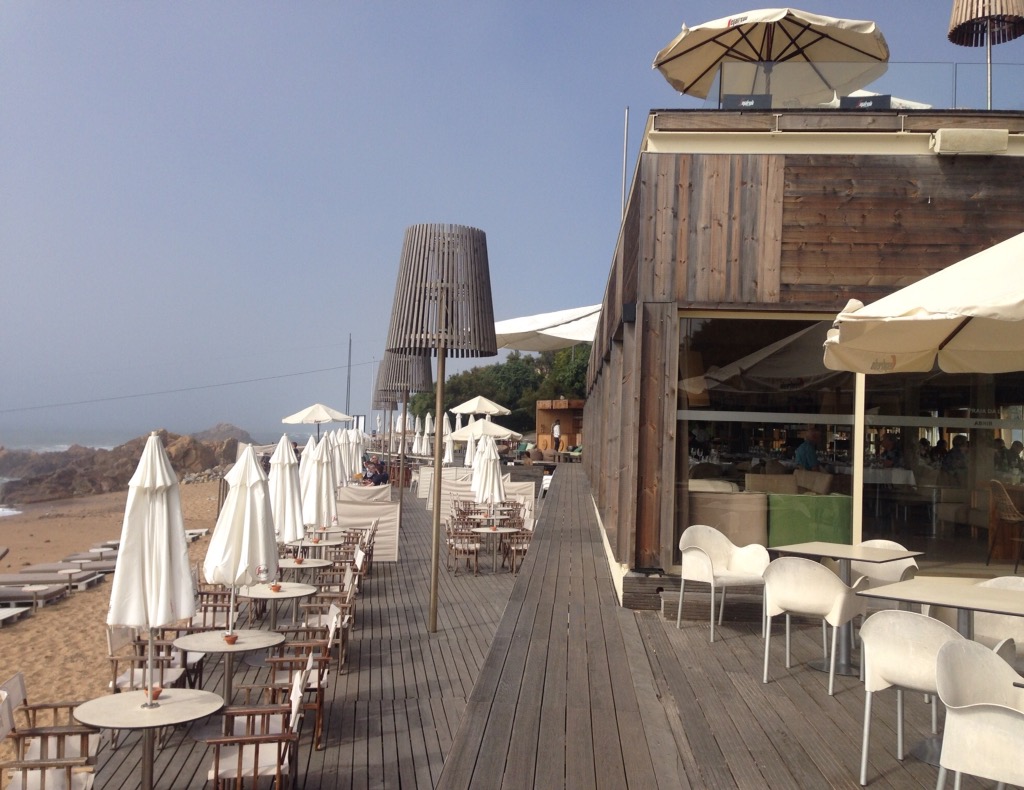
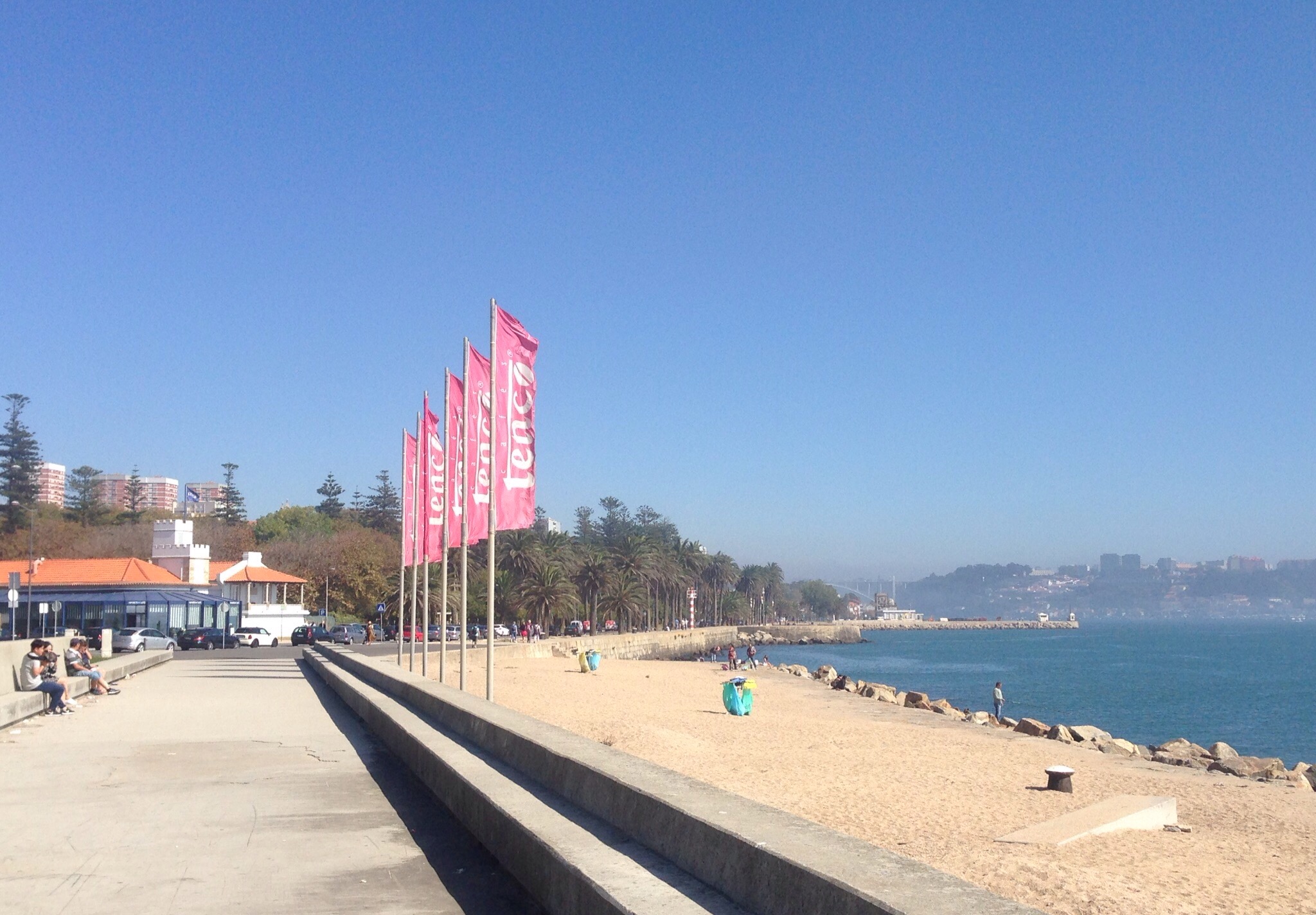
The next morning we decided to walk to the Porto Beach, as we had not visited that area on our visit in September of 2016 prior to our Olhao, Portugal house sit. On the walk towards the coast we ended up walking from sun into coastal fog at the beach that didn’t clear until about 1:30.
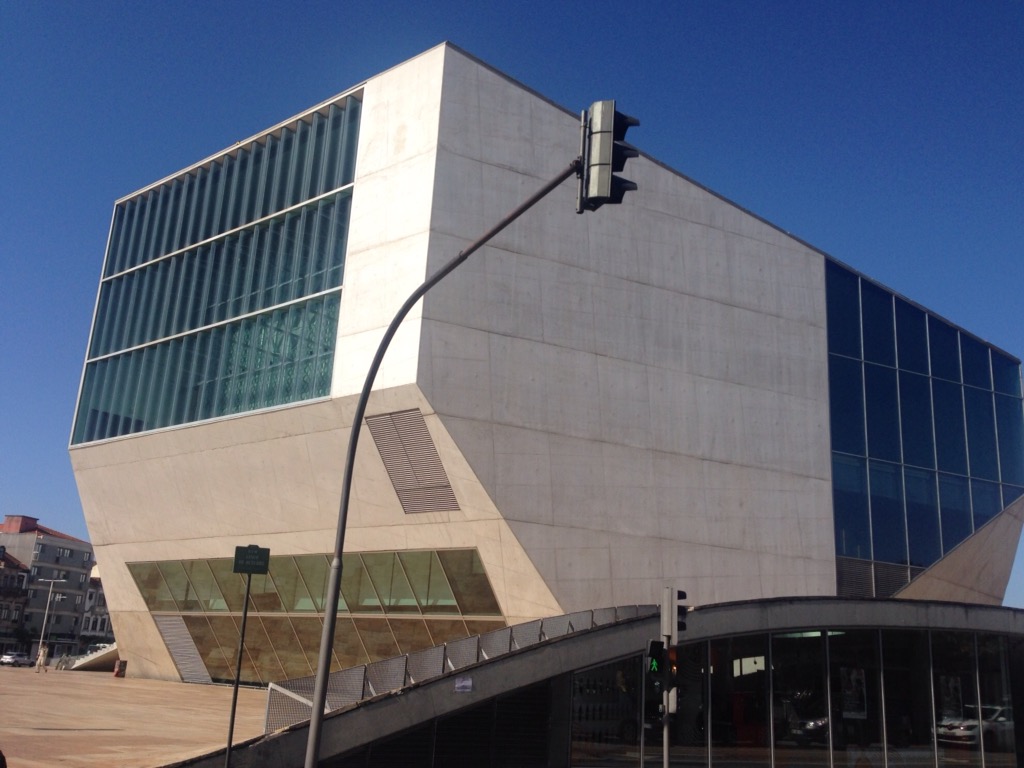
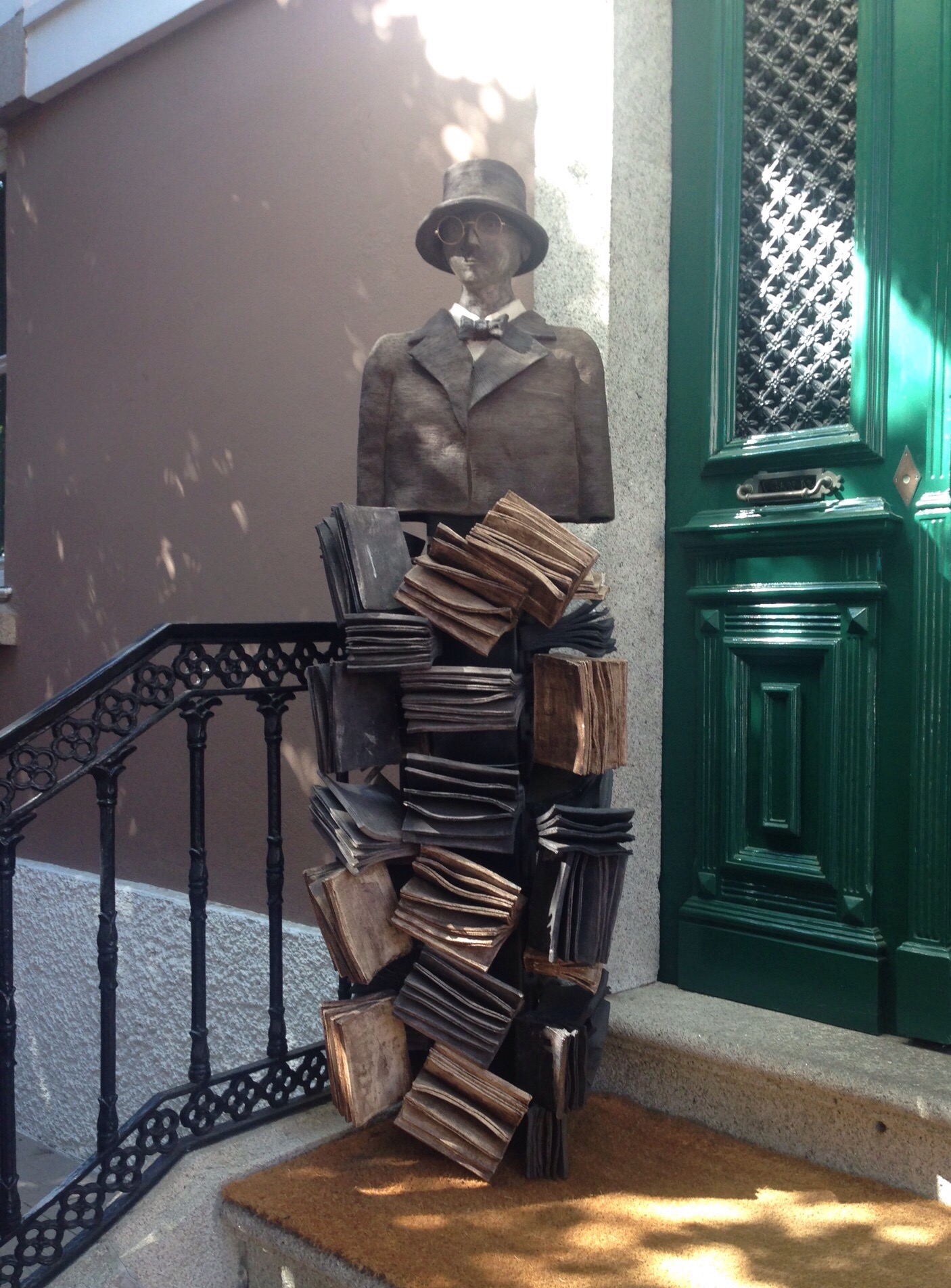
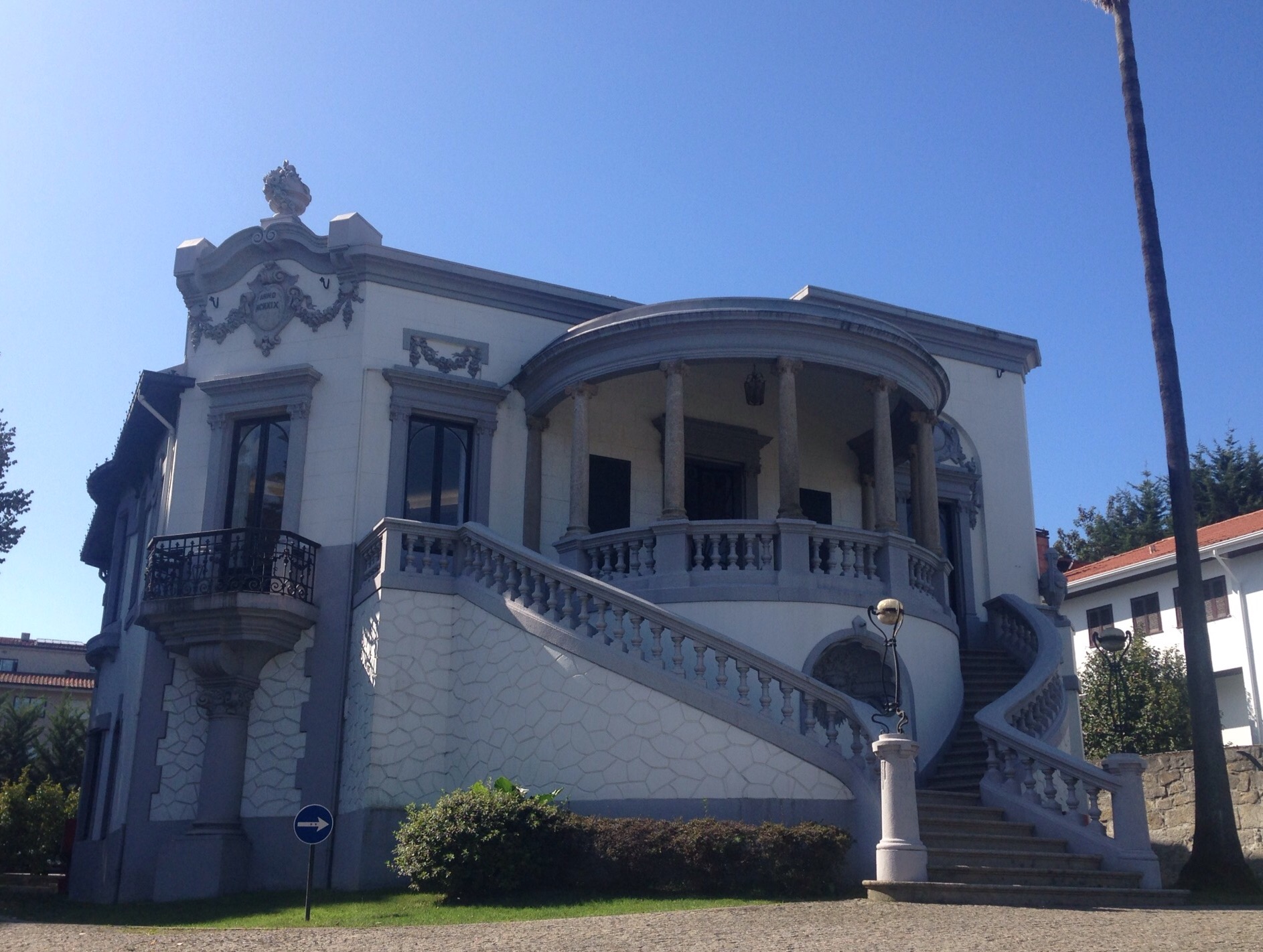
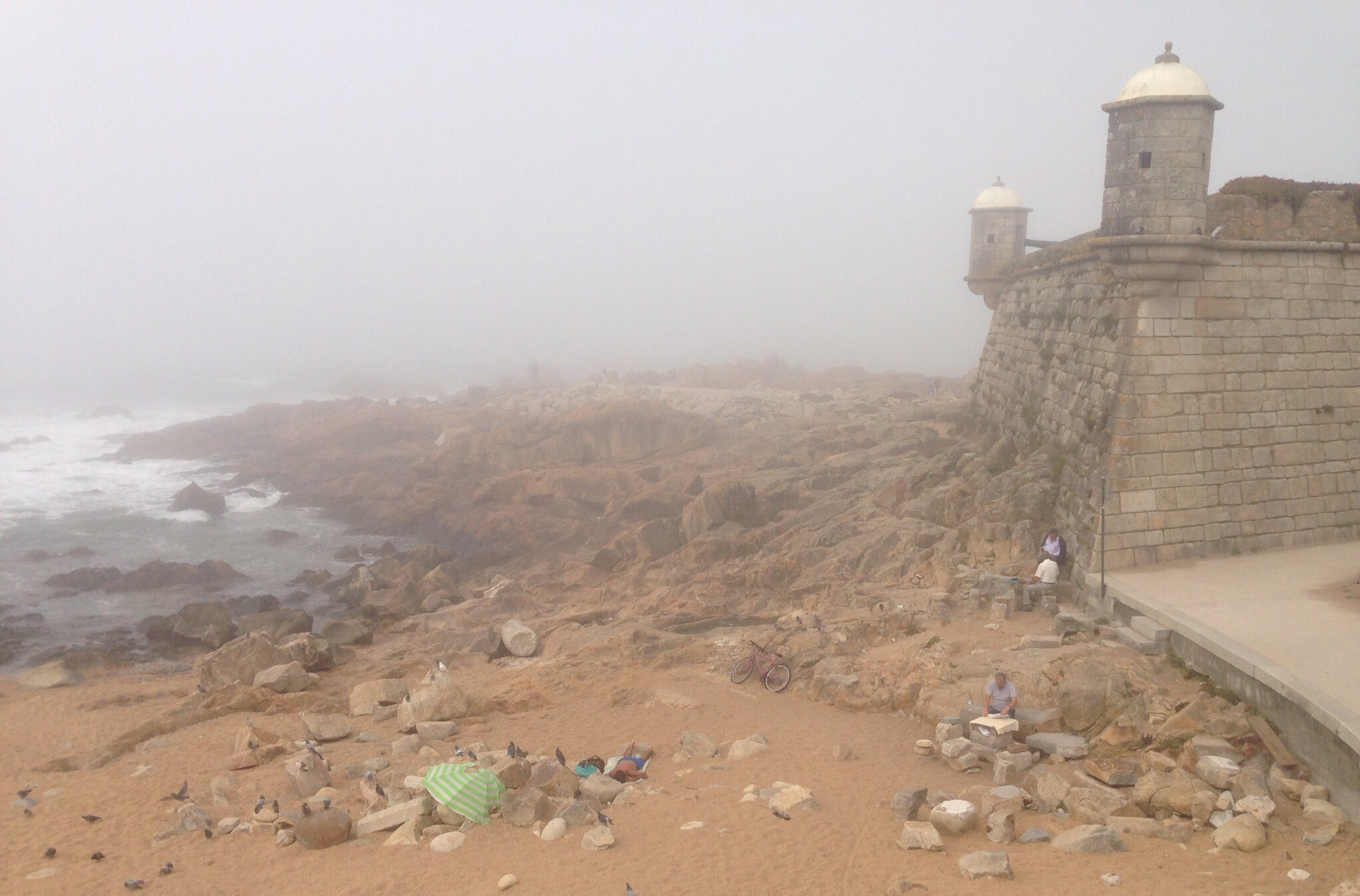
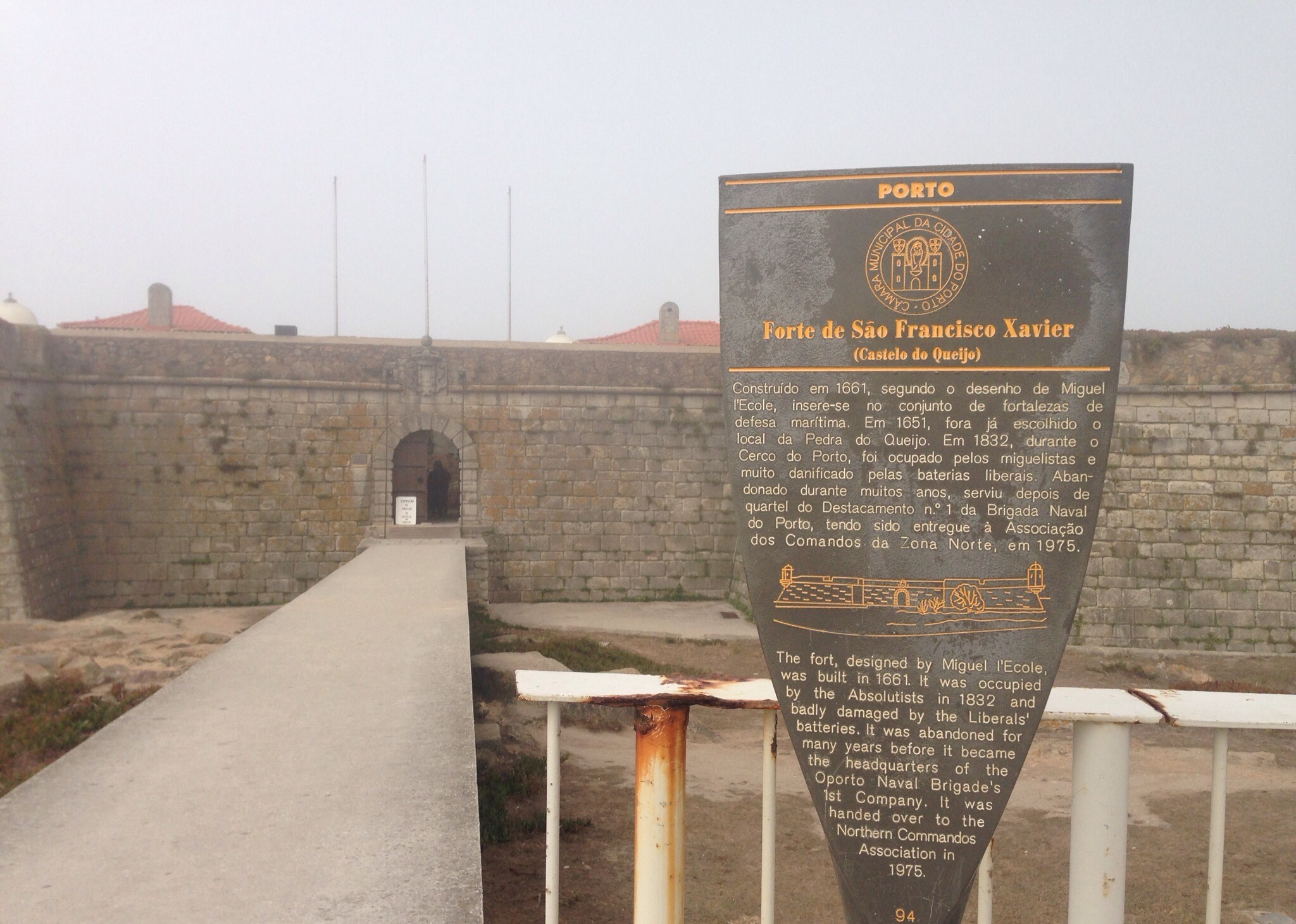
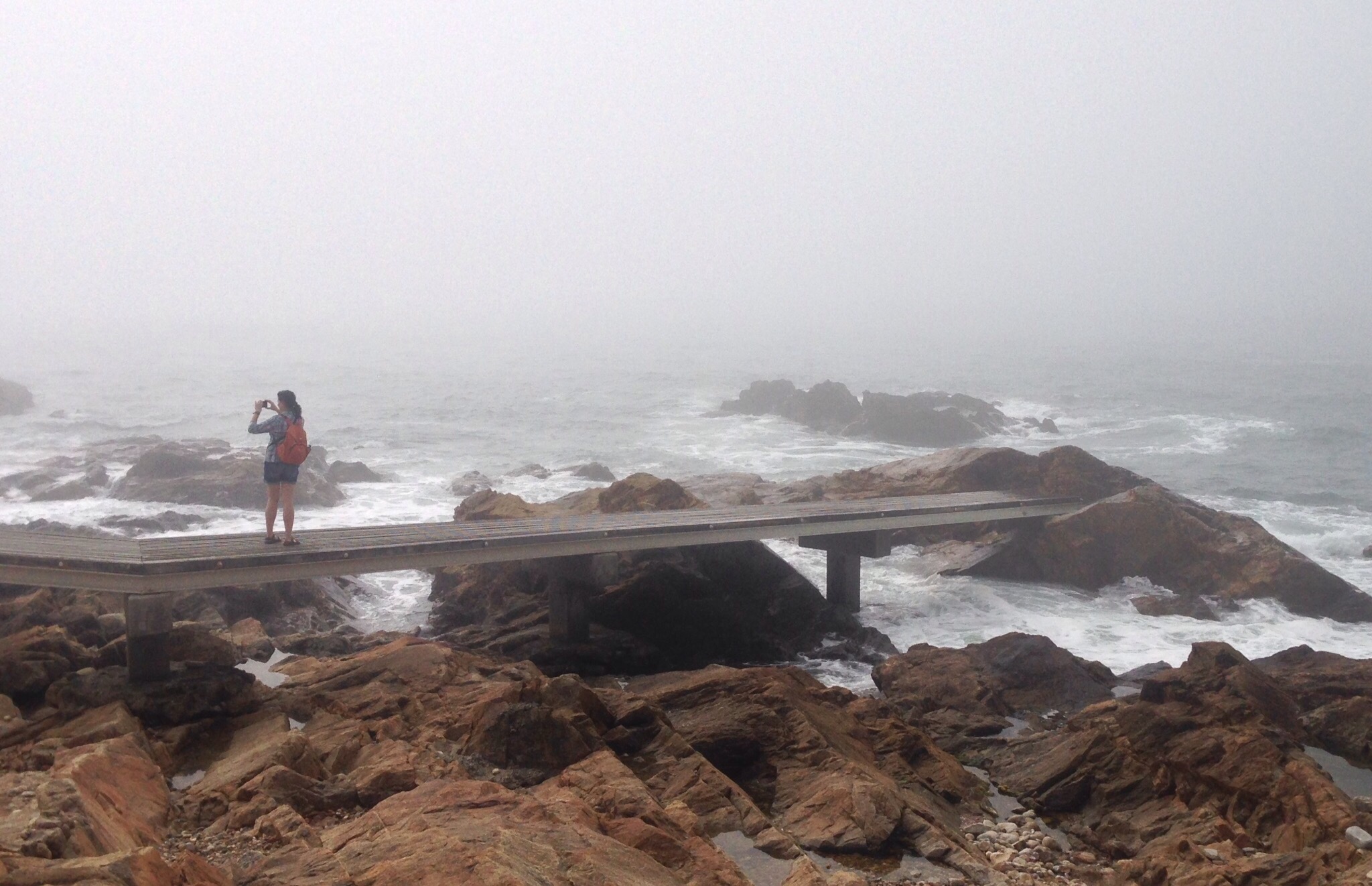
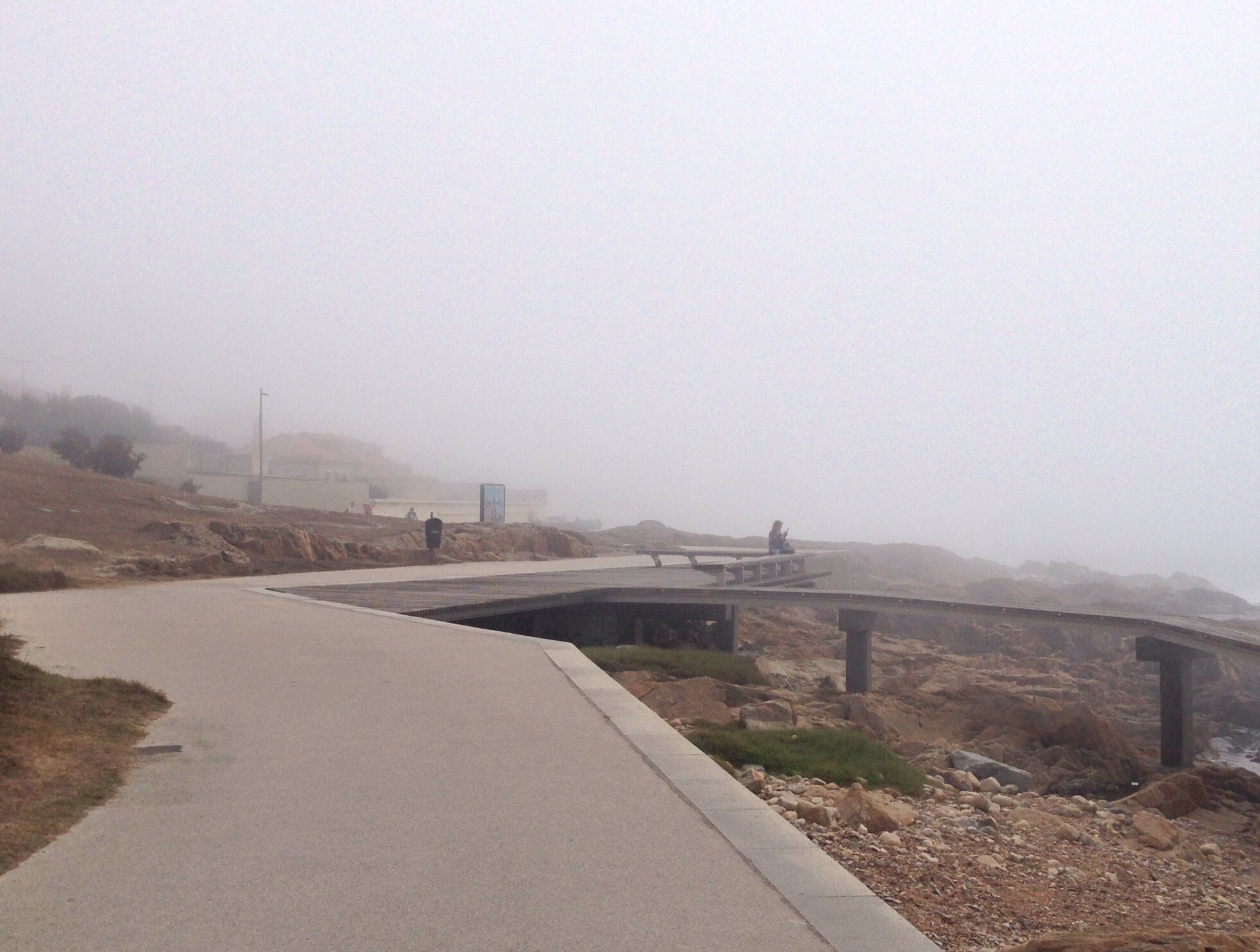
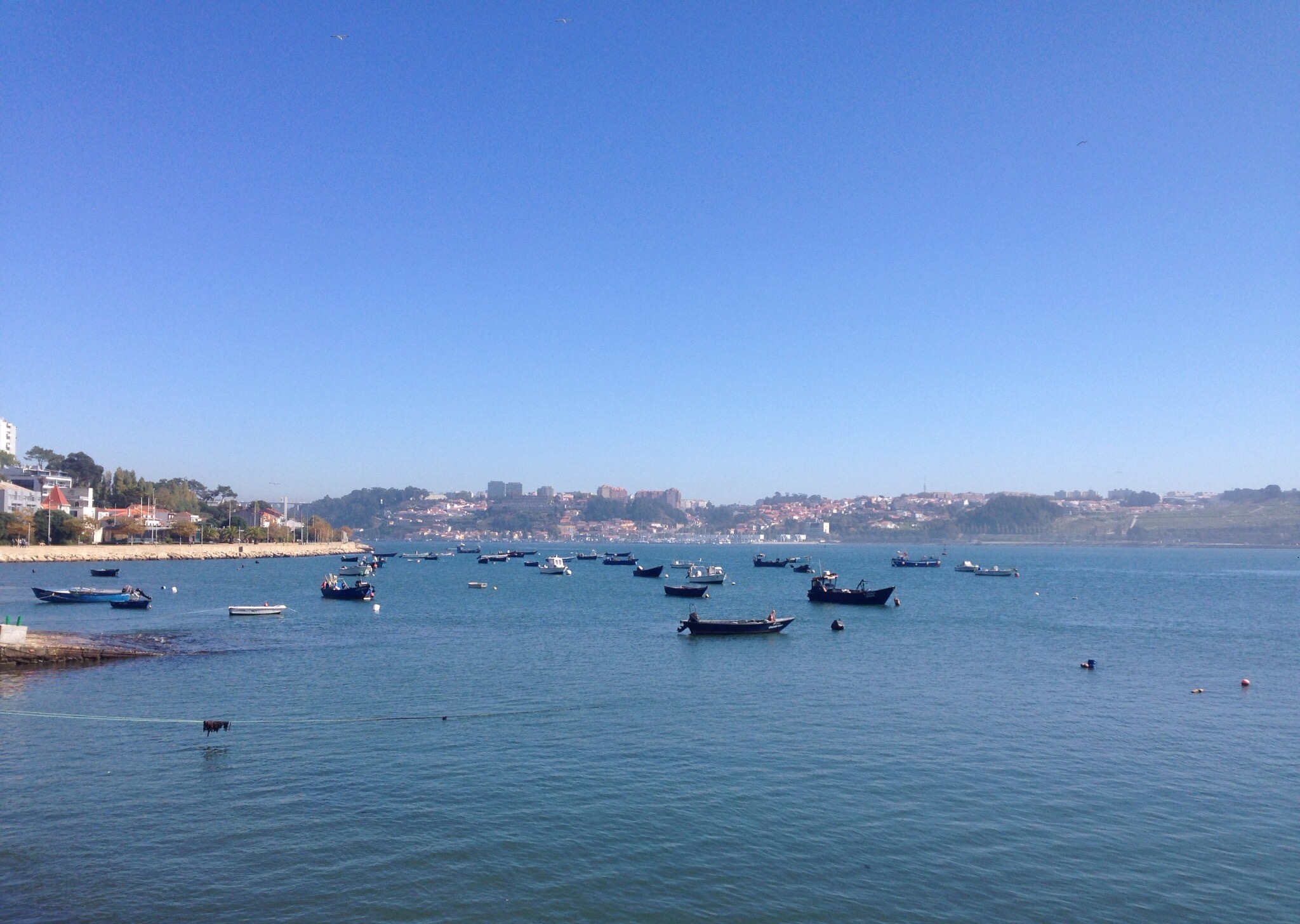
Casa da Musica on the way to the beachFun statue outside of a businessNot surprisingly, the houses get nicer as you move towards the waterA statue at the start of the beachDiehards enjoying the beach with the fogThe St. Francis Xavier Fort along the beachThe top level of the fortAnother tourist visiting the beachThe great boarwalk/promenade along the beach until you get into townNot sure whether the boat was purposefully placed there or not, but we thought it was photo worthyThere were a number of cute cafes along the coastA statue along the promenadeAnother very cute cafe — love the lamps!There is actually a sand beach along with the rocks along the coastBoats moored in the waterGetting closer to townOne partial overview of the Old TownAnother look back towards the Old Town, the Duoro River, and Gaia (home of the port houses)
We spent almost 4 hours of our first full day in Bilbao at the Guggenheim Museum, designed by Frank Gehry. The ticket came with an audio guide that provided information on both the building and art. This is the 20th anniversary year for the museum.
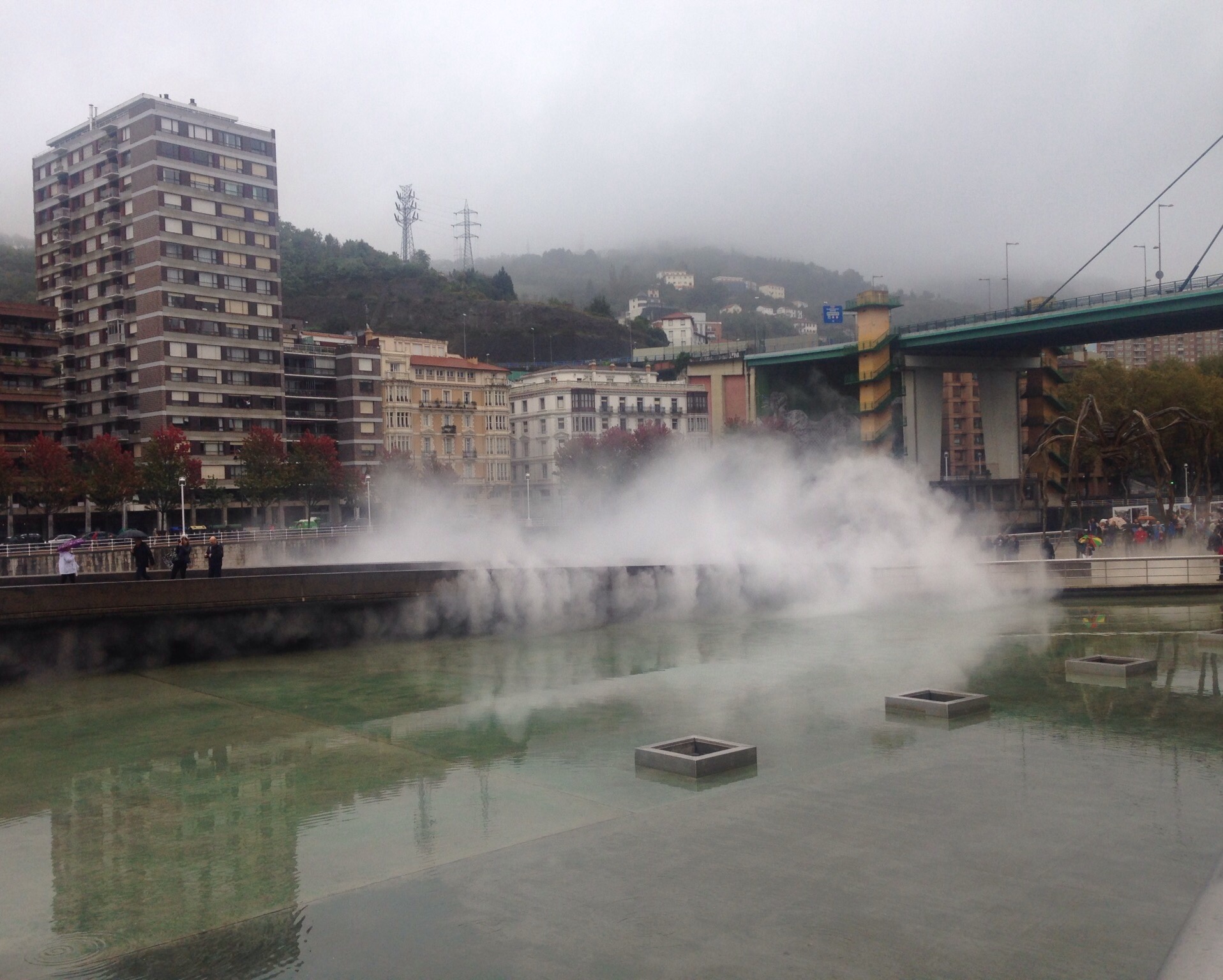
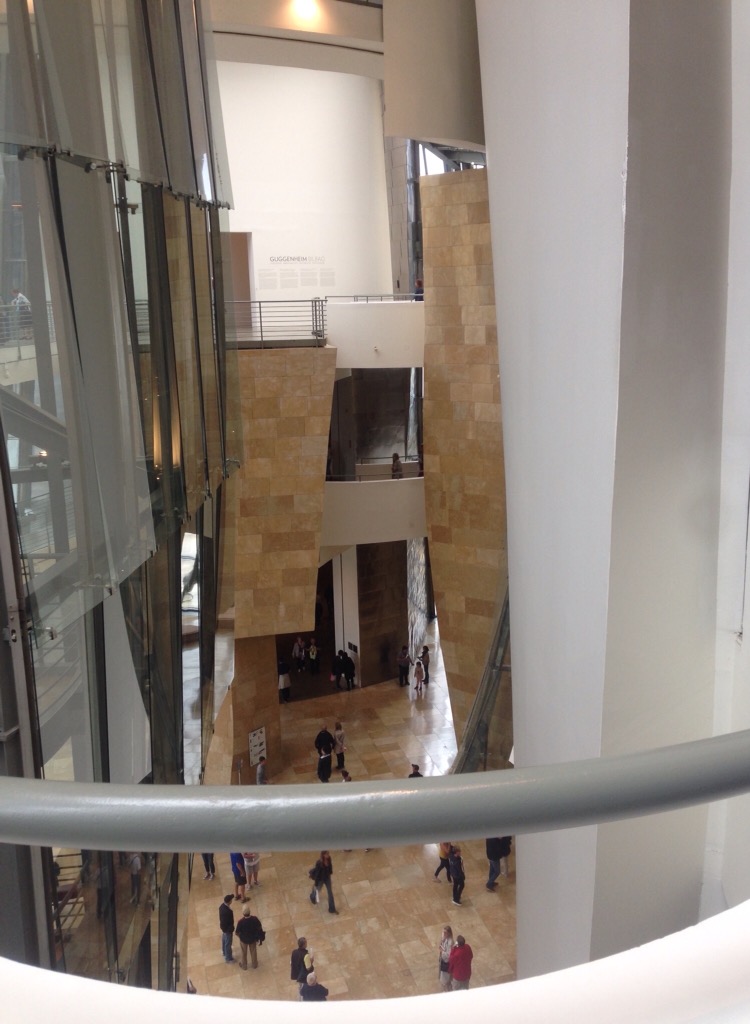
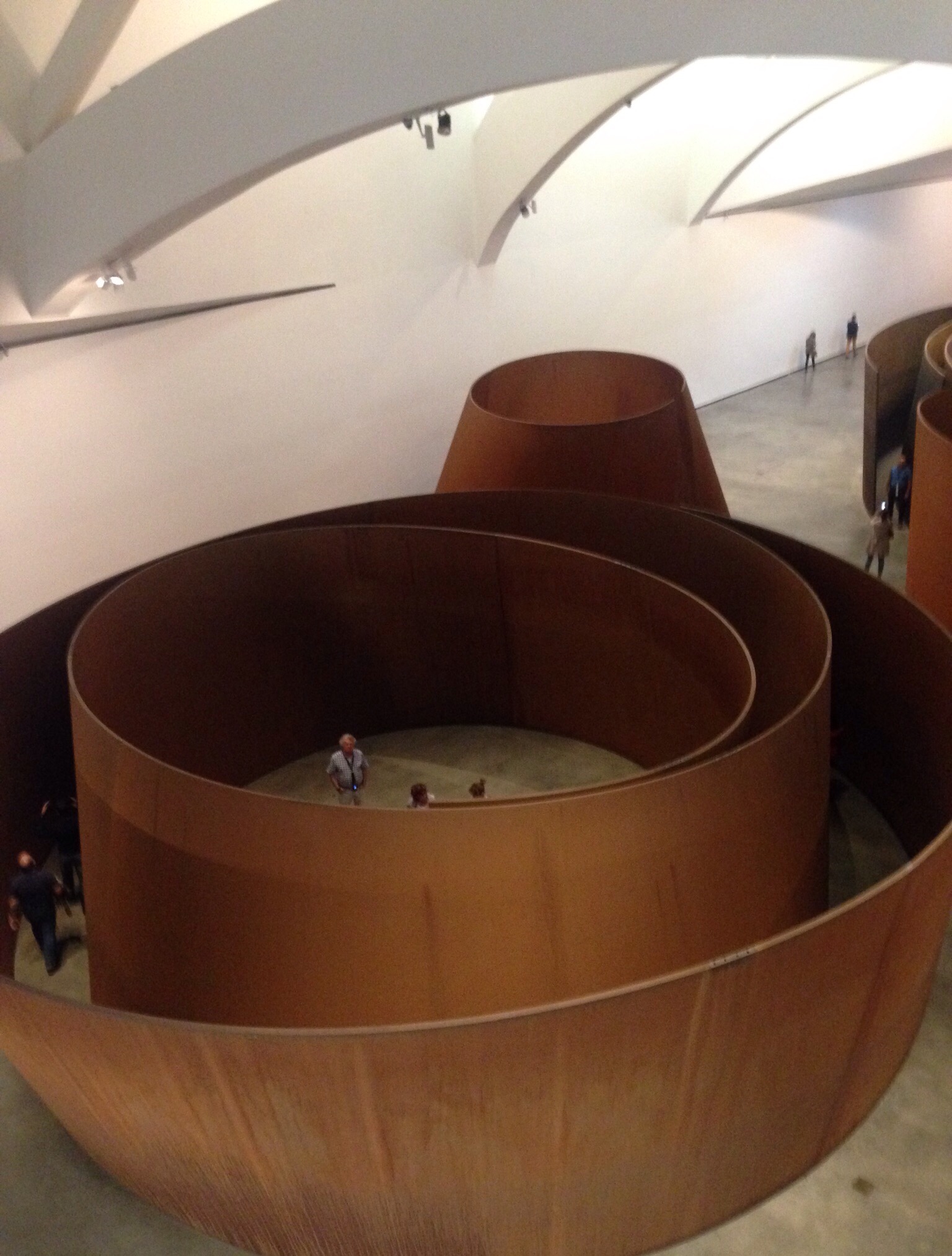
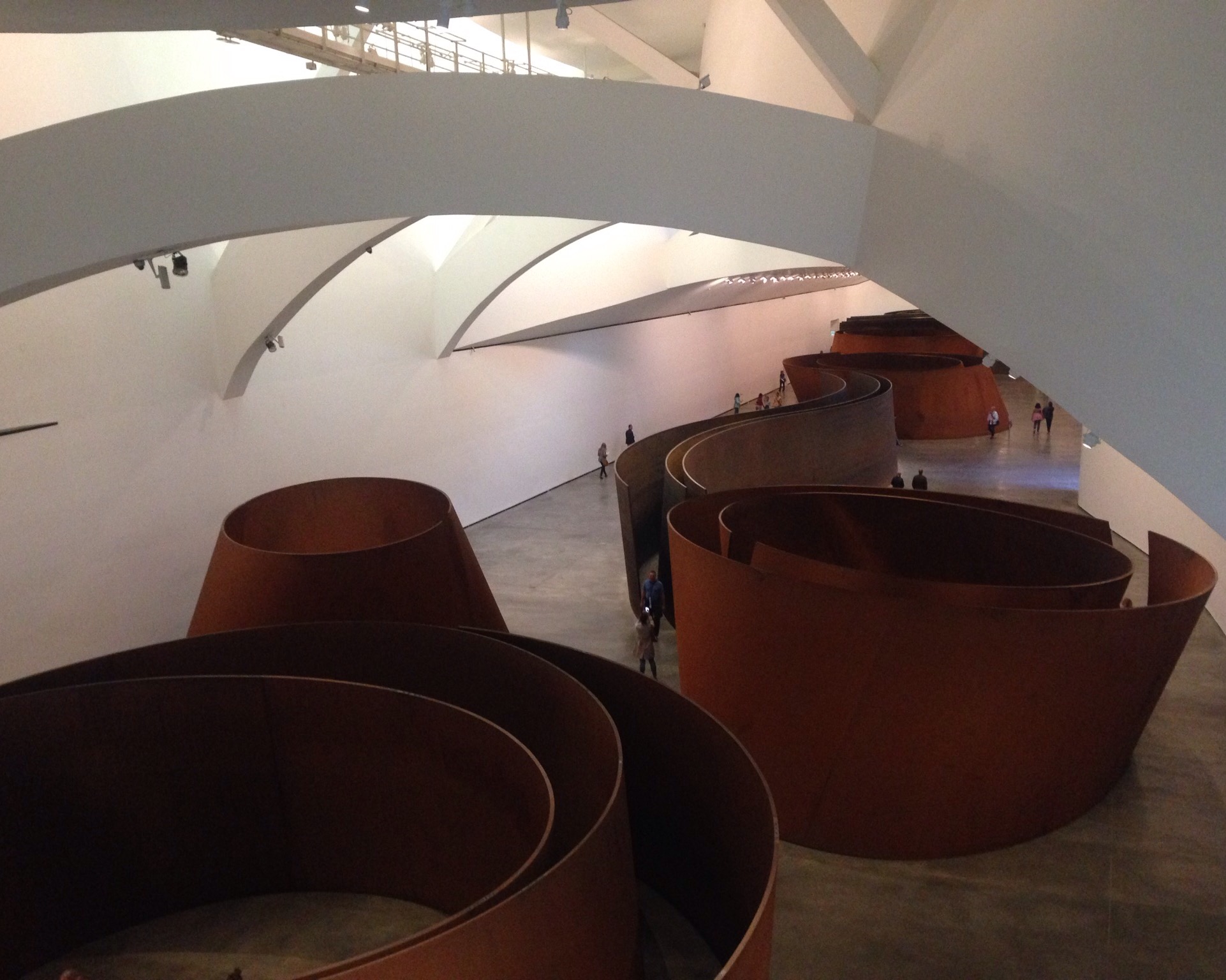
A floral-sculptured cat in front of the main entrance to the museum.A view of the back of the museum with 3 outdoor sculptures and associated walkway.A close-up of one of the terrace art installations and a person listening to the audio guide which we all were doing for most of the tour — except for the video installations.Looking out on the terrace at the steam art installation that went off every few minutesAnother view of the steam exhibit, the spider, and the art structure on the bridgeThe atrium of the museumLooking down on part of The Matter of Time art installation by Richard Serra which was commissioned by the museum to fill one wing of the lower floor.A more complete look at The Matter of Time exhibit. All of the pieces are made of steel and allow the viewers to walk through them. The sides lean in or out to keep the radius of each structure constant.
After the museum and again the following day, we continued our exploration of the city including two self-guided walking tours — The Gran Via and Rationalism. Both days were rainy, but it was more of a heavy mist than downpours, so pretty easy to negotiate.
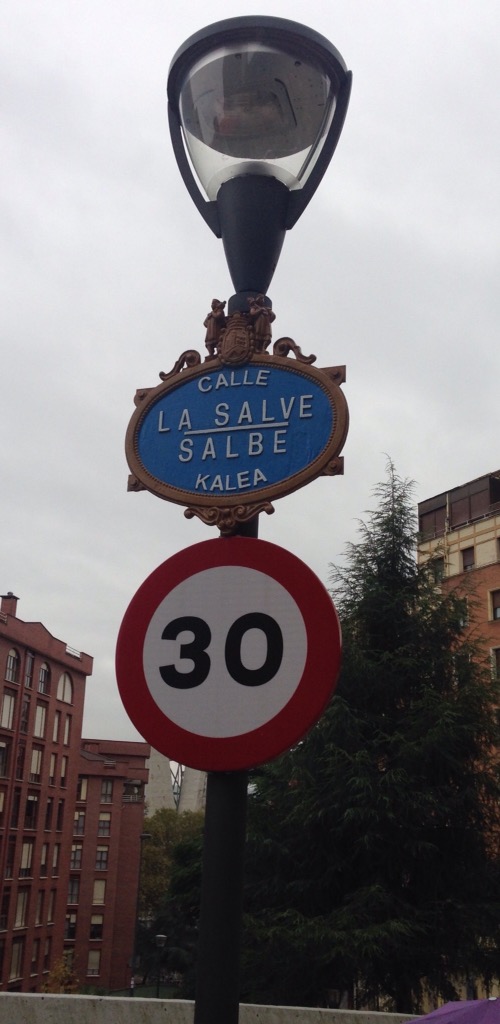
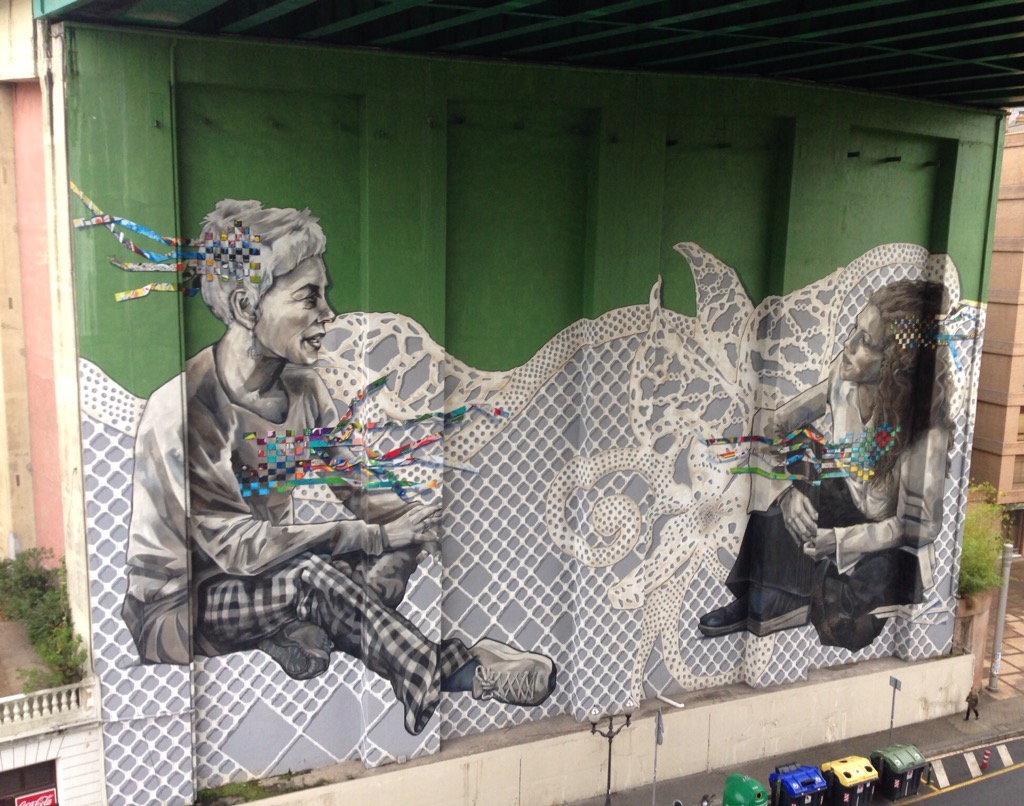
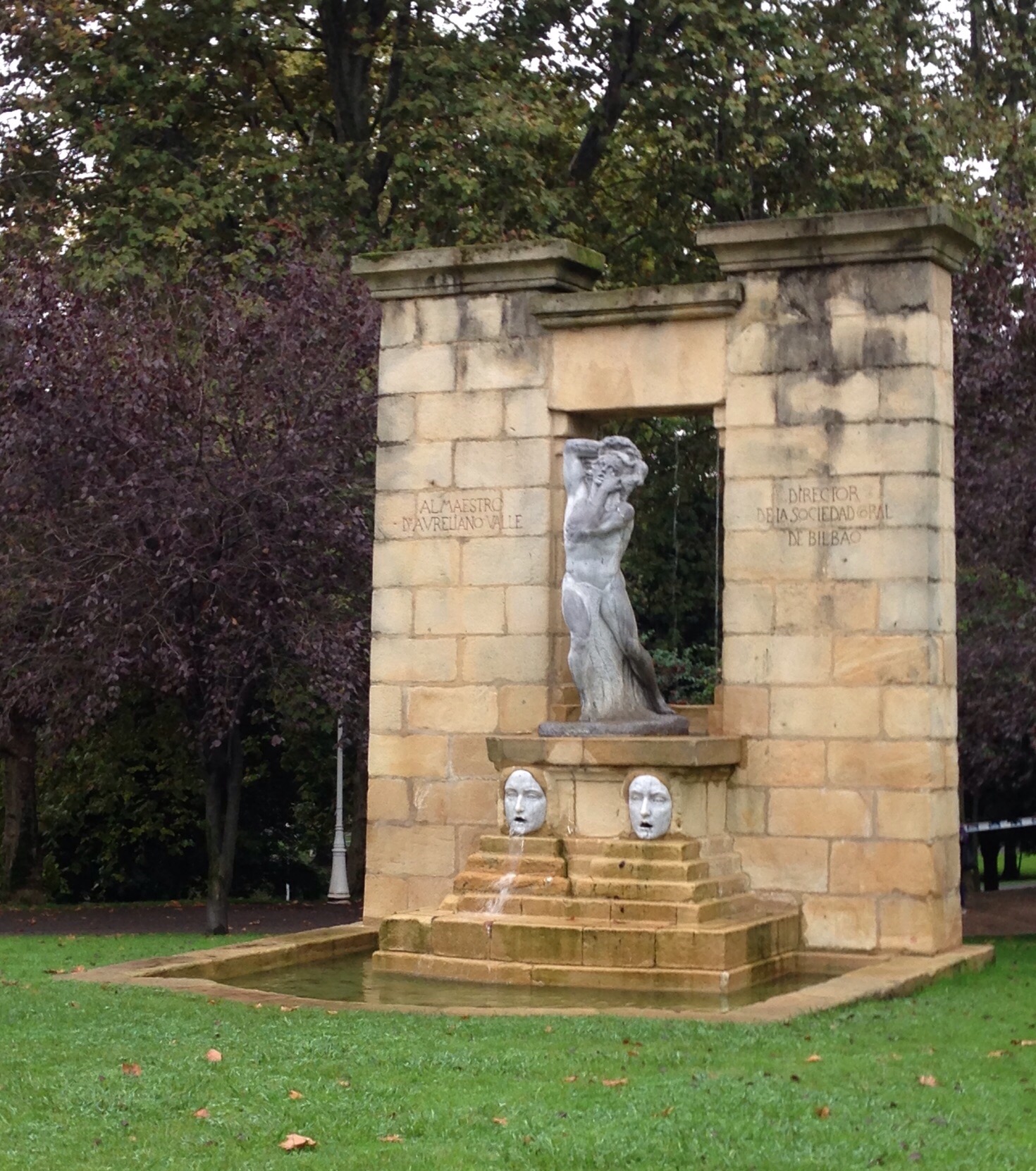
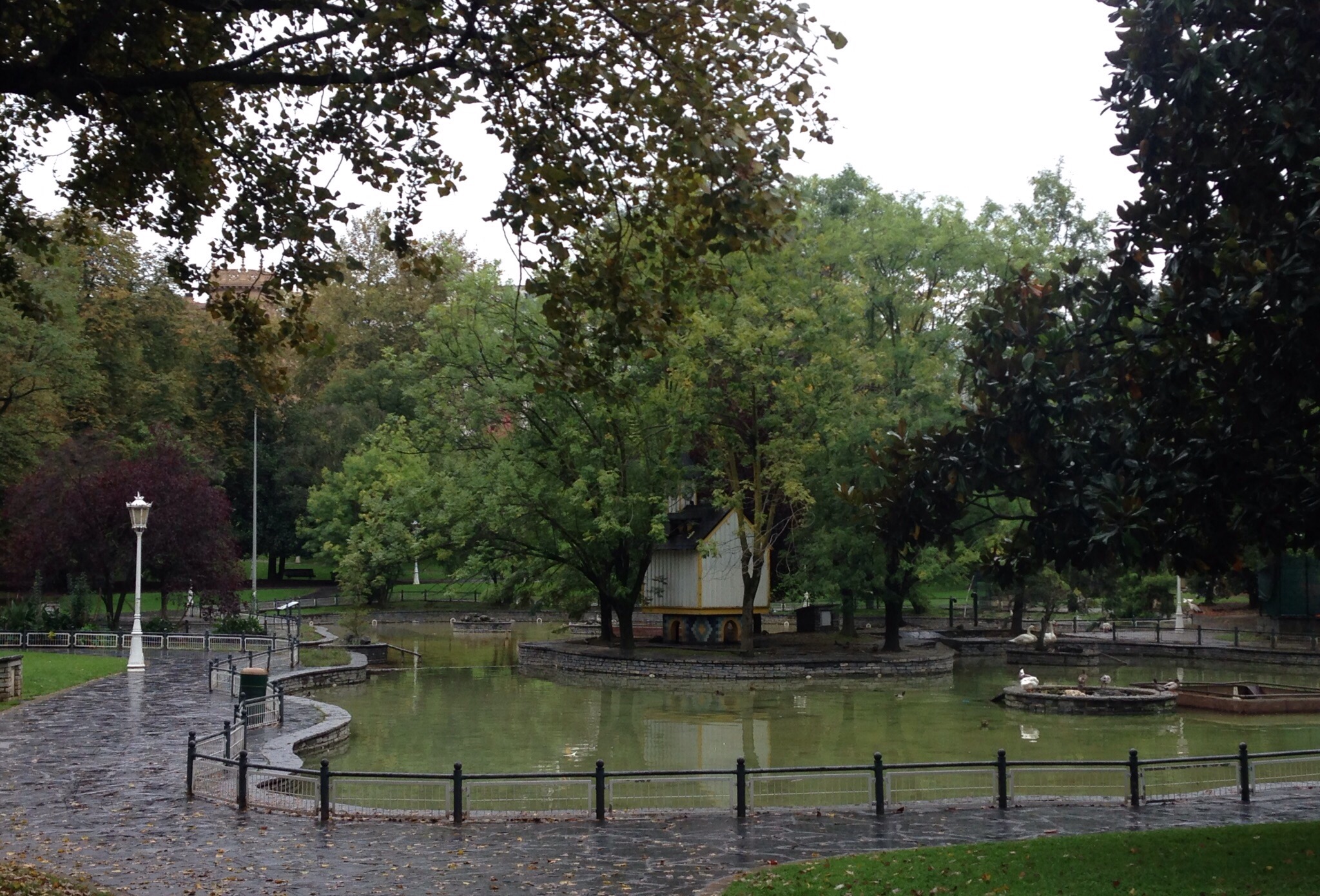
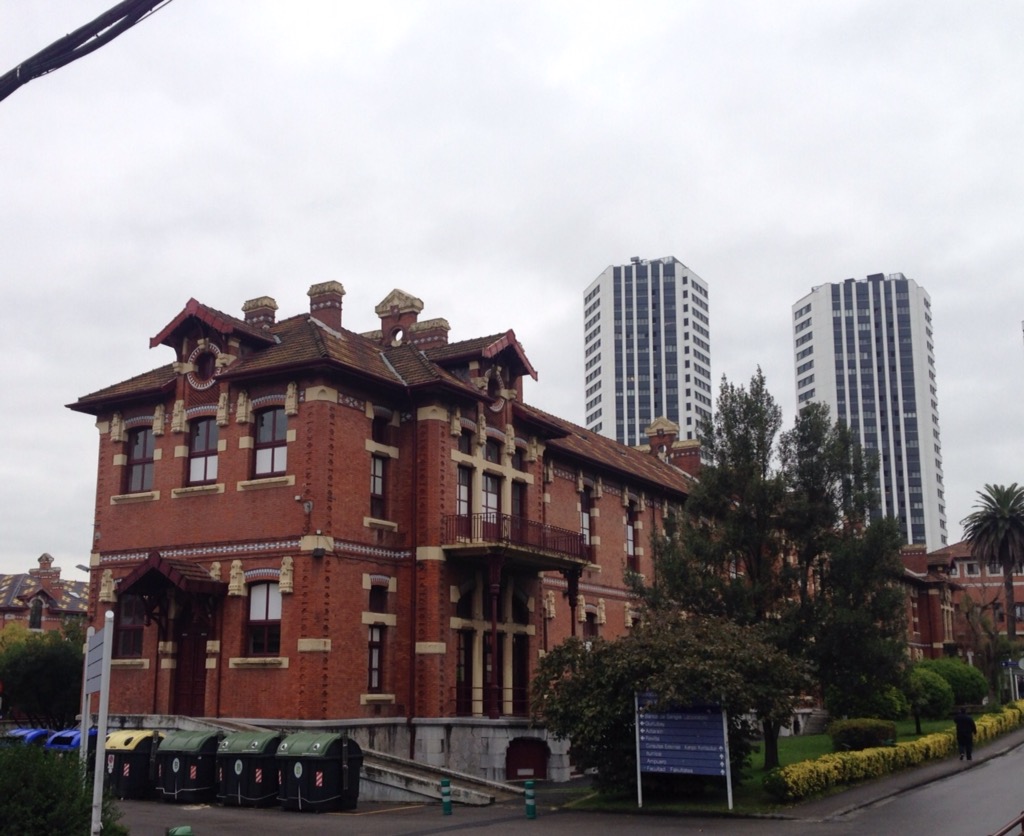
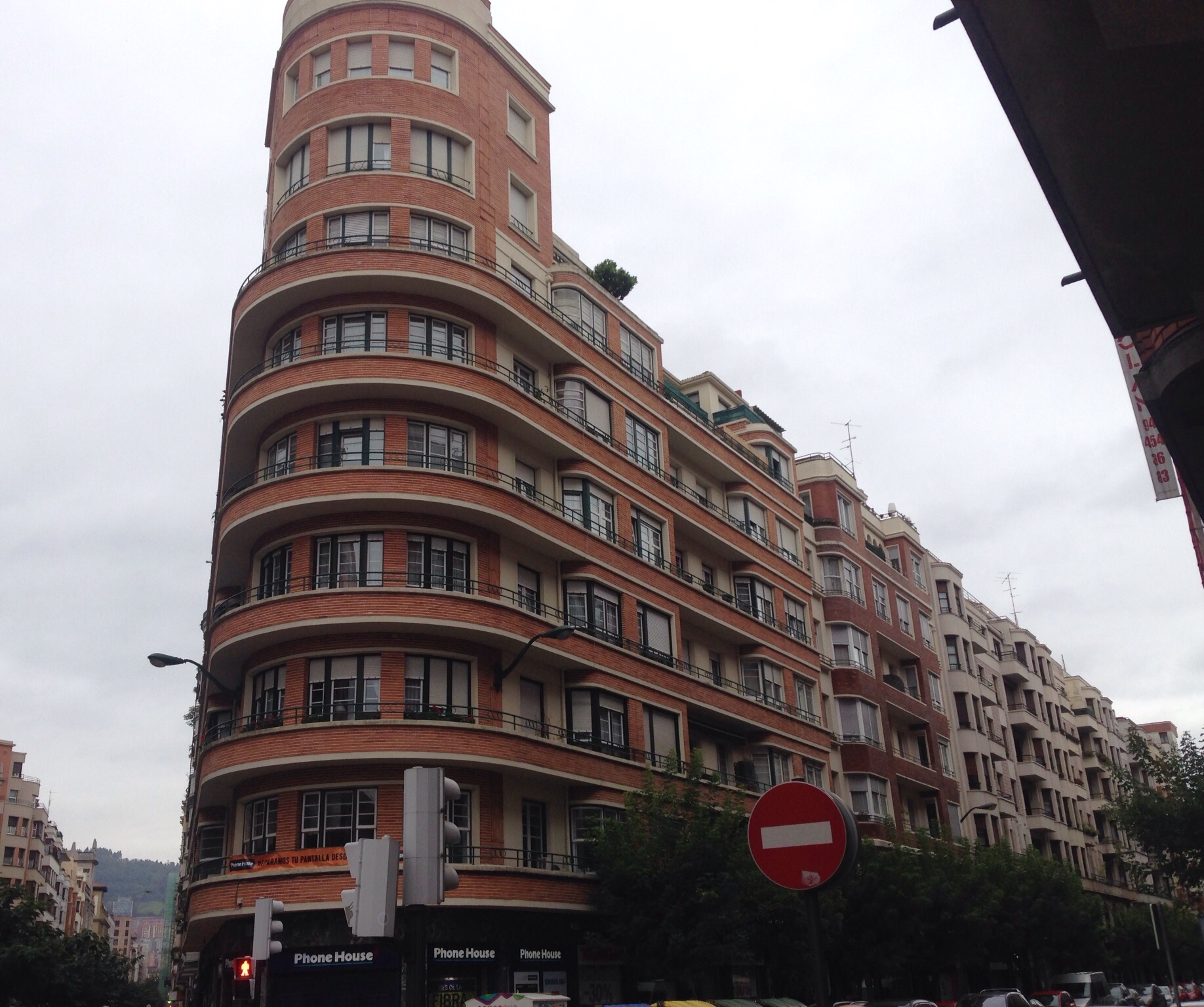
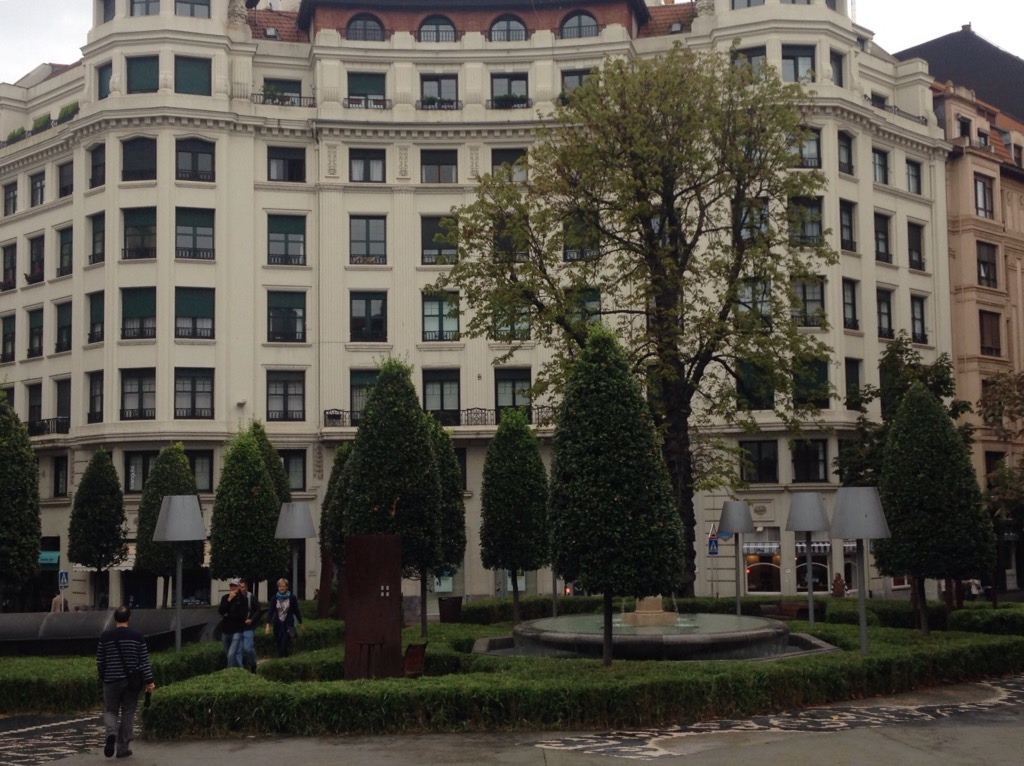
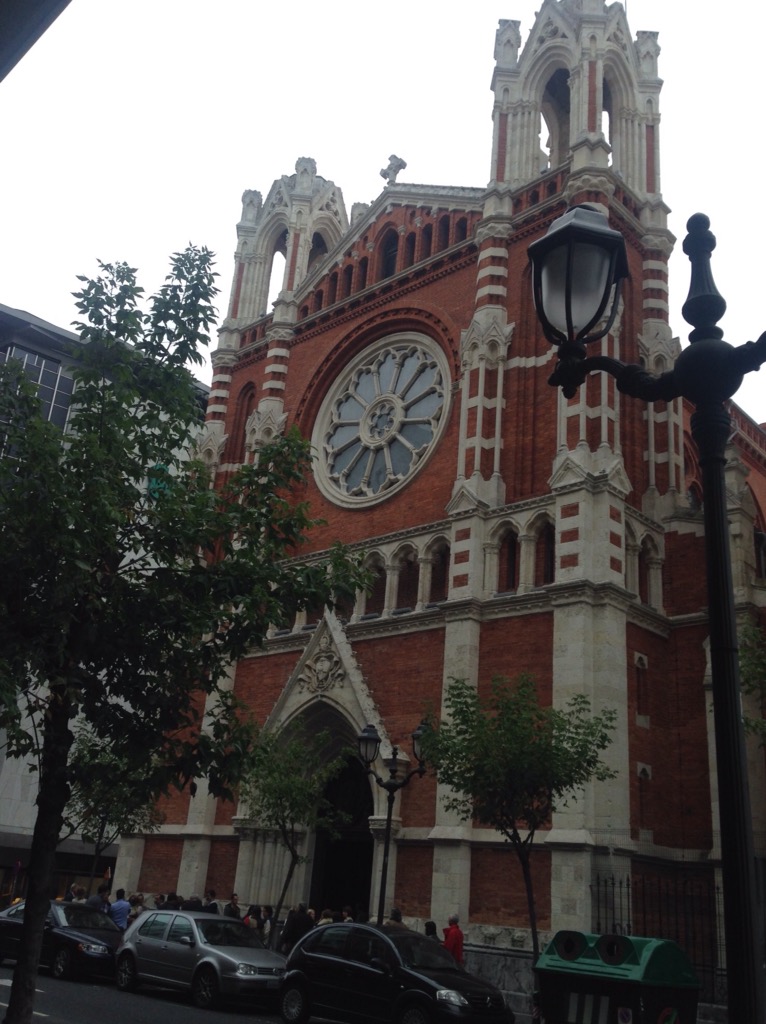
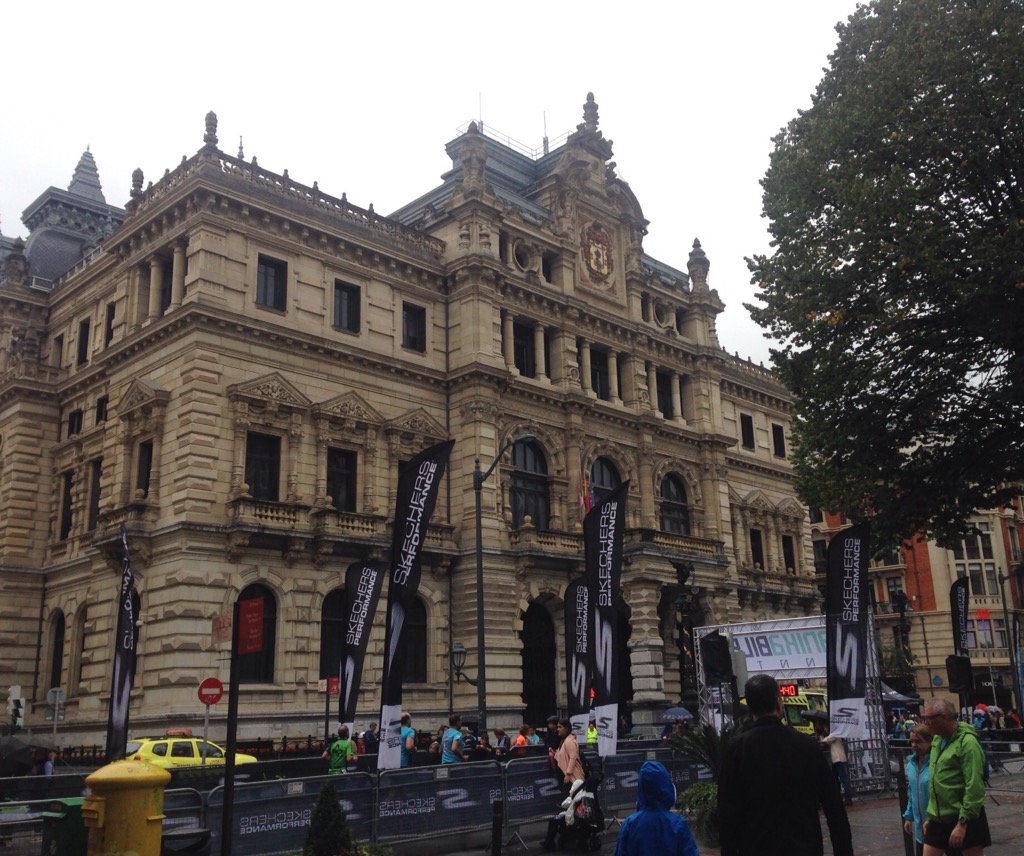
The city’s attractive street signage — this one for the street off of which we stayed.A large painted mural under the La Salve BridgeCool fountain near the Belles Artes MuseumJust some cool buildings that caught our eyeThe pond and duck house in the Dona Casilda Iturrizar ParkBasurto Hospital designed by Enrque Epalza in 1908Retail and residential building designed by Rafael Fontán in 1943The building is the Alhóndiga Bilbao designed by Ricardo Bastida in 1909, but we liked the outdoor “front room” with the lampsIglesias de la Residencia designed by José María Basterra in 1891Palacio de la Diputación — near the end of a half marathon run that we had no idea about After our explorations on the town level, we headed up into the hills to get a view from above.
Bob and I flew from Valencia to Bilbao, Spain on Vueling Airlines, a European discount carrier. The flight was just over an hour, and we were able to easily travel to and from the airports on public transportation — to the Valencia airport by metro and from the Bilbao airport by bus. After arriving into Bibao city center and a 20 minute walk to our pensión in Bilbao, we were ready to start exploring what looked to be a beautiful city on a gorgeous day.
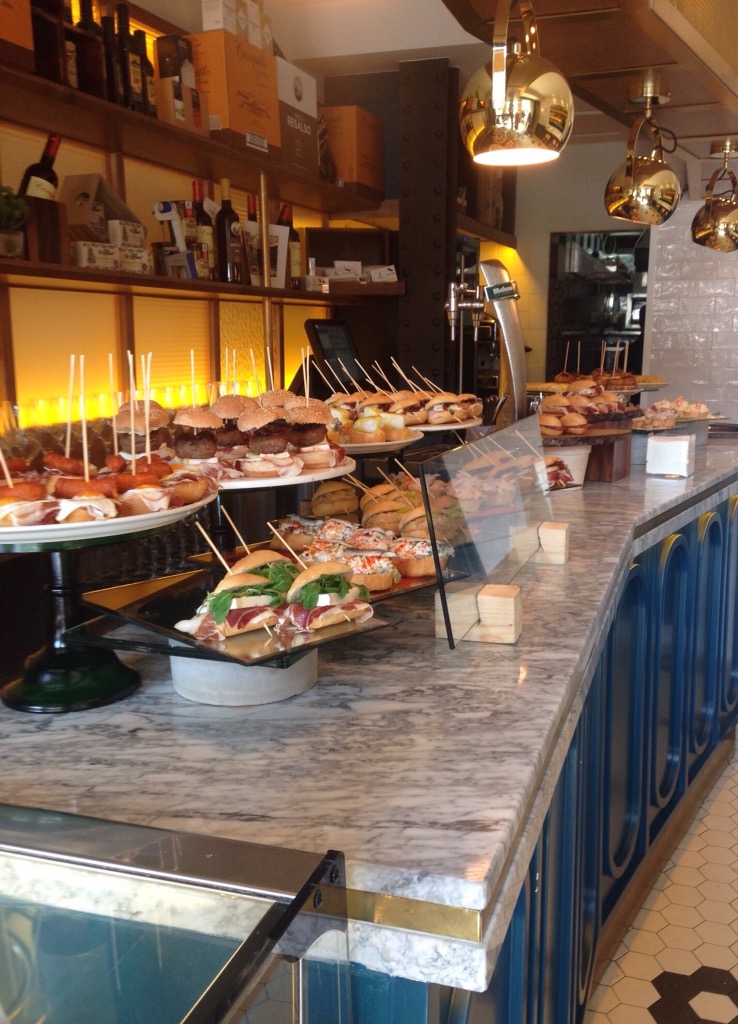
Bilbao is located in the northwest portion of Spain in the Basque region. It has a population of about 345,000. It has a strong economic history centered on its port, but we loved it’s amazing architecture and the multiple levels on which the city is built. While we knew about the Guggenheim Museum, there are interesting buildings all over the city. There are also pinxhos — a little bite of food that are very attractively crafted and displayed. We hope to return.
We started our visit with a boat ride on the Bilbao River which feeds into the Cantabrian Sea and the Bay of Biscay. The ride gave us a great way to quickly see the beautiful promenades and architecturally interesting buildings on either side of the river. The boat narration included the names of the architects for many of the buildings and the awards each architect had one (no pressure designing anything for this town). We just really liked the attractiveness of the buildings and area and the mix of both historical and modern.
Some highlights of the boat ride —
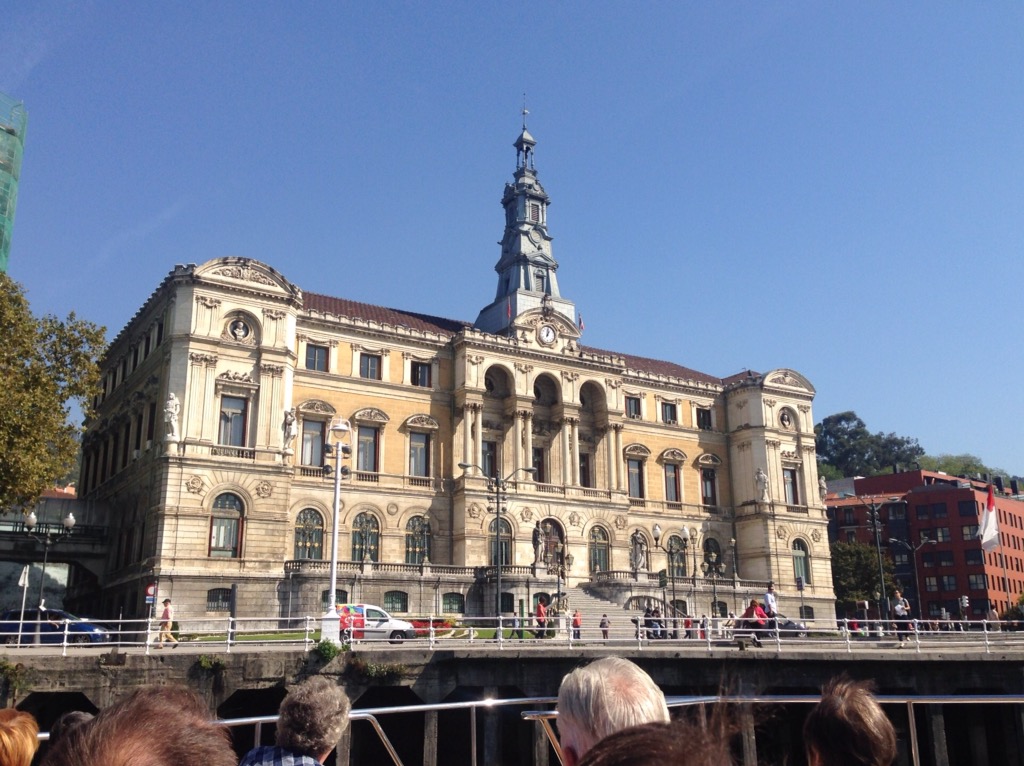
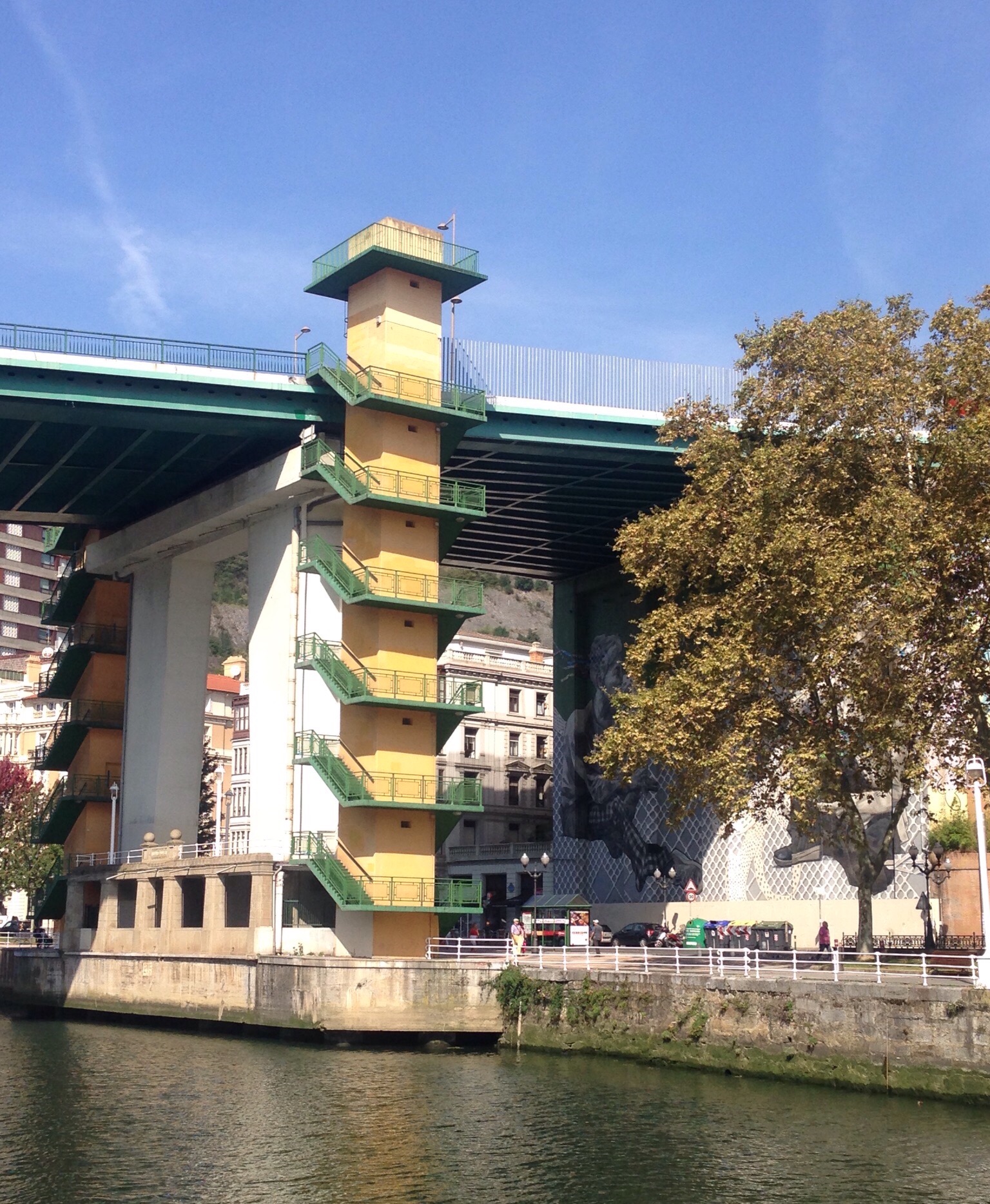
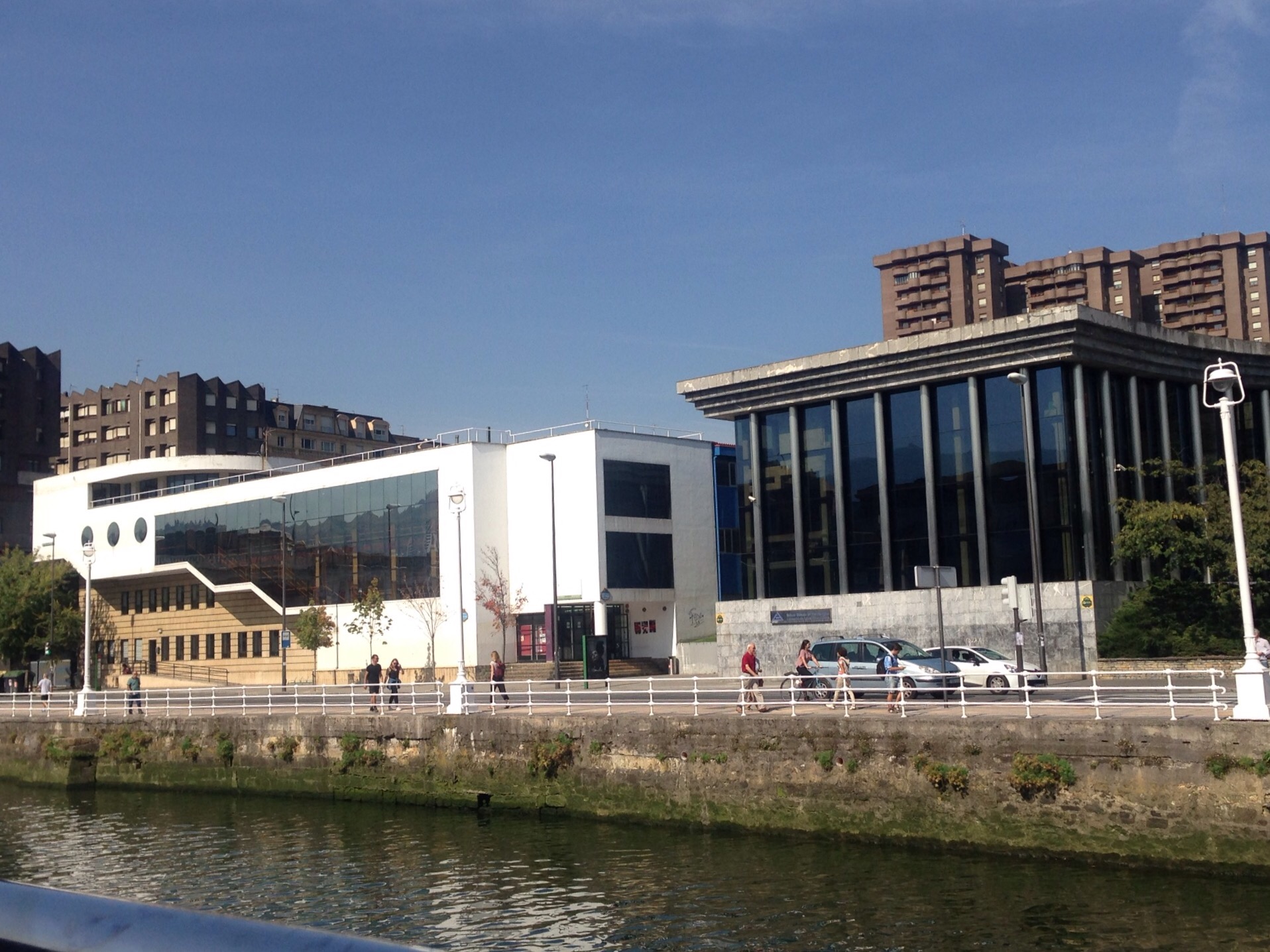
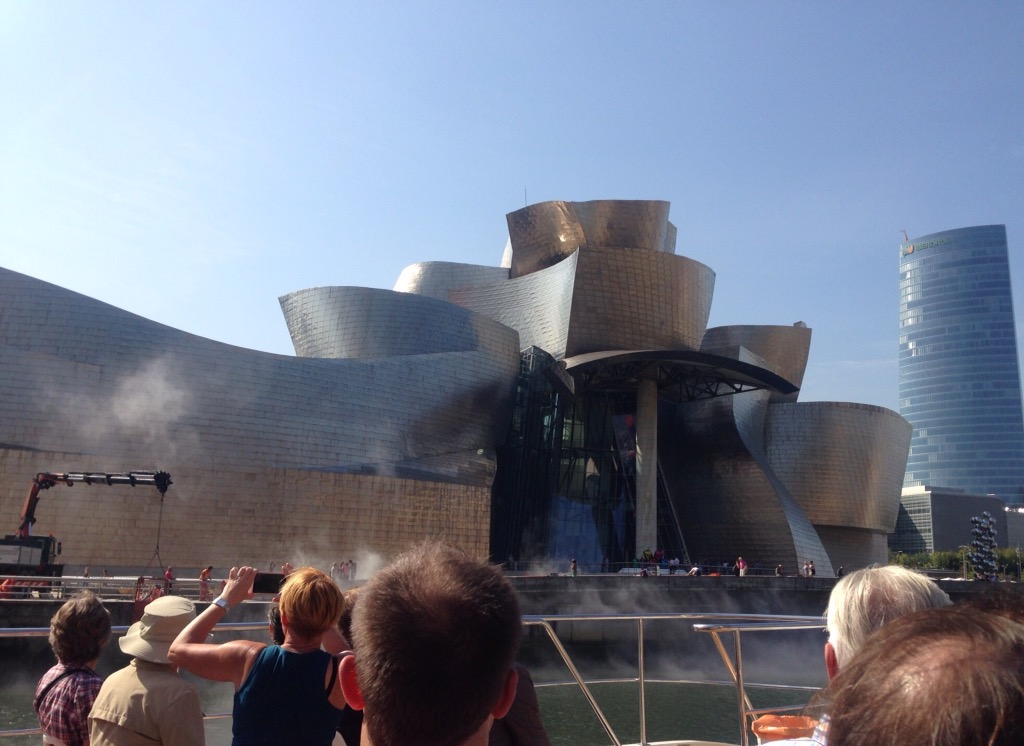
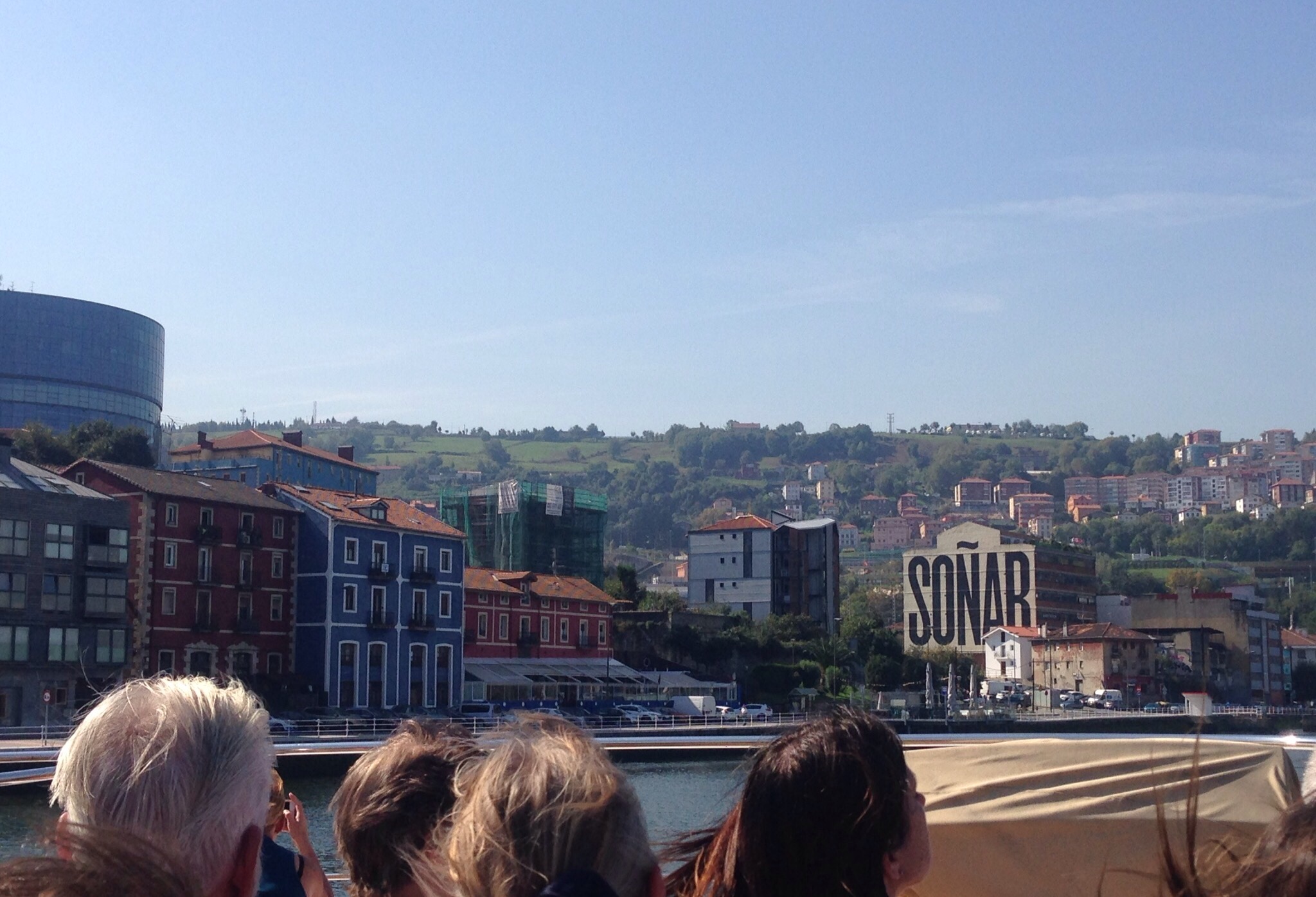
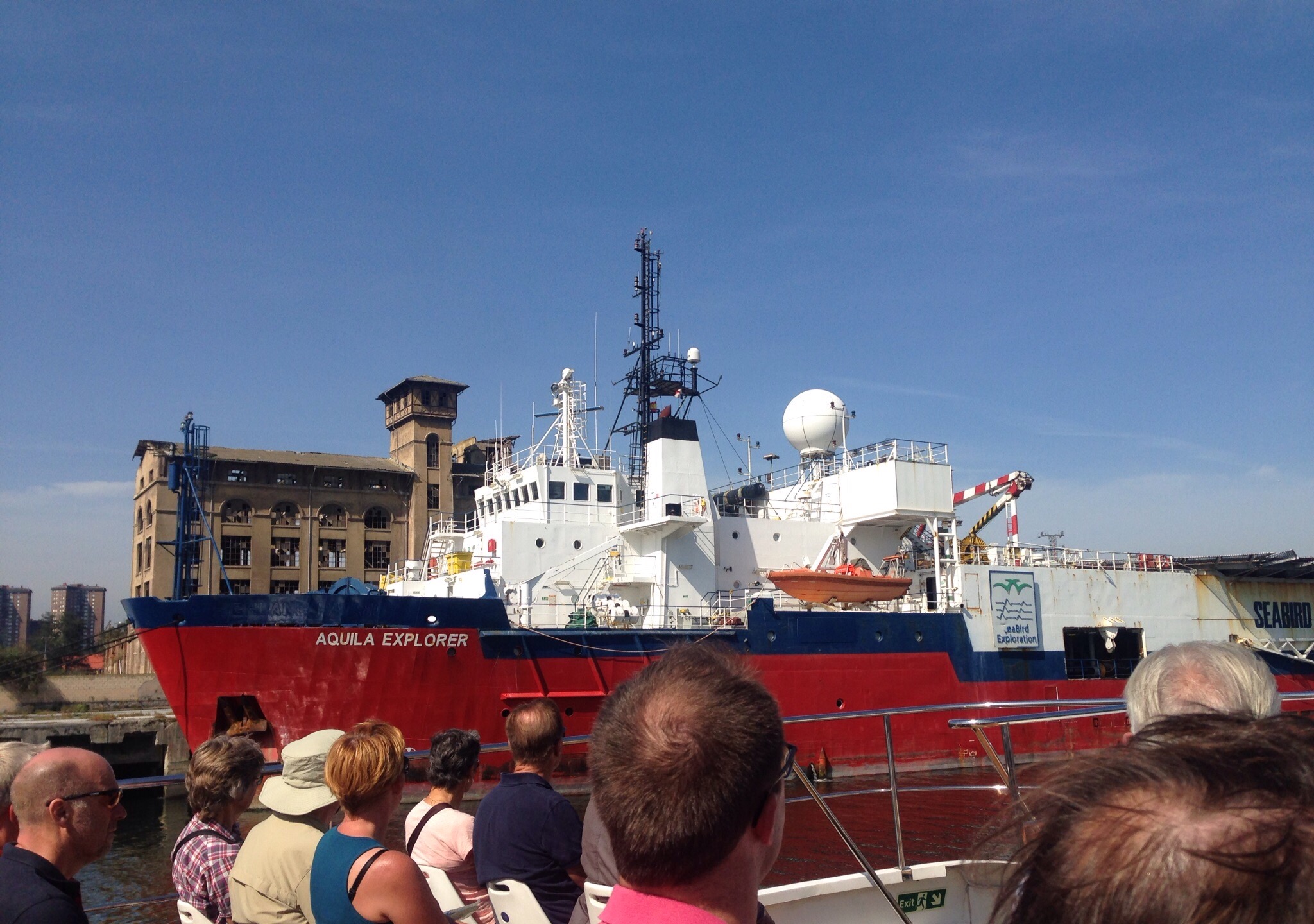
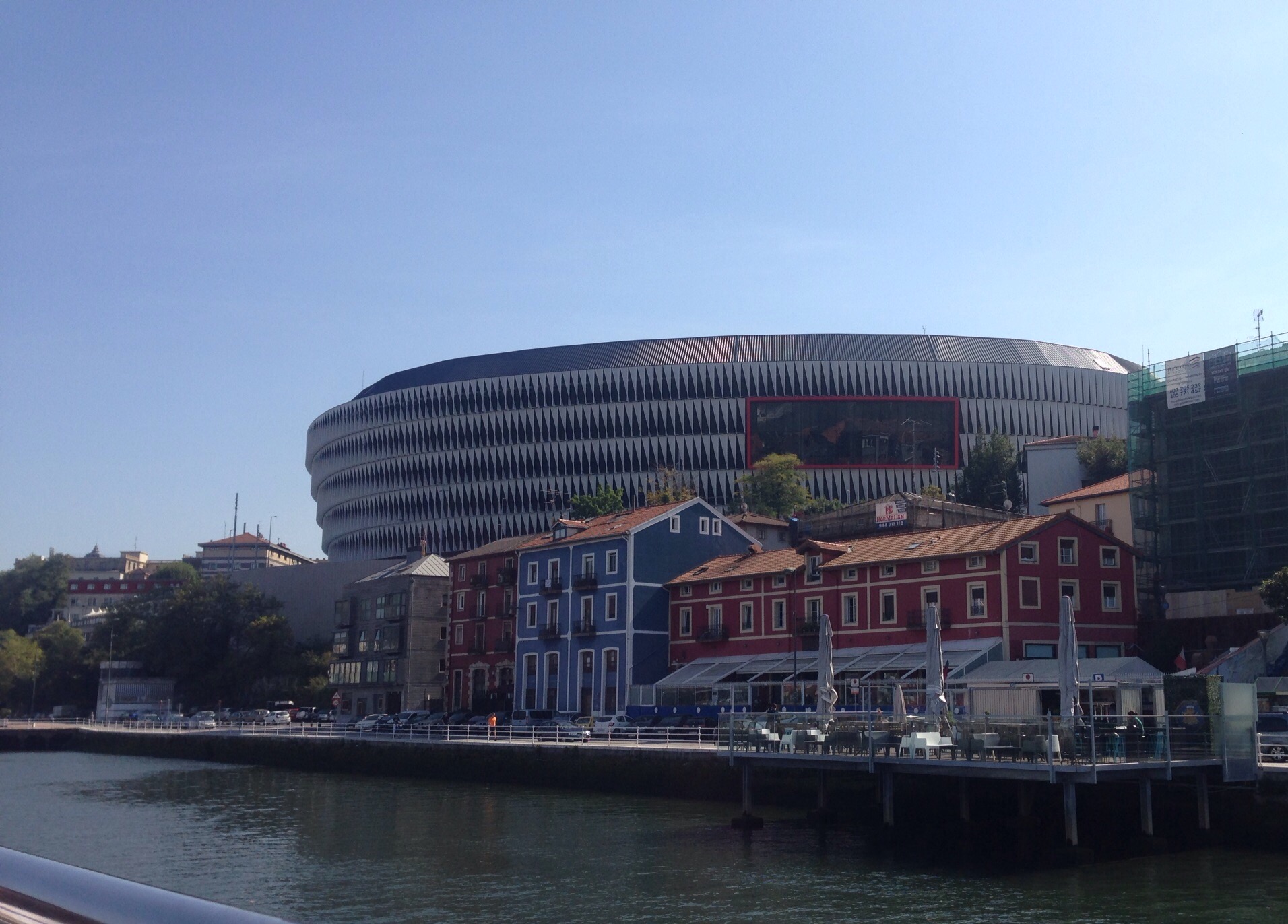
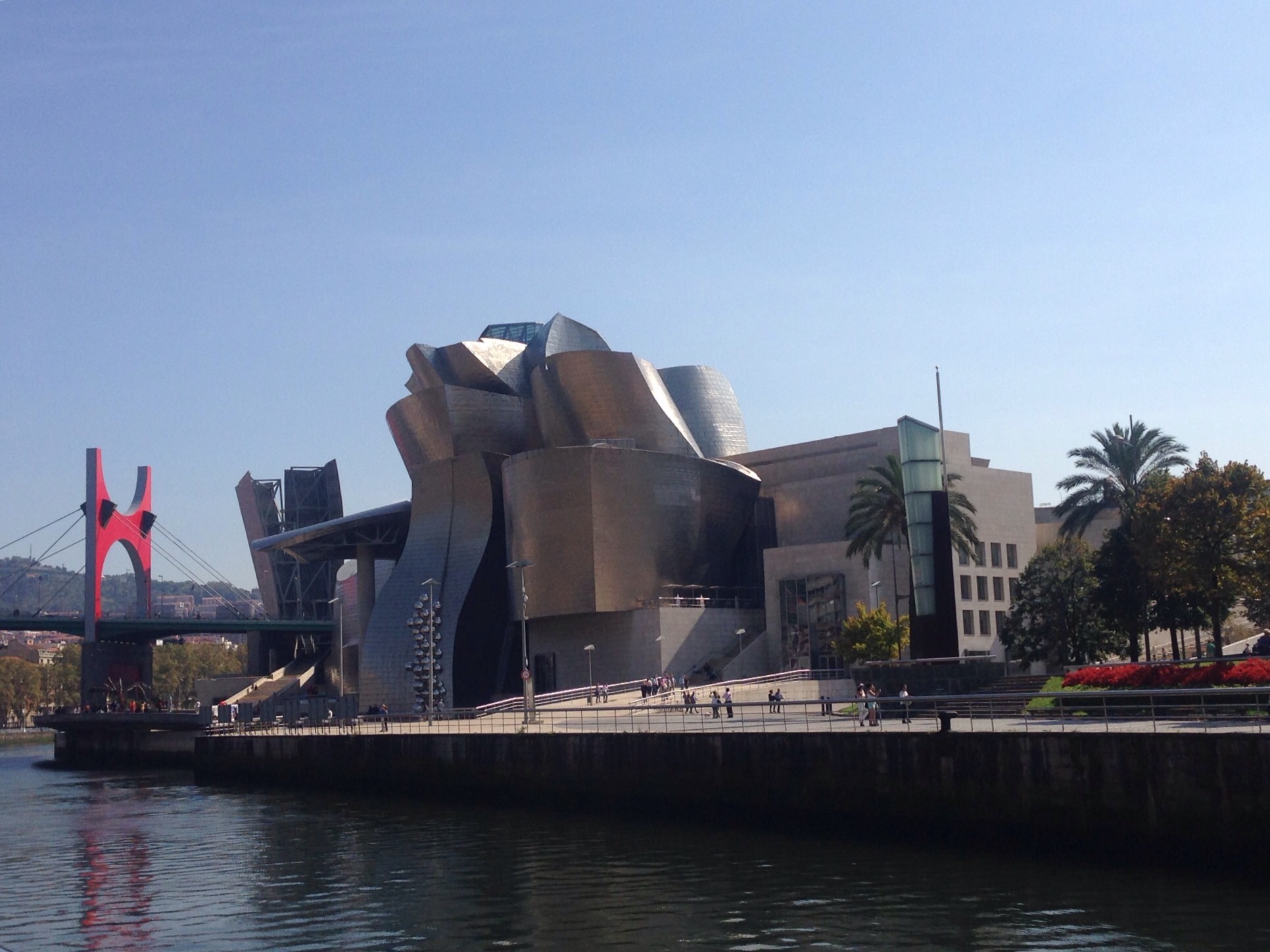
The Bilbao Town HallSome of the residential and commercial buildings along the river near where we would go up the hill to where we stayedA new residential complex that retained the facade of the older building that had been there. The facade is now the entry for the gym for the complex.One of the many stairwells and elevators that facilitate movement between the city’s different levels.This is a water plantOne view of the Guggenheim from the boat — it looks different (but equally awesome) from every angleContinuing out of the city center towards the more industrial area and the estuary of the BayA docked boat that is part of Bilbao’s Maritime MuseumThe new soccer stadiumThe view of the Guggenheim as we came back into town. The red structure was designed to be added to the existing bridge when the Guggenheim was built to help tie the building into the city. Part of the museum actually runs underneath the bridge.
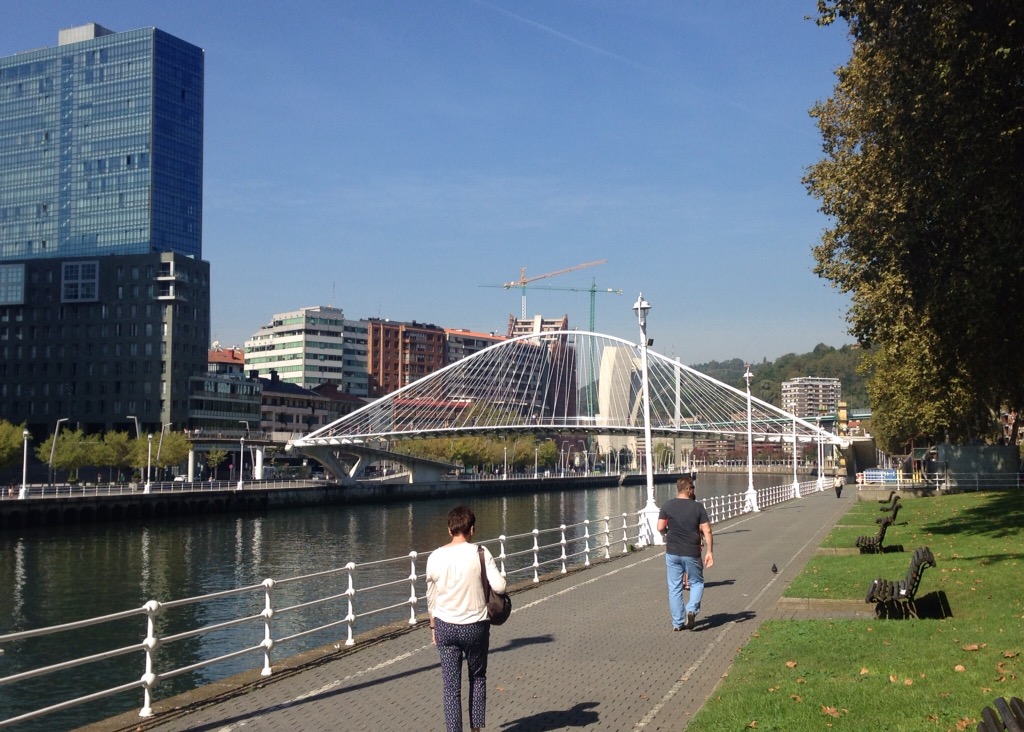
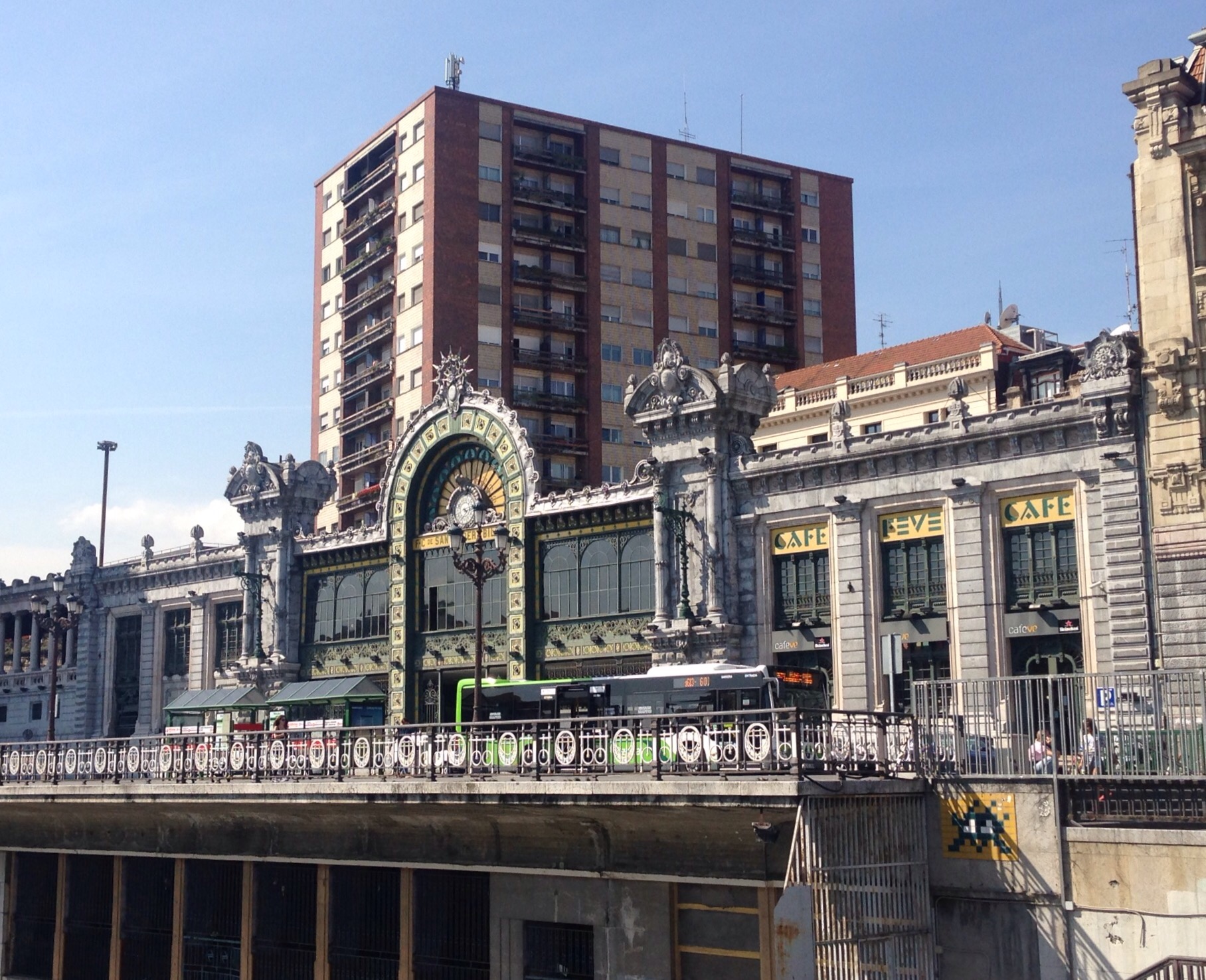
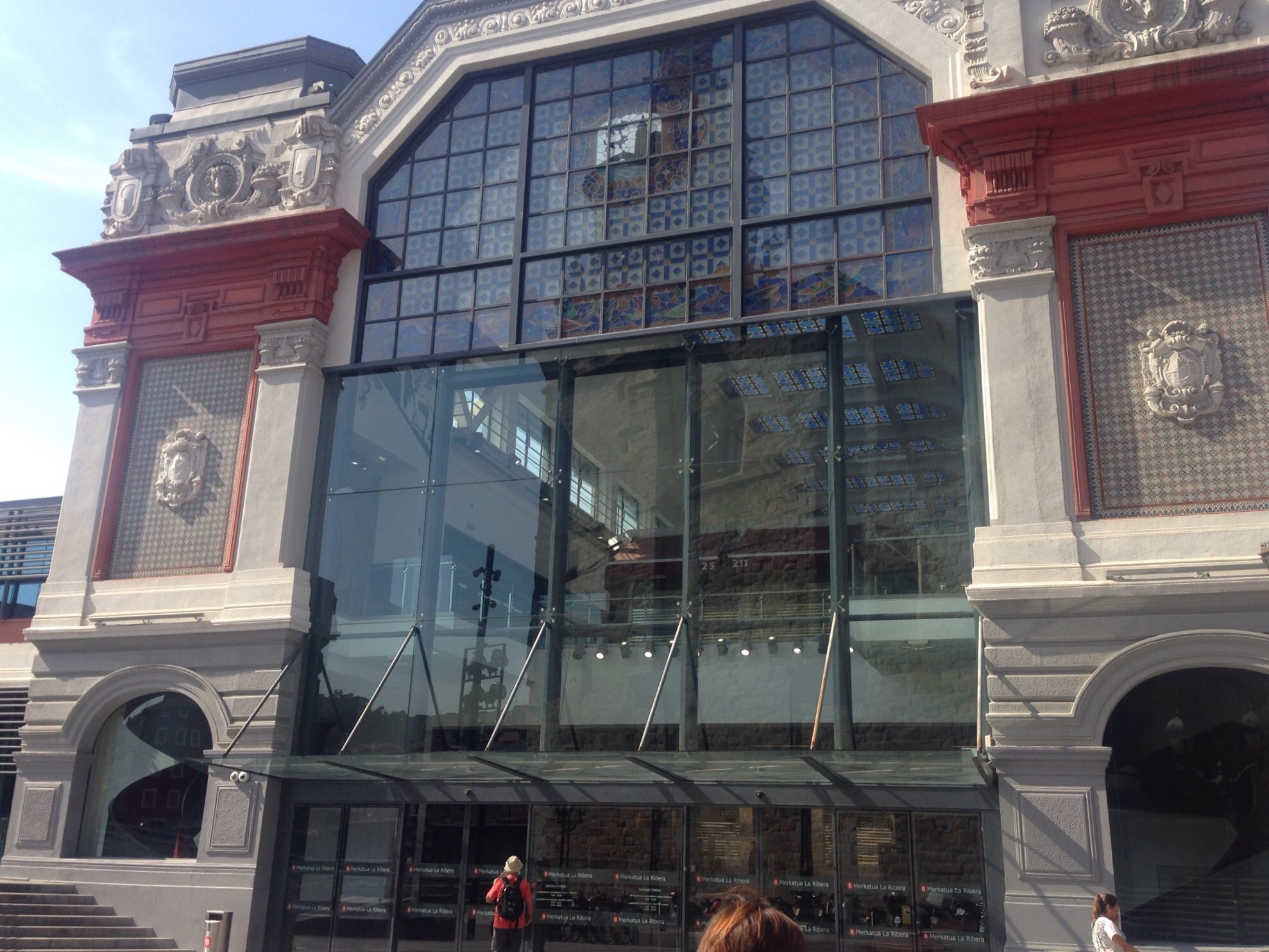
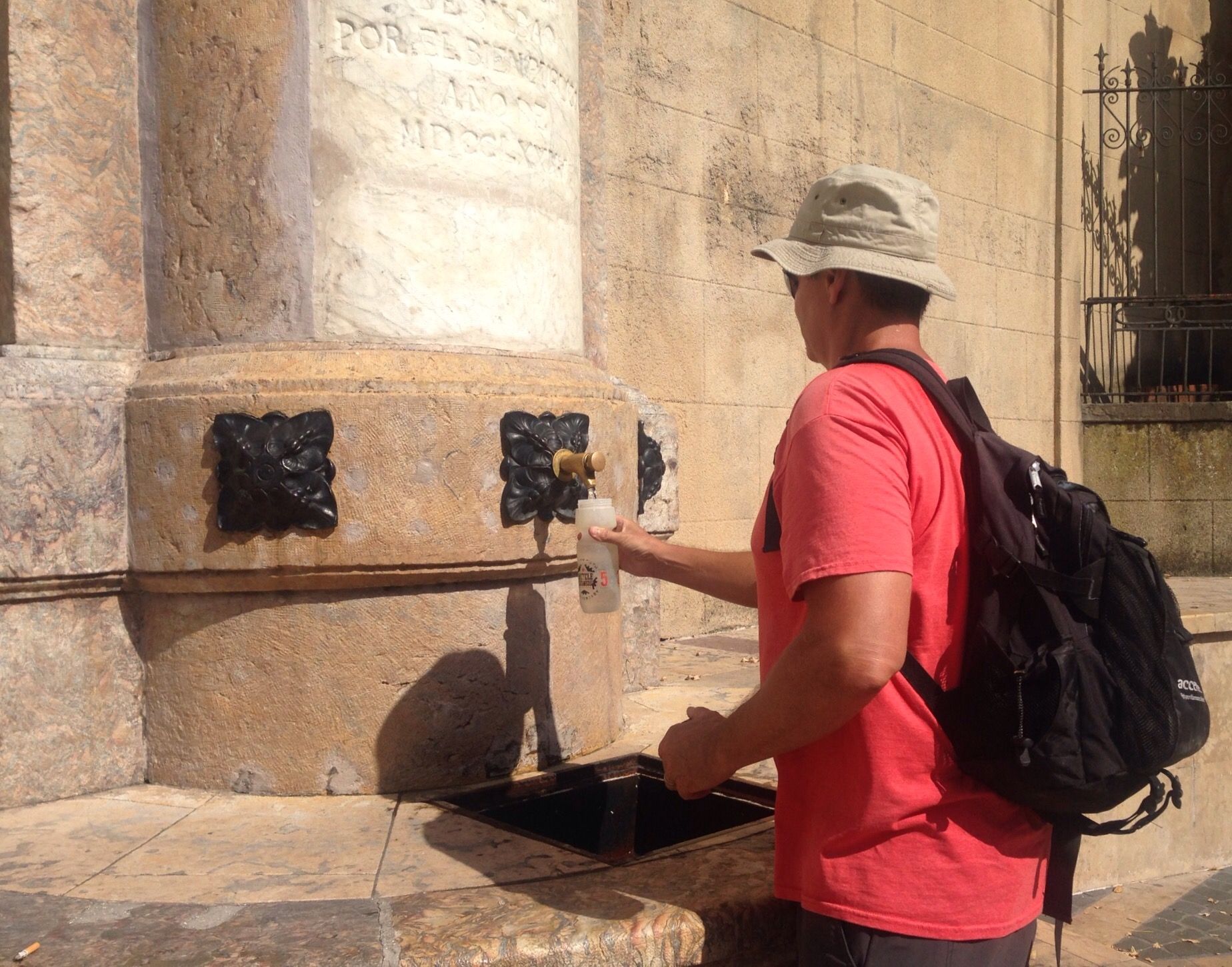
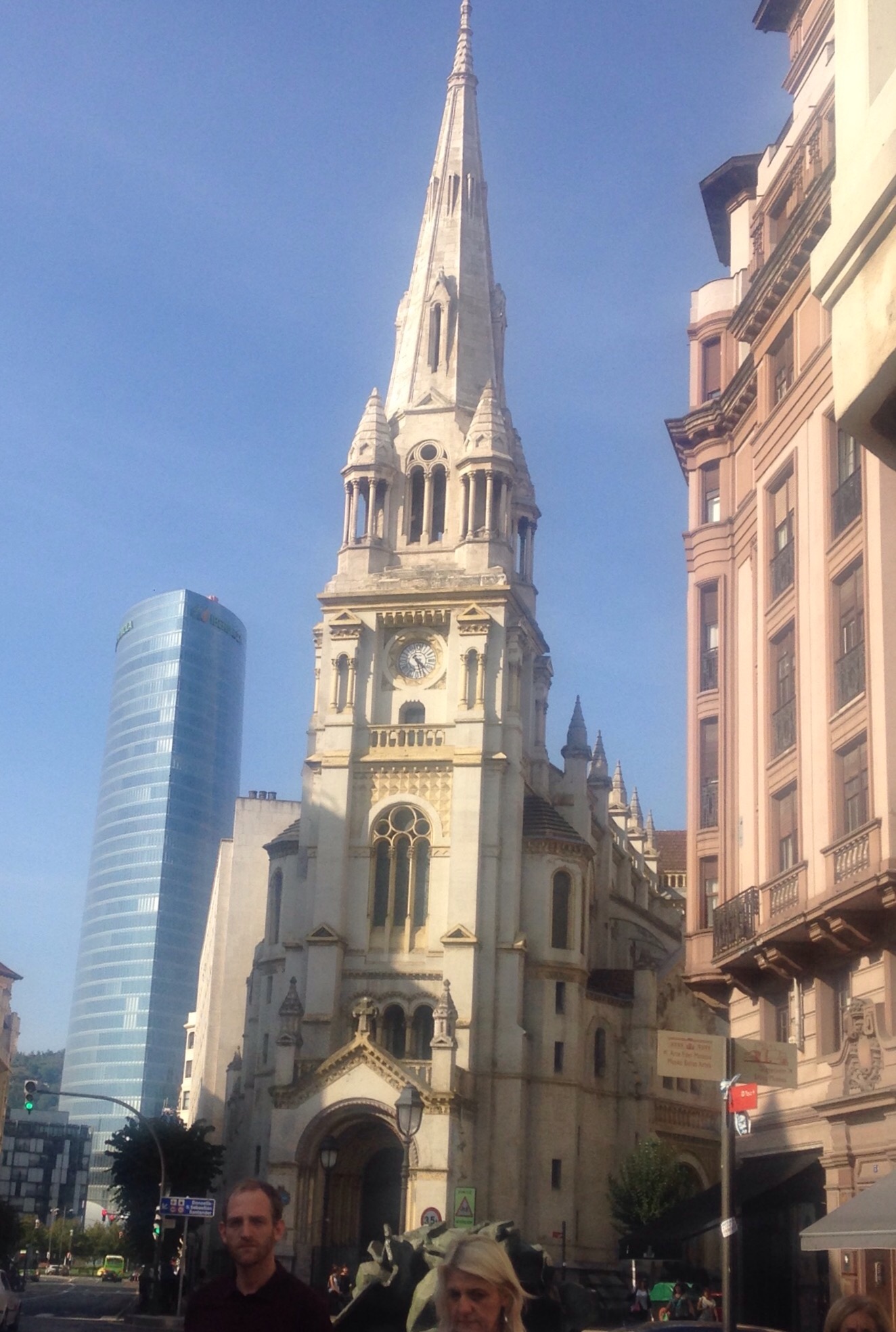
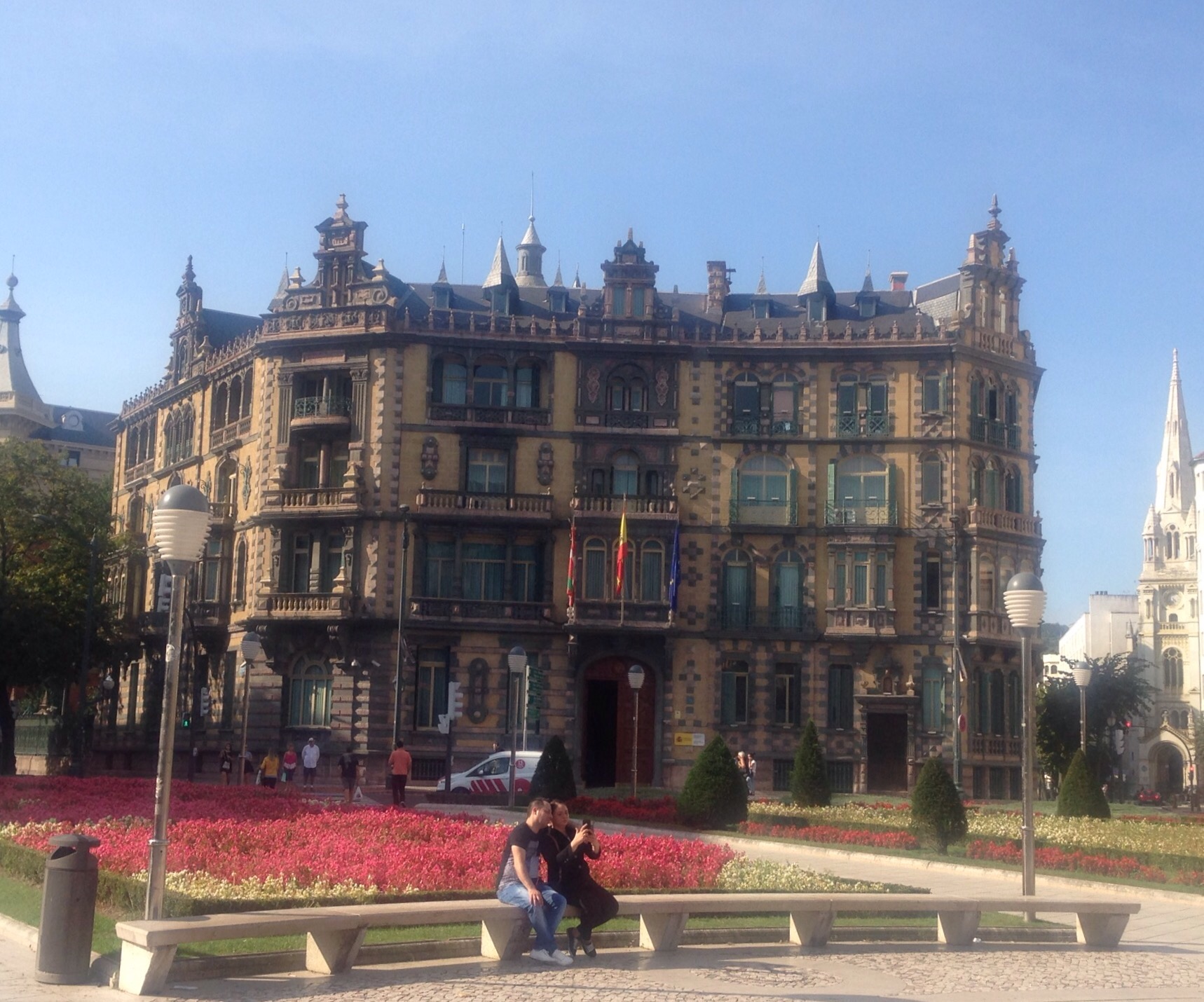
After the boat ride, we did a little walk around both the old and new sections of town. We we’re charmed.The Zubizuri bridgeThe former rail stationChurch of St. NicholasA set of stairs in the Old Town that pass by the Archeology Museum. I also liked the red iron work on the nearby building.The Ribera Market building, supposedly the largest covered produce market in EuropeBob filling our bottles up with water at one of the fountains in Old TownThe Iberdola Tower on the left and the Santiago Cathedral on the rightChavarri Palace — our favorite around the Plaza Mayor, it hosts the Spanish government officials for the regionOne of the many pin or displays that we saw in cafeterias and bars throughout the city. They were typically just under $2 each and are meant as a little between meal snack though you could make a meal out of them.
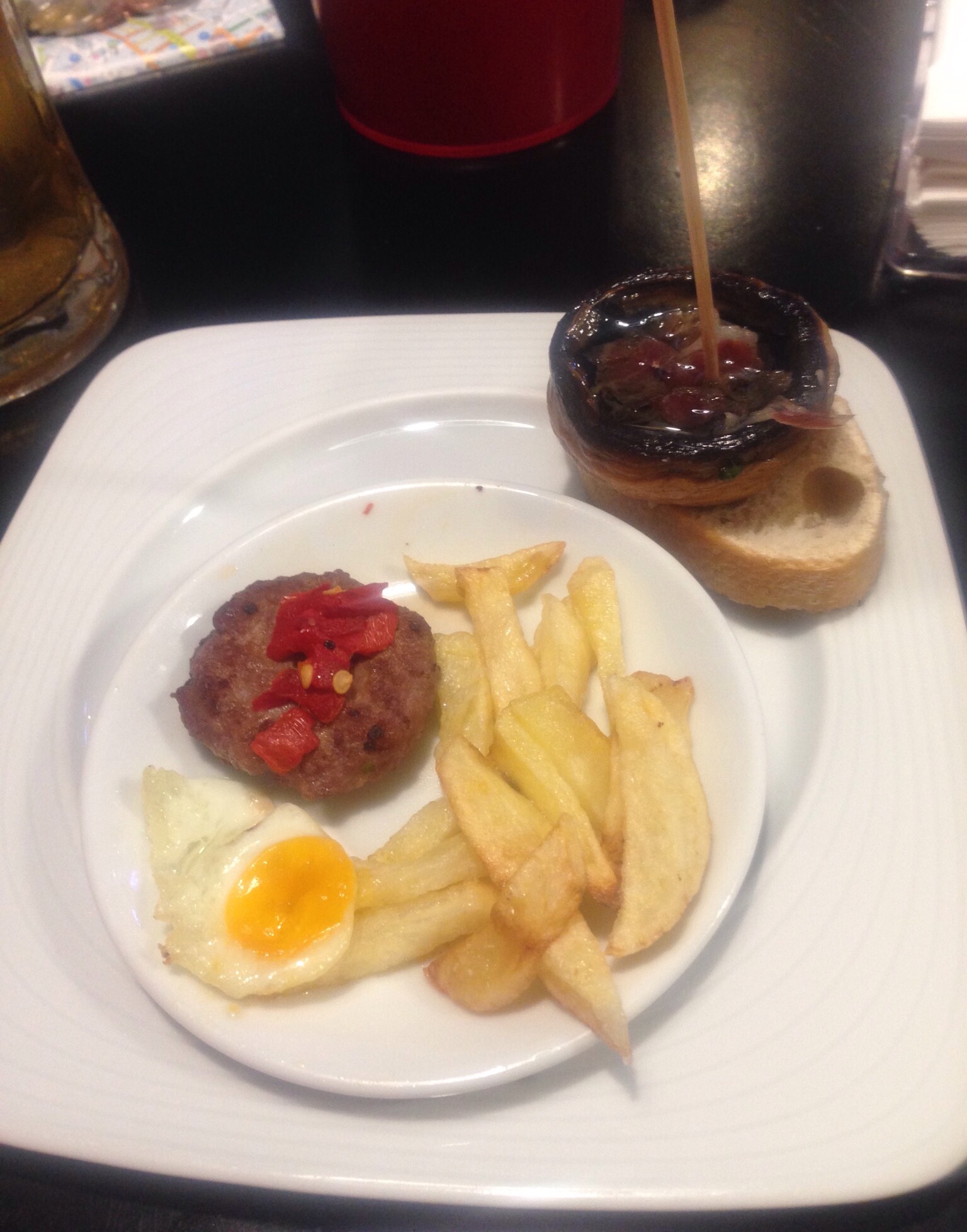
Our sample on our first night — Bob had the cute miniature burger, fries, and egg on a coffee saucer, and I had the mushroom with anchovies in olive oil. Awesome!
Bob and I split from Split (sorry, had to do that) on Sunday, September 17, by plane to spend four full days in Valencia, Spain. I had studied in Spain during the 2nd semester of my junior year in college and have wanted to return ever since. After (gulp!) 30 years the city seemed familiar yet very, very different. It has grown up very nicely. I lived with a local family while in school. I don’t know if there were tourists then, and I just wasn’t aware (too busy with college extracurricular activites), but it definitely has its share of tourists now. There is also a lot more to see now. I also loved the increased ease of running–and the number of runners. And don’t get me started on the paella!
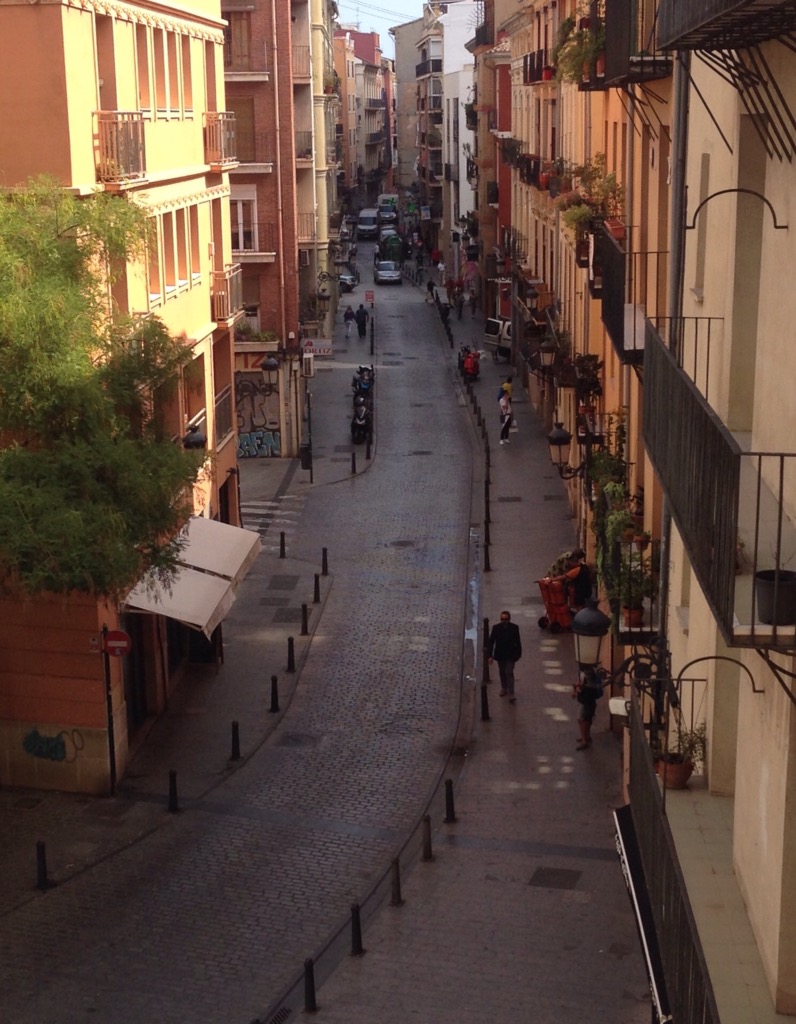
Since this time around we were staying in an apartment on the edge of the Old City, we spent some time exploring this active area.
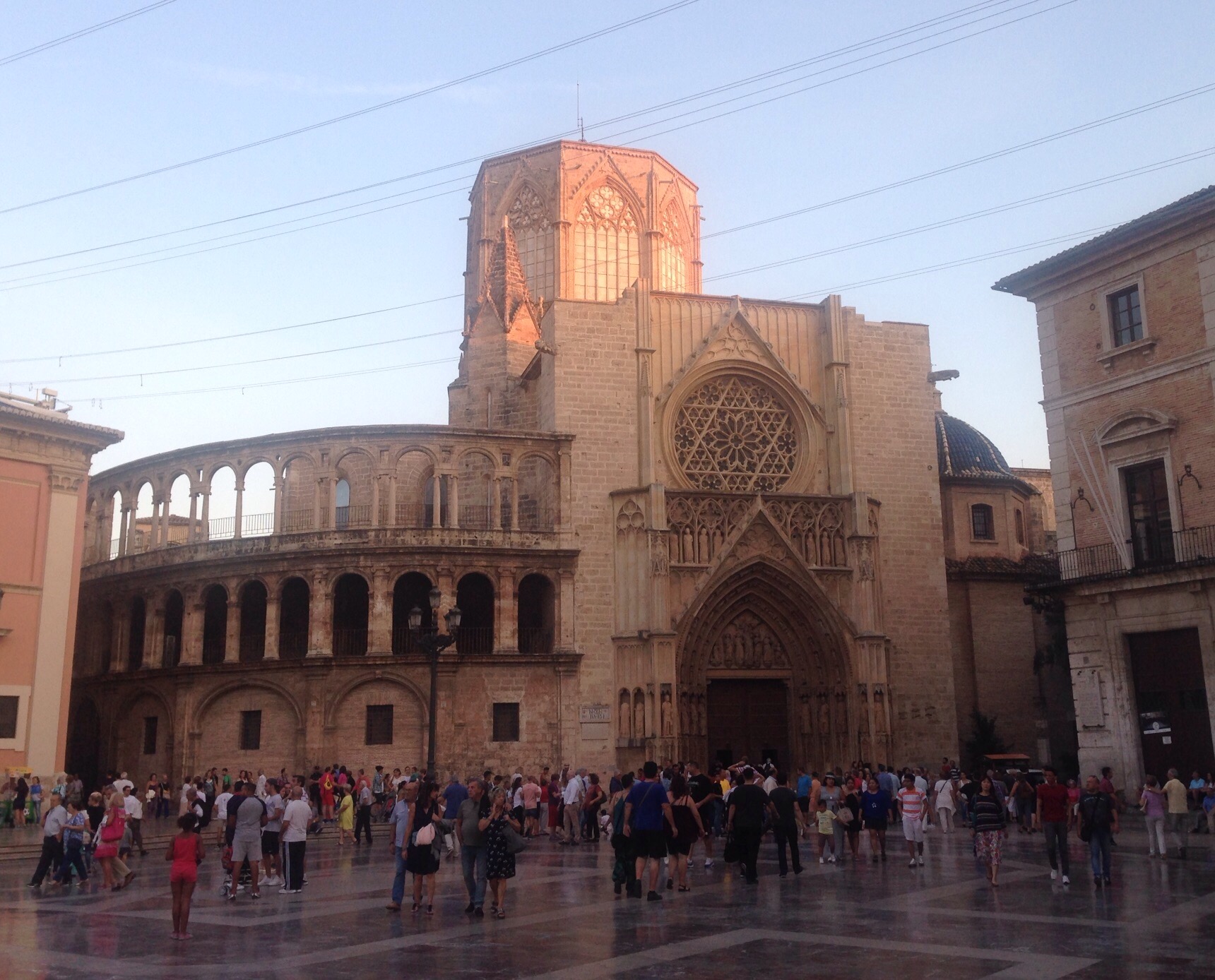
People watching in the Plaza de la Virgen on our first nightAdmiring the fountain
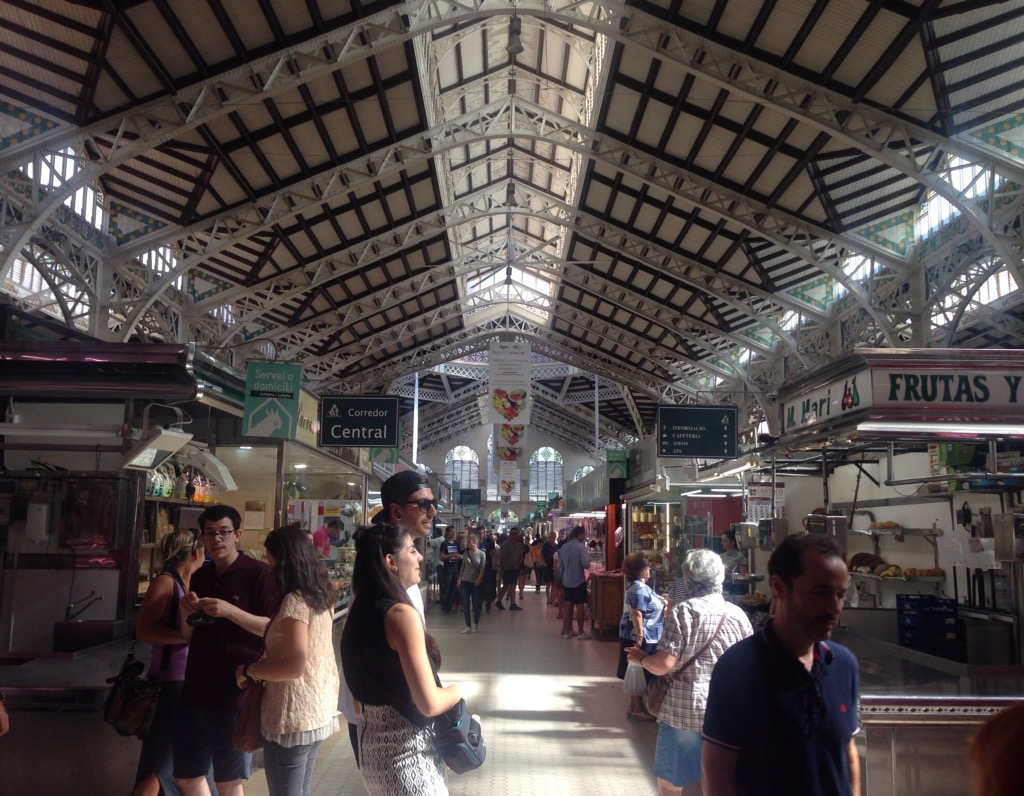
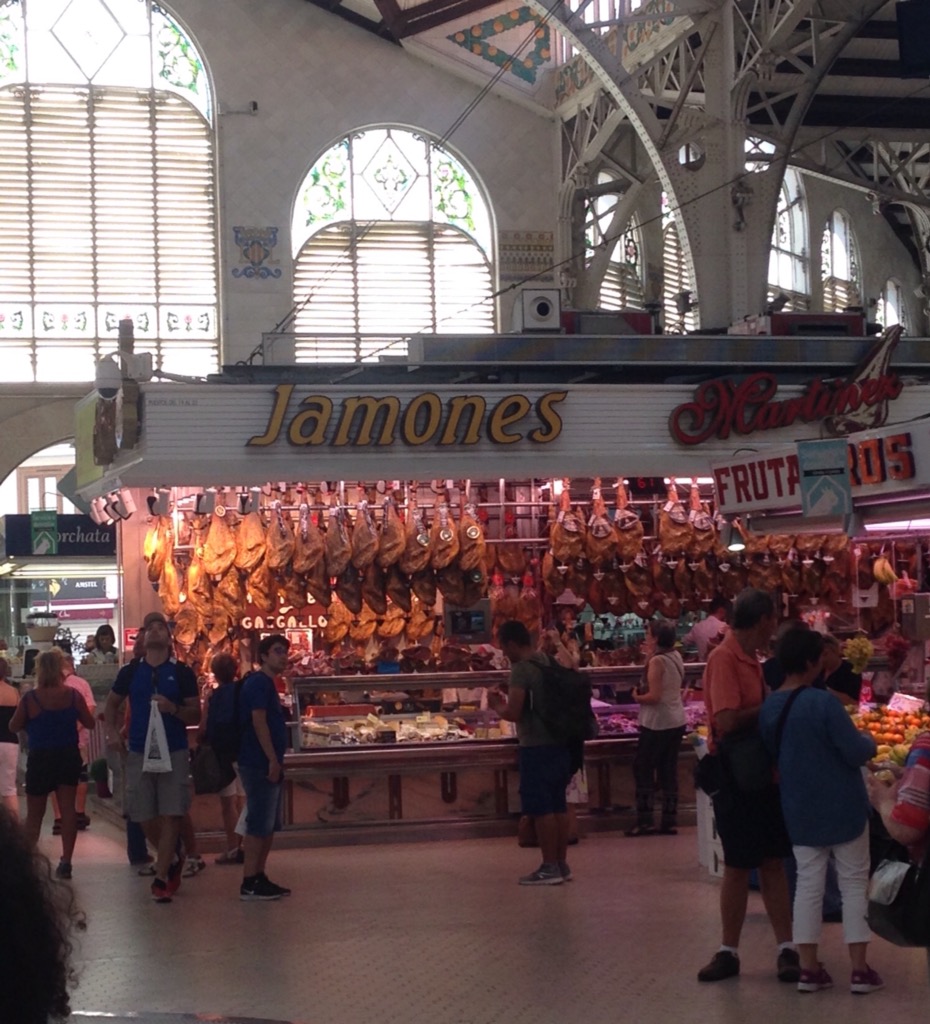
The next day on our walkabout we hit the Mercado Central, or Central Market. It was a great mix of produce, breads, meats and cheeses, as well as prepared foods. We decided we couldn’t leave without buying our meal for that night (gazpacho and a Spanish tortilla) since everything looked so good.
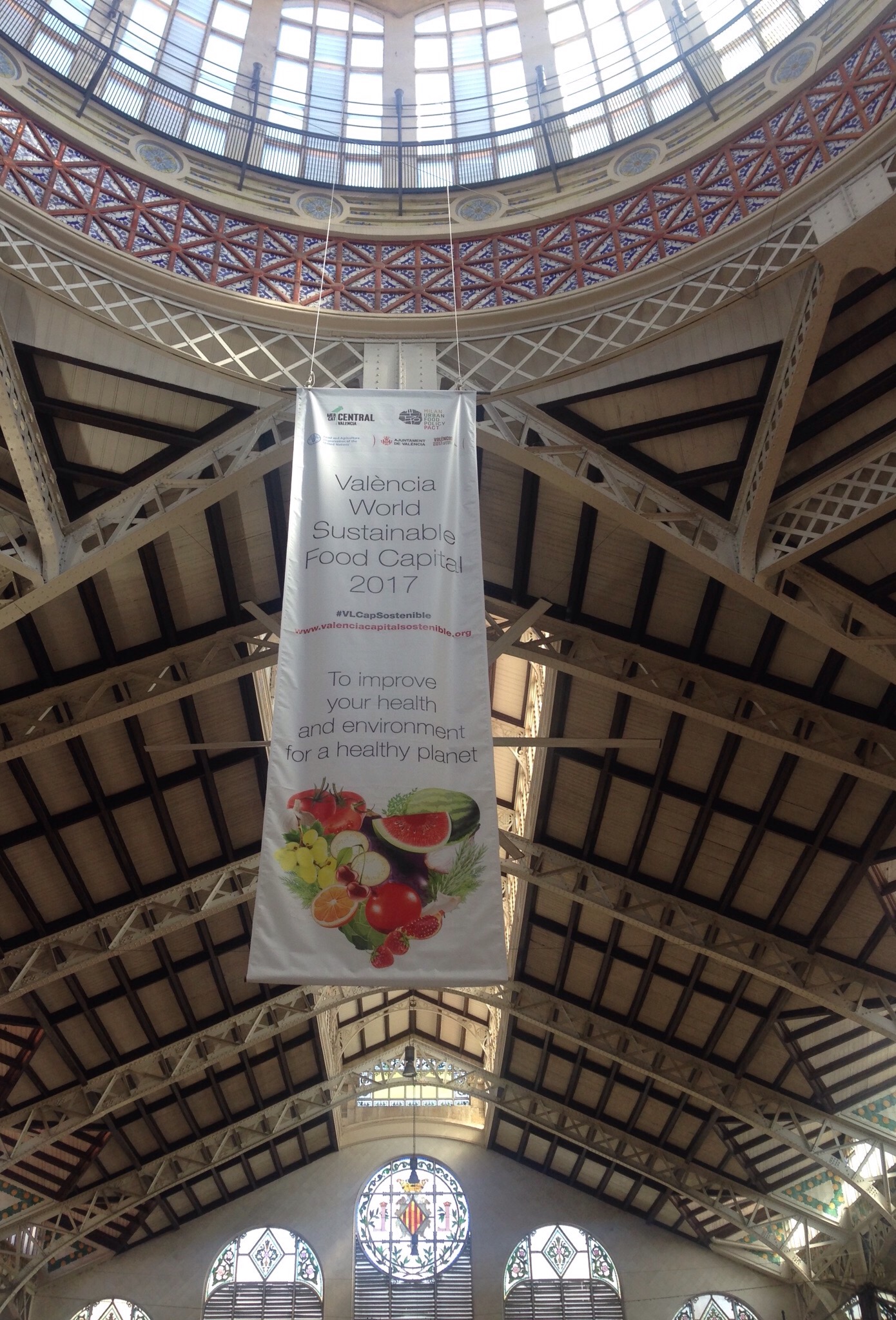
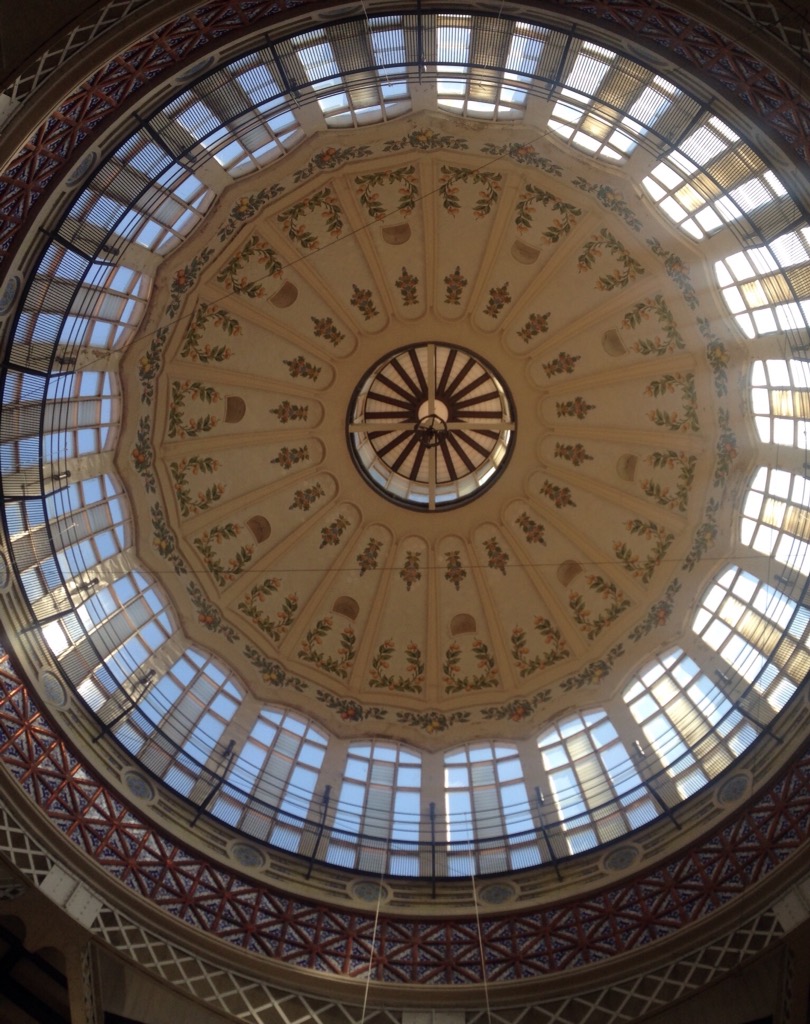
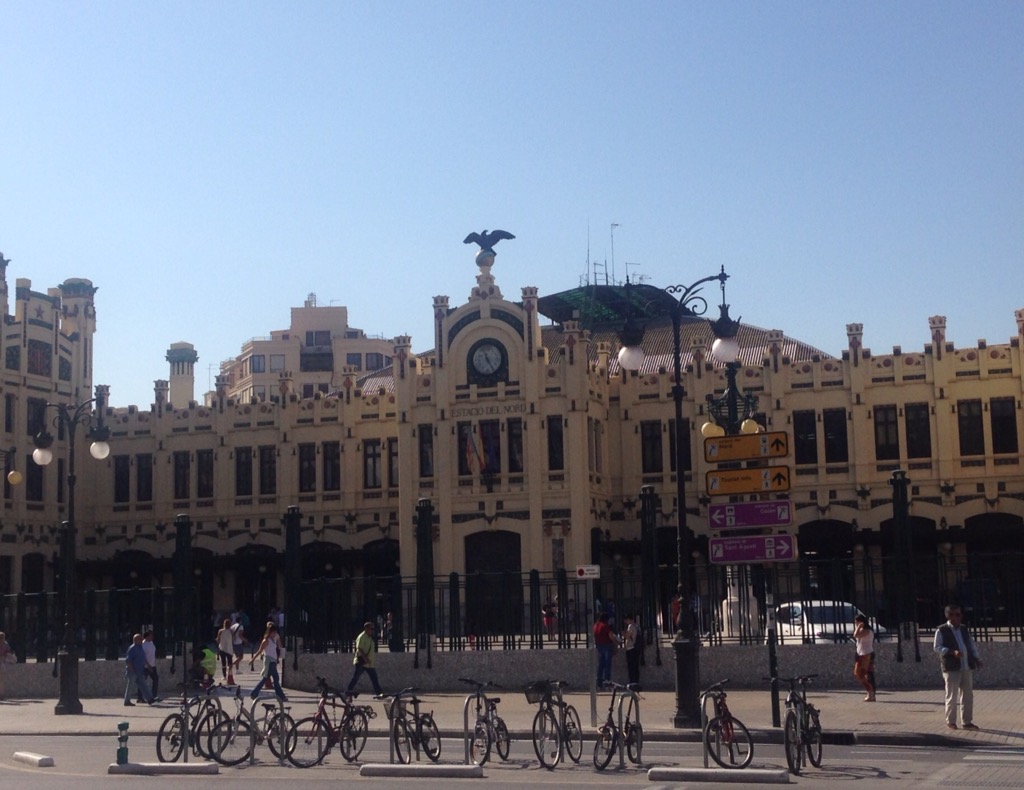
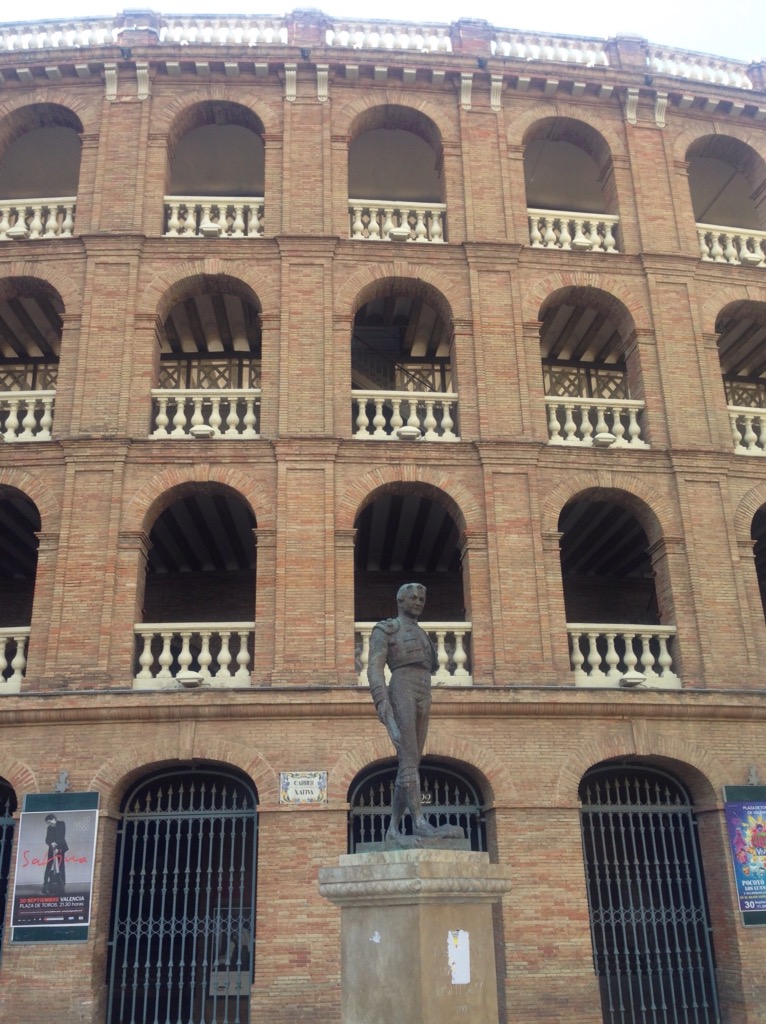
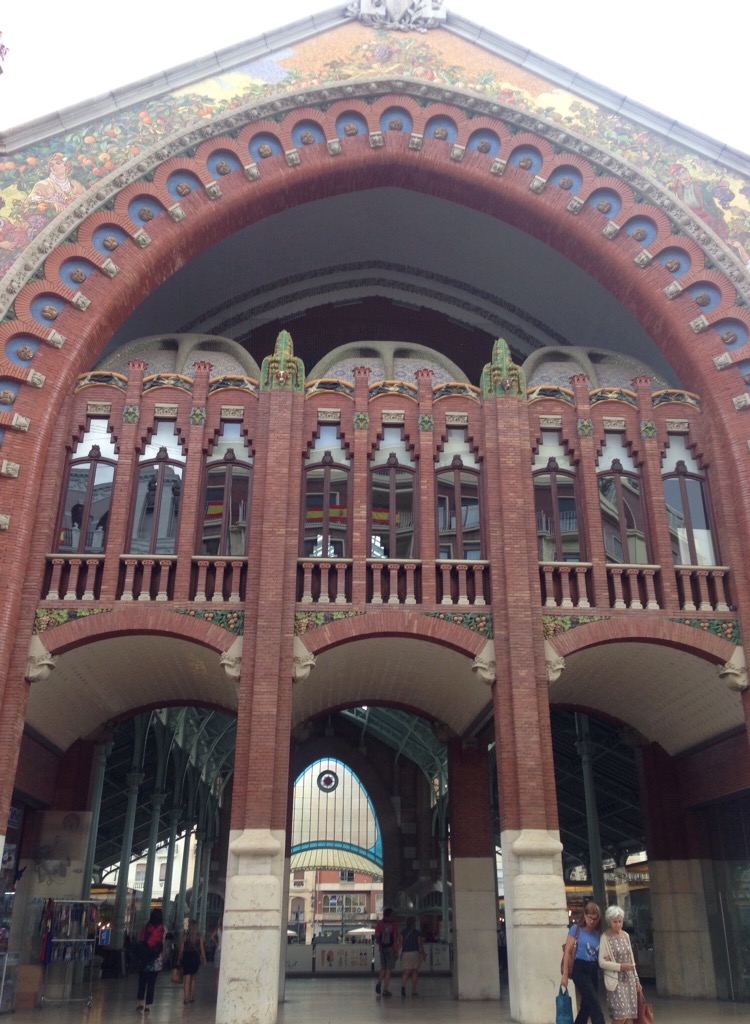
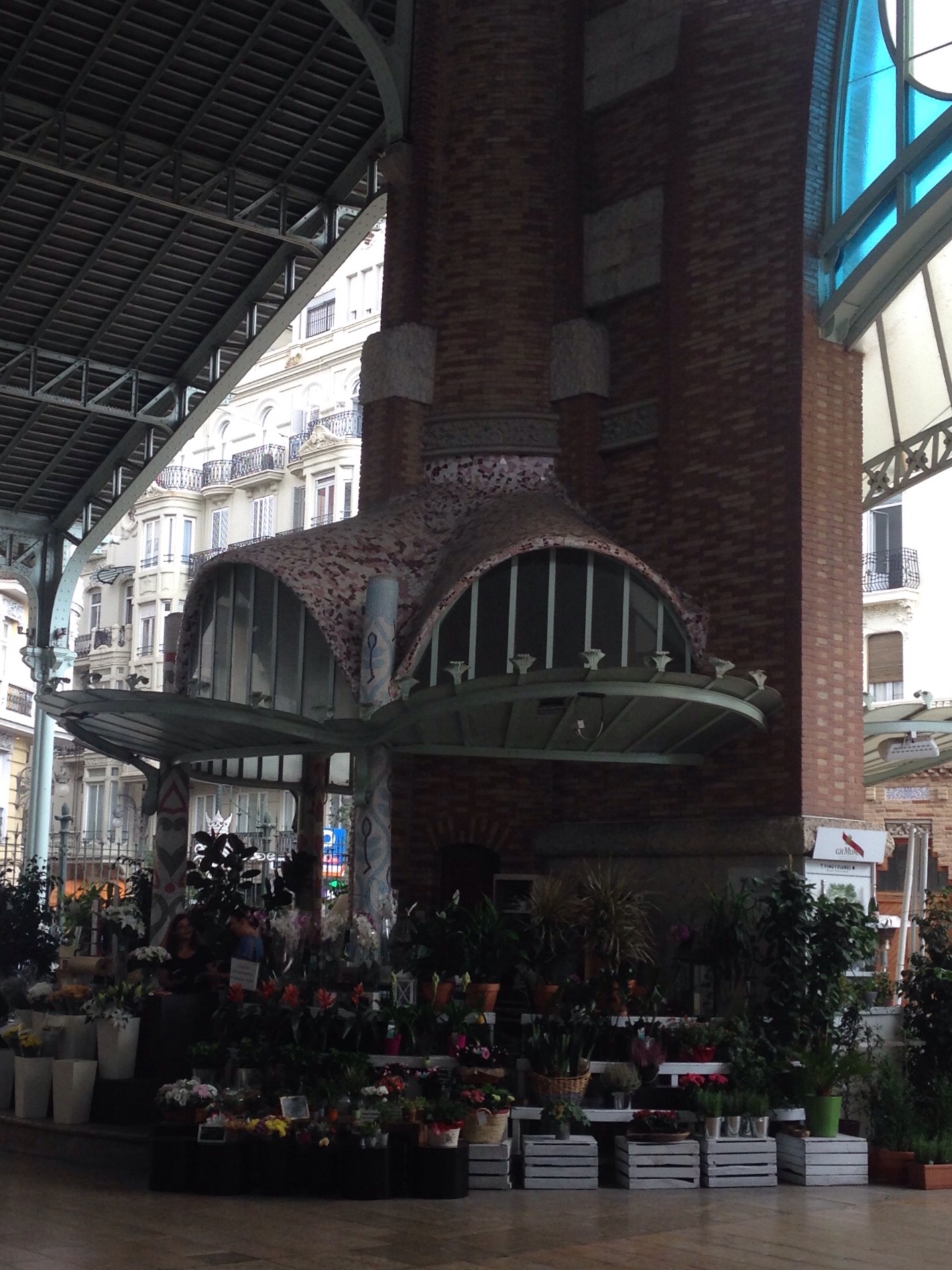
The central hall of the marketHam, of course!Valencia has been designated the capital for world food sustainability in 2017The dome of the marketOther points of interest in the Old City —
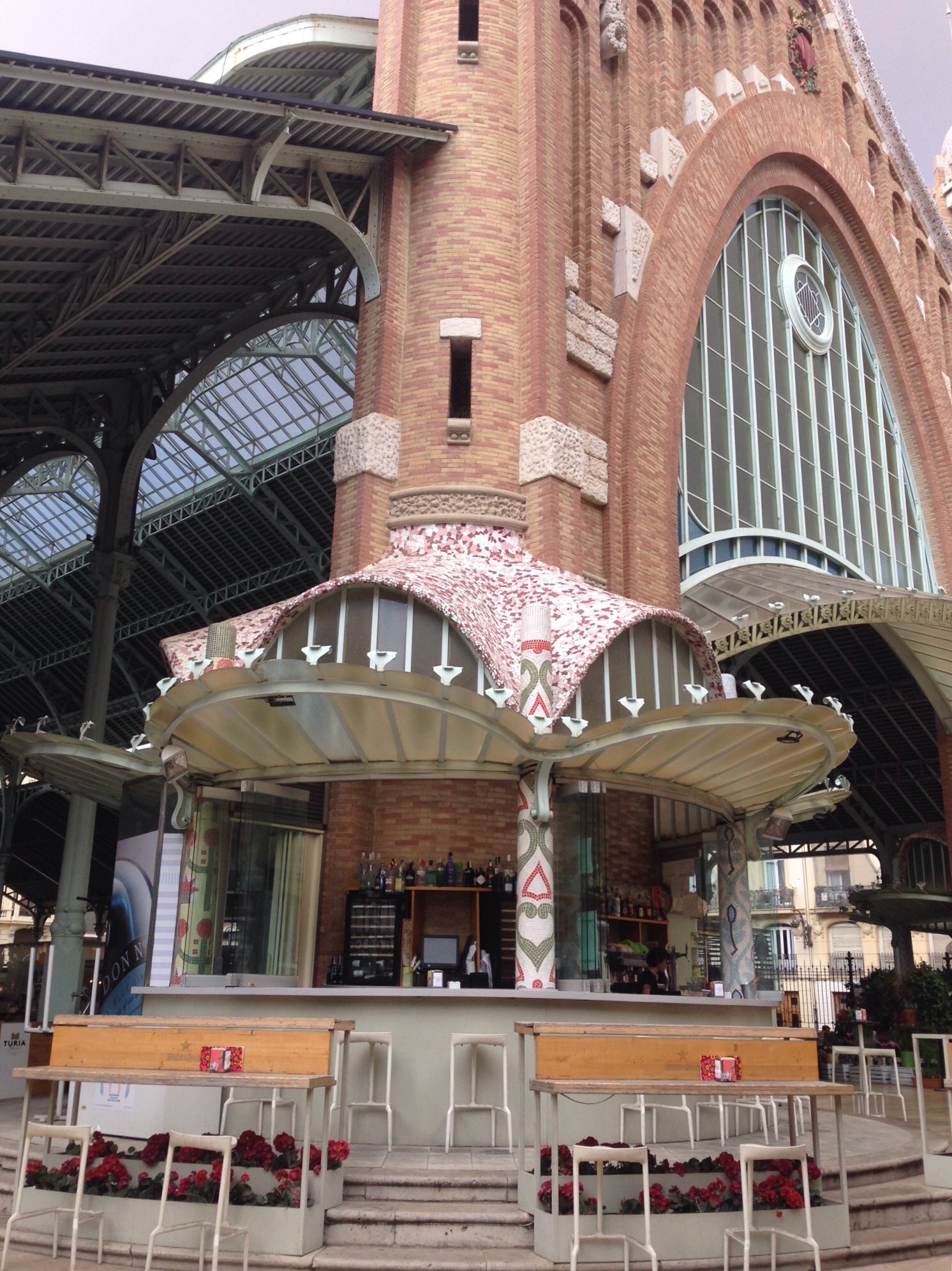
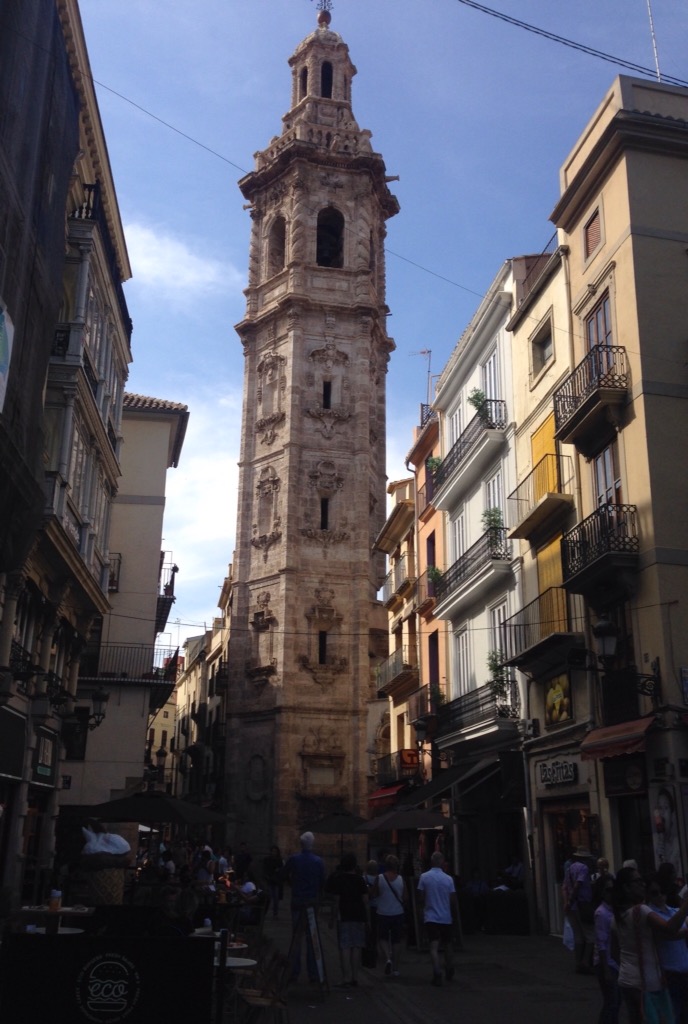
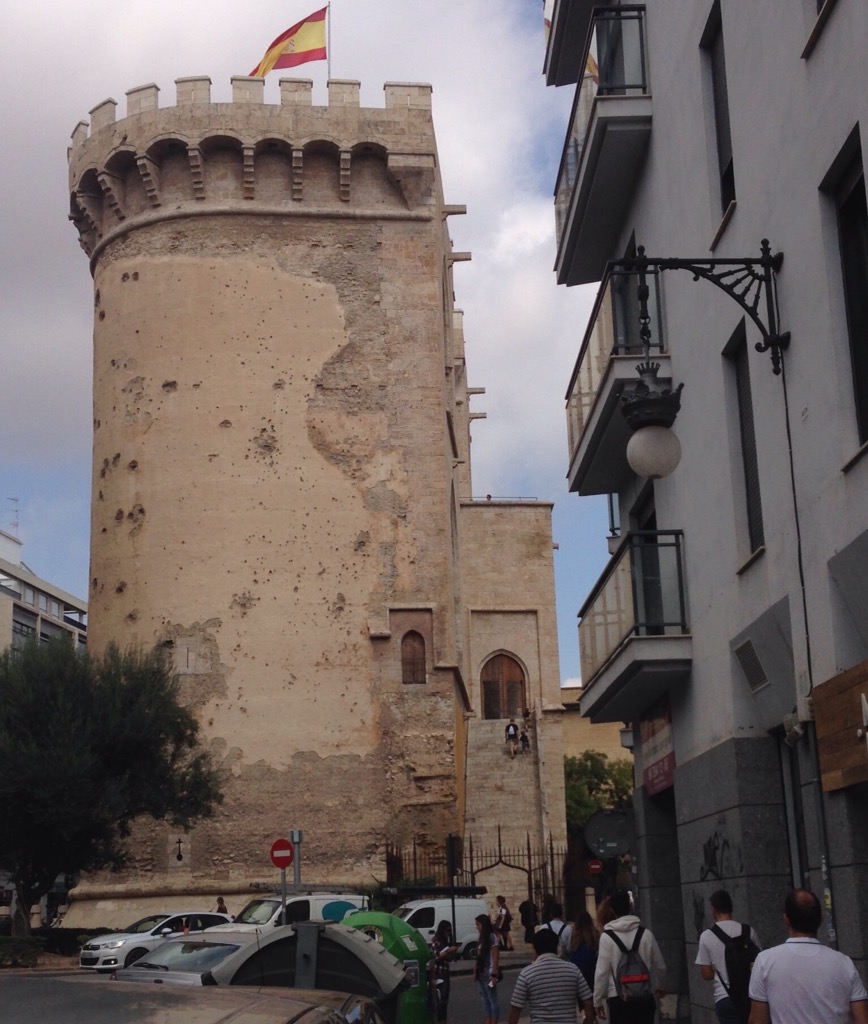
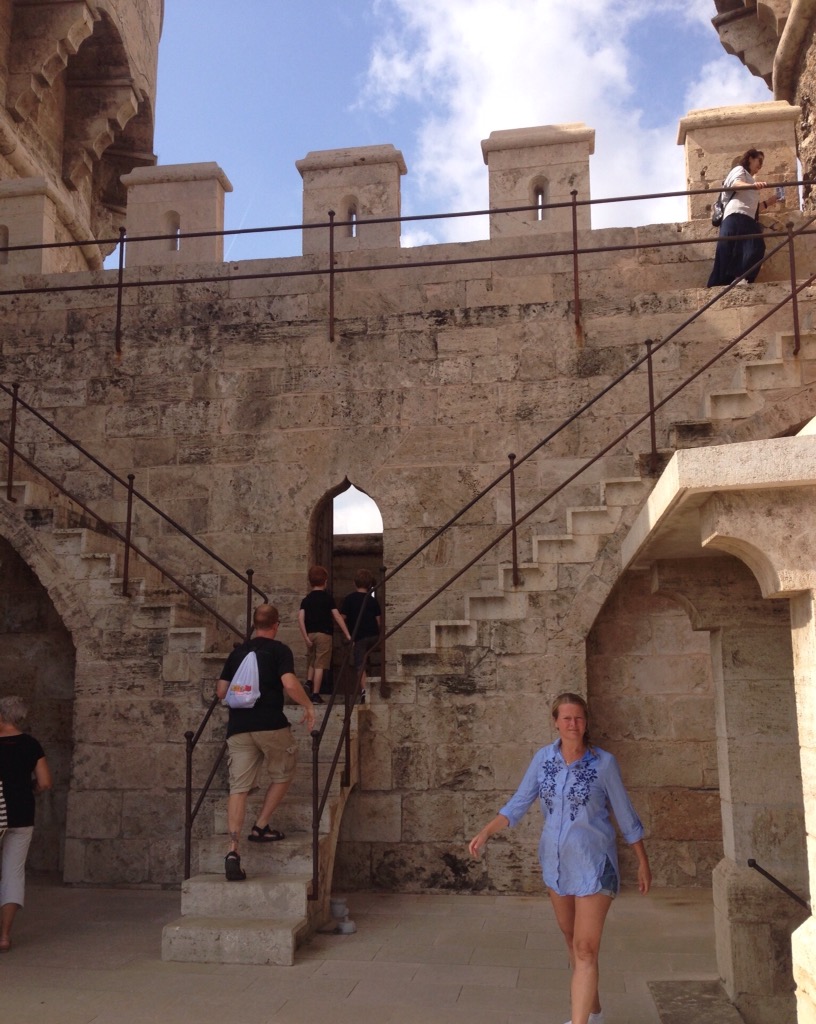
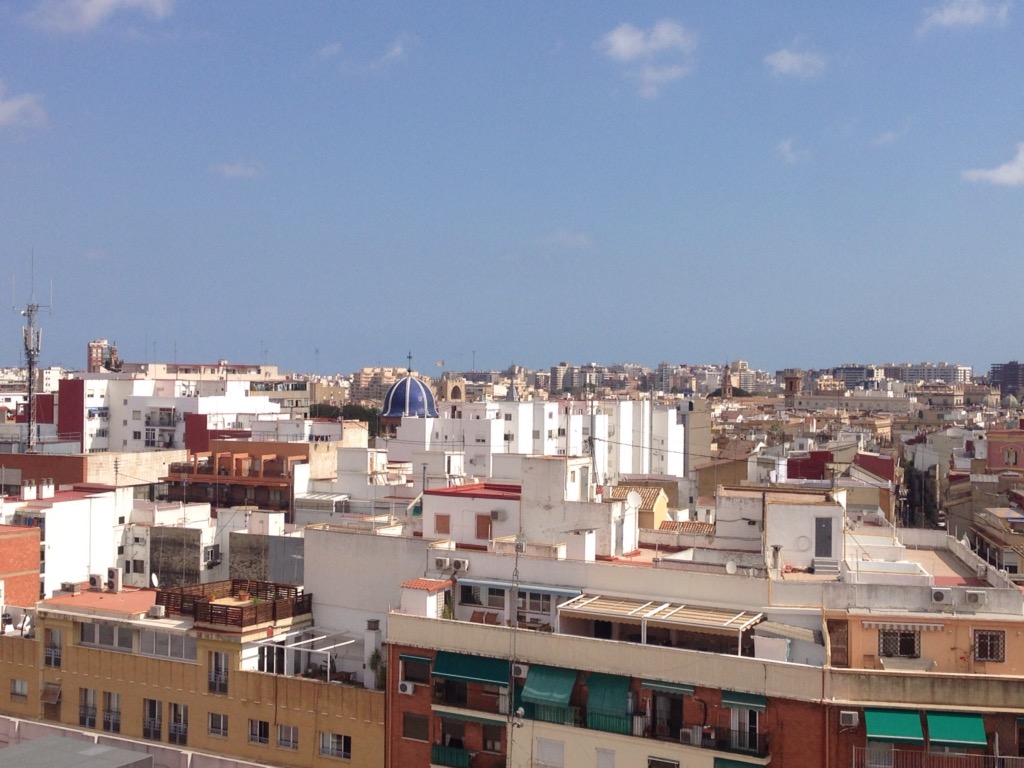
The Rail StationThe Bull RingThe Colon Market — a former antiques market that has been remade into a food hallOne end of the inside of the marketAn outside cafeSaint Catherine TowerQuart TowerExploring the towerView of a nearby street from the lower level of the towerHigher view of the city
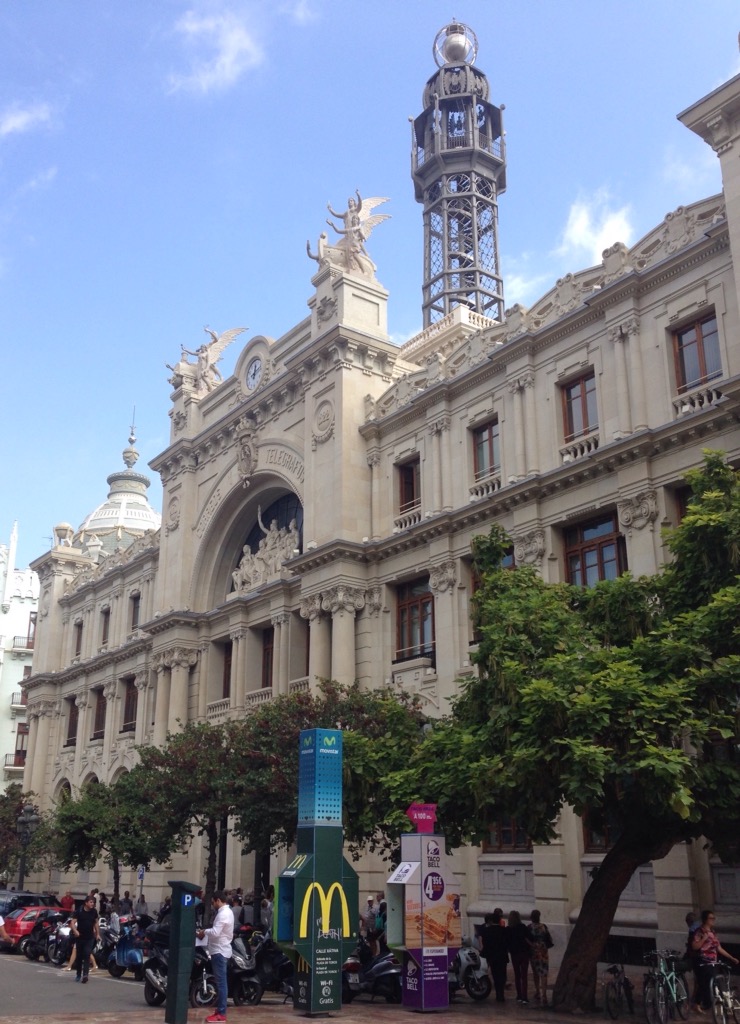
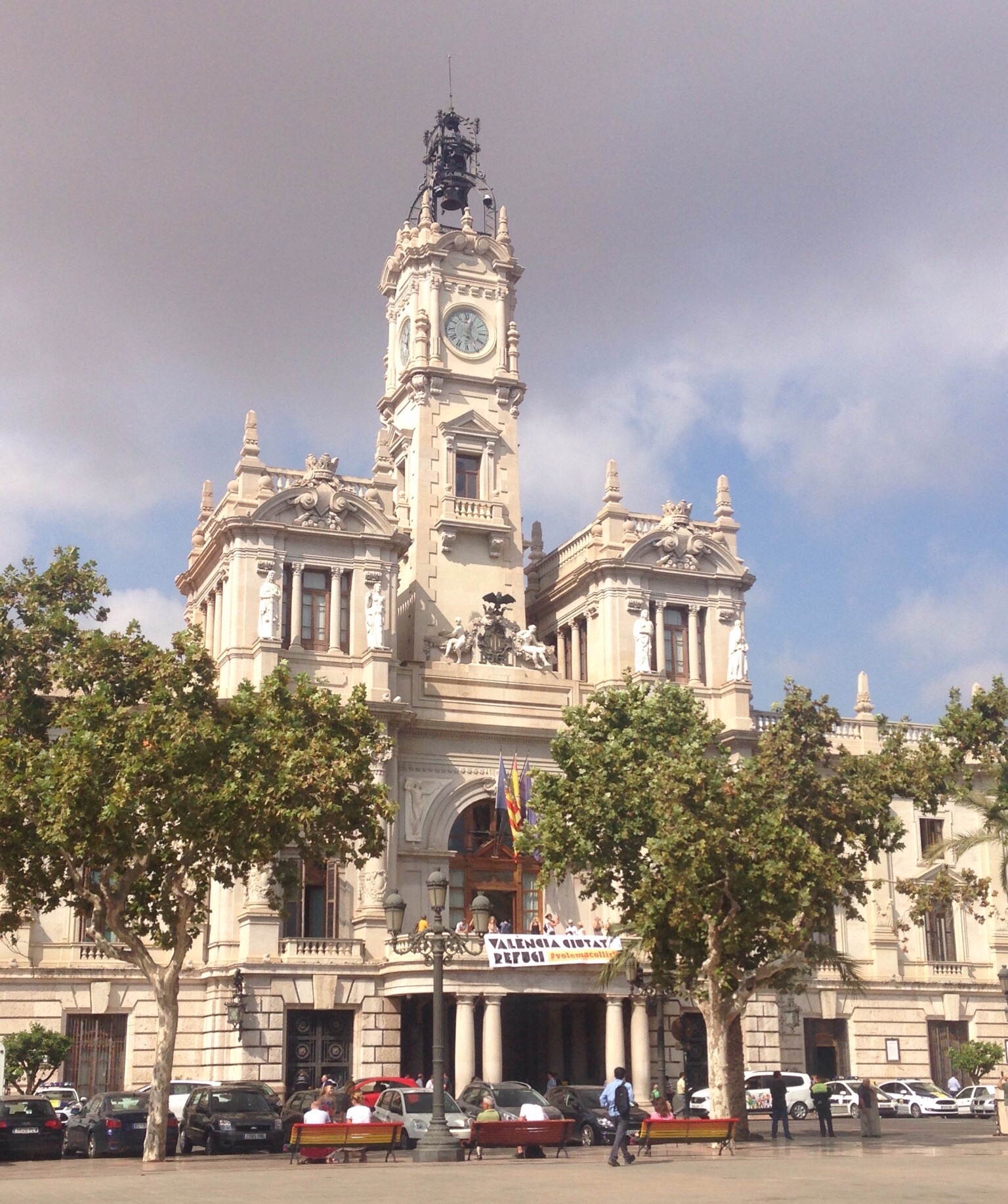
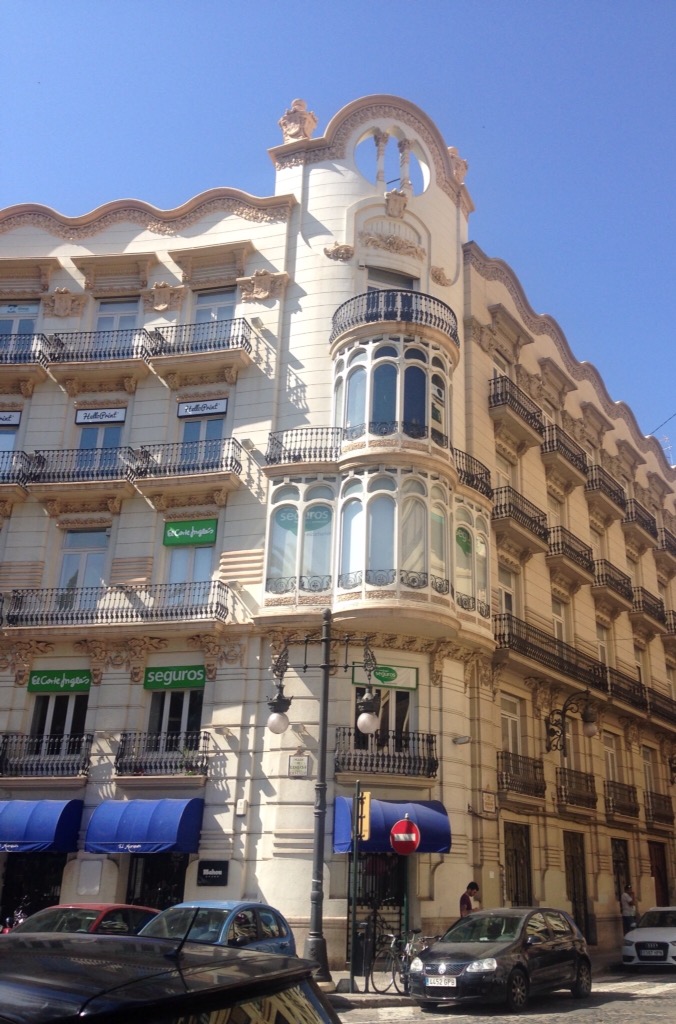
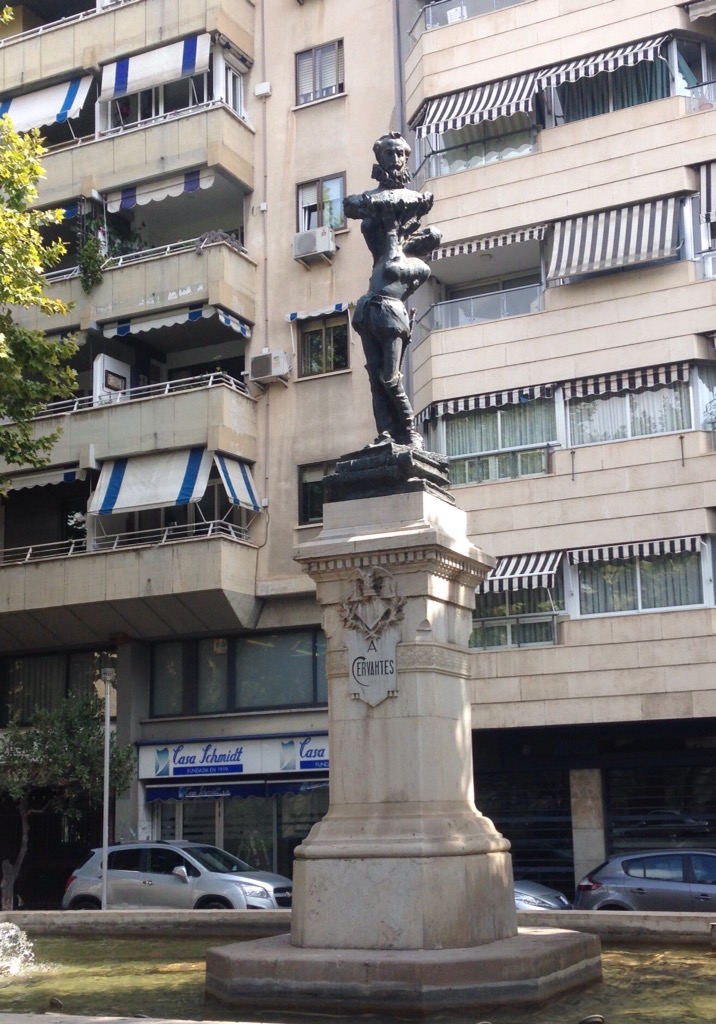
Some other buildings, etc. in the Old City that caught our eye —Old Post Office building with a modern parking system advertising McD’sCity HallA pretty building that houses El Corte Inglès, Spain’s big department store where I spent a few pesetas as a student A statue of Don Quixote holding a bust of Cervantes
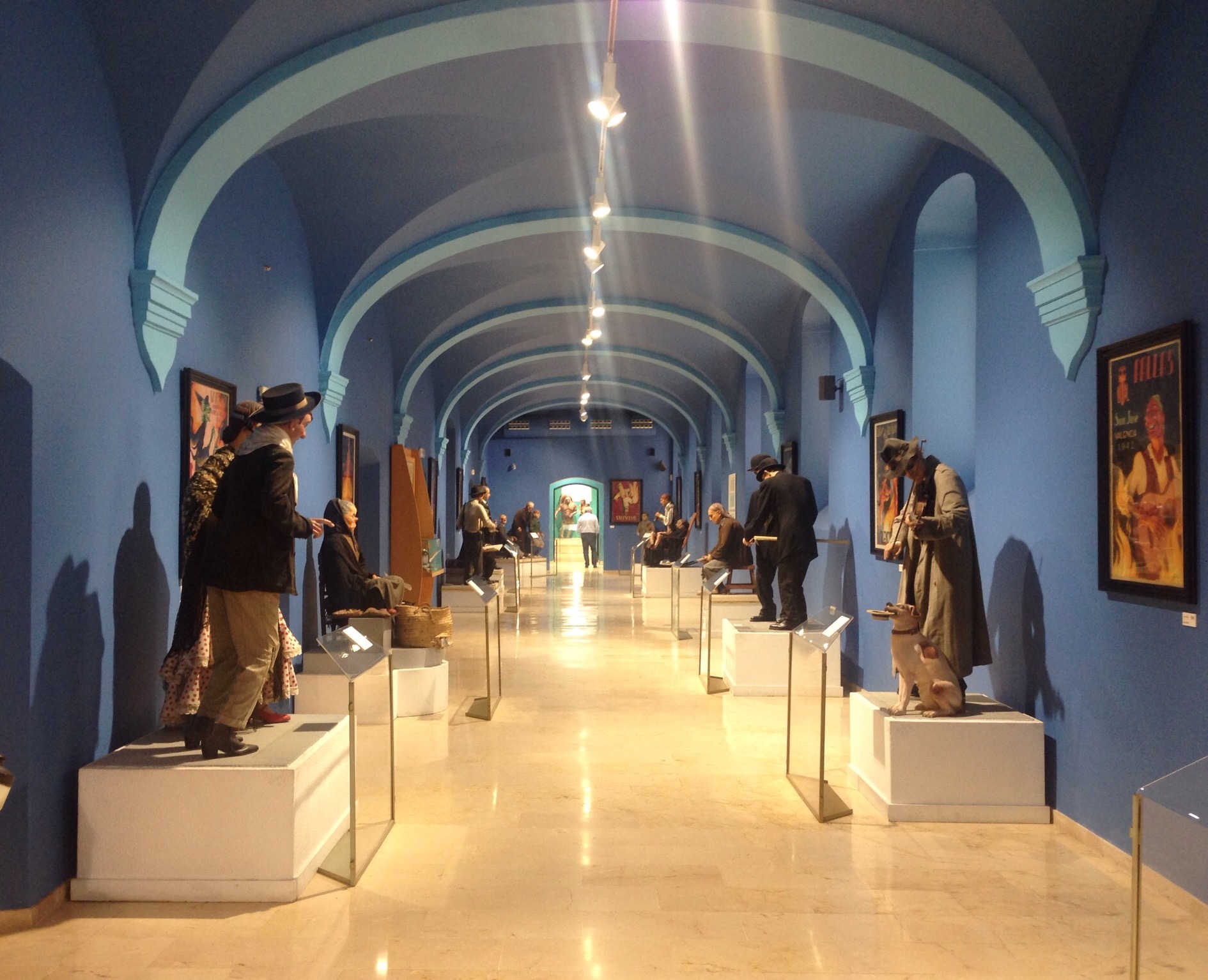
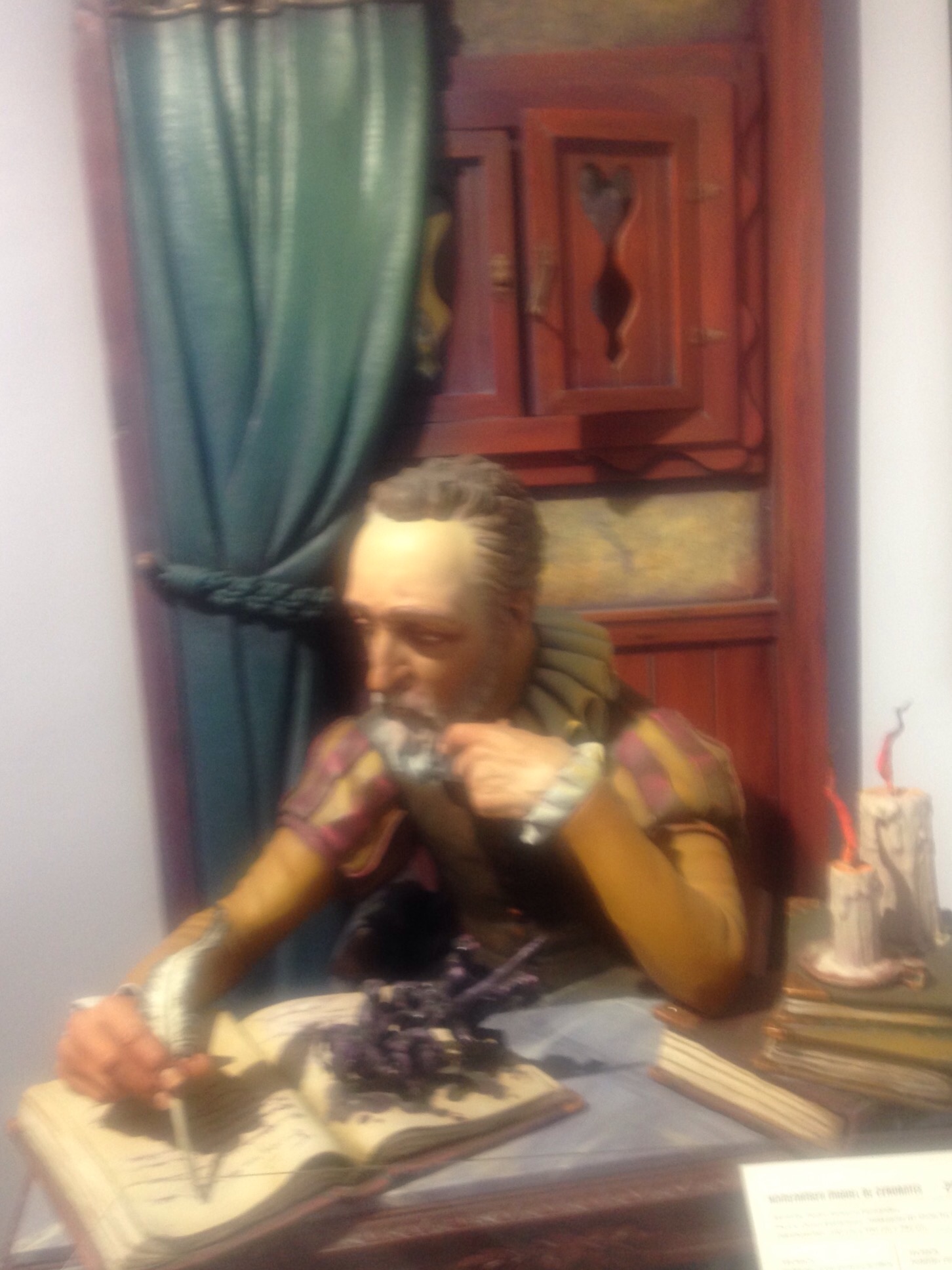
One of the Valencian festivals that I remember most from my time studying there was Las Falles. It’s a two week-long festival that commemorates Saint Joseph, although I mostly just remember it as time to stay out late, eat free paella from neighborhood pans (we each carried around our own spoon), the monuments built for Las Falles, and the end of celebration fires. Las Falles refers both to the celebration itself as well as to the monuments that are constructed (and later burnt) for the celebration. The Falles are built around that year’s theme and consist of Ninots (figures). Each year a committee recommends a set number of Ninots to be saved from the fires. The one(s) actually saved are those that receive the most votes from the public. Bob and I visited the museum that houses the saved Ninots and provides an overview of the festival.
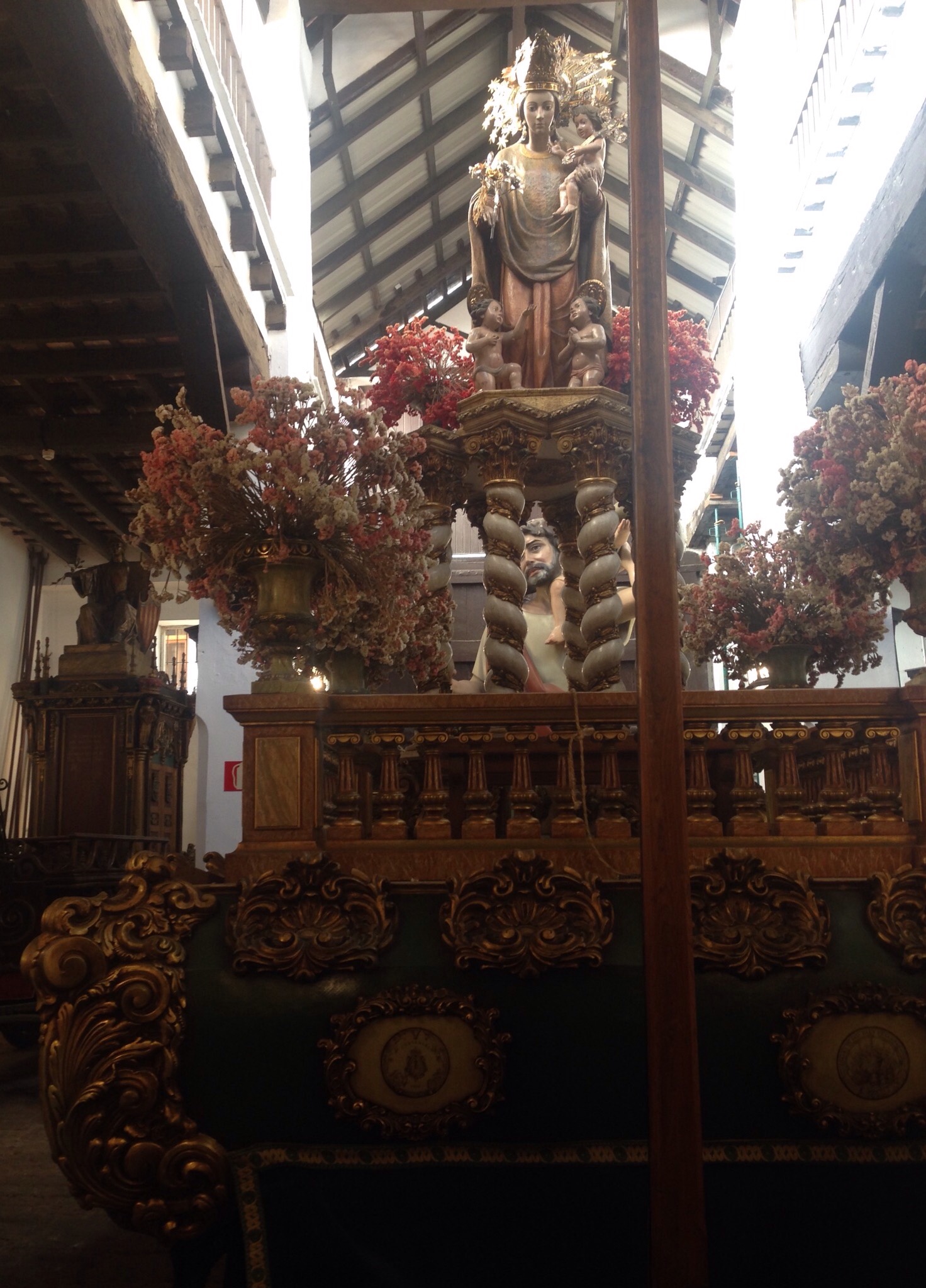
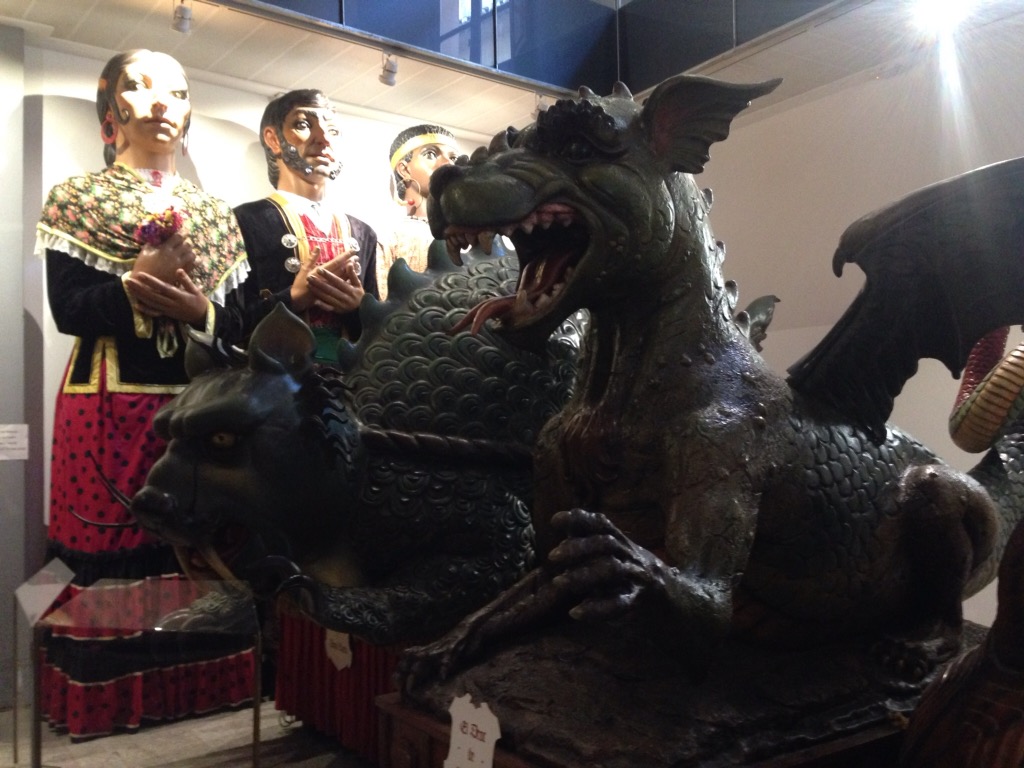
The museum buildingOne hallway of saved figuresA saved into from a children’s themed monumentA Cervantes NinotOne free museum that we happened upon on our walk around Old a town one day was The Corpus Museum also known as The House of the Rocks. This building was bought by the Valencia City Council in 1446 to house the ceremonial carts (rocks) used in the city’s annual Corpus Christi festivities. The festivities take place on the Sunday closest to the 60th day following Easter (per papal instructions from the XIII century). The carts are Valencia’s emblem of their celebration. There are currently 11 rocks that have been elaborately crafted over many years, with the oldest completed in 1512 and the newest in 2001. They are brought out of the museum for viewing on the Friday night before the official celebration. The Sunday festivities consist of thrwe different parades throughout the day on Sunday.
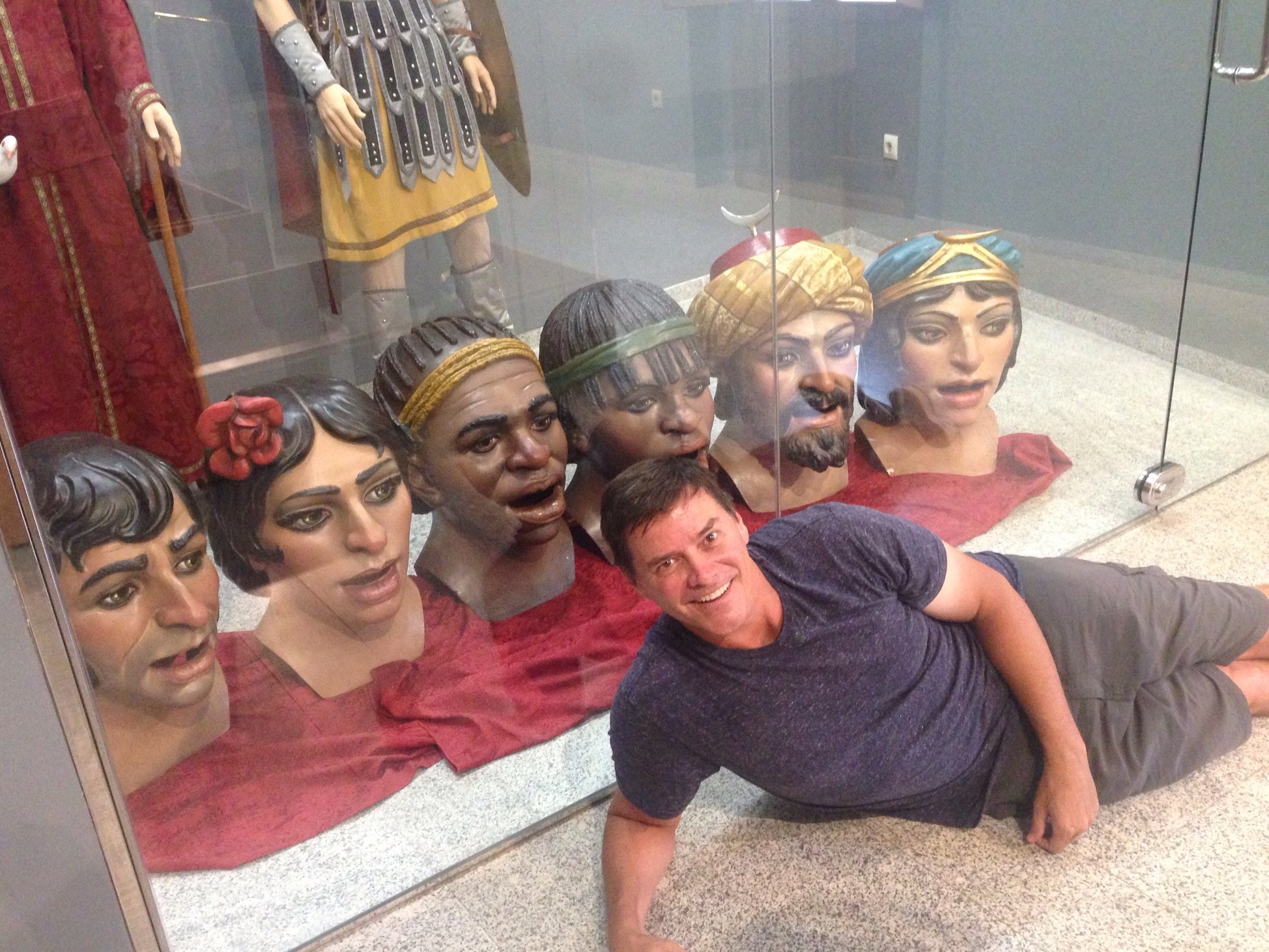
One of the rocksThe parades consist of more than just the rocks. They include children and adults folk dancing, mythological creatures, and Giants that reflect the different populations around the world to whom the word of God should be spread.Bob taking advantage of a multiple big head opportunity in front of some of the costumes
Since we had seen the beautiful beaches and coastline in Croatia, we had to see what Valencia had to offer. I also wanted to walk back from the beach on the road that I lived on as a student — the Avenue of the Port. We walked down through the gardens (see prior post) which got us very close to the beach through the lovely arts and sciences complex (see next post). It was a lovely day, but I didn’t recognize much from “my” old street — I guess 30 years and some urban renewal efforts will do that.
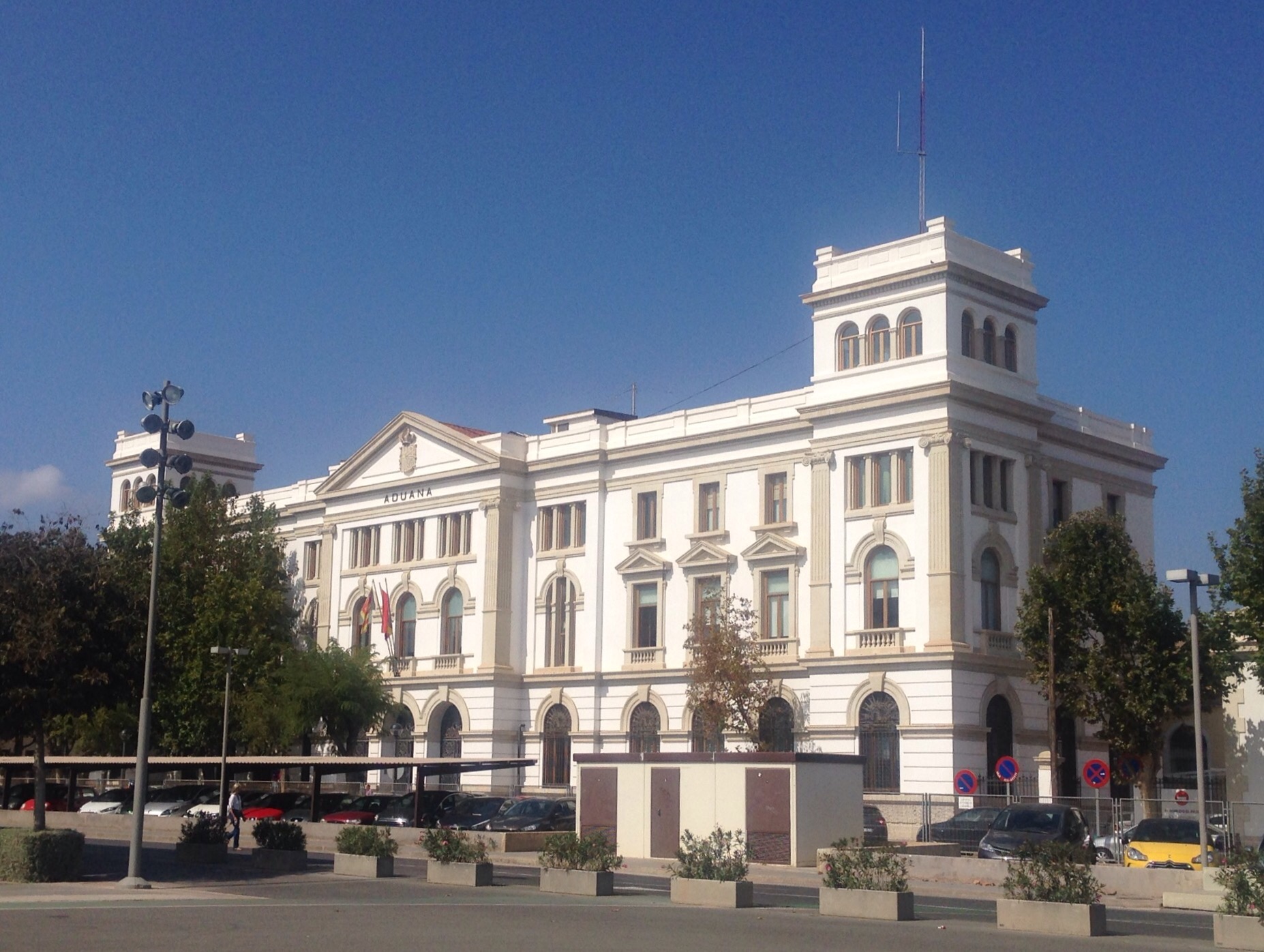
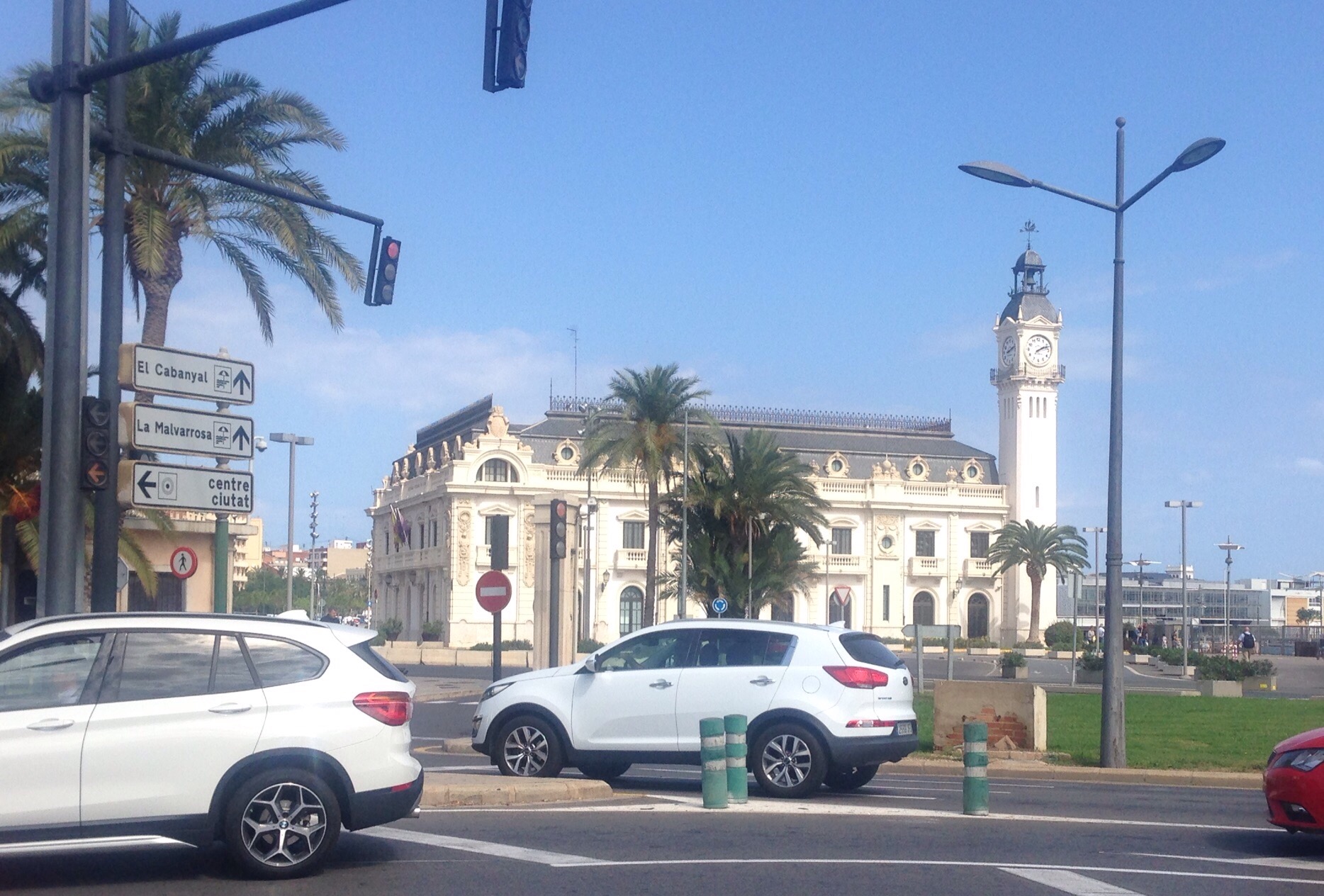
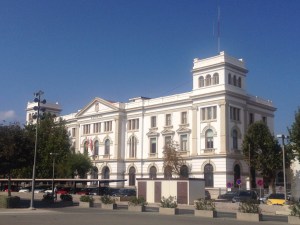
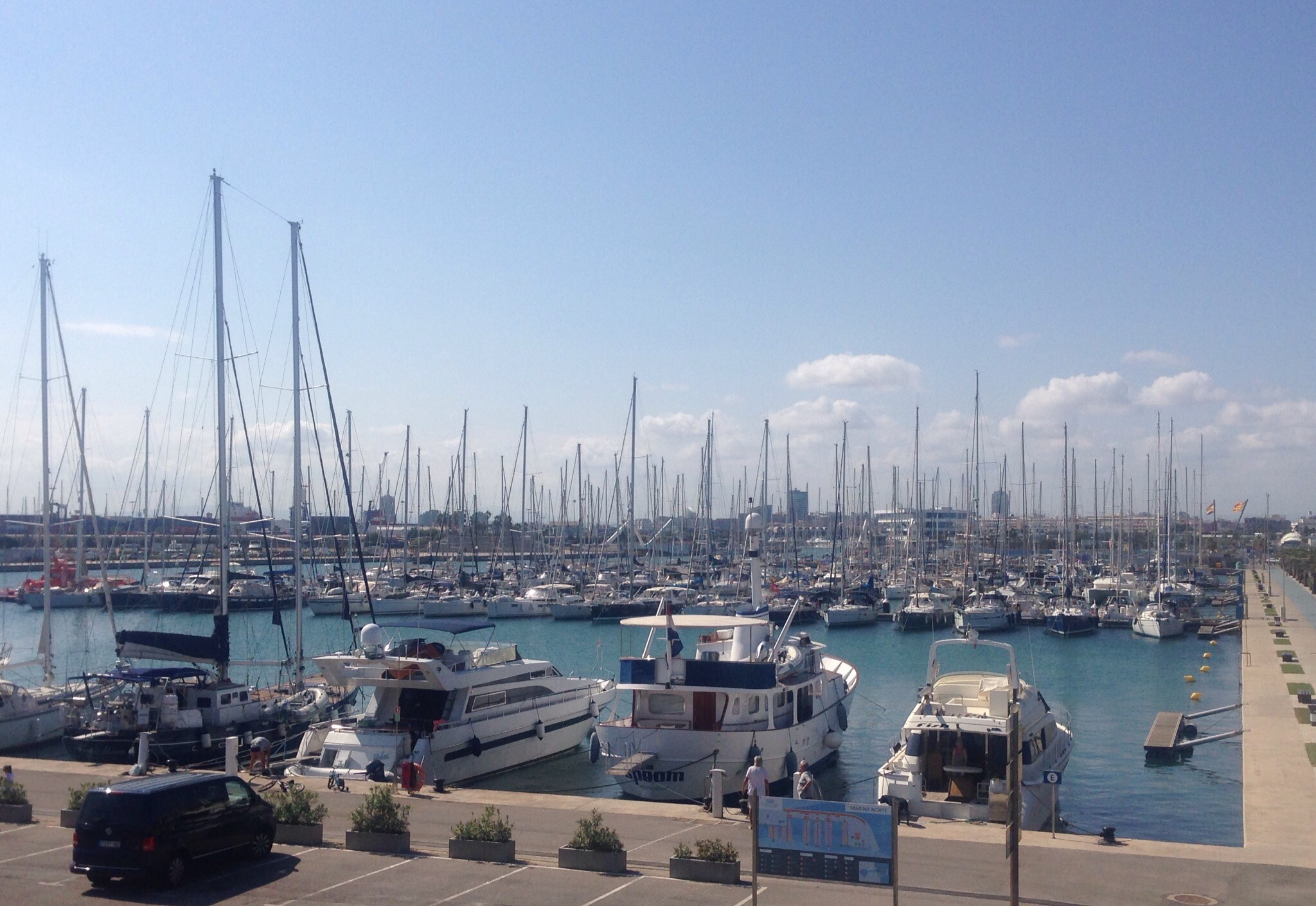
Walking up to the port areaThe customs houseBoats in the harbor
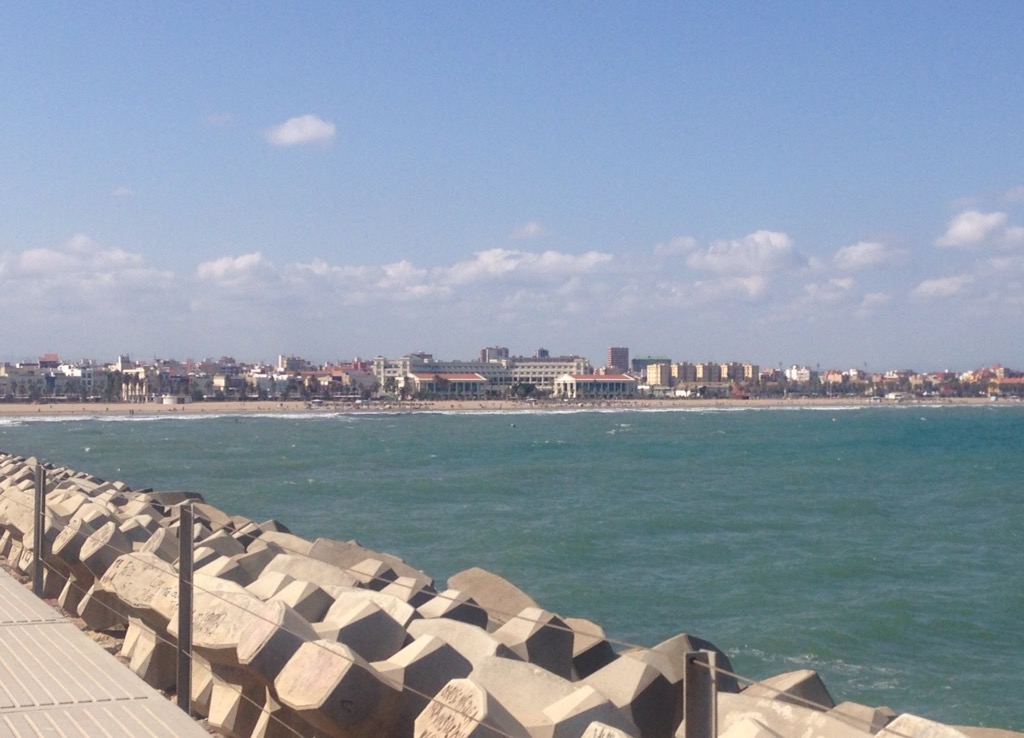
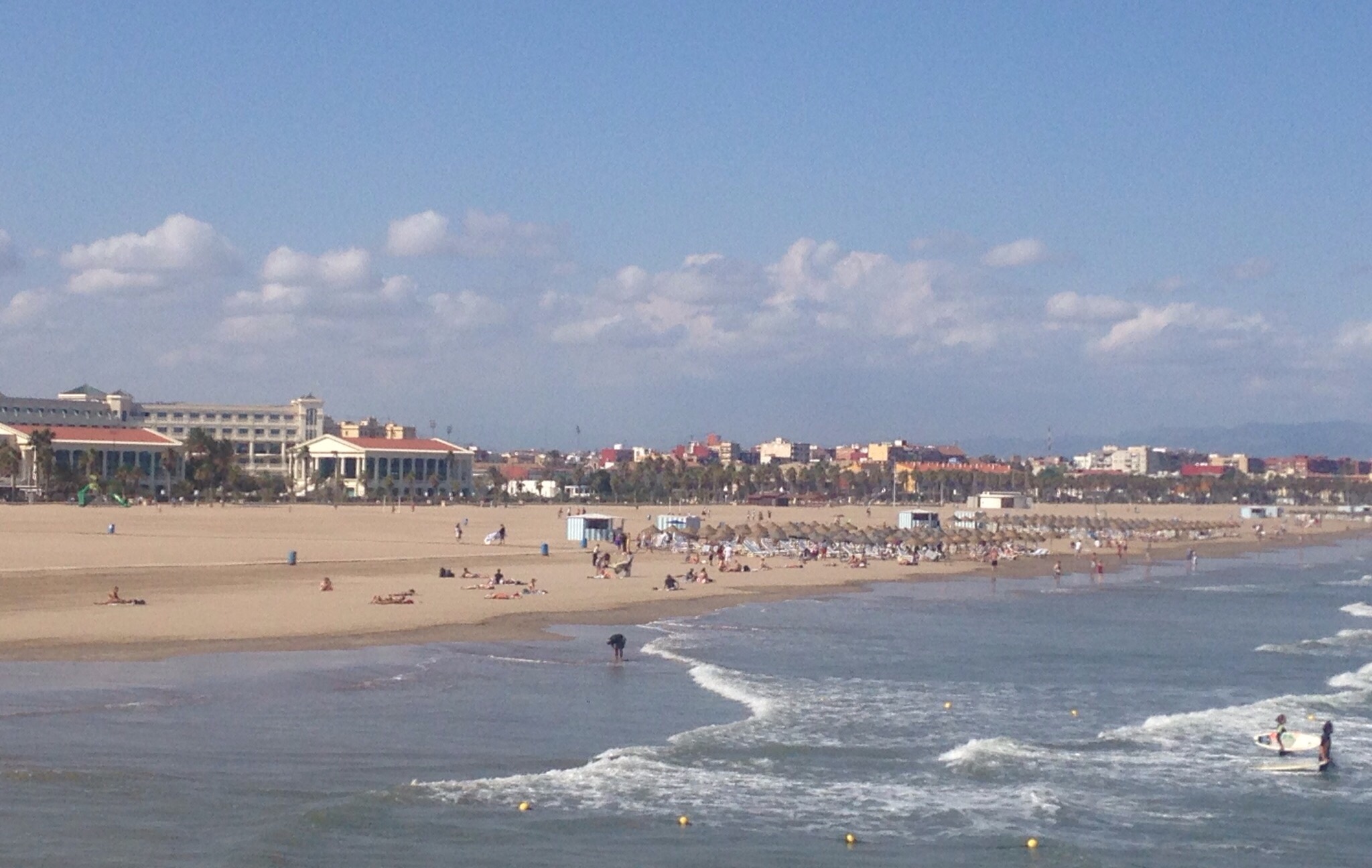
Looking back at Carbanyal Beach from the harbor areaAnother look at the beachOne of 2 big sand castles that we saw along the beach near the promenade The promenade along the beachWe popped into Las Arenas hotel — a 5 star hotel complex on the beach. This was one of their pools.
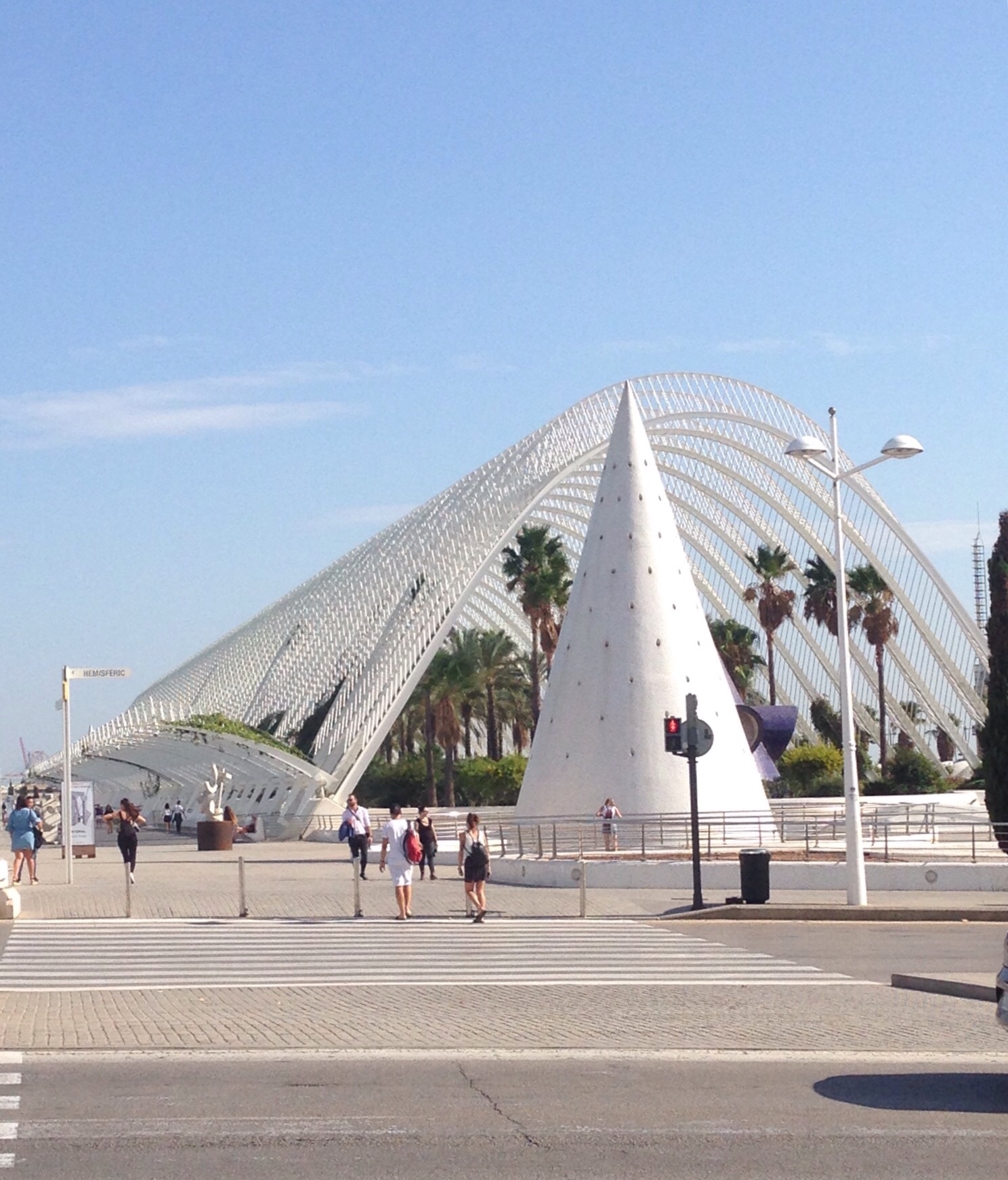
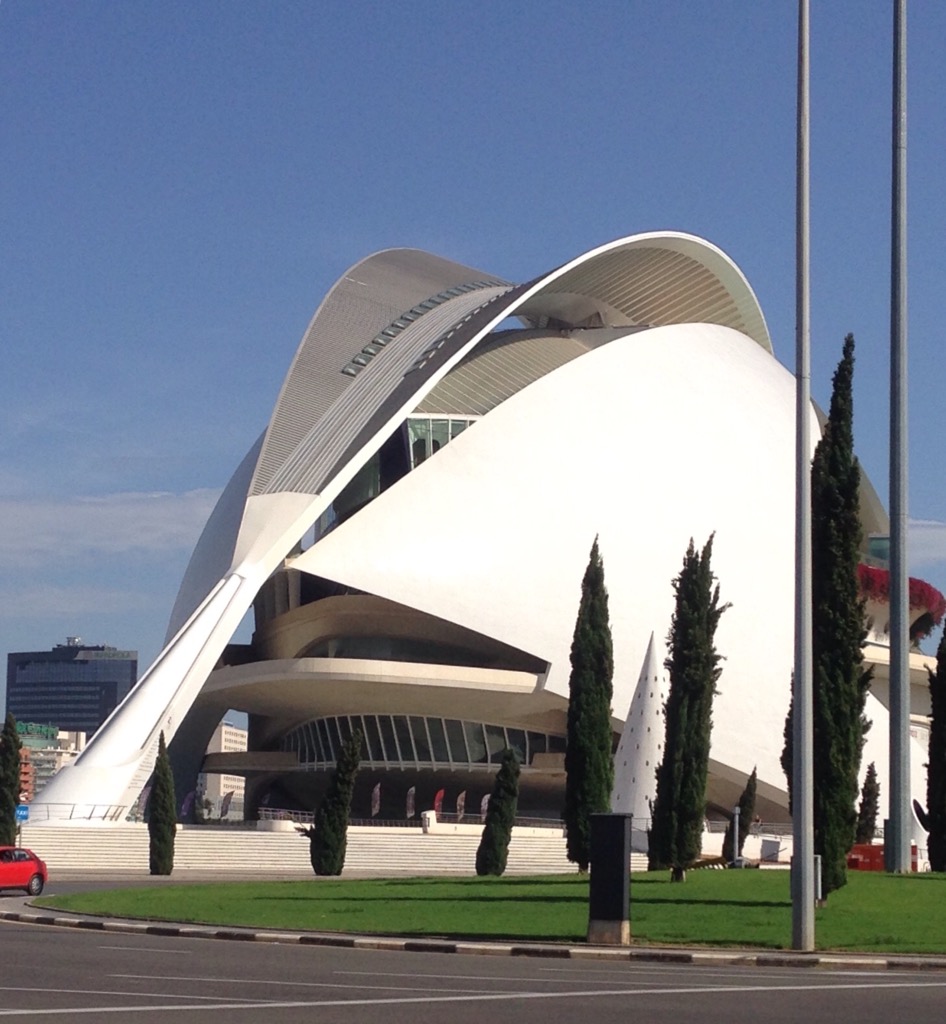
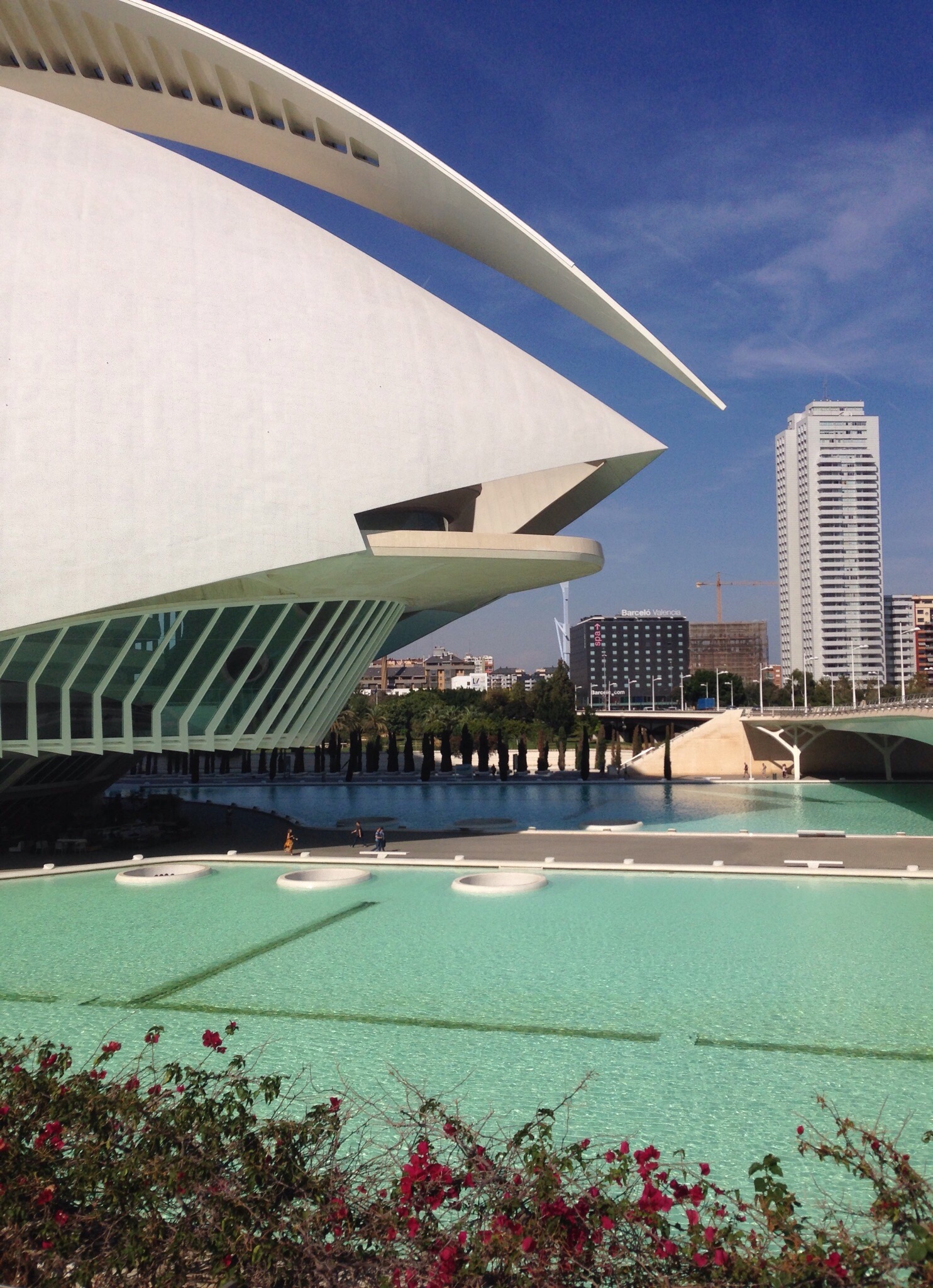
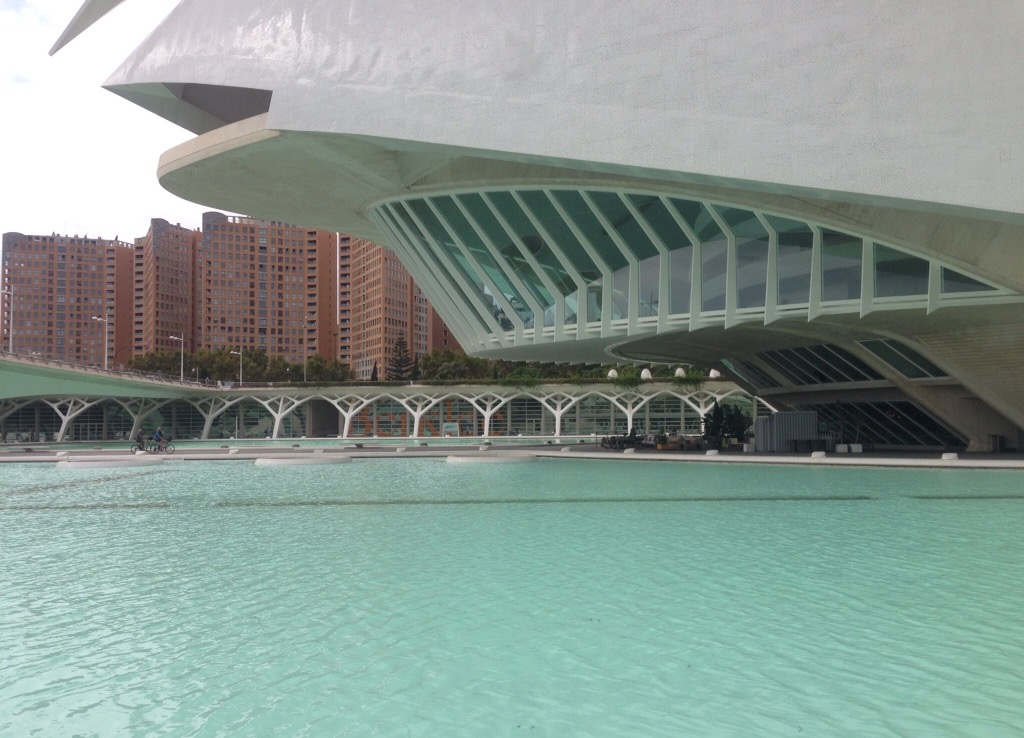
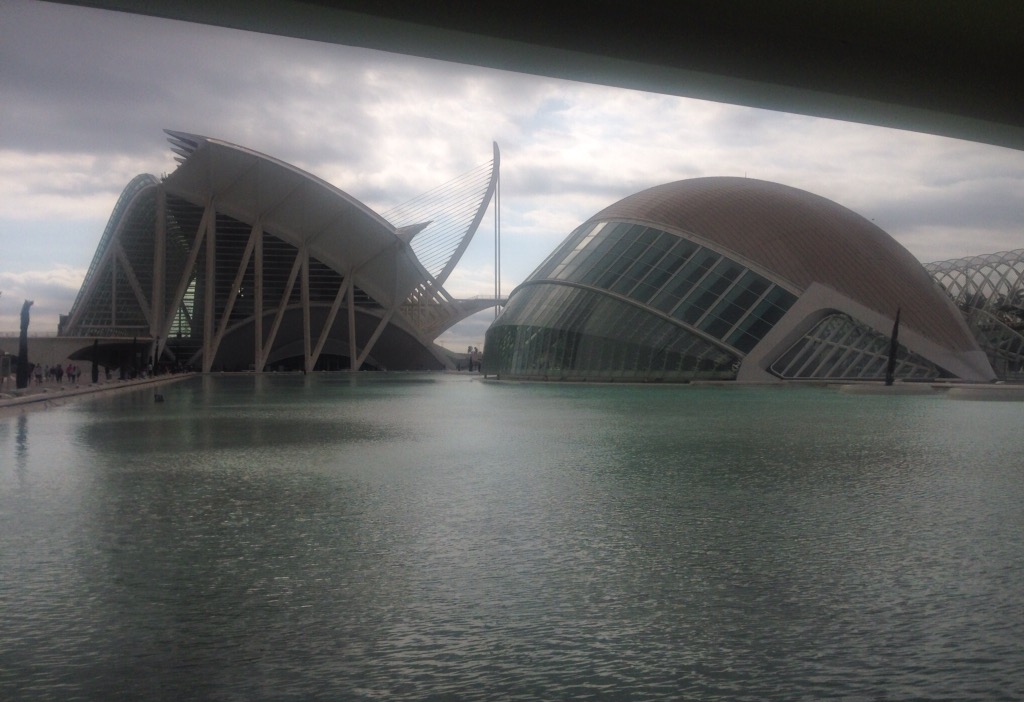
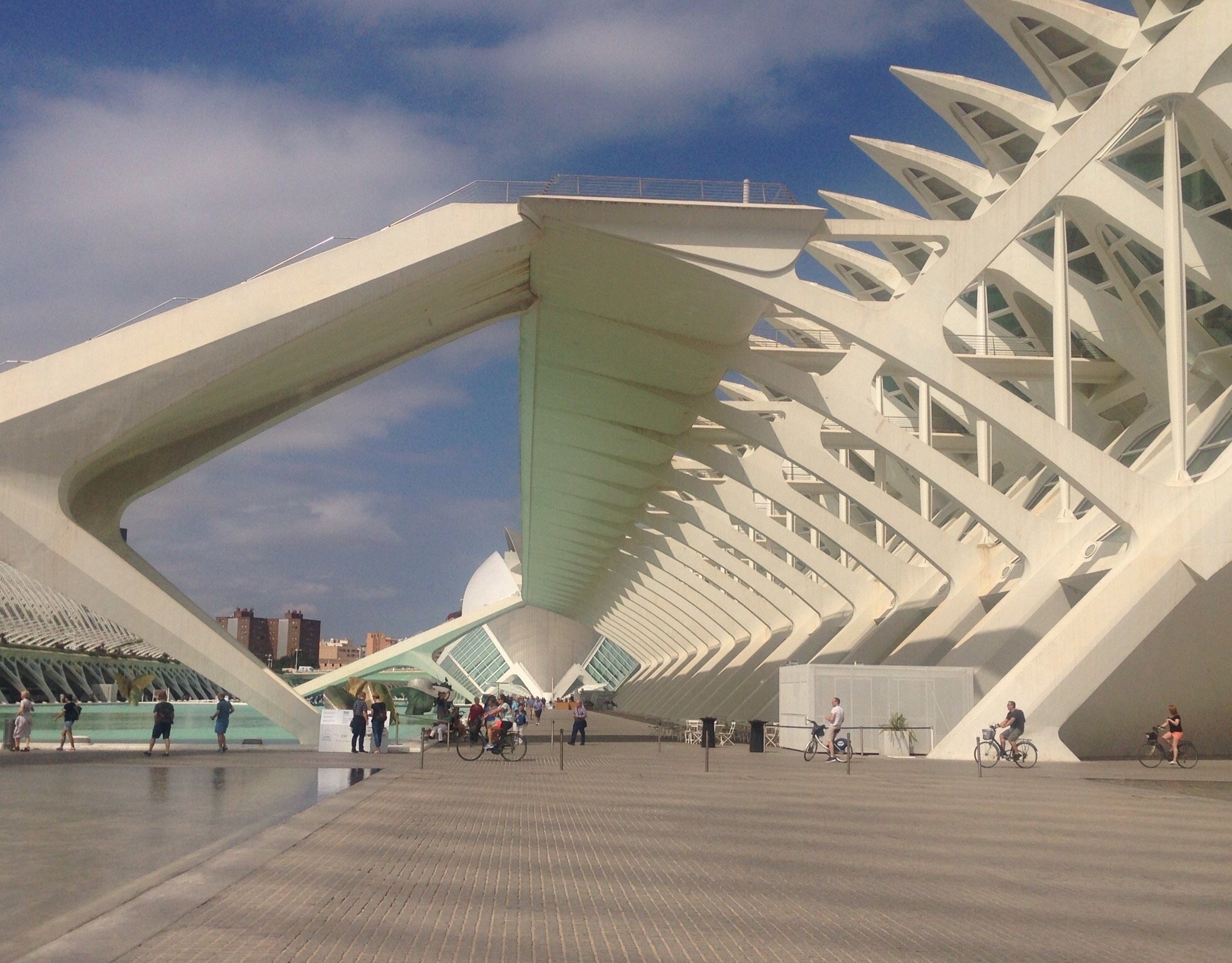
The City of Arts and Sciences is a cultural and architectural complex at one end of the garden of Túria. It was designed by Santiago Calatrava and Félix Candela. It was inaugurated in 1998 and has become Valencia’s number one modern tourist attraction. The complex consists of a number of buildings including — The Hemispheric (IMAX, planetarium, and lasrium), the Prince Philip Science Musem, the Umbracle ( open, landscaped structure with a Walk of Sculptures and outdoor art gallery), the Oceanographic (largest oceanographic aquarium in Europe), the Queen Sofia Palace of the Arts (opera house and performing arts center), a bridge, and an agora (a covered plaza which hosts concerts and sporting events).
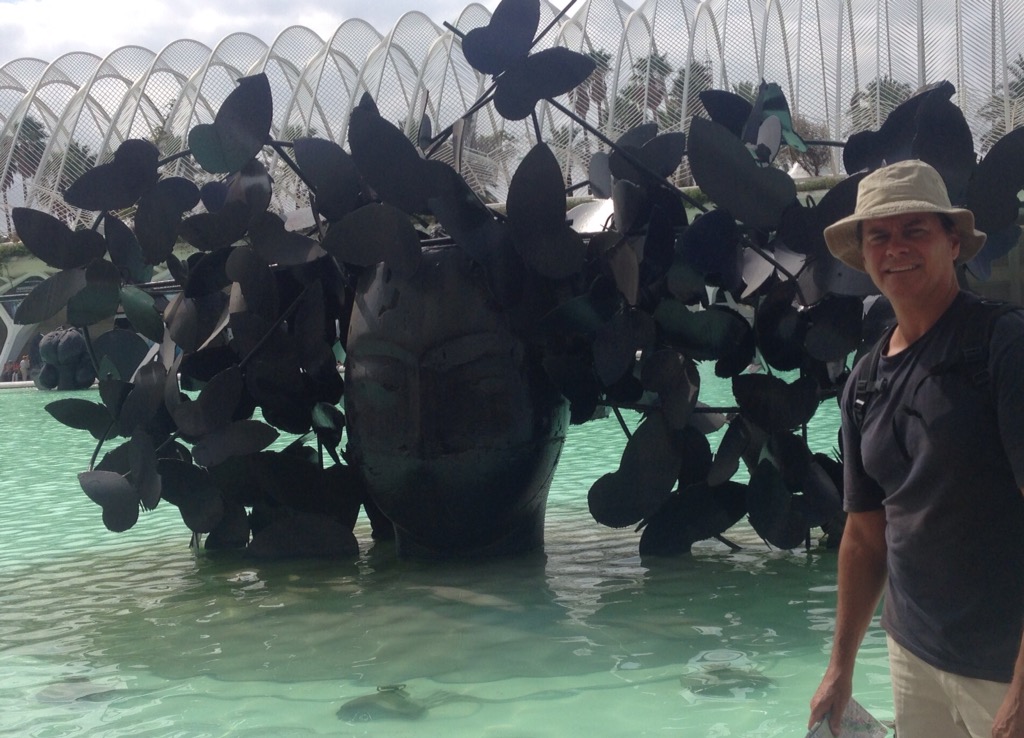
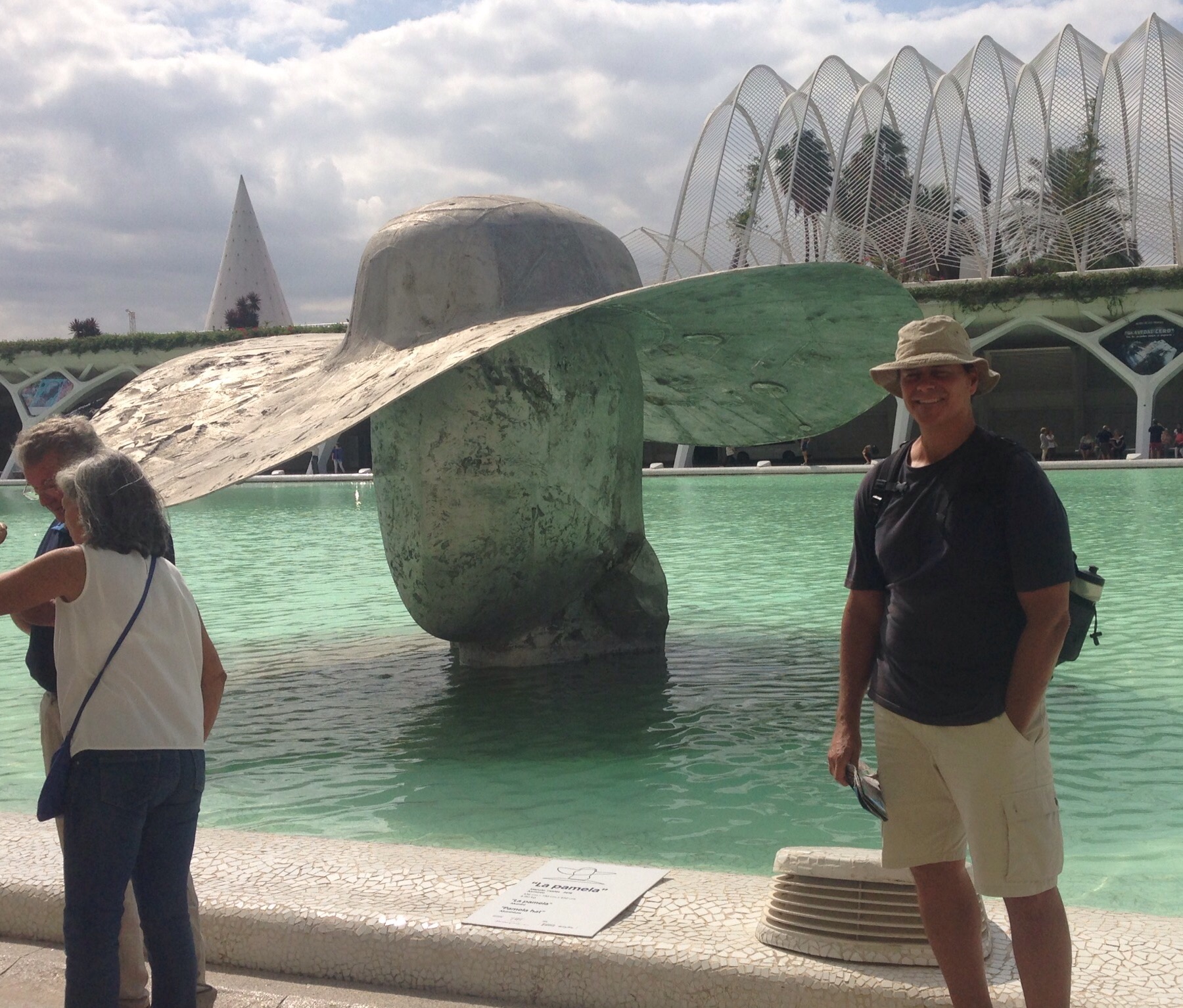
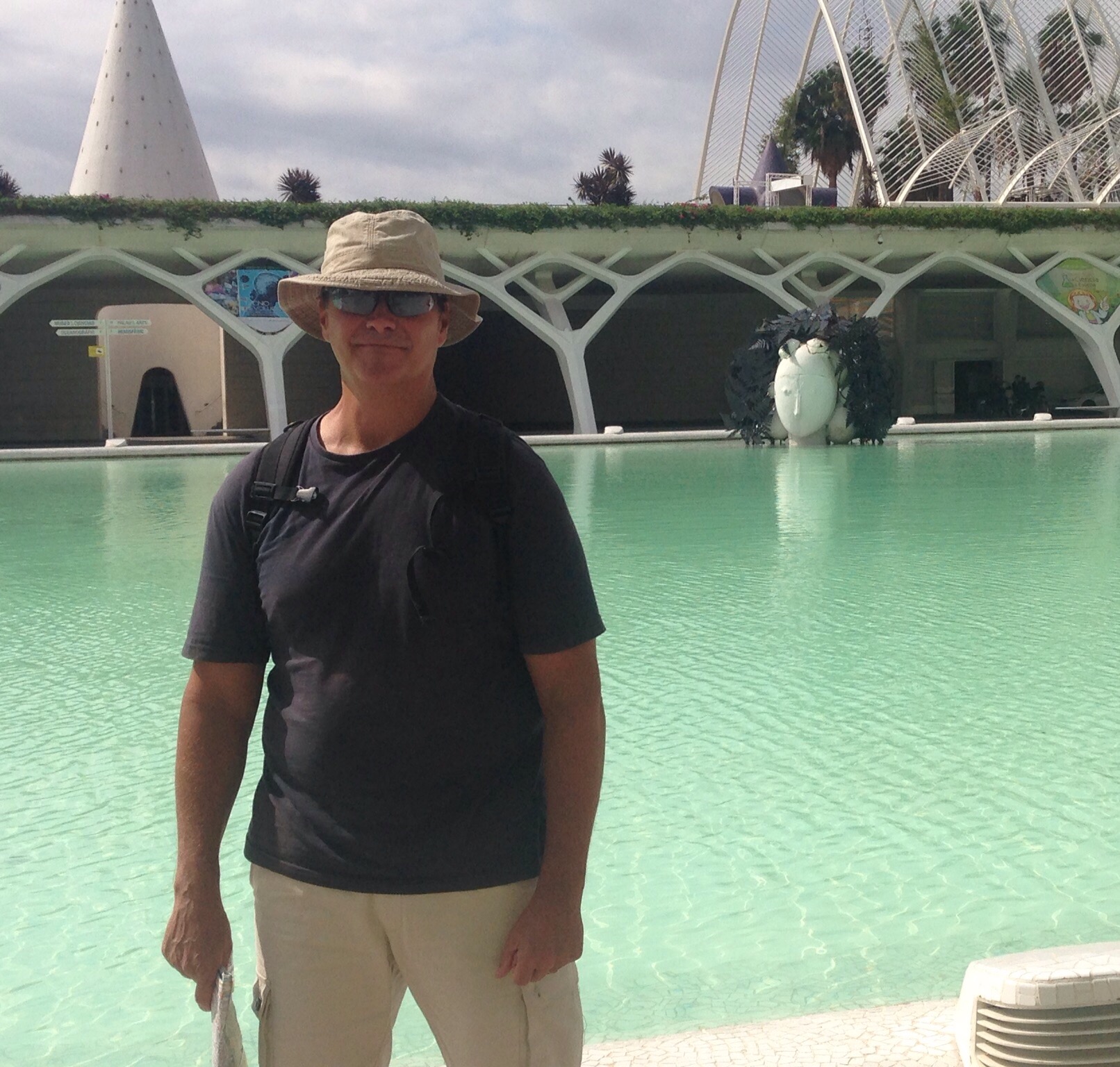
Bob and I walked around most of the complex and did a paid tour of the Palace of the Arts. We also stumbled upon a Big Head Bonanza!
The Calatrava-designed Palace of the Arts — from different angles it looks like a helmet or a cruise shipThe front of the Palace of the Arts with its water featureThe back of the Palace of the Arts
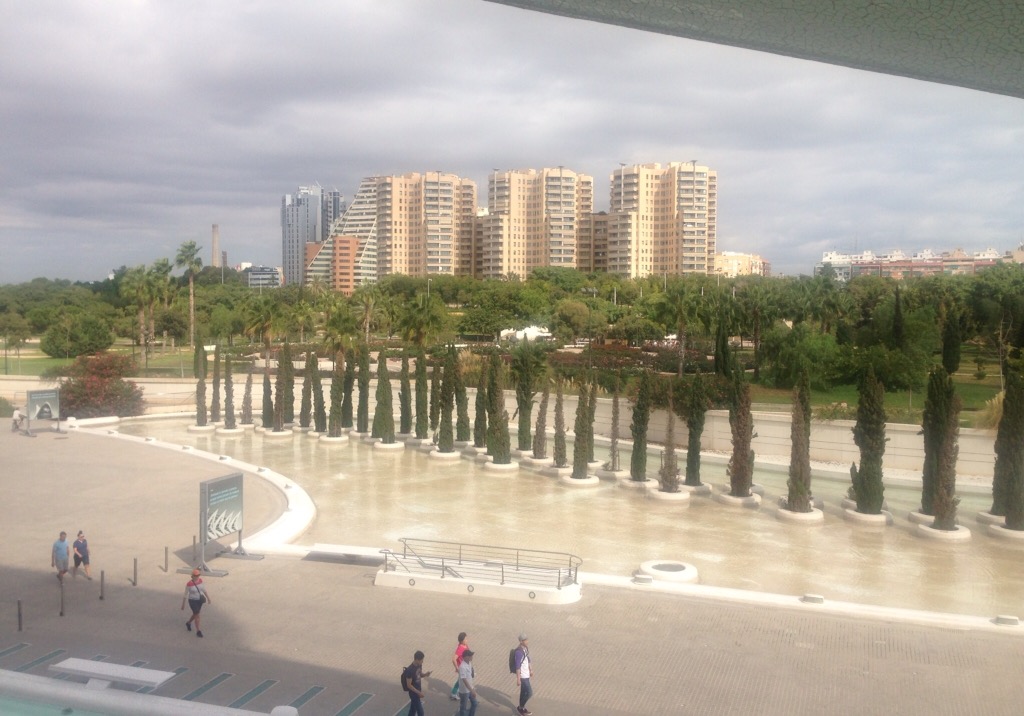
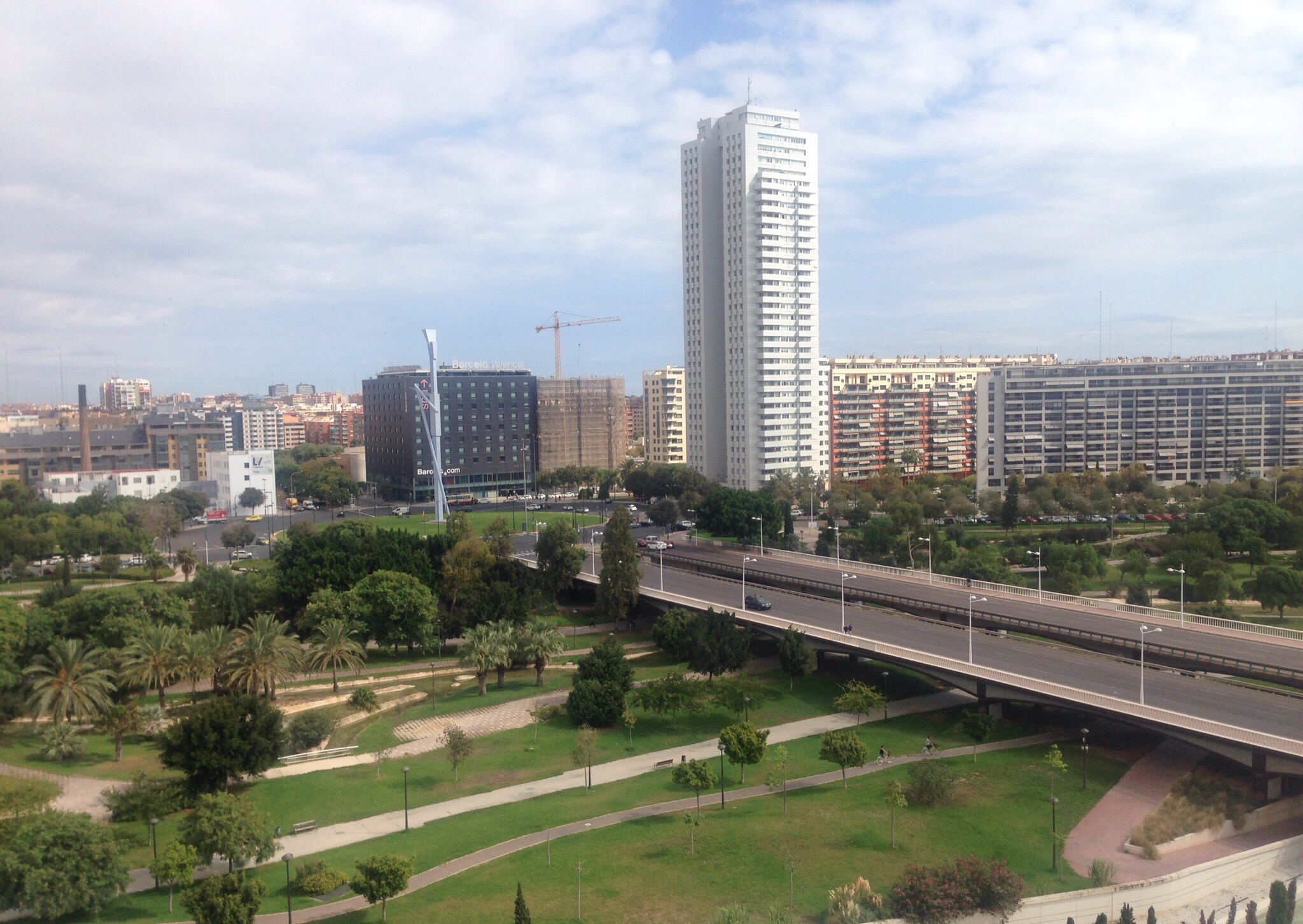
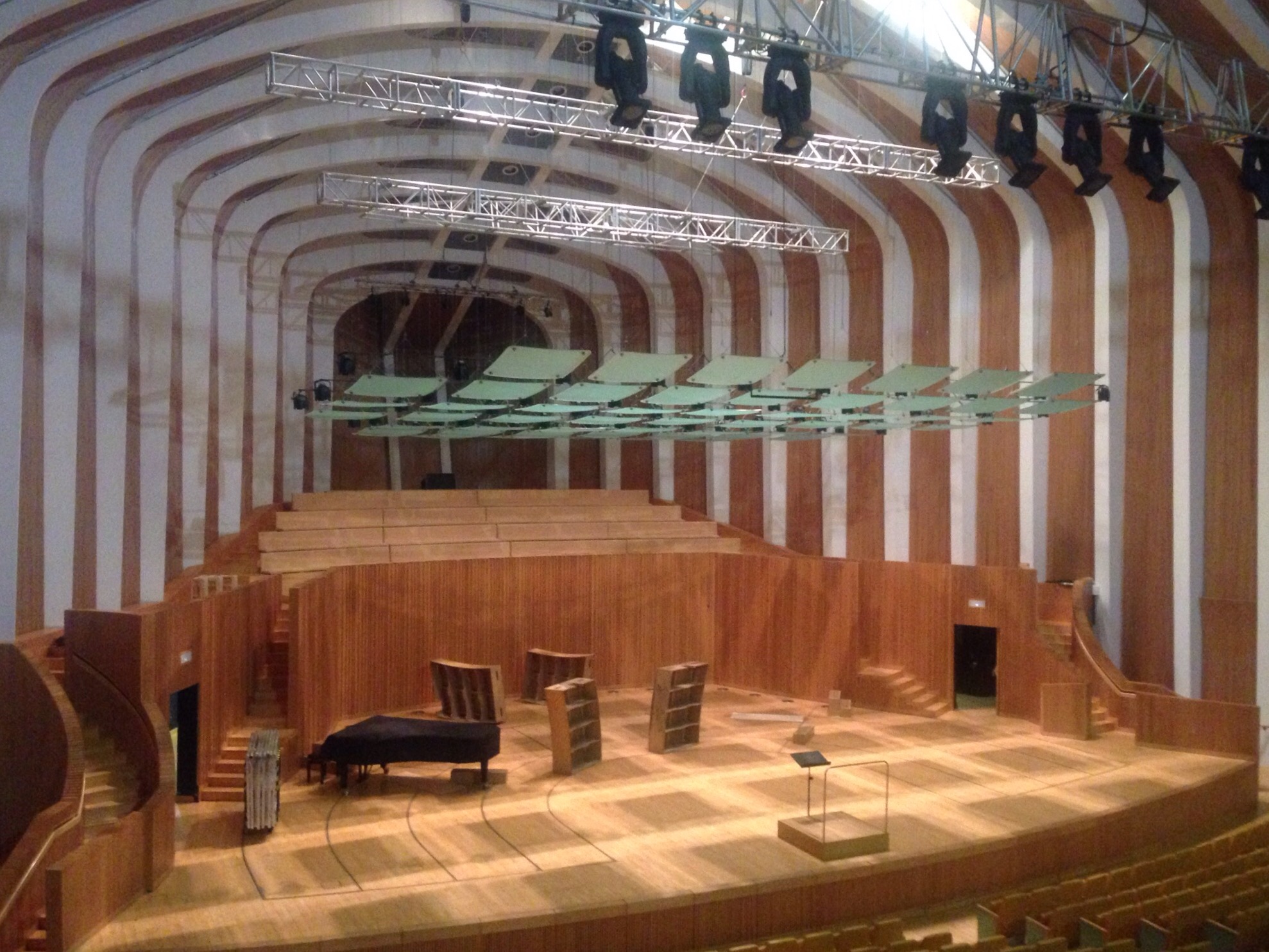
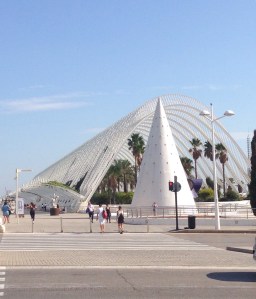
One view from the 6th level of the buildingAnother view from the 6th level of the buildingThe largest (non-operatic) performance stage. The glass panels can be lowered or raised to create the optimum acoustics for each performanceThe Umbracle structure The Science Museum on the left and the Hemispheric on the rightThe Science Museum and the UmbracleThe large plaza connecting the buildingsLooking back at the Hemispheric, the Palace of the Arts, and the big head sculptures in the pool
Bob with the 1st of the big head sculpturesBob with the winning sculpture — voters decided that this was the one to keepBob with another big head sculpture































 Peckish Travels