Our current housesit is in an area of the country that is rich with places that have great significance in the formation of this country. We visited one of those sites today — Washington Crossing Historic Park. This park was founded in 1917 to preserve the site of George Washington and his troops’ crossing of the Delaware River on December 25, 1776. The park has historical buildings, walking paths, picnic pavilions, and hosts special events and reenactments. It is free to visit.
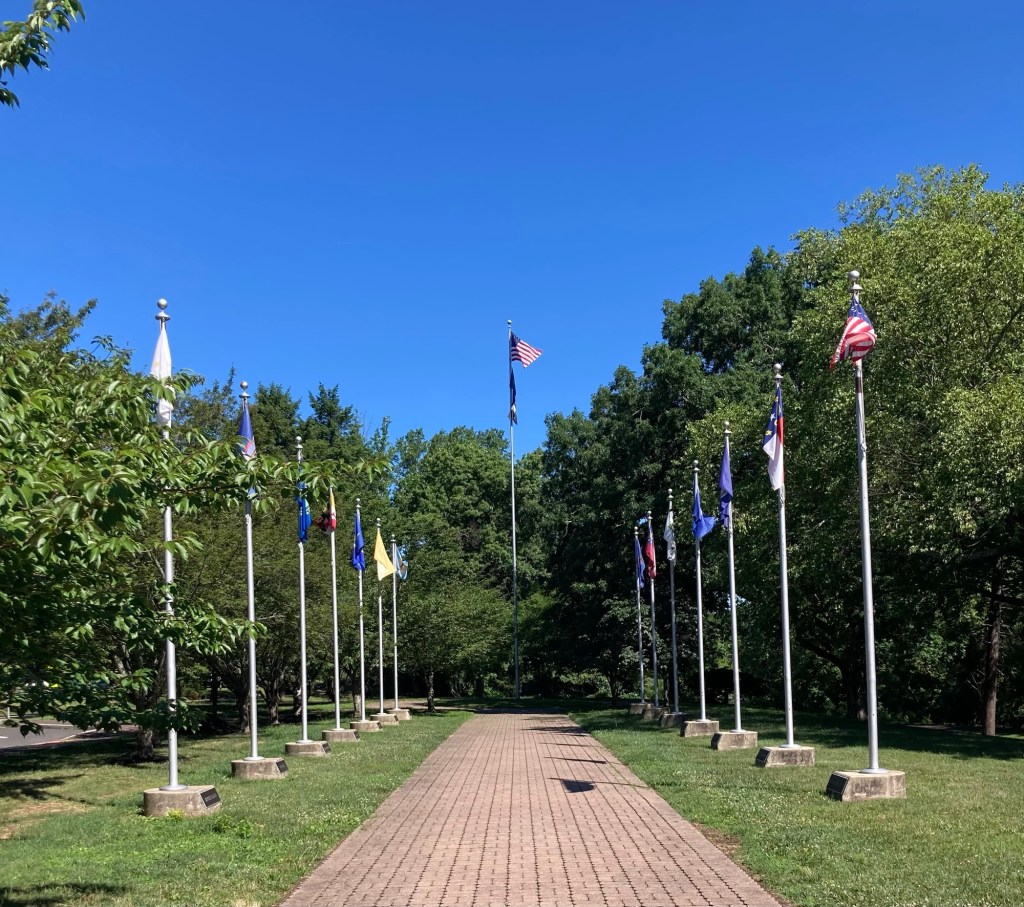
representing the states that were in existence
at the time of the war as well as Betsy Ross’ flag.
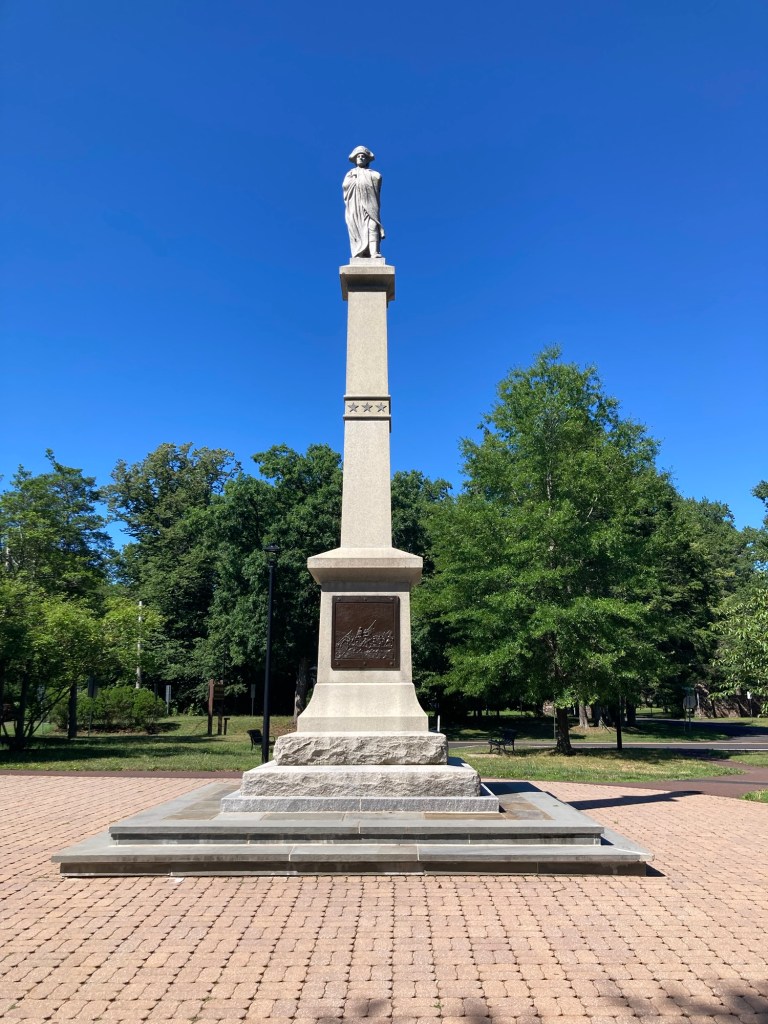
of the depiction of his crossing of the Delaware.
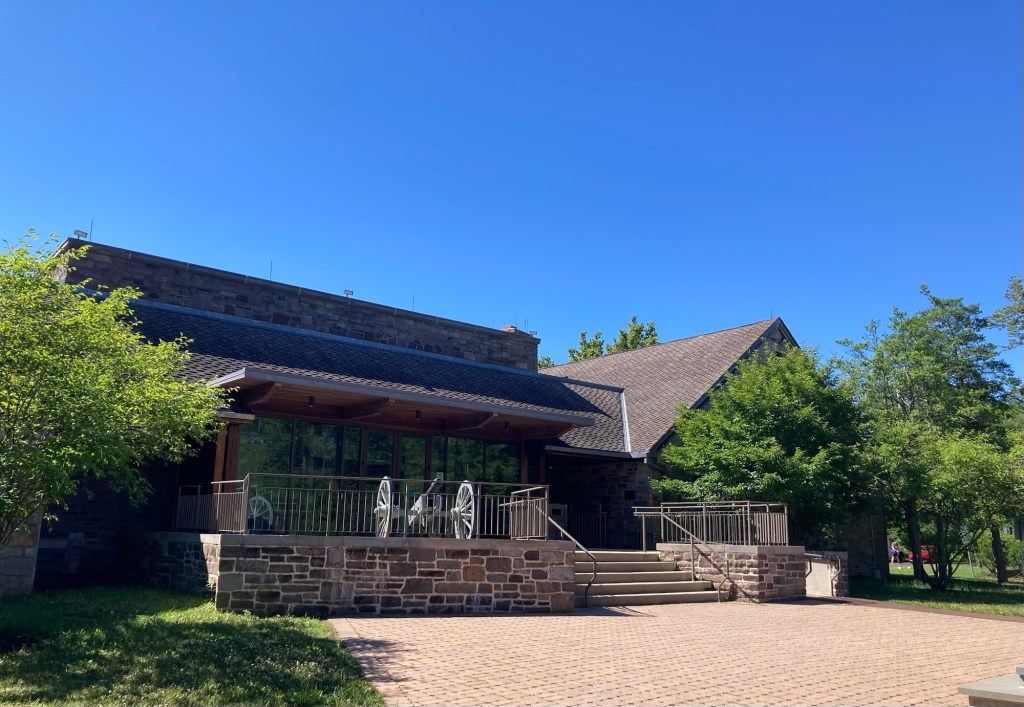
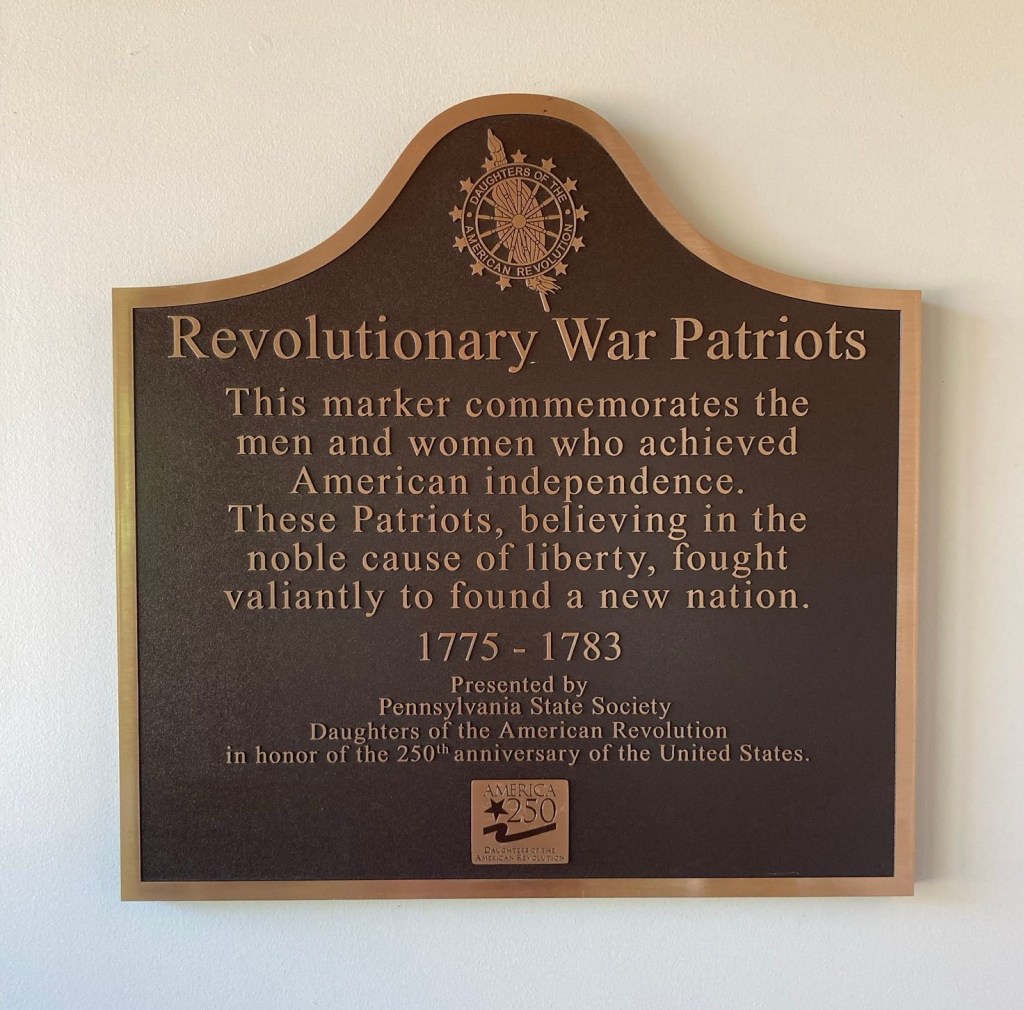
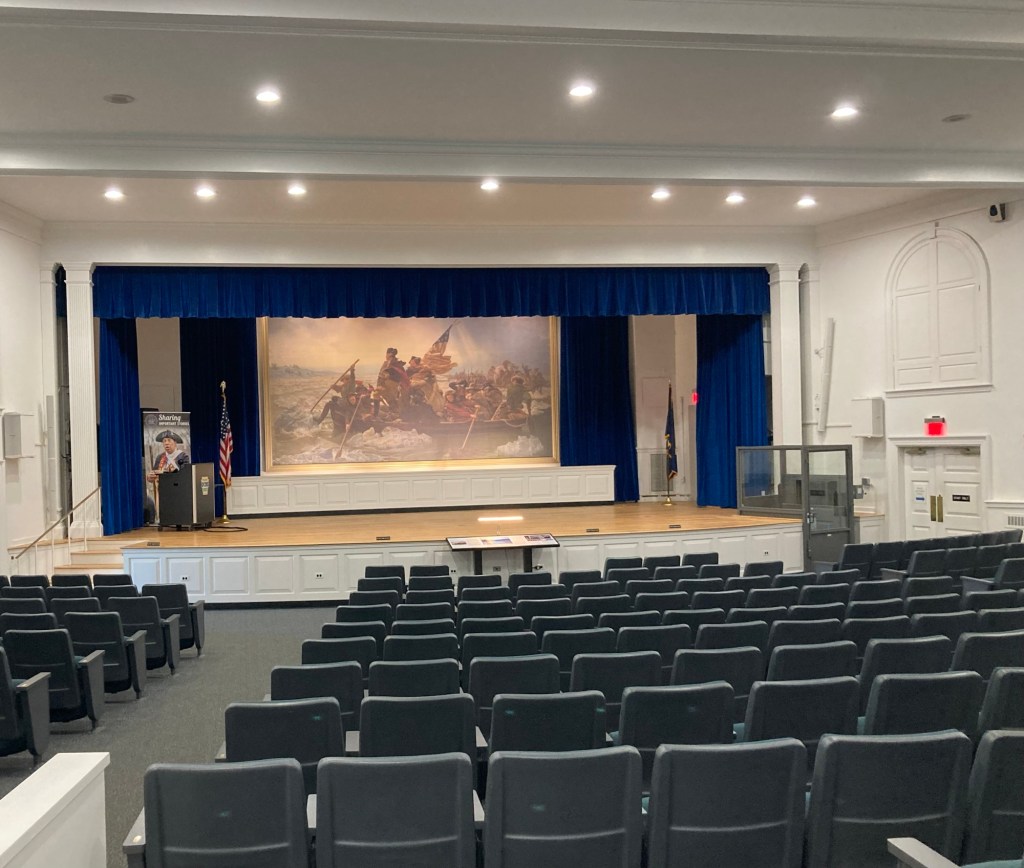
worked on a computer to get the film to play.
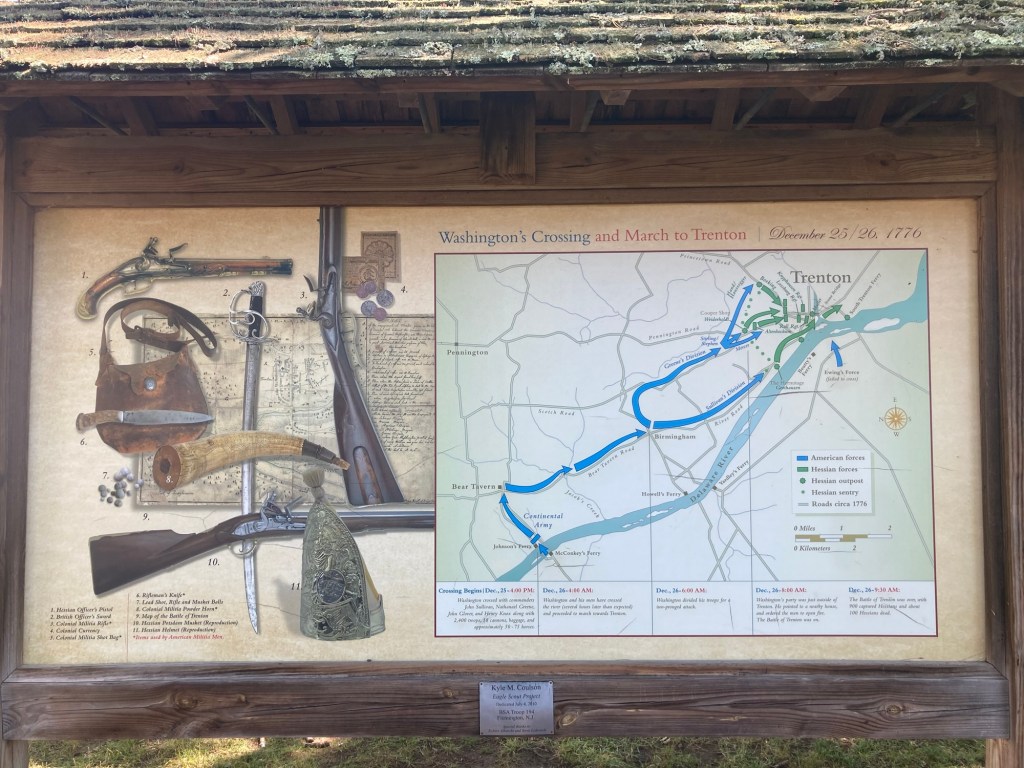
The short version of the crossing and its importance is that we (those supporting independence) were losing the war. We were outnumbered, outgunned, and Washington’s campaign in New York had not gone well. By early December 1776, he and his troops had retreated across the Delaware River to Pennsylvania. With critical foresight, he ordered all boats moored along the Delaware moved to the Pennsylvania side of the River so the enemy couldn’t cross.
Desperate for a victory, he decided to attempt crossing the Delaware River once again to attack Hessian (mercenary troops from Germany supporting the British) troops at Trenton. He led the troops in an overnight crossing, which took 11 hours for the boats to get all 2,400 troops and their equipment across in the icy conditions. They then had another 8 hour march to Trenton through snow and sleet. They were expecting to be supported by 2 additional brigades, but those were unable to cross the river. Even so, Washington’s troops achieved a resounding victory as well as 2 more within 10 days time, helping to turn the tide and recruit and retain more troops for the long fight.
In addition to the film, there was an exhibit that provided a good overview of the battle as well as the hardships endured by the soldiers, who were actually much more likely to die from disease, infection, or lack of adequate medical attention than from a gunshot.
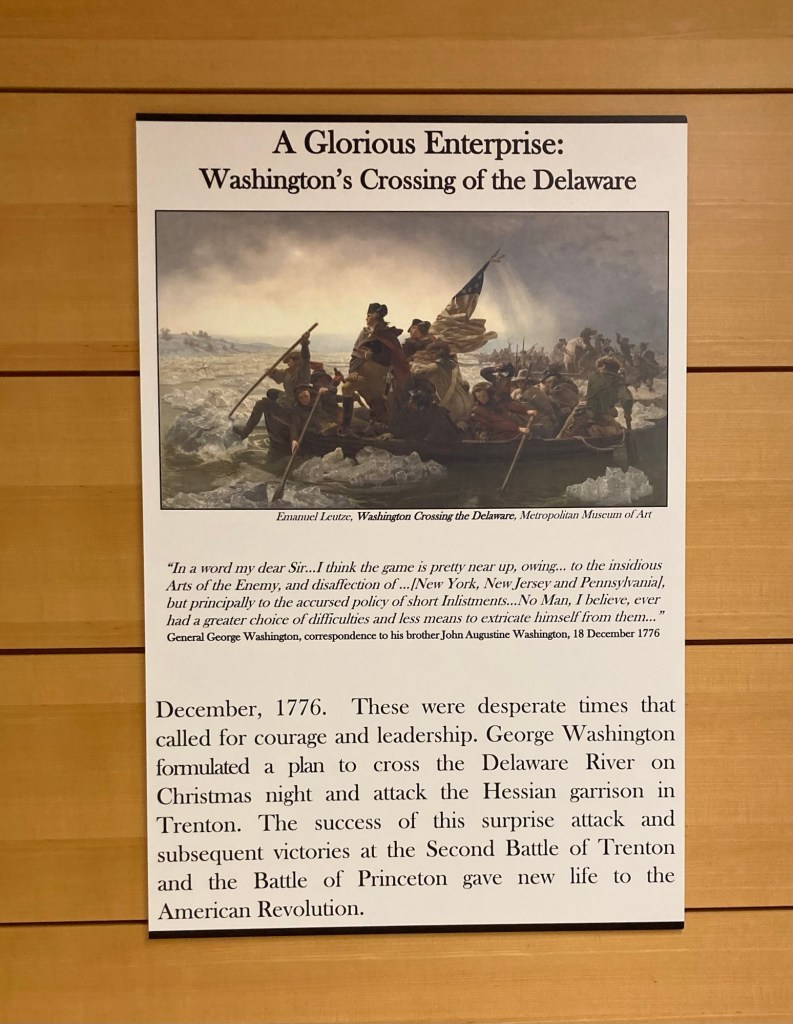
but more succinctly and with an illustration
After going through the exhibit, we walked outside to view the various historical buildings in the park.
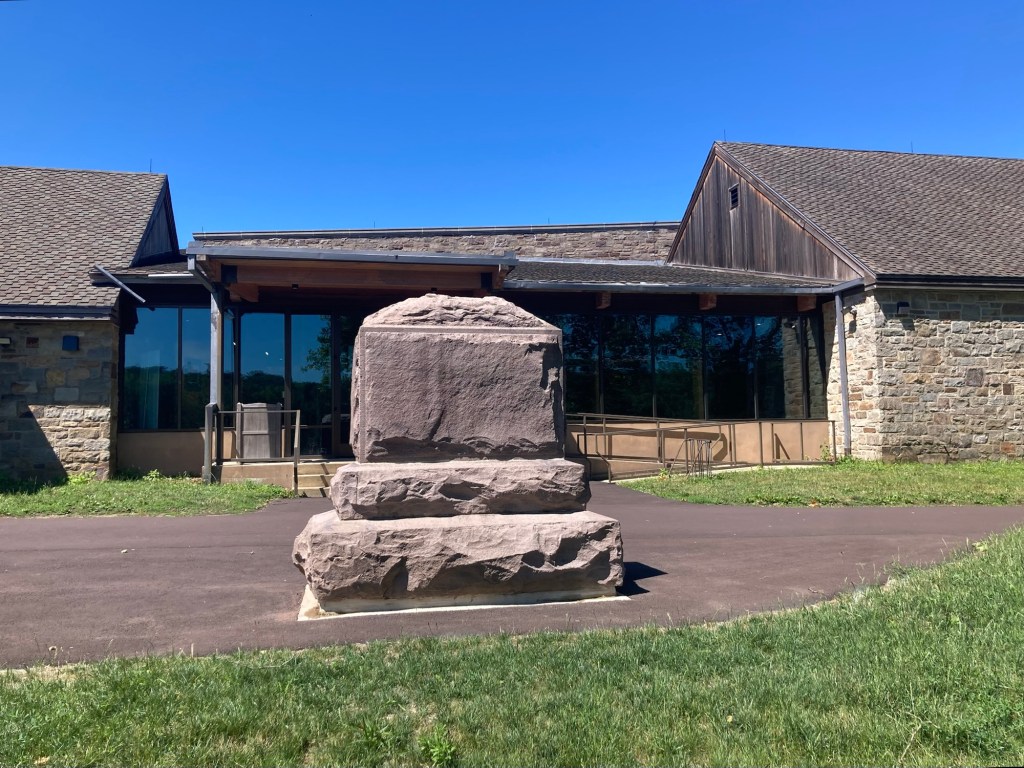
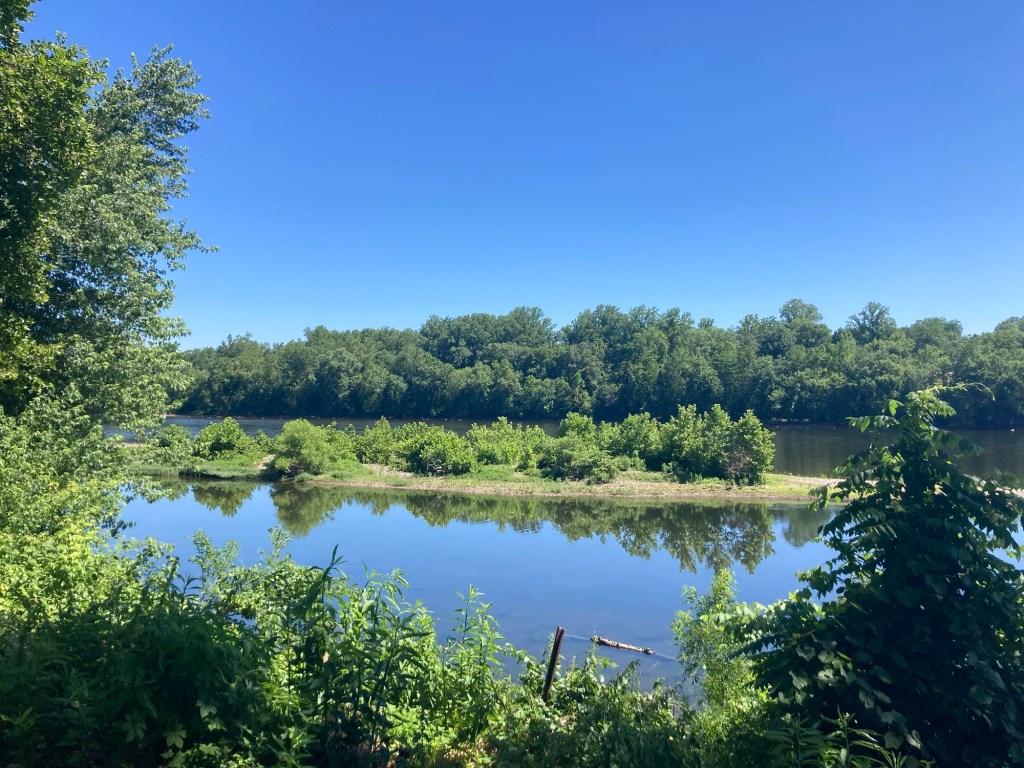
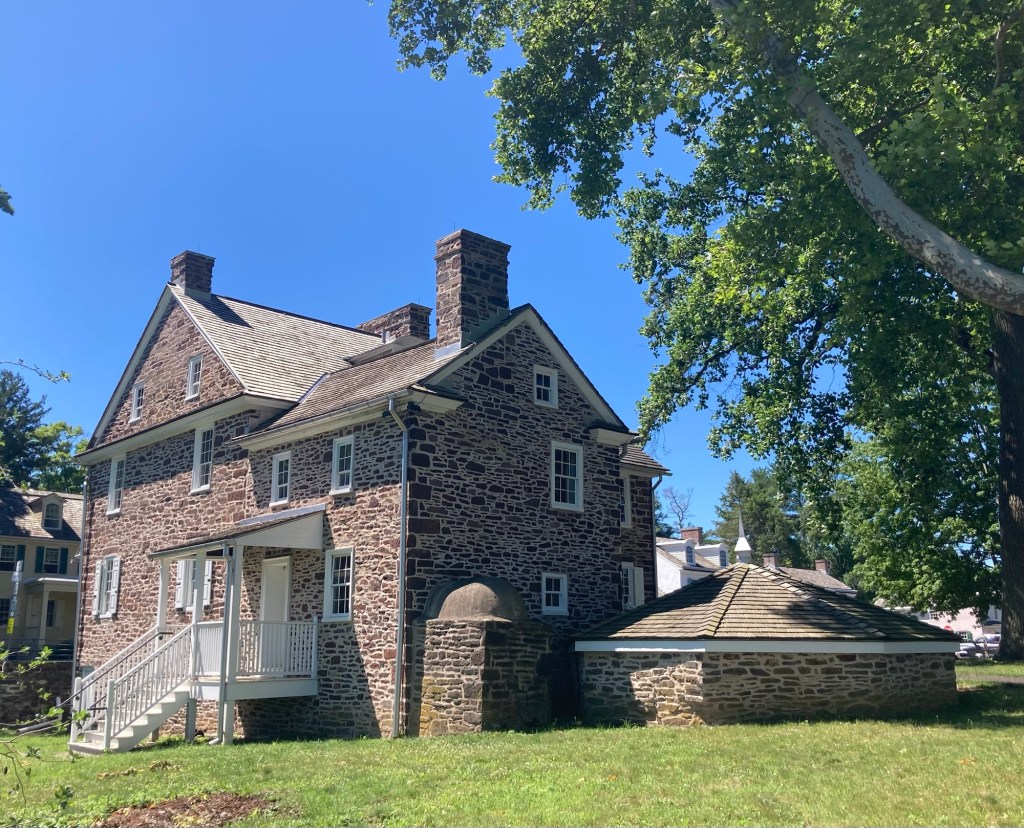
for the Continental Army’s encampment
in Bucks County in December 1776.
It is the only original structure in the park
(though additions were made later)
that was on site at the time of the crossing.
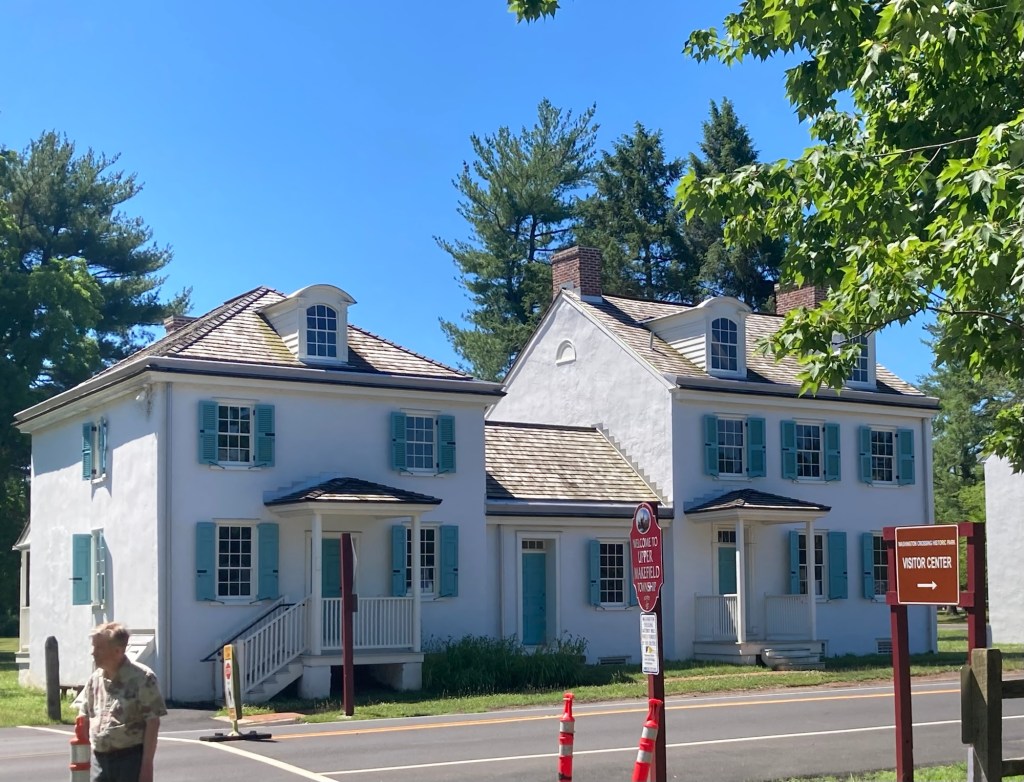
it also served as a post office.
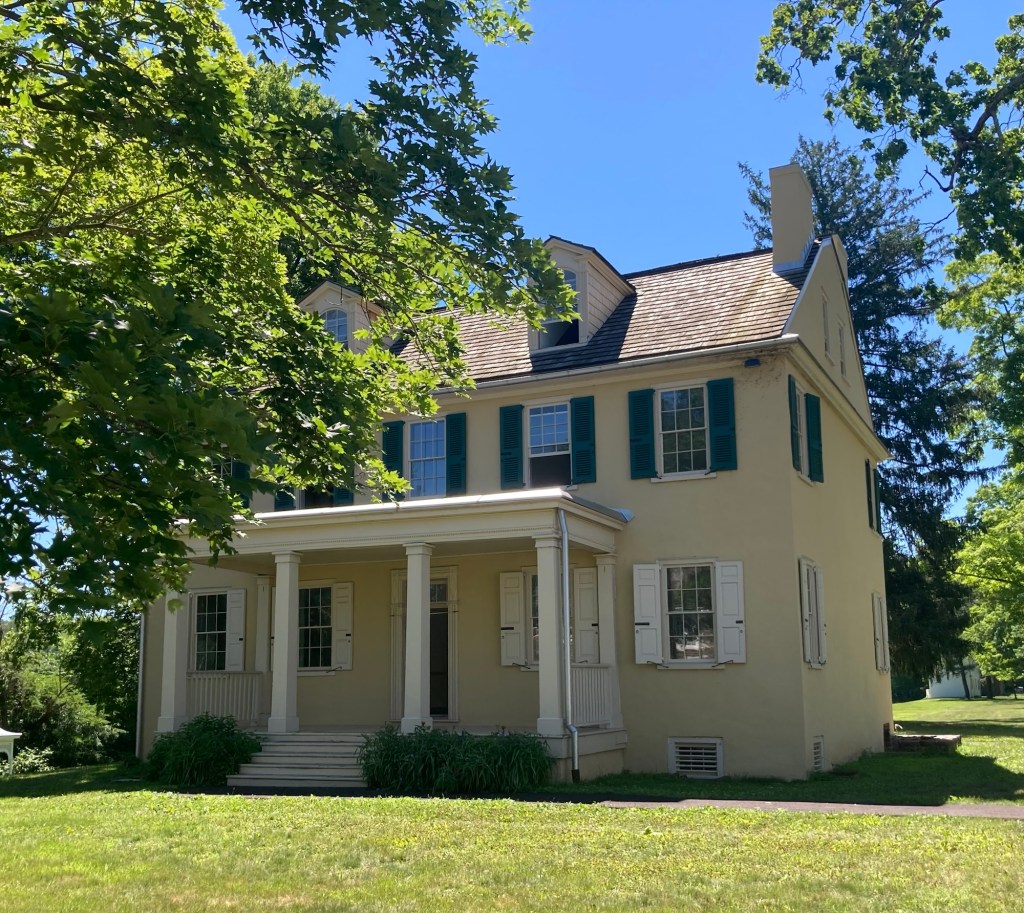
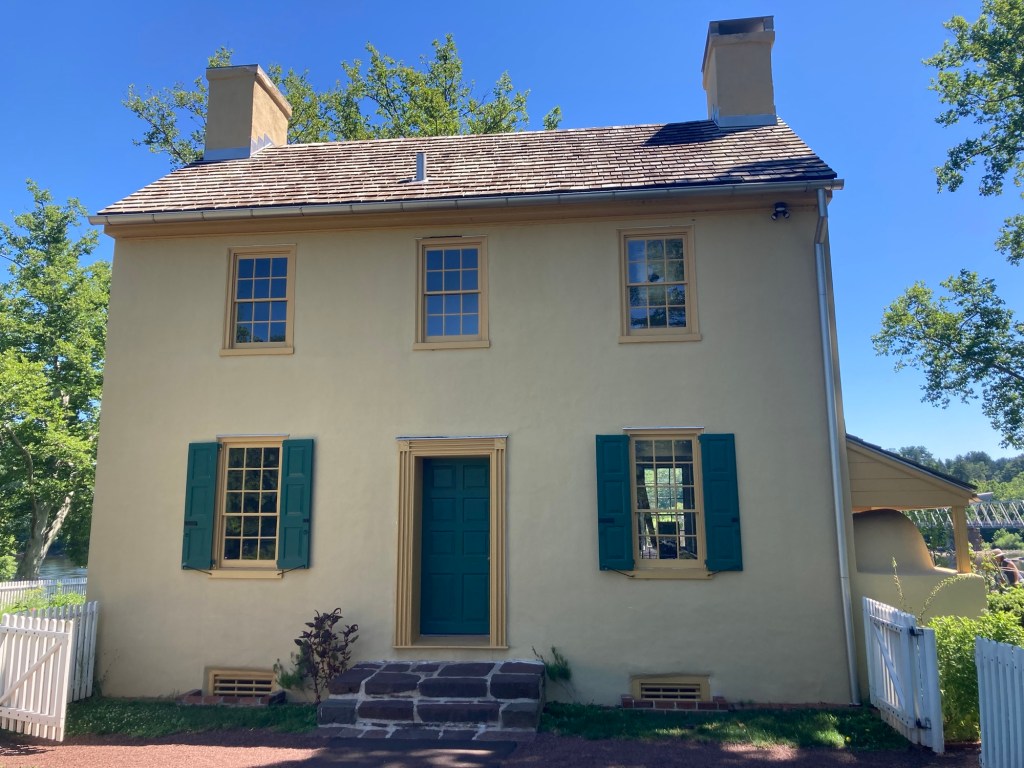
it was the home of Mahlon Taylor,
one of the founders of Taylorsville
and the owner of the general store above.
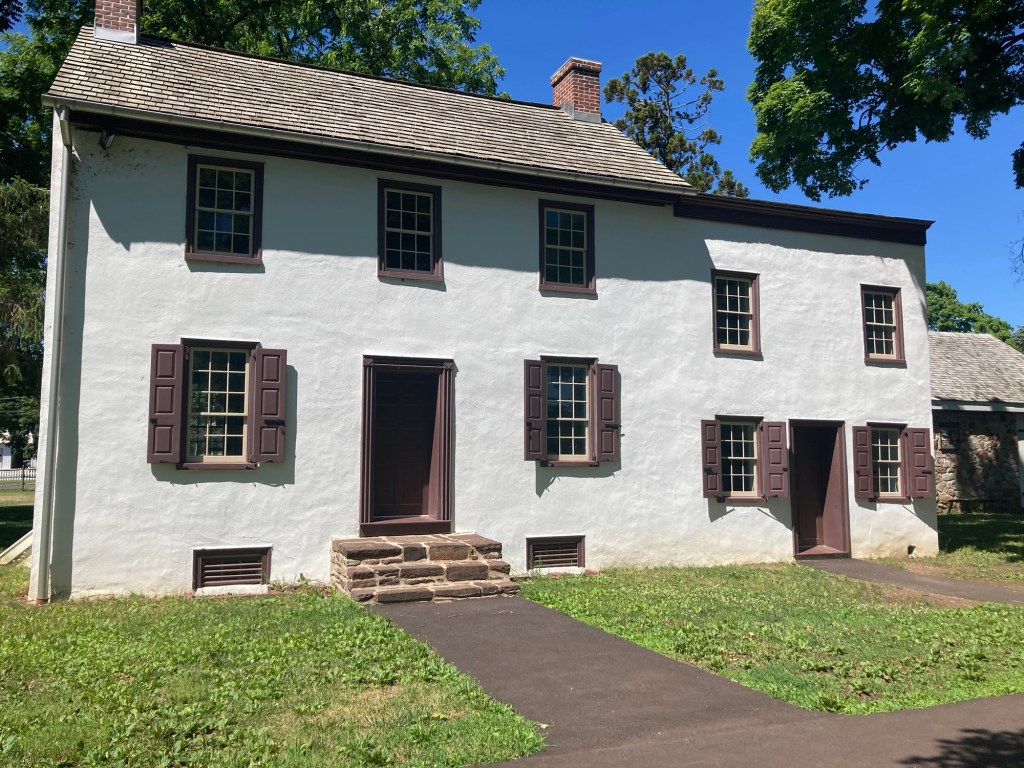
for a blacksmith
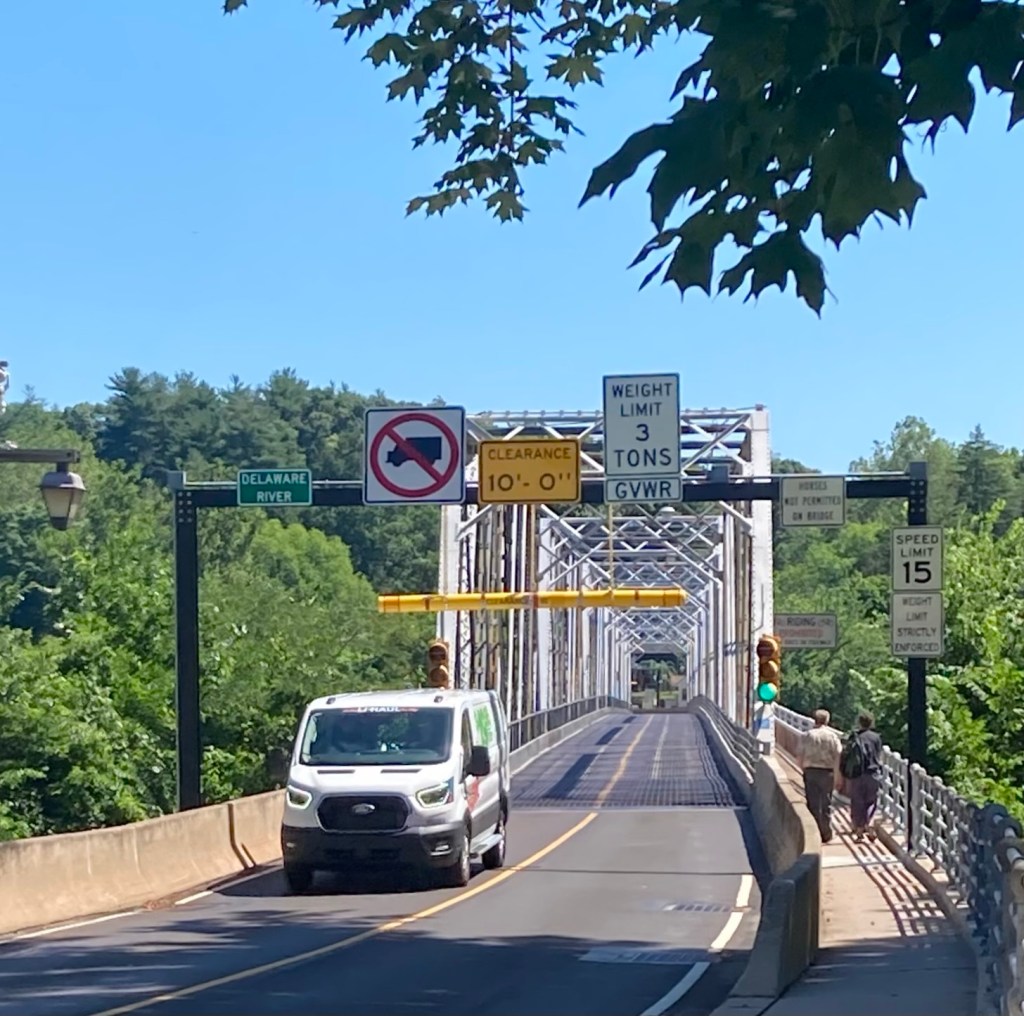
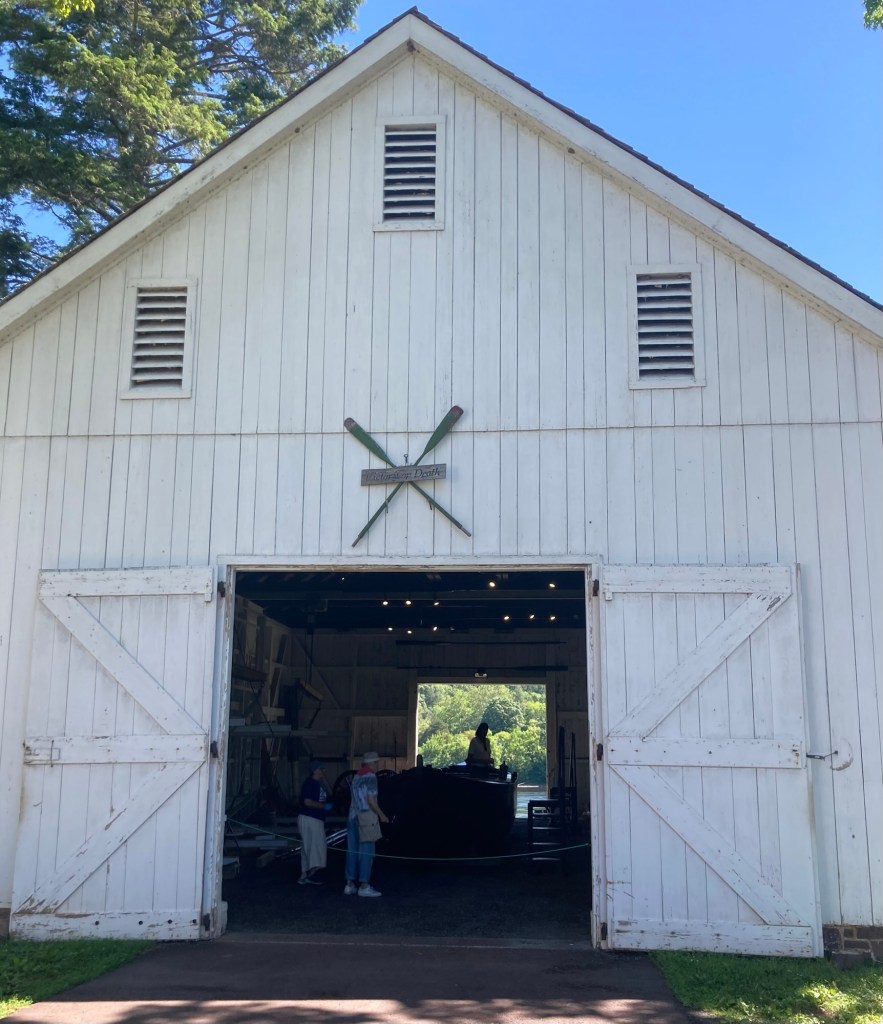
of the Durham boats that were used in the crossing
for their size and sturdiness.
Today is our last full day at this housesit. Tomorrow we leave about midday and head immediately to our next housesit in New York.

