Laurel, Mississippi, established in 1882, is the town that timber built and has significant Midwestern roots. Bob and I learned a lot about Laurel’s history this morning on a free walking tour through part of Laurel’s historic district led by the Executive Director of Lauren Roger’s Museum of Art. These tours are only offered on Fridays during a designated portion of the year, and I think we got in on the last one for this spring. There were 9 of us in the group. It was raining but not too hard and everyone had an umbrella.
It was a 10 minute walk from the Airbnb to the art museum, and on the way we saw a couple of buildings of interest.
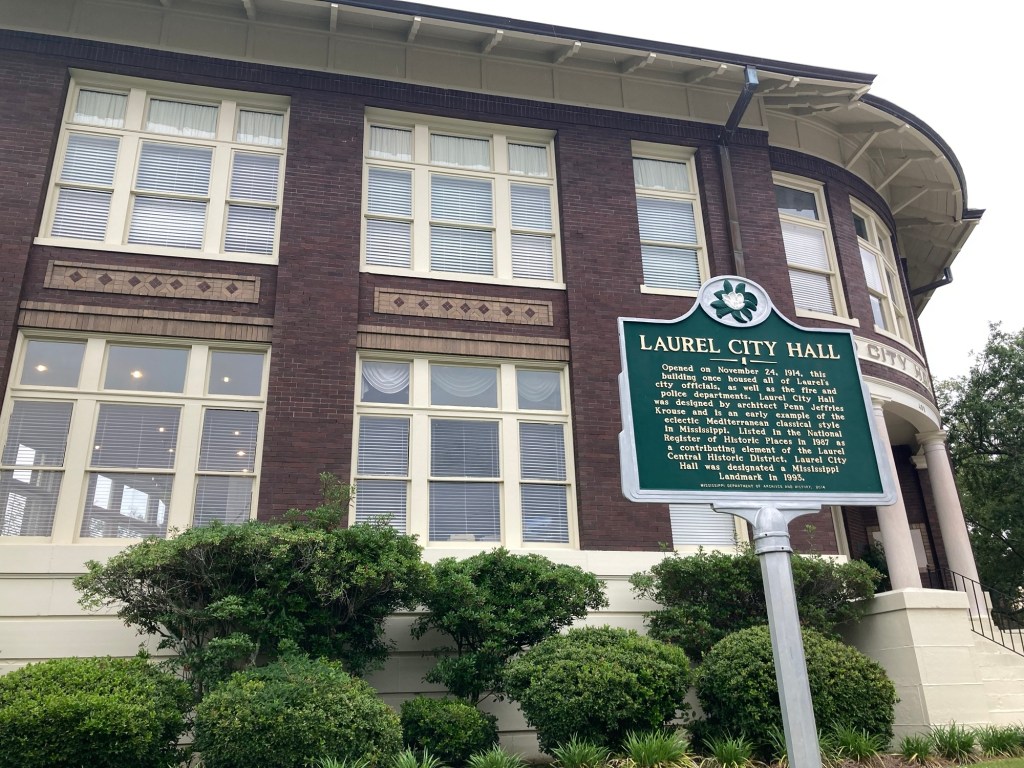
in a mix of Prairie and Craftsman styles
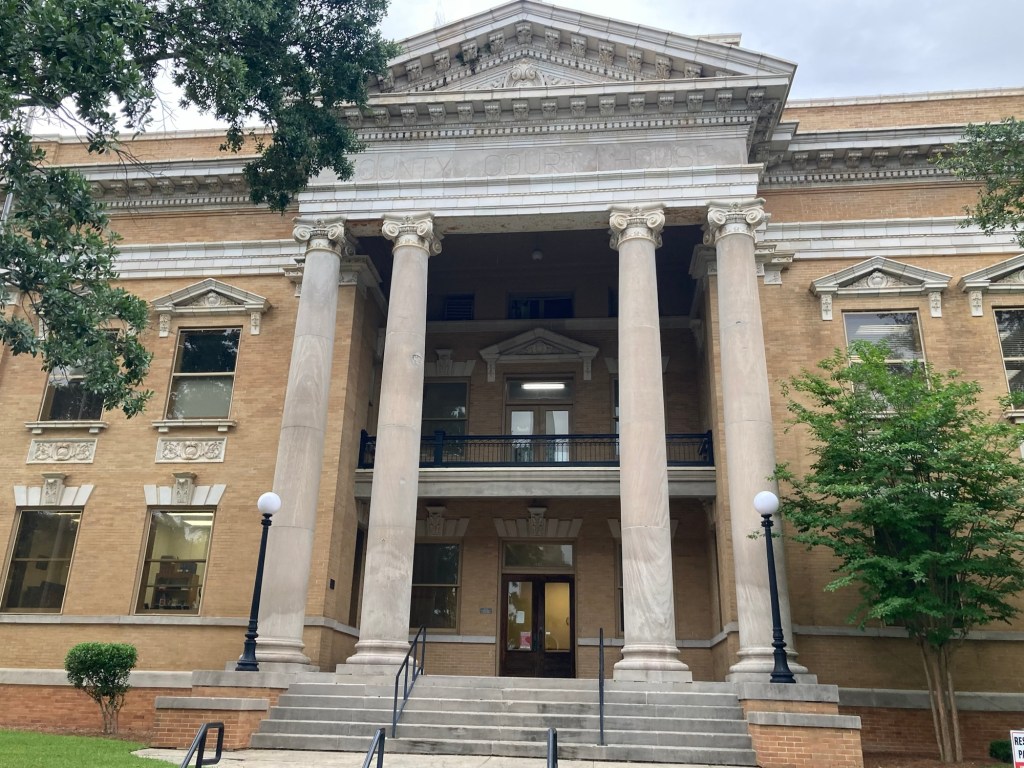
in 1907 in the Beaux Arts style
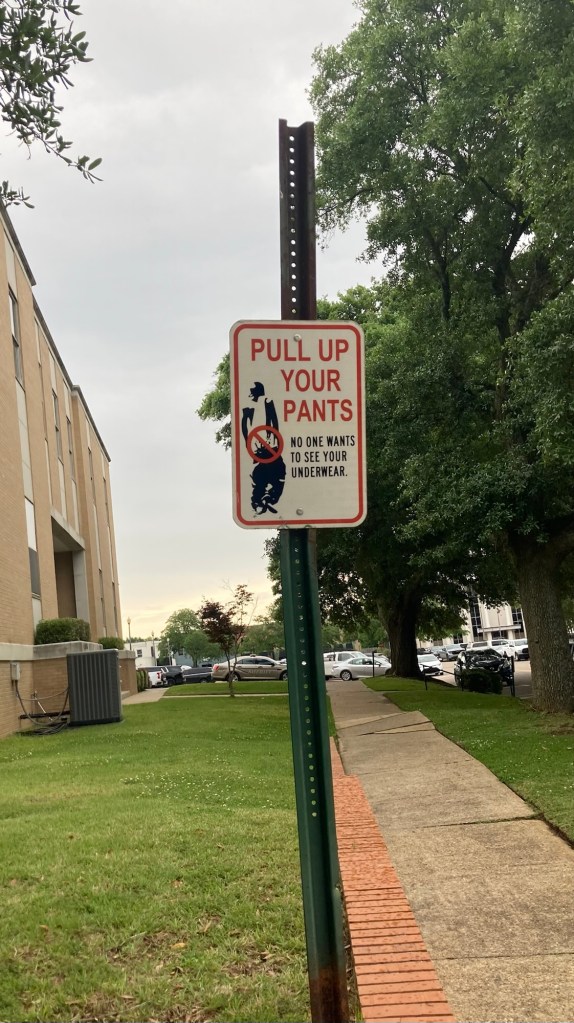
but an important one that I think cannot be said enough.
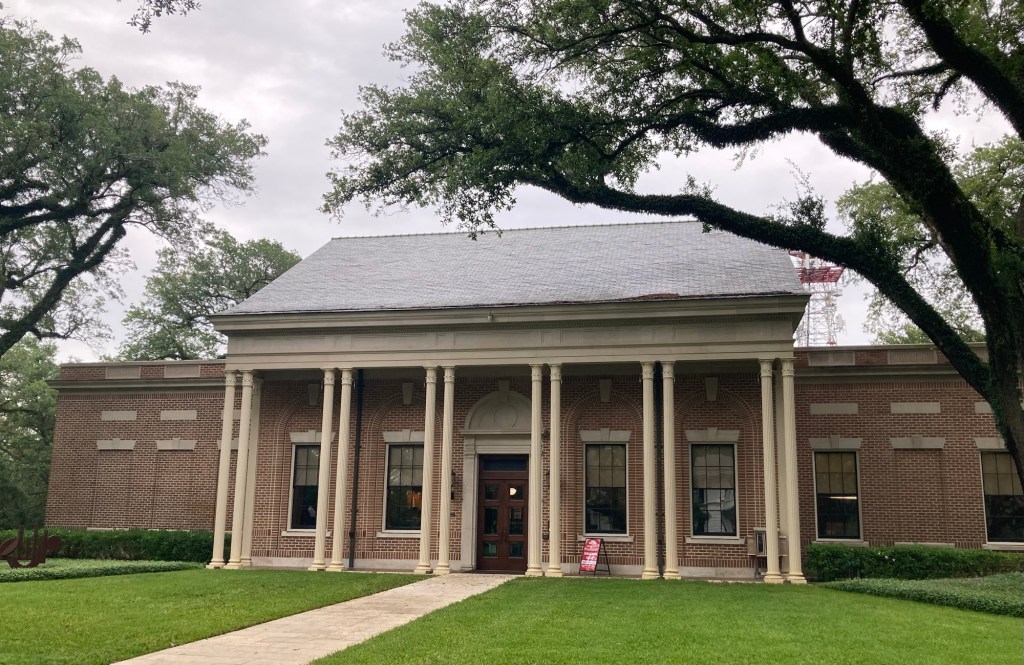
The museum provides a film covering the history of the museum and Laurel (They are linked and Iowa plays an important role!), so we watched the film before our tour started at 10:30. In a nutshell, the land in and around Laurel was covered with Yellow Pine trees. Nothing could be done with them though until the railroad came to Laurel and connected it with important points around the country. This happened in 1881.
After that, the sawmills started in earnest, with lumber barons from Clinton, Iowa, Lauren Chase Eastman and George and Silas Gardiner buying up much of the tree covered land and an existing mill to really spur the local timber industry and the resulting growth of Laurel. Following World War I, Laurel shipped more Yellow Pine than any other location in the world. The peak of prosperity was reached in the 1920s when the mills were producing a total of one million board feet of lumber per day.
So, the Eastman and Gardiner families helped lay the groundwork for the town by creating the street layout much like what they had in Iowa as well as schools and other programs for their employees.
Lauren Rogers, the only grandchild of Lauren Chase Eastman, was expected to inherit and run the mills, however, he died at the age of 23 from complications due to appendicitis. His family established a foundation in his name that built the art museum, public library, and public schools for the community.
We walked part of 5th Avenue, where these founding families lived, to look at some of their former homes as well as other homes and buildings.
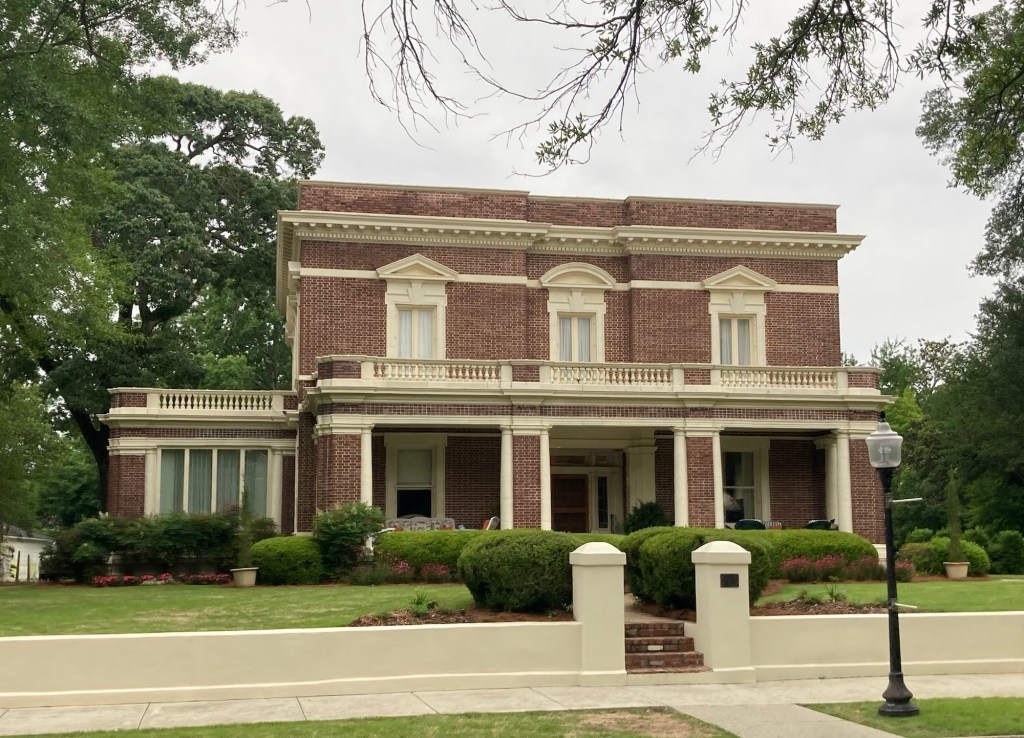
built in 1910 in the Italian Renaissance Revival style
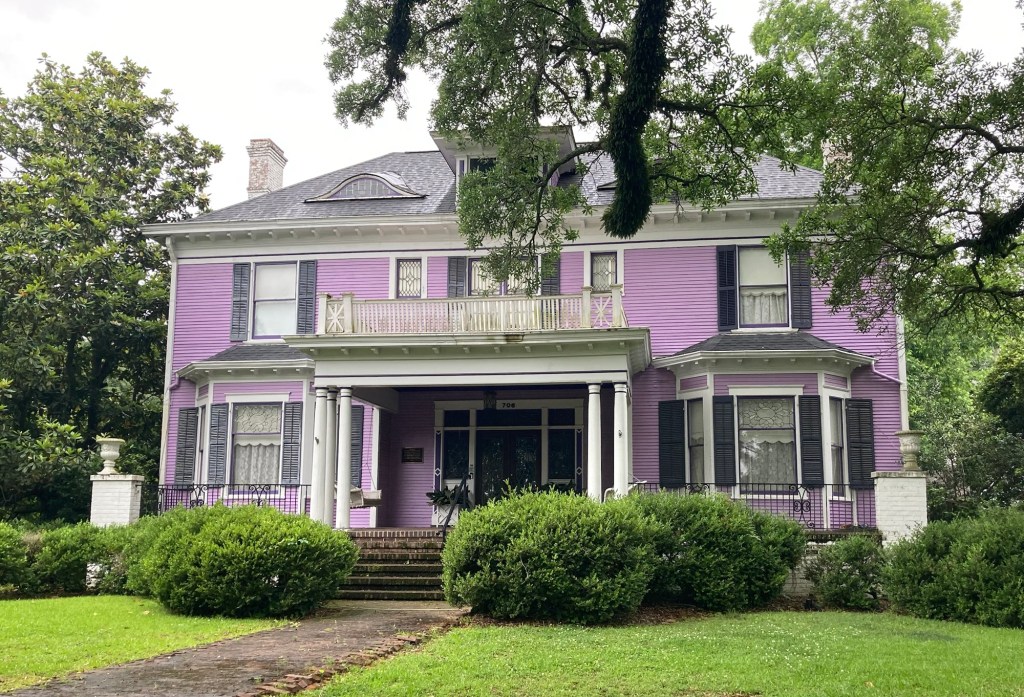
built around 1900 in the Steamboat Gothic style
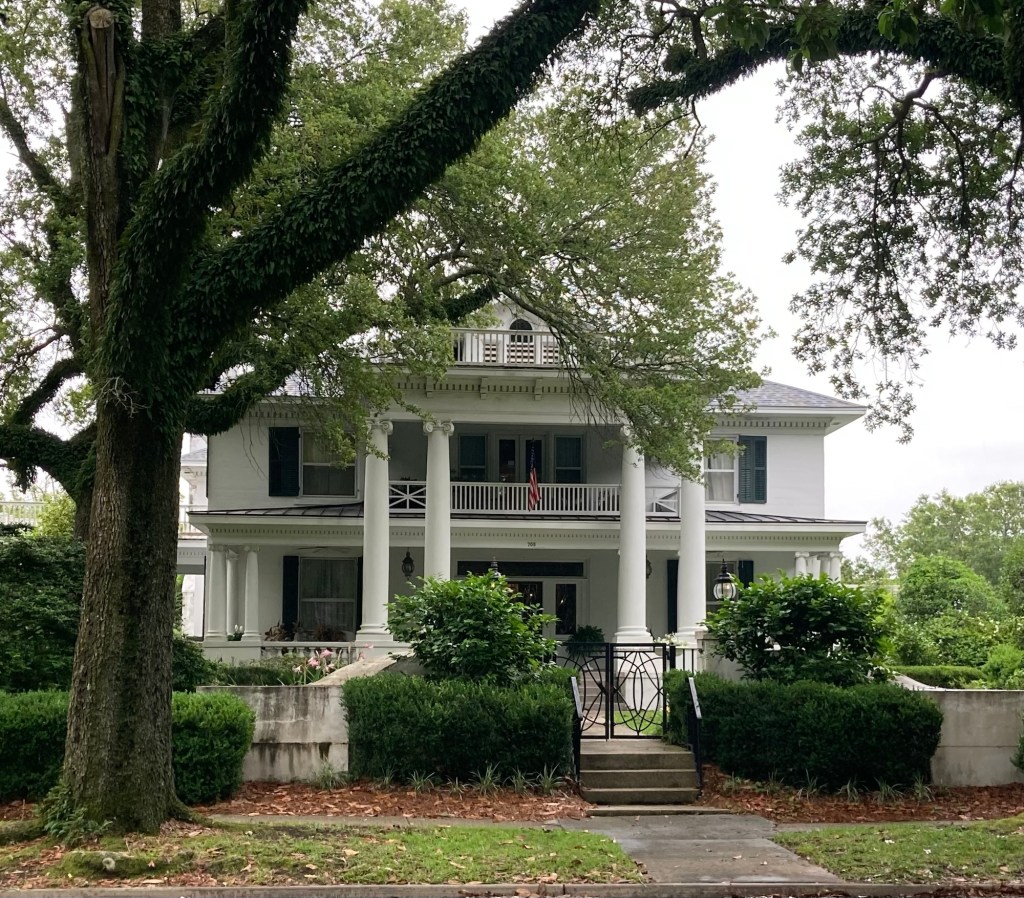
The house is built in the Jeffersonian Revival style.
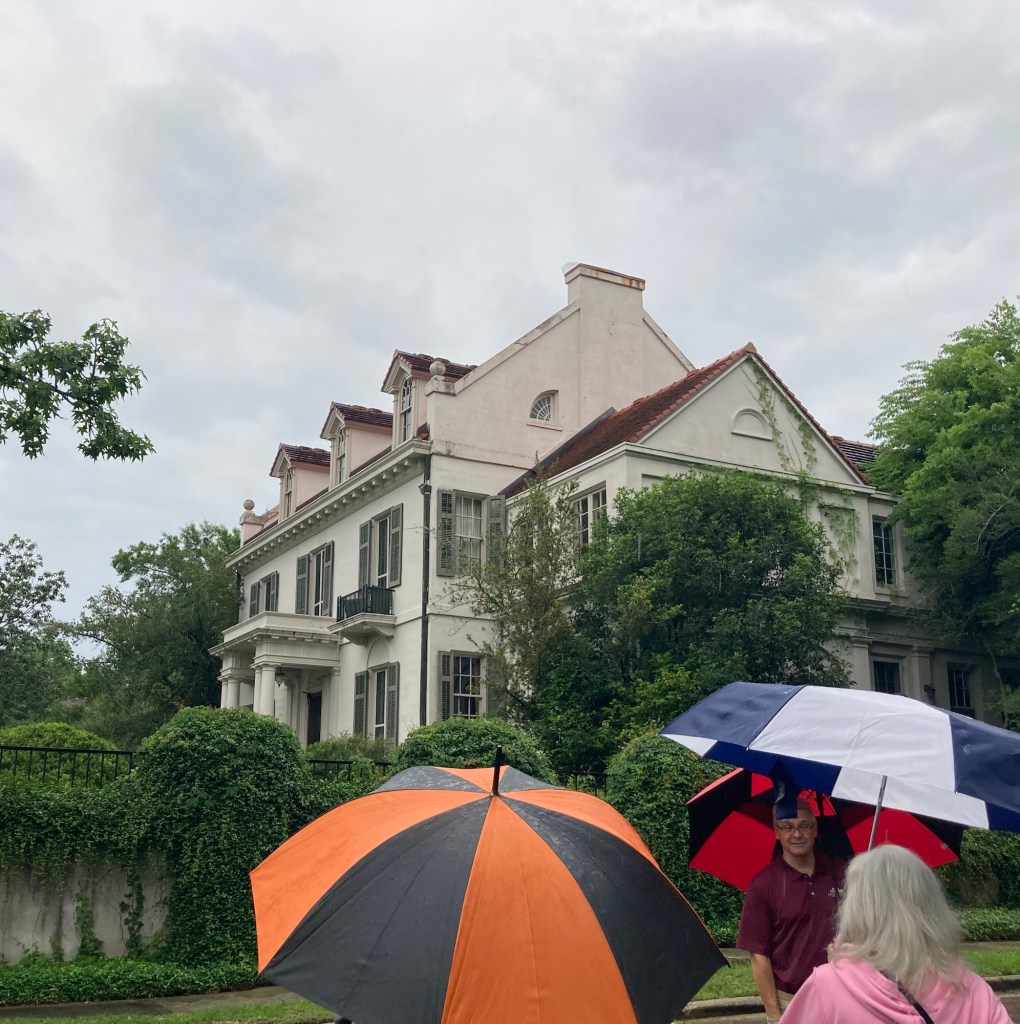
as a wedding present for his daughter in 1910.
It blends Colonial lines with Mediterranean details.
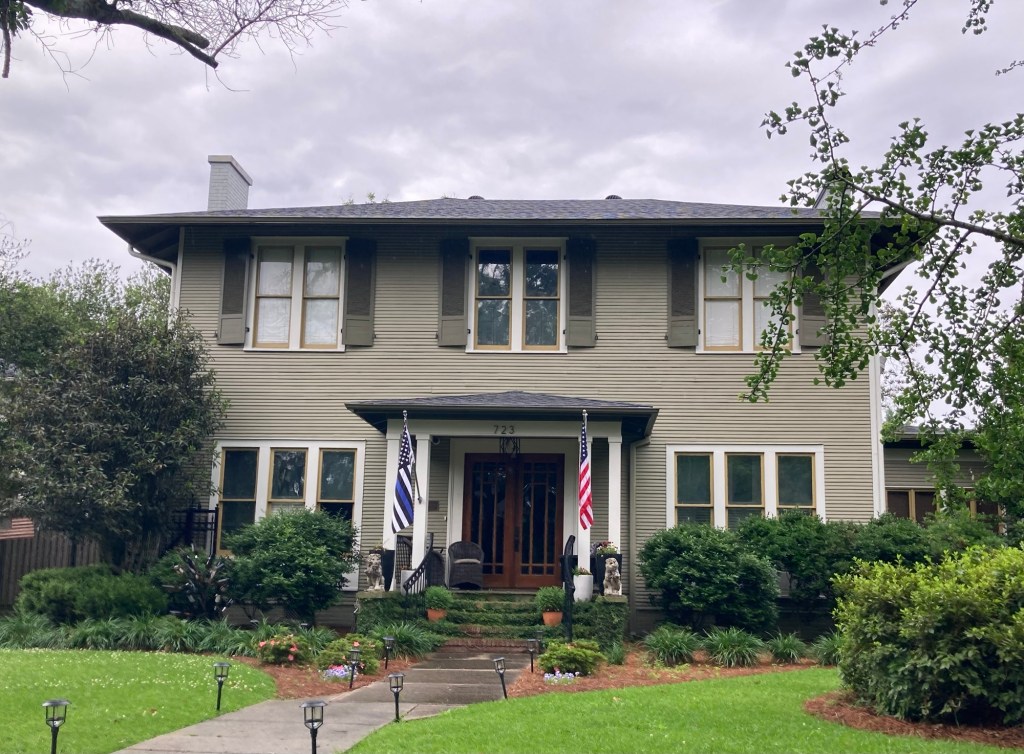
that Ben and Erin have worked on for their show.
On the outside, they put on a new door, added the rails,
and updated the landscaping. On the inside,
they created a downstairs bedroom among other changes,
as the older homes typically reserved the downstairs
for entertaining and slept upstairs.
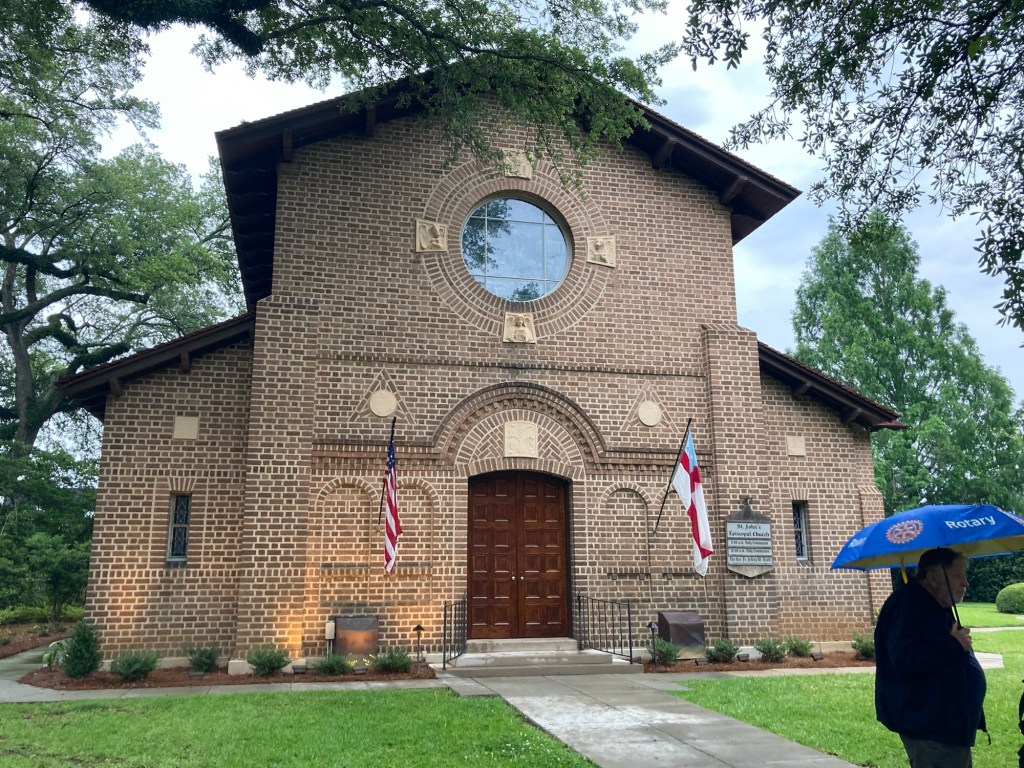
built in 1914 in the Romanesque style by Frank Colby.
As you can tell from the tour, there is a wide variety of architectural styles in the historic district. However, because the heyday of Laurel was from 1900-1930s and their was a large middle class that benefited from the timber trade, there is also a lot of smaller Craftsman style bungalows as that was the popular architectural style of the time.
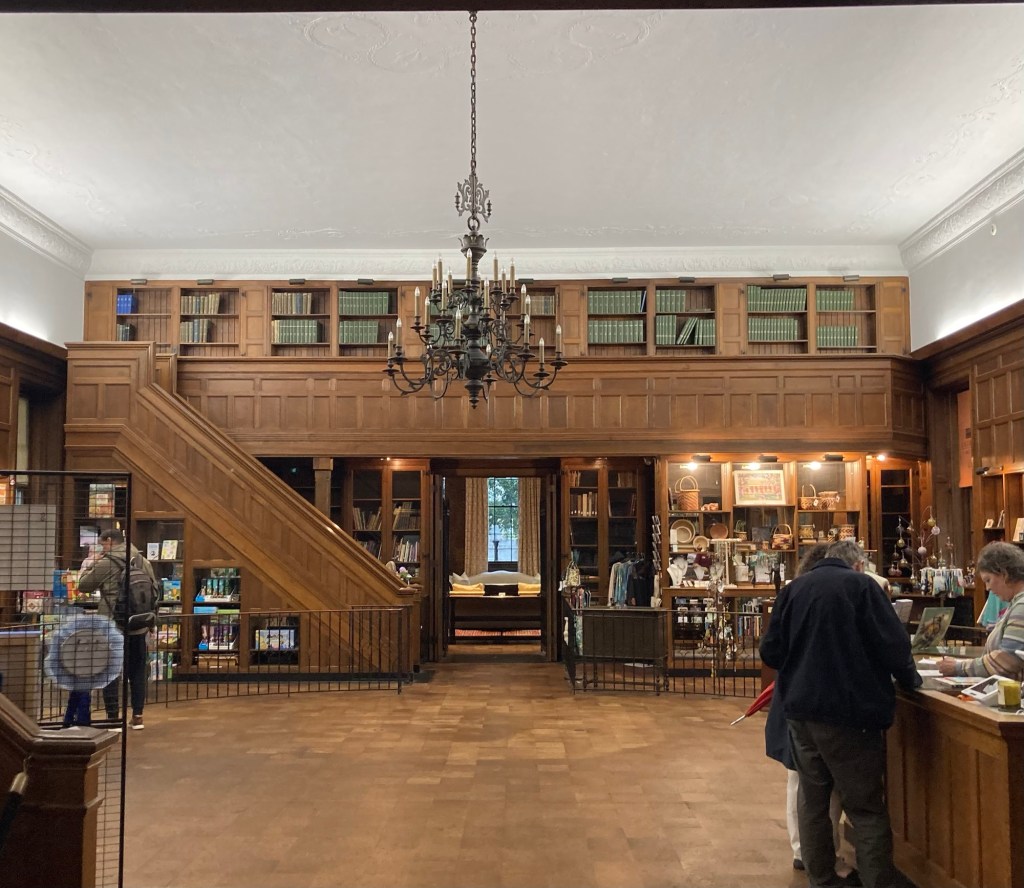
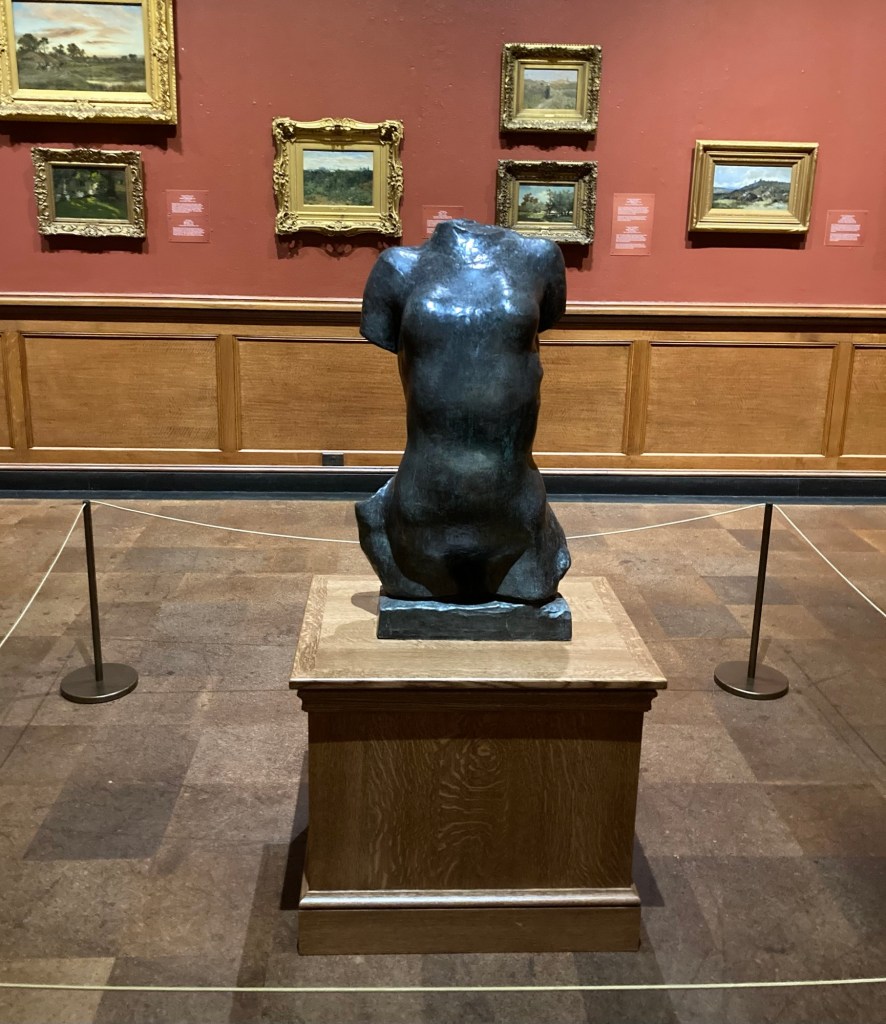
After the tour, we returned to the art museum to check out the exhibits. We were more impressed with the tour than the art, but a few things caught our eye.
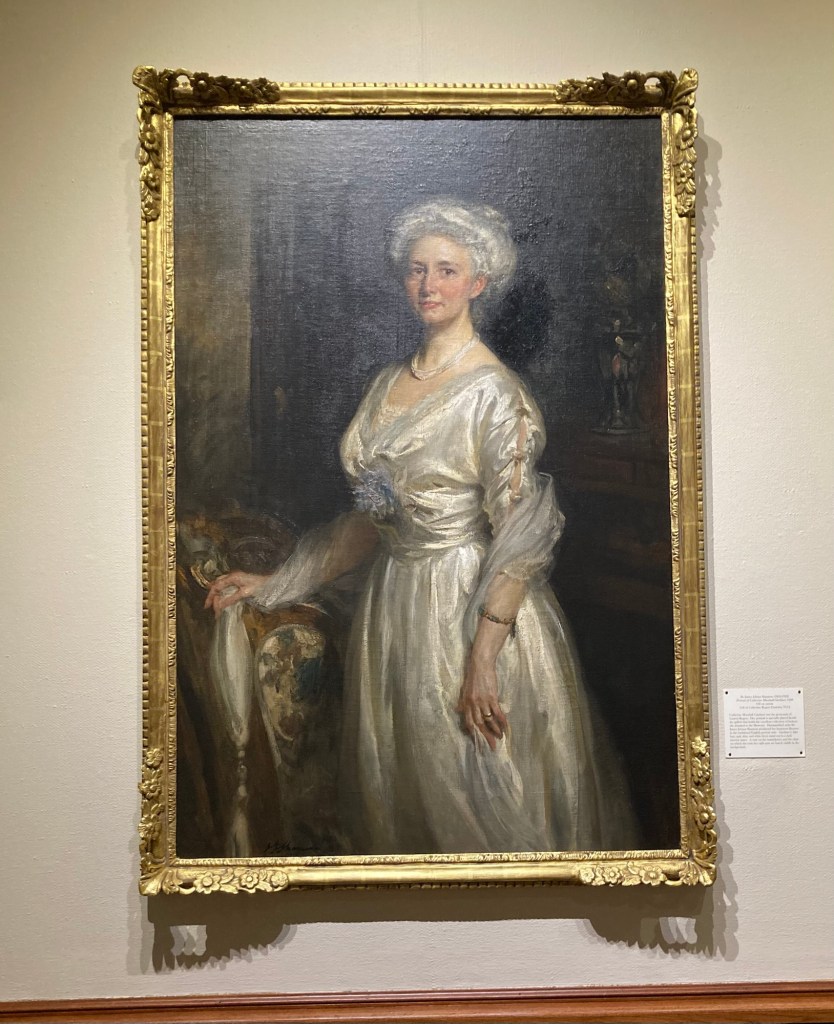
but this is a painting by Sir James Shannon
of Catherine Marshall Gardiner, great aunt of Lauren Rogers
for whom the art museum was created.
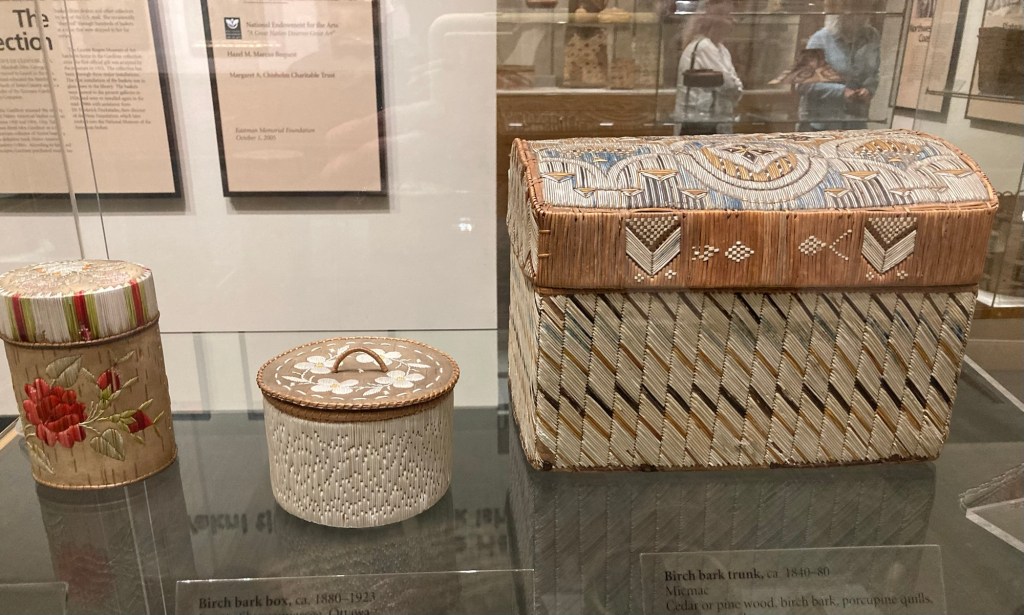
was the extensive native basket collection
donated by the family of Lauren Rogers
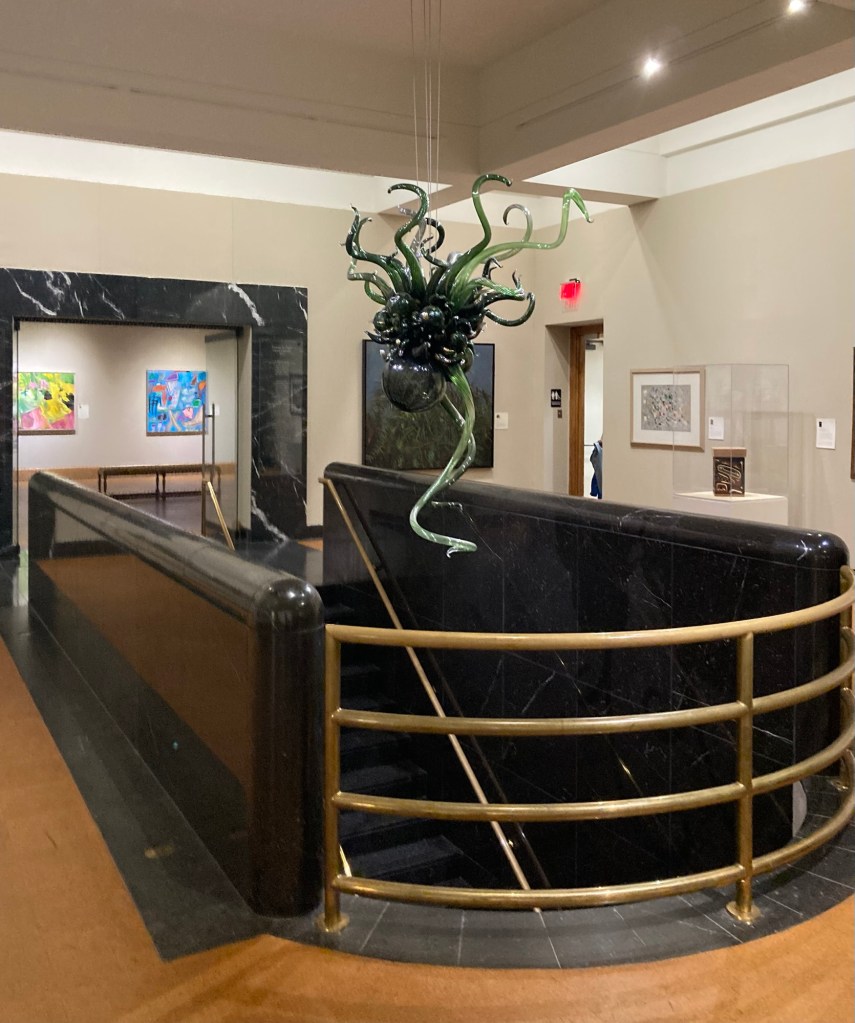
by Dale Chihuly, 2008
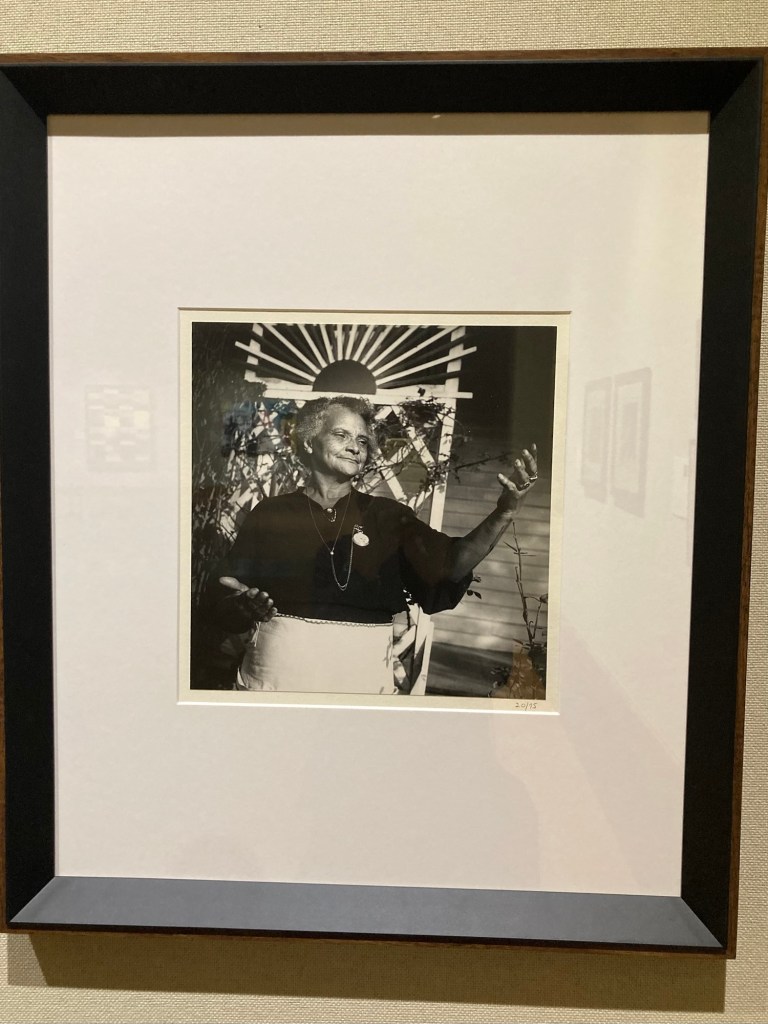
(who I only knew as a writer), 1940
After our time at the museum, Bob and I walked back into downtown Laurel and popped into another of Ben and Erin’s stores.
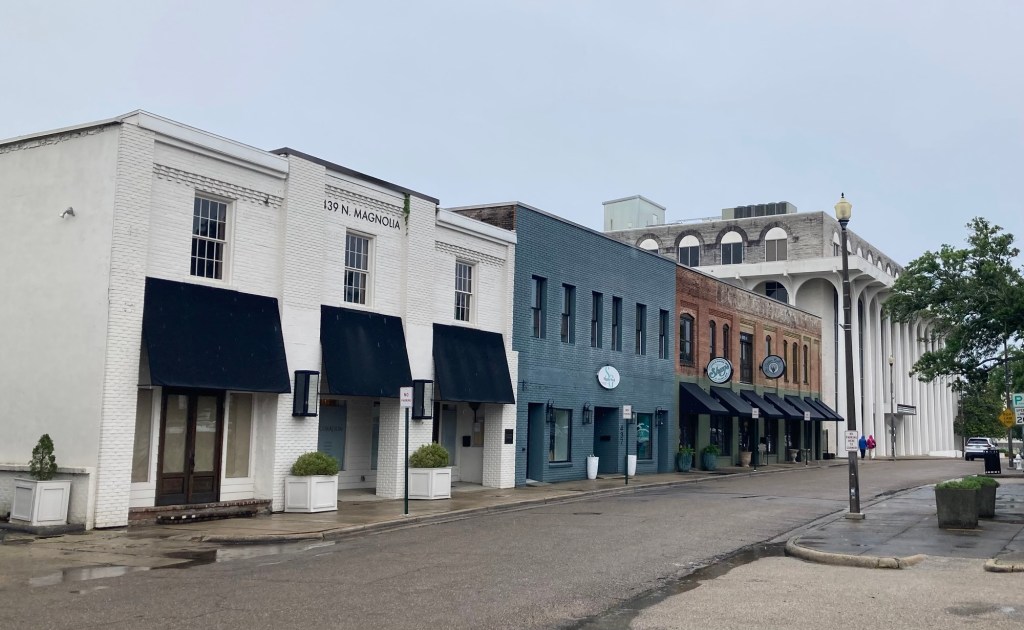
and an old bank at the end.
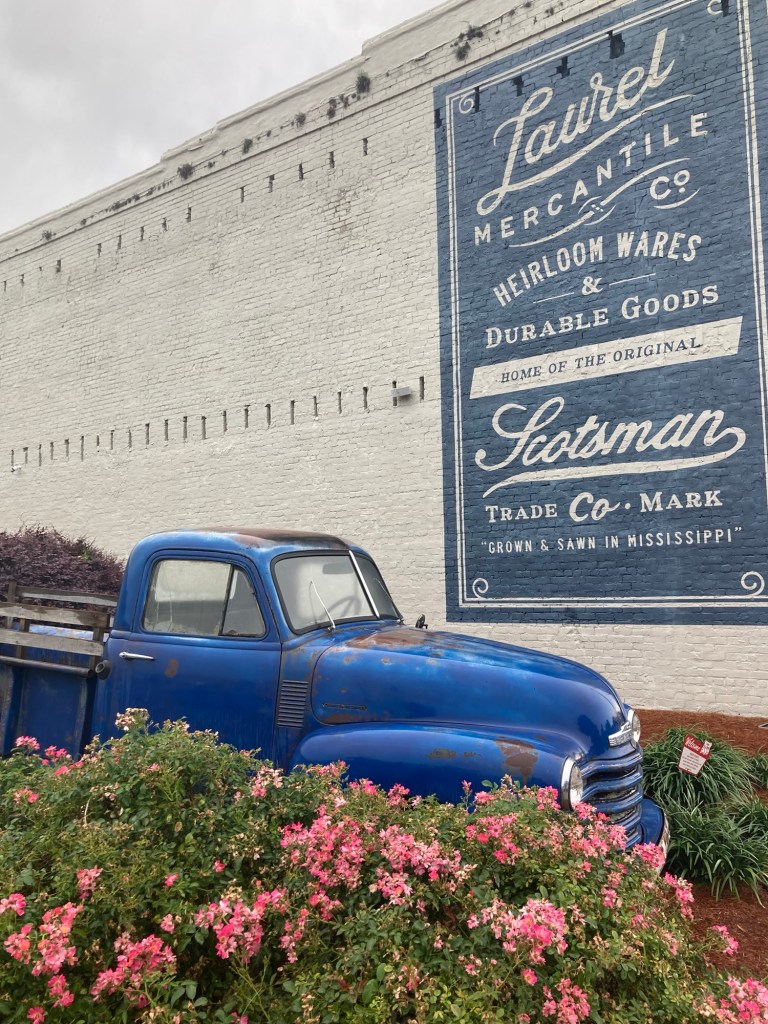
one of three stores that Ben and Erin have in the downtown area
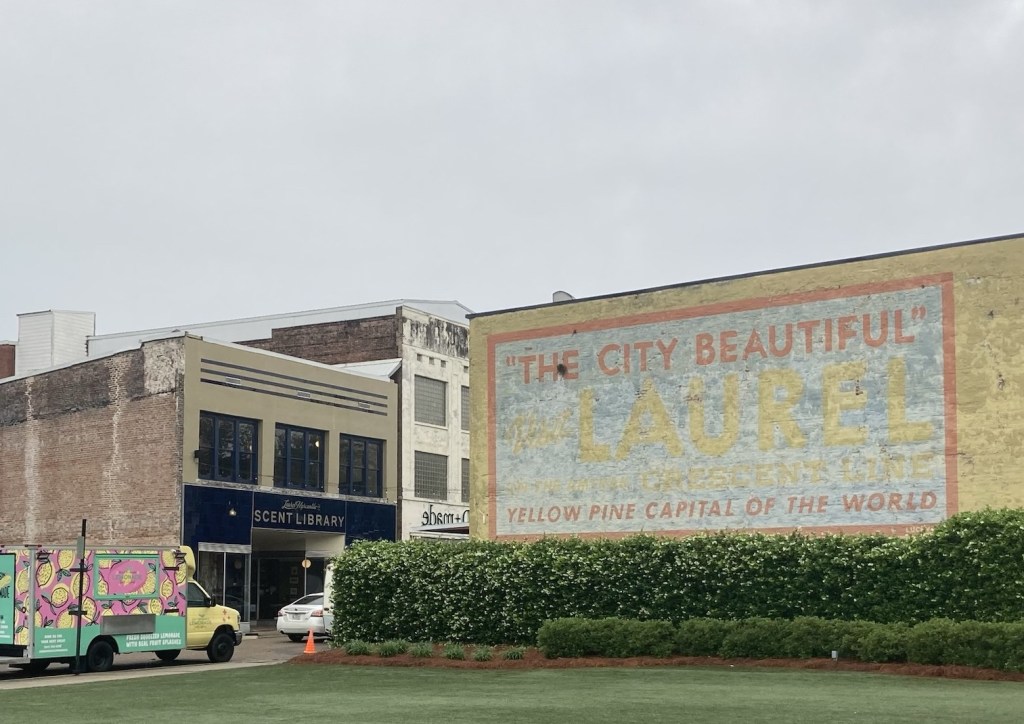
as the Yellow Pine capital of the world
 Peckish Travels