It was another BART day for the Pecks. Today we rode the train 3 stops into Oakland ($2.55 each way) to walk to the Oakland Museum of California, which we had read about and was recommended to us by our homeowners. The museum tells the story of California in three parts — history, art, and natural sciences. Since there was a school group going through the natural sciences section, Bob and I spent our time in the first two parts.
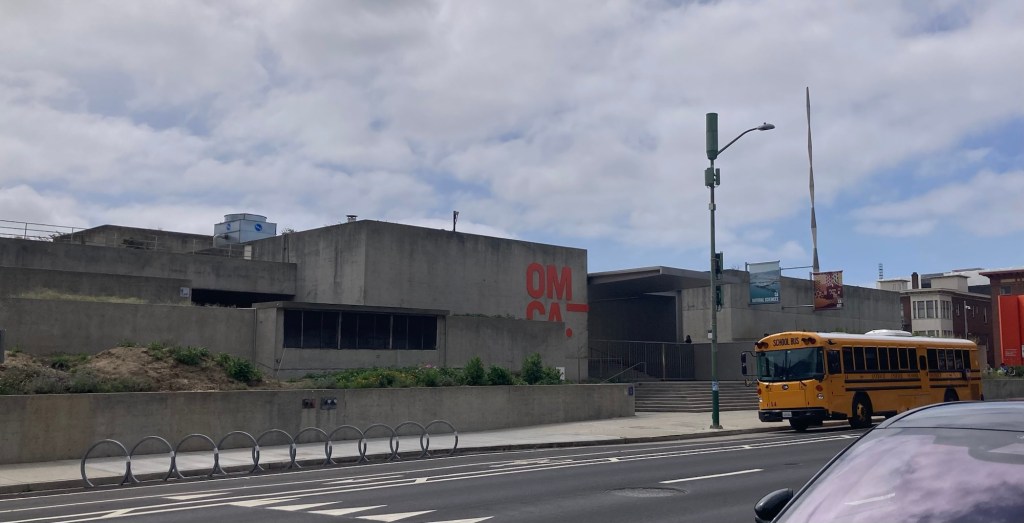
From here, you go down to get tickets, see the history exhibit,
and visit the shop. The natural sciences exhibit
is down another level, and the art exhibit is on the courtyard level.
The history exhibit started with a section called “Before the Other People Came,” which detailed the lives of the Native Anericans indigenous to California. It then went into the 1540s with the arrival of explorers, the rule of California by Spain and then Mexico, the population explosion in CA with the gold rush and the westward expansion of the US and the railroads, immigration (both us against natives and later us against newer immigrants), and, of course, the role of tourism, Hollywood, and Silicon Valley, as well how California was impacted by natural events like earthquakes as well as national and world crises. It was comprehensive but not overwhelming.
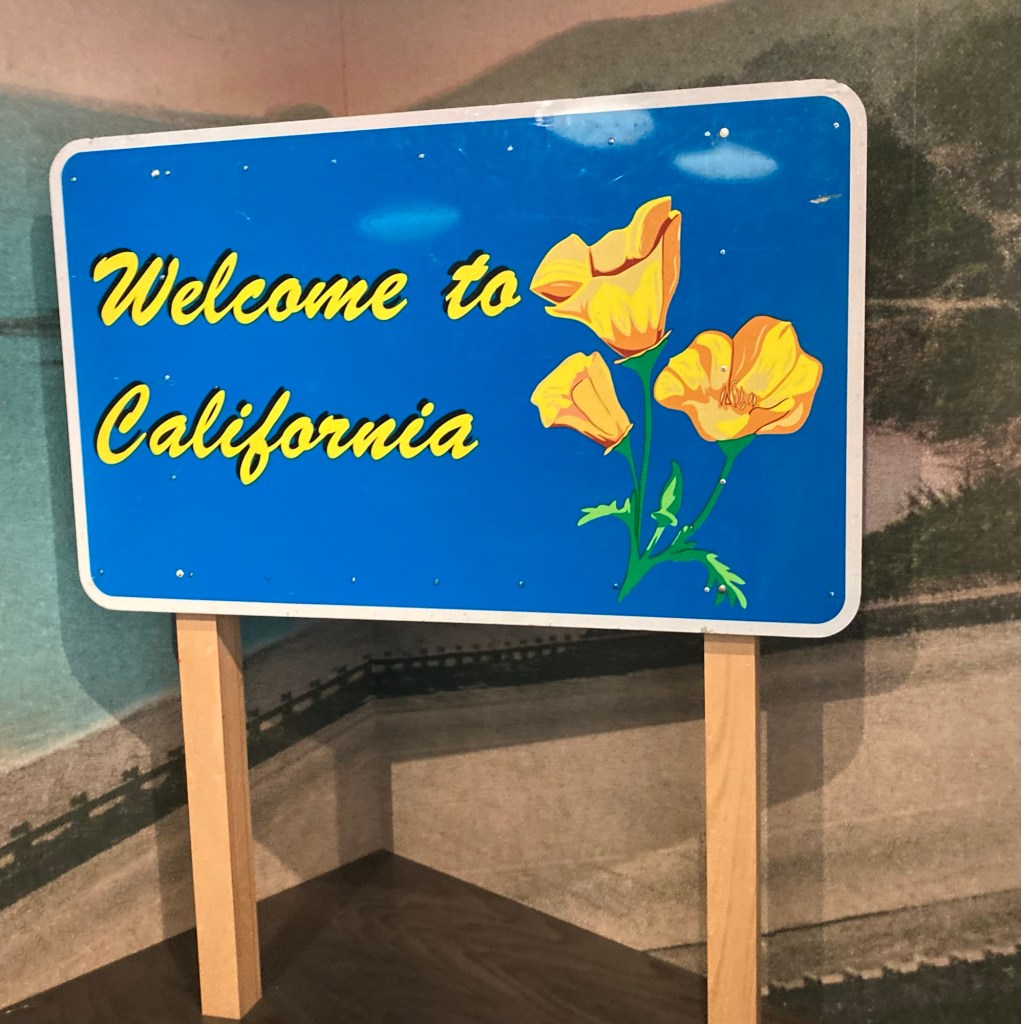
— this might be part of a Gofundme campaign
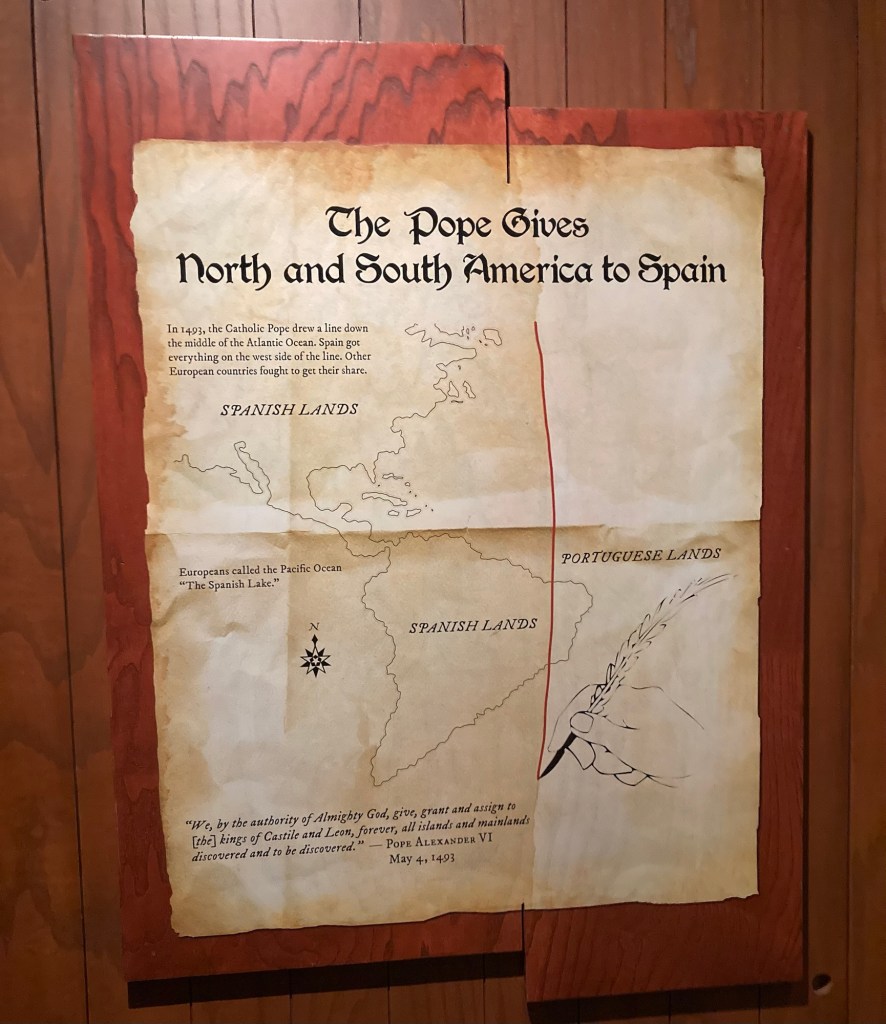
Spain must have been ahead on their papal offerings.
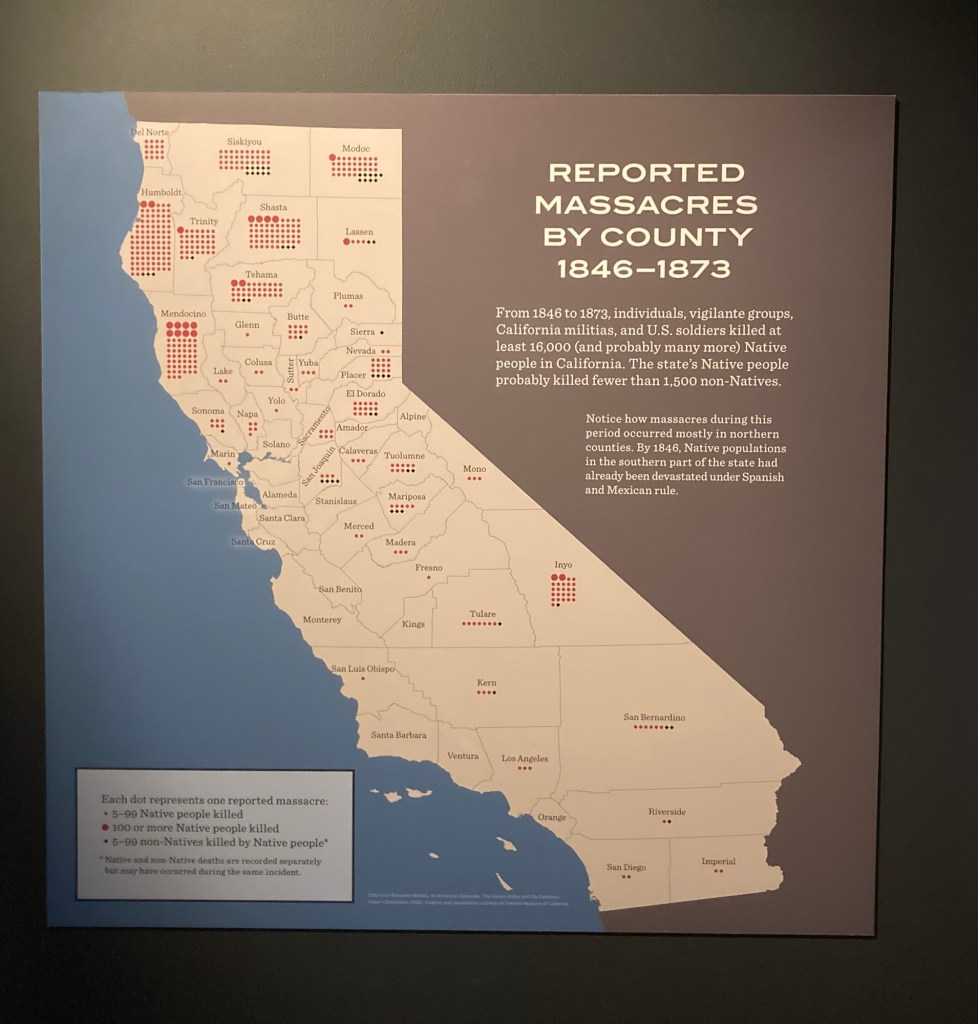
Immigrant issues version 1 — Immigrants against the Native Peoples. With a growing community greedy for land, vigilantes and the state militia mounted a violent campaign against Native Californians. They carried out massacres, captured people as slaves, and removed tribes from their lands.
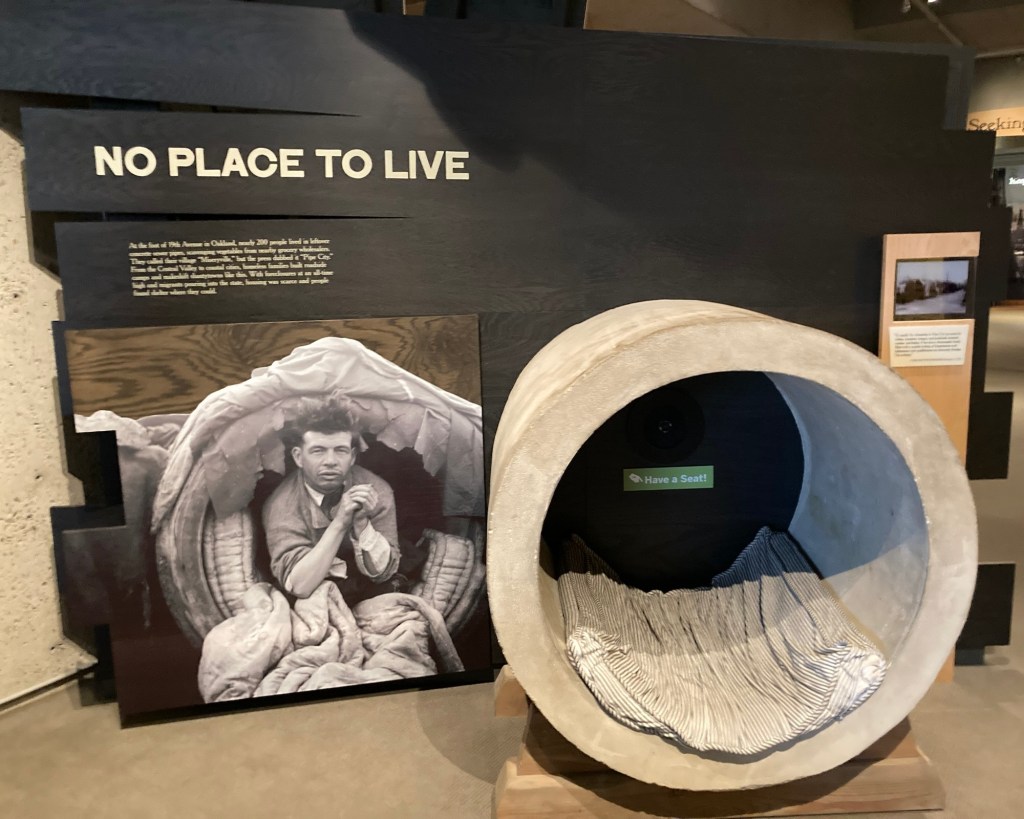
lived in leftover concrete sewer pipes,
scavenging vegetables from grocery stores.
Sadly, a number of people in Oakland
are living in similar conditions today.
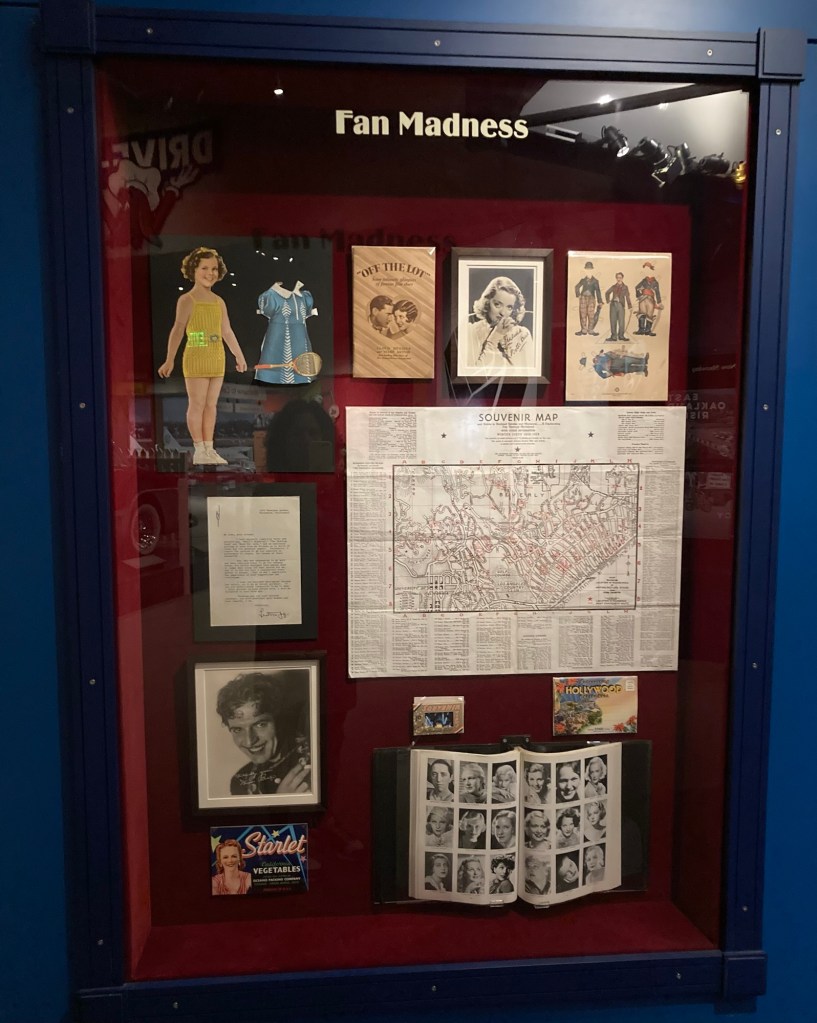
In 1910, pioneer director D.W. Griffith arrived in CA with a film crew and actors. He made a 17 minute drama called “In Old California.” It was the first film made in Hollywood. Less than 10 years later, movies were one of the leading industries of CA.
Immigration issues version 2 — The US government has been less and then more and now again less welcoming to immigrants.
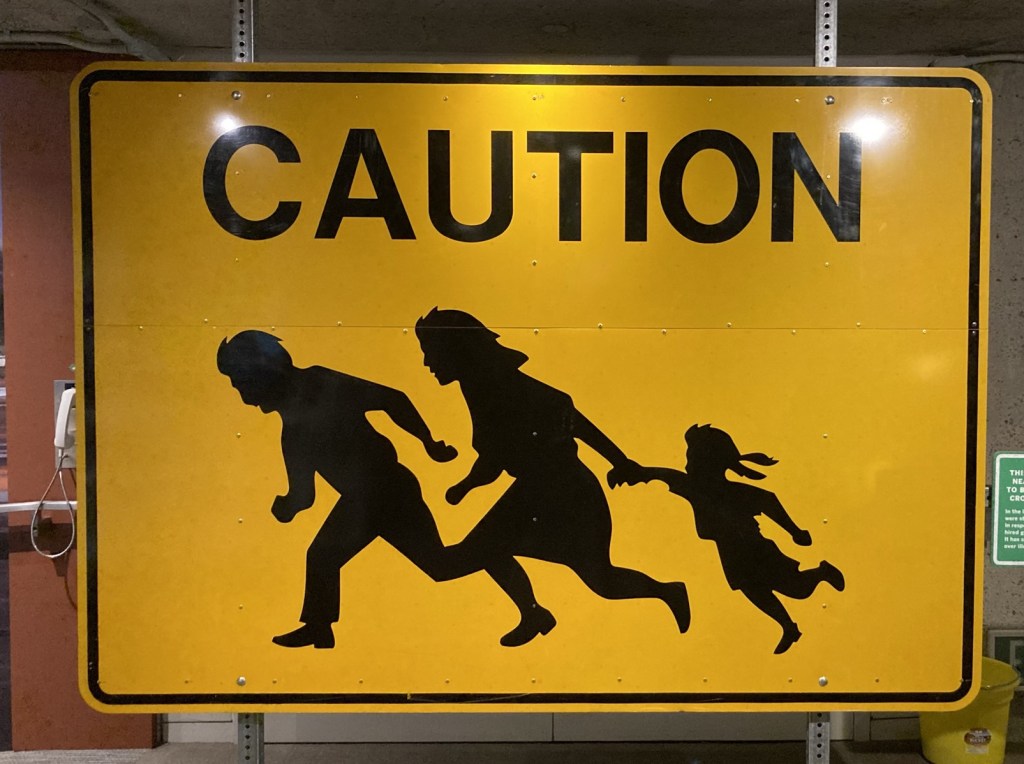
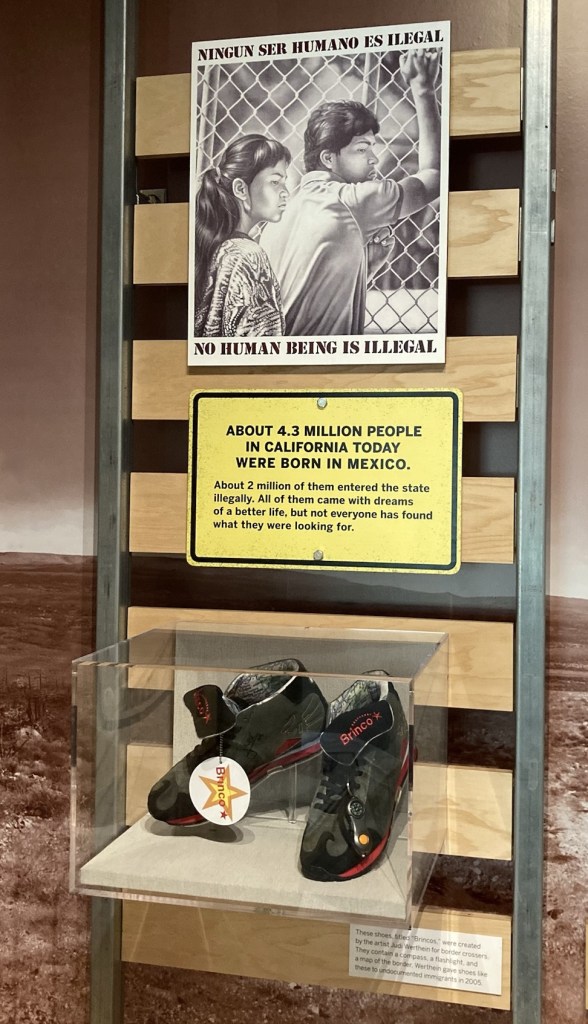
CA is significantly impacted by the issue of immigration.
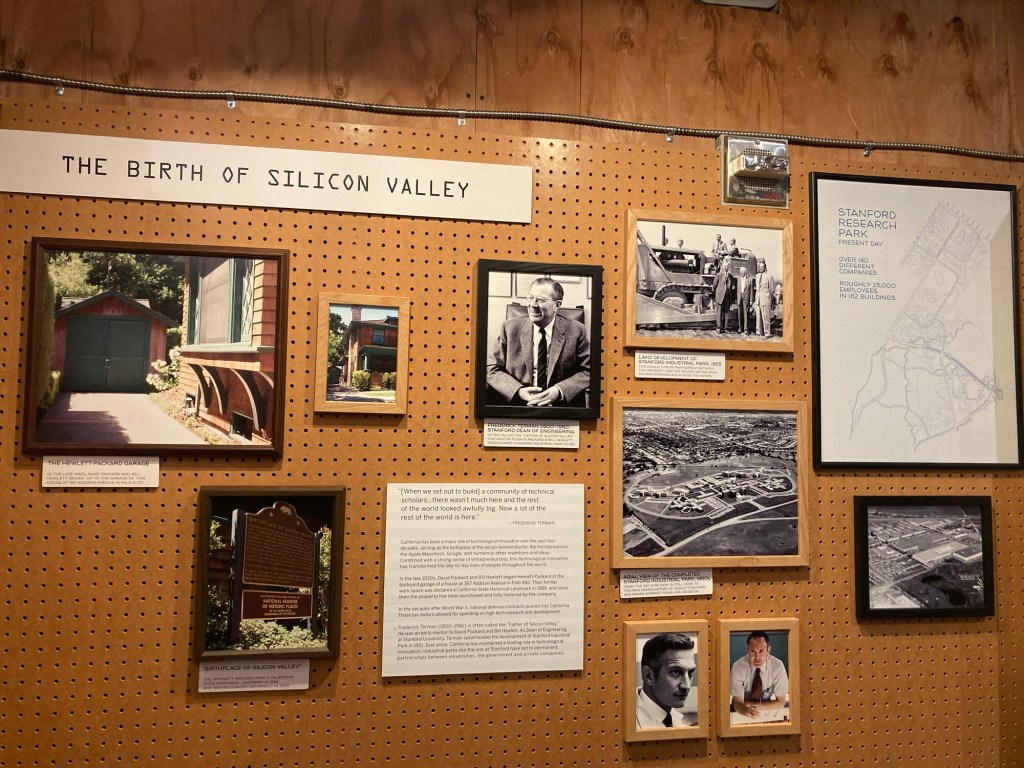
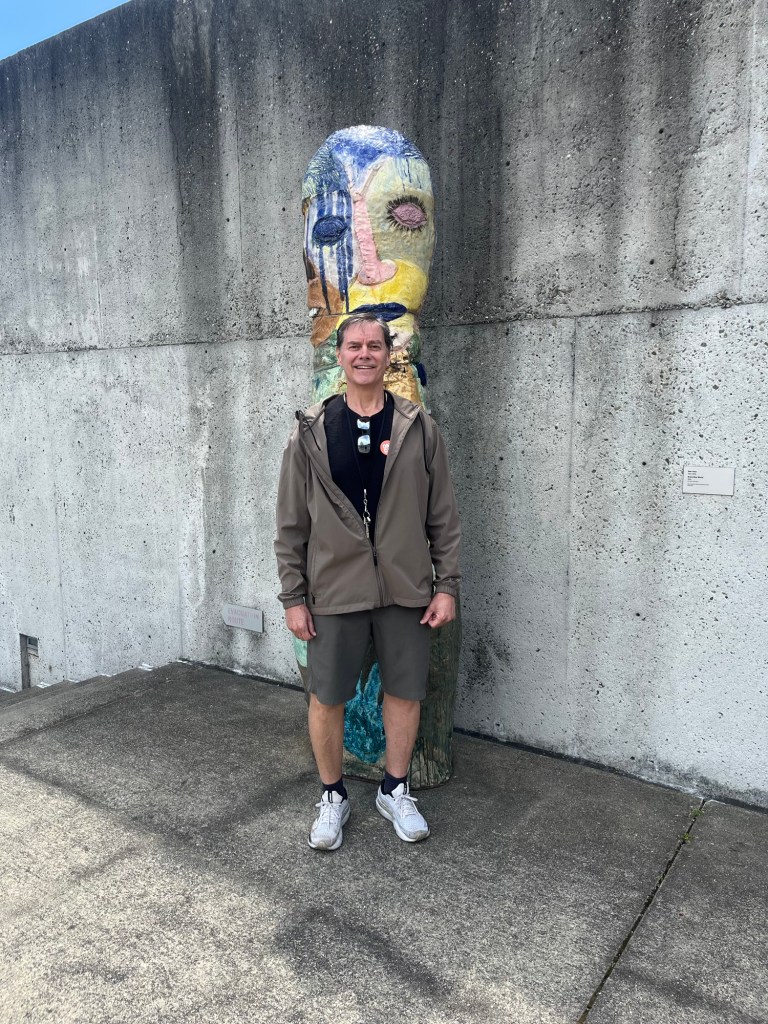
The art portion of the museum focused on land, people, and creativity. We stumbled on a big head for Bob (not literally, or that could have been pricey).
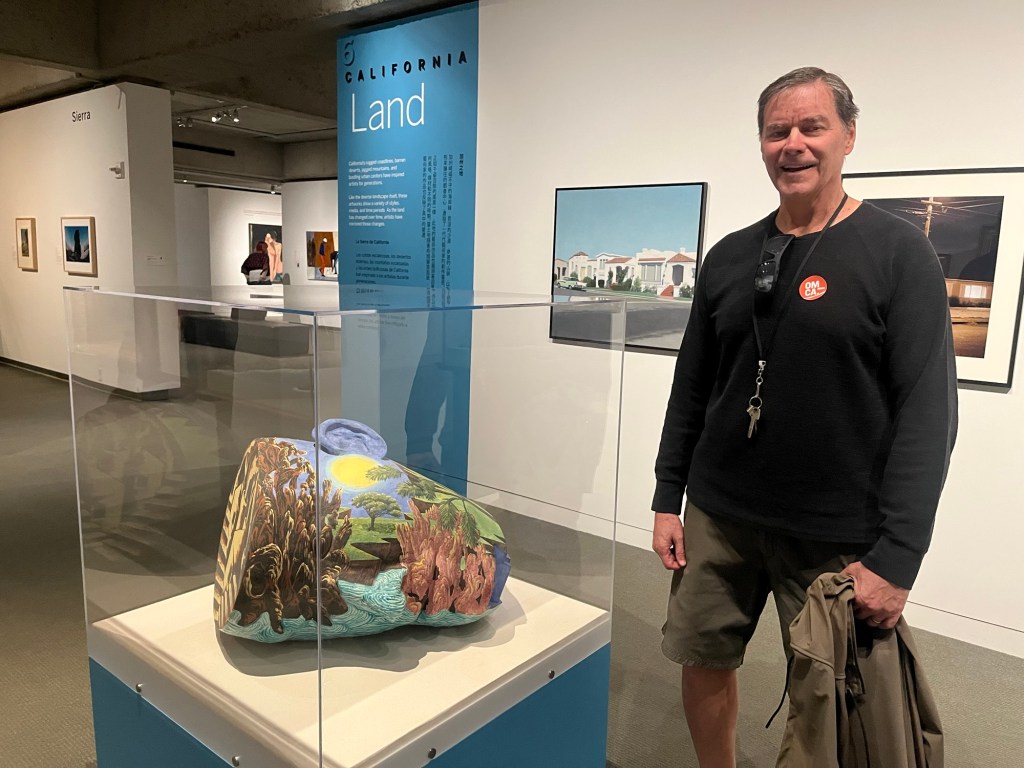
that we sadly forgot to get the information for.
There was a multi picture exhibit for the Oakland artist Hung Liu (1948-2021). The museum noted that they had worked with her for many years after they acquired their first painting of hers in 1998.
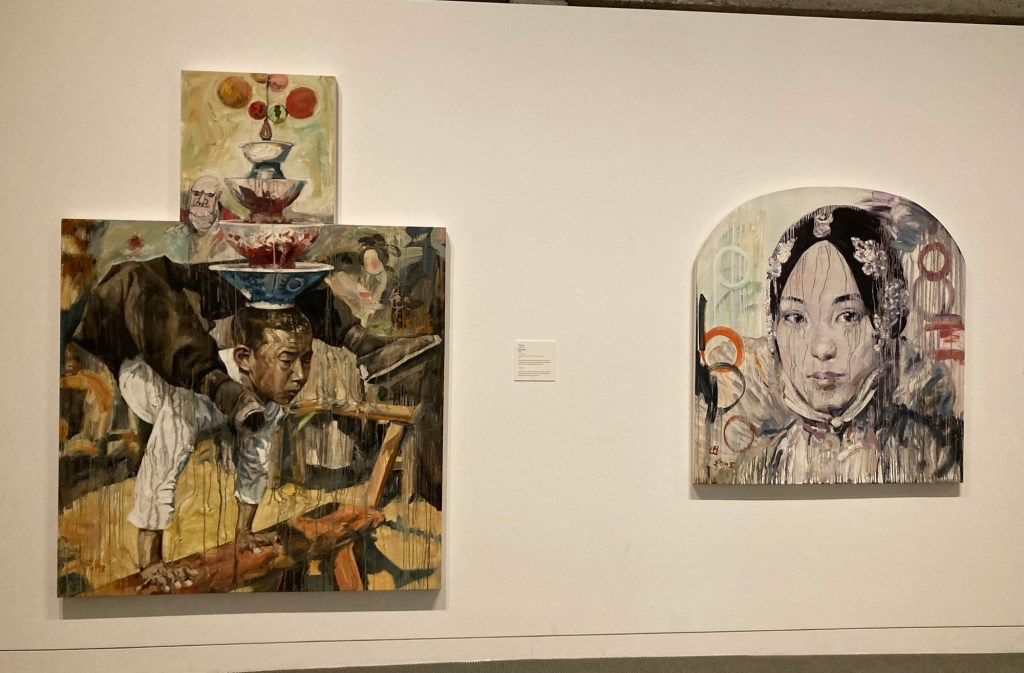
Another part of CA history (and US history) was the internment of Japanese in camps during WWII. One of the 10 prison camps for these individuals was at the eastern base of the Sierra Mountains in Manzanar, CA. Some photographs taken by the photographer Dorothea Lange were exhibited in the art section of the museum.
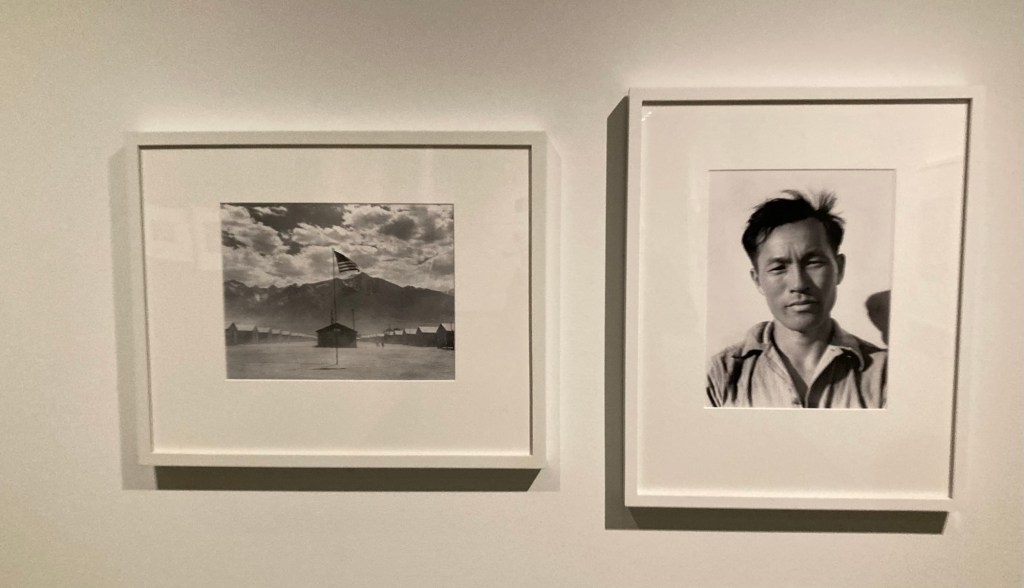
who was an interned at the center for the war
along with his Caucasian American wife and 4 year old daughter.
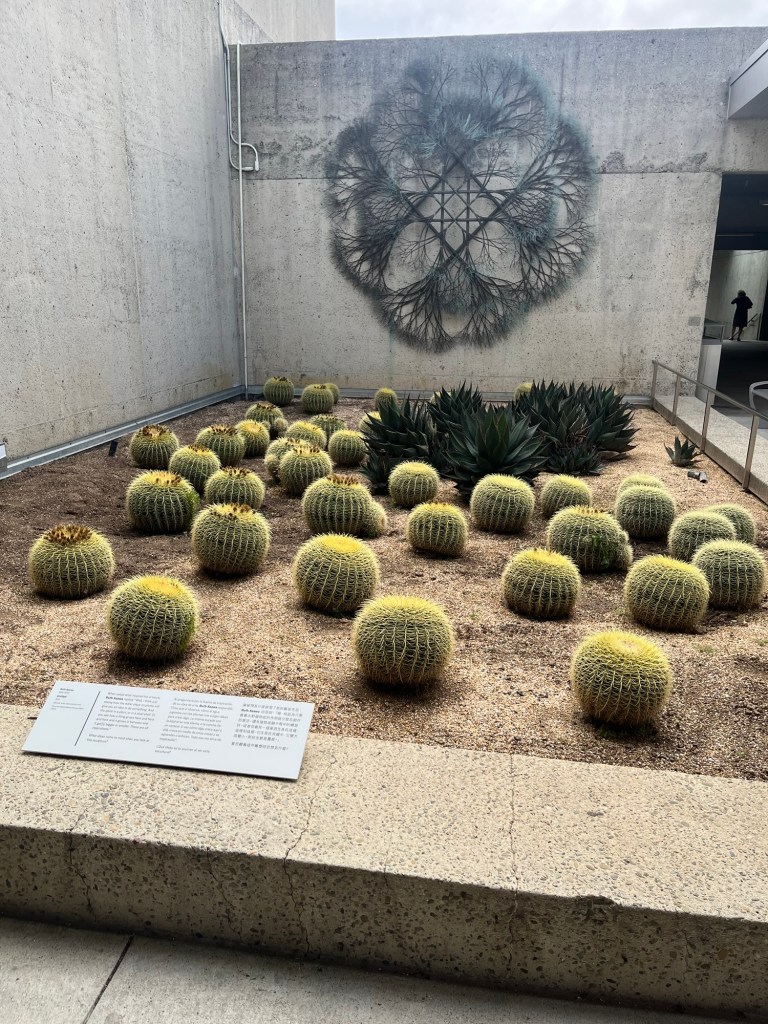
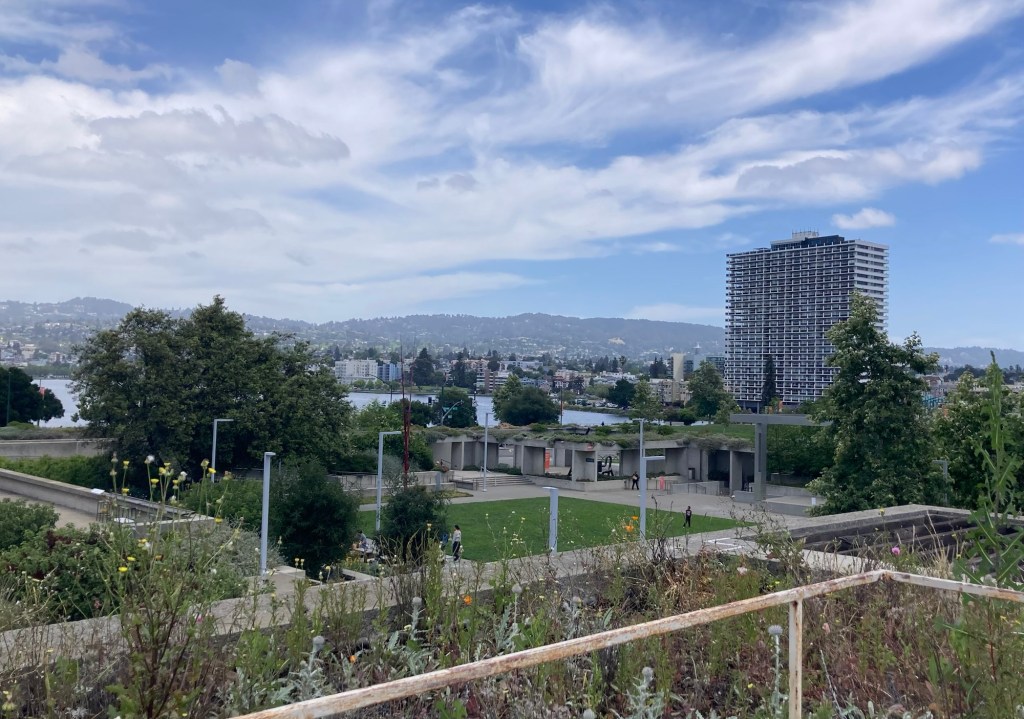
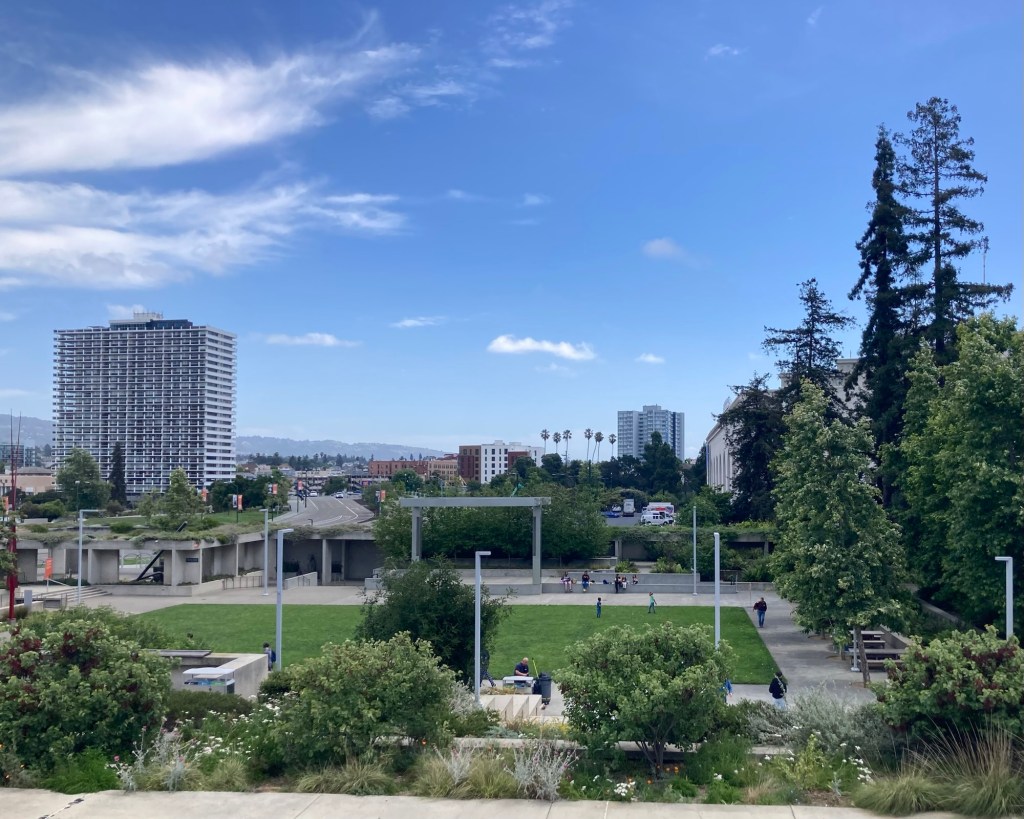
After we finished perusing the art exhibits, we wandered out to the terrace for more art and good views of downtown Oakland and Lake Merritt. A sign on the terrace noted that when the terraced gardens opened in 1969 they were among the first rooftop gardens at a museum.
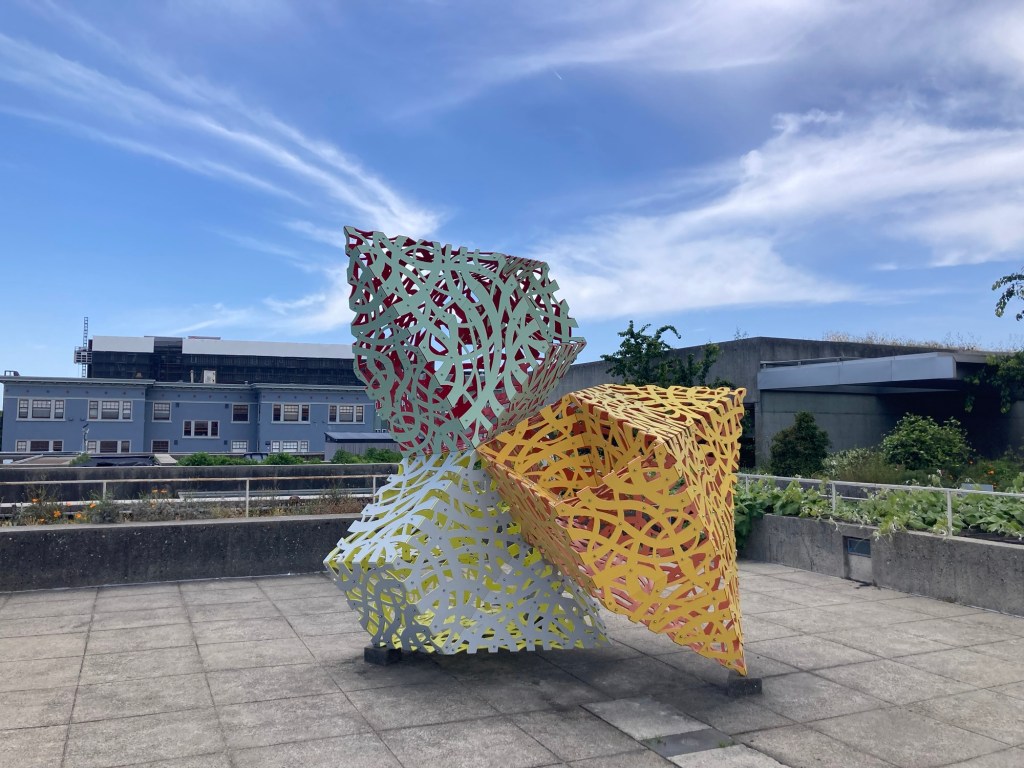
“Brave New World” by Glen Takai, 1999

