The second stop on my early 60th birthday tour brought Bob and I to Scotland. So Thursday morning we grabbed a cab to the Bergen Airport set rate of $550 Norwegian Krona from our hotel and flew to Oslo and then Edinburgh before picking up a rental car and driving 90 minutes to the beautiful small town of Thornhill in the Dumfries and Galloway region of Scotland.
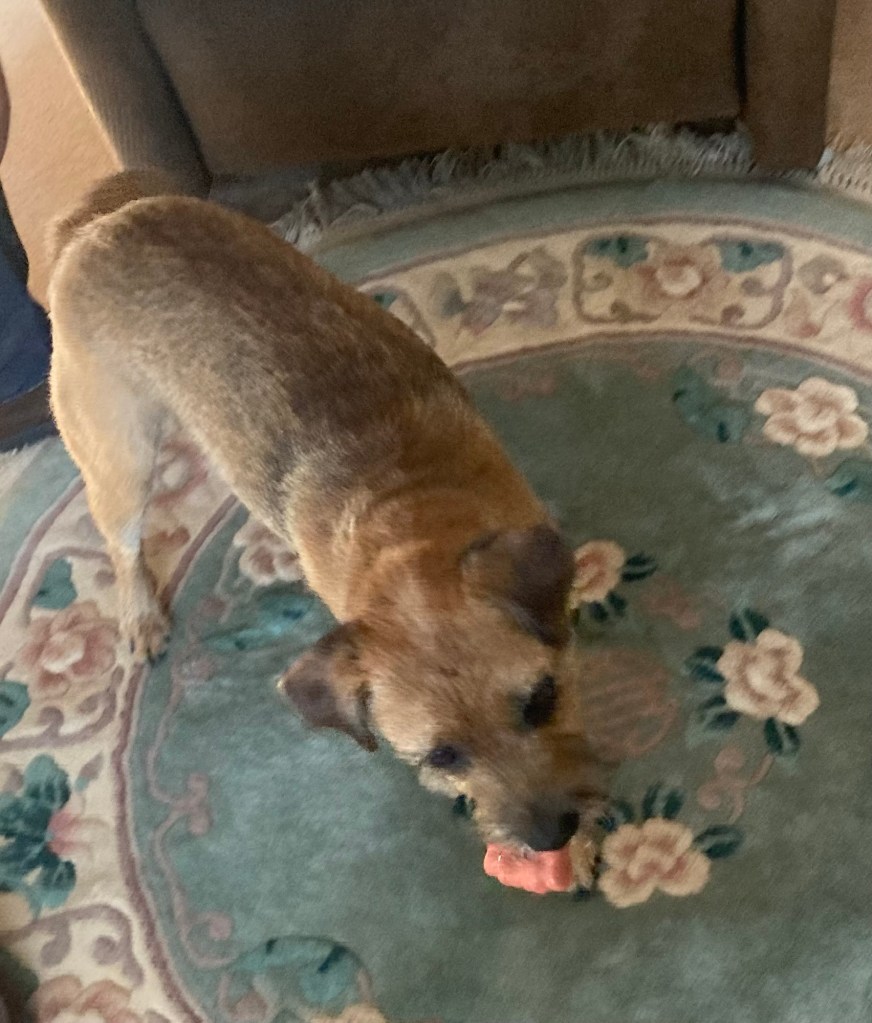
Since our arrival, we have been having a lovely catch-up with Stan and Mary, former homeowners and now friends, and playing with Otter, their Border Terrier.
Otter playing with a toy
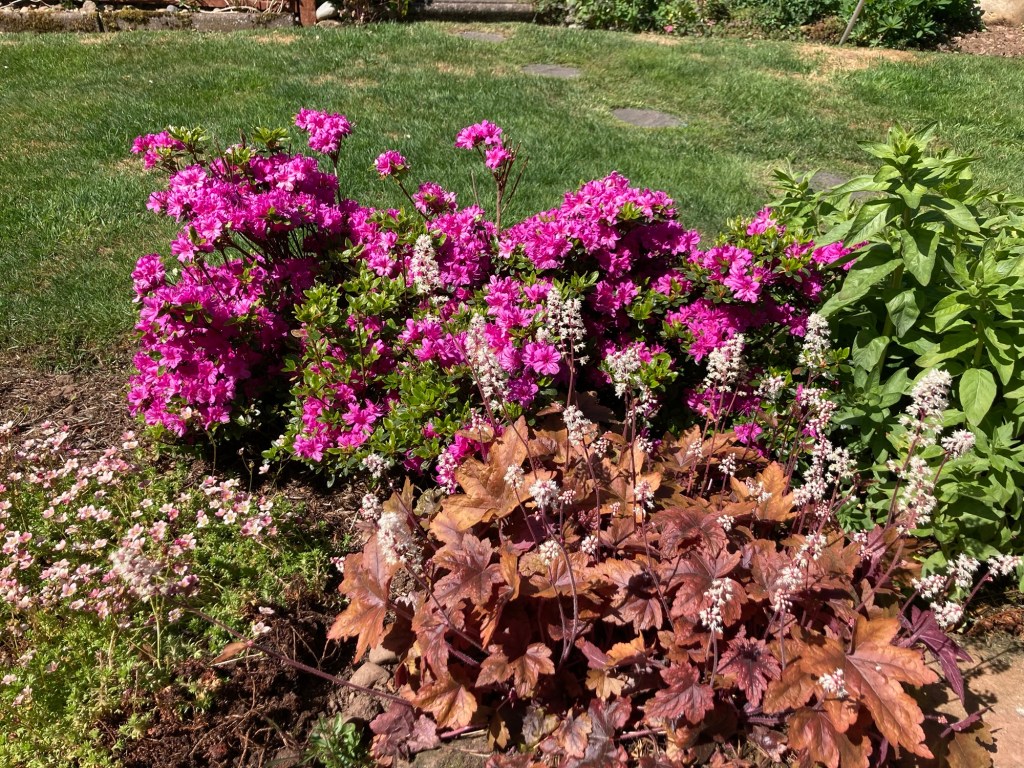
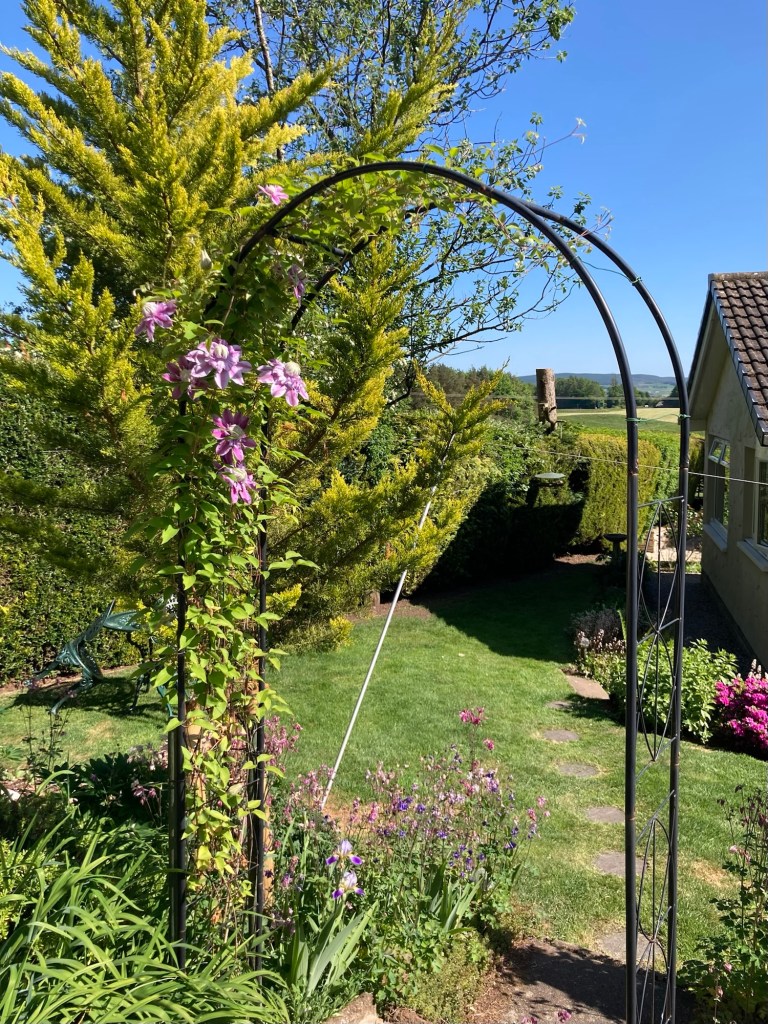
The weather continues to be on our side, so we were able to spend some time Thursday afternoon catching up over champagne in their garden. A couple of photos from their garden.
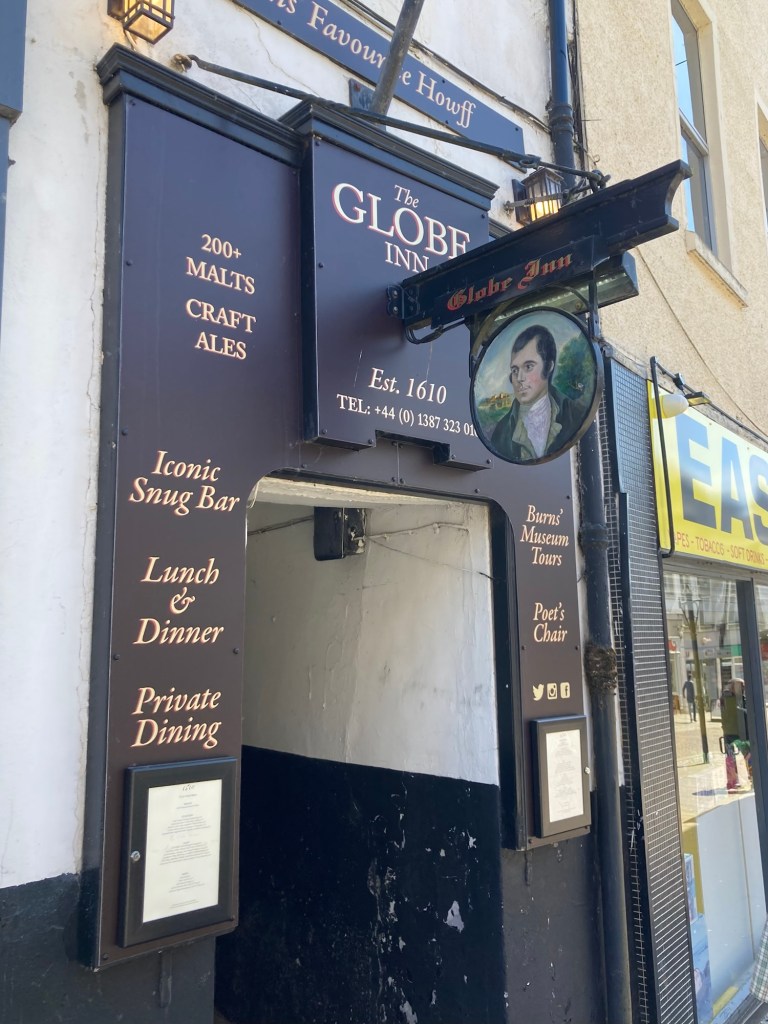
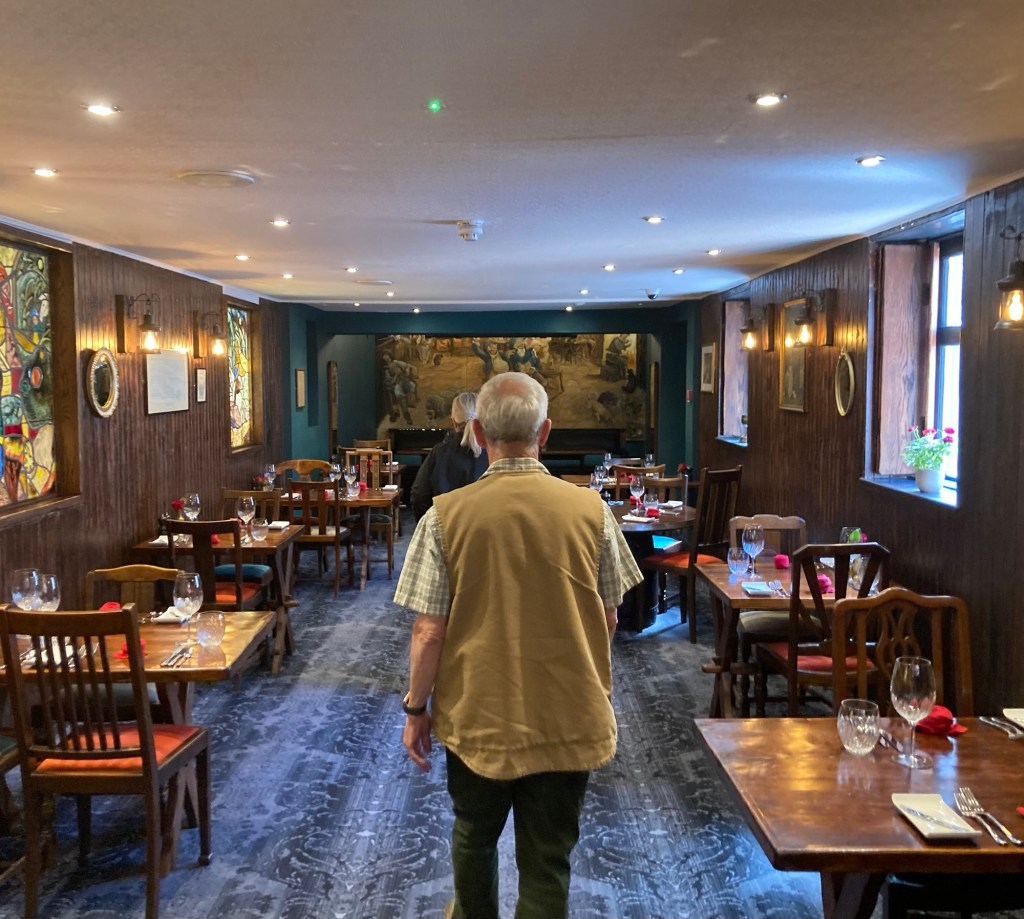
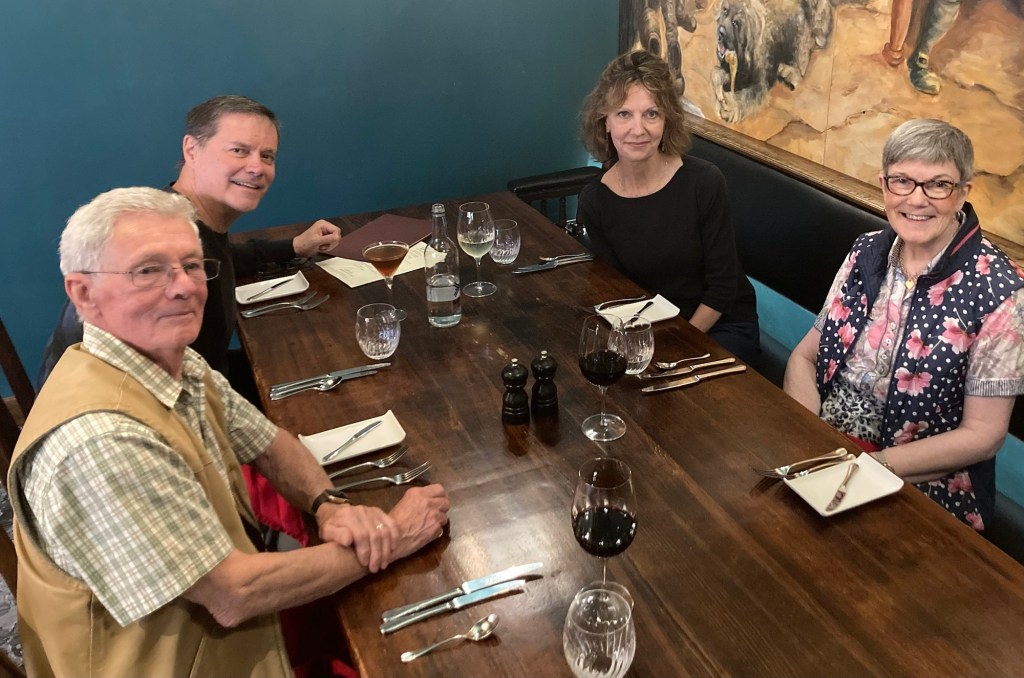
The big event today was a birthday lunch at The Globe Inn in Dumfries, a Michelin listed restaurant that was a former haunt of the great Scotch poet Robert Burns.
It was awesome lunch — company, food, service, and history.
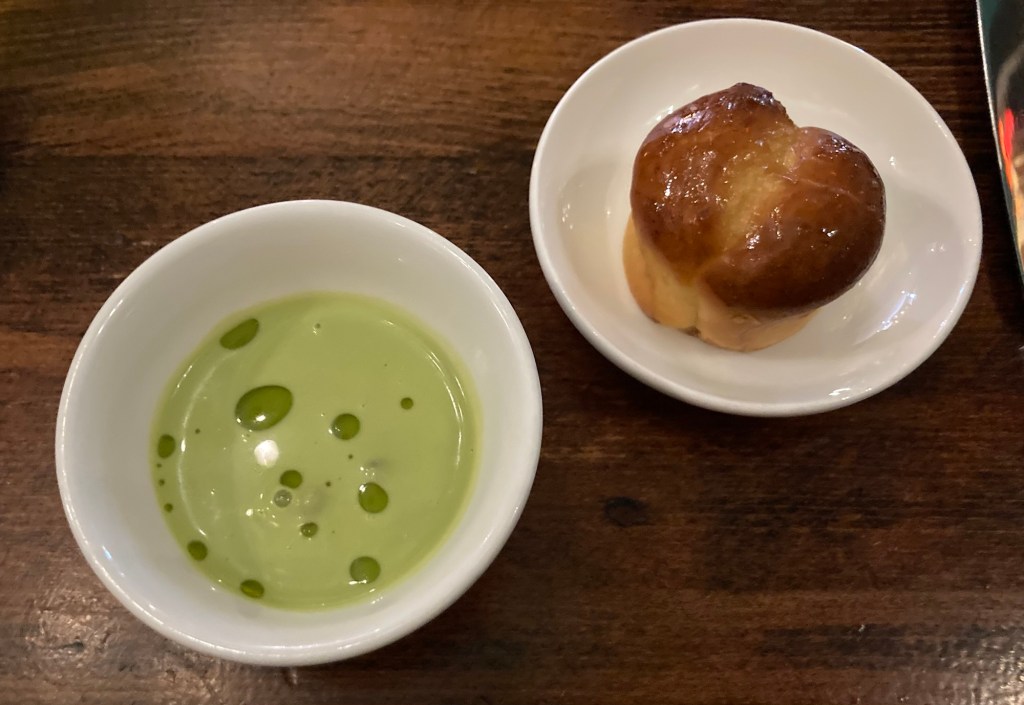
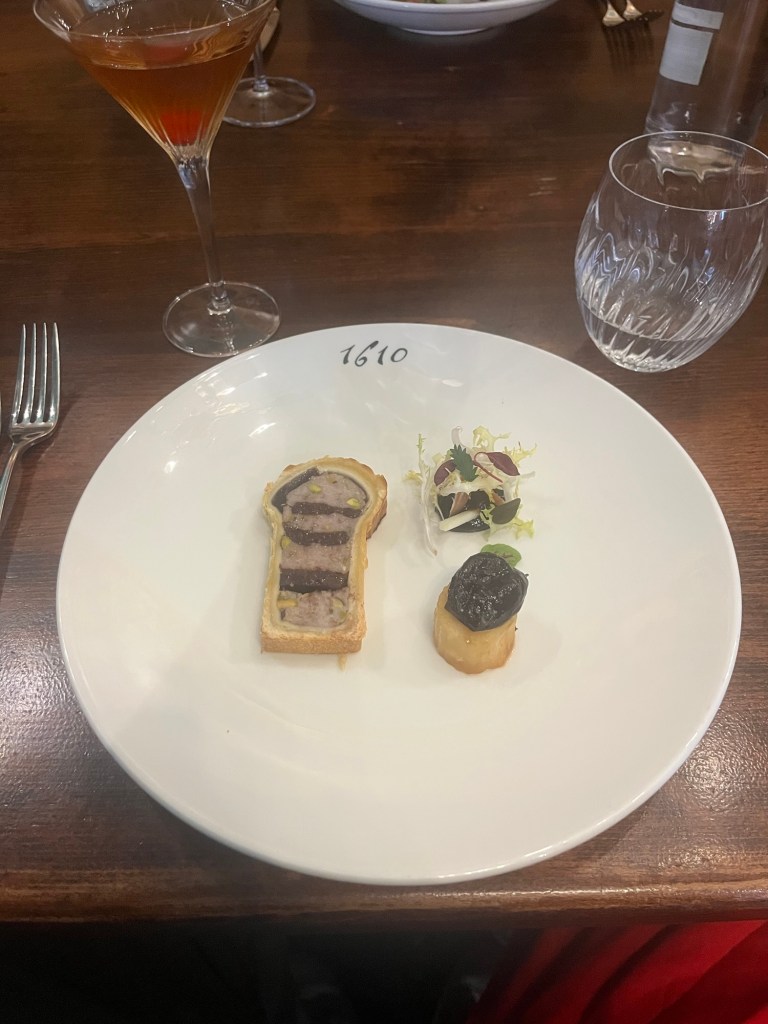
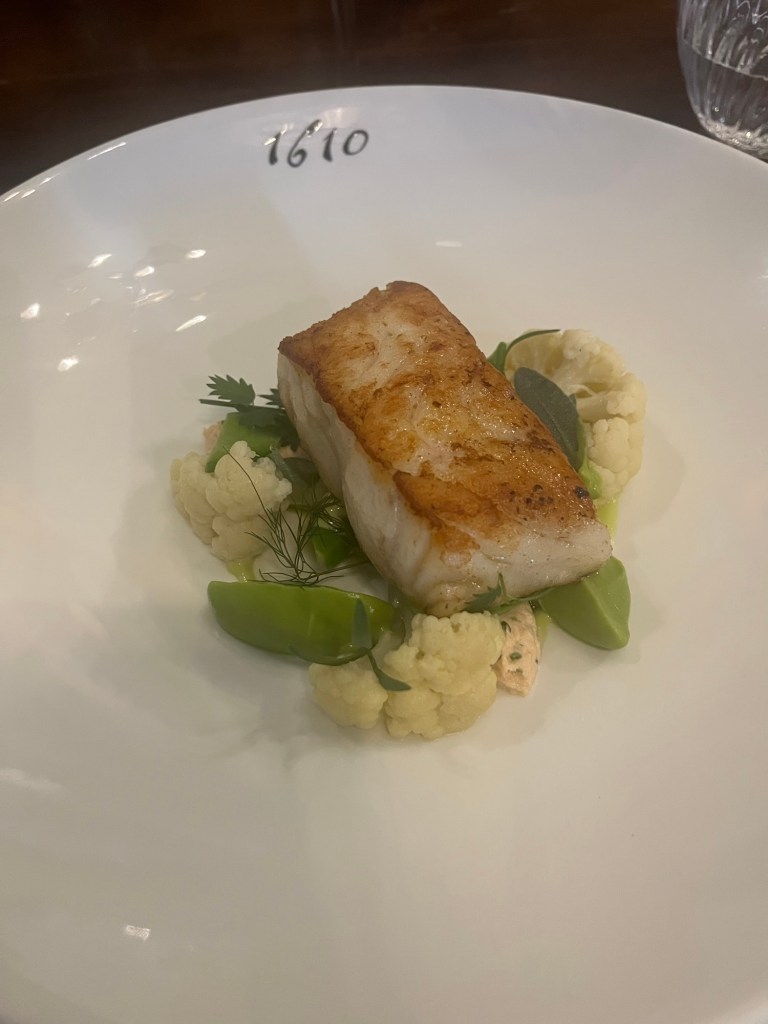
Entering the alley to the restaurant Being shown to our table below the mural on the back wallAll wined up and ready for lunch —Stan, Bob, me, and MaryThe amuse bouche — a couscous salad with pea purée and a garlic bunBob’s pork en croute appetizer My sea bass appetizer with beets and Hollandaise sauceBob’s entree — coley (a fish) with cauliflowerMy cauliflower and miso filled pasta with pickled walnuts and artichokes
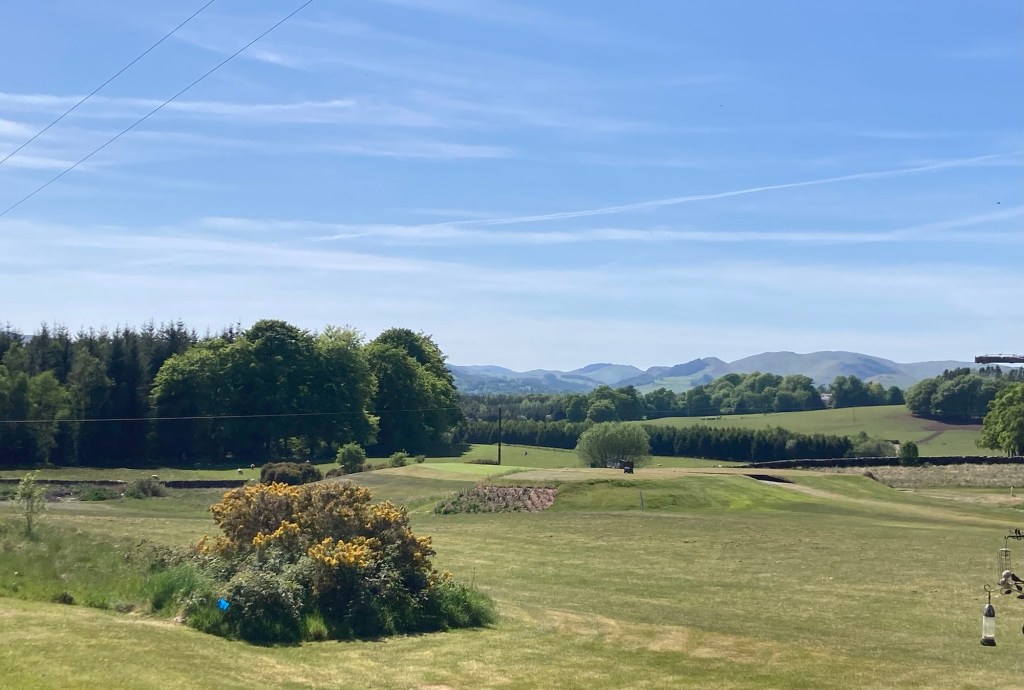
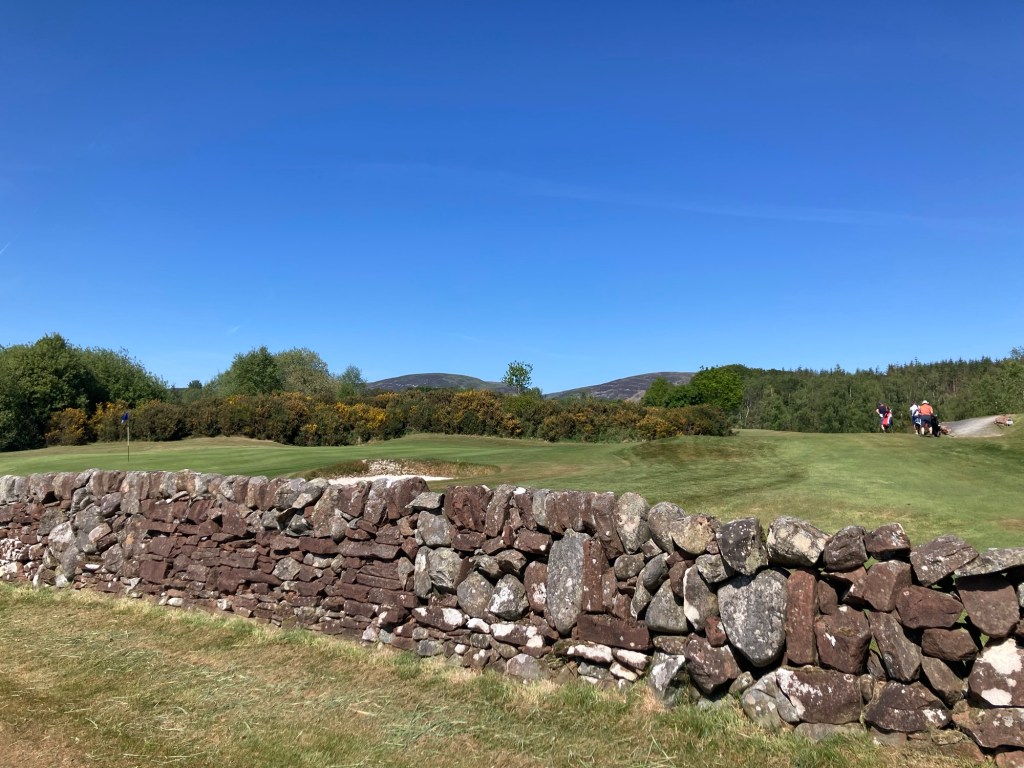
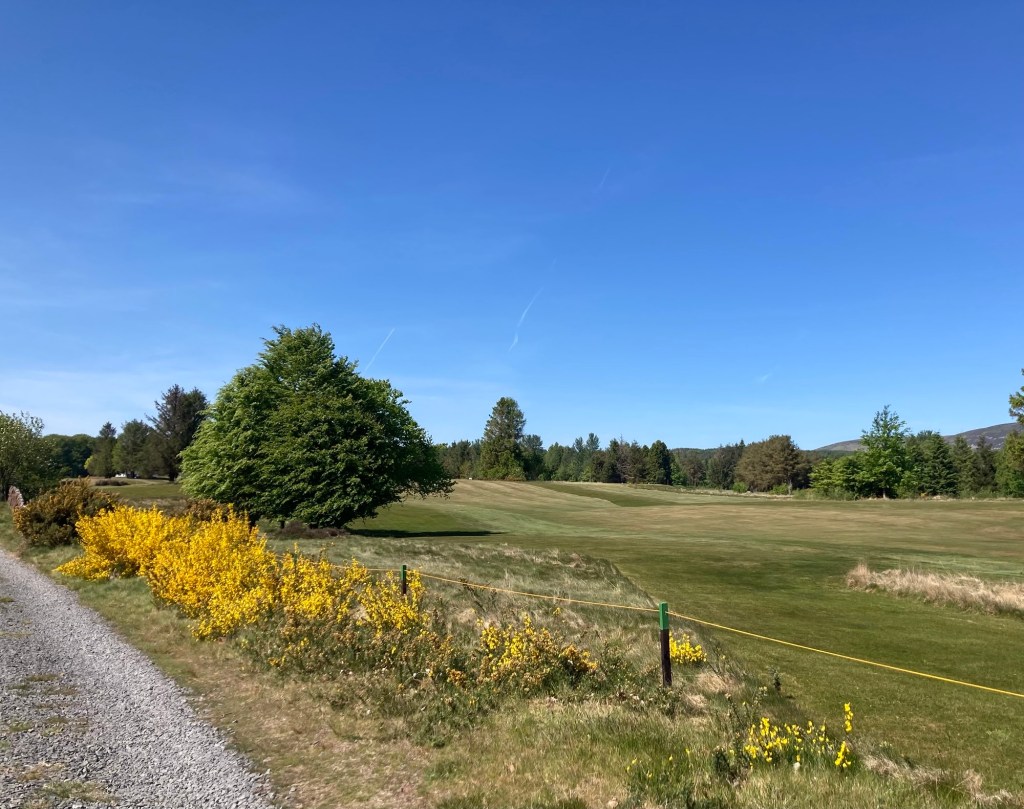
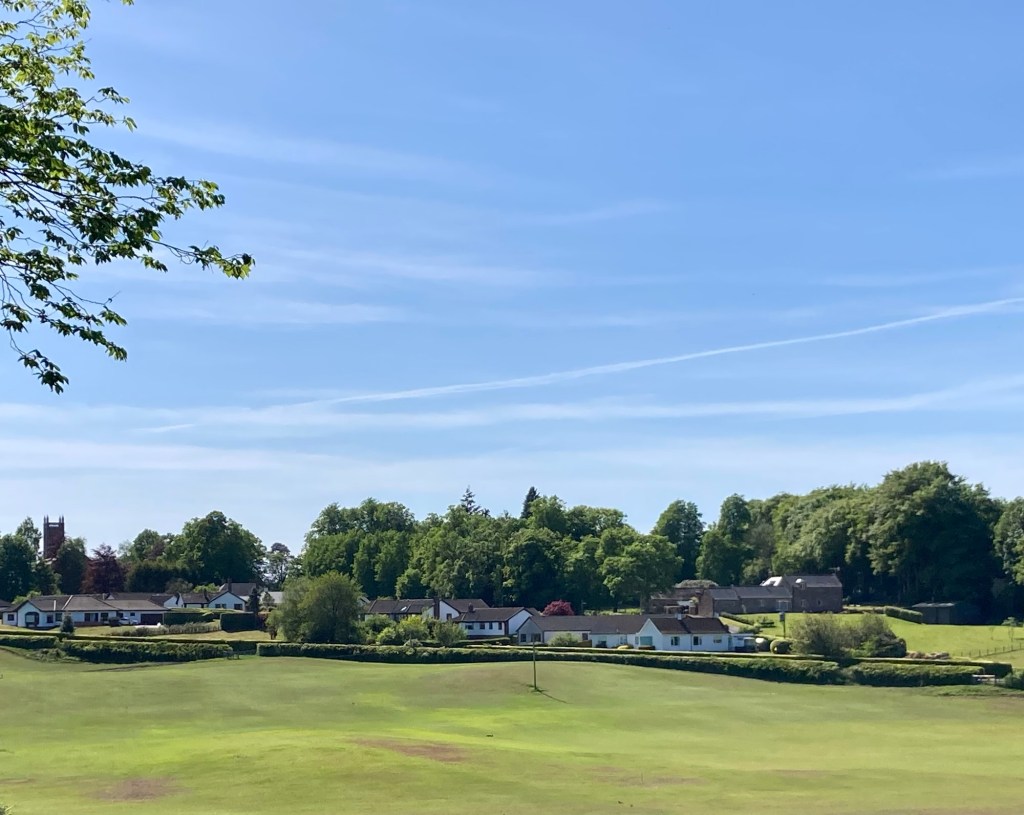
After we returned to Thornhill from lunch, I walked our golf course route that we used to walk when caring for Bruce, Stan and Mary’s former Border Terrier. The views into town and the golf course are amazing.
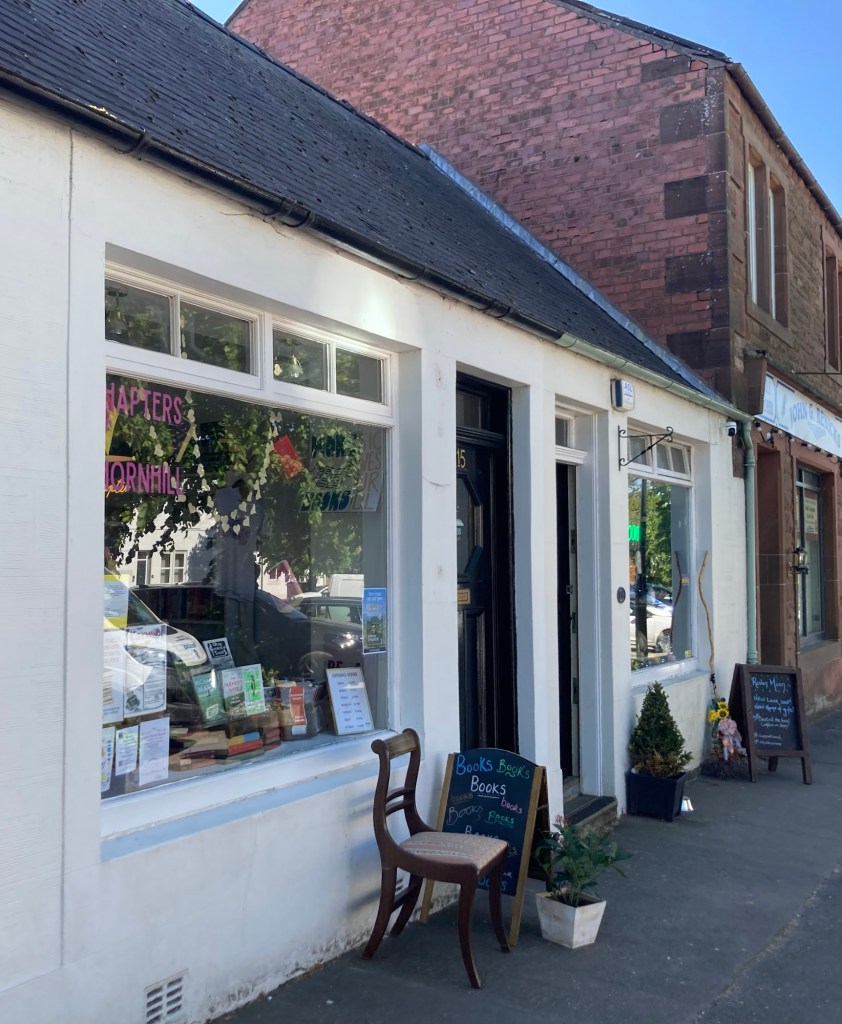
There is also a new bookstore in town called Chapters that was a fun look around.
It has been a great visit. As the world continues to get crazier, I’m even more thankful for good friends and family to help bring meaning to the madness.
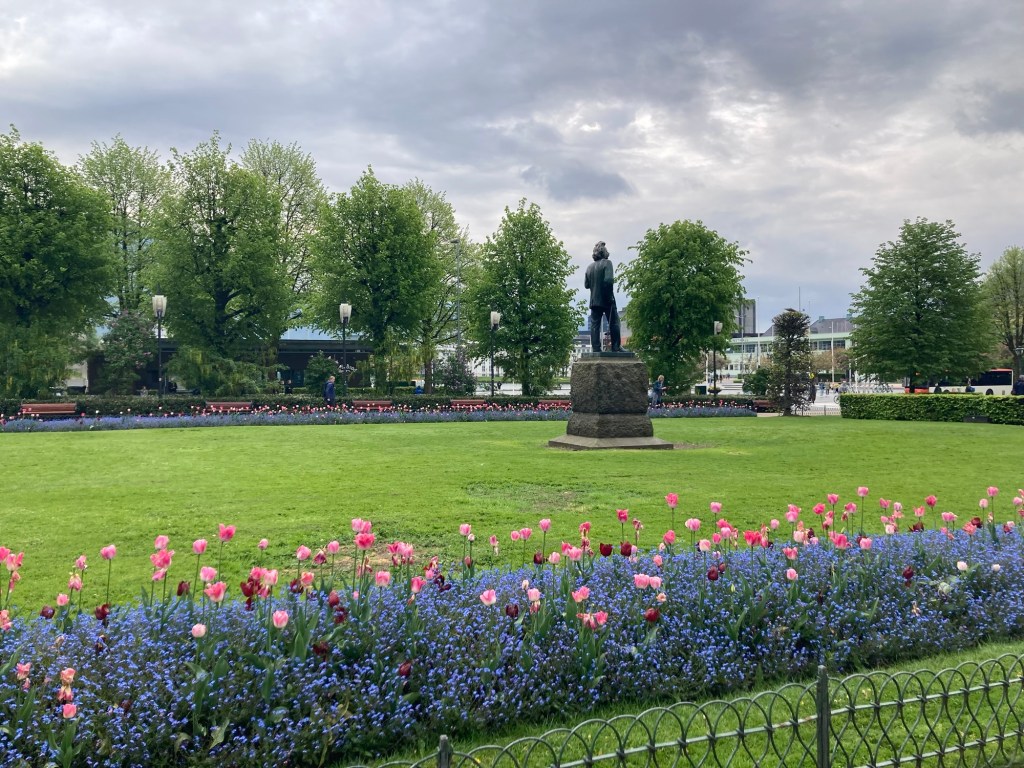
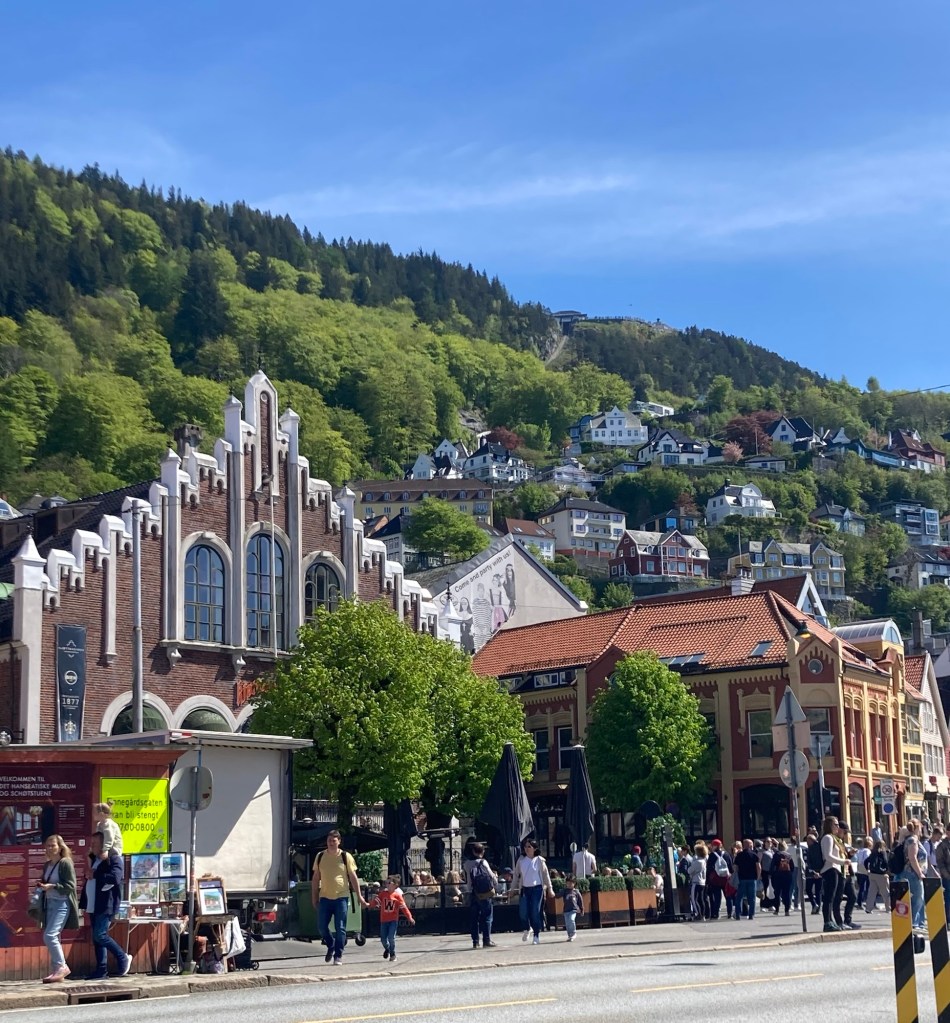
With a travel day tomorrow and not having any “must see” items on our list, Bob and I opted to walk to a few parks in the city, both to see them and also see more of Bergen. The photos are of the parks as well as other sites that caught my eye as we walked around the city.
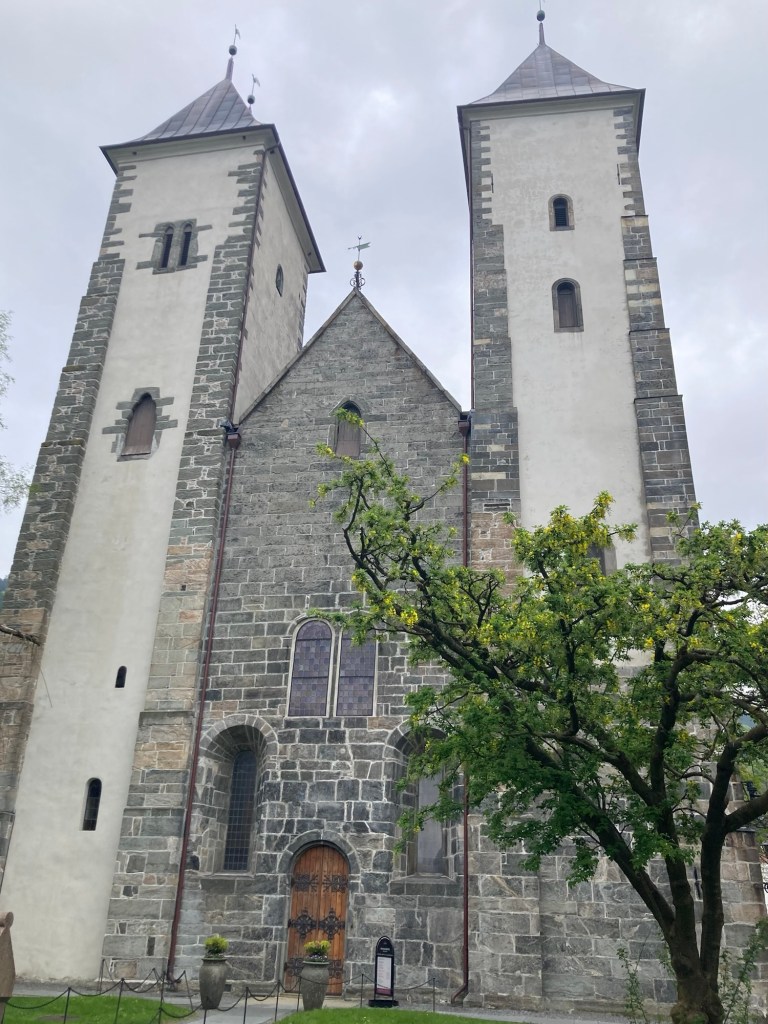
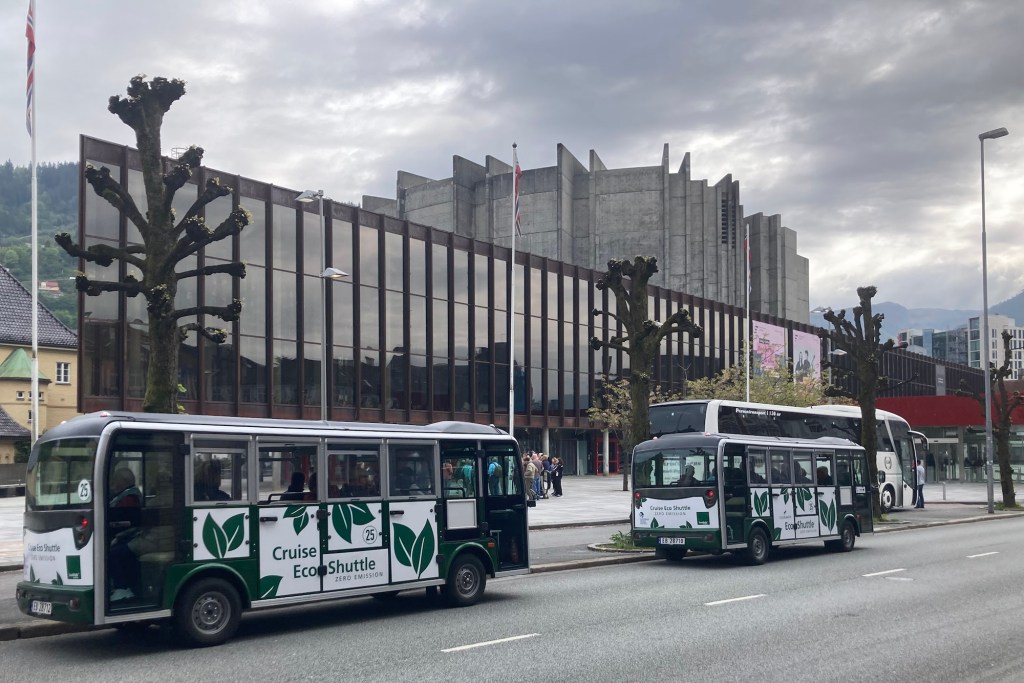
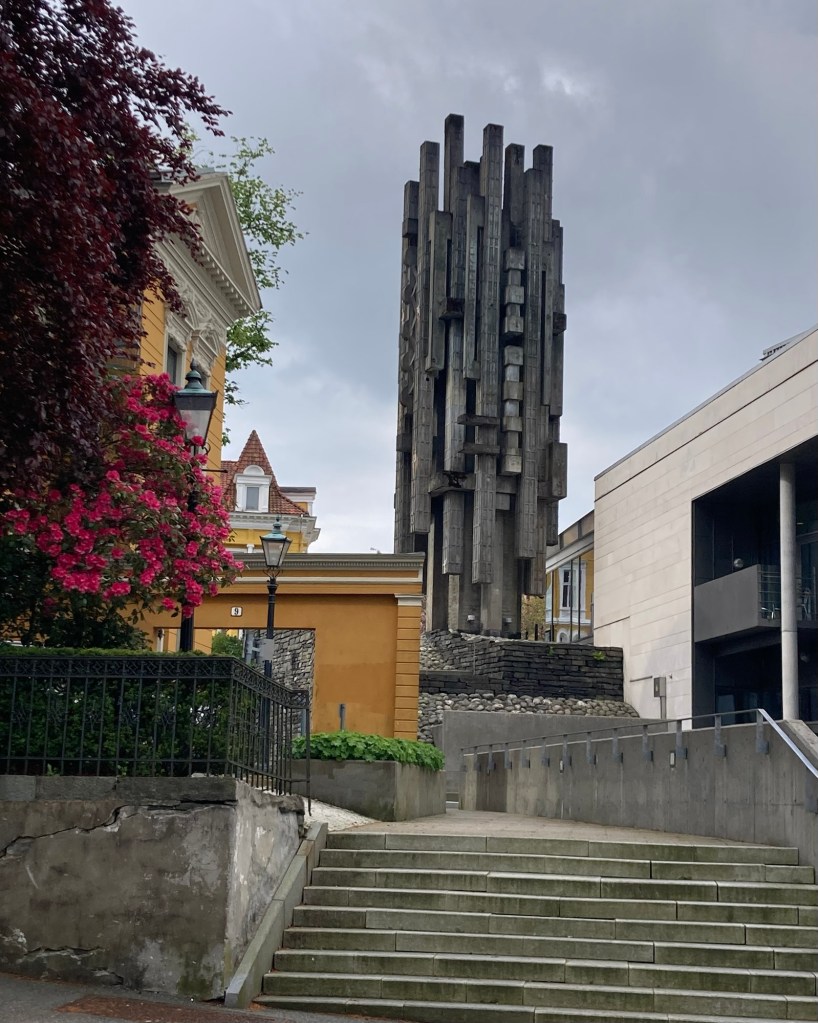
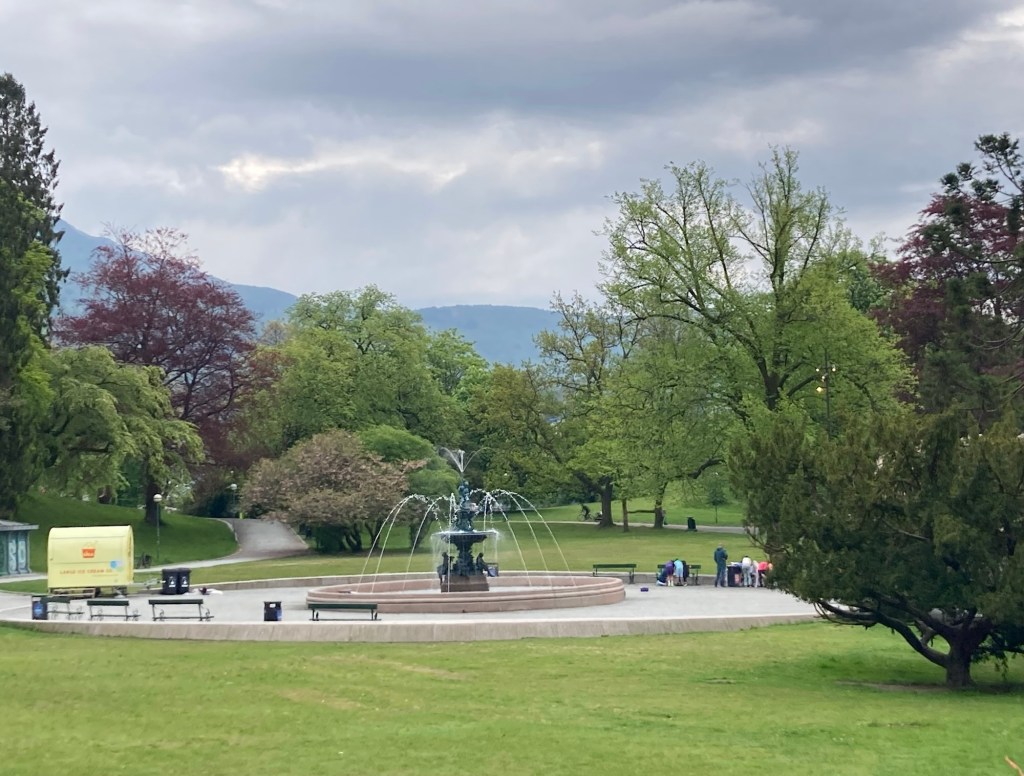
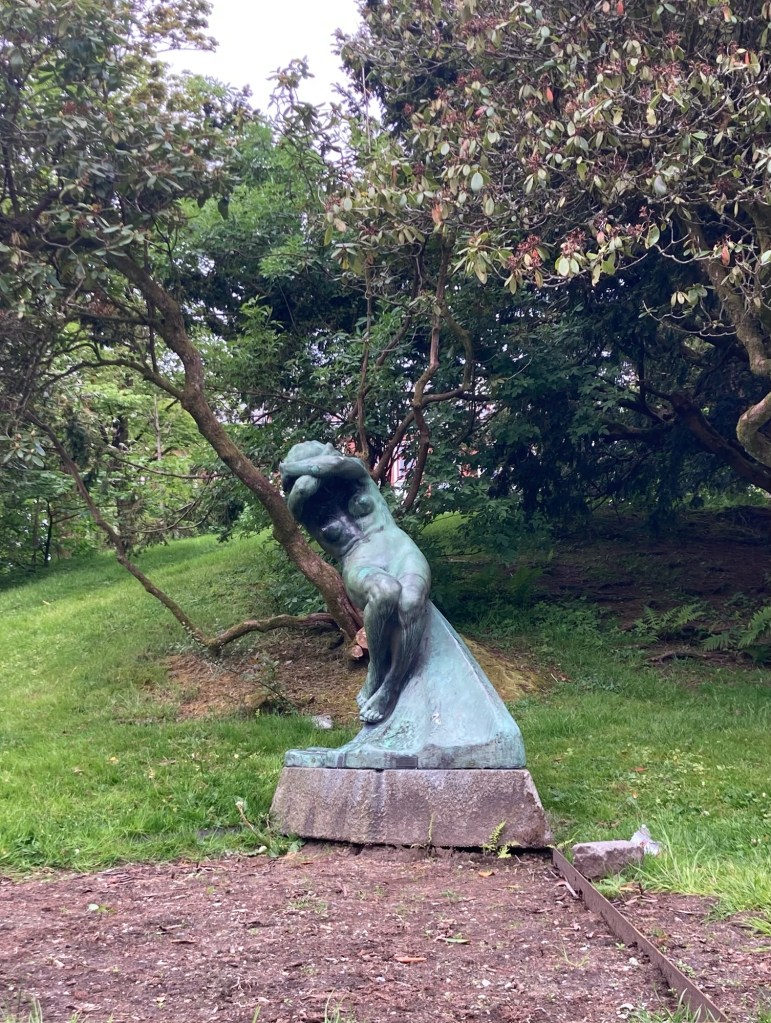
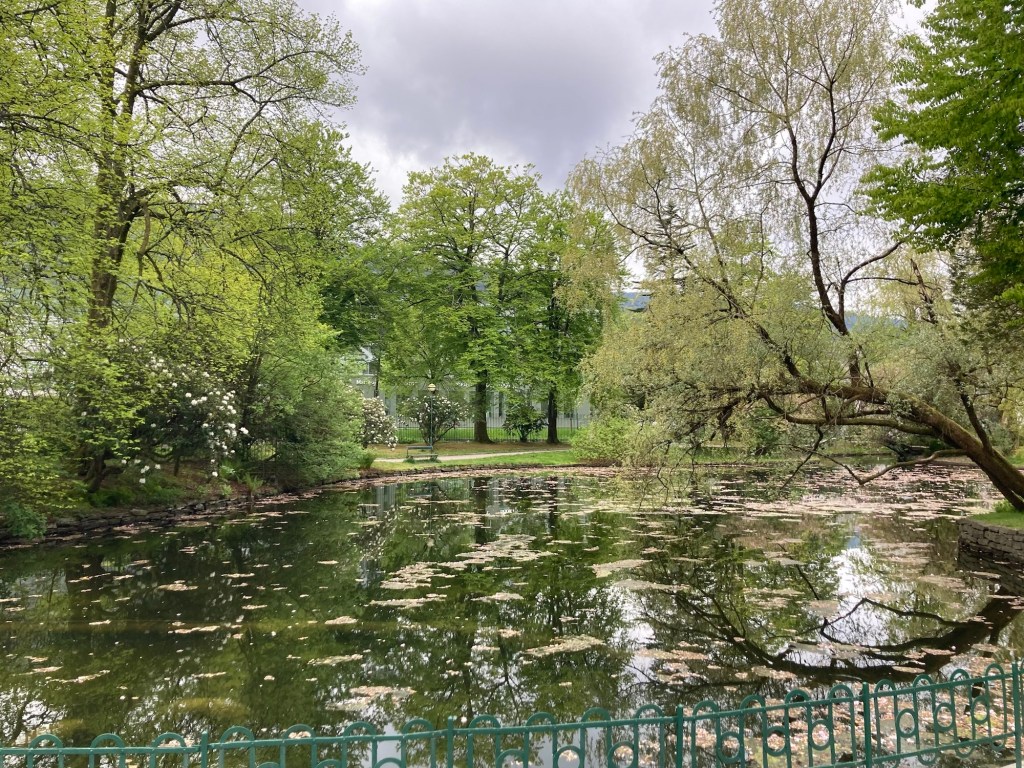
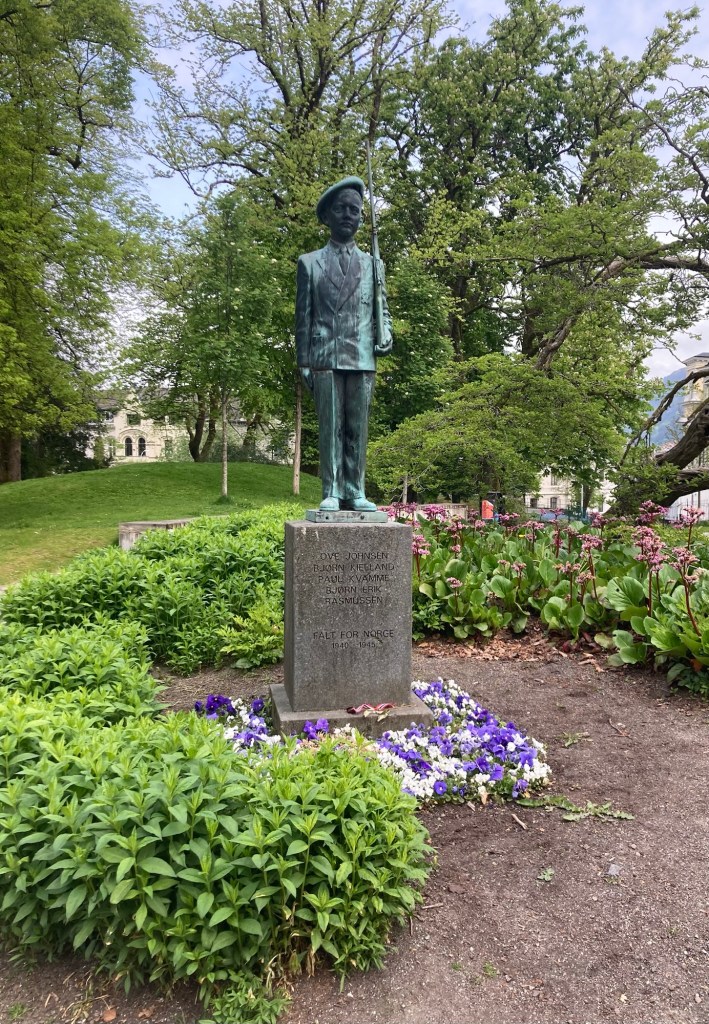
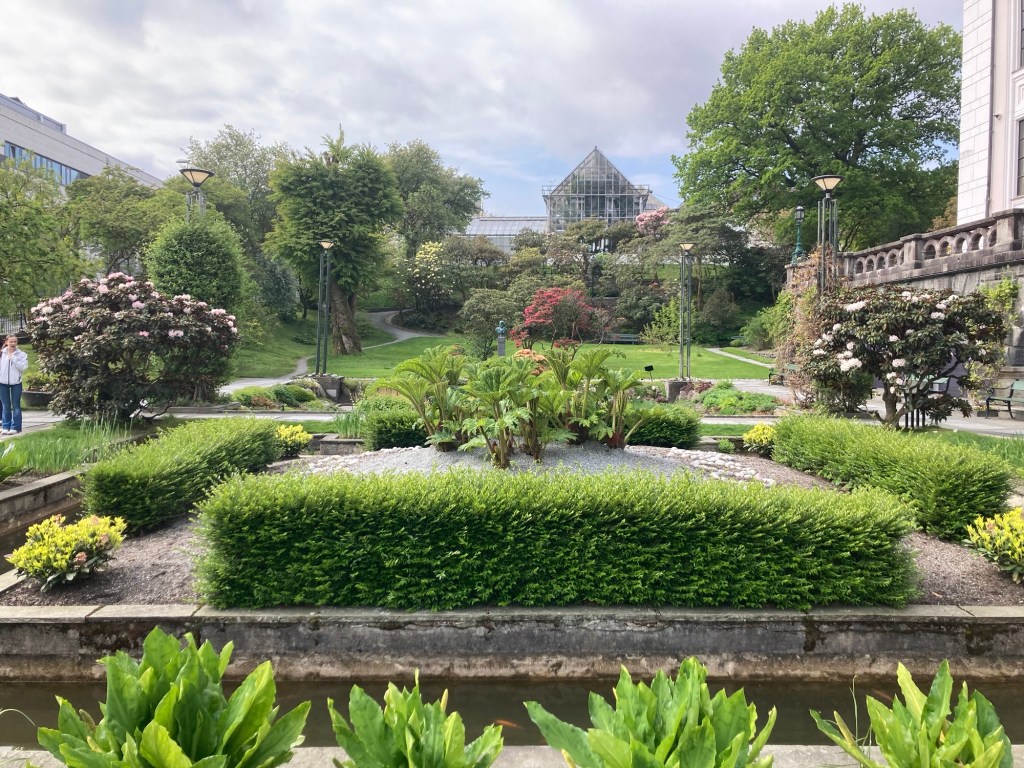
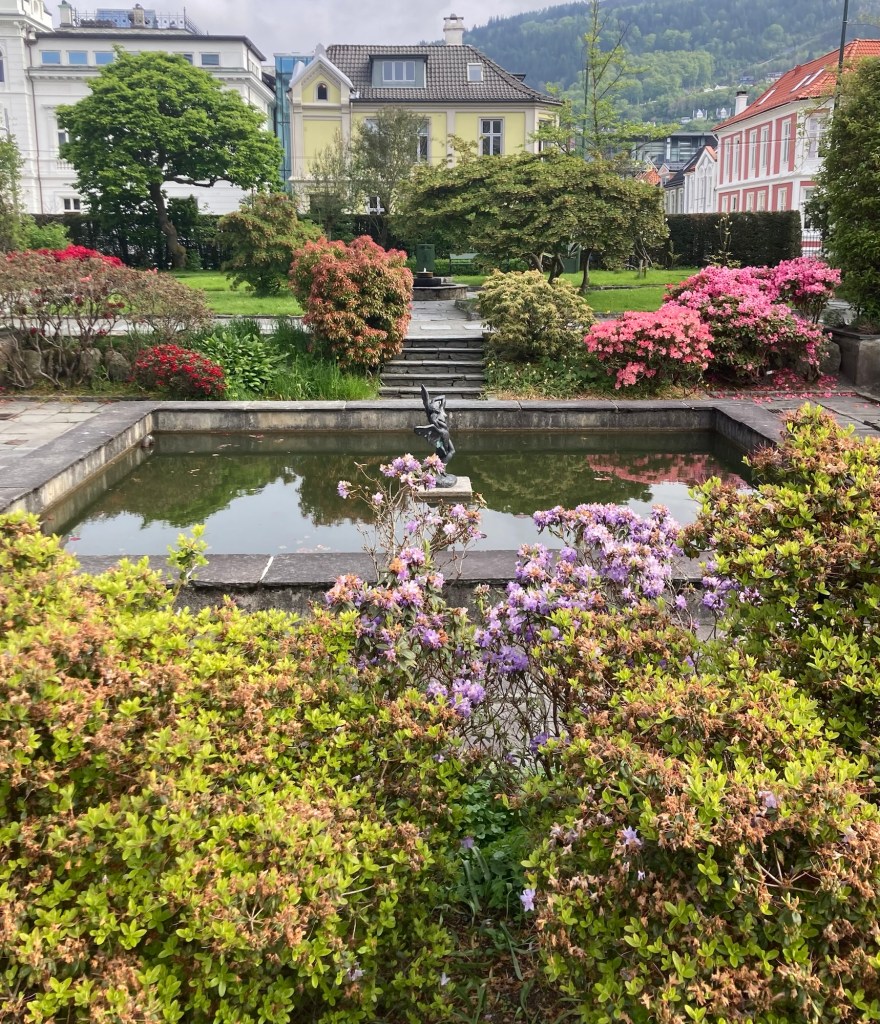
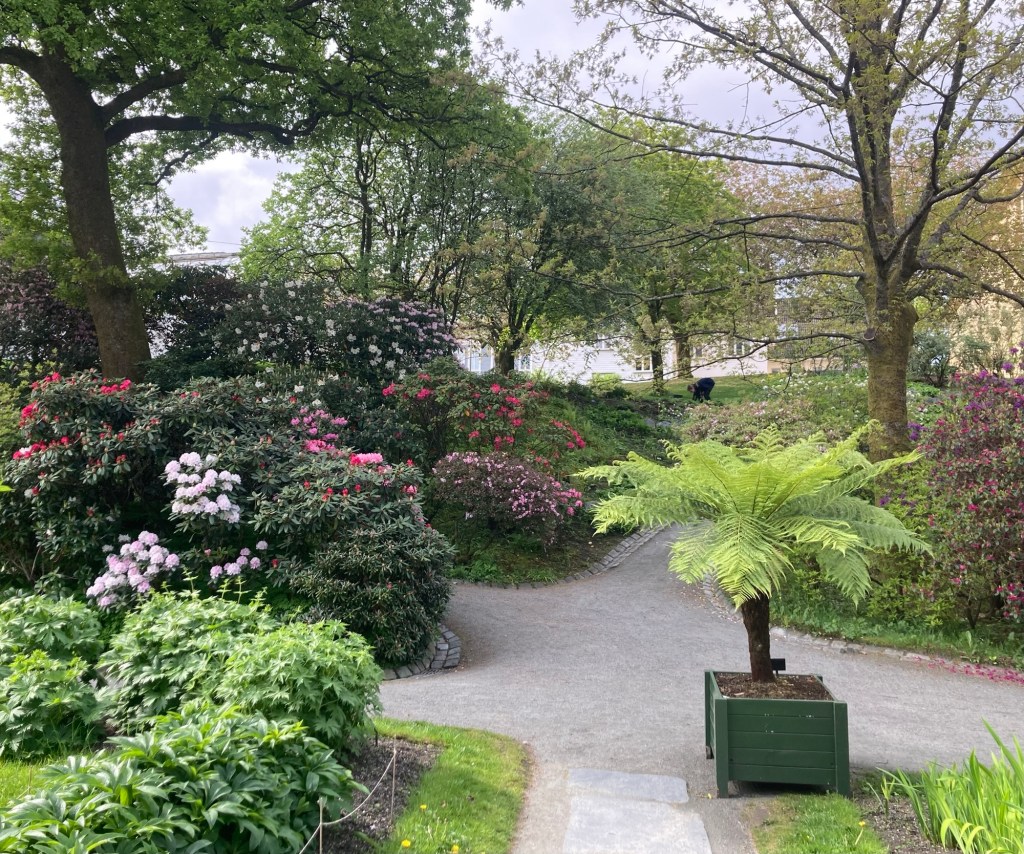
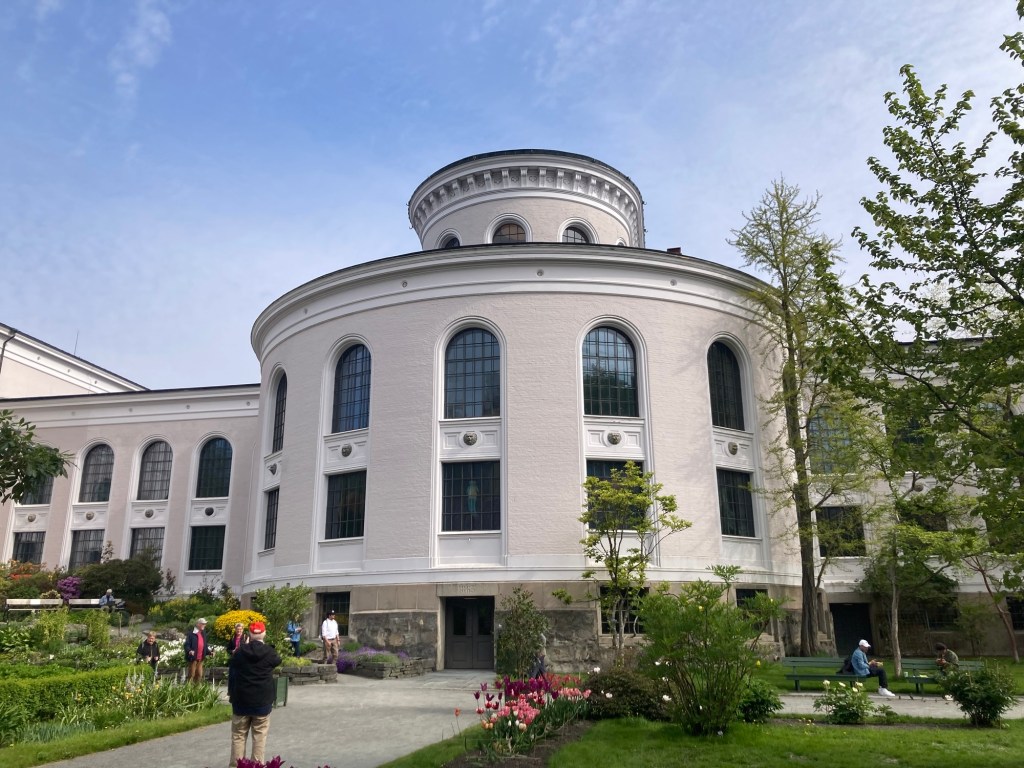
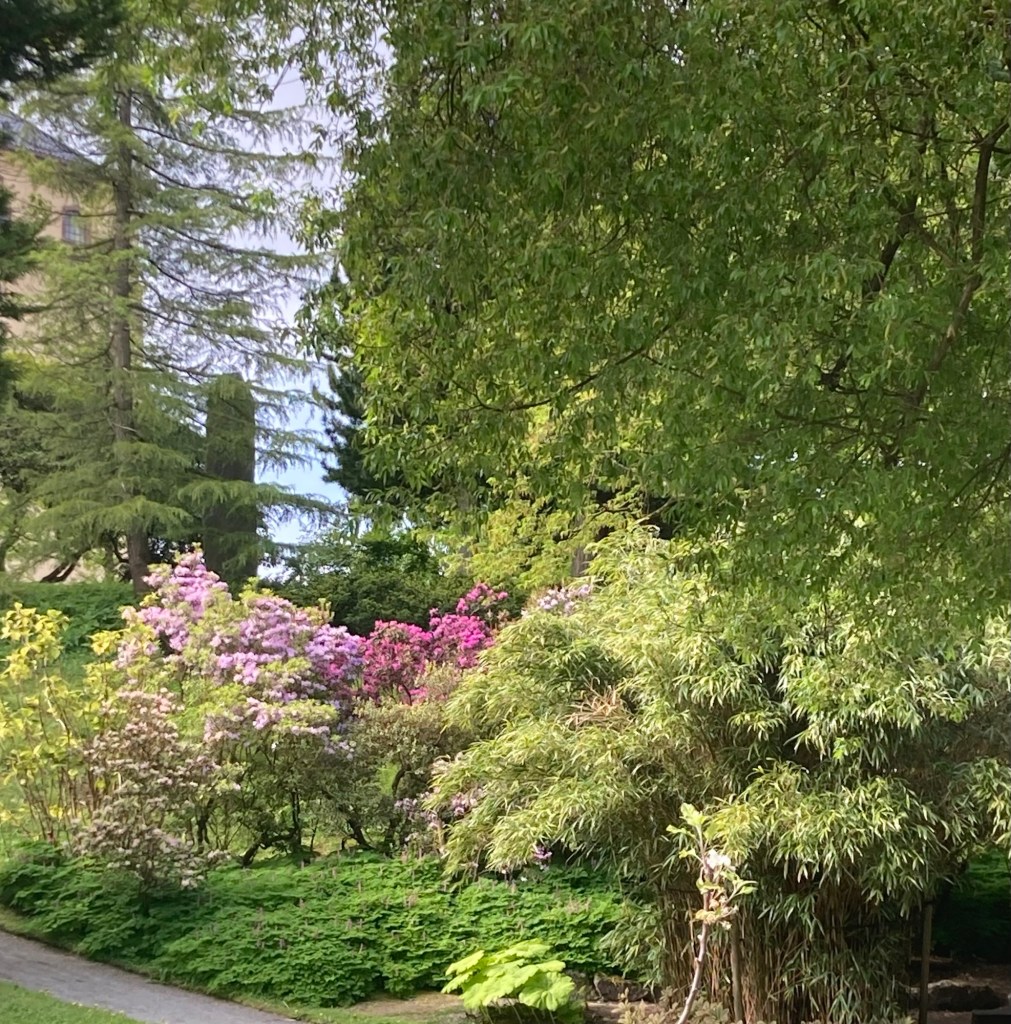
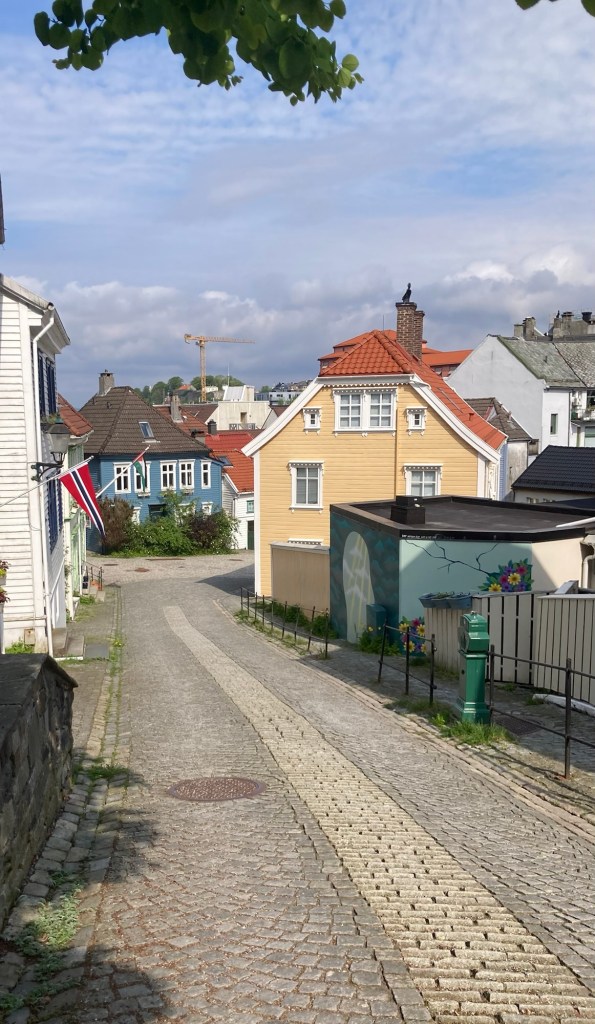
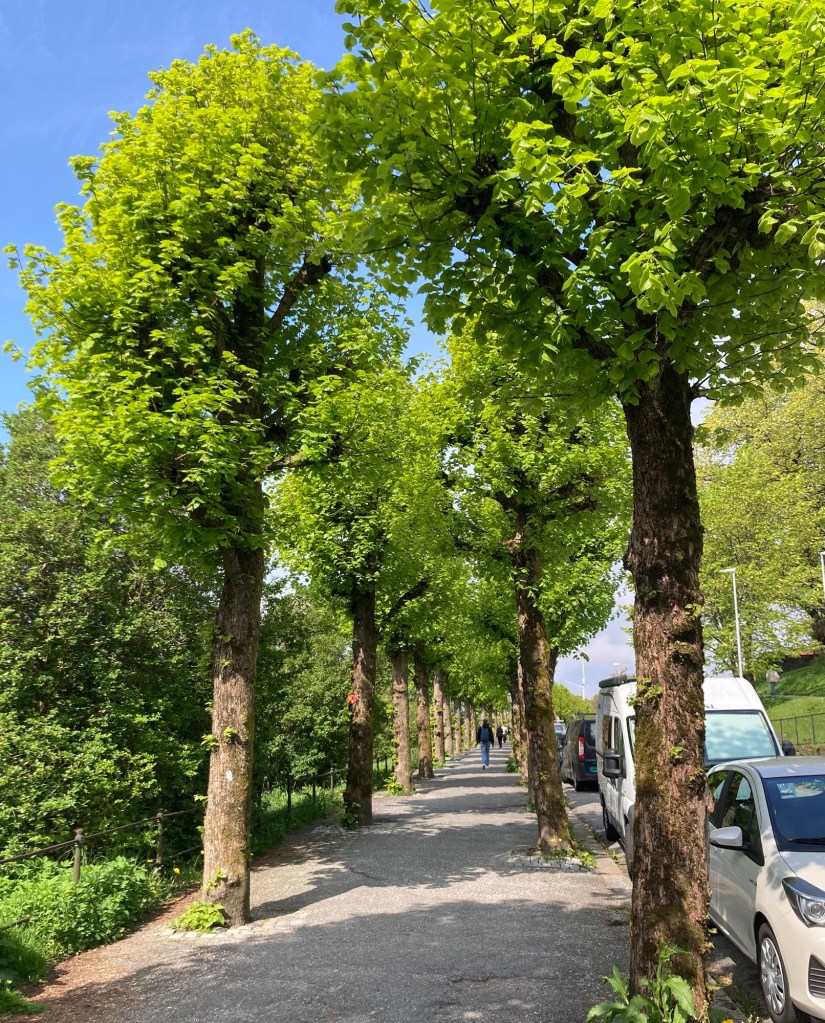
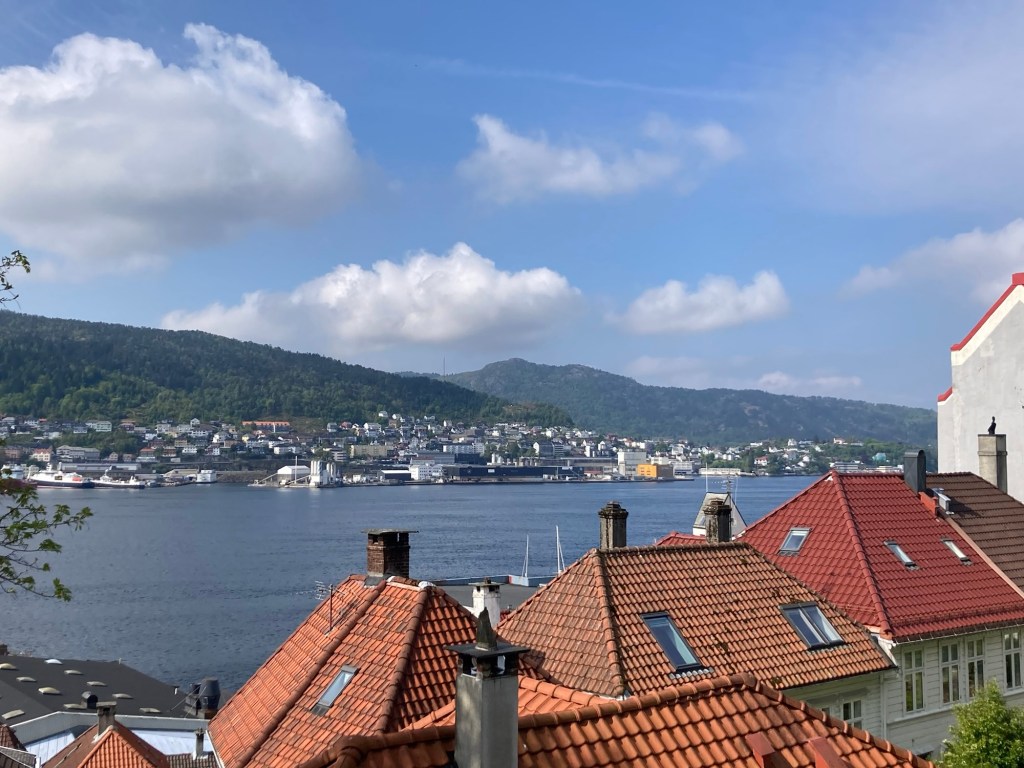
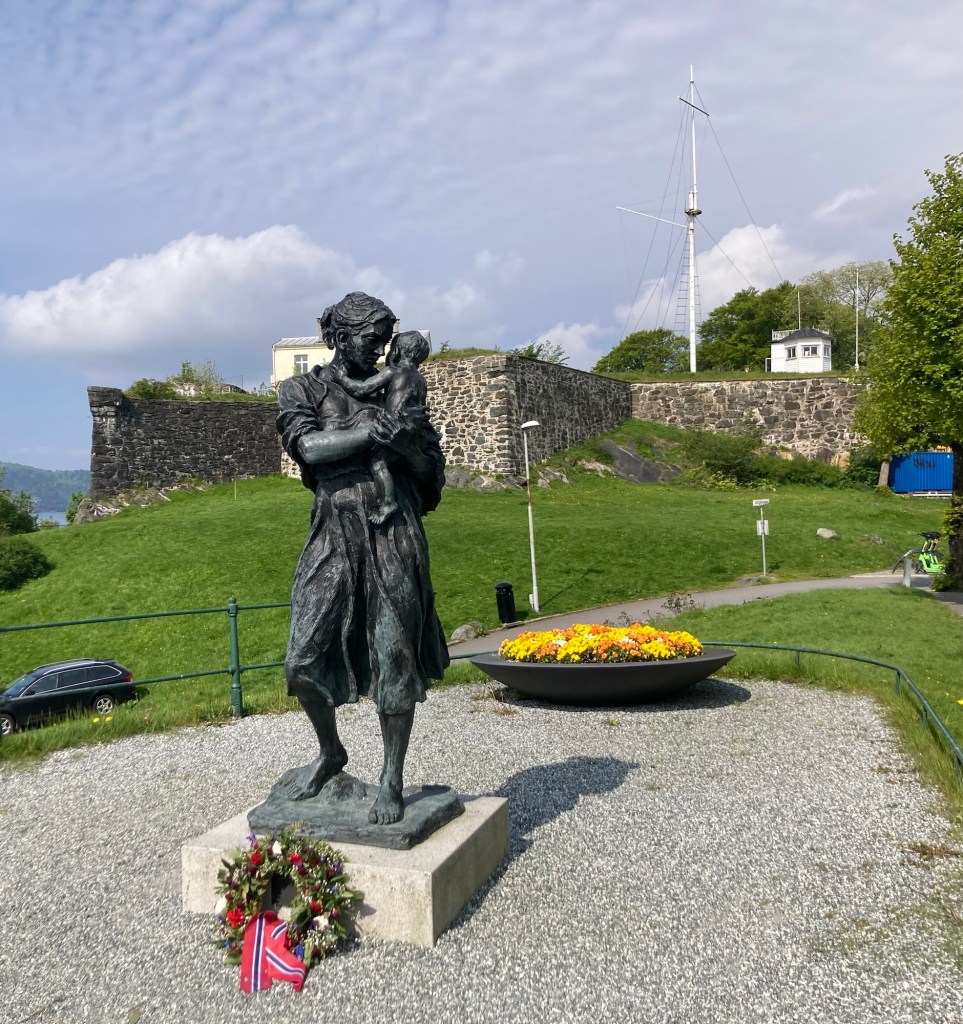
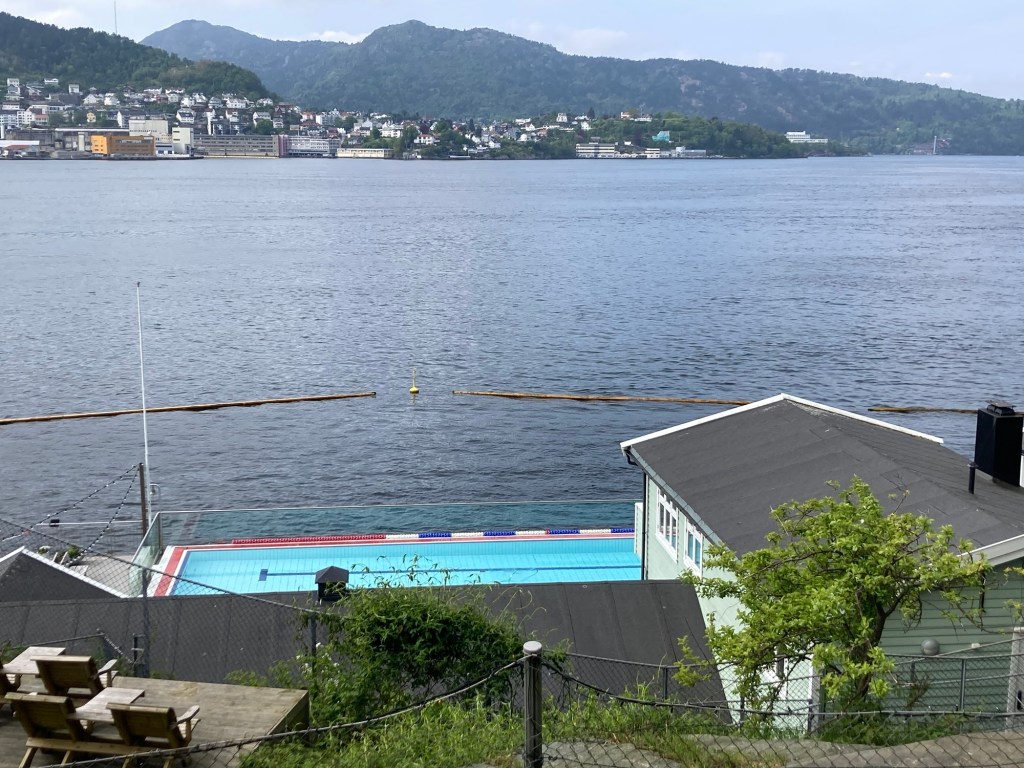
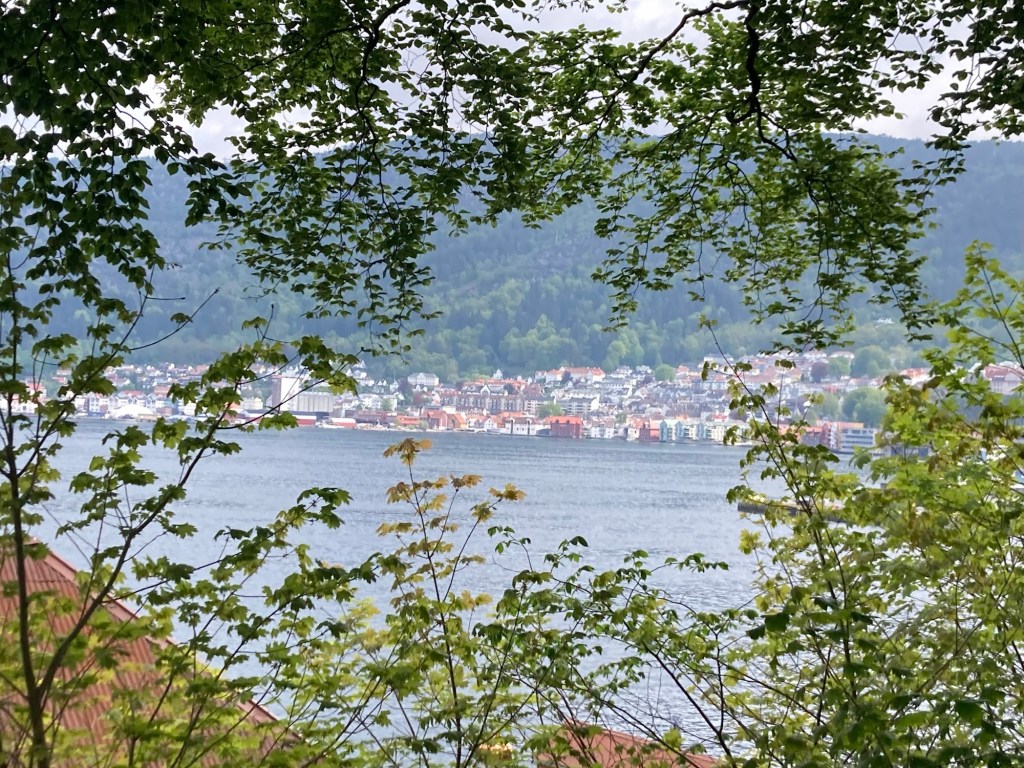
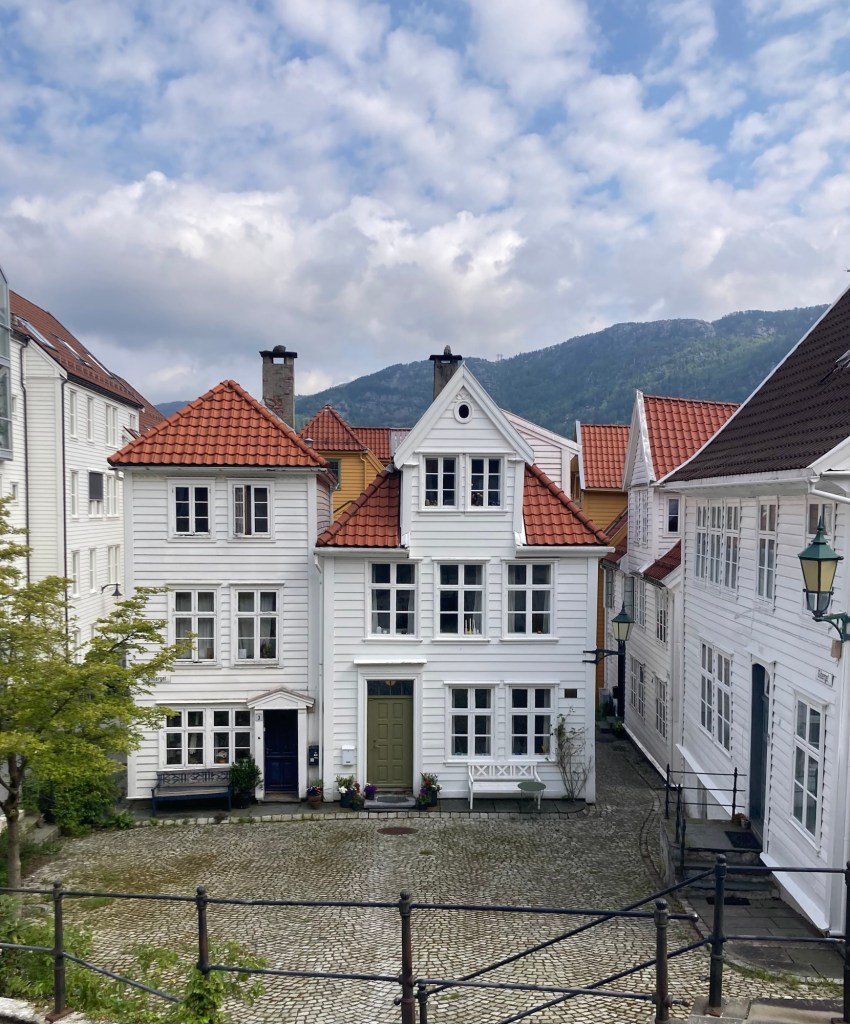
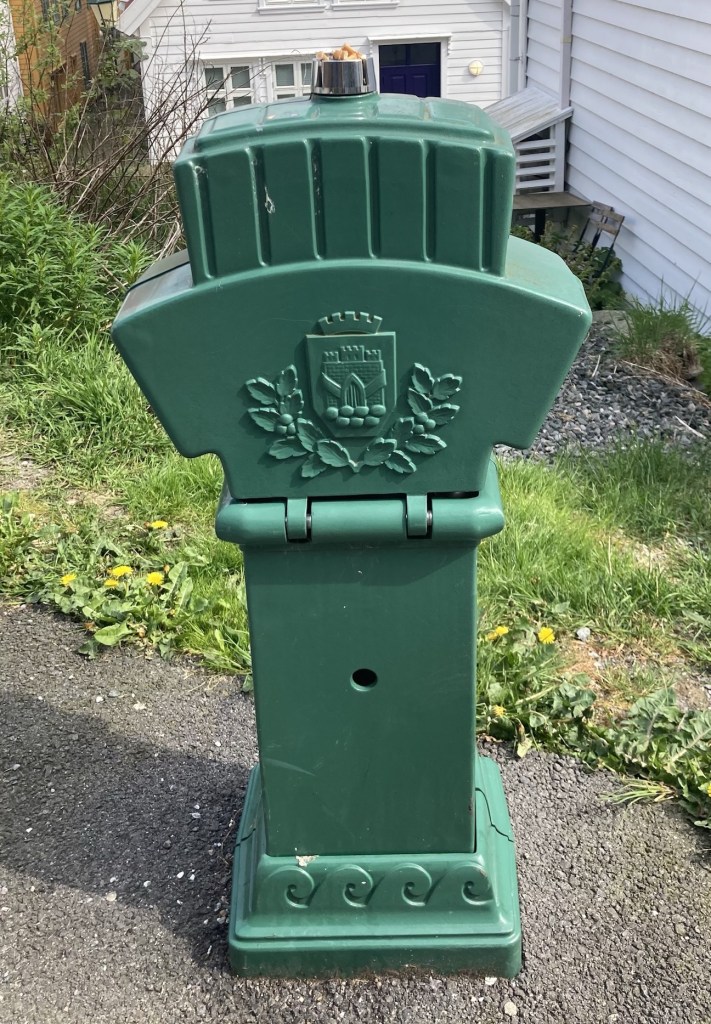
St. Mary’s Church near our hotelA monument to seafarers and the ever-present scootersNot sure what this pretty space was. It was a nice, colorful surprise.Gardens in front of the West Norway Museum of Decorative Art, love the red, white, and blue flowers Two quiet eco shuttles in front of the University of Bergen science buildingAn interesting statue behind the University of Bergen Library A fountain in the middle of Nygard ParkAnother statue in the parkA pond in the parkA tribute to locals who died in WWIIThe small but pretty University Gardens outside of the University Museum of BergenMore of the University GardensDittoThe University Museum of BergenMore of the gardensWalking down through an older part of town towards the 3rd parkI love the colorful houses that we have seen on our travels hereA pretty tree-lined walkLooking out towards another harbor in BergenA small park in front of the Fredericksberg Fortress at the highest point of the Nordnes Peninsula.Walking into Nordnes Park, we passed a small private athletic club with a lap pool in the fjordA totem pole at the farthest end of the parkLooking towards the section of town where our hotel is locatedA section of white houses along the harborA pretty fancy ash tray. Have to say though, there has not been nearly the number of smokers as we typically see in southern Europe
Tomorrow we have an early exit from the hotel to catch a cab to the airport, where we have a short flight to Oslo and then onto Edinburgh, Scotland. We will be flying Norwegian Air for the first time. Both flights are short, about an hour, but we have a 2 hour layover in Oslo.
Today was really our first outing in Bergen, as yesterday when we got to the hotel we immediately went out to pick up food for supper later, as we had a late afternoon video call with a couple about a month-long housesit in January and February next year. We were selected!
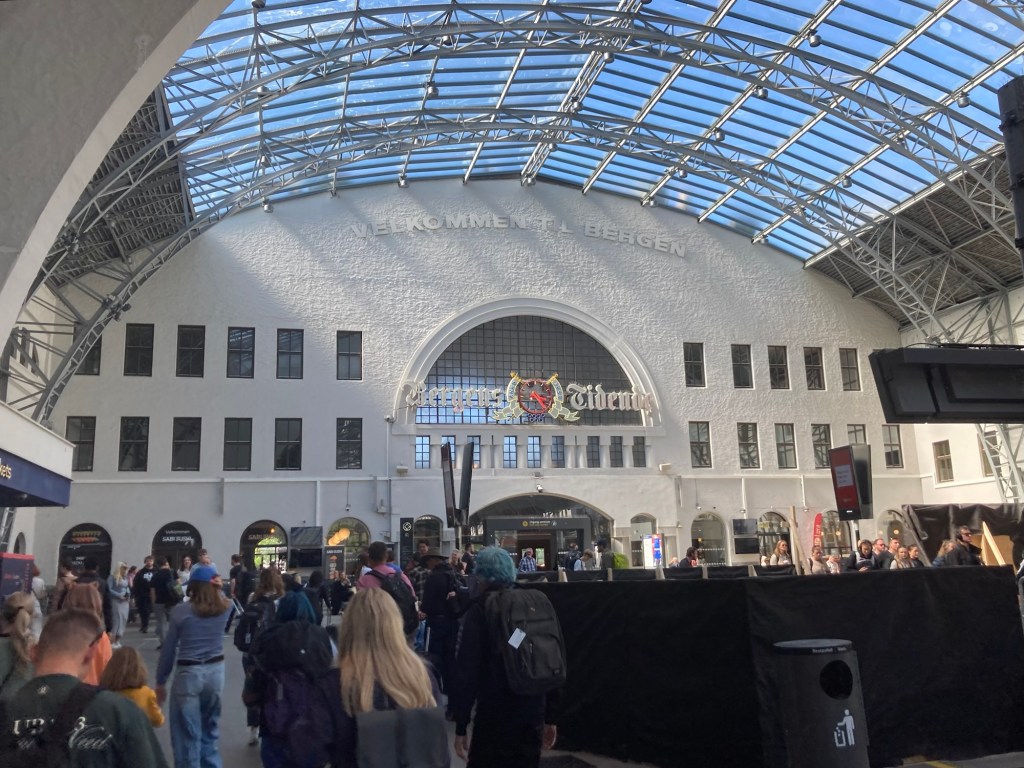
Arriving in the Bergen Train Station yesterday
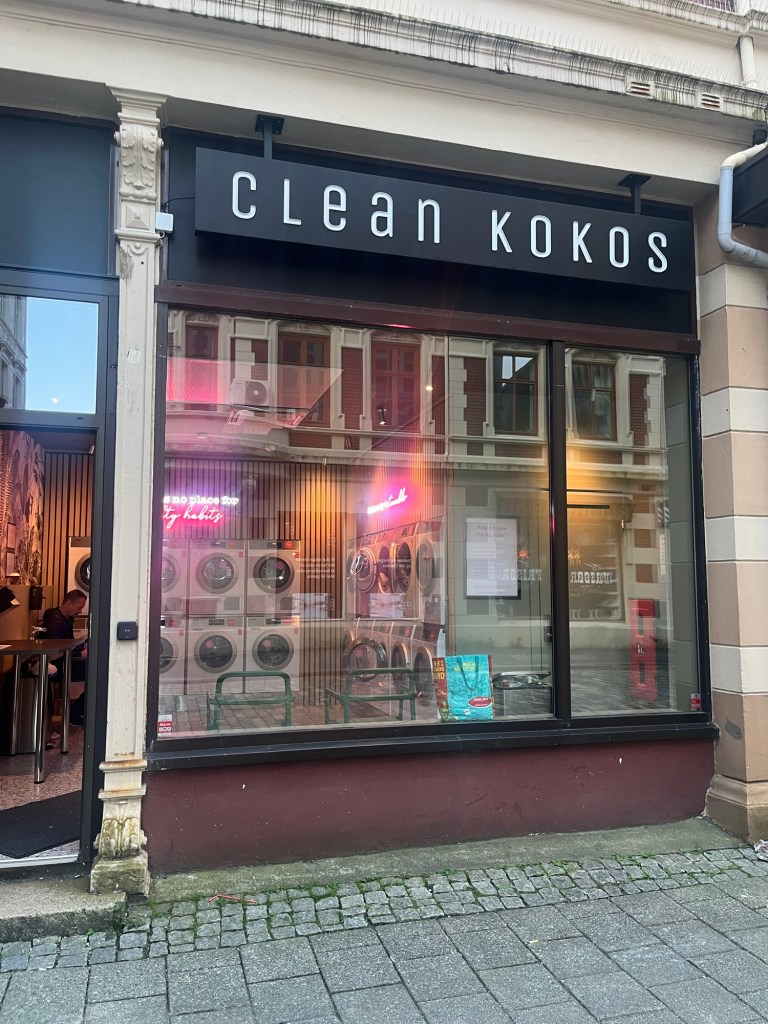
Last night we also researched laundry options for a much-needed cleaning of clothes. Bob went this morning at 6:00 am while I was running and was impressed with the efficiency of the laundromat, with a central credit card payment machine and washers that dispensed their own detergent. While there, he met another traveler from the US (Boston) doing the same thing while he’s here with his wife for her tattoo convention. I guess the two of us women married right and are in debt to our husbands!
The nearby laundromat. It was a total of about $28 to wash all of our dirty clothes, but beat the $7/shirt laundry service offered by the hotel.
But back to Bergen, the first permanent capital of Norway. Bergen lies on Norway’s southwestern coast and is surrounded by mountains and the country’s longest fjord. It has a population of just under 300,000.
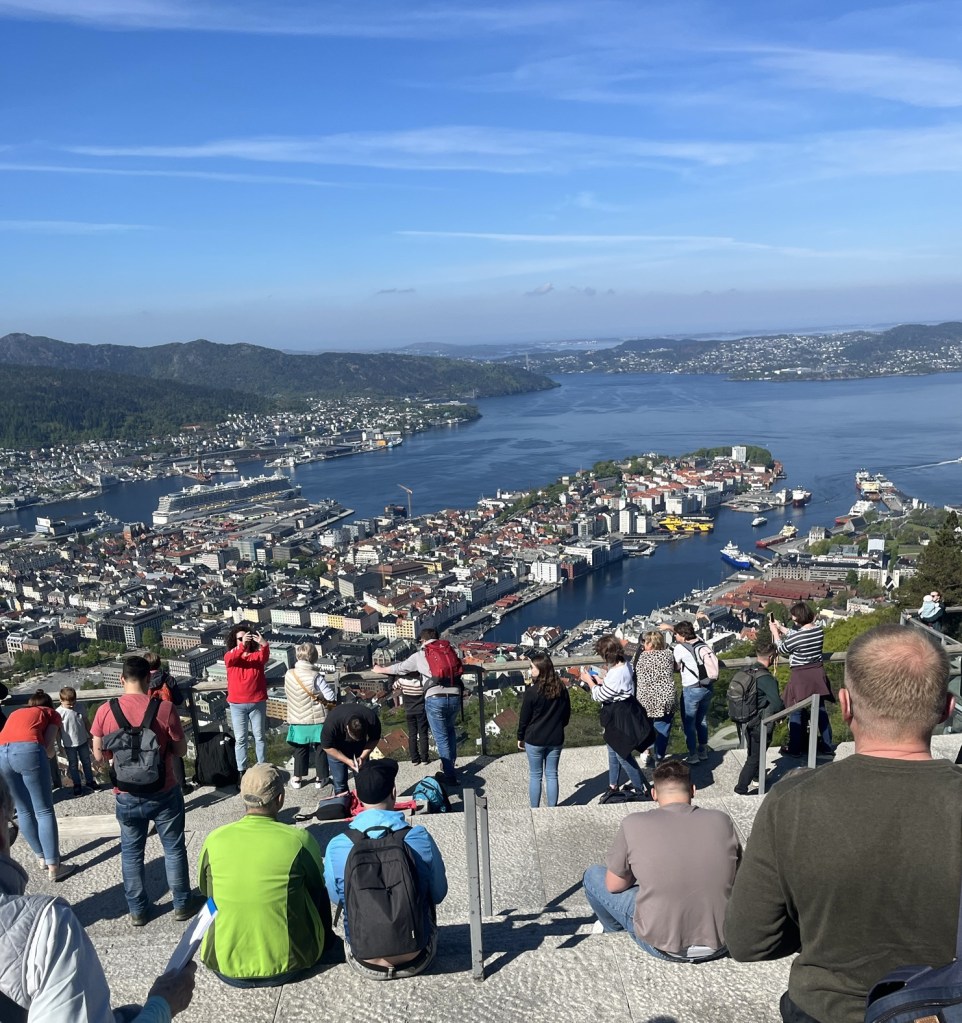
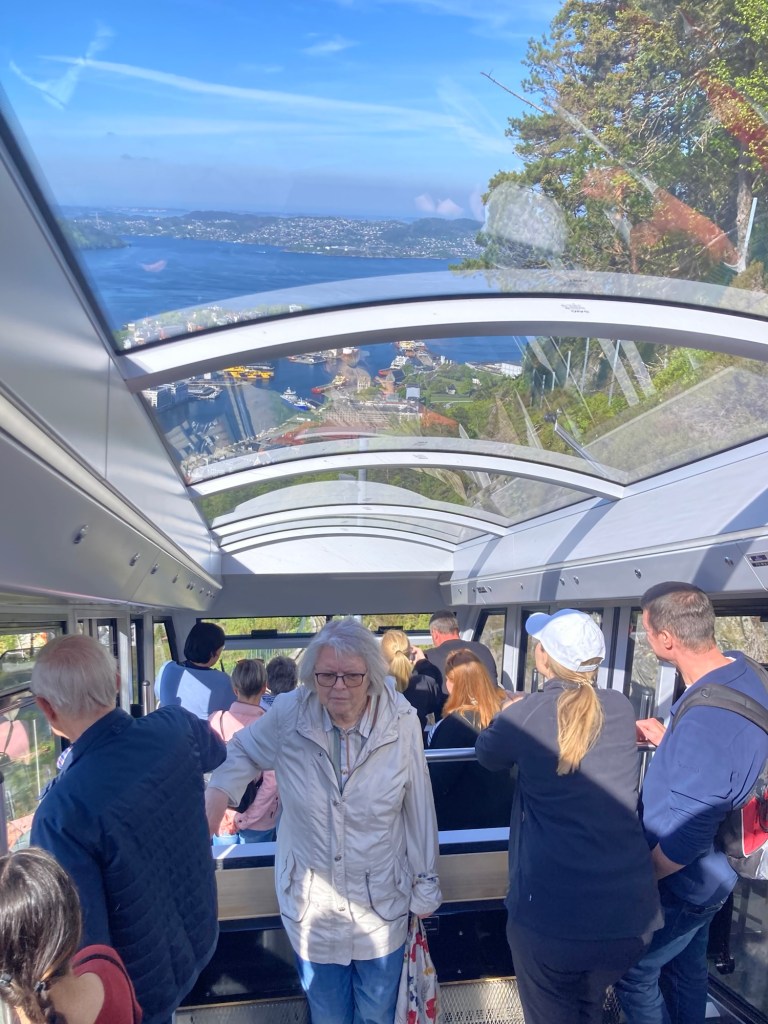
One of its top tourist attractions is a funicular railway that goes to the top of Mount Floyen for panoramic views, a restaurant, and hiking trails. There is also a hiking trail up the mountain as well. I wanted to hike up and take the funicular down and talked Bob into it for our first adventure today. Given the crowds that we found at the top and then in line later at the bottom (at least 1 cruise ship was in port), we were glad we chose this option.
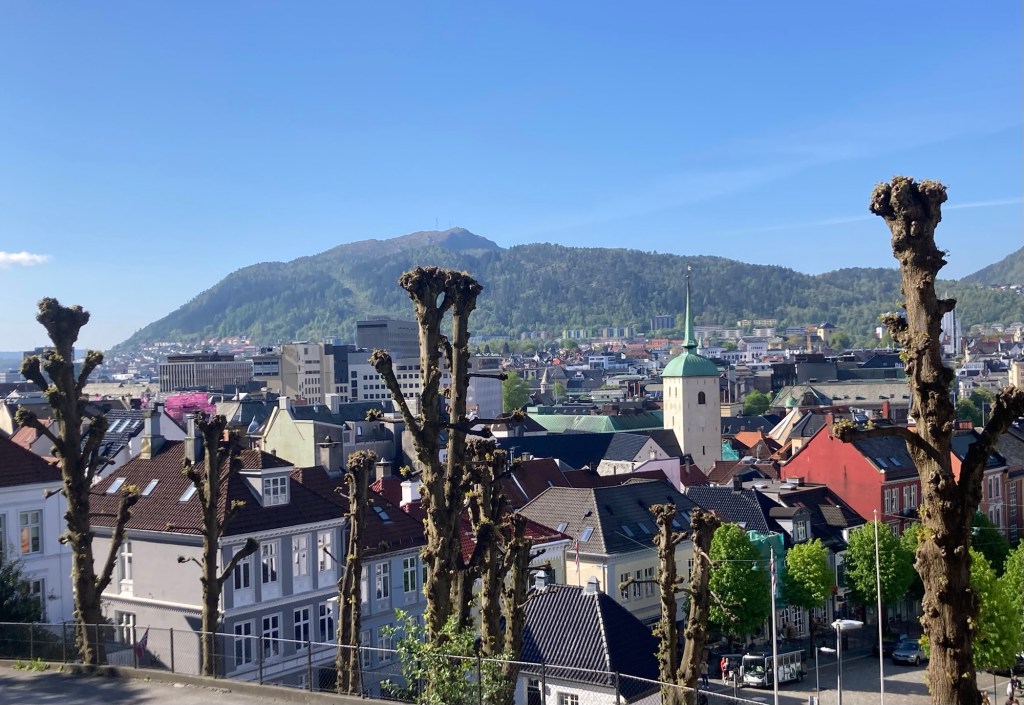
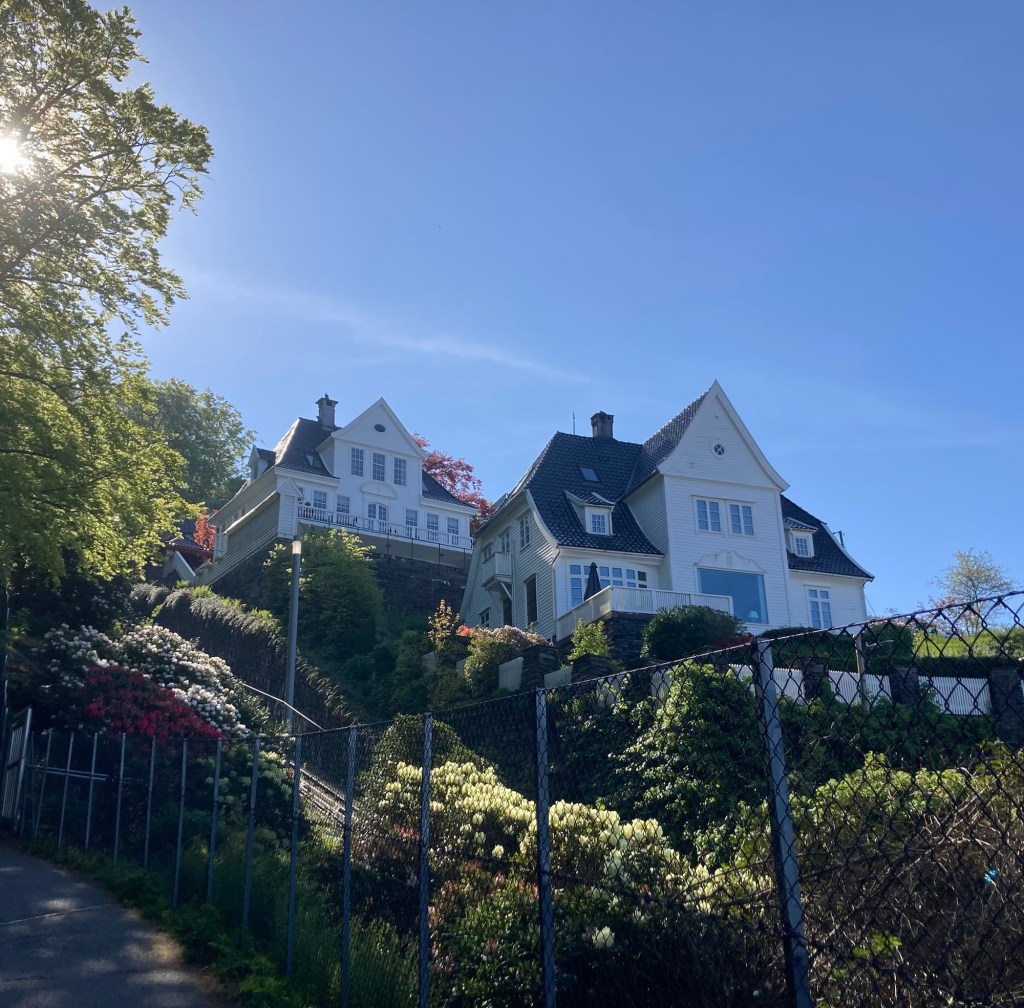
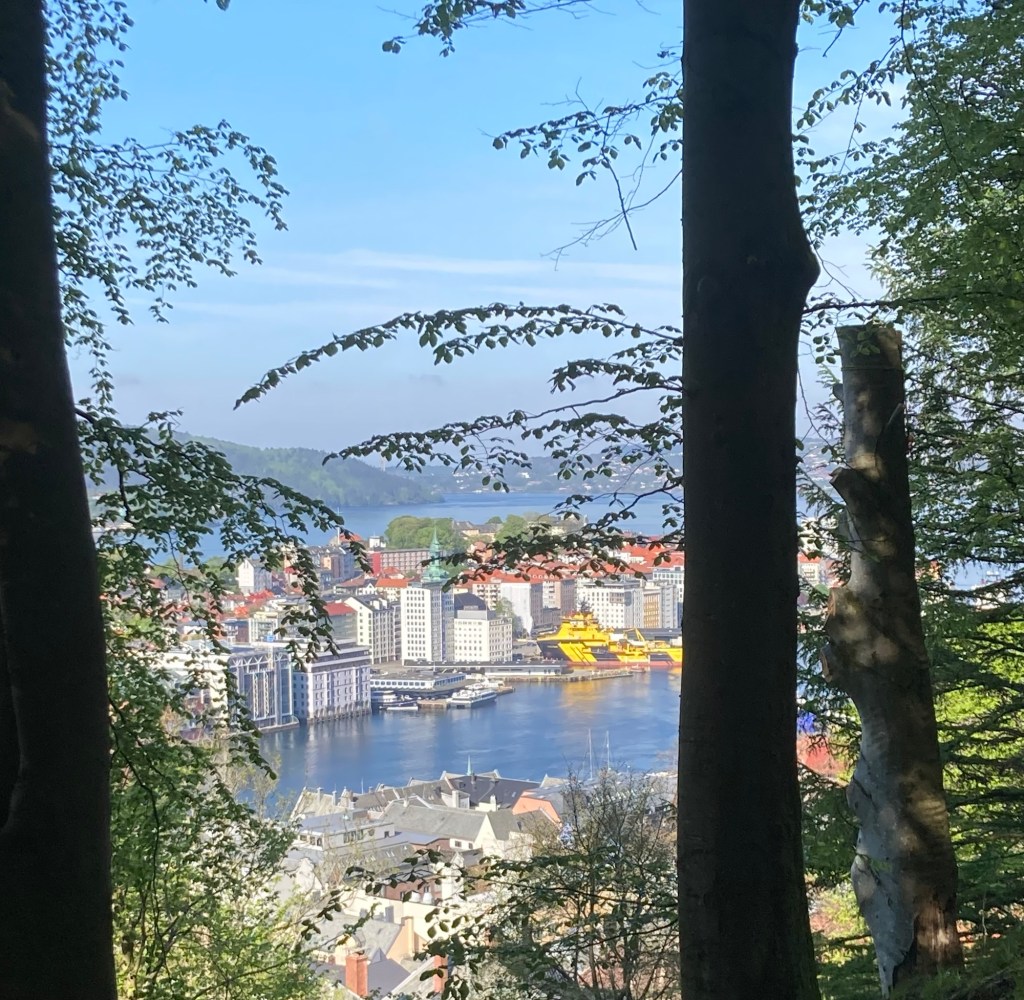
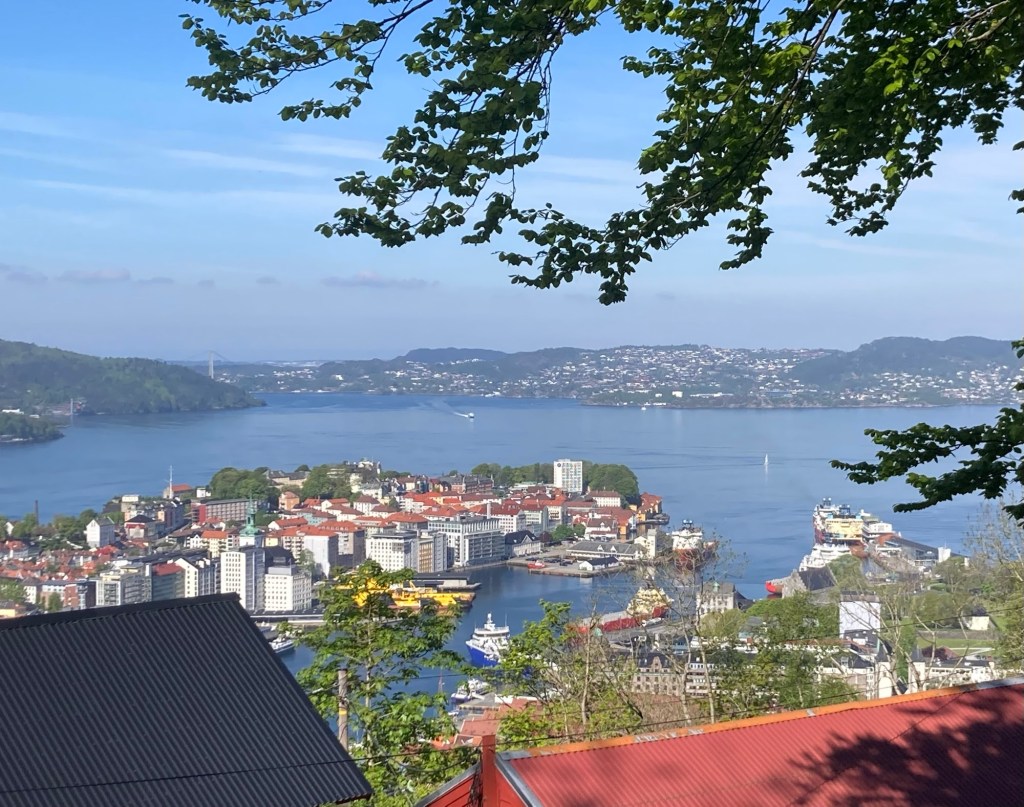
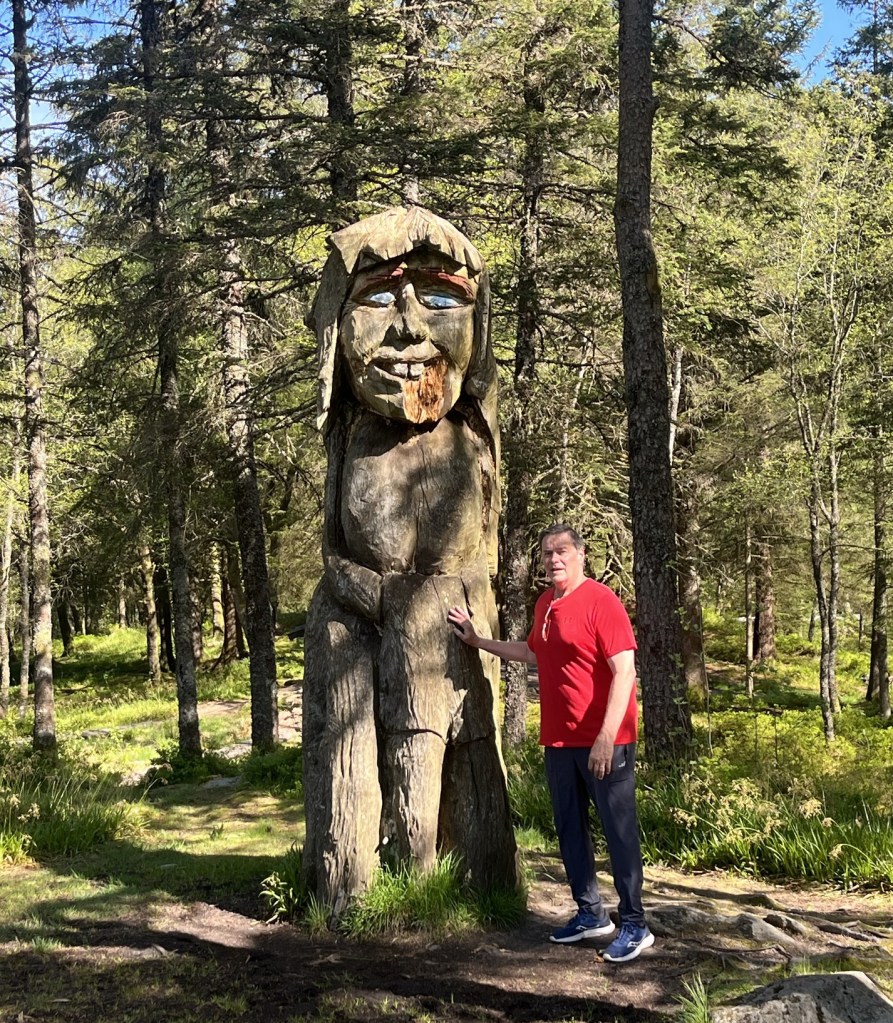
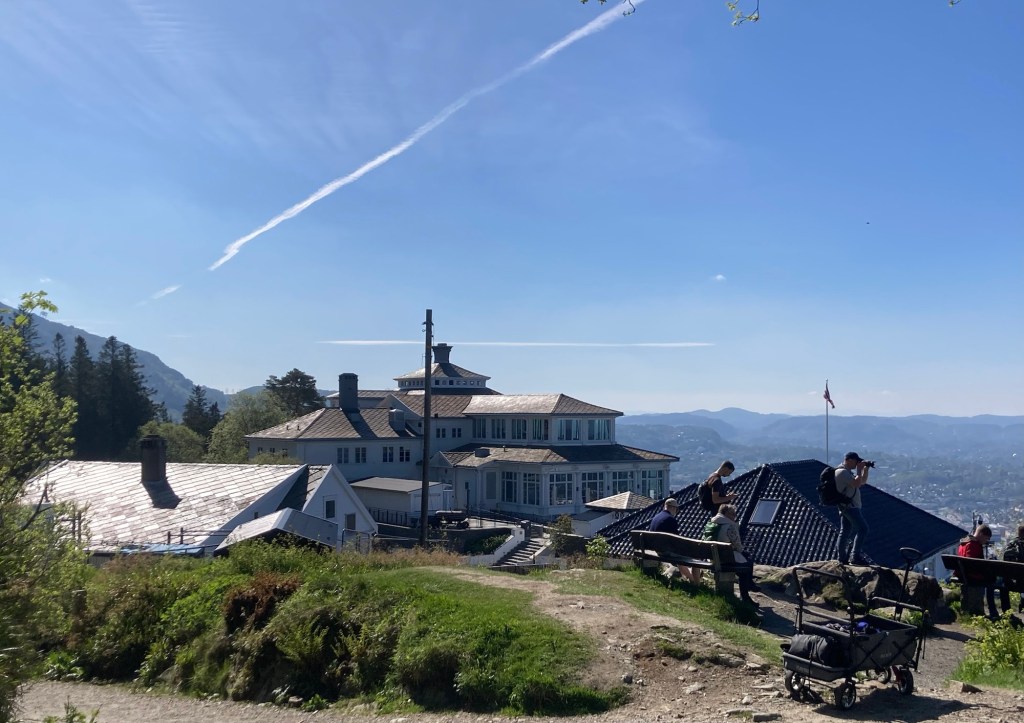
A view of a bit of Bergen as we began our ascentA view of the main harborThe Skansen ChurchLots of lovely homes appear on the mountains surrounding the cityMore views as we climbedDittoTree art at the top of the mountain Coming to the restaurant and gift shopPart of the mass of humanity already at the top taking in the viewsOn the funicular car getting ready for the descentThe line waiting to purchase tickets for the funicular after we got down. The line went down the street past the yellow building.
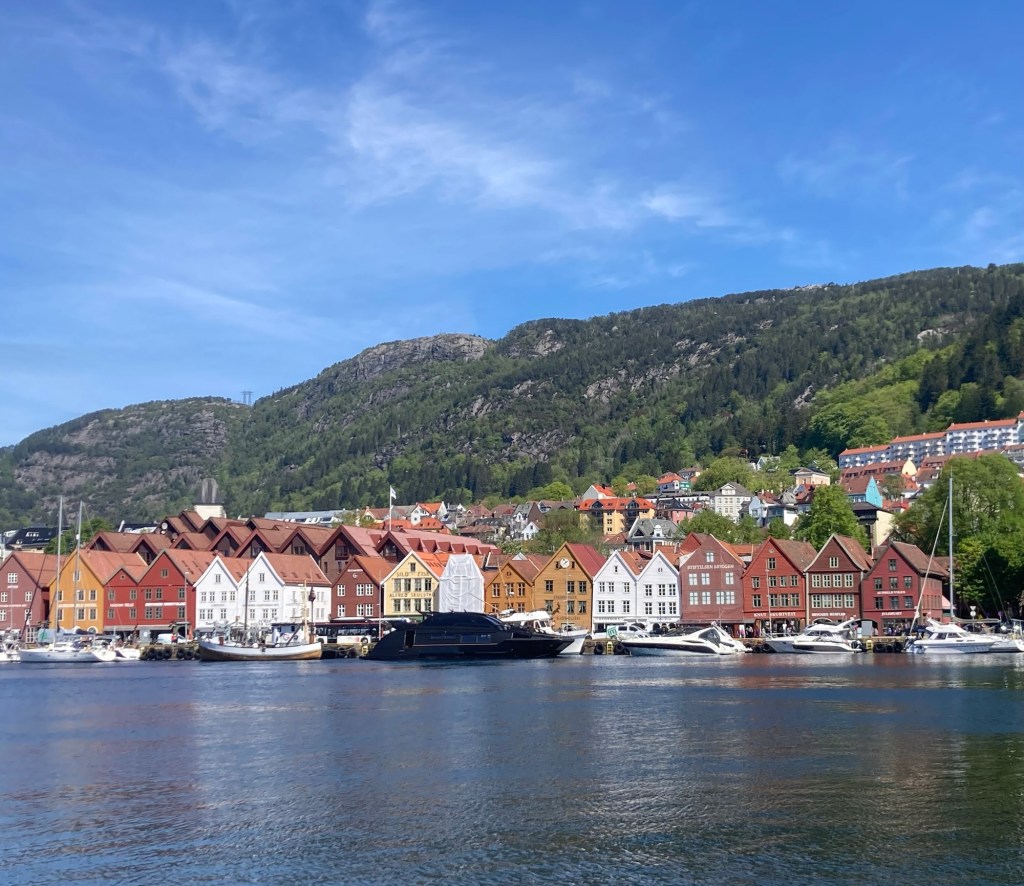
Once back at sea level, we headed to an area next to our hotel called the Hanseatic Quarter. This is Bergen’s old town made up of lots of colorful old wooden warehouses. It was populated for a time by German merchants and traders. The very cute, perfectly straight ones pictured below, which can be seen from the harbor, were built in the 1980s to hide a modern hotel building which sits among the older small warehouses, many of which now hold shops.
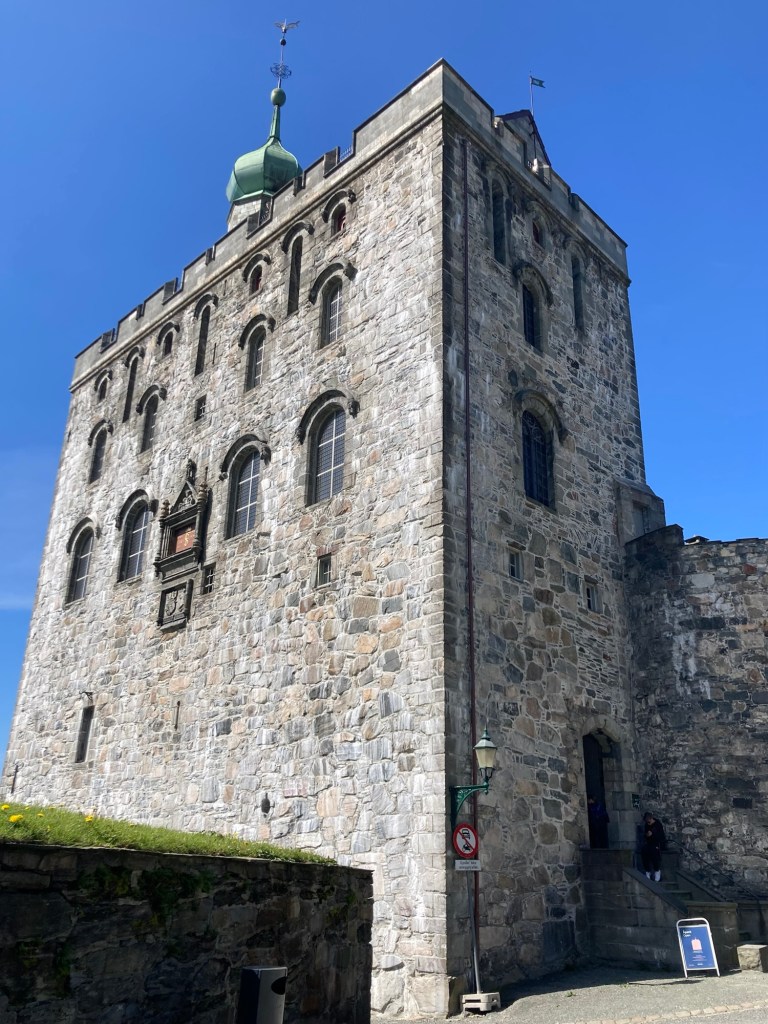
Next to the old town area is the Bergenhus Fortress, which has been used since medieval times to protect the city. Two buildings from this period still exist within the fortress. However, we did just a quick perusal of the grounds.
One of the entrance gates and the Rosenkrantz Tower.The Rosenkrantz Tower, completed as a combined residential and defensive tower in the 1560s.
Side note on Rosenkrantz, as both of the Thon Hotels that we have stayed at in Oslo and Bergen were the Thon Hotel Rosenkrantz and are (not surprisingly) located on Rosenkrantz street. This is the name of a family of high officials and land owners in both Denmark and Norway, and is of course a character in “Hamlet” as well.
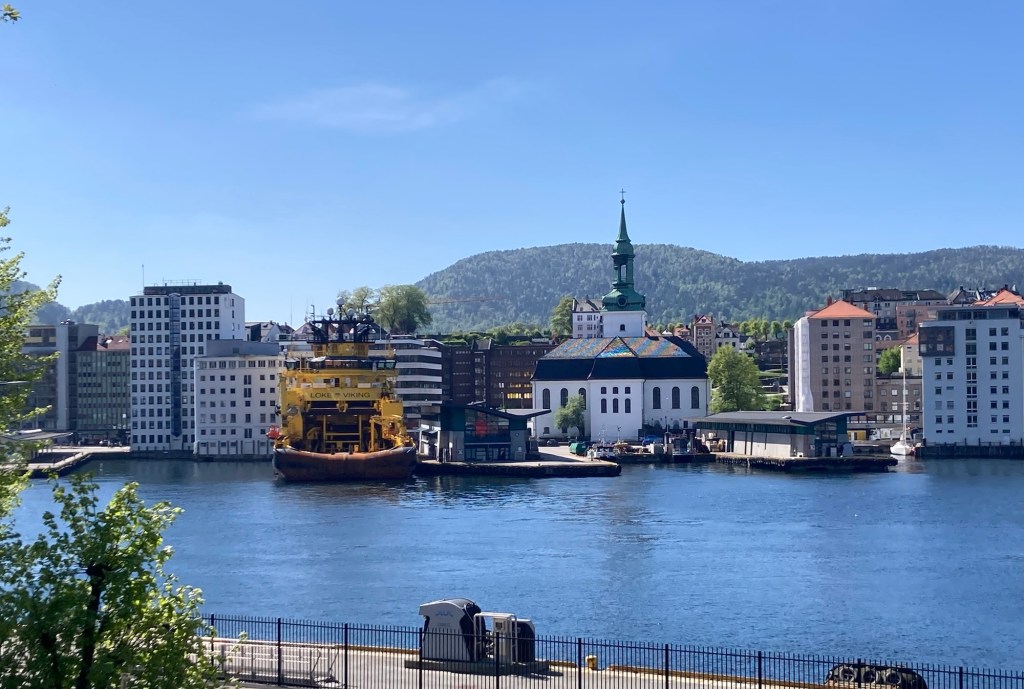
Bob and I then strolled the walk around the harbor including Torget Square with its seafood vendors.
Looking across the harbor to an attractive Catholic ChurchThe busy walk along the harbor and the many homes going up Mount Floyen, along with the funicular path and restaurant at the topBeautiful seafoodLooking across to the old town
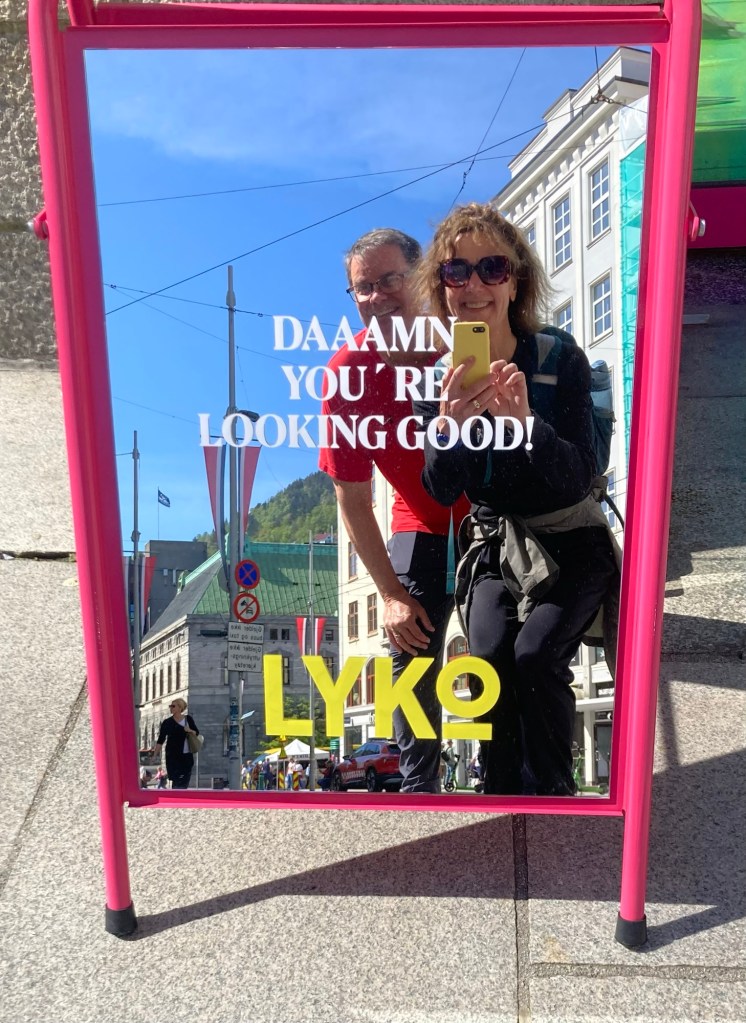
We walked one street up from the water to look for a convenience store for some liquid refreshment, on the way we saw the mirror below outside a retail store.
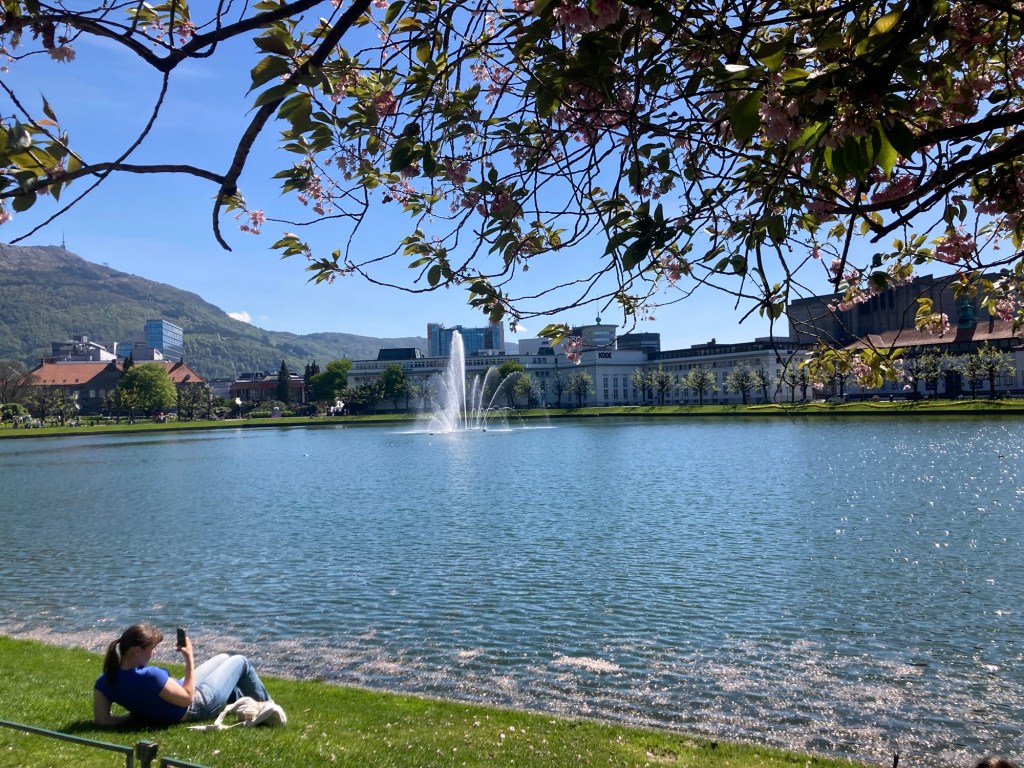
Damn, a good reason for a rare photo of usThe lovely Lille Lungegardsvannet, a popular park that we first saw as we climbed Mount Floyen
In a nutshell, it was quite a trip! So grateful to have been able to experience the majesty of the Norwegian countryside in what has been exceptional weather (at least 12 degrees F warmer than average). I have tried to be judicious in picking photos for this, though whatever cloud our photos are being stored in must be getting full. . .Oh, and we had a random fun finding on this part of the journey as well.
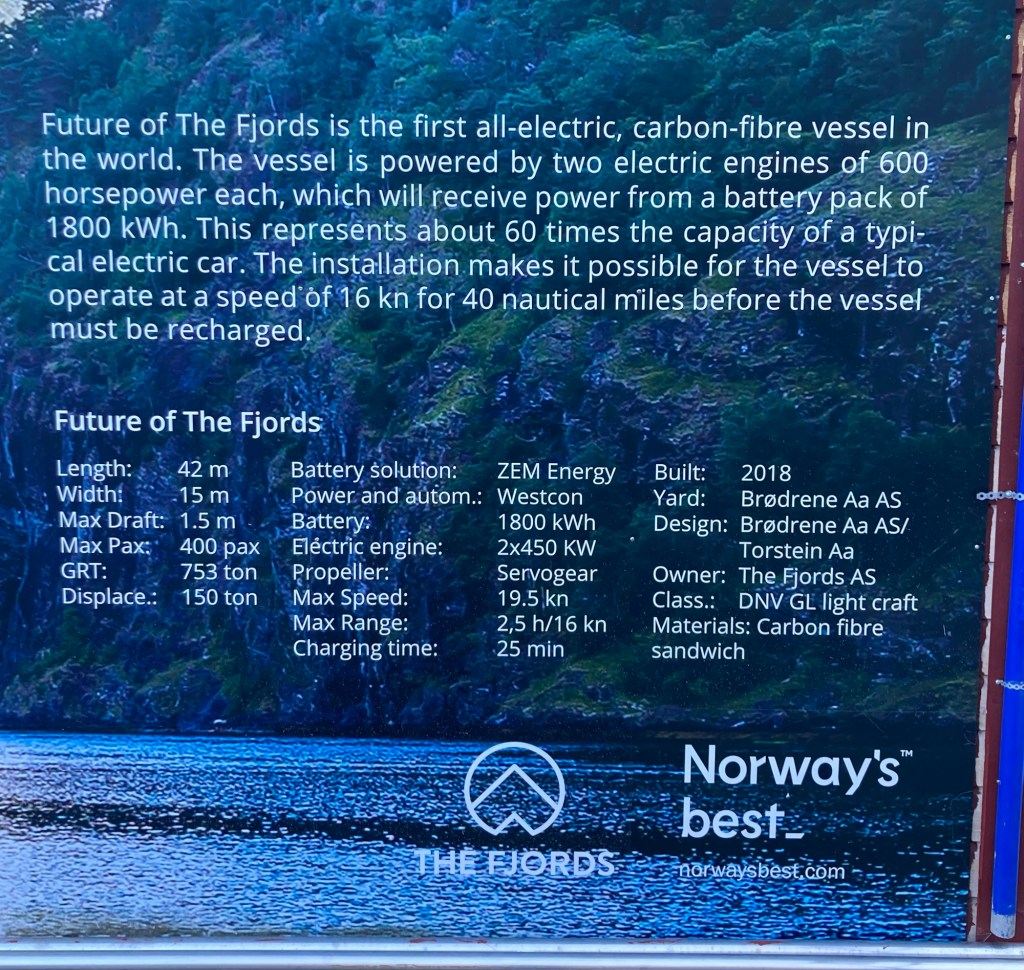
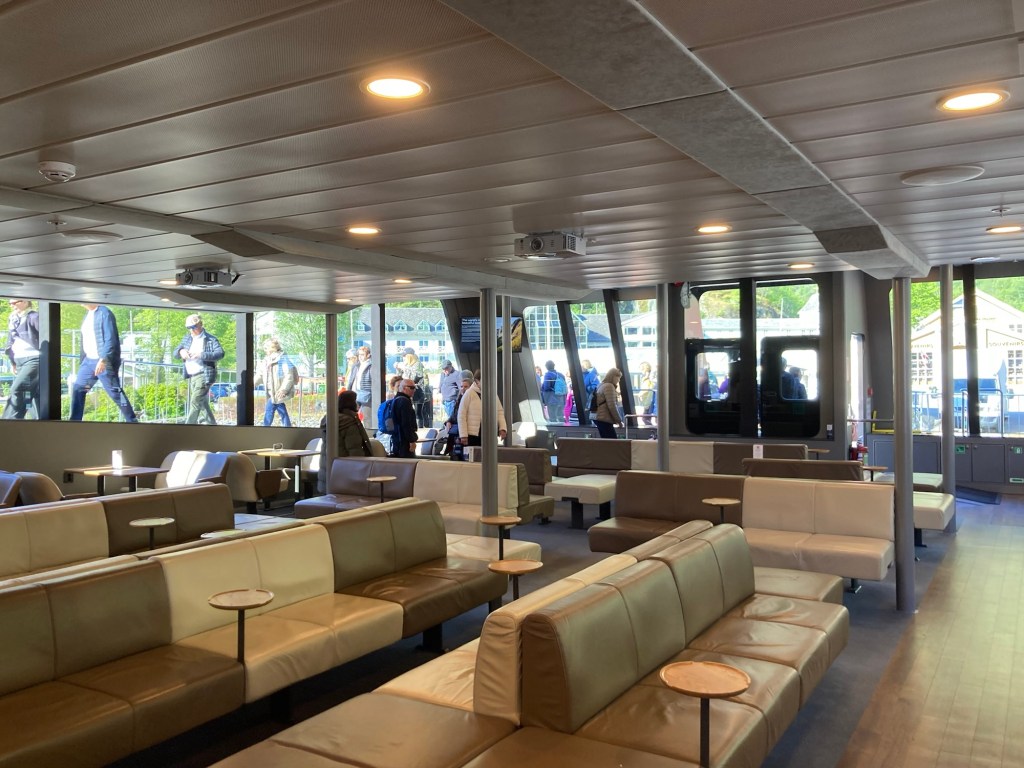
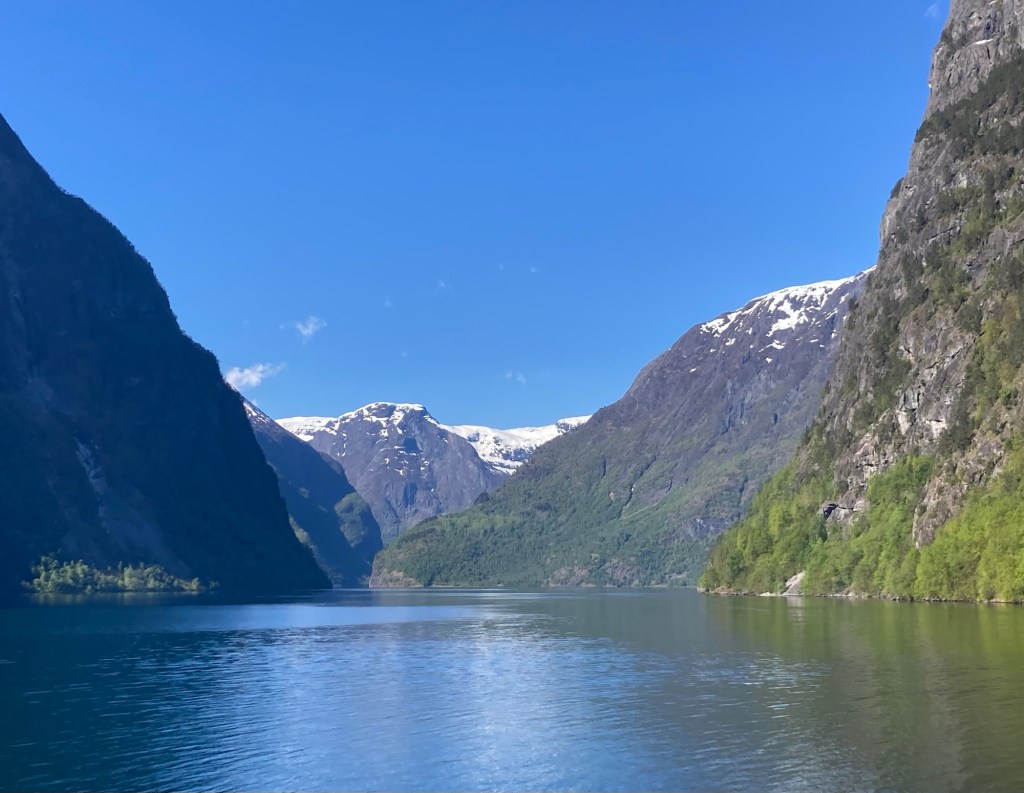
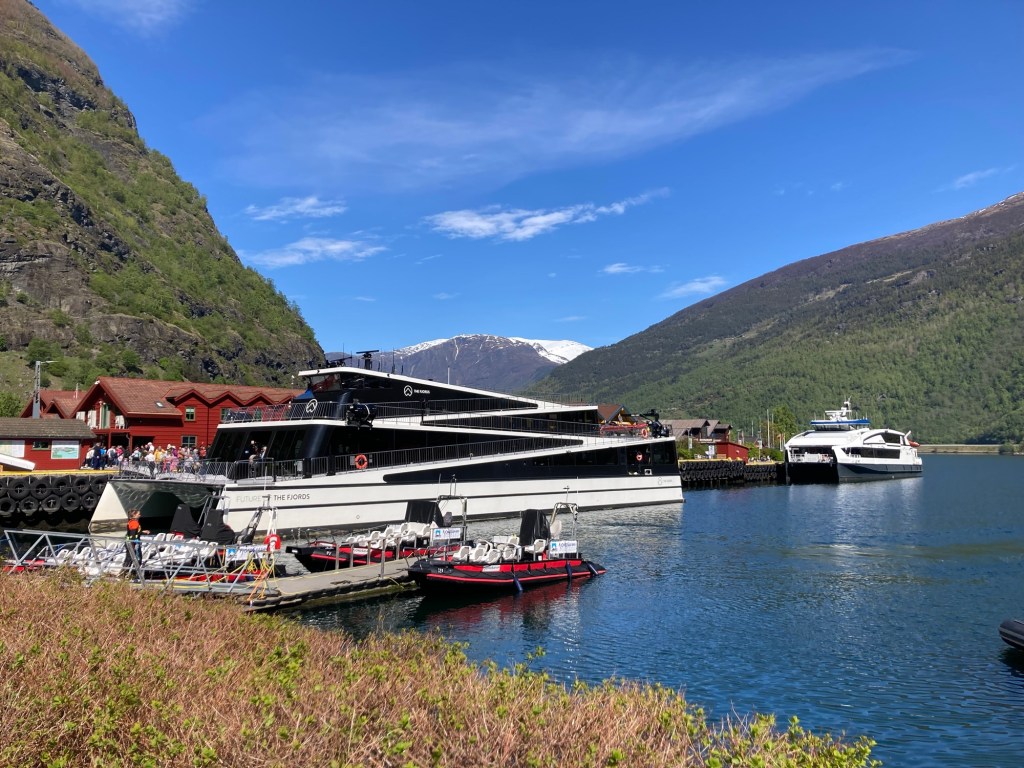
The day started with a lovely run in Flam around the fjord, listening to waterfalls and bells on goats. Then to another hotel buffet breakfast, maybe even better than the one in Oslo. Glad they’ll be weighing the bags and not us when we fly out of here. The Nutshell part of the day started at 9:30 am with a 2 hour ferry ride to Gudvangen. The journey was made even more impressive due to the absence of noise on the electric ferry.
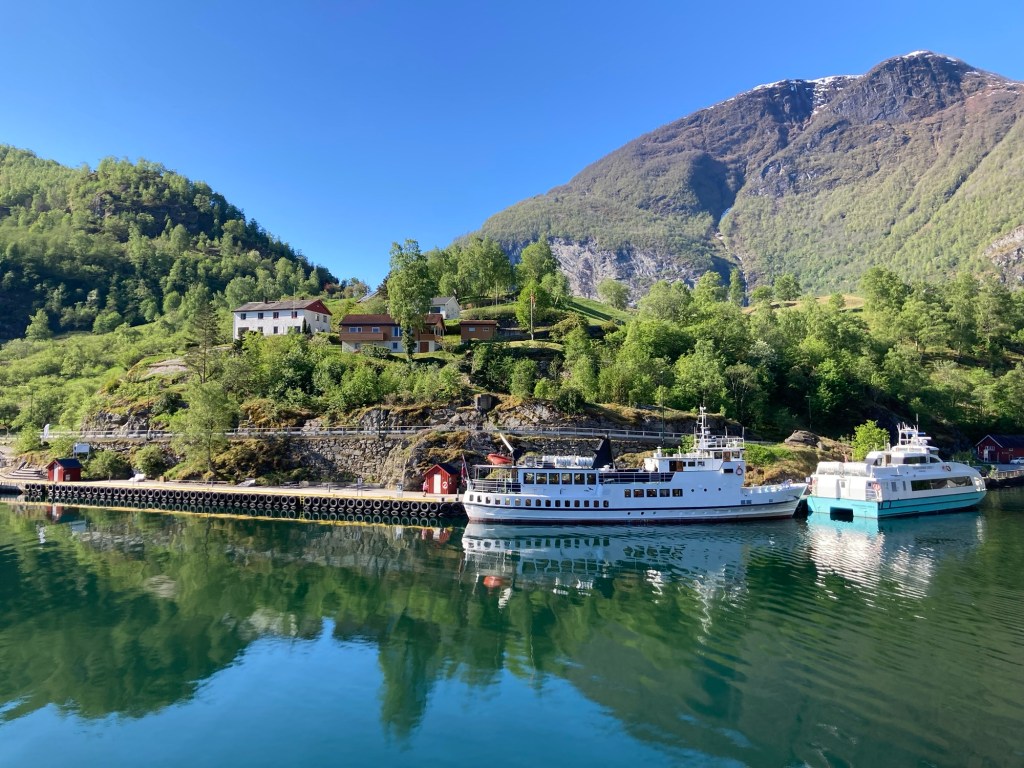
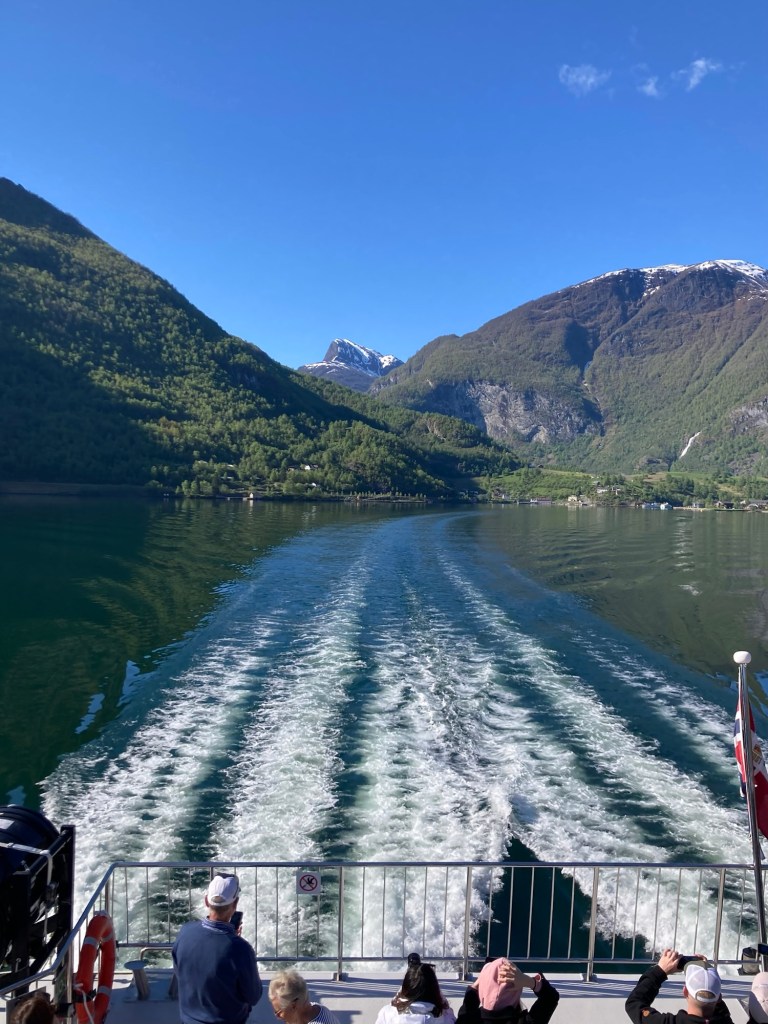
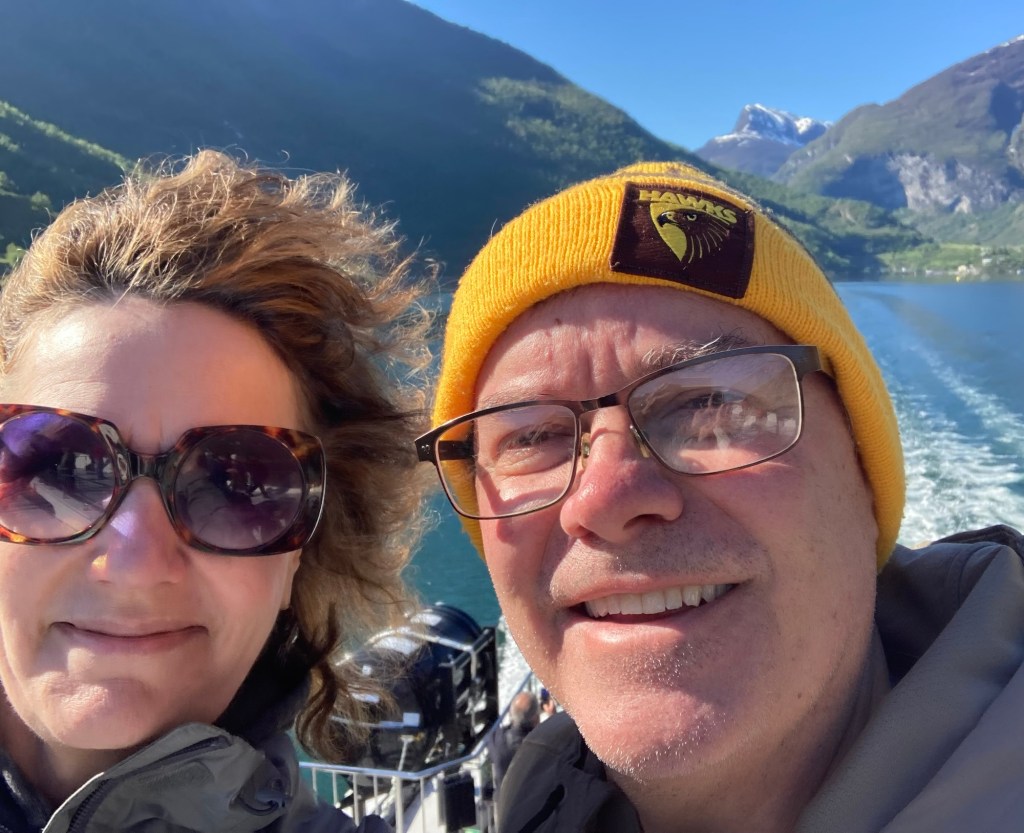
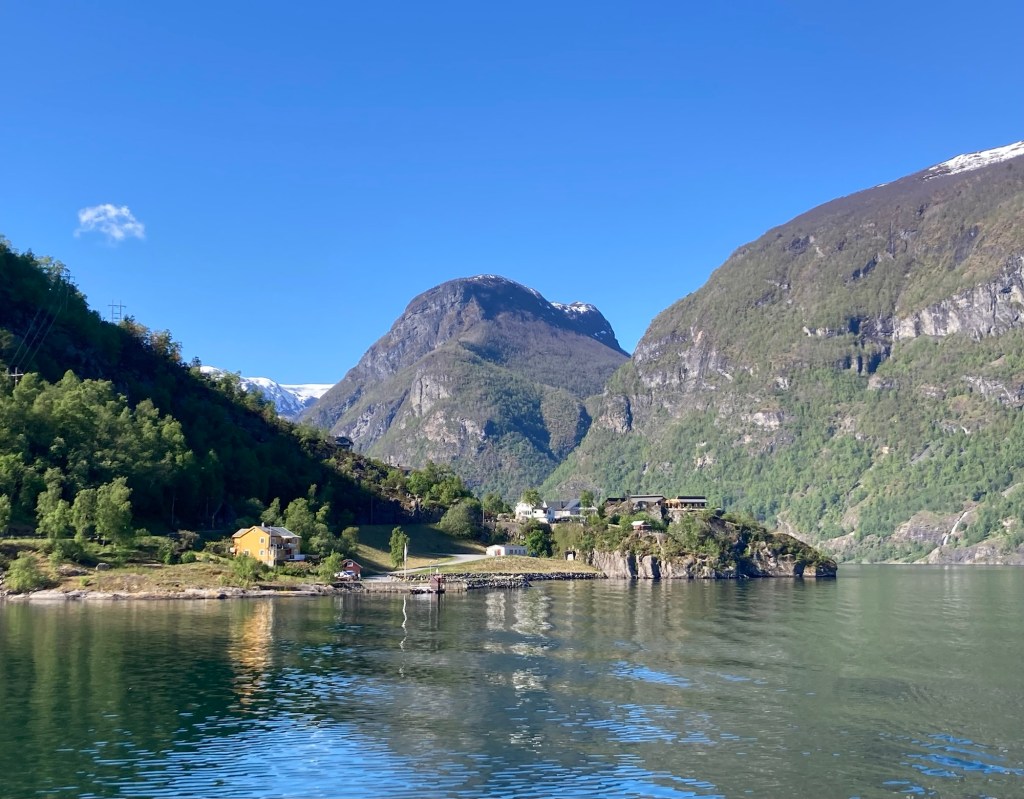
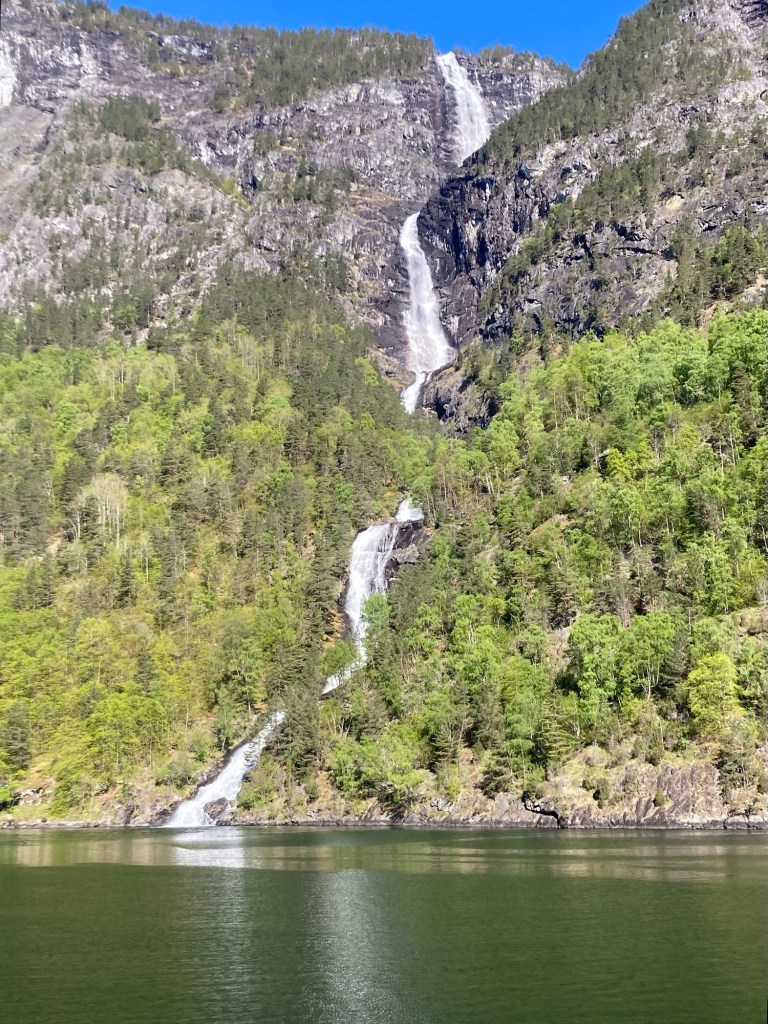
Take that Tesla!Waiting to boardEveryone walked to the top of the boat for departure Leaving FlamPicking up speedSelfie at sea and the last time today we’d have our coats onAnother cute community in the mountains Bob was showing me the visual instructions provided by Fjord Tours to help us in making our connections along the journey.Another amazing waterfall Fjordtastic
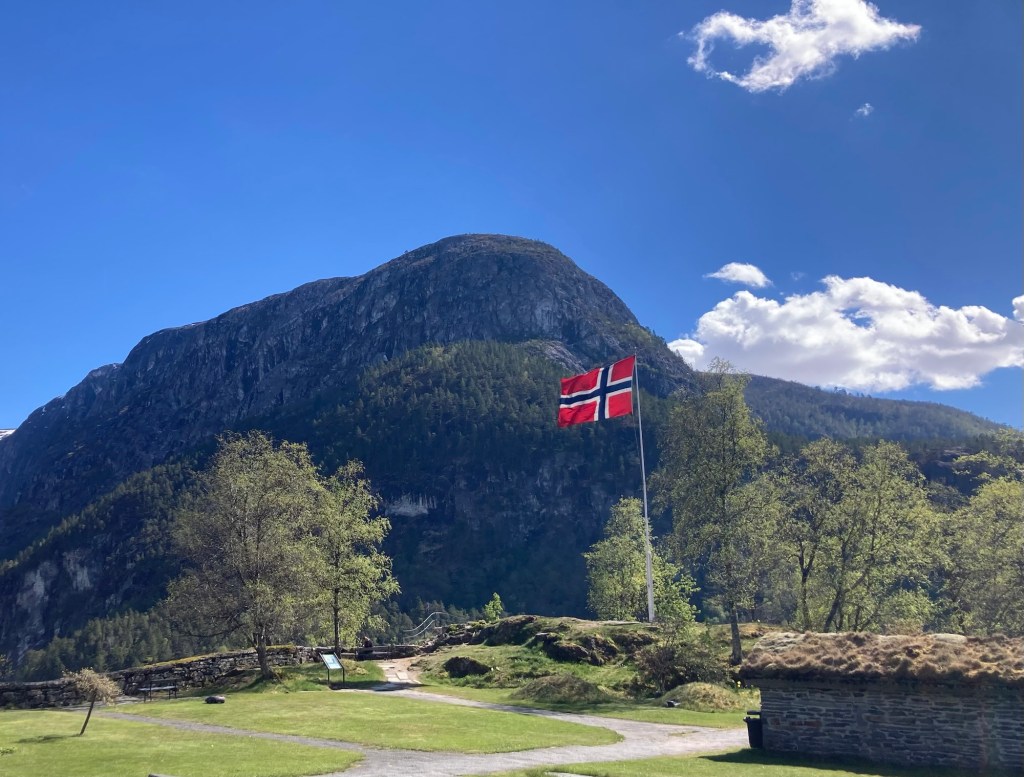
After arriving in Gudvangen, we walked directly to a bus to begin our journey to Voss, Norway. First we drove 15 minutes to Stalheim for a 15 minute photo stop at the Stalheim Hotel.
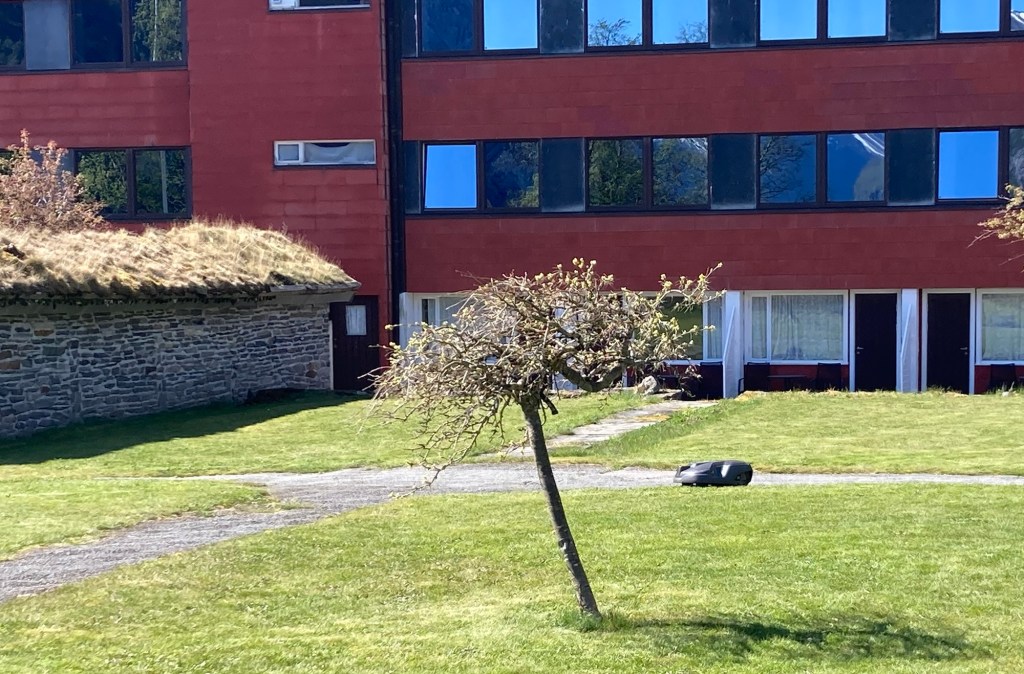
A lookout point into the valley behind the hotelThe valley below the hotelAn automatic lawnmower at the hotel and a small building with grass on the roof. We have seen both of these in our journey around Norway.
After the photo stop, we had a 40 minute scenic bus ride into Voss.
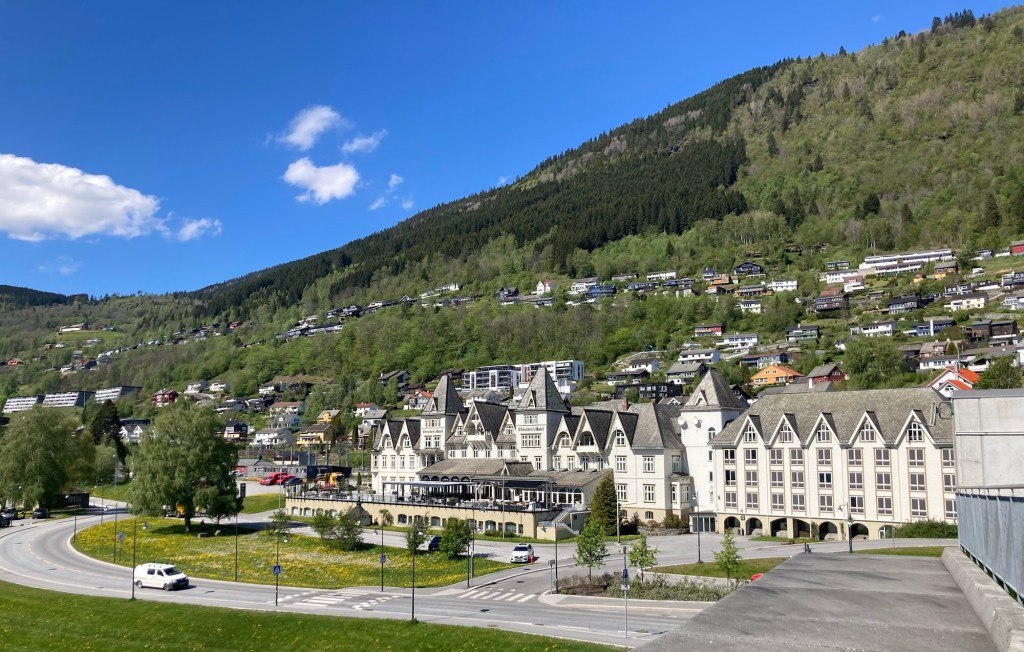
We had about an hour to peruse and/or relax in Voss before catching our 90 minute train ride into Bergen. These were our favorite finds in Voss.
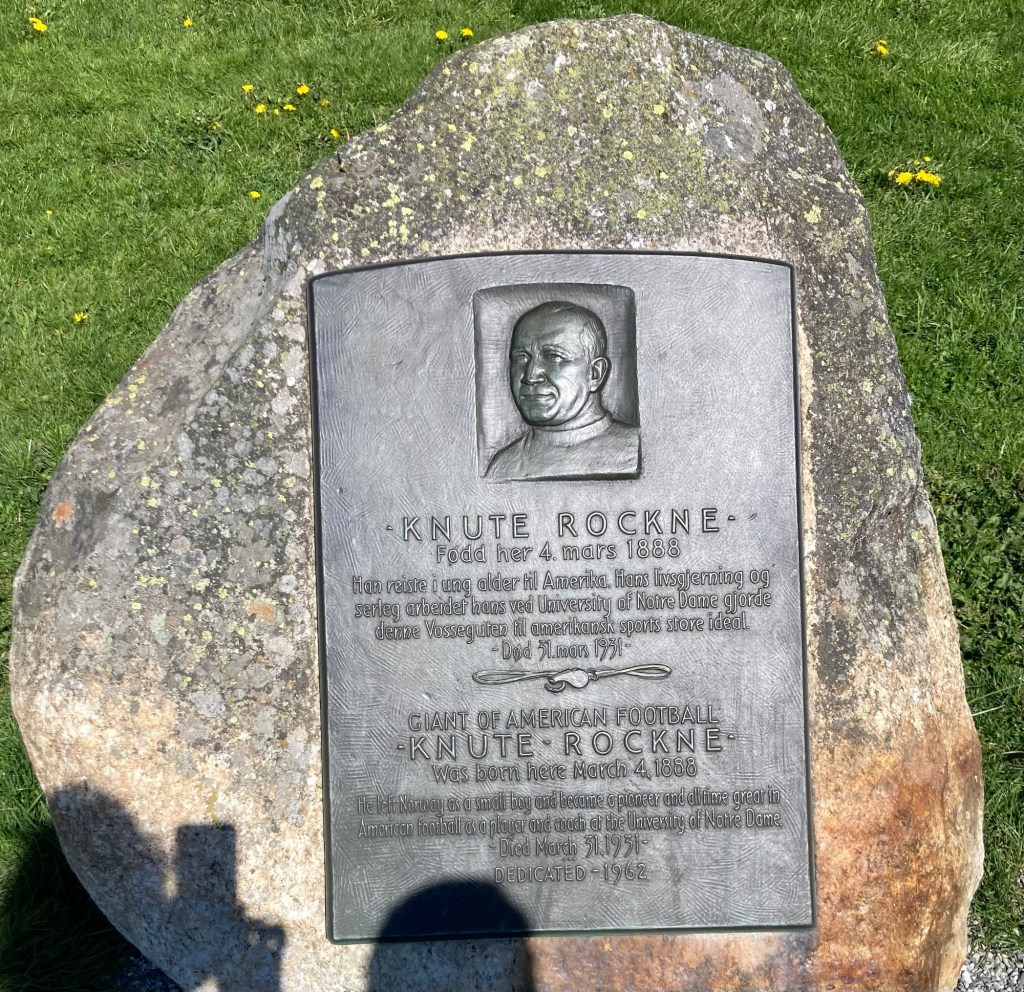
The town goes from the sea into the mountains A fun take on VossWho knew? Knute Rockne was born in Voss!
For the trip to Norway, the plan was always to take the train from Oslo to Bergen, as I had heard how scenic it was. Bob found a way to step it up even more. His Rick Steve’s book recommended an excursion called Norway in a Nutshell, which would allow you to see (and sail on) a fjord as part of your journey to Bergen. You could do this in one long day or spend the night at one of the small towns on the fjord and complete the journey the next day. We decided on the latter and are now enjoying an afternoon and evening in the small town of Flam (rhymes with mom) on the Naeroyfjord.
We started today by catching the 8:22 am train out of Oslo Central station to Bergen, but we were to get off at Myrdal and catch a 2nd train to Flam. Our hotel gave us each a togo breakfast bag since we were missing the breakfast we had paid for. We started at 23 meters above sea level and climbed to as high as 1200 meters before beginning our descent.
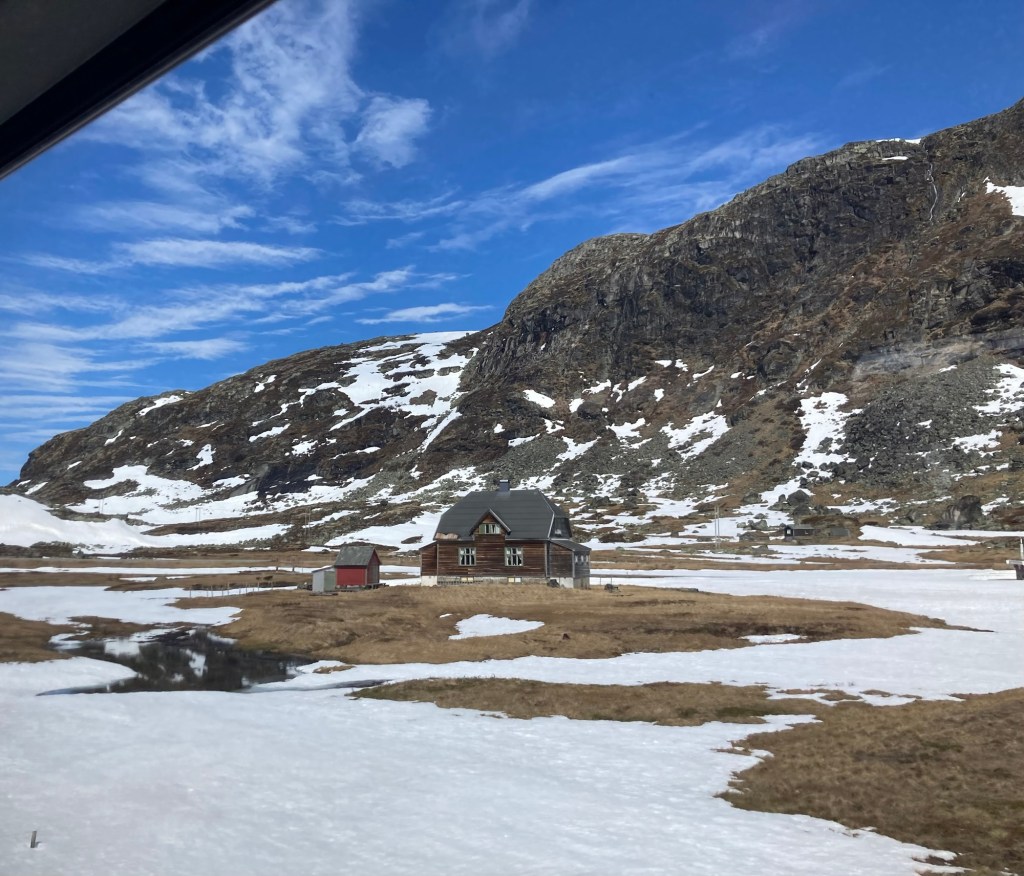
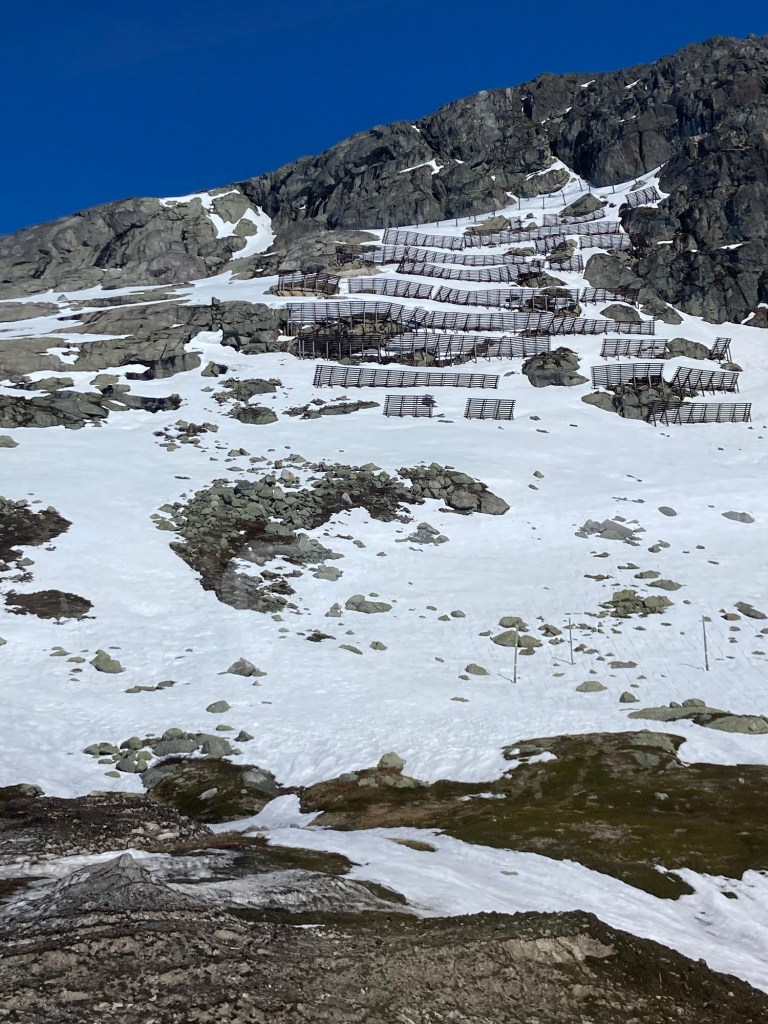
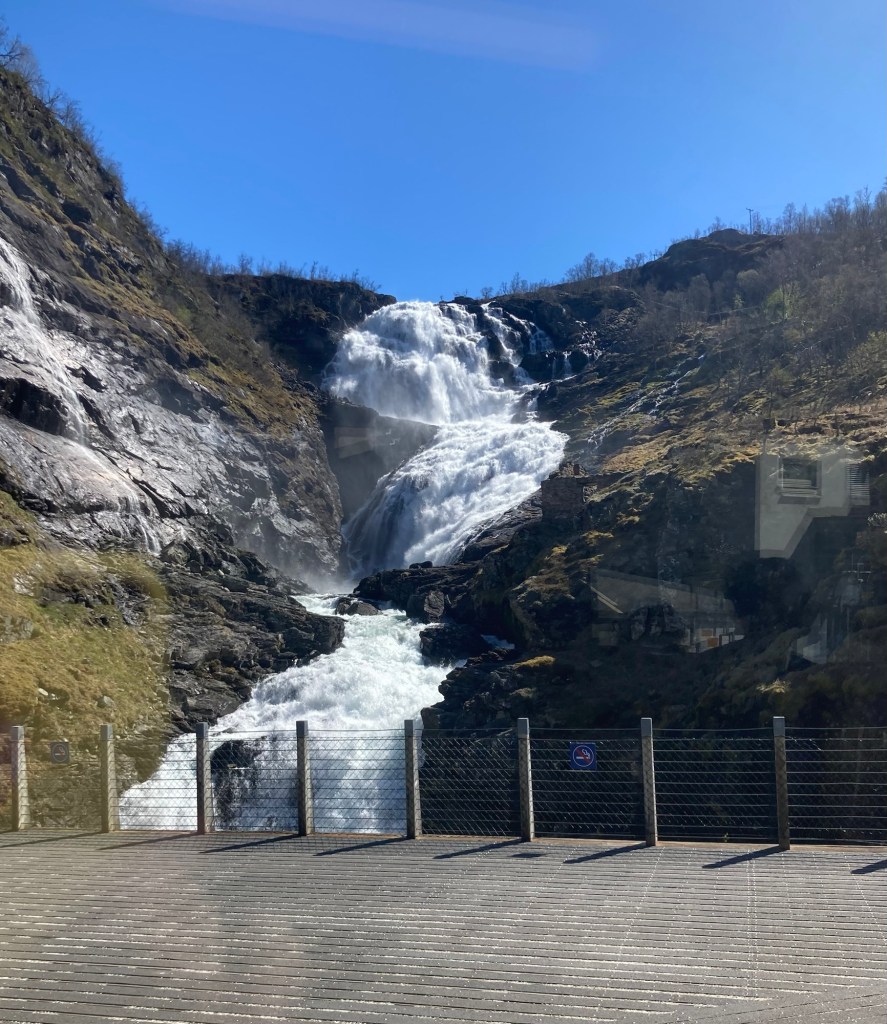
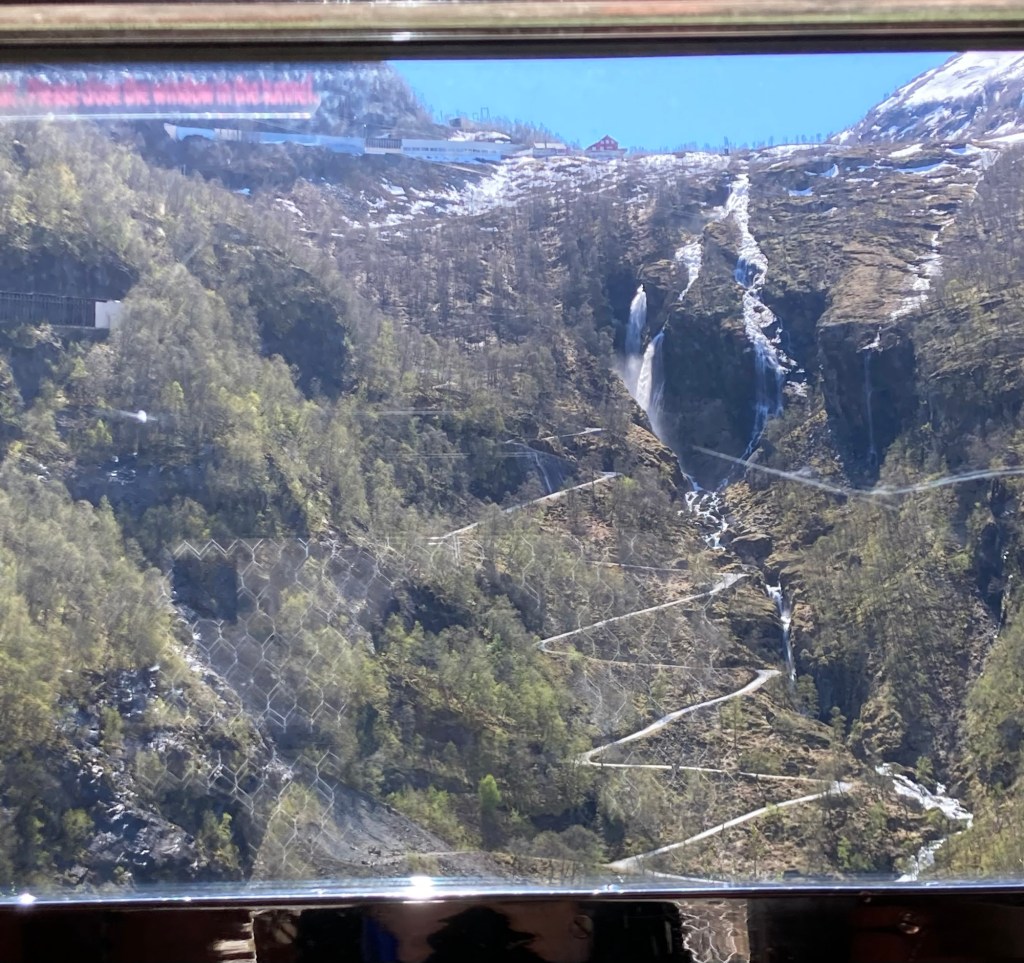
The journey did not disappoint in terms of beauty. We started off seeing cute mountain towns before getting into more rock, snow, and some impressive waterfalls. My apologies for the quality of some of the photos, as they were almost all taken through the train window.
Waiting for our train at Oslo Central Station
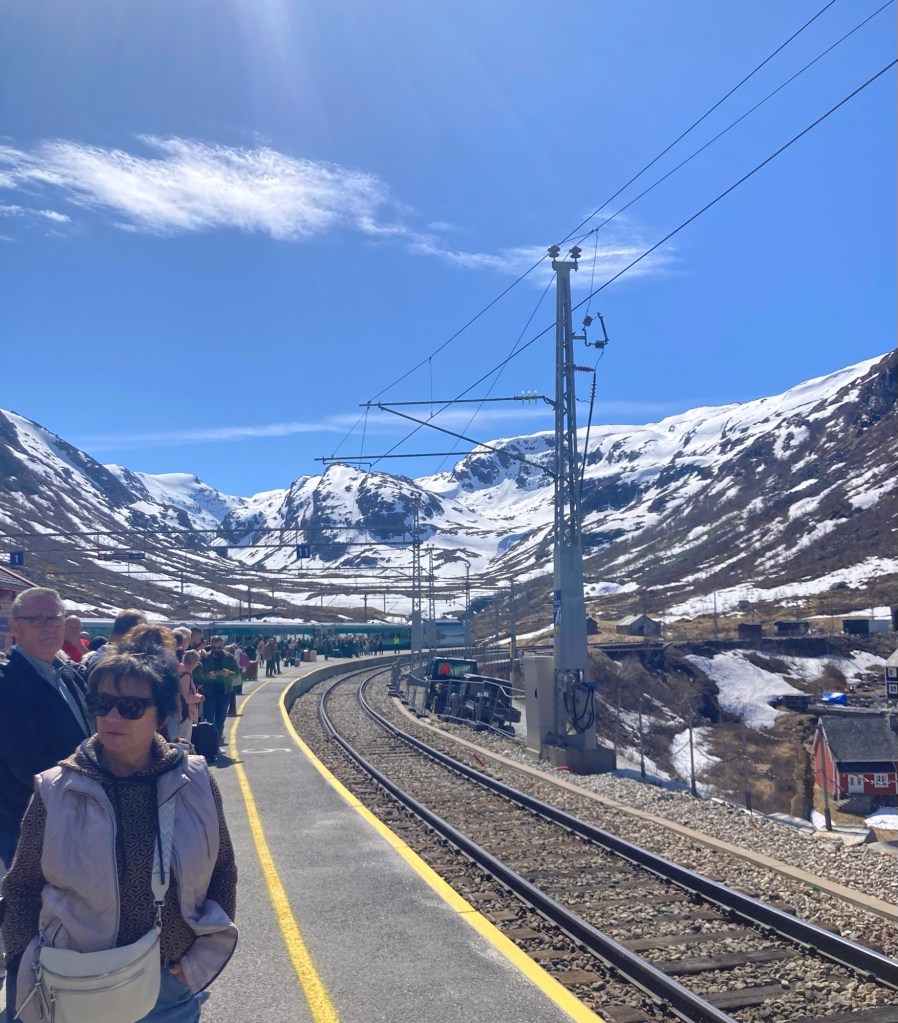
We arrived in Myrdal a little after 1:00 pm and walked across to the 2nd train platform to catch the train to Flam. We had lots of company. One of the highlights of today’s trip, besides the scenery, is that we traveled with only a backpack. Our big bags were picked up by the Fjord Tours company and have already been delivered to our hotel in Bergen.
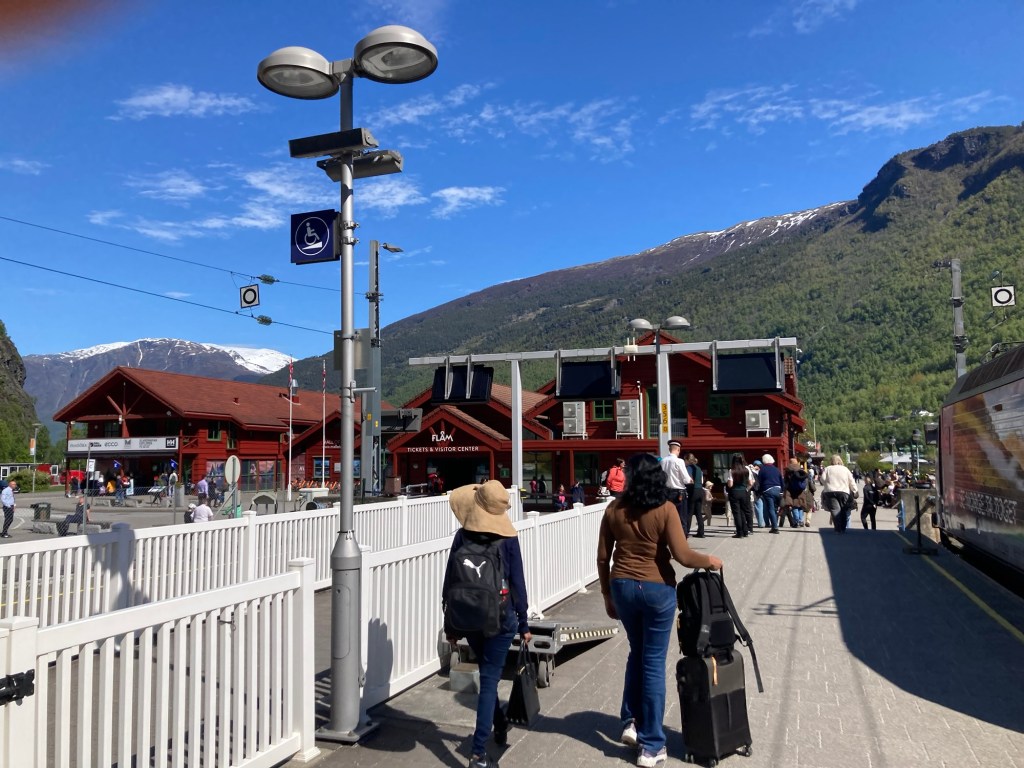
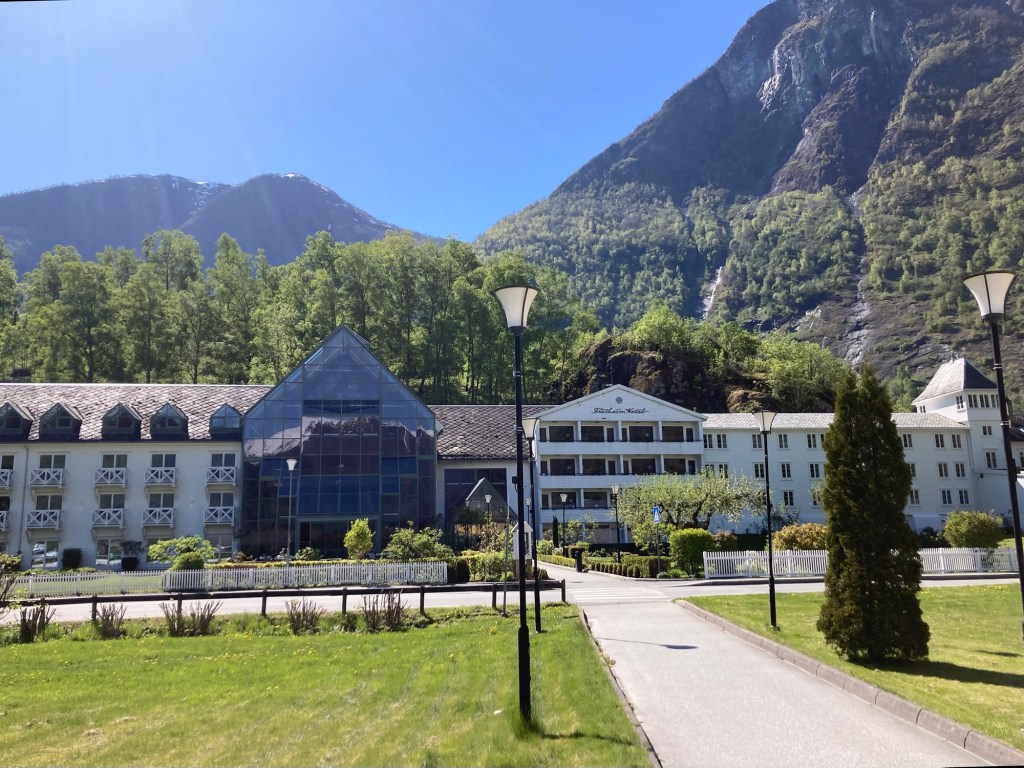
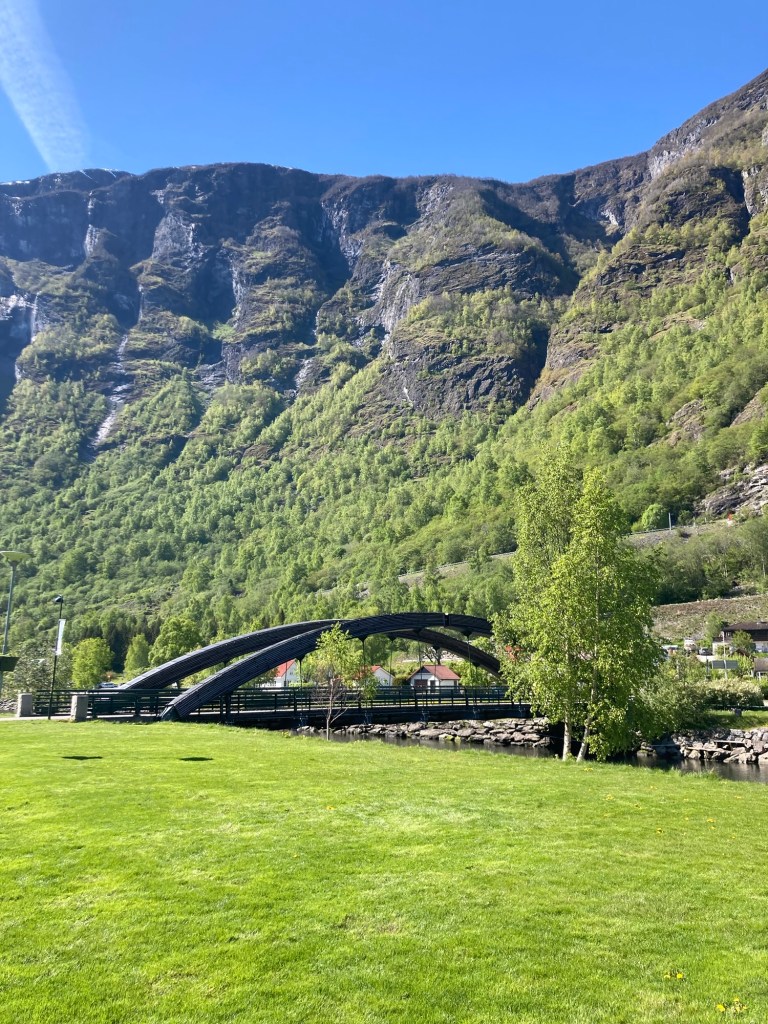
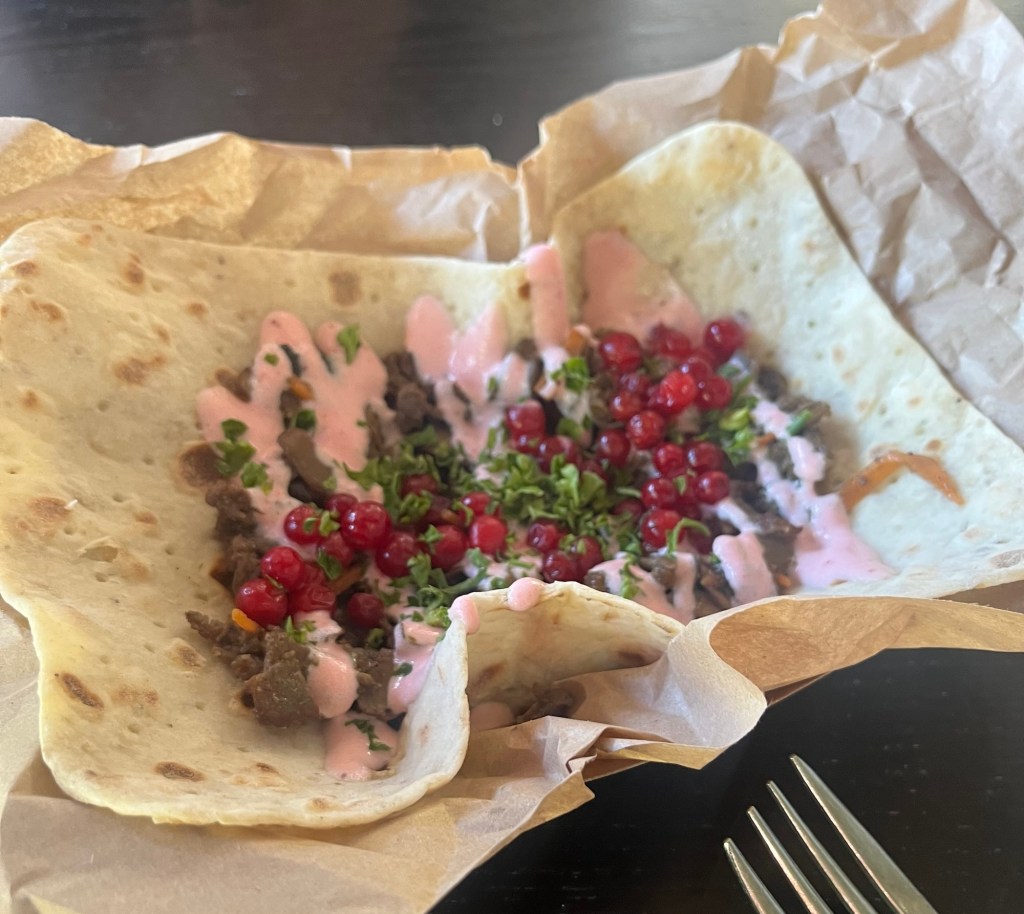
The group waiting on the Fram bound trainThe train to Fram where they narrated viewpoints and provided information on the tv screen about the train and the surrounding areaA very impressive waterfallLooking at more waterfalls and some of the 21 hairpin turns for carsDeboarding in FlamOur hotel for the nightThe harbor, the fjord, and a snow capped mountain The large mountains surrounding FlamBob’s appetizer of lefse with reindeer, sour cream, and lingonberries. It doesn’t get much more Norwegian than that.
Today’s walk around Oslo continued with another 45 minute walk to the very surprising Ekeberg Sculpture Park. On the way, we had some other fun finds.
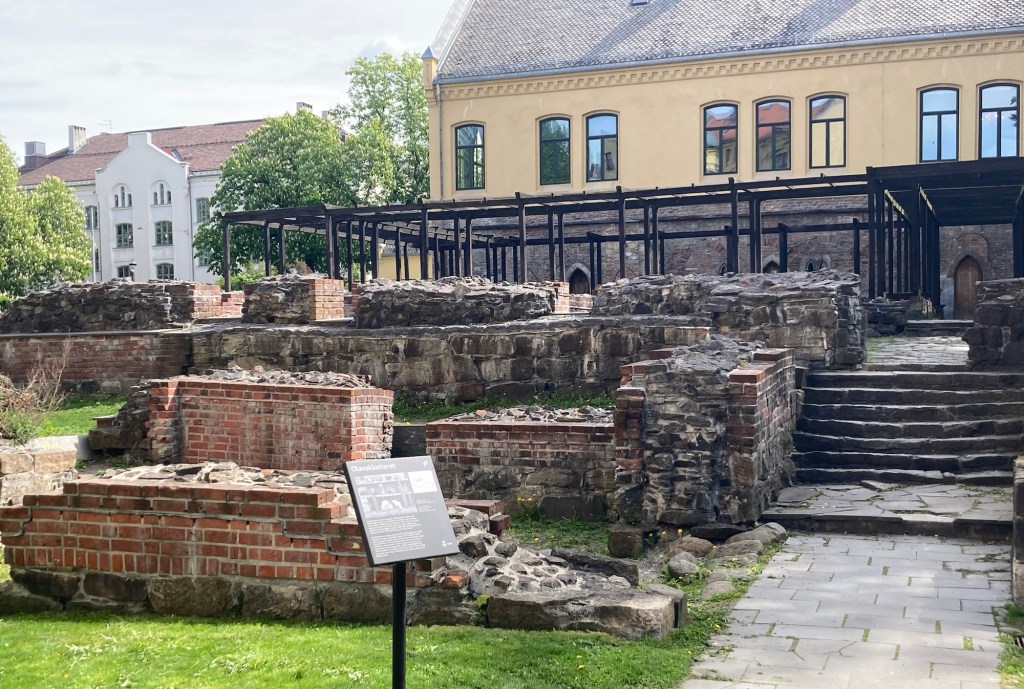
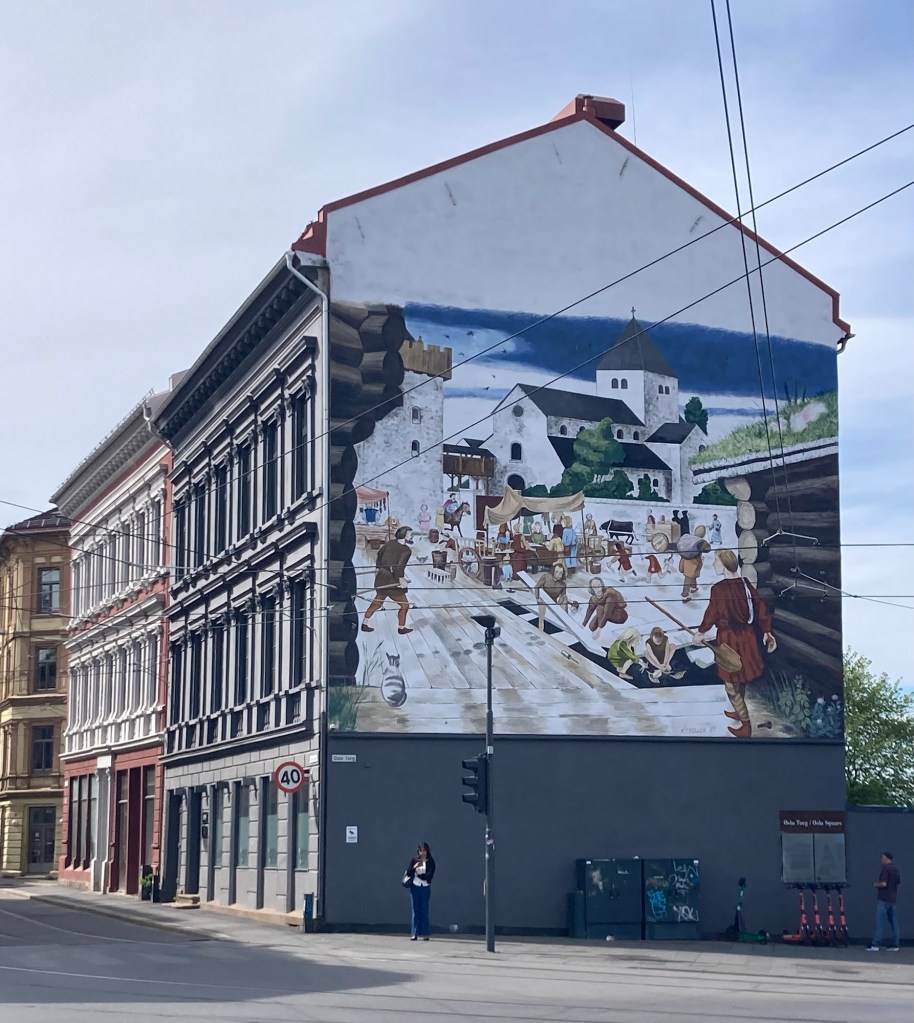
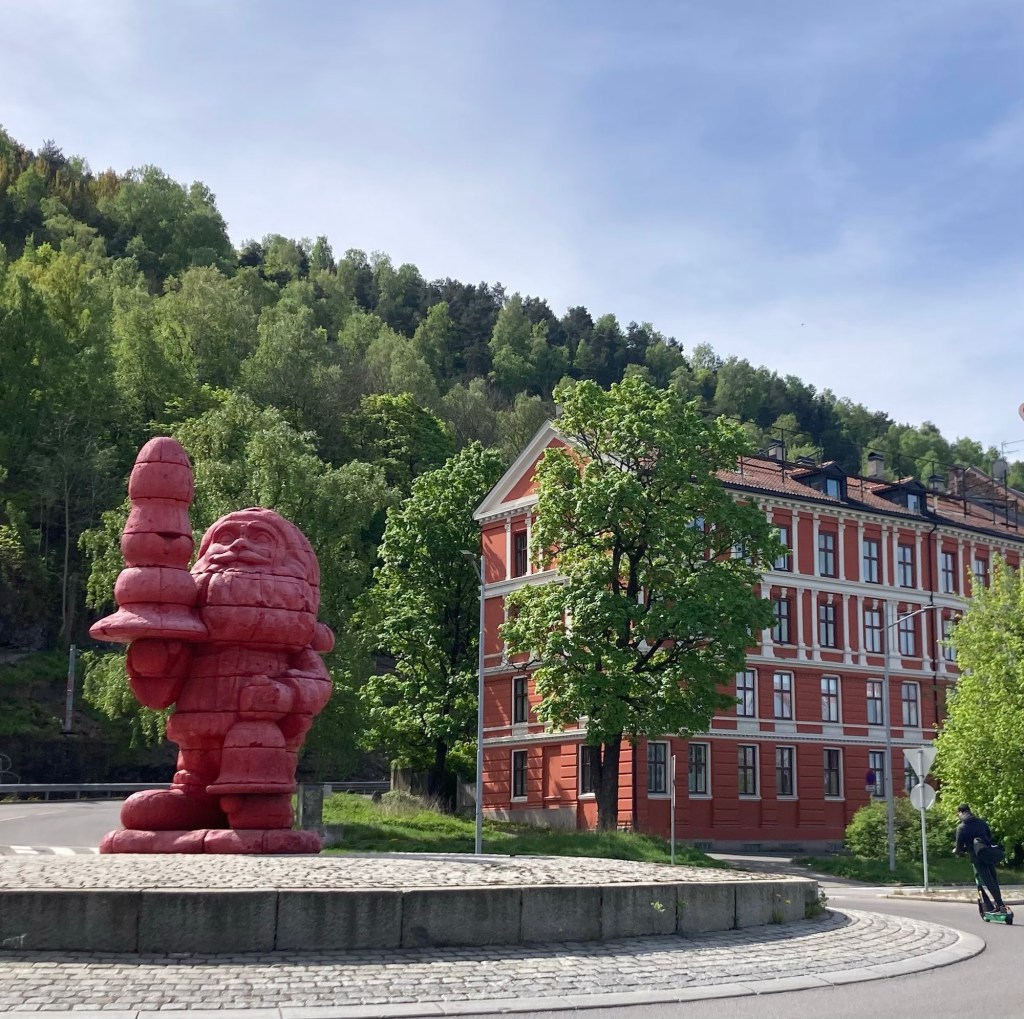
The remains of the Dominican monastery of St. Olaf, dating from 1239A cute muralA fun troll in a roundabout in front of the forested area, atop which lies the Ekeberg Sculpture Park
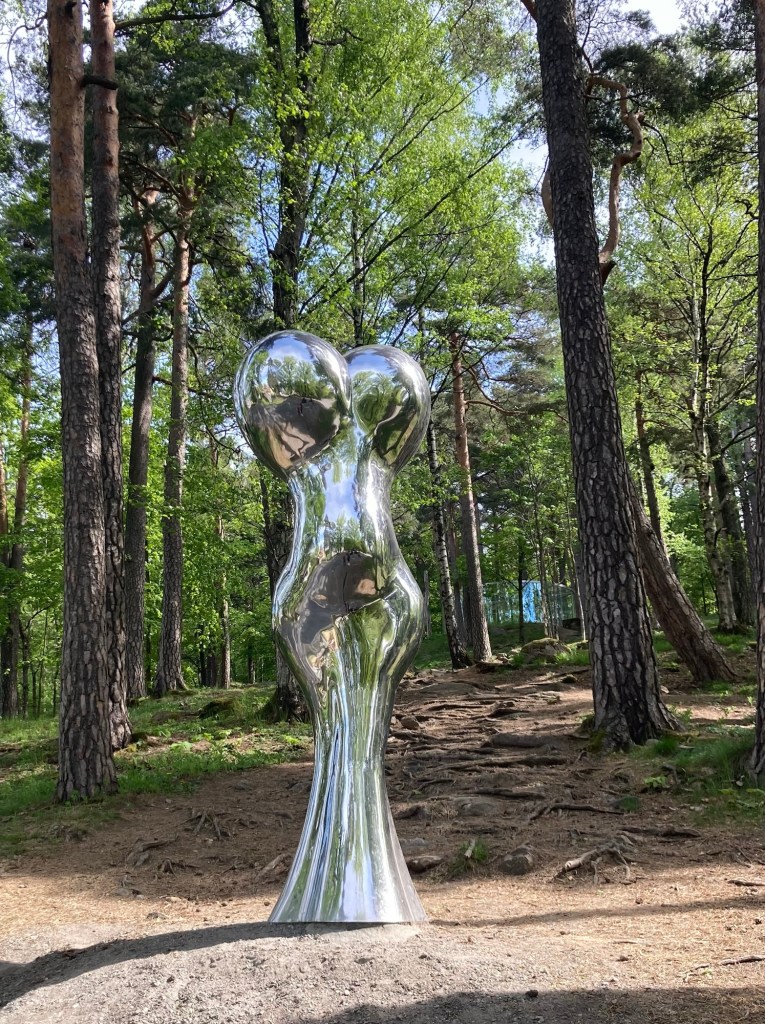
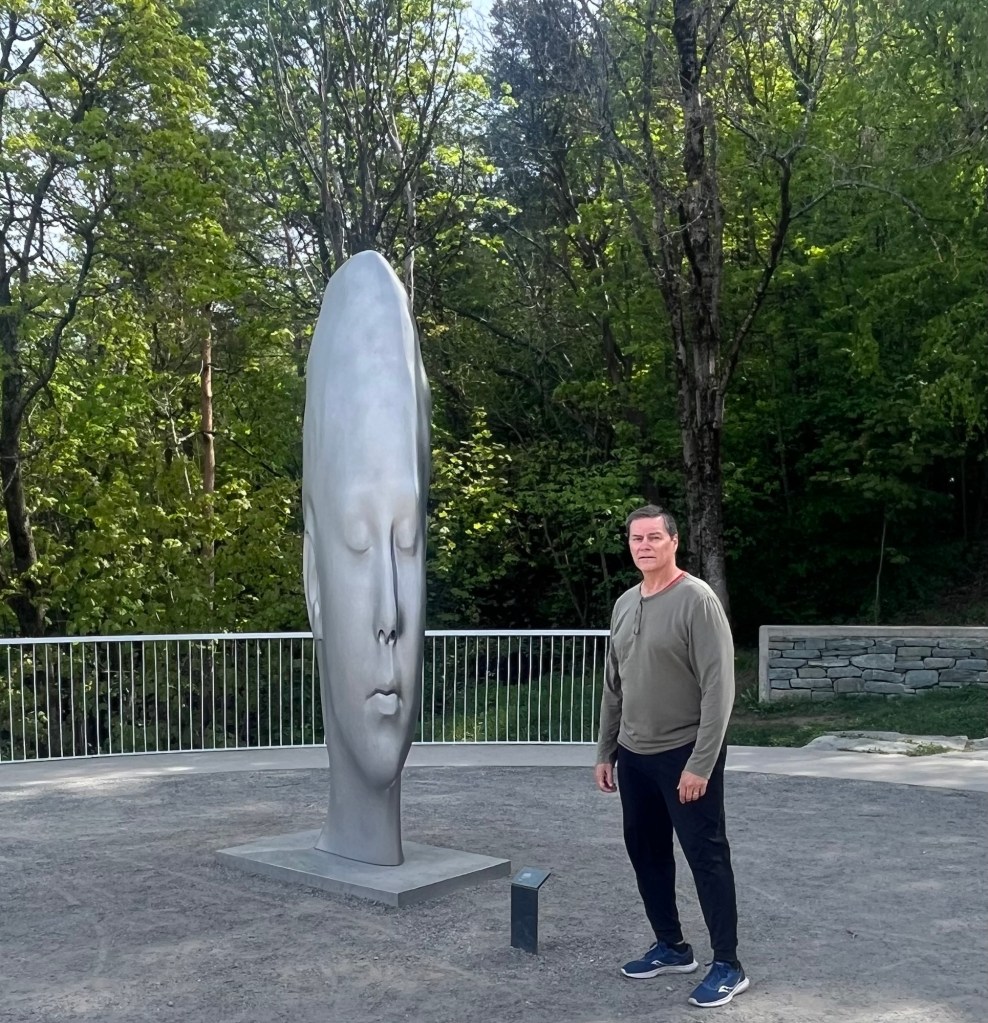
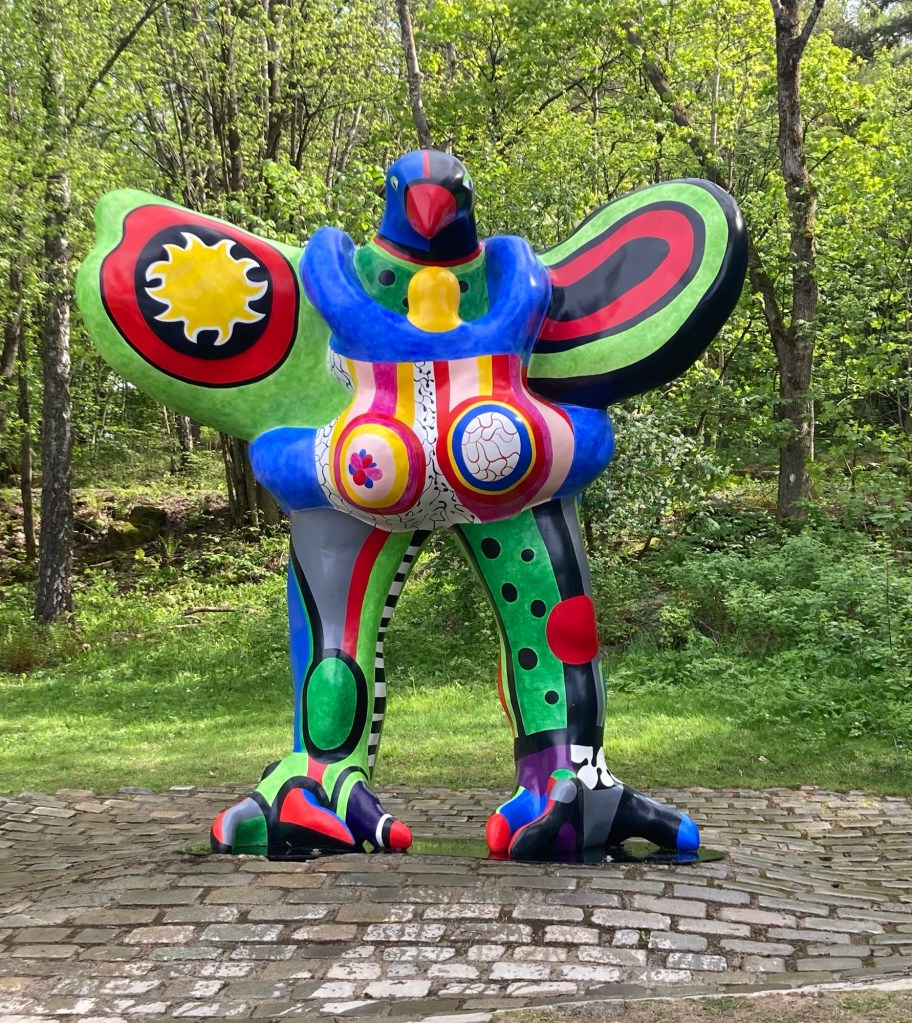
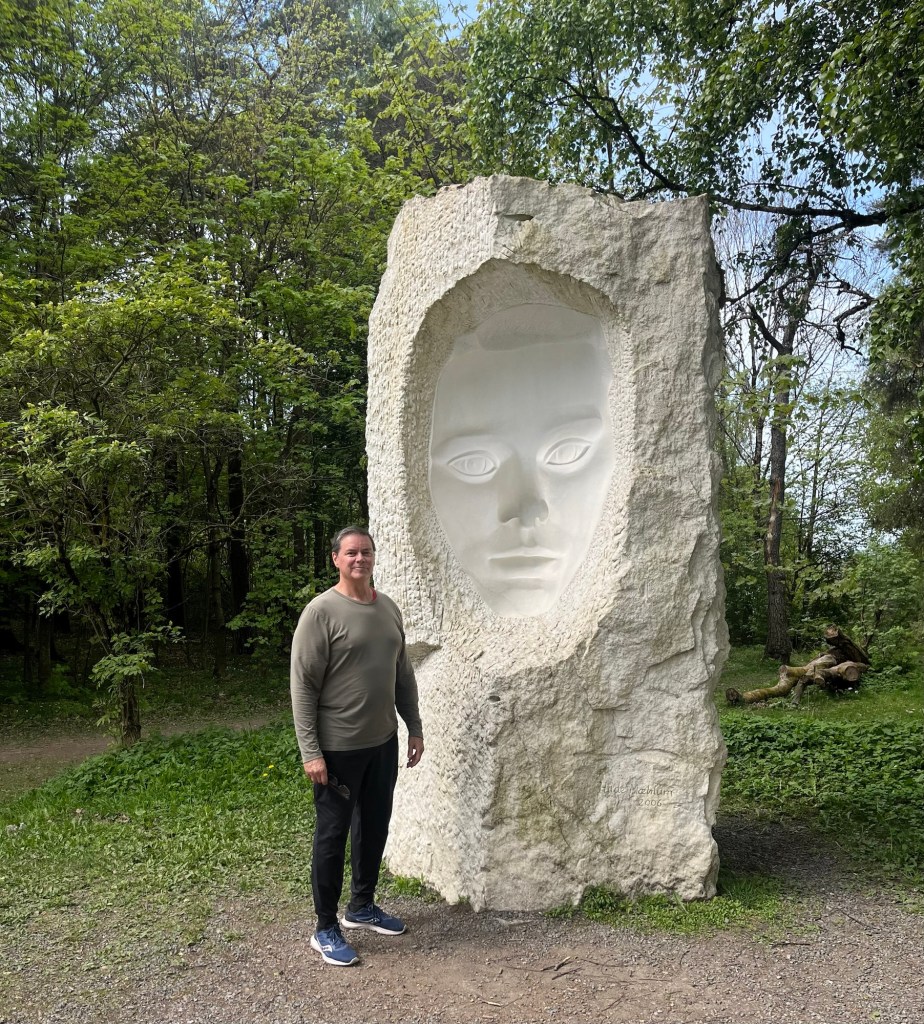
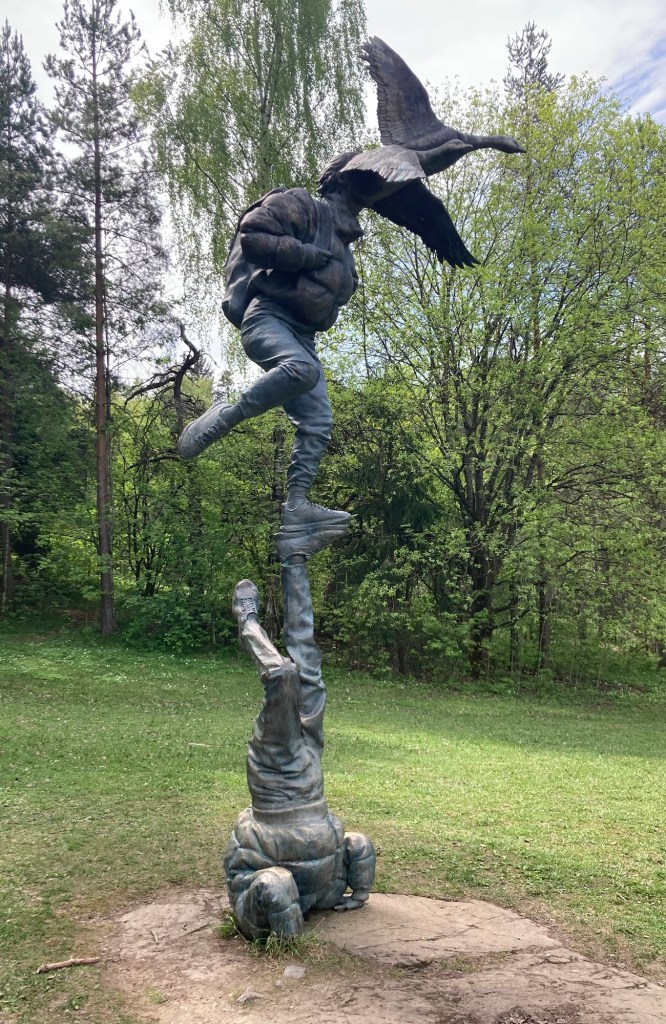
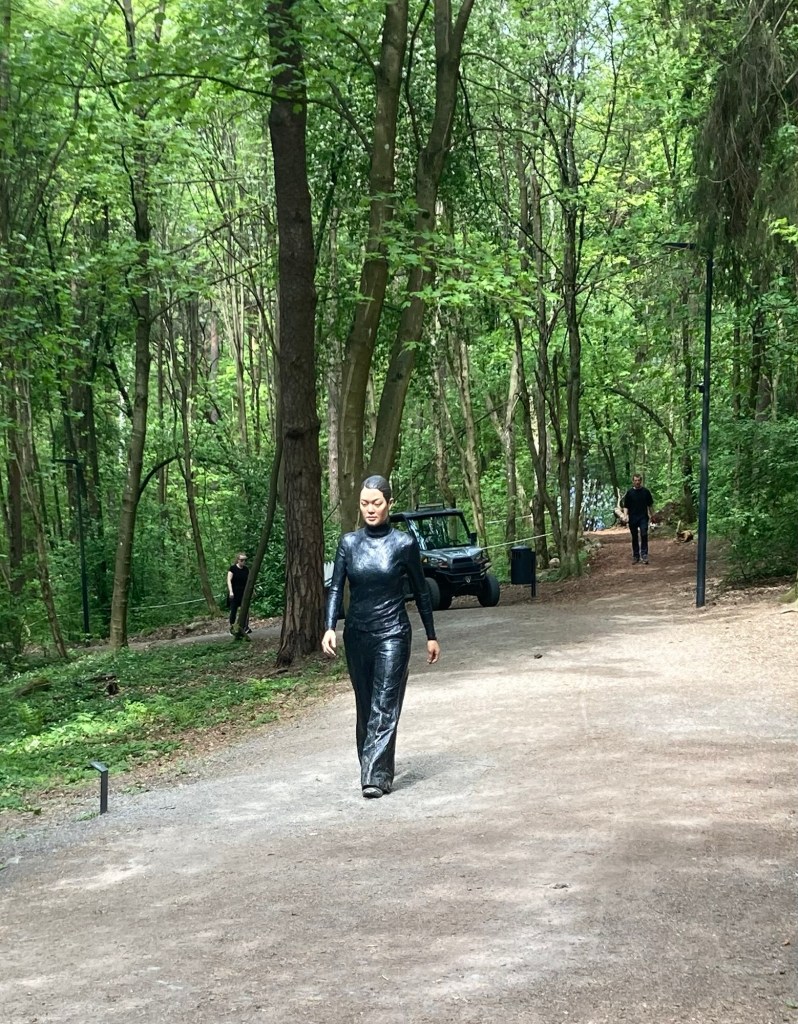
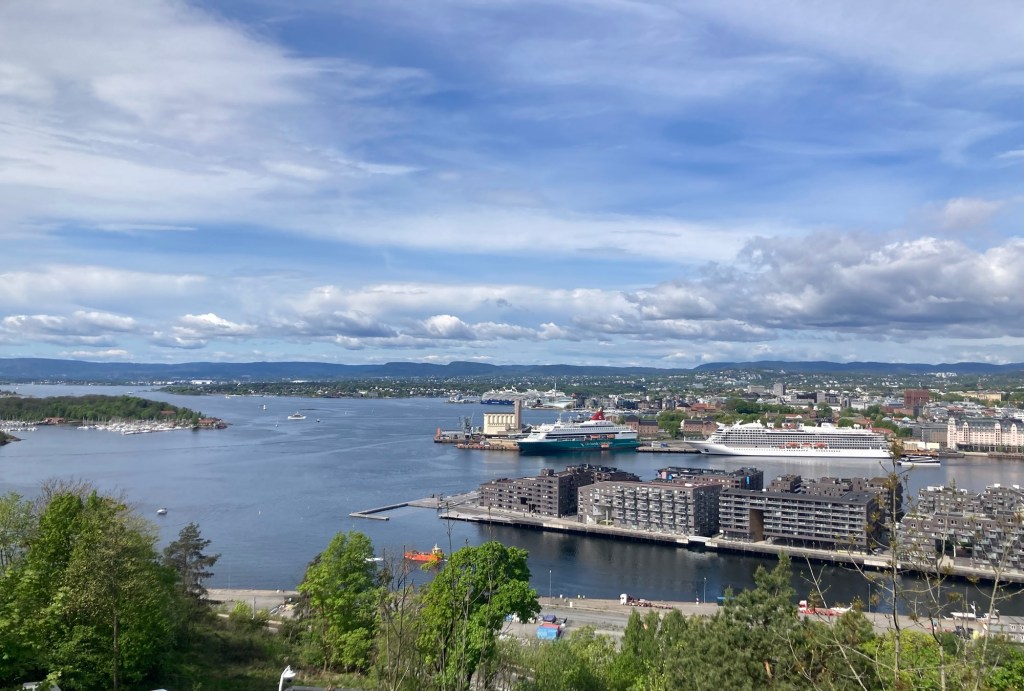
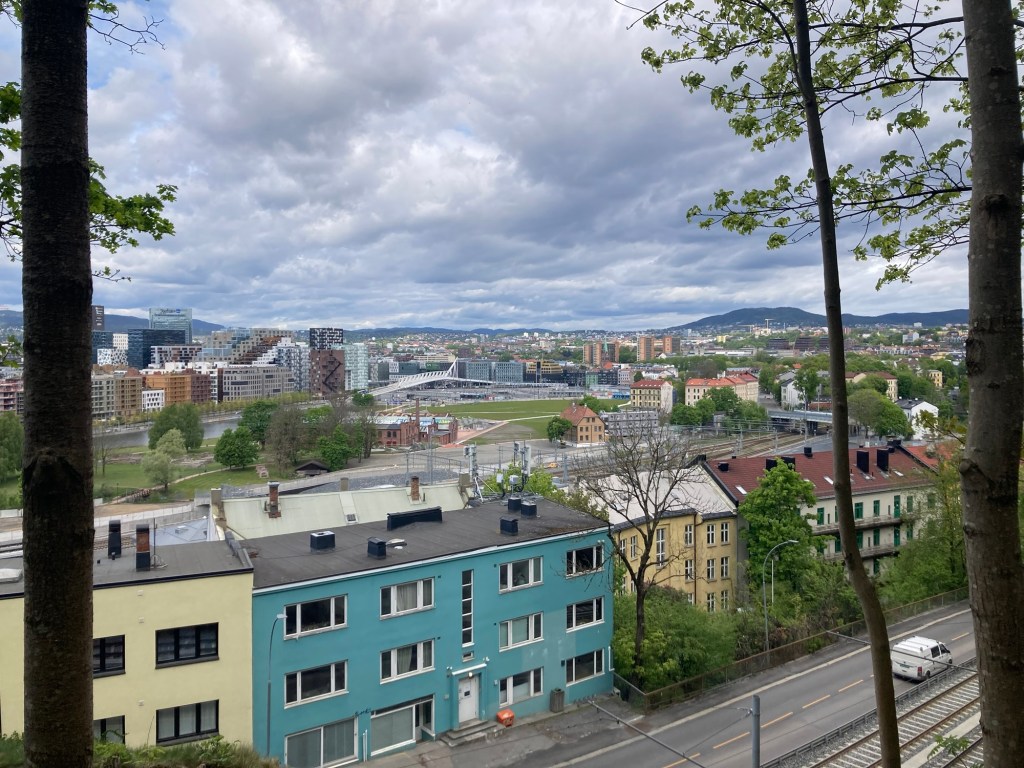
We weren’t sure what this sculpture park would be like after the Vigeland one yesterday, but we were pleasantly surprised. We got a walk through a lovely forest setting, fun sculptures (including some big heads), and we got some awesome views of Oslo,the harbor, and the surrounding area. We didn’t stop, but the park also has a restaurant that would allow for some great views as well.
First, photos of some of the sculptures.
“Marilyn Monroe” by Richard Hudson“Chloe” by Jaume Plensa“L’Oiseau Amoureux Fontaine” by Niki De Saint Phalle“Cast Glances” by Tony Cragg“Konkavt Ansikt” by Hilda Maelum“Traveler” by Tori Wranes“Walking Woman” by Sean Henry
As fun as the sculptures were, the views were pretty great too.
We had walked on the sidewalk along the road to the park to get there but brought the path from the park down through the forest on the way out.
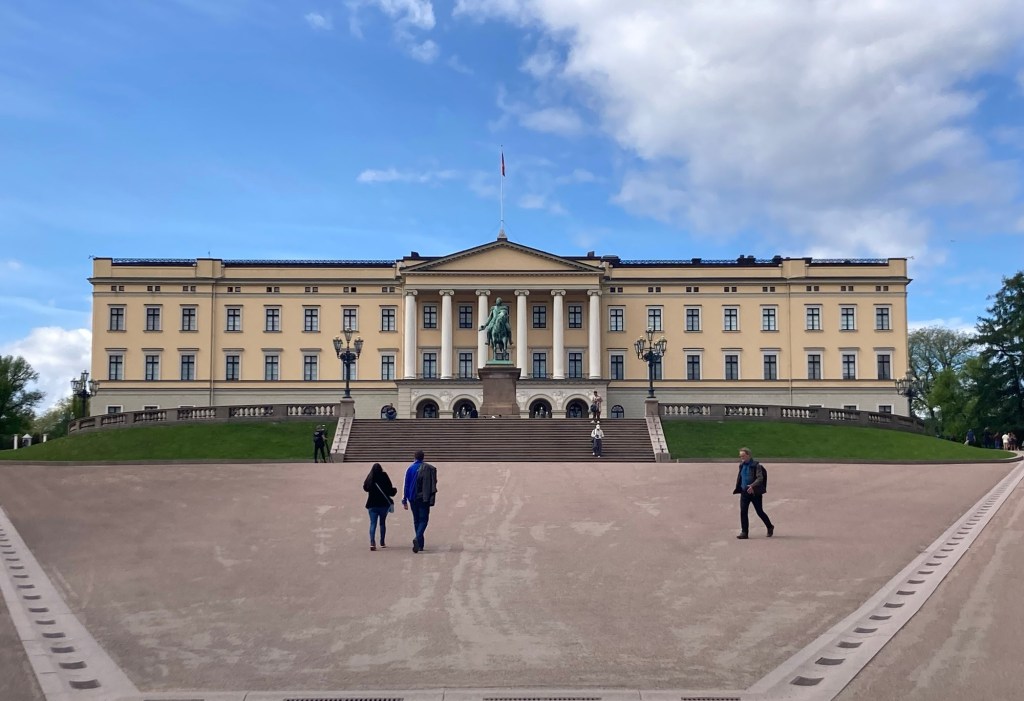
Finally, we walked another 35 minutes or so to peruse a souvenir store before heading to the Royal Palace for a quick photo.
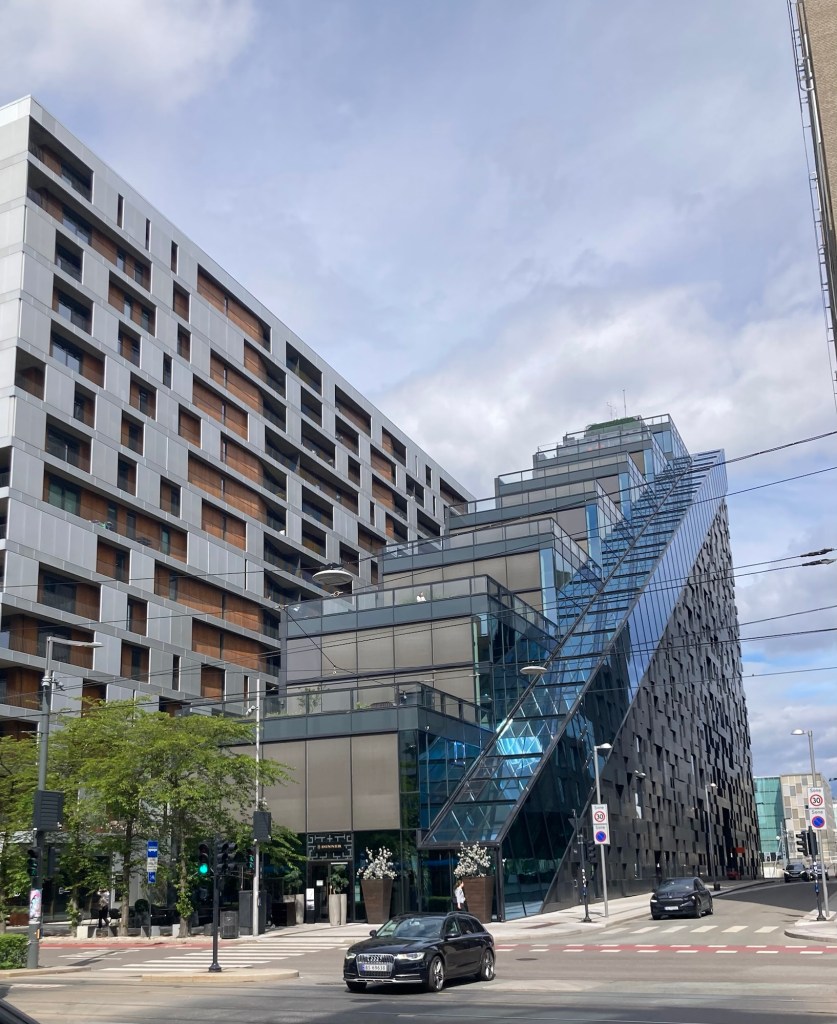
A fun modern building in the city centerThe Royal Palace
Awesome day! We have been spoiled at our Oslo hotel as well, as breakfast comes with the room, and they put on quite the spread. We’ve not needed lunch on our stay here.
For our last full day in Oslo, Bob and I walked 10 miles to various sights around the city. We started at the Memorial Cemetery and then walked to the Botanical Gardens near the Museum of Natural History. We then proceeded on to the Ekeberg Sculpture Park and Royal Palace, which is covered in today’s second blog, Big Views and Big Heads.
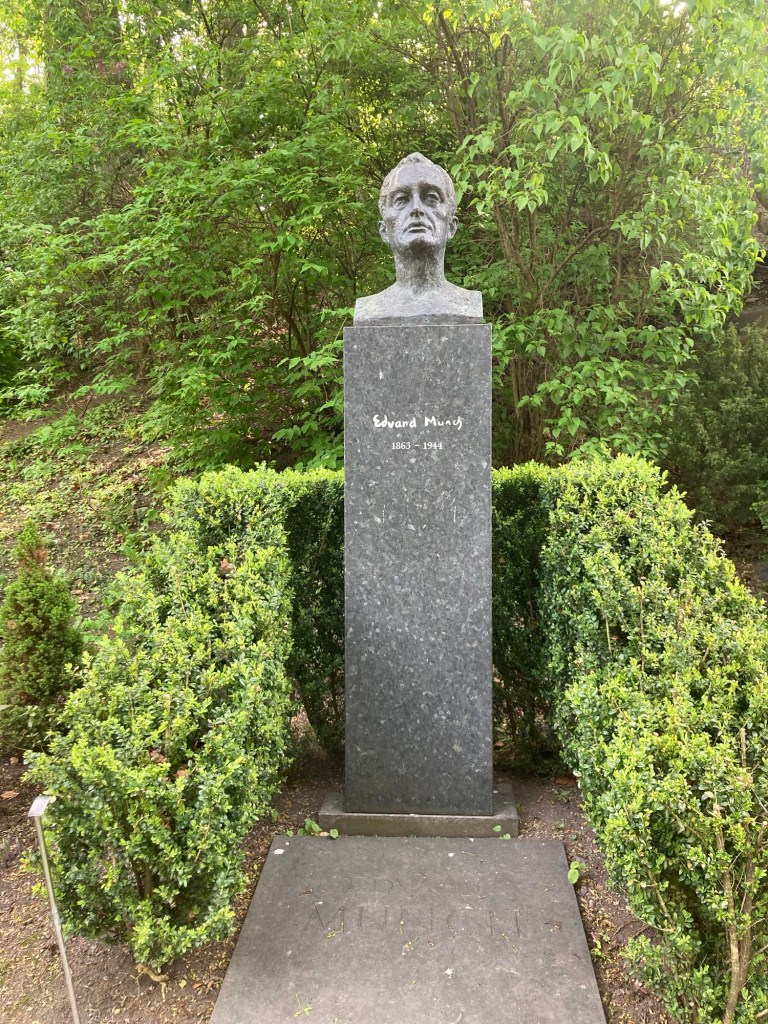
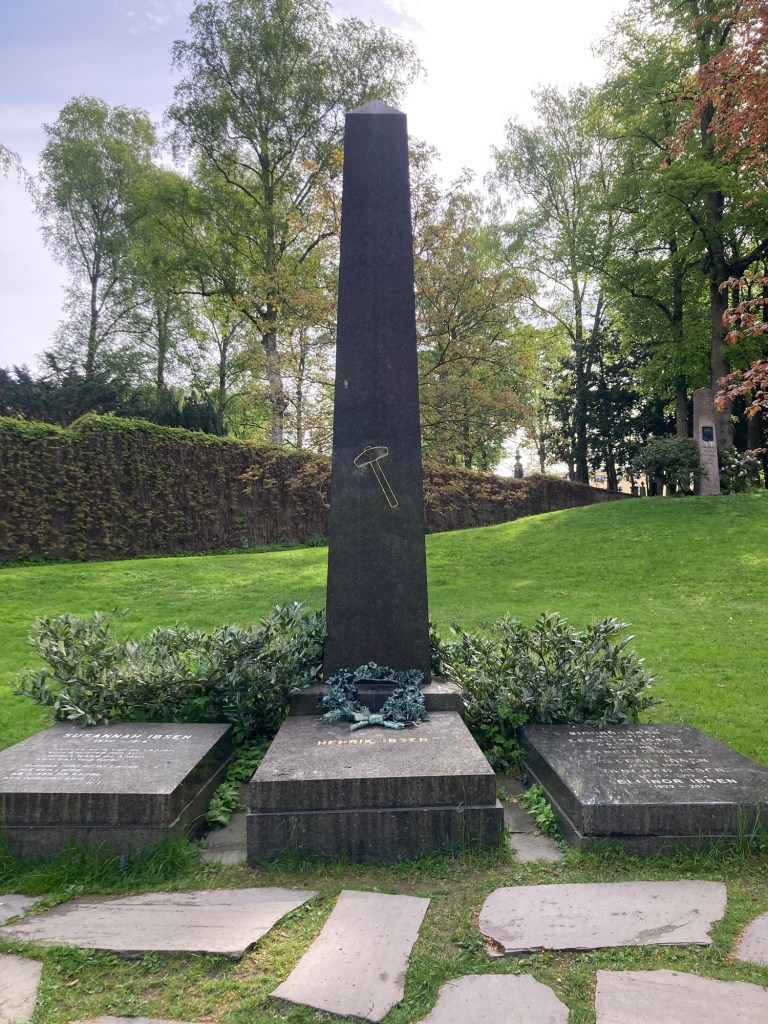
It was a short walk to the Memorial Cemetery from our hotel, located behind St. Olav’s Church. It is the burial site for Edvard Munch and Henrik Ibsen, which was the reason for our visit. It was attractive and quiet and was a nice start to the day.
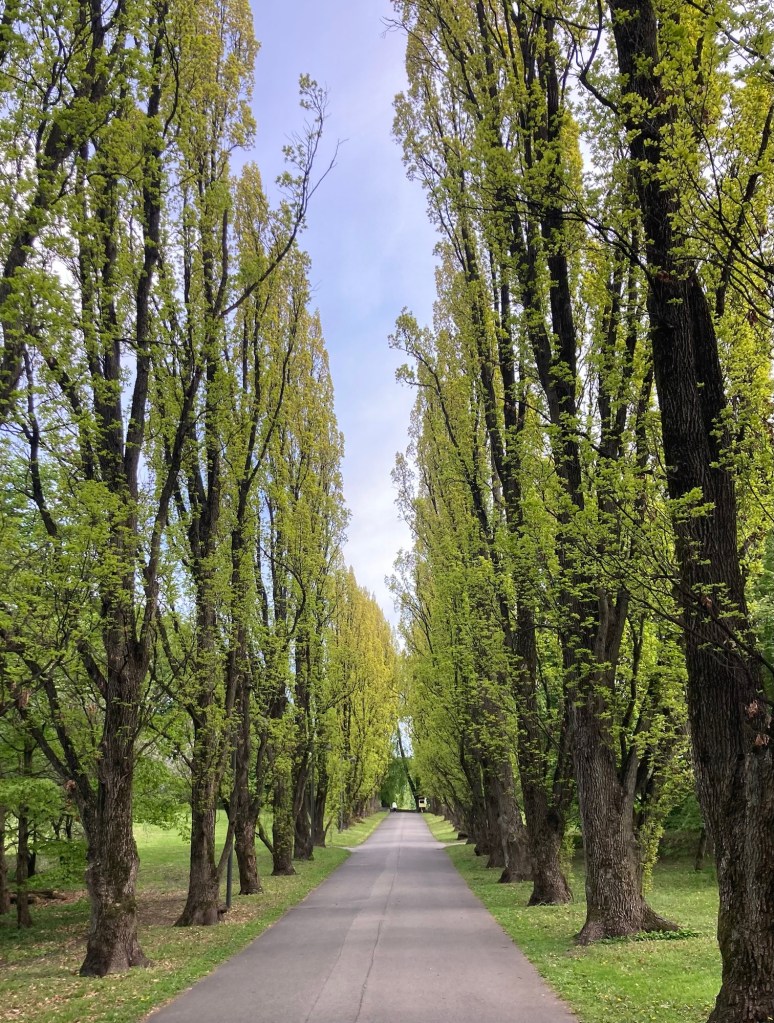
Looking across the cemeteryThe lovely resting spot of the Norwegian stage actor, Bjorn Bjornson (1859-1942), and his wife Eileen (1884-1944)Munch’s cenotaphHenrik Ibsen’s cenotaph with an etching of Thor’s Hammer, the symbol of the God of Thunder’s power and an image that was used in Ibsen’s plays
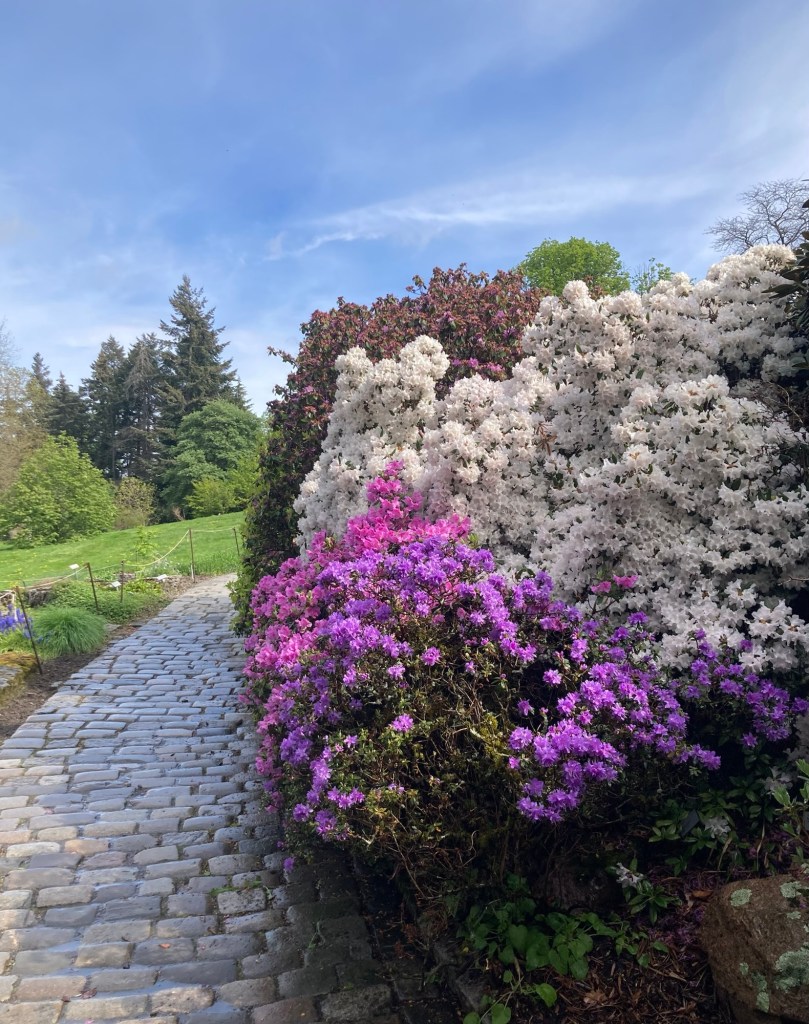
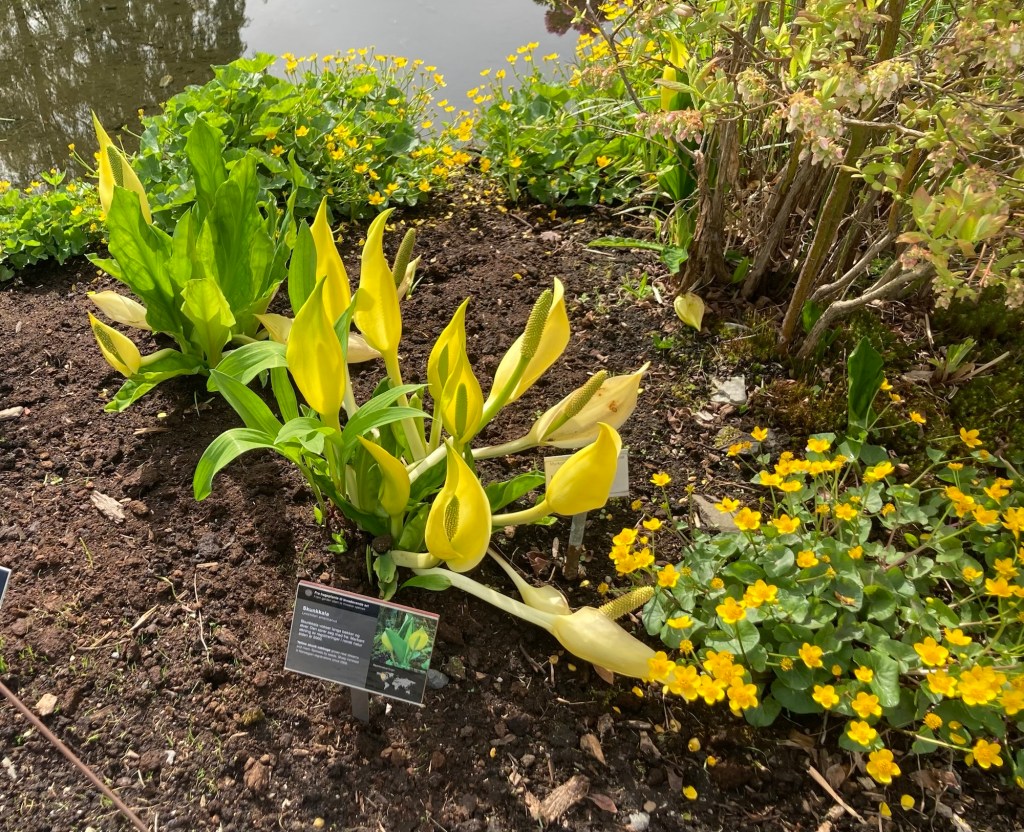
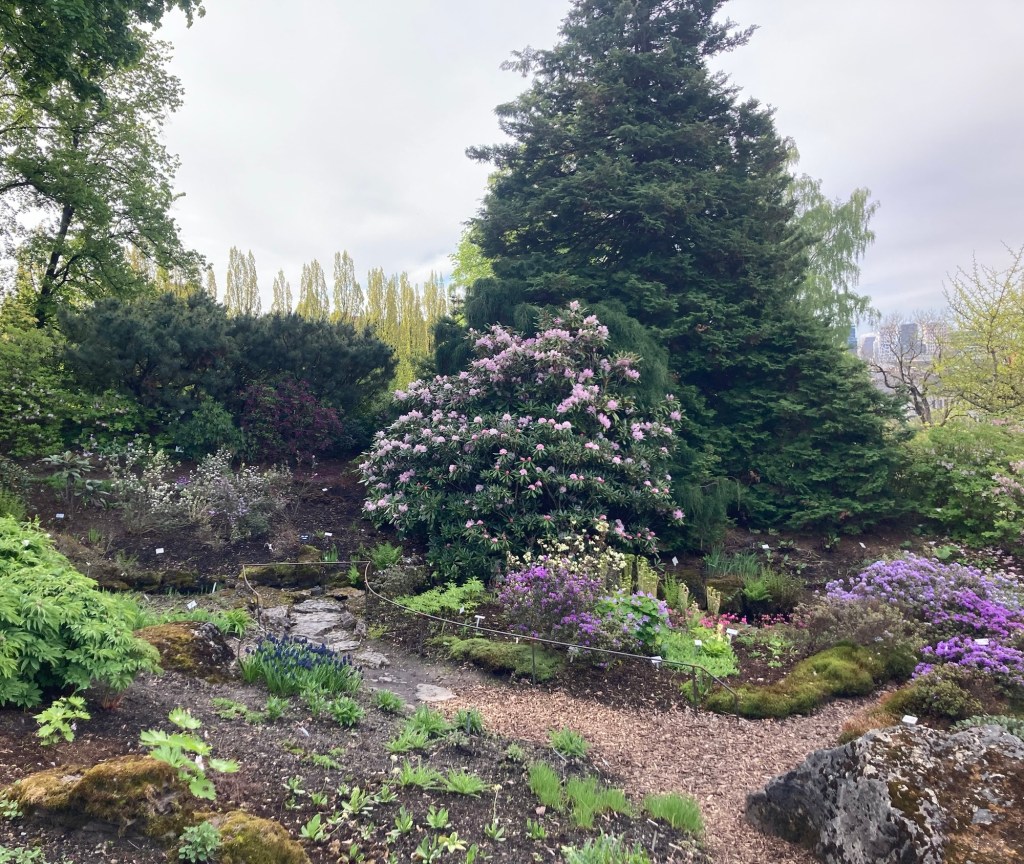
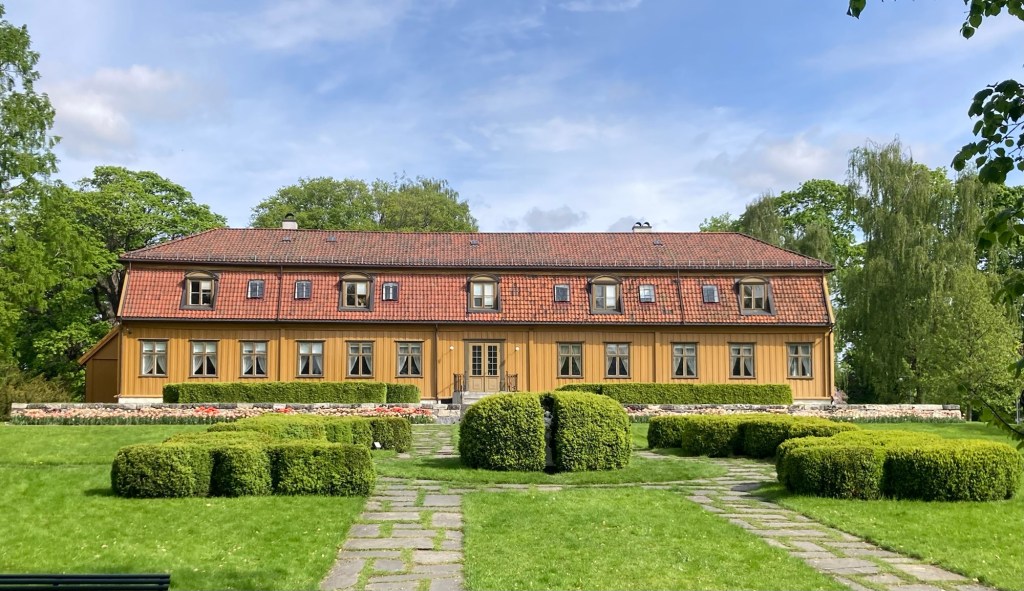
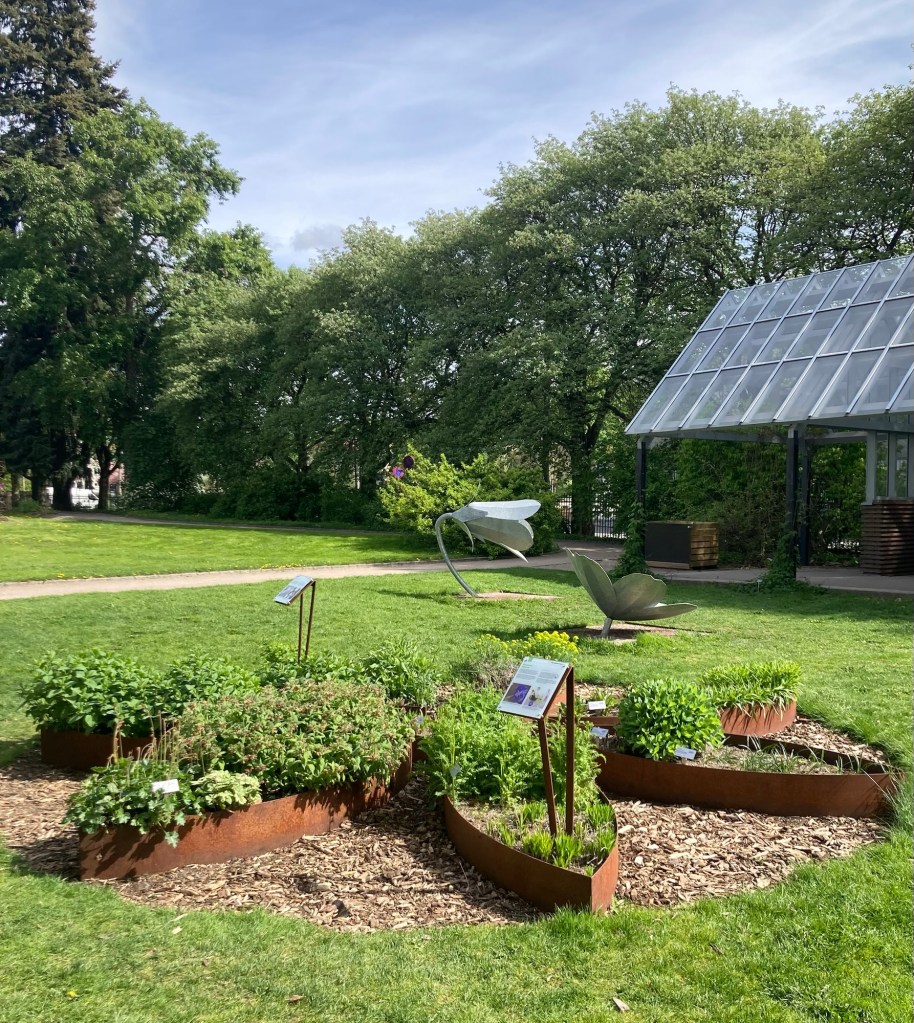
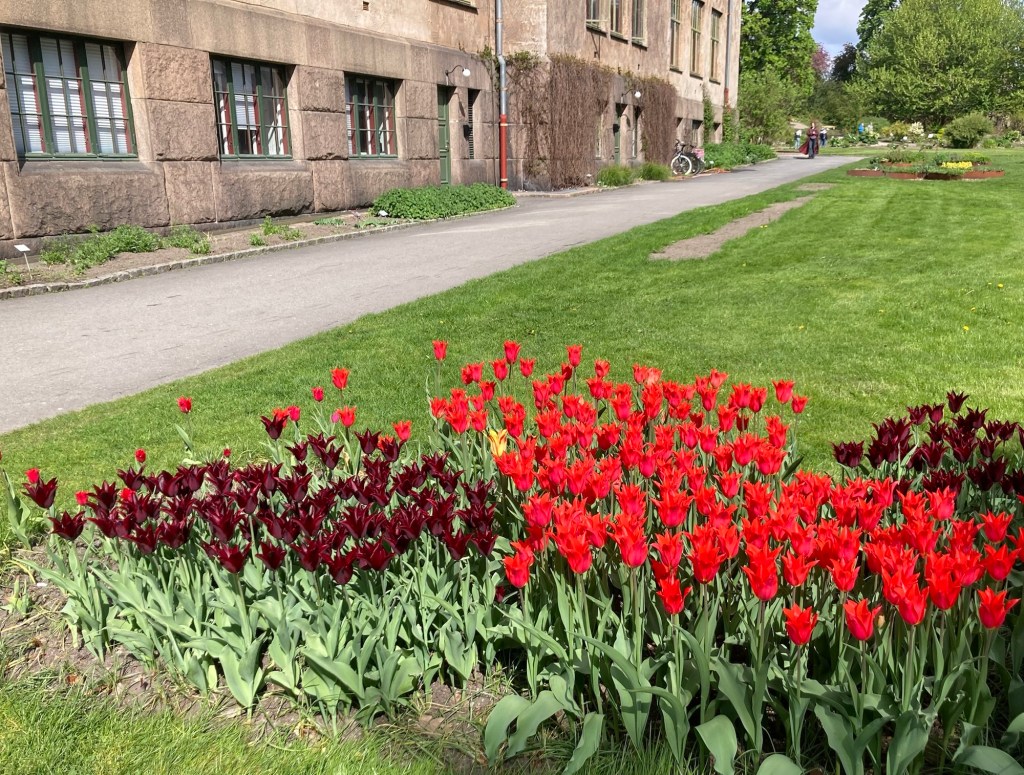
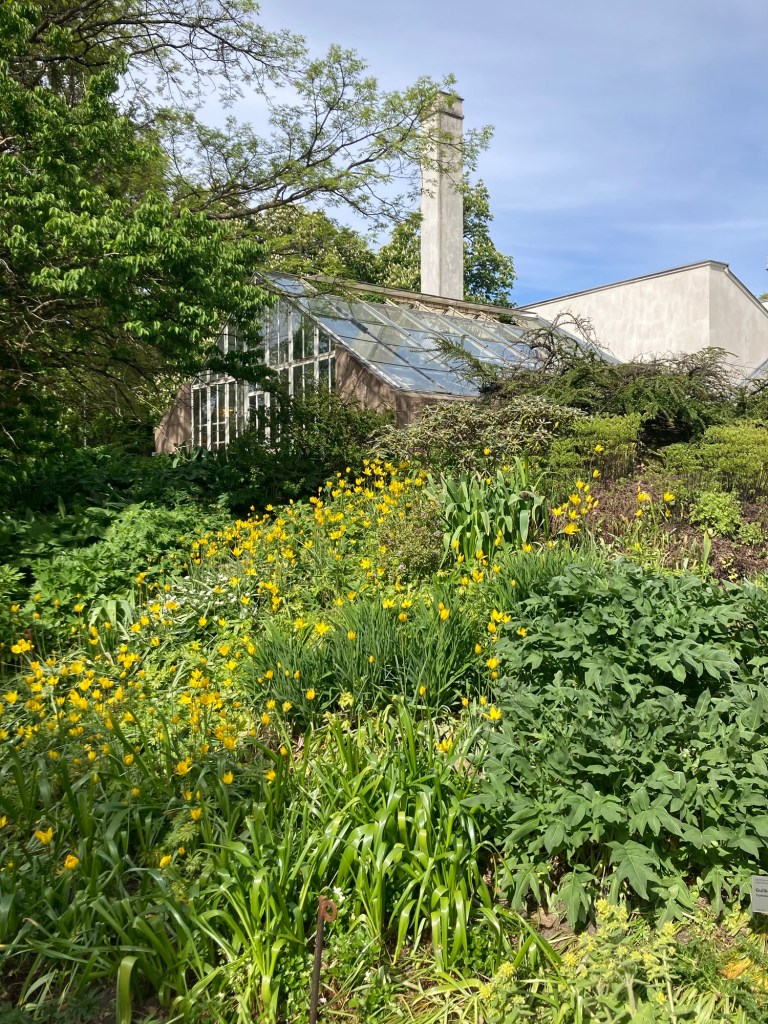
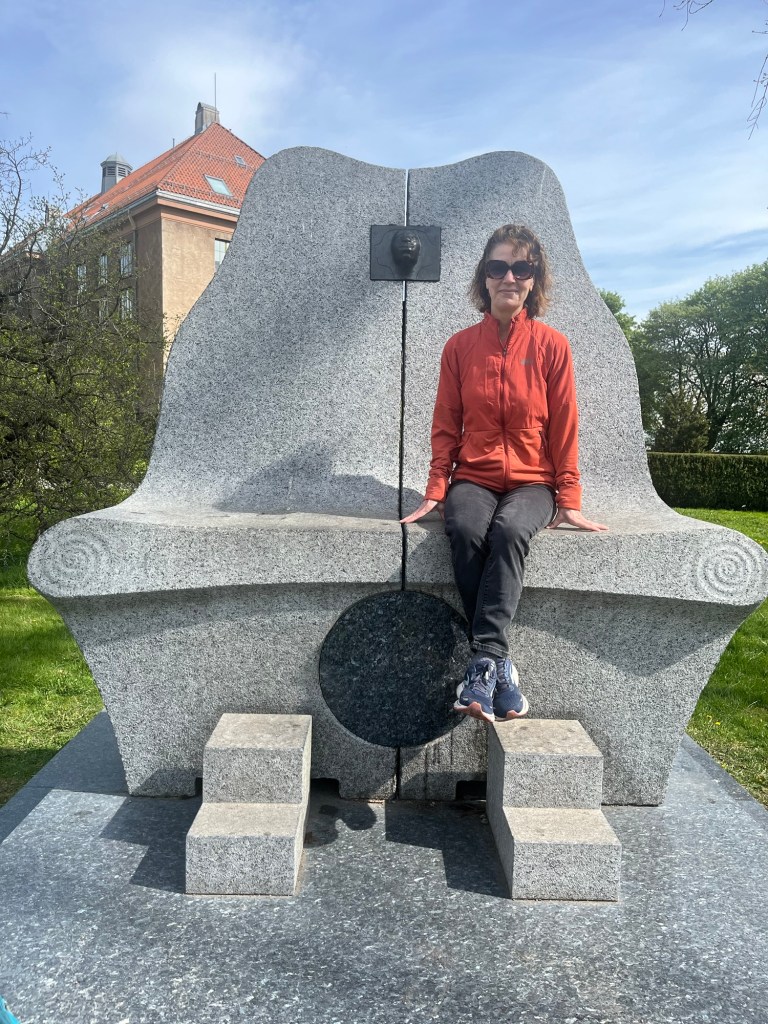
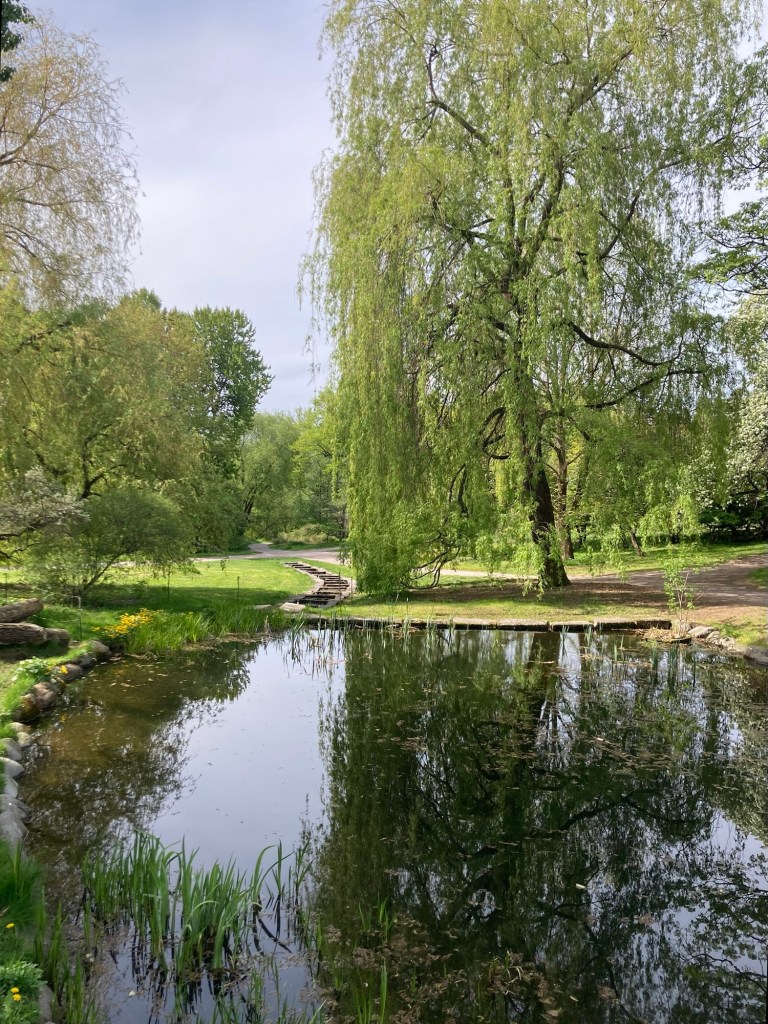
It was about a 45 minute walk from the cemetery to the Botanic Gardens, taking us through new parts of Oslo. The gardens were free to visit and provided another lovely area to walk around. Since I don’t know that much about flowers, I will just include some pics from our visit.
As you can see, we’ve had another gorgeous day in Oslo. We didn’t even need to start out with coats on this morning! See the next blog for the remainder of today’s adventures.
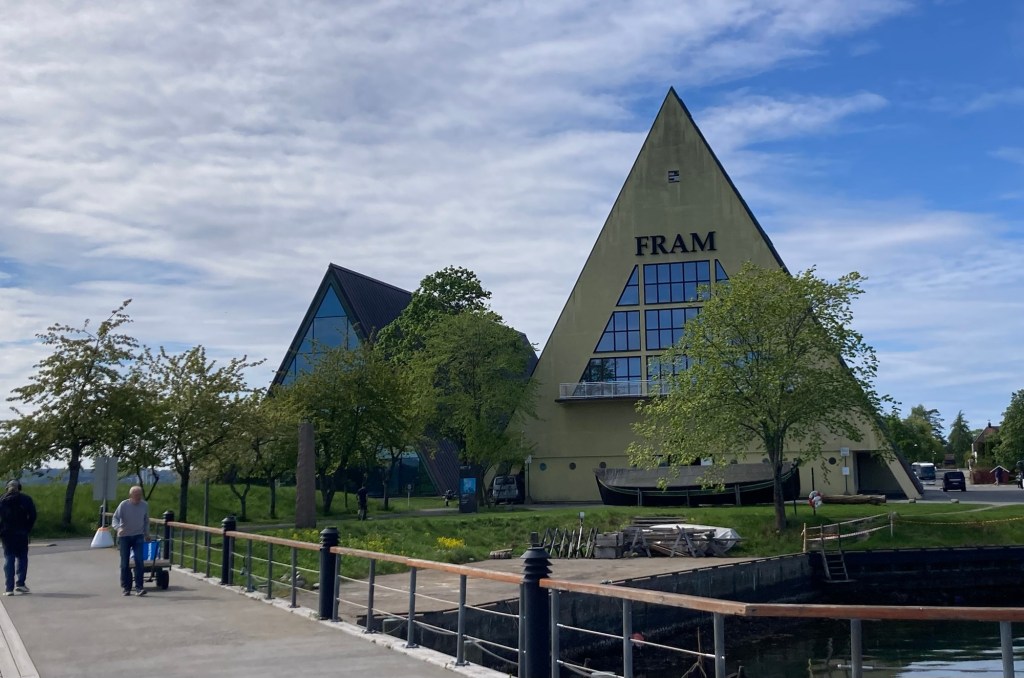
For our indoor activity, Bob and I walked about 45 minutes from Vigeland Park down to the harbor to catch a ferry to the highly recommended Fram Museum, a museum dedicated to Norway’s impressive history in polar exploration. The ferry would take us to the Bygdoy Peninsula, where there are a number of museums.
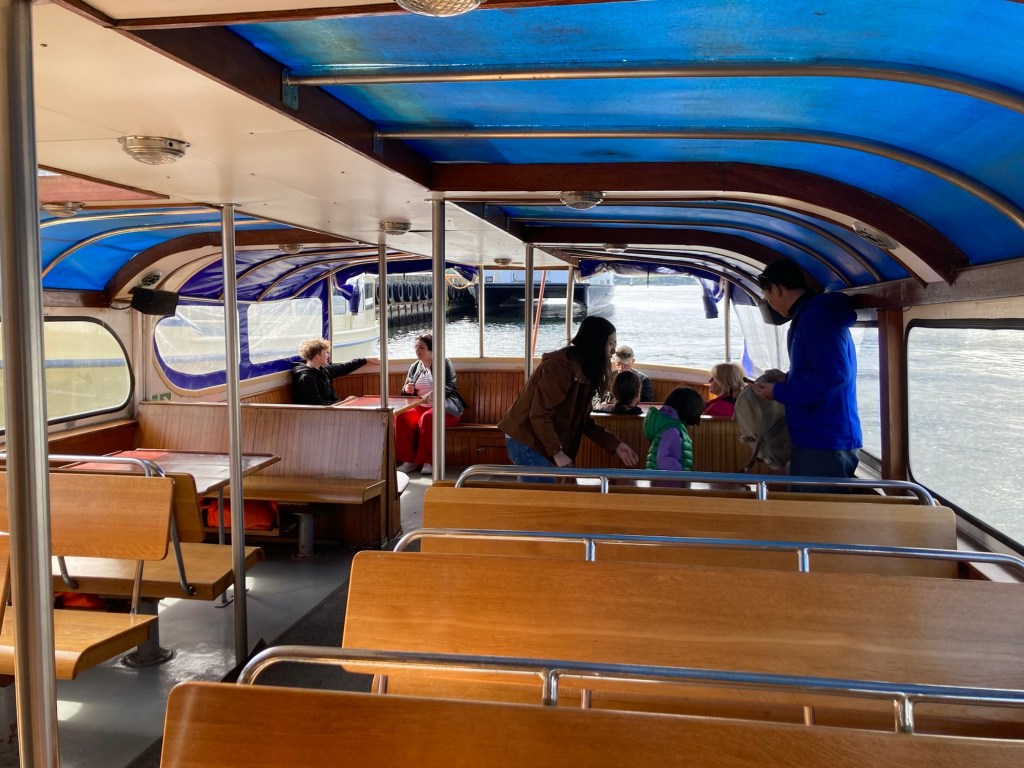
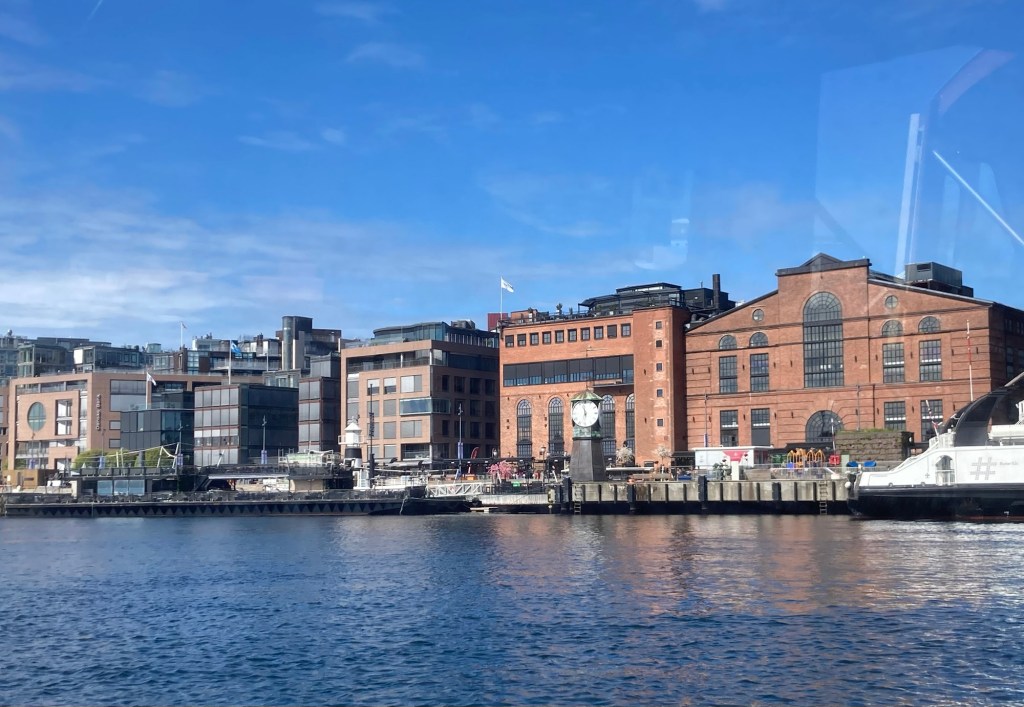
The ferry left from the harbor near City Hall for a 10 minute crossing to the peninsula, where it makes two stops. The first stop is for the Norse Folk Museum and then onto a second stop for 3 museums and a Holocaust Center. We got off at the 2nd stop for the Fram Museum. We paid approximately 11 US dollars per person for the round-trip ride, which leaves every 20 minutes.
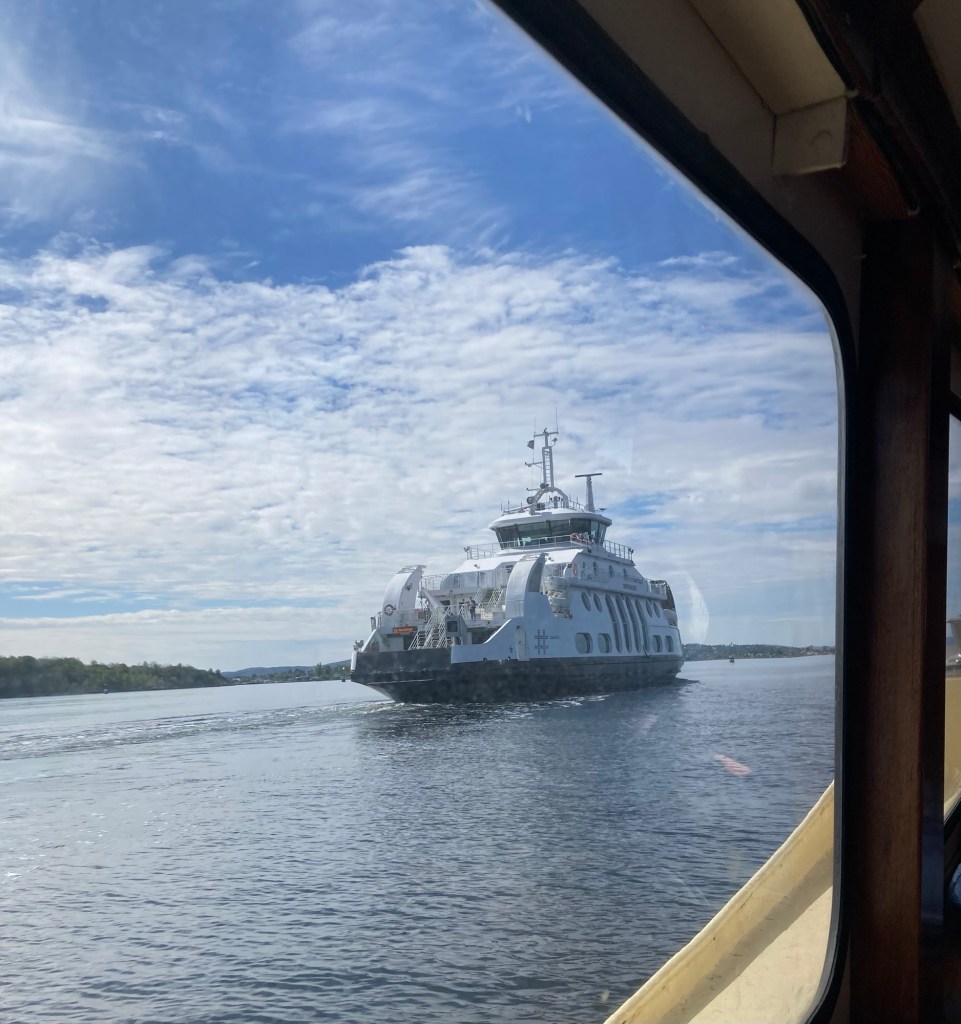
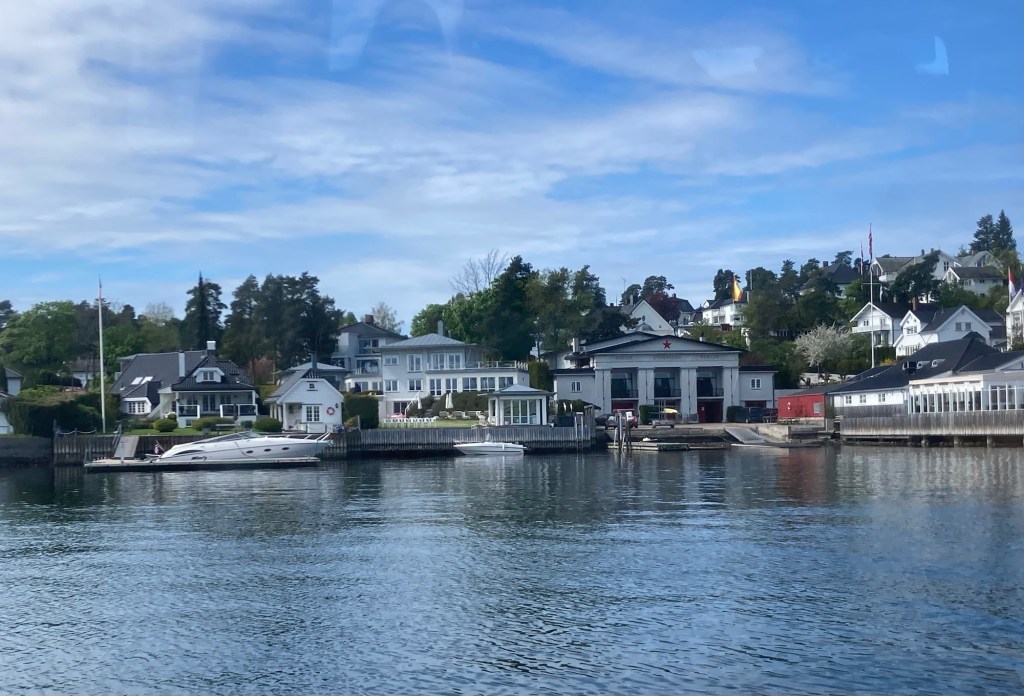
Looking towards the back of the ferry as we enteredView of the residential development along the harbor from the ferryA view of a larger boat headed out while we were en routeThe 1st stop for the ferry for the Folk Museum Exiting at our stop very close to the Fram Museum
Travel writer Rick Steve’s really recommended the Fram Museum and polar exploration is something that we have found interesting in other museums, most recently the Scott Polar Research Institute Polar Museum in Cambridge and a few years ago in Hobart, Tasmania. We had been looking forward to the introductory film, but sadly that wasn’t available today. However, it still did a great job of explaining Norway’s impressive role in polar exploration and demonstrating the resilience in the individuals involved.
There are a number of Norwegians that played vital roles in the exploration of both the north and south poles. Two of the most important were Fridtjof Nansen, who proved the theory of the east-west current in the Arctic and helped fill in the gaps of understanding of the land areas in the Arctic, and Roald Amundsen, who was the first to navigate the Northwest Passage, the first to reach the South Pole (nosing out the doomed Brit Robert Scott, and the first to fly over the Northwest Passage Pole and across the Arctic Ocean.
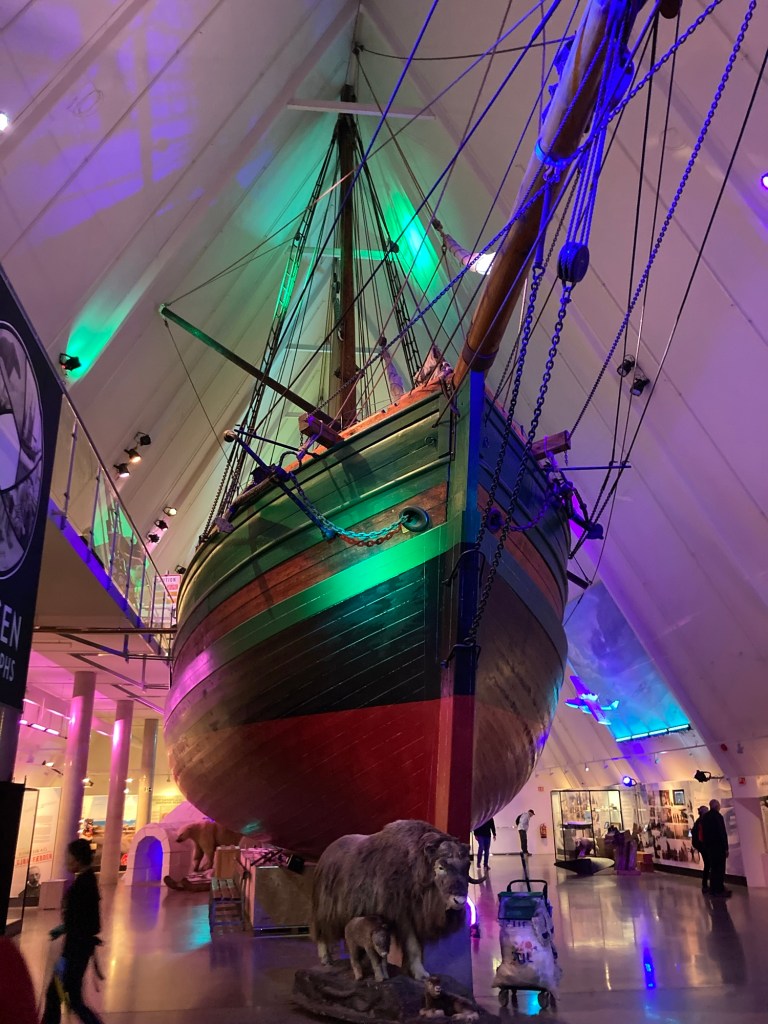
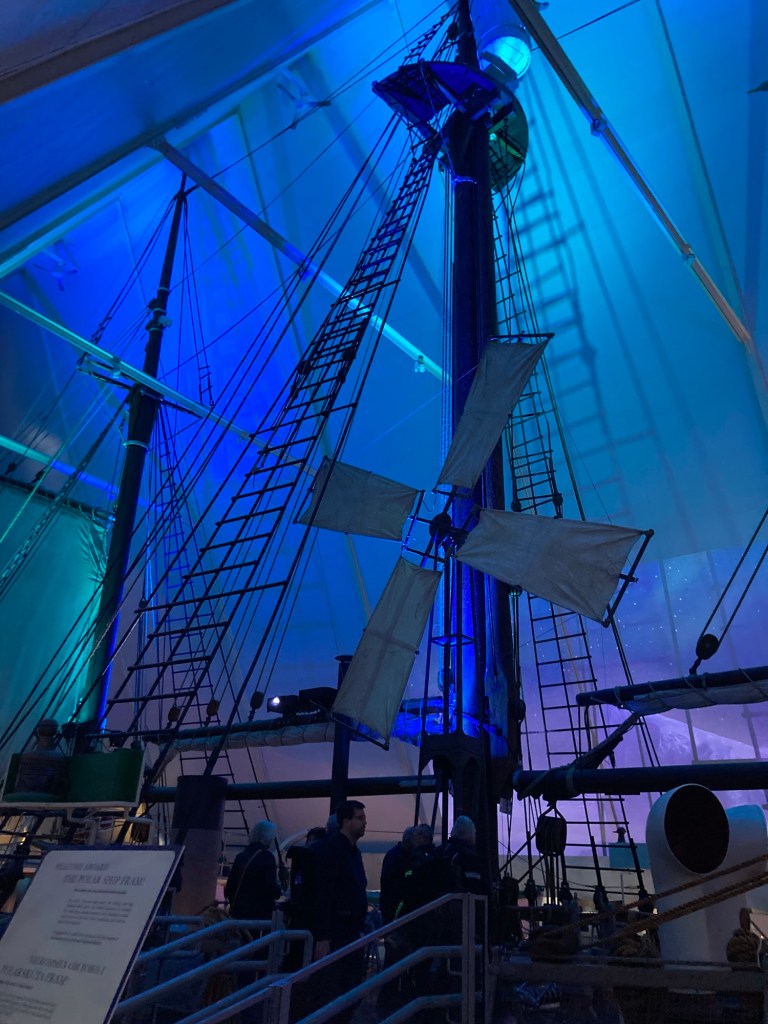
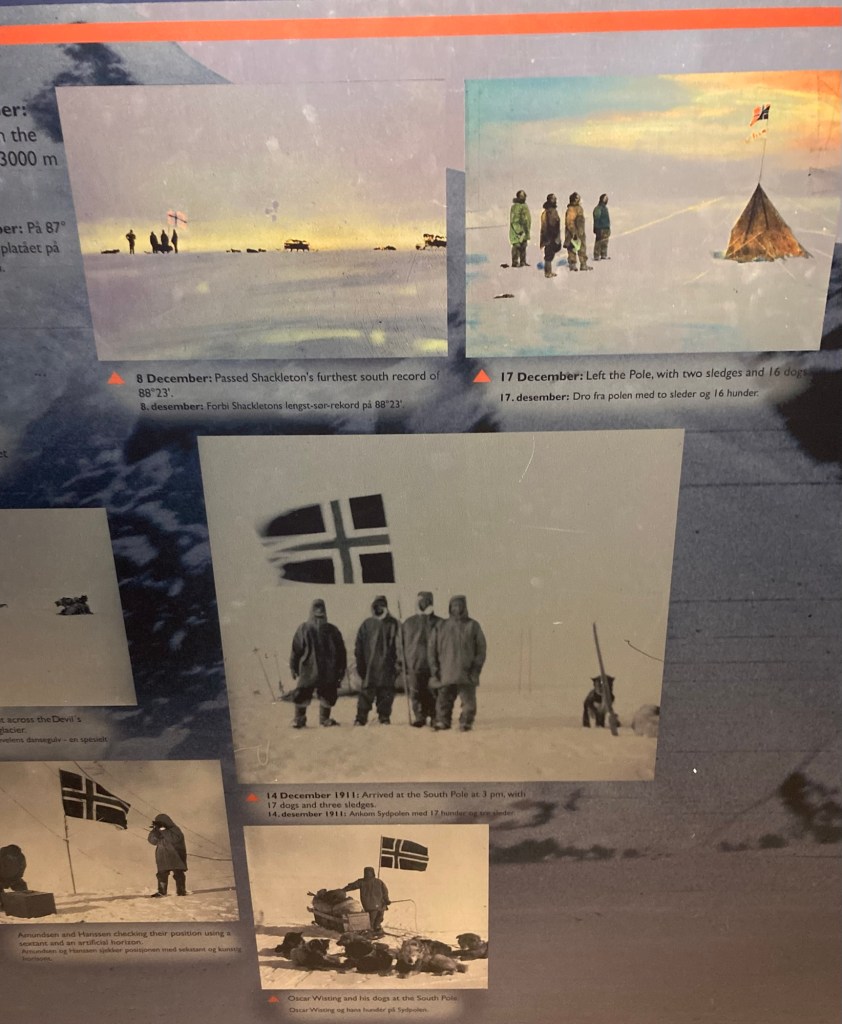
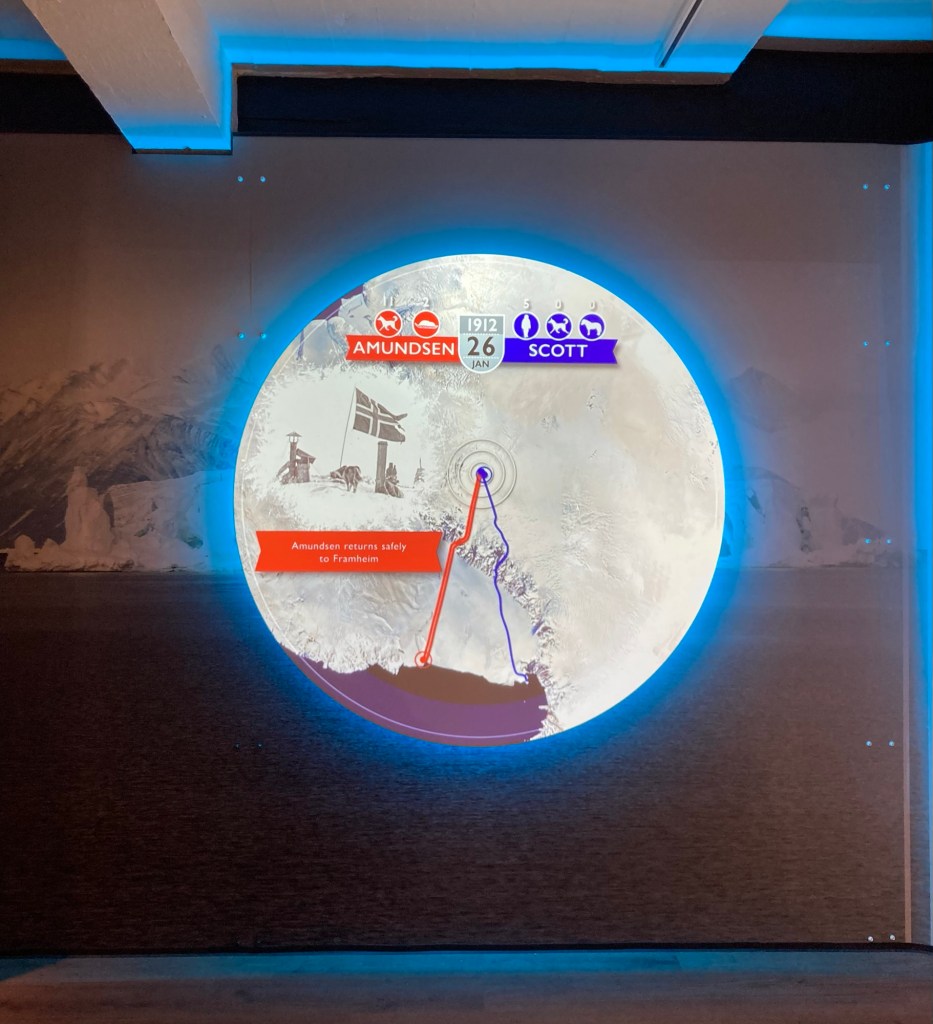
The museum provided an interesting timeline to compare Amundsen’s trip to the South Pole versus Scott’s, but the highlight of the museum was the ability to see and explore two well-preserved ships important to polar exploration— the Gjoa and the Fram.
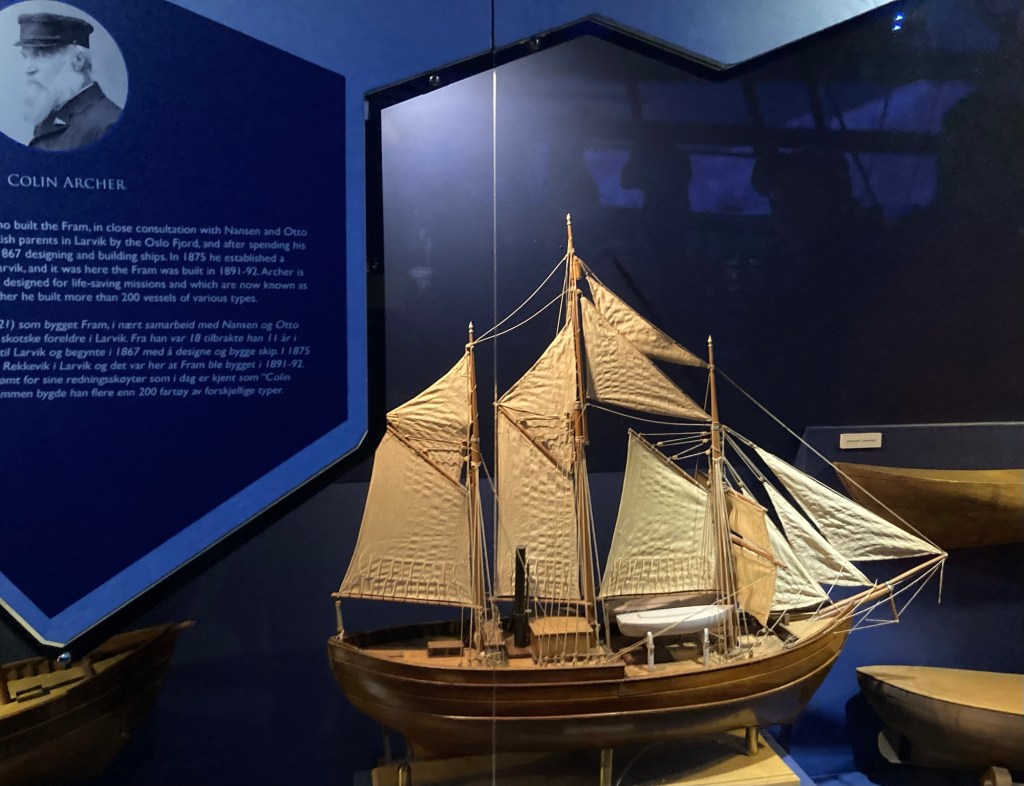
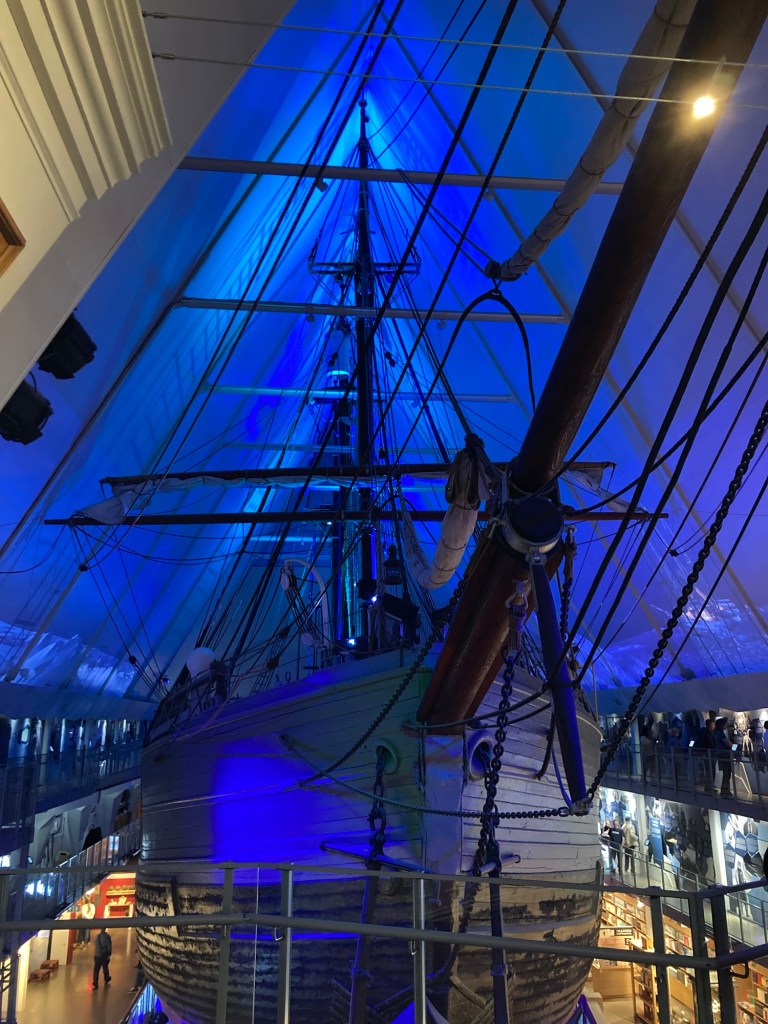
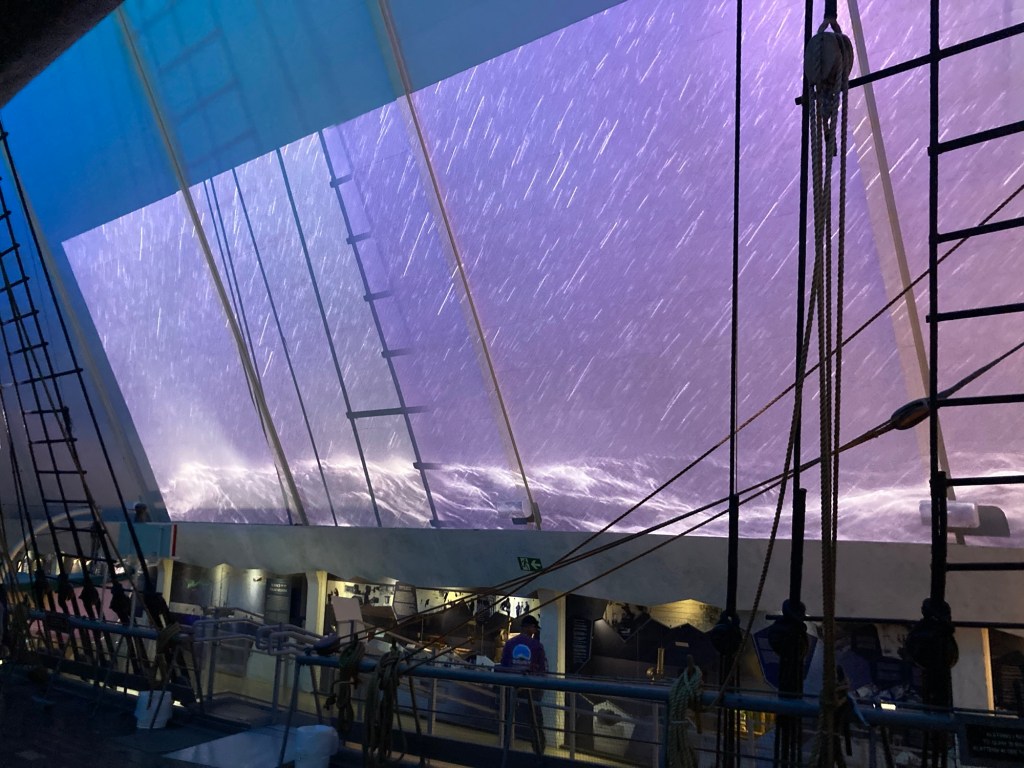
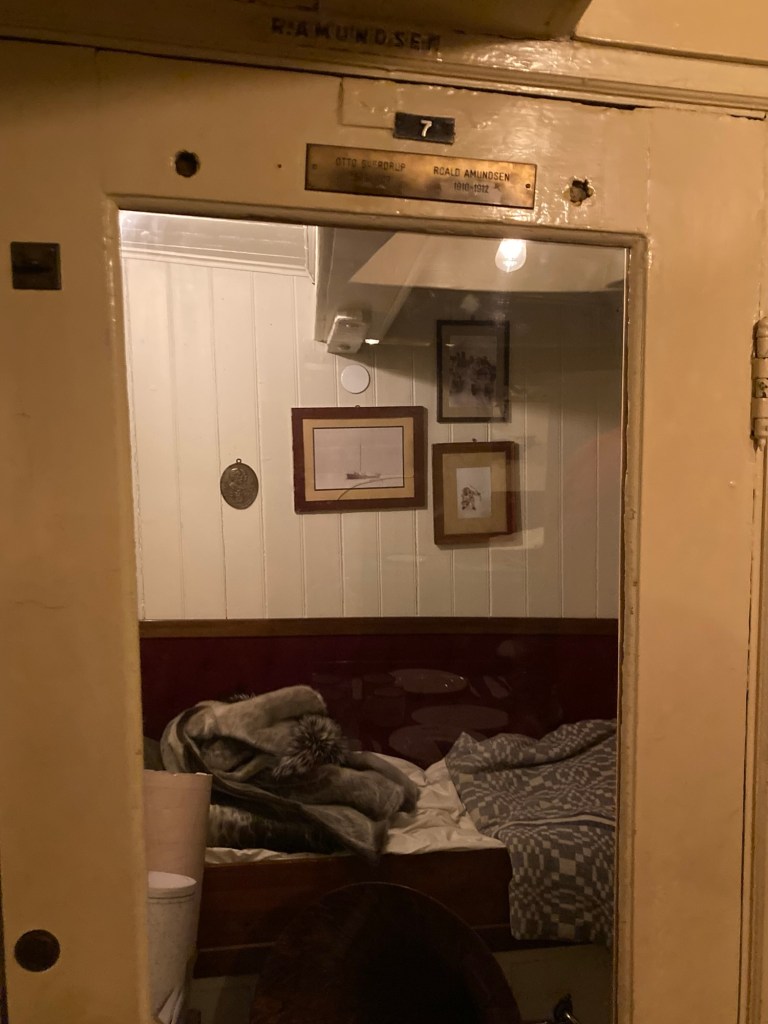
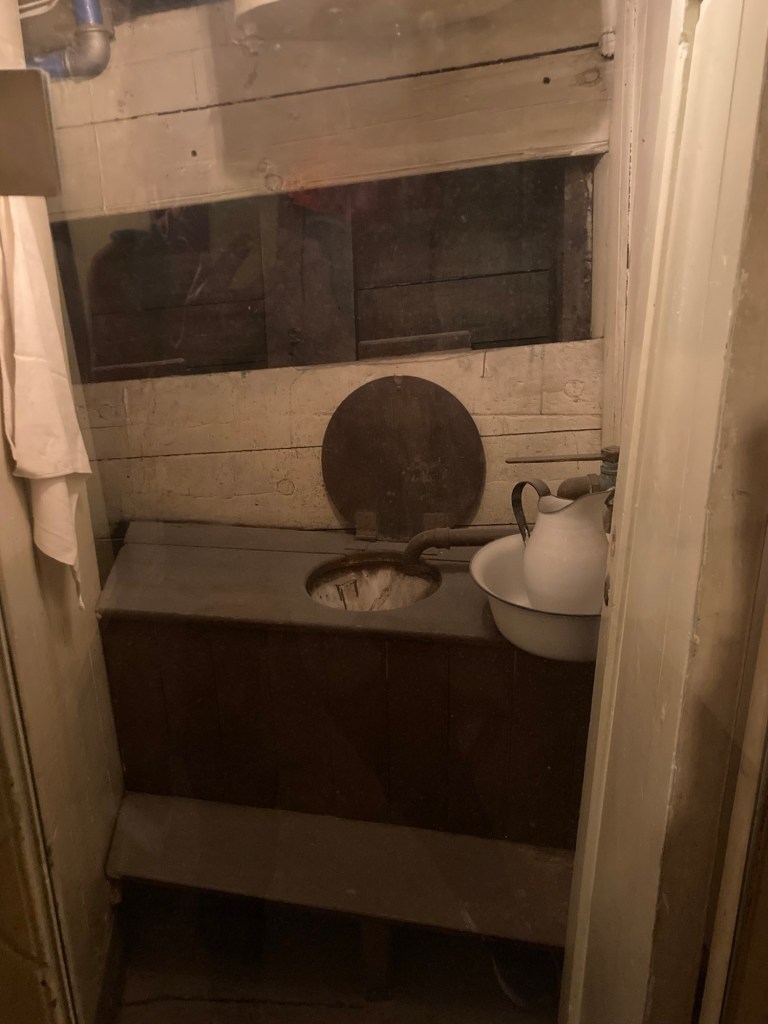
The Gjoa, the first ship to transit the Northwest PassageThe Fram, designed by the Norwegian Colin Archer, was used in both Arctic and Antarctic explorations, including in Amundsen’s successful first trip to the South PoleThe front view of the FramThe windmill on the Fram ran the generator on board to provide lighting Once on board ship, they played weather scenes to give you a bit of the experience of being on a ship during stormsThe bunk room of Roald AmundsenThe toilet The planting of the flag by the Amundsen group on December 14, 1911A display which showed the different timelines of Scott and Amundsen, who knew that each other were there nearby.
After the museum, we walked through the small nearby park before catching the ferry back to the inner harbor.
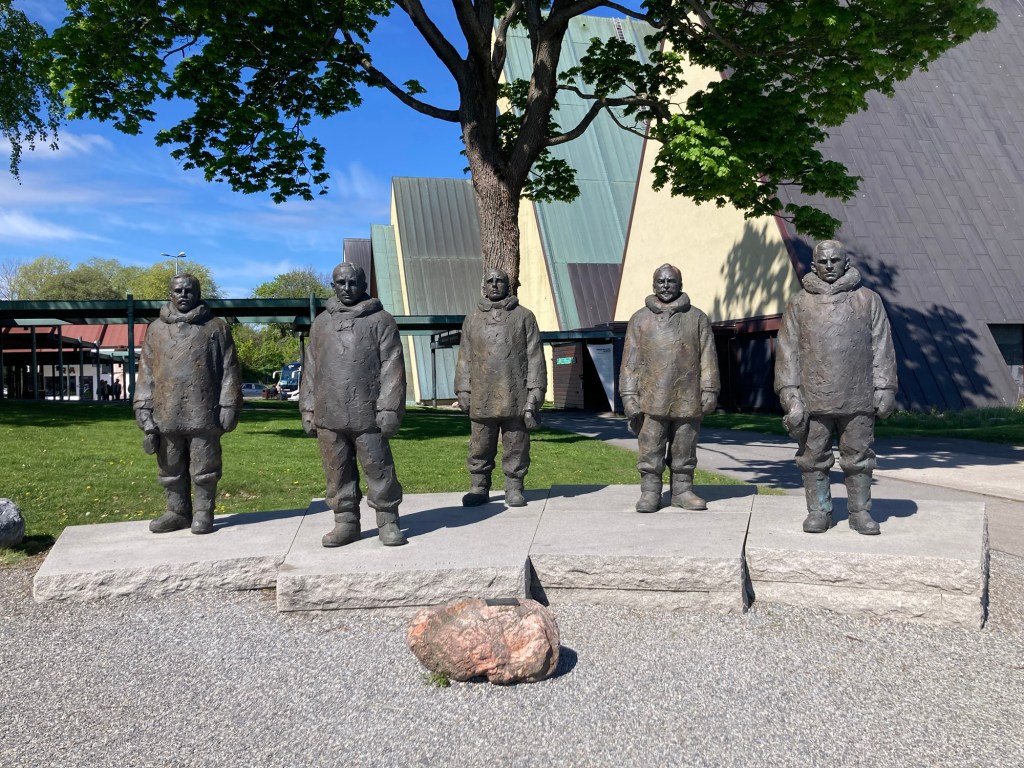
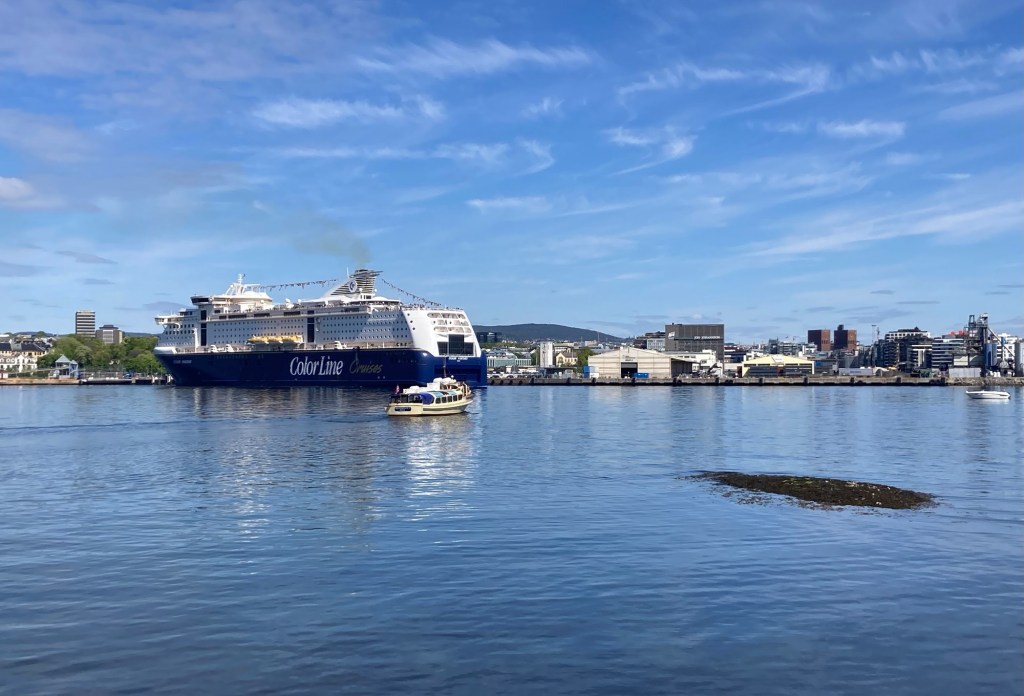
A statue of the 5 men that got to the South Pole first: Roald Amundsen, Helmer Hansen, Oscar Wisting, Sverre Hassel, and Olav BjaalandThe ferry that left right before we got to the pier needed to wait for an outgoing cruise ship before proceeding to the inner harbor“Our” ferry for the trip back
Another 2-blog day, which either means a good sight-seeing day or I’m a poor photo editor or maybe both. This is the 1st blog, and if you’re so inclined, today’s second blog is Fram Here to the Poles.
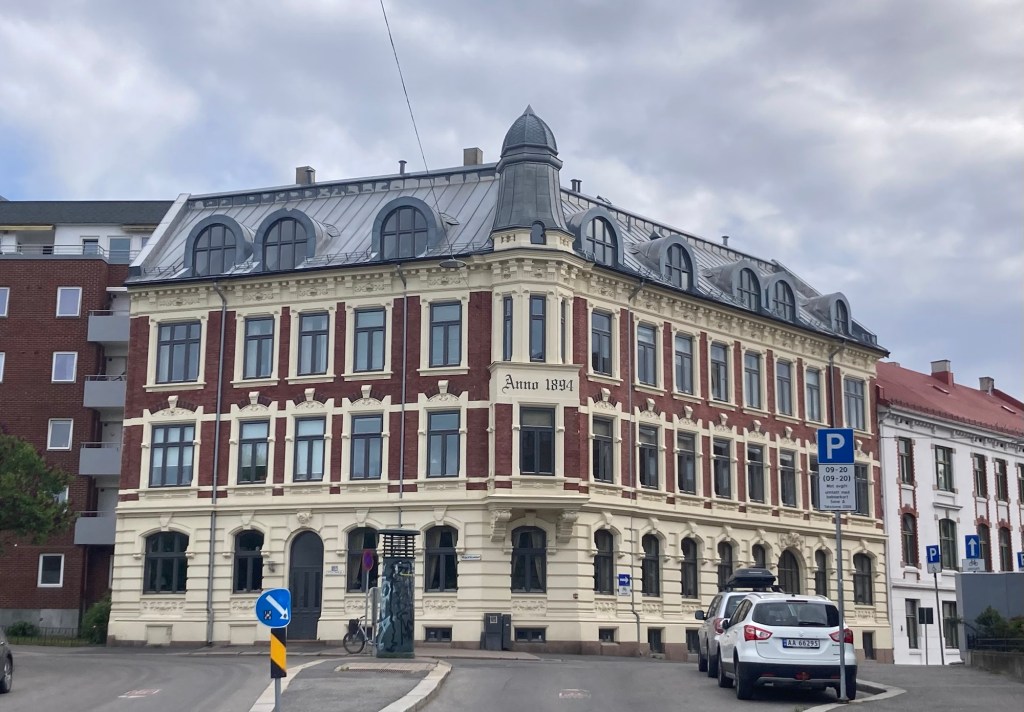
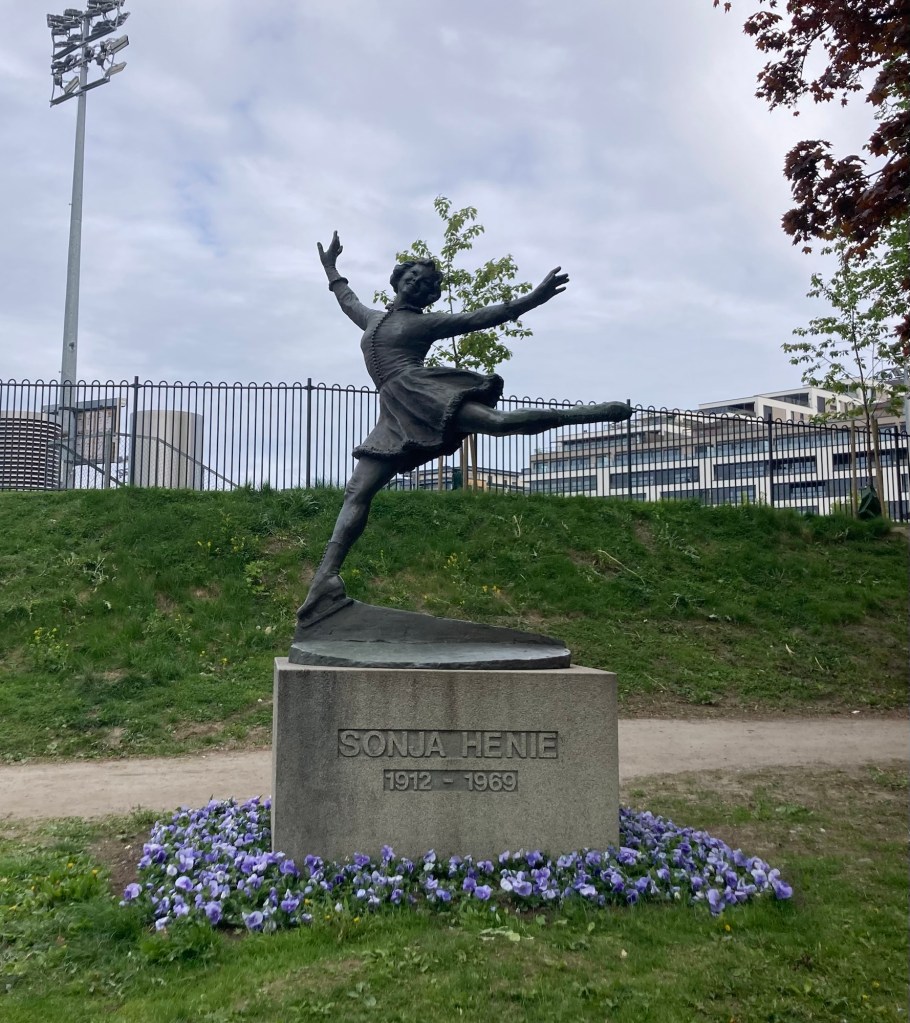
Bob and I had planned an indoor/outdoor day on what turned out to be a gorgeous 62 degree F day. We started with the outdoor activity and headed for Vigeland Park, about 1.5 mile walk from our hotel through some lovely commercial and residential areas. I took a few photos of buildings or sculptures that caught my eye on our walk to the park.
Impressive rock and building (what you can see of it)A Norwegian athlete almost anyone (at least of a certain age) has heard of
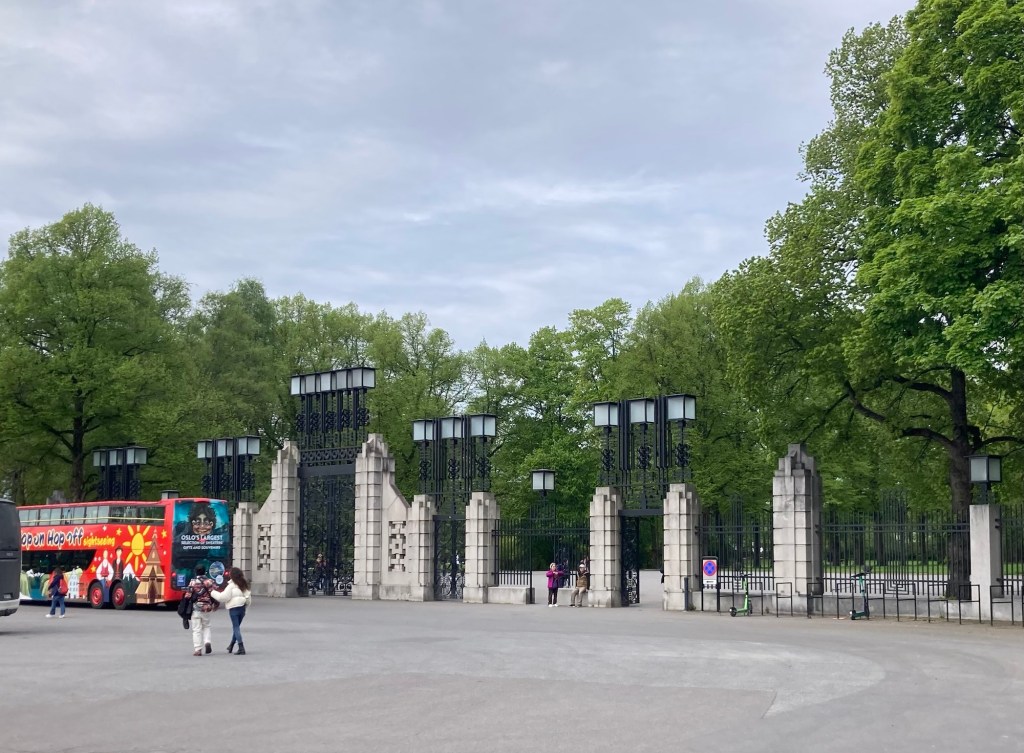
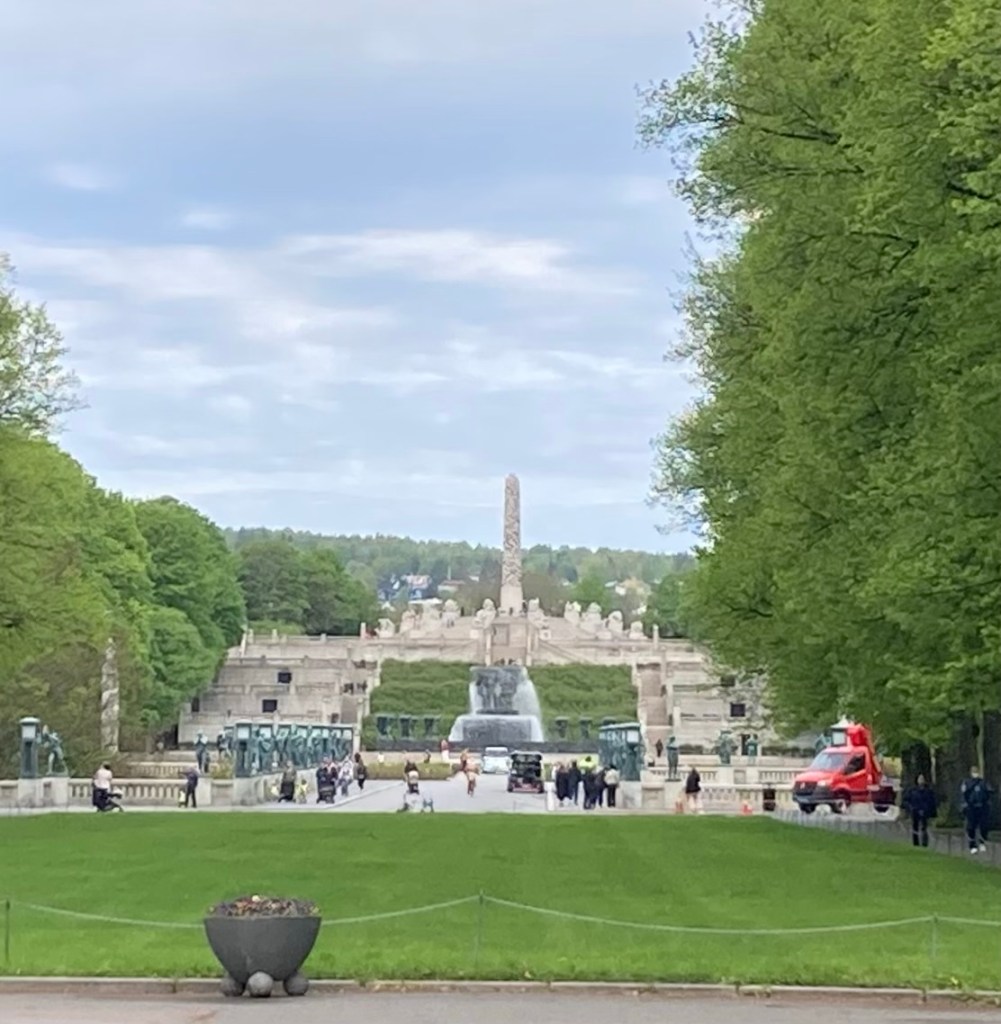
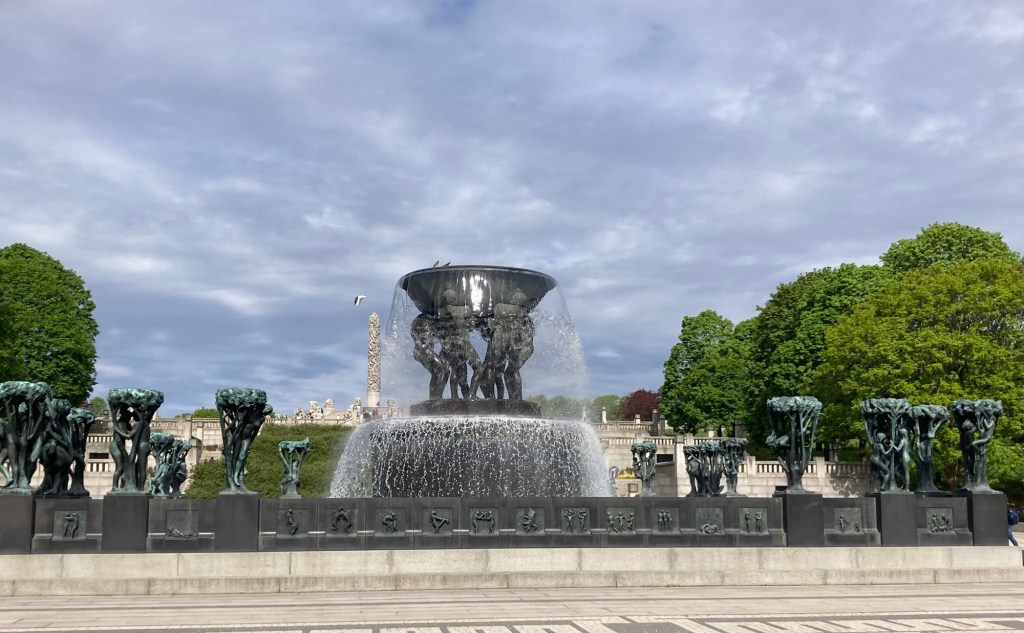
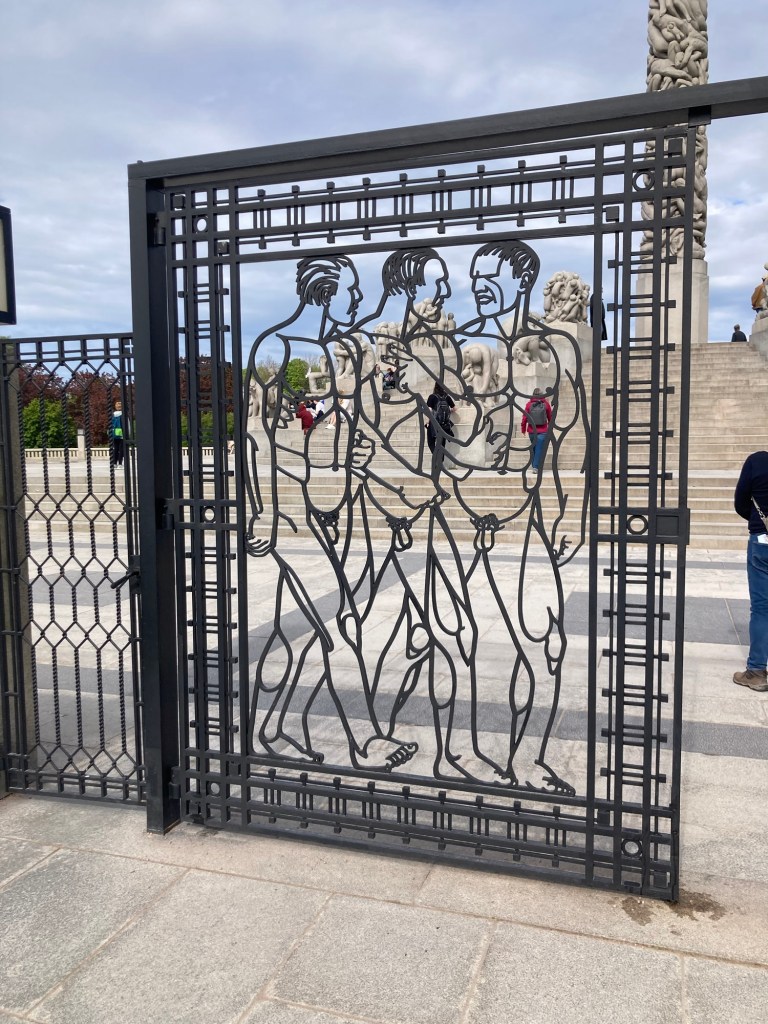
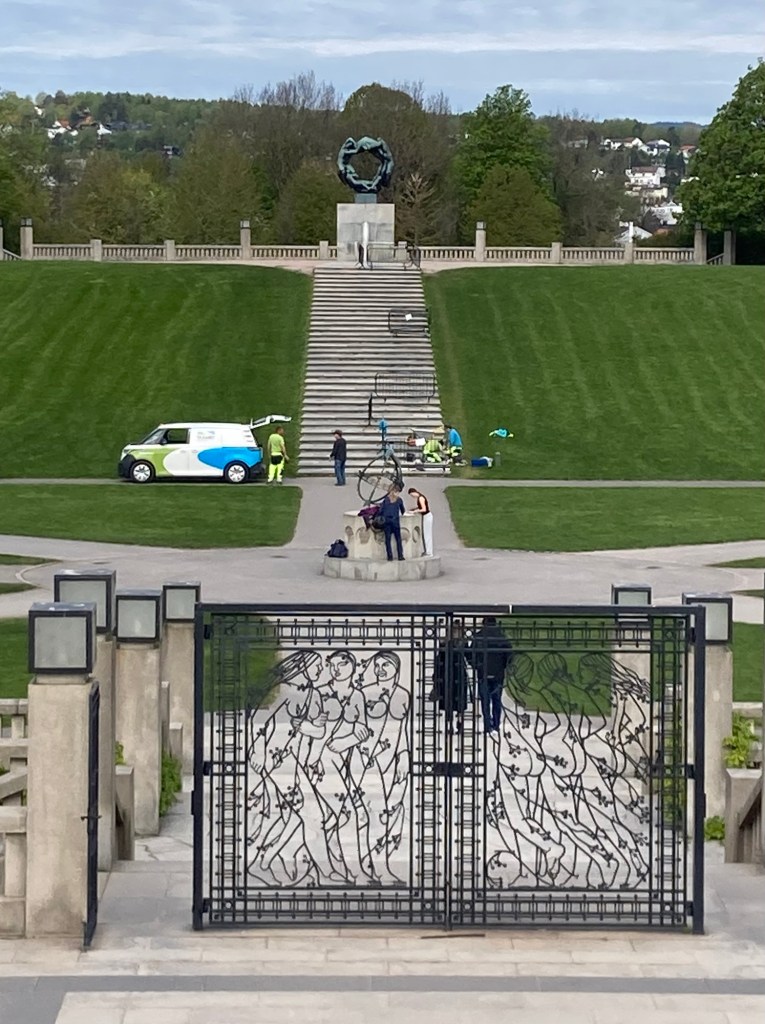
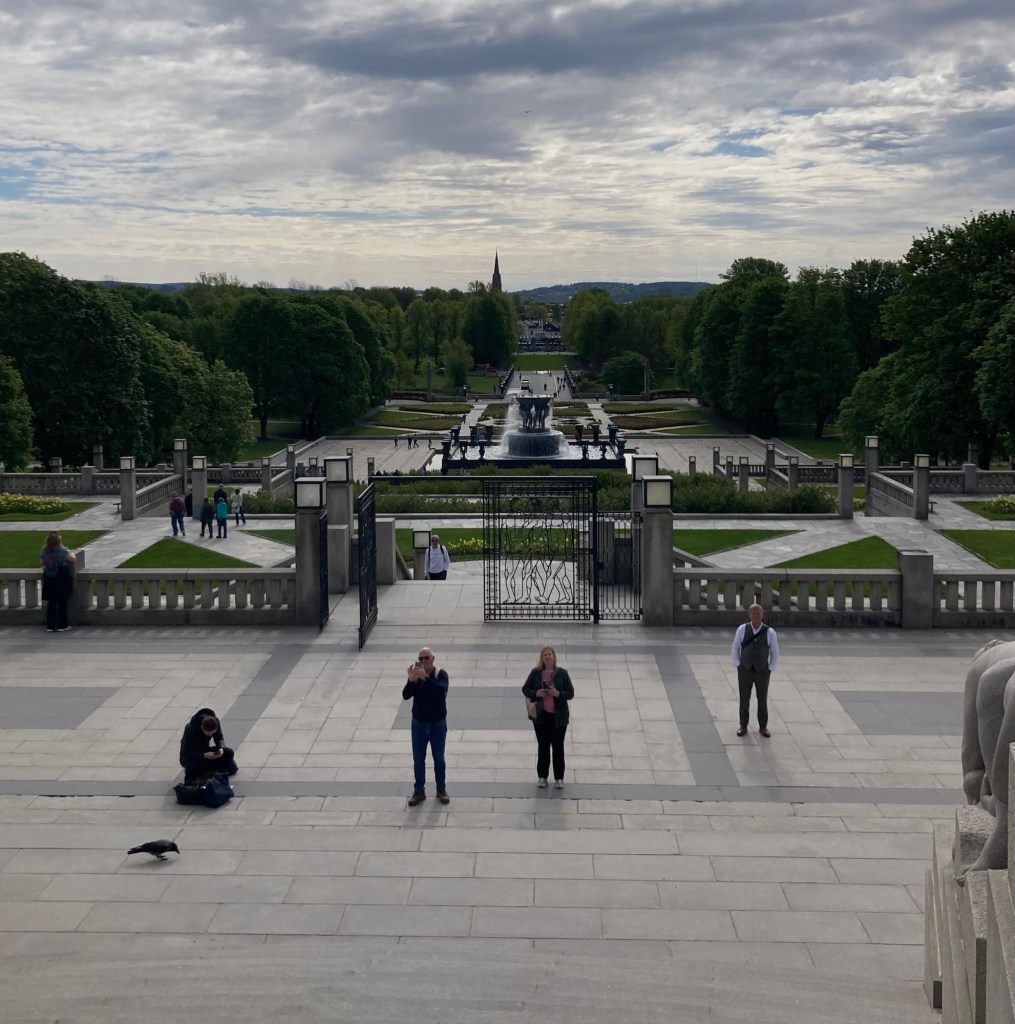
Vigeland Park is a sculpture park that contains Gustav Vigeland’s life work, comprising 200 sculptures in granite, bronze, and wrought iron. The pieces, all human forms in various formations, represent 40+ years of work and were installed in the park during the 1940s. The park is a gorgeous large and well-landscaped green space that make an amazing setting for his fountain, bridge sculptures, monolith, and the wheel of life.
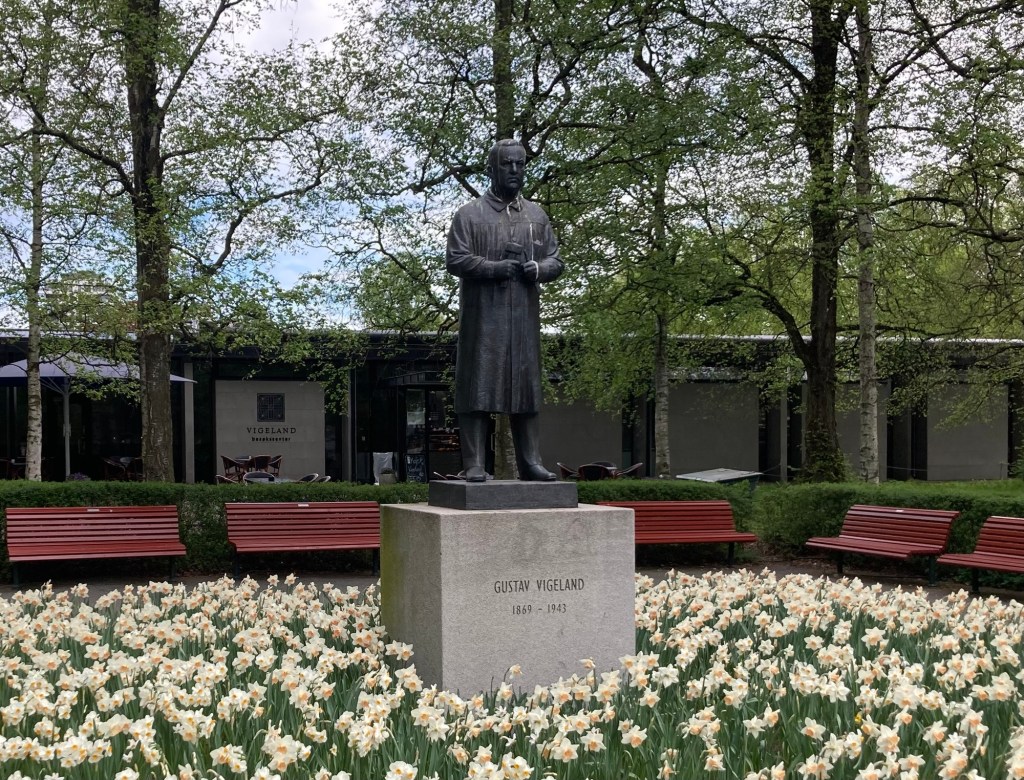
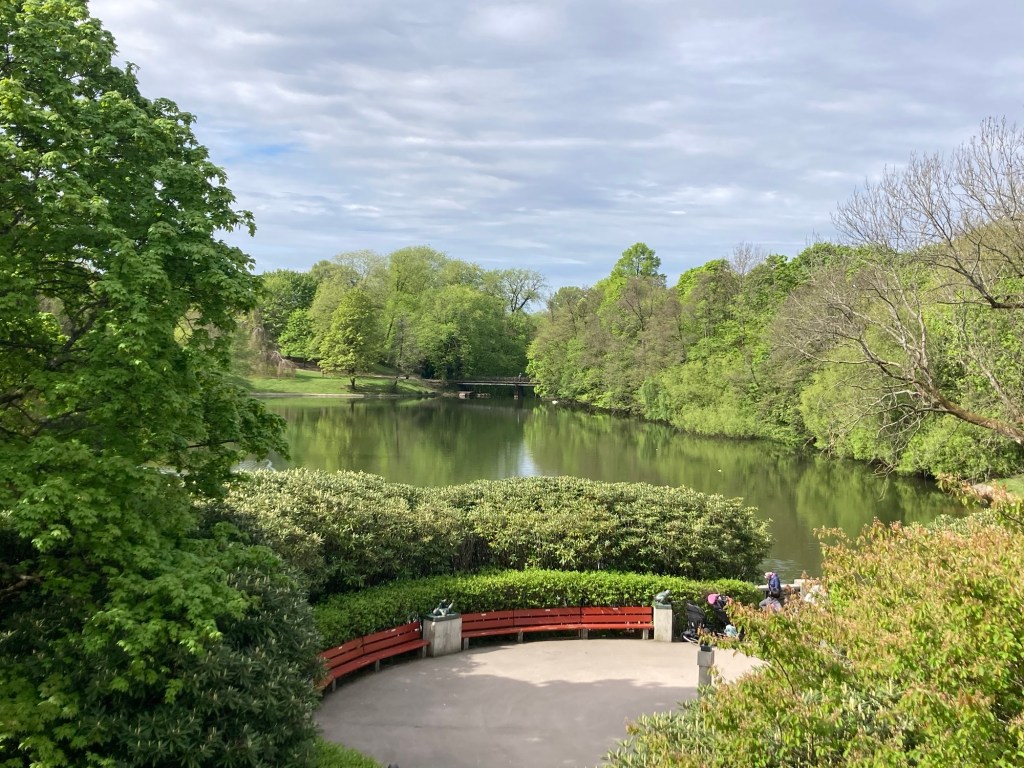
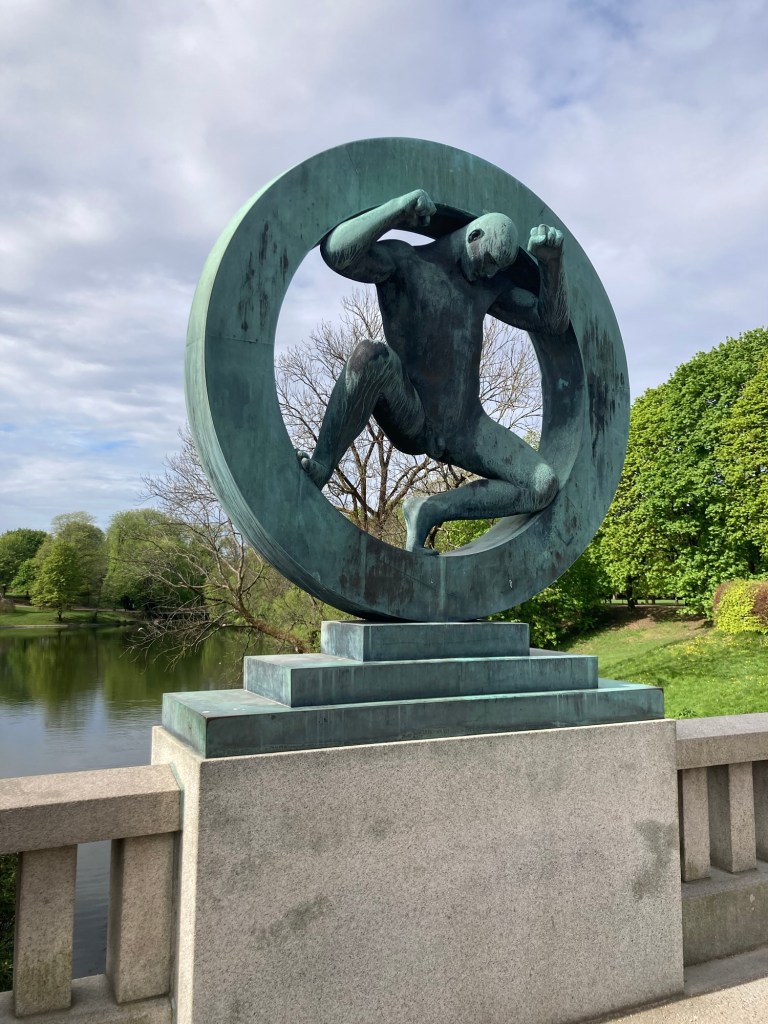
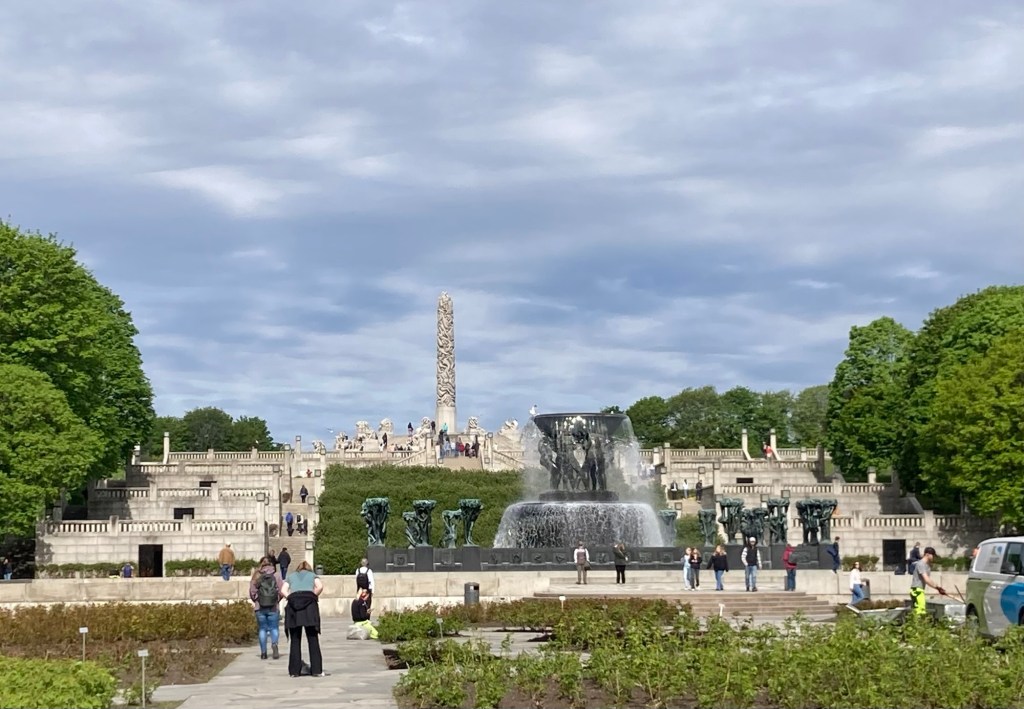
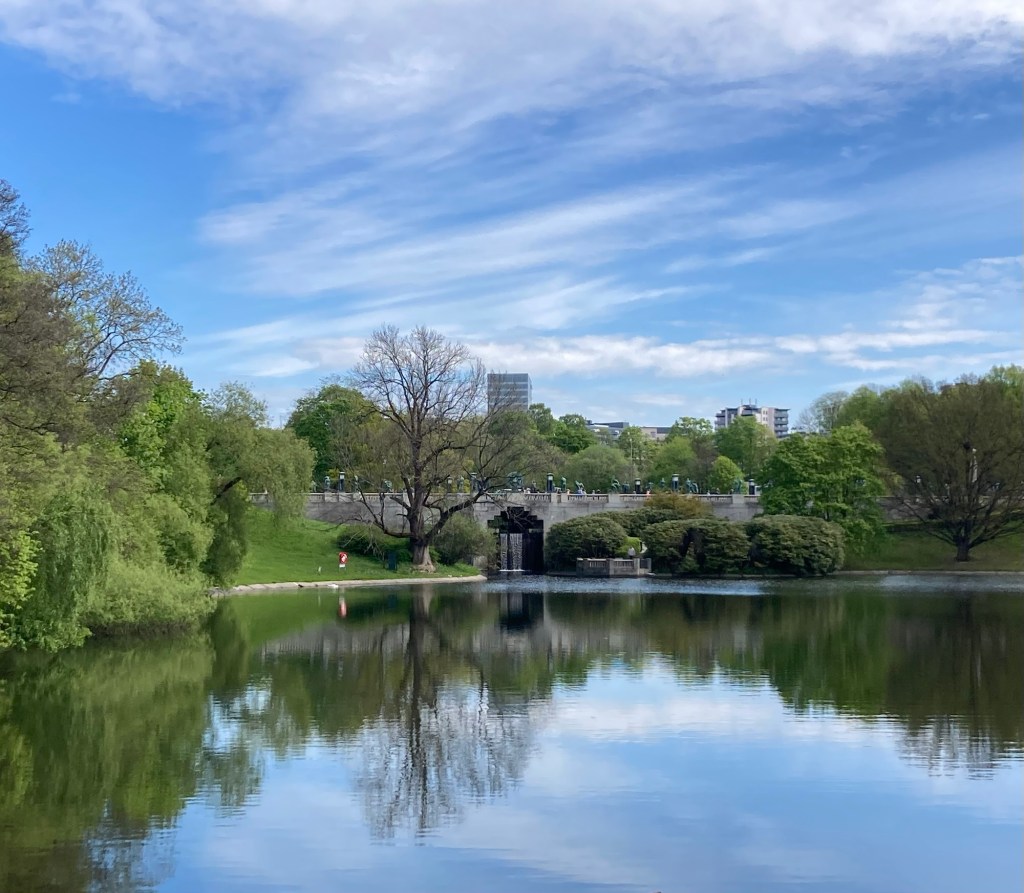
Gate at the entrance of the parkLooking across the lawn towards the bridge, then the fountain, and then the monolith.A statue of the prolific sculptor at the entrance of the parkSome of the 58 bronze statues on the bridge The beautiful pond in the park which the bridge spans Another bridge sculpture A view of the fountain and The Monolith areas from the end of the bridgeThe fountain and surrounding statuesA closer look at the statues on one corner of the plaza surrounding the fountain One of the wrought iron gates leading to The Monolith The Monolith, carved out of one stone block, stands at the top of the park. It contains 121 human figures.Looking passed The Monolith to The Wheel of LifeLooking back down towards the front gate from up by The MonolithLooking back towards the sculpture bridge on the way out of the park
From the rear of City Hall, we crossed the street to peruse the harbor via Rick Steve’s book, which we could tell others were using as well or at least being sent to the same locations. The harbor front has apparently undergone a transformation and is a lovely entrance to the Oslo Fjord, with its 40 city-owned islands.
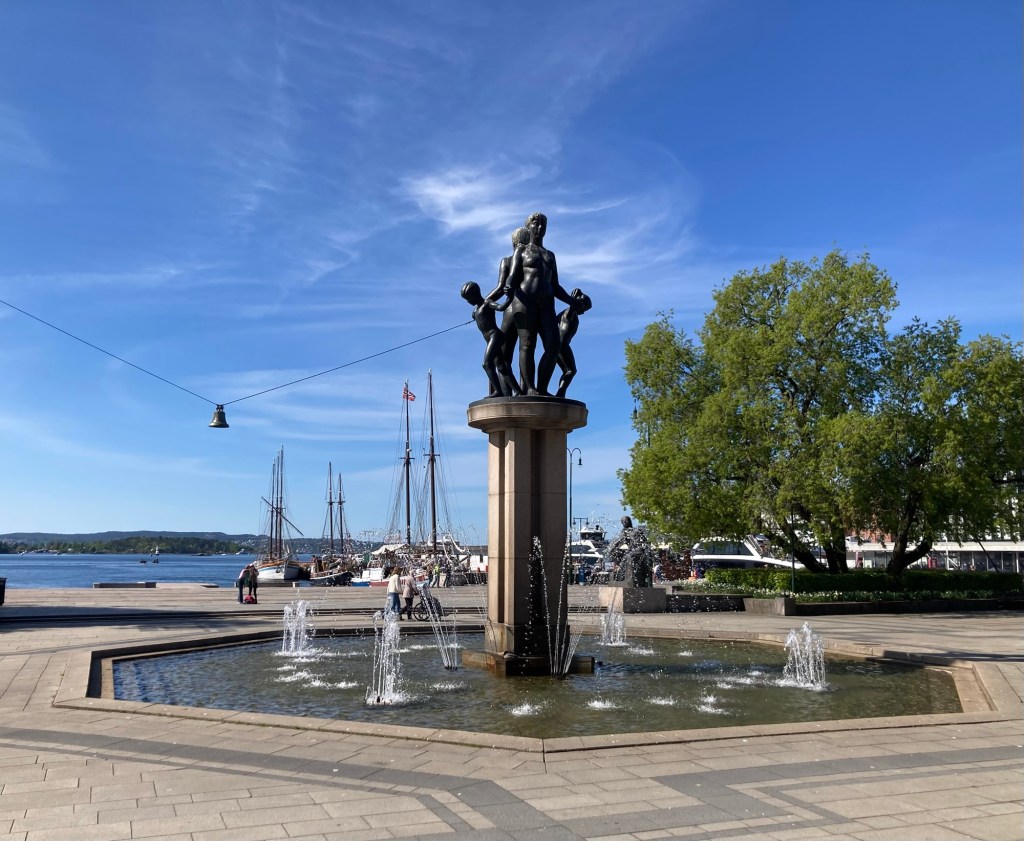
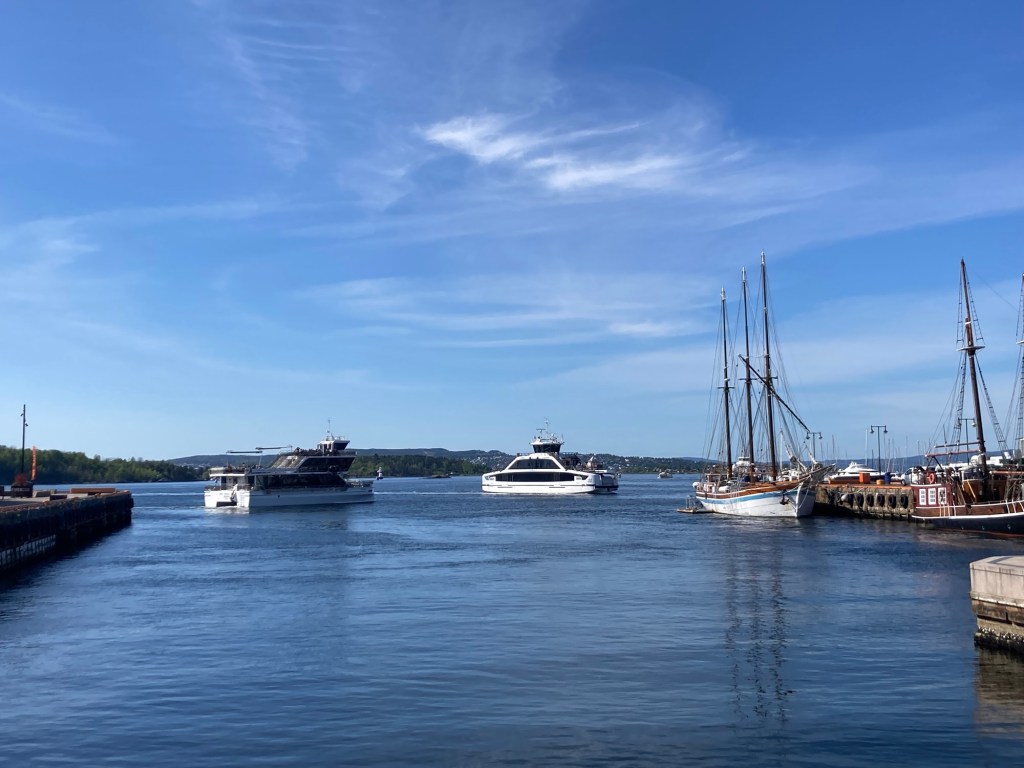
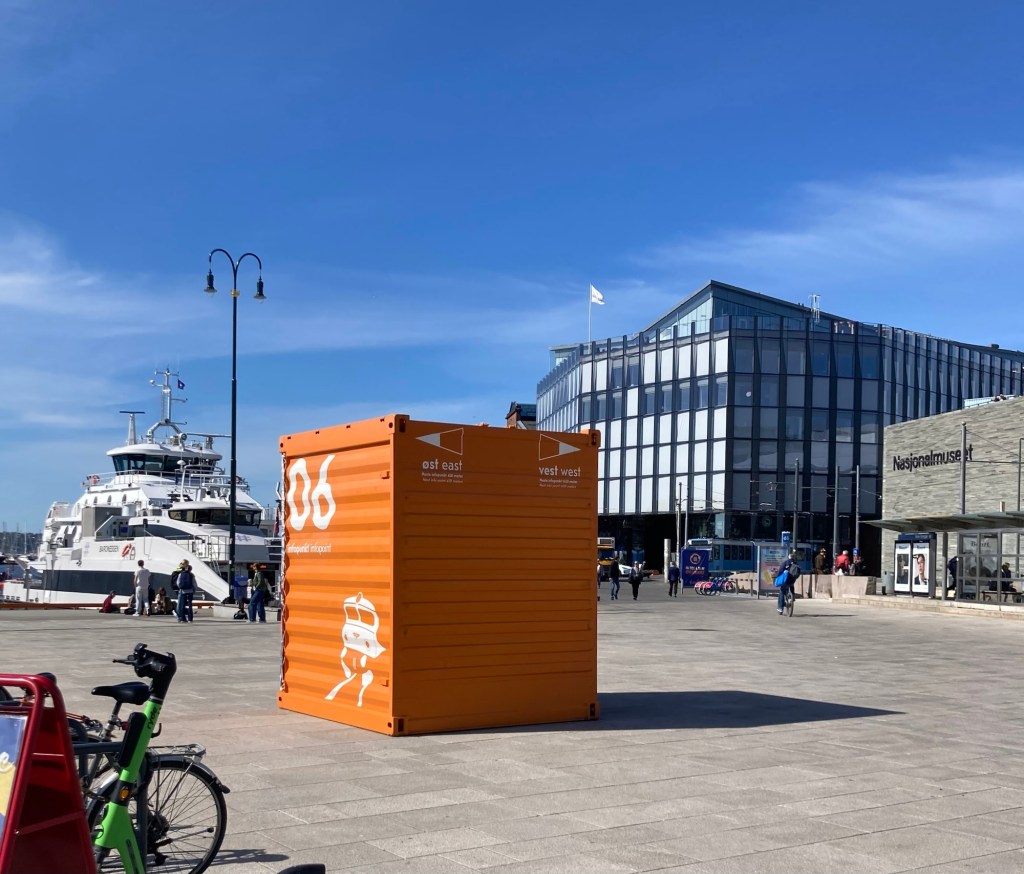
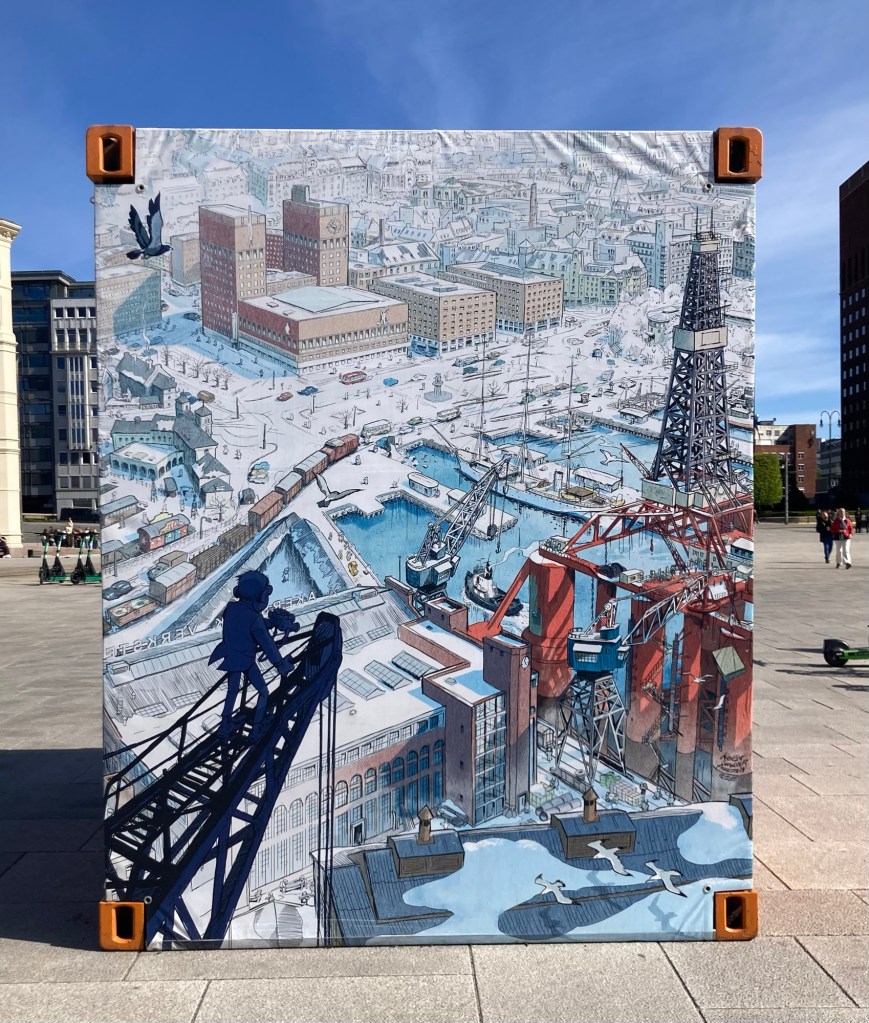
A fountain across from City Hall in front of the harbor. The hanging bell only sounds when someone steps on a pedal in the plaza below.Boats in the harbor. Many of the ferry and tour boats are electric and very quiet.There are 14 of these orange boxes along the harbor front, which have fun illustrations (perRick Steve) of what the spot looked like in 1964 before the revitalization.This was the illustration on Box 6.
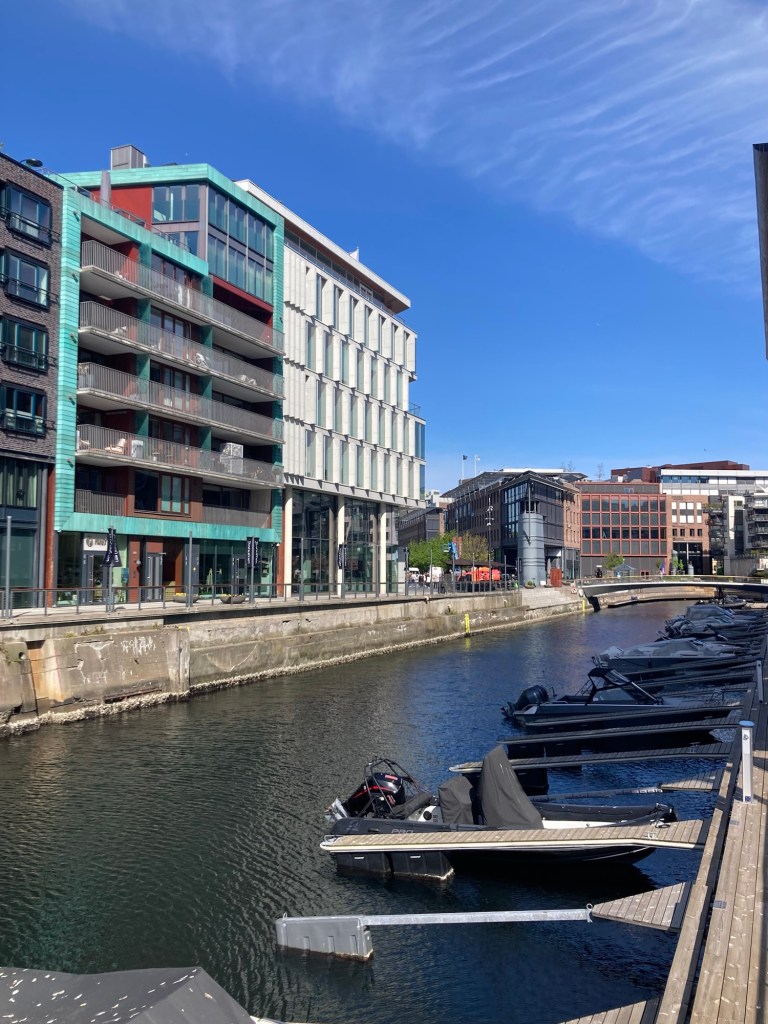
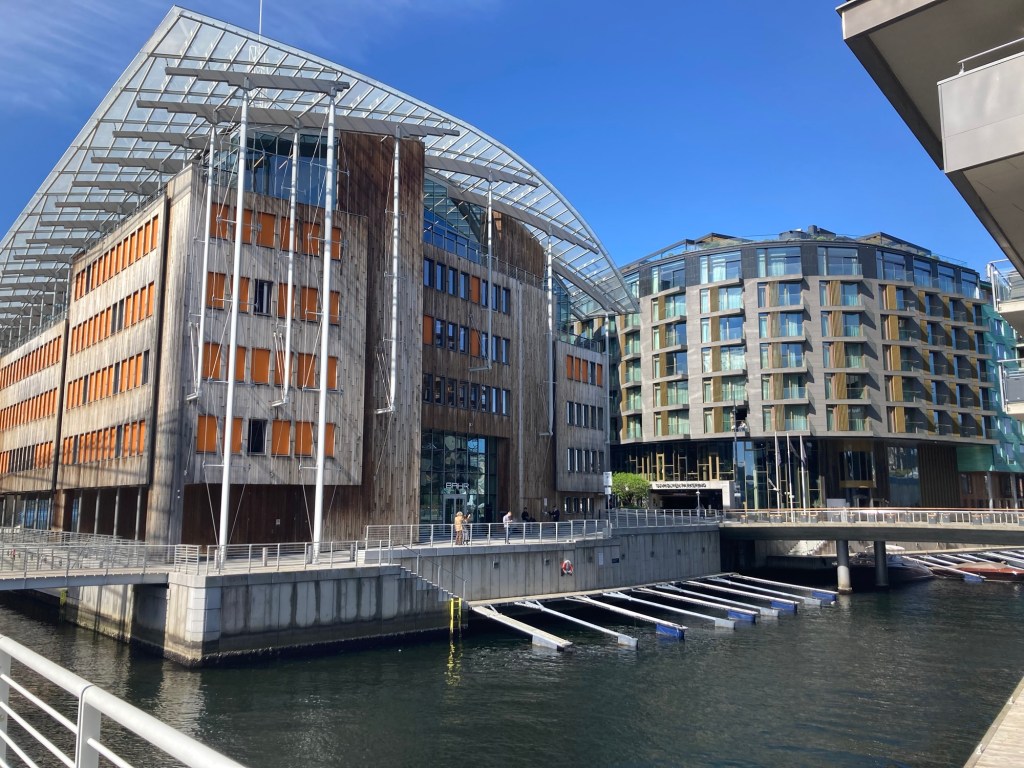
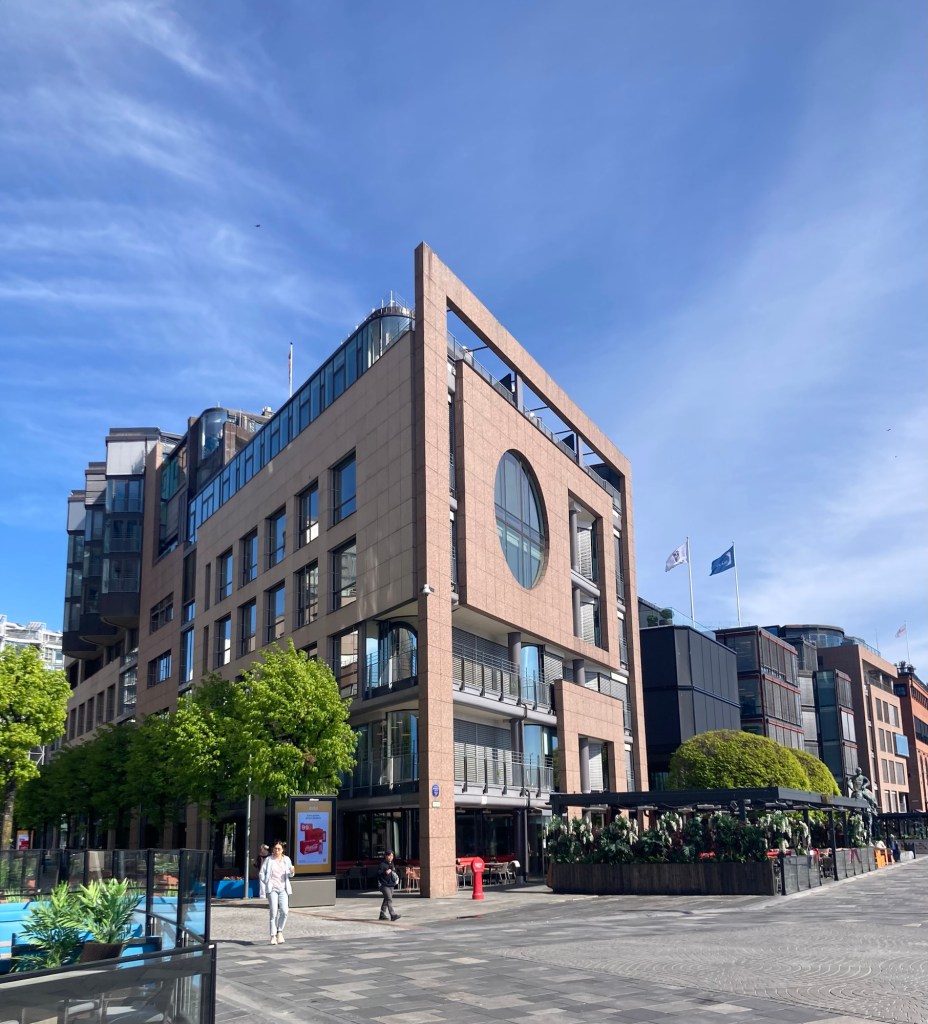
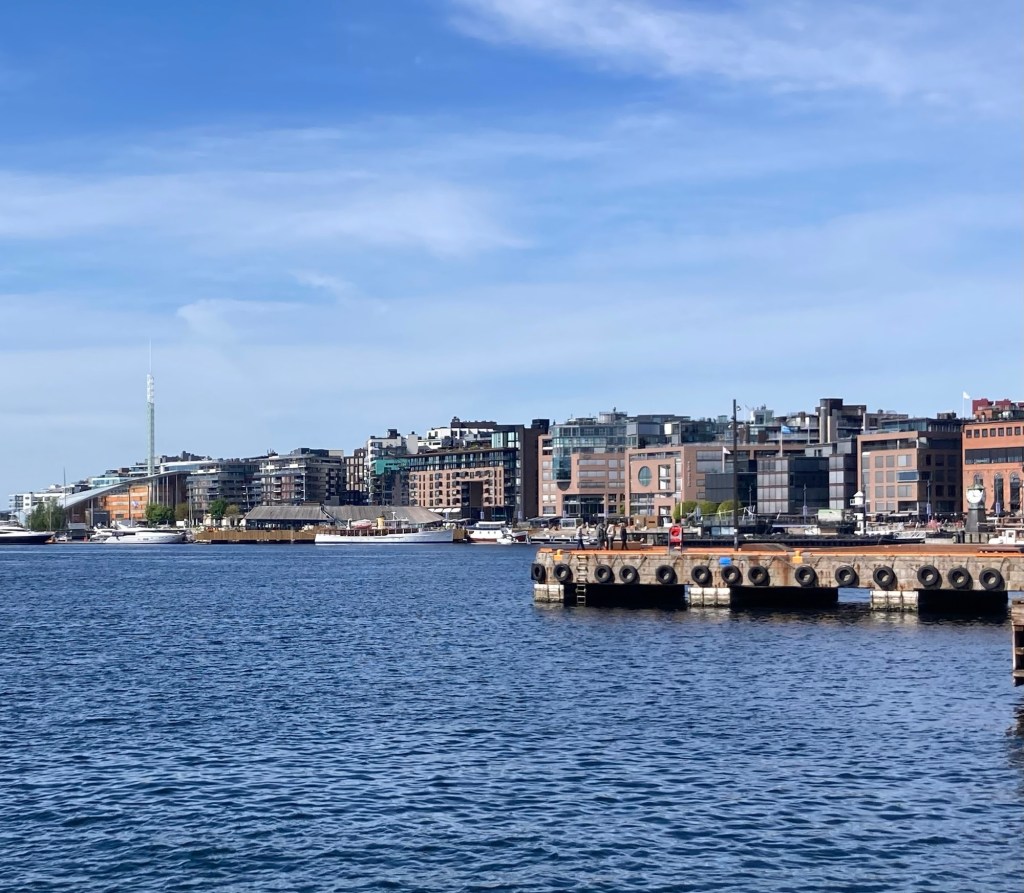
The next few photos are residences, restaurants , and museums of the Aker Brugge and Tjuvholmen development, which kicked off the transformation of the harbor front.
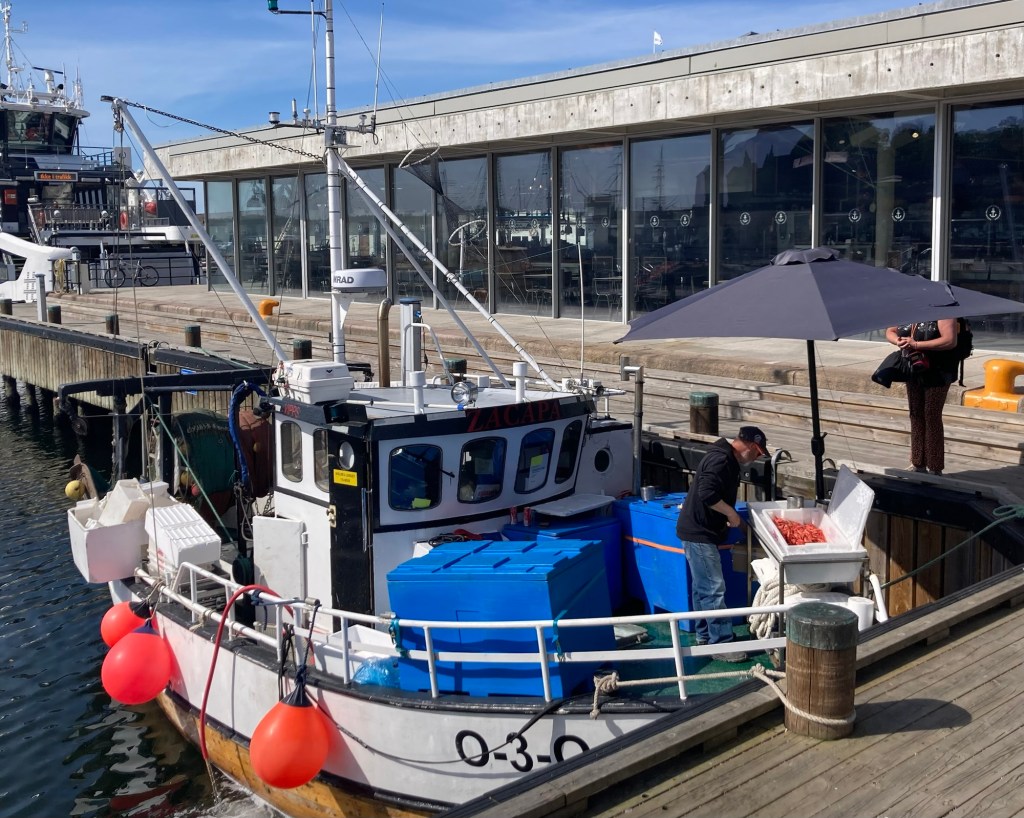
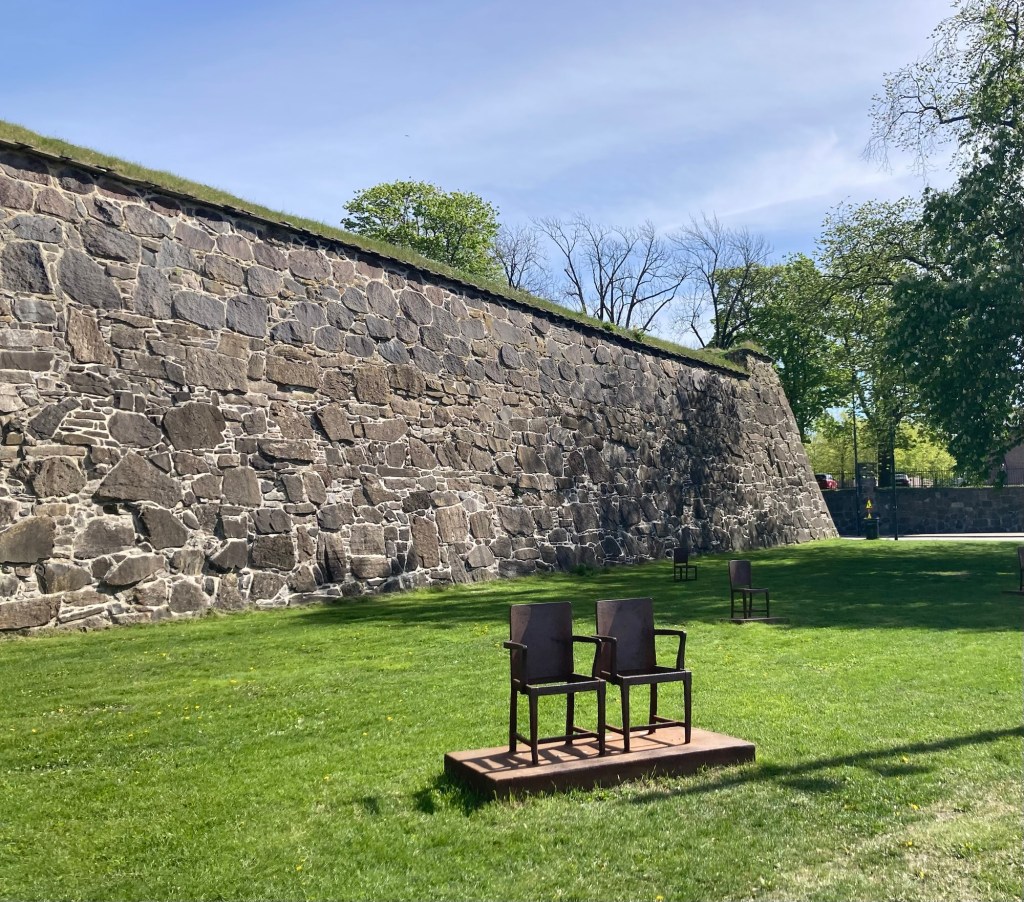
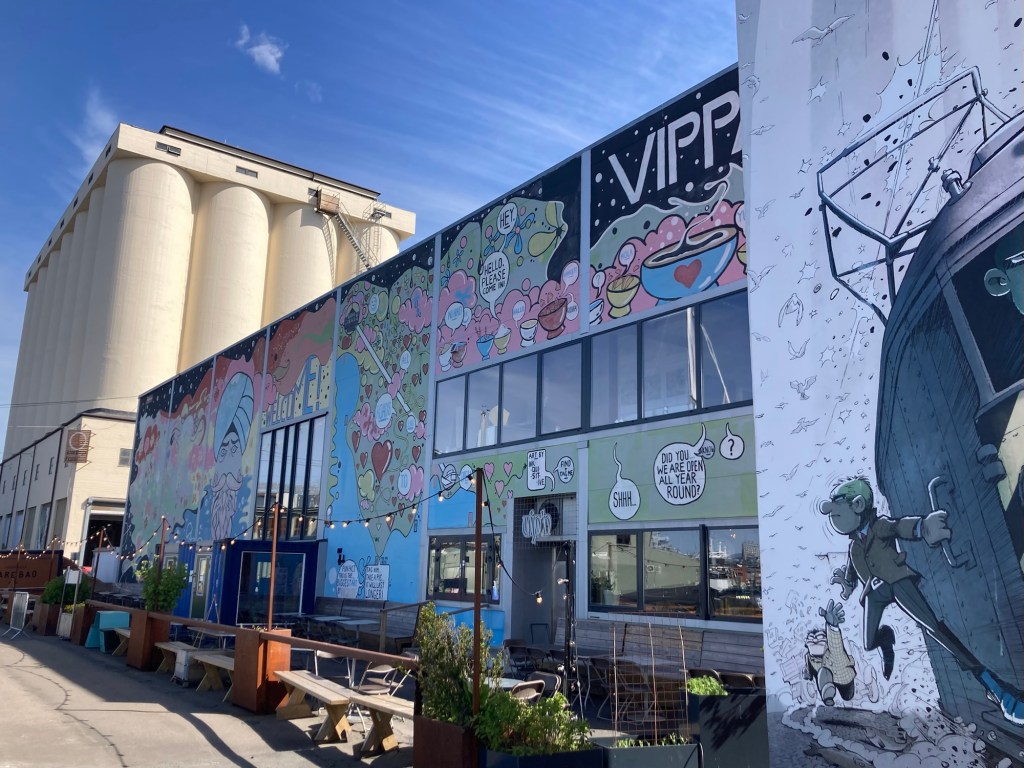
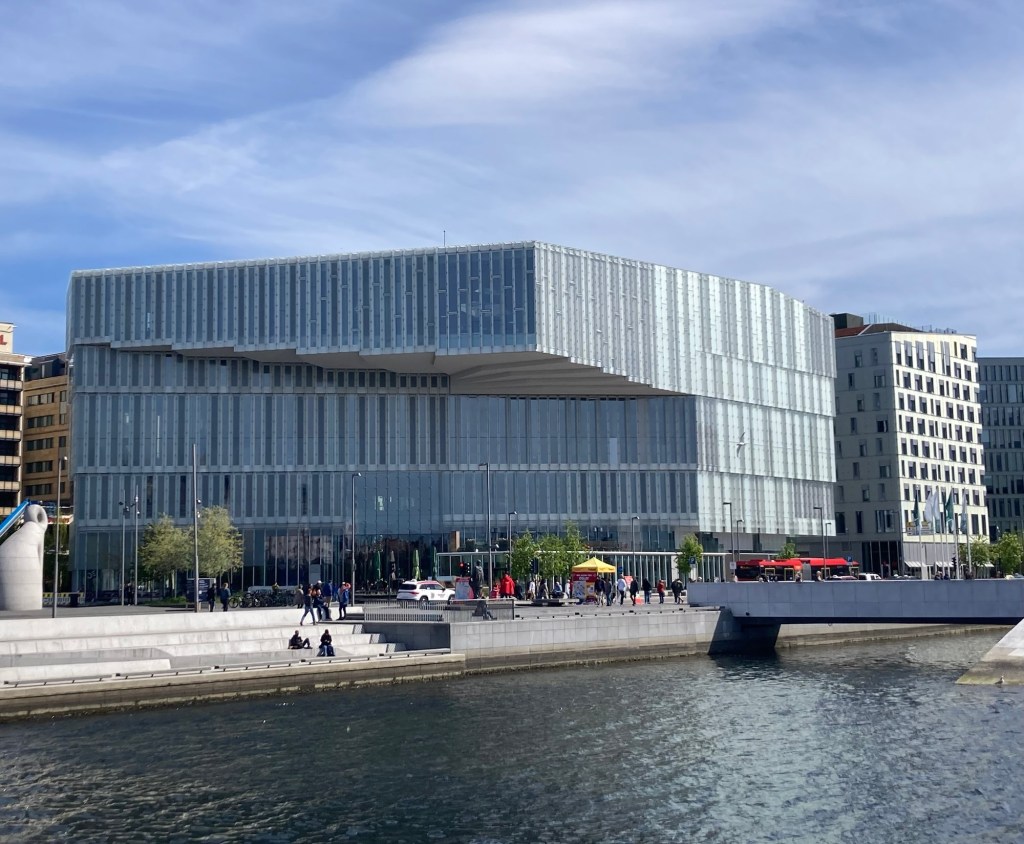
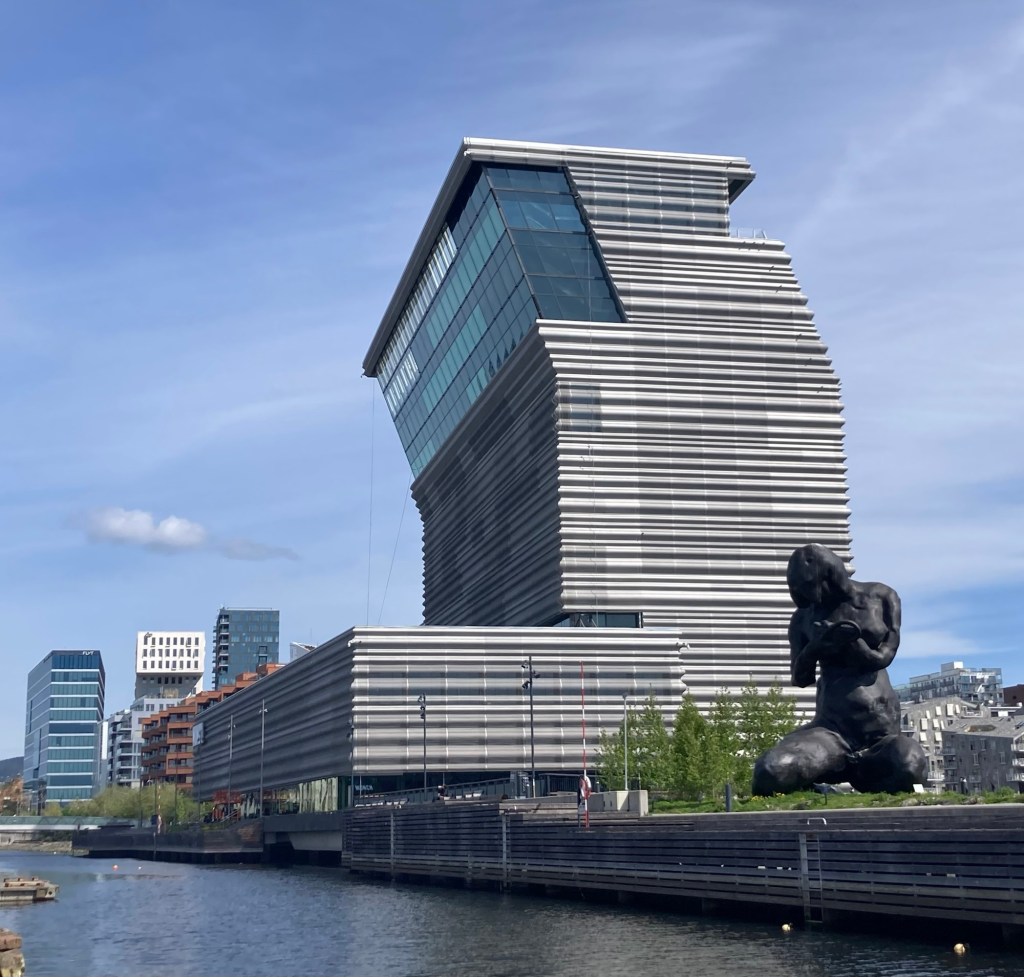
A shrimper selling fresh caught shrimp from his boatLooking across the harbor to the Aker Brugge and Tjuvholmen developmentEmpty chairs as part of a memorial in front of an old fortress to protect the city. The chairs represent the 773 Jews taken by Nazis from Norway to concentration camps.Vippa, an old warehouse transformed into a food court, but not open today.Oslo’s amazing opera house, with the Munch Museum and Ferris wheel on the rightThe Deichman Public Library “The Mother” statue in front of the Munch Museum. The sculptor Tracey Emin created the sculpture for Munch, who lost his mother at age 5.
































 Peckish Travels