One of the best parts of housesitting is being able to live like locals in all different parts of the world. Recently, that has meant finding a hairdresser and dealing with the same weather and transportation issues that everyone else is having to deal with.
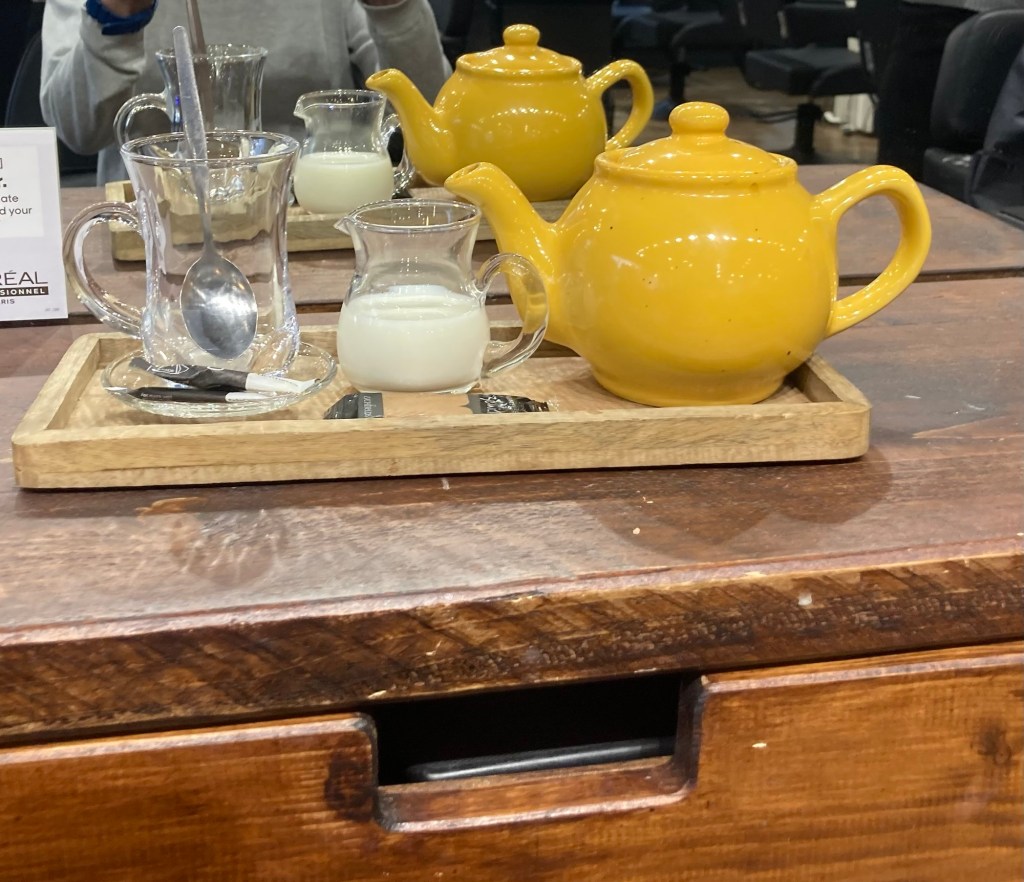
On Tuesday, I had a much needed hair appointment with a local salon that had responded to my email inquiry and then provided the required patch test to make sure I wouldn’t react to the color solutions being used. It was a very wet day, so a good day to be inside and they even provided a proper tea set for me to enjoy while work was in progress.
Wednesday was to be a rain-free day, so we had purchased tickets on the Trainline app to go to Tonbridge (a 10 minute rail journey from Tunbridge Wells) to see the castle and whatever else we might find. Unfortunately, there was a break in a rail between Tunbridge Wells and Hastings (the other direction), but it caused all trains on the line to be cancelled, at least around the time we needed to go. So, maybe another day. Bob was able to get a refund through the app.
Thursday afternoons are house cleaner days at this house, so we leave about 3:00 pm and return about 6:00. Yesterday, we went back to the library downtown, which is co-located with the Amelia Museum, but this time, we explored the museum exhibits and learned a bit more about the local area. See below for a random set of fun facts about the local area.
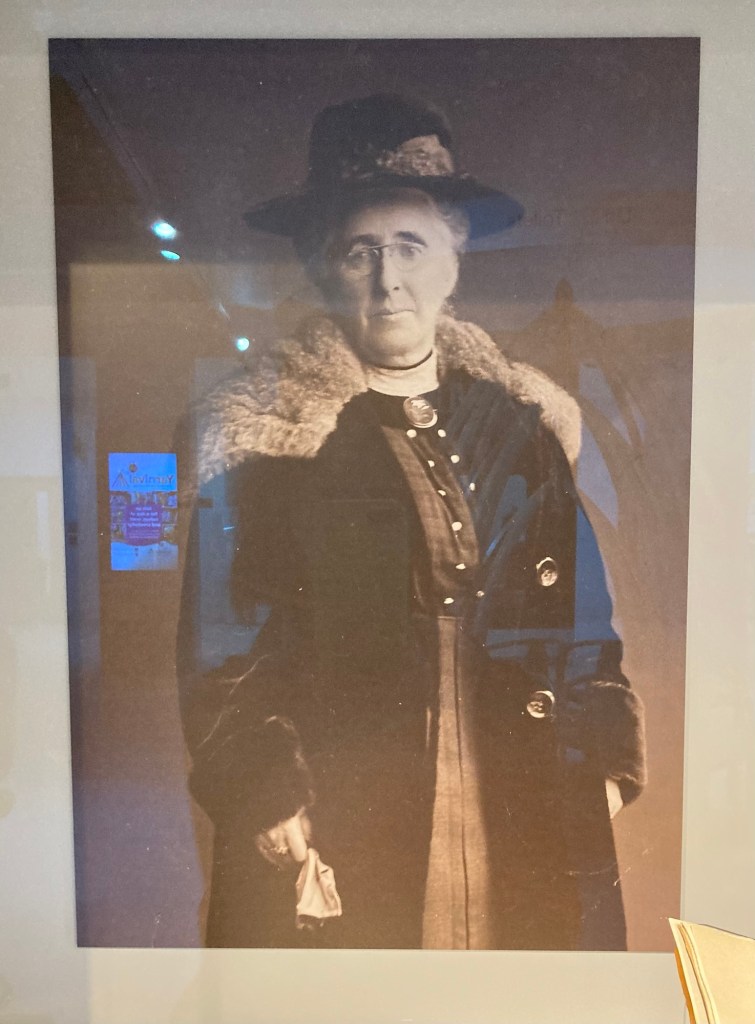
The museum is named after Amelia Scott (1860-1952), a local activist, campaigner for women’s voting rights, humanitarian, and Tunbridge Wells Borough Councillor instrumental in the founding of the local library services.
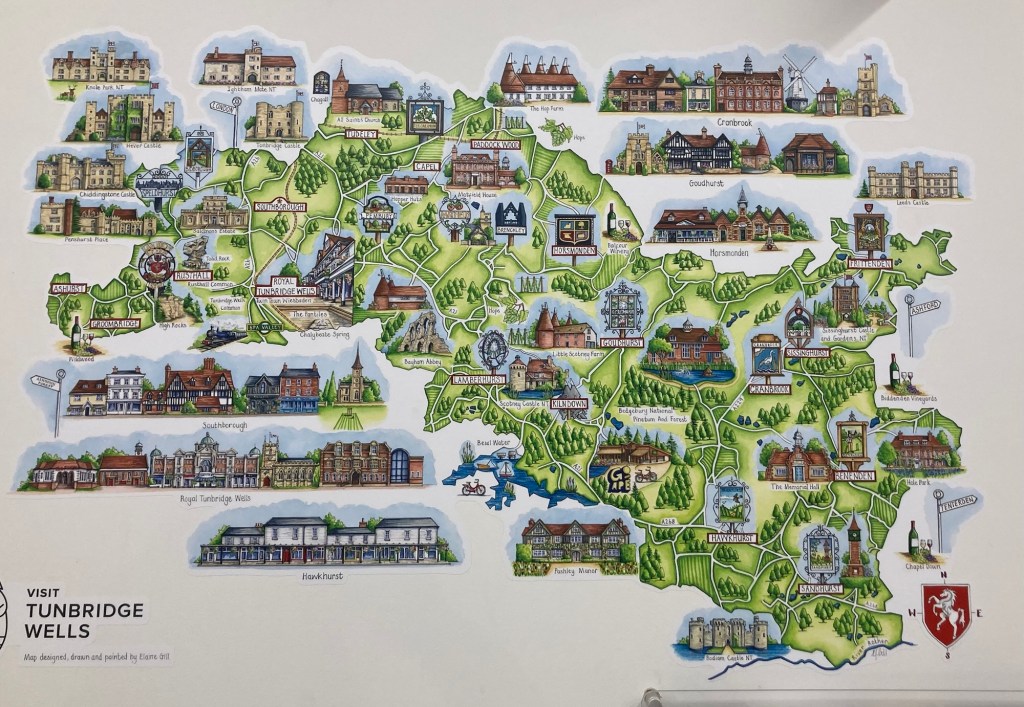
This is a map of the greater Tunbridge Wells area.
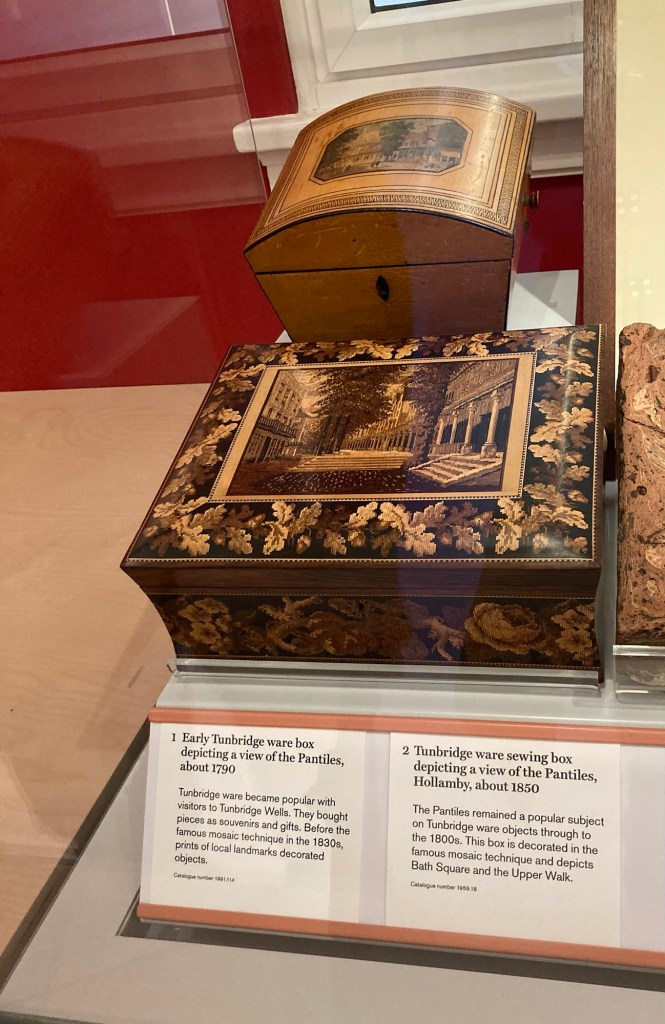
The museum has thousands of pieces of local history, only about 1% of which are on display. One of the new things we learned about was the Tunbridge ware which began to be made by local artisans in the late 1600s.
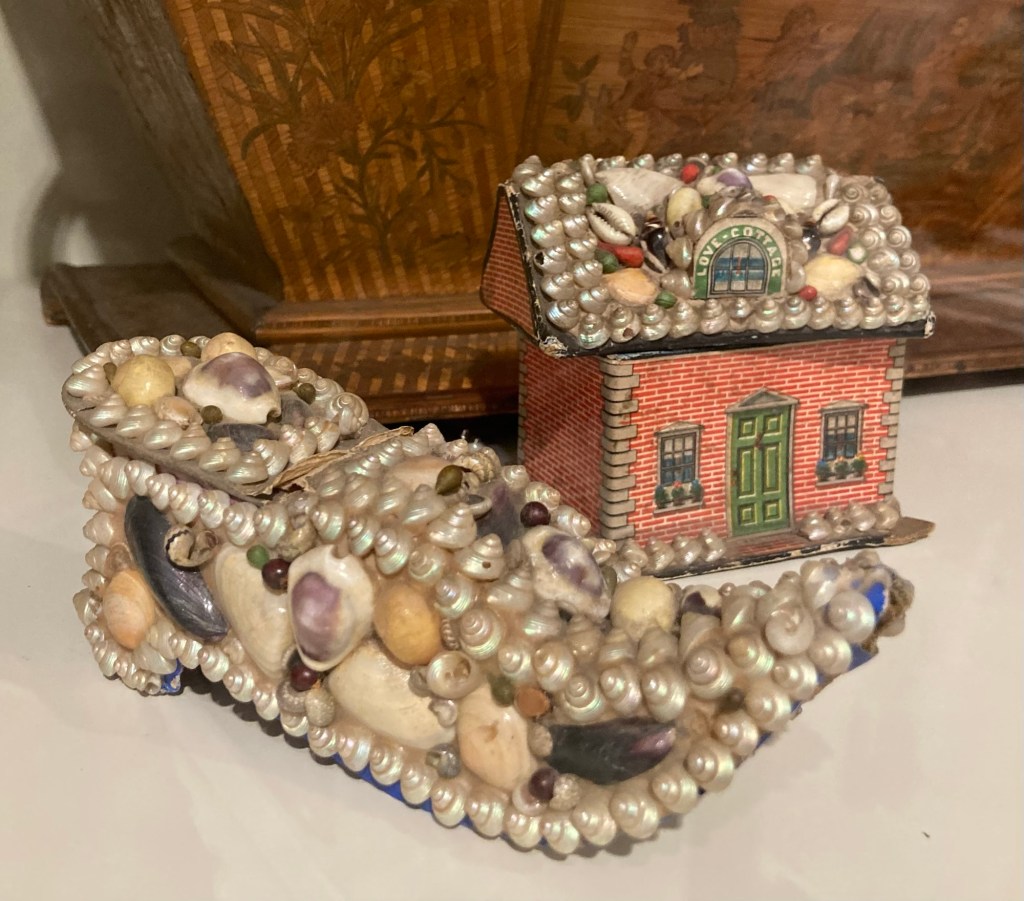
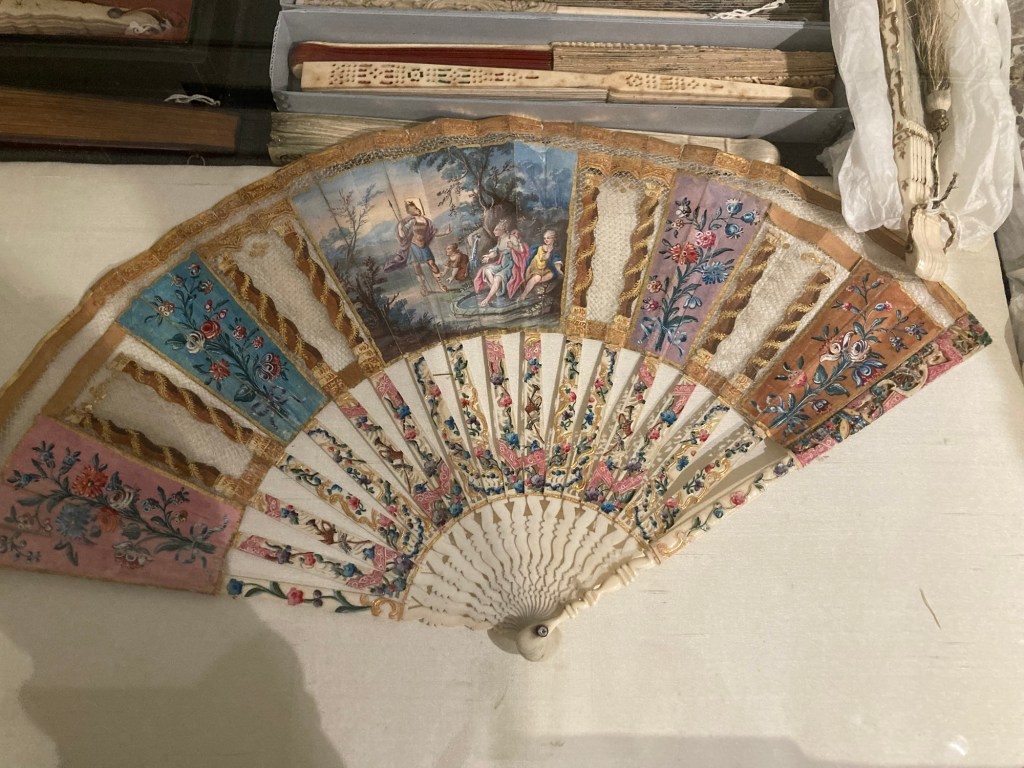
that were fashion accessories through the early 1900s.
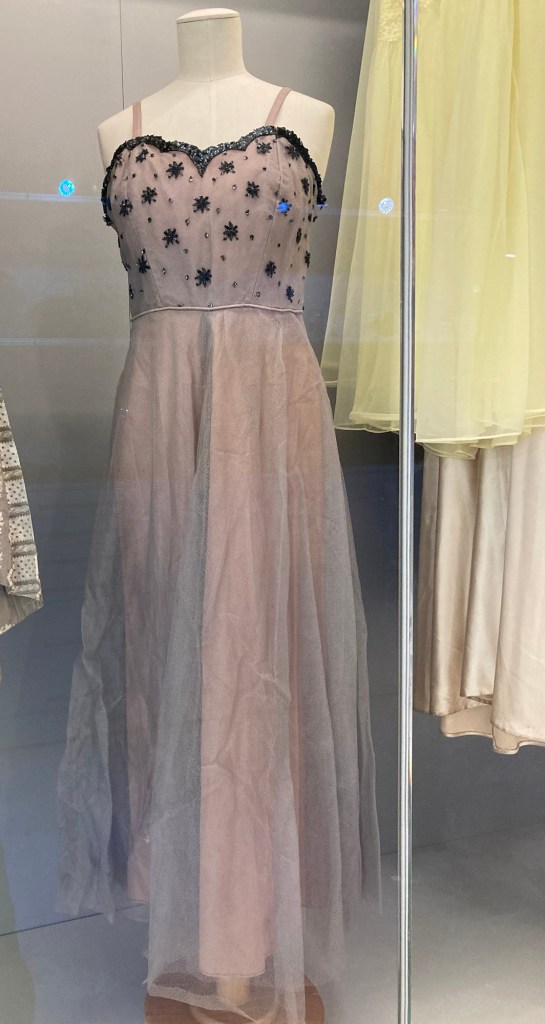
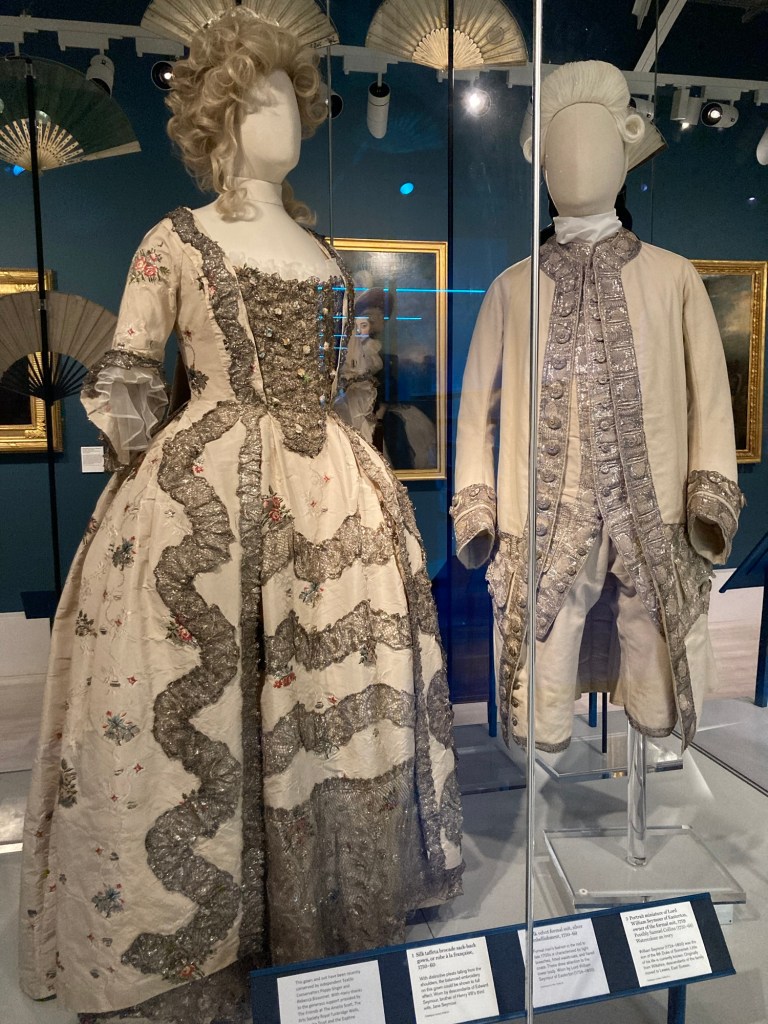
This was an evening dress from the 1950s.
The older retail section of town is called The Pantiles, named for the type of tiles that were used to pave the walk in the area. The name was derived from the wooden pans used to shape the tiles.
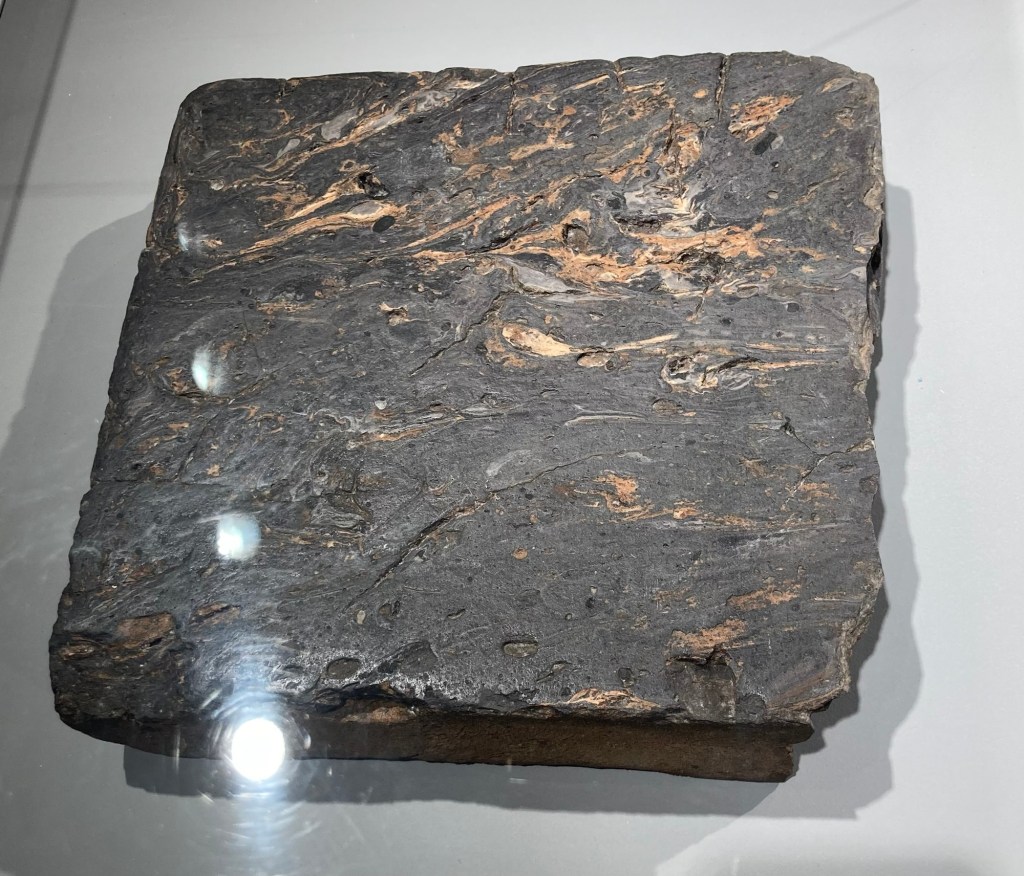
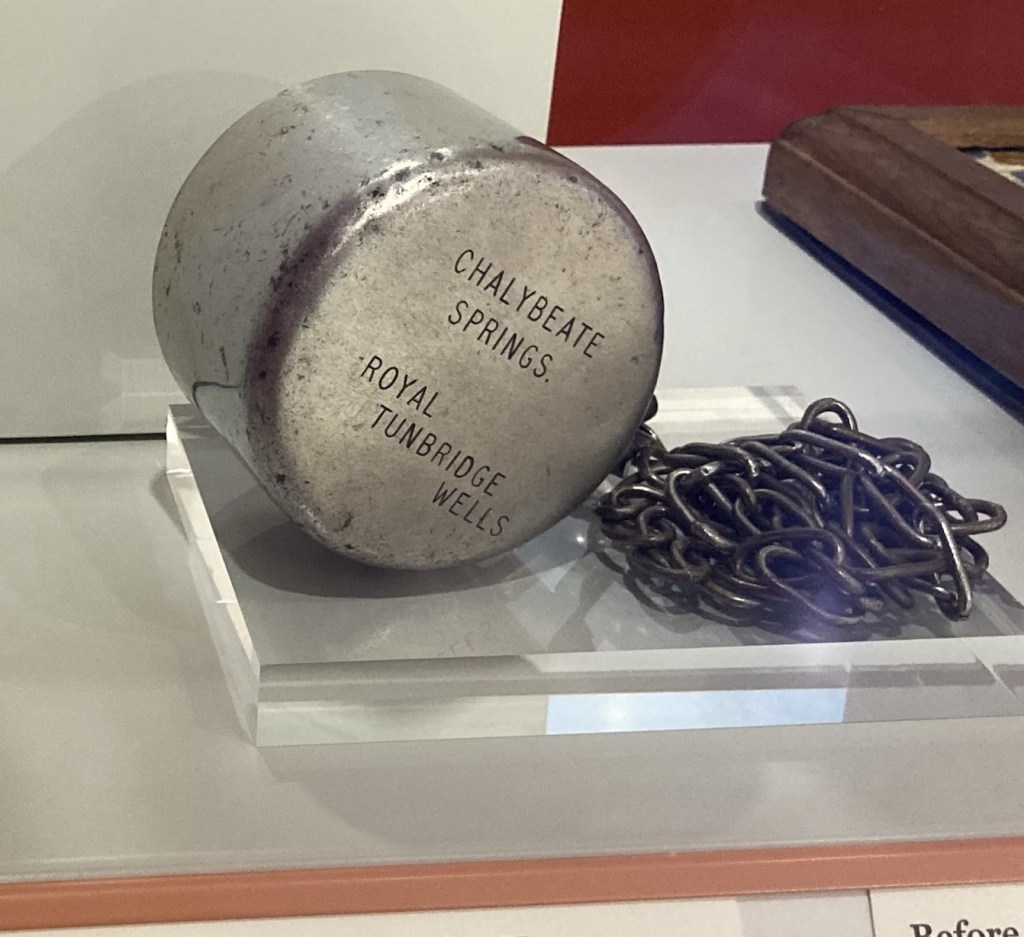
And Royal Tunbridge Wells acquired its Royal title due to the discovery of a chalybeate (iron-rich) spring on a local heath in 1606.
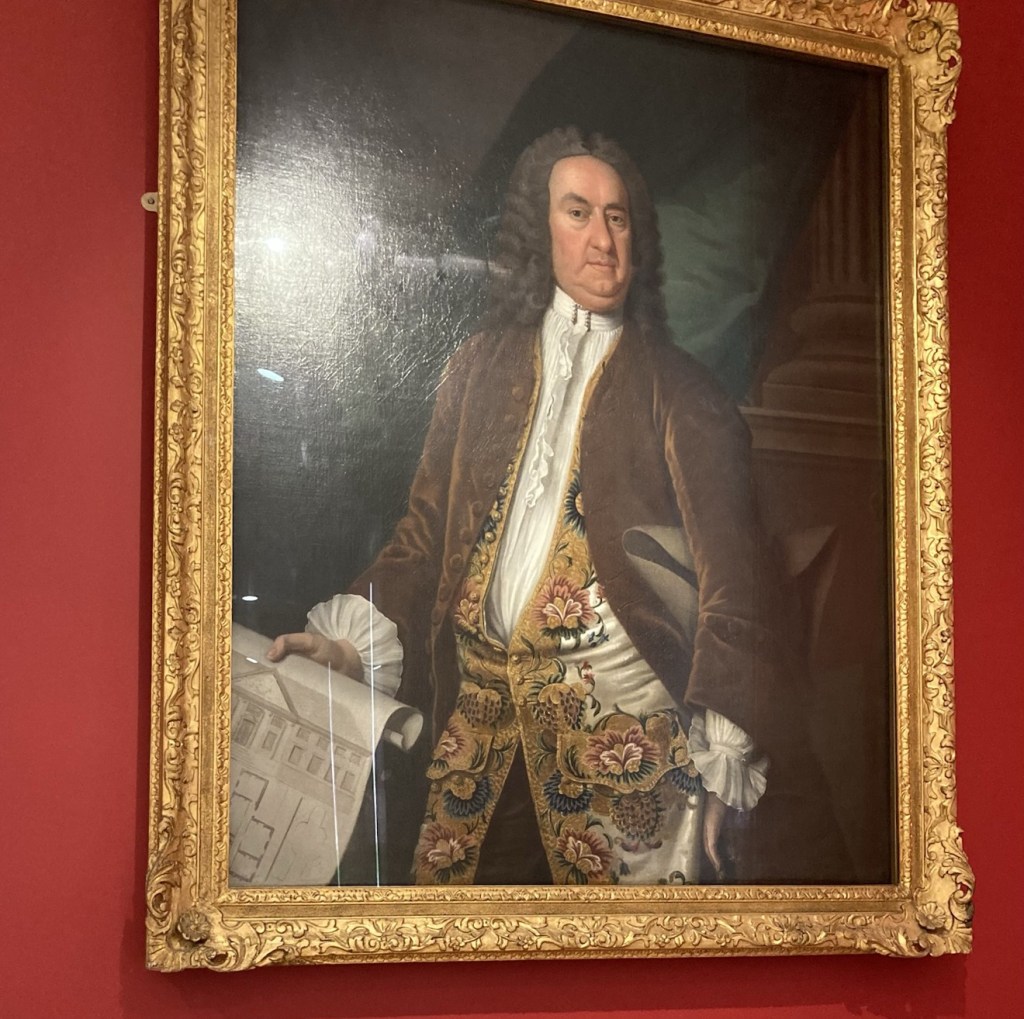
of Master of Ceremonies in Tunbridge Wells in 1735.
He was a local social organizer, trend setter, and matchmaker.
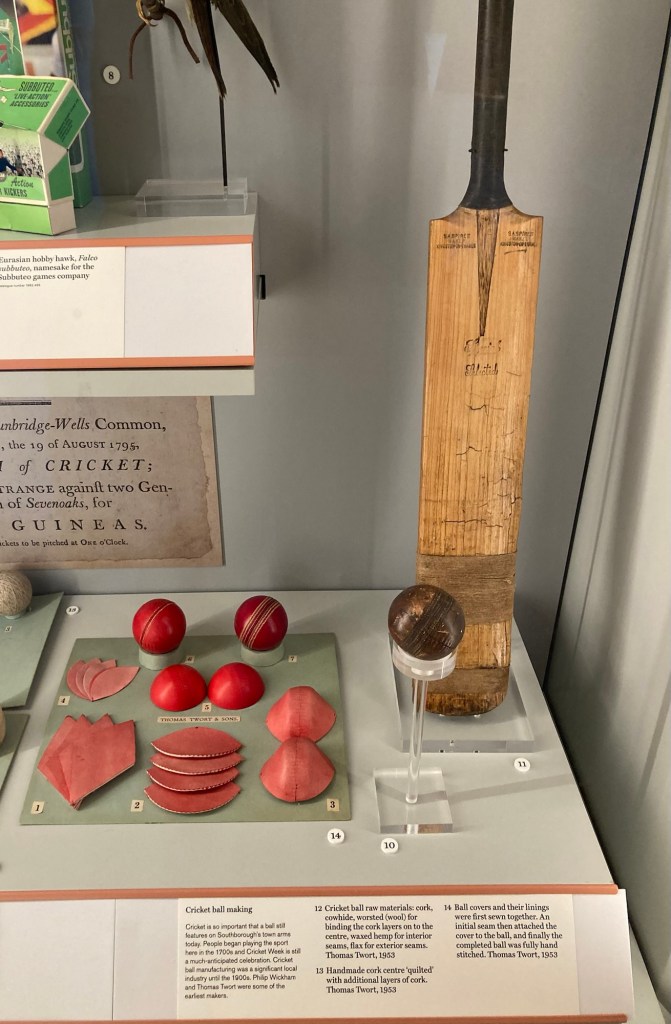
And cricket ball making was a significant local industry
until the 1900s.
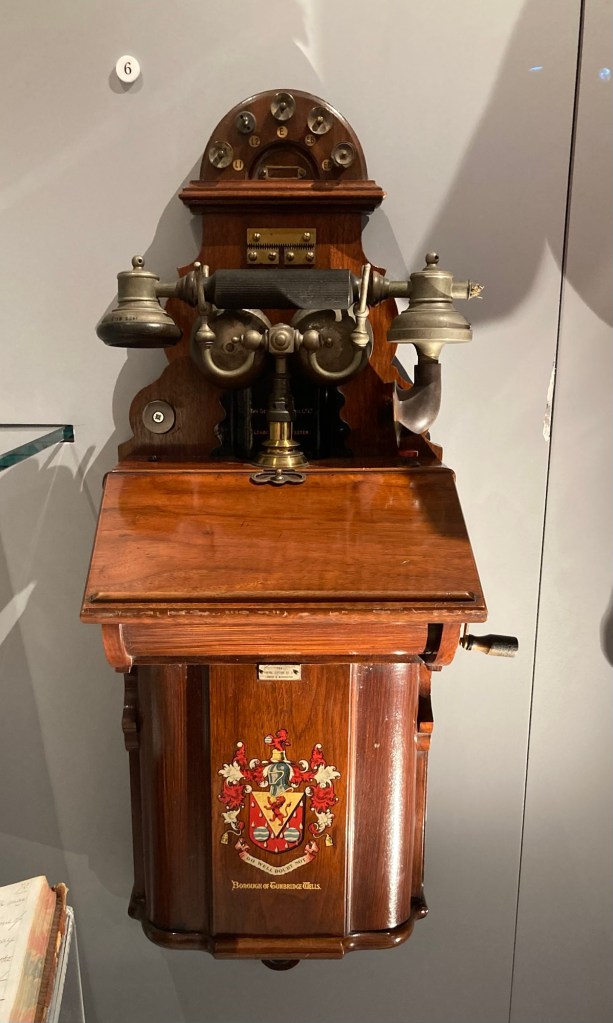
In 1901, the Tunbridge Wells municipal telephone service was launched. It was the first in England to be managed by a local authority, at least briefly. It was sold to the National Telephone Company in 1902.
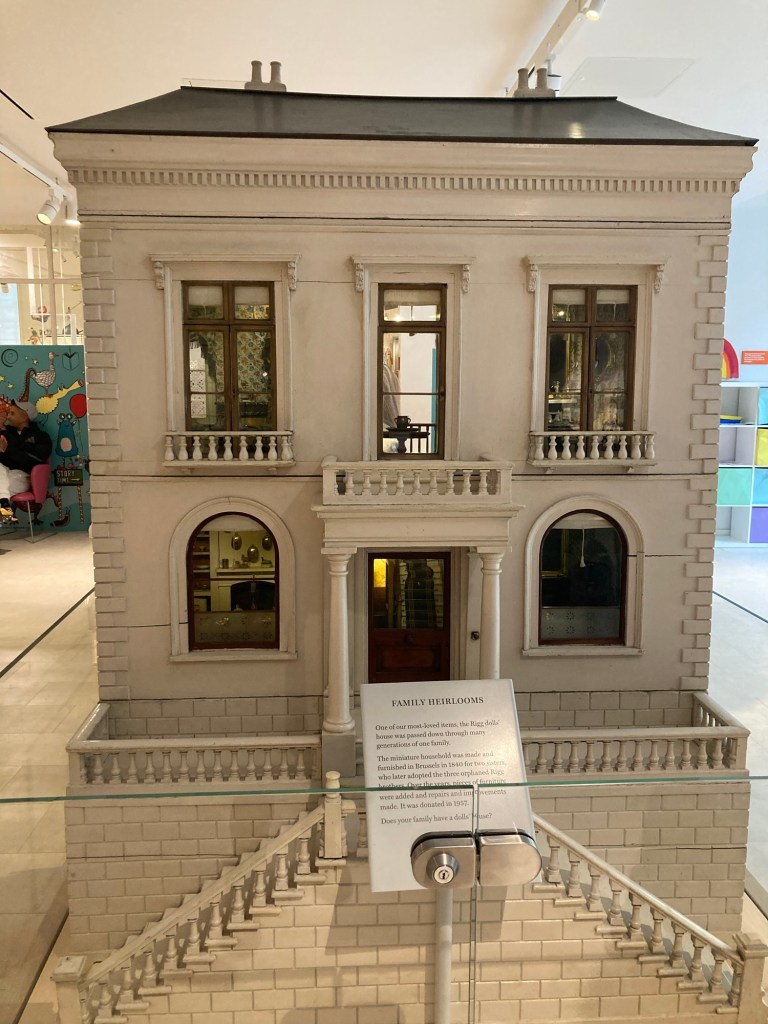
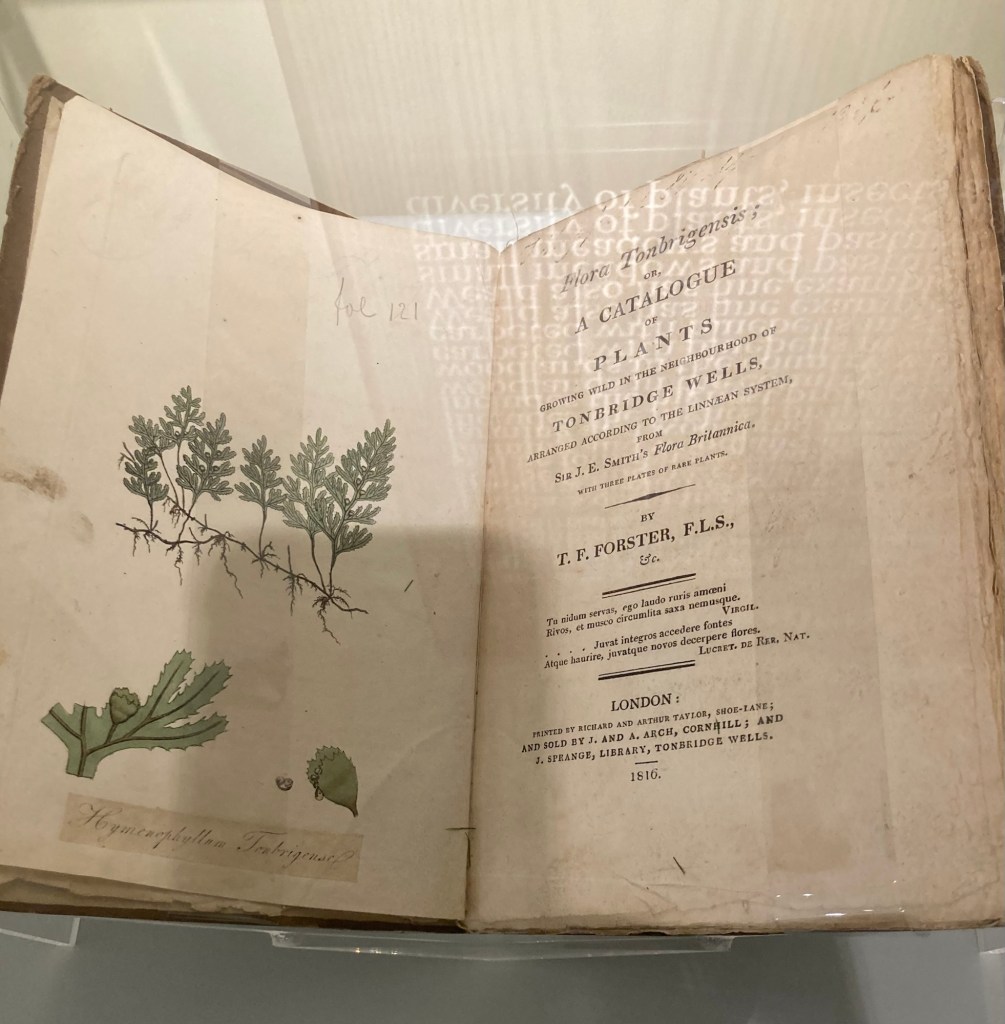
which features the rare Tunbridge Filmy Fern discovered in 1688. Some people and plant names are just Fun.
Finally, there were quotes posted from various people of note. Here is one from the famed science fiction writer, HG Wells.
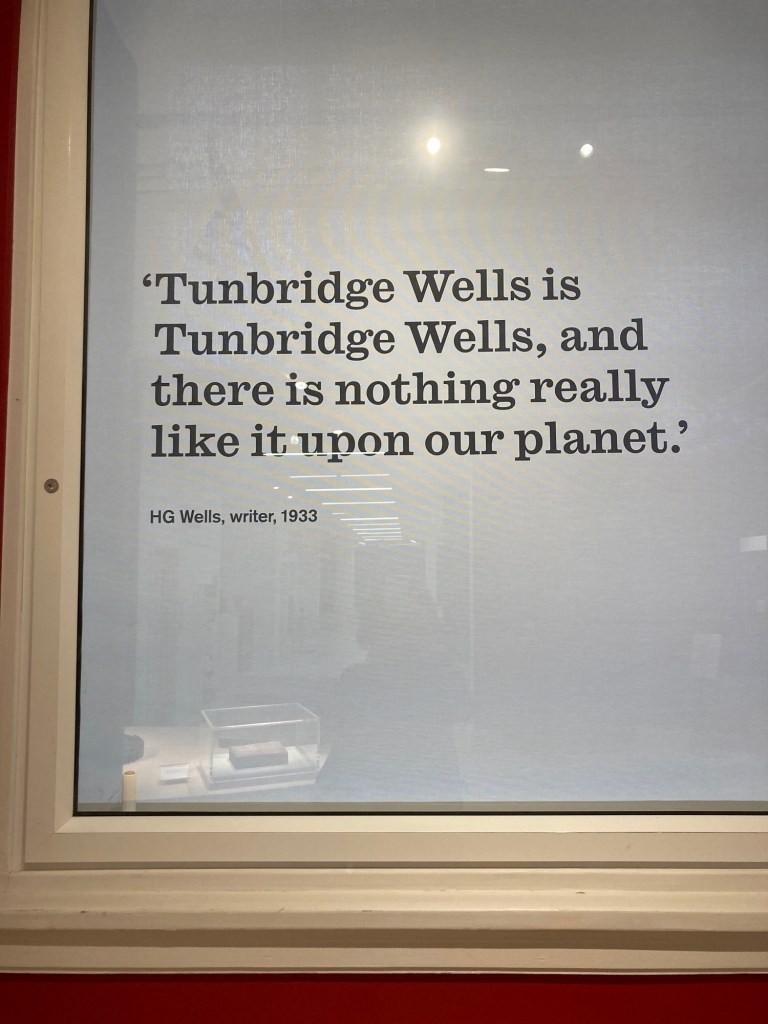
as a positive or a negative statement or perhaps he was implying that there might be something like it on another planet…
Last week after our library excursion, we walked back into our neighborhood to check out the local pub, The Bull. Yesterday, we just walked across the street to the local pub of the Wetherspoon’s chain, which is located in the former opera house.
The building has been a number of things since it’s heyday as an opera house, but Wetherspoon’s does clear away the tables and chairs once a year so that a full opera can be performed on site again. Some pics from inside.
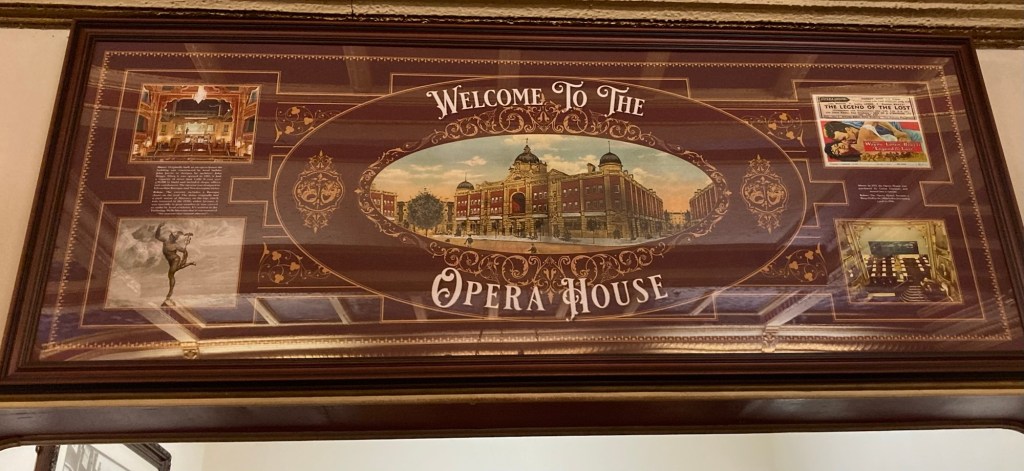
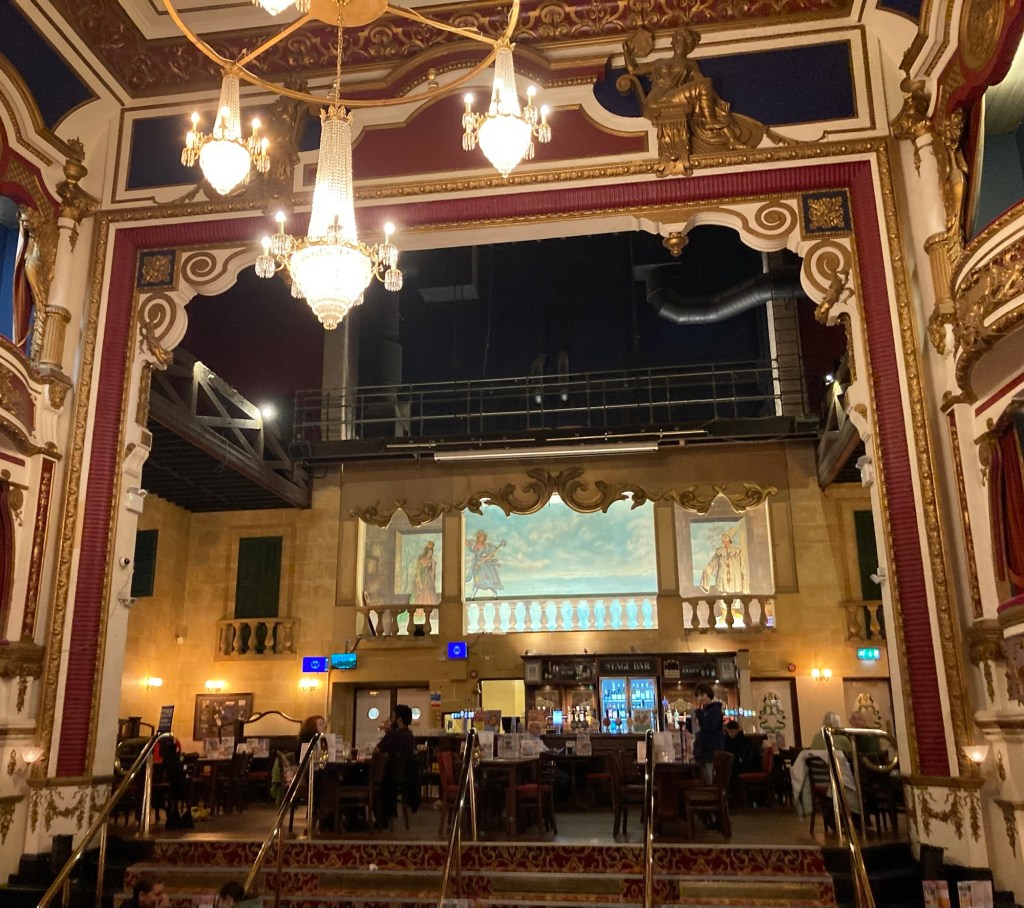
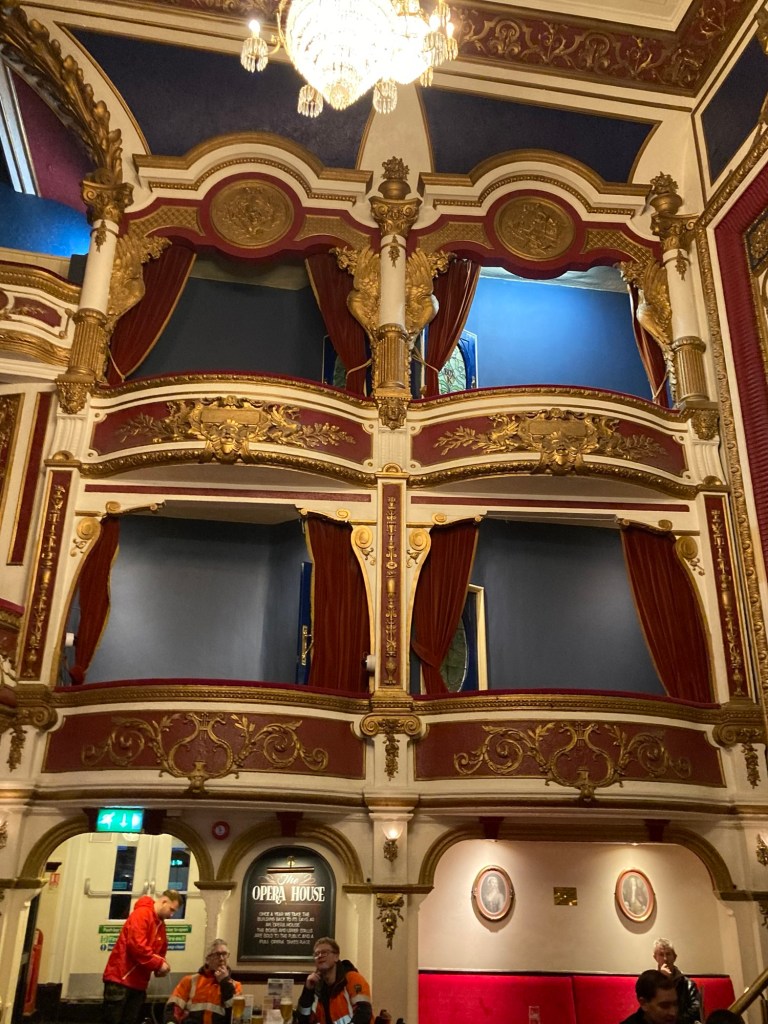
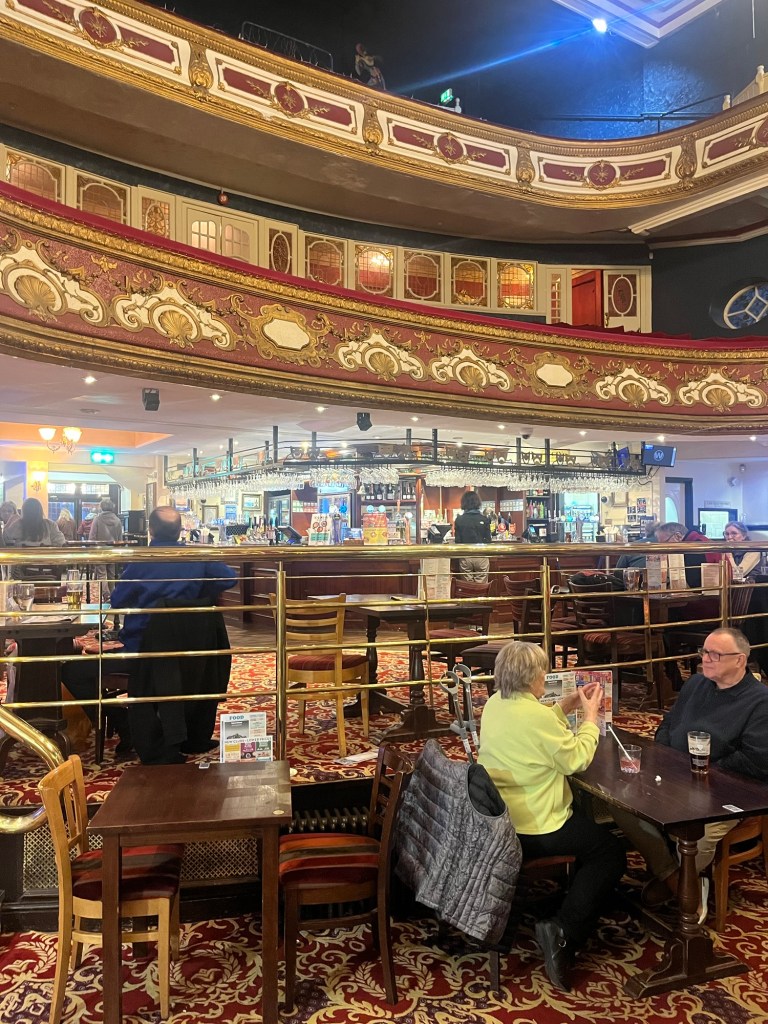
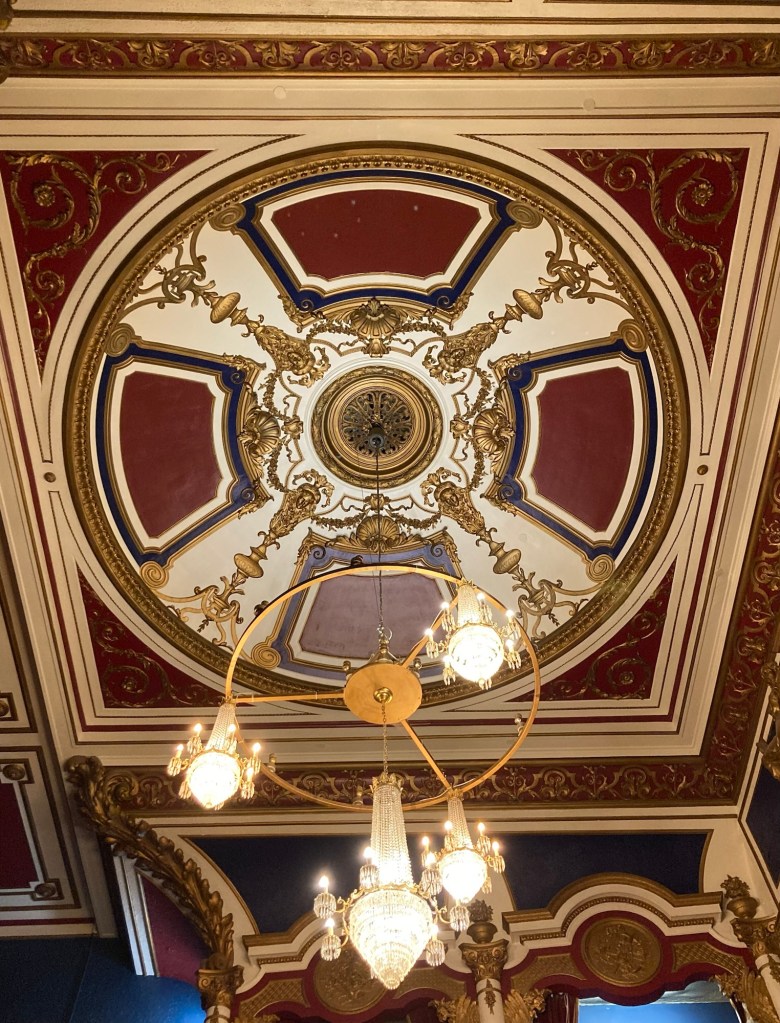
Regulars to Wetherspoon’s likely go for the cheap prices, but since it was the first place we were taken by a homeowner for dinner (by a single woman from South Africa), they have a special place in our hearts especially when they are in historic properties.
 Peckish Travels