Bob and I drove 18 miles this morning to the Horry County Museum in Conway, South Carolina. Conway is the county seat of Horry County and home to Coastal Carolina University, which won the national championship in baseball in 2016.

As with most history museums, the building started out serving another purpose. In this case, the museum is in what used to be the Burroughs School.
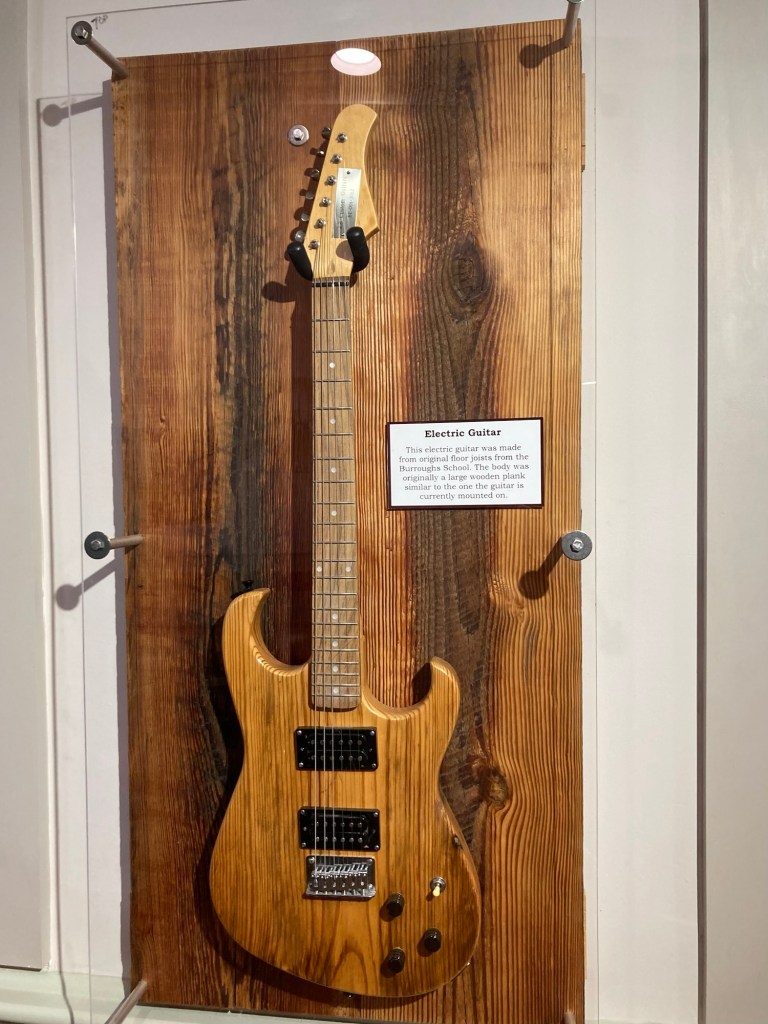
from the Burroughs School
The museum was laid out well, attractive, with motion sensors so that lights came on only when needed. The guide at the front considered himself a bit of a comedian, as he said that we could take photos of anything in the museum except the fish as they were in the wetness protection program.
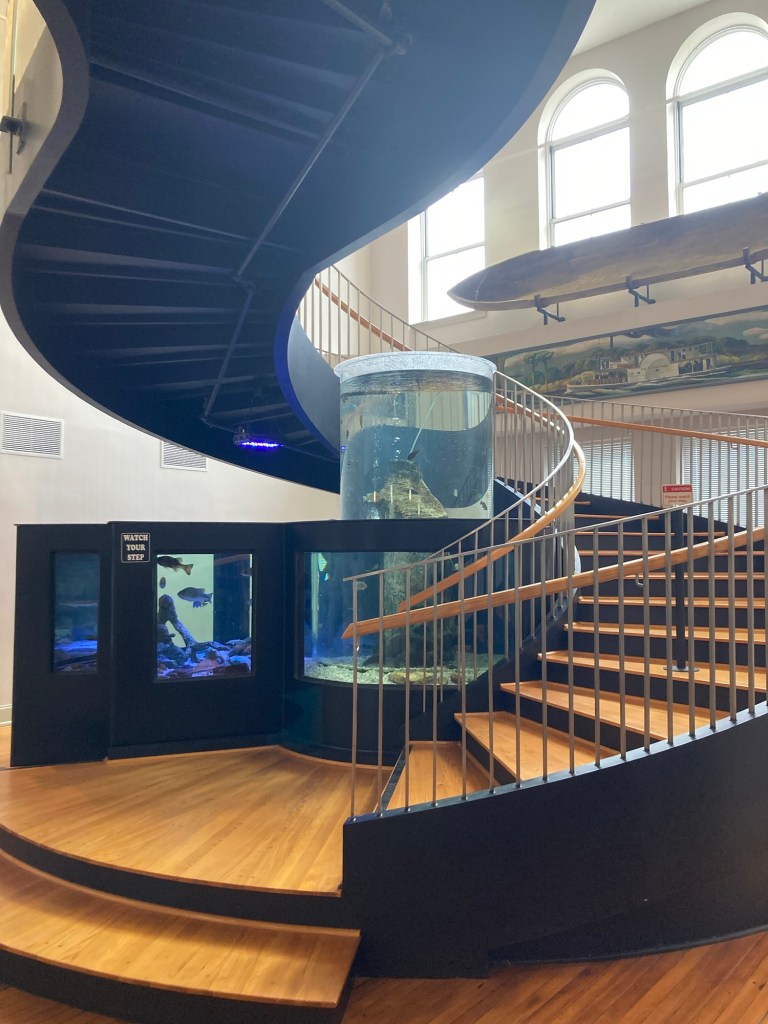
Horry County encompasses over 1,200 square miles of land, making it the largest county in South Carolina and one of the largest counties east of the Mississippi River. Many of the first colonists to settle the county came from Ireland, Scotland, and Wales.
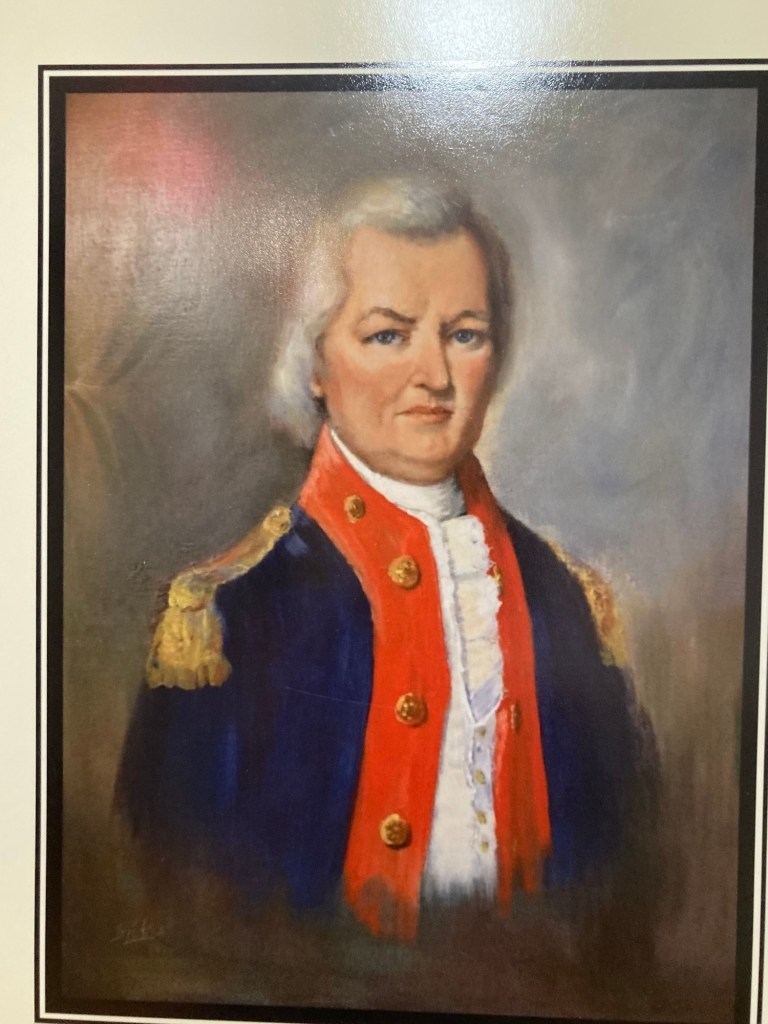
The county is named after Revolutionary War General Peter Horry.
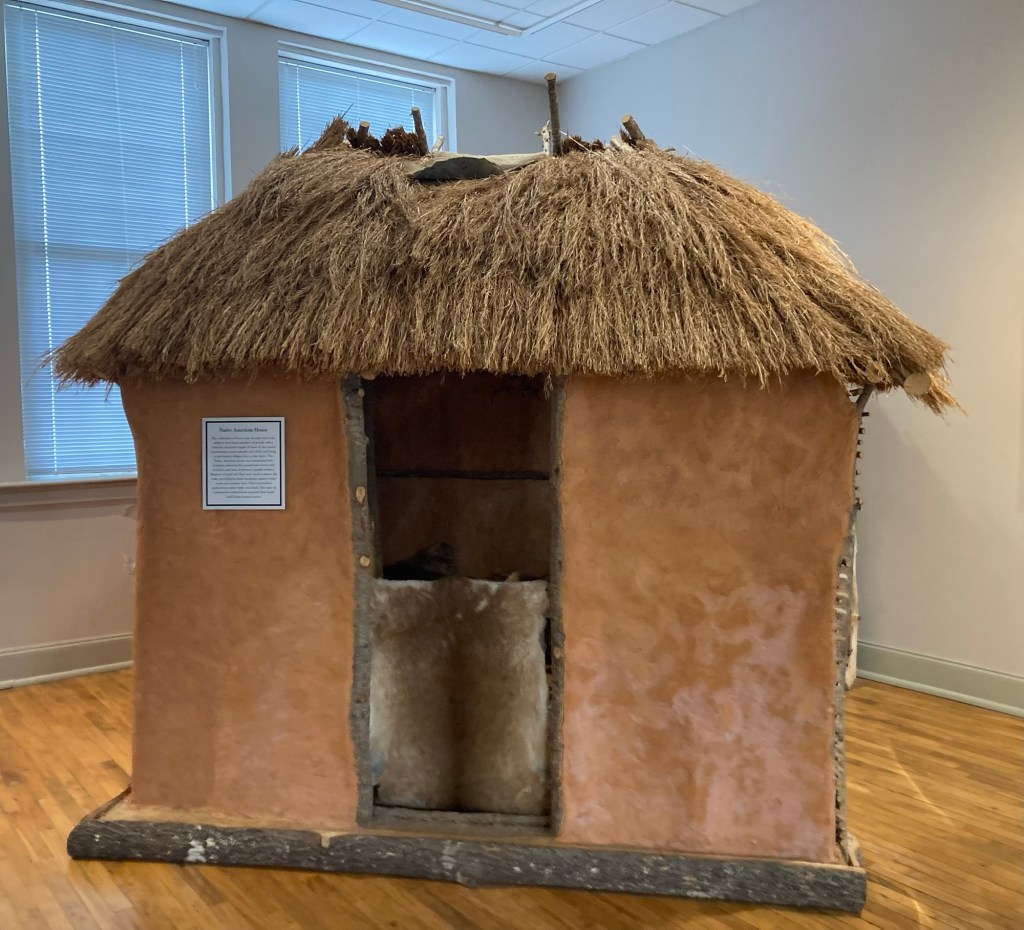
Prior to the British settlers, the area was home to the Waccamaw Indians, who are a recognized tribe by the state of South Carolina but not by the federal government, which means they are unable to enter into agreements with the federal government regarding self-government, religion, health care and gaming, among other things.

The rest of us are all immigrants.
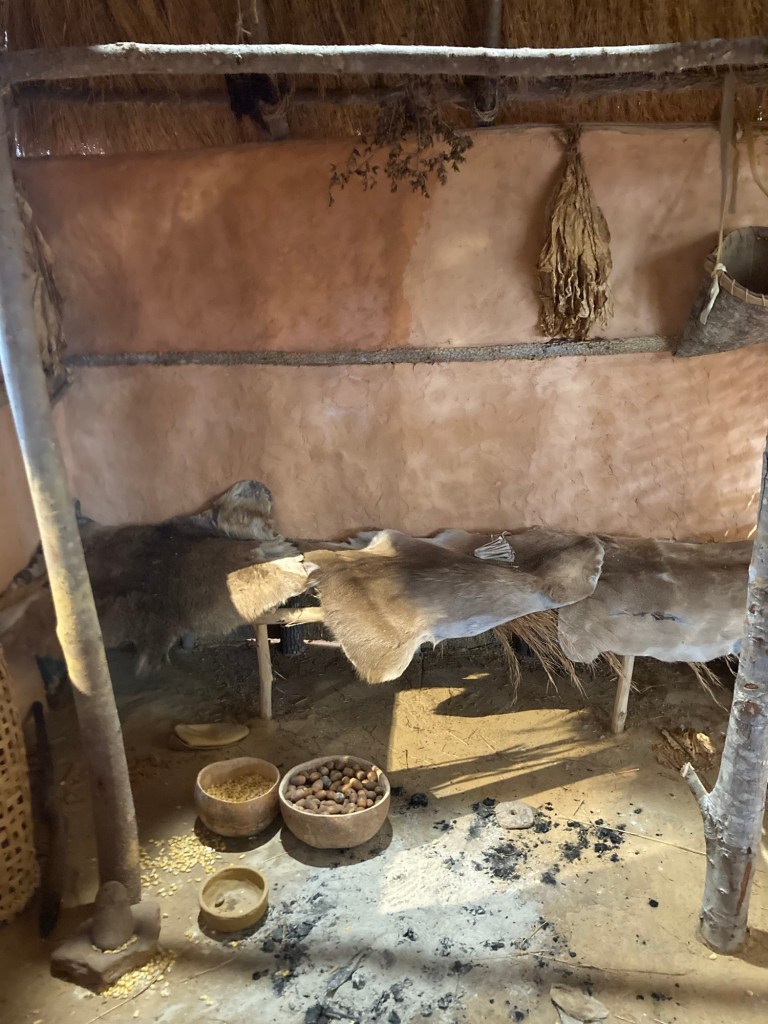
Although rice, cotton, and indigo were grown in the area, early important industries for Horry County were timber and turpentine.
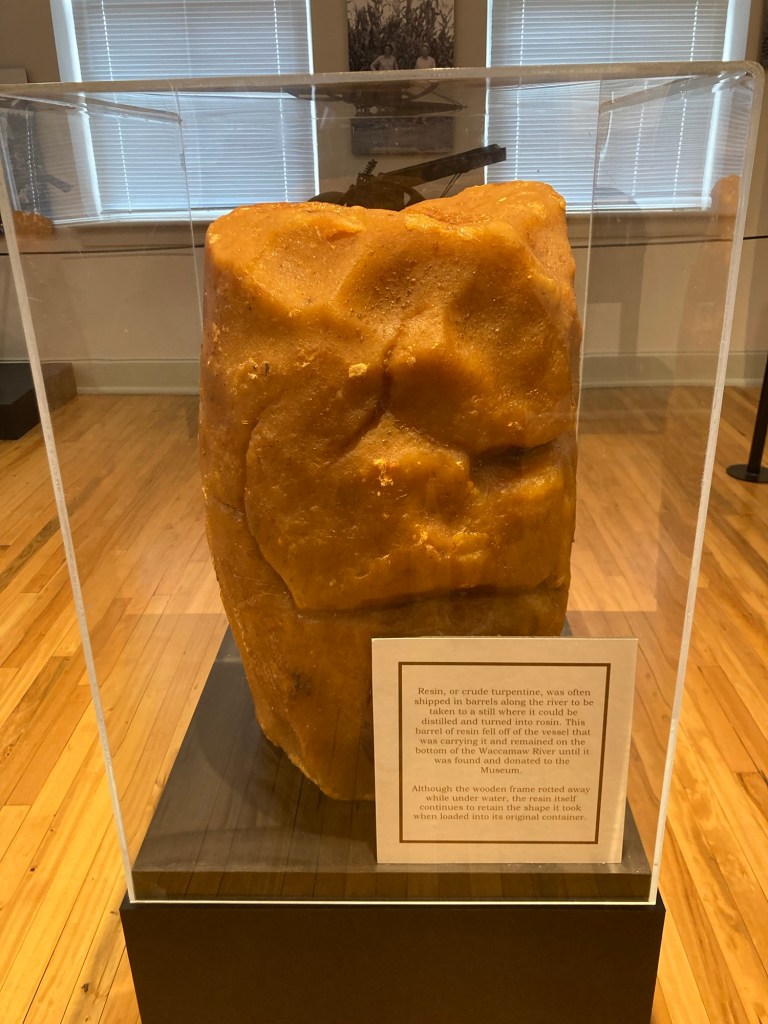
that fell off the vessel that was carrying it

Of course, every place has been involved in various wars over the years, so there were a number of exhibits related to that.
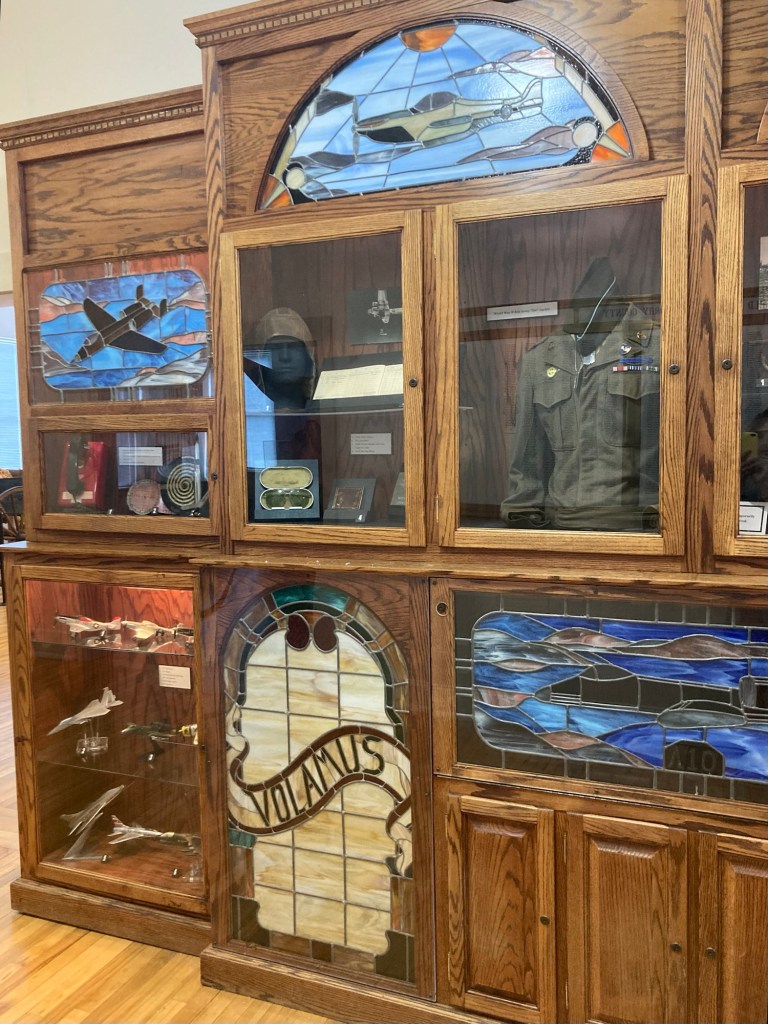
which honors all local WWI aviators.
The stain glass panels in the case were taken from the Myrtle Beach Air Force Base, which closed in 1993.
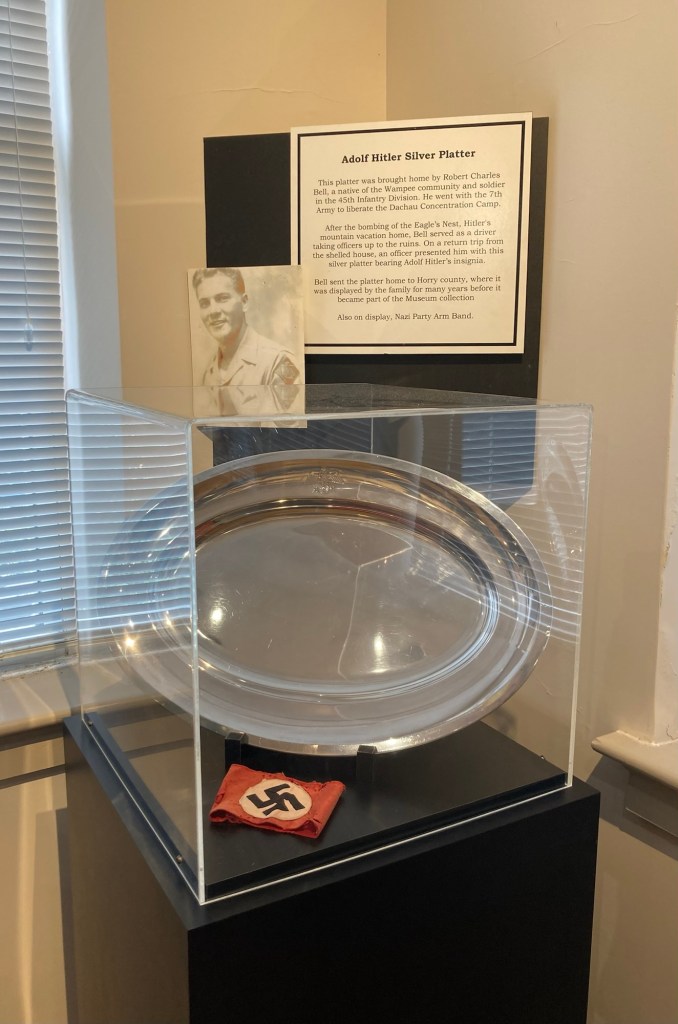
which was given to Robert Charles Bell,
a soldier in the 45th Infantry Division,
by an officer from Hitler’ mountain vacation home.
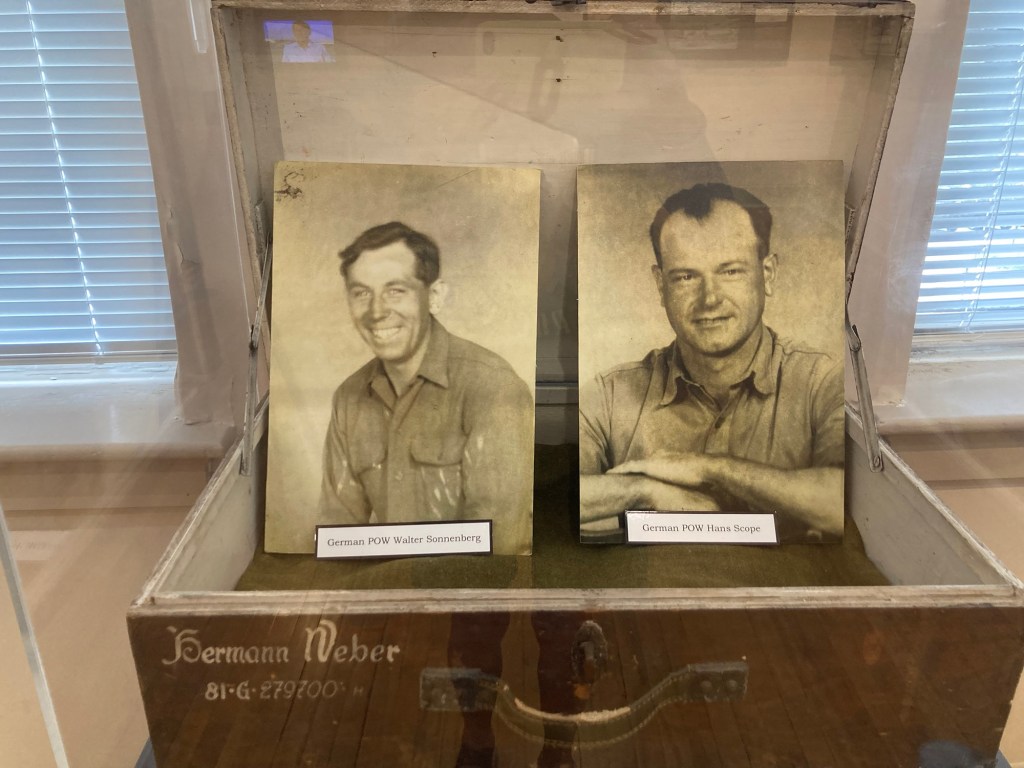
in the Myrtle Beach POW camp.
The Myrtle Beach Prisoner of War camp opened in 1944 and housed around 600 German POWs. There were 28 POW camps in South Carolina, and the POWs were used to fill gaps in industries, like timber or tobacco, from the US men at war.
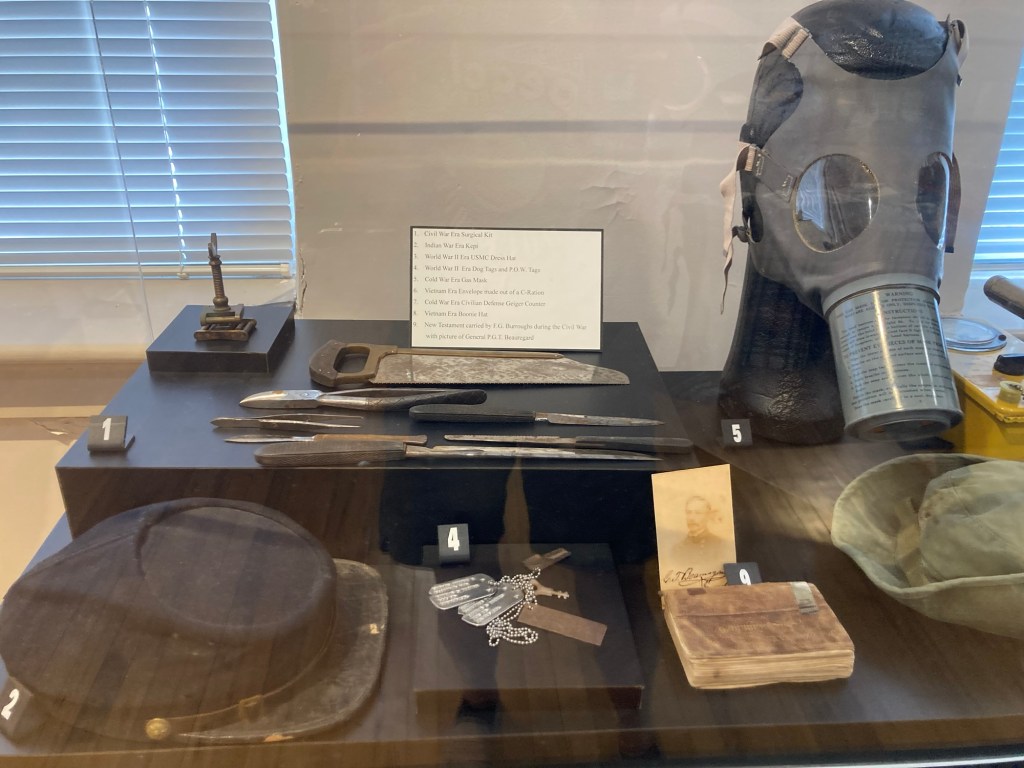
The tools on top are from a Civil War surgical kit.
Another highlight of the museum was the role of water in the area — both in terms of driving industry options but also fueling the tourism industry.


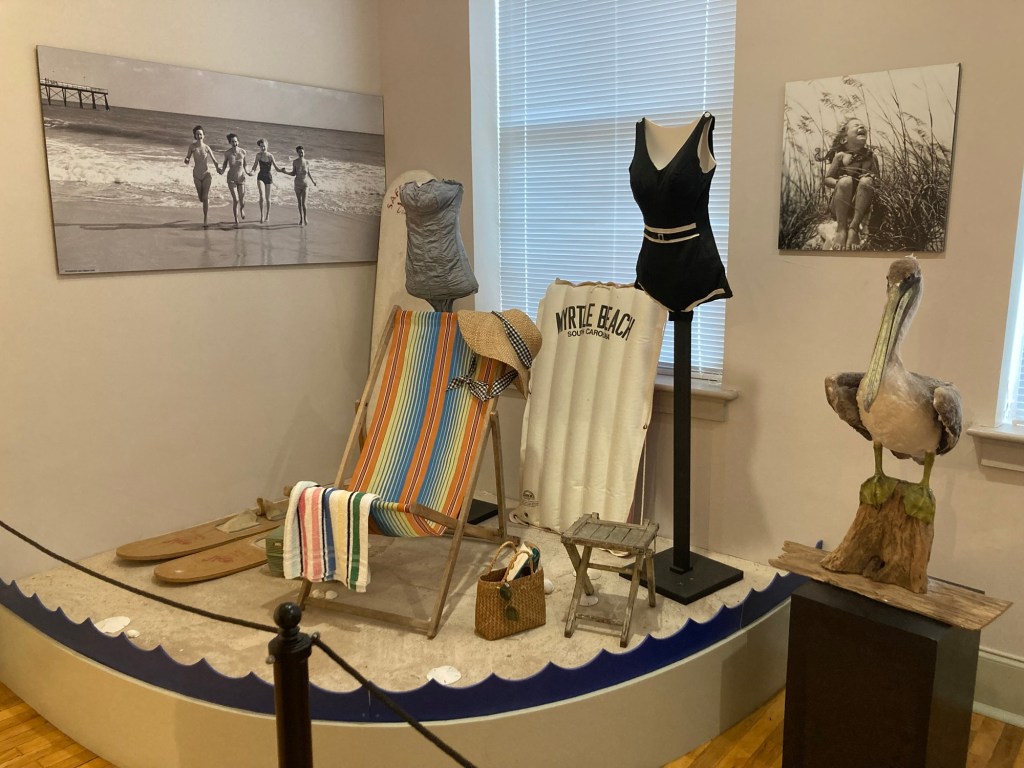
It was an impressive museum, very well presented, especially compared to many other history museums that we’ve visited. We also were intrigued with downtown Conway and will likely go back to explore that area as well as their Riverwalk.
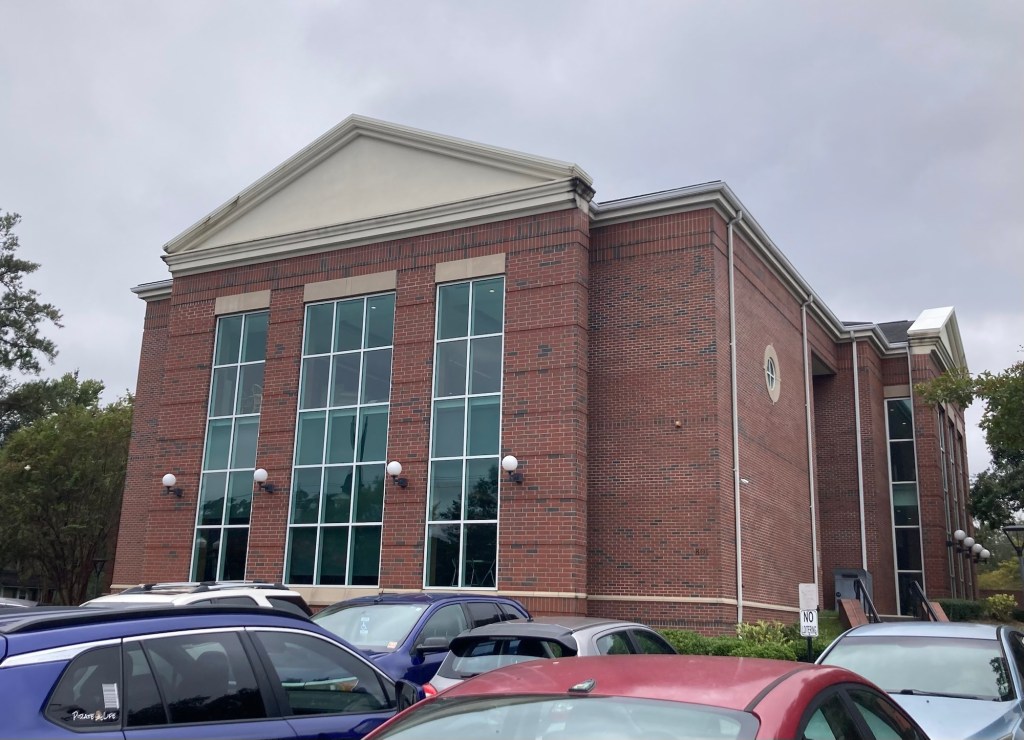
Almost forgot— next to the museum was their library which was quite busy.
 Peckish Travels