Bob and I decided to go a bit further afield today and drive about an hour southeast of Needham to visit Plymouth, Massachusetts, home of the first Pilgrim settlement. Part of our journey to Plymouth took us on state highway 3, where we were surprised to see signage indicating that driving in the breakdown lane is permitted during certain times of the day, morning rush hour times going towards Boston and evening rush hour times coming out of the city.
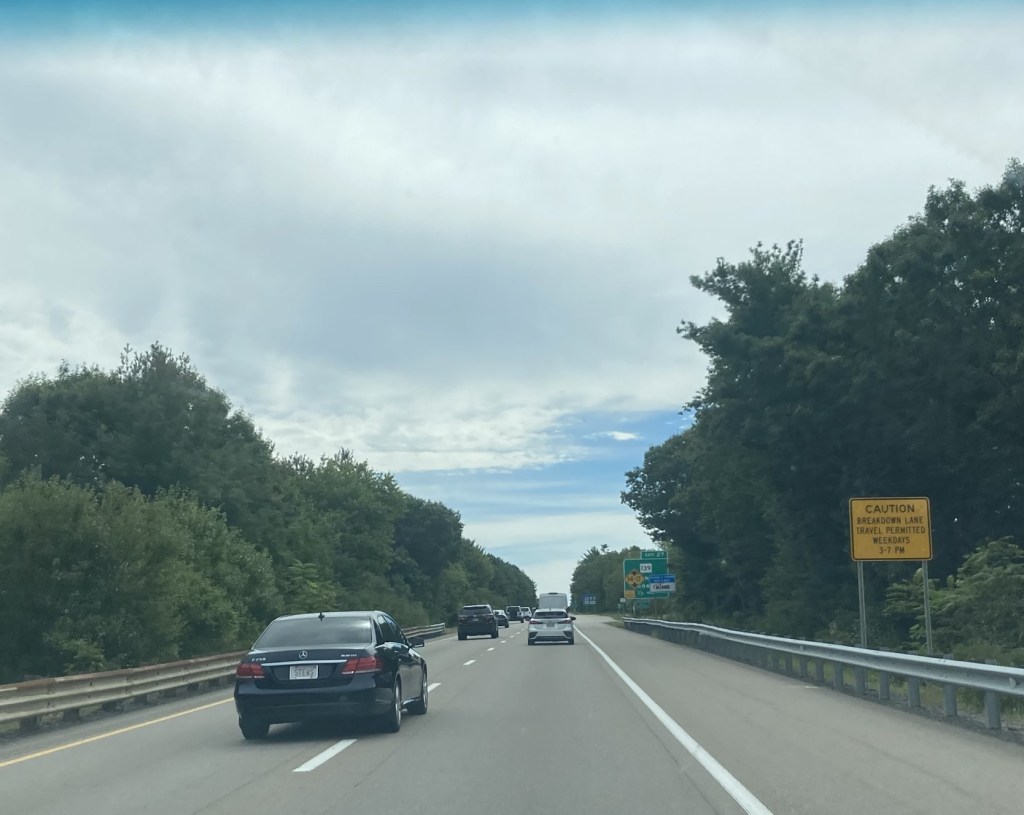
for permitted driving in breakdown lane,
the “lane” on the far right which is generally only used by vehicles that have pulled over due to a mechanical issue
or because they’ve been stopped by police.
But onto Plymouth. Plymouth was the site of the colony formed in 1620 by the Pilgrims, English settlers who came to the US on the Mayflower. The community was named Plymouth by John Smith after a city in Southwest England. Among other things, Plymouth was the site of the first Thanksgiving feast. It is currently the county seat of Plymouth County, Massachusetts, and has a current population of about 61,000. The US town was historically spelled Plimouth, and there were a number of businesses that we saw that used that spelling.
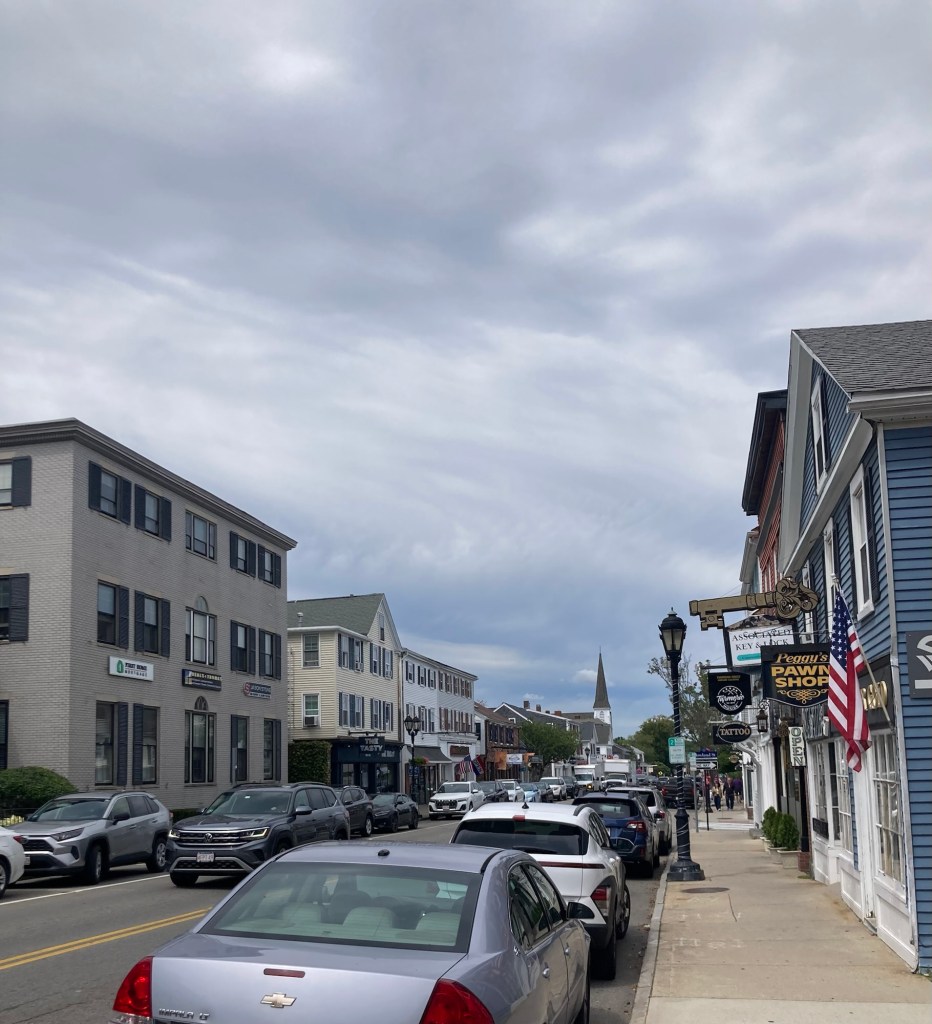
We found free 2-hour parking on Main Street and walked from there down to the harbor before coming back up to explore Main Street.
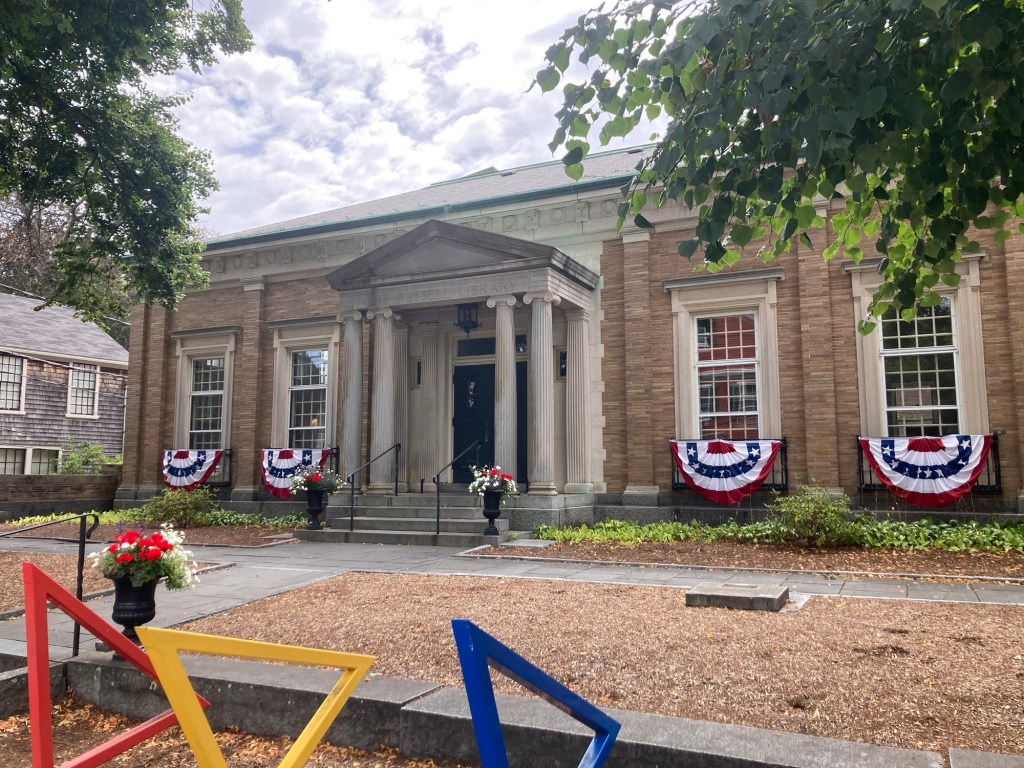
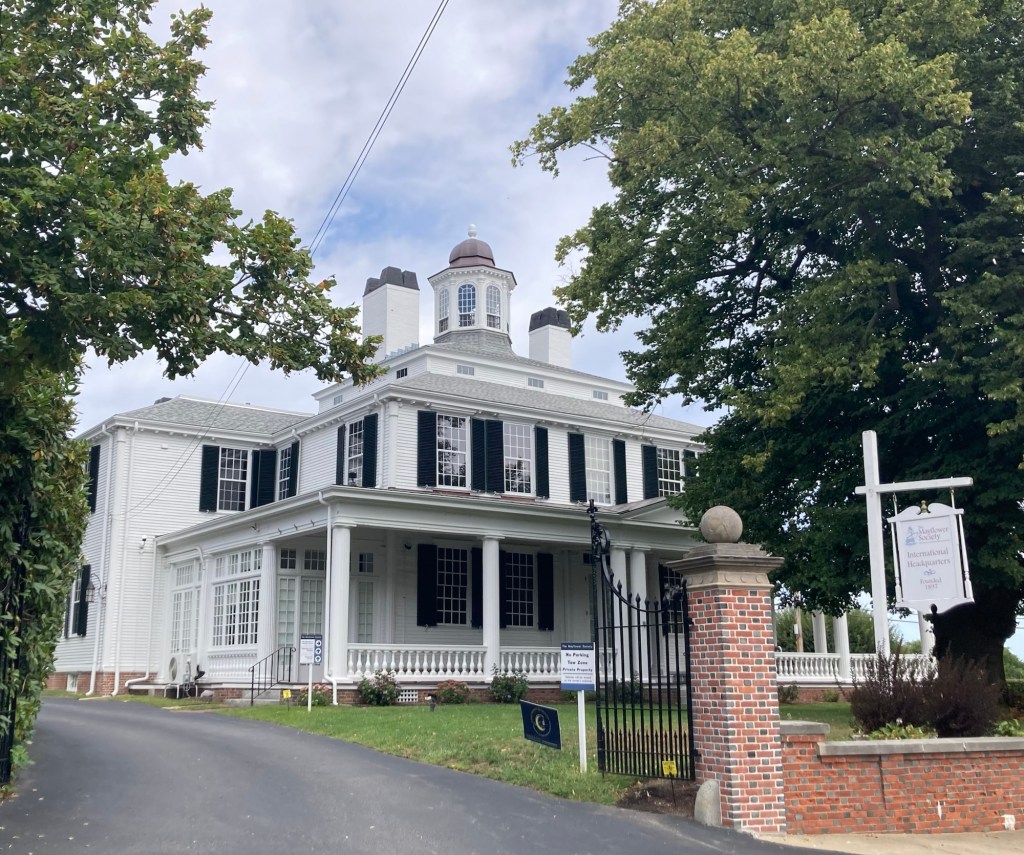
to promote the education on the Mayflower Pilgrims
and research to establish their lineal descendants.

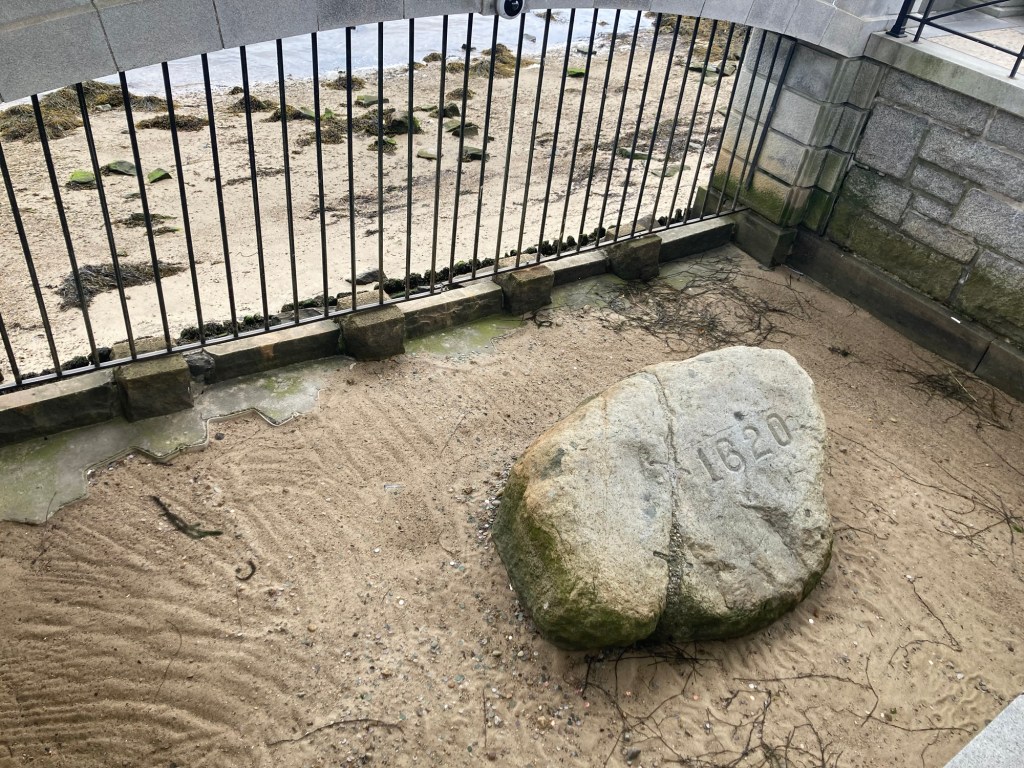
in Pilgrim Memorial State Park,
which runs along Plymouth Harbor.
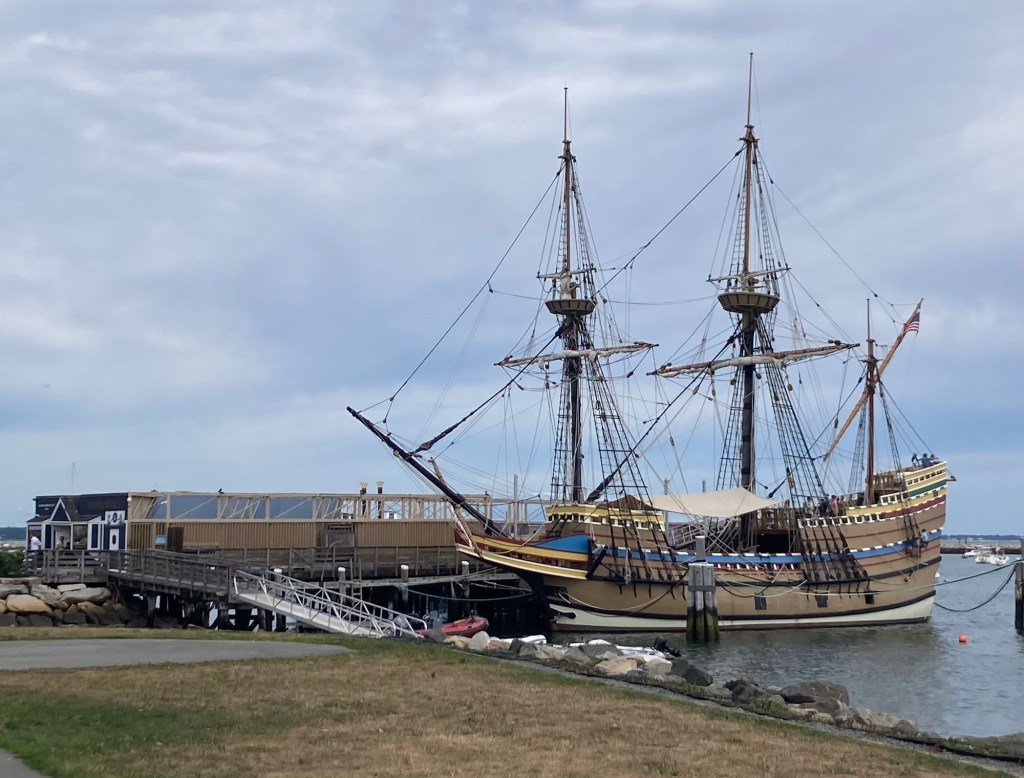
of the original Mayflower
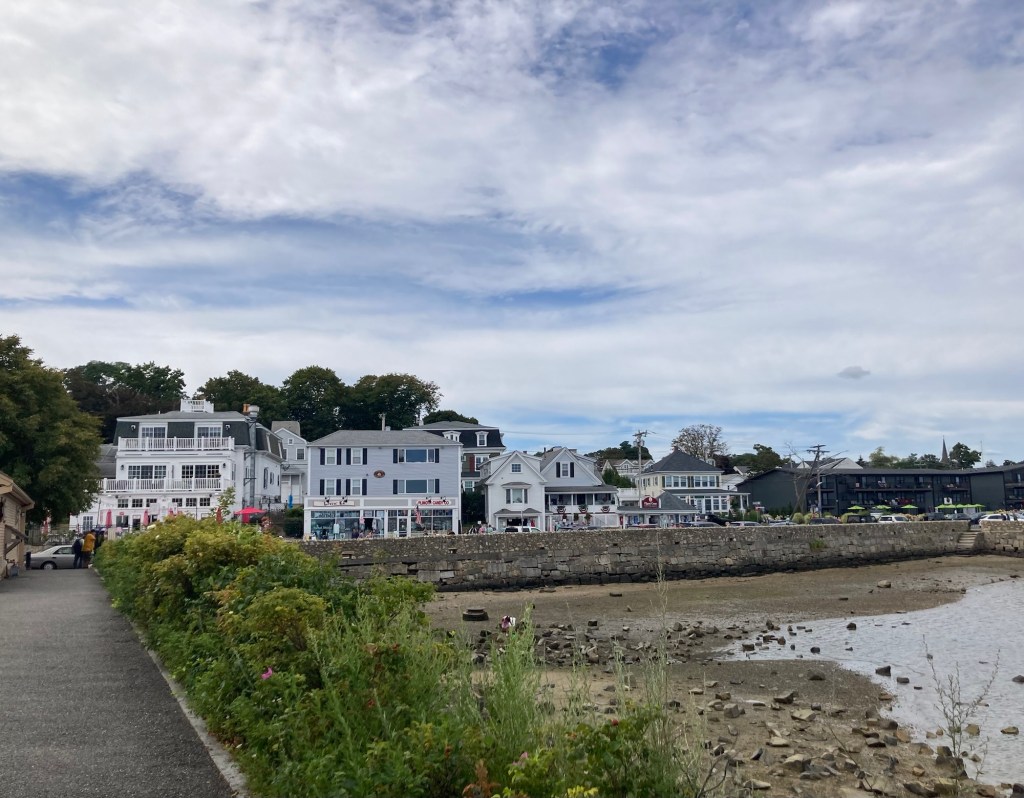
from the ship and rock

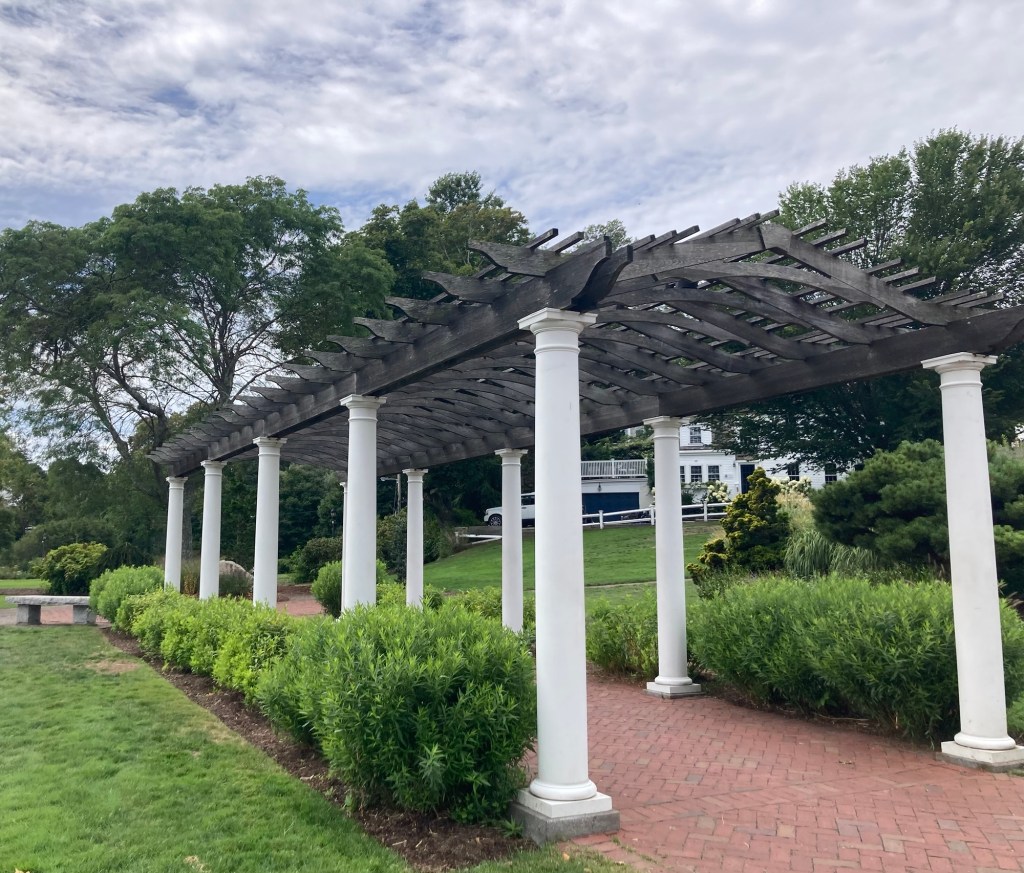
which lies between the harbor and Main Street
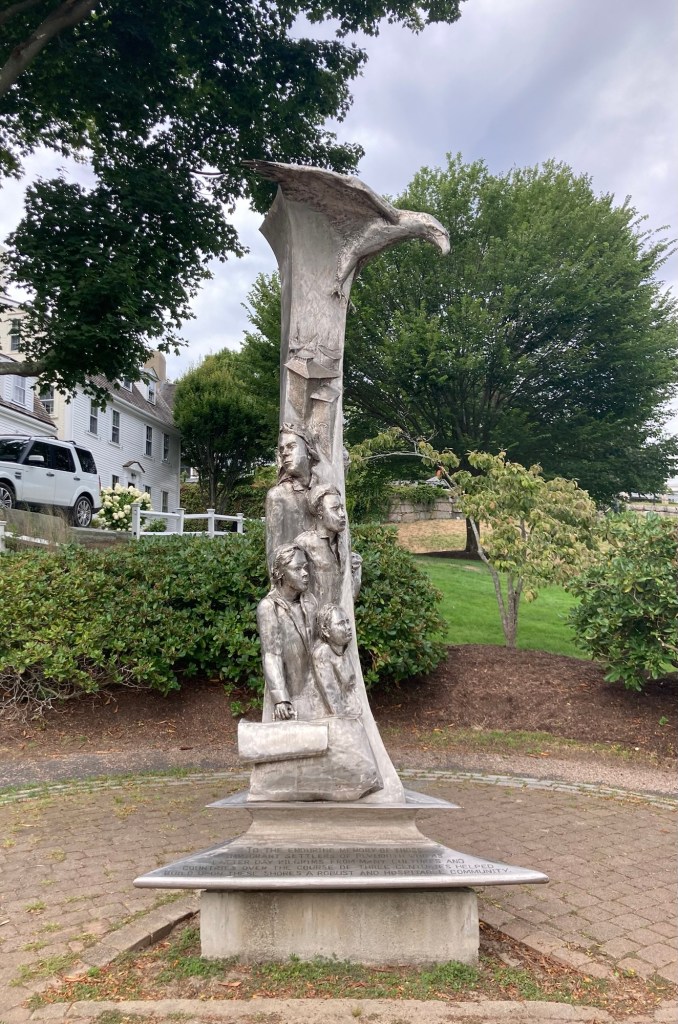
celebrating the immigrant settlers of Plymouth,
“from many cultures and countries
over the course of three centuries helped build upon these shores a robust and hospitable community.”
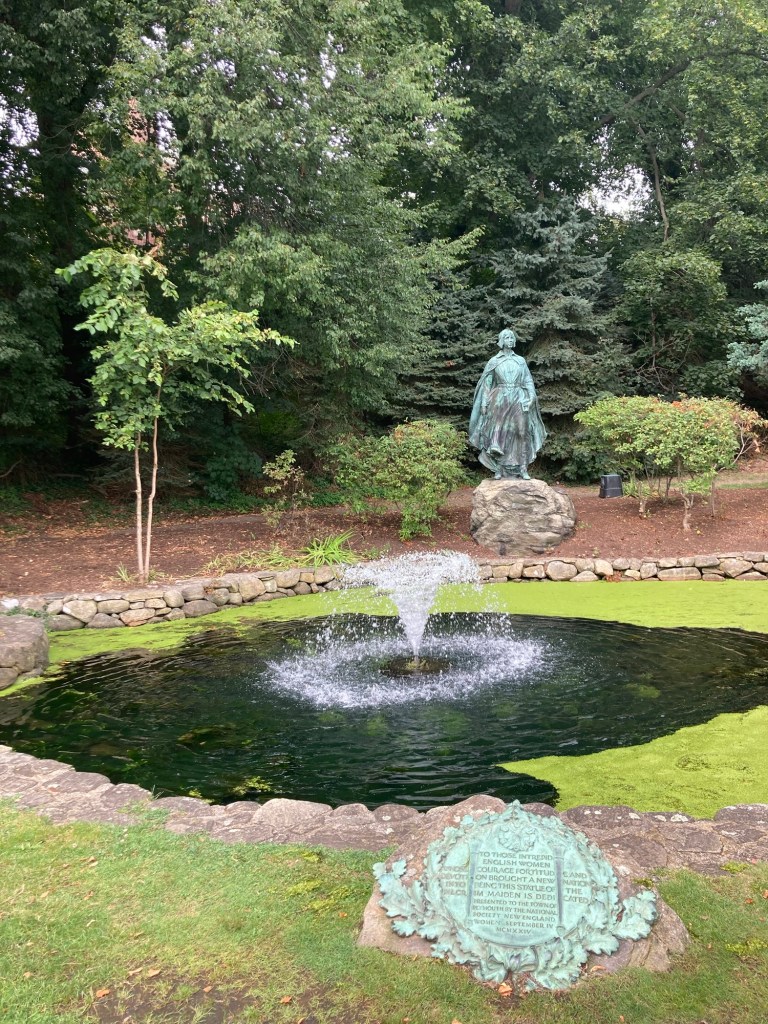
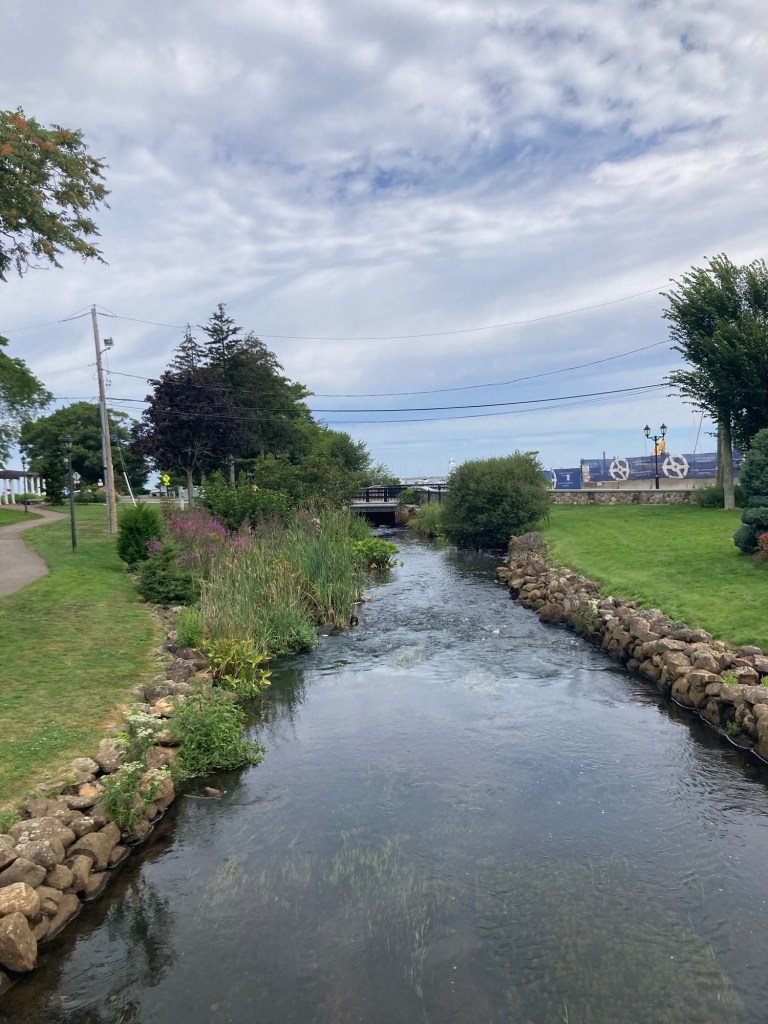

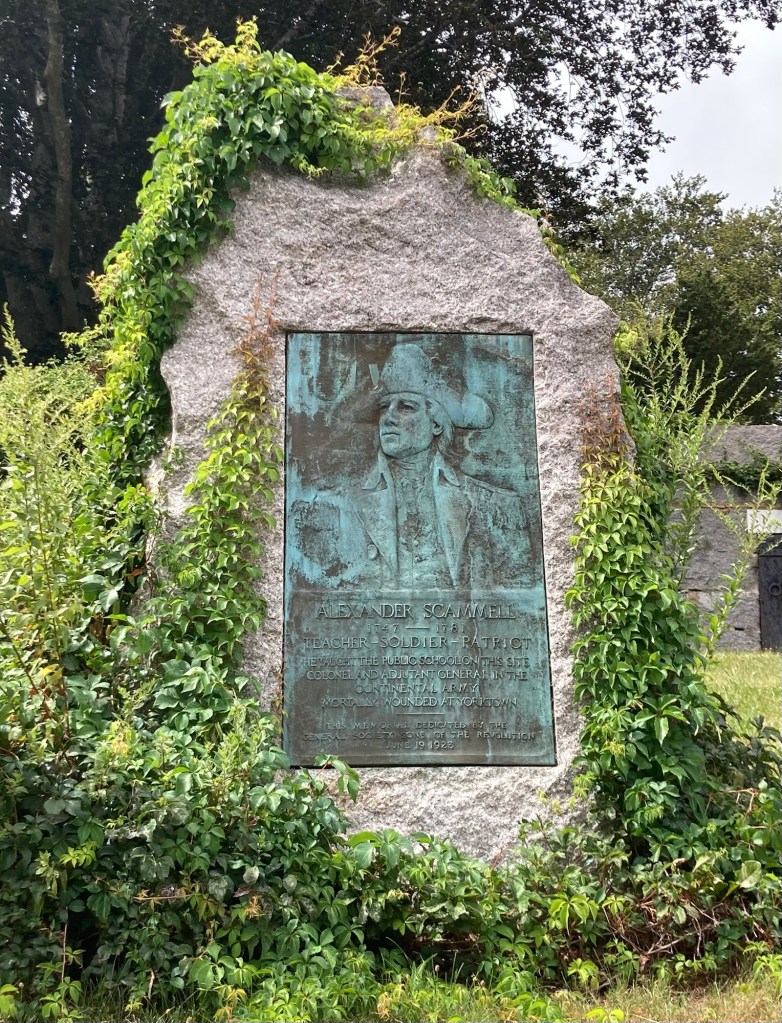
a large cemetery that was used from 1600s-1957.
This impressive marker, from 1923, was close to the church.
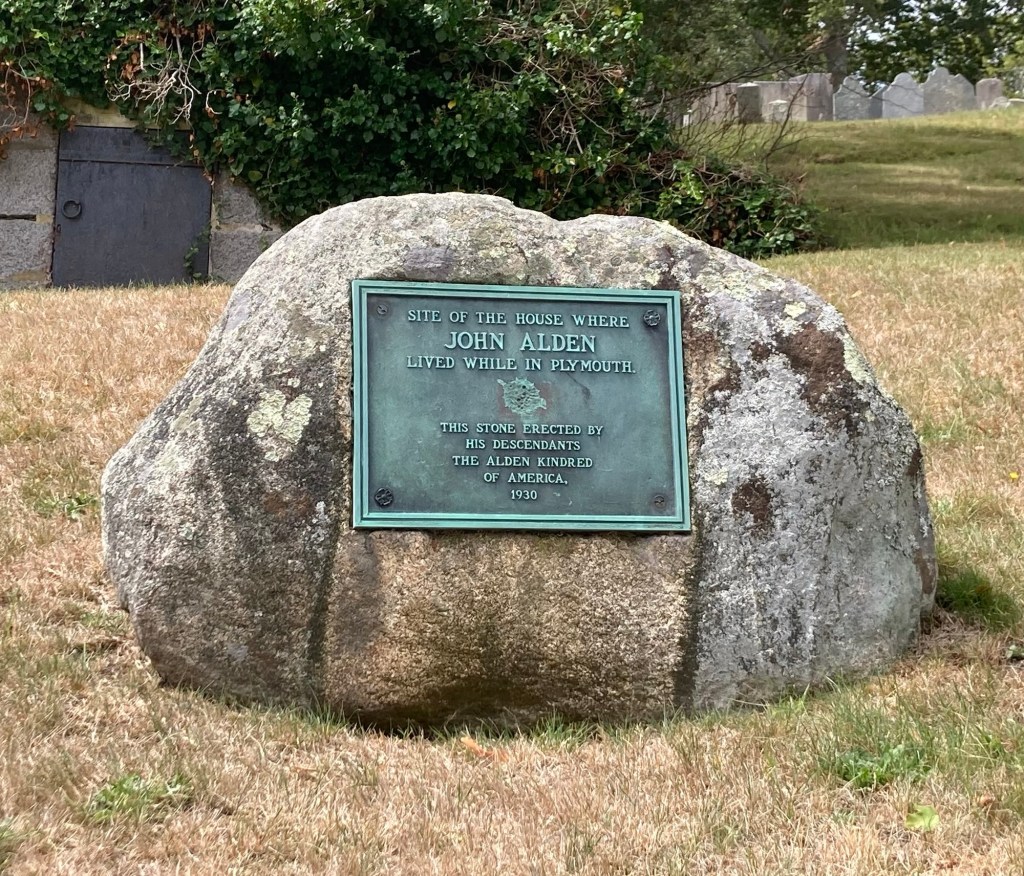
where John Alden lived while in Plymouth.
He was a crew member (cooper) on the Mayflower,
who ended up staying in Plymouth
and was one of the signers of the Mayflower Compact
(first governing document of Plymouth Colony).

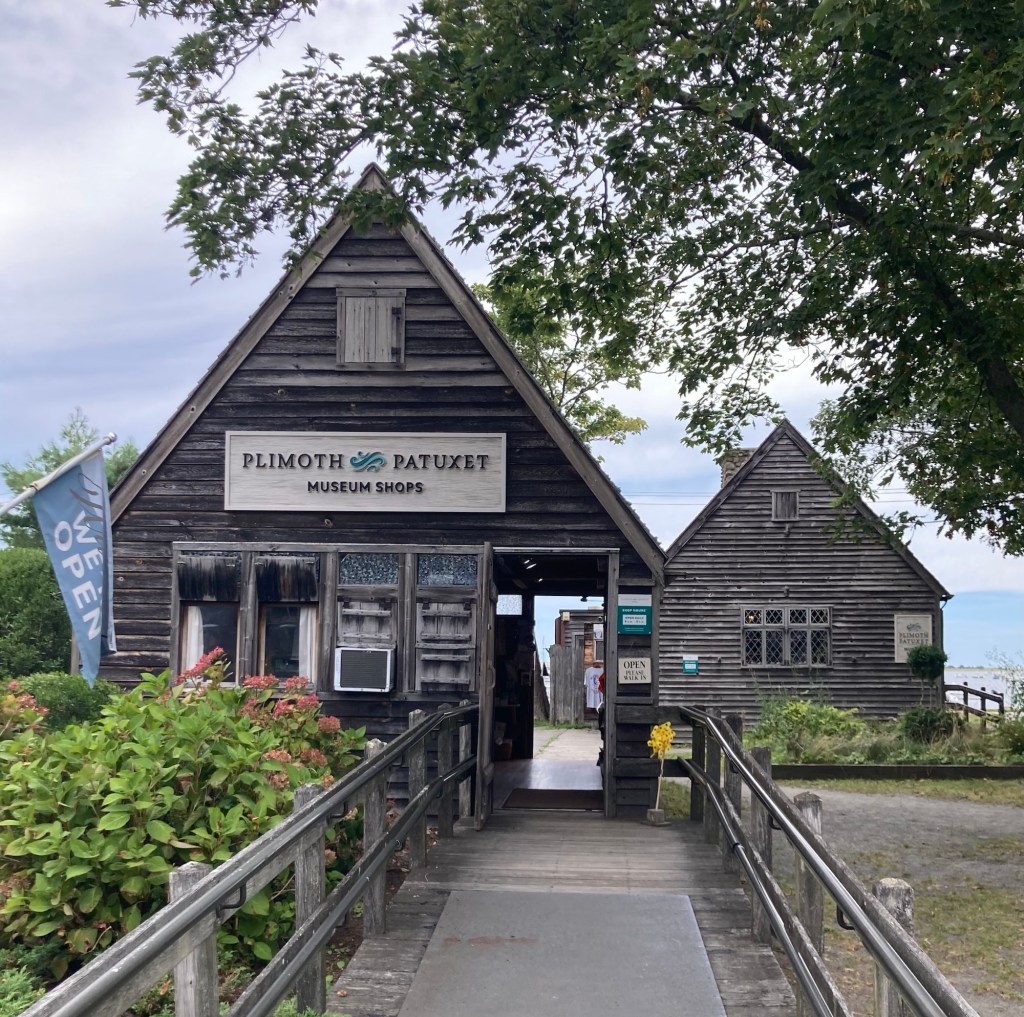
which also now houses retail shops as well

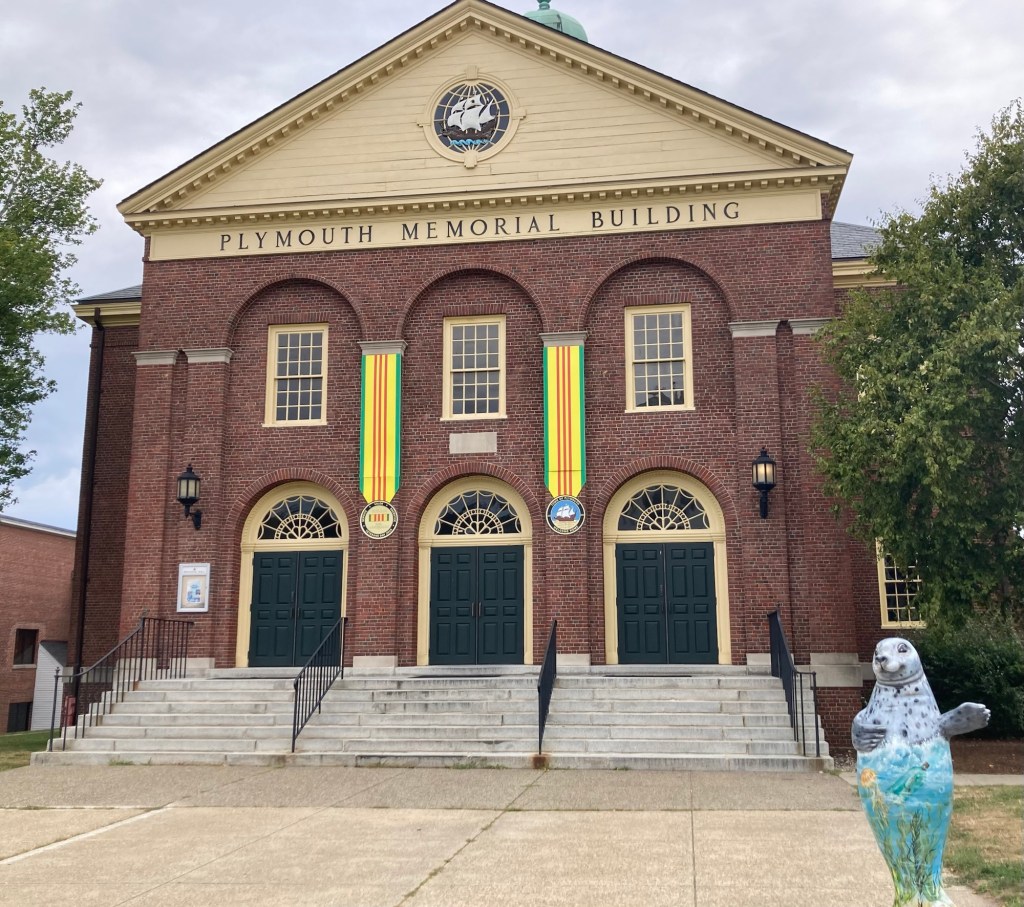
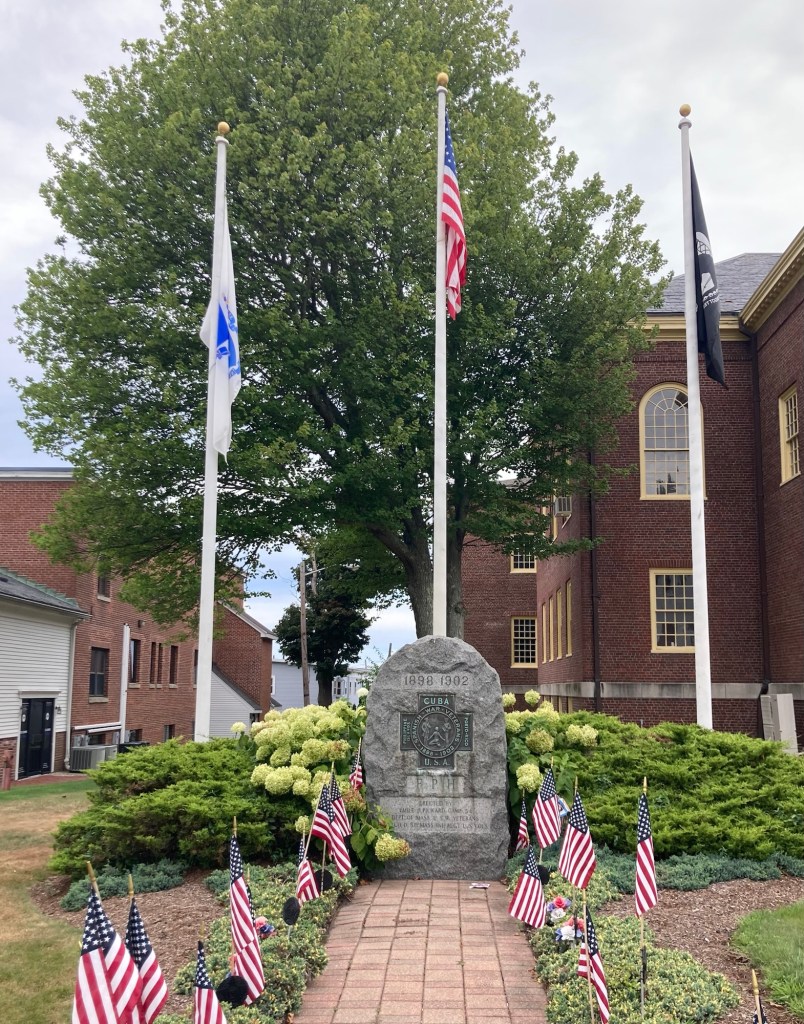
for the Spanish War, 1898-1902
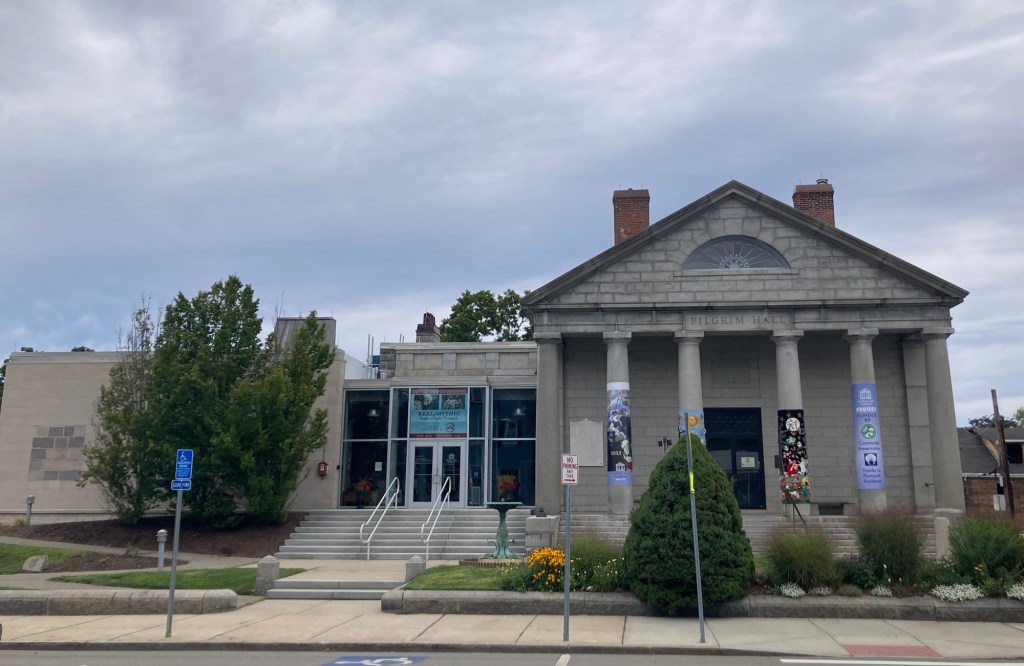
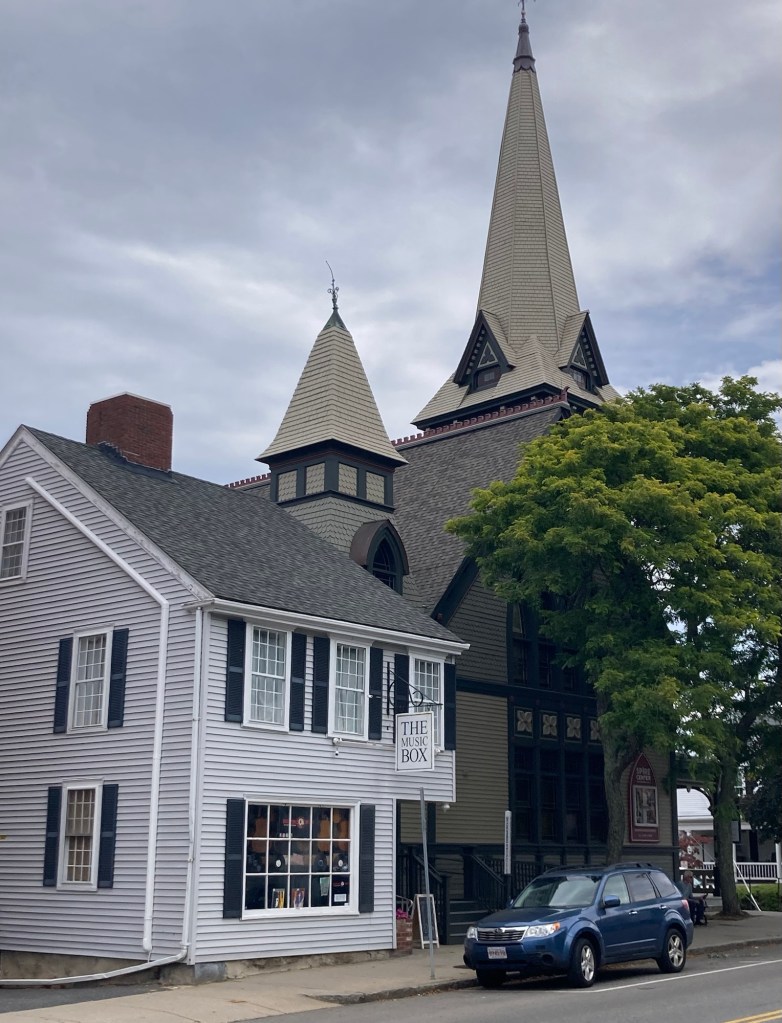
is now the Spire Center, a performing art center
 Peckish Travels