There are a plethora of museums on Guernsey related to the German occupation during WWII. The castle near the harbor has four just on its own. We prefer to take advantage of as many free sites when we travel as we can; however, we don’t want to not get a sense of the place in which we are staying. We have been significantly helped during our stay with all of the WWII information that is out and freely available for the 80th anniversary of the liberation of the island. But we decided today to visit the Signal Headquarters Museum as it relates to the encoding and decoding of messages, which we enjoyed learning about at Bletchley Park in England a couple years ago.
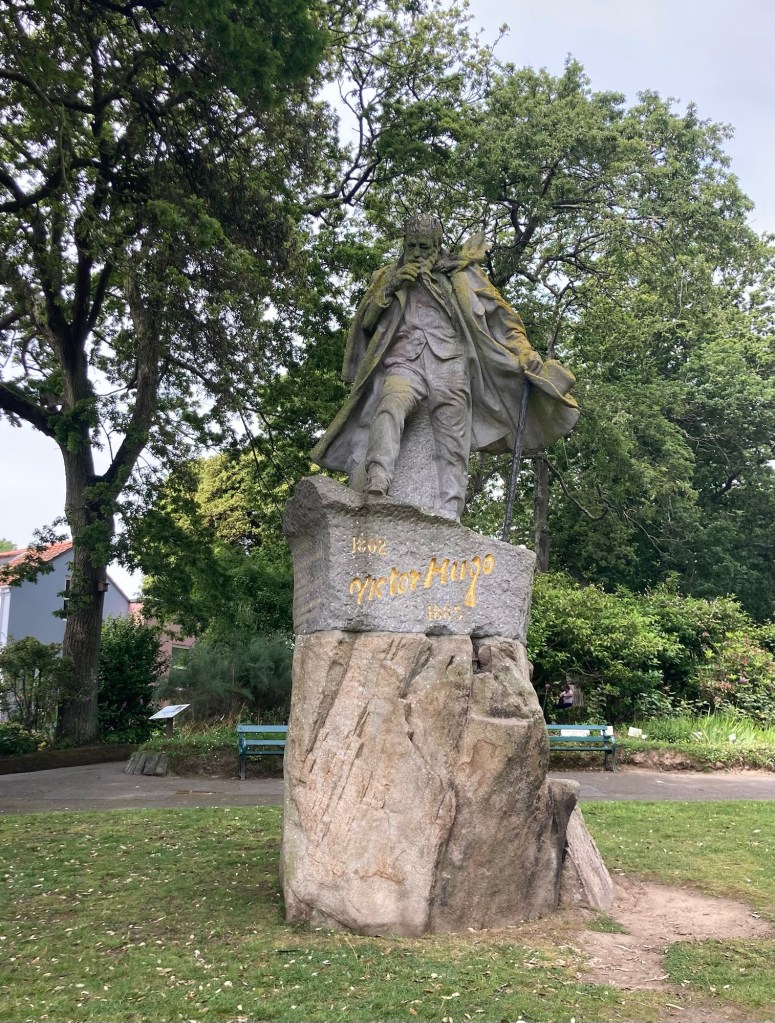
Before we headed to this museum, however, we wanted to right an oversight we had made on our first visit to the Candie Gardens, which was to miss seeing the statue of Victor Hugo that is there.
The Victor Hugo statue is in the gardens in front of the Guernsey Museum and Art Galkery in the Candie Gardens.
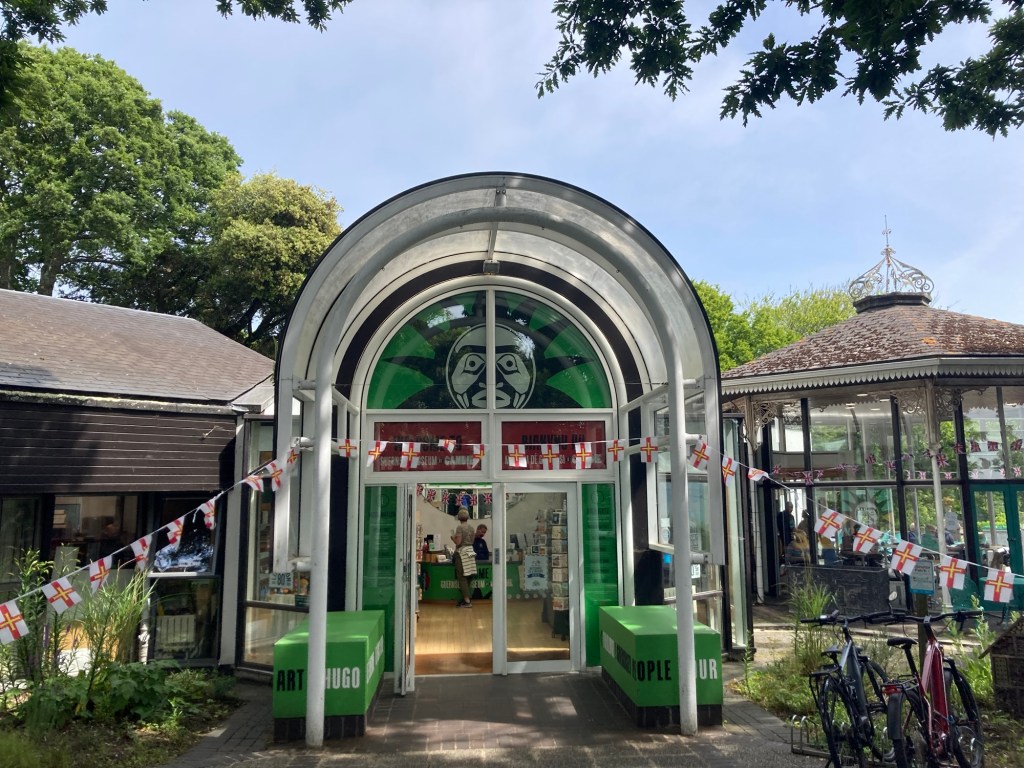

indicating that The Beatles performed here
at the Candie Auditorium on the 8th of August 1963.
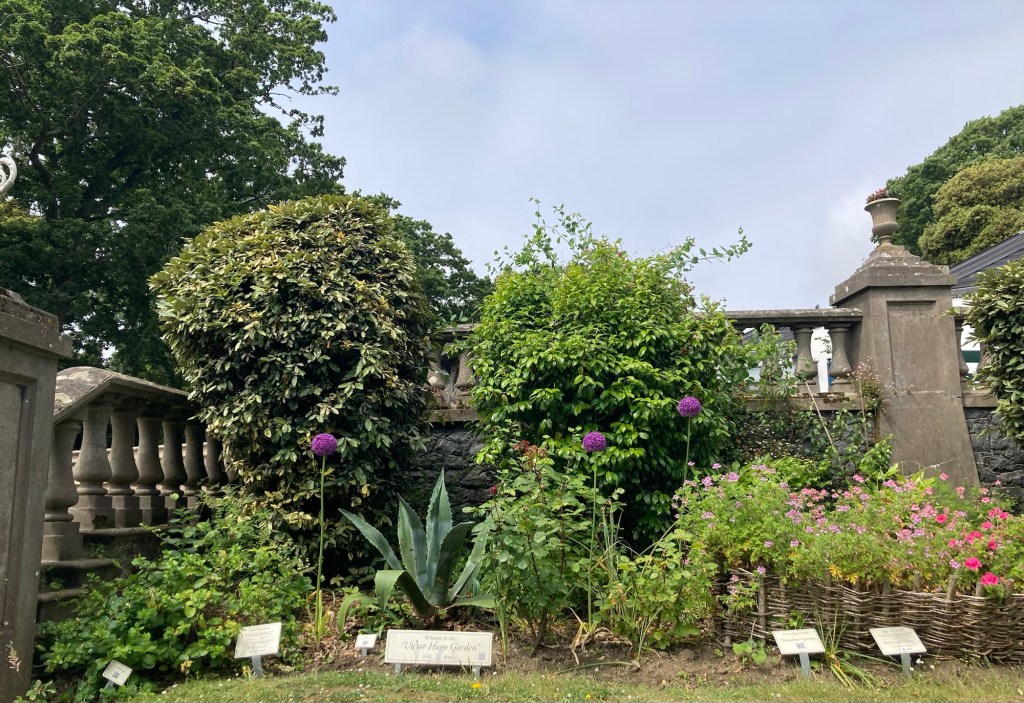
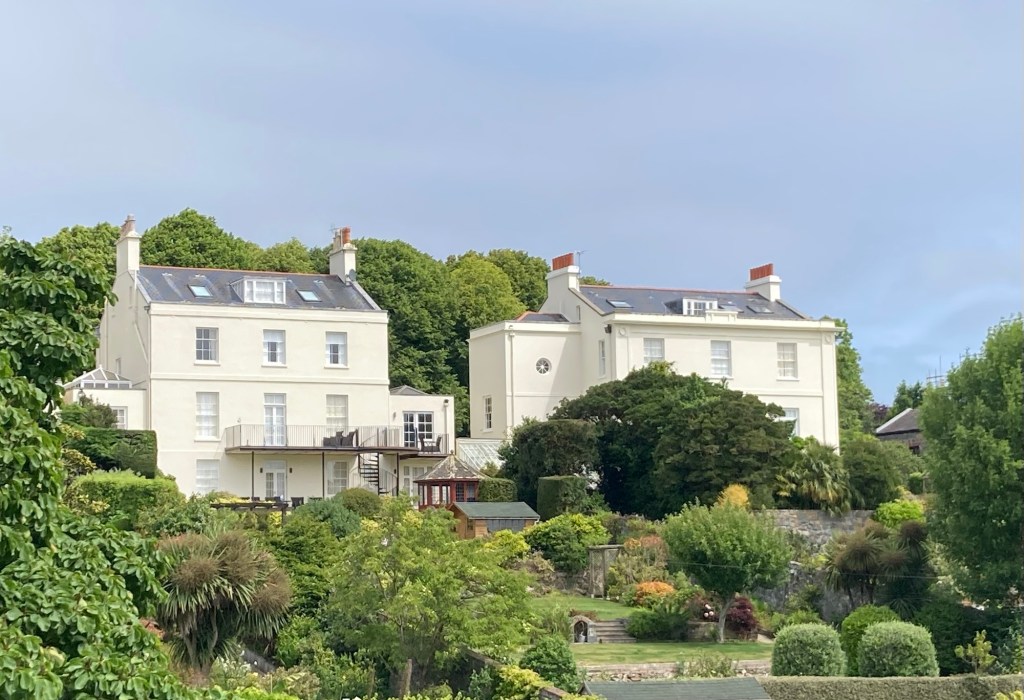
with their own impressive gardens
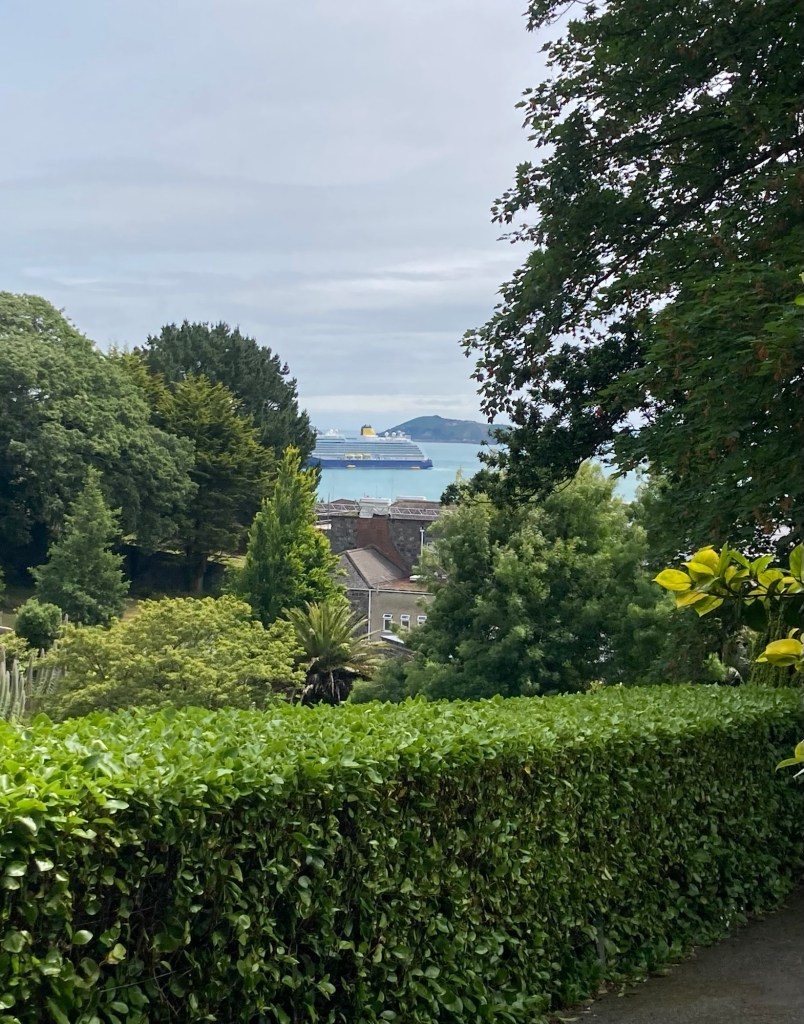
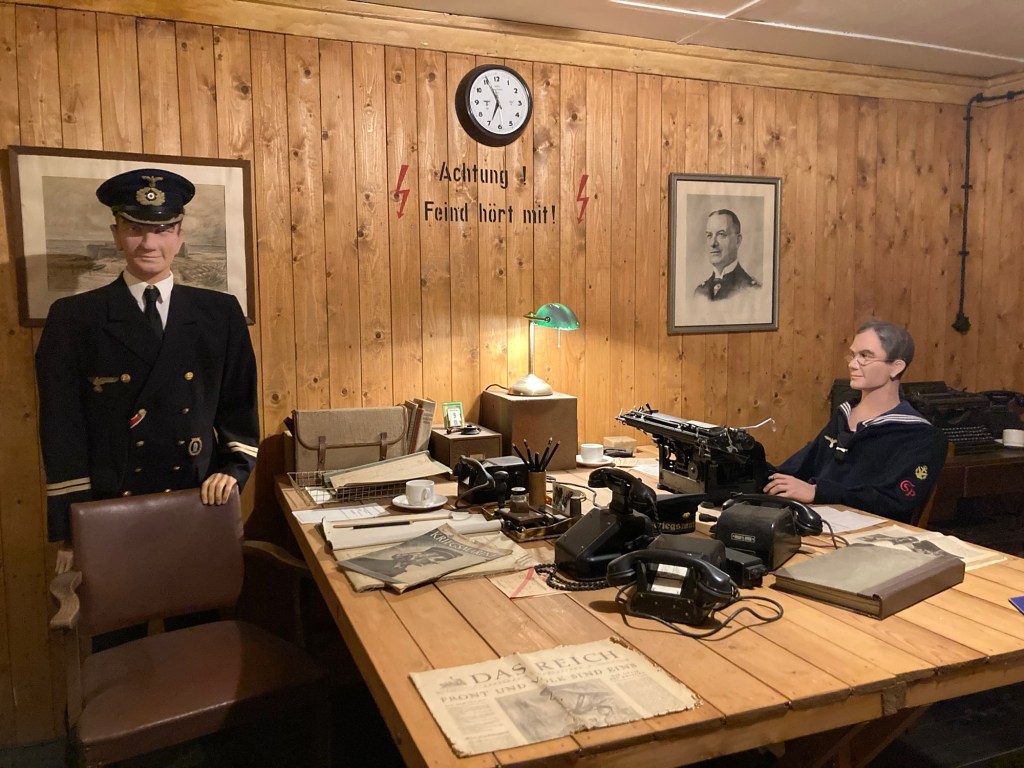
We had a relatively short walk (about 10 minutes) from Candie Gardens to the German Signal Headquarters Museum. As the name suggests, the museum was the headquarters for the German Naval Commander of the Channel Islands during WWII. The Signals HQ handled all the important radio signals traffic for the German forces during the occupation. The bunker complex was completed in February 1944 and housed powerful communications equipment and Enigma encoding machines.
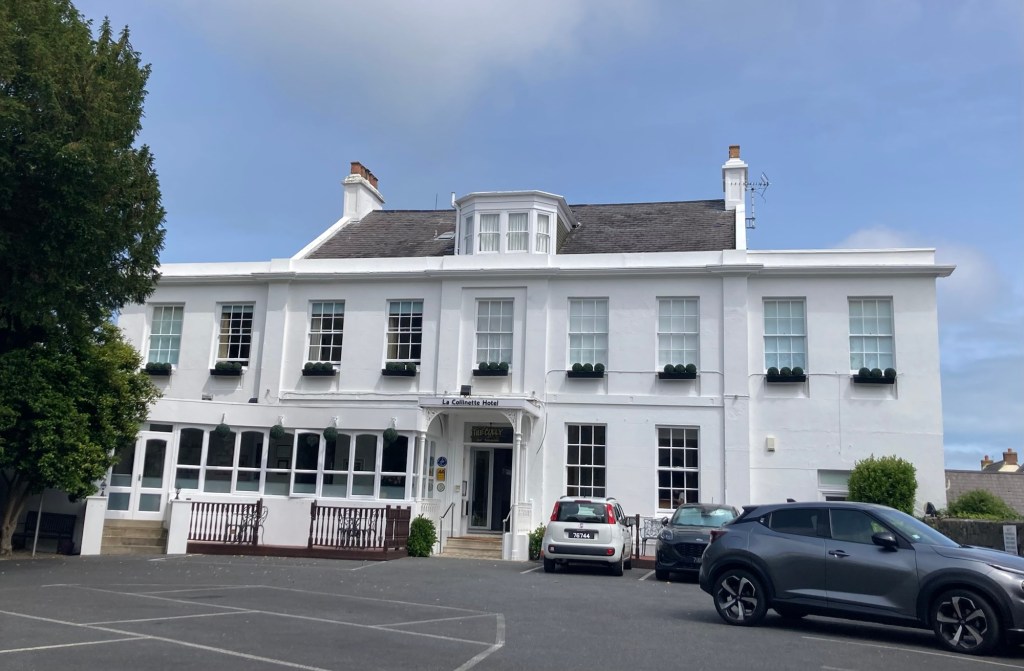
the Signals HQ was housed in what is now La Collinette Hotel
due to its elevated, strategic position on the island.
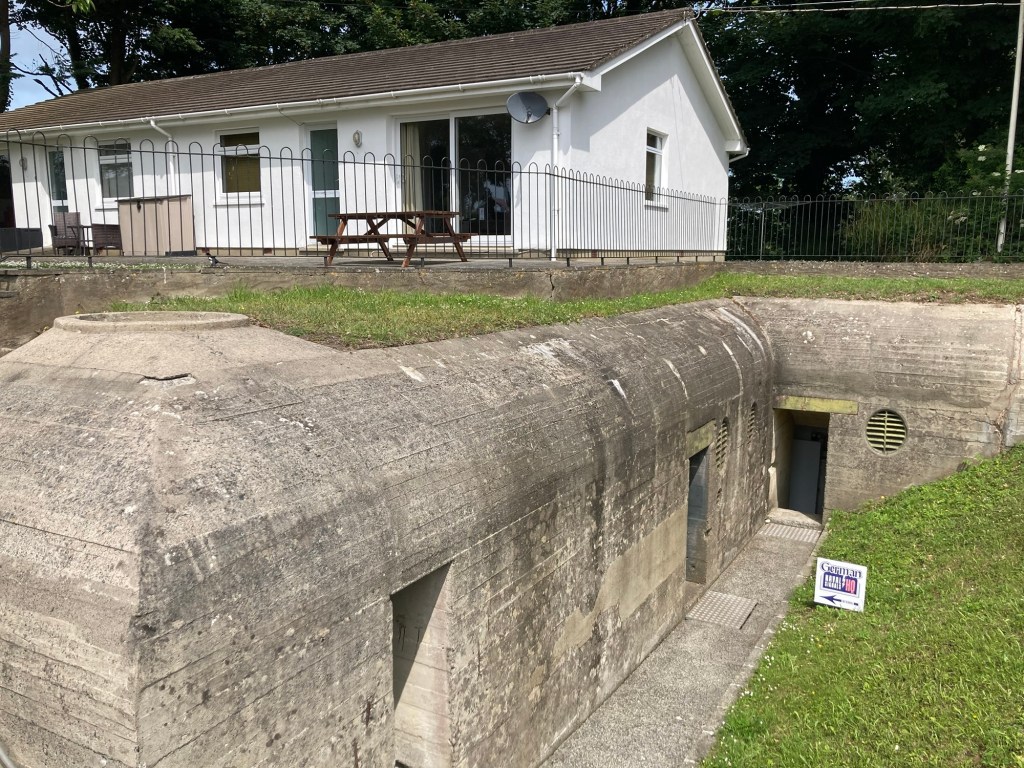
and now the museum
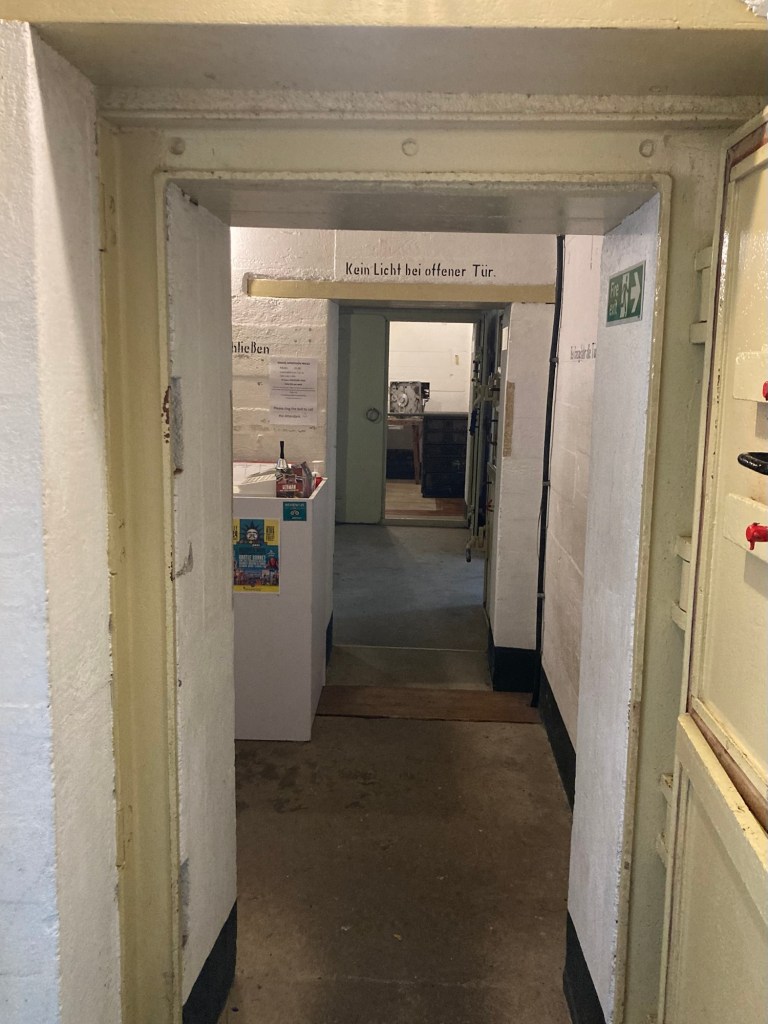
The tour began with an 11 minute film, which showed how former German Naval Signals Officer Oberleutnant Willi Hagedorn, the lead officer for this command during WWII, returned to Guernsey to help guide the restoration of the bunker to accurately portray how it looked during the war.
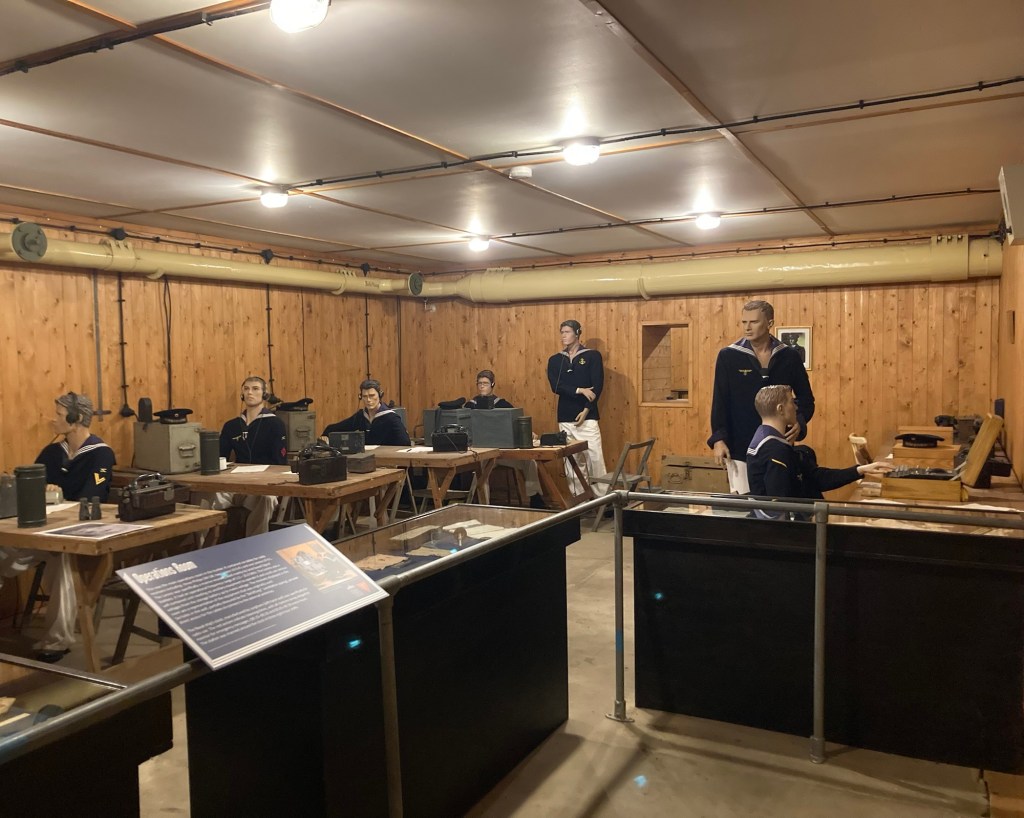
Radio operations were 24/7,
done in 8 hour shifts with 50 men at a time.
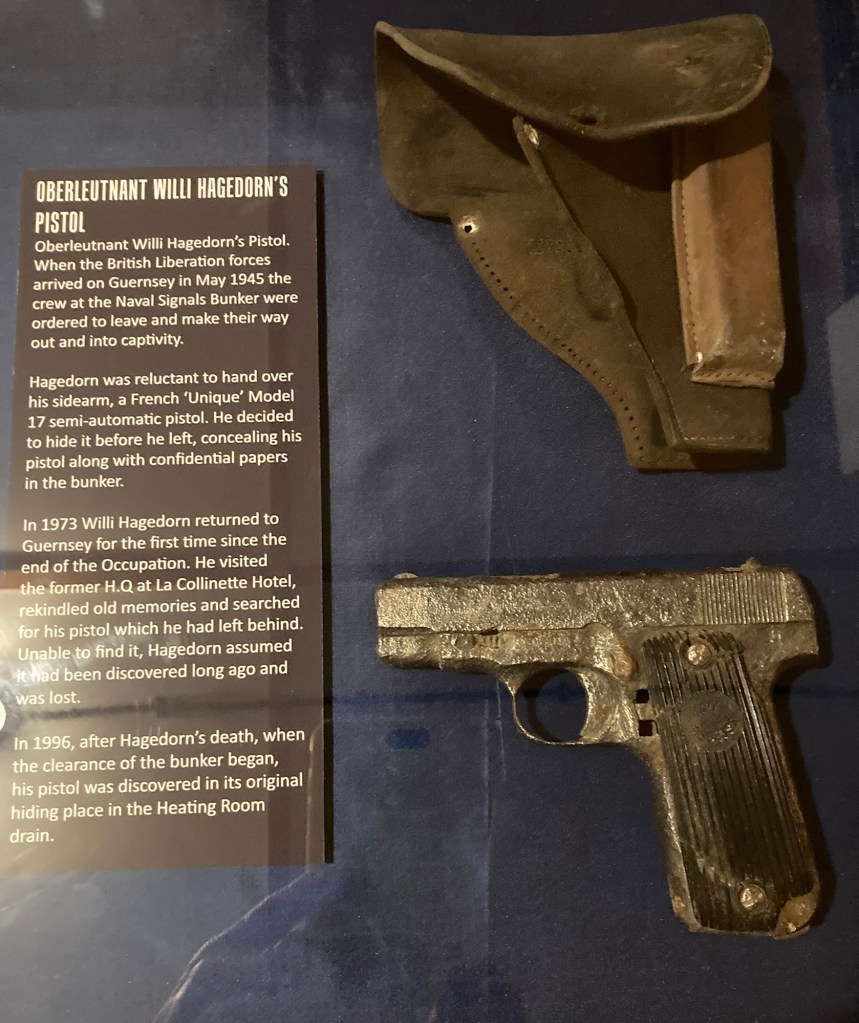
it wasn’t found until restoration work was begun.
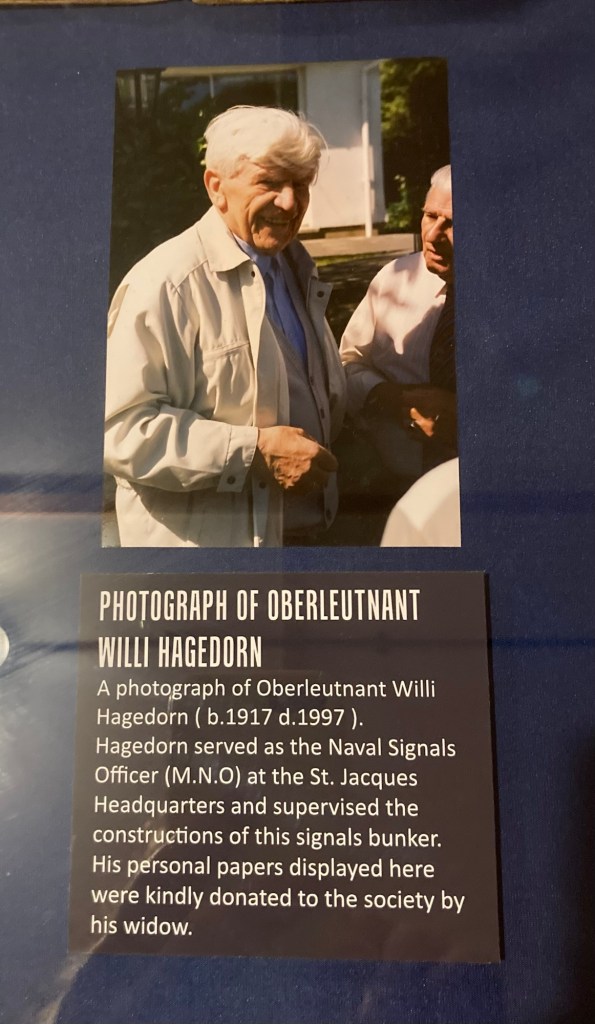
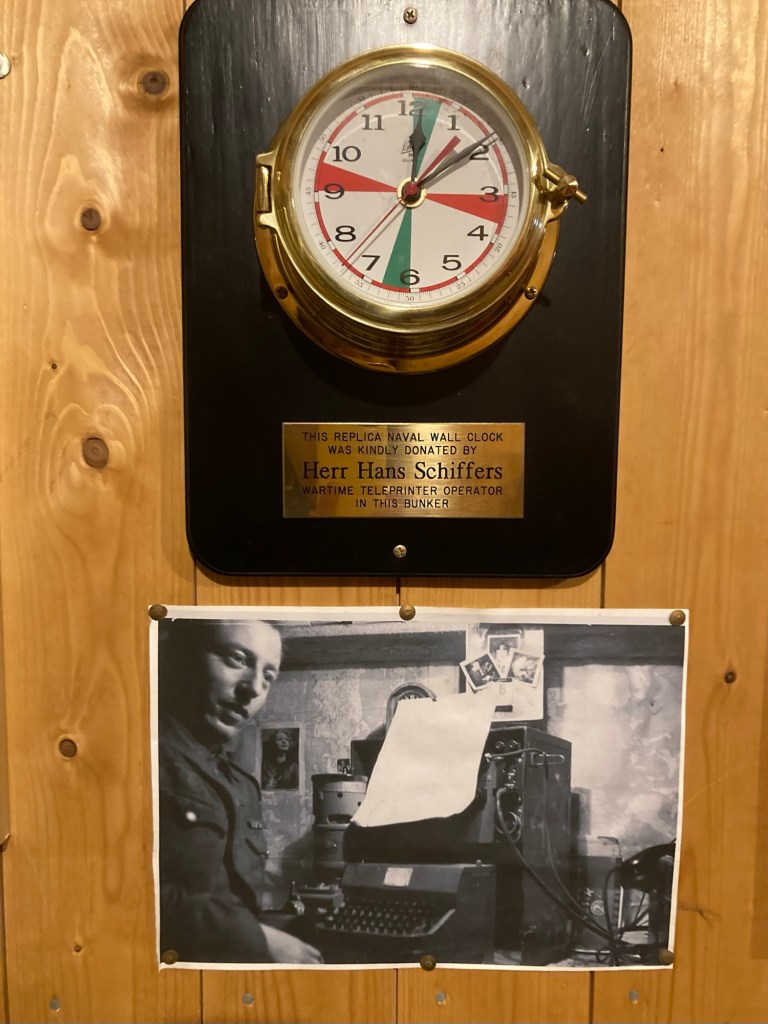
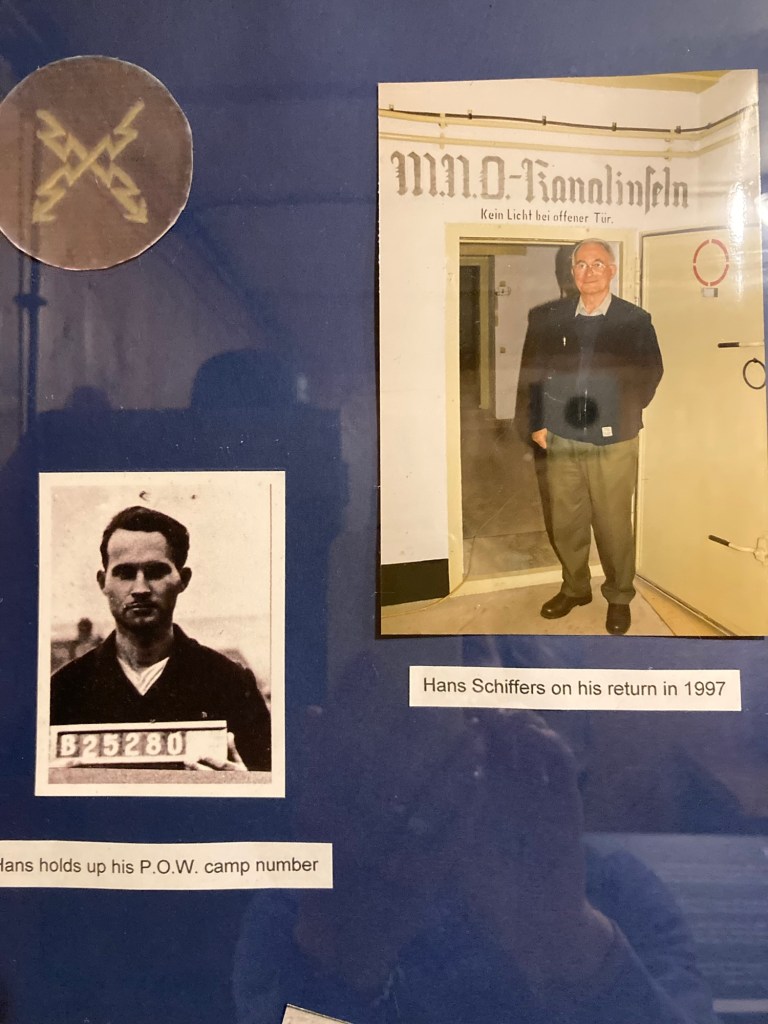
as well as a photo from when he returned to Guernsey
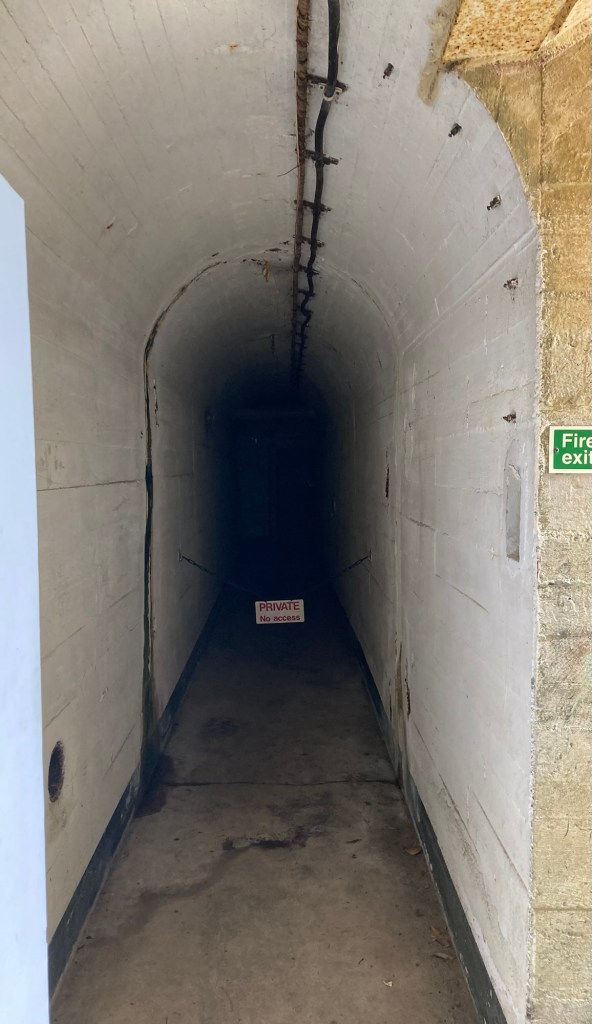
Of course, the work that went on here is fascinating. The safe communication of war strategies seems like basic war planning 101 (no Signalgate here), but I also found the cooperation between the Germans who had served in Guernsey during the war to assist in the development of the museum and the receptiveness of the people whose island had been occupied by them to be just as interesting.
 Peckish Travels