For our last full day in Oslo, Bob and I walked 10 miles to various sights around the city. We started at the Memorial Cemetery and then walked to the Botanical Gardens near the Museum of Natural History. We then proceeded on to the Ekeberg Sculpture Park and Royal Palace, which is covered in today’s second blog, Big Views and Big Heads.
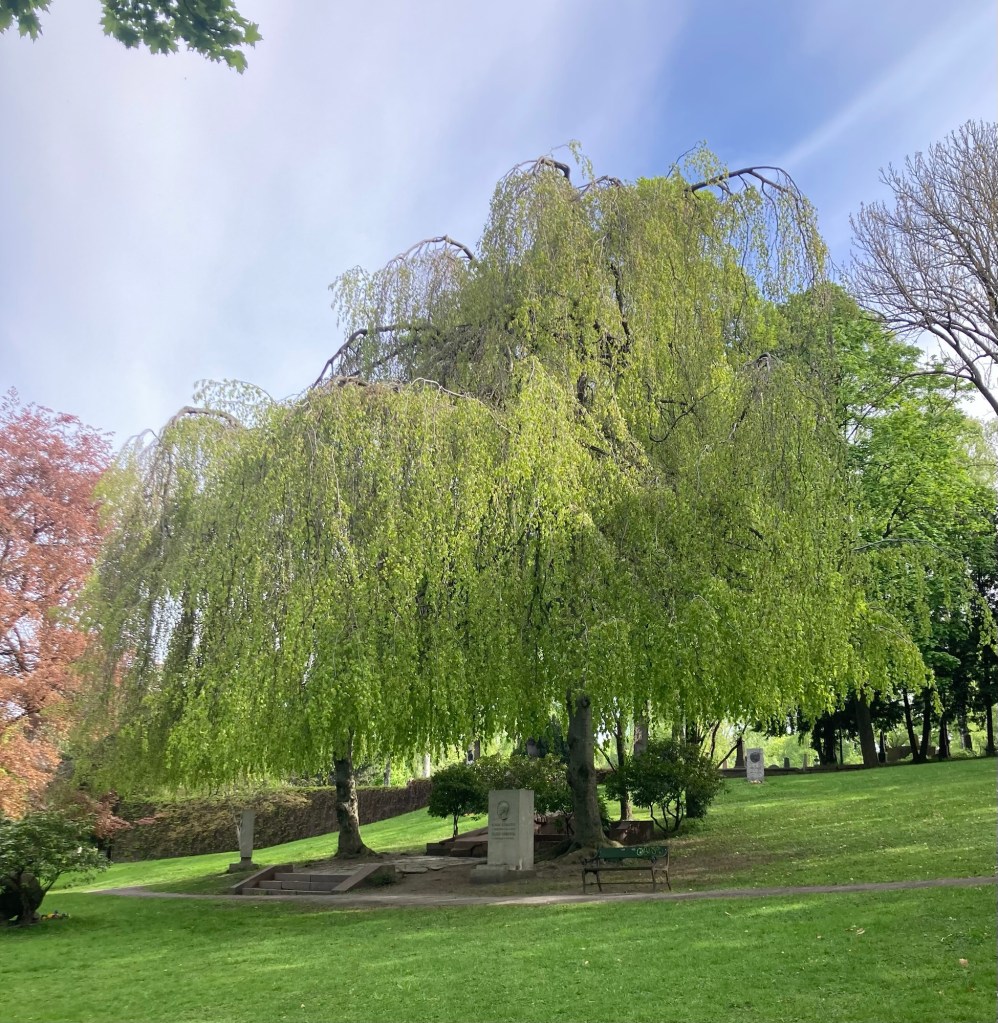
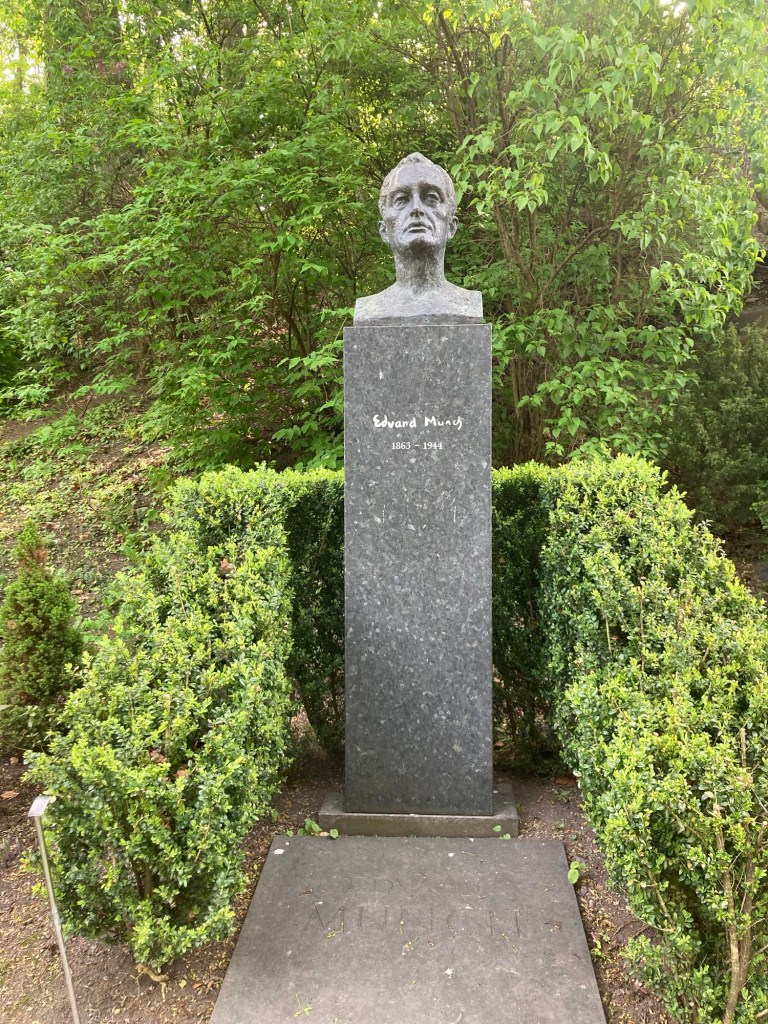
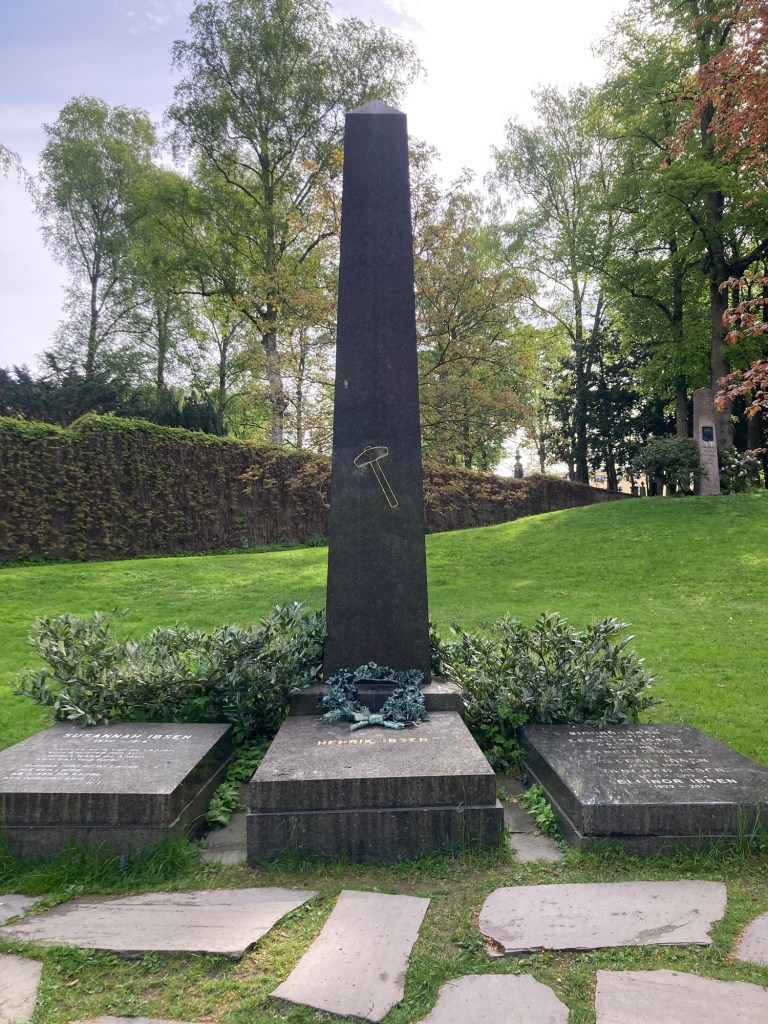
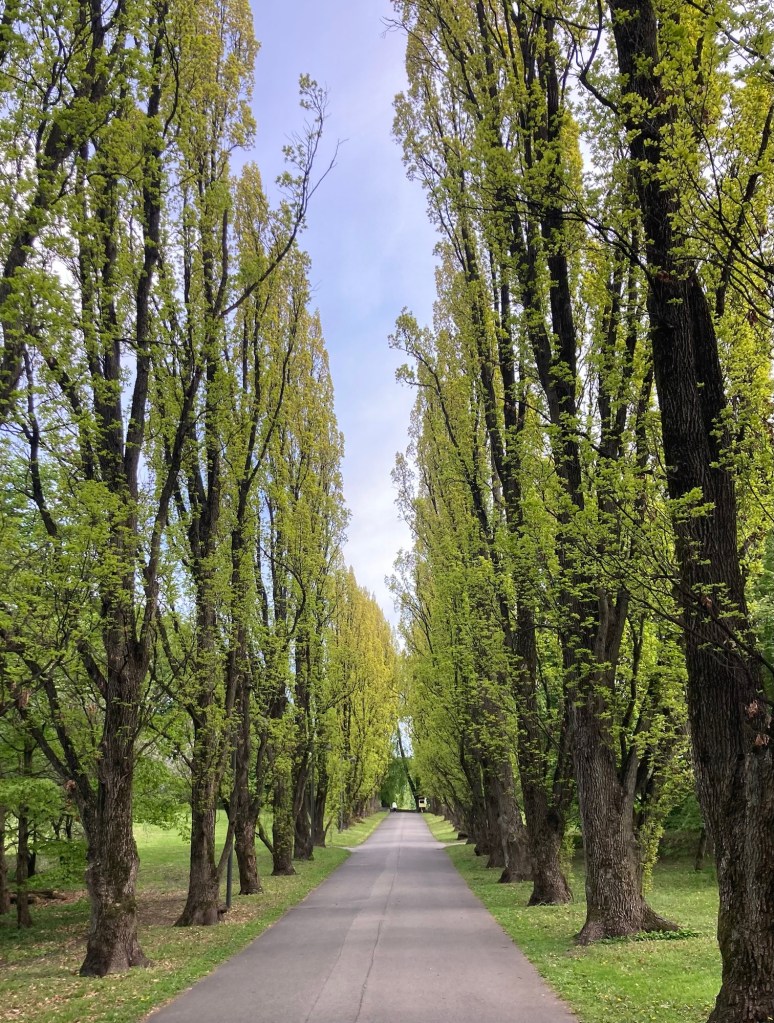
It was a short walk to the Memorial Cemetery from our hotel, located behind St. Olav’s Church. It is the burial site for Edvard Munch and Henrik Ibsen, which was the reason for our visit. It was attractive and quiet and was a nice start to the day.
Looking across the cemeteryThe lovely resting spot of the Norwegian stage actor, Bjorn Bjornson (1859-1942), and his wife Eileen (1884-1944)Munch’s cenotaphHenrik Ibsen’s cenotaph with an etching of Thor’s Hammer, the symbol of the God of Thunder’s power and an image that was used in Ibsen’s plays
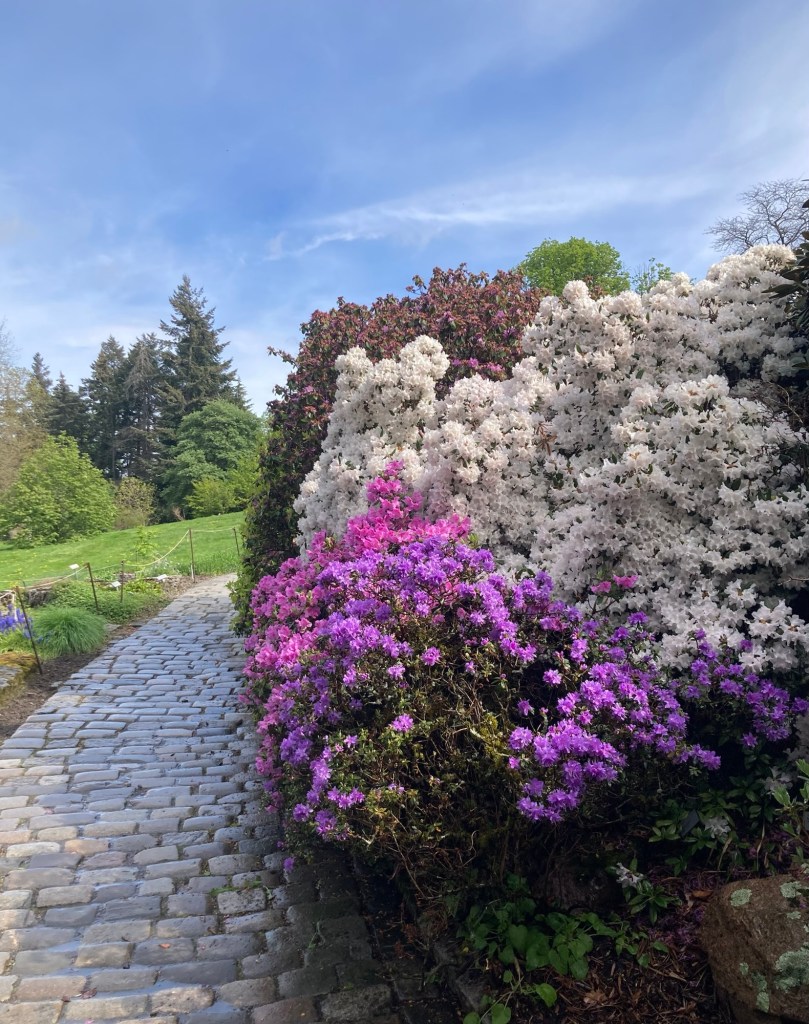
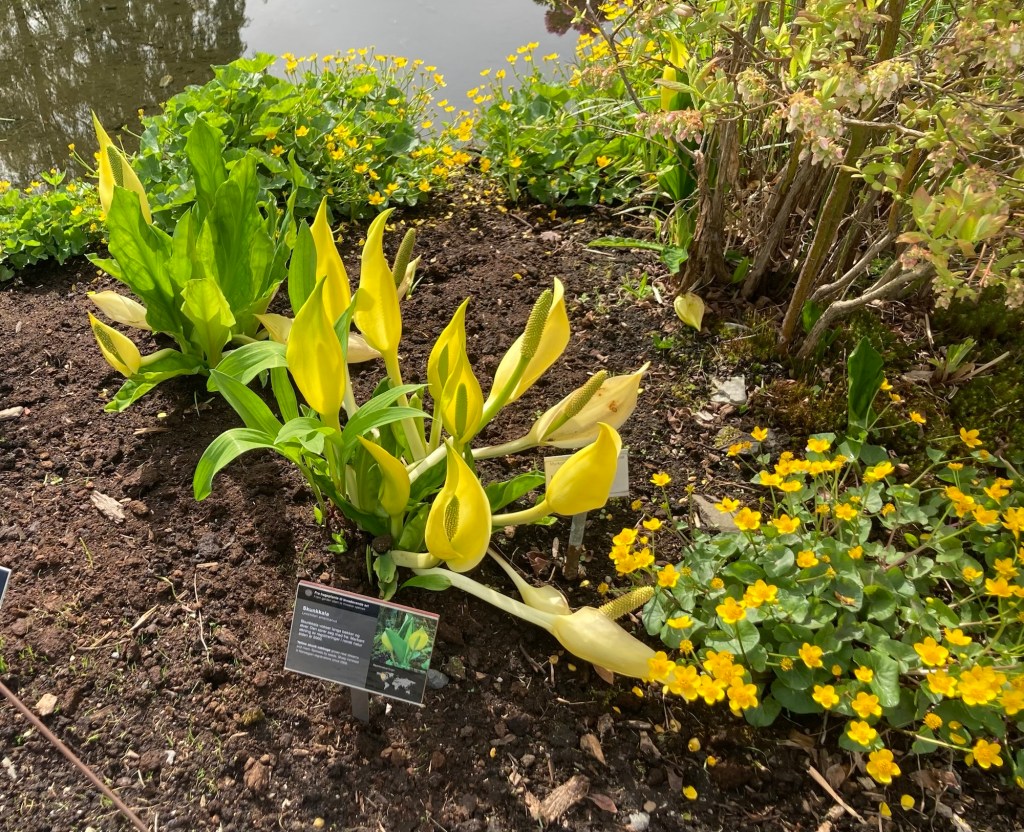
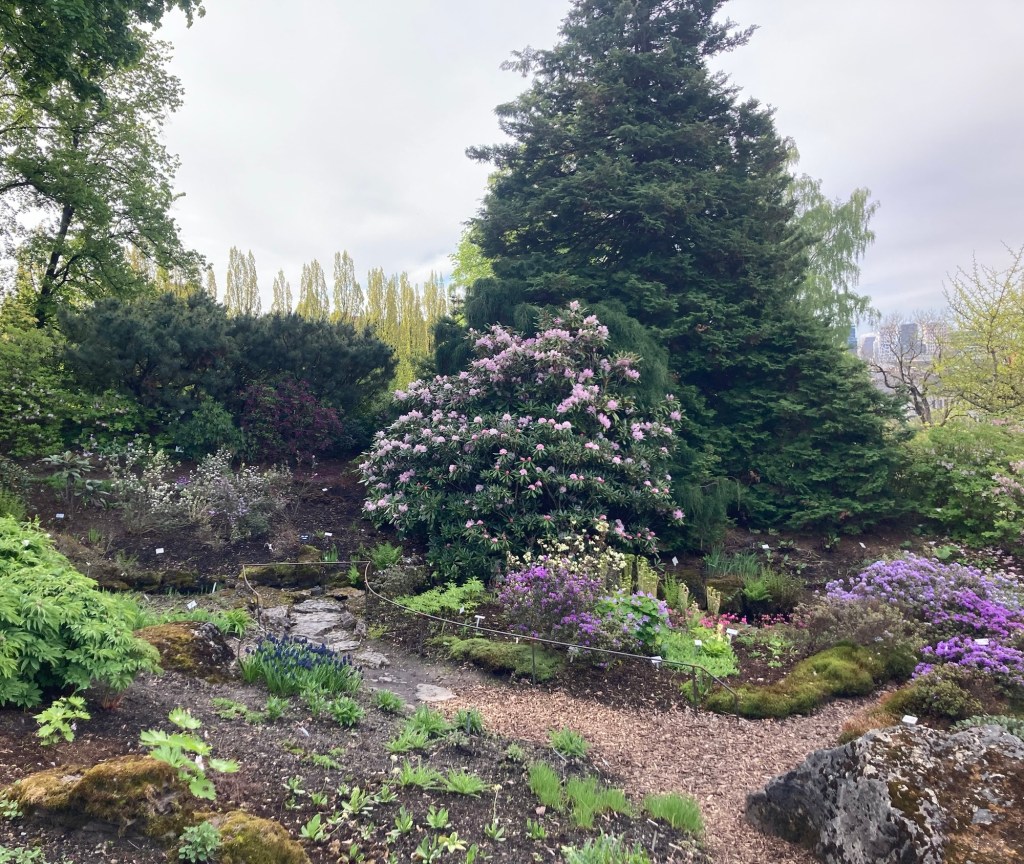
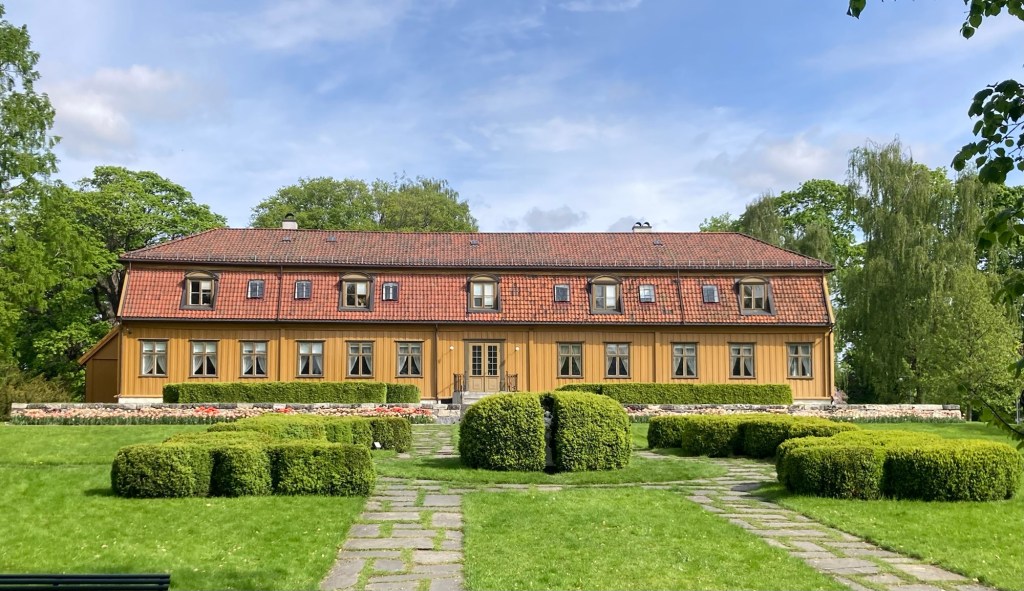
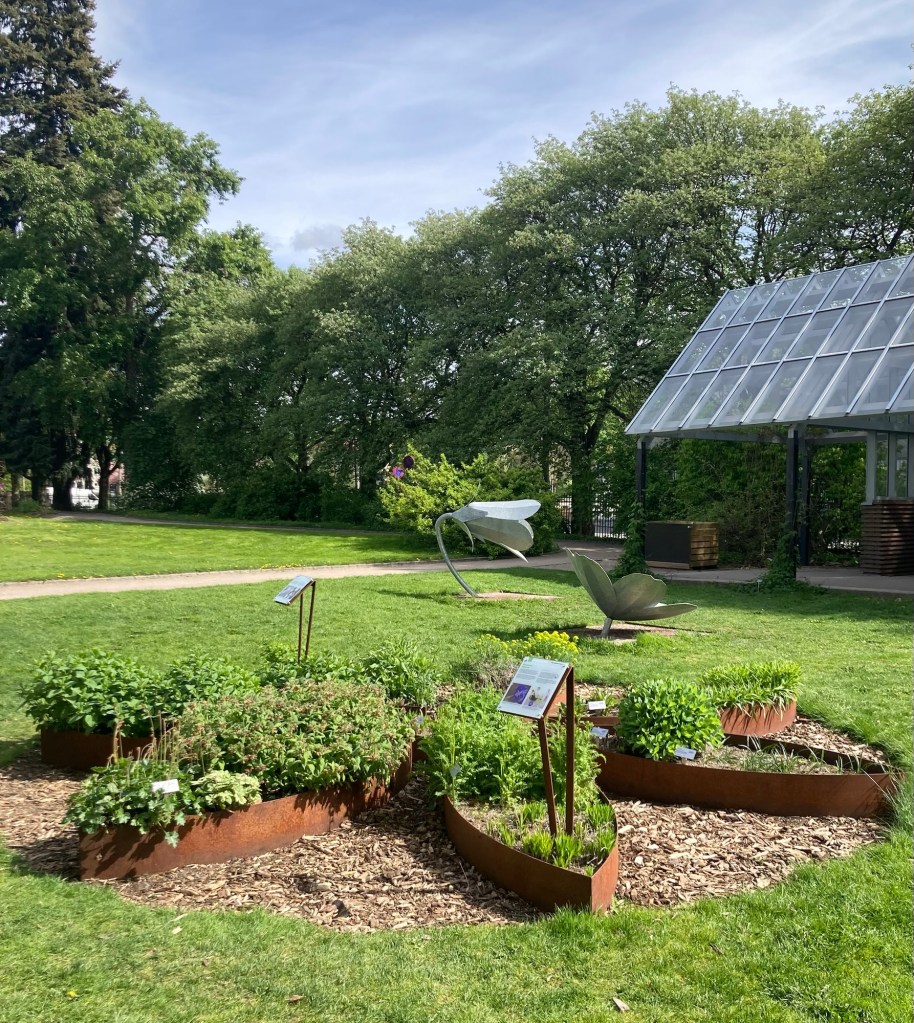
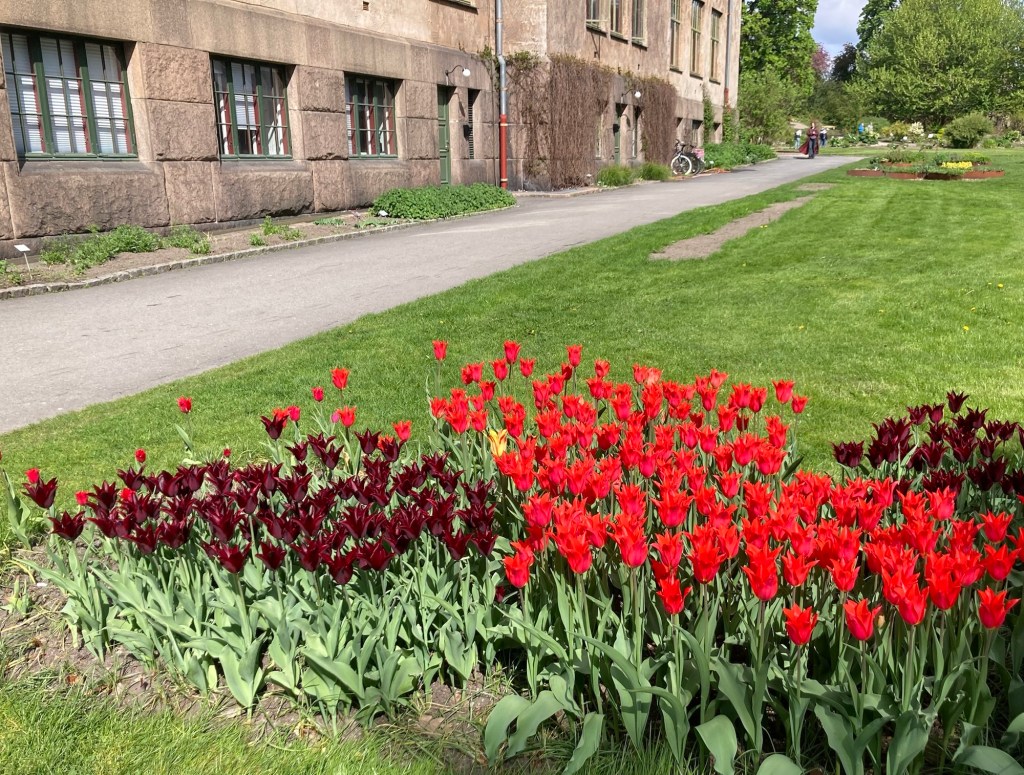
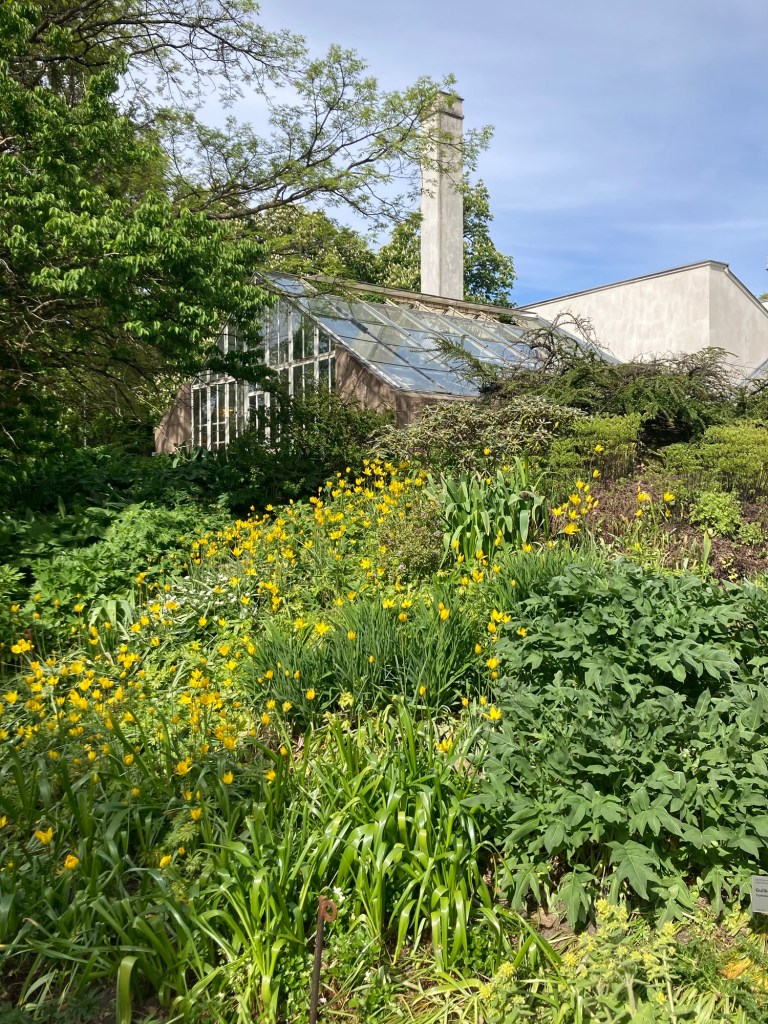
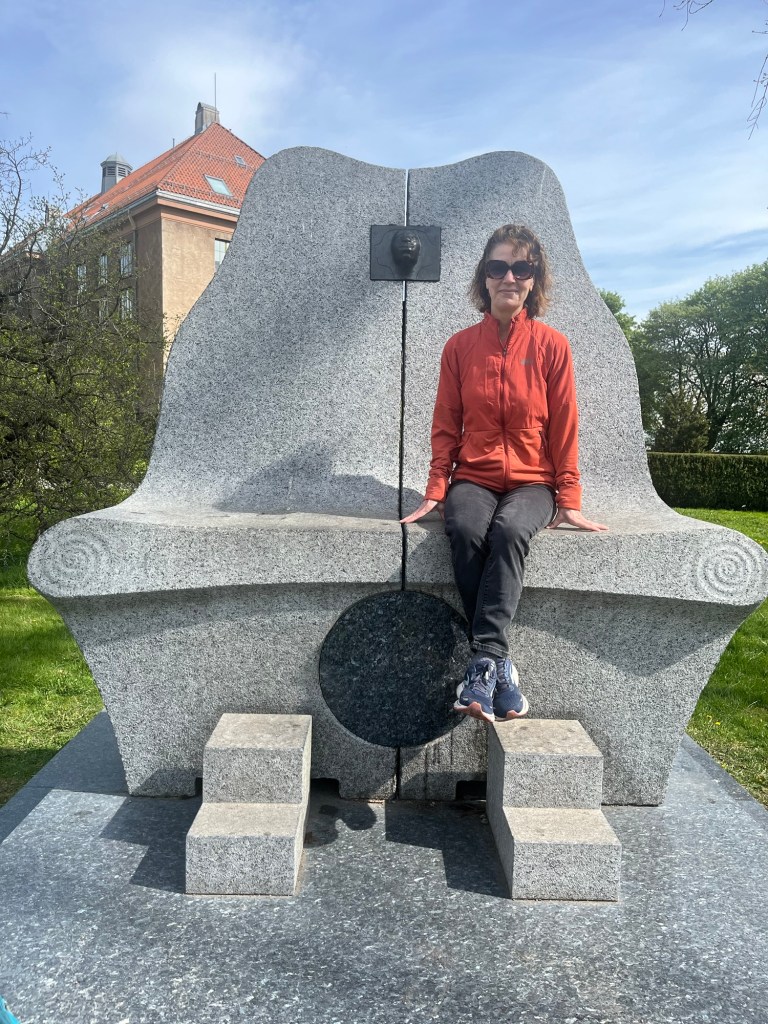
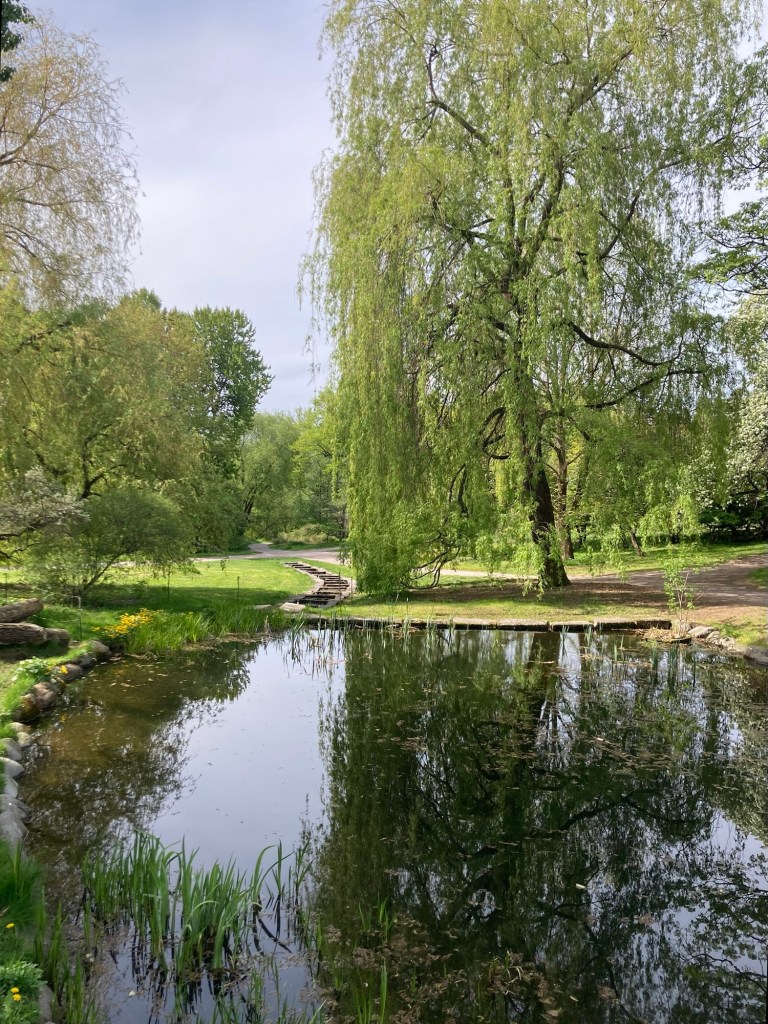
It was about a 45 minute walk from the cemetery to the Botanic Gardens, taking us through new parts of Oslo. The gardens were free to visit and provided another lovely area to walk around. Since I don’t know that much about flowers, I will just include some pics from our visit.
As you can see, we’ve had another gorgeous day in Oslo. We didn’t even need to start out with coats on this morning! See the next blog for the remainder of today’s adventures.
For our indoor activity, Bob and I walked about 45 minutes from Vigeland Park down to the harbor to catch a ferry to the highly recommended Fram Museum, a museum dedicated to Norway’s impressive history in polar exploration. The ferry would take us to the Bygdoy Peninsula, where there are a number of museums.
The ferry left from the harbor near City Hall for a 10 minute crossing to the peninsula, where it makes two stops. The first stop is for the Norse Folk Museum and then onto a second stop for 3 museums and a Holocaust Center. We got off at the 2nd stop for the Fram Museum. We paid approximately 11 US dollars per person for the round-trip ride, which leaves every 20 minutes.
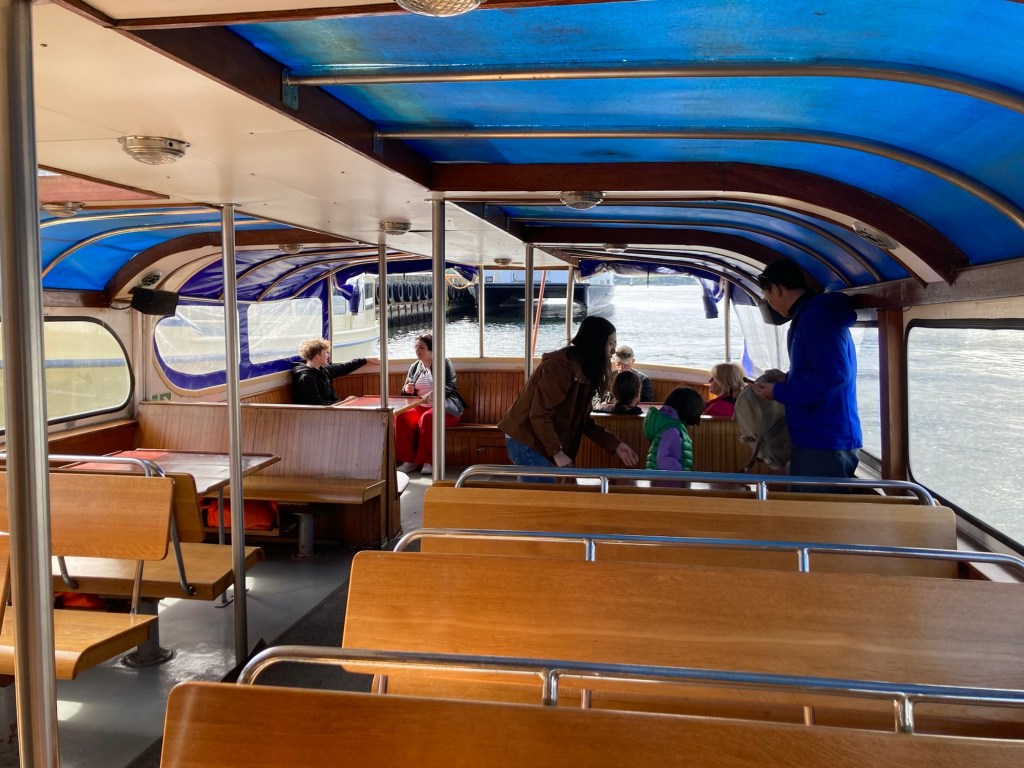
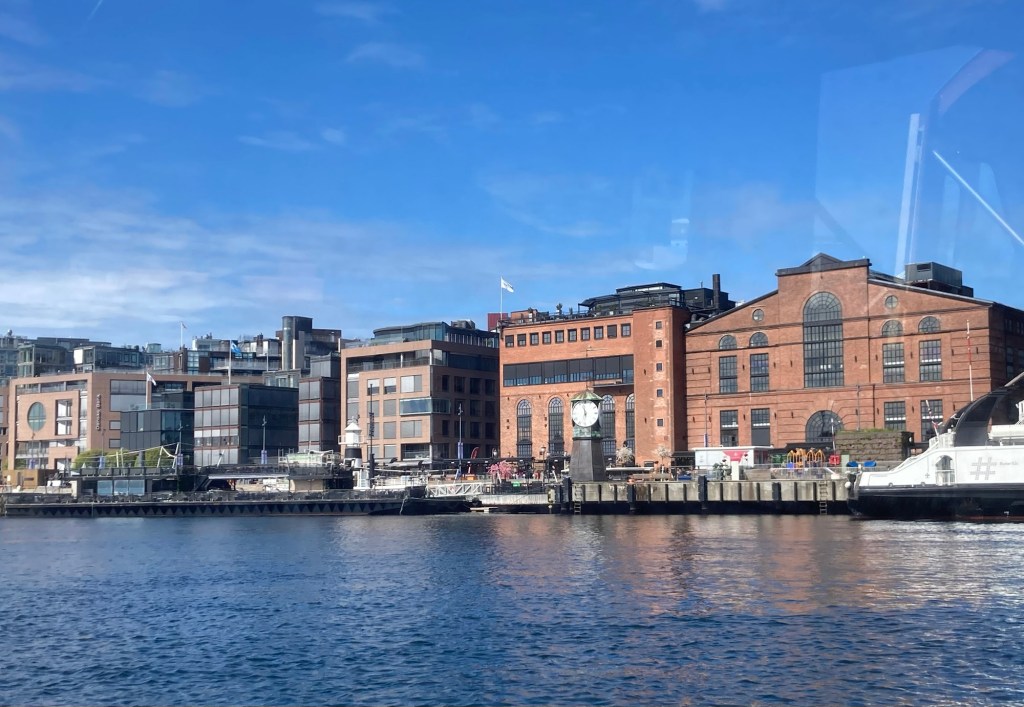
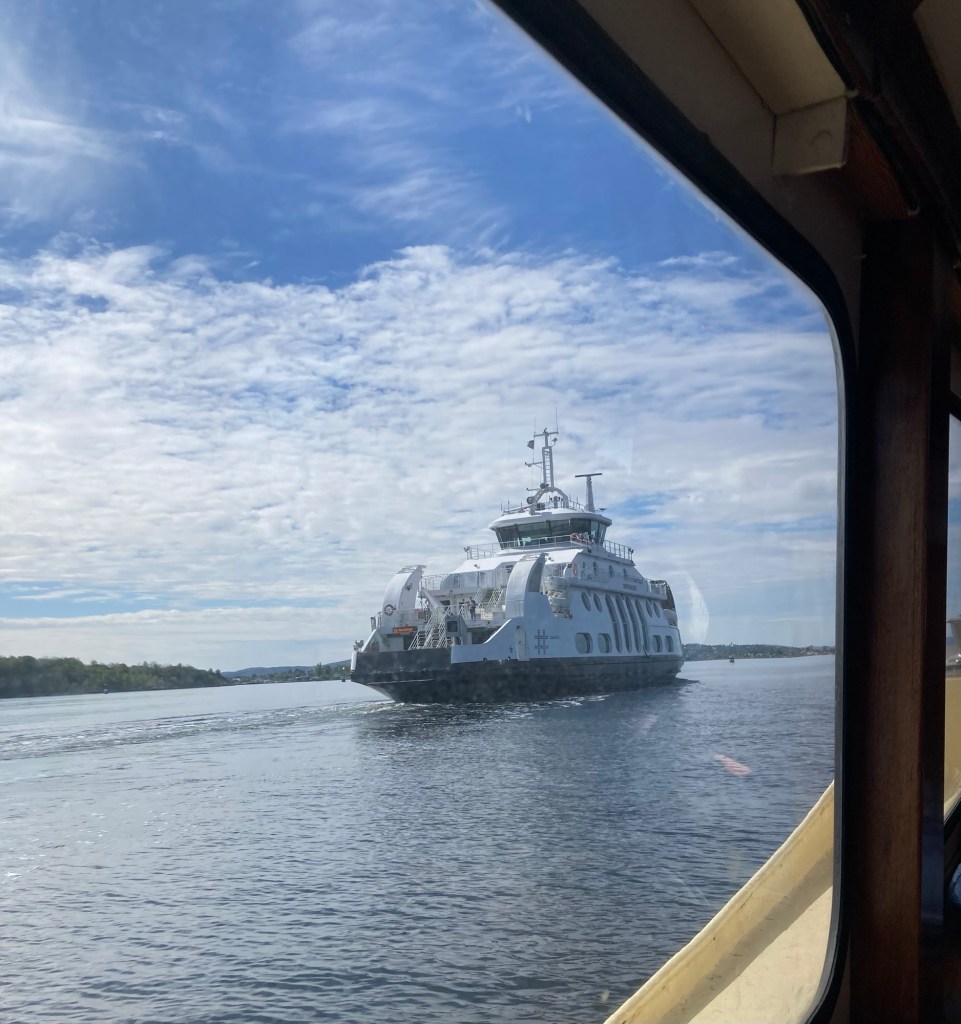
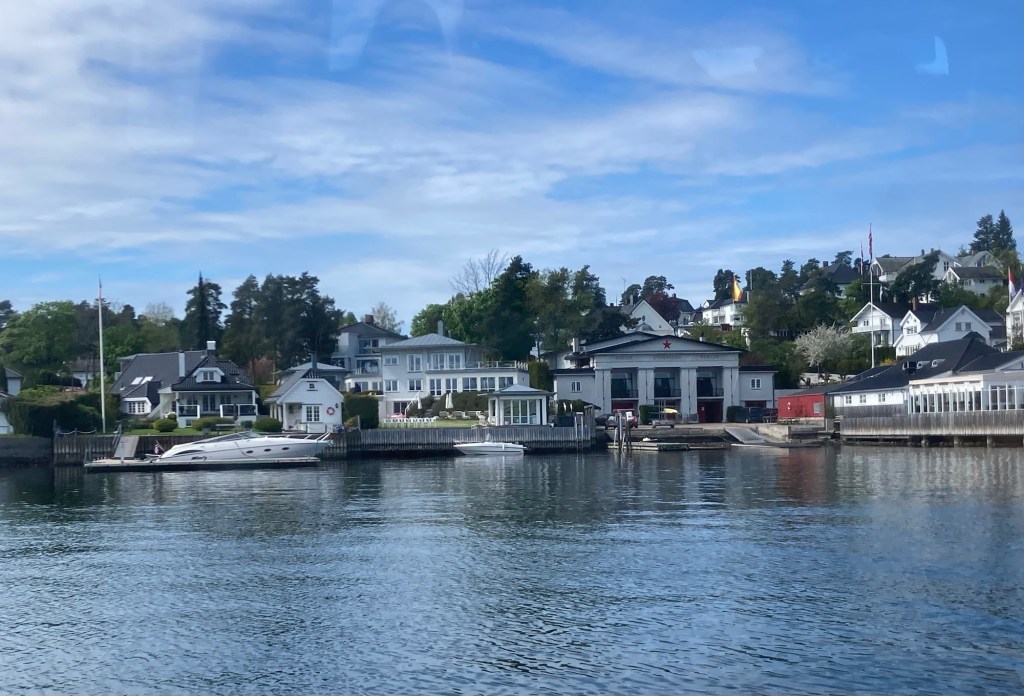
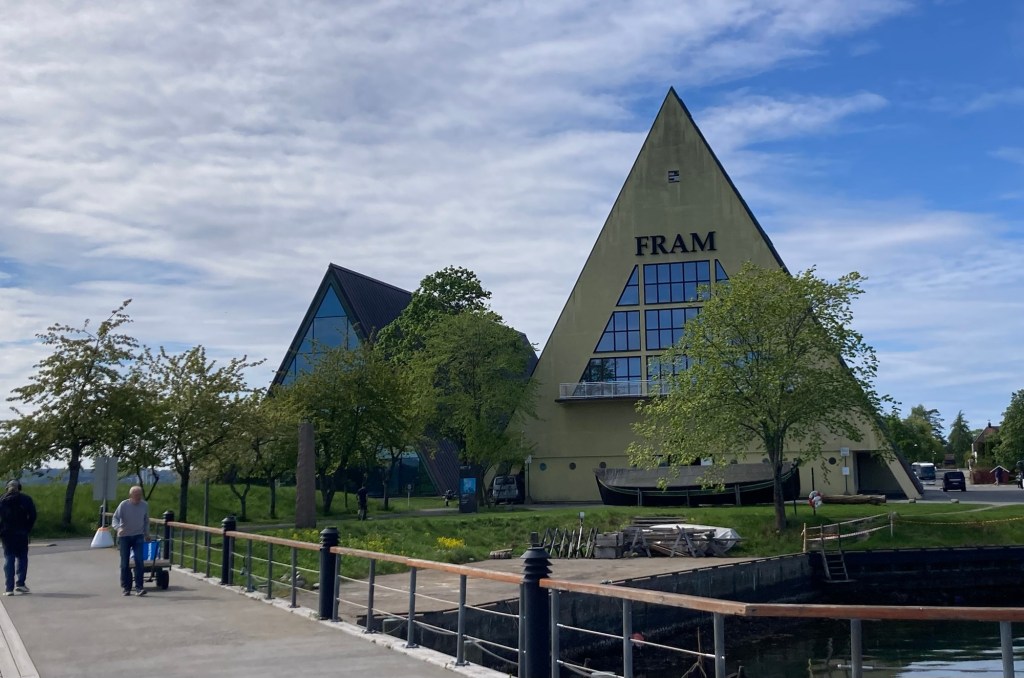
Looking towards the back of the ferry as we enteredView of the residential development along the harbor from the ferryA view of a larger boat headed out while we were en routeThe 1st stop for the ferry for the Folk Museum Exiting at our stop very close to the Fram Museum
Travel writer Rick Steve’s really recommended the Fram Museum and polar exploration is something that we have found interesting in other museums, most recently the Scott Polar Research Institute Polar Museum in Cambridge and a few years ago in Hobart, Tasmania. We had been looking forward to the introductory film, but sadly that wasn’t available today. However, it still did a great job of explaining Norway’s impressive role in polar exploration and demonstrating the resilience in the individuals involved.
There are a number of Norwegians that played vital roles in the exploration of both the north and south poles. Two of the most important were Fridtjof Nansen, who proved the theory of the east-west current in the Arctic and helped fill in the gaps of understanding of the land areas in the Arctic, and Roald Amundsen, who was the first to navigate the Northwest Passage, the first to reach the South Pole (nosing out the doomed Brit Robert Scott, and the first to fly over the Northwest Passage Pole and across the Arctic Ocean.
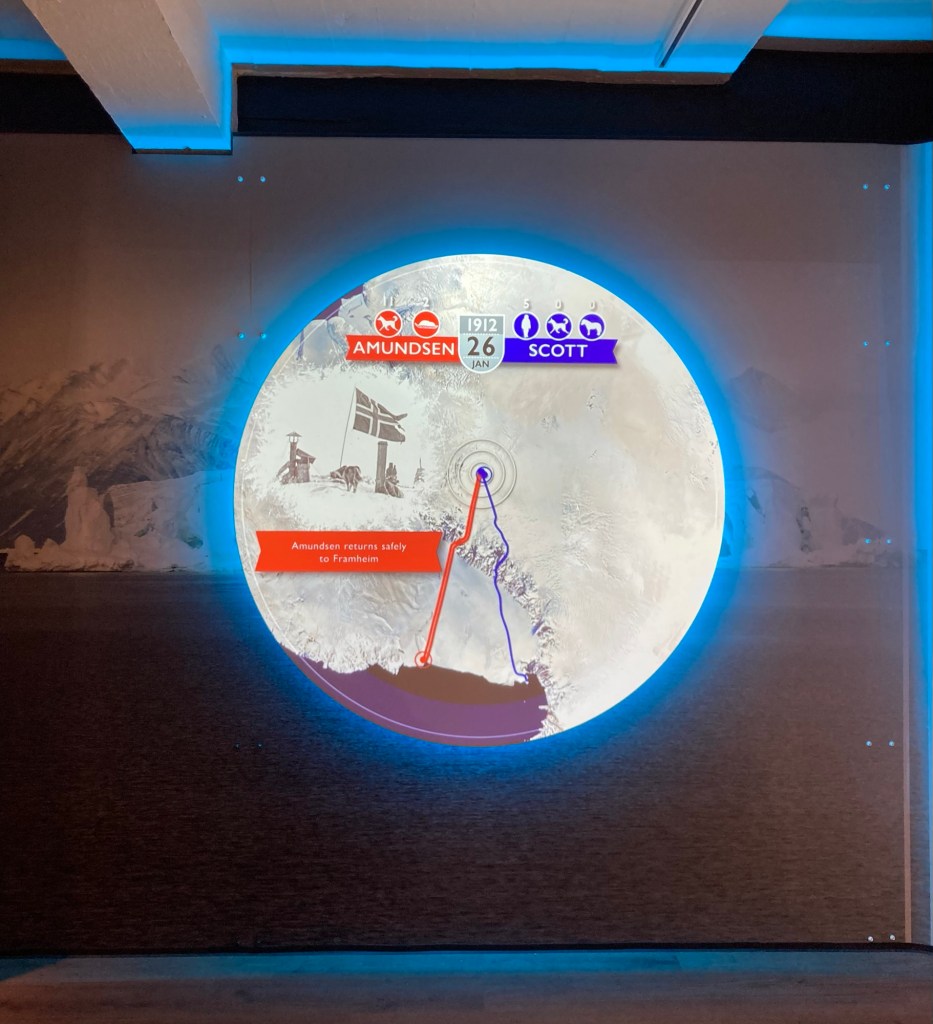
The museum provided an interesting timeline to compare Amundsen’s trip to the South Pole versus Scott’s, but the highlight of the museum was the ability to see and explore two well-preserved ships important to polar exploration— the Gjoa and the Fram.
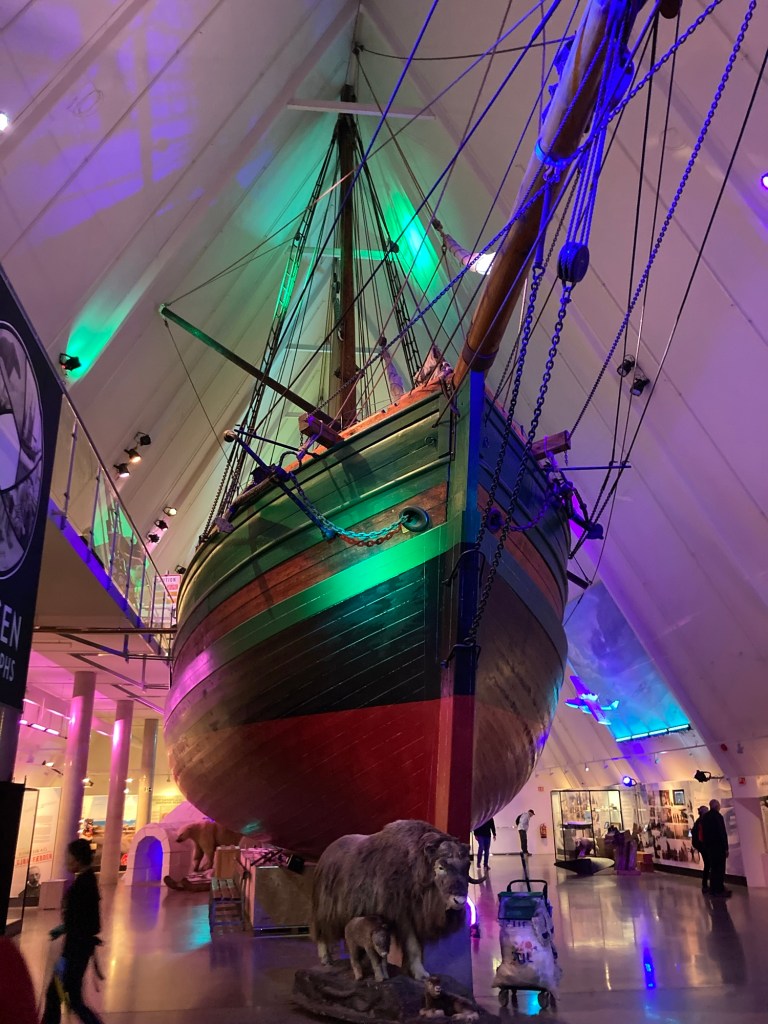
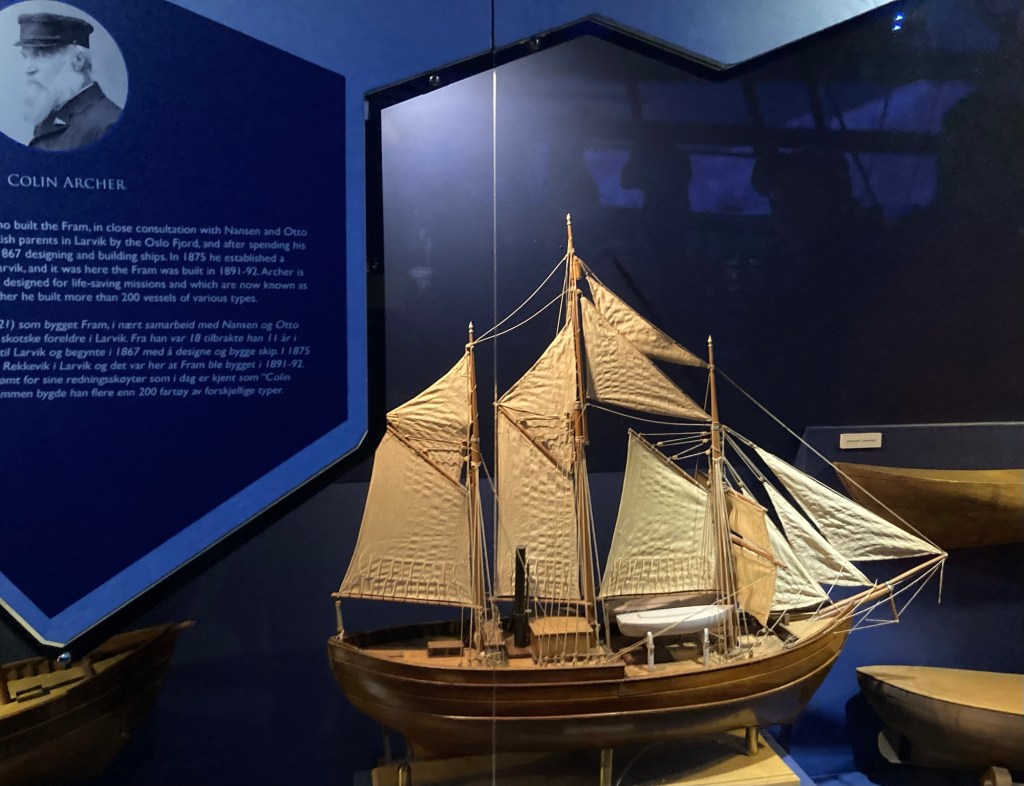
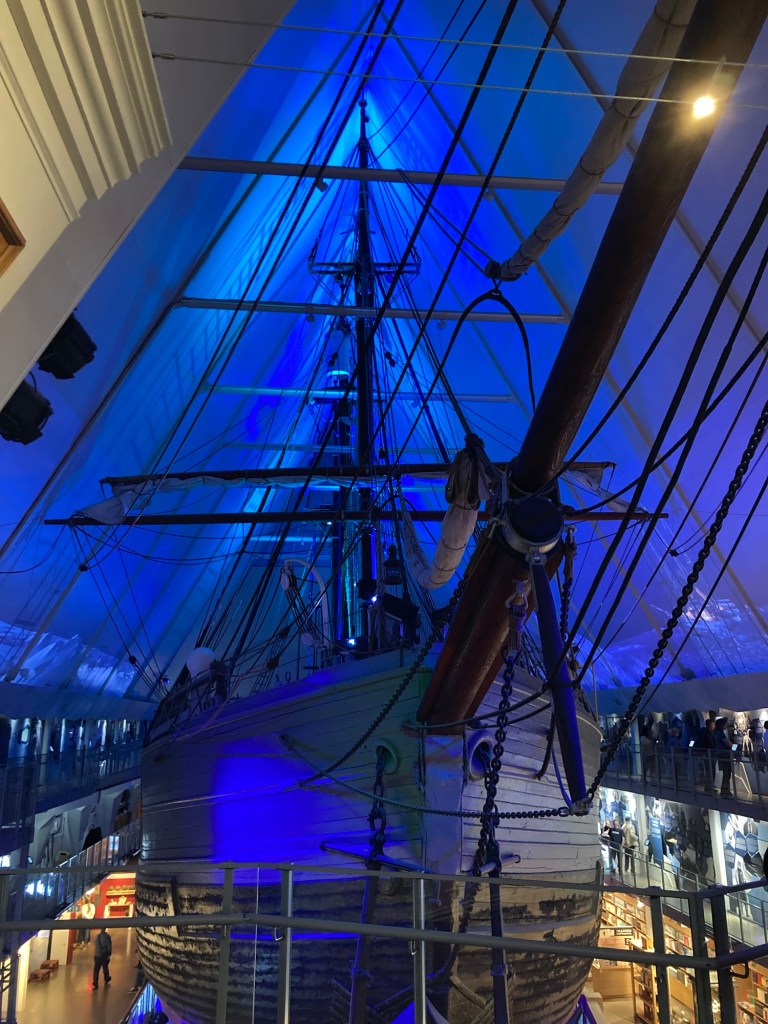
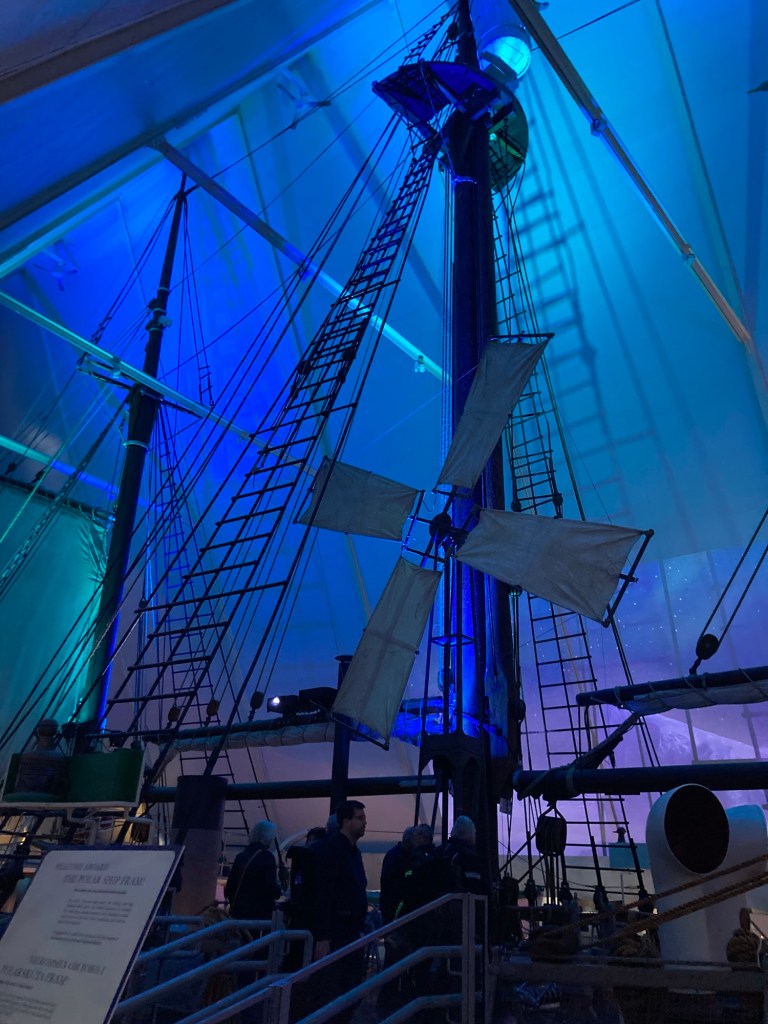
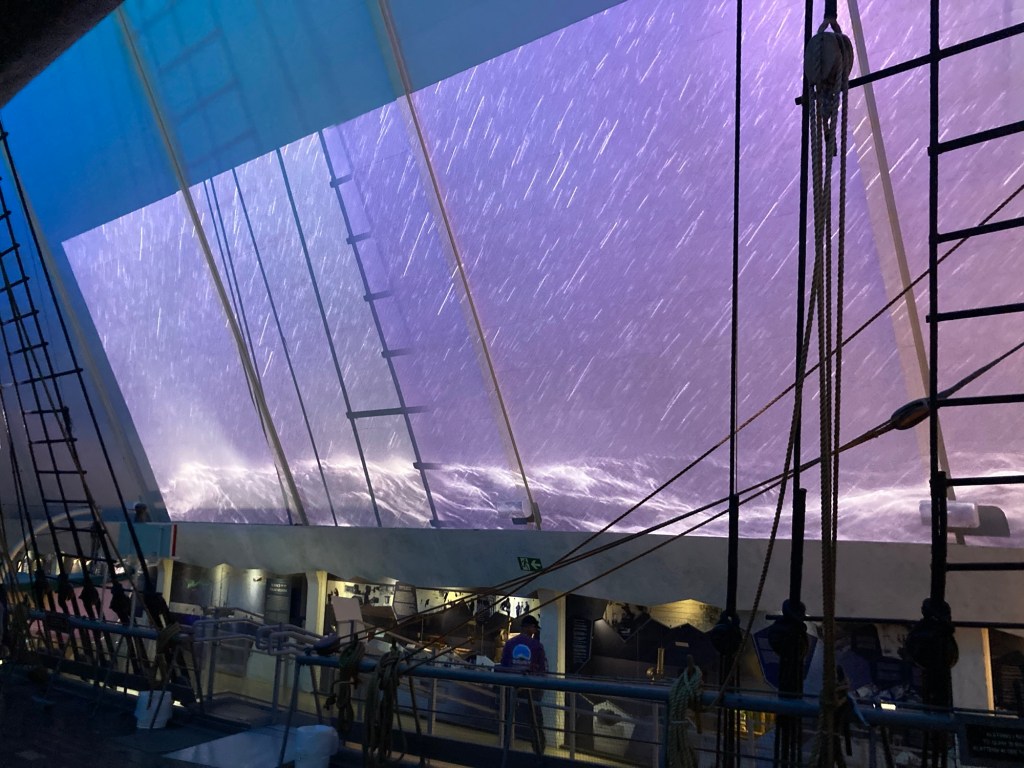
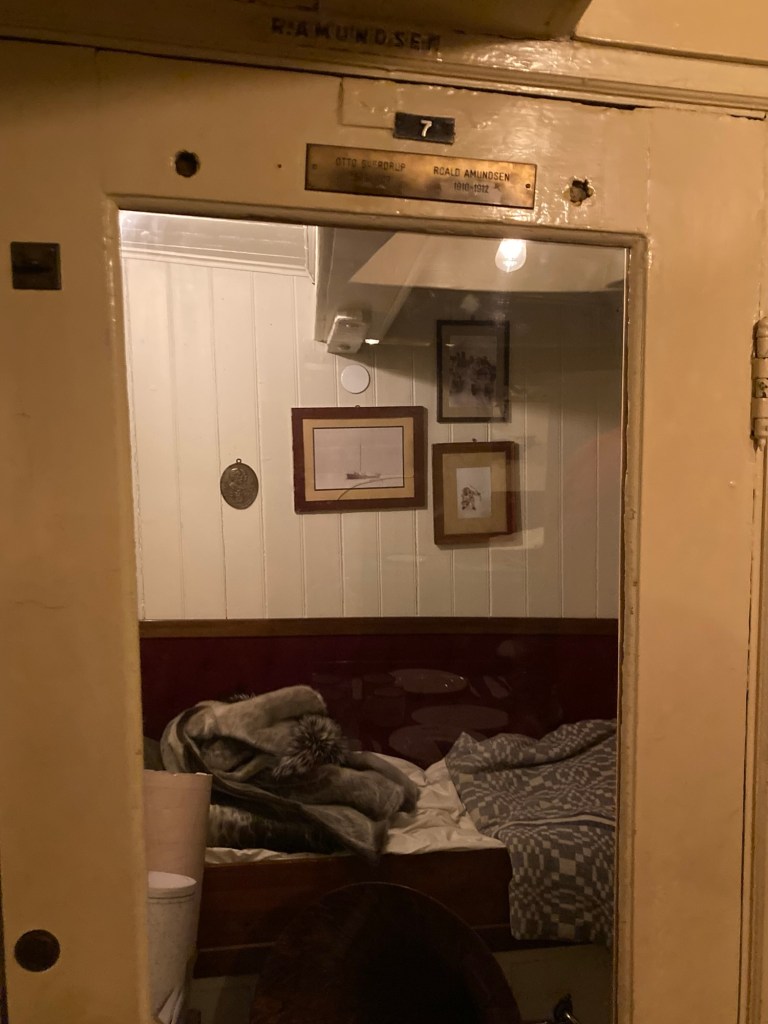
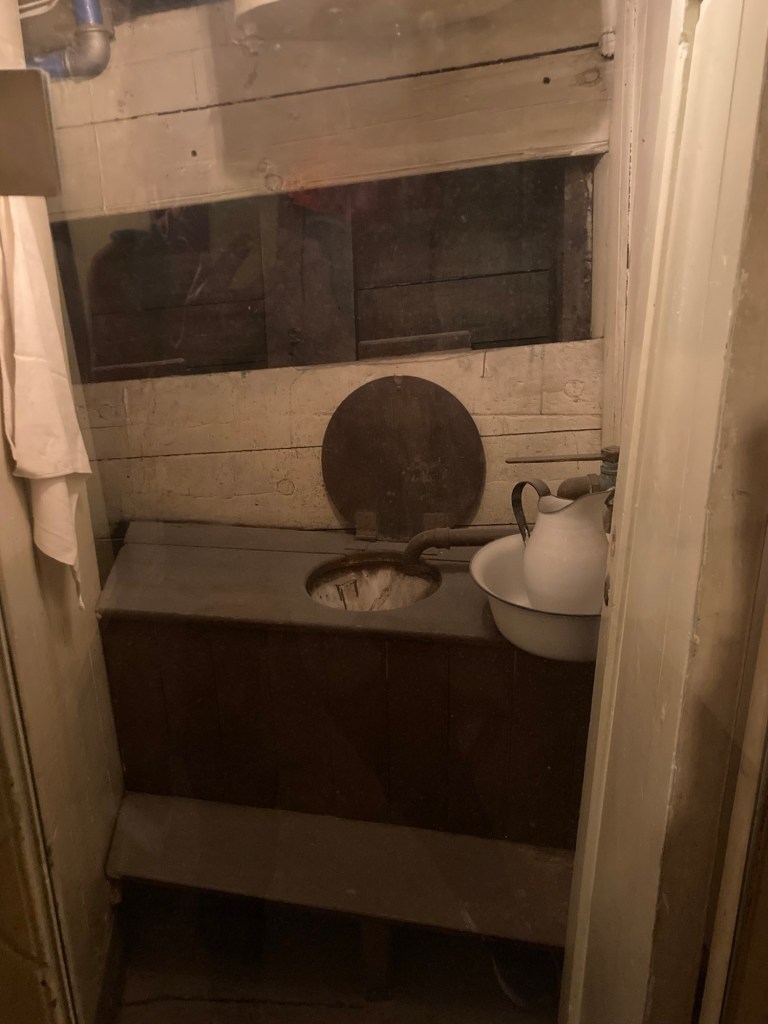
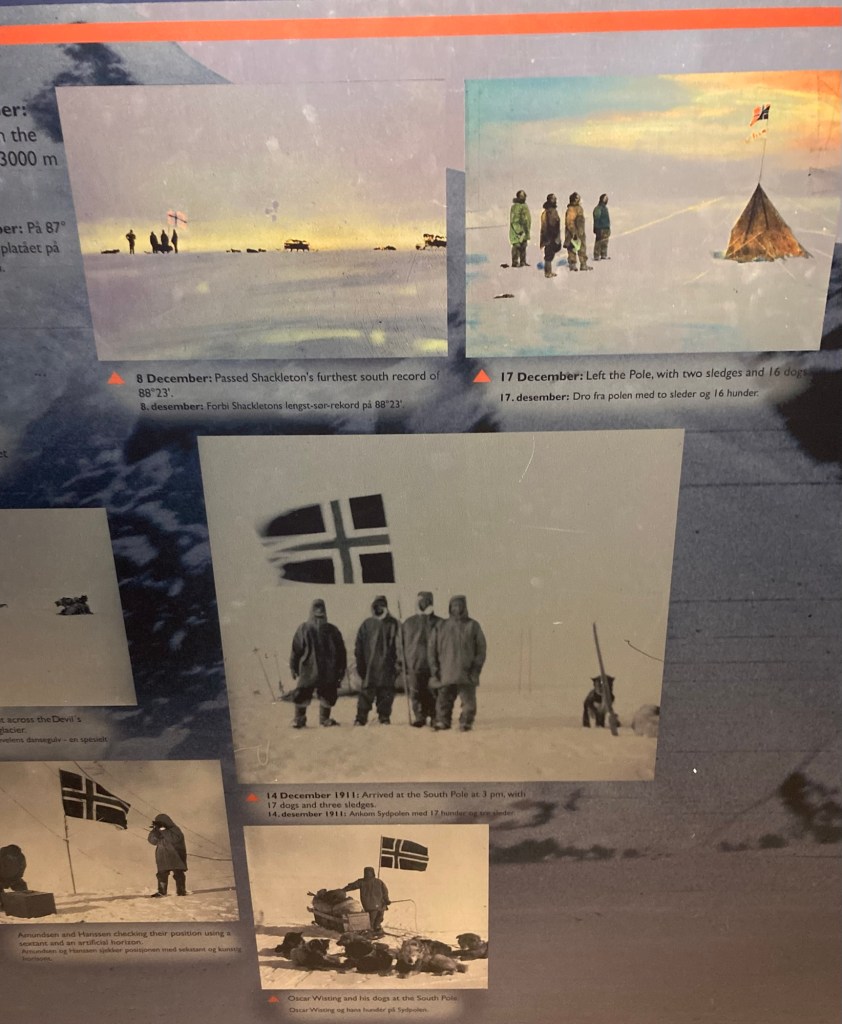
The Gjoa, the first ship to transit the Northwest PassageThe Fram, designed by the Norwegian Colin Archer, was used in both Arctic and Antarctic explorations, including in Amundsen’s successful first trip to the South PoleThe front view of the FramThe windmill on the Fram ran the generator on board to provide lighting Once on board ship, they played weather scenes to give you a bit of the experience of being on a ship during stormsThe bunk room of Roald AmundsenThe toilet The planting of the flag by the Amundsen group on December 14, 1911A display which showed the different timelines of Scott and Amundsen, who knew that each other were there nearby.
After the museum, we walked through the small nearby park before catching the ferry back to the inner harbor.
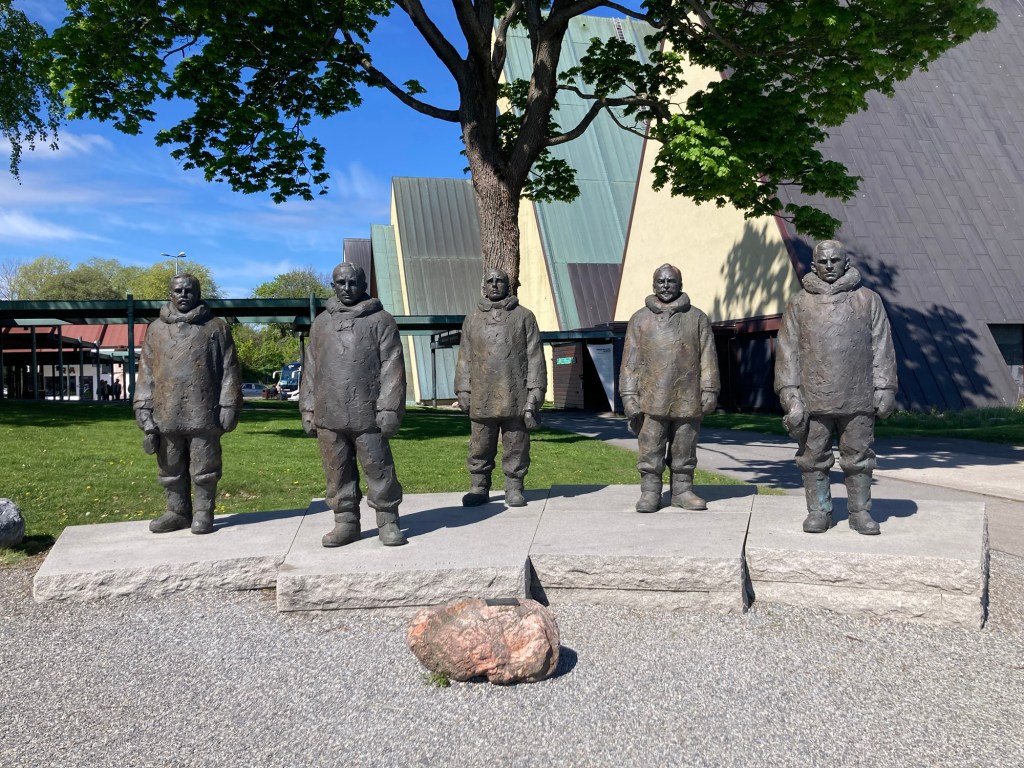
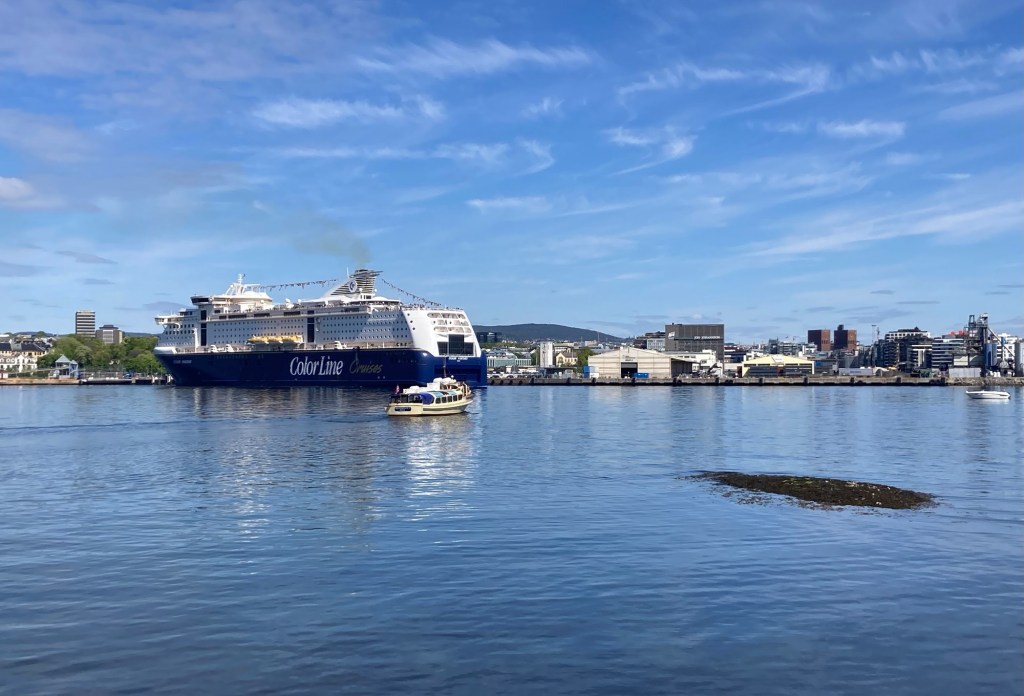
A statue of the 5 men that got to the South Pole first: Roald Amundsen, Helmer Hansen, Oscar Wisting, Sverre Hassel, and Olav BjaalandThe ferry that left right before we got to the pier needed to wait for an outgoing cruise ship before proceeding to the inner harbor“Our” ferry for the trip back
Another 2-blog day, which either means a good sight-seeing day or I’m a poor photo editor or maybe both. This is the 1st blog, and if you’re so inclined, today’s second blog is Fram Here to the Poles.
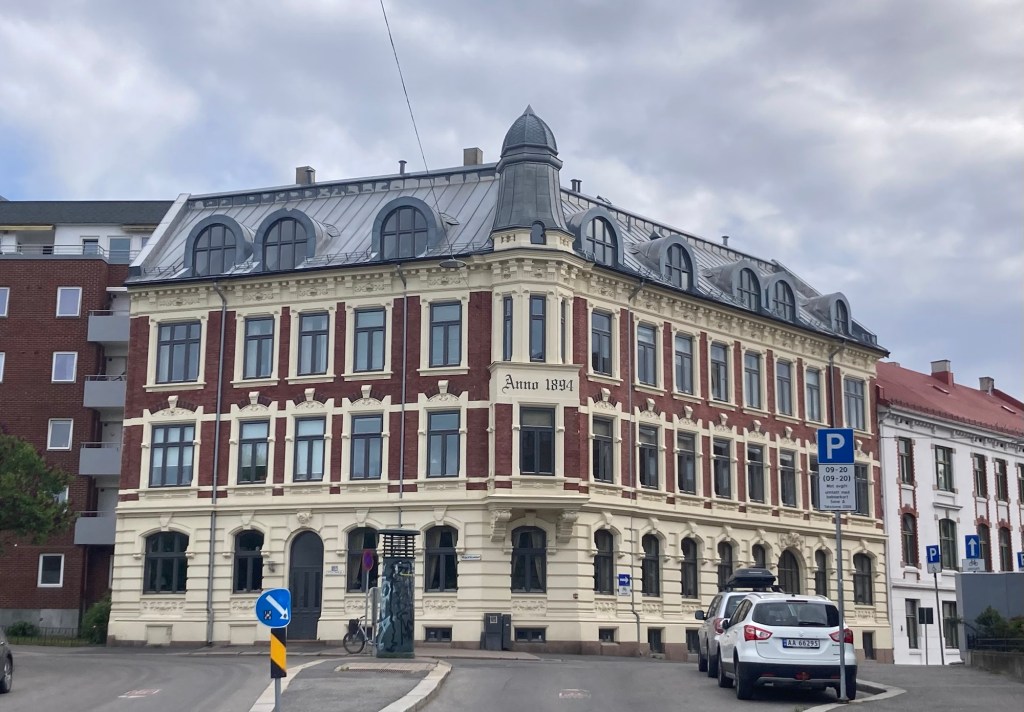
Bob and I had planned an indoor/outdoor day on what turned out to be a gorgeous 62 degree F day. We started with the outdoor activity and headed for Vigeland Park, about 1.5 mile walk from our hotel through some lovely commercial and residential areas. I took a few photos of buildings or sculptures that caught my eye on our walk to the park.
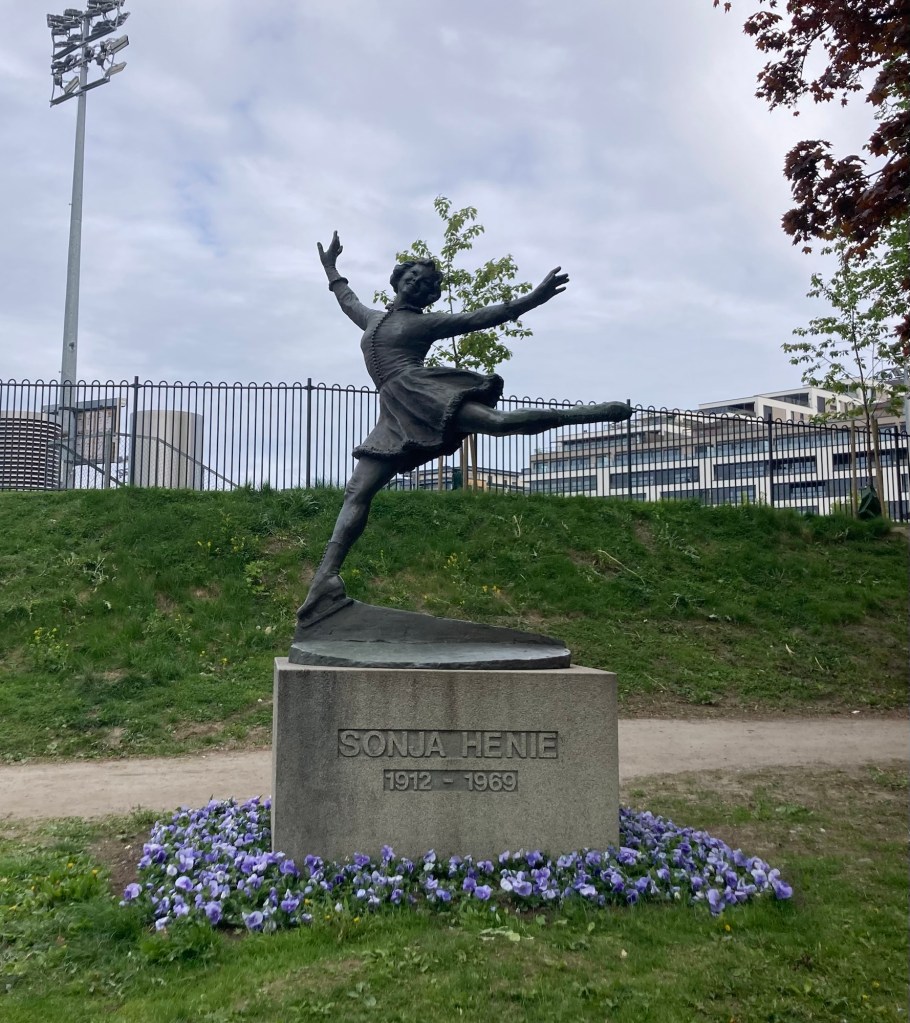
Impressive rock and building (what you can see of it)A Norwegian athlete almost anyone (at least of a certain age) has heard of
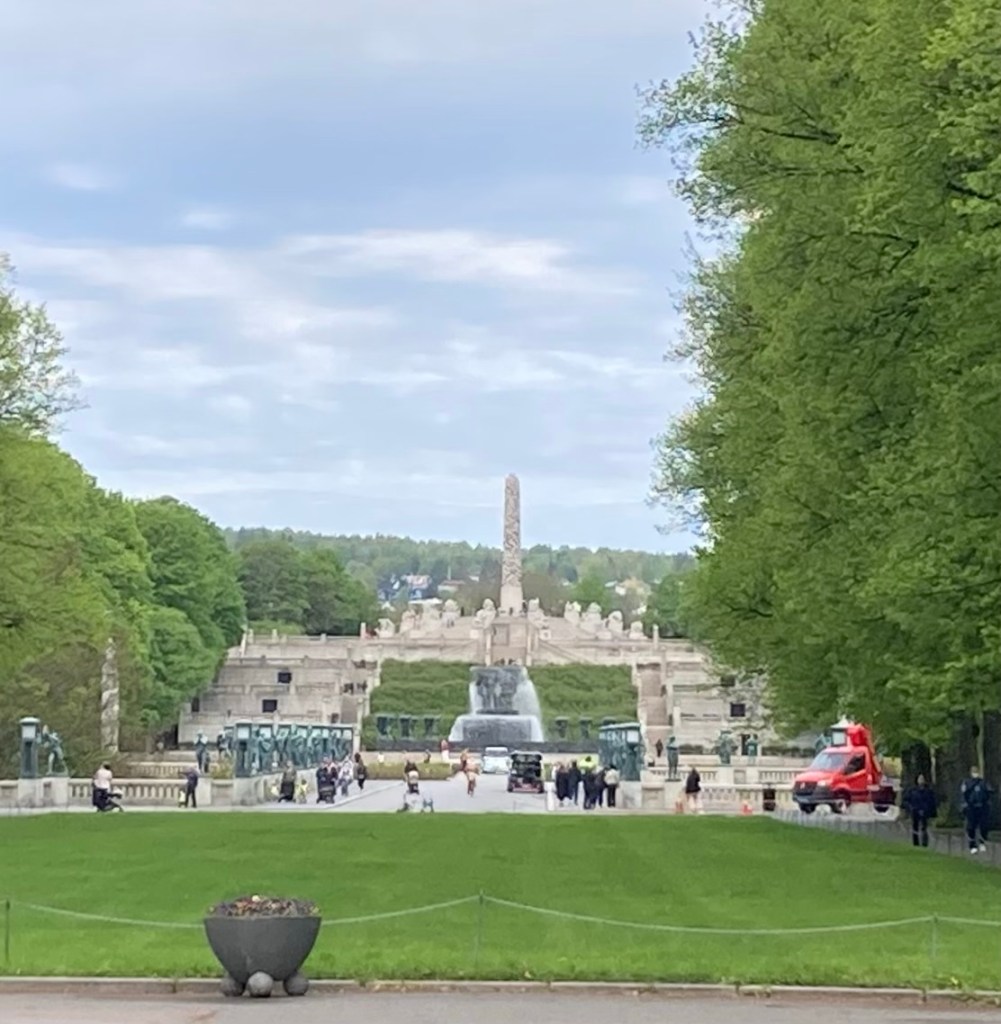
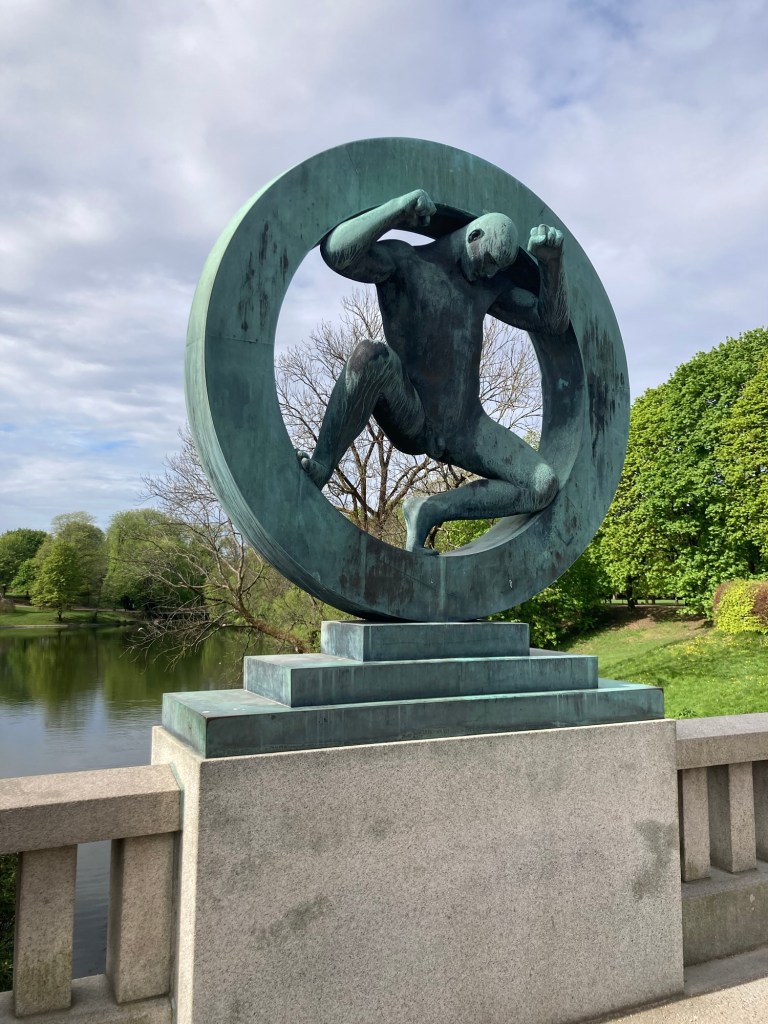
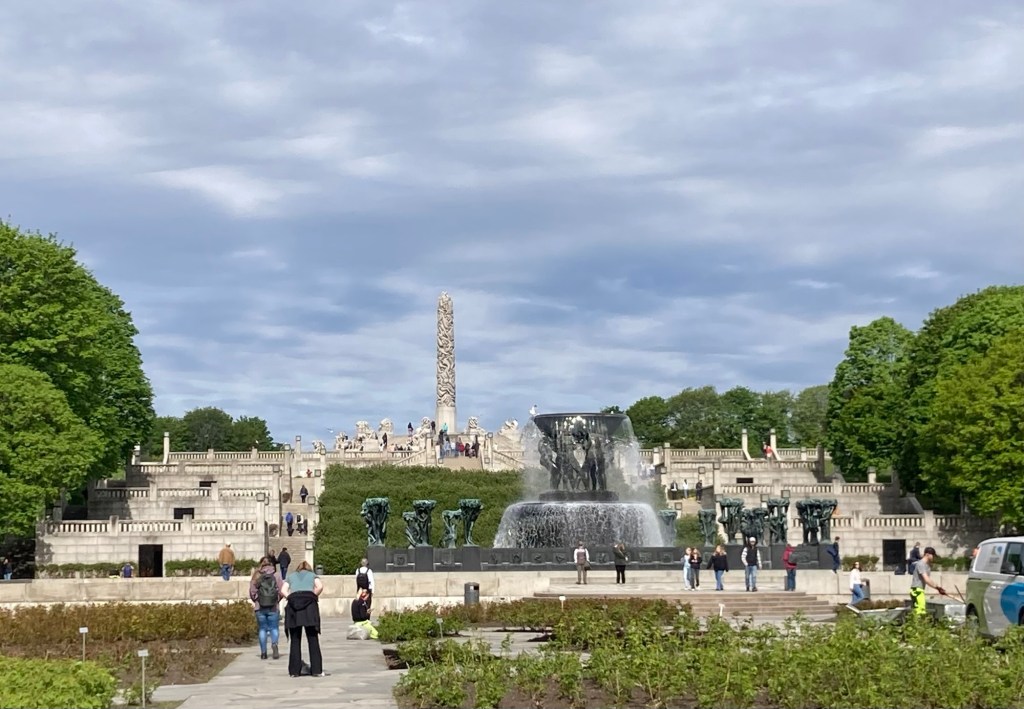
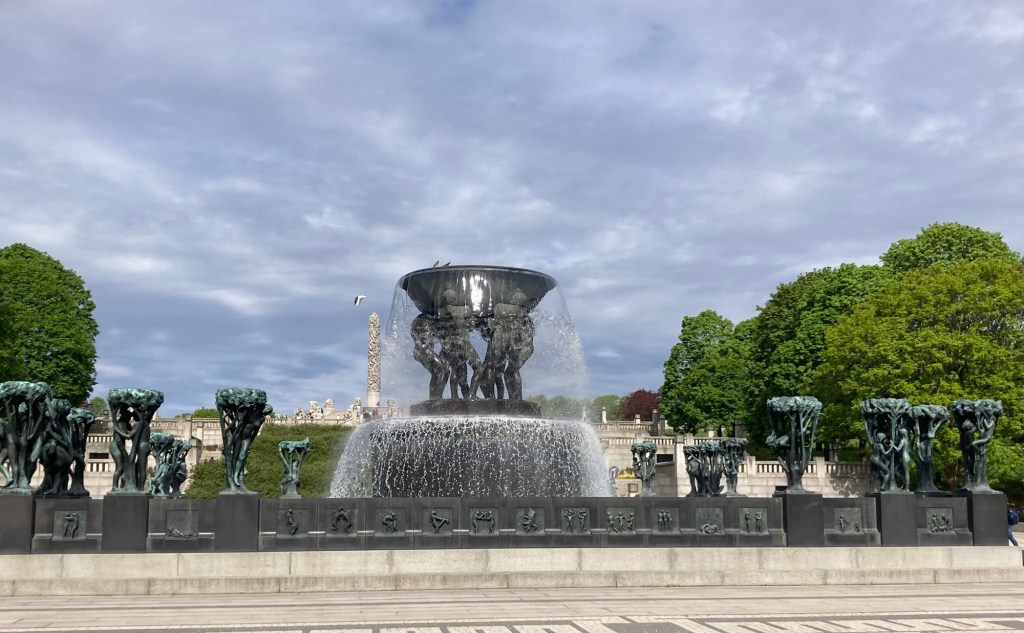
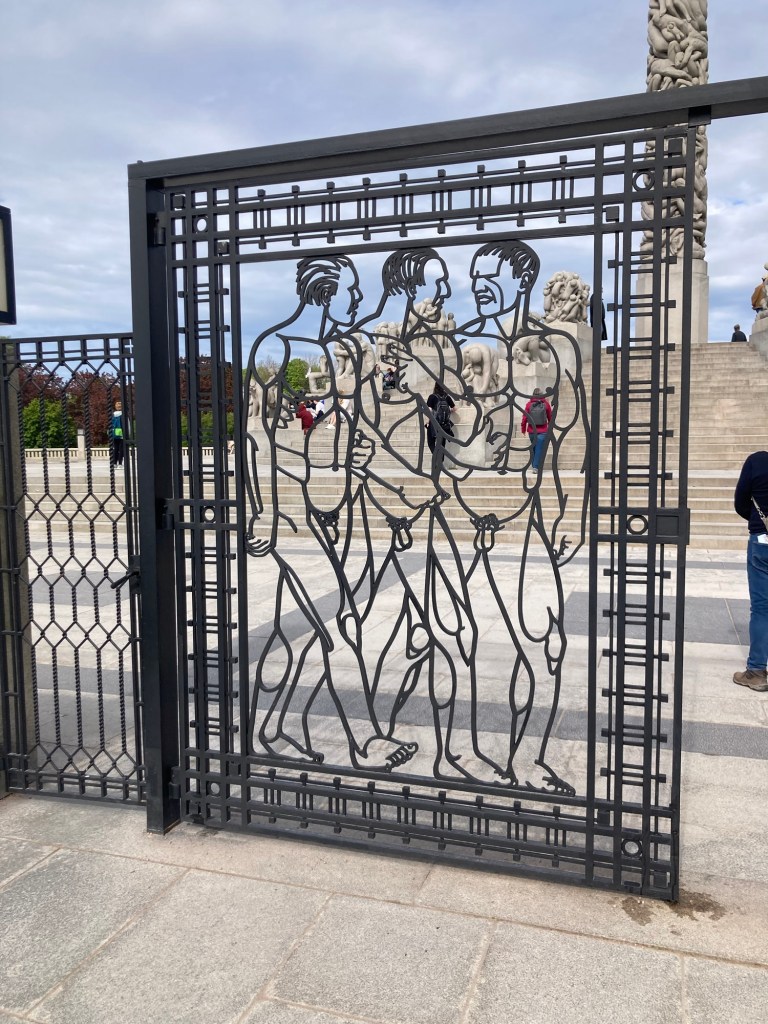
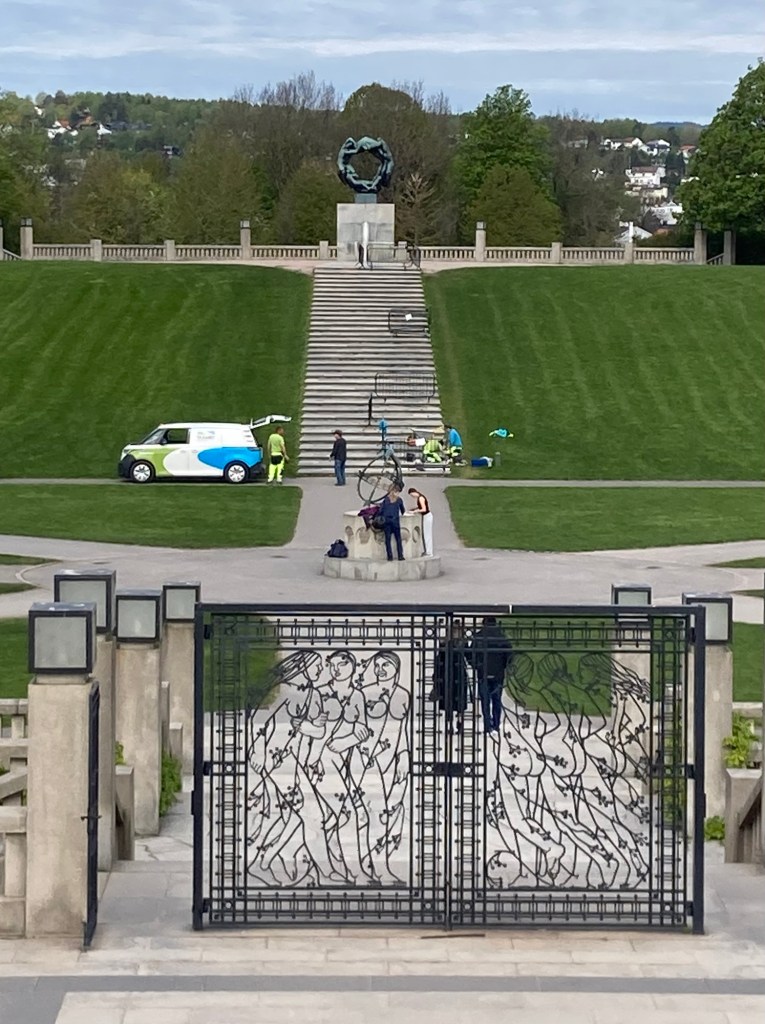
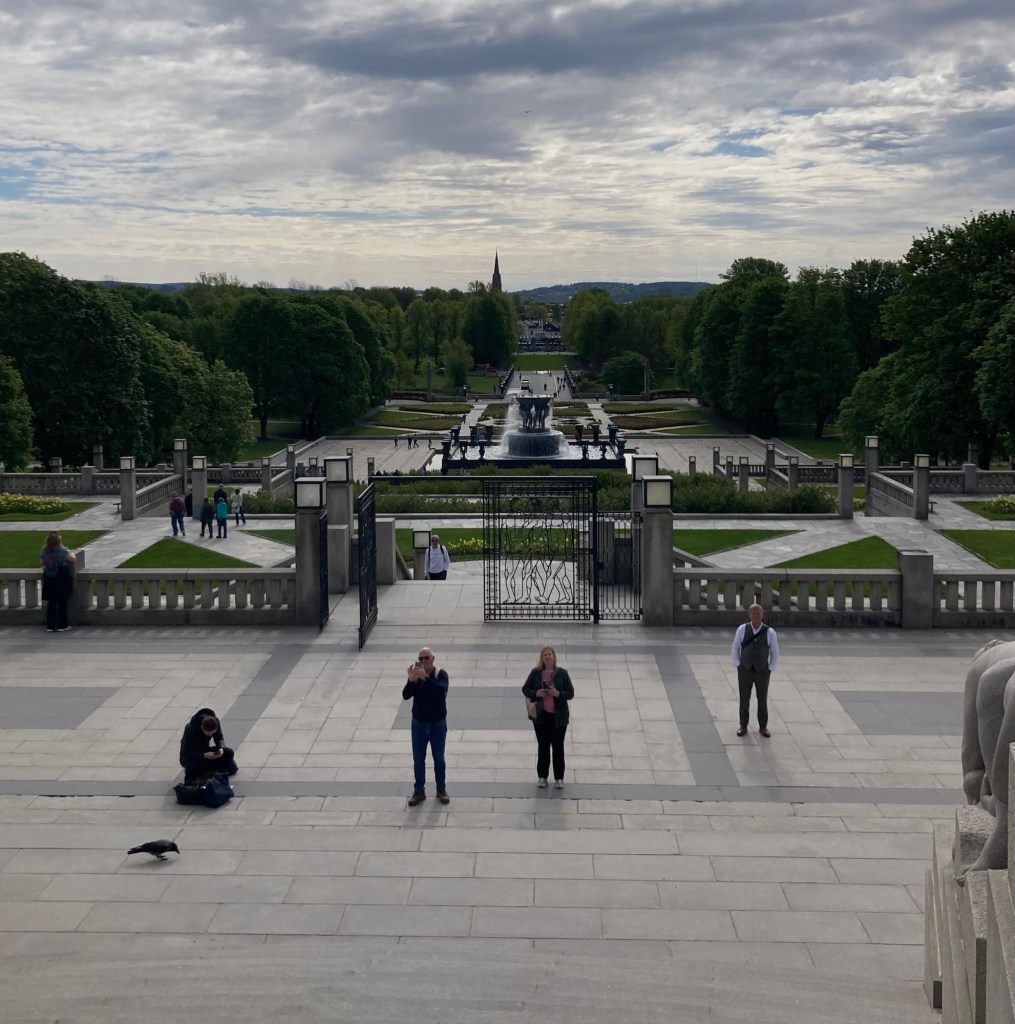
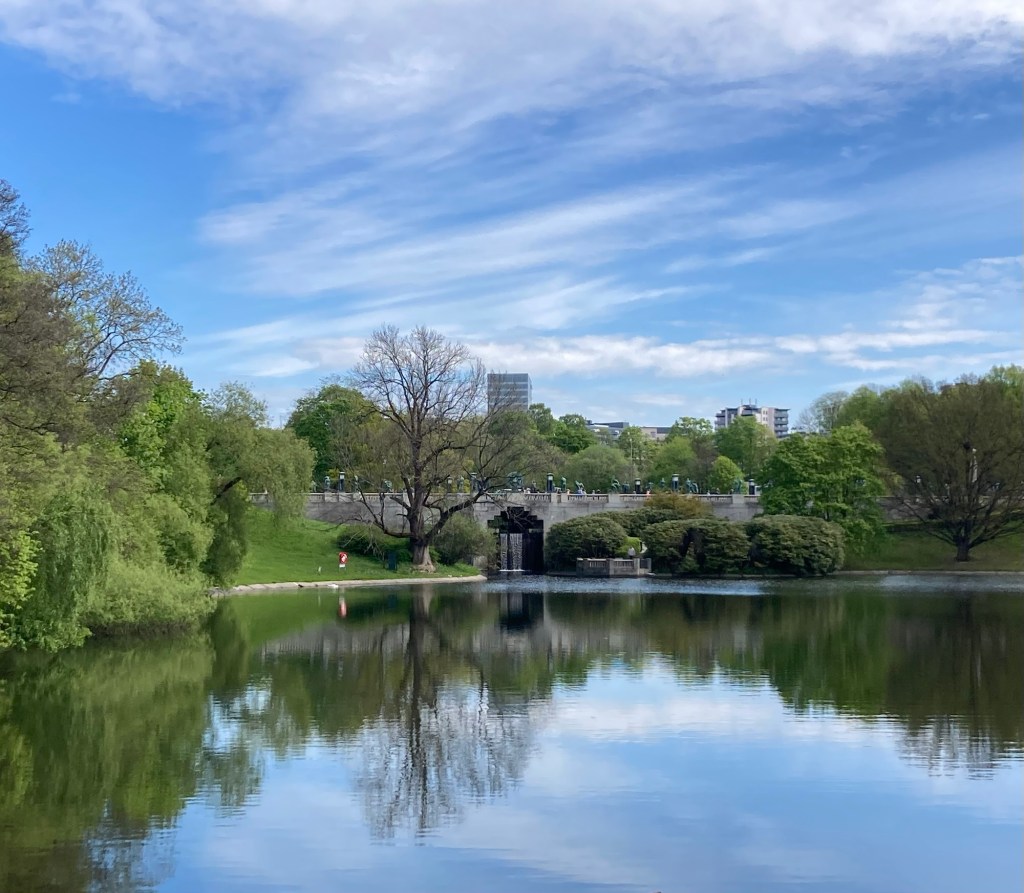
Vigeland Park is a sculpture park that contains Gustav Vigeland’s life work, comprising 200 sculptures in granite, bronze, and wrought iron. The pieces, all human forms in various formations, represent 40+ years of work and were installed in the park during the 1940s. The park is a gorgeous large and well-landscaped green space that make an amazing setting for his fountain, bridge sculptures, monolith, and the wheel of life.
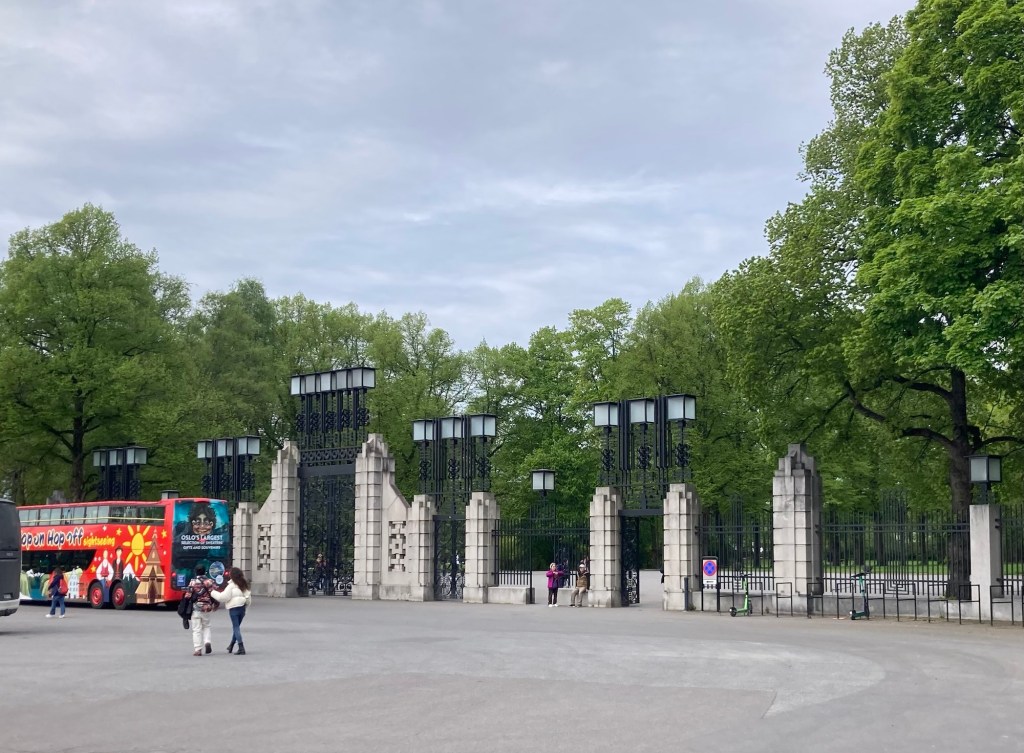
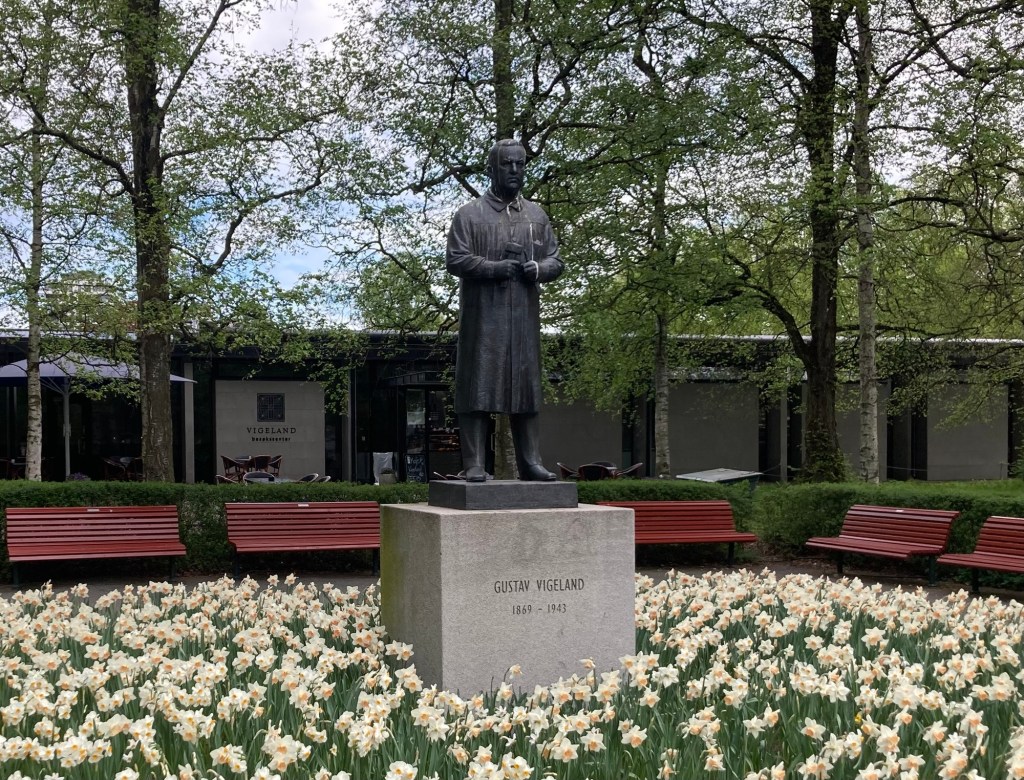
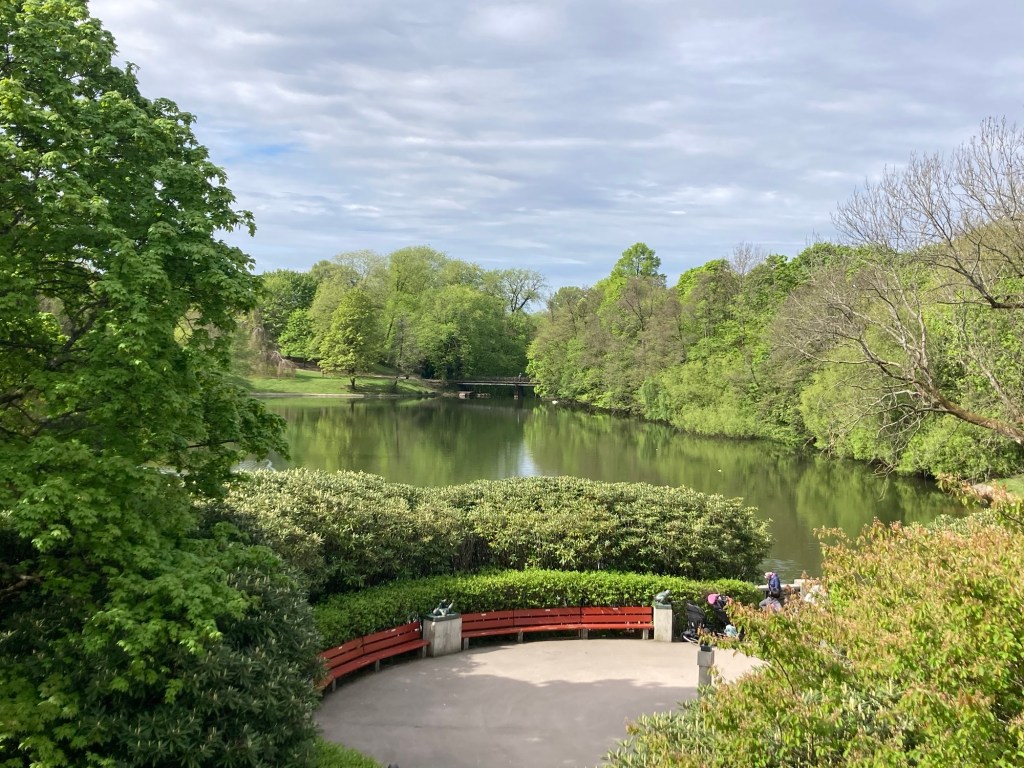
Gate at the entrance of the parkLooking across the lawn towards the bridge, then the fountain, and then the monolith.A statue of the prolific sculptor at the entrance of the parkSome of the 58 bronze statues on the bridge The beautiful pond in the park which the bridge spans Another bridge sculpture A view of the fountain and The Monolith areas from the end of the bridgeThe fountain and surrounding statuesA closer look at the statues on one corner of the plaza surrounding the fountain One of the wrought iron gates leading to The Monolith The Monolith, carved out of one stone block, stands at the top of the park. It contains 121 human figures.Looking passed The Monolith to The Wheel of LifeLooking back down towards the front gate from up by The MonolithLooking back towards the sculpture bridge on the way out of the park
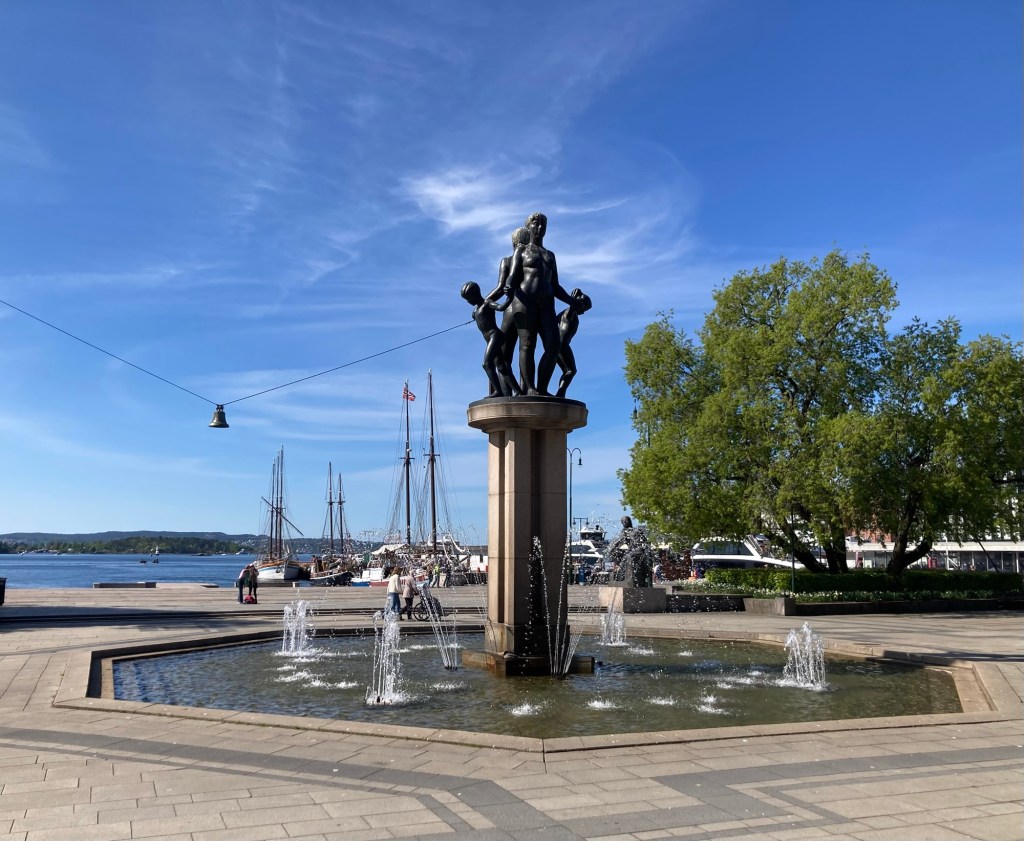
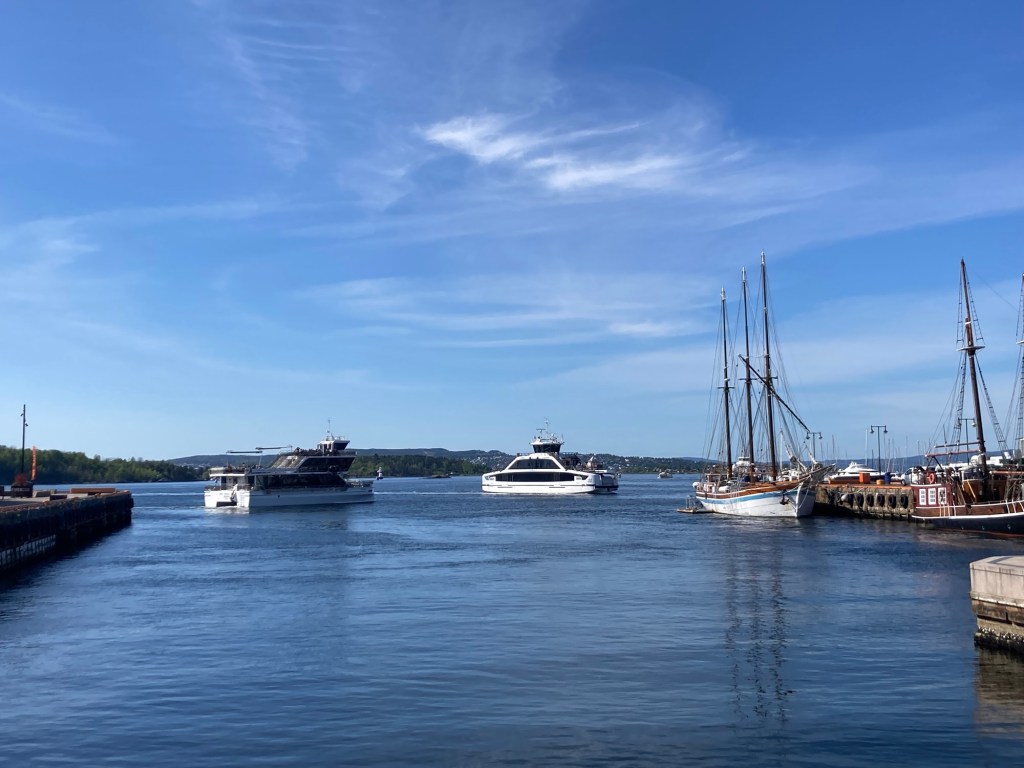
From the rear of City Hall, we crossed the street to peruse the harbor via Rick Steve’s book, which we could tell others were using as well or at least being sent to the same locations. The harbor front has apparently undergone a transformation and is a lovely entrance to the Oslo Fjord, with its 40 city-owned islands.
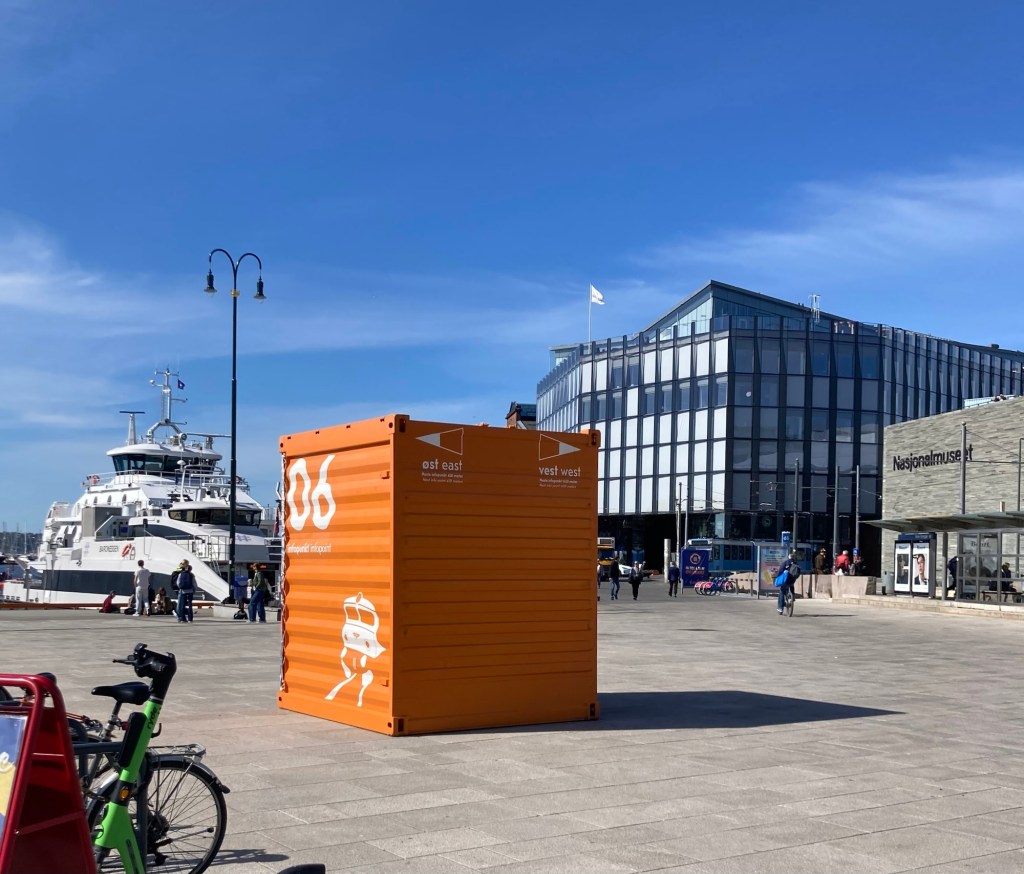
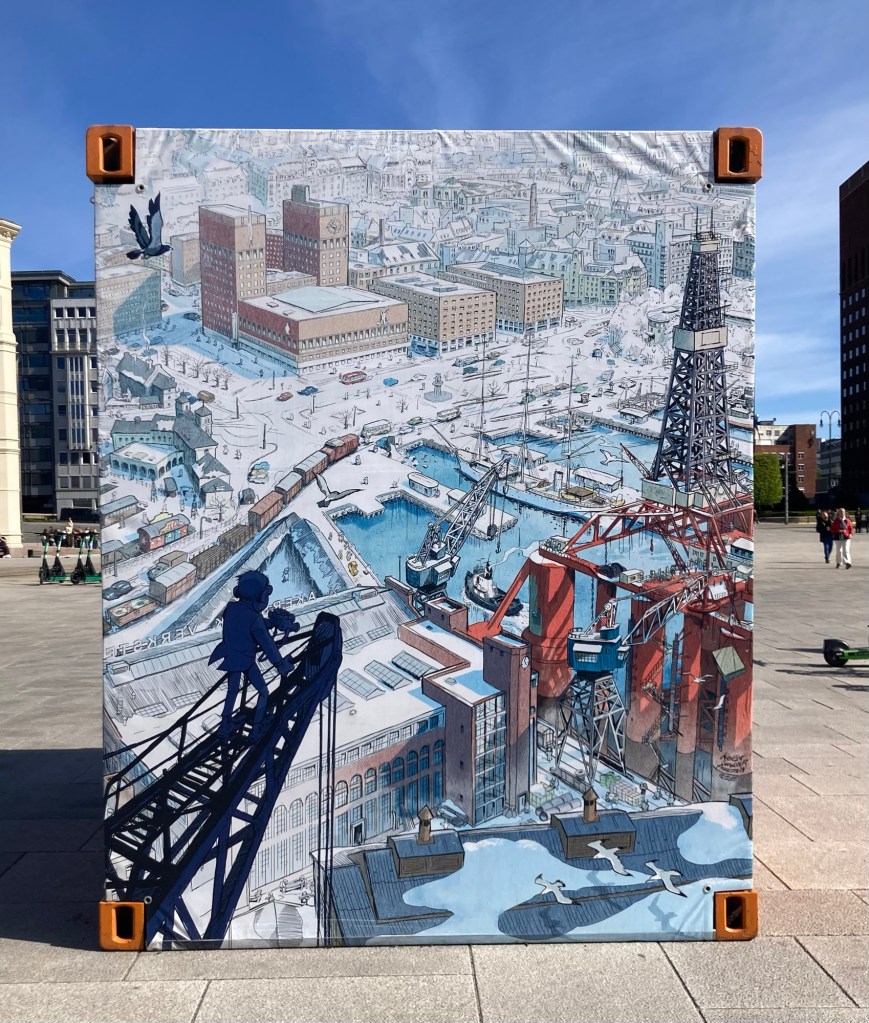
A fountain across from City Hall in front of the harbor. The hanging bell only sounds when someone steps on a pedal in the plaza below.Boats in the harbor. Many of the ferry and tour boats are electric and very quiet.There are 14 of these orange boxes along the harbor front, which have fun illustrations (perRick Steve) of what the spot looked like in 1964 before the revitalization.This was the illustration on Box 6.
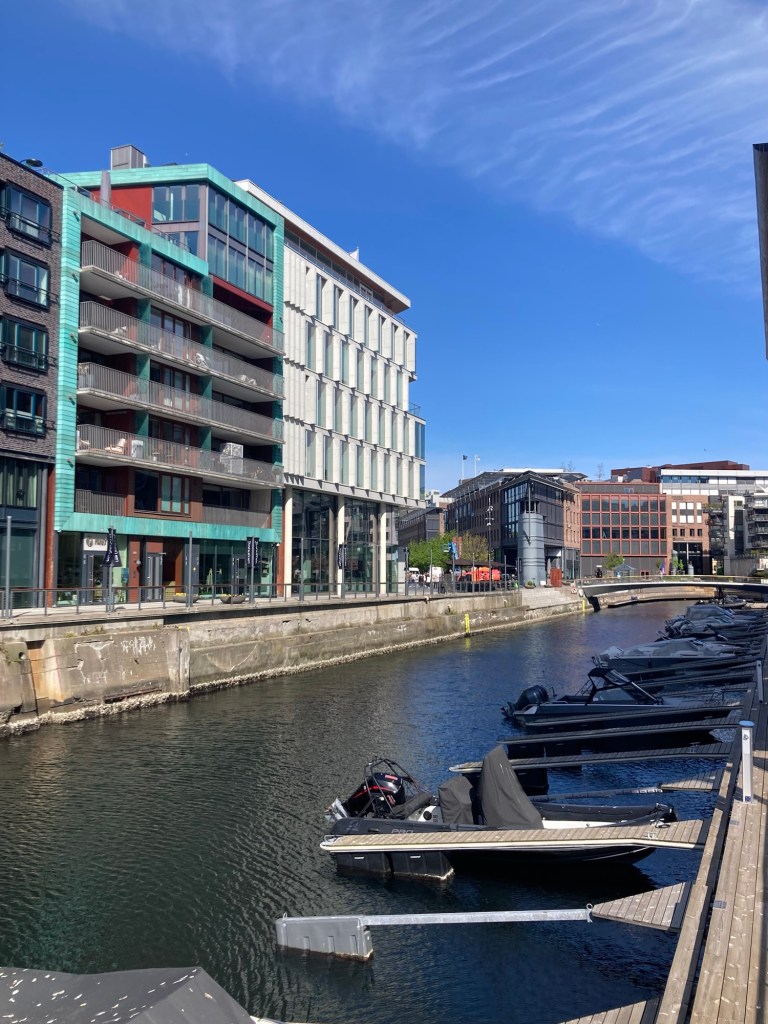
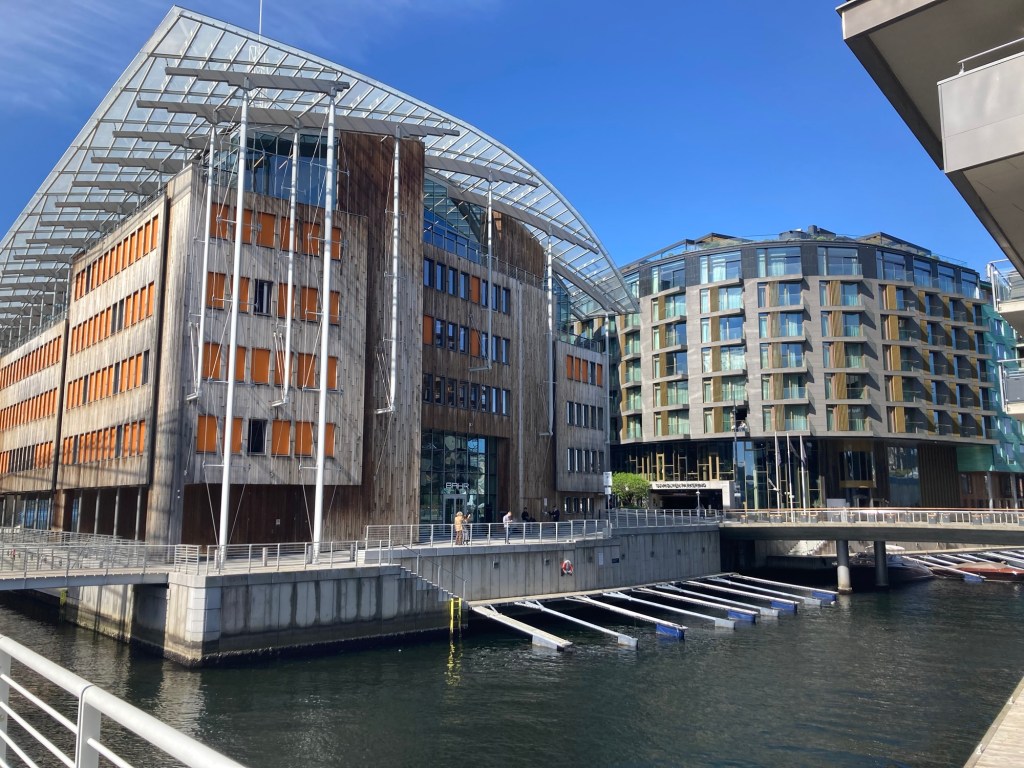
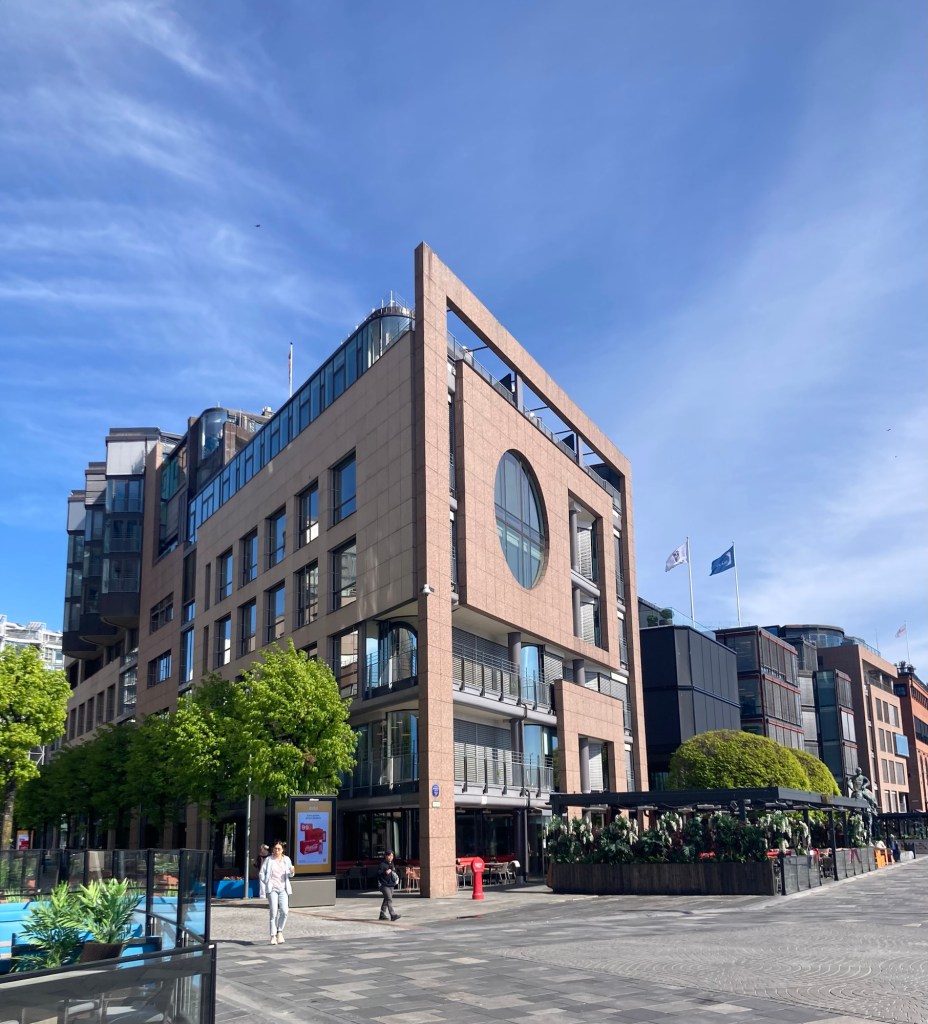
The next few photos are residences, restaurants , and museums of the Aker Brugge and Tjuvholmen development, which kicked off the transformation of the harbor front.
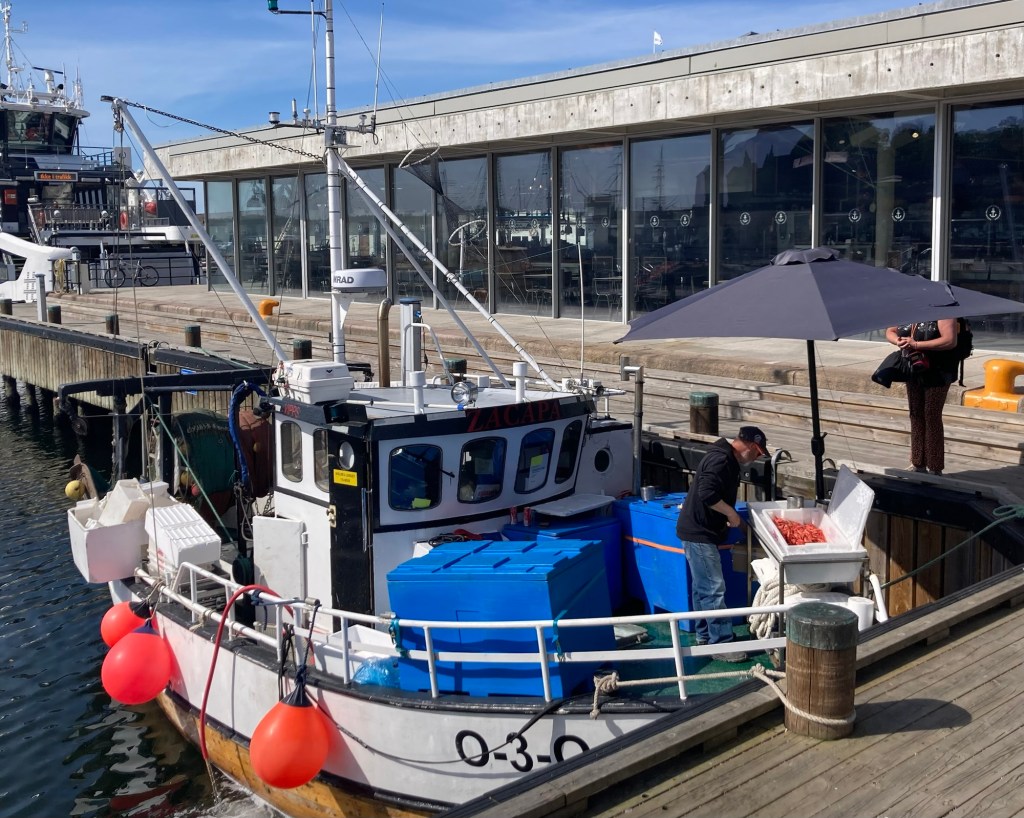
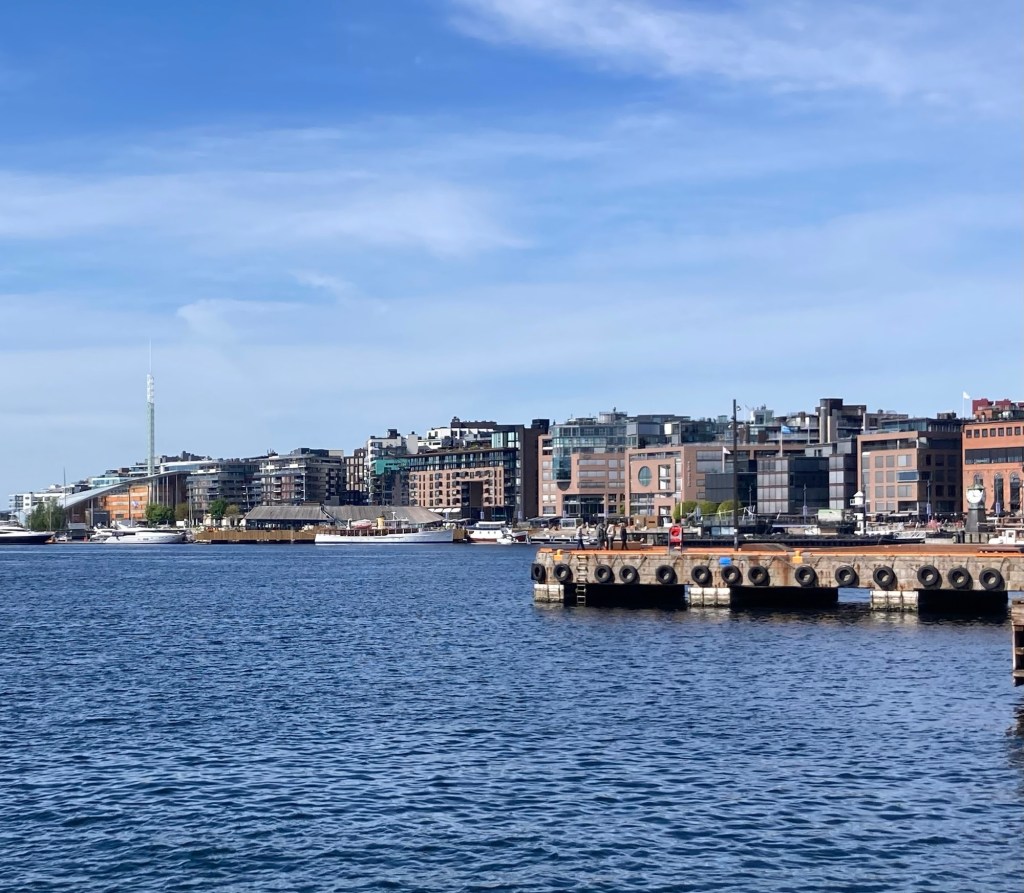
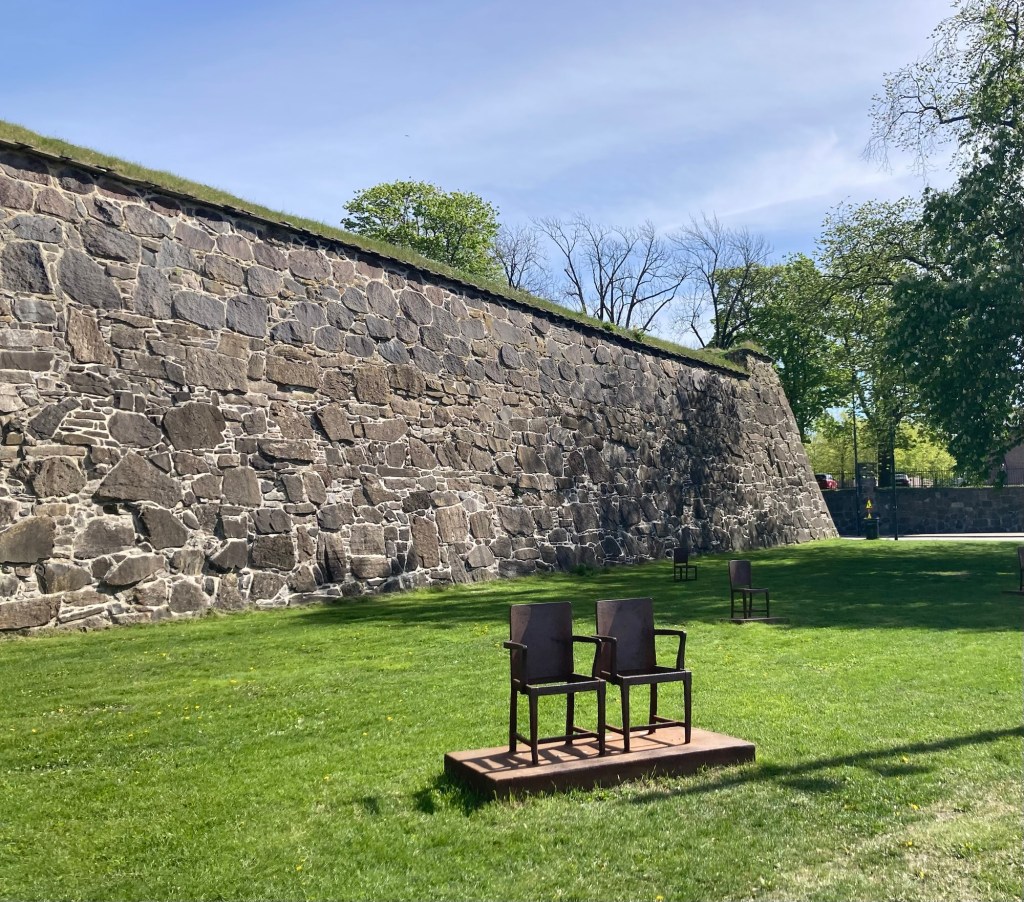
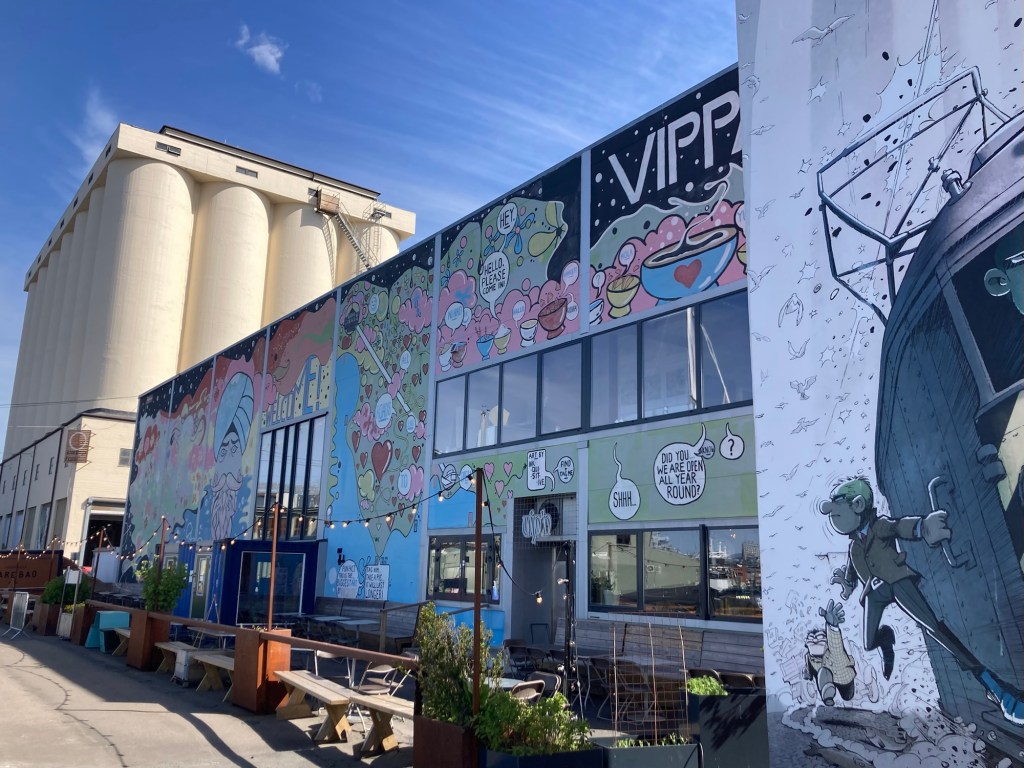
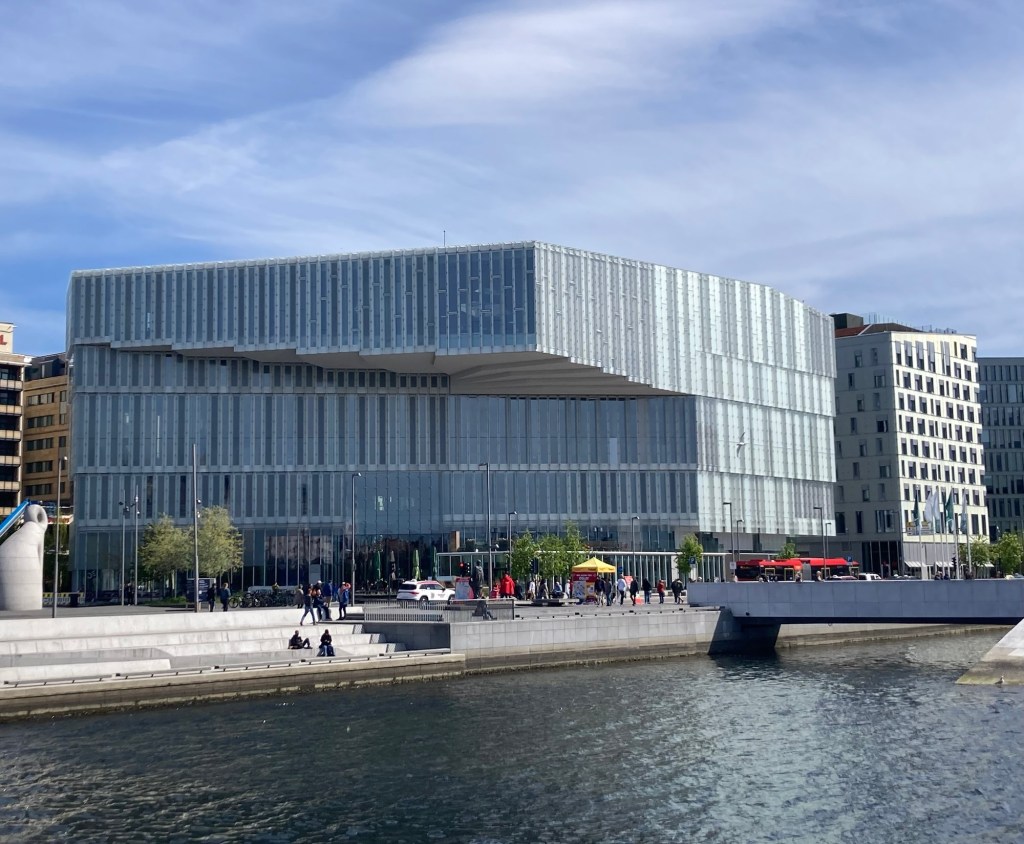
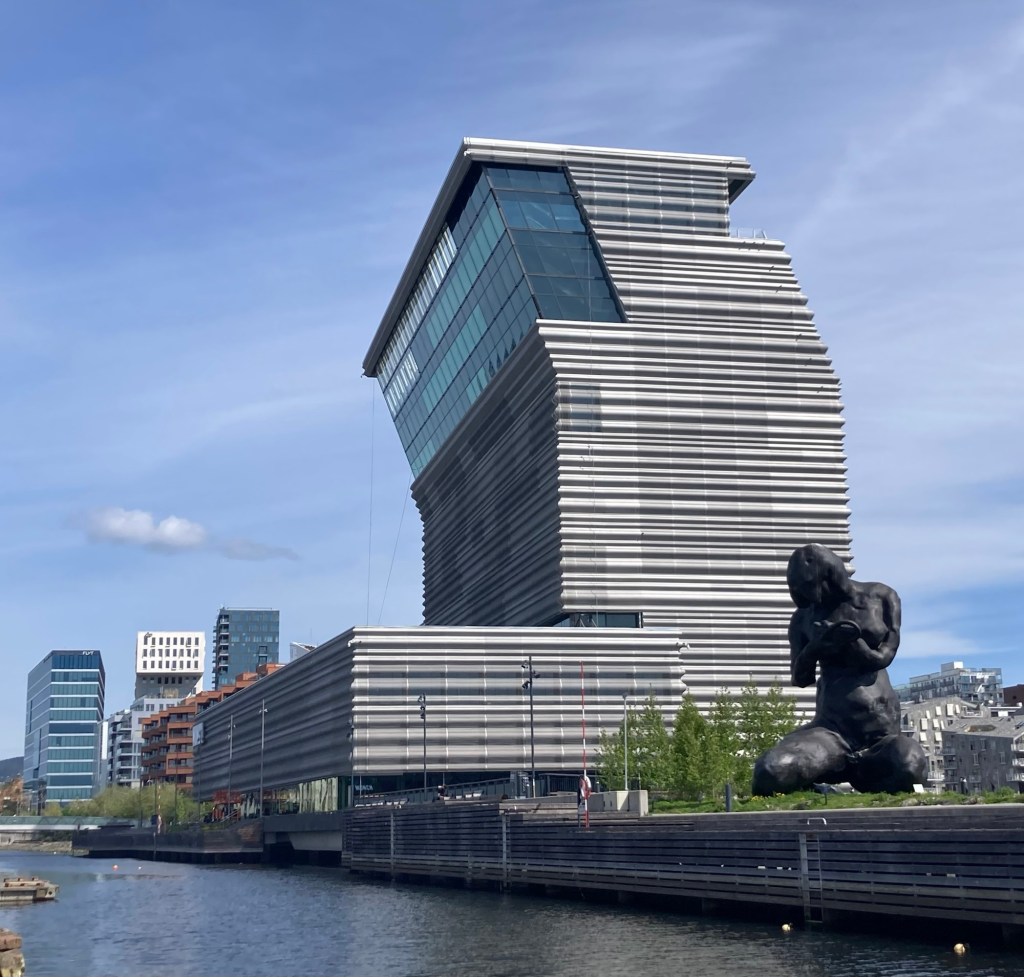
A shrimper selling fresh caught shrimp from his boatLooking across the harbor to the Aker Brugge and Tjuvholmen developmentEmpty chairs as part of a memorial in front of an old fortress to protect the city. The chairs represent the 773 Jews taken by Nazis from Norway to concentration camps.Vippa, an old warehouse transformed into a food court, but not open today.Oslo’s amazing opera house, with the Munch Museum and Ferris wheel on the rightThe Deichman Public Library “The Mother” statue in front of the Munch Museum. The sculptor Tracey Emin created the sculpture for Munch, who lost his mother at age 5.
Today we officially began our visit to Oslo, the capital of Norway and its busiest seaport. The city of Oslo has a population of approximately 710,000, with the greater urban area at just over 1 million people.
Bob had purchased a very informative Rick Steve’s travel book on Norway, and we used that today to follow his suggested walking route (covered here) as well as his harbor walk (covered in the next blog). It gave us a great introduction to at least part of Oslo and got our legs moving again with an 8-mile walk after all of our sitting during the last couple of days.
The tour began back at the central train station that we arrived at yesterday and worked its way to the harbor via Karl Johans Gate, which runs from the old train station to the Royal Palace (currently closed). It is named for the Swedish king who ruled during the period when Sweden took Norway away from Denmark.
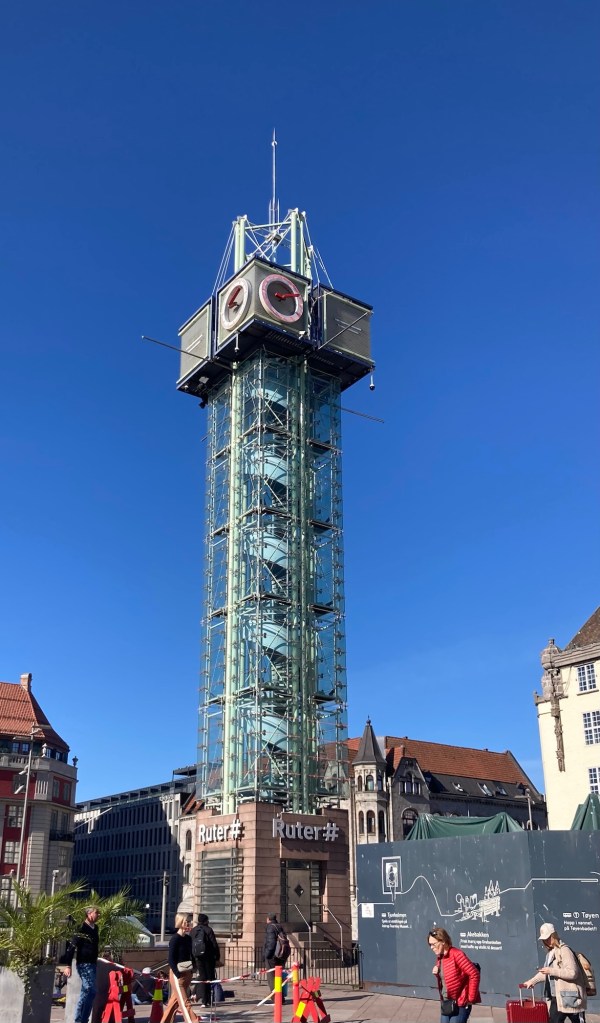
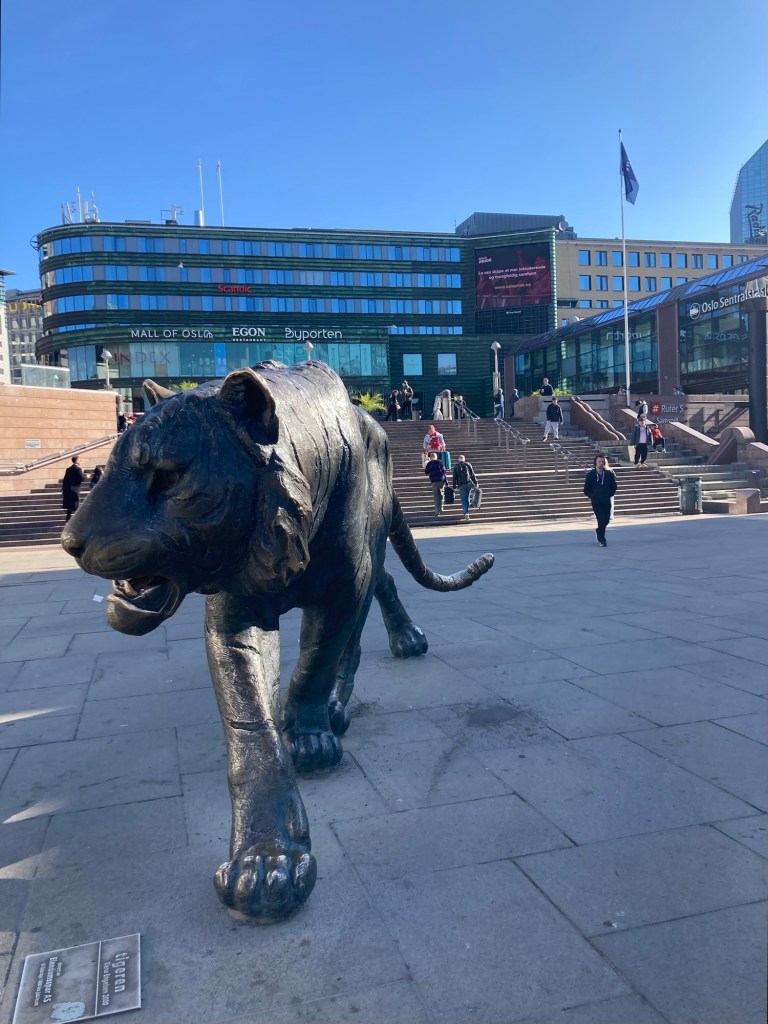
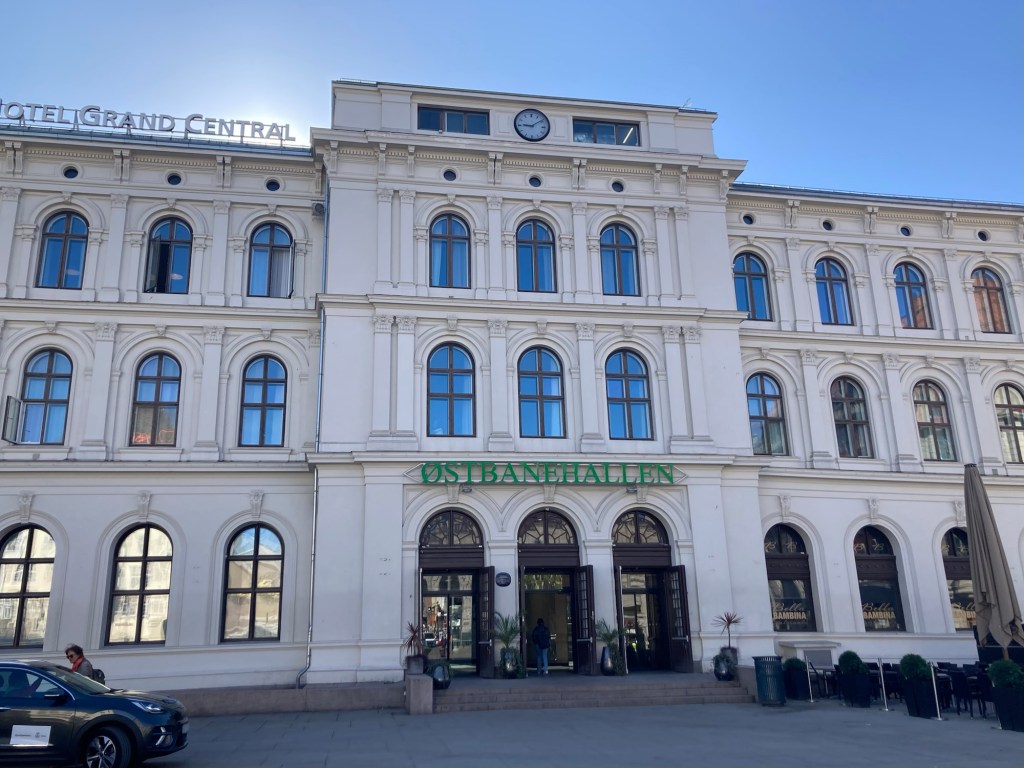
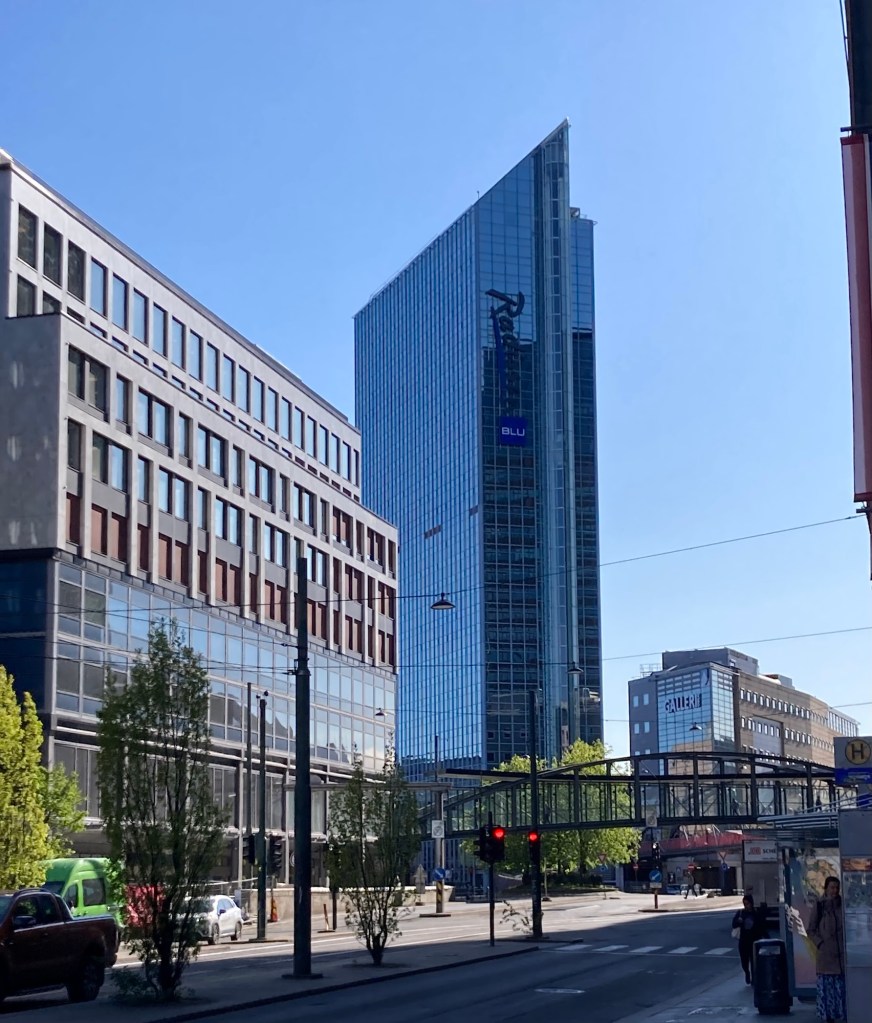
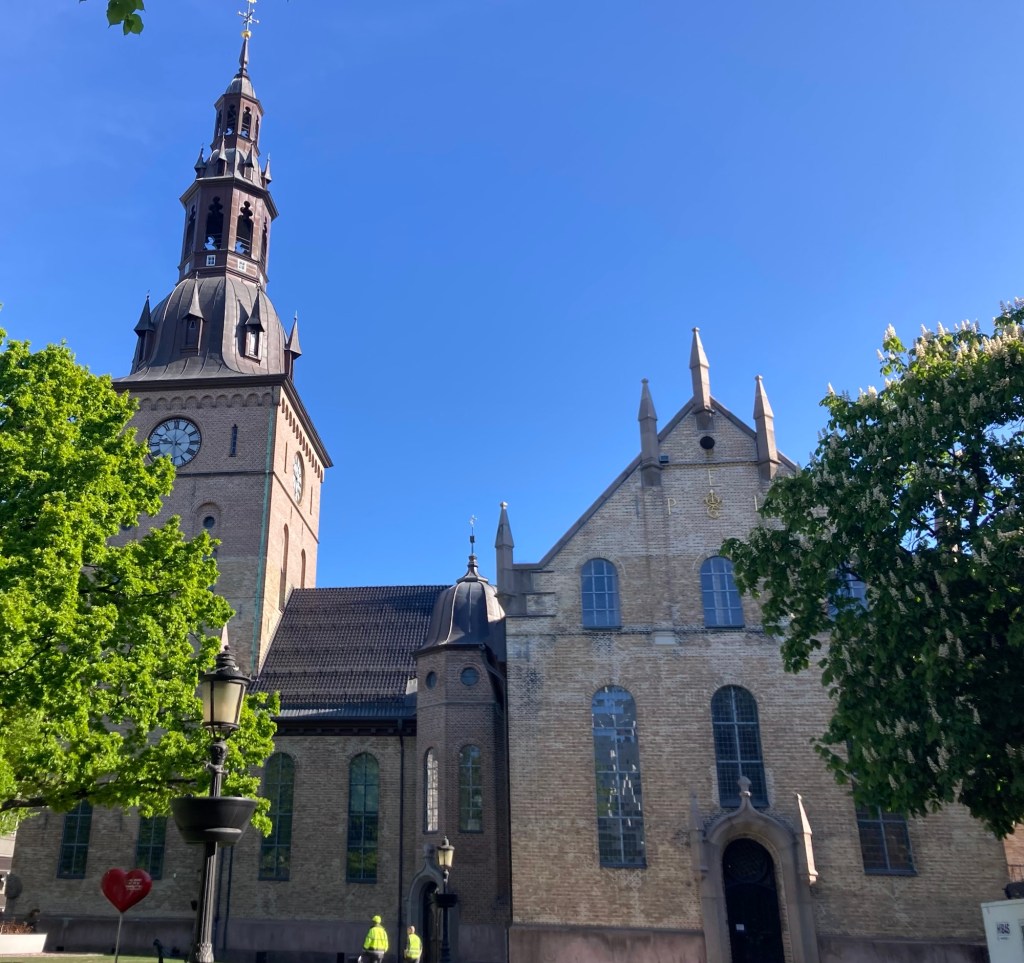
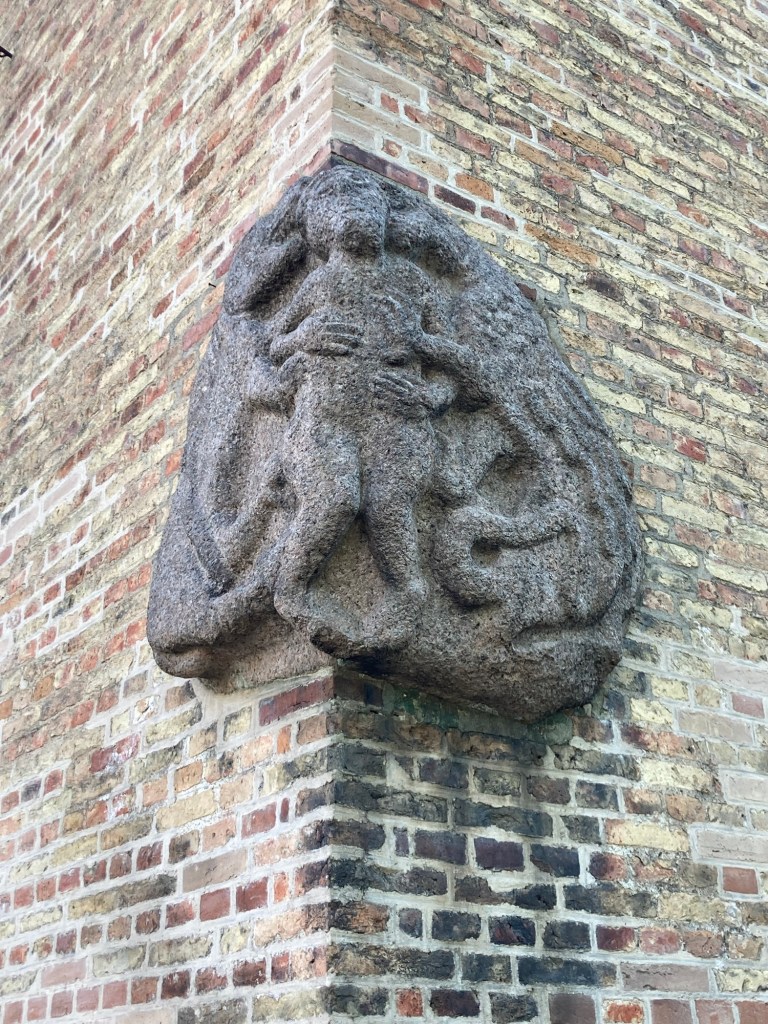
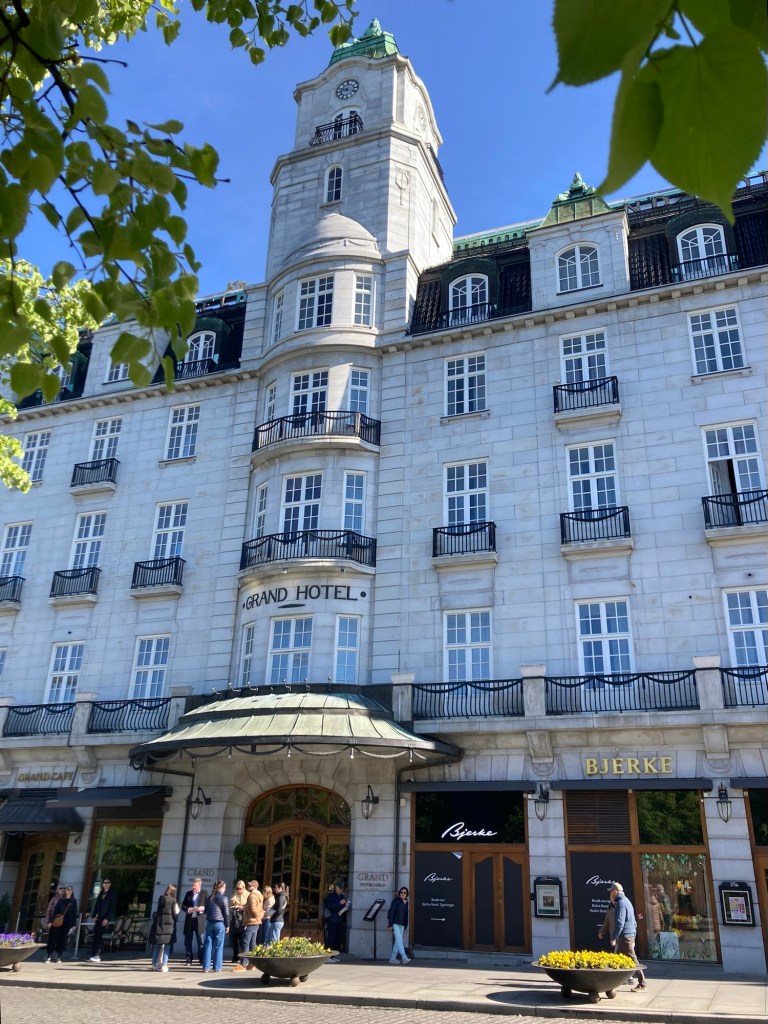
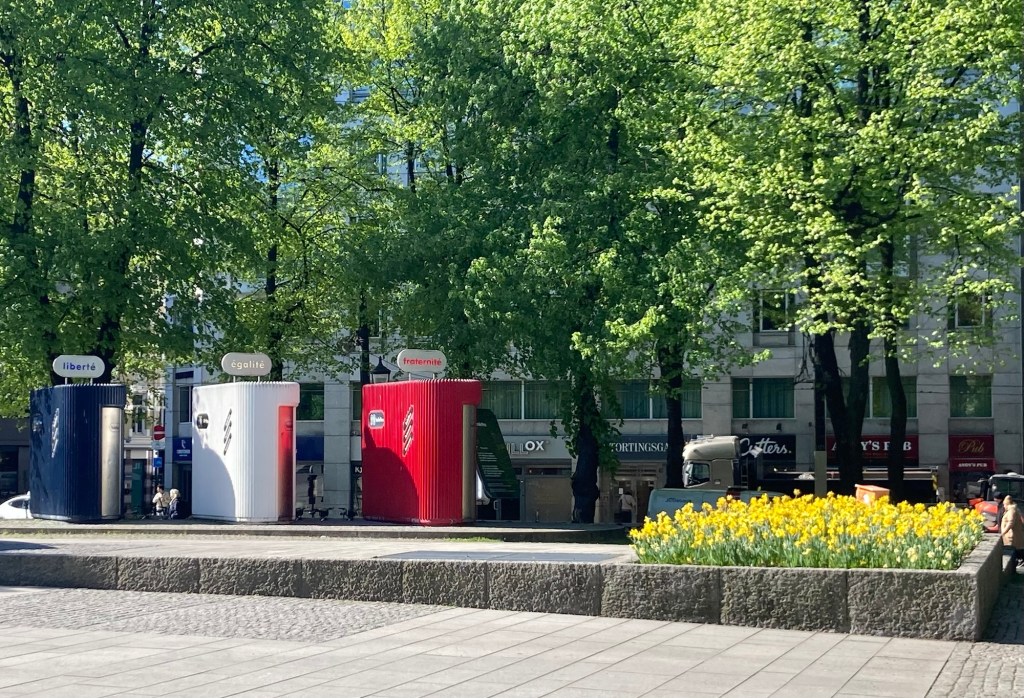
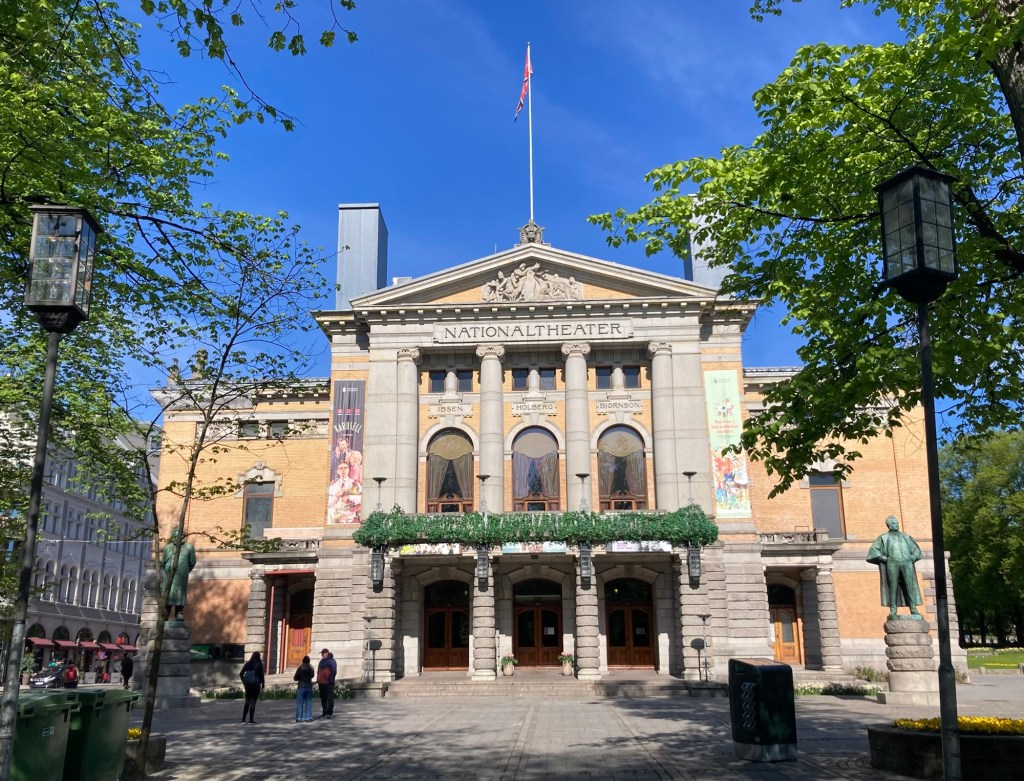
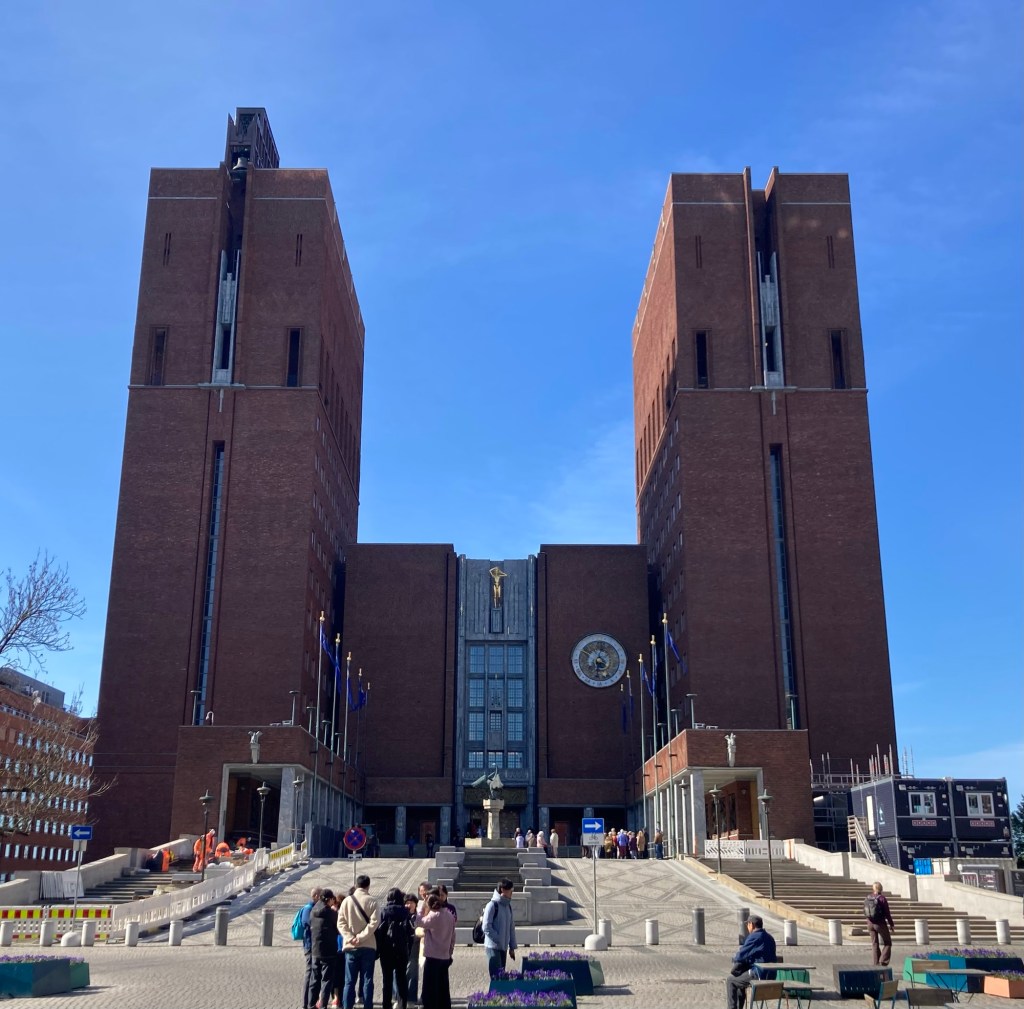
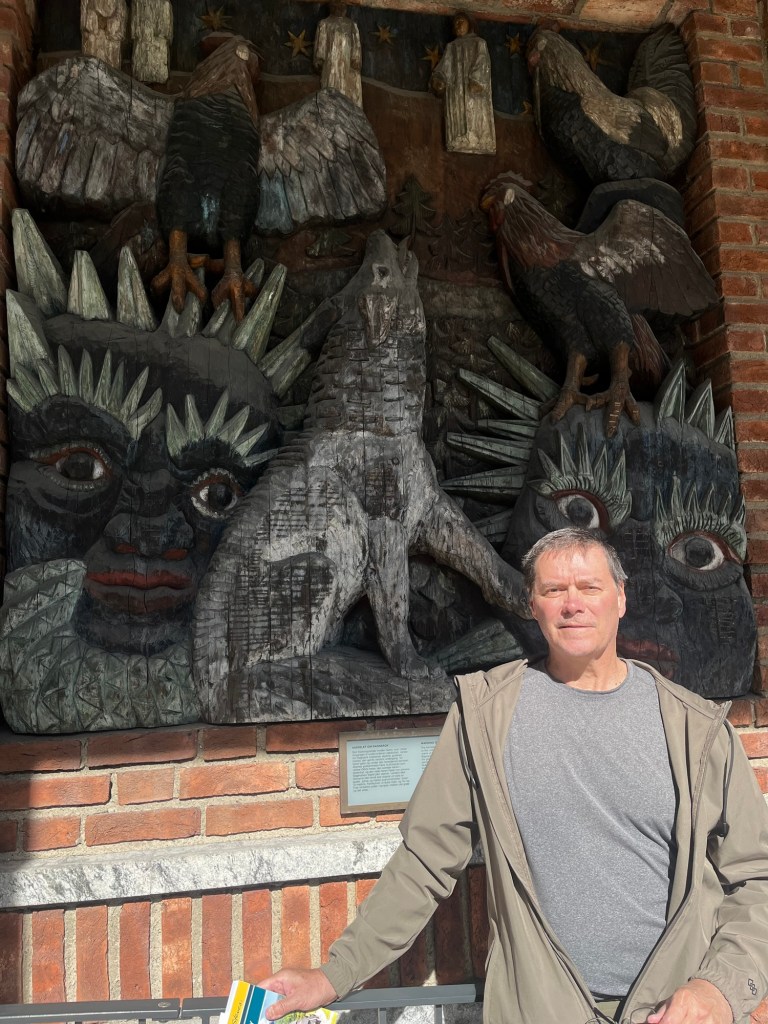
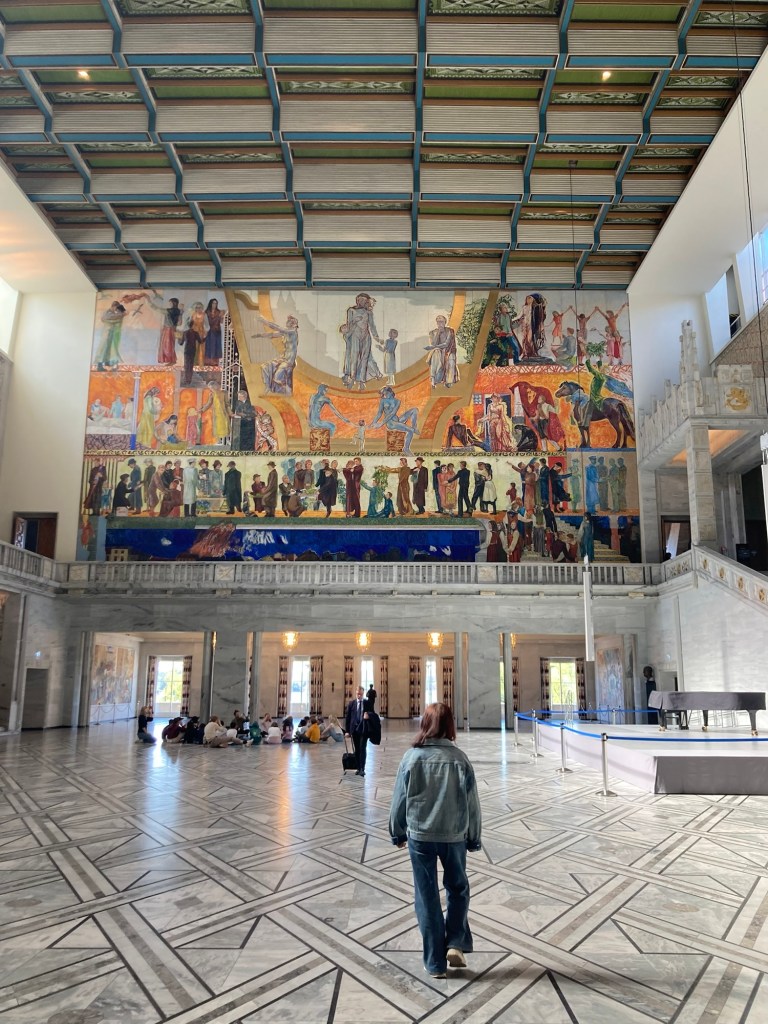
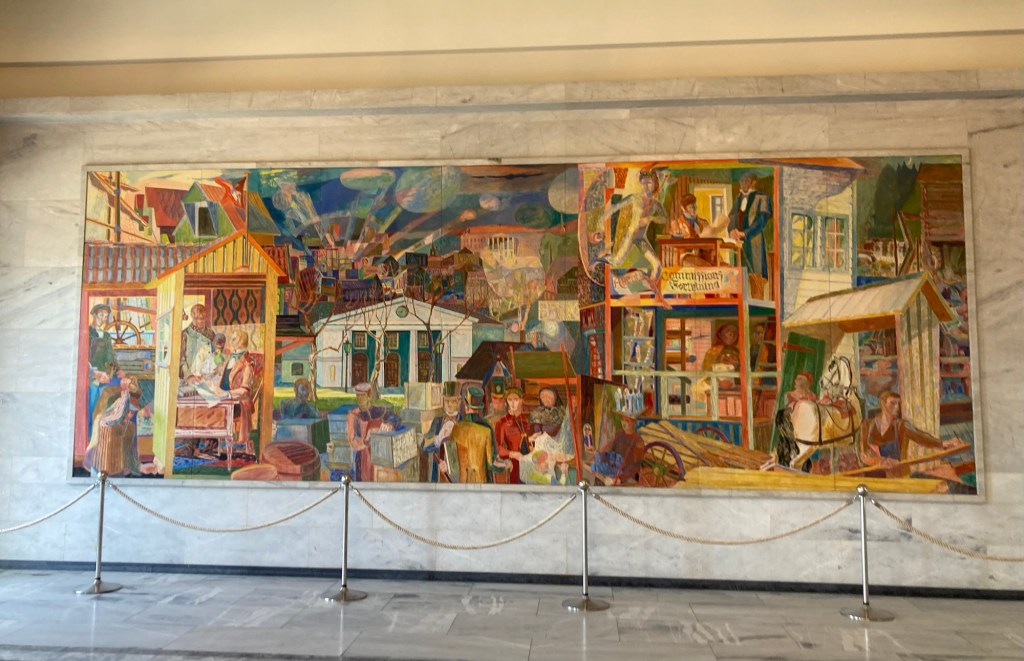
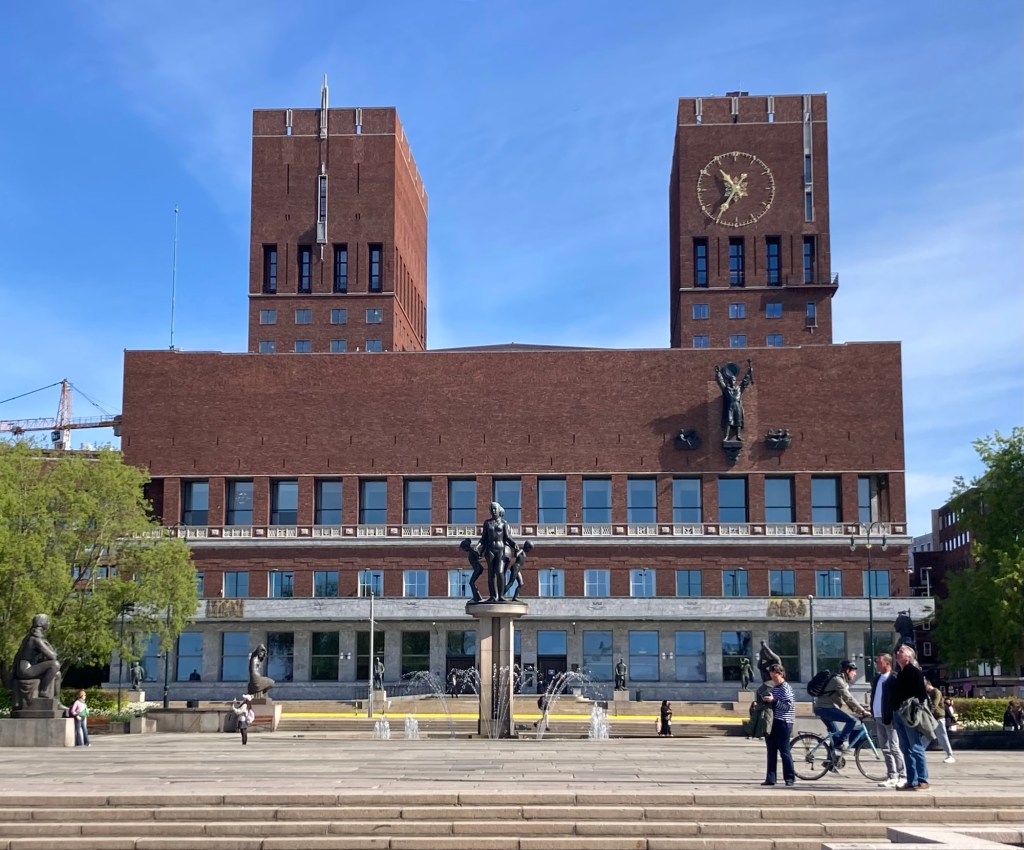
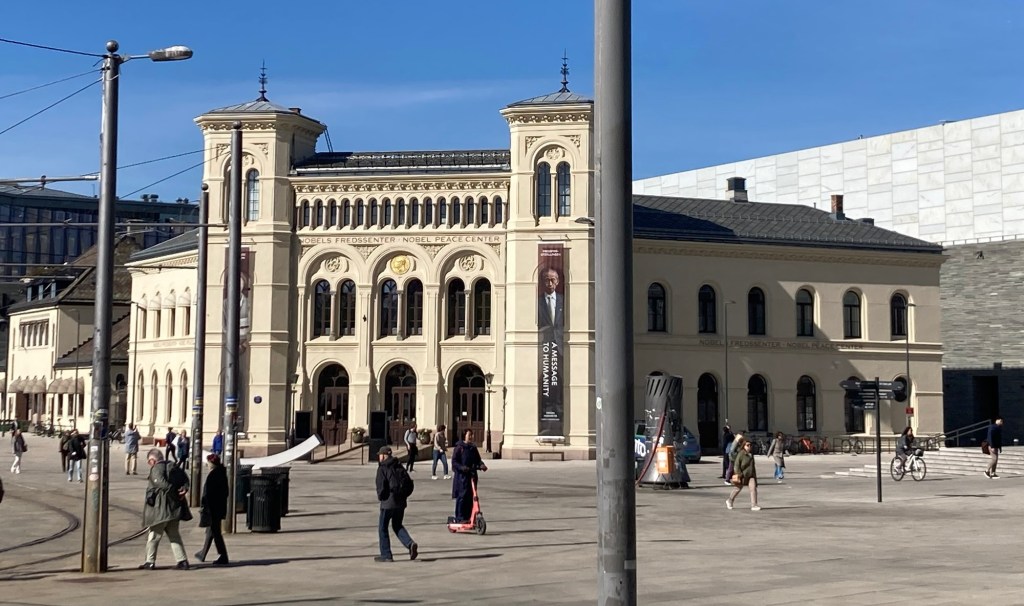
The Ruter Tower outside Oslo Central Station which marks the public transit officeThe iconic tiger statue with the modern train station and attached mall in the background. It alludes to Oslo’s one-time nickname of Tiger Town given by those living in rural areas of the country.The former Central Train Station, immediately adjacent to the current one.The shiny Radison Blu Hotel across from the train stationOslo Cathedral (3rd version), a Lutheran church and home to all royal marriages, funerals, etc.The 1,000year old cornerstone from the original cathedral showing how forces of good and evil tug at each of usFreia is Norway’s chocolatier, although sadly now owned by the US company MondelezGrand Hotel, where the Nobel winners stayPublic restrooms in the colors of the US, France, and Norwegian flags, as Norway was inspired by the US constitution and the French Revolution while winning their freedom in 1905Norway’s National Theater with statues of Henrik Ibsen (“A Doll’s House”) and Bjornstjerne Bjornson, Norway’s first Nobel Laureate (won for poetry)Oslo’s City Hall, the site of the Nobel Peace Prize presentation every December 10thThere are carved wooden pictures along the outside walls of the courtyard in front of City Hall depicting various scenes of Norwegian mythology. Bob found one with 2 big heads.The big hall inside City Hall where the Nobel ceremony is heldEach wall in the front and back rooms contains a muralThe backside of City Hall, which faces the harborThe Nobel Peace Center, which celebrates the work of Nobel Peace Prize winners
Bob and I have landed in the land of my mother’s father’s relatives, who came over to the US as Christiansen but ended up as Runaas when there were too many Christiansens in their small community in Wisconsin so they chose a name of a fjord near where they had lived in Norway. Or so the story goes. My best associations with Norway are the holiday foods I had growing up — lefse (like a potato tortilla or pita) and lots of butter-based Christmas cookies.
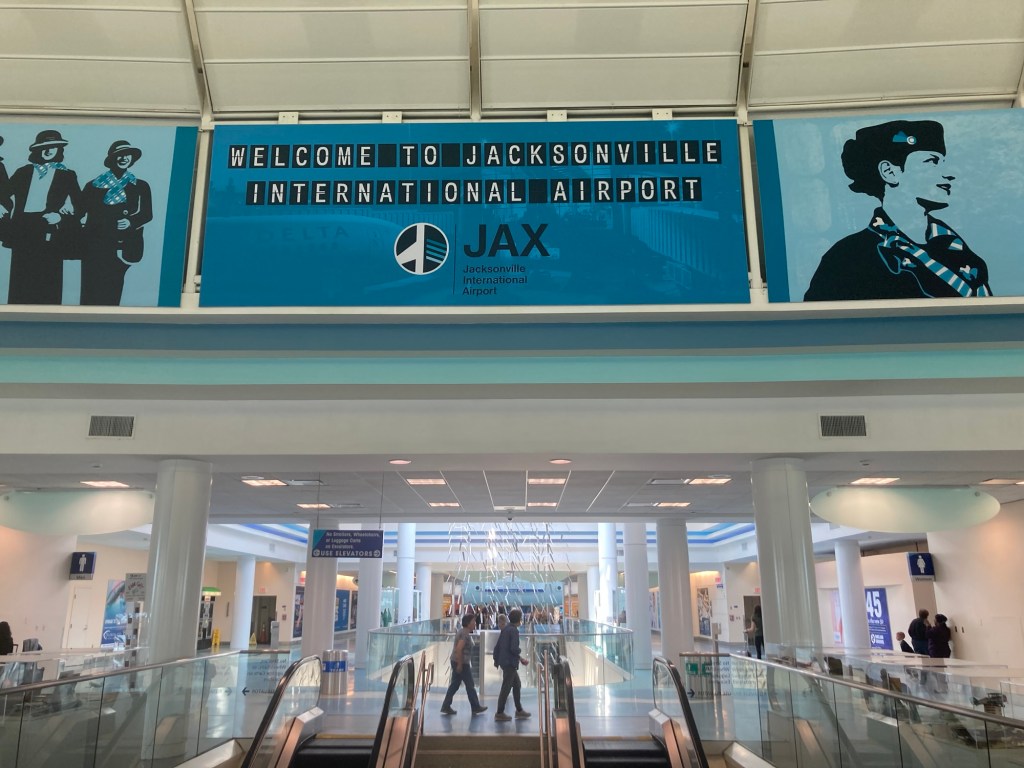
To get to Oslo, we flew Delta/Air France from Jacksonville, Florida, to New York JFK to Paris’ Charles de Gaulle and then into Oslo. Each flight was late, except for Paris, but we still ended up arriving on time or a little early.
The biggest excitement (except for my actually sleeping on the flight to Paris) was seeing a 20ish year old man standing in front of us to board the Paris bound flight get handcuffed and taken away. Still don’t know what that was about.
Bob got us Premium Economy seats for the long flight from New York to Paris, which allowed for more seat room and a foot rest. Very helpful and was also very impressed with their customer service and meals.
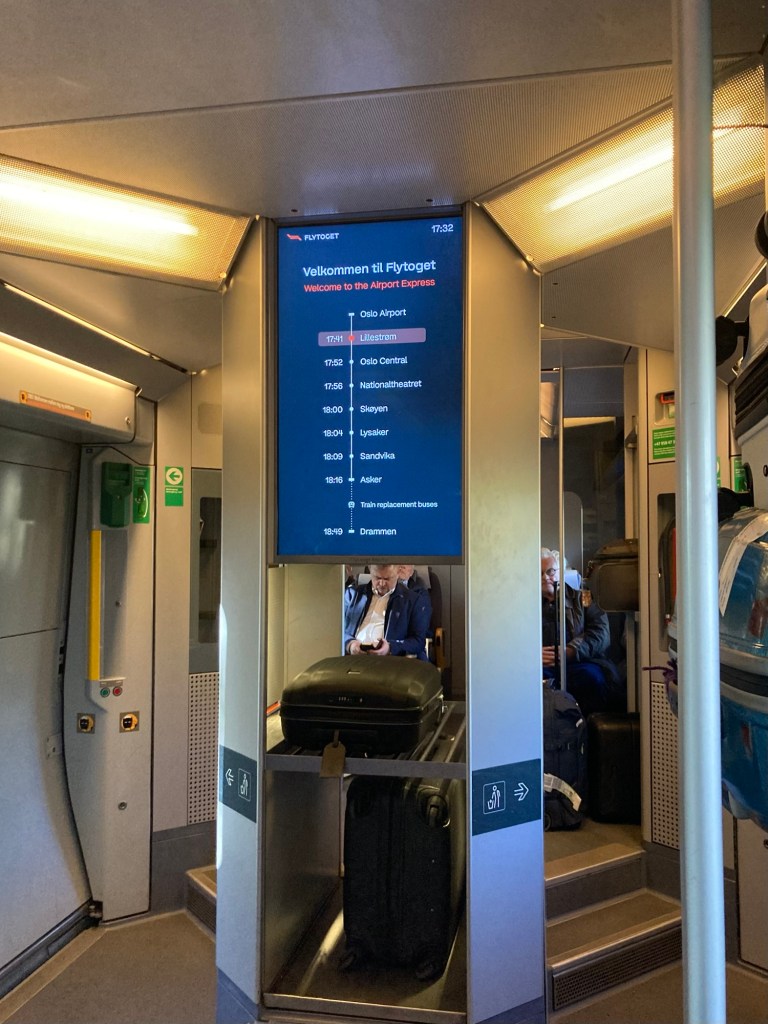
After arriving in Oslo, we caught the convenient Flytoget train into Oslo Central (about a 25 minute ride) and then walked another 10 minutes to our hotel.
A (very) few pics from the trip.
On the train into OsloBob’s first big head photo of the trip — near the hotel lounge
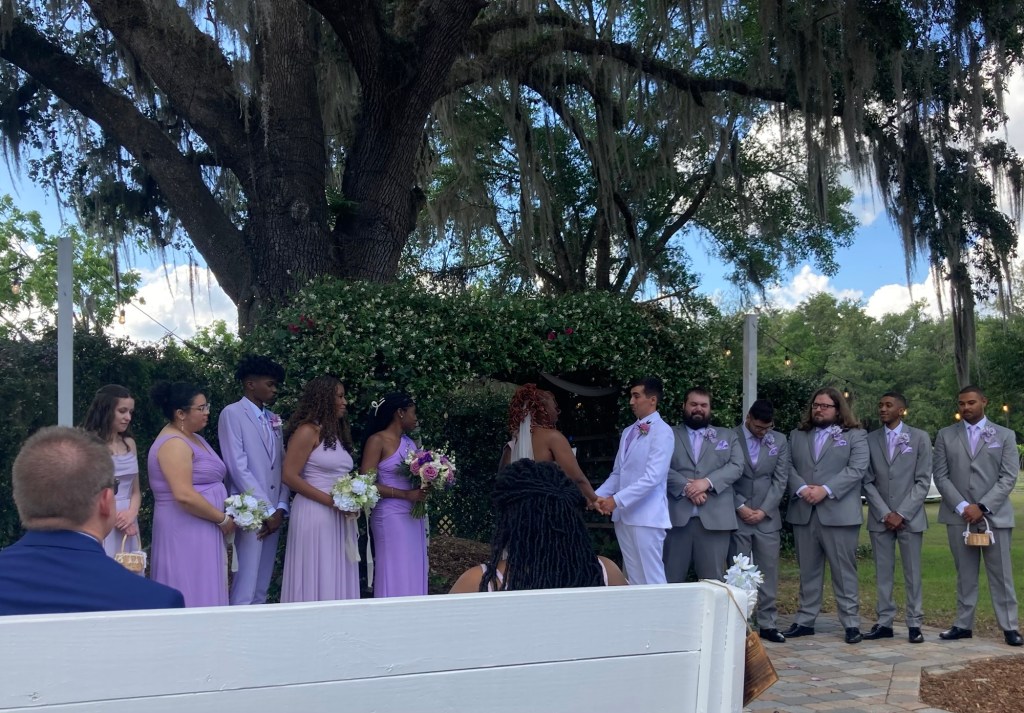
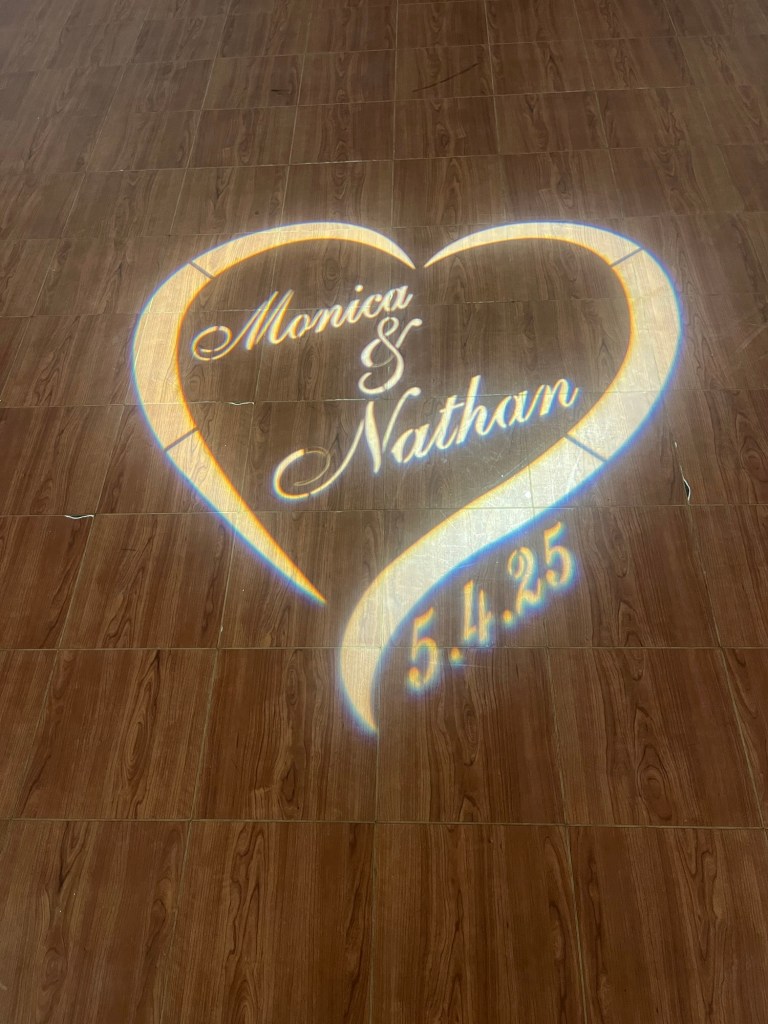
Bob and I flew into Jacksonville, Florida, on Friday afternoon for a weekend with family in St. Augustine, Florida, culminating with our nephew’s wedding on Sunday night. We stayed at an Airbnb close to the historic district, which allowed us to walk to sites and nearby restaurants and also relax at the house.
It was a great weekend! Some photos below of the weekend.
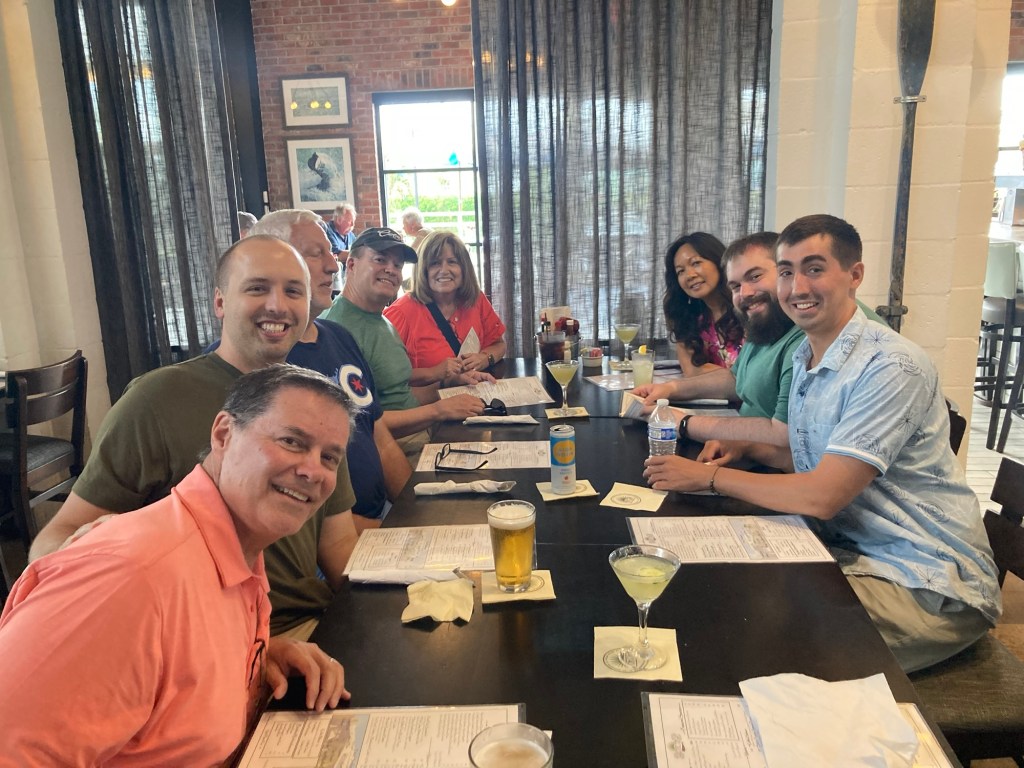
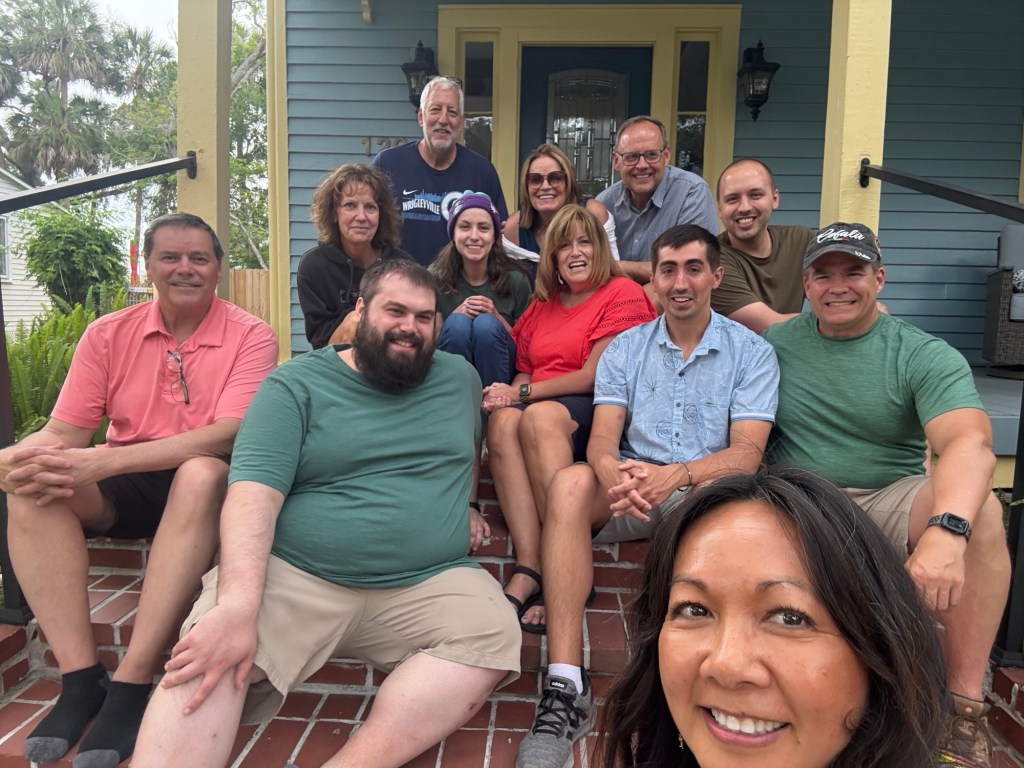
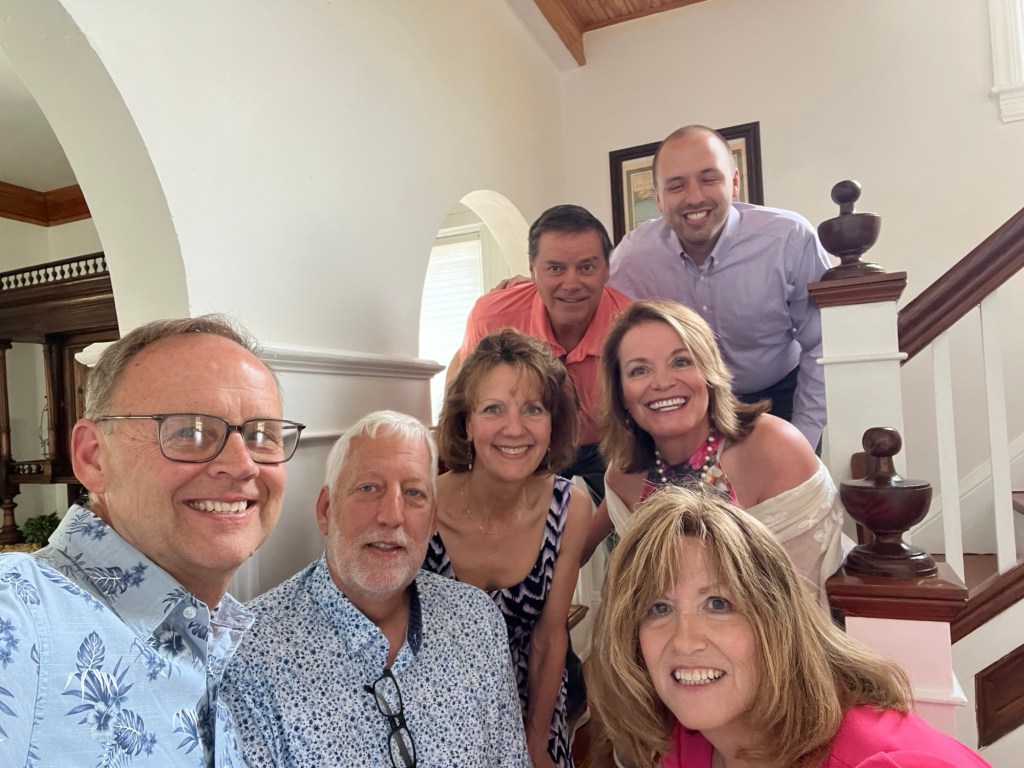
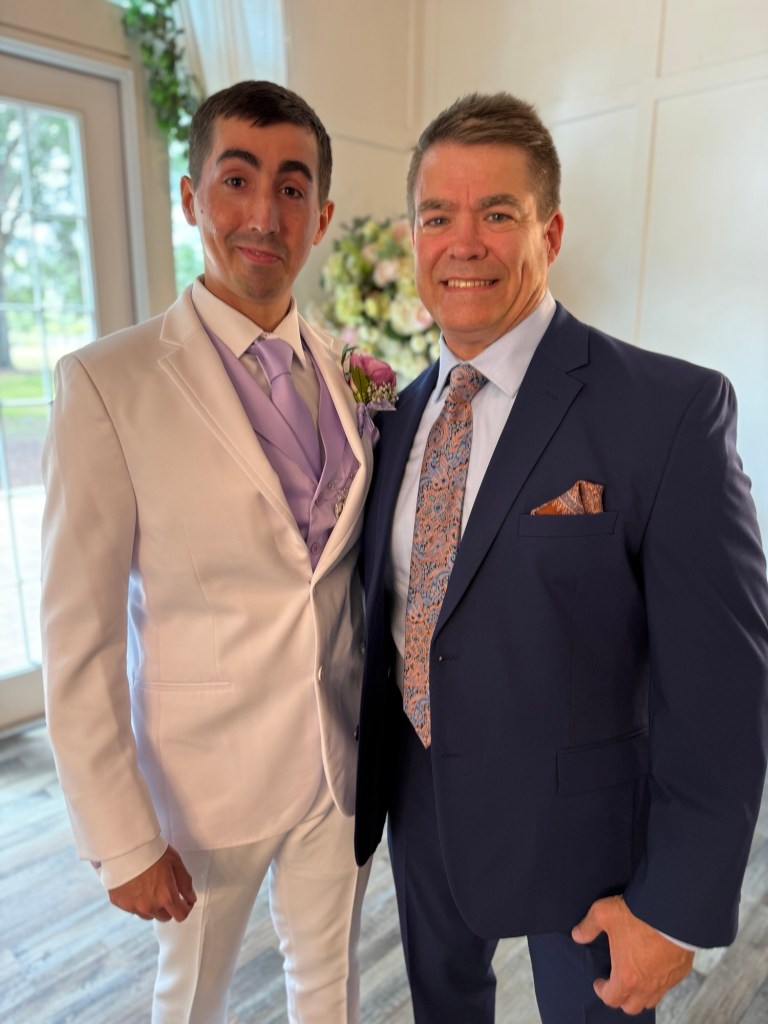
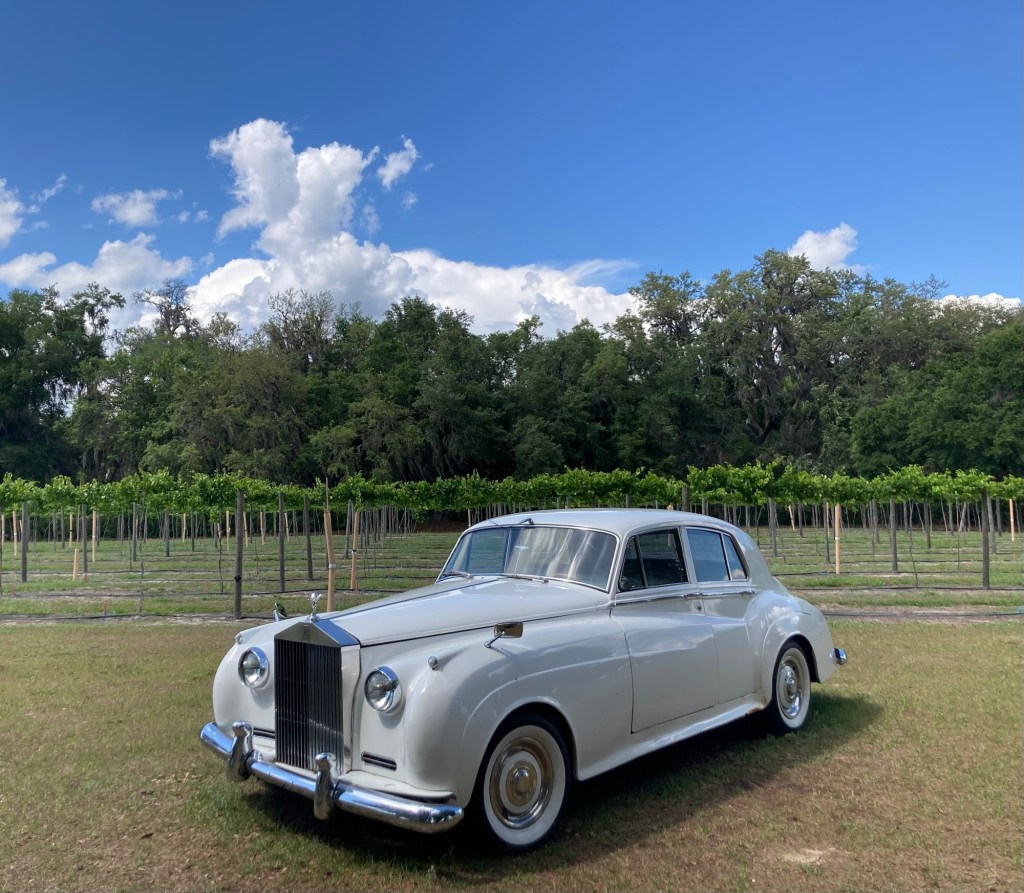
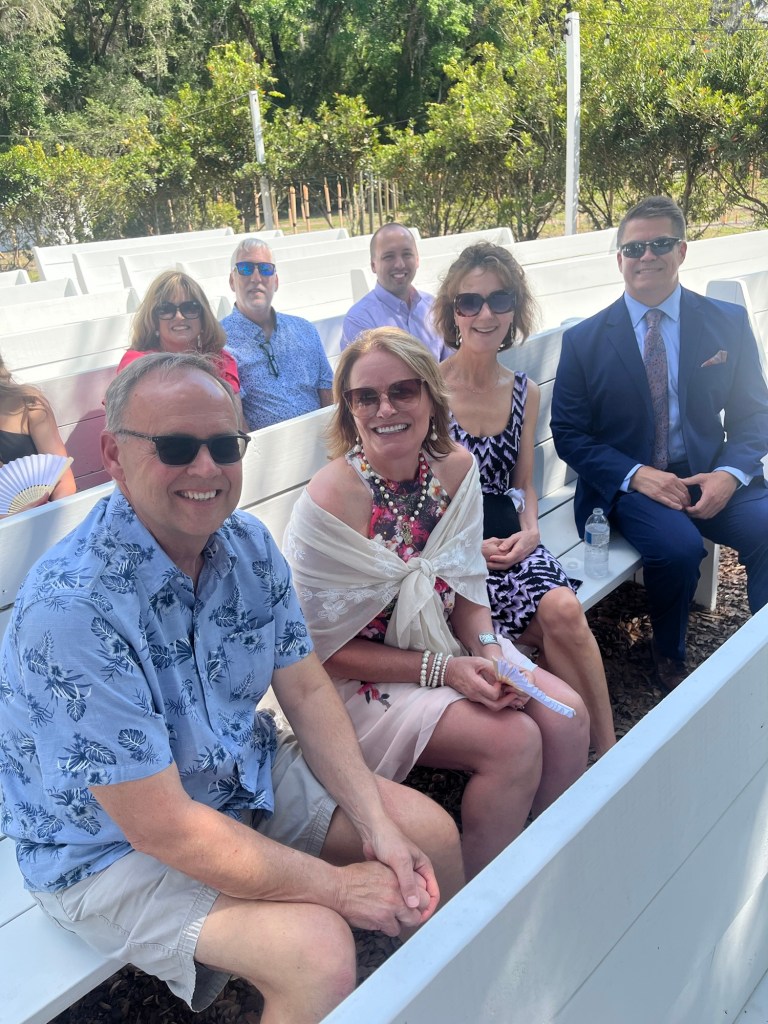
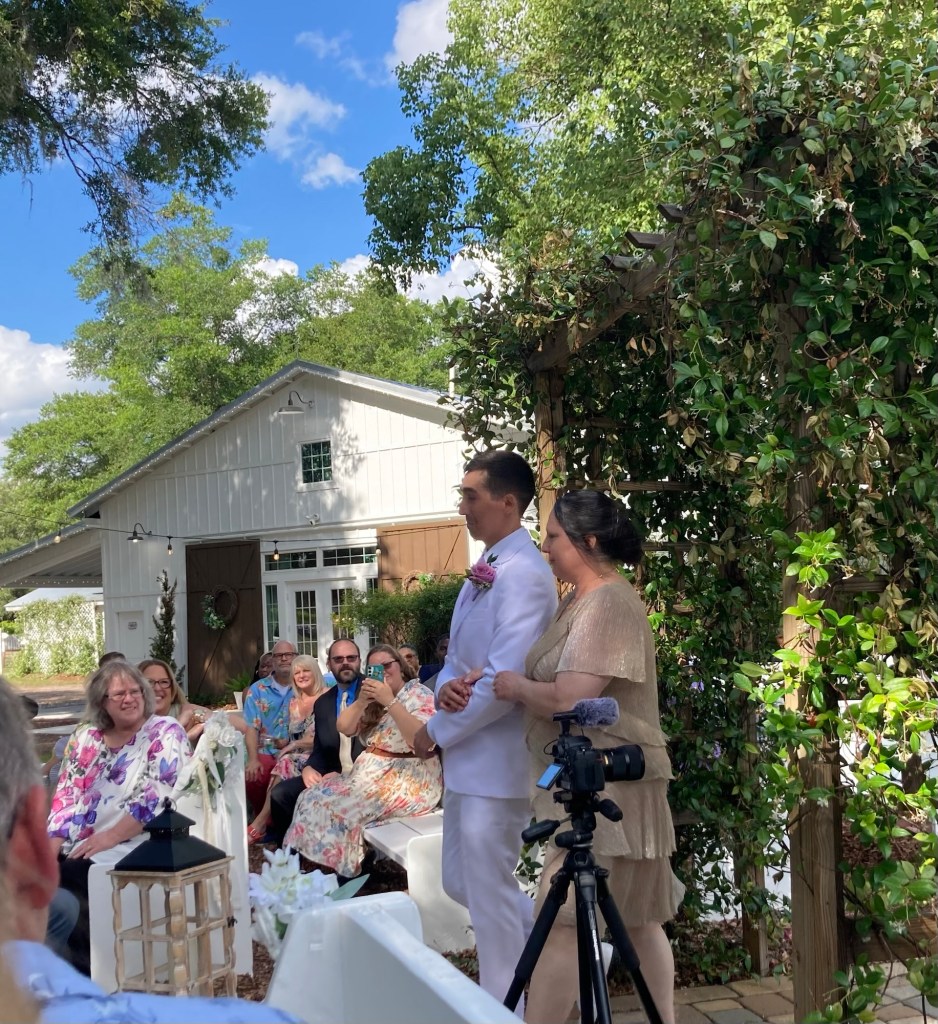
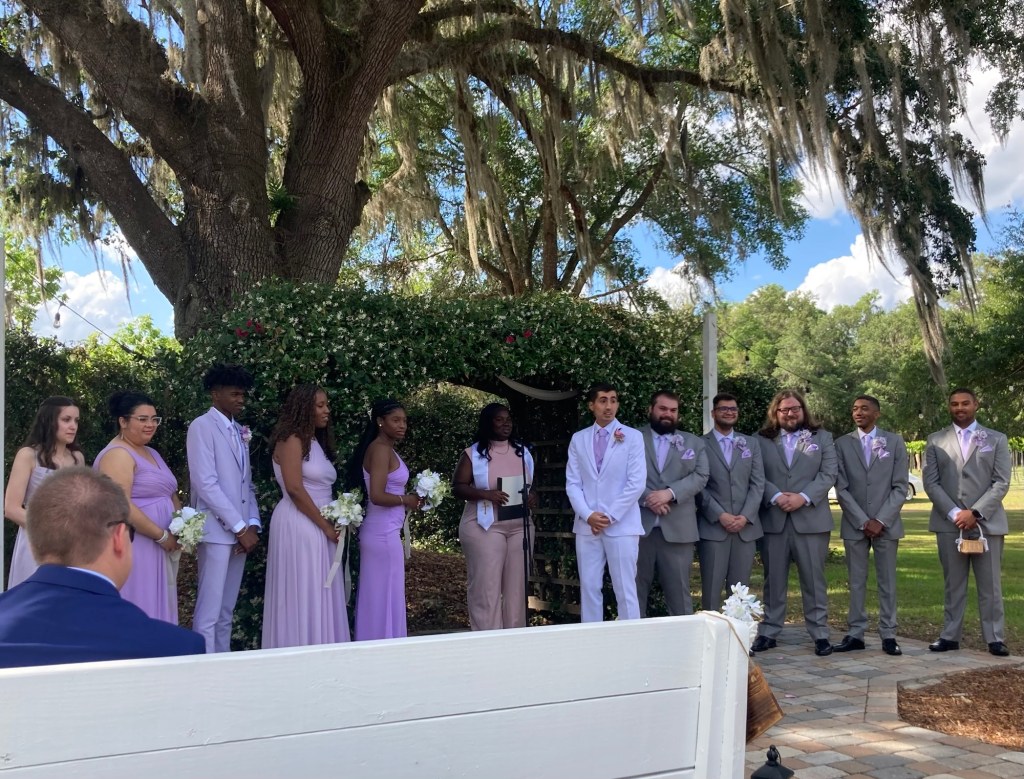
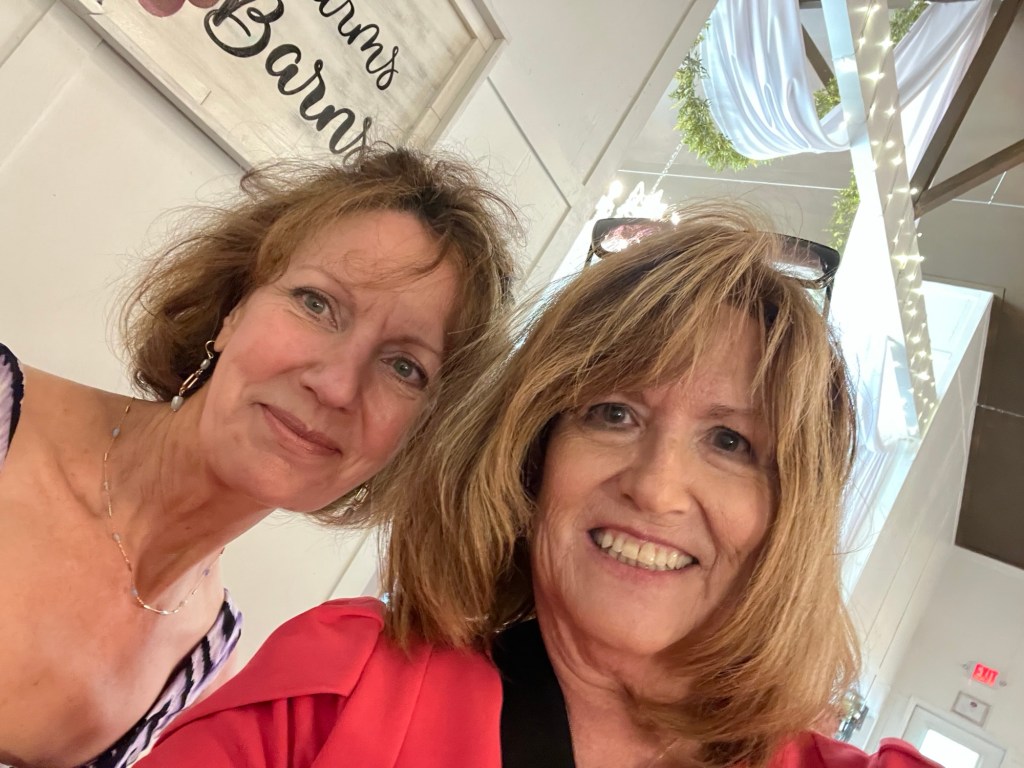
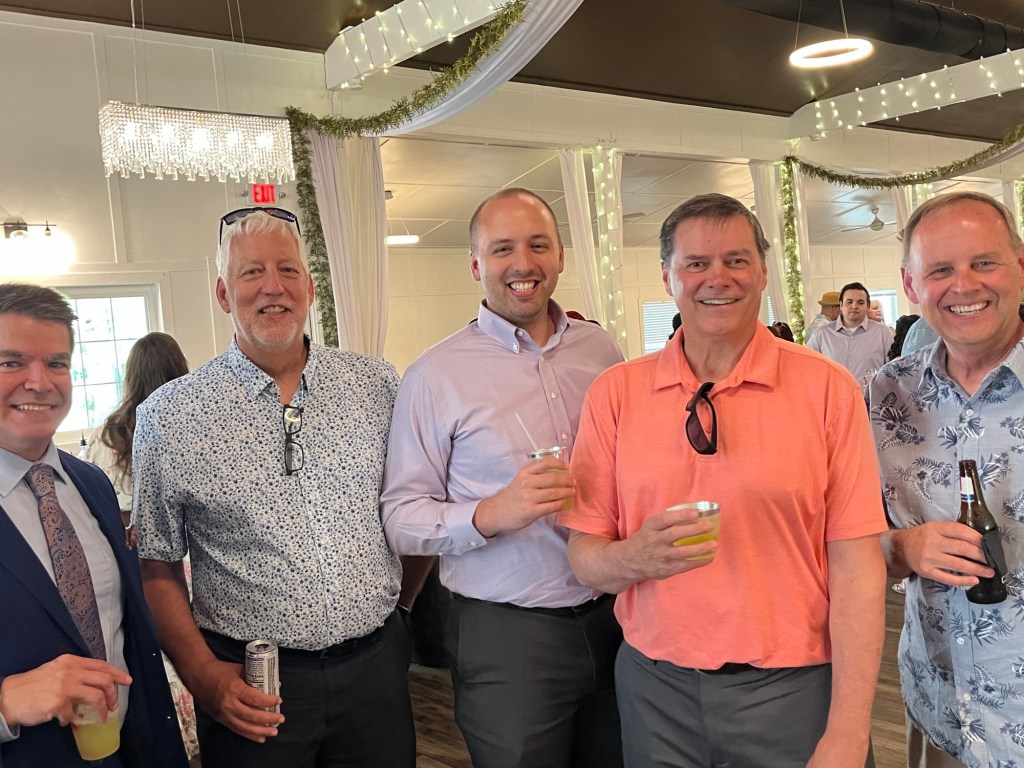
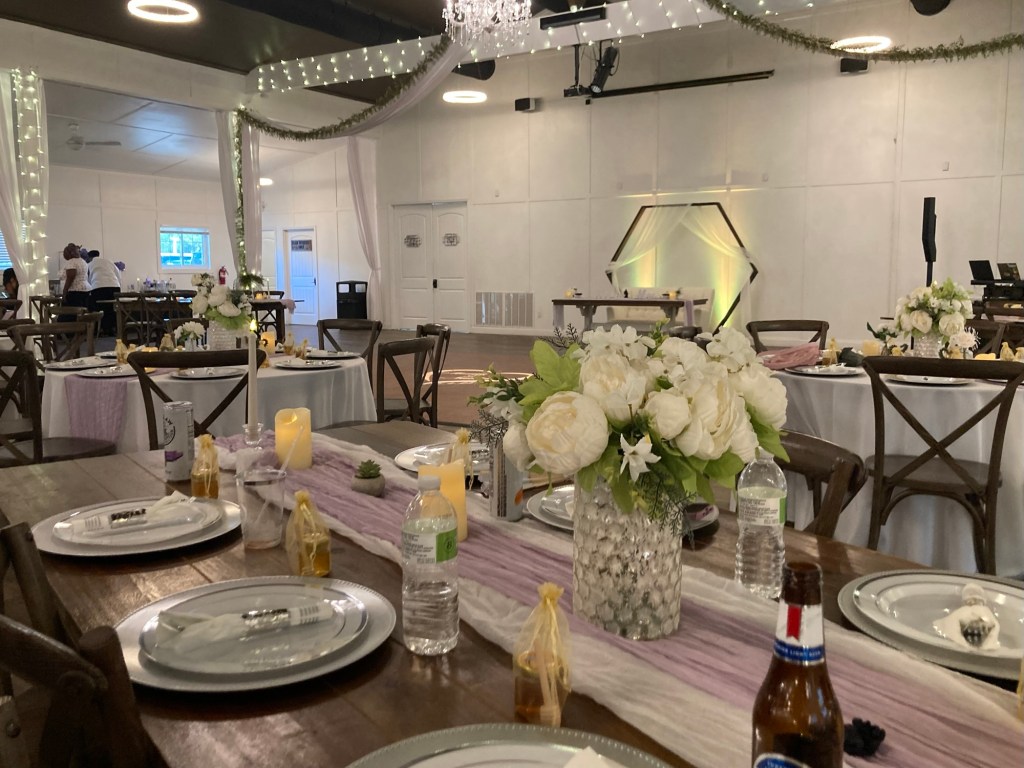
Group meal at the Fish Camp restaurant near our AirbnbGroup photo in front of the AirbnbAll dressed up and headed to the wedding Nathan, the groom, and proud dad, Bob’s brother EricThe vineyard at Ever After Farms where the wedding and reception were heldEric and BobWaiting for the wedding to startNathan escorting his mom up the aisle The bridal party awaiting the bride’s entranceSaying their vowsParty time! Me and Bob’s sister CherylEric, brother-in-law Jody, nephew Zack, Bob and brother-in-law JohnThe reception hallThe dance floor














 Peckish Travels