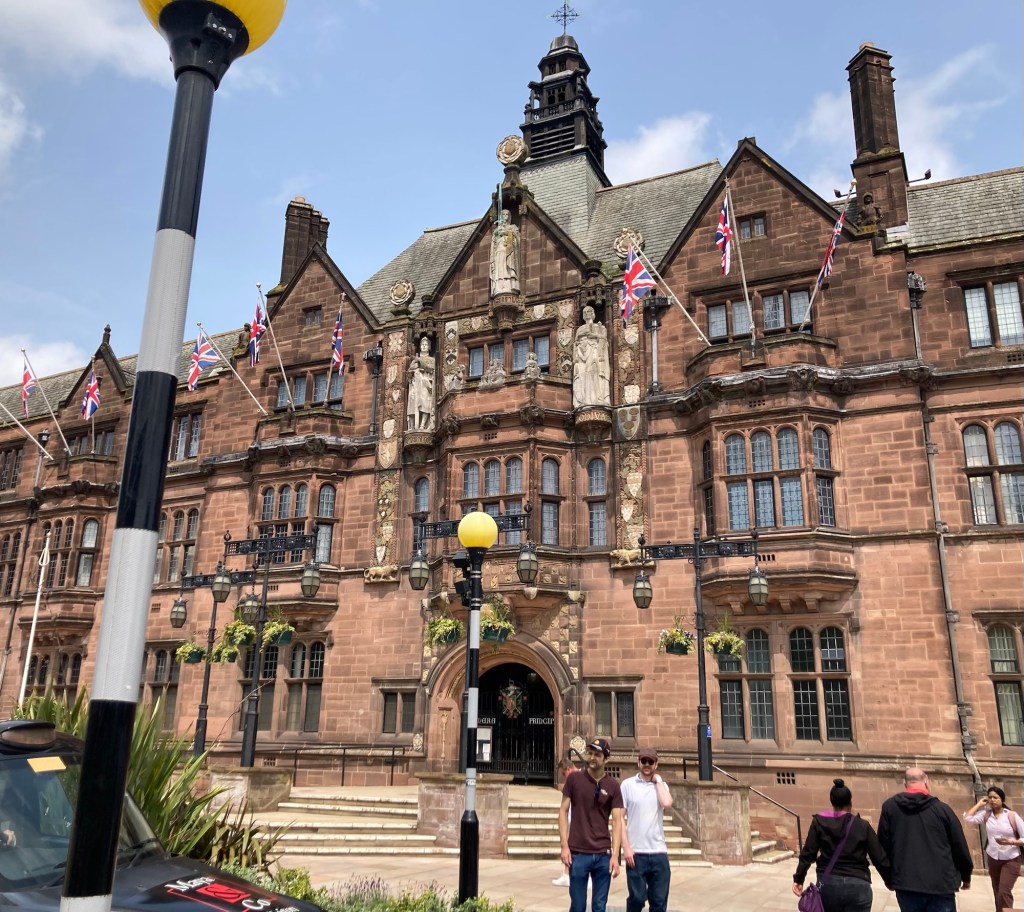
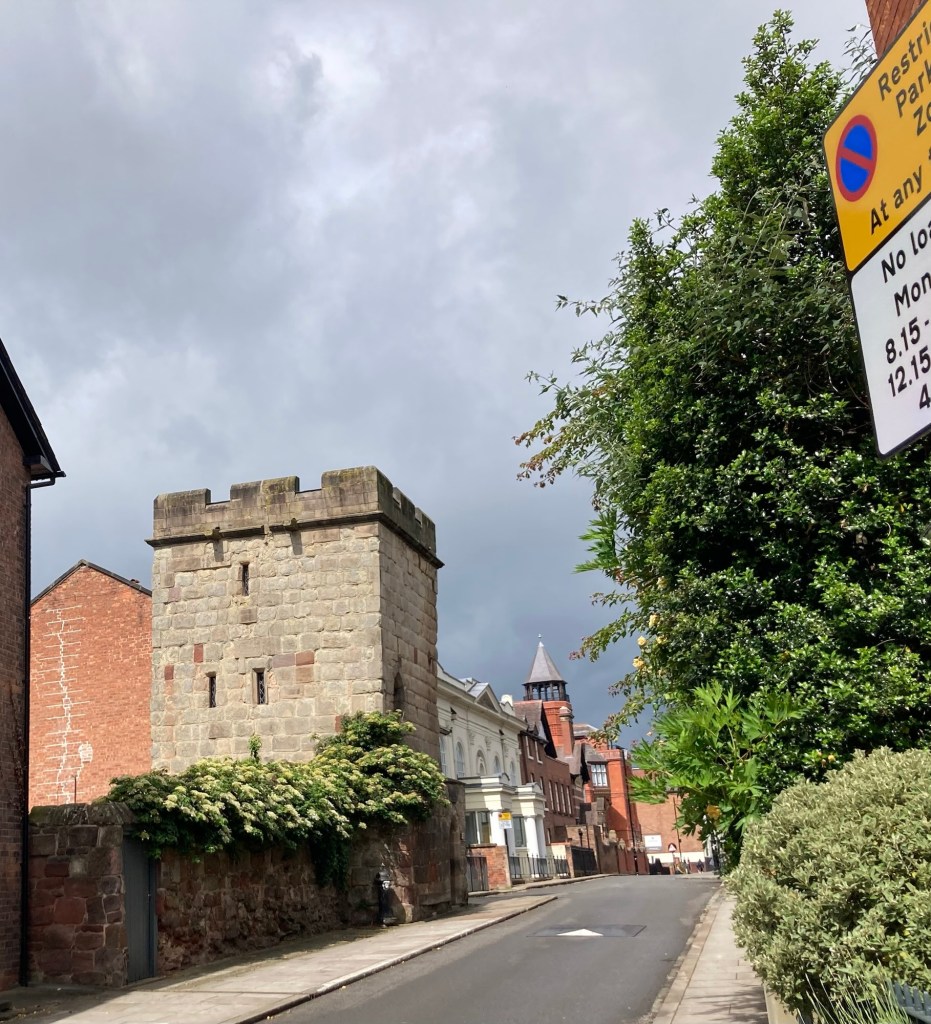
Beside Coventry’s bustling shopping district is the Cathedral District, at least that’s what I am calling it. It has a church, the cathedral, the cathedral ruins, and the old historic council chambers as well as cute narrow cobblestone streets. It was definitely our favorite part of Coventry and what we would highly recommend for a visit.
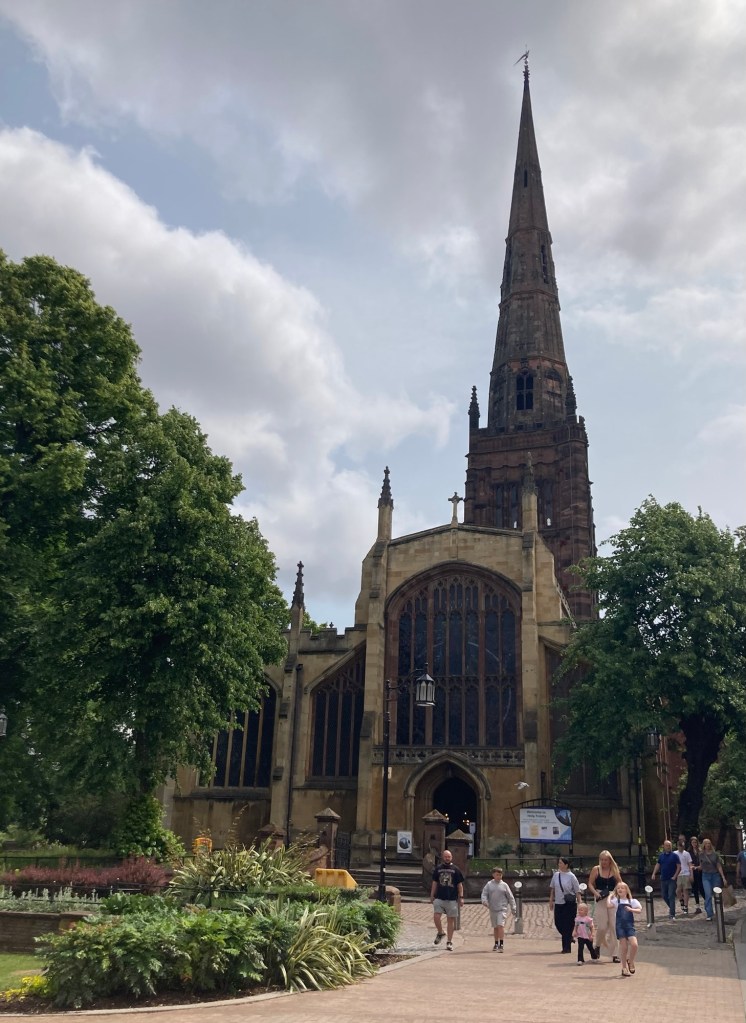
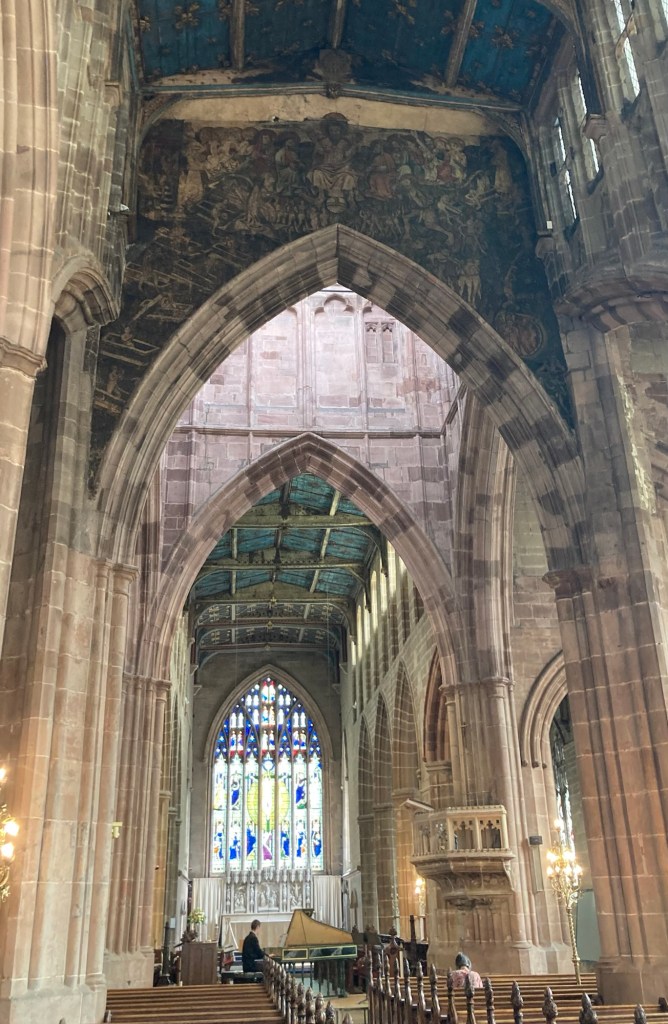
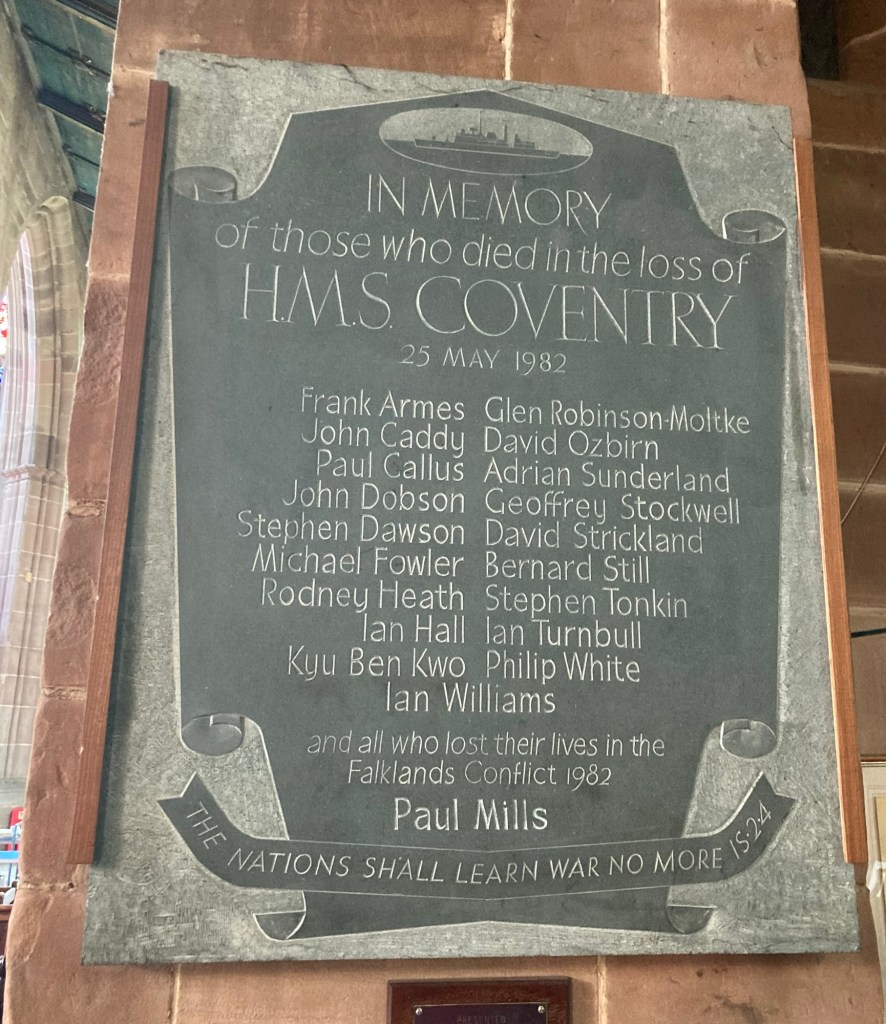
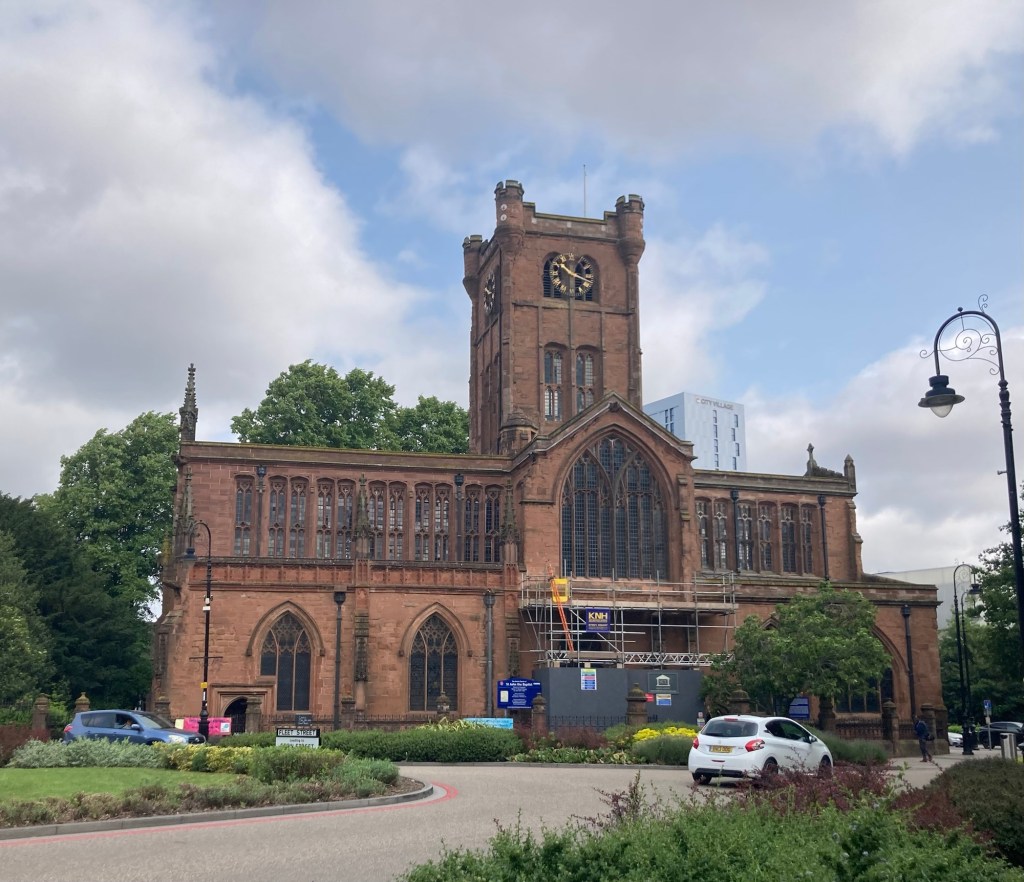
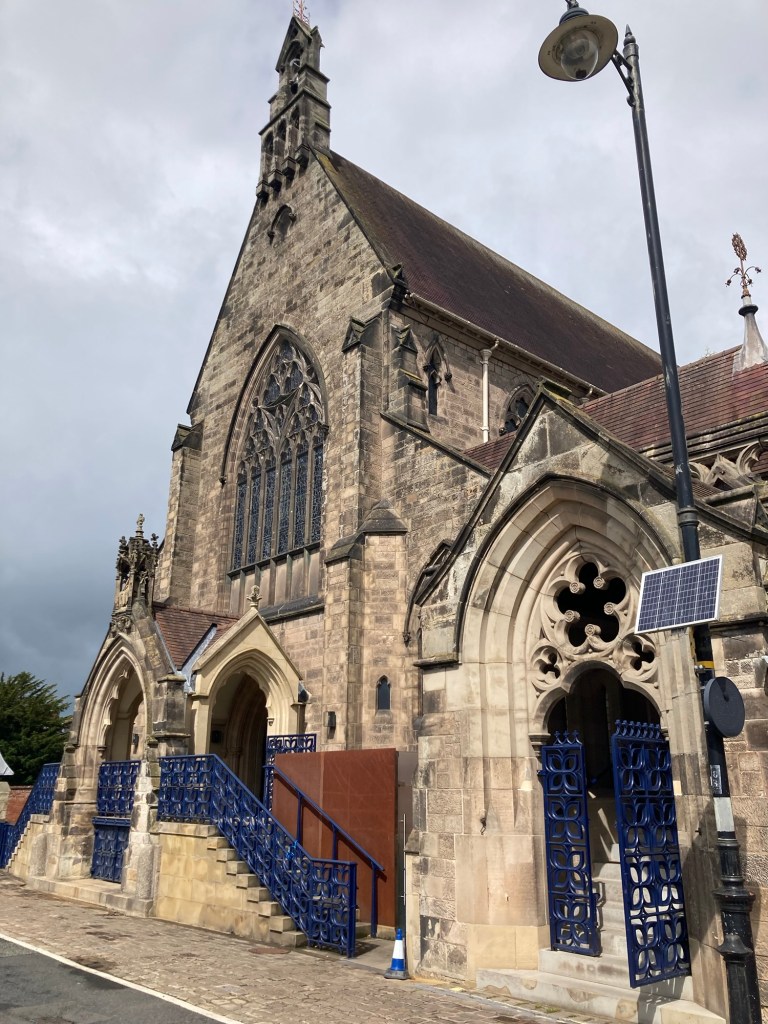
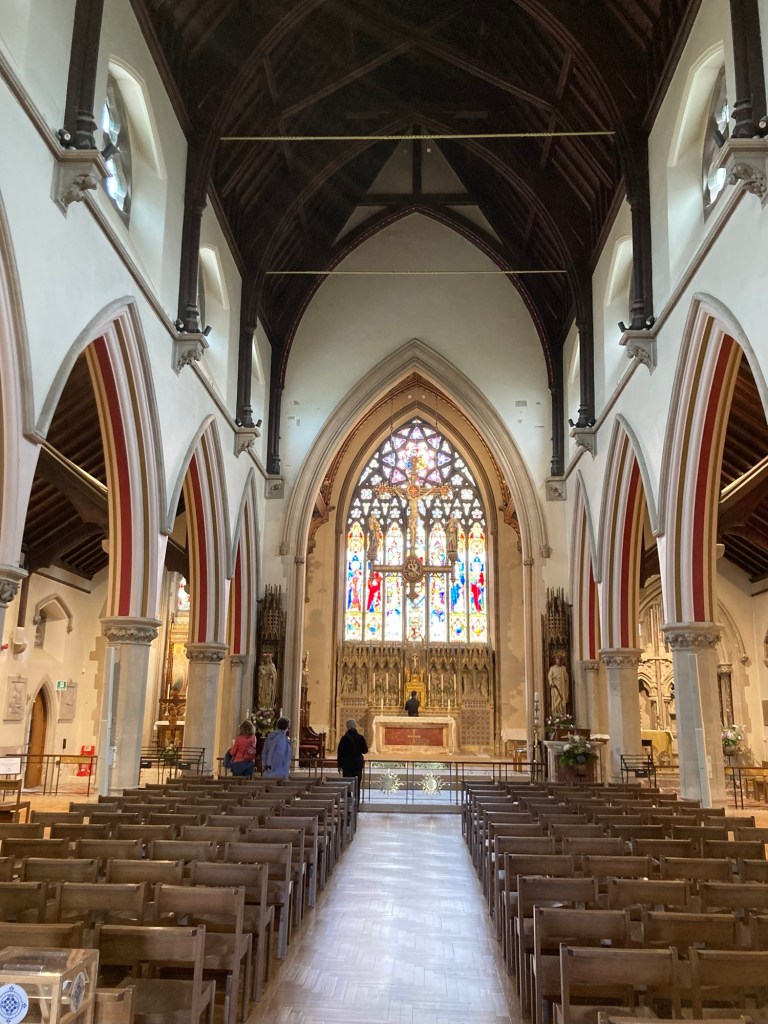
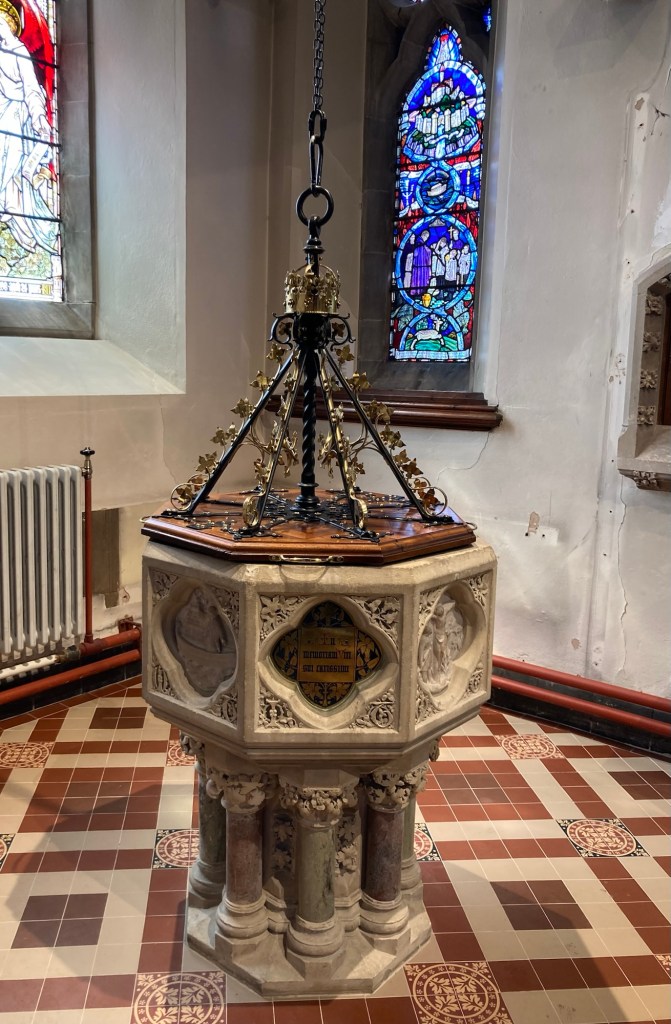
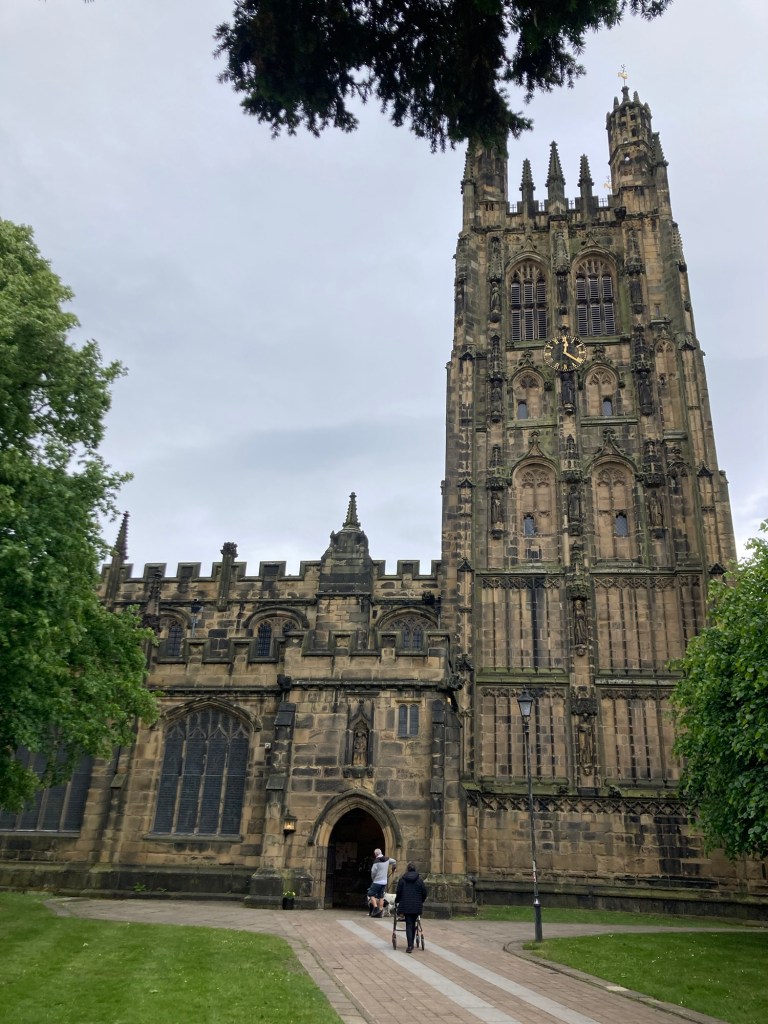
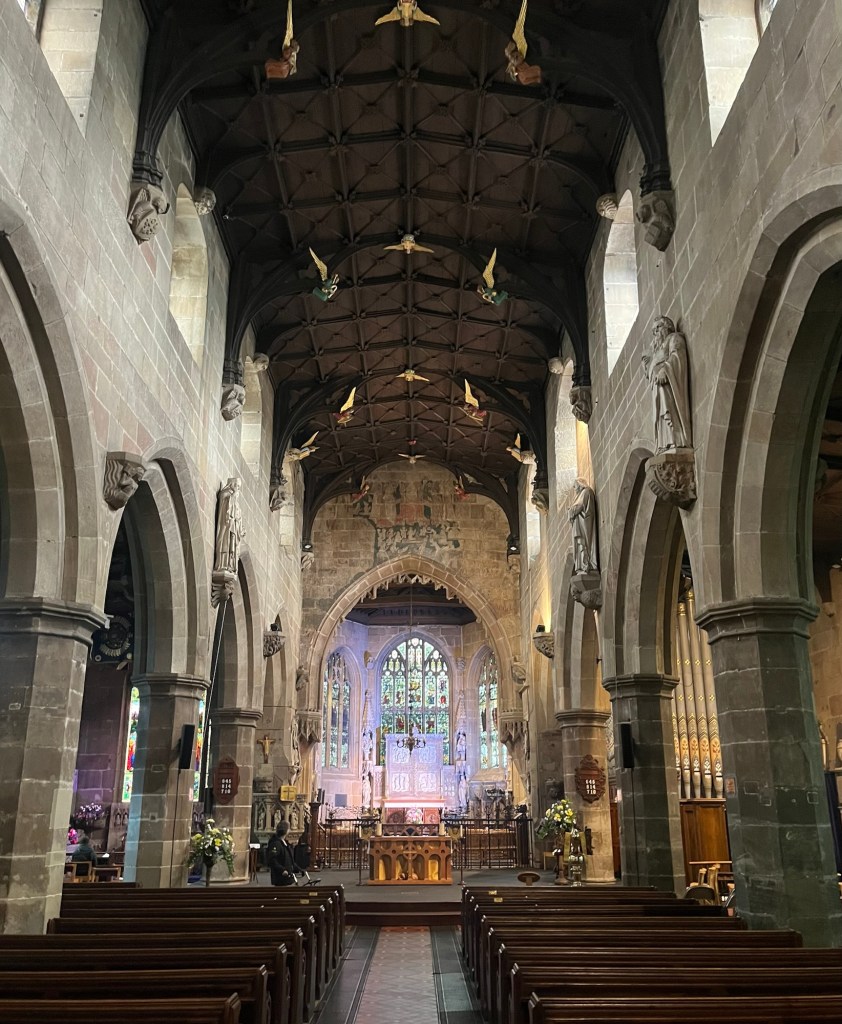
The first church we saw was Holy Trinity Church. A church stood on this site as early as 1113 but was destroyed by fire in 1257. The north porch survived but the rest of the existing church was rebuilt during the 14th century.
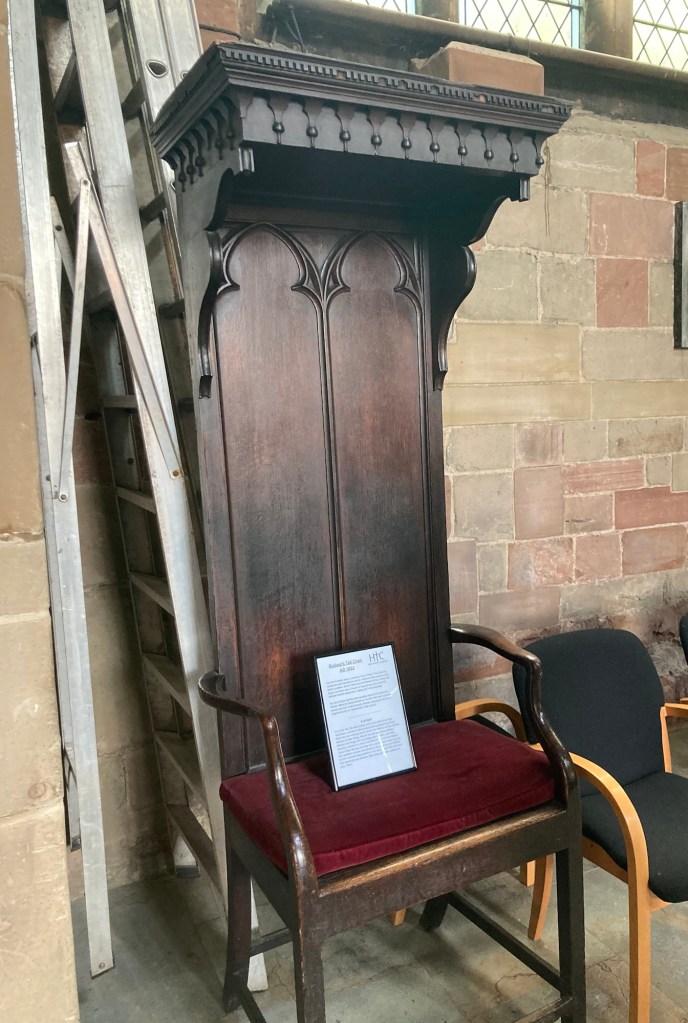
as at that time the Church of England law forbade
Scottish clergy to “set foot” in English churches.
The next few photos deal with the old Cathedral, the new Cathedral, and the destruction of Coventry during World War II. I’ll just apologize now that my history will be incomplete and the photos don’t do justice to the ruins or the new cathedral. Bob and I were beyond impressed and also moved by the horrors of war and the resilience of the local people.
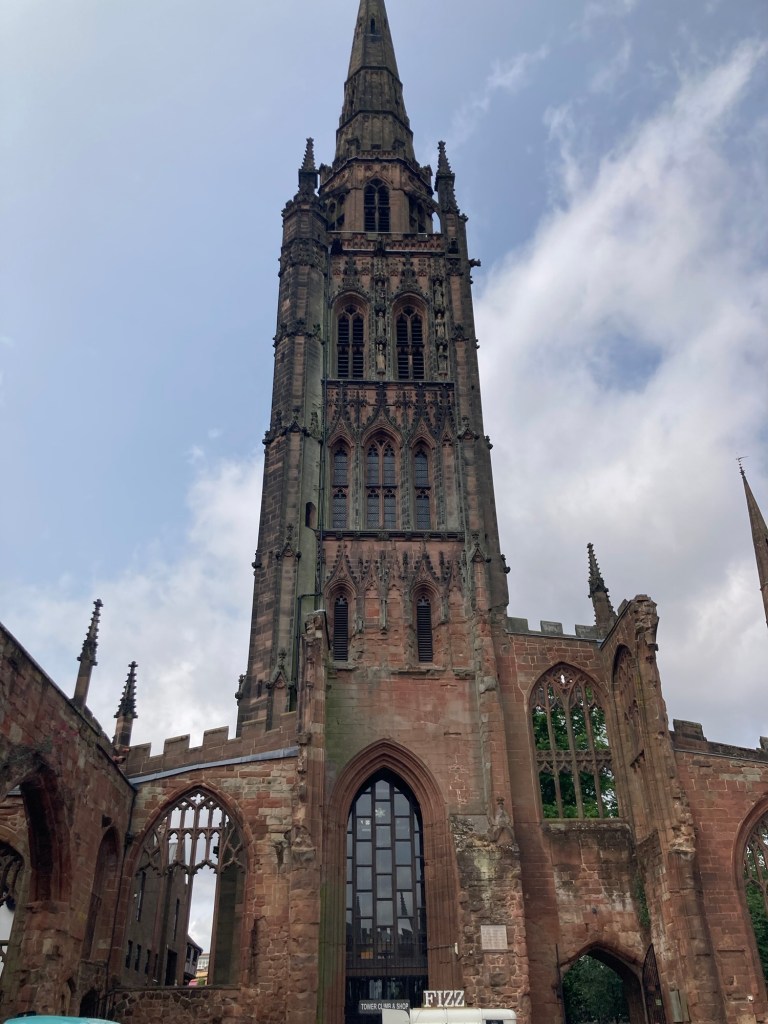
Here’s a thumbnail description of my understanding of the history of the Coventry Cathedral. The Church of St. Michael, the parish church of Coventry, dates from 1300 AD. It didn’t become designated a cathedral until 1918 and was mostly destroyed (except for the tower) during the 11 hour air raid on Coventry on November 14, 1940.
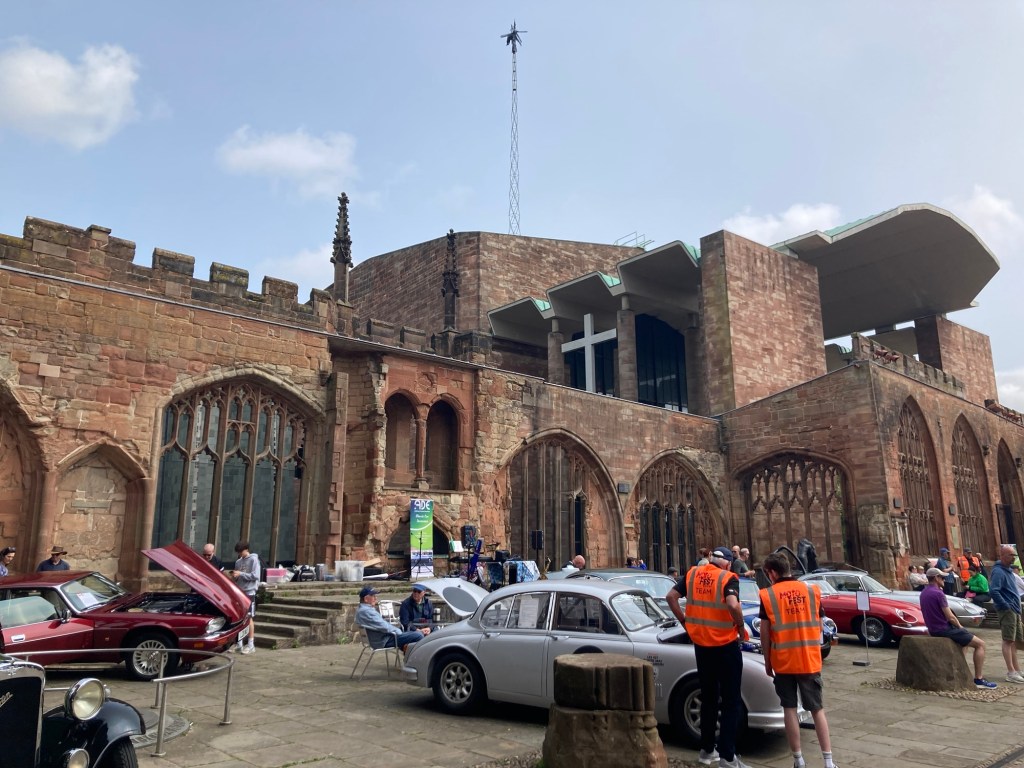
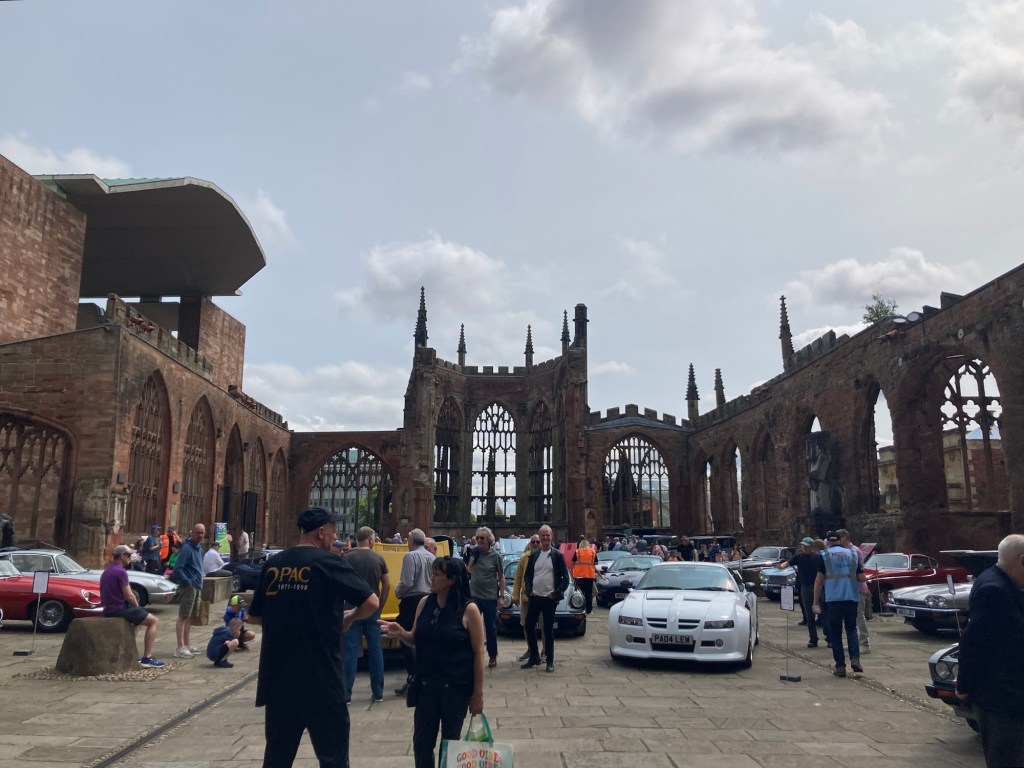
Currently, you can climb the tower that is connected to the ruins of the old cathedral. The new cathedral is attached to one of the walls of the old cathedral, creating an impressive courtyard which was hosting a car show today. There is an underground museum in which you can (and we did) watch a video detailing the events of November 14, 1940, and view artifacts from that period.
of the old cathedral as viewed from the courtyard
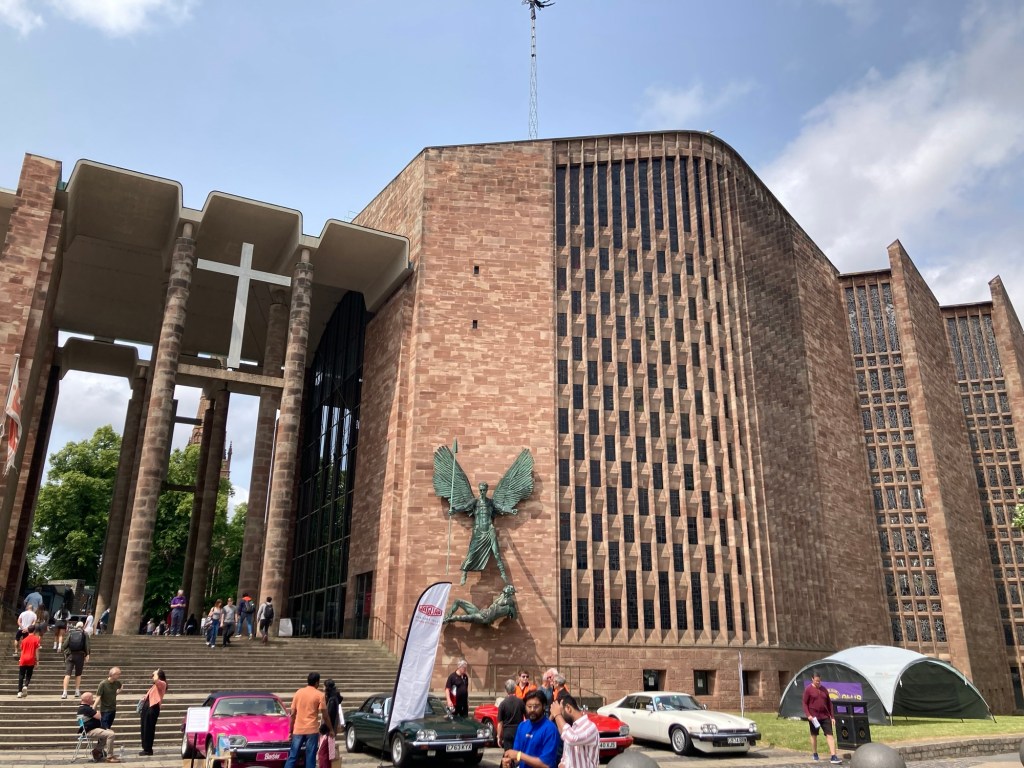
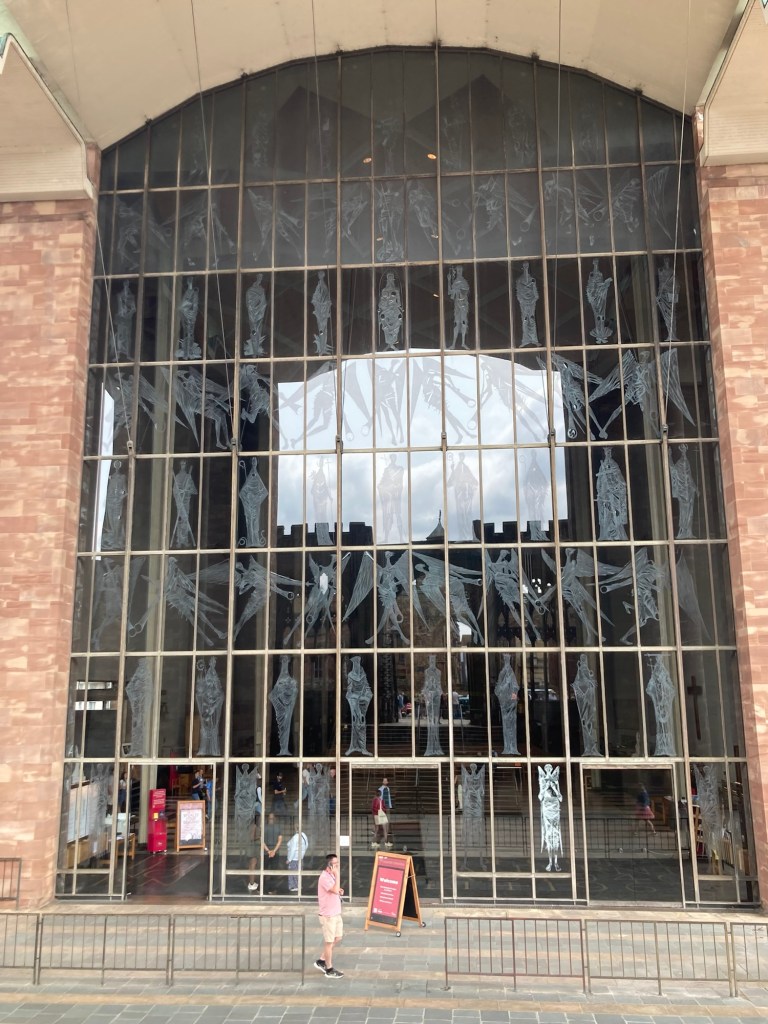

as you enter the church.
Beneath the window is the font, fashioned from a large boulder from a hillside overlooking Bethlehem.
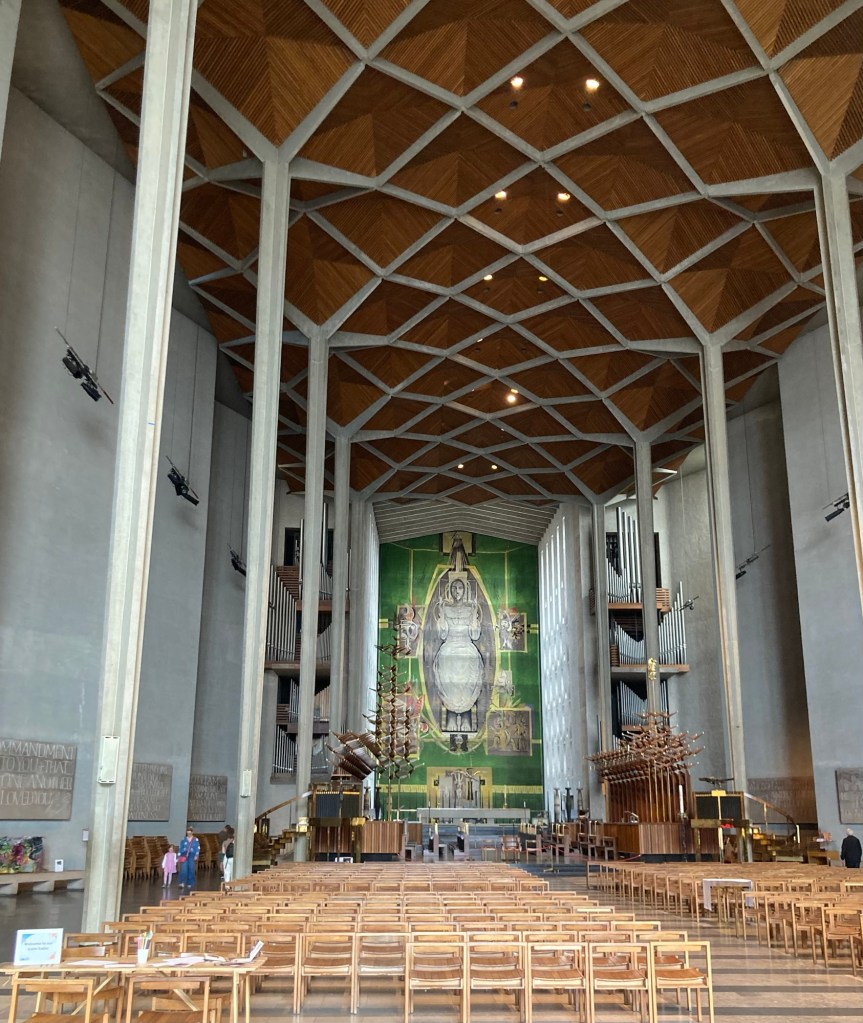

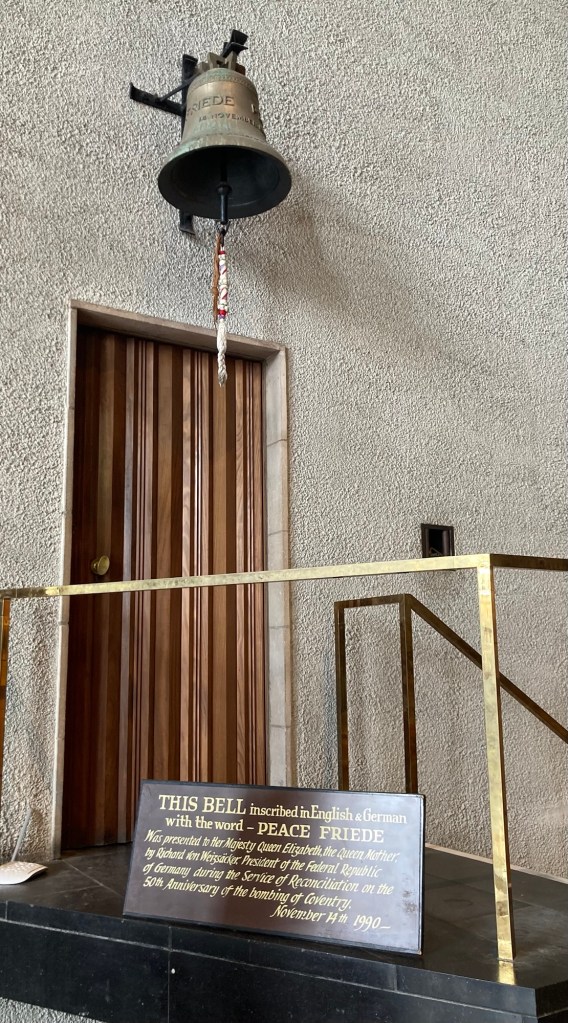
on the 50th anniversary of the bombing of Coventry
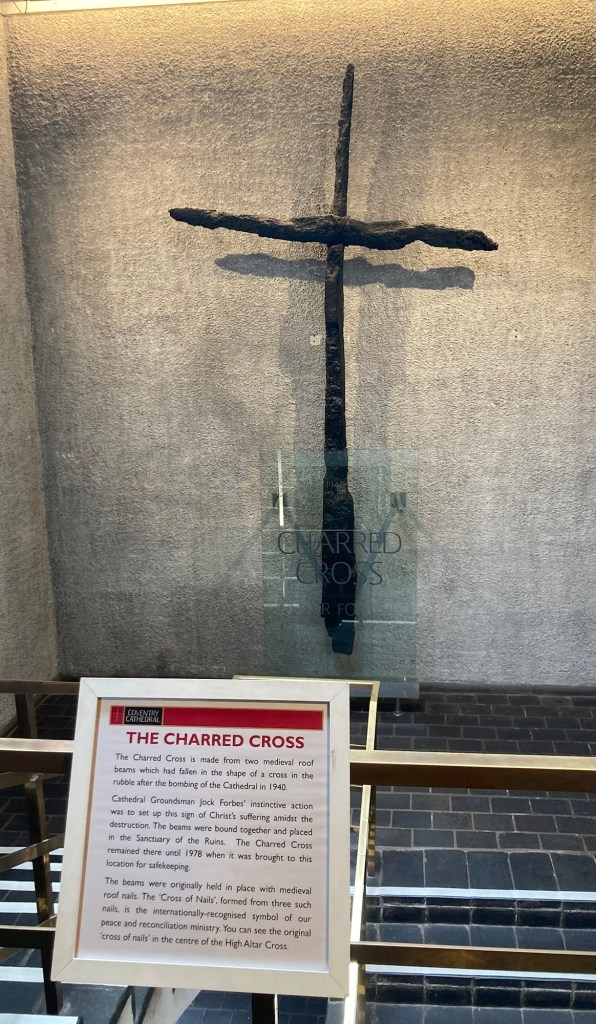
from 2 charred timbers of the cathedral
which had fallen in the shape of a cross
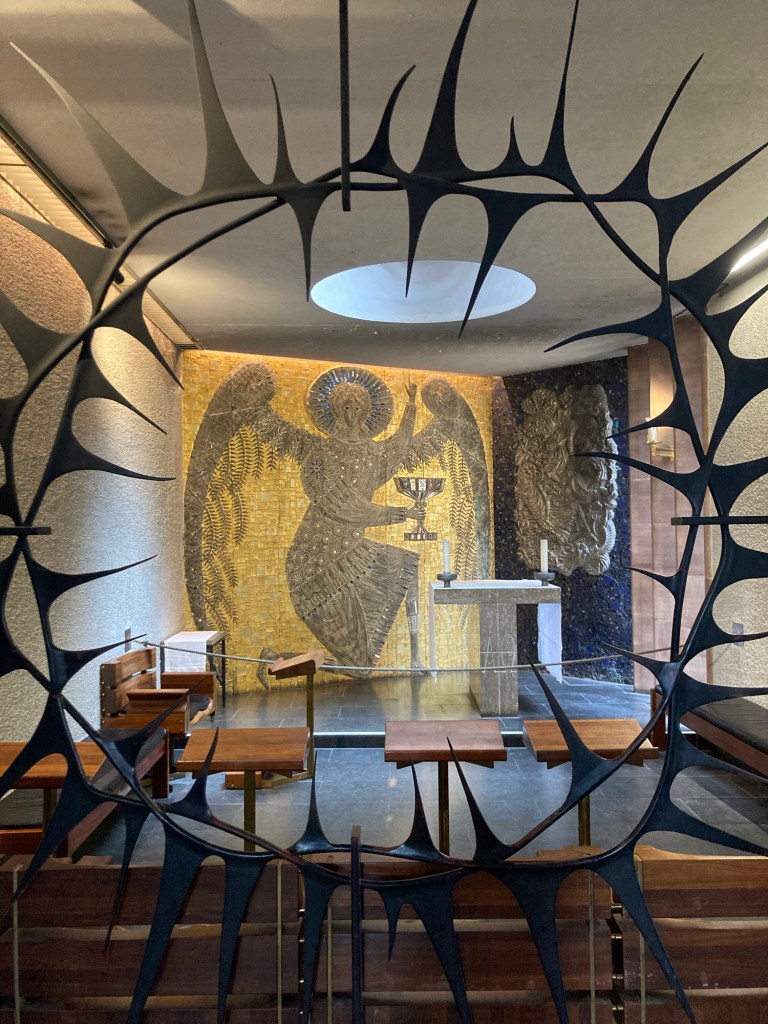
One final note on the Coventry bombing. The film noted that it was learned after the bombing that the Royal Air Force had been notified that Coventry was being targeted, but there is no evidence that the city was warned. One theory was that Churchill was willing to sacrifice Coventry so that the Germans wouldn’t know that England had broken their code. There is no proof that was the case either. The air raids on Coventry’s killed an estimated 568 people and injured another 1200.































 Peckish Travels