Bob and I went back to Indiana University today to visit the art museum on campus. The Eskenazi Museum of Art is the latest version of the university’s art museum, which was conceived in 1941. The current building, designed by I. M. Pei, was completed in 1982. It is triangular in shape, and a financial gift by Sidney and Lois Eskenazi allowed for a full renovation of the building in 2015.

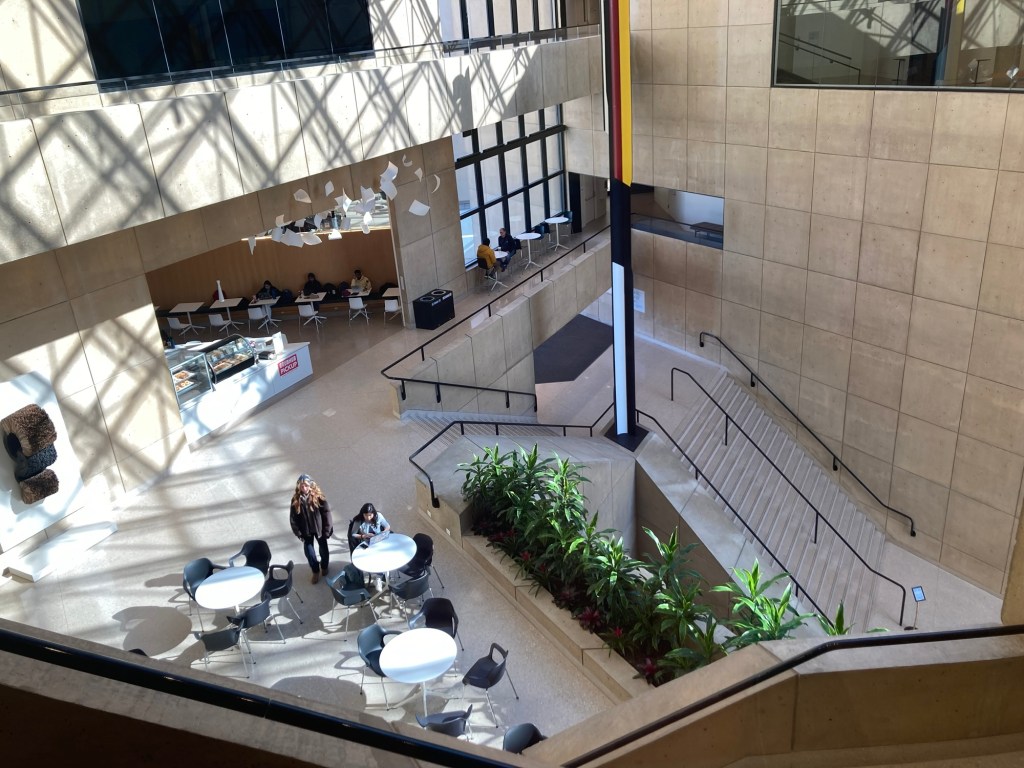
The museum is free to visit and has a collection of over 47,000 works of art. Its collections include modern, American and European art from Medieval times through the 1900s, a collection of Indigenous art from around the world, and a film space.
The painting below is of Henry Redford Hope and his family by Max Beckmann in 1950. Mr. Hope was the Chair of the IU Fine Arts Department from 1941-1968. He also served as the American Advisor on cultural affairs to UNESCO in the 1950s. He and his wife Sally were collectors of art, especially modern, and their collection forms the basis of the museum’s modern art collection.
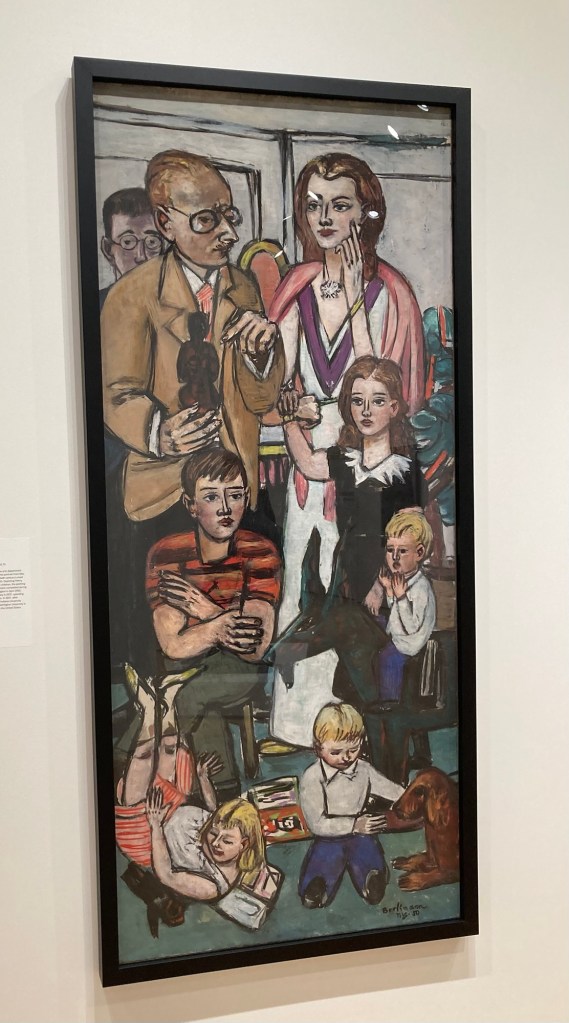
Samples from the Modern Art Collection are below.
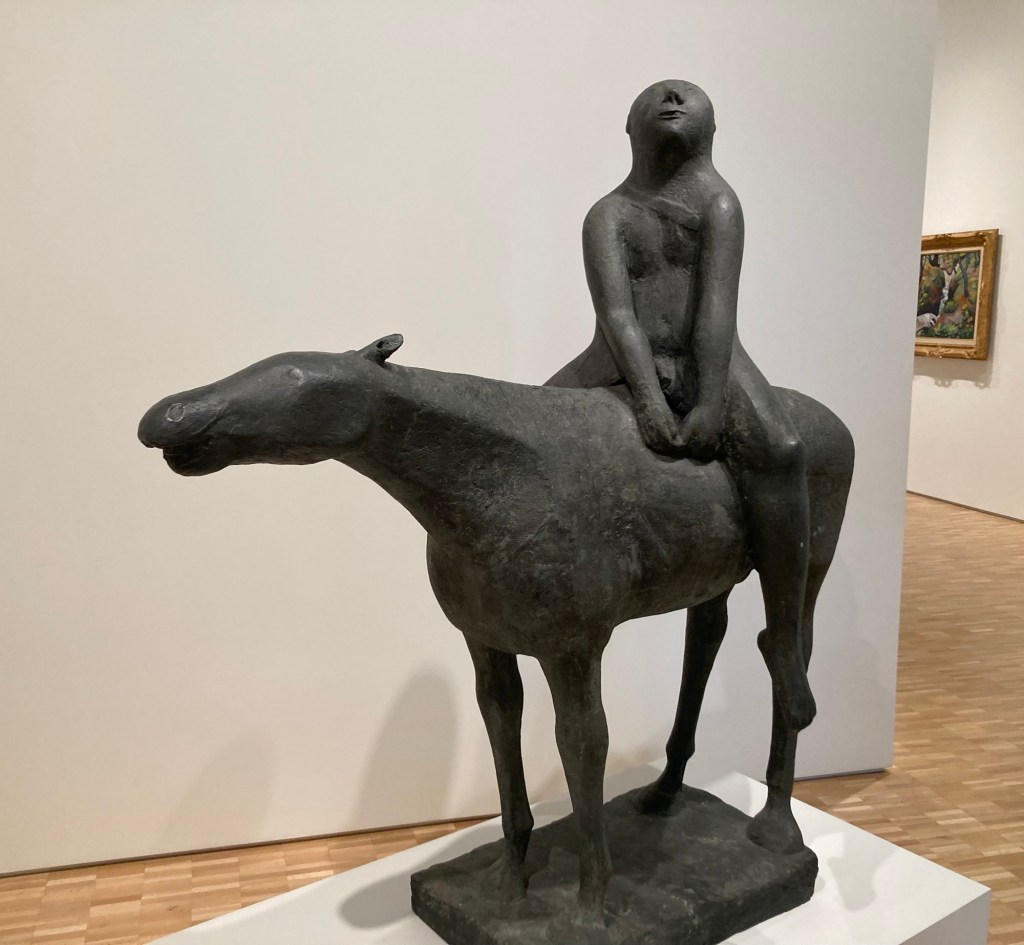
It is based on the plight of Italian peasants
having to flee their homes during WWII.
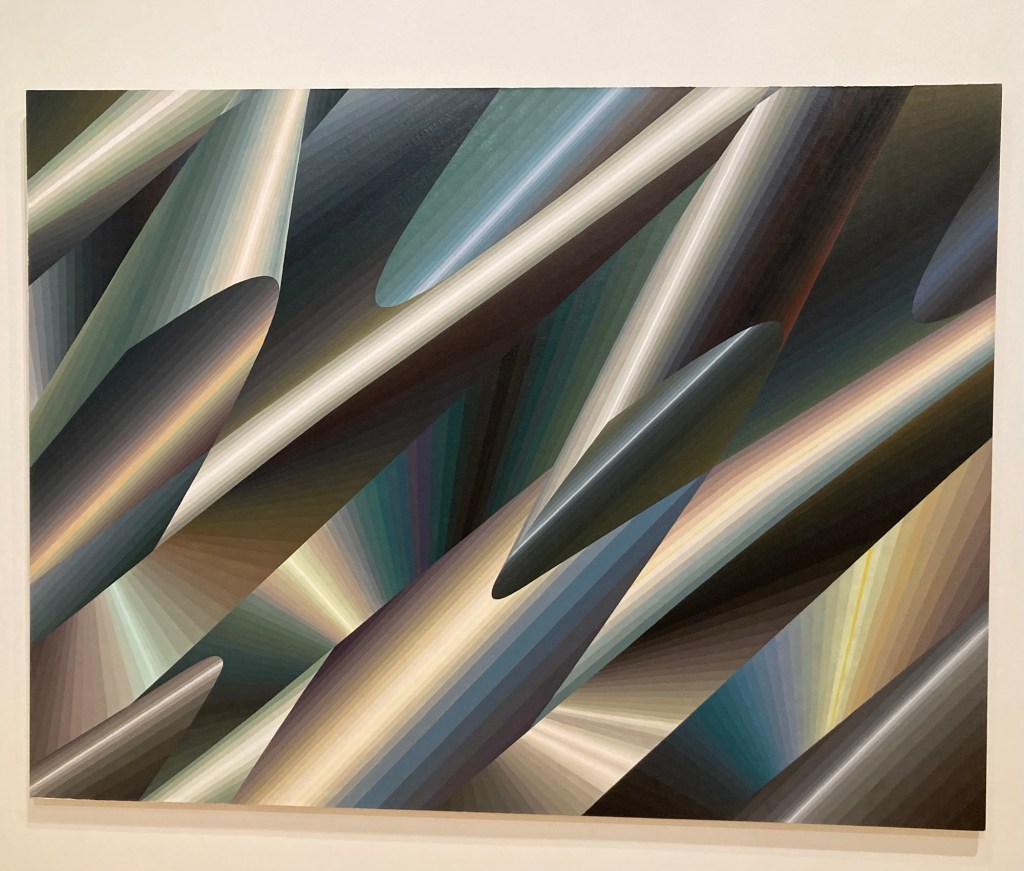

It is apparently regarded as one of the masterpieces
of 20th century art.
One from the American and European Collection, much of which is religious based.
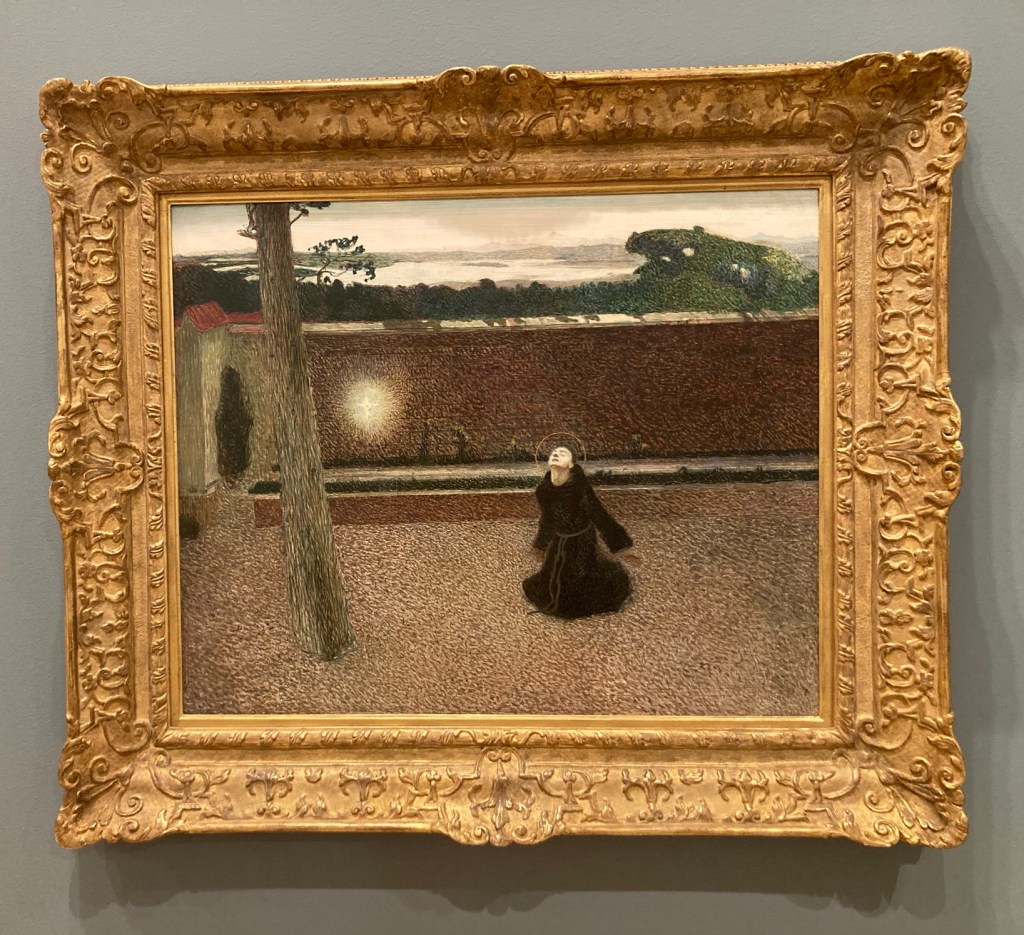
portraying spiritual ecstasy
And some samples from the Indigenous Collection.
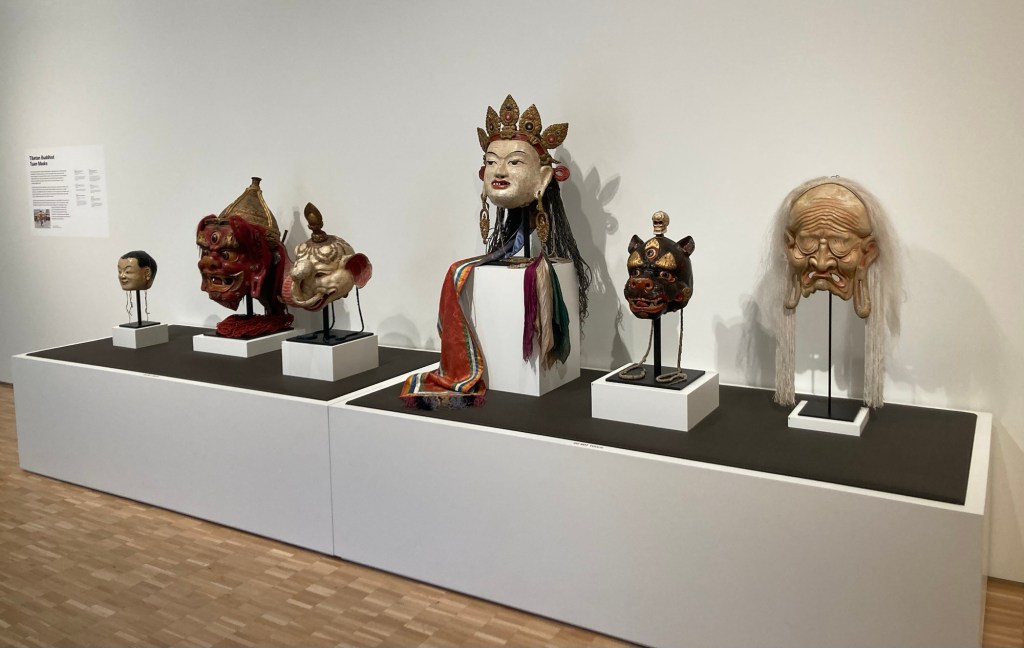
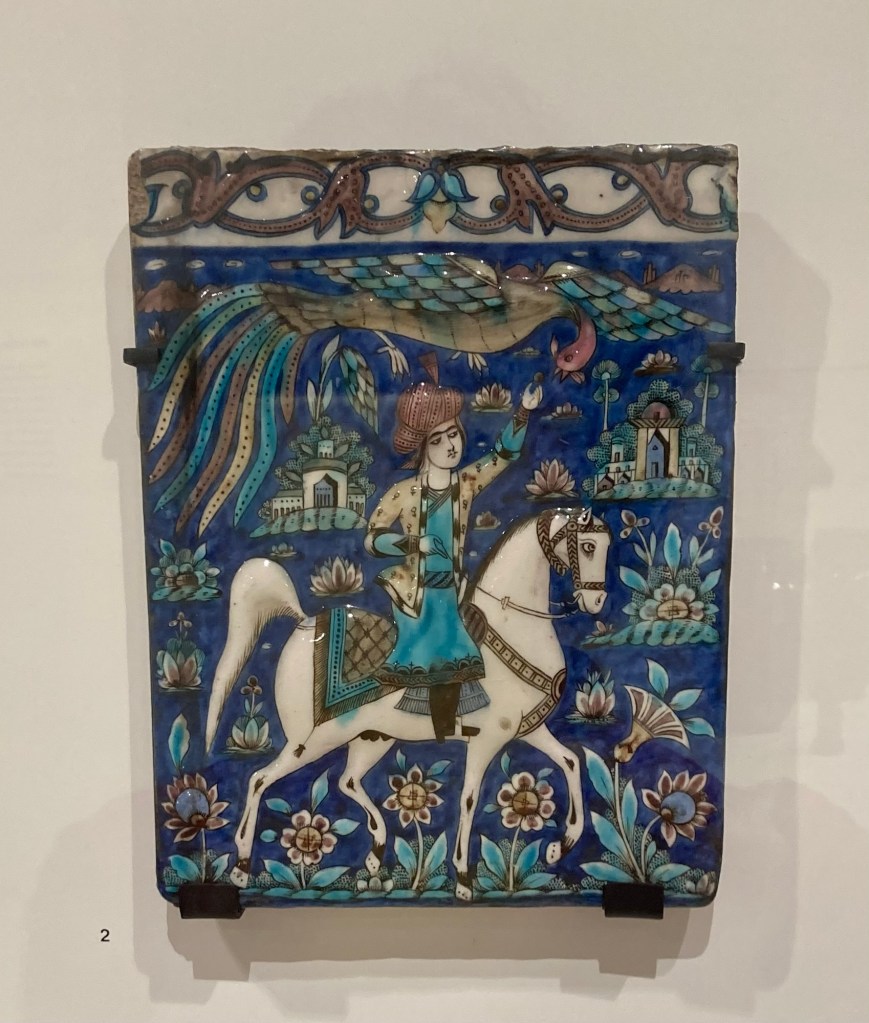
depicting a scene from the Qatar dynasty
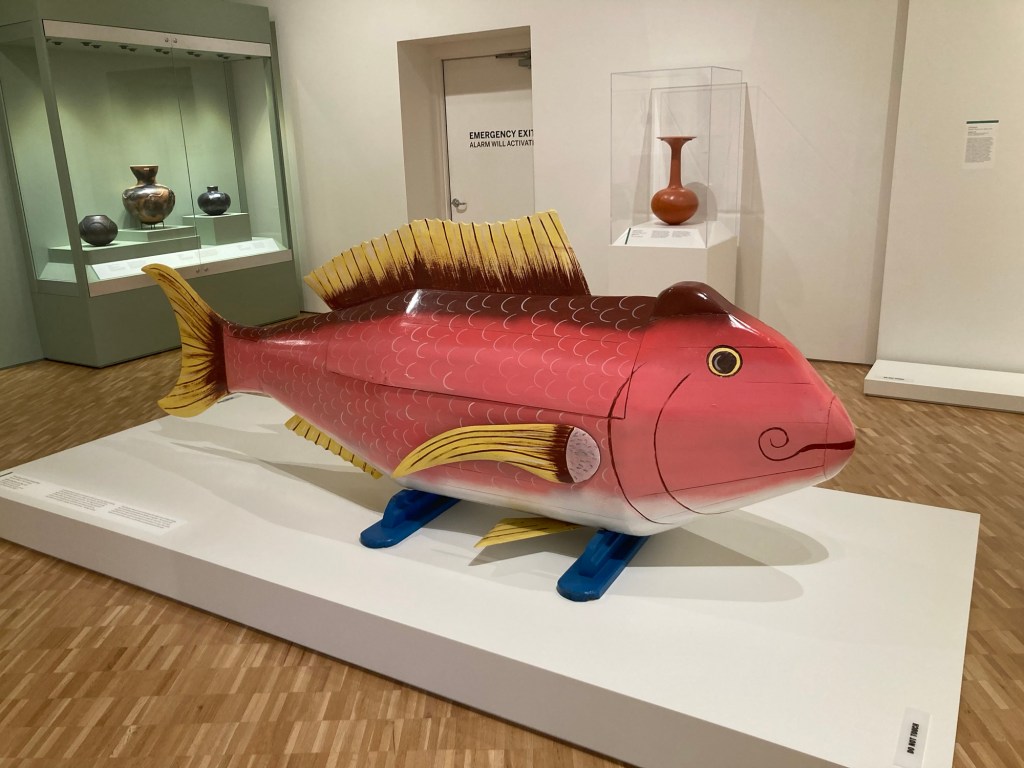
from the workshop of Ernest Anang Kwei,
based on the Ghanaian tradition of commissioning coffins
in shapes related to the deceased’s profession or status.
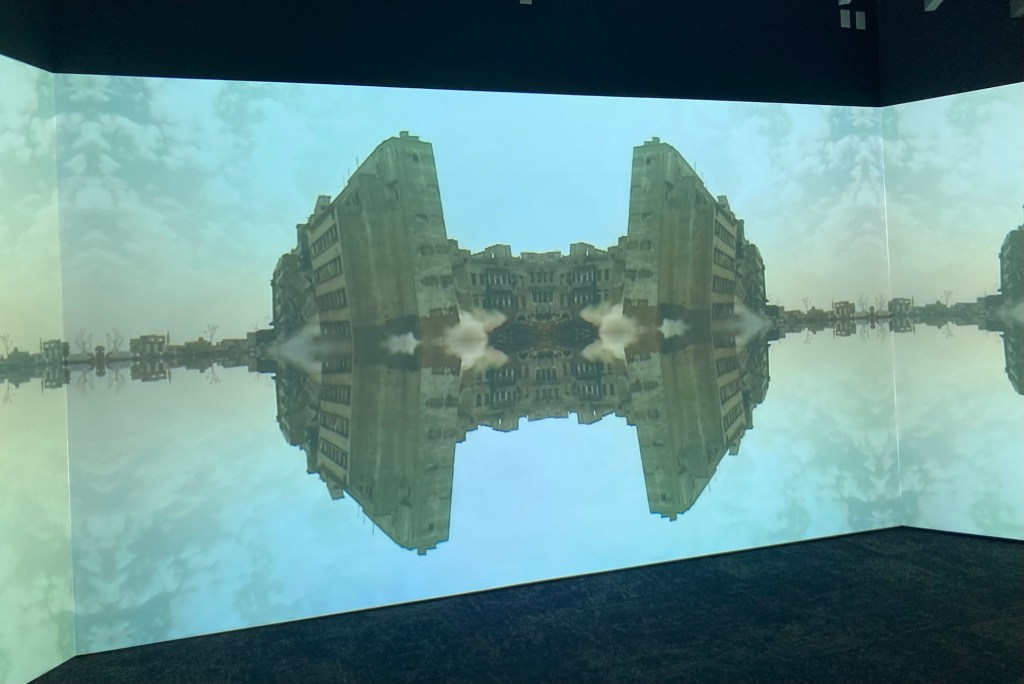
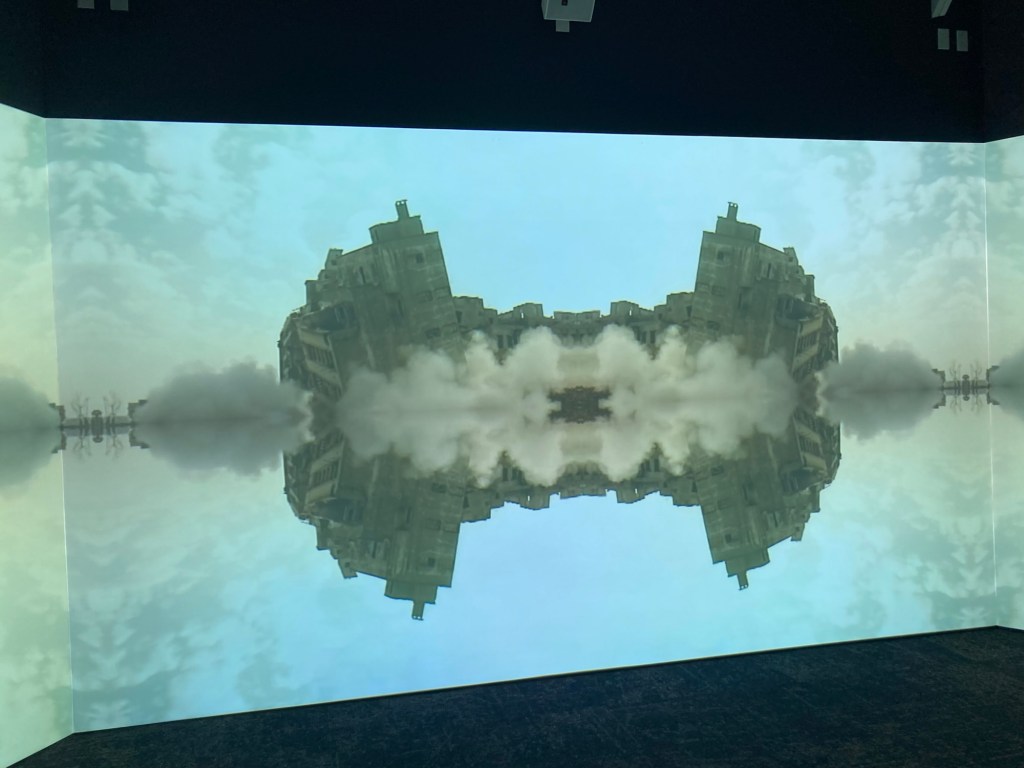
The film exhibit was a short, looped clip, which was part of a larger project by Walid Raad that documents Beirut in the mid-1990s when many downtown buildings were demolished.
 Peckish Travels