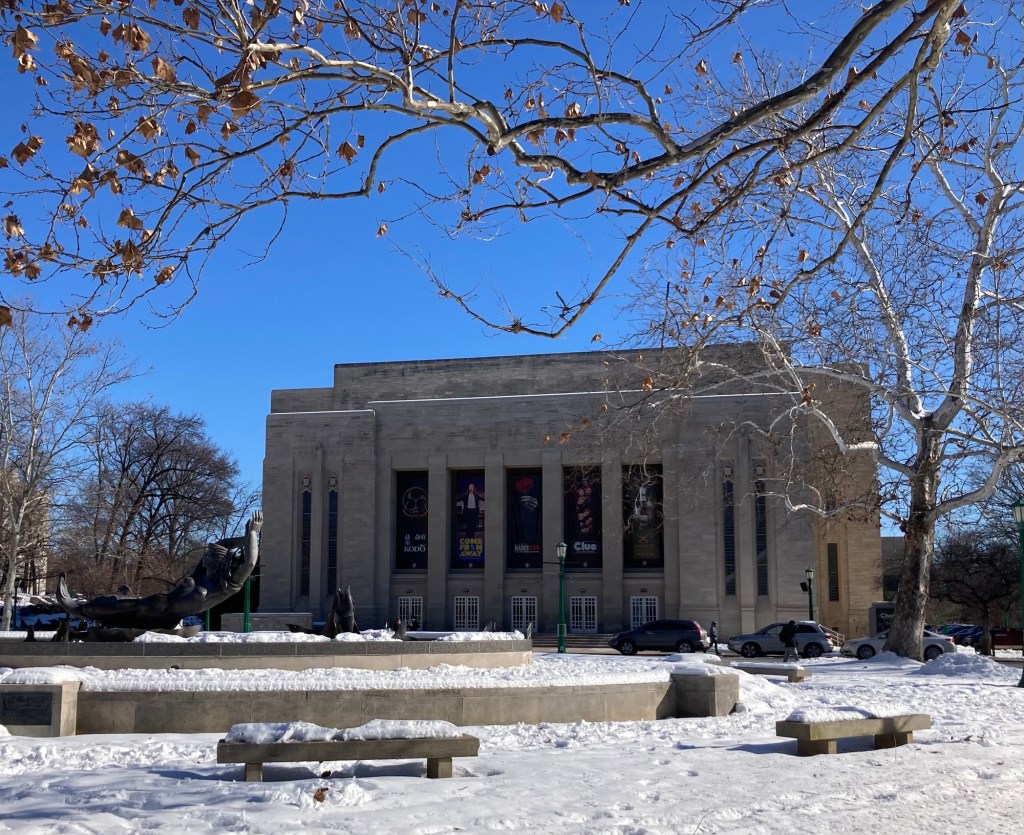
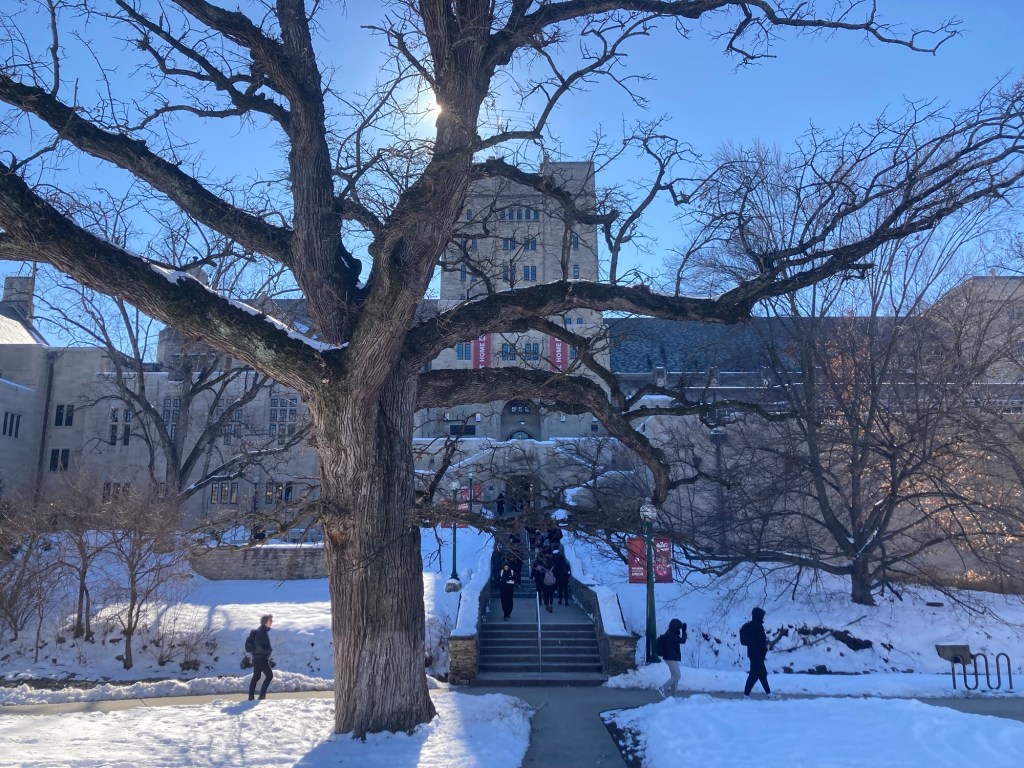
As with many college towns, Bloomington is dominated by the campus of Indiana University, which has an enrollment of 49,000. We had our first foray onto campus today to visit the Student Union and campus visitors center as well as the Lilly Library. We’ll be back on campus tomorrow night for a women’s basketball game. IU is known nationally for its men’s basketball program.

We picked up some information on the architecture and history of some of the buildings on campus, which I’ll note below the relevant photo.
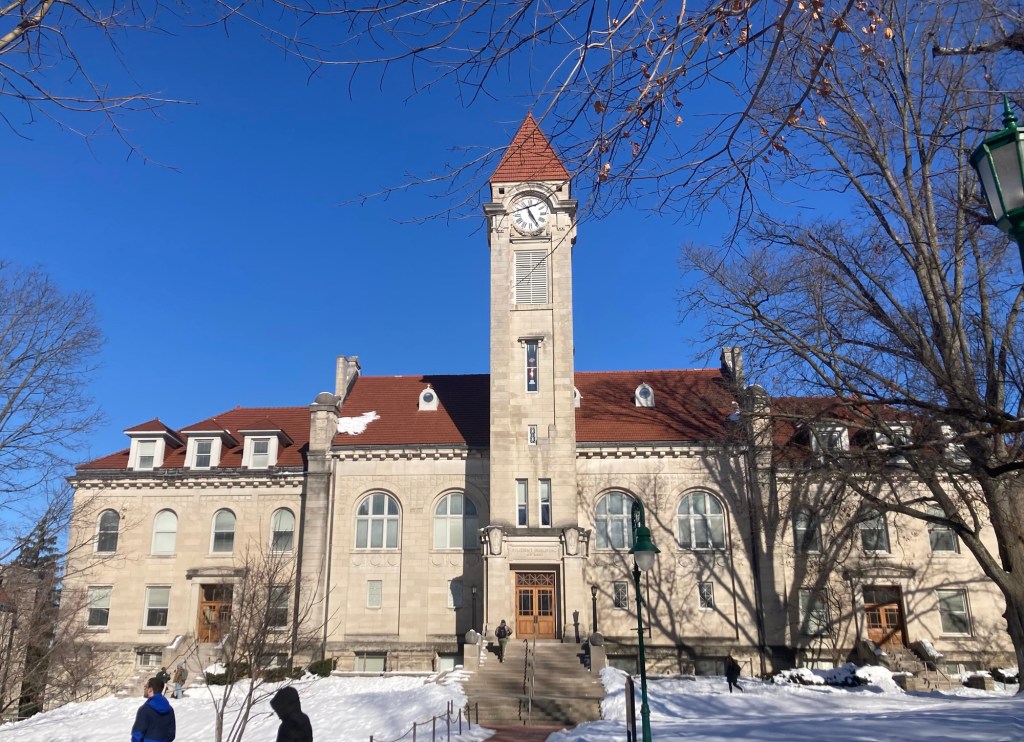
Originally built for the female students of the university, the architecture style is Romanesque Revival, as evidenced from the use of round arches over the main windows. The bell tower was rebuilt after it was destroyed by a fire in the attic in 1990.

Maxwell Hall first served as the university library and then the law school. It is also of the Romanesque Revival style. This time evidenced by the strong horizontal lines of alternating smooth and rough rock.
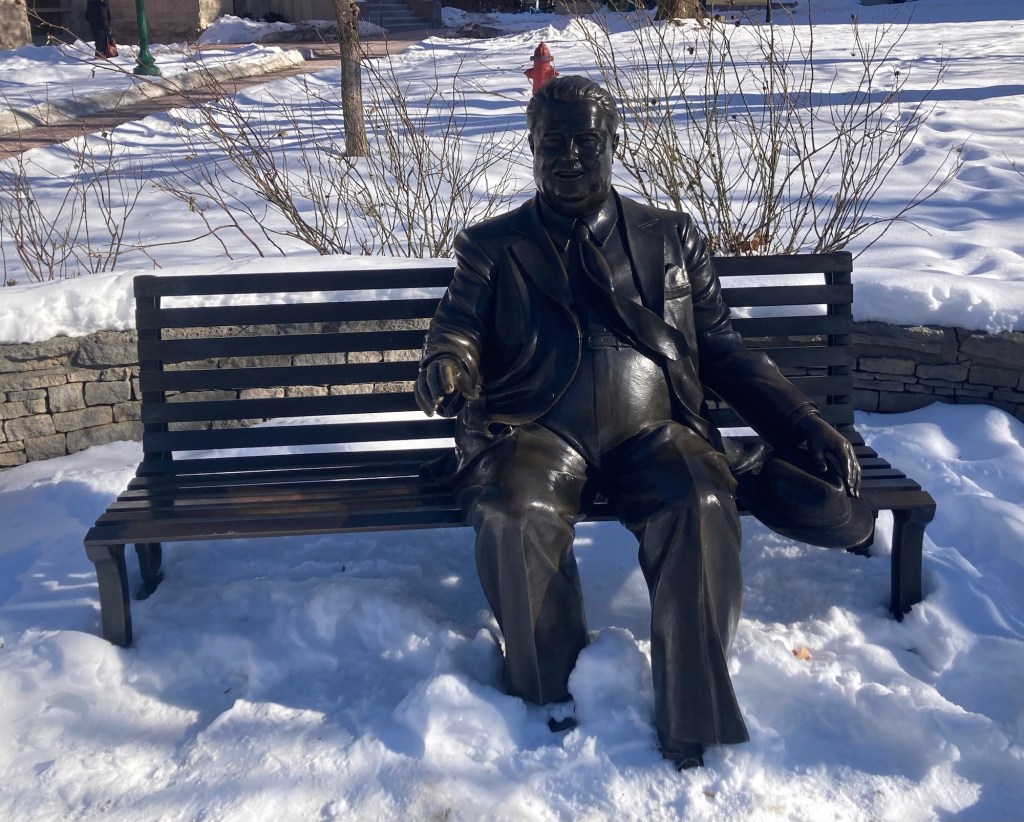
and an IU alumnus.
It’s tradition for students to rub his thumb for good luck.

This is the largest student union building in the world under a single roof. The original section was built in the Collegiate Gothic style. As with the county courthouse, there is a fish sculpture atop the building (no known reason but the courthouse had it first).
The Union is not terribly attractive on the inside with low ceilings that create a dark atmosphere, but it does house a hotel inside the building as well.
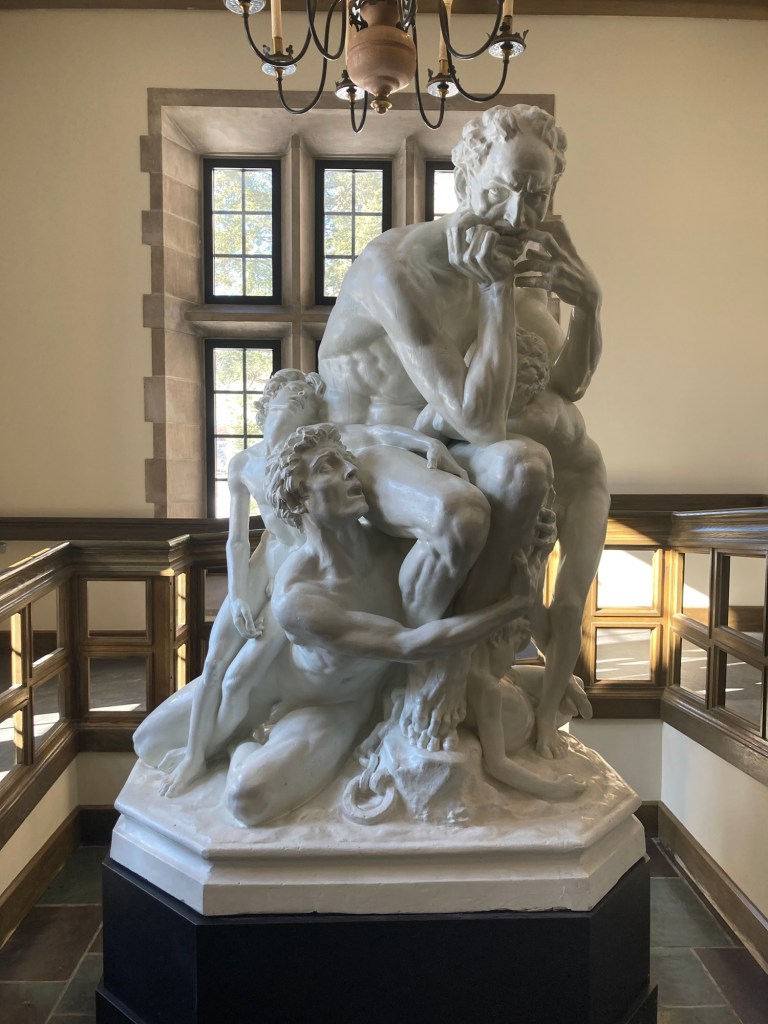
a gift from the citizens of France
for the 700 American box cars of relief goods
sent to France in 1948.
Each American state received a box car of goods from France.


Beck Chapel is non-denominational and often used for weddings. It’s built in a modified Tudor style.
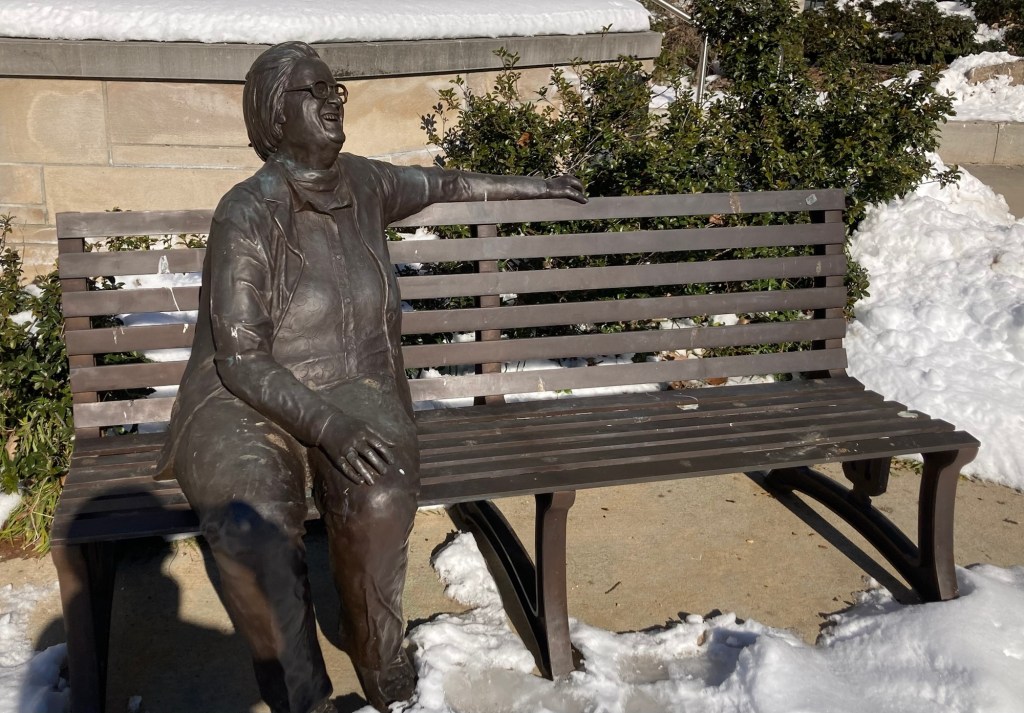
the first woman to win the Nobel Prize in Economics.
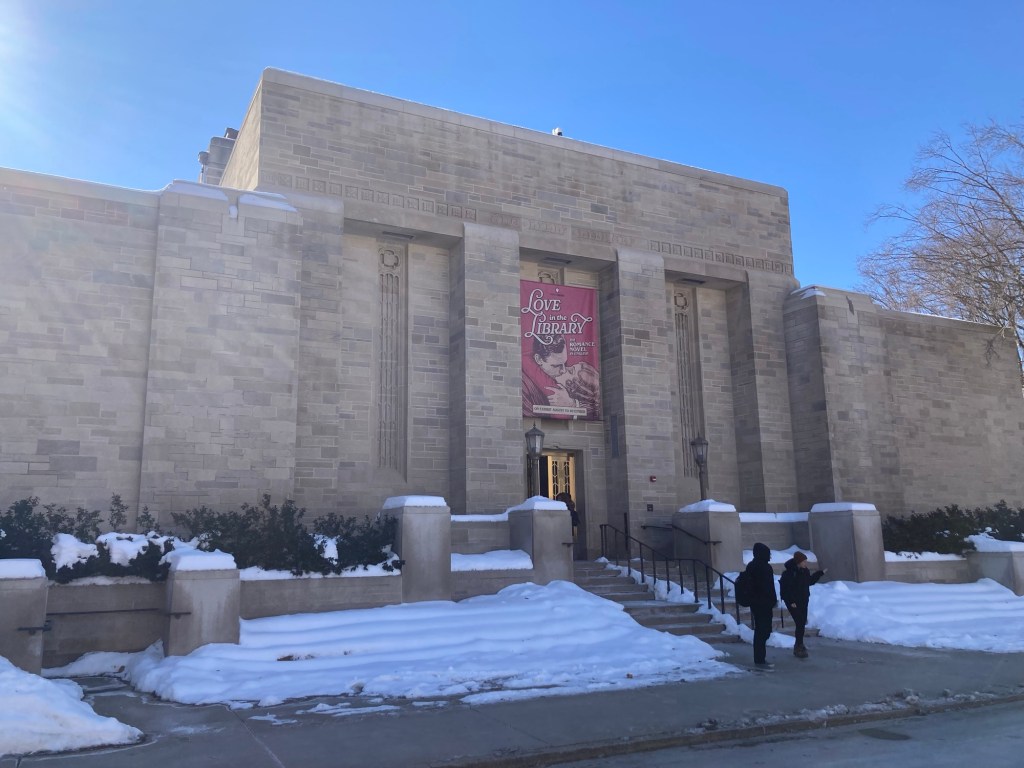
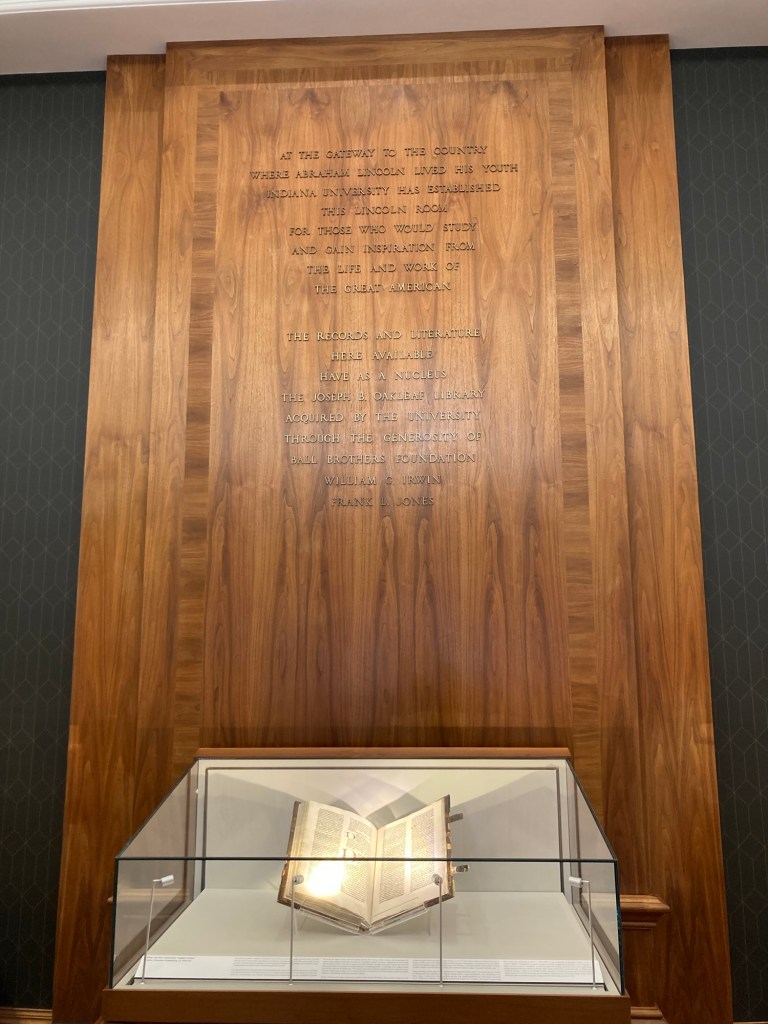
The Lilly Library is named after the Eli Lilly (big pharma) family and the rare gift collection provided by Josiah Kirby Lilly, Jr., which started this collection. I was super excited to visit but was disappointed with the current exhibit on romance, which really didn’t feature many old books.
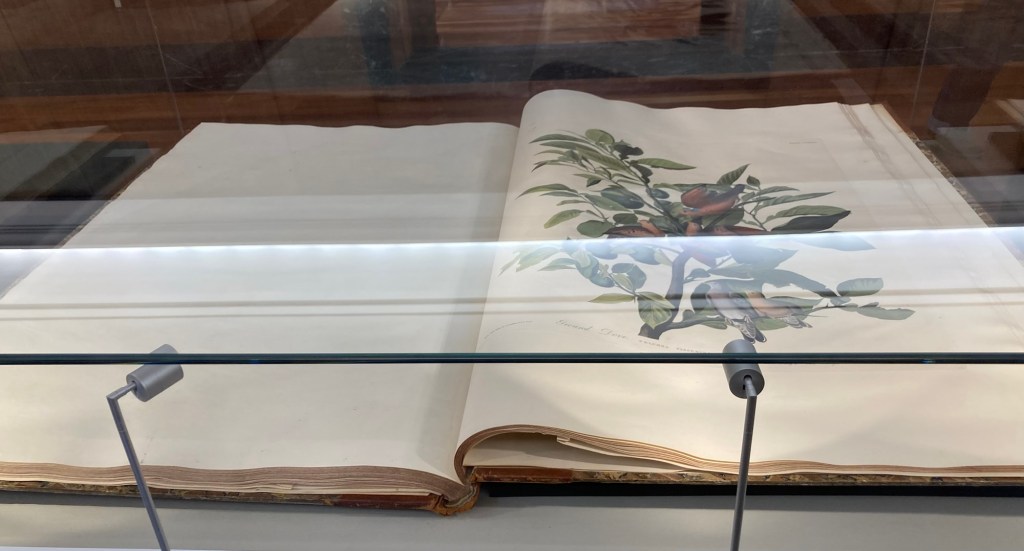
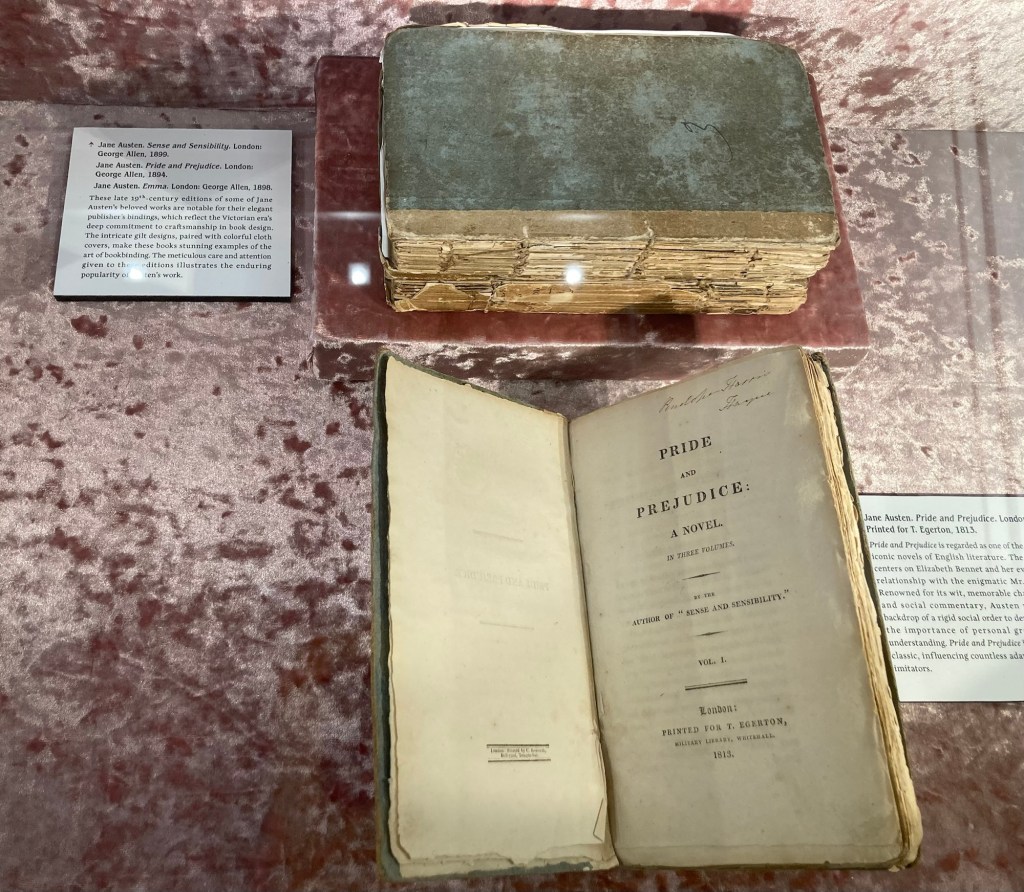
which were part of the Romance exhibit
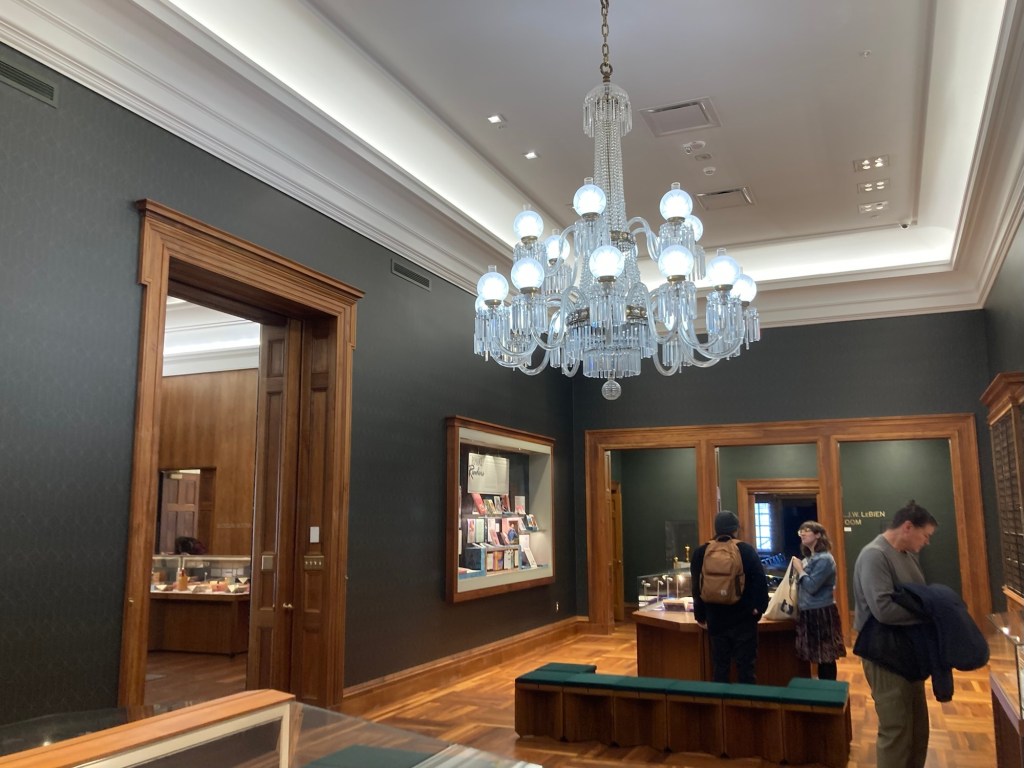
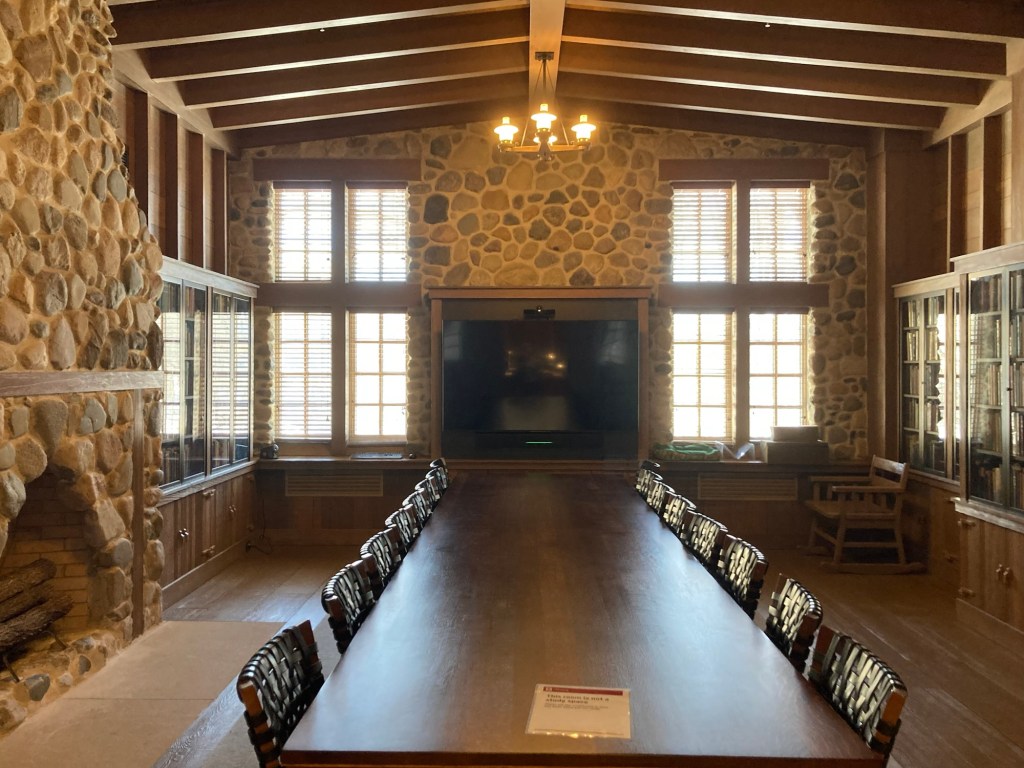
that the public can visit
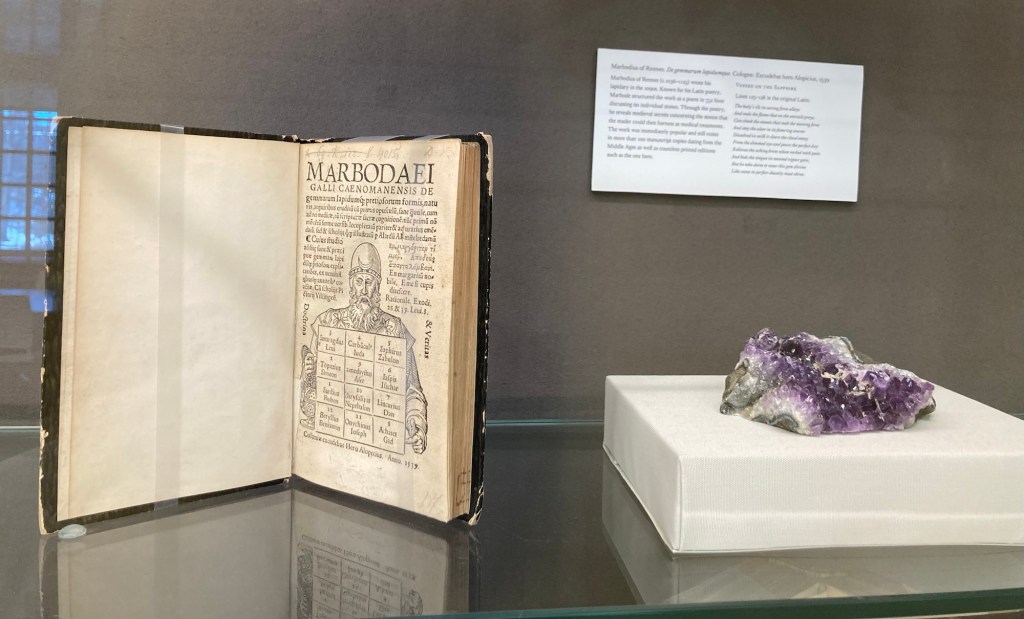
by Marbodius of Rennes. Published in 1539.

It is the first German work to describe salt extraction.
The next few are more photos from their permanent collection, but this time different types of puzzles.
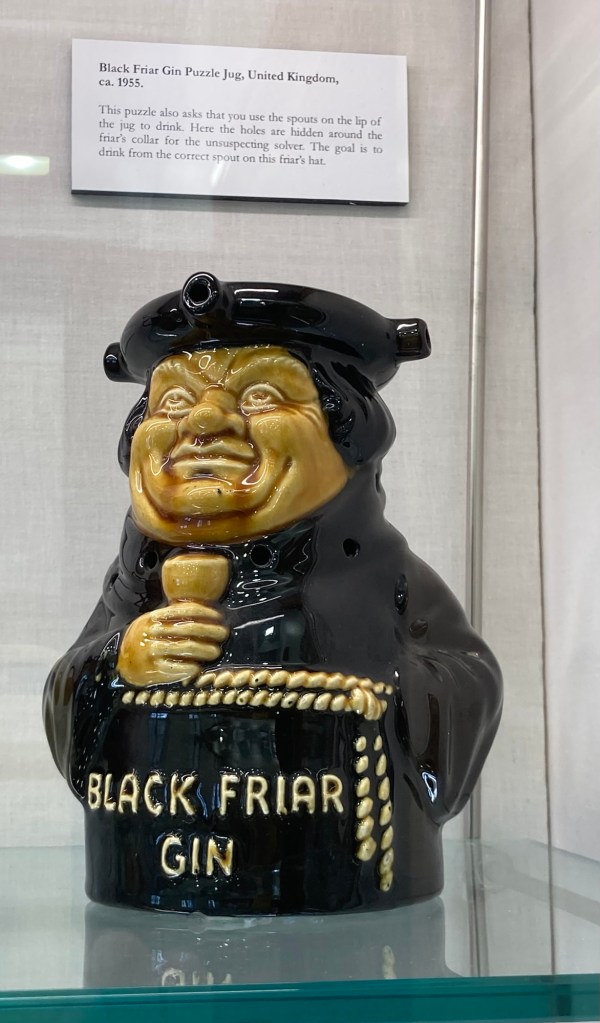
I’m thinking you either get wet or stay thirsty,
if you don’t drink from the right spout.

That’s a lot of reading! Thanks for sticking it out. Less words next time.
 Peckish Travels