Bob and I drove the 3.5 hours from Knoxville, Tennessee, to Cincinnati, Ohio, on Tuesday for our last night before our next housesit. We weren’t sure how the roads would be after the snowstorm had gone through northern Tennessee and Ohio, but it was mostly interstate, so we didn’t really run into lesser plowed roads until we exited for a stop and then once we got to Cincinnati.
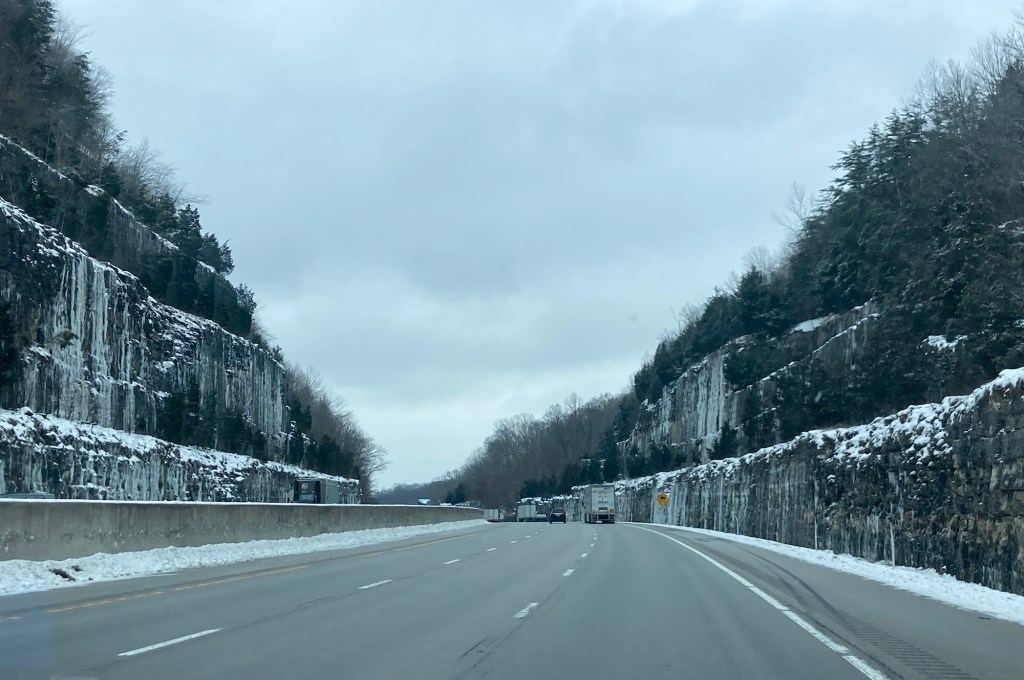
as we drove north
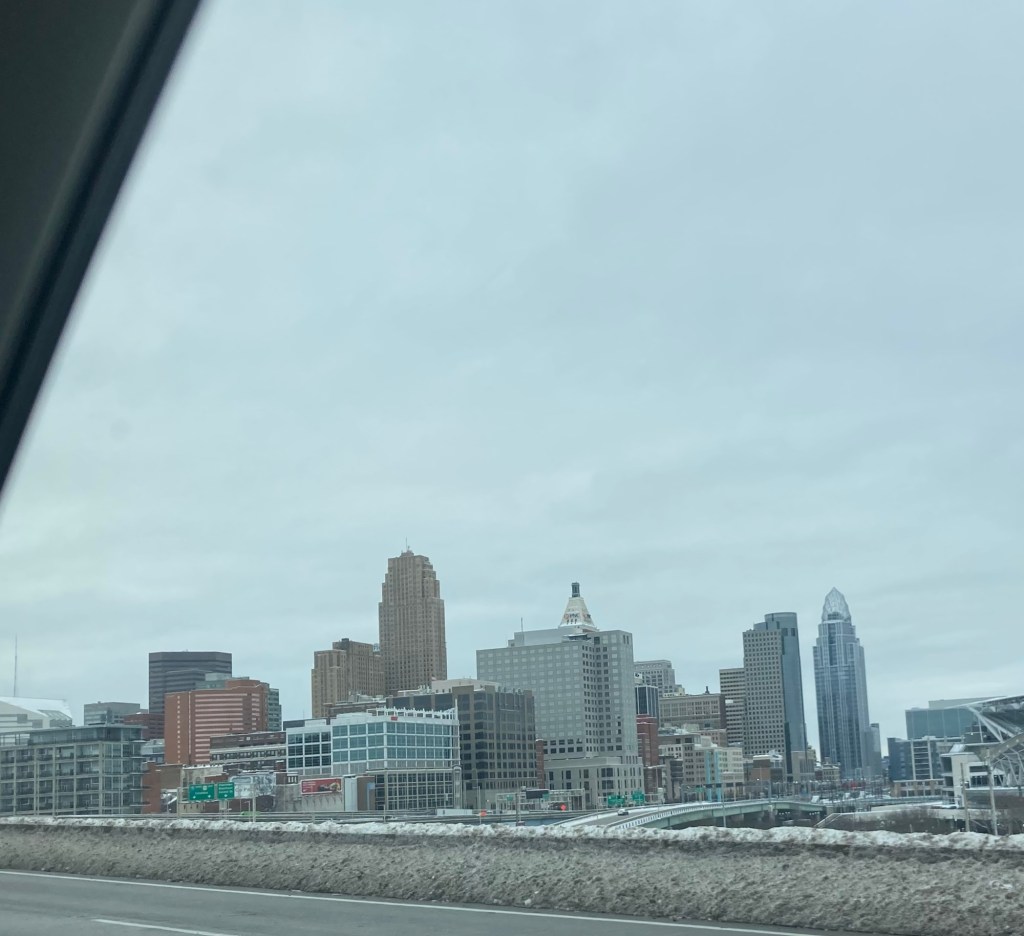
as we crossed the Ohio River, which divides Ohio and Kentucky
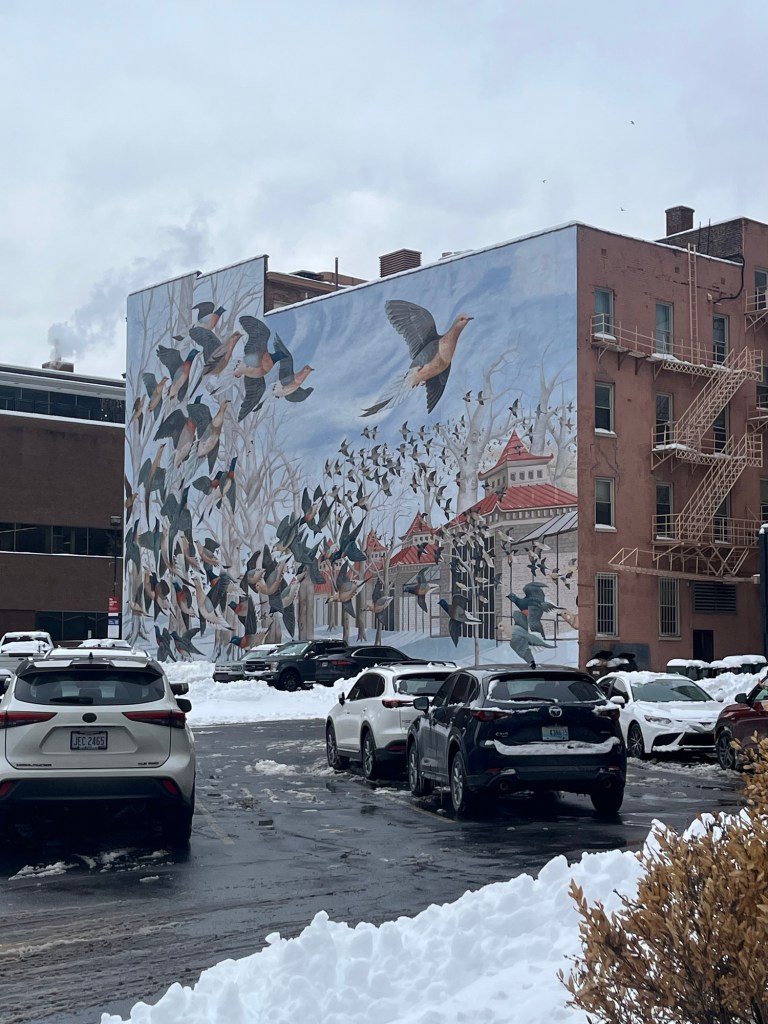
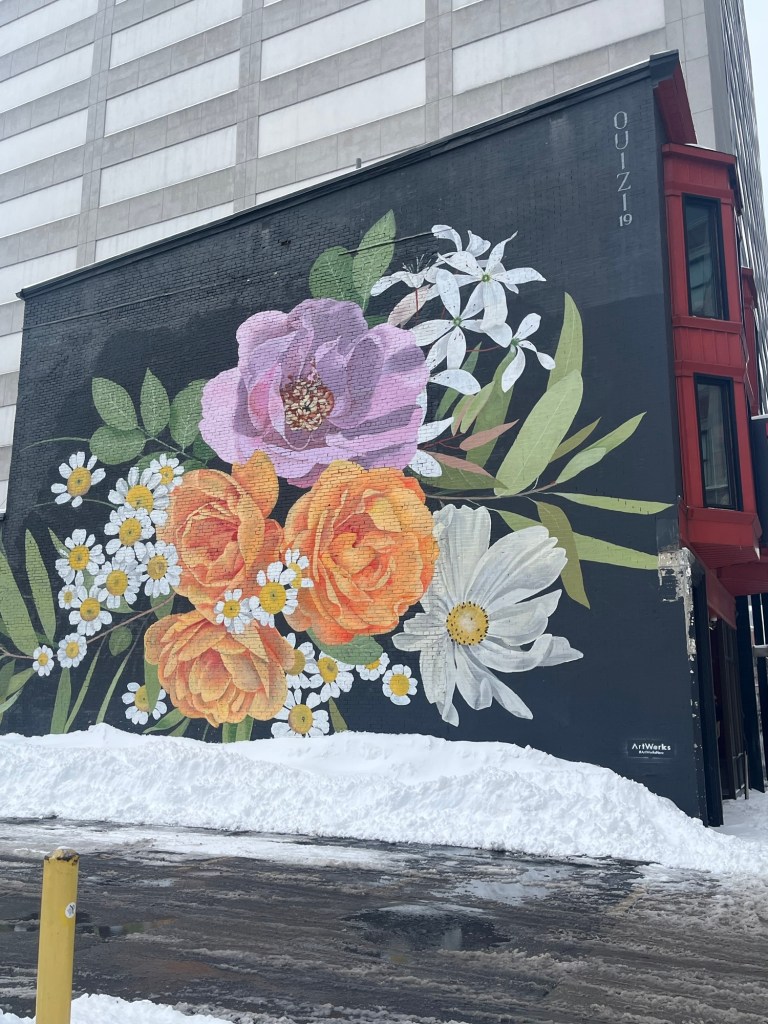
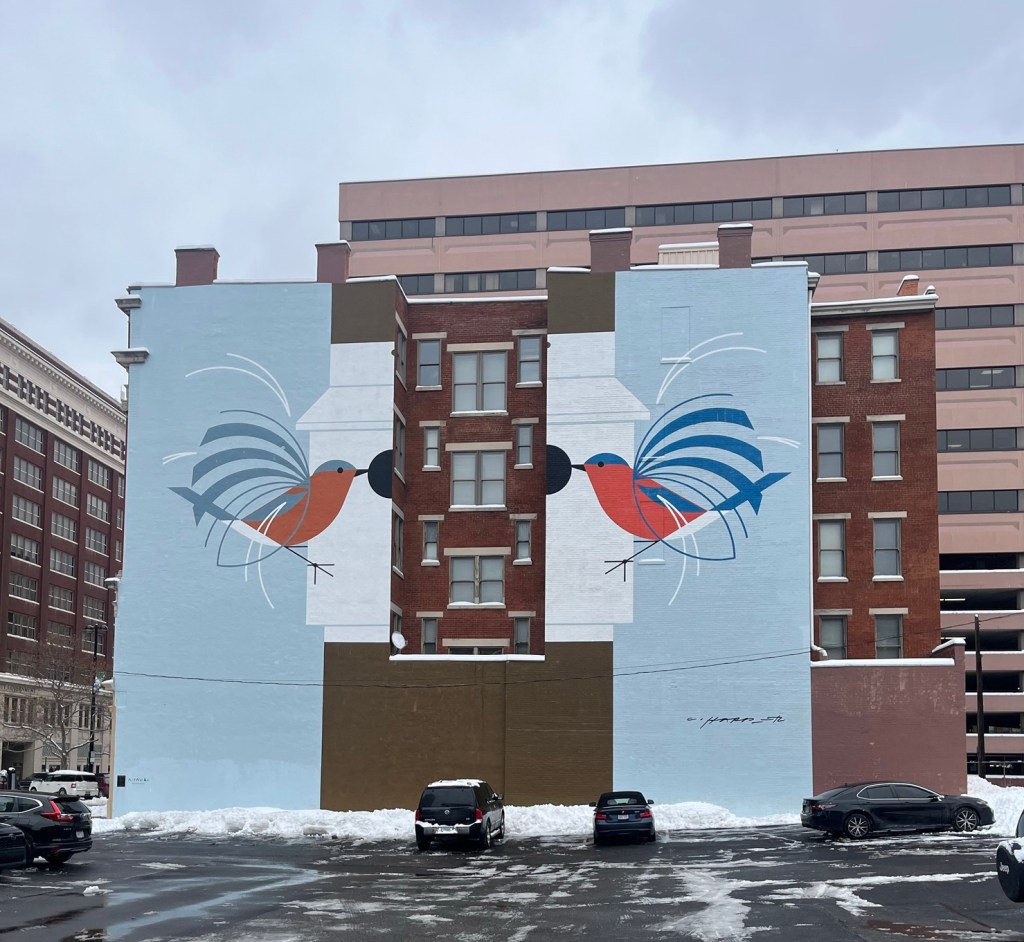
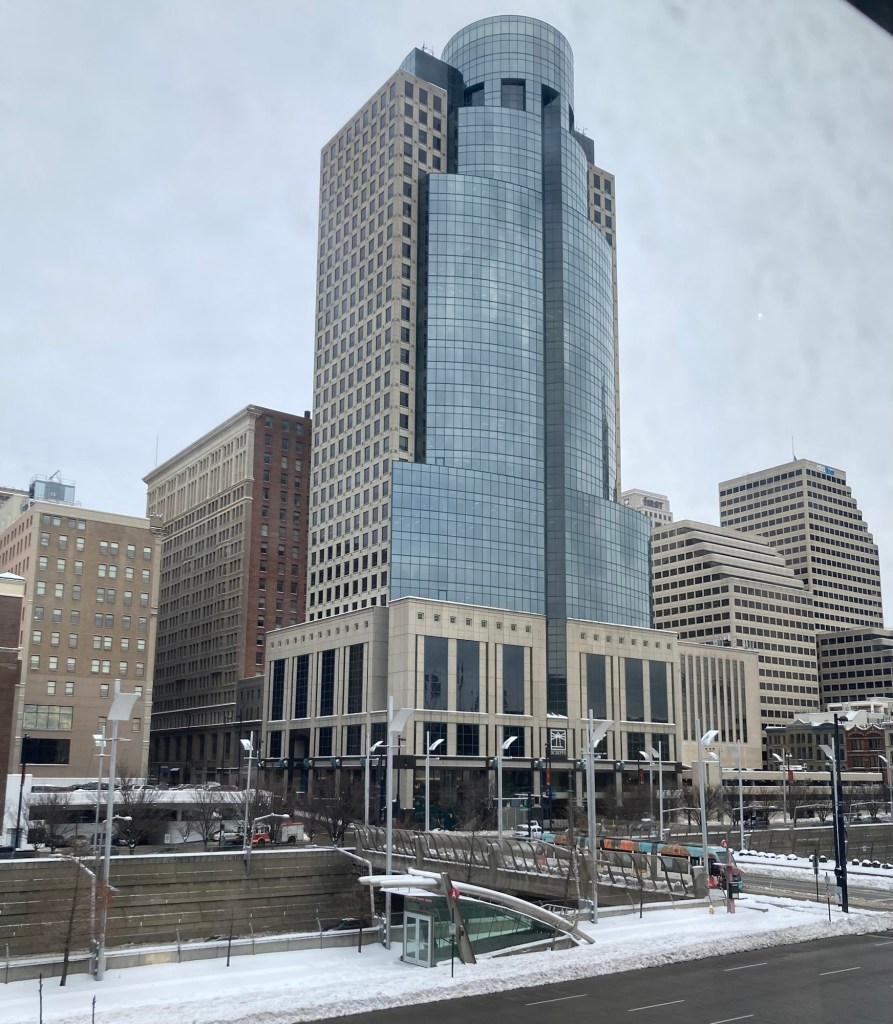
We had hoped to see a bit of downtown Cincinnati during our short stay, but lots of closings and many unplowed sidewalks made it a bit more challenging. Late afternoon on Tuesday, we did get out for a short walk and saw a Cincinnati culinary institution as well as some cool murals.
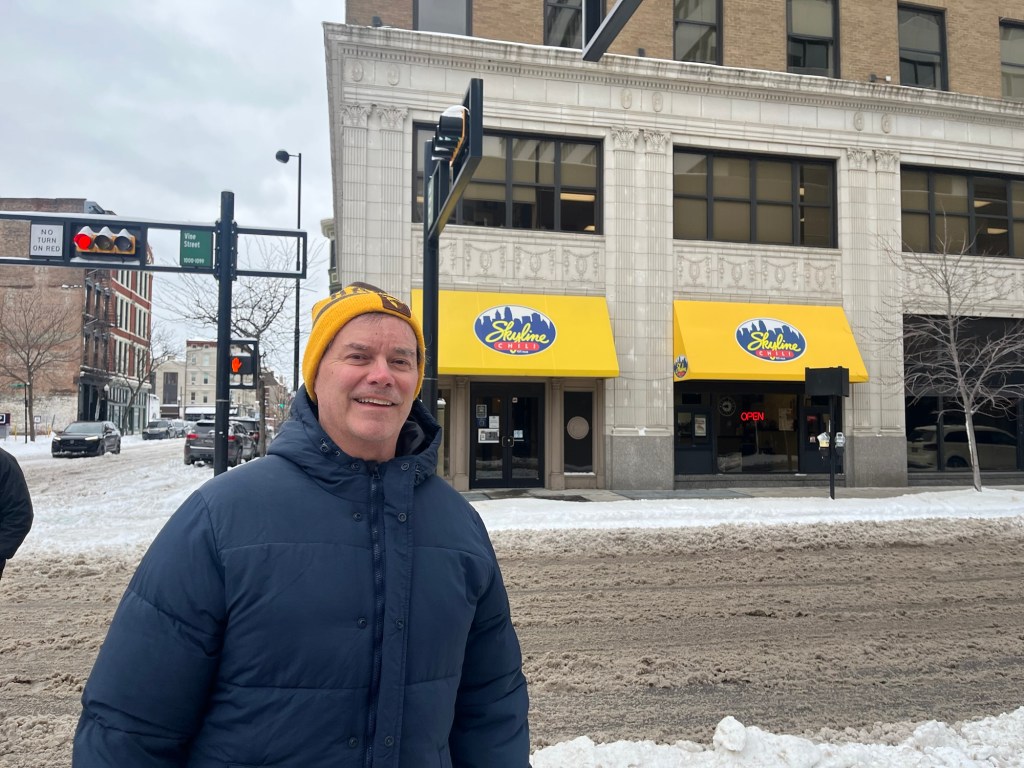
We saw multiple billboards for it and other locations as well
as we drove out on Wednesday. Bob ate their famed chili
in this location during a baseball trip
with his brother-in-law and nephews.
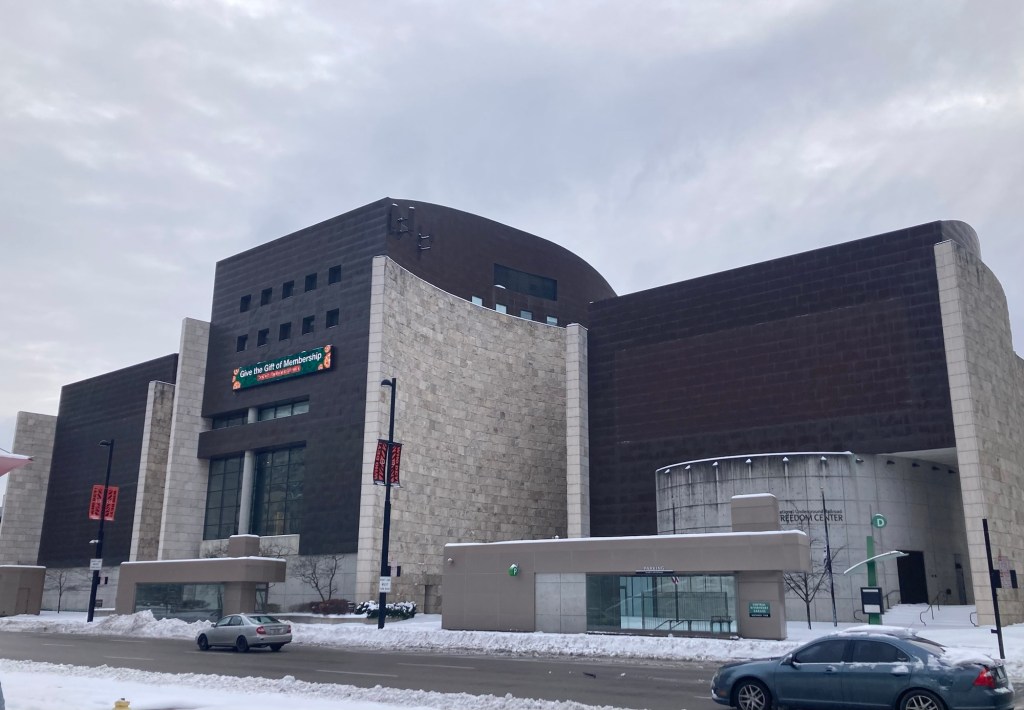
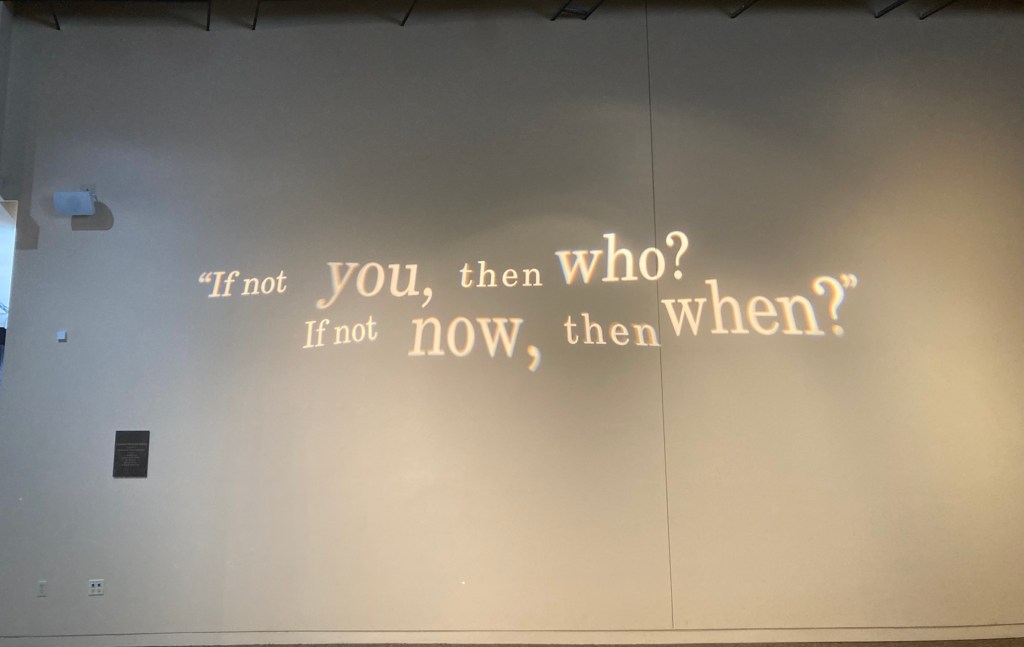
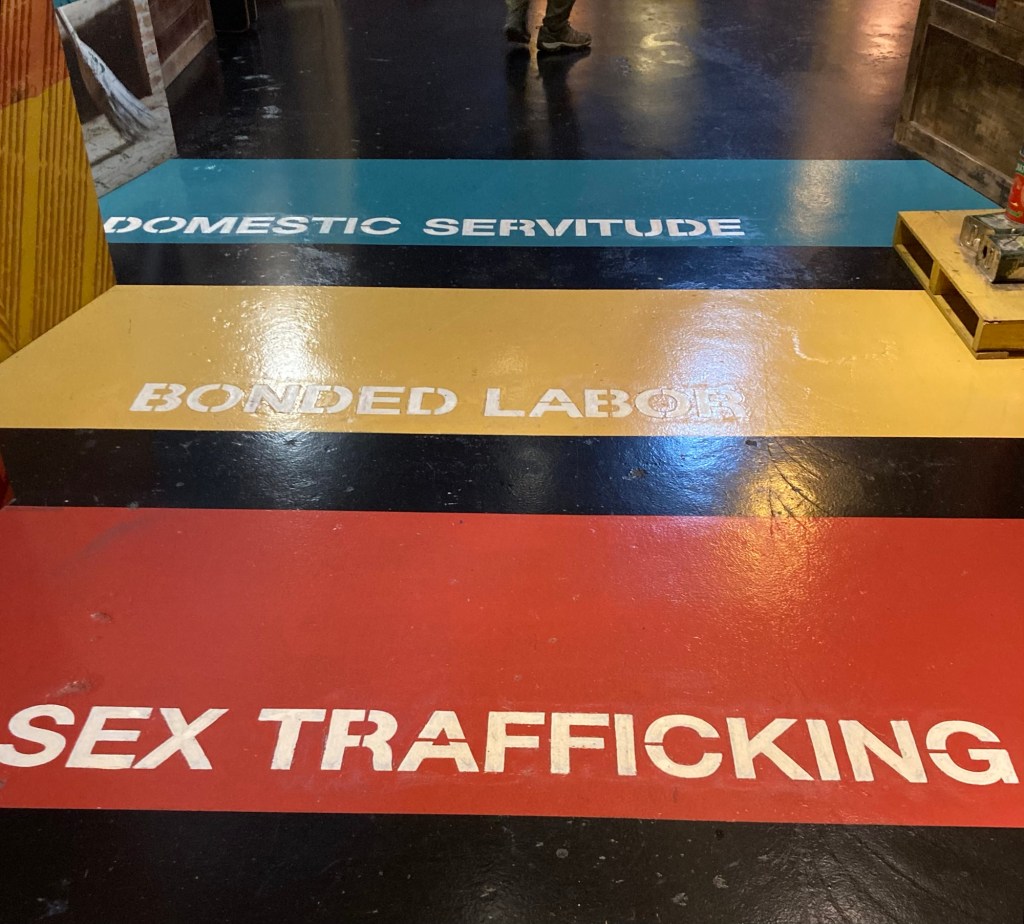
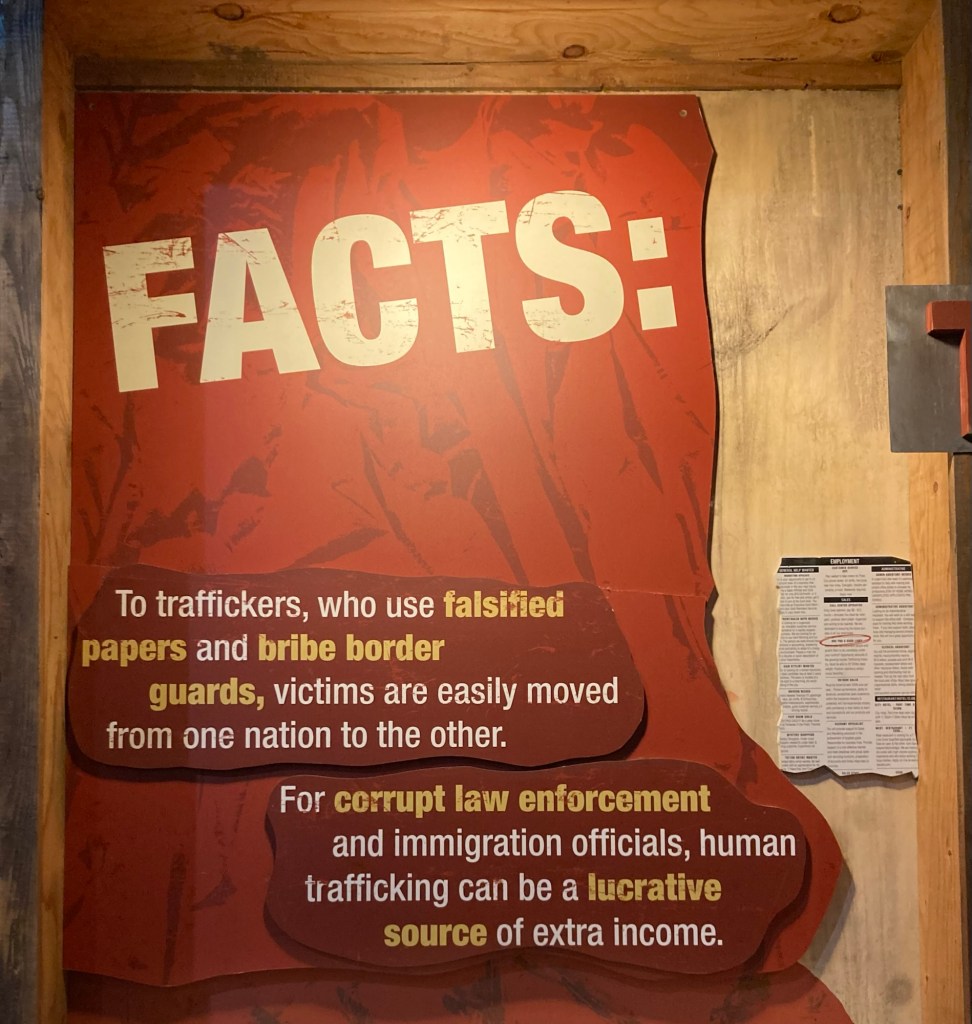
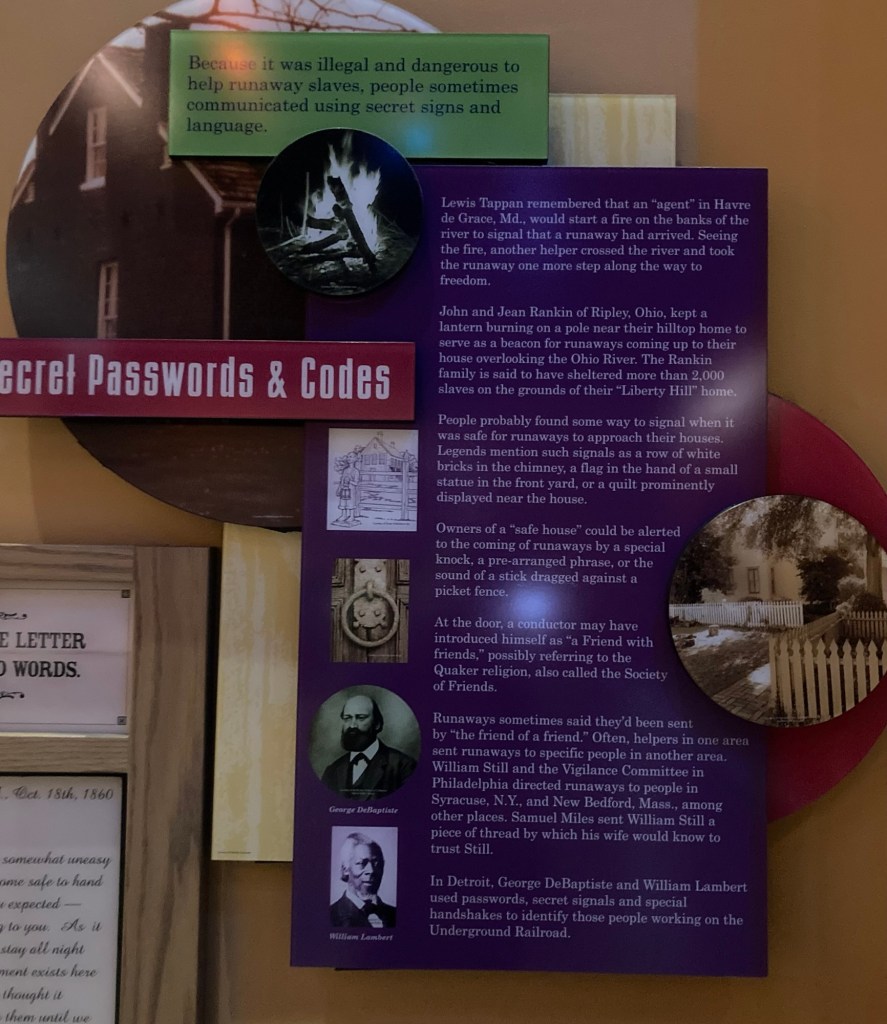
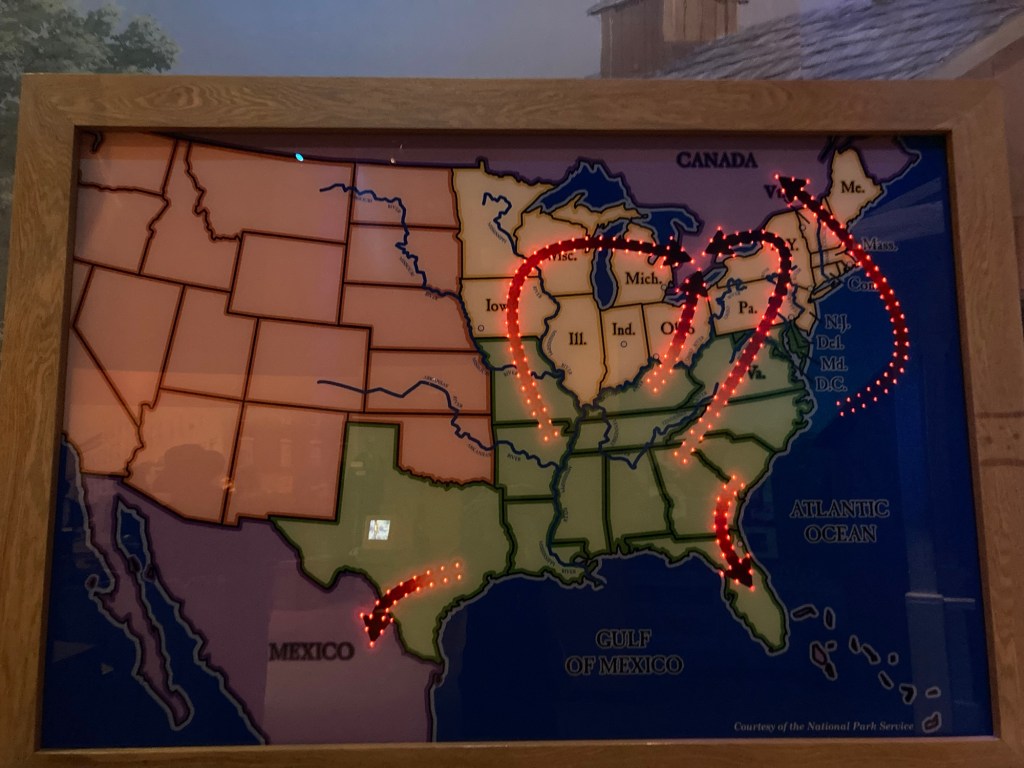
Our top priority in visiting Cincinnati, however, was to visit the National Underground Railroad Freedom Center, which we did on Wednesday morning. It’s an impressive museum that not only tells the story of the Underground Railroad (the secret movement of enslaved people in the US from slave holding states to free states and/or Canada and Mexico) but also sets the context with information on the development of slavery, the Civil War, as well as the continuation of modern day slavery.

and Ohio was not.
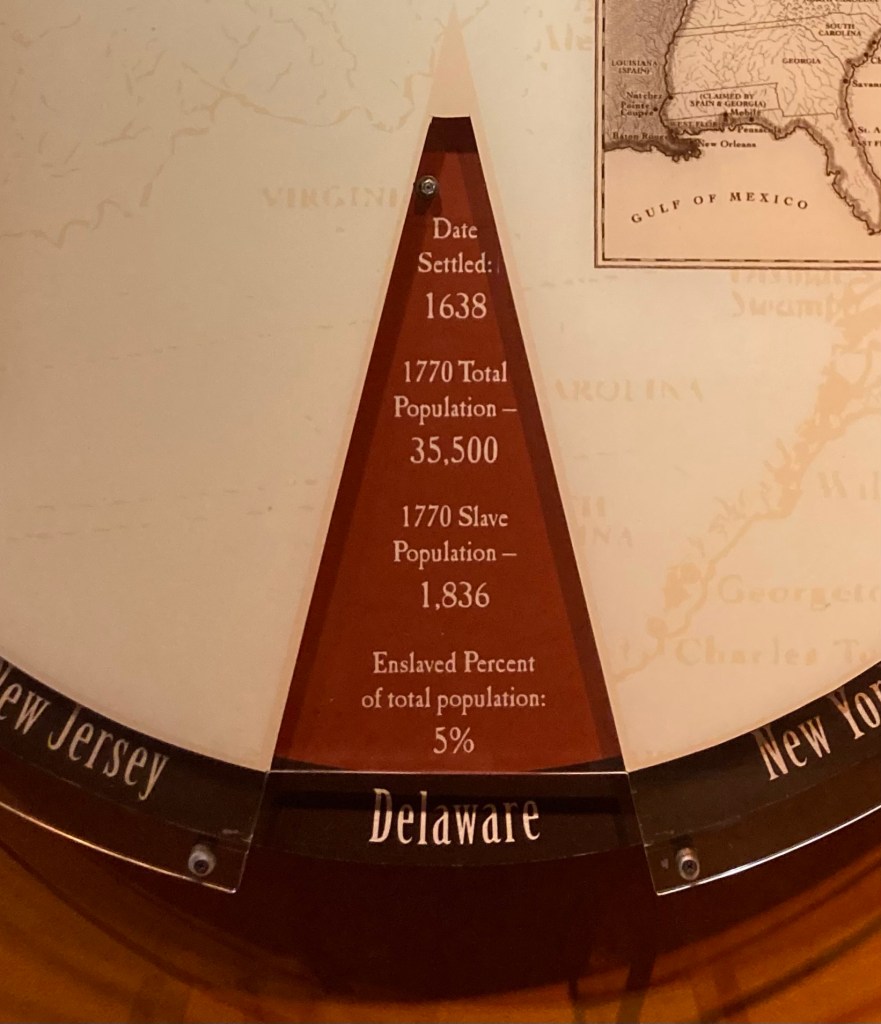
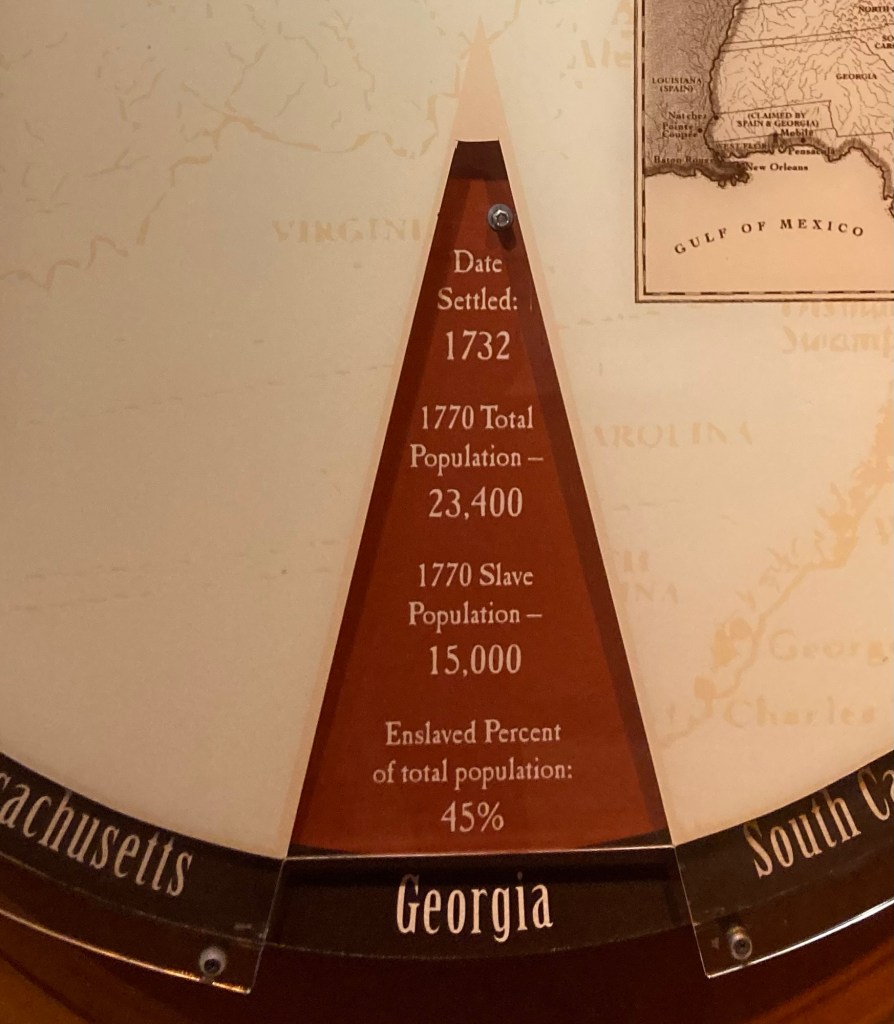
One exhibit showed the different percentages in slave populations in selected US states in 1770, so pre-American Revolution, but at least 100 years after the colonies in the US started. I chose to look at the last two states in which we have done housesits — Delaware and Georgia.
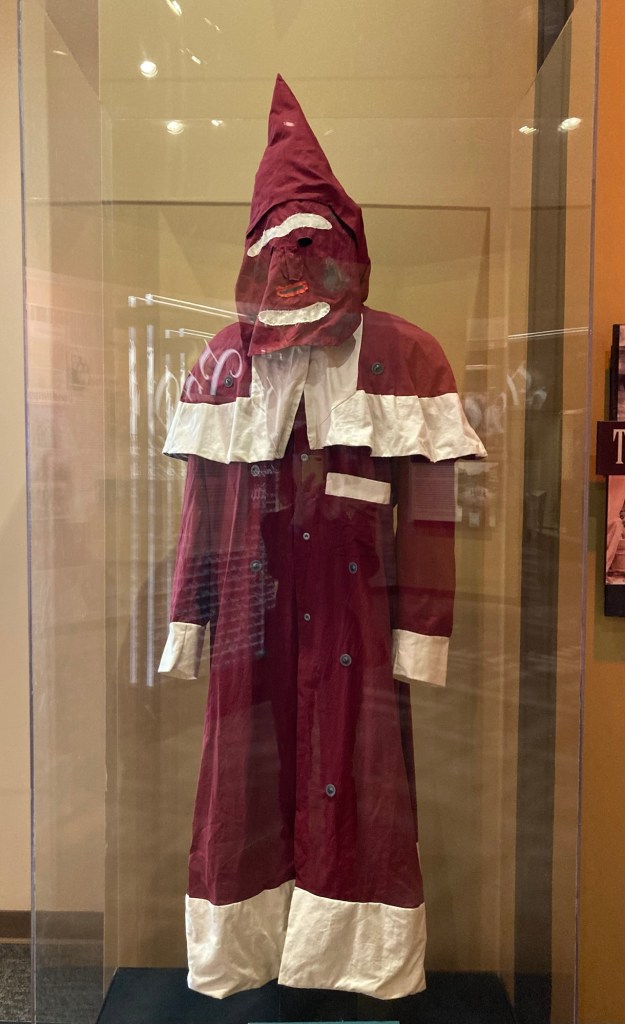
You know you should be ashamed of what you are about to do
if you’re dressed like this.

in Mason County, Kentucky. These pens were used
to temporarily store enslaved people
before they were taken further south.
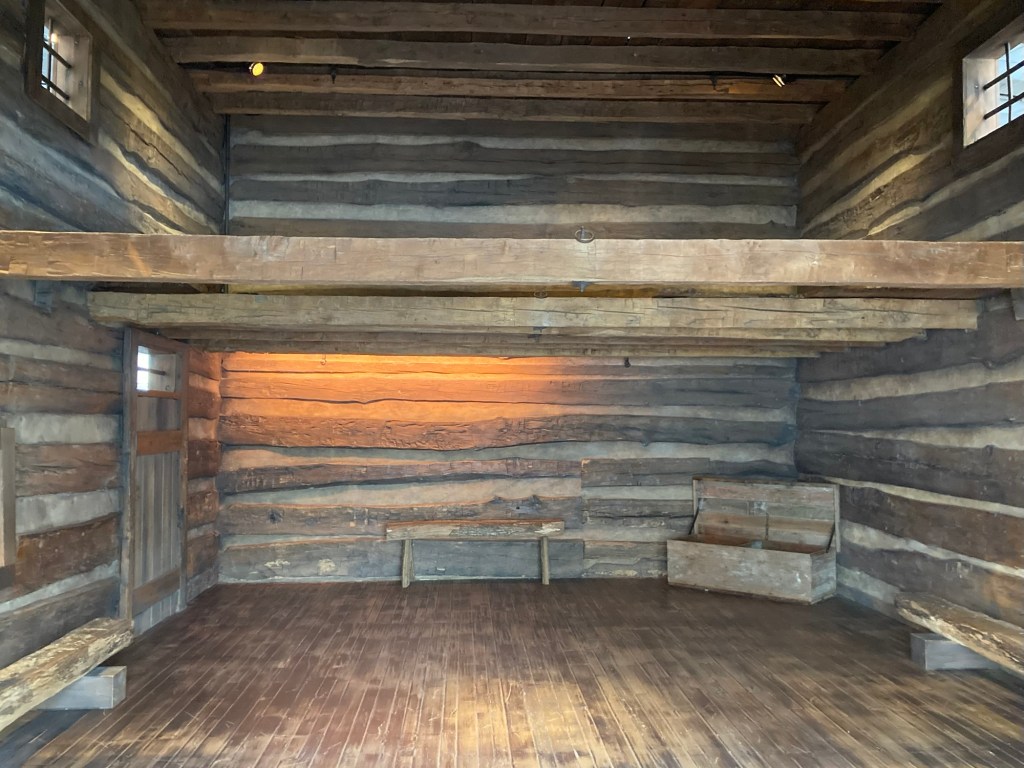
This slave pen was owned by John Anderson and operated on his farm. In the early 1830s, he would scour the roads of rural Kentucky to find young Blacks for the slave market at Natchez, Mississippi.
 Peckish Travels