Bob and I arrived by train into Bury St. Edmunds at 10:30 Saturday morning, where we were met by our current homeowner and driven to our current housesit. We had a great chat over a cuppa and then a walkthrough before they headed off for Norway.
We are sitting for two dogs. The sweet, but fierce Mollie (she will get her choice of dog beds), and the lovable Angus, who just can’t get enough affection.
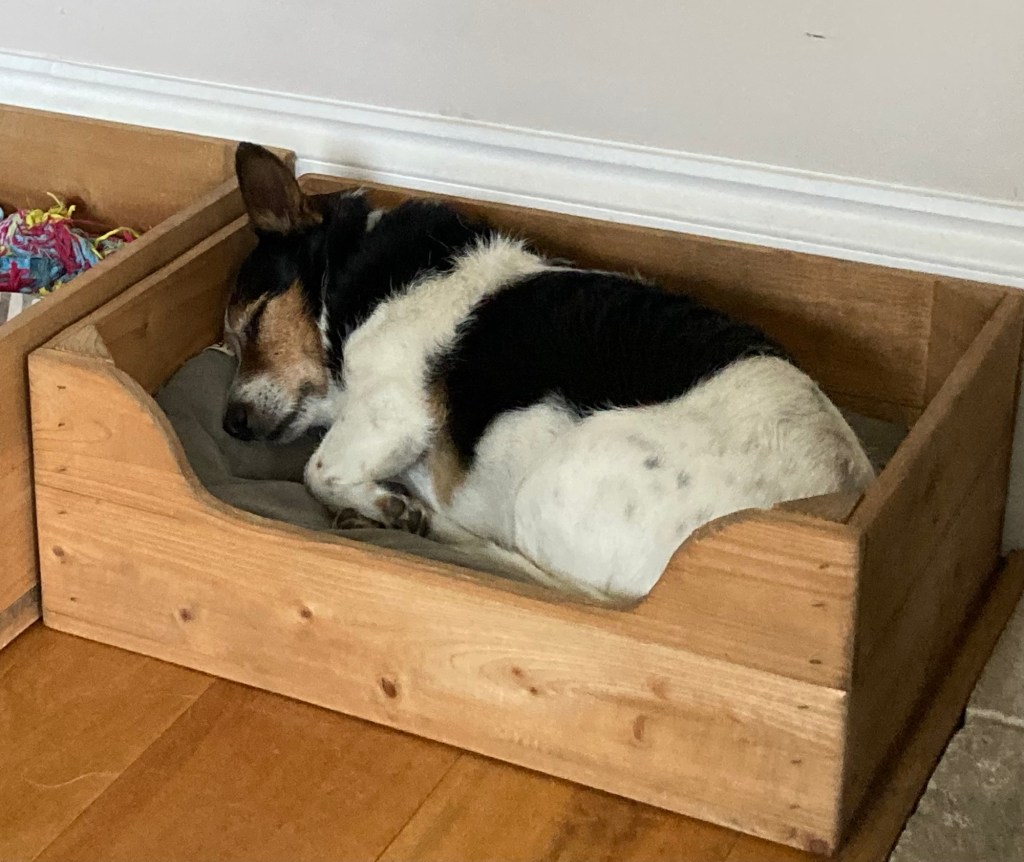


They get at least two walks a day and also have a lovely garden to play in, now that we have sun again!
Bury St. Edmunds, commonly referred to as Bury, is a historic market and cathedral town in West Suffolk. Although it has a population of about 45,000 (much bigger than we were expecting), it does not have the city designation. It is best known for the Bury St Edmunds Abbey and the St Edmundsbury Cathedral. We started with the Abbey this morning.
Although, perhaps we should start with a little history from long ago. It seems that King Edmund of East Anglia fought against a Danish (site of our next housesit!) invasion on November 20, 869. He was captured but refused to give up his Christian faith. The Danes then killed him by tying him to a tree, shooting him with arrows, and then decapitating him. When Edmund’s men came to retrieve him after the battle, they found his body but not his head. A wolf’s cries alerted the men to the head that the wolf was guarding, and when the head was placed with the body it fused back on. Thus, he became St Edmund and the Patron Saint of England from 869 to 1350.
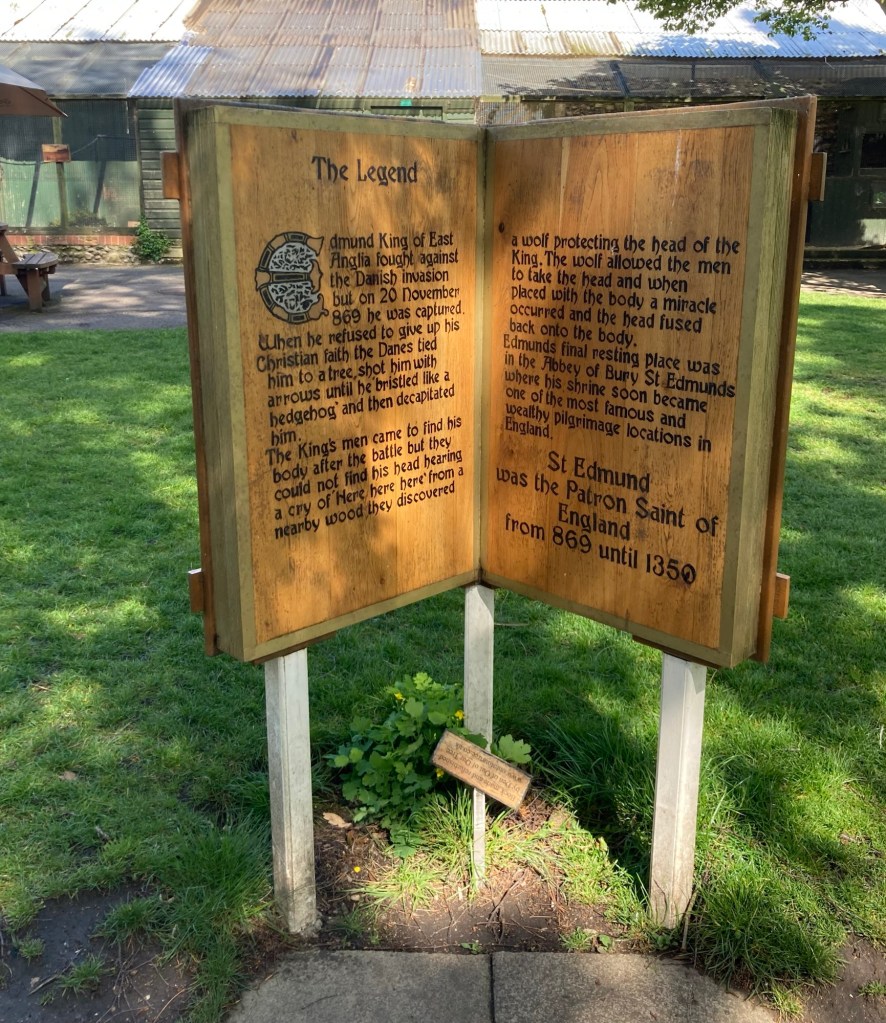

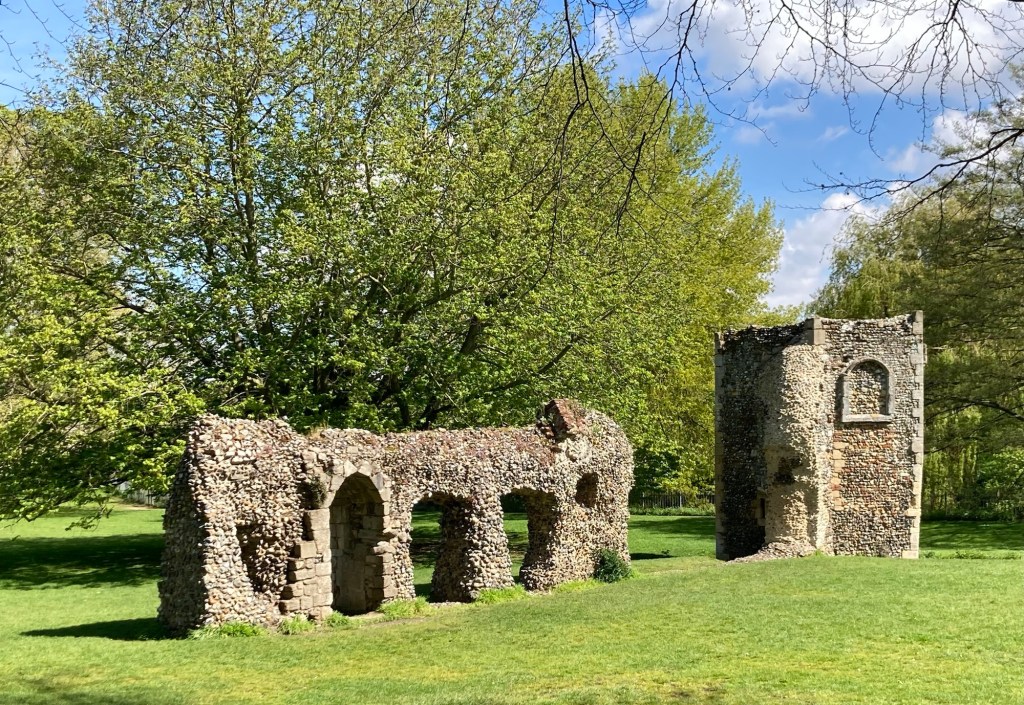
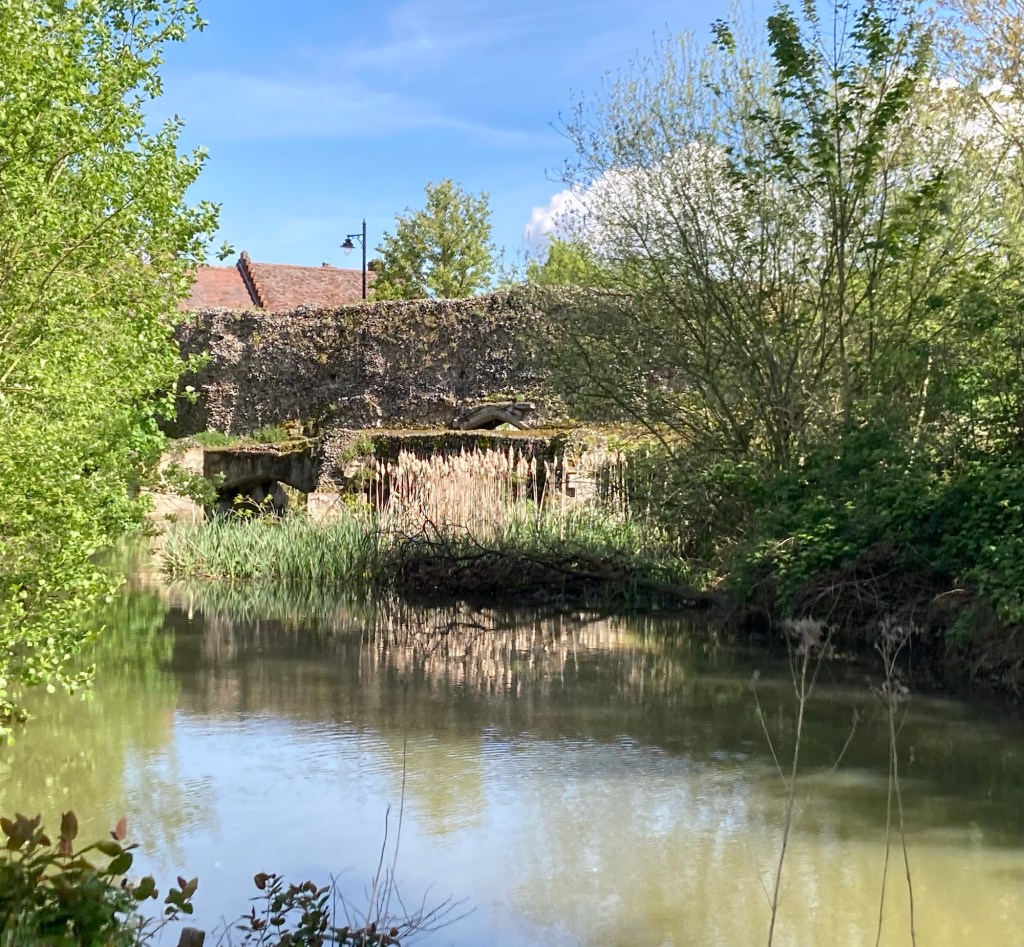
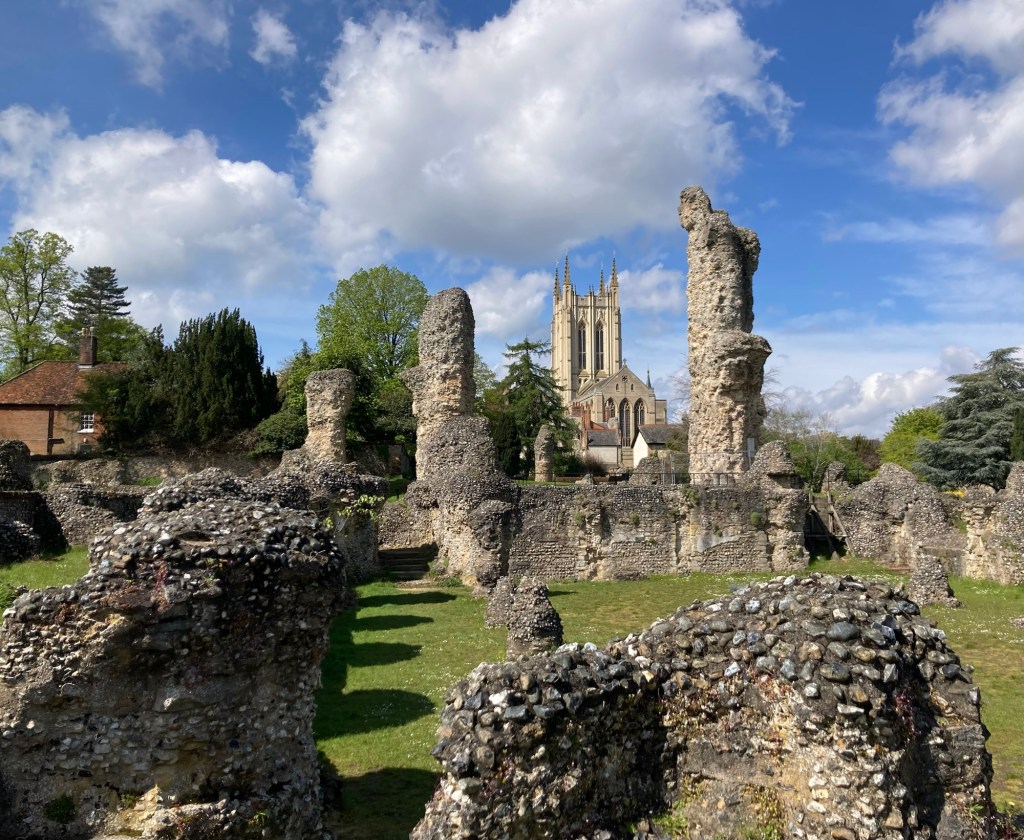
Edmund’s body was buried in the abbey, the ruins and grounds of which we explored today.
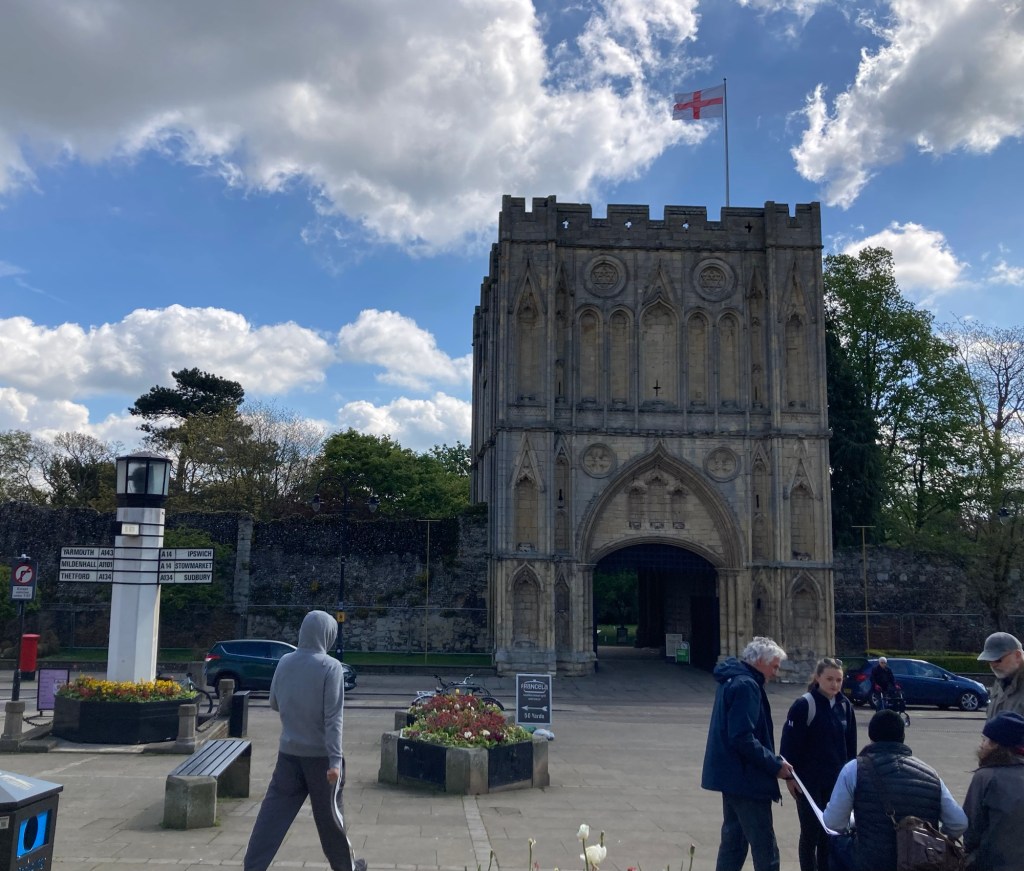
the main entrance to the abbey’s great court
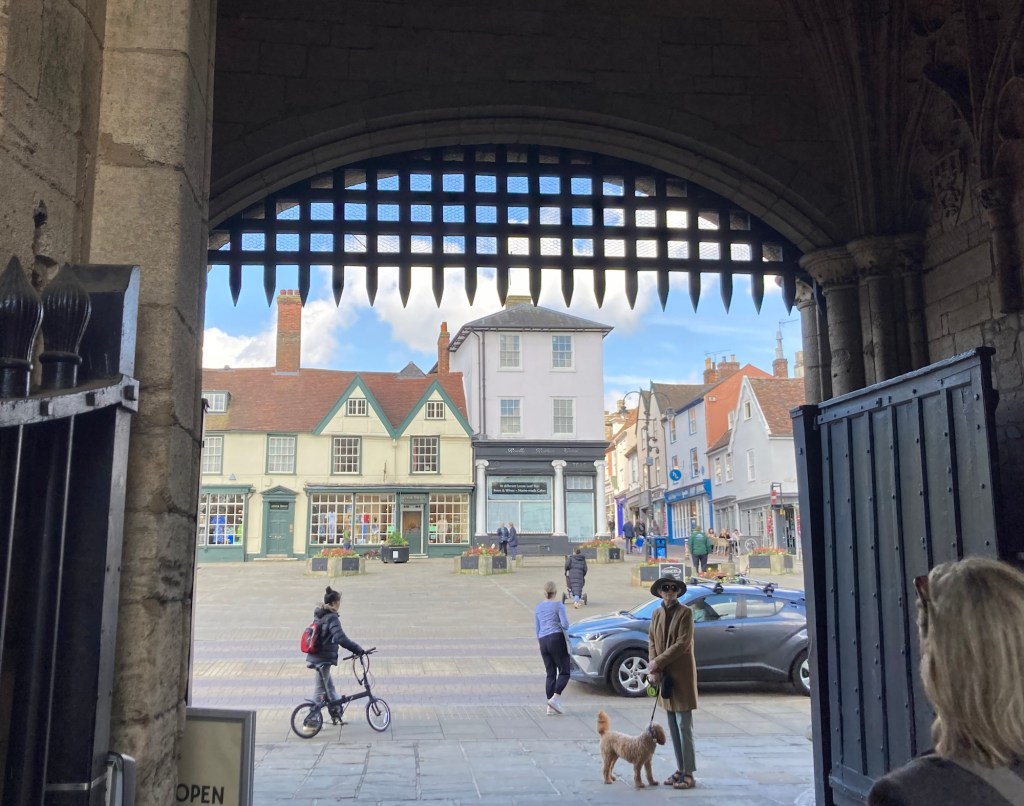
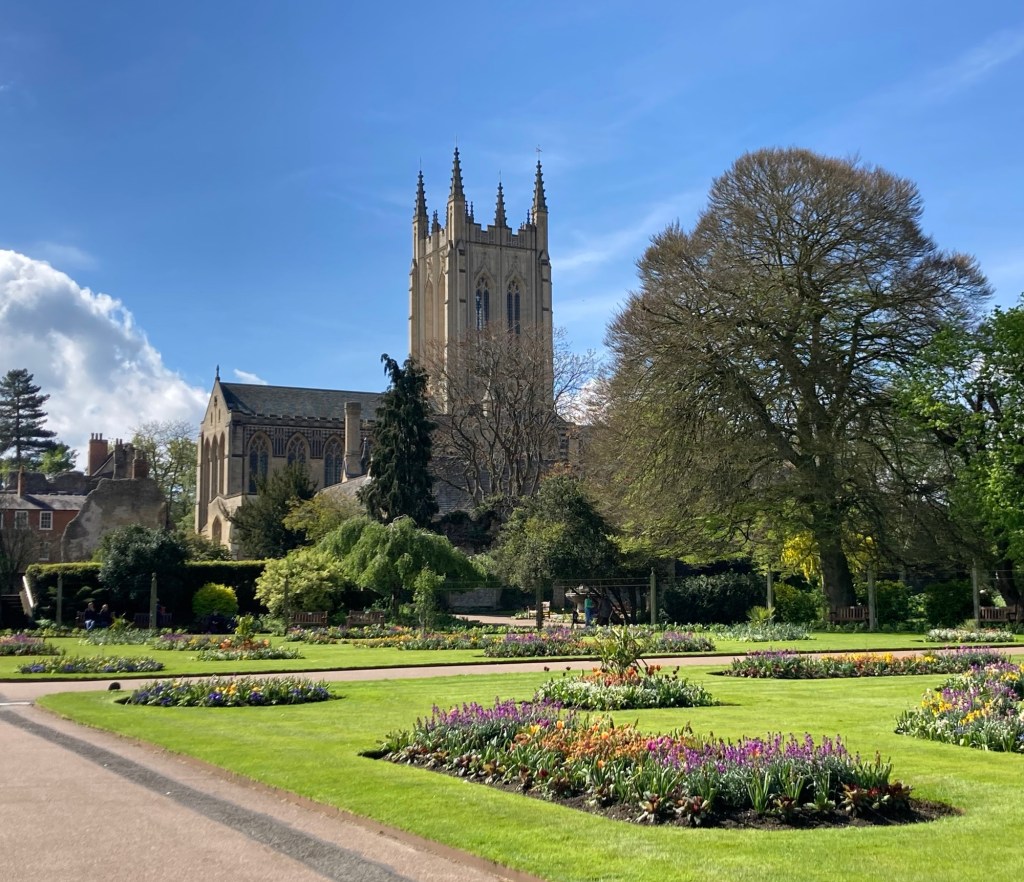
towards the cathedral
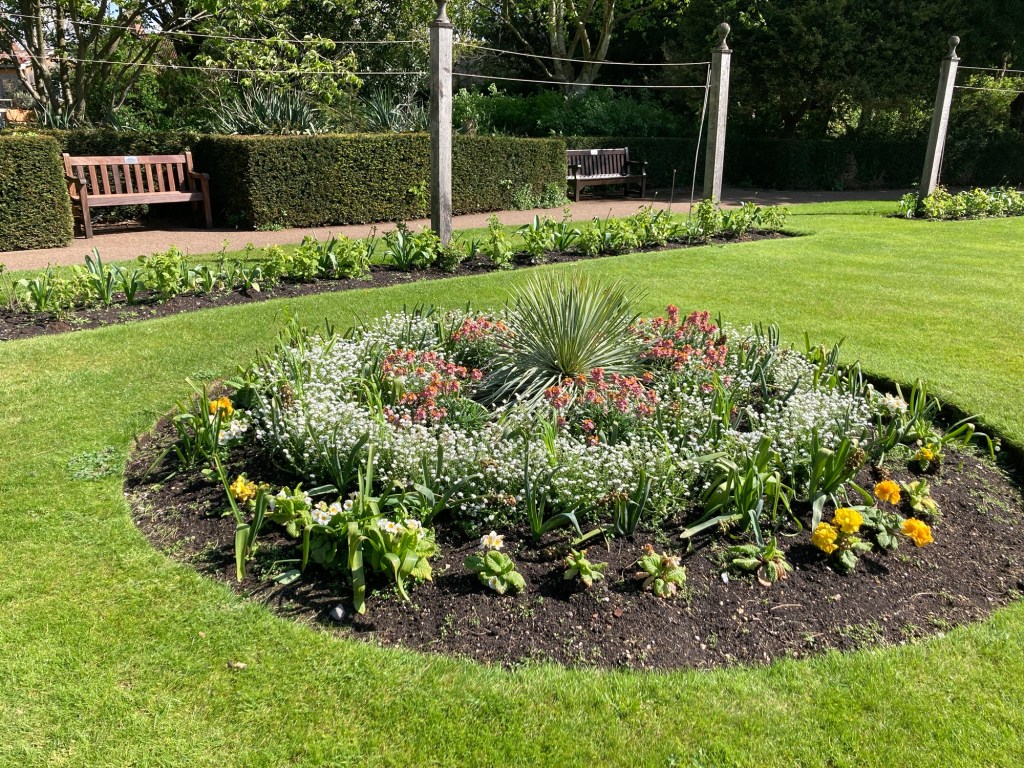
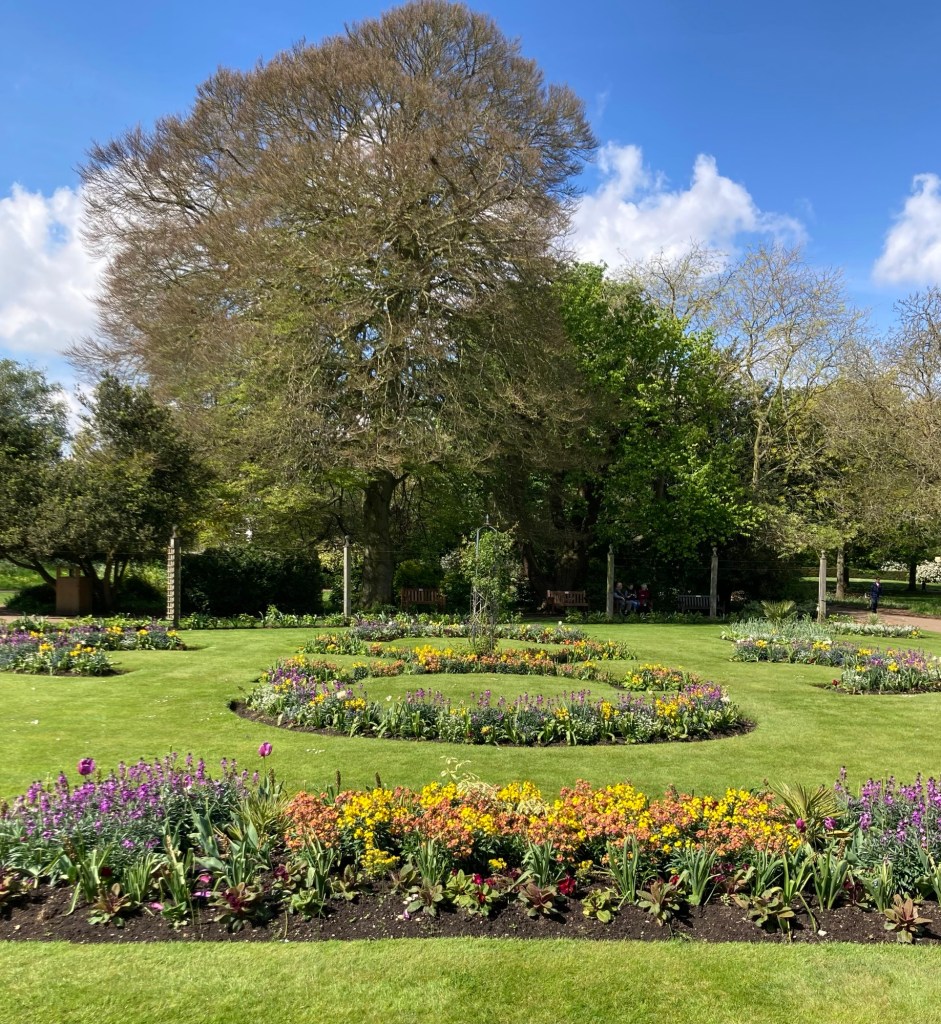

This is a colorful Golden Pheasant.

Another brief foray into history. The Magna Carta is England’s foundational document for their democracy, a bit like the US Constitution, but written in 1215. In 1214, the Archbishop of Canterbury secretly brought a number of barons to the Bury Abbey to discuss the unpopular King John, which was the first step towards the signing of the Magna Carta. I prefer my history lessons in beautiful surroundings!
 Peckish Travels