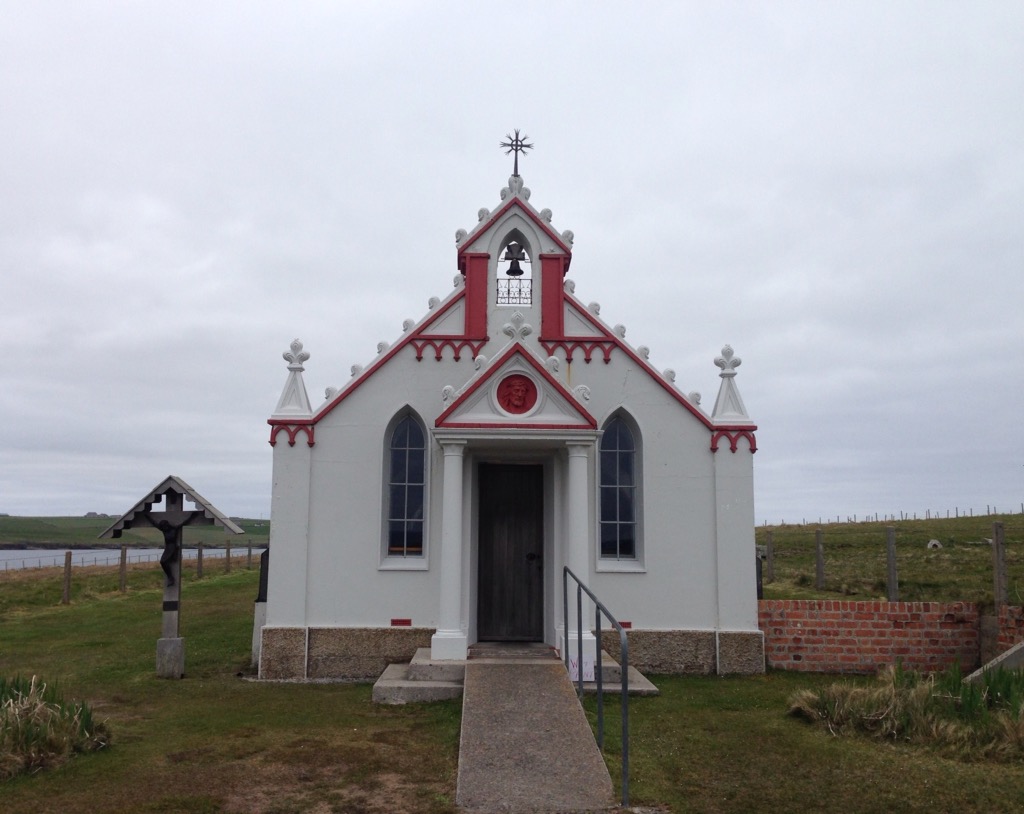
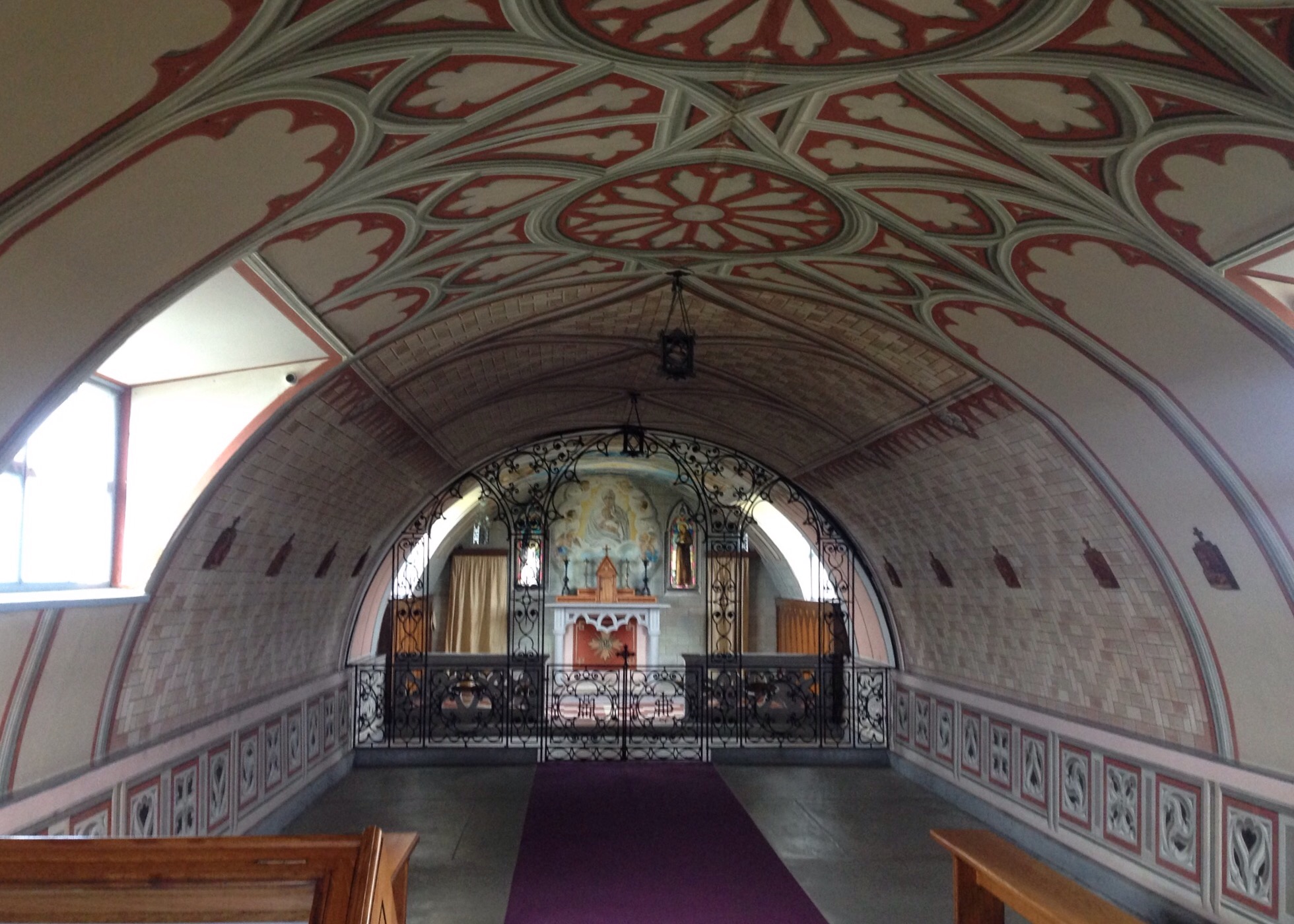
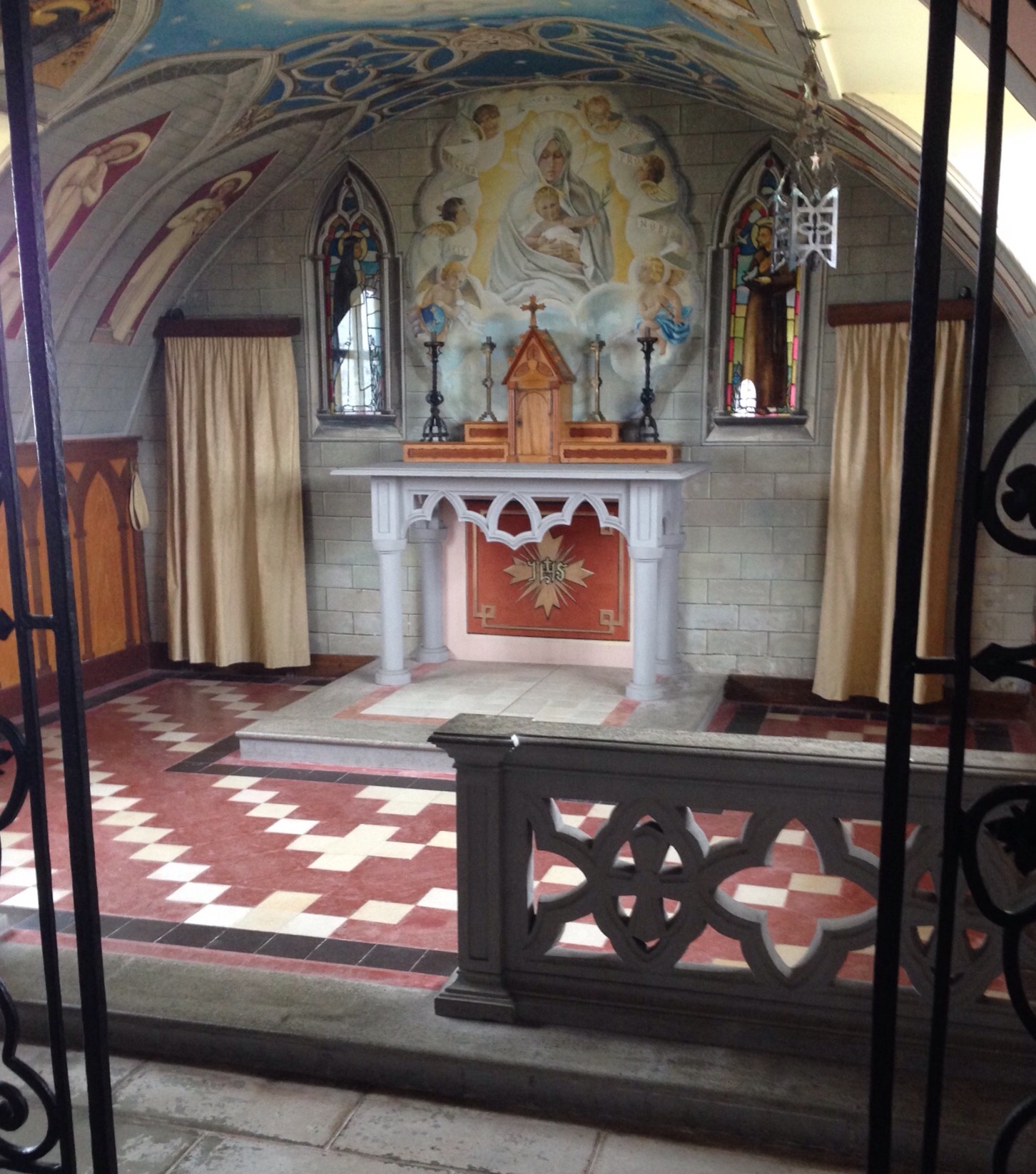
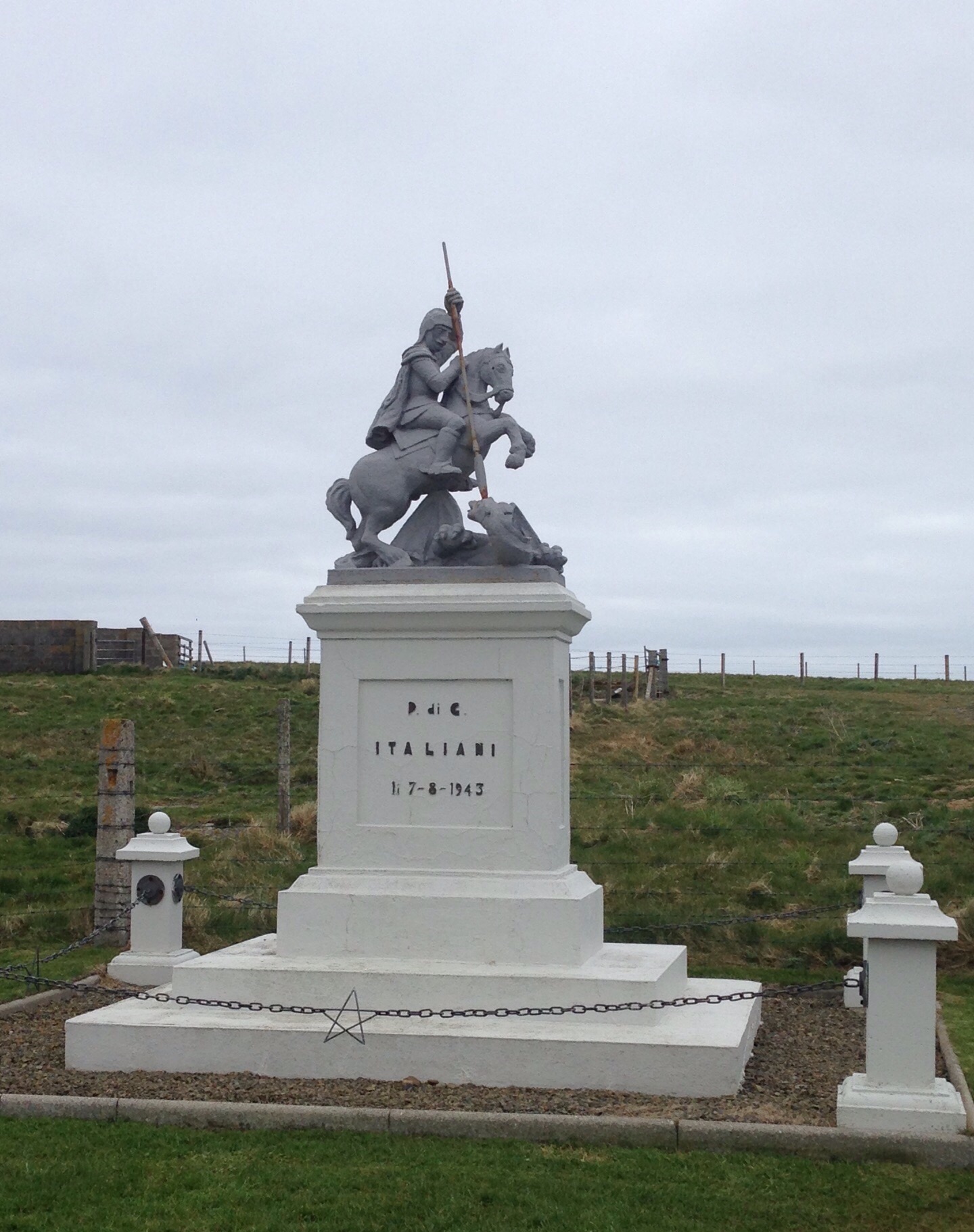
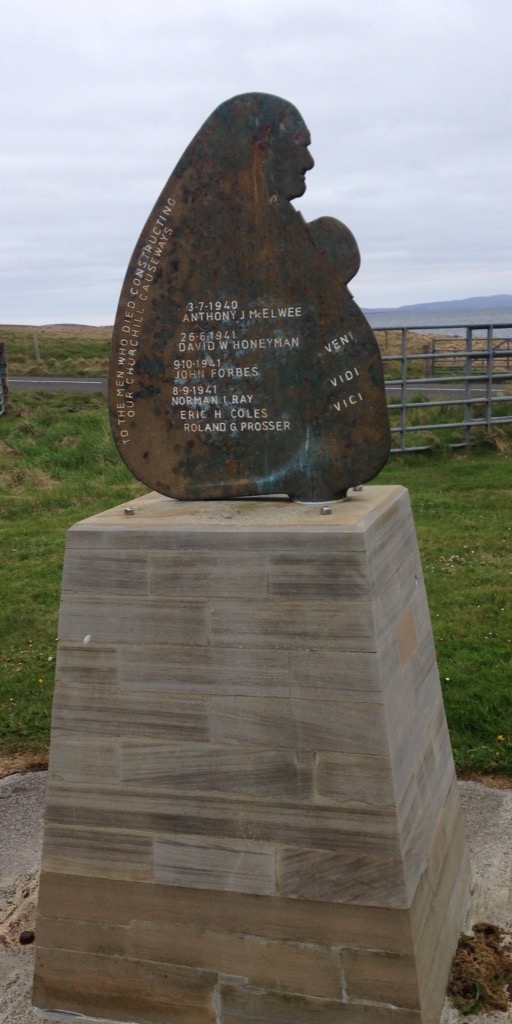
The other tourist site outside of Kirkwall that we really wanted to see was the Italian chapel. We took a local bus there (arriving just before a couple of coaches full of other tourists) but then walked the 6 miles back — against the wind. The Italian Chapel and the nearby Churchhill Barriers are just a couple of reminders from Orkney’s involvement in WWII. During WWII, Italian prisoners of war were brought to Orkney to build naval defense barriers but were given permission to also build a place that they could worship with the scrap materials that were available. The chapel has led to a continued relationship between Italy and Orkney, especially with the community of Meana (the home of the Italian that designed the chapel).


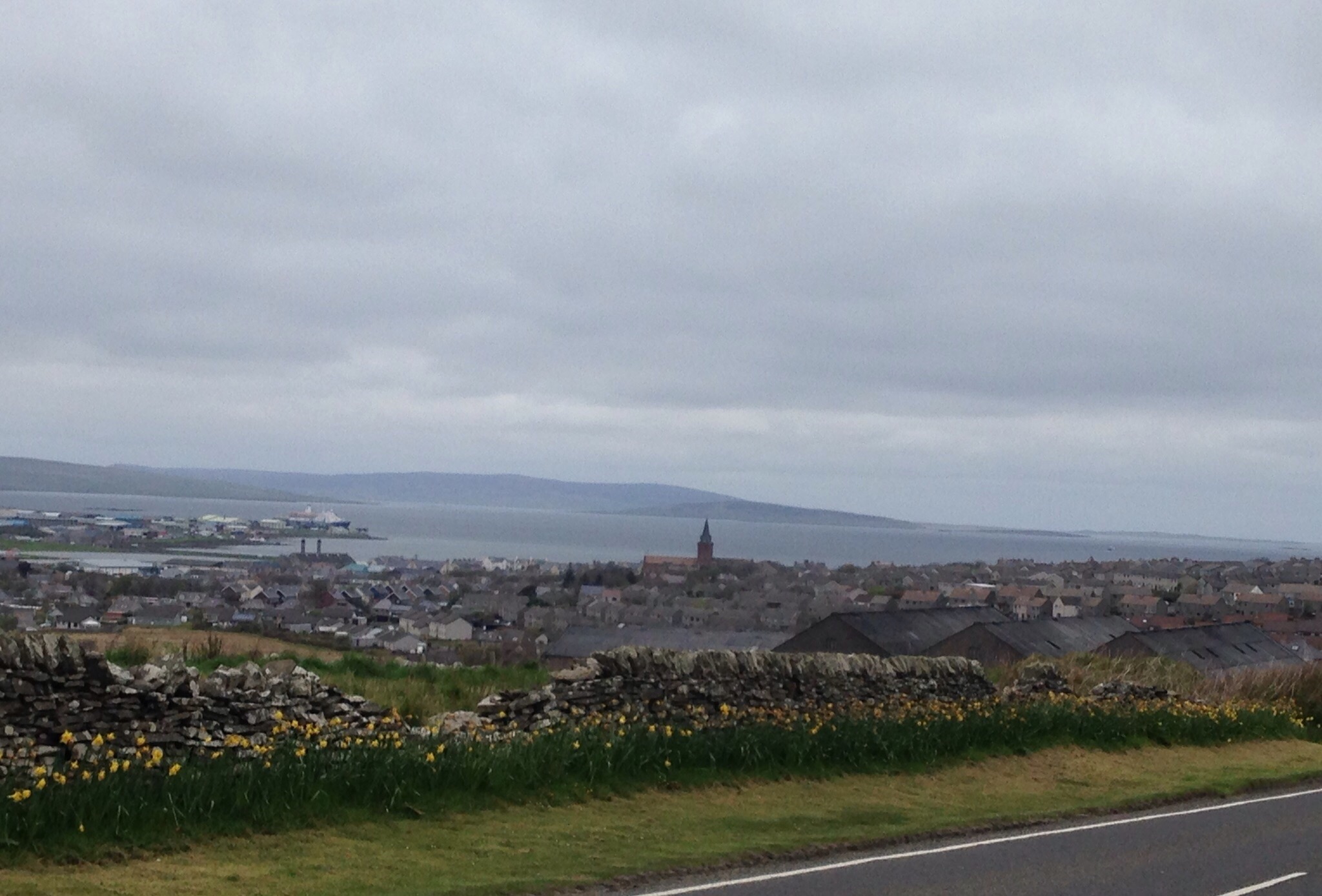
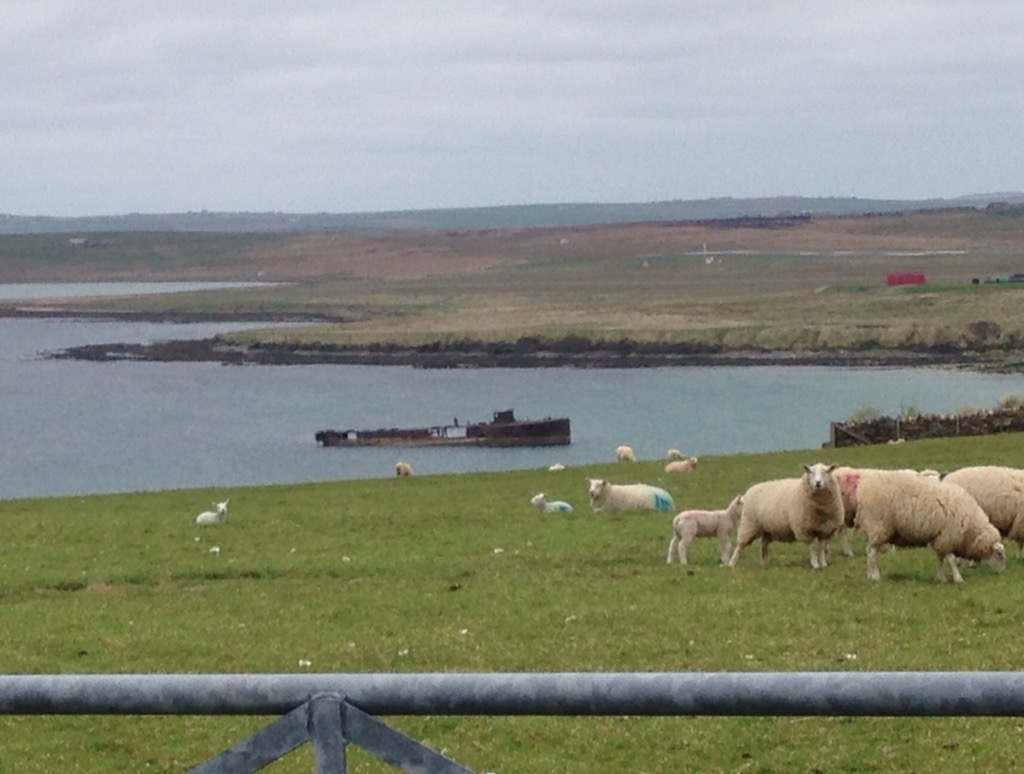
We found some sites of interest in Kirkwall as well including the St. Magnus Cathedral, the Highland Park Distillery, lots of great retail shops with artisan crafts, and an interesting local museum. There was also this boat that I first saw on a morning run and made Bob go back and look at with me to make sure I wasn’t seeing things. We were told it’s an old warship.
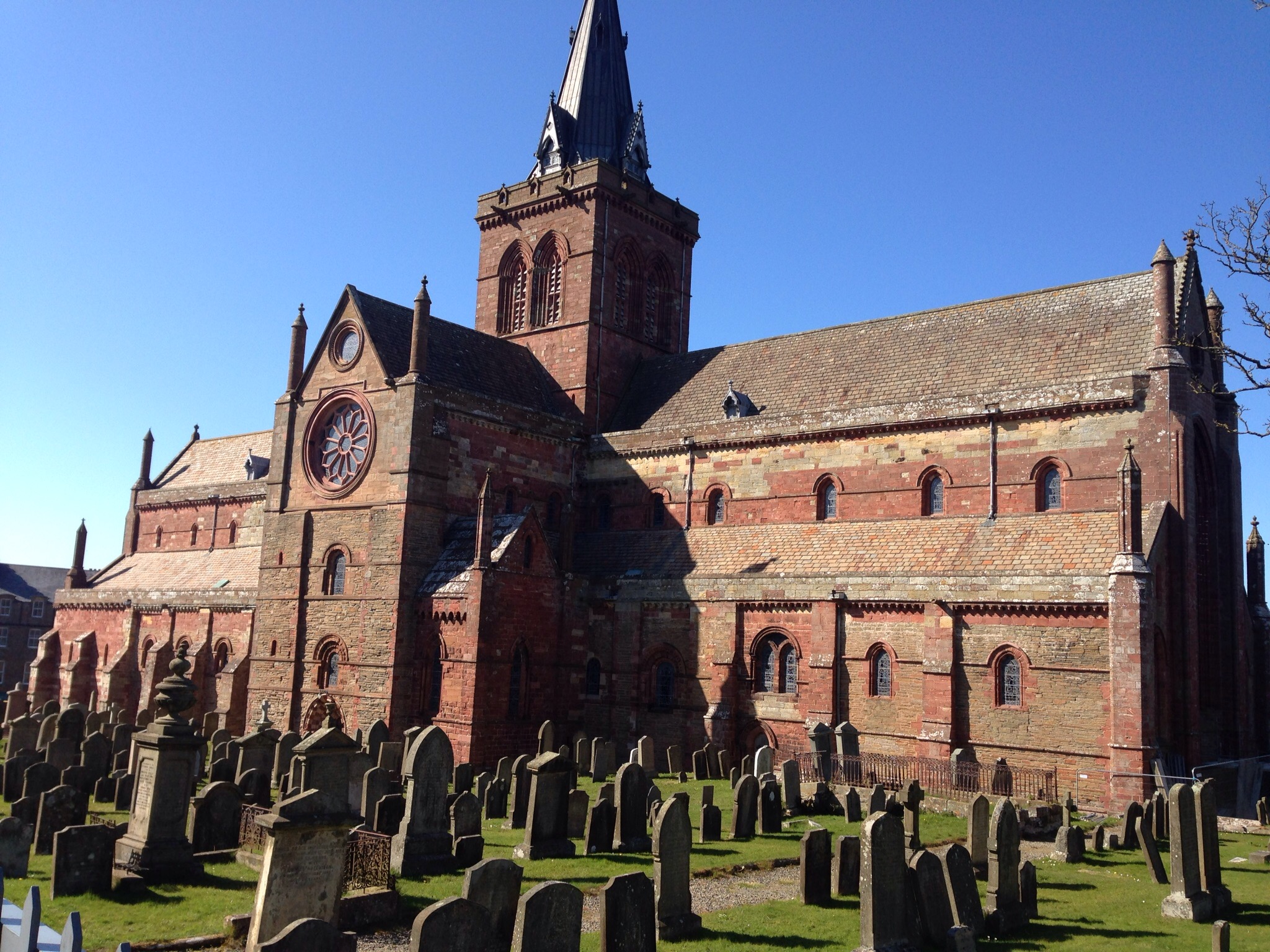
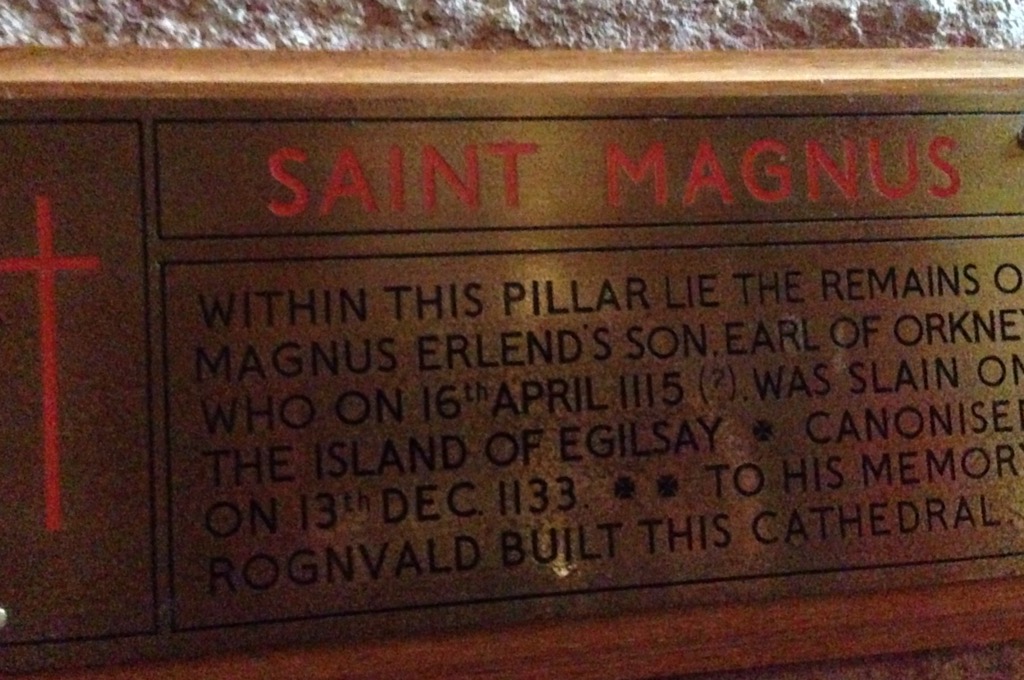
The St. Magnus Cathedral is Kirkwall’s most dominant building and an important part of its history. It was founded in 1137 by the Earl of Rognvald to honor St. Magnus who was ordered by his cousin to be slain over a dispute over the ruling of Orkney. It was built during the time when Orkney was under the rule of the Norse Earls.



 Peckish Travels