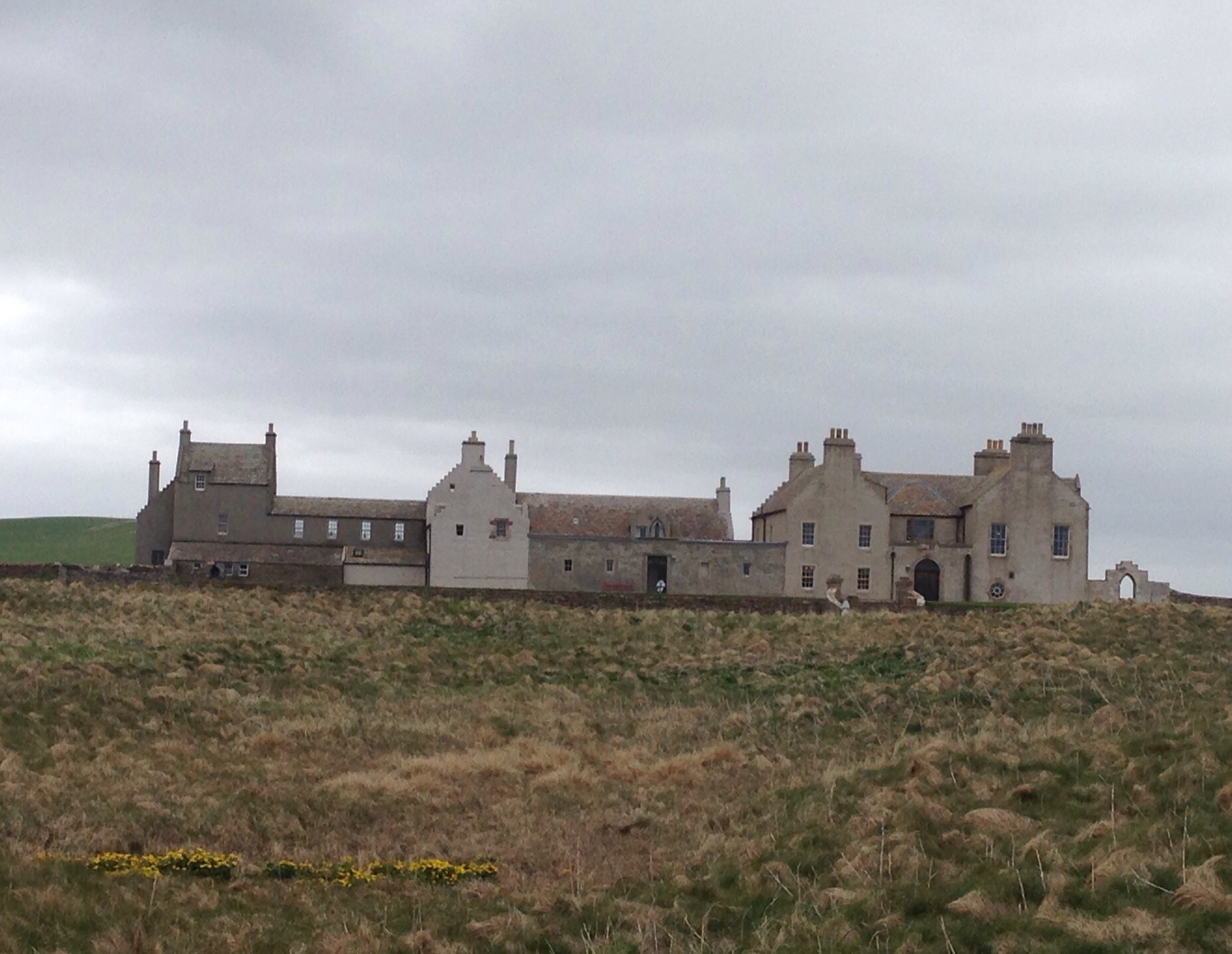
Early on Saturday, May 6, Bob and I traveled to Kirkwall, Scotland, the largest town (@ 10,000 residents) in the Orkney Islands via train, taxi, ferry. We traveled by train from Inverness to Thurso on the Scottish mainland where we caught an already scheduled cab to take us to the nearby community of Scrabster. There we boarded a Northlink ferry for an hour and a half trip to the town of Stromness on the Orkney Mainland and then caught a bus right outside the ferry area to go to Kirkwall. We left Inverness at 7:00 am and arrived at our bed and breakfast about 3:30 pm.
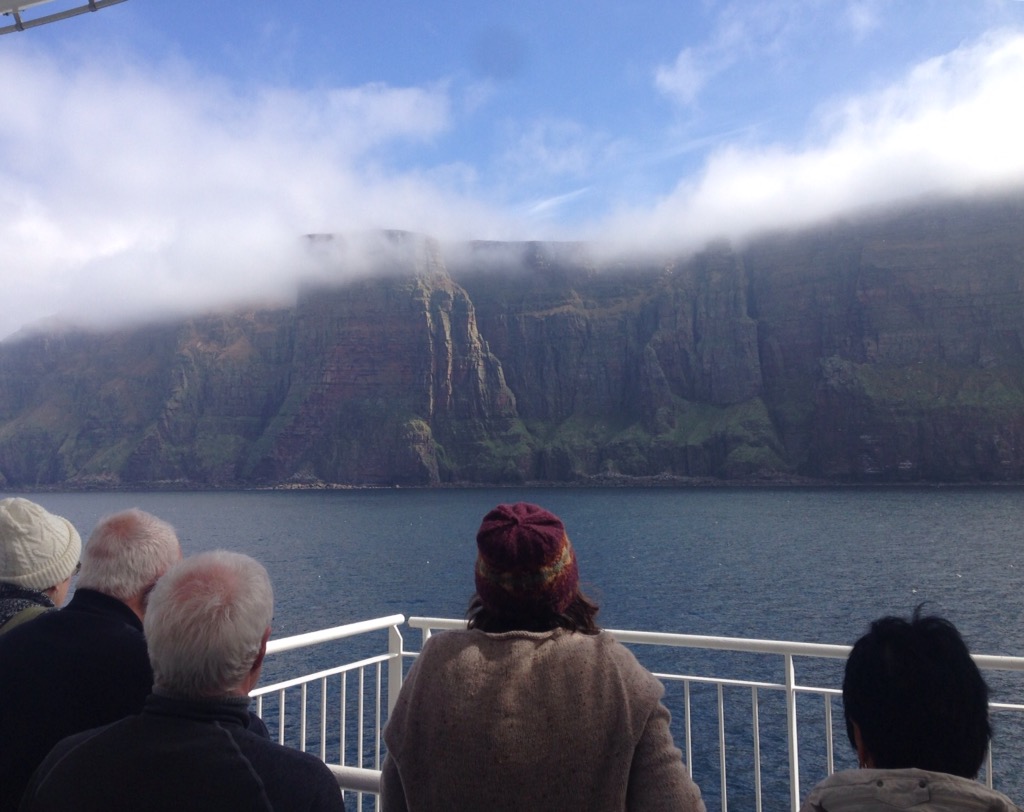
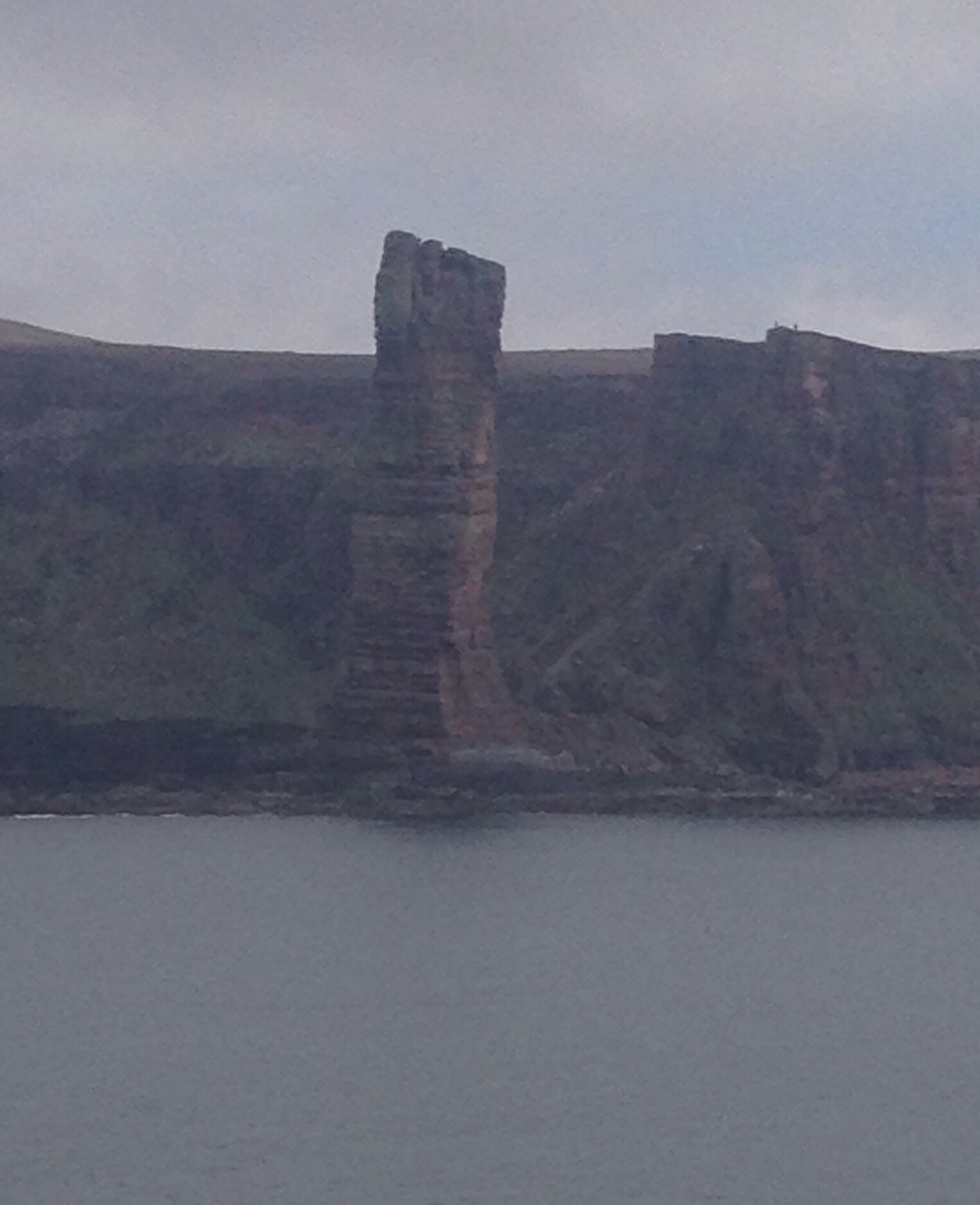
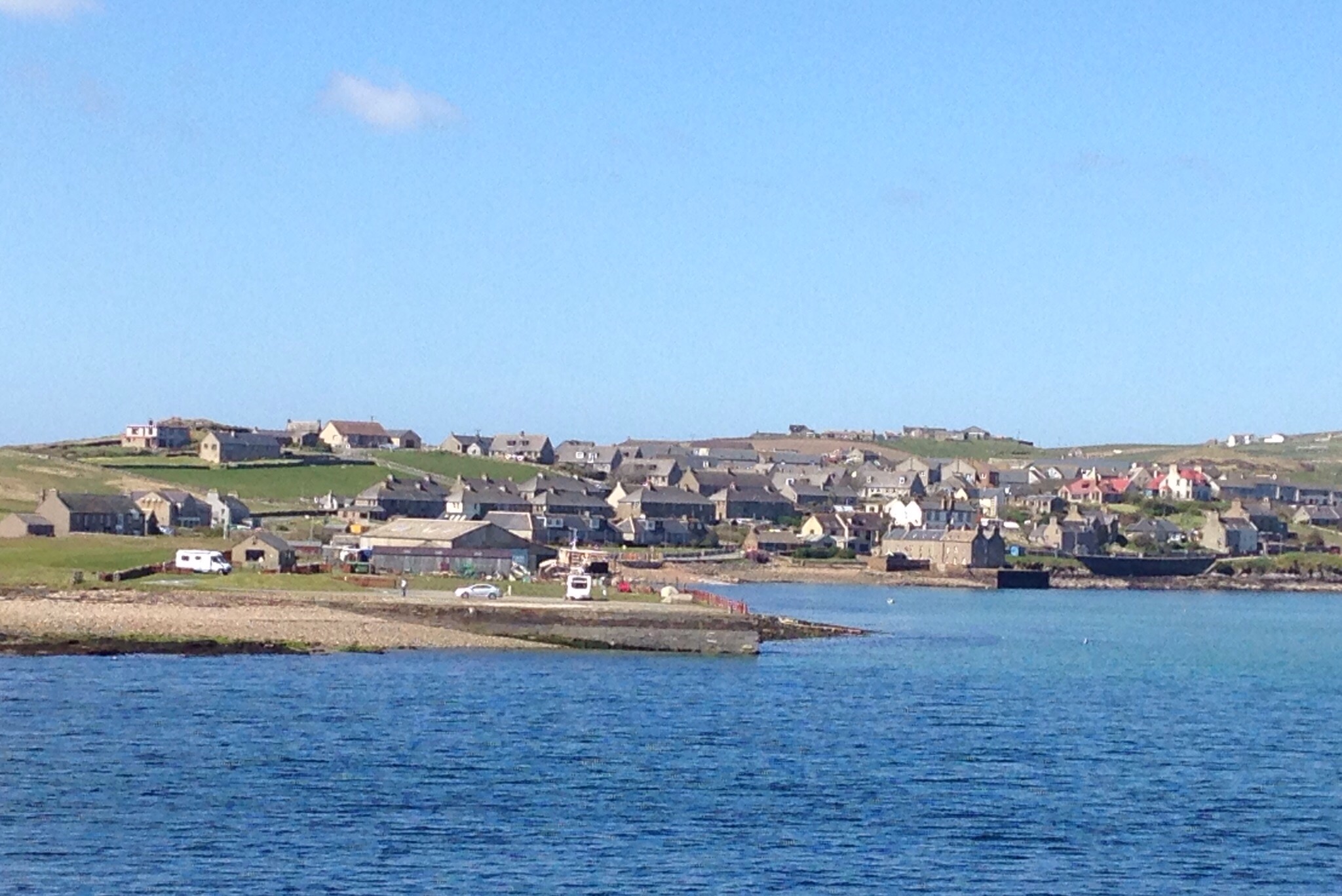
We had wanted to see more of Scotland after our housesit. Orkney was recommended to us by our Thornhill home owners. The Orkney Islands is a set of 70 islands (about 20 of which are occupied) off the northeastern coast of Scotland. They are renowned for World Heritage Neolithic sites, war history, craftsmanship and wind (maybe not in that order). The people and whisky are pretty great too! We had a lovely, relaxing (though BRISK) holiday on the mainland island.
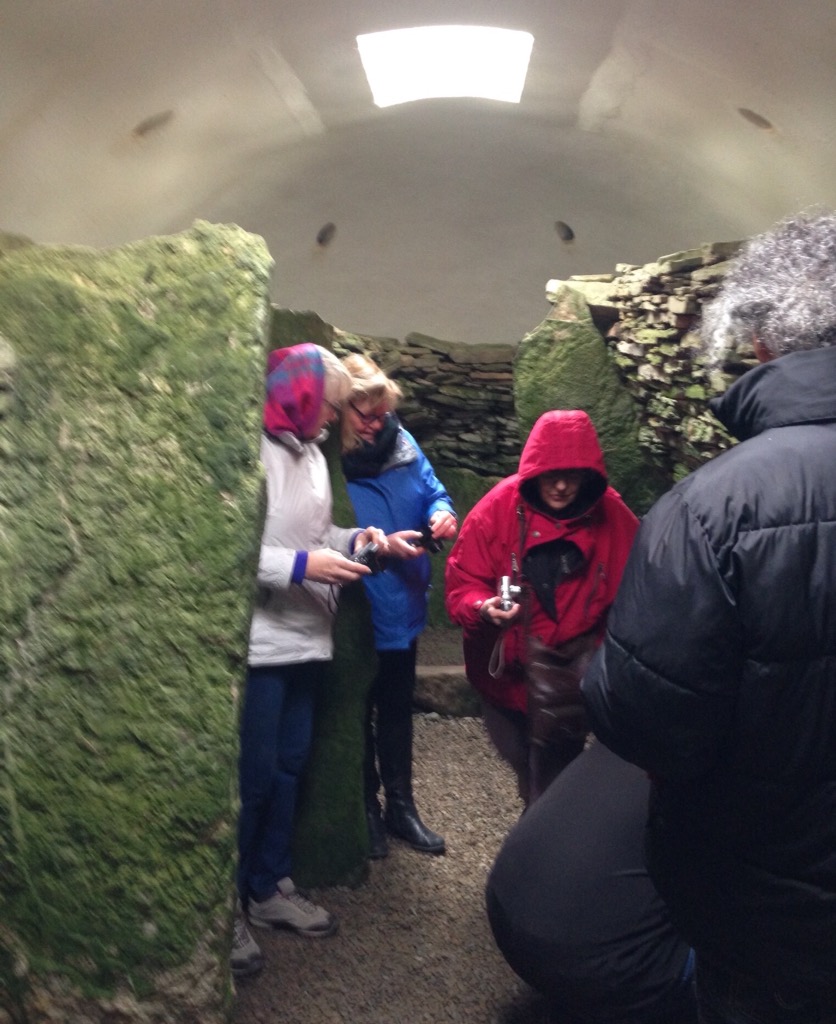
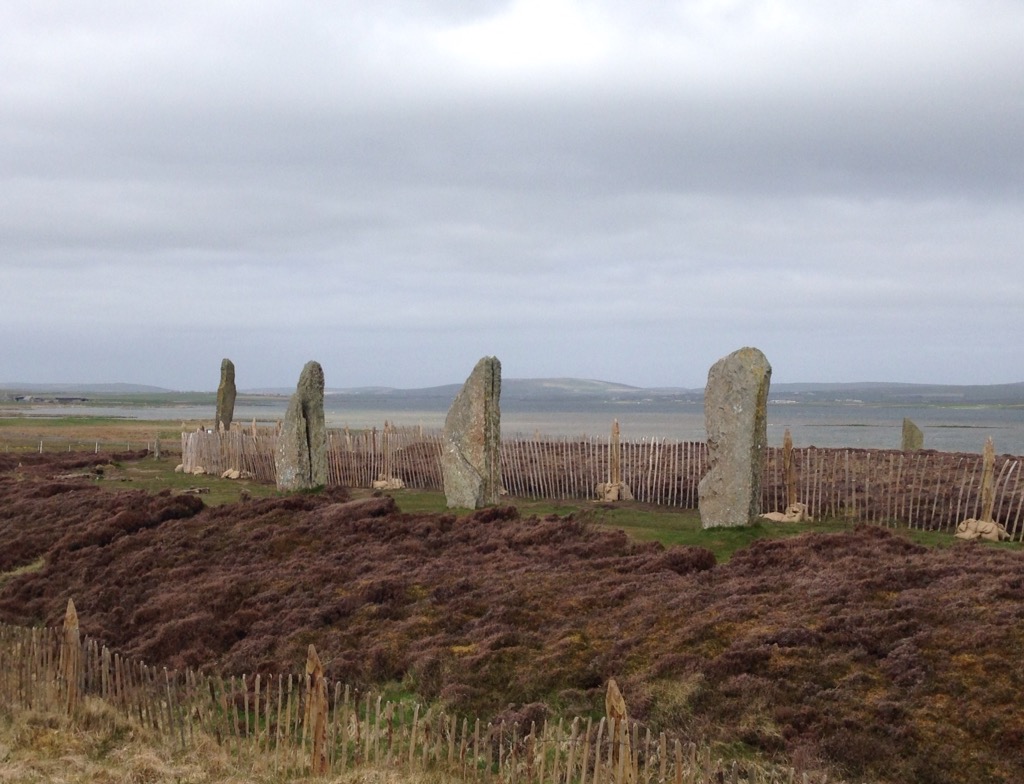
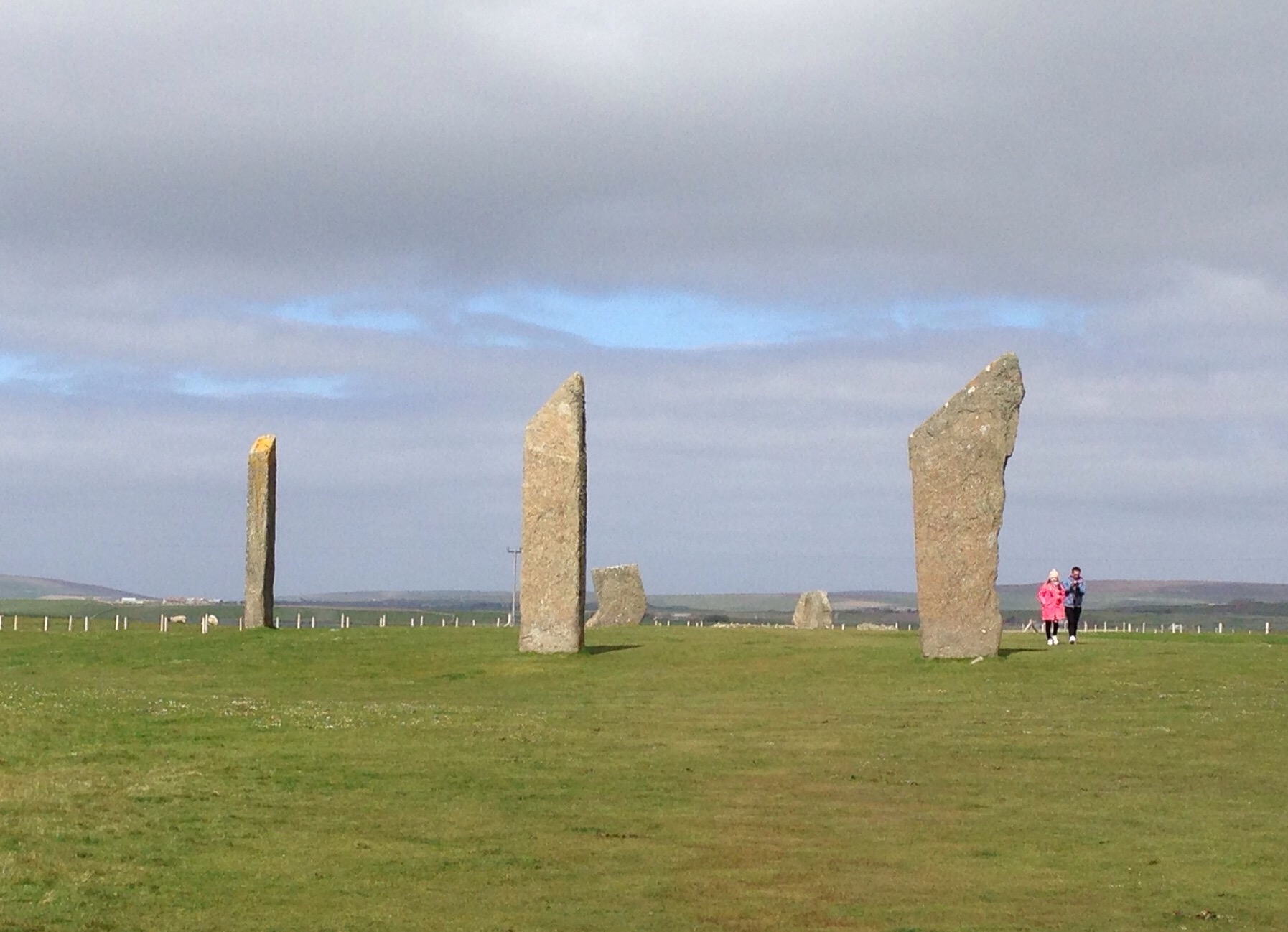
For our first full day, we splurged on a tour of some of the major Neolithic sites on the western mainland. It was well worth it. Clive, our tour guide was great. He made what could have been just an exceptionally chilly day (see how we are all bundled up below) pondering the meaning of old stone formations really educational. We learned as much about the area as we did about the sites.
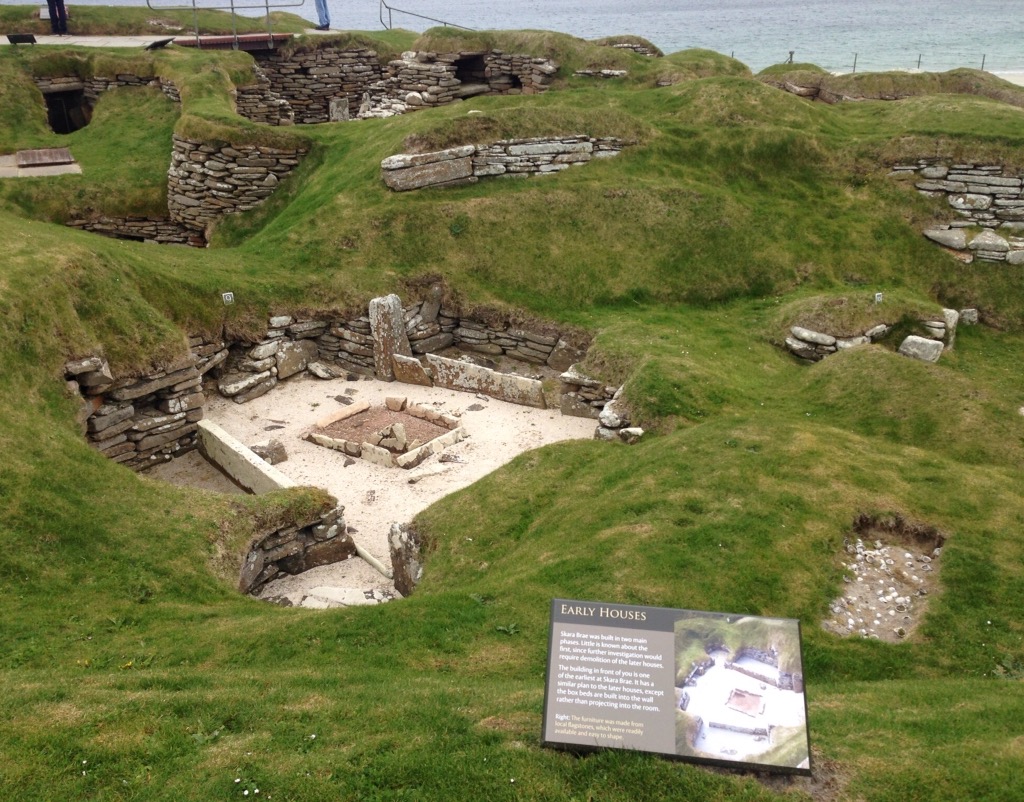
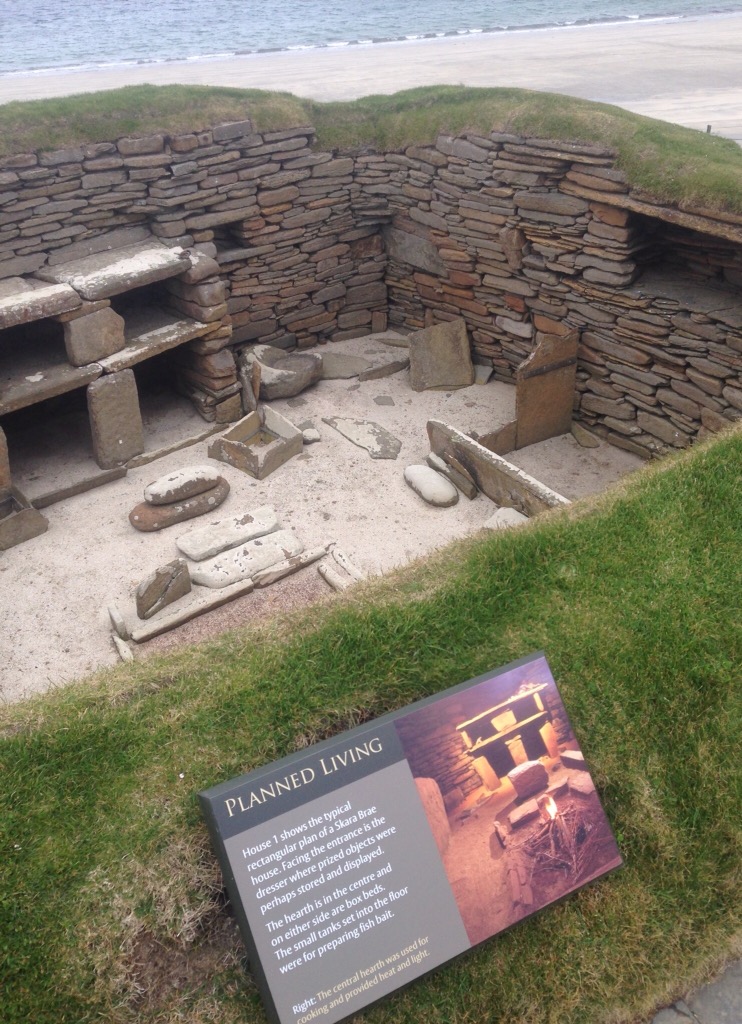
NOTE: There is old and then there is crazy old. This was a crazy old day. The Neolithic Age though it means the “New Stone Age,” ended when metal tools were becoming mainstream — somewhere between 4000 and 2500 BC!
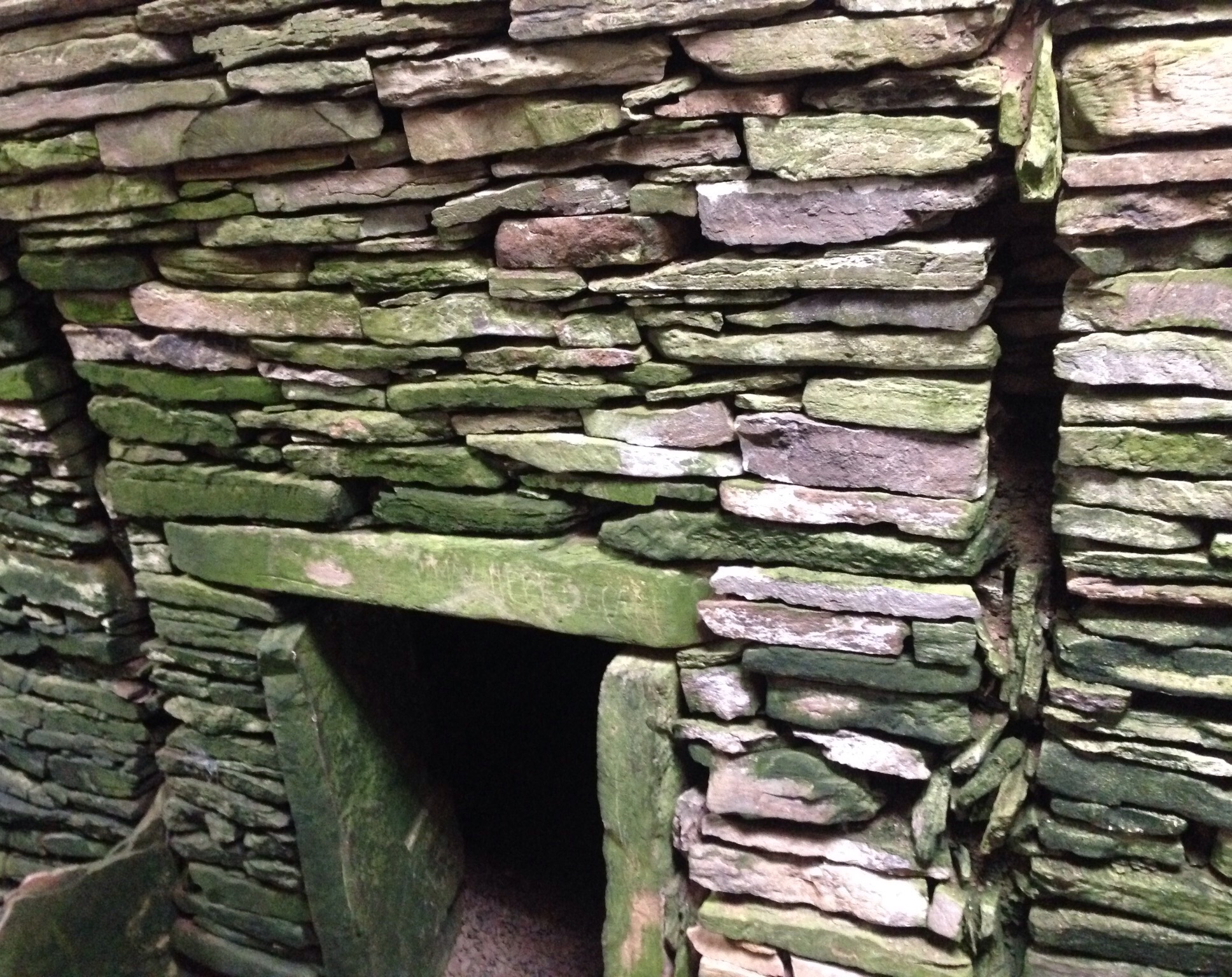
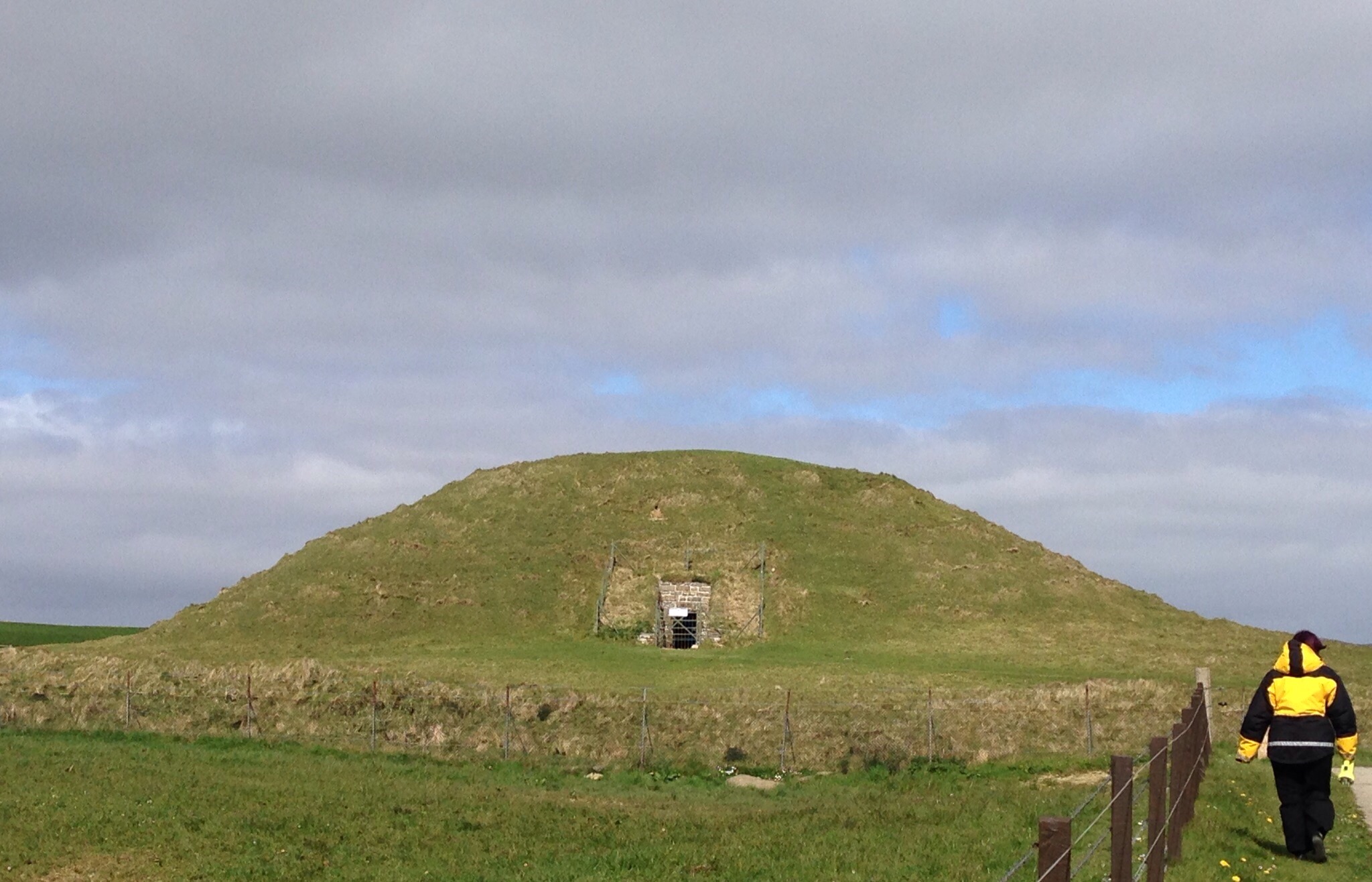
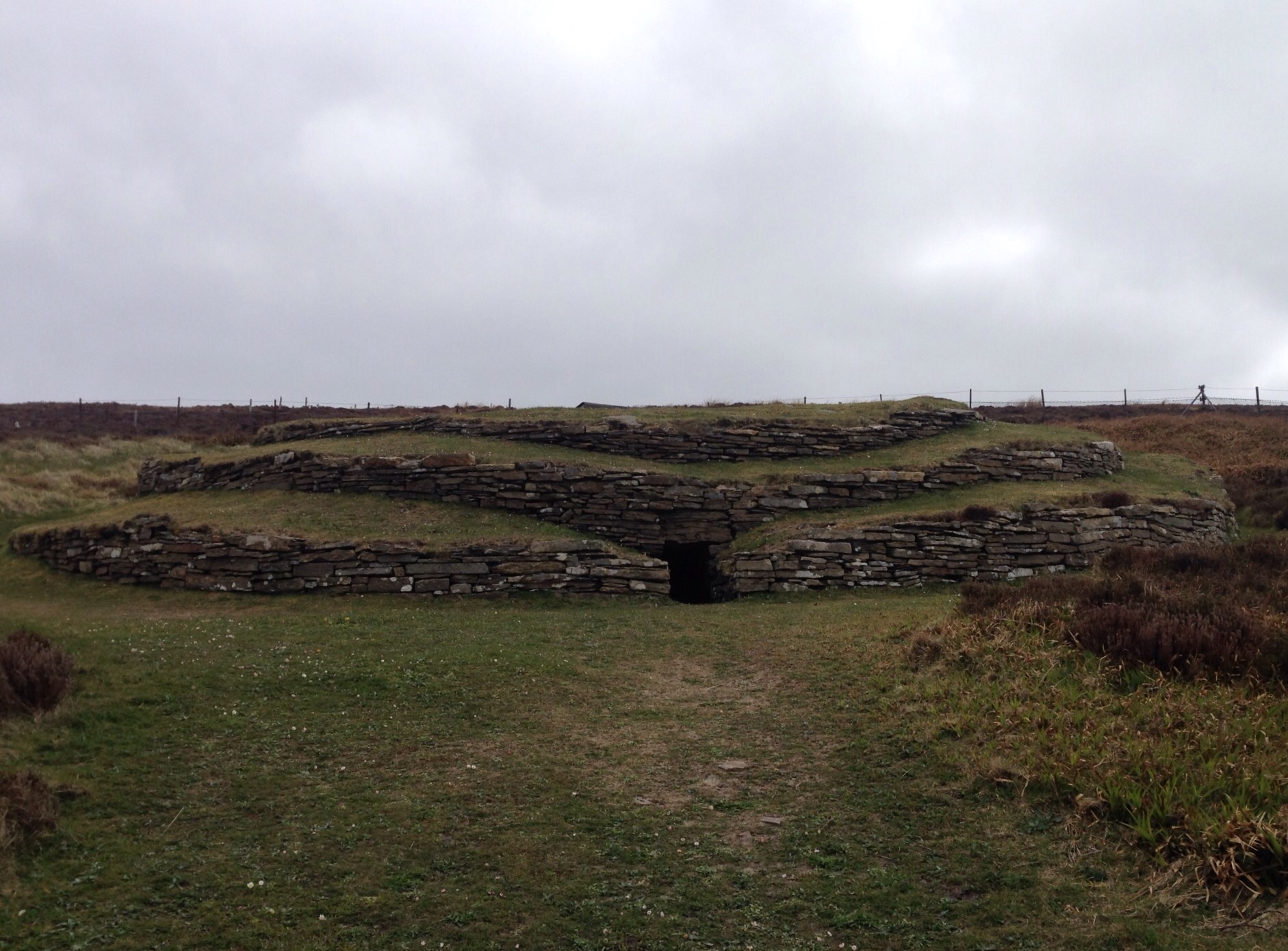
Our first stop was the Unstan Chambered Cairn (tomb).
Orkney is a cruise destination and unbeknownst to us when we were making our plans two cruise ships were due into port while we would be there. Monday was to be the first ship (@ 3,500 passengers), so we planned to keep away from the main tourist sites by hiking up a nearby hill and then to a cairn. The ship ended up not being able to dock due to technical issues, but we went ahead with our plans anyway. Later in the afternoon, we met some friends of our home owners who had tea for us and then gave us a tour of the Eastern mainland.


 Peckish Travels