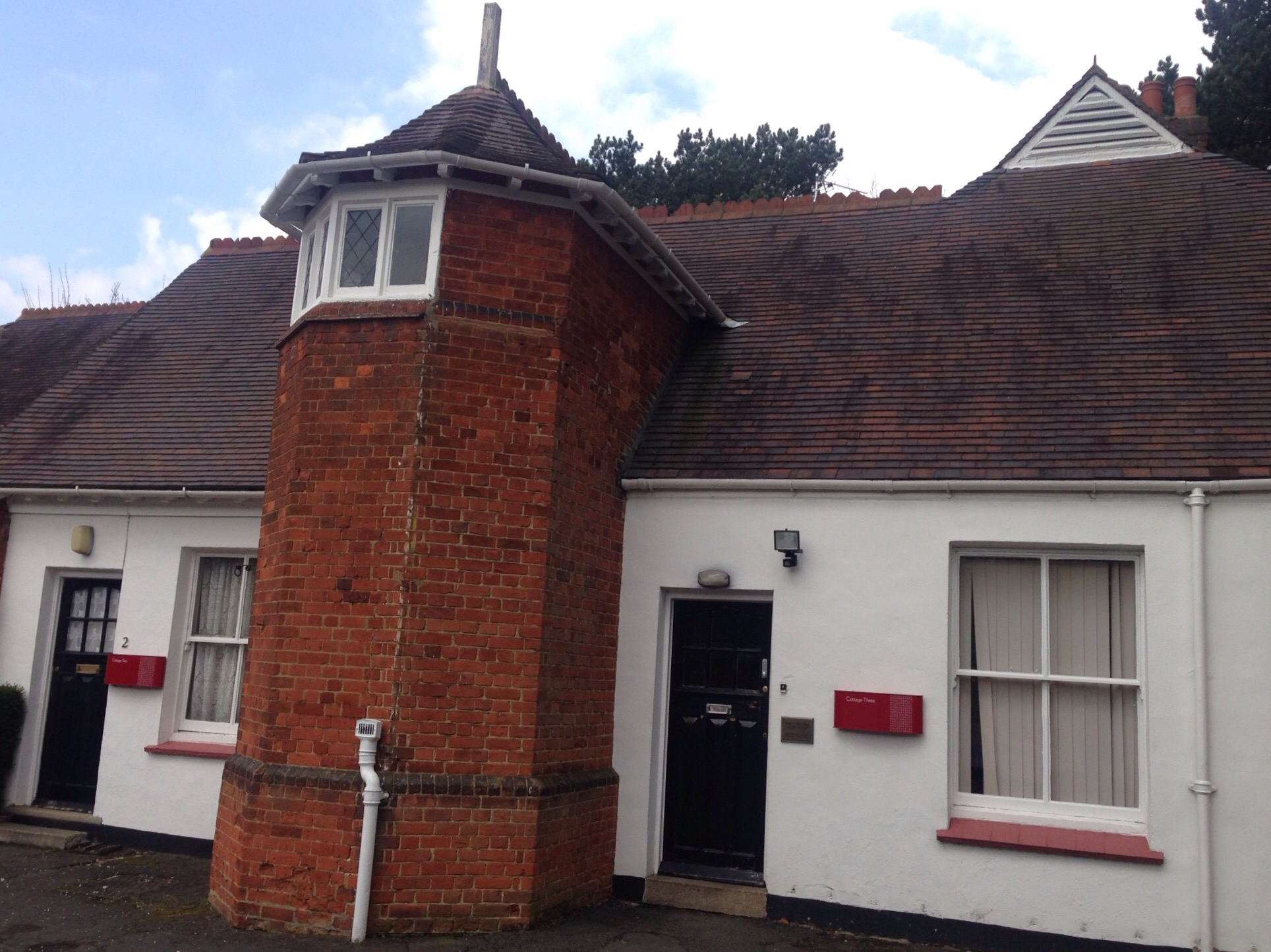
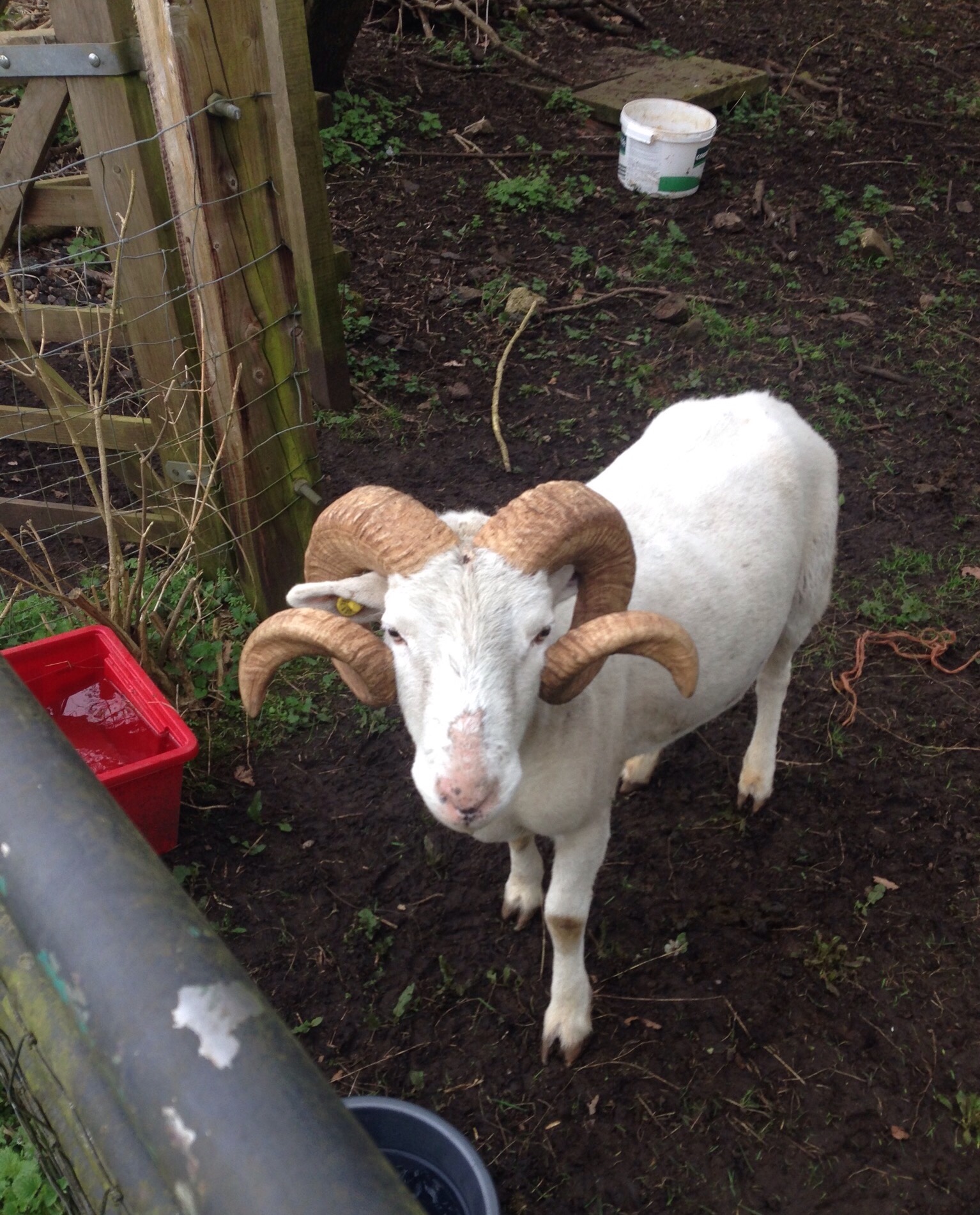
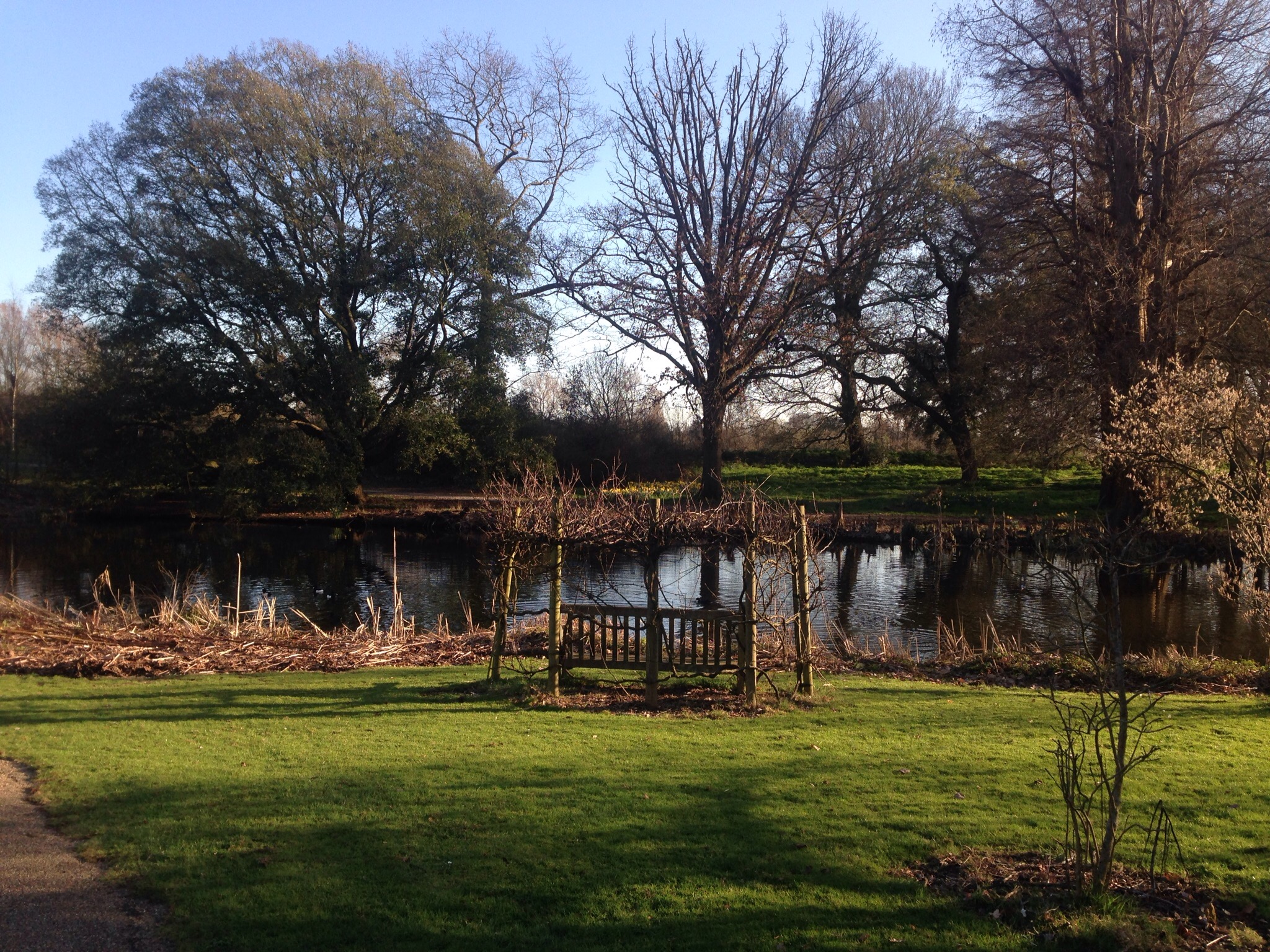
Bob and I got into Leeds via train on the Saturday night that we left our housesit in West Farndon. we arrived to a hopping atmosphere with lots of people in the station, including a hen party of older women who had definitely been enjoying themselves. We weren’t sure what our trip to Leeds would bring, but we ended up having a lovely time. We stayed in a hotel just outside the city center.
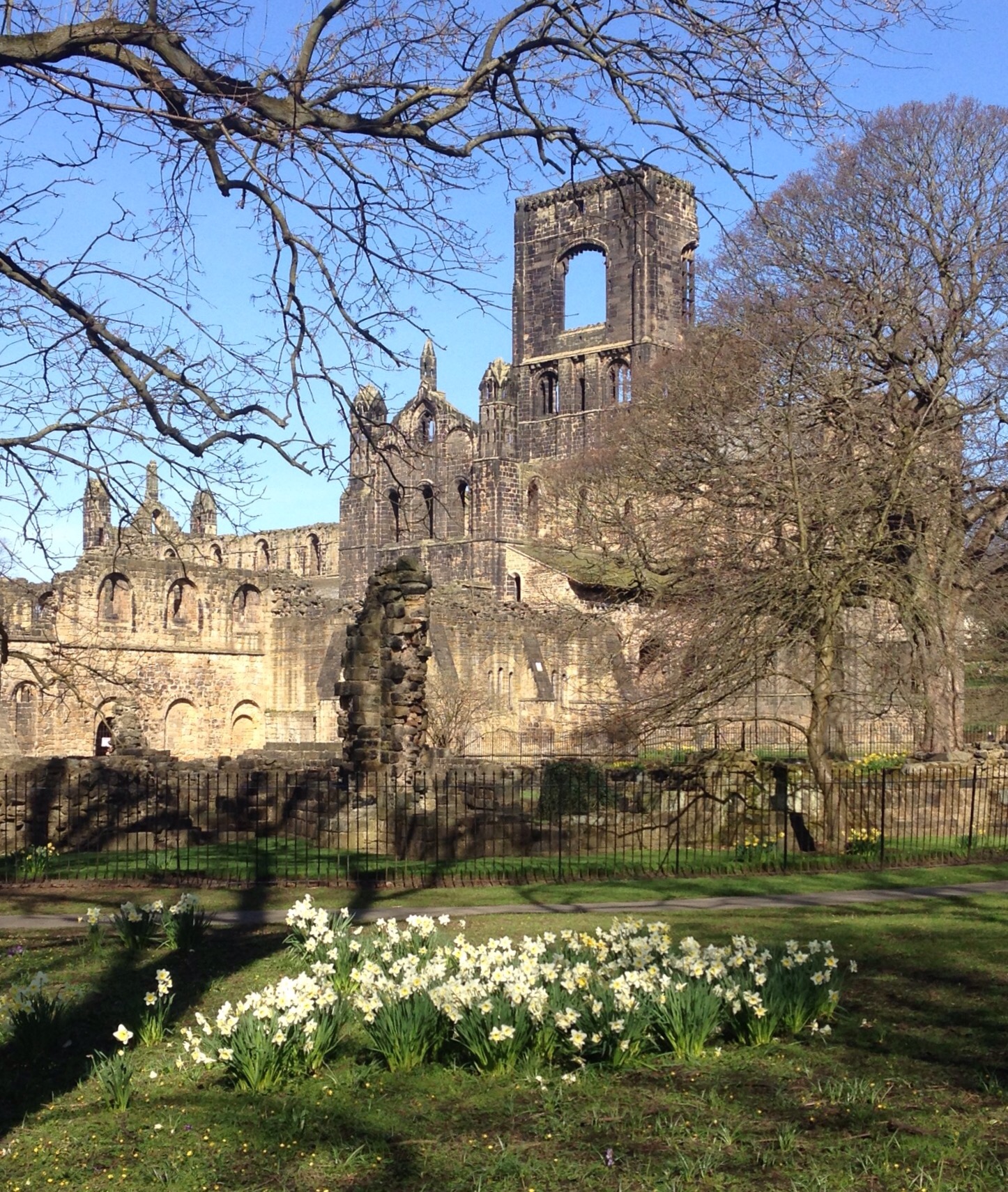
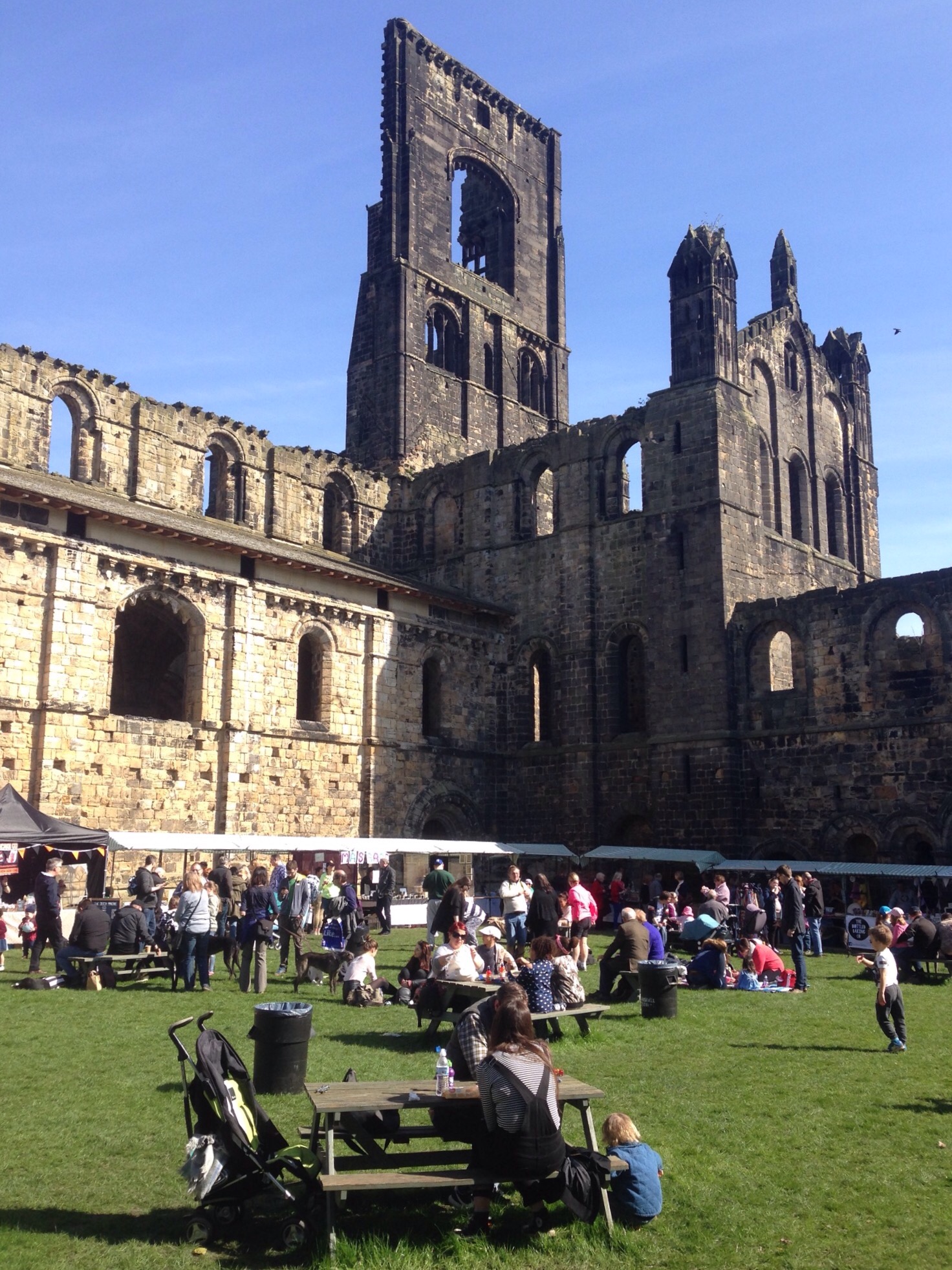
Our first full day was sunny and warm. We had a great walk through the ruins of an old Abbey, strolled along a canal, and explored a bit of the retail district.
The former Kirkstall AbbeyA market in the cloister of the AbbeyNo coat! Loving the Abbey and the weatherThe Abbey Museum
We walked to the Abbey through town, but we walked back into Leeds along a canal path.
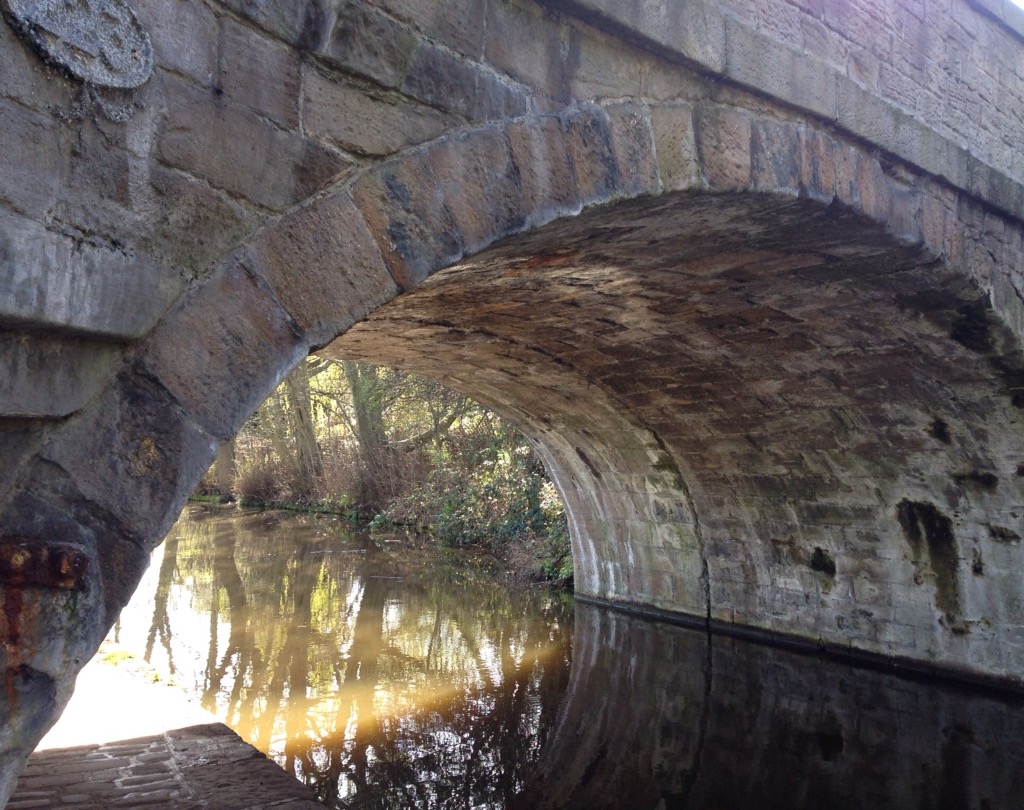
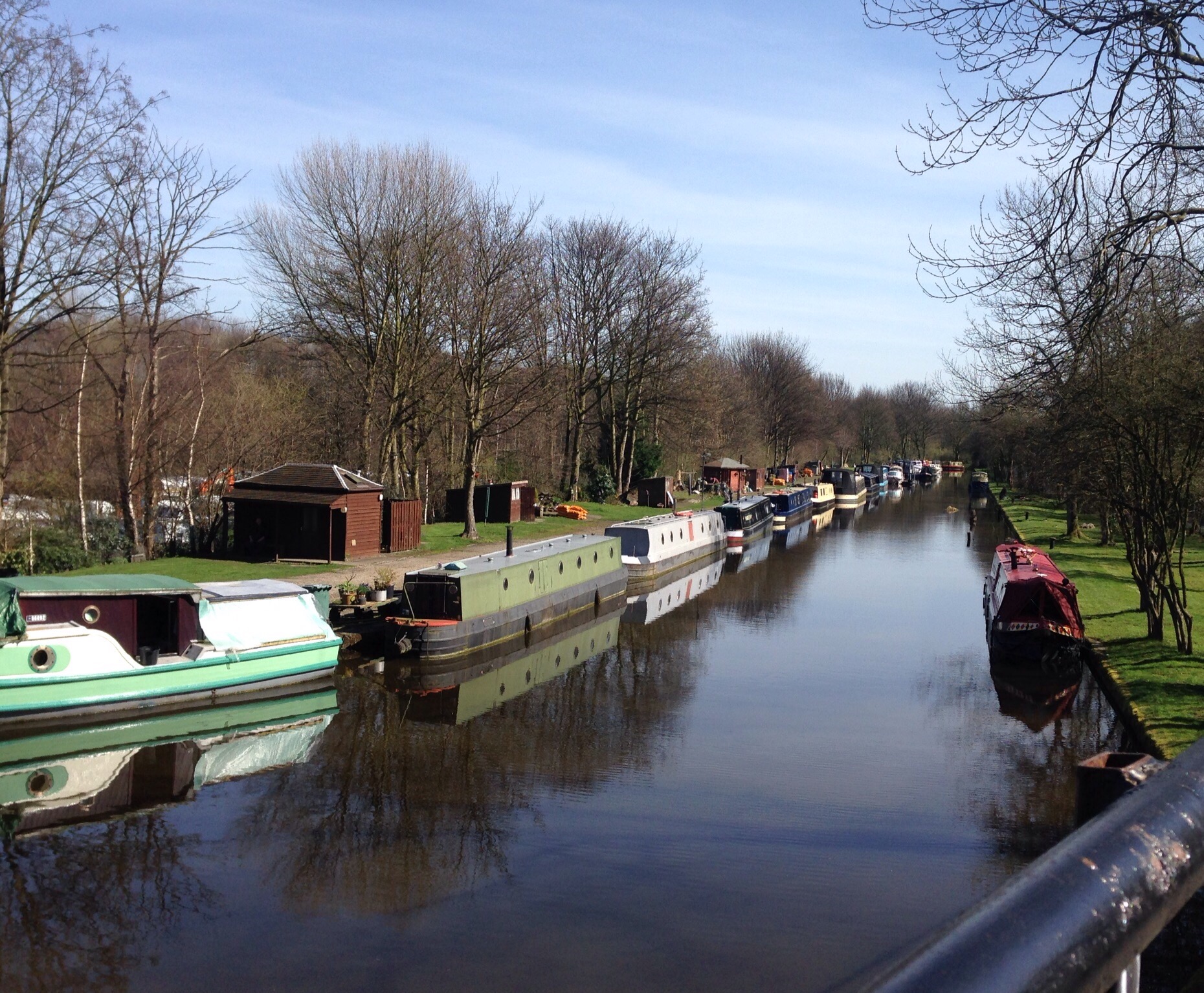
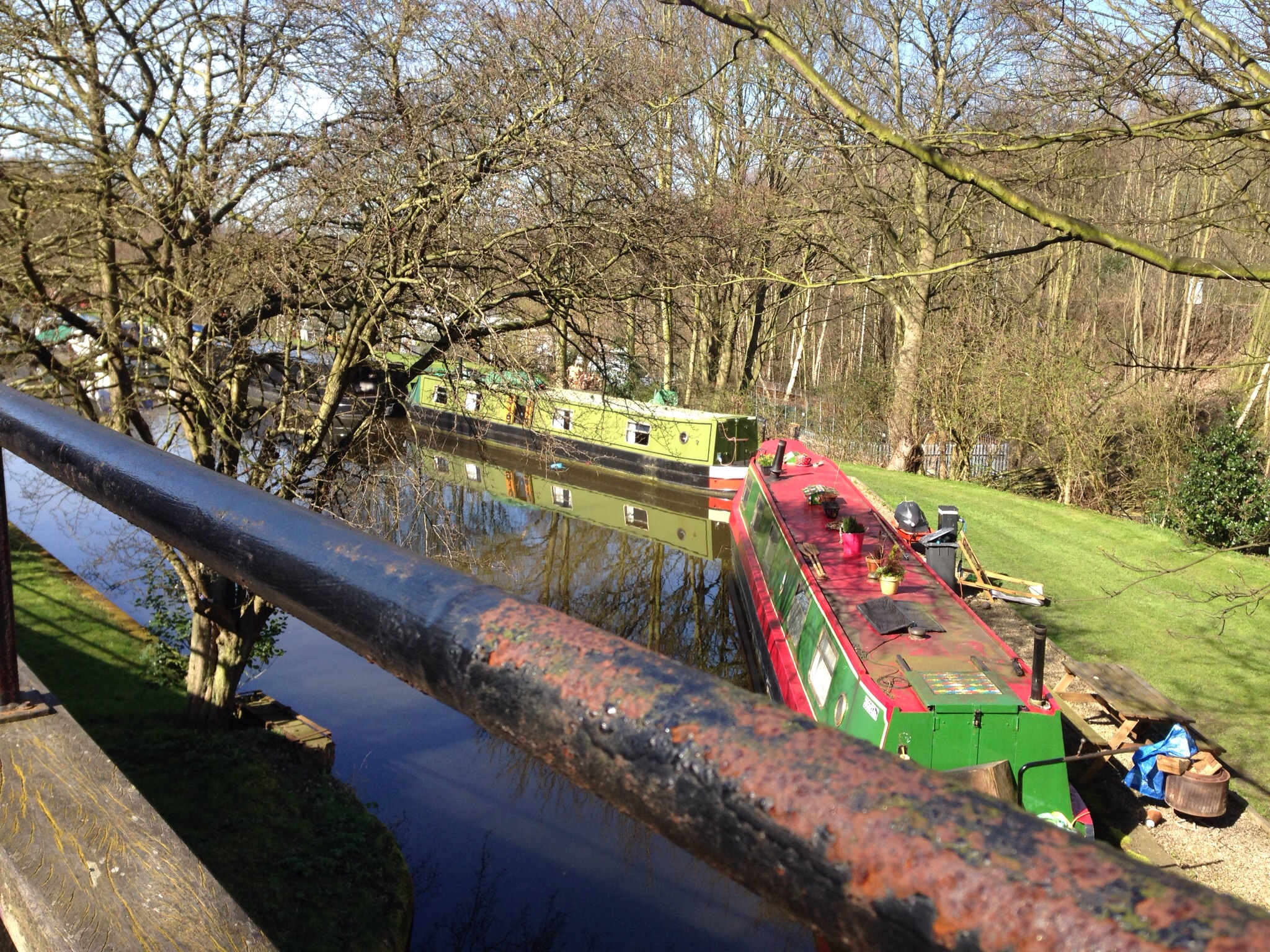
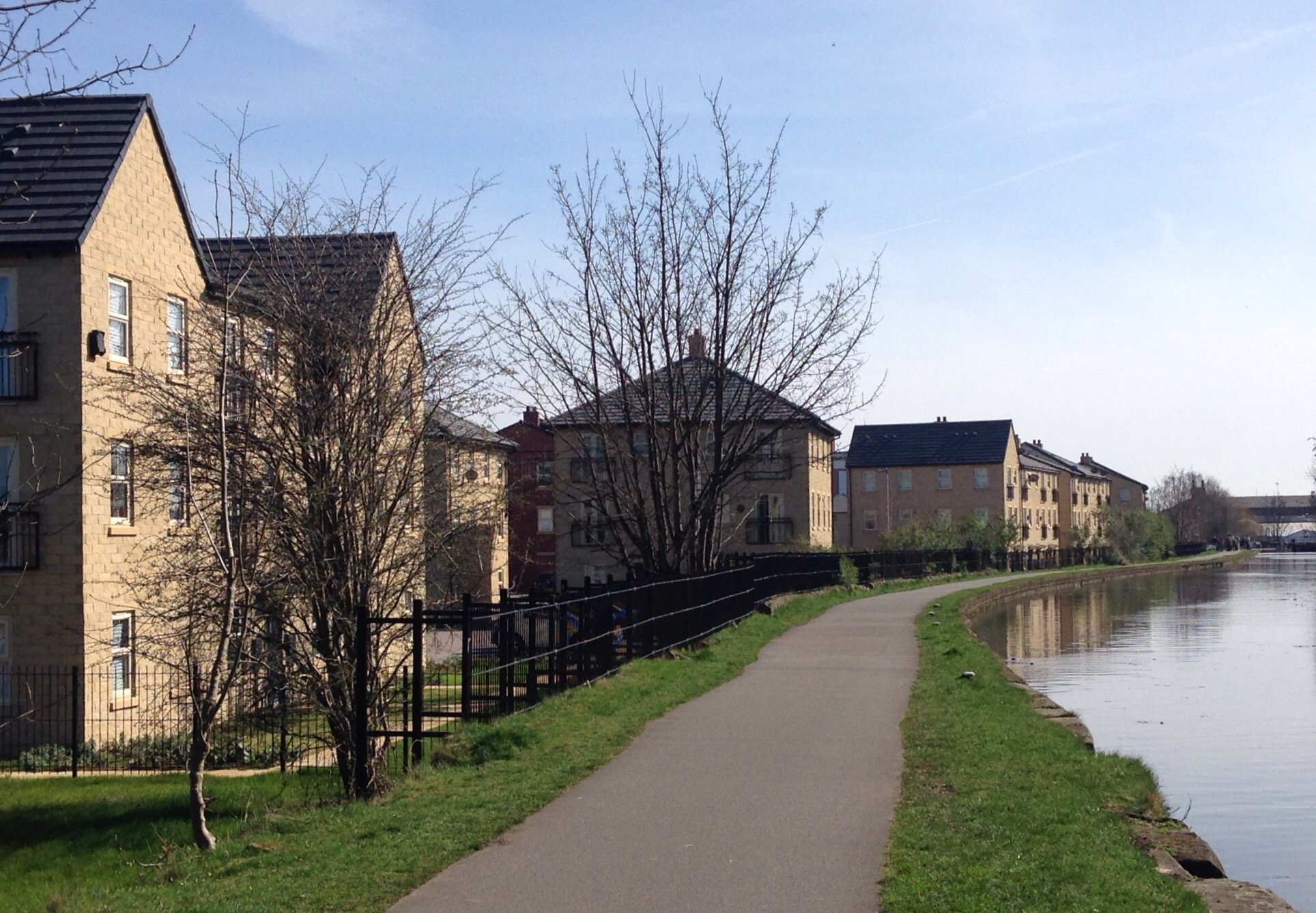
Walking under one of the bridges along the canalMoored boats along the canal. We’d love to stay in one of these sometime.More boatsCanalside living
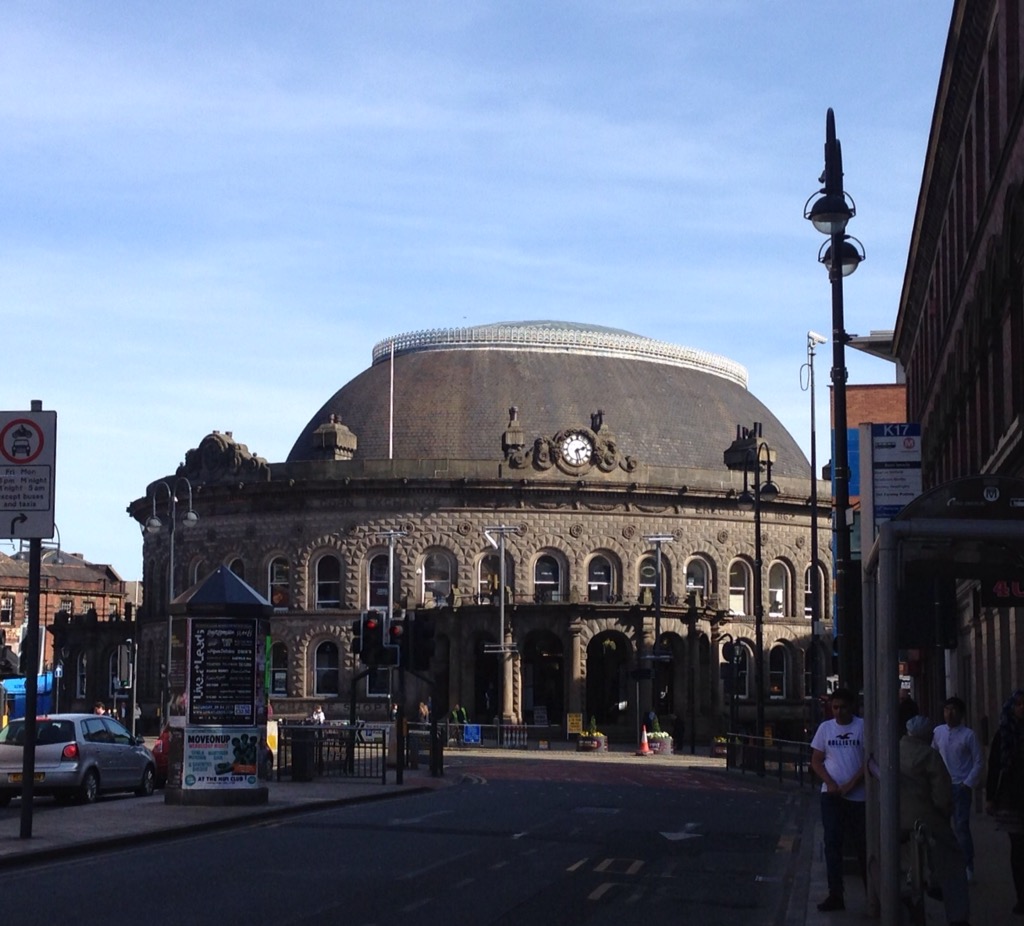
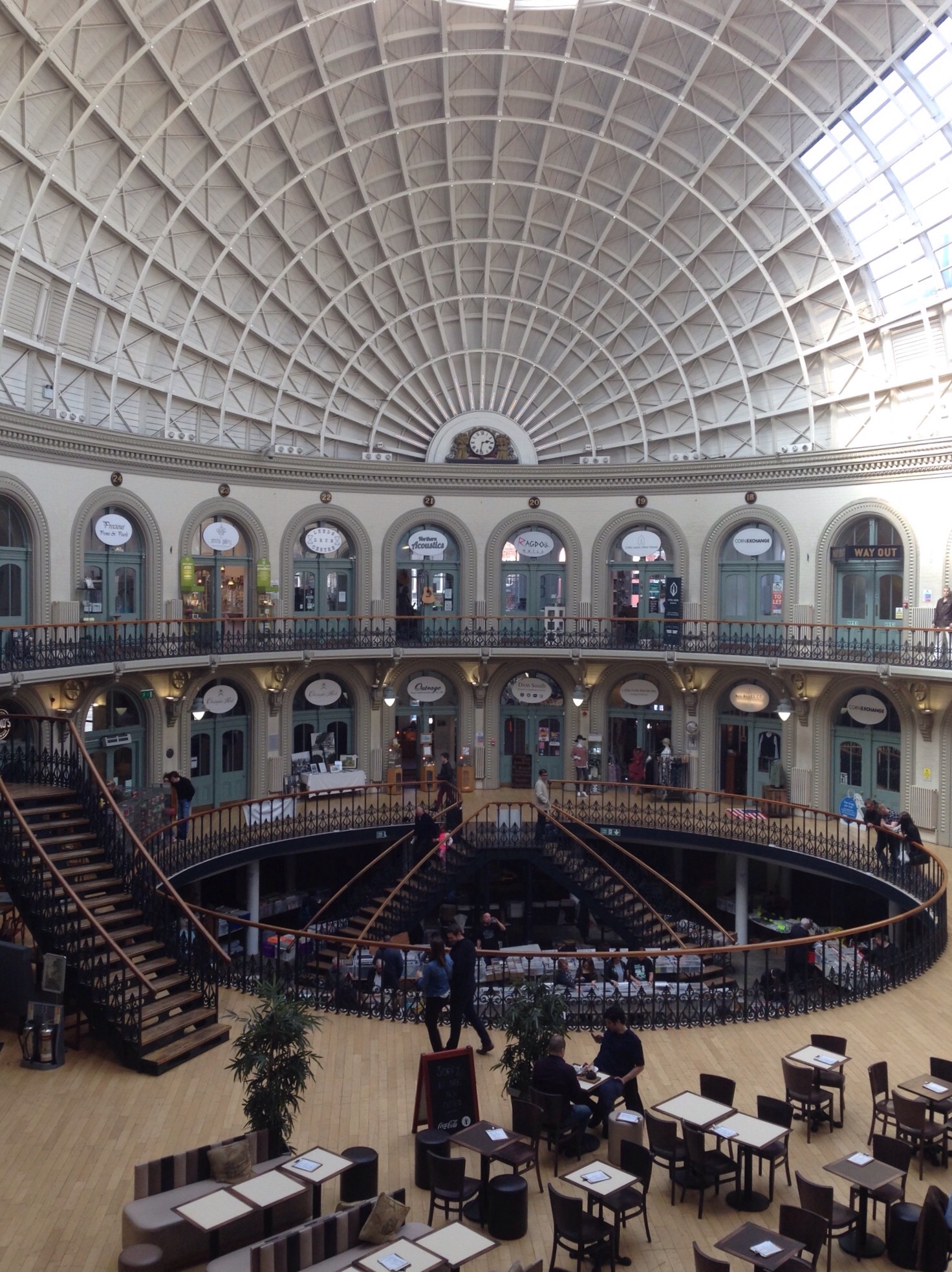
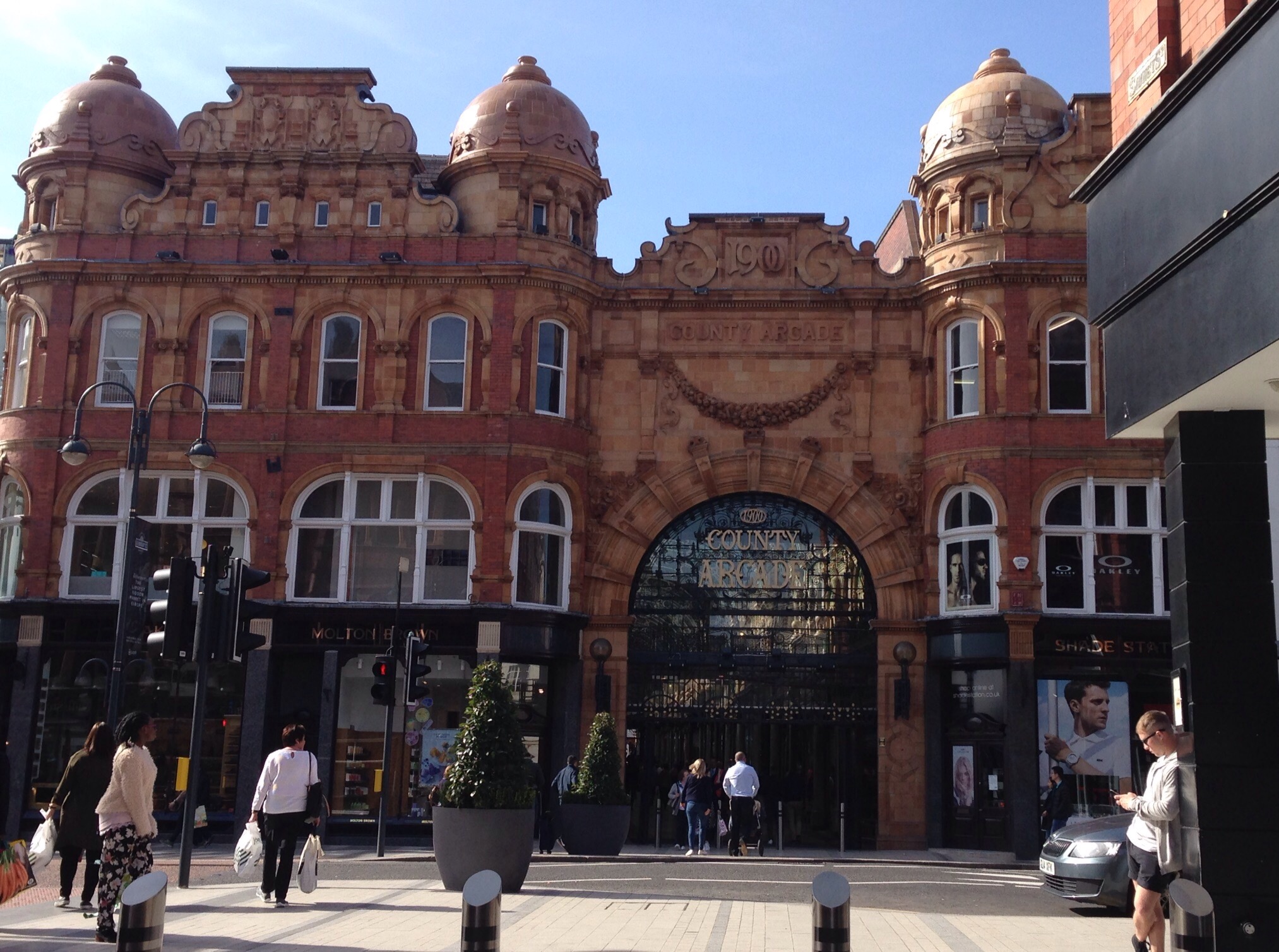
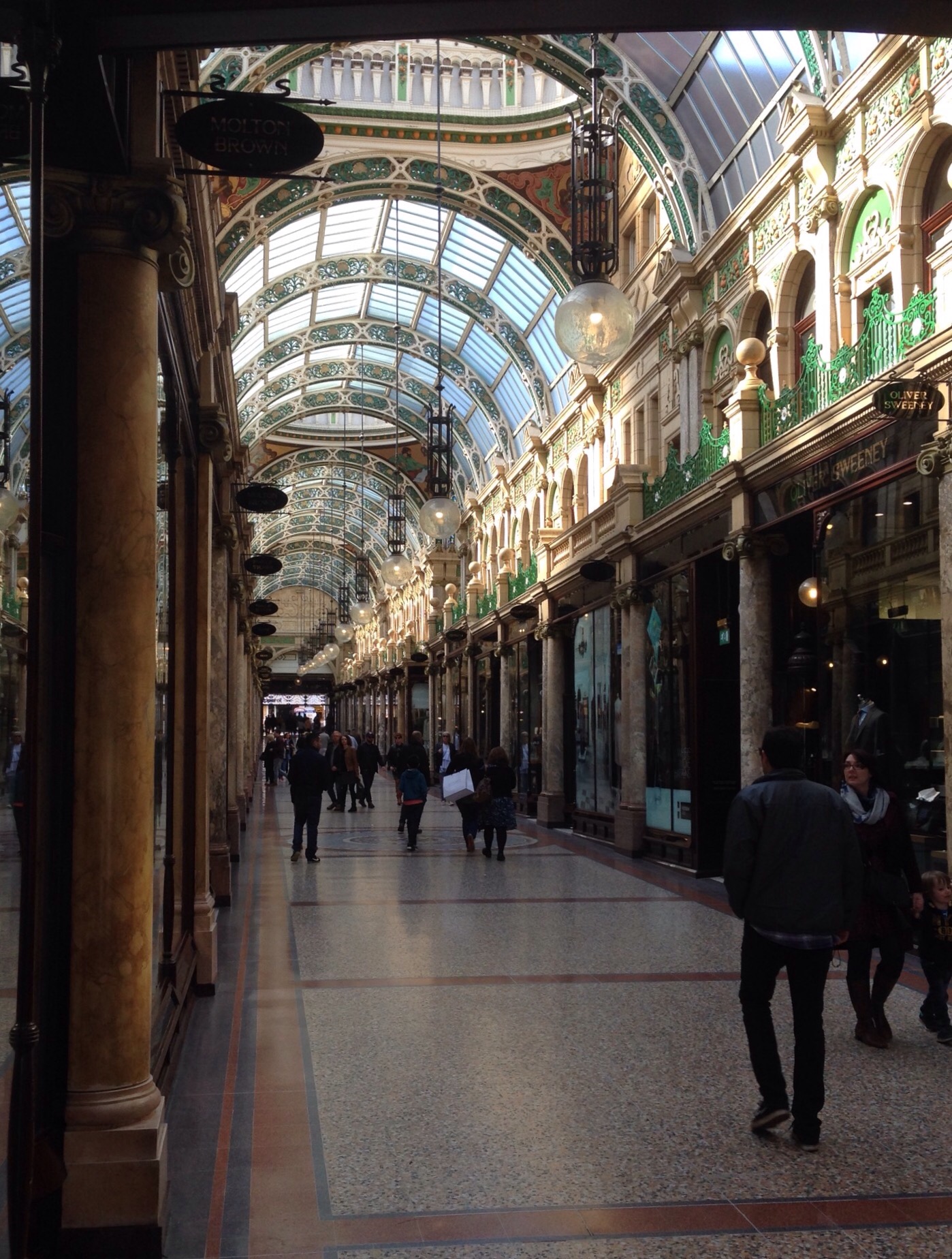
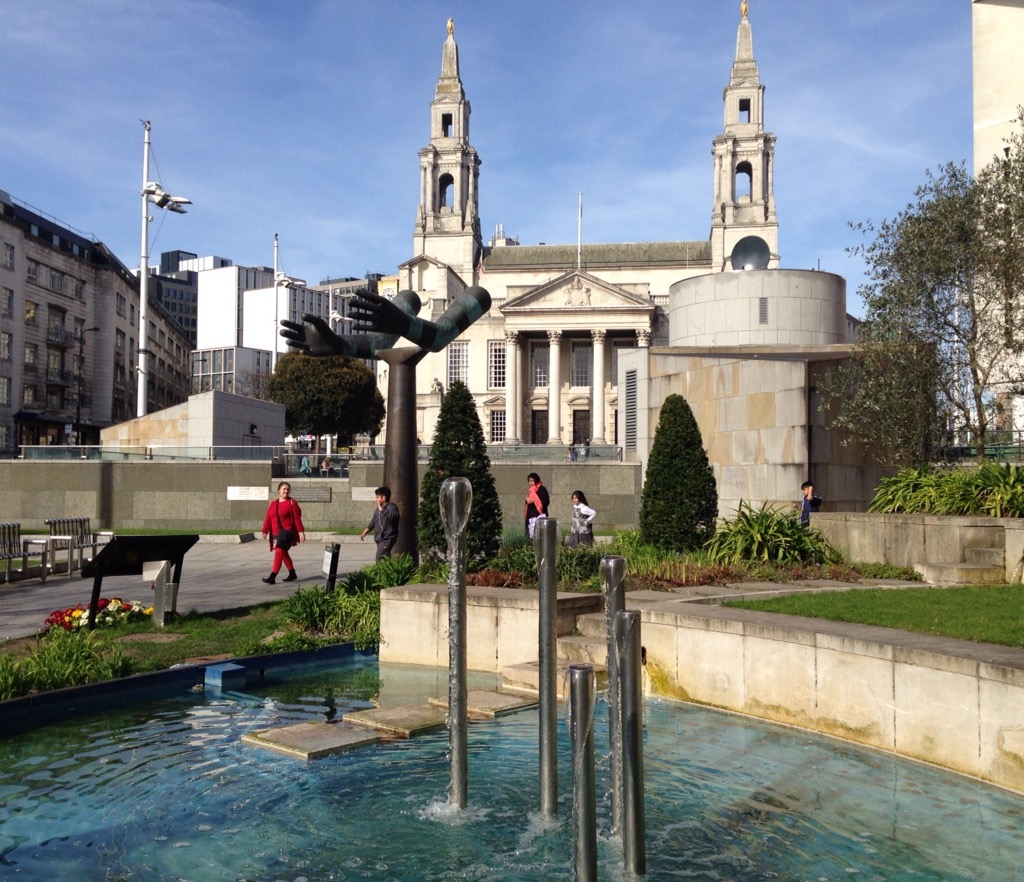
After finding the bus station where we would pick up the Megabus for our journey to Newcastle on Tuesday we headed into the town center.The former corn exchangeInside the former corn exchange — now a retail and restaurant centerDowntown buildings — the building that houses the Leeds (Kirkstall) Market is on the leftOne of many shopping arcades in LeedsInside one of the arcadesThe Mandela Garden that was dedicated to Nelson Mandela. Durban, South Africa is a sister city for Leeds.
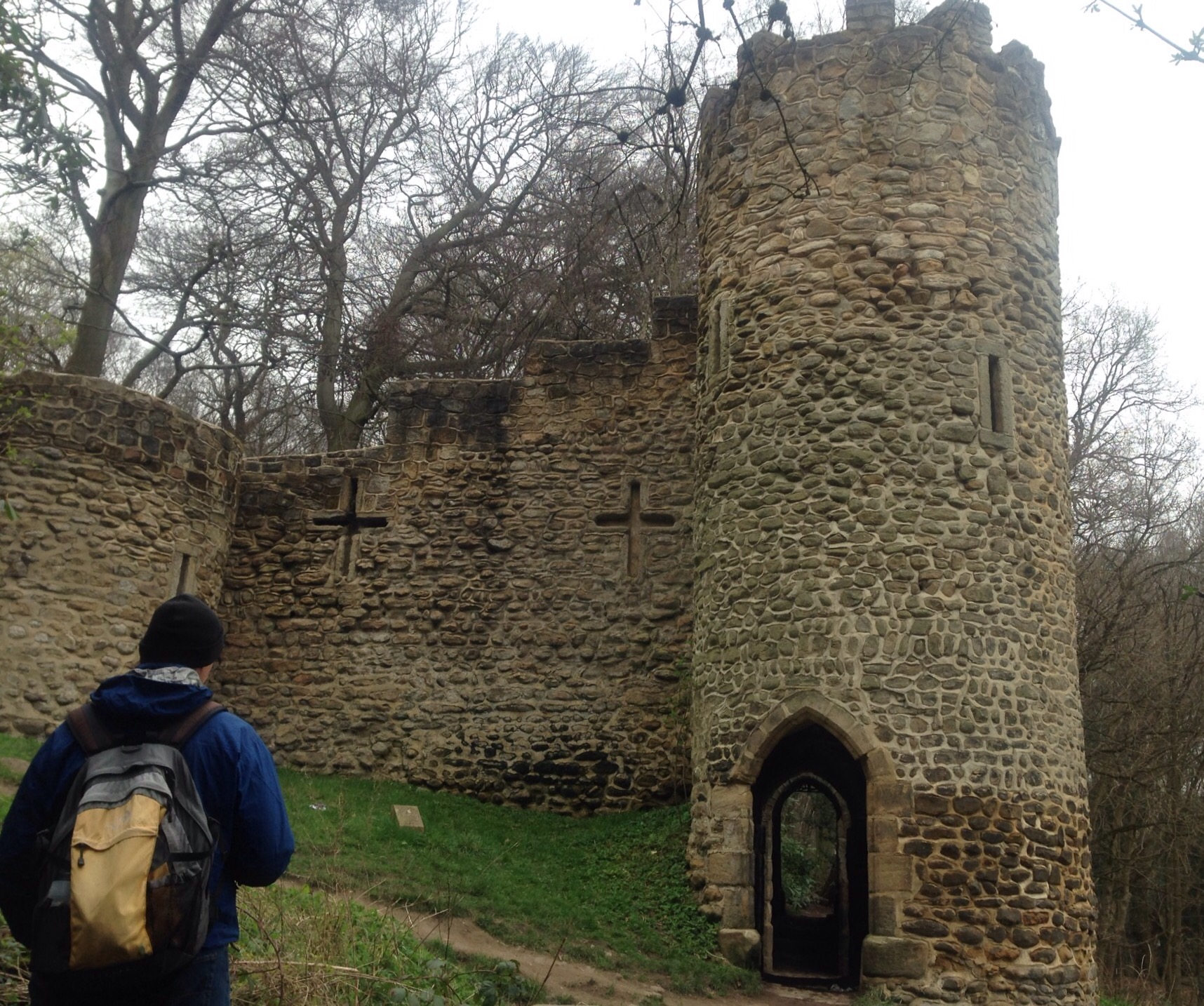
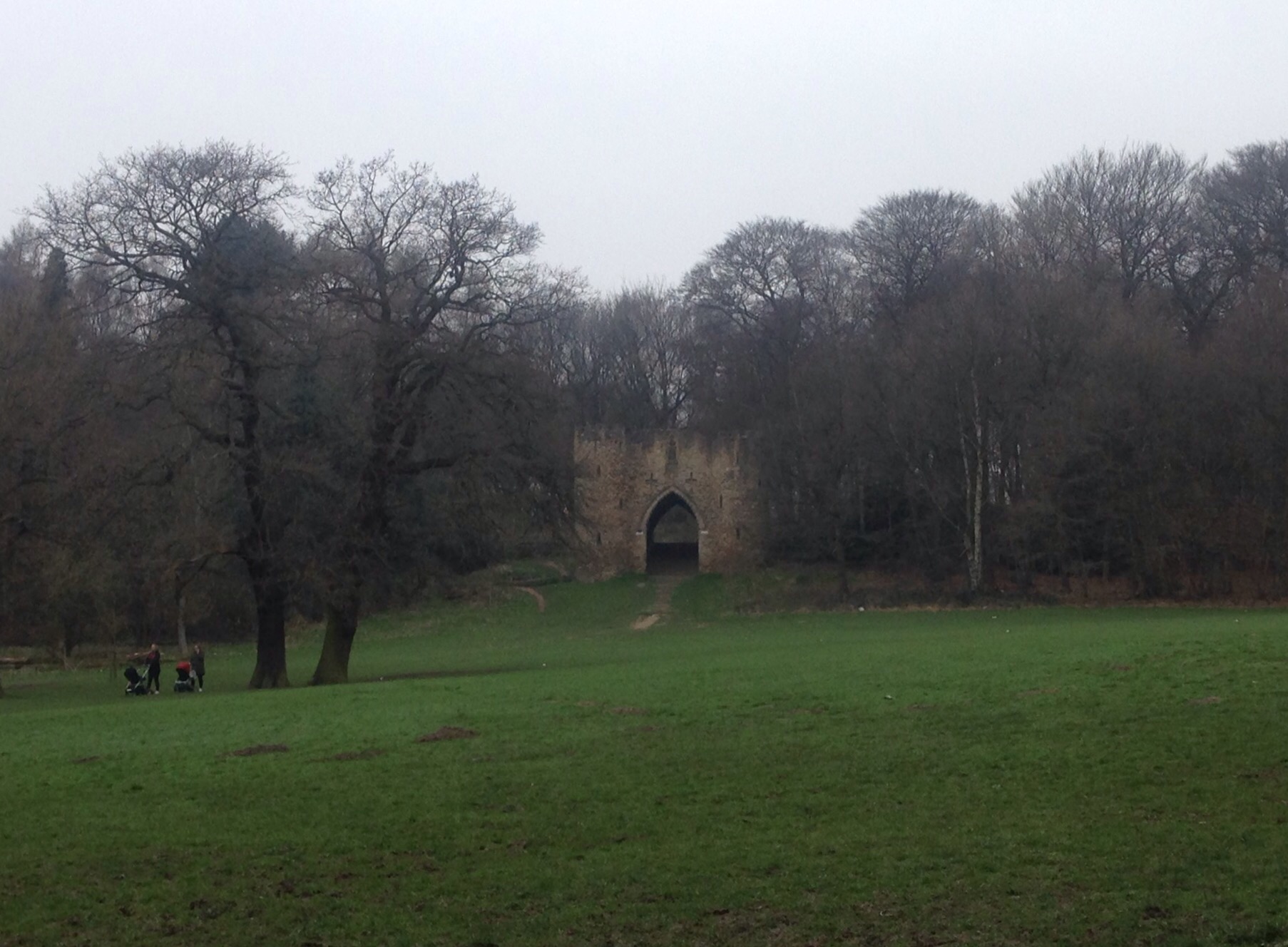
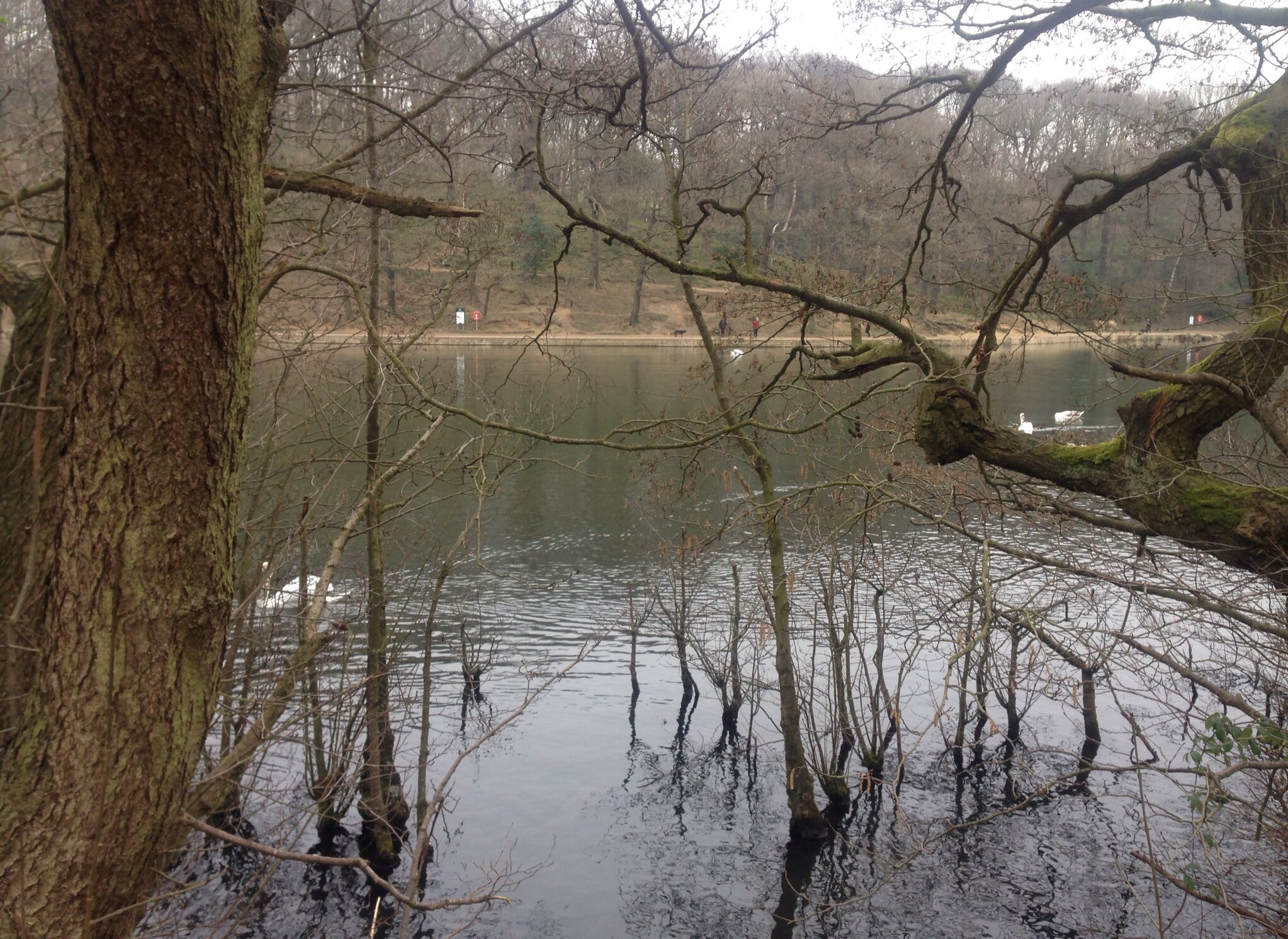
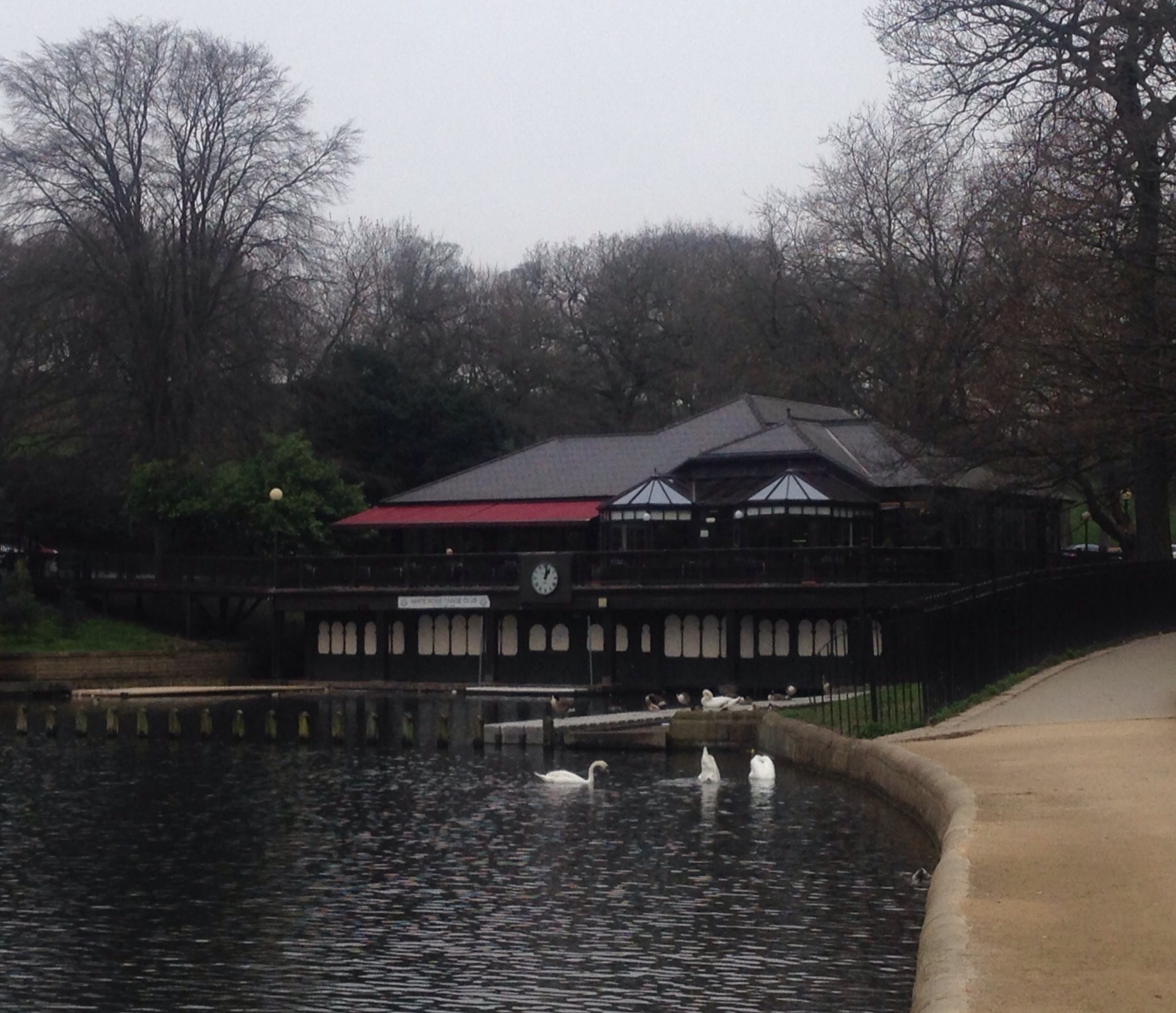
Our second day in Leeds wasn’t as sunny and warm, but we still had a good walkabout. We walked a little over an hour to Roundhay Park which is a large park (over 700 acre so) on the northeast edge of the city with football fields, a tropical garden, a manor, ponds, and lots of walking trails. In medieval times, the park was used as a royal hunting park.
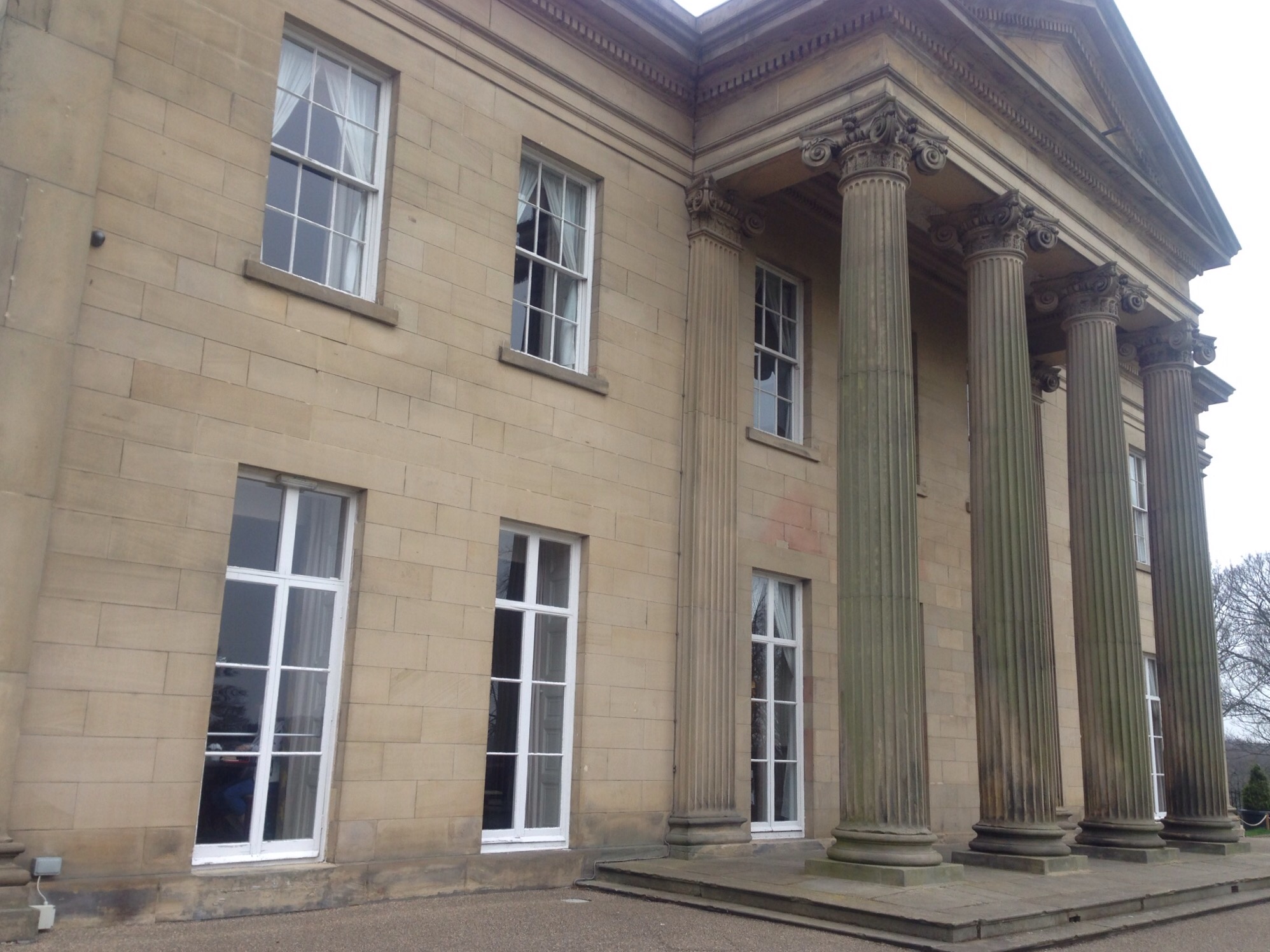
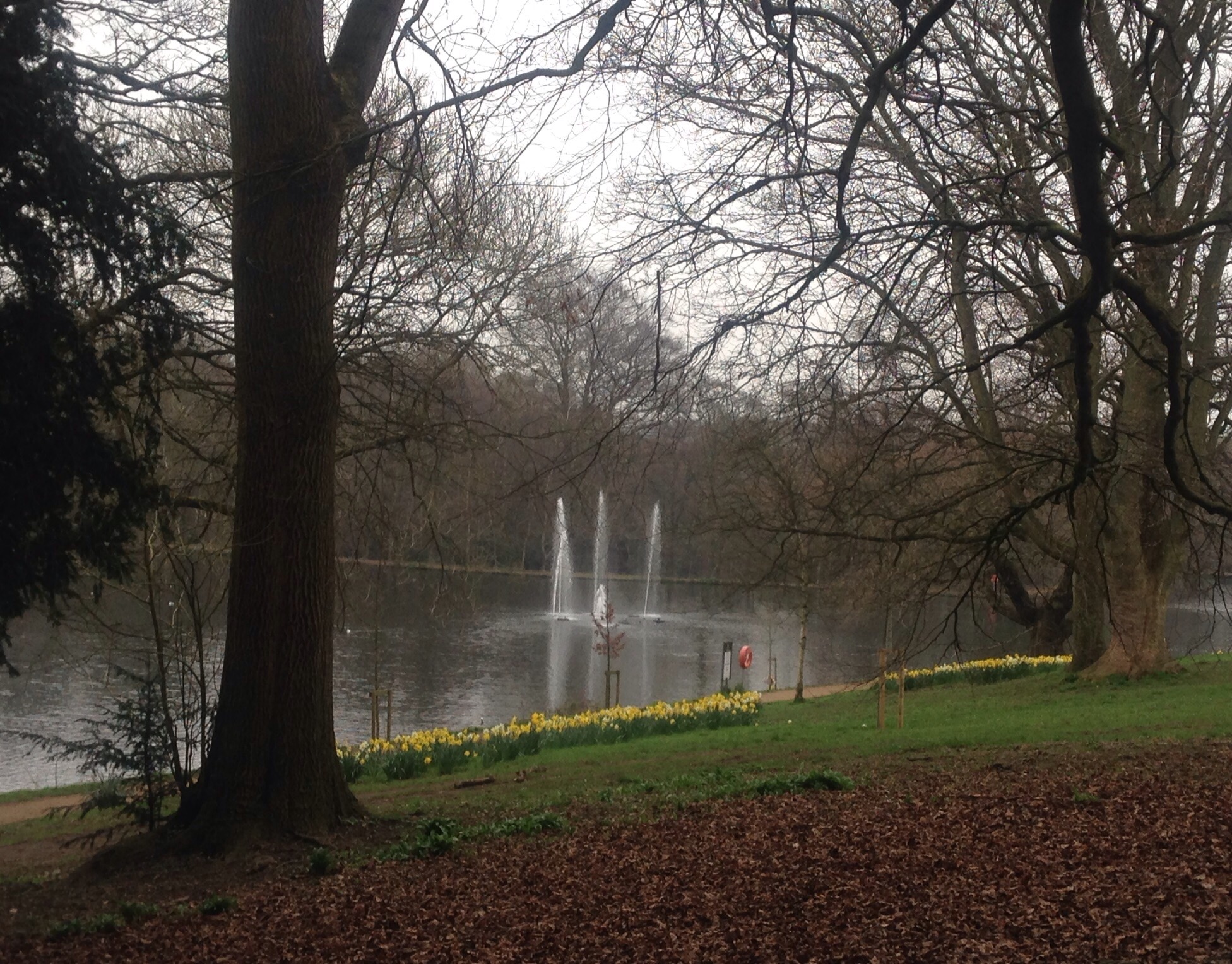
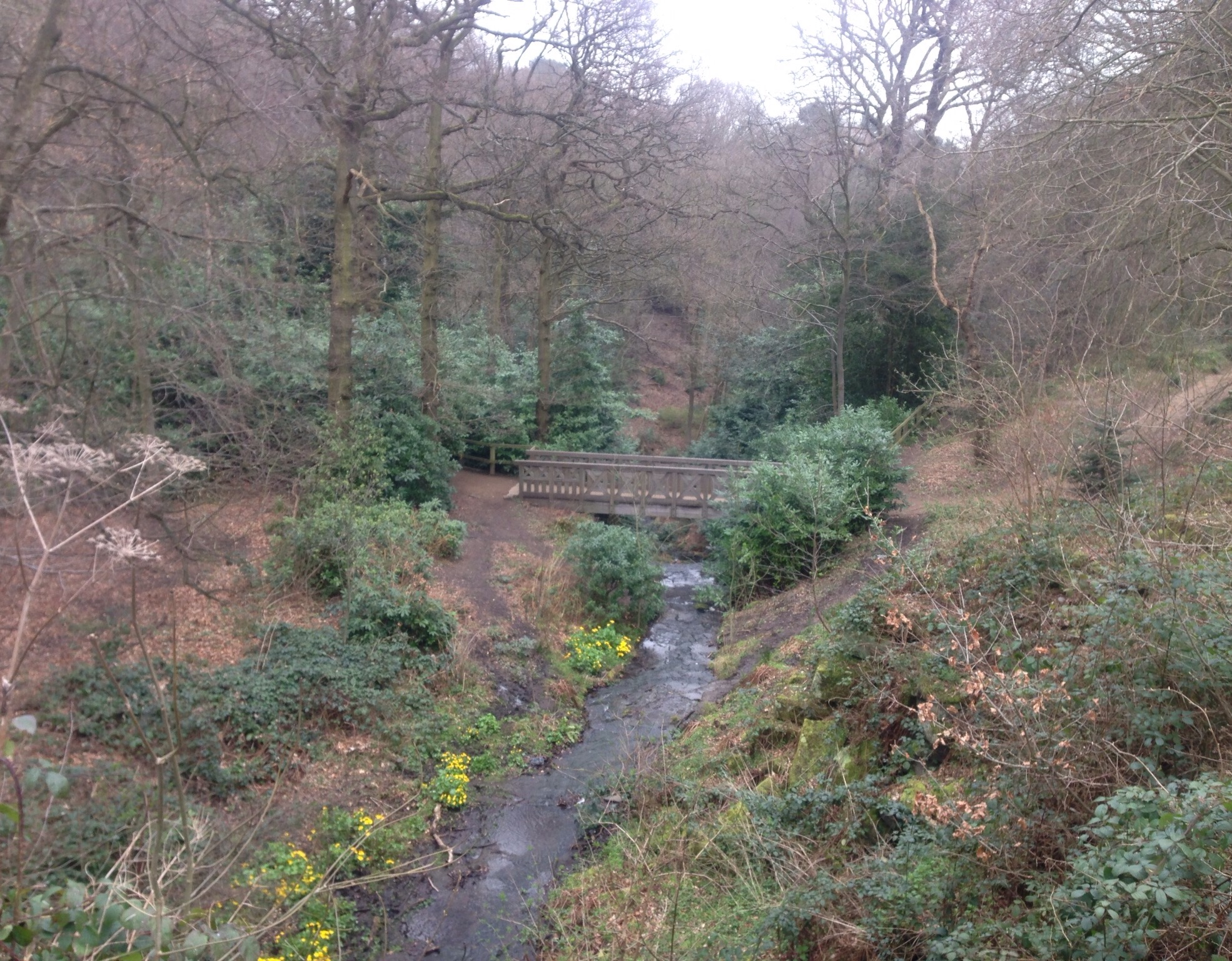
The building that houses Tropical World and a cafeThe manorFountains in the Long PondA footbridge over a creek in the parkA fun find on our walk through the parkA front view of the gateWaterloo PondThe boathouse on Waterloo Pond
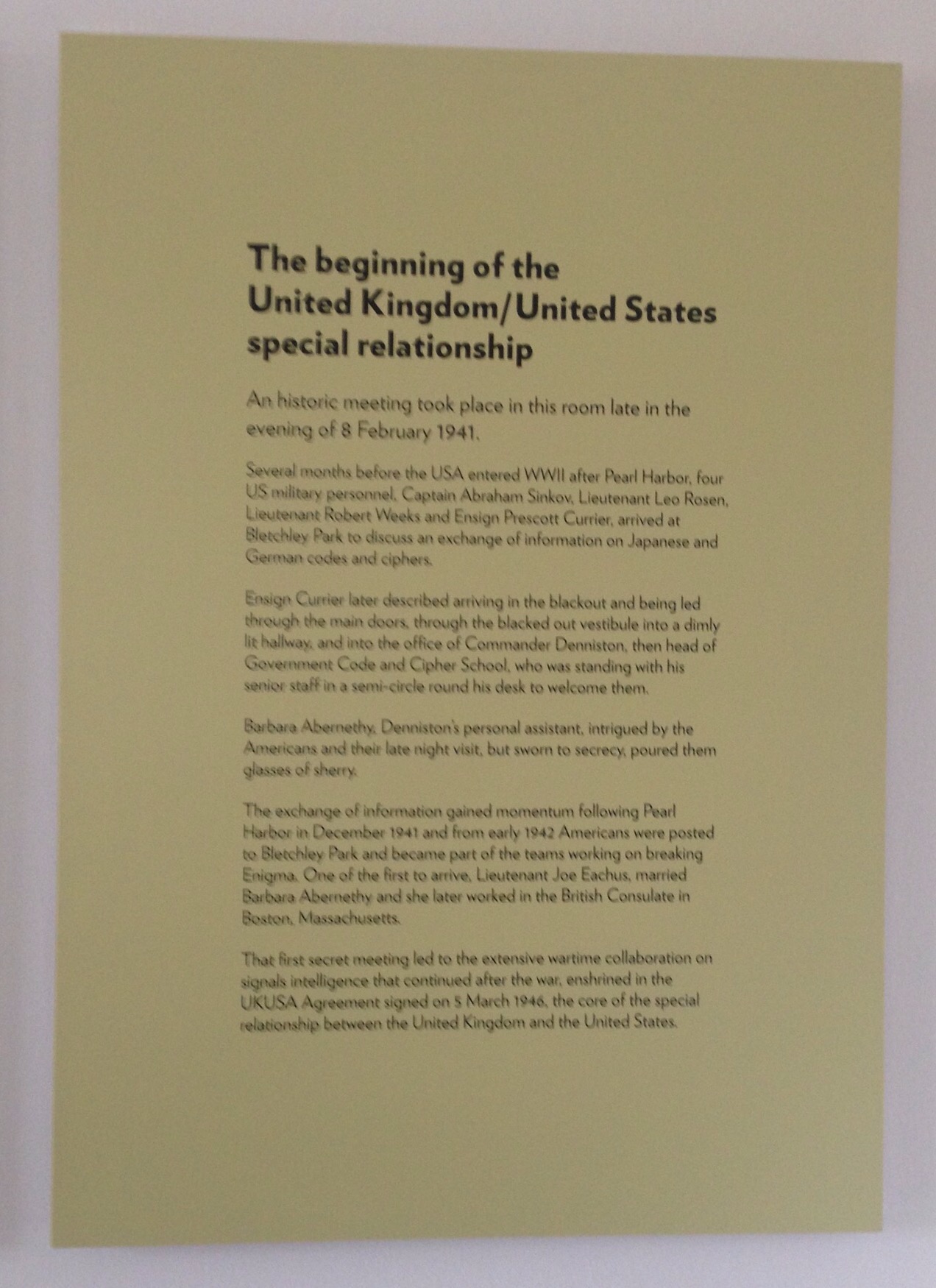
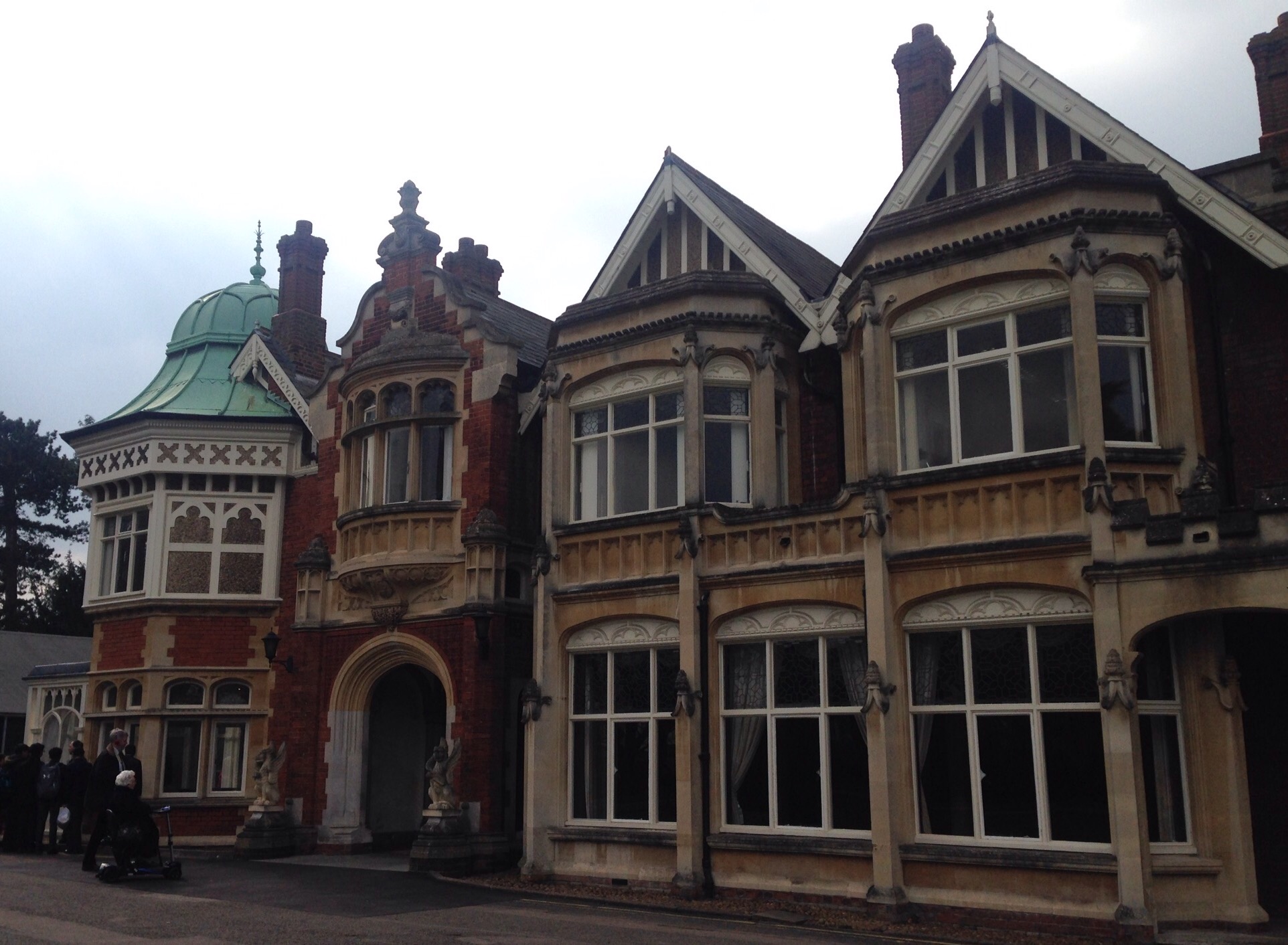
Bob and I spent a day reminding ourselves of how incredibly intelligent other people can be by a visit to Bletchley Park. In case you aren’t familiar with Bletchley Park, this is the area where a number of individuals worked on code-breaking during WWII. Bob and I became interested in this after seeing the movie, Imitation Game, a few years ago. The movie focused on the work of Alan Turing, but there were a number of individuals who contributed to the effort. The grounds (and many of the buildings) where the individuals worked and lived are part of a tour of the grounds. The whole experience is very well put together with an opening film to provide context for the exhibits, buildings, etc. that you see during your visit.
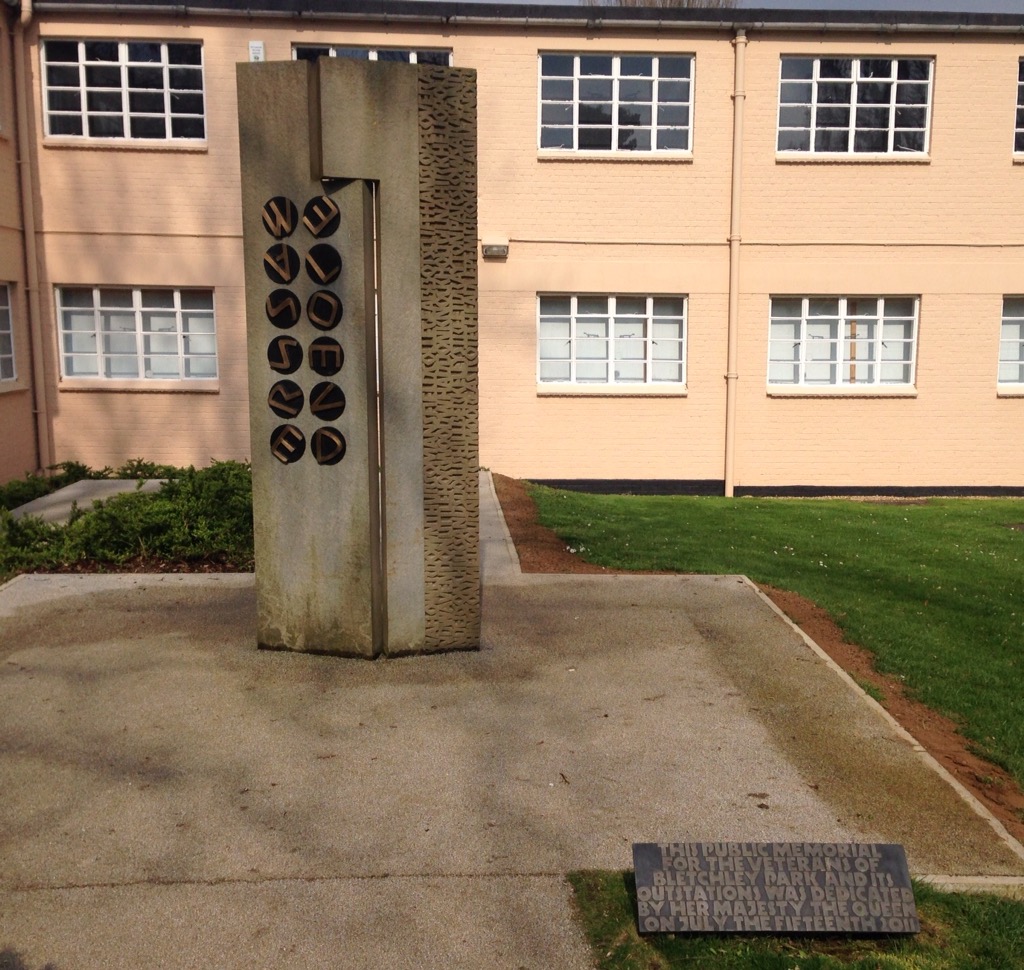
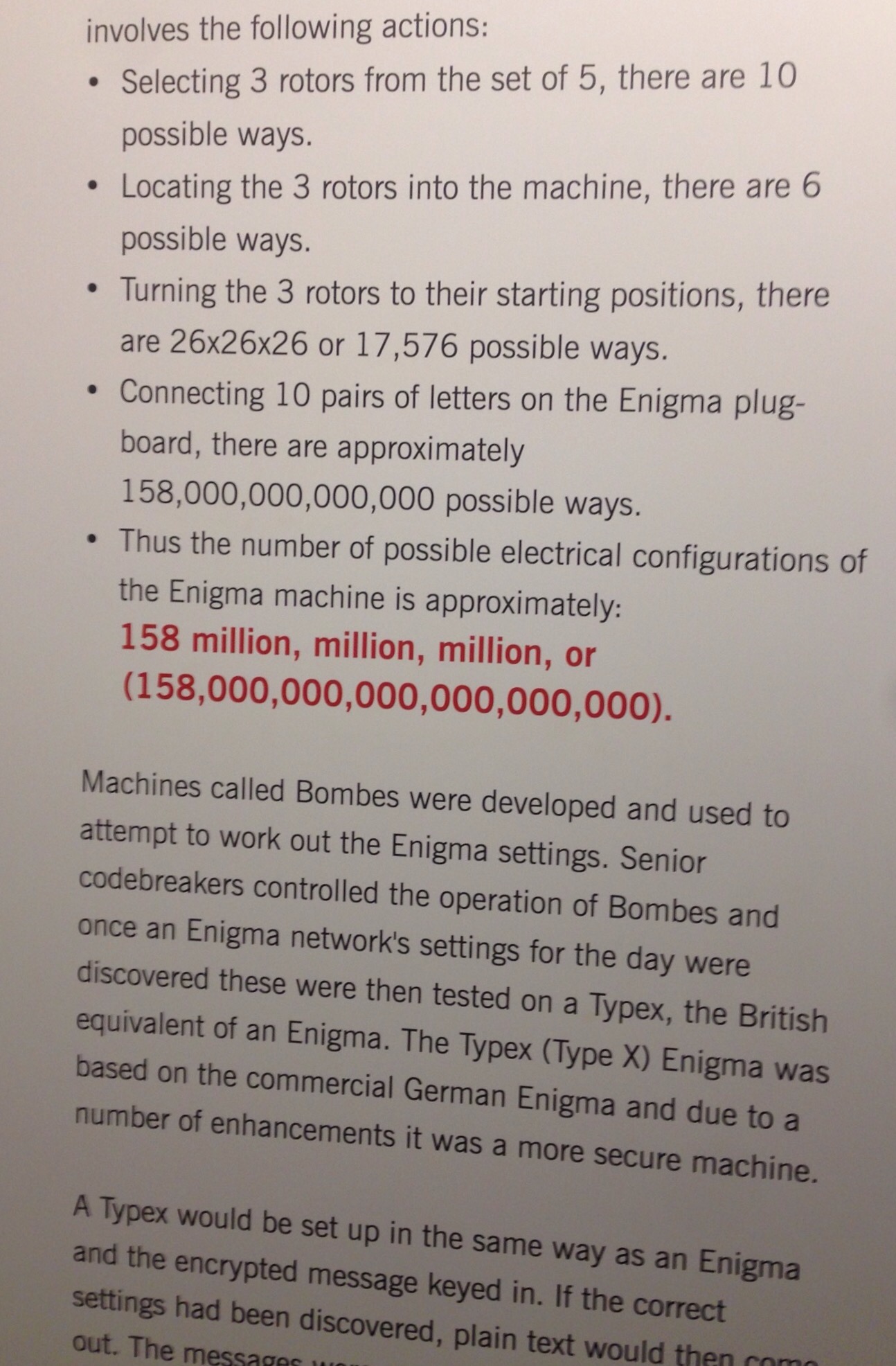
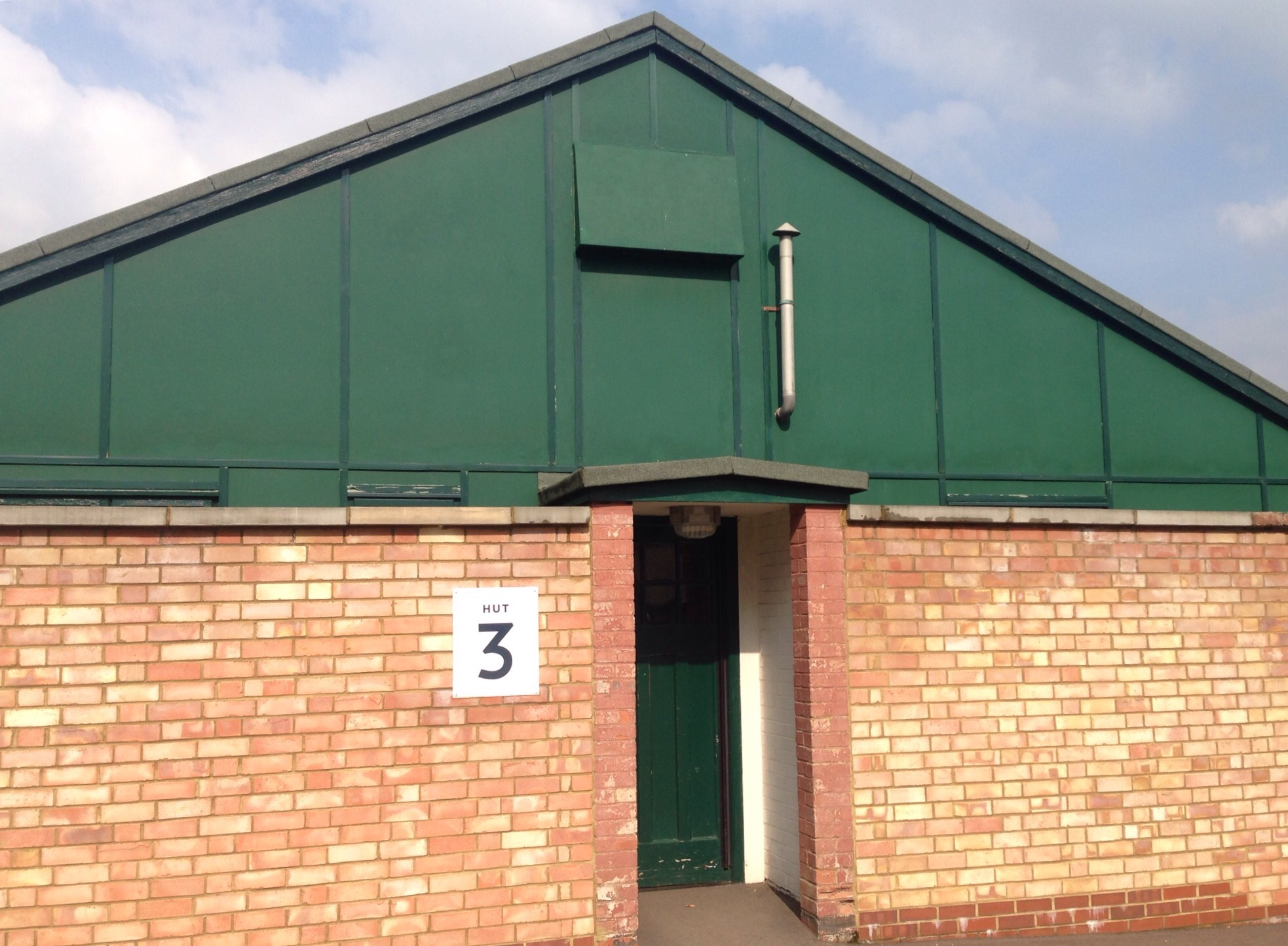
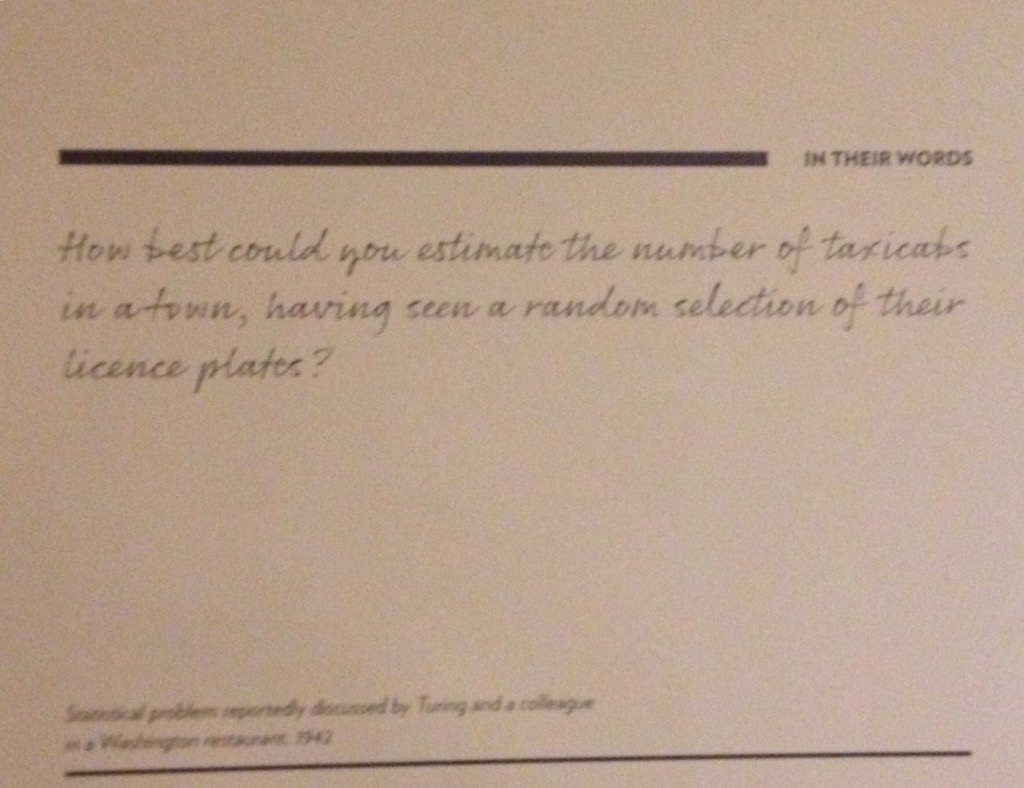
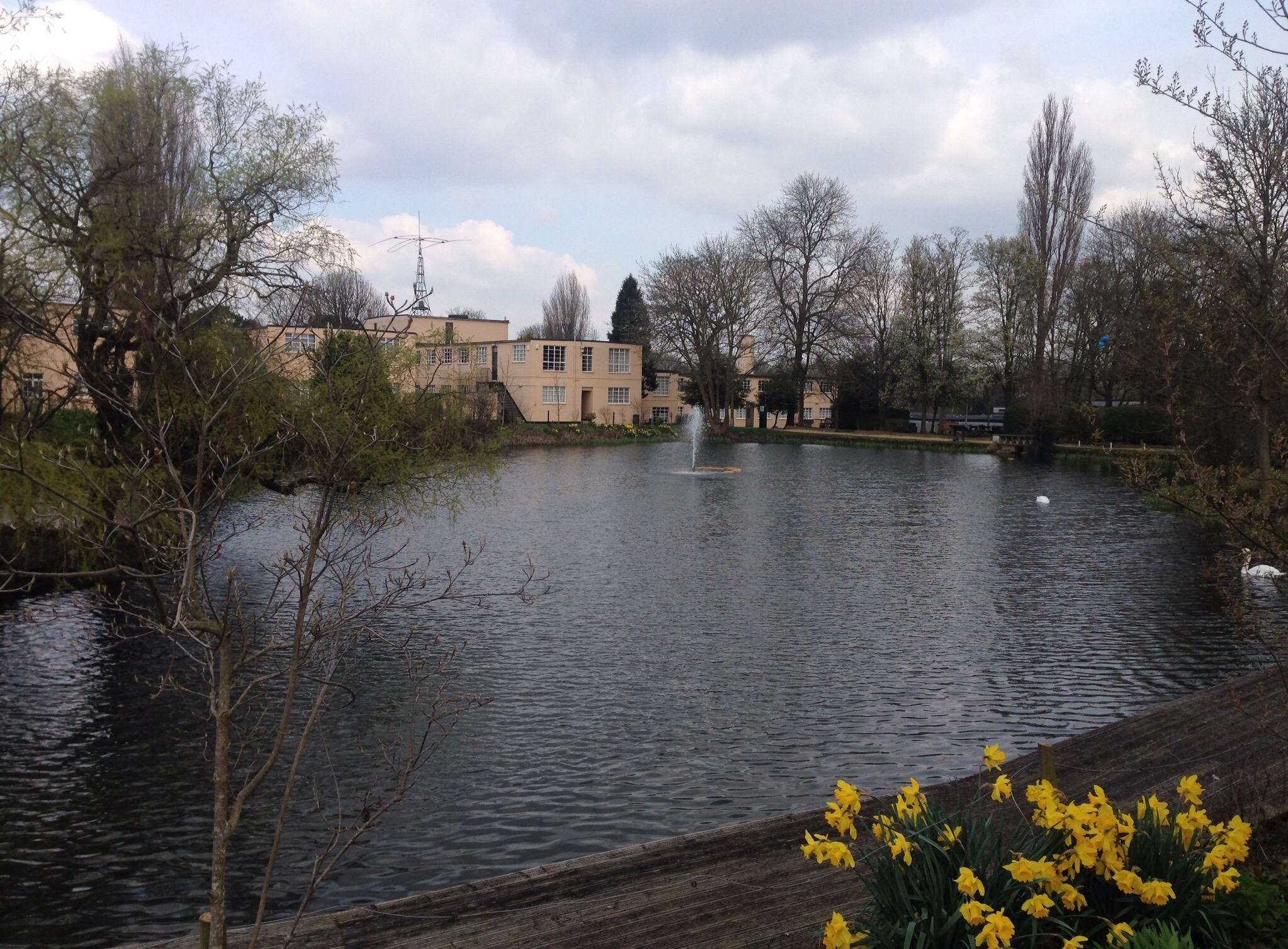
The welcome sign with the code logo that is repeated throughout the tour.Cool sculpture to the code breakers to recognize the fact that they also served during the war.The focus of the code-breaking efforts was to intercept messages from the Germans being encoded and sent over teletype and try to decipher the code, translate the message into English, and then get the information to the right people in the field. This board shows the difficulty of just the decoding part of the operation!One of the huts in which the code breakers worked. People working on various efforts were kept segregated so that no one would have the complete range of information.Bob and I don’t like to brag on ourselves, but this is the type of question we like to ponder in the evenings.One of the cottages that the workers lived inEveryone loves a good secretThe Bletchley Mansion that provided space for the administrative offices during the warA fountain and pond on the property of Bletchley Park
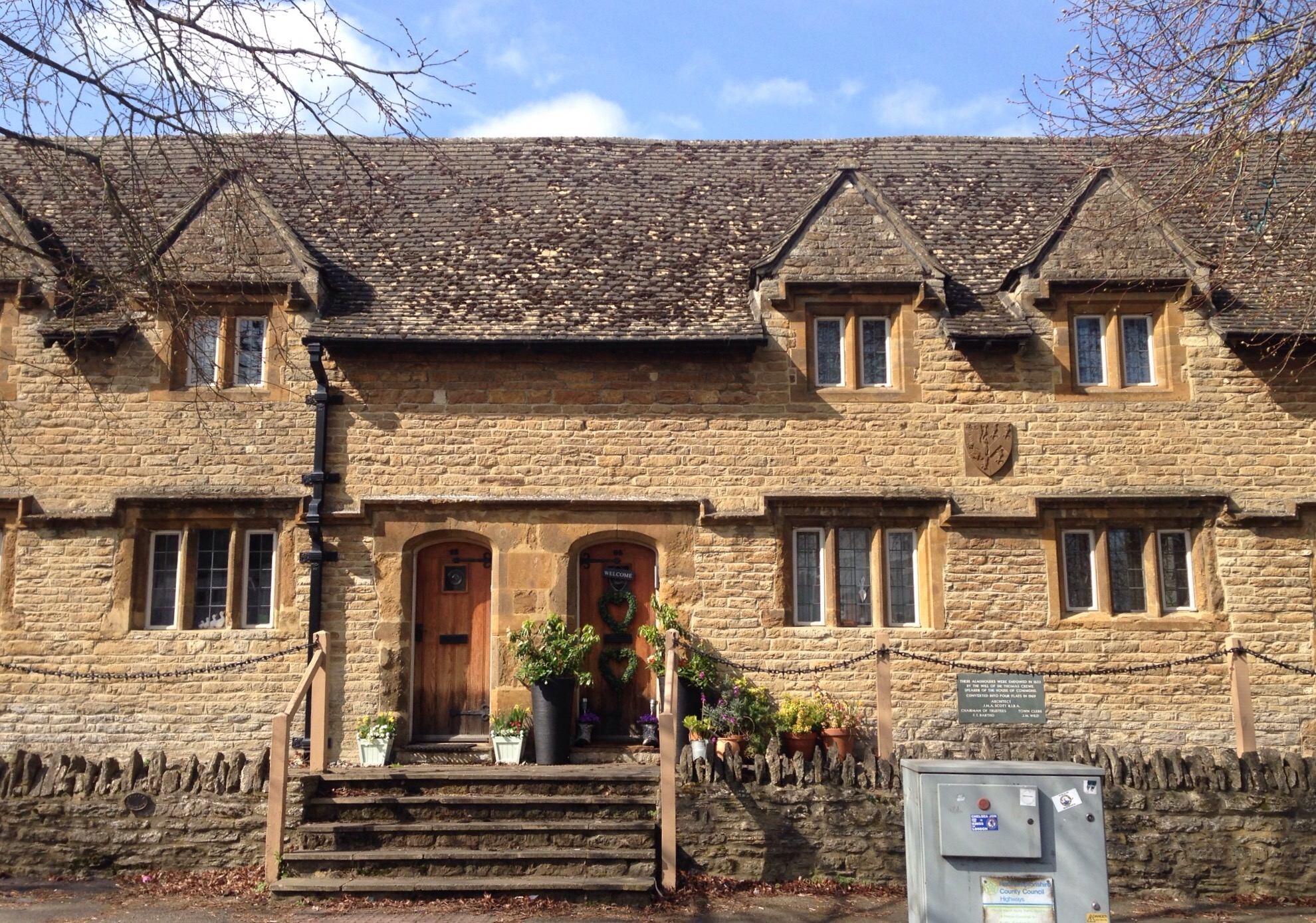
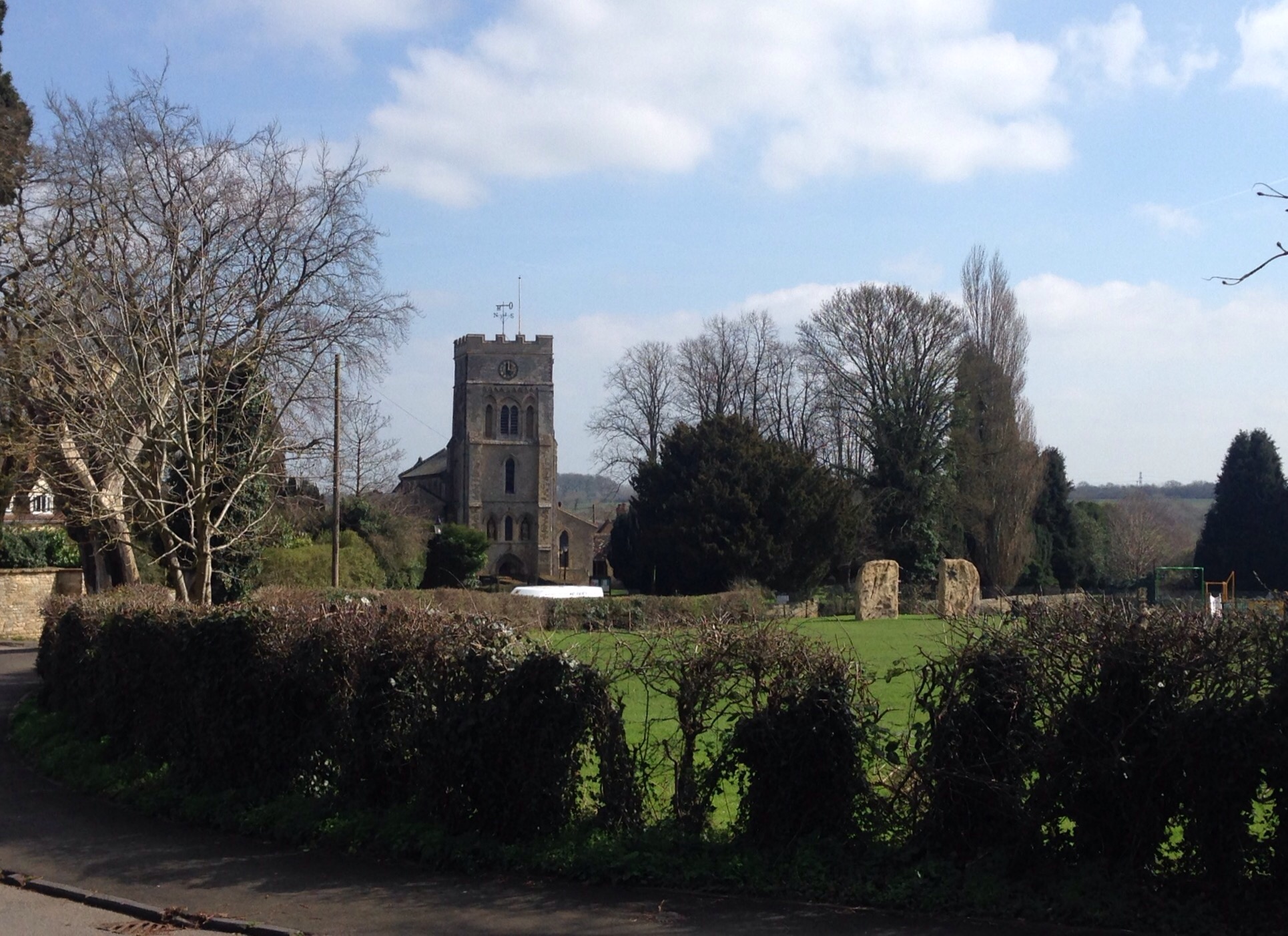
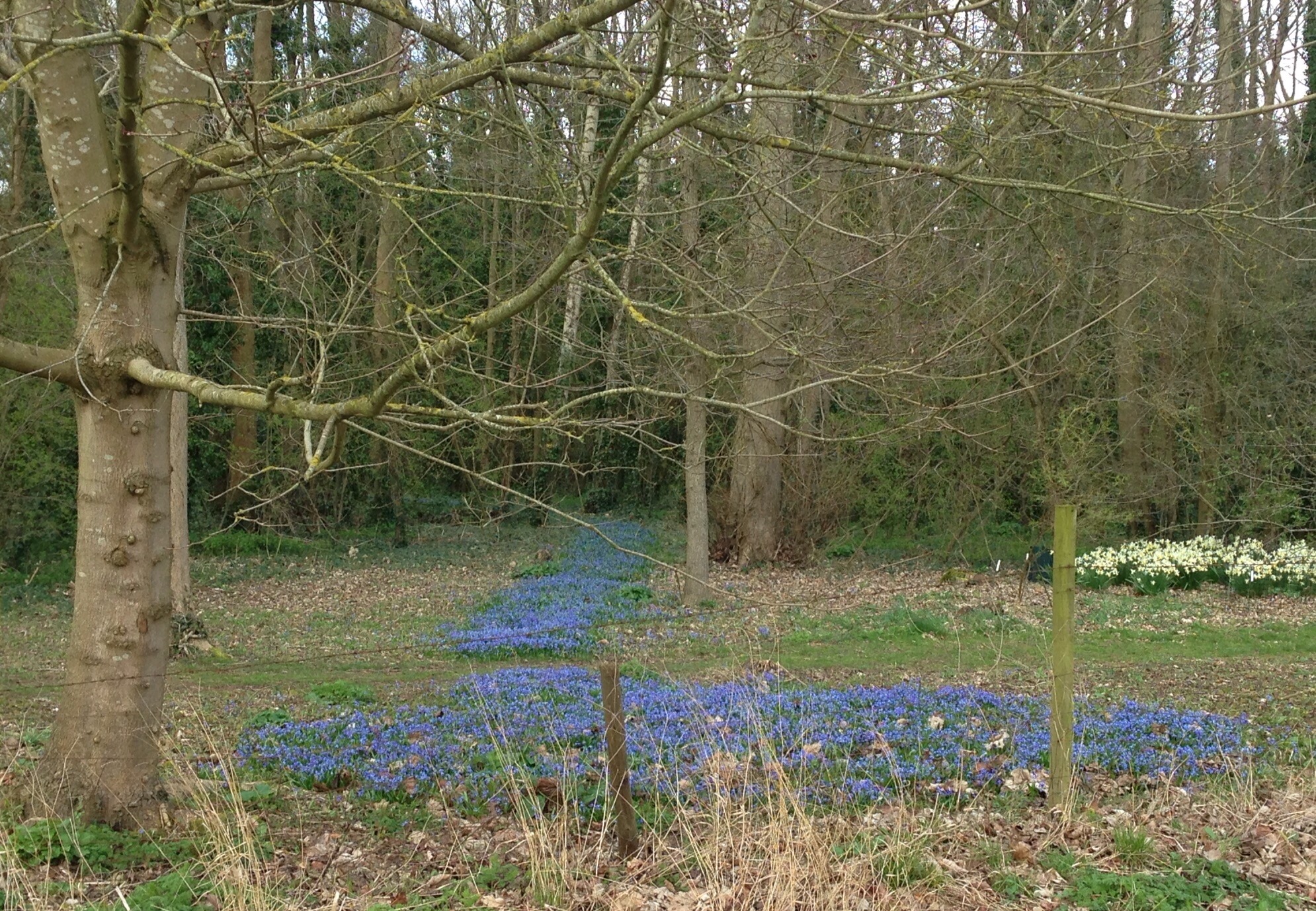
Bob and I spent our last full day at our West Farndon housesit doing a walk out of the community of Brackeley, a town in South Northamptonshire. During our 2+ hour walk, we saw some of the town of Brackeley as well as the smaller village of Evenly.
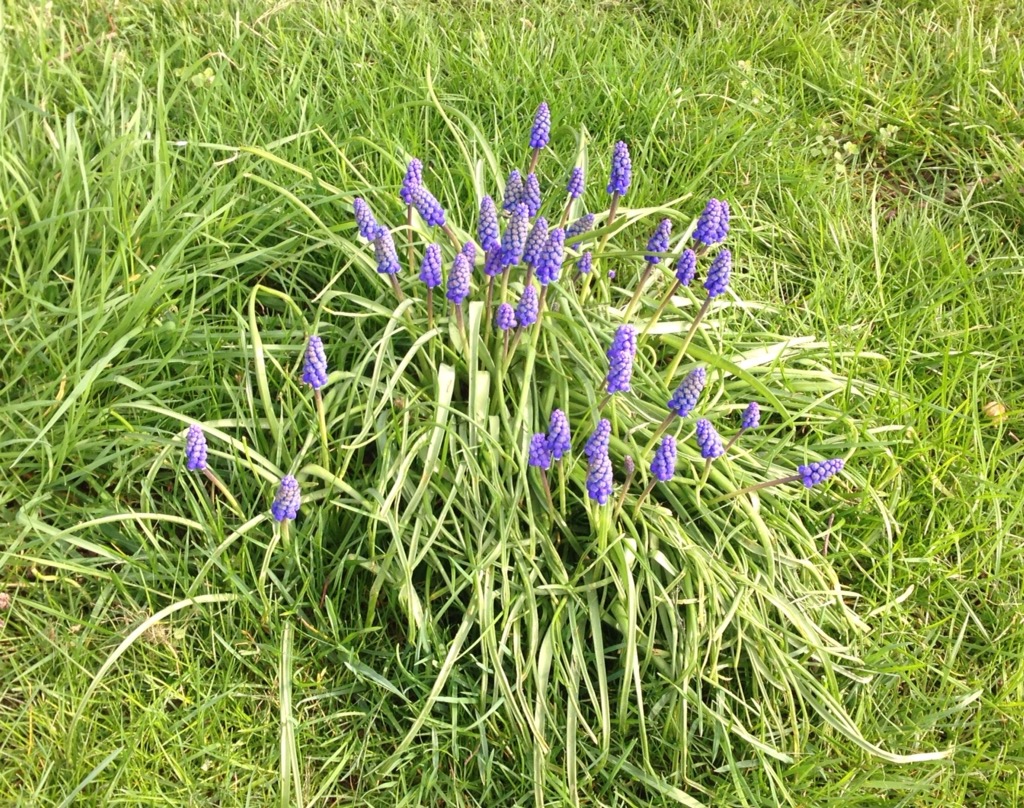
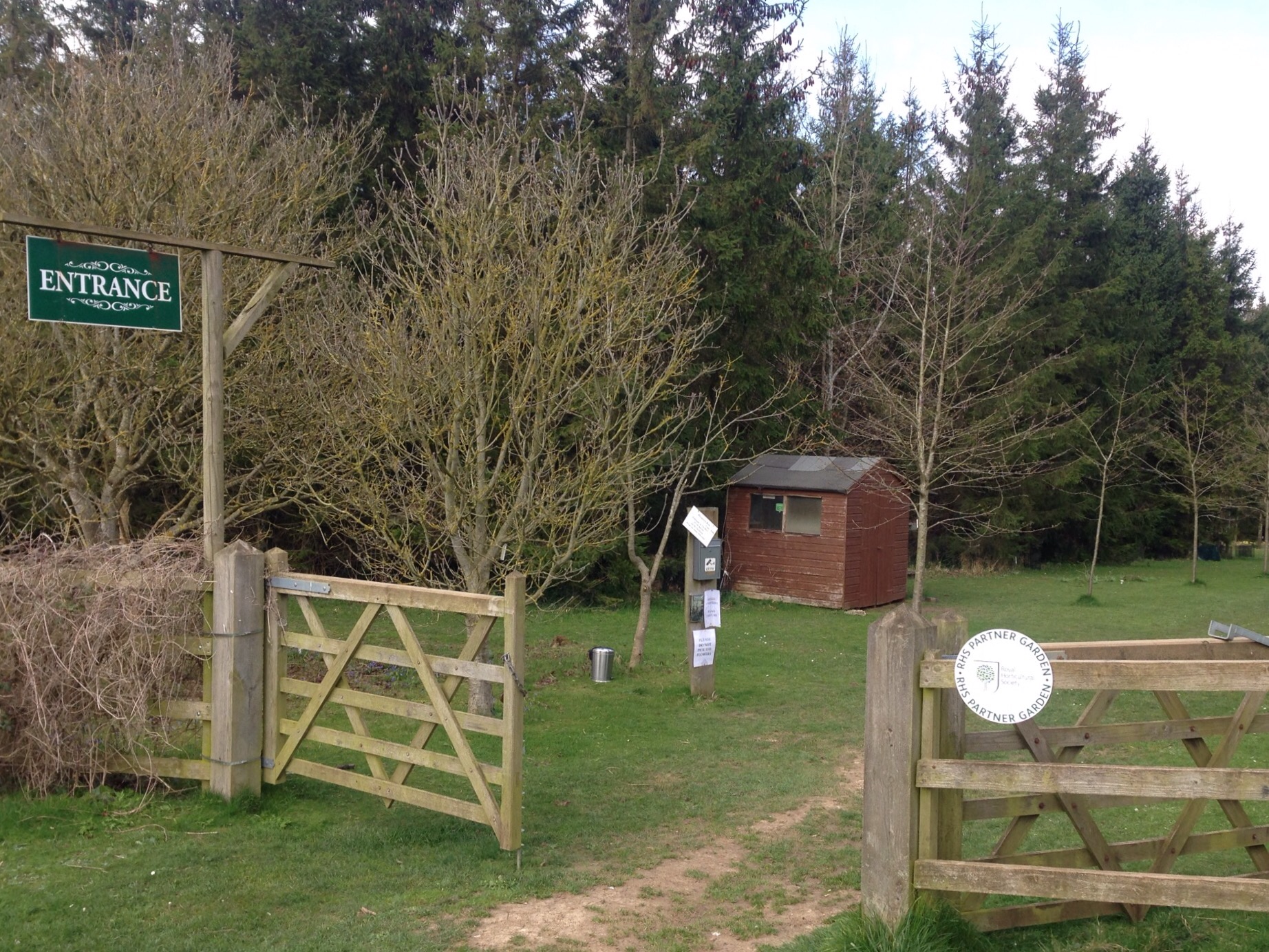
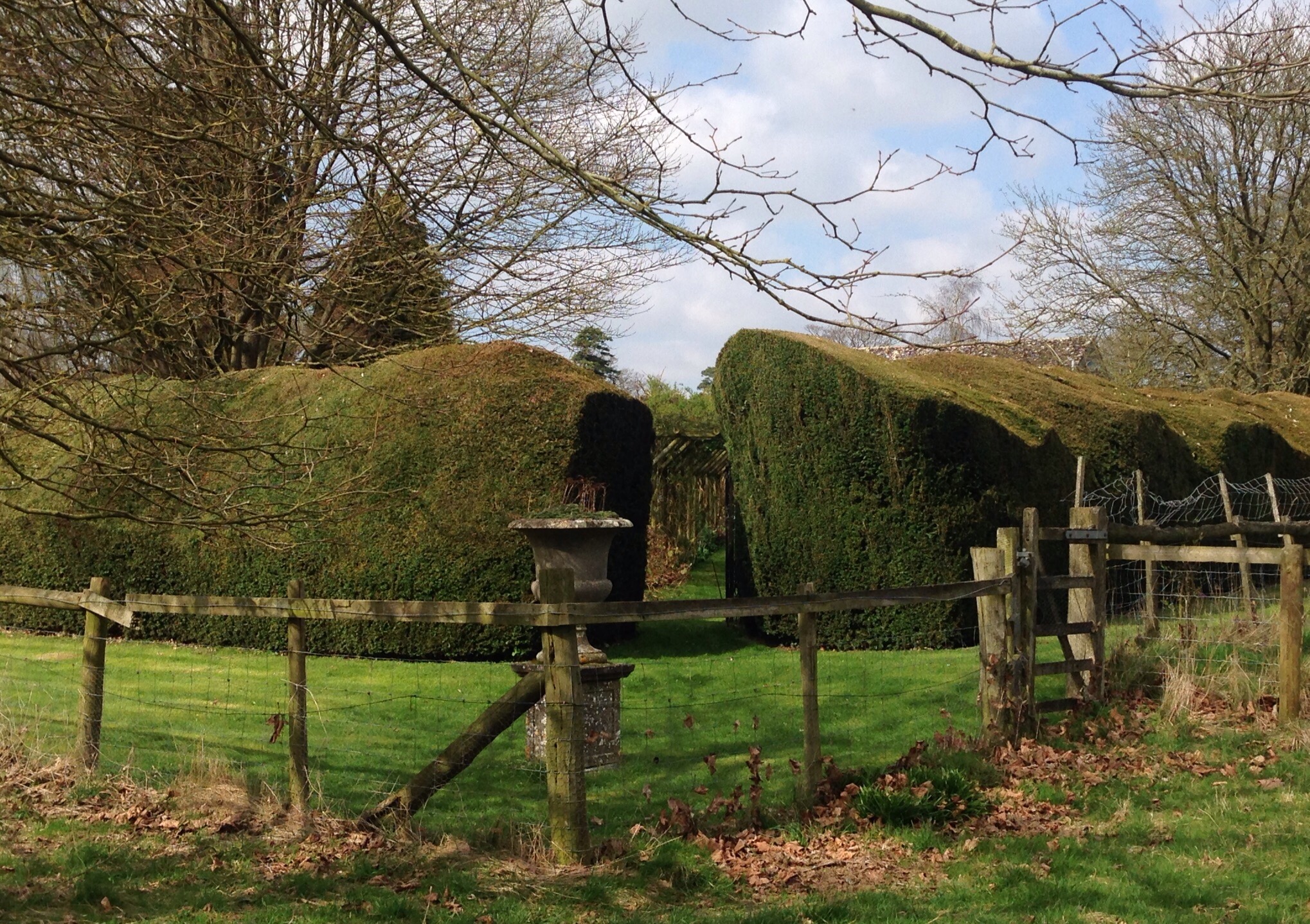
The start of the trail out of BrackeleyPretty wild flowersFormer almshouses that have been made into homesSt. Peter’s Church (Church of England)Wild flowers in Evenley Wood GardensThe entrance to Evenley Wood Garden, a 60 acre garden with multiple walking paths, flower gardens, and woodsHedges in the UK are always impressive!A home with a beautiful yard of daffodilsDogs
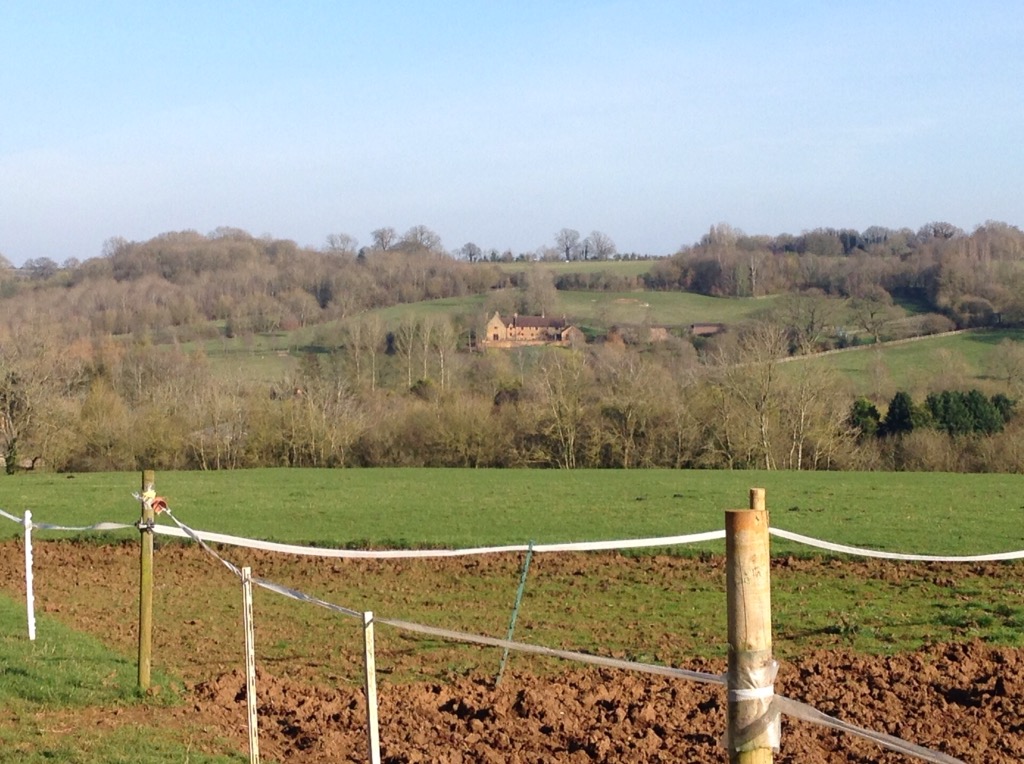
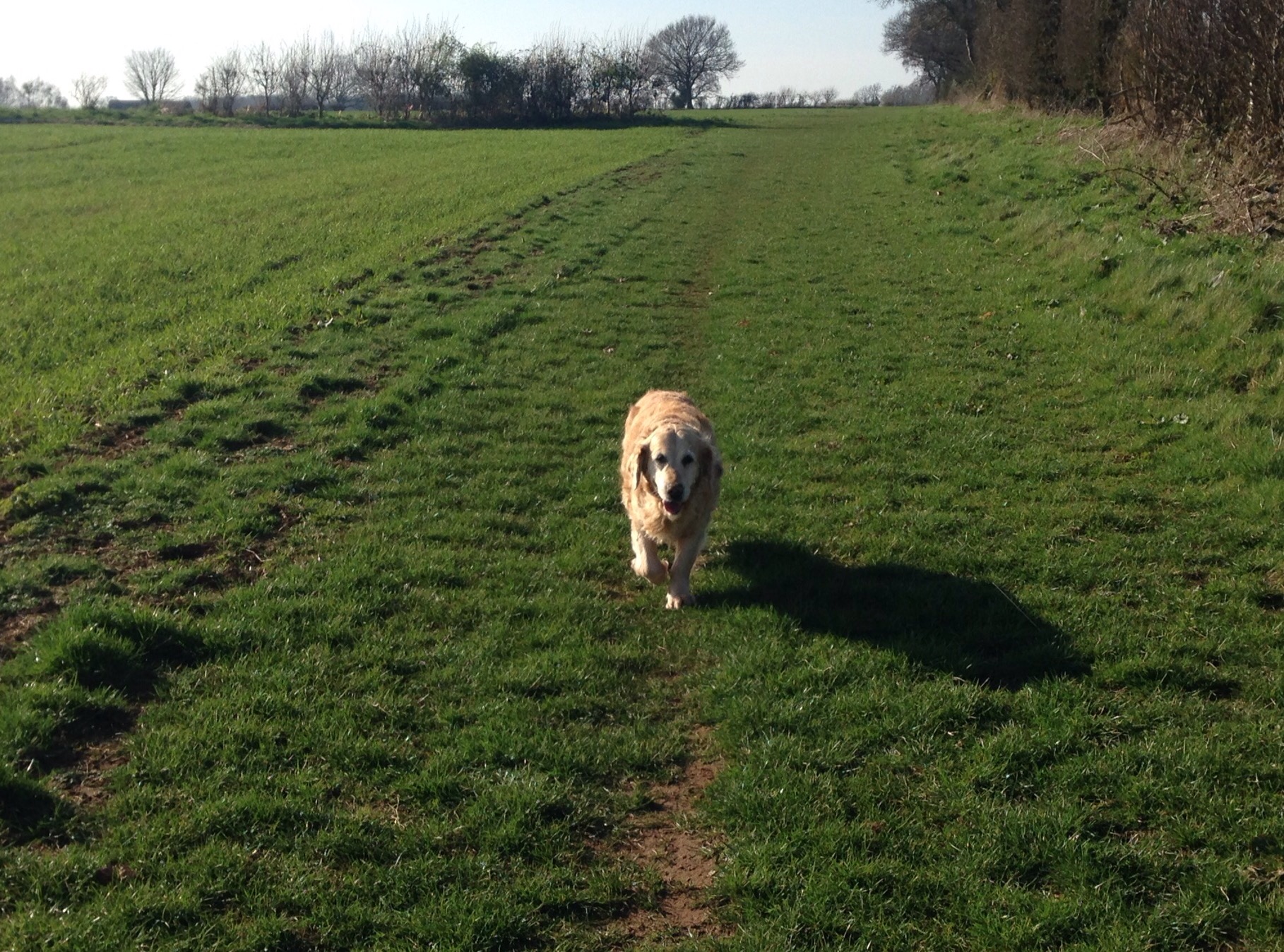
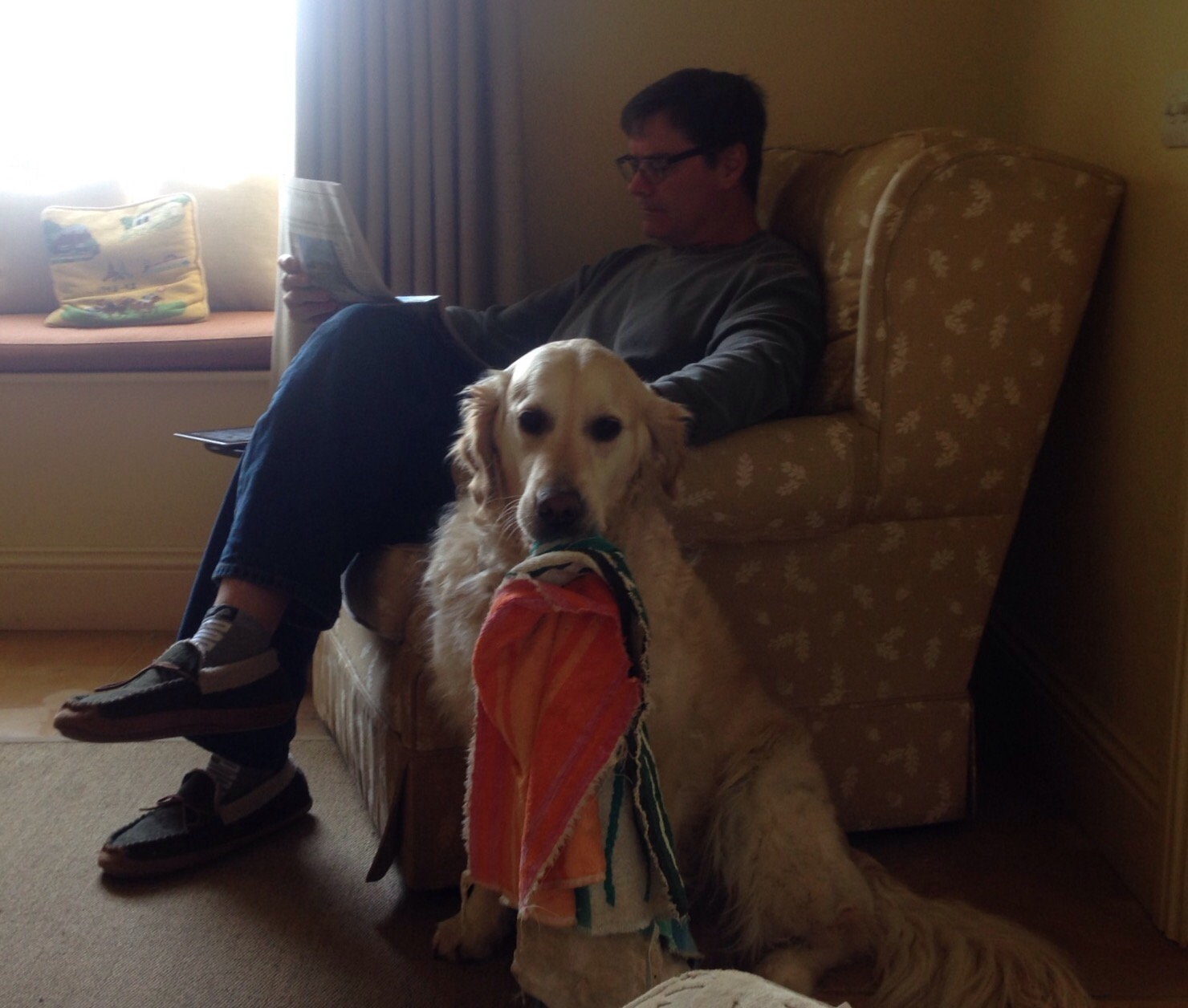
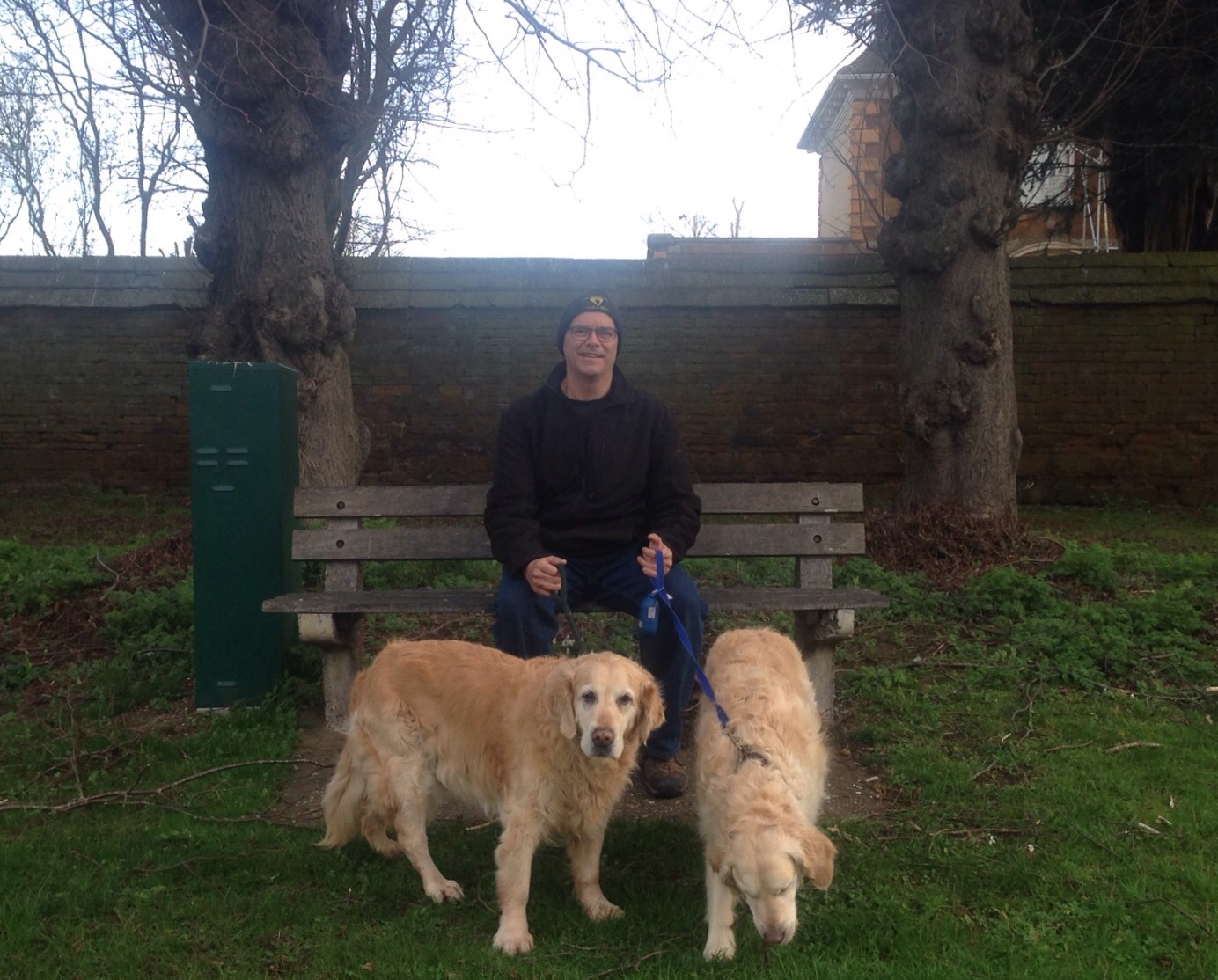
View 1 from our afternoon walks with the dogsView 2 from our afternoon walks with the dogsHebe on our afternoon walkBob and Stella with her towel that she would bring out to play with
Bob and I spent Tuesday at Woodstock — nobody’s farm and no music. This Woodstock is a small town in Oxfordshire, England. We were there to visit Blenheim Palace, the principal residence of the Duke of Marlborough and the birthplace of Winston Churchill. It was originally built as a reward to John Churchill, the first Duke of Marlborough, for the Duke’s military triumphs against the French and Bavarians in the Battle of Blenheim during the war of Spanish succession.
We toured the exhibit on Winston Churchill who was made an honorary American by President Kennedy, an exhibit on fashion, and the animated tour on the history of the home and family. We also explored the expansive grounds.
The palace is beautiful and has been the setting for some fashion shows for Dior. The grounds are also amazing.
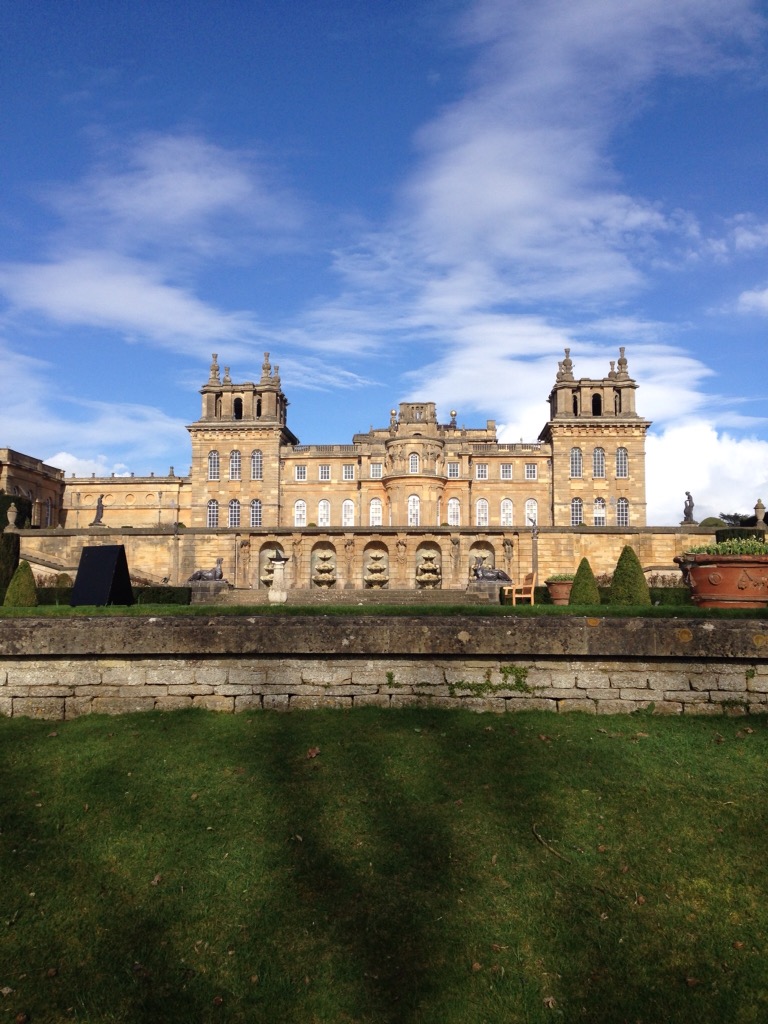
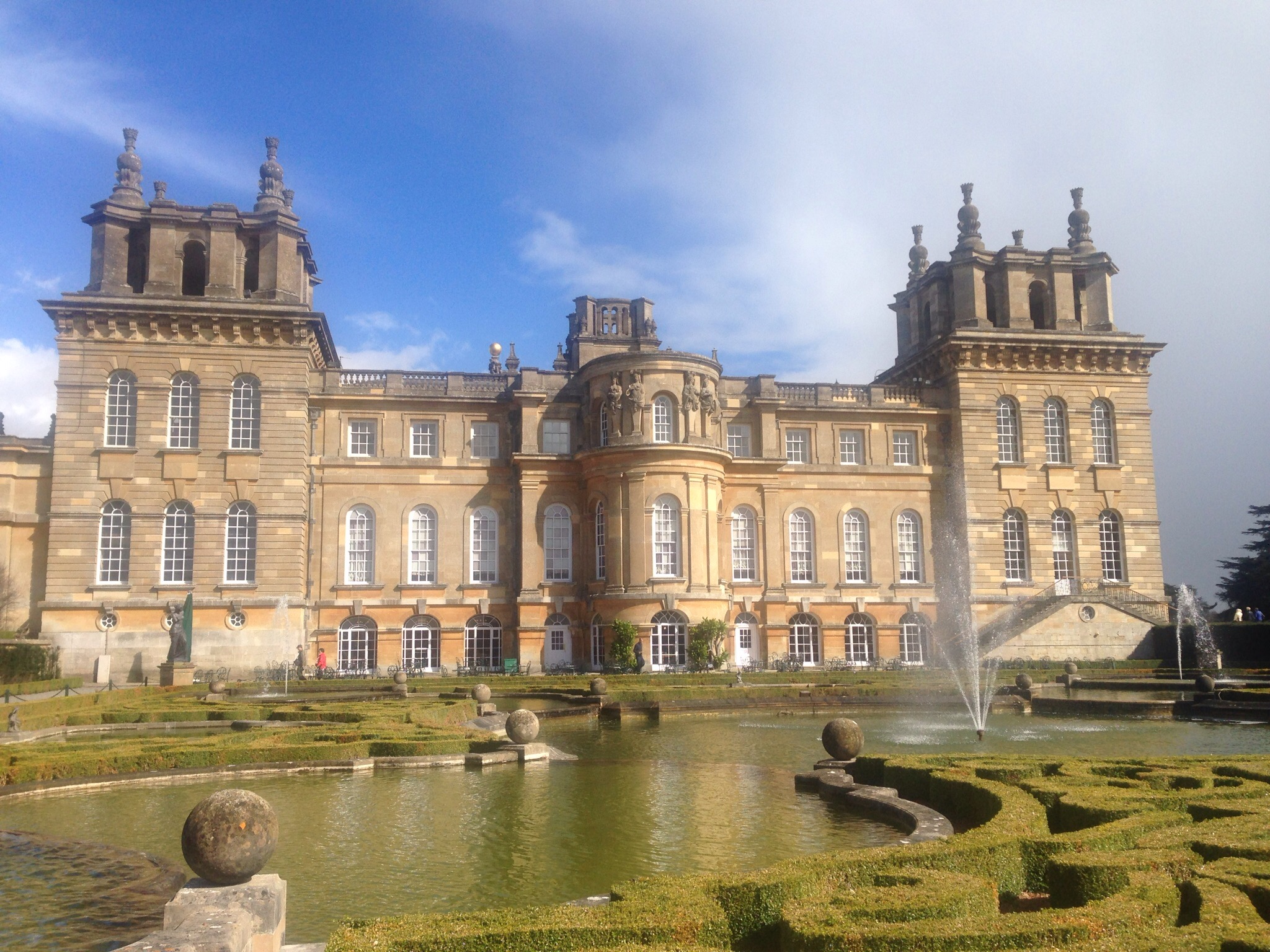
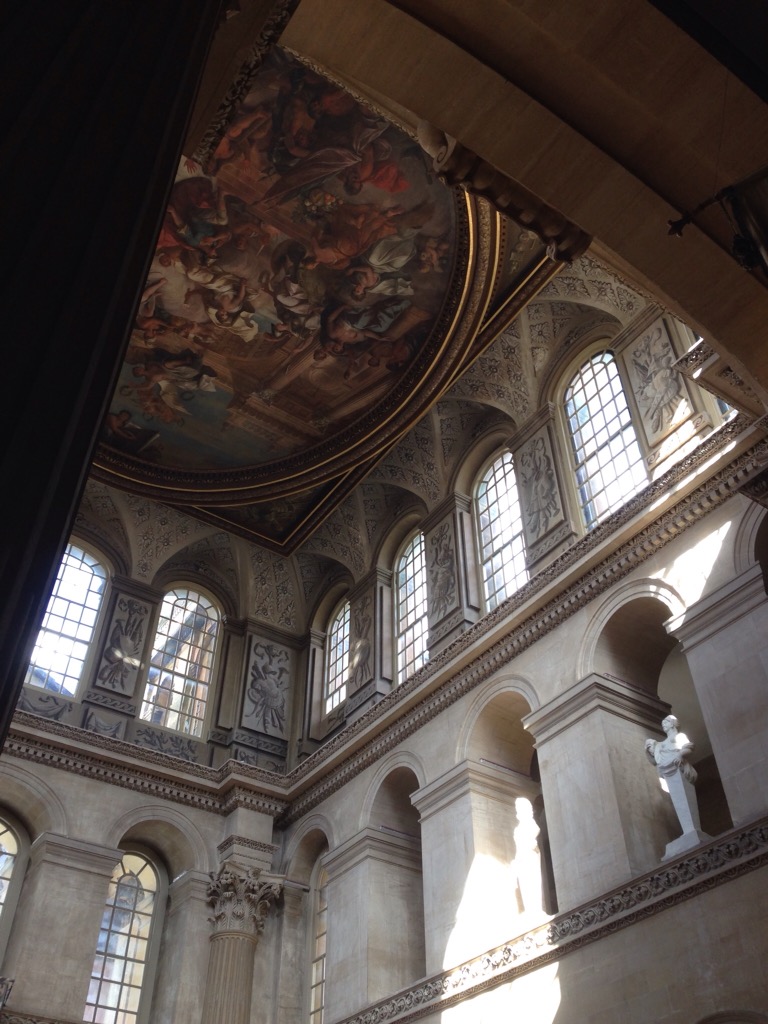
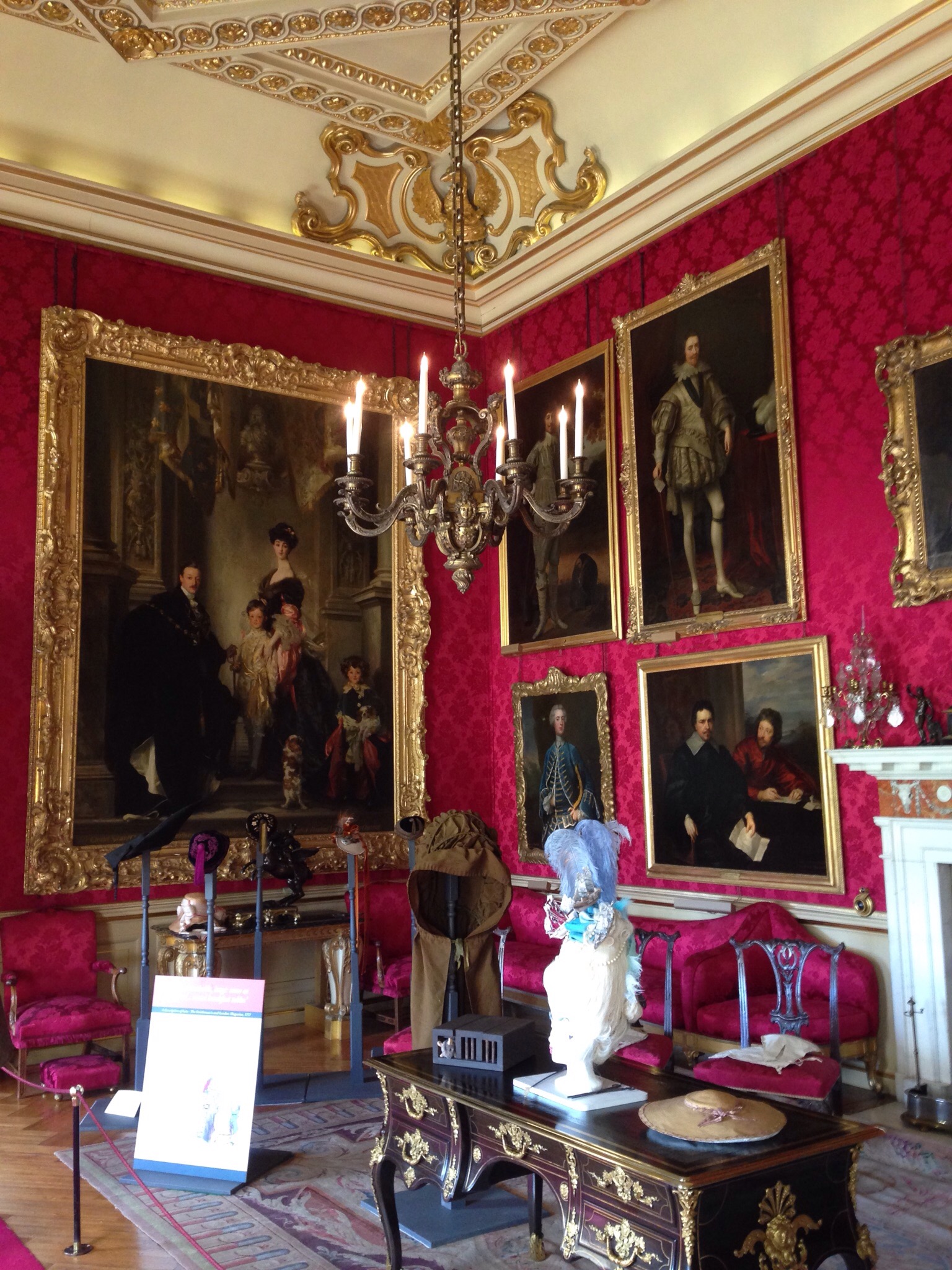
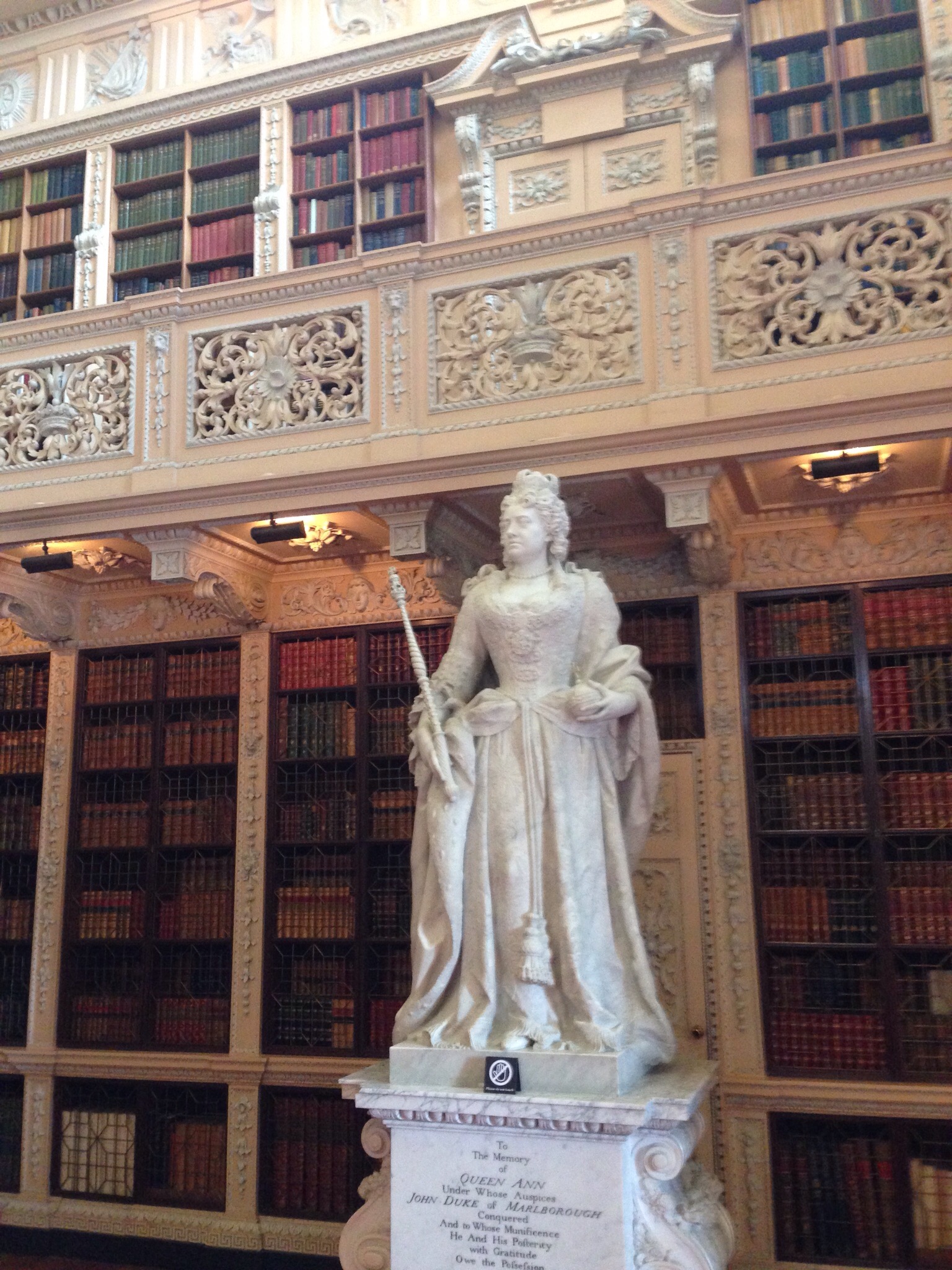
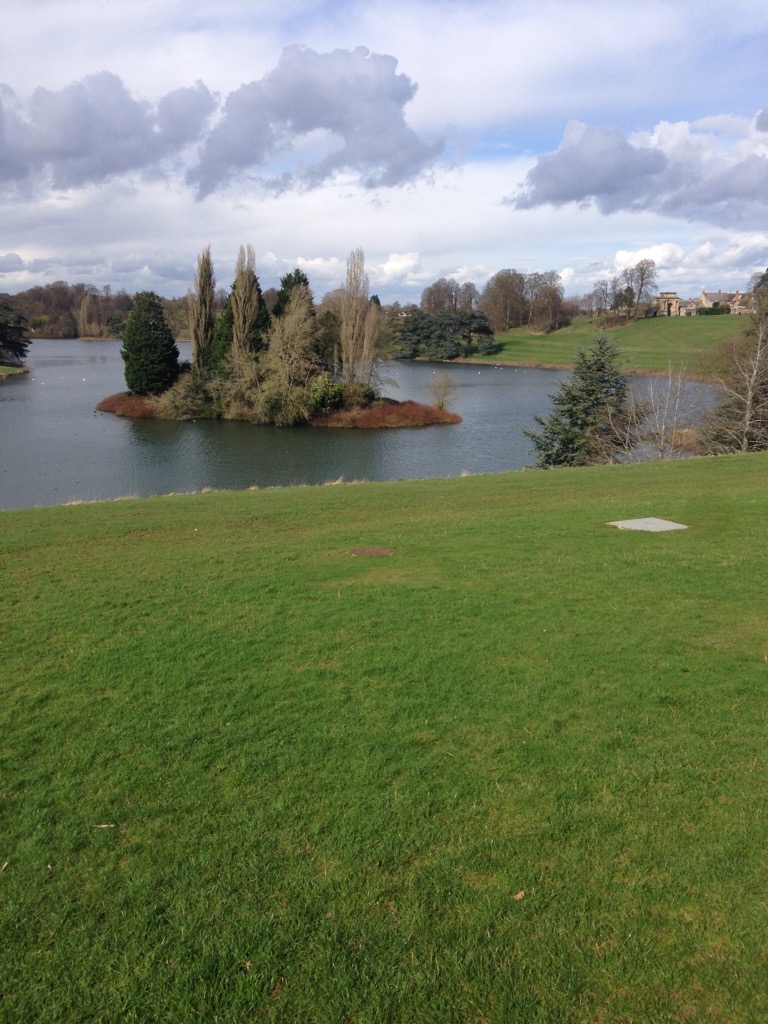
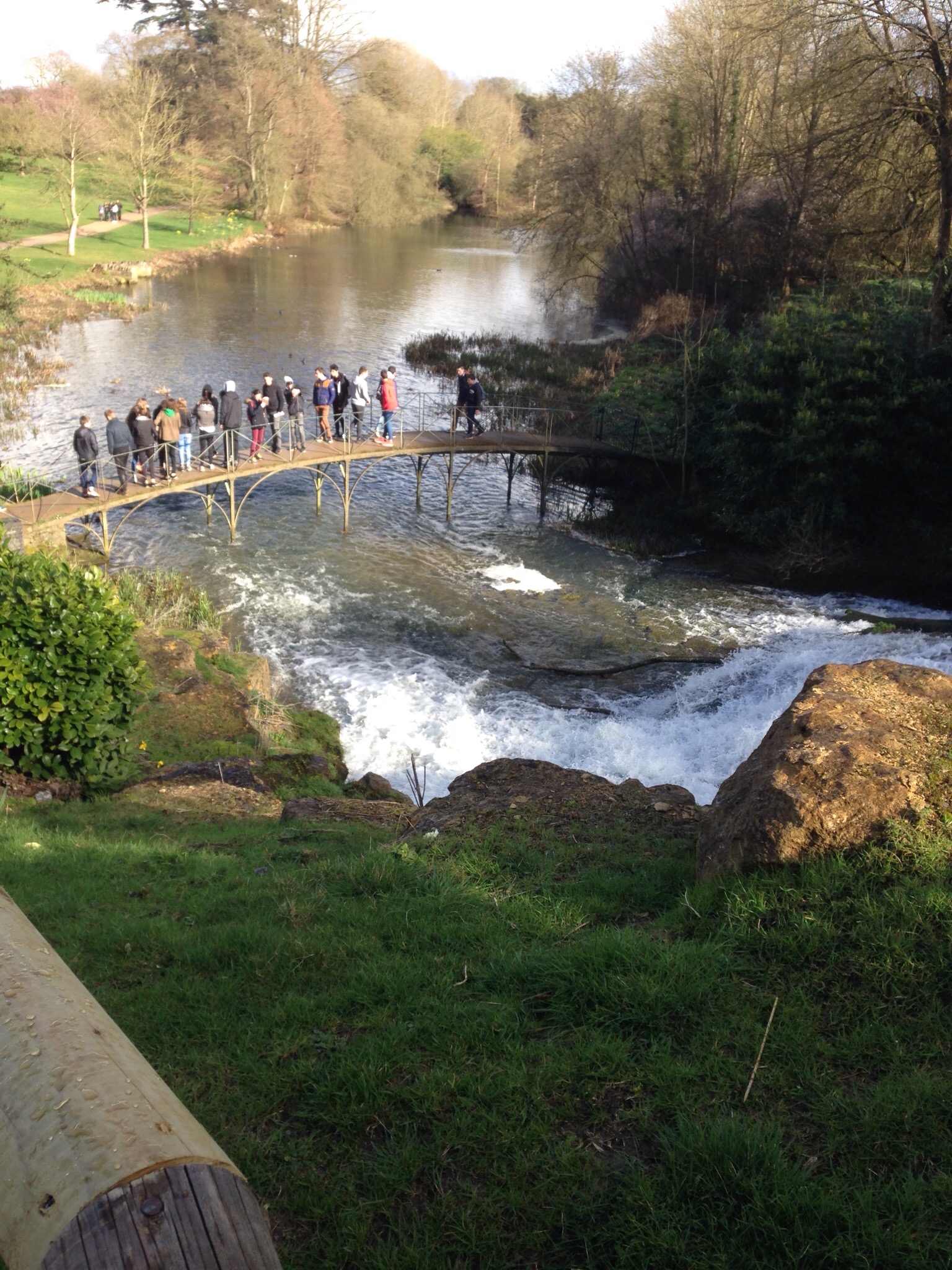
One arm off of the main part of the palace — open for events and conferencesLooking back towards the palace over the water terracesThe back of the palace and the upper water terraceThe grand entrance hallThe red room with some information on wigs — often filled with lice since difficult to clean!The library and a statue to Queen Anne who awarded the funds for the house for the first Duke of MarlboroughLooking over the Queen’s PoolA group of French students taking selfies and photos of the CascadesThe Cascades The column of victory commemorating the Duke’s military success in the Battle of Blenheim
Bob and I are currently at our week-long housesit in the village of West Farndon in Northamptonshire in the East Midlands. (We have been calling this our Banbury housesit as that is the closest bigger town, but our house is actually about 11 miles northeast.). We spent a lovely afternoon and evening, including a great homemade meal with the homeowners on Friday evening. They are now off skiing in Austria with friends while we are caring for their lovely old home (formerly a mill house) and their two golden retrievers — Hebe and Stella.
Hebe (the name of a type of plant as well as the Greek goddess of youth) is the grandmother of Stella. Hebe has doggy Parkinson’s, so needs some assistance getting through the stiles on the nearby footpaths but other than that loves her walks (and meals) as much as Stella. They are both very sweet natured and quite use to walking in areas with sheep (common here along the footpaths).
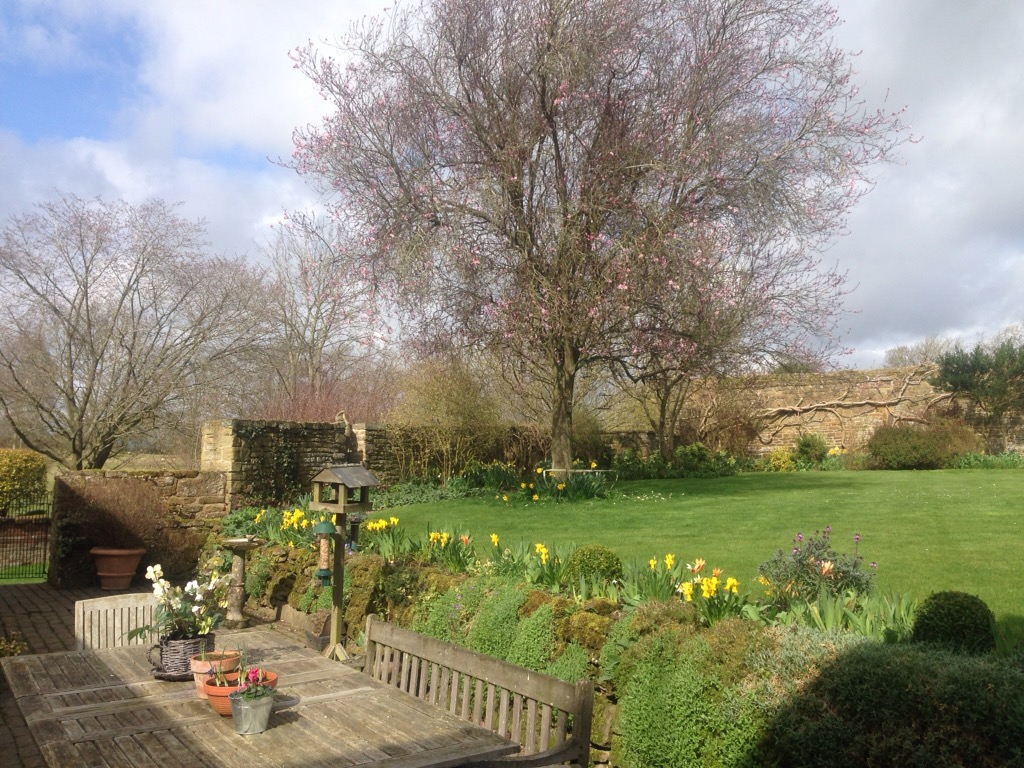
Some of the gorgeous lawn and gardens where we are stayingBob, Hebe (facing camera), and Stella
The closest town for shopping is Woodford Halse which is an easy 20 minute walk. We walked the dogs there via the Jurassic Way walking route which runs very close to their property. This route runs the length of Northamptonshire. It has nothing to do with dinosaurs but is named for the Jurassic limestone escarpments that helped to create the old estuaries that the route follows.
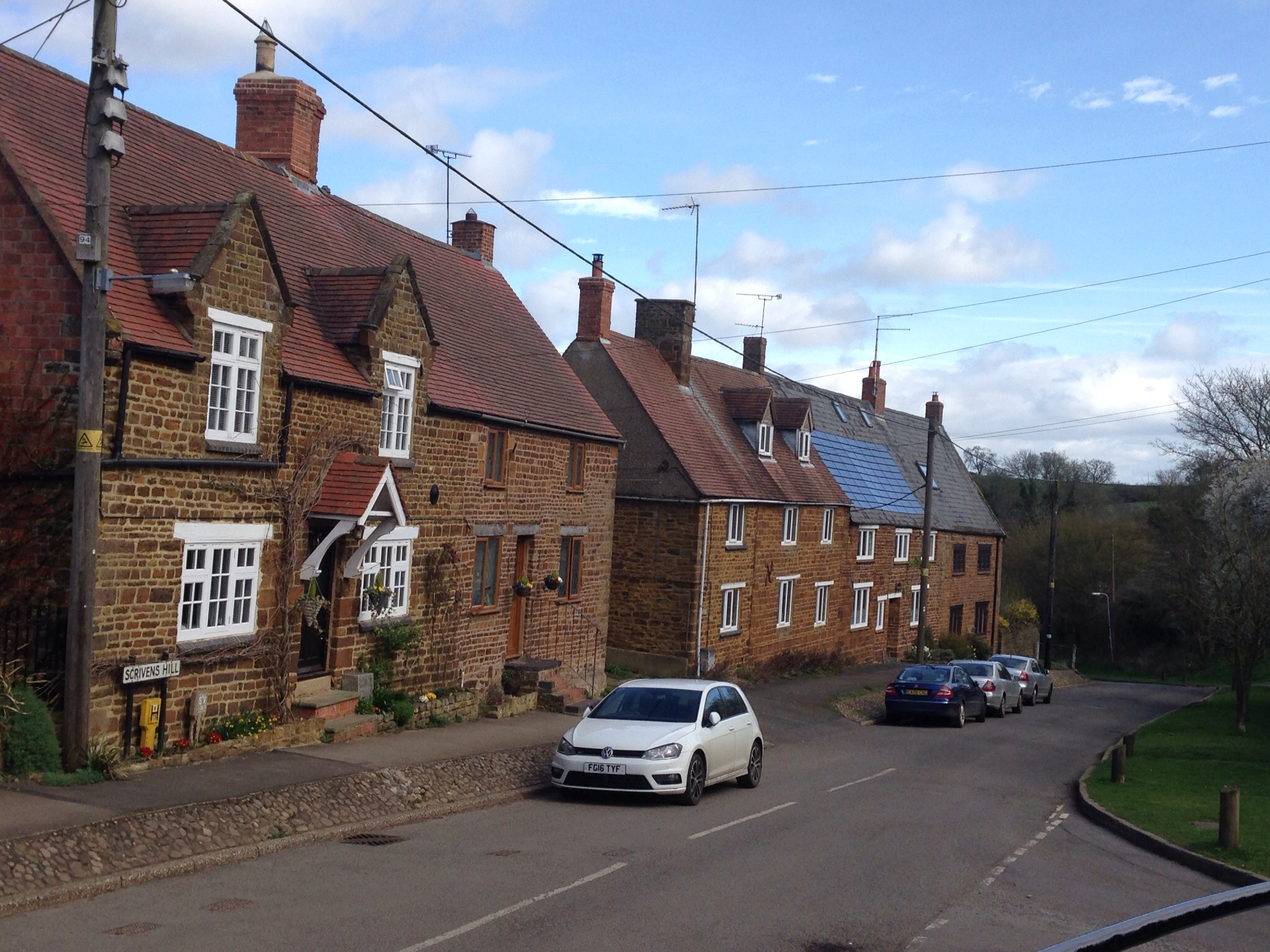
St. Mary the Virgin churchHomes along main thoroughfare in Woodford Halse
From there we walked towards another village, Eydon (pronounced Eden), to the Harley Equestrian Country Lifestyle and Cafe that had been recommended as a good place for lunch and cute gifts by our homeowners. We arrived there at about 1:30, and the cafe was busy with people having lunch or tea and cake. We had a yummy lunch and perused the shop.
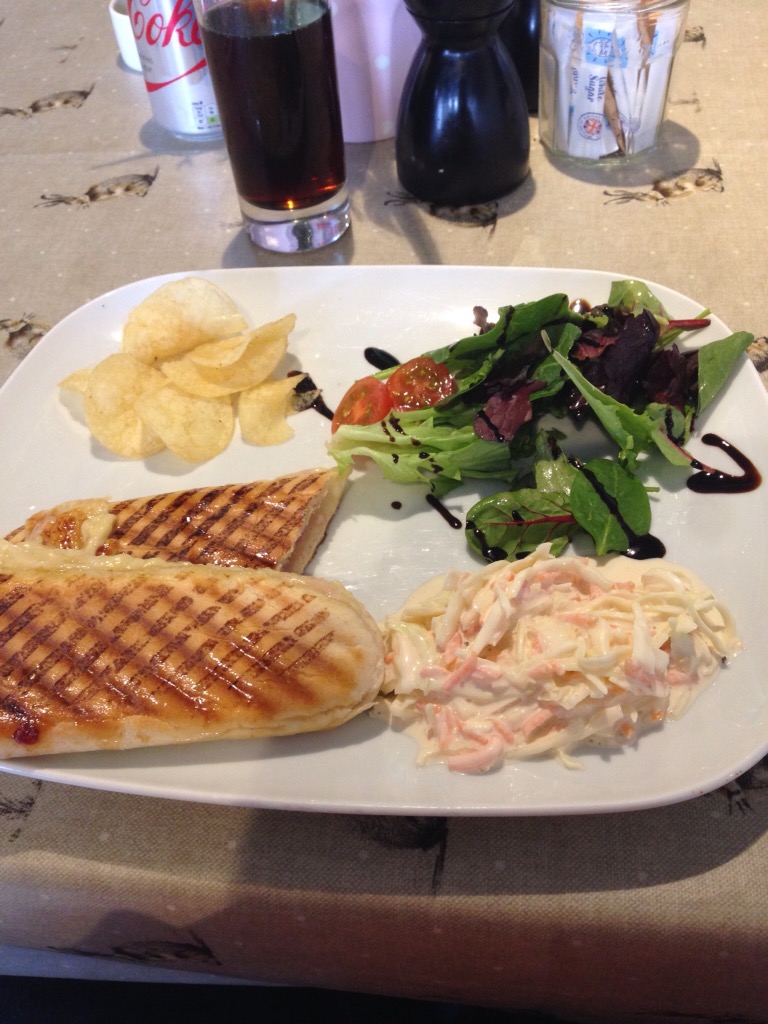
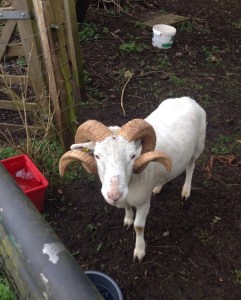
The cafe and storeBob’s lunch. We watched the chef make the food and count out the number of crisps. I had a great carrot soup, but it didn’t photo as well.We passed the signs for a nature preserve (and grazing sheep) on the way to the cafe.We saw this guy and his mates on the way out.We walked into Eydon after lunch. We found a local pub for perhaps a future visit before going home for an afternoon walk with the dogs.
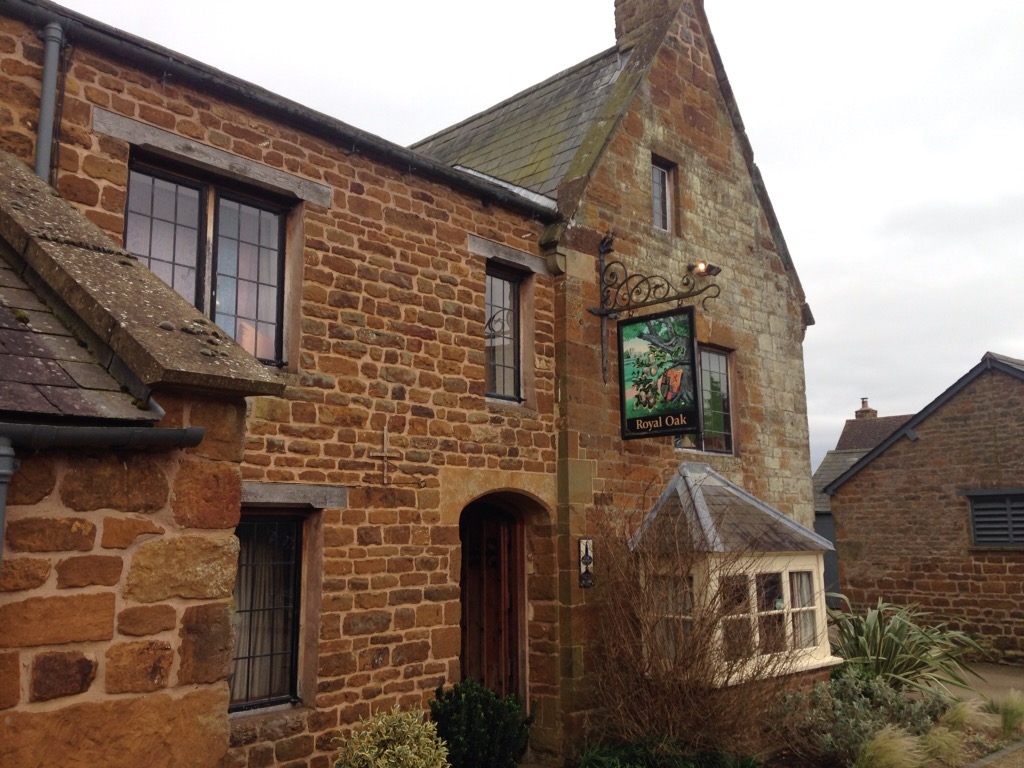
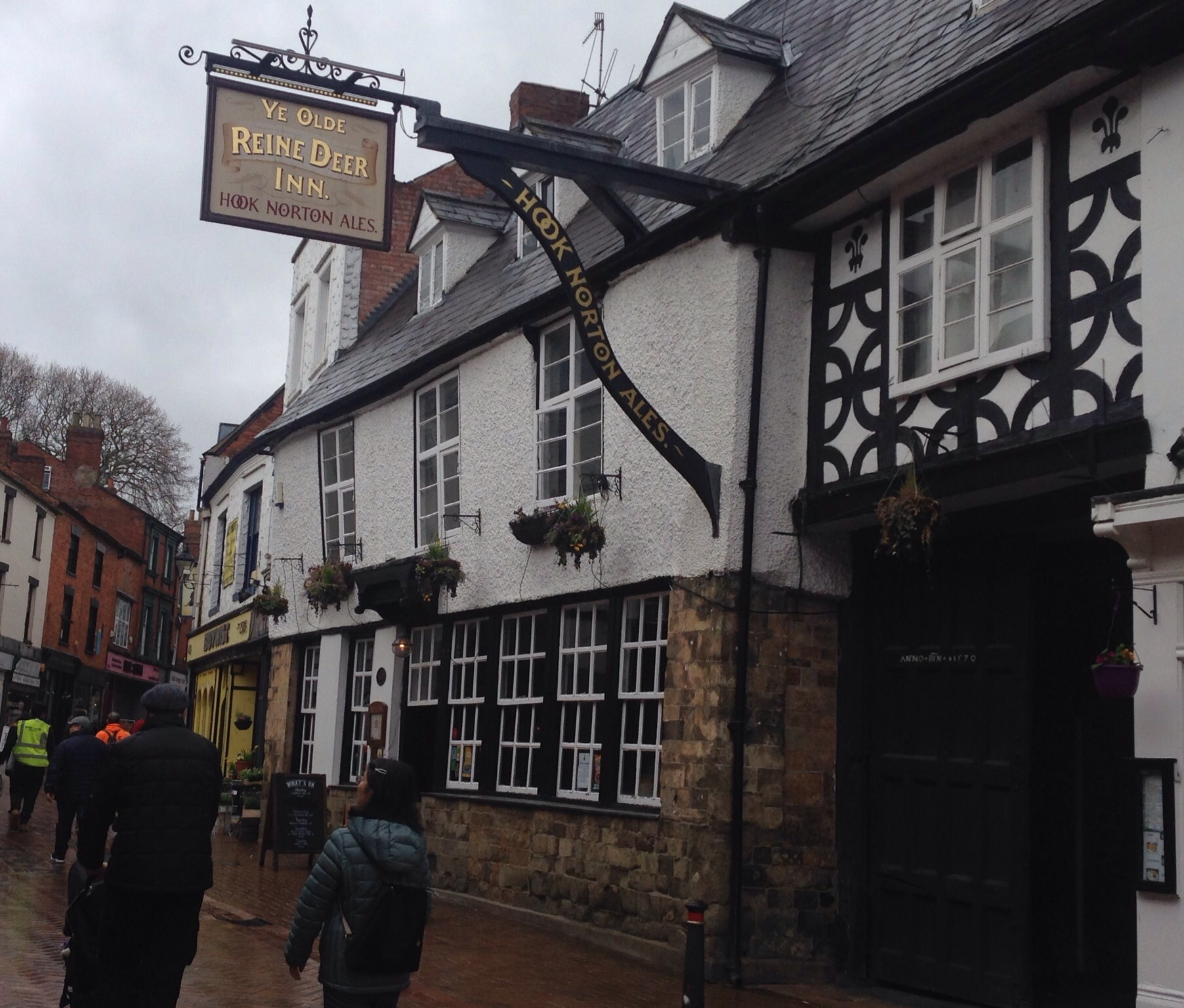
Love the building that this pub is housed in — hope to check out the inside sometime while we’re here.Today (Monday) Bob and I spent some time in Banbury to check out the local “big city.” Banbury is a town of about 47,000 on the River Cherwell. Per Wikipedia, it is home to the world’s largest coffee-processing facility (Jacob’s Douwe Egberts — we’ve had their instant) and are known for their oval Banbury cakes. I made a hair appointment for later this week, and then we did a short tour of the downtown area, including a stop in their free museum.
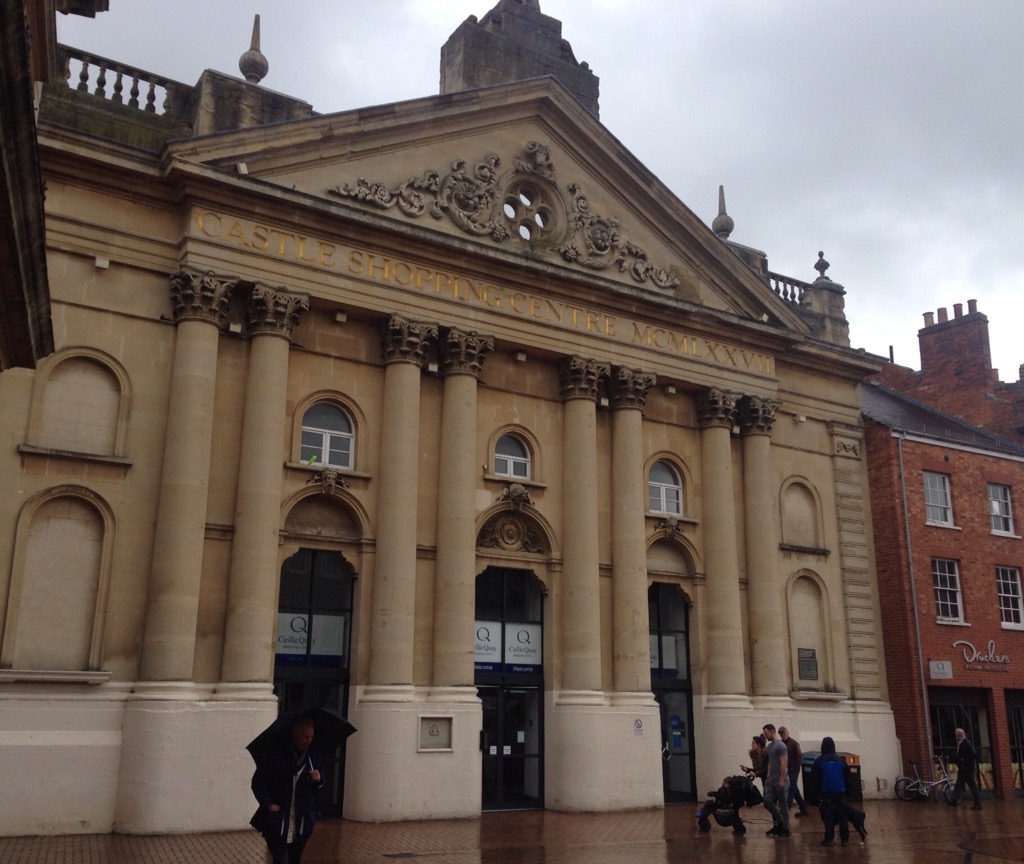
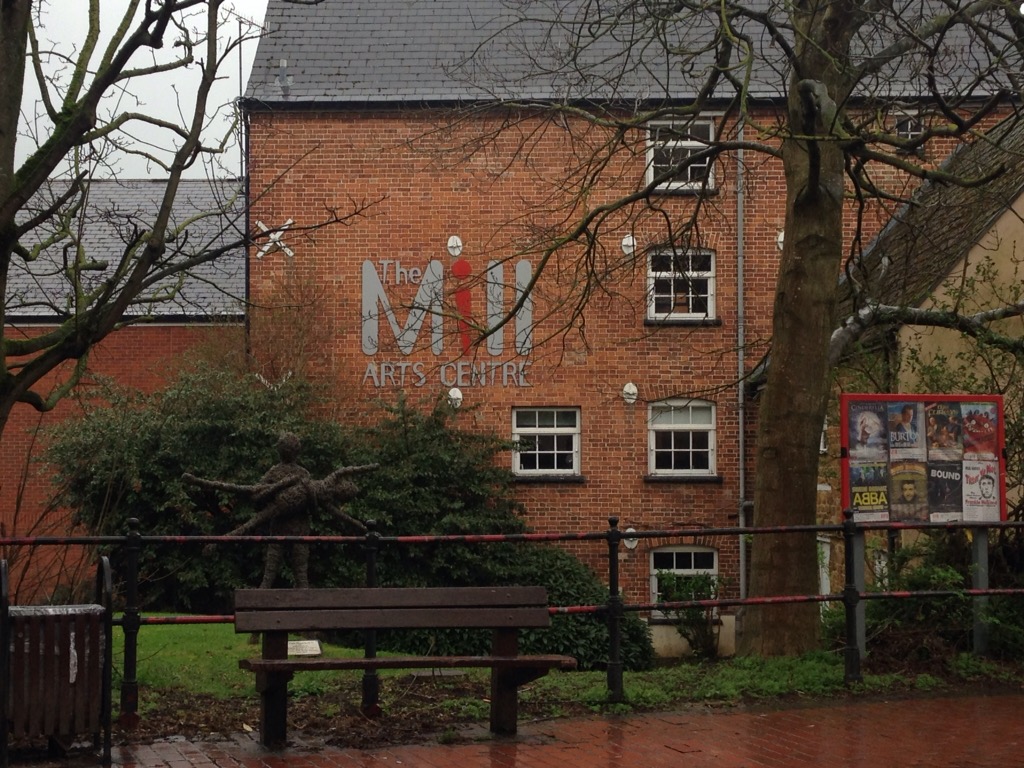
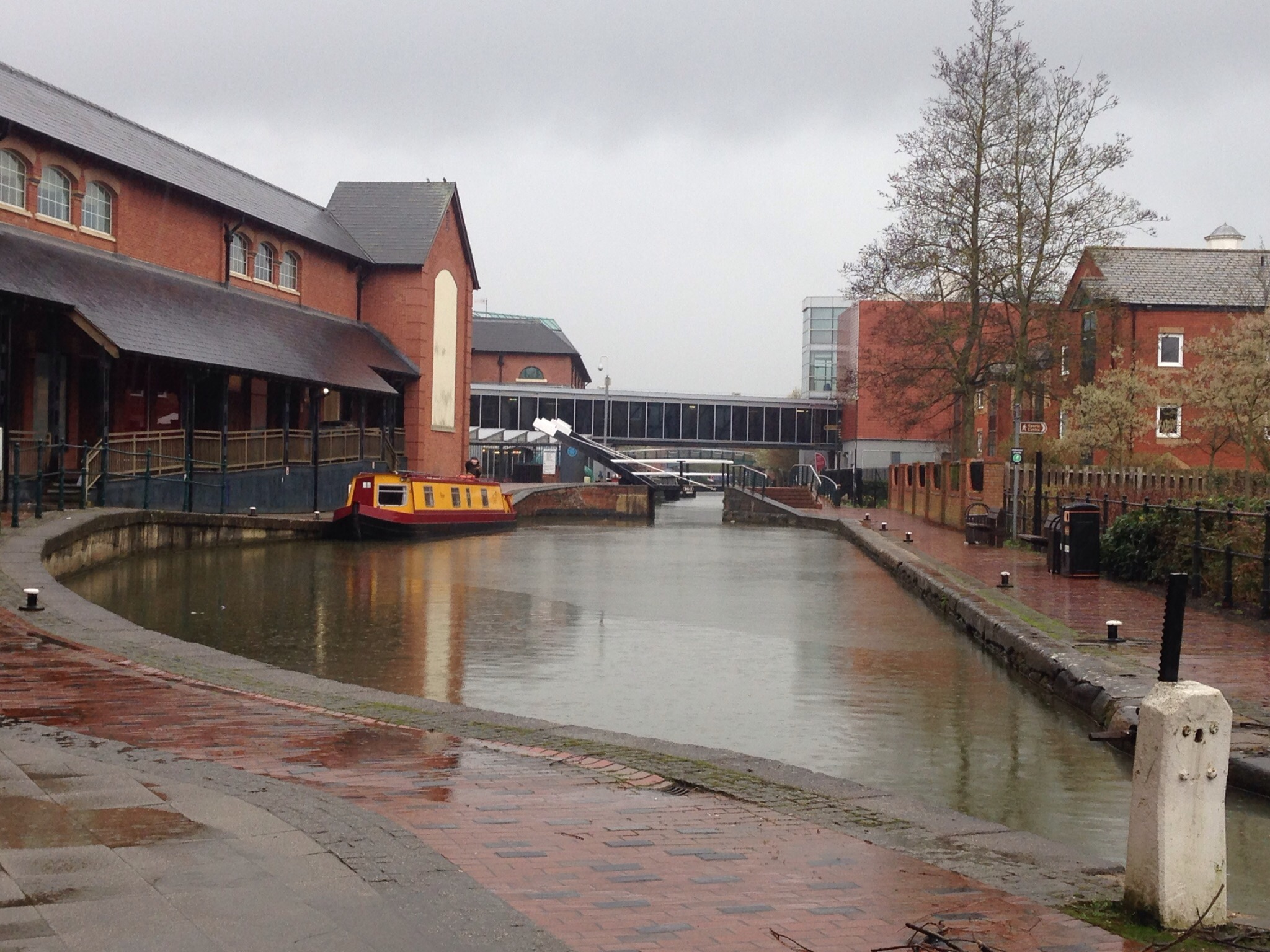
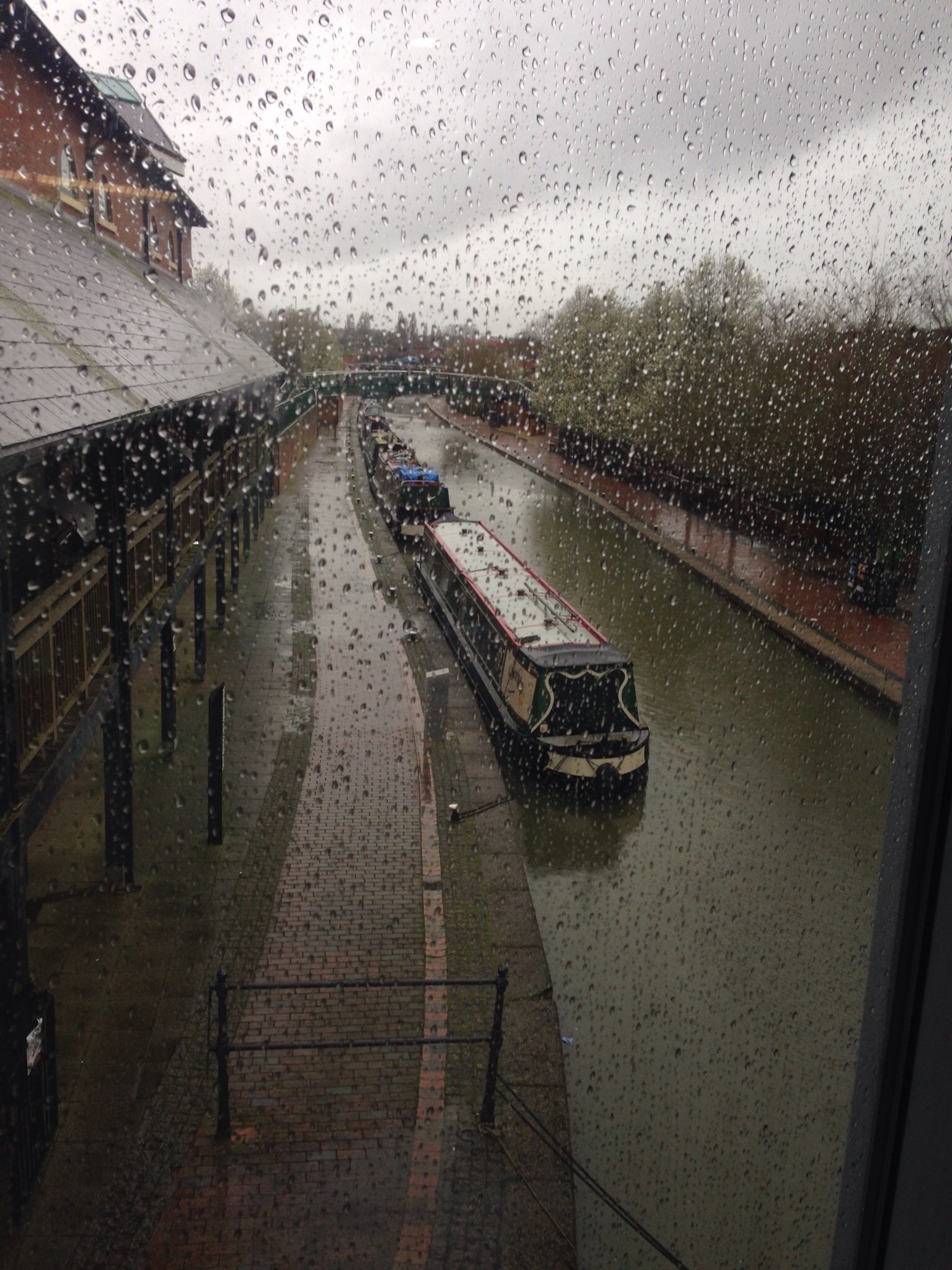
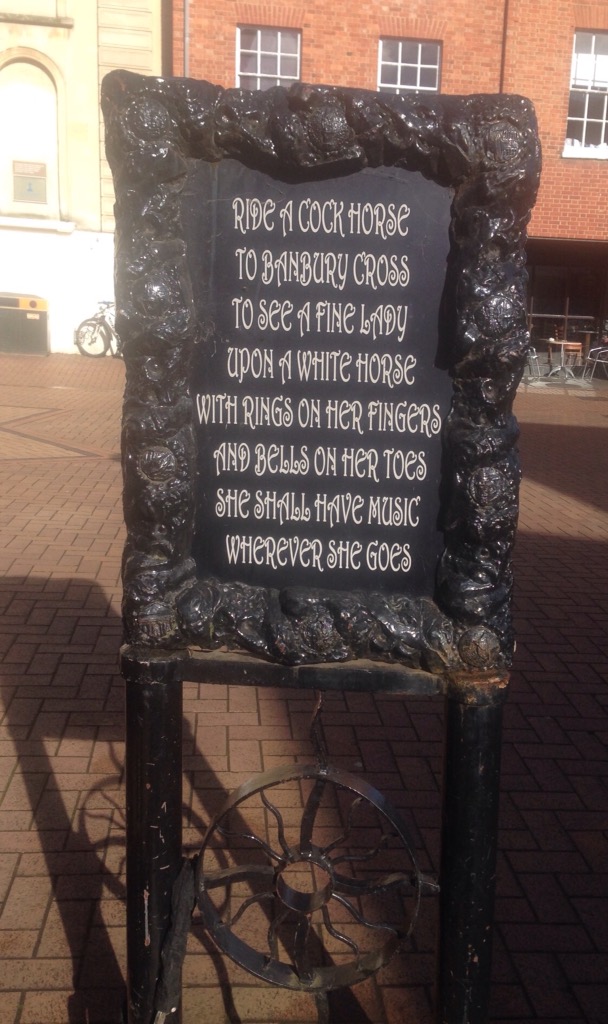
The Castle Quay shopping center on one side of the town squareA local pub advertising locally-made alesThe local performing arts center and some public artOne view of the Oxford Canal that runs through townAnother view of the canal from the window of the Banbury MuseumThe town is also made famous in an English nursery rhyme
Here are the current versions of the Banbury Cross and fair lady on a horse (though not white)
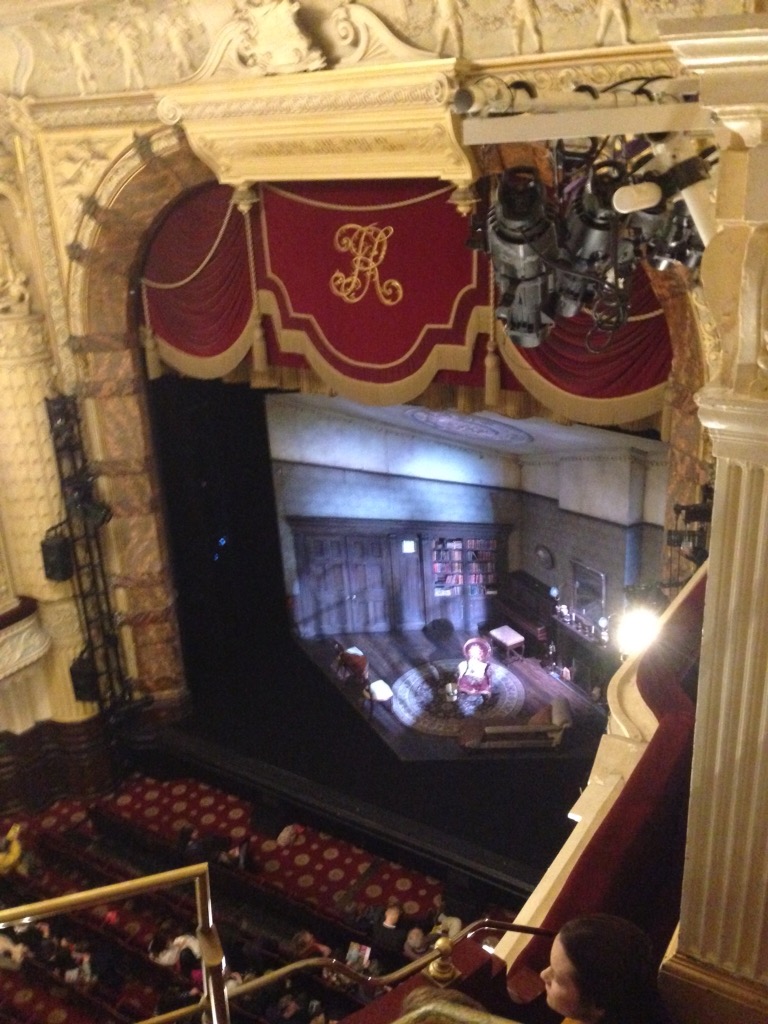
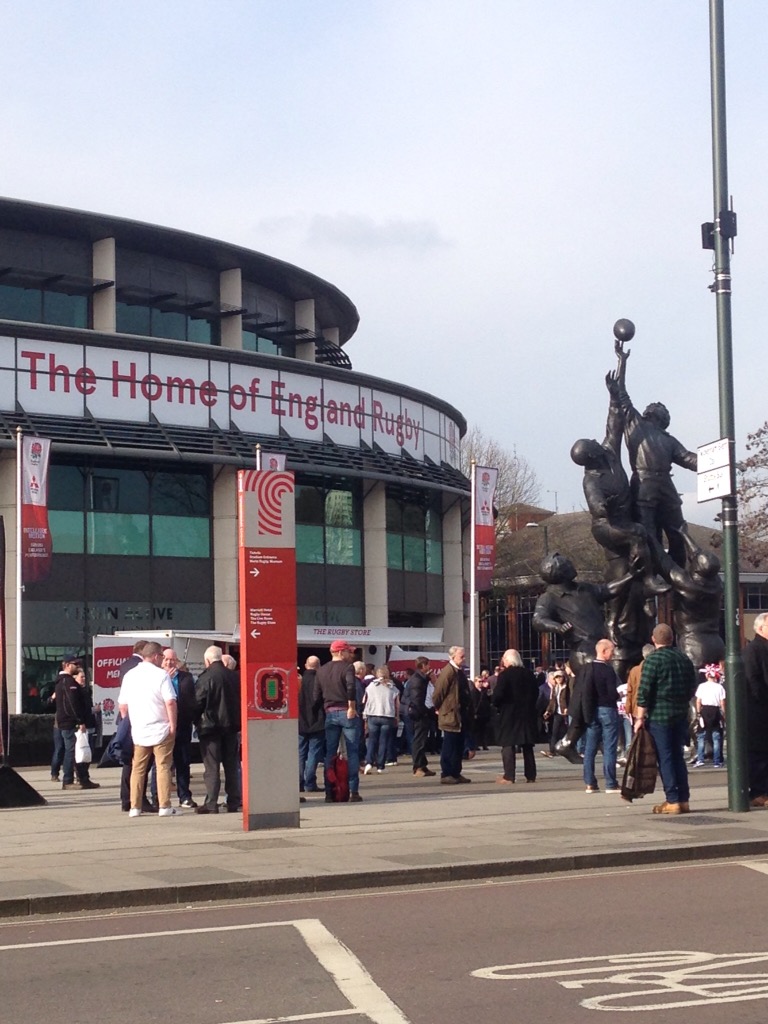
Bob and I spent much of our time during the last week getting even better acquainted with our “hood” — Isleworth, Brentford, Richmond, Kew, and Chiswick. We took in a play, Gaslight, at a lovely old theatre in Richmond. It reminded us a bit of the Paramount Theater in Austin. And we got in on a little of the Six Nations Rugby festivities by going to the pre-game activities at the famous Twickenham Stadium. We were outside (didn’t spring for the pricey tickets) the venue where Prince Harry and Princess Anne (as well as some footballers) were in attendance! England won big over Scotland to clinch the Six Nations cup. They (England) play Ireland today. If they win there, they would earn the Grand Slam, meaning they have won every game in the Six Nations championship.
We really loved our stay in Isleworth — awesome to be in a smaller, residential community with access to great running paths, good theatre, as well as easy access to the big city. The fact that we got to meet some new friends (human and animal) made it all the better.
The beautiful Richmond Theatre —
The stage set for the play, Gaslight
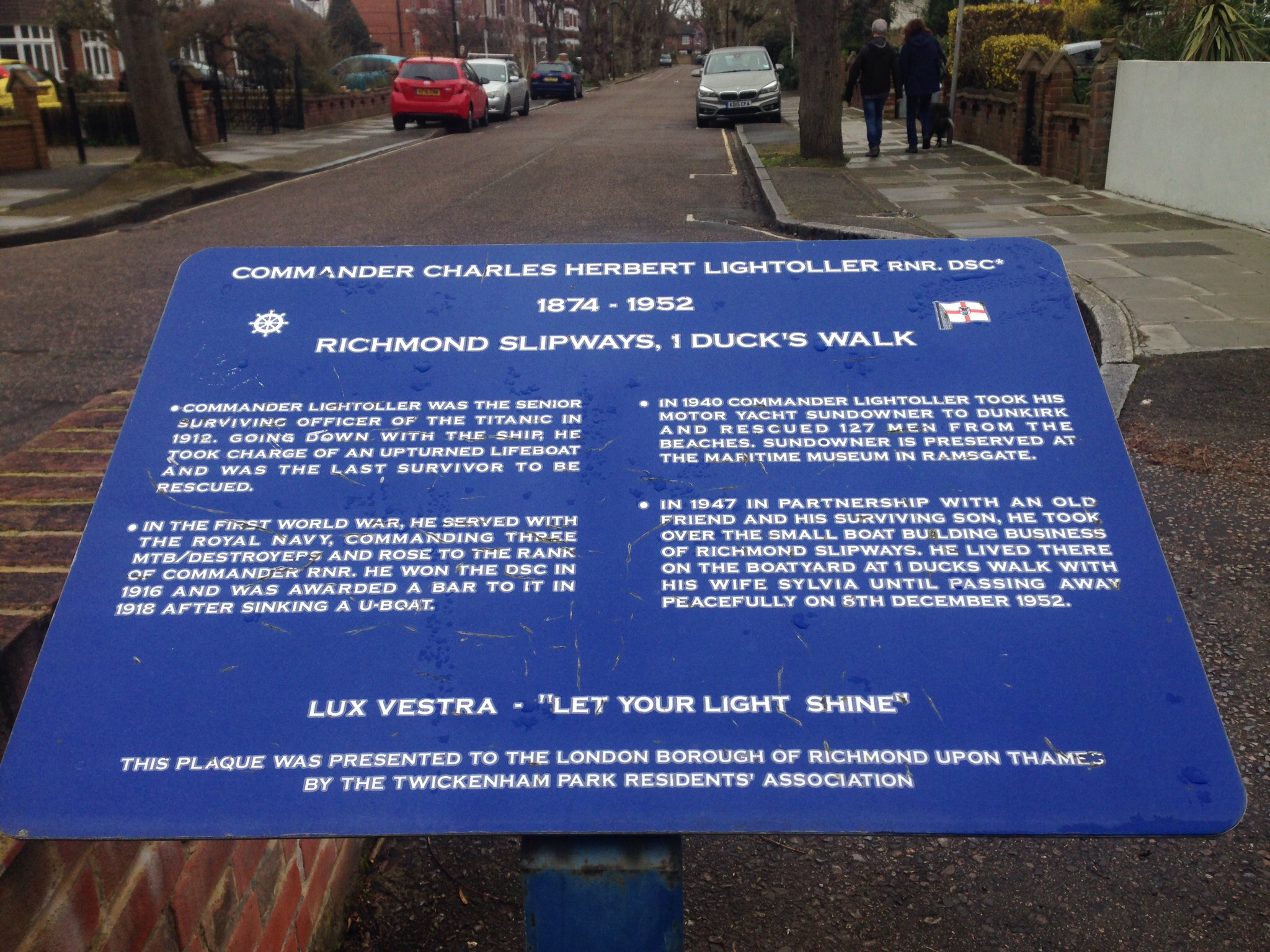
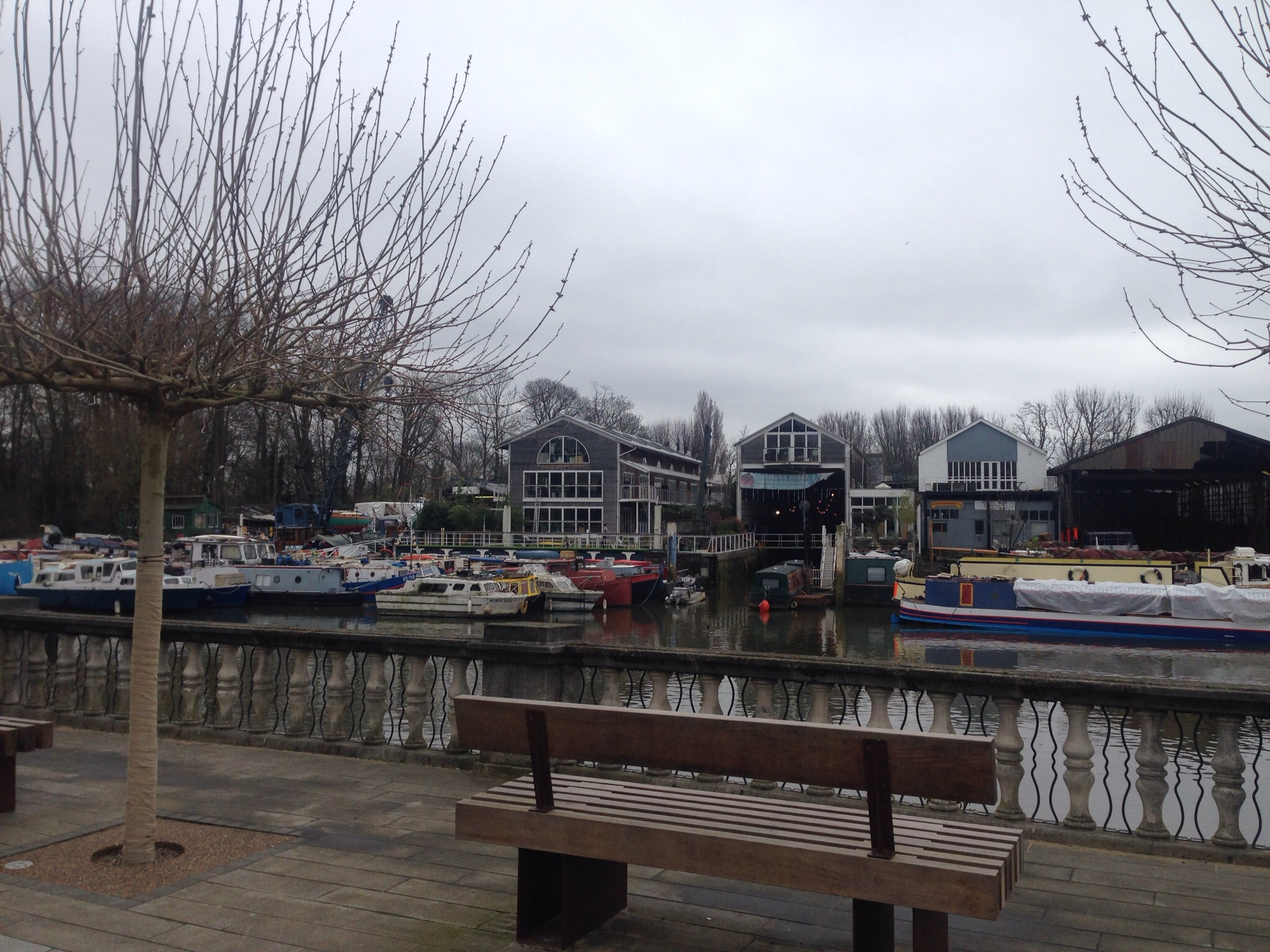
Some fun and informative finds walking to and along the Thames Path —
We passed this marker every time we walked to the Thames pathMore local historyThe White Swan Pub keeping their patrons informed of the daily tide levelsLooking across the Thames to Eel IslandBob, Charlie, and Zoe in front of an elaborate fountain in York Park
We had a rugby (not football) day one Saturday, as we headed to the famous Twickenham Stadium to participate (people watch) ahead of the Six Nations match between England and Scotland. England won that game easily but lost today to Ireland. While England still wins the Six Nations Cup, they don’t win the Grand Slam (winning all of their games in the championship series).
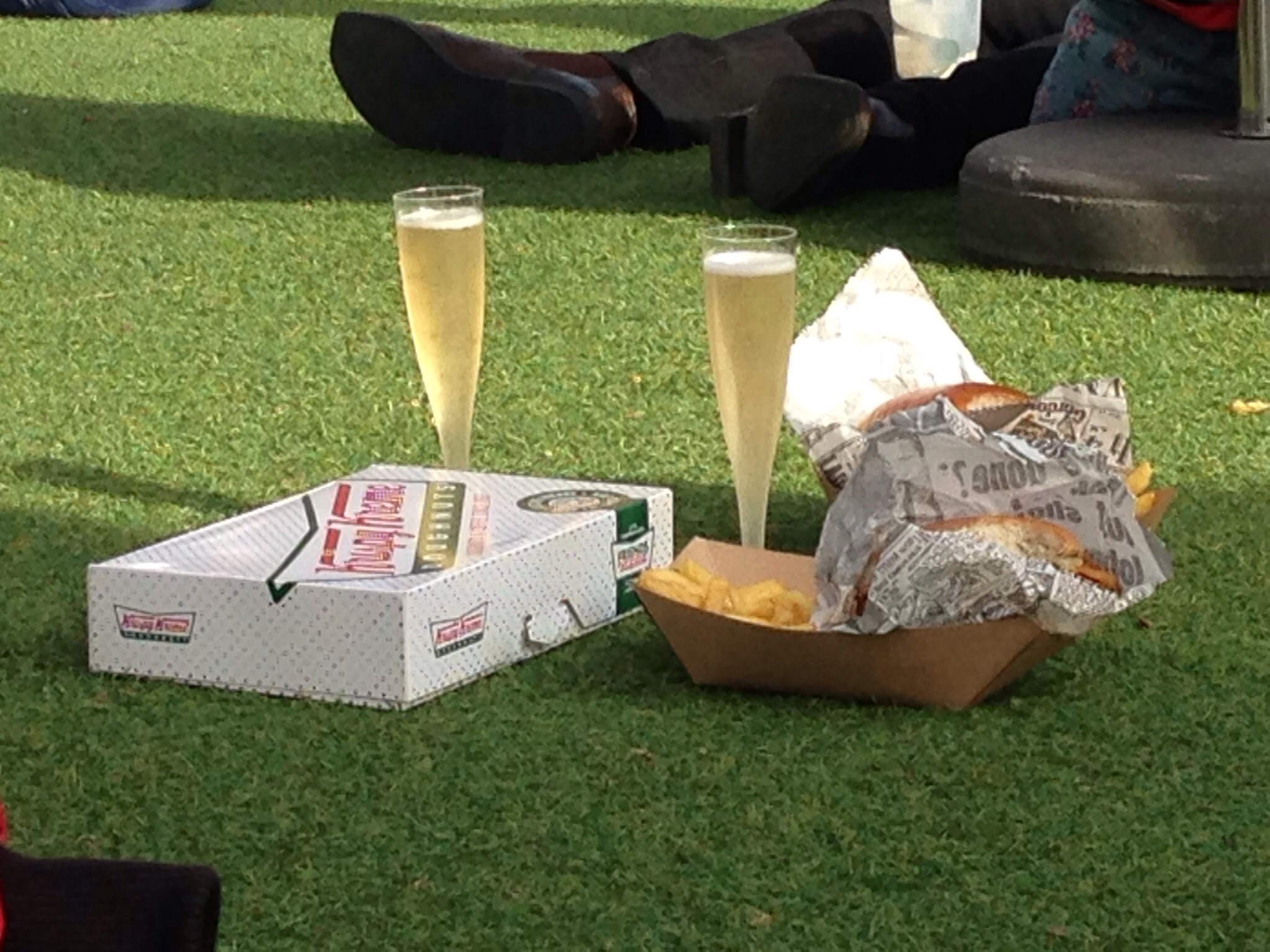
Entrance to the stadiumInside the Guinness Fan ZoneThere was also a bubbles tent as well as food booths. This lunch of champions was temporarily abandoned by two gentleman who went to greet the team bus as it drove by. No one bothered it, and they came back.
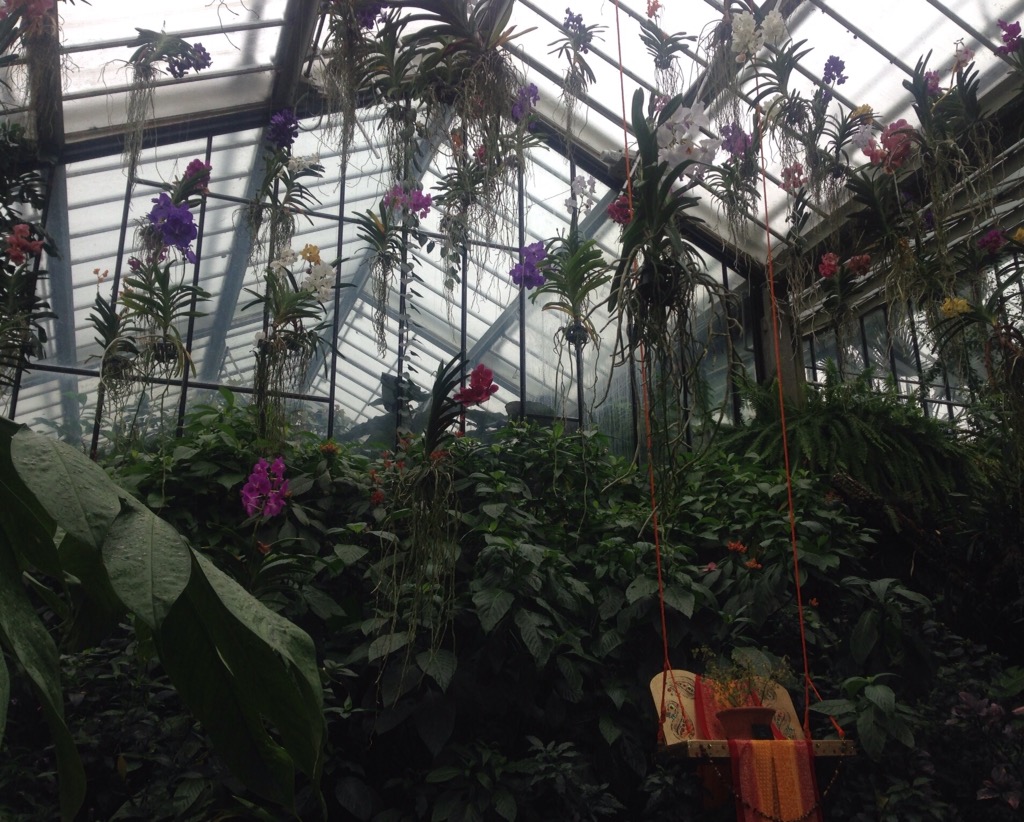
New friends that our homeowners introduced us to, Bev and Rae, got us into the Kew Royal Gardens for free. They are members and are able to bring guests.
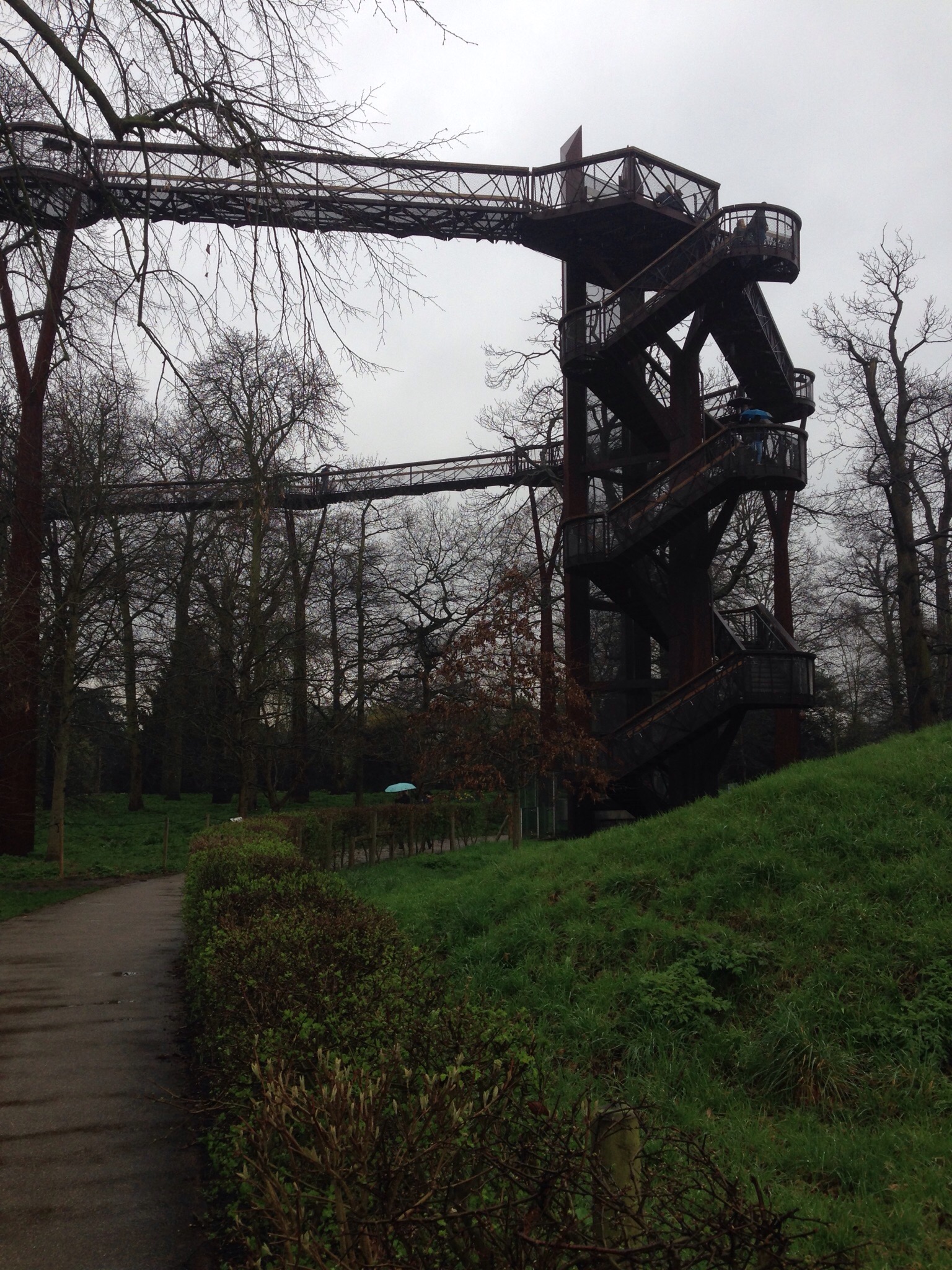
The Princess of Wales ConservatoryInside the conservatoryHanging orchidsThe treetops walkSpring means daffodils hereWe walked to Chiswick (pronounced Chisik) one day to see the Chiswick House and Gardens and the Fuller’s Brewery (photo ops only) and then toured the Syon House and Garden in Isleworth on its opening day of the season.
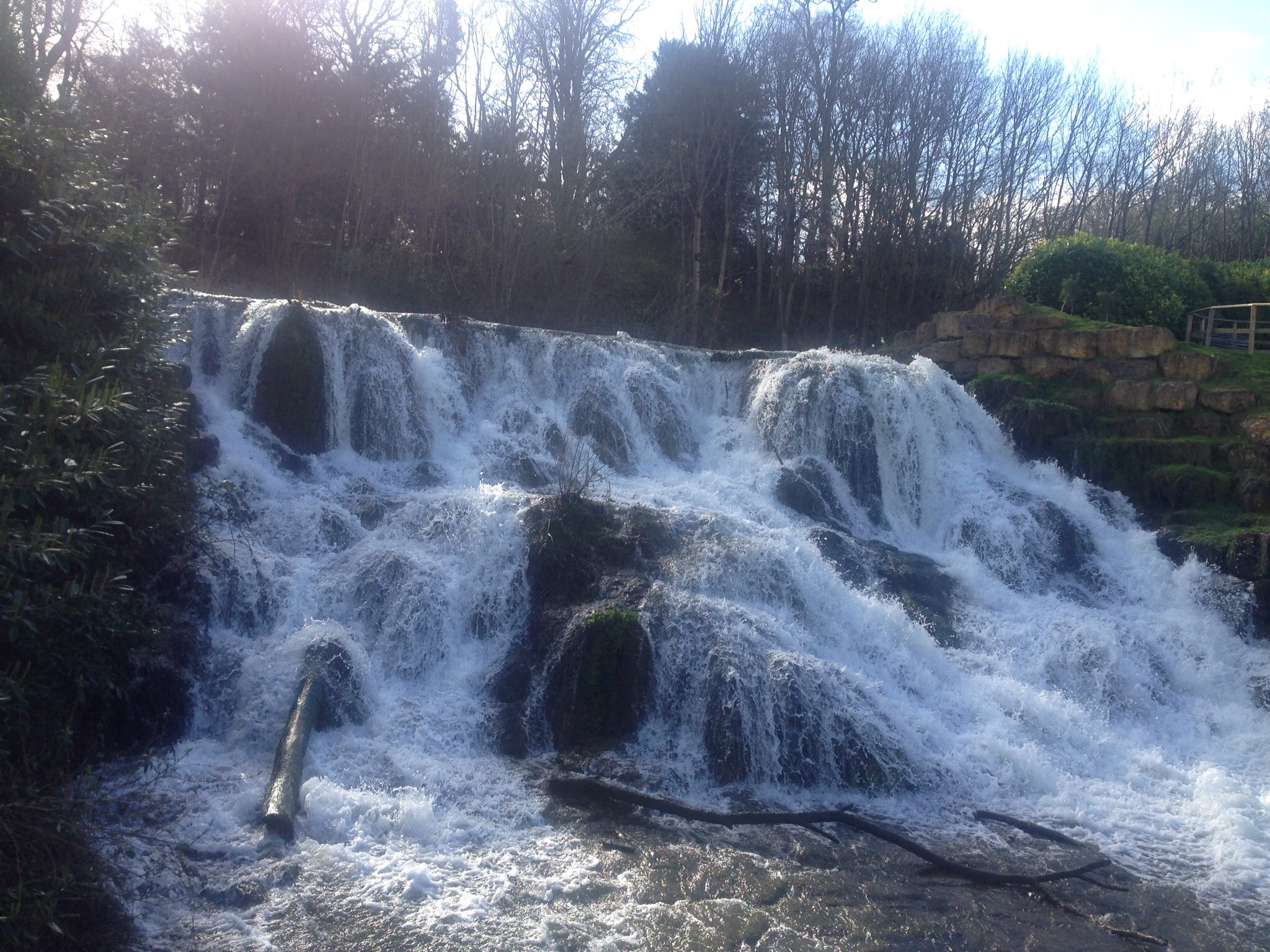
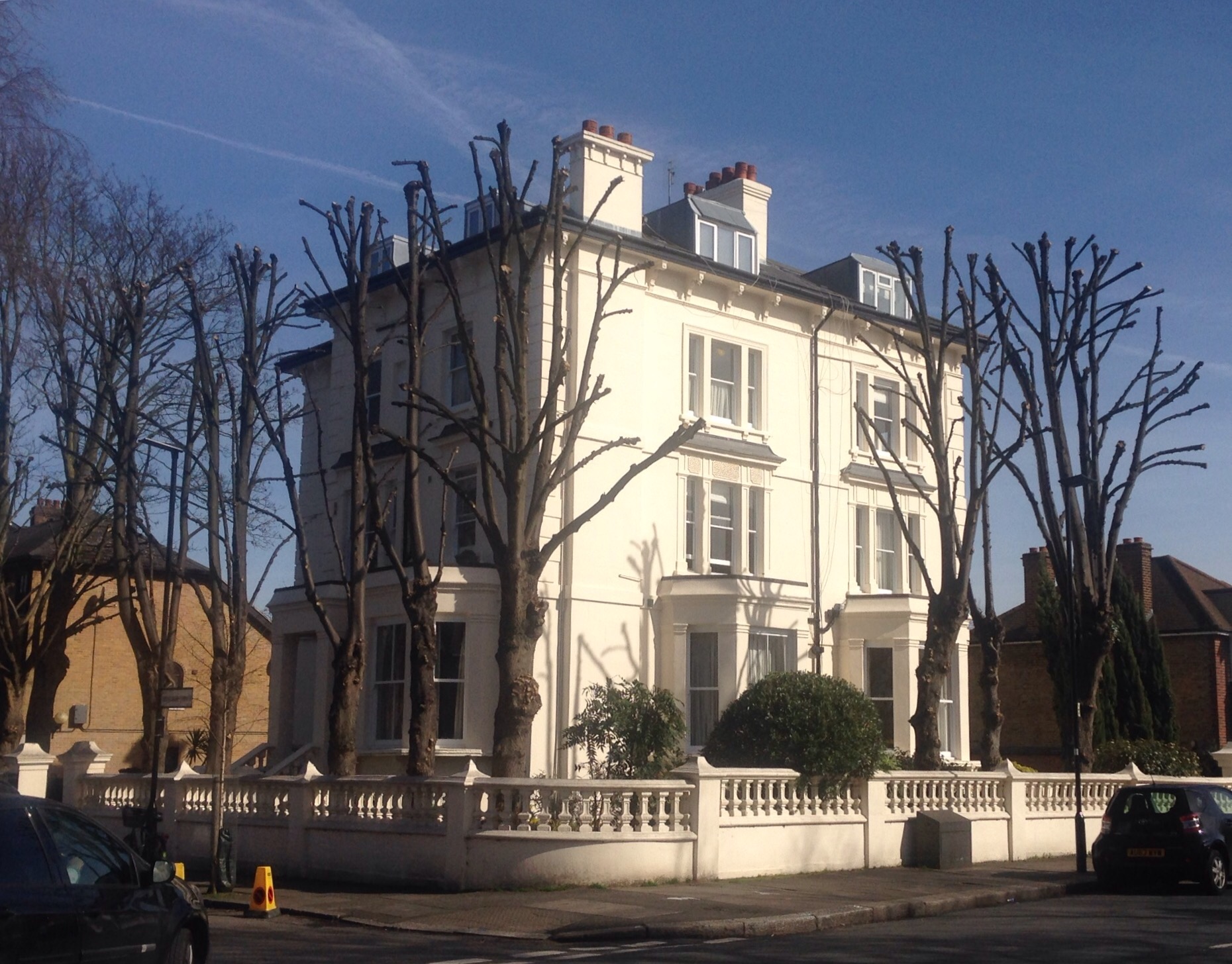
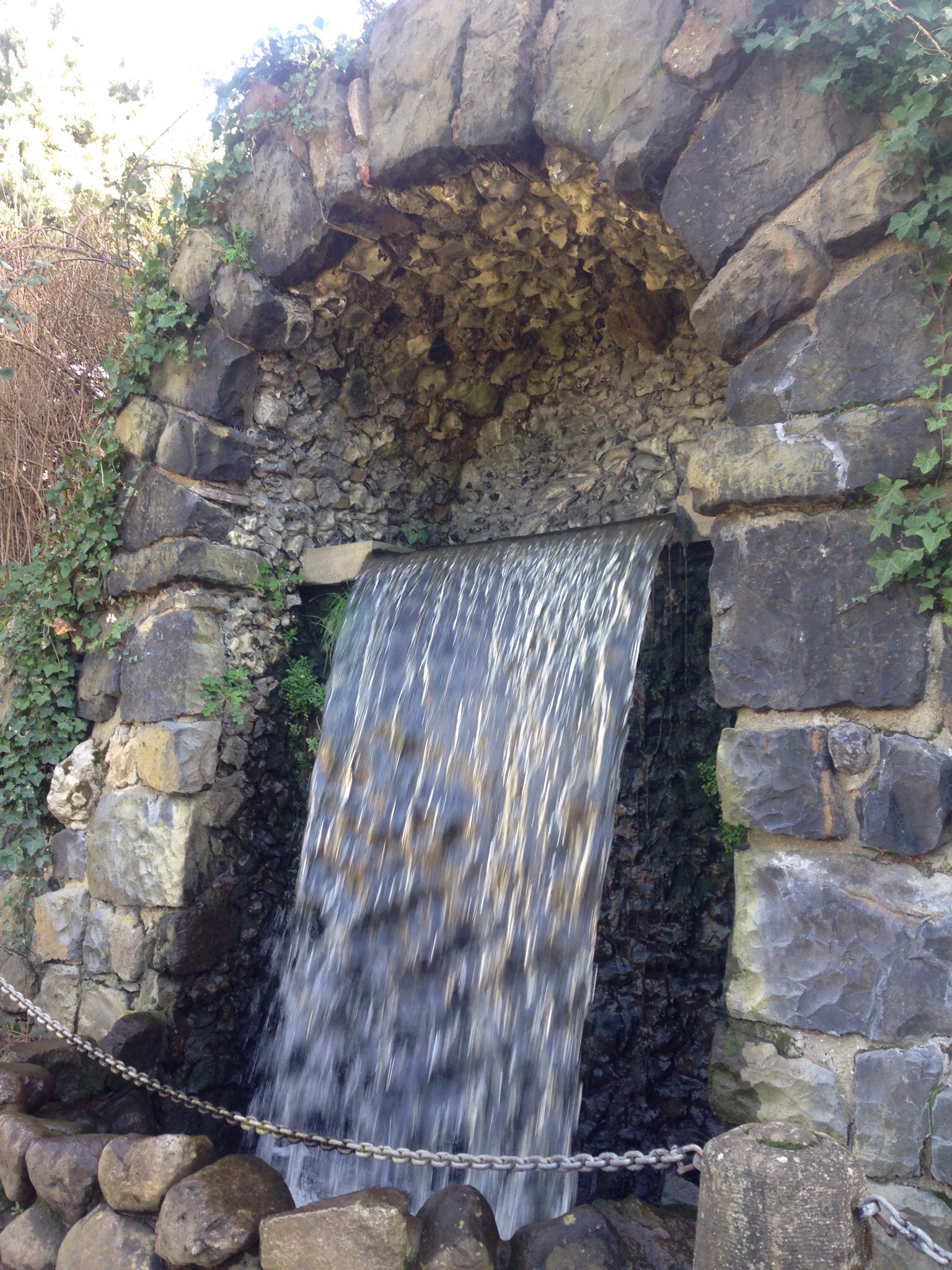
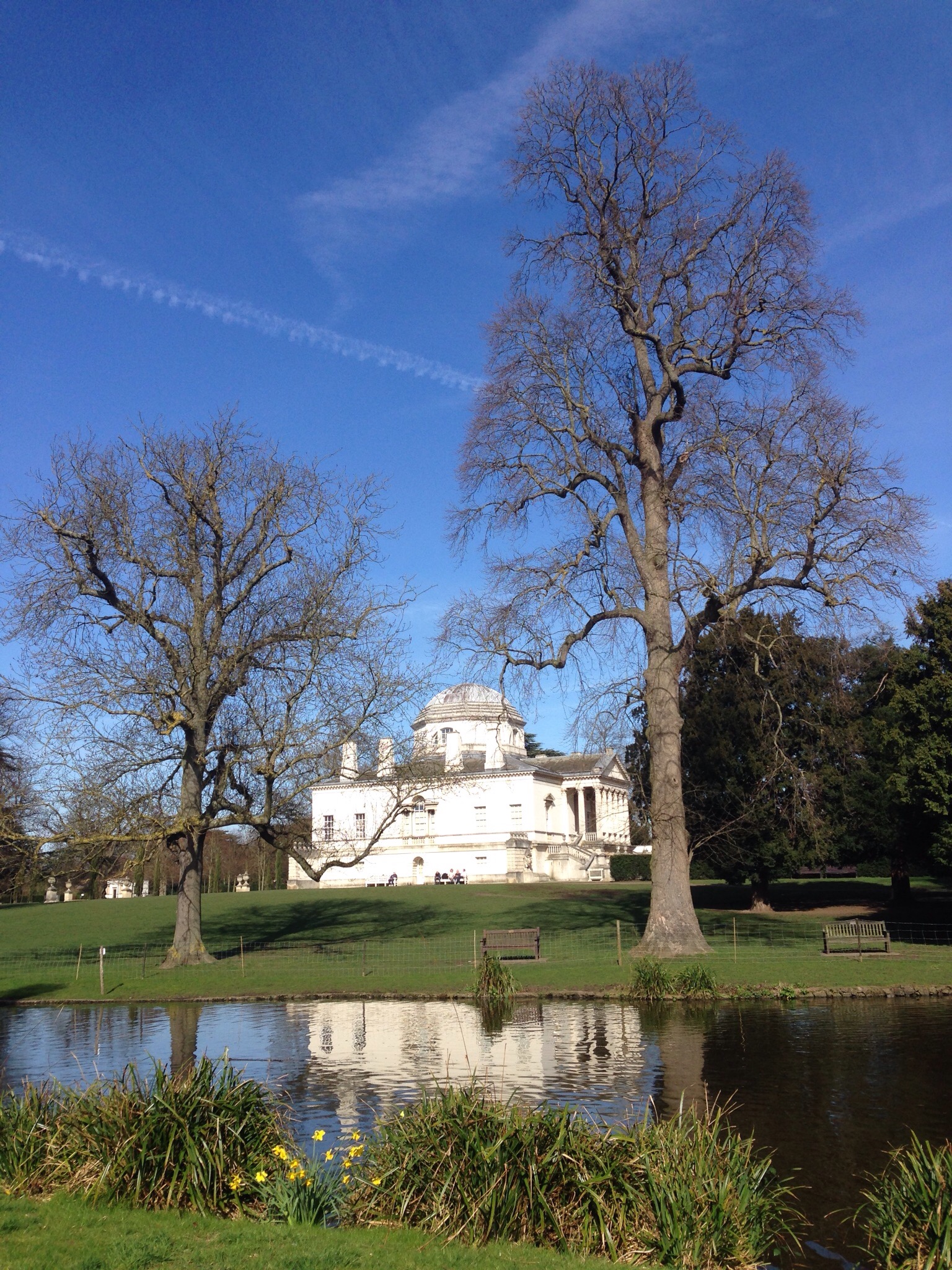
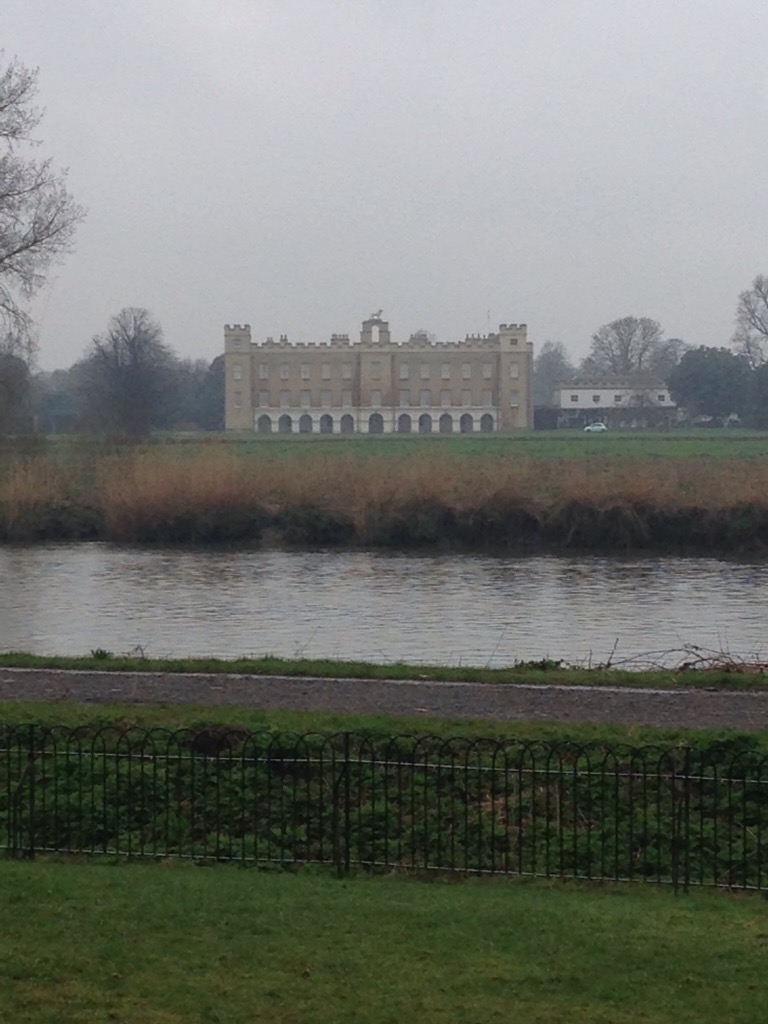
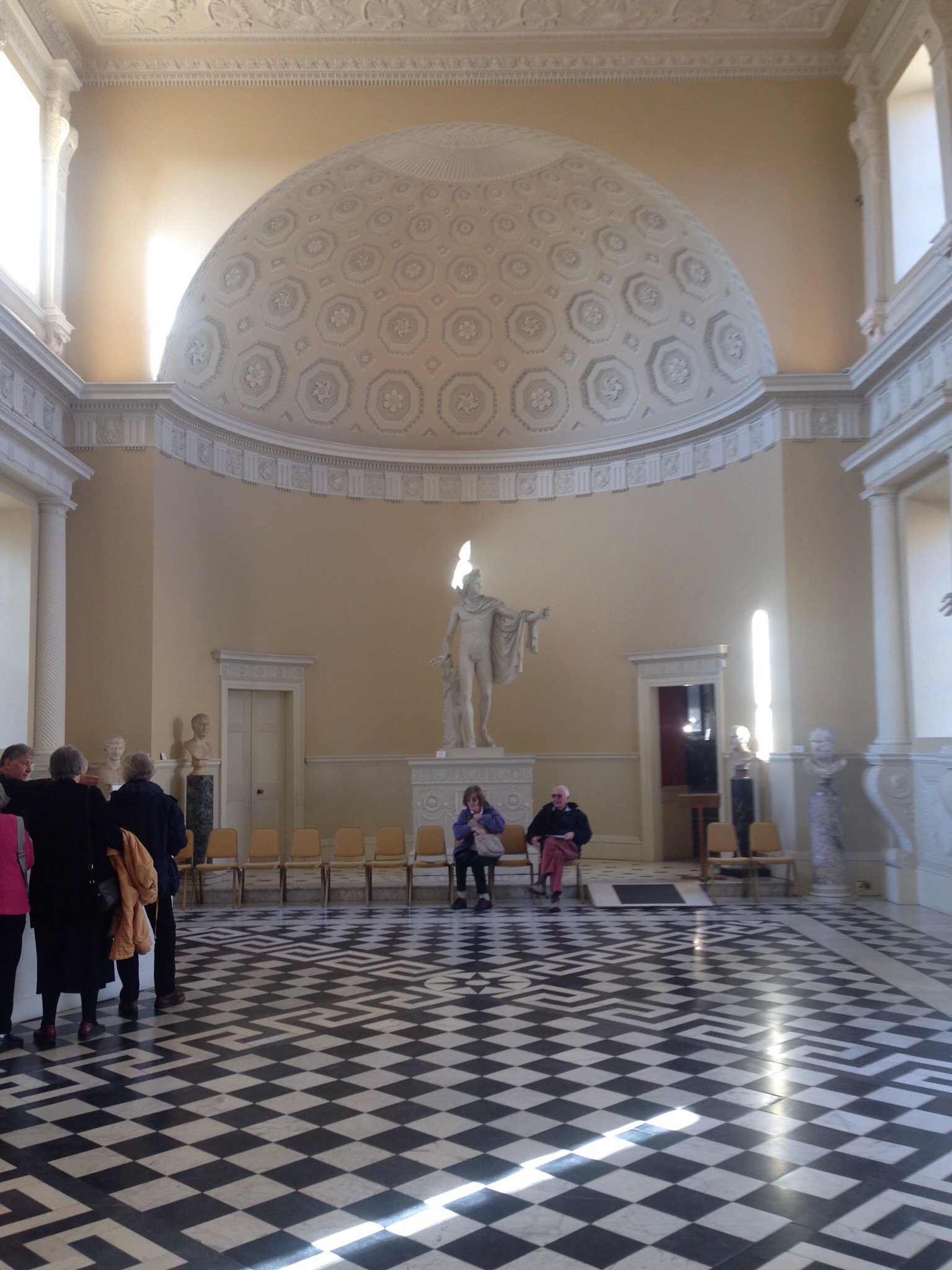
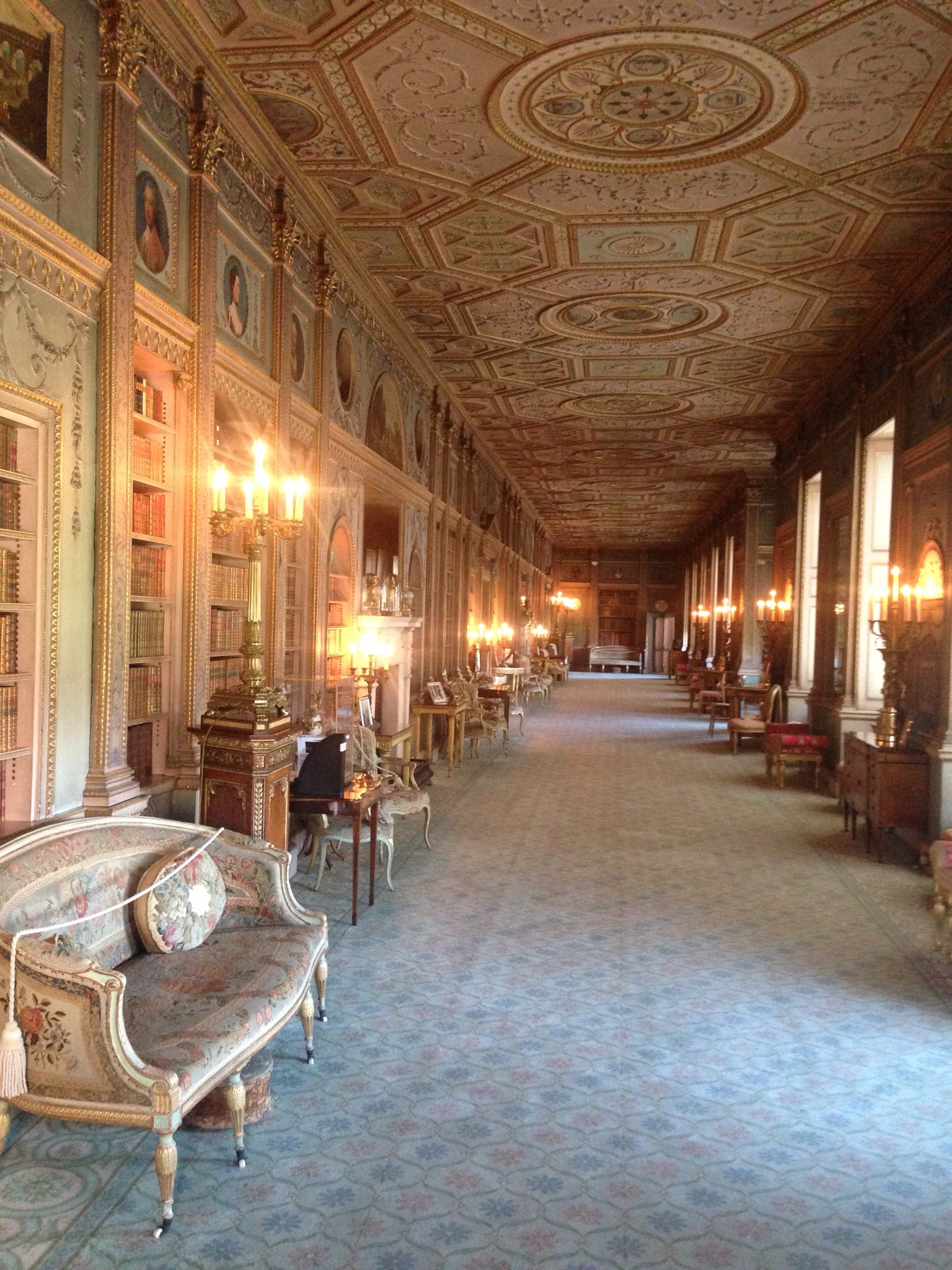
A boat on the Thames near BrentfordA lovely home in ChiswickA Fuller’s Pub near the Fuller’s brewery — many pubs are owned by breweriesA waterfall in Chiswick House ParkThe Earl of Burlington’s Chiswick House, built between 1725 and 1729 Syon House in Isleworth, viewed from across the ThamesThe Great Hall in Syon House, the London residence of the Duke of Northumberland. we learned during the tour that the current Duke inherited the property and title when his older brother died.The Long Corridor — awesome built-in bookcases with lots of old, family books
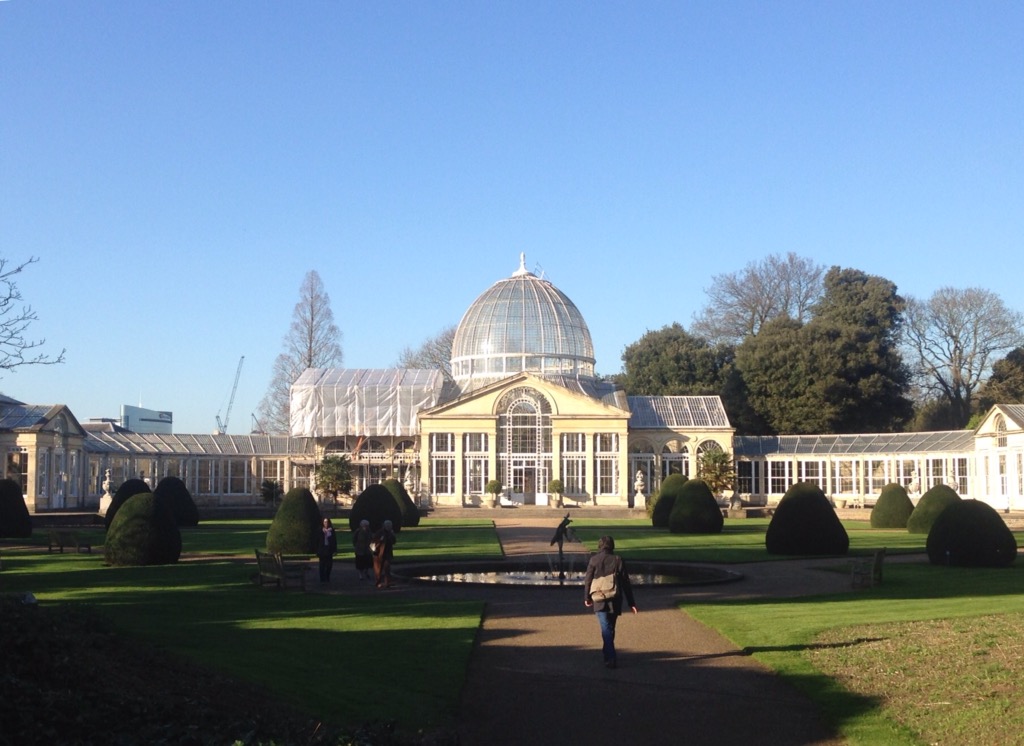
The conservatory on the groundsPart of the gardens and pond
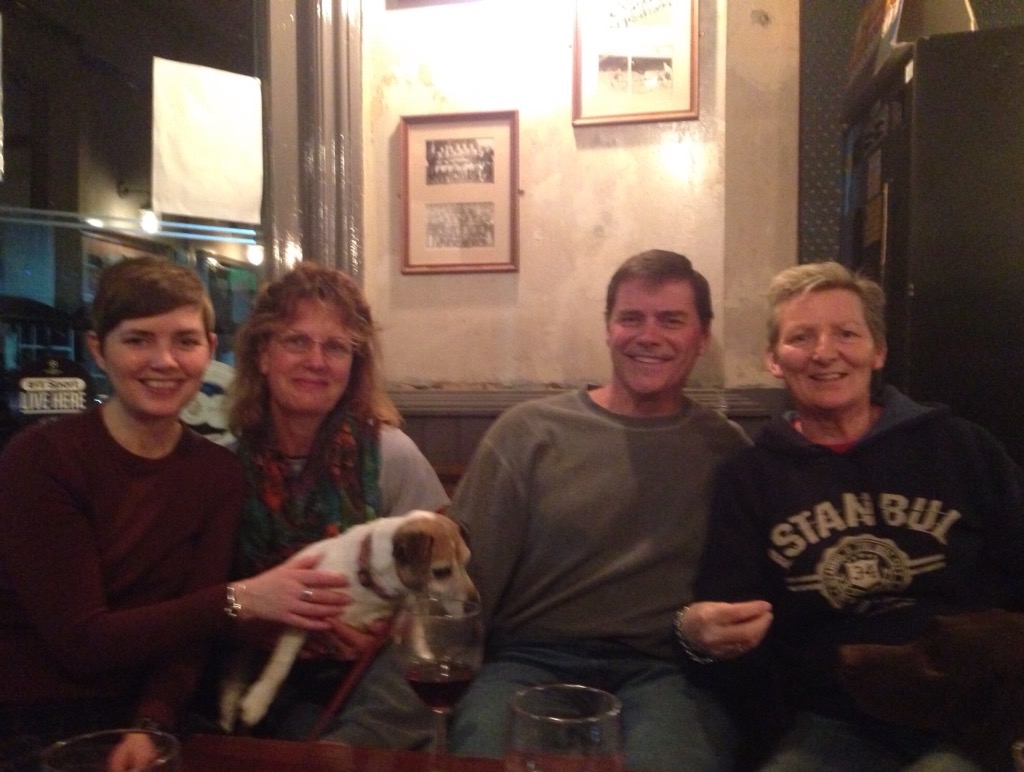
Bob and I with Rae and Bev (and Zoe and Charlie) in the Red Lion Pub across the street from where we housesit
Bob and I are just beginning our week-long housesit in Banbury, England, but we need to finish our posts for Isleworth/London. The following is my attempt to show some our highlights from the big City of London with a second post to follow on our final excursions closer to Isleworth. Our time in London over the past week or so was spent on seeing the sights from a boat, a pod, and a Skygarden. We paid for the views from the boat and the pod (the Eye). The Skygarden was free, but we had to reserve a time to go up. We also made time to people watch and enjoy some the food at a local market.
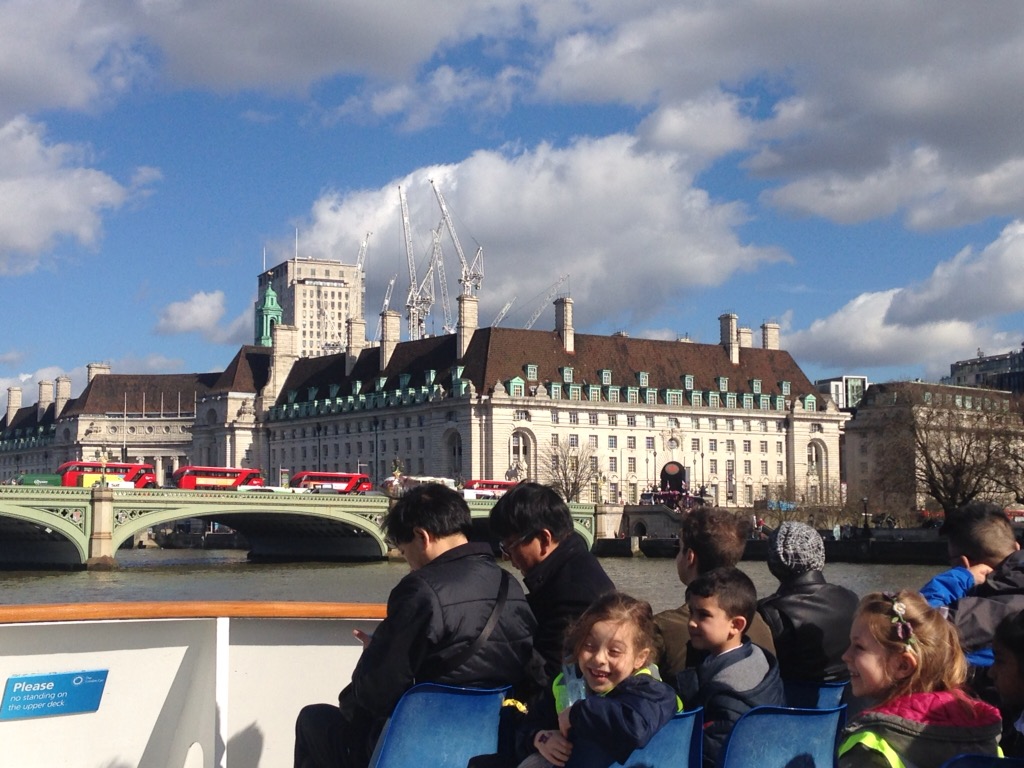
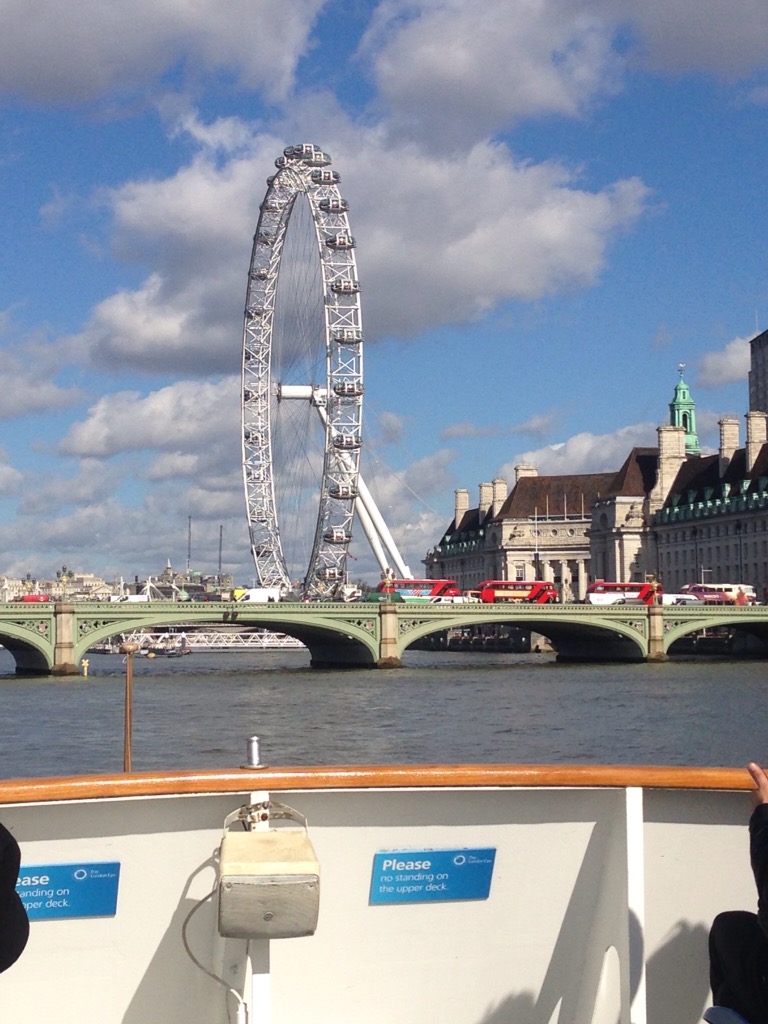
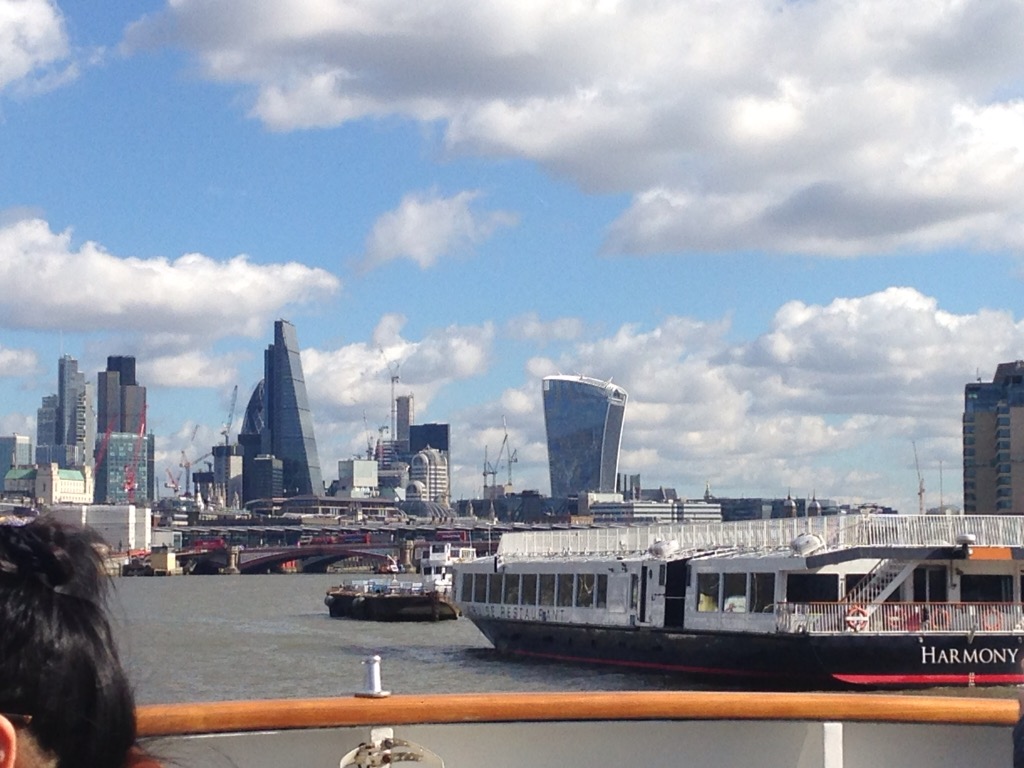
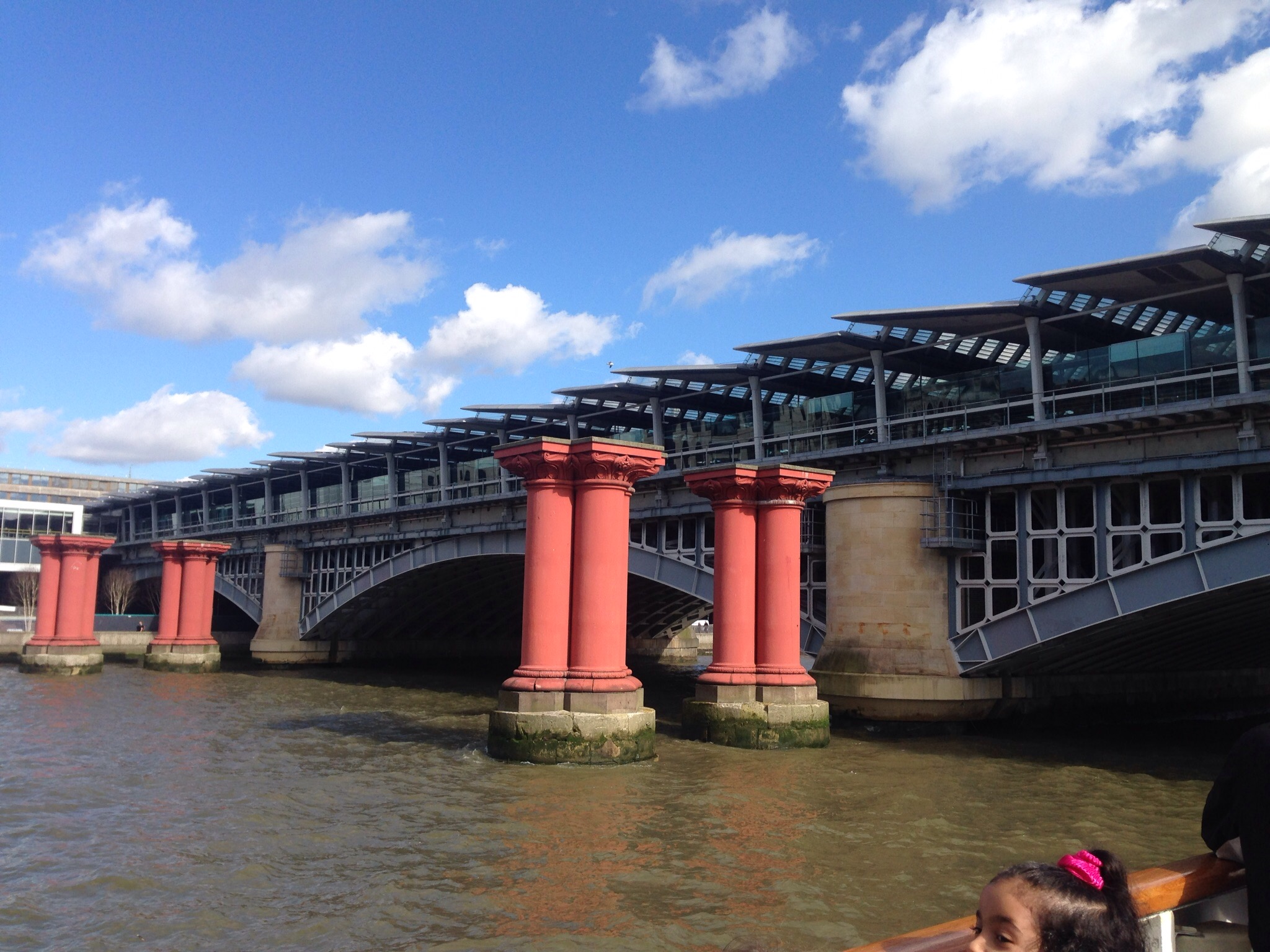
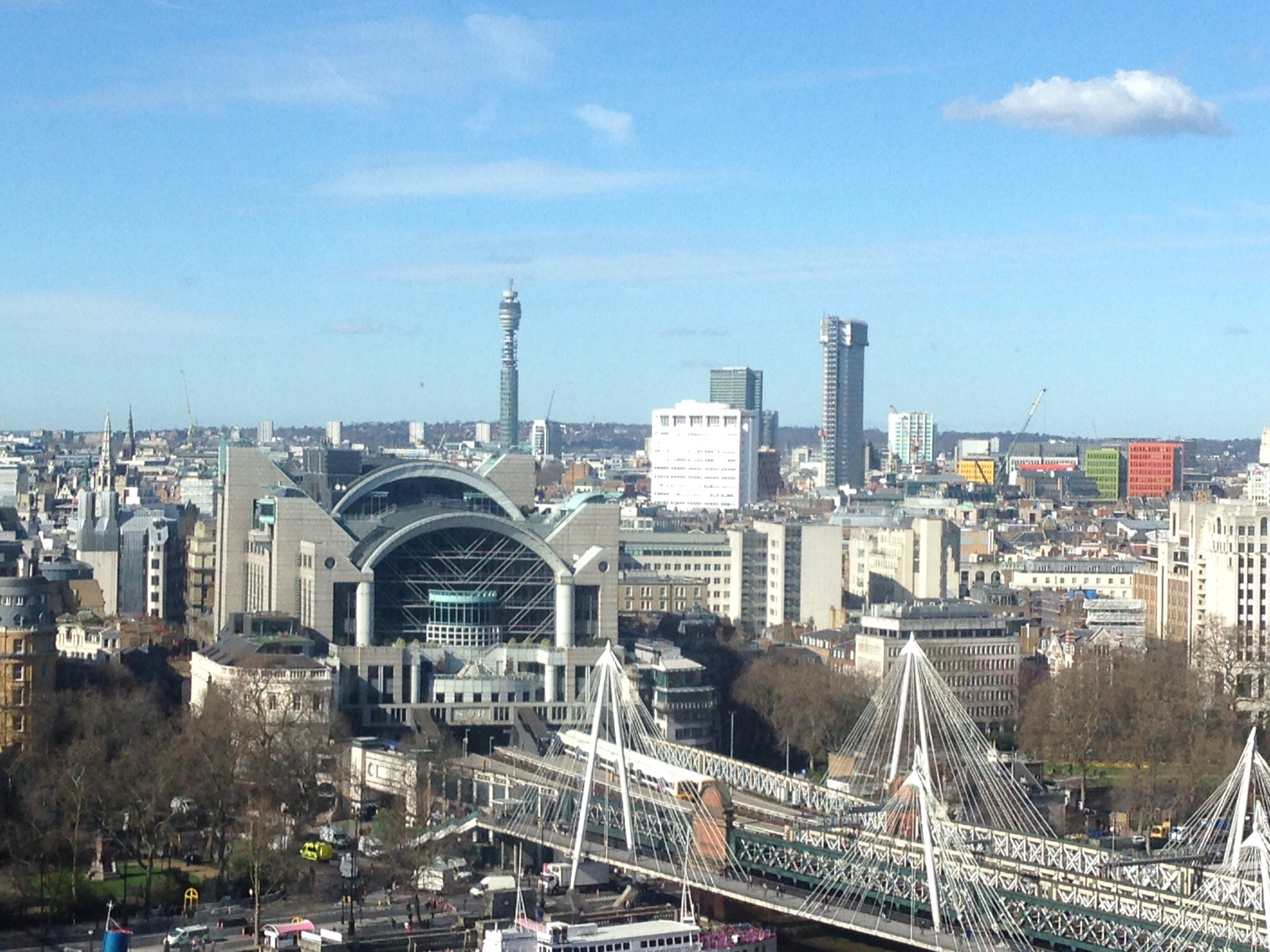
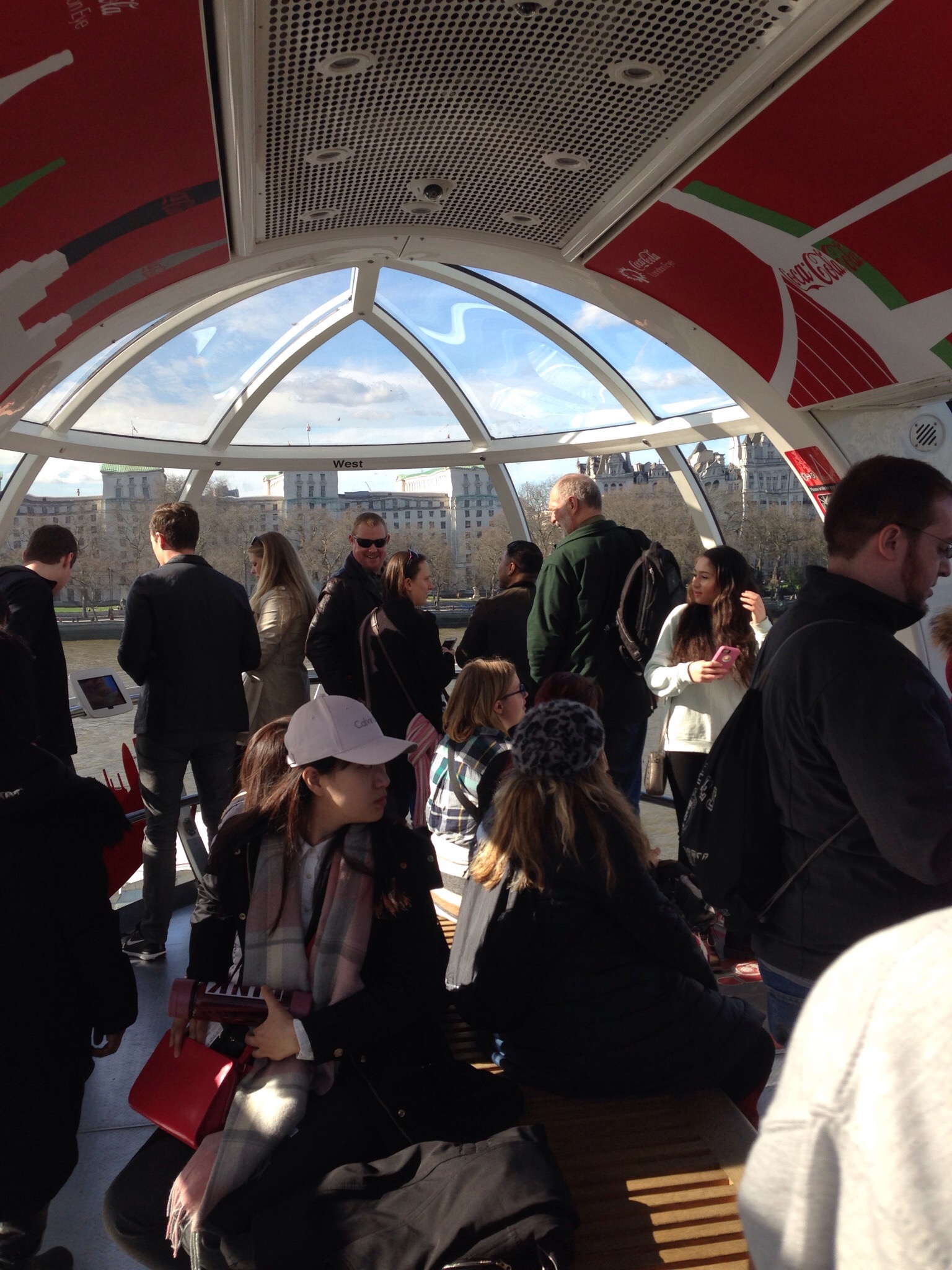
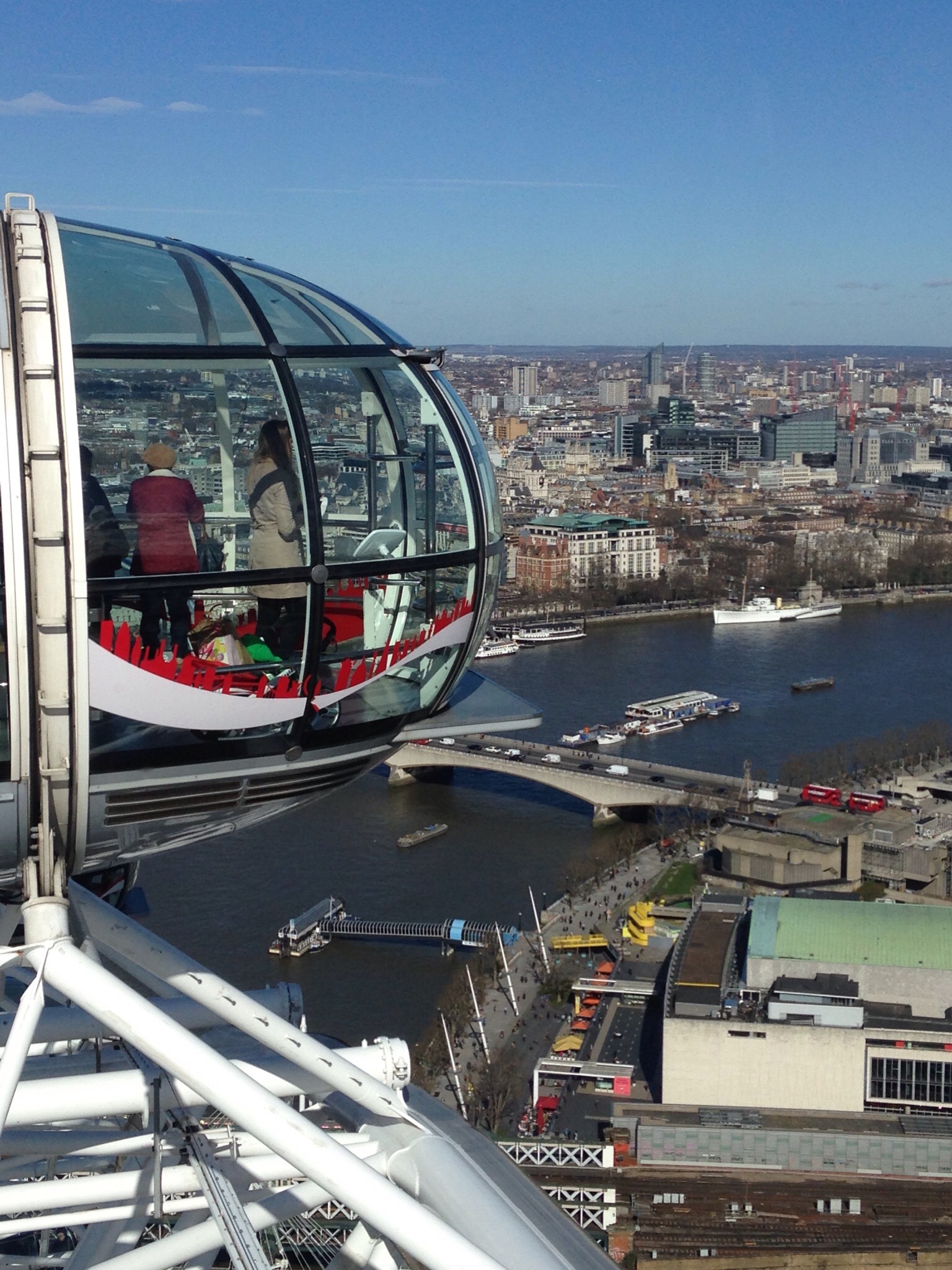
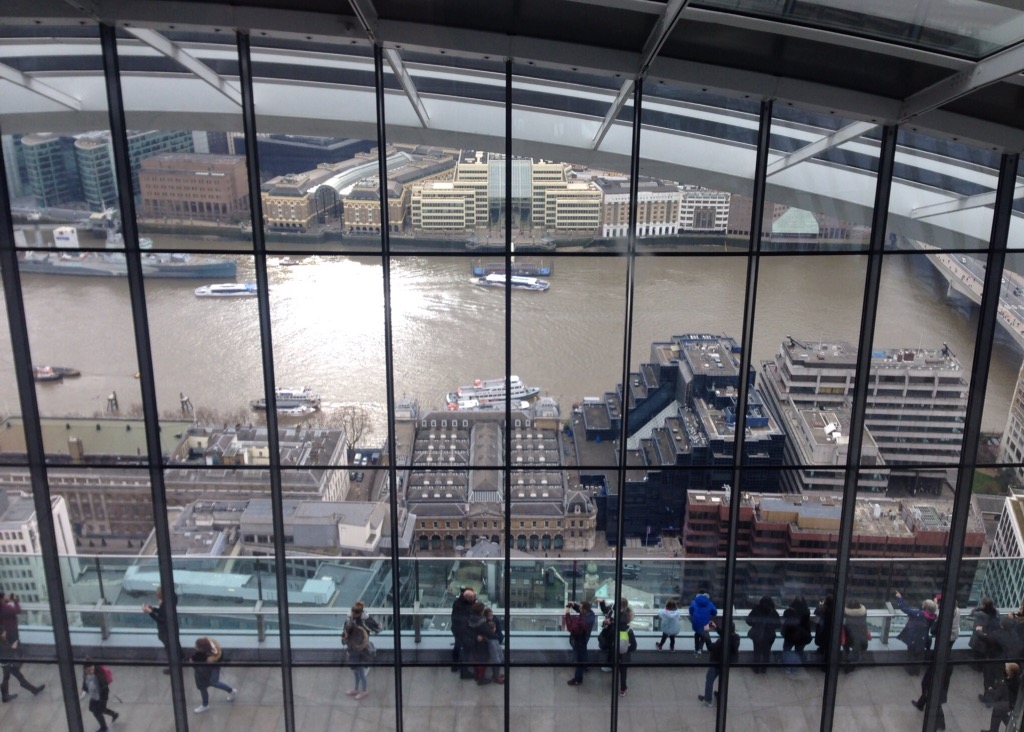
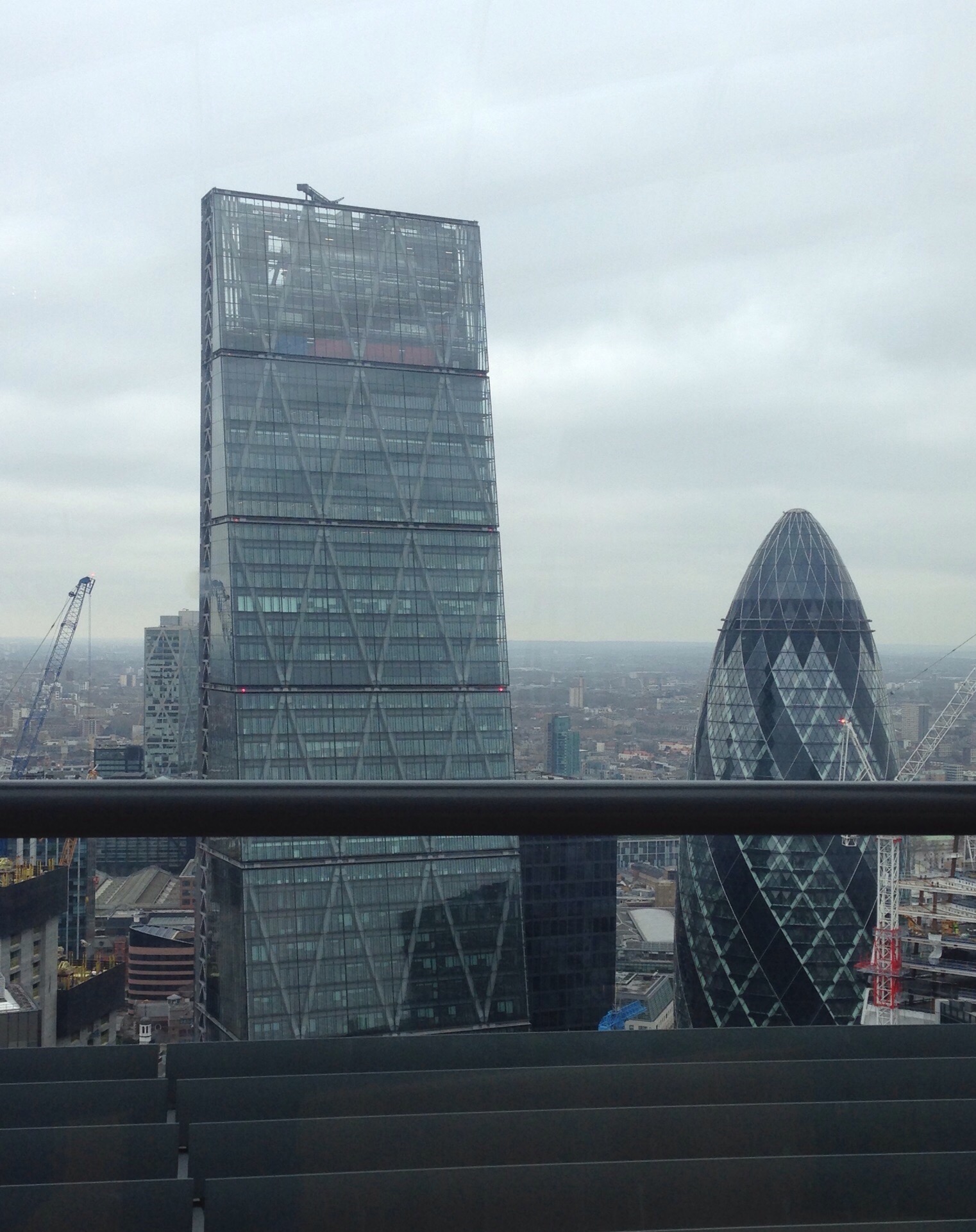
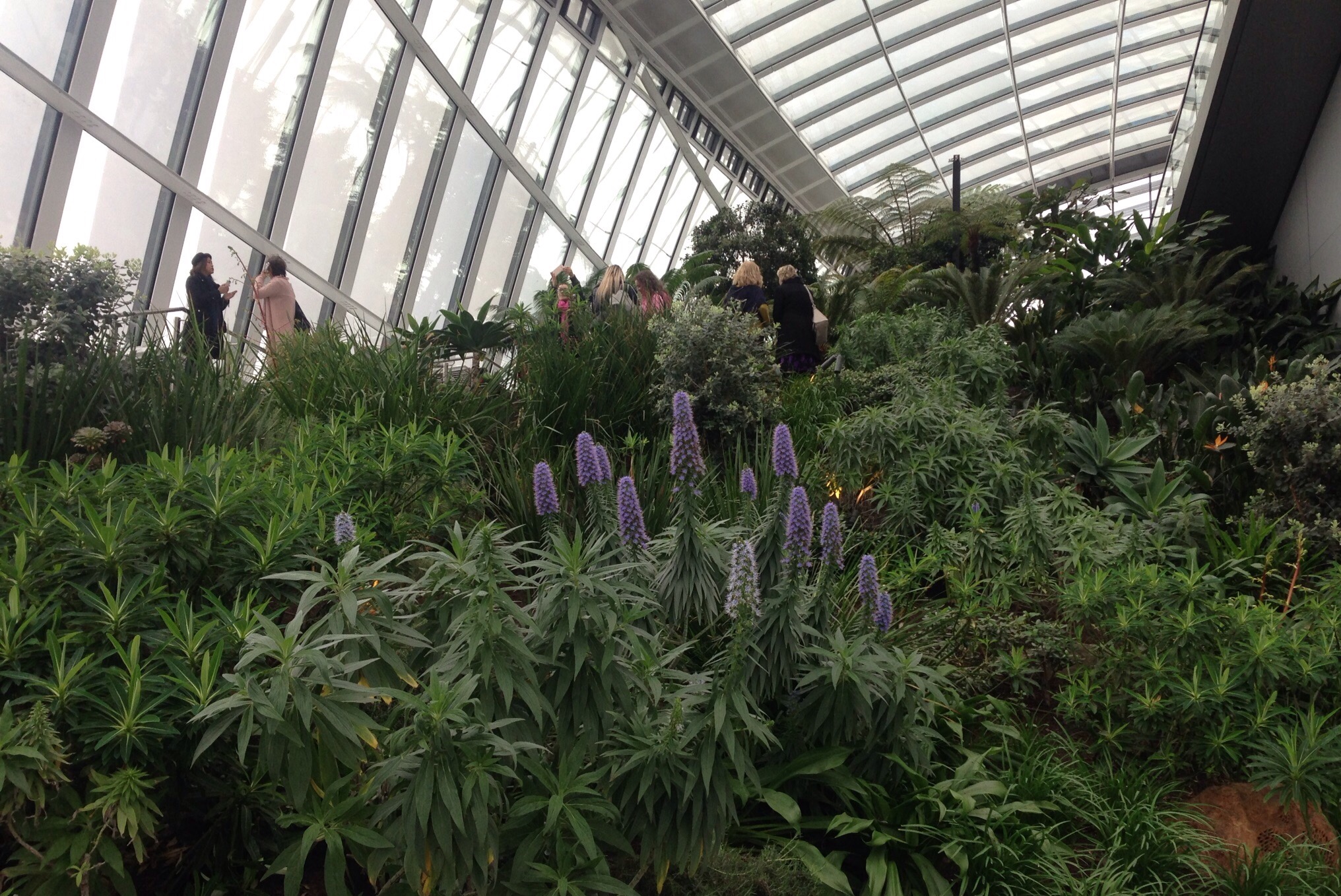
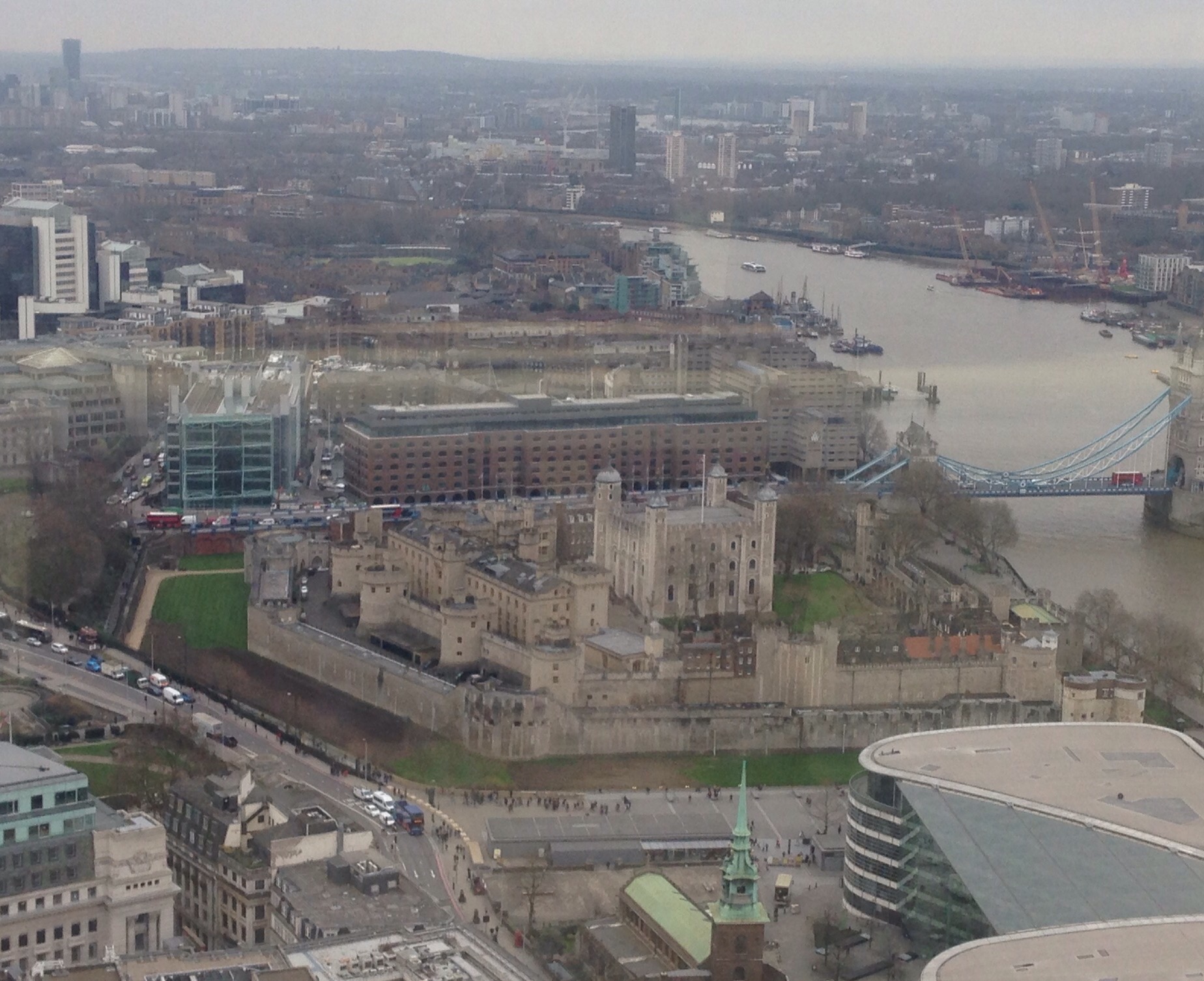
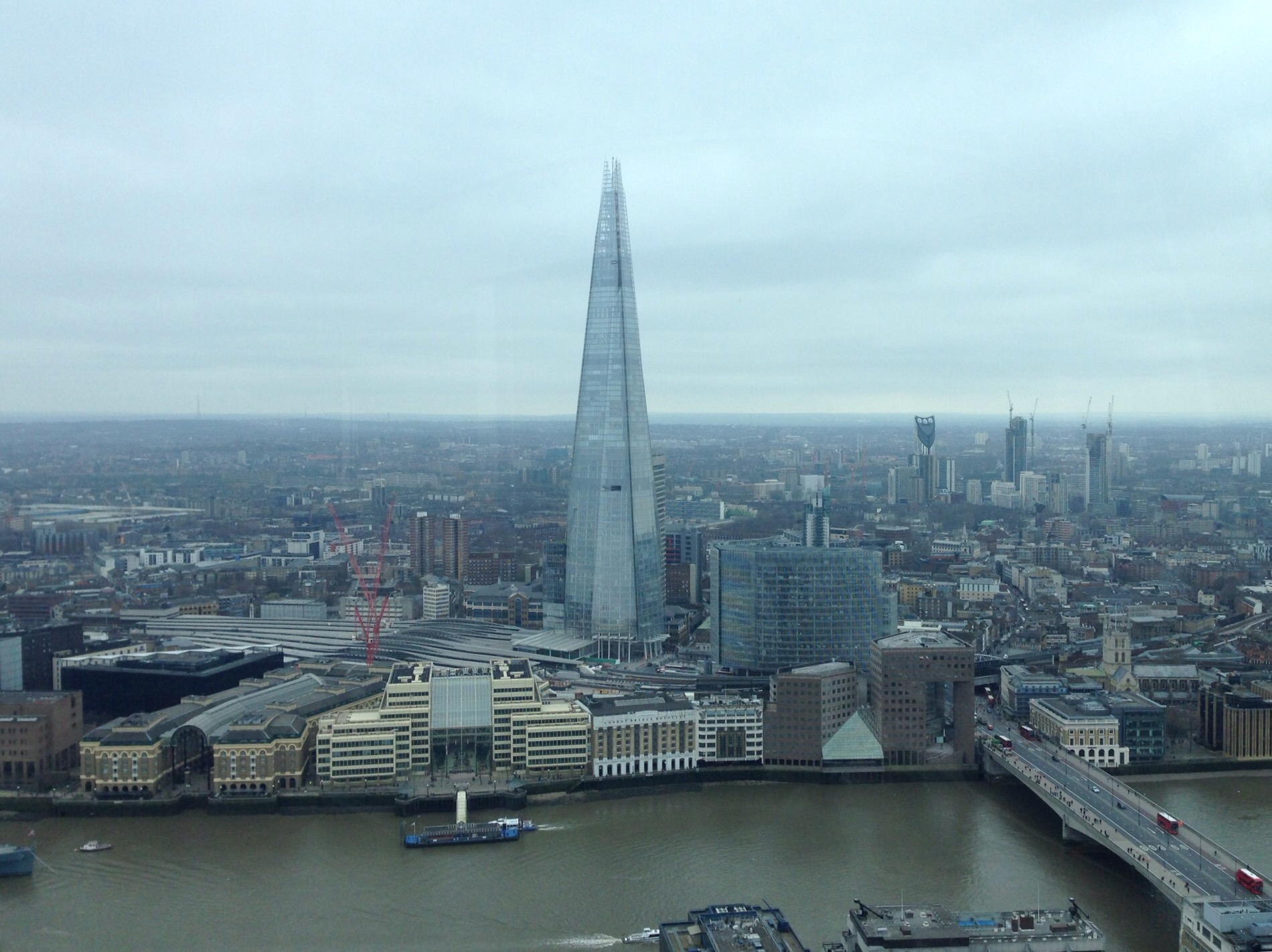
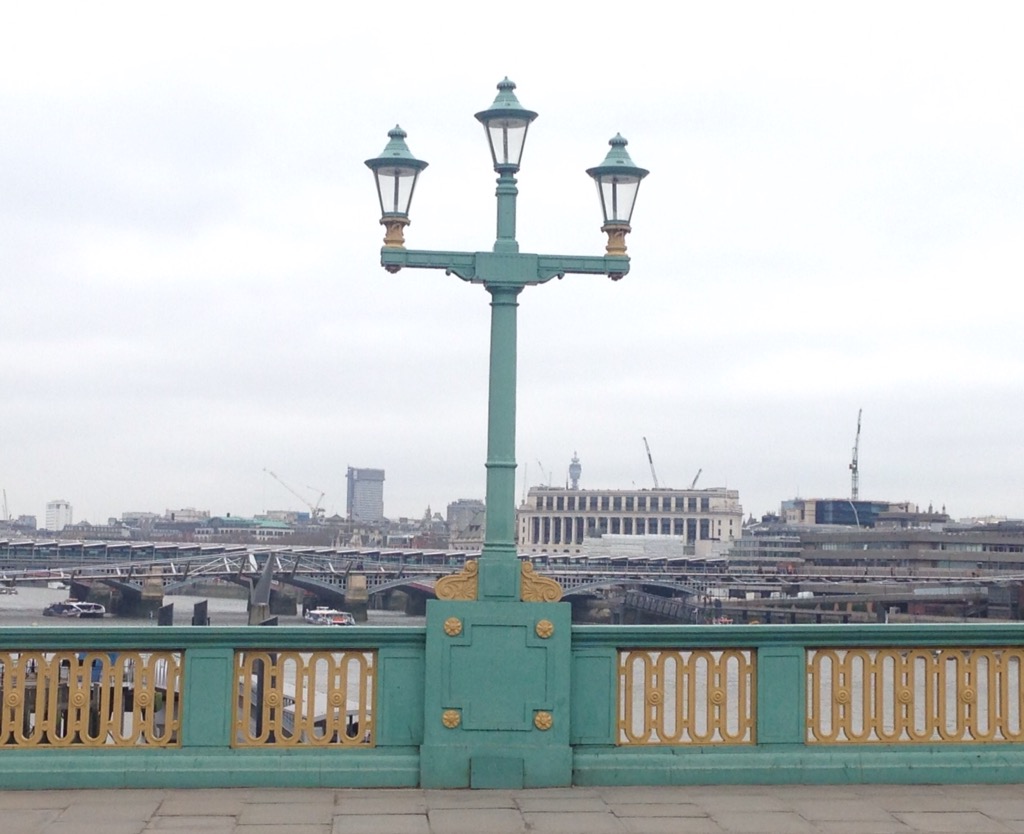
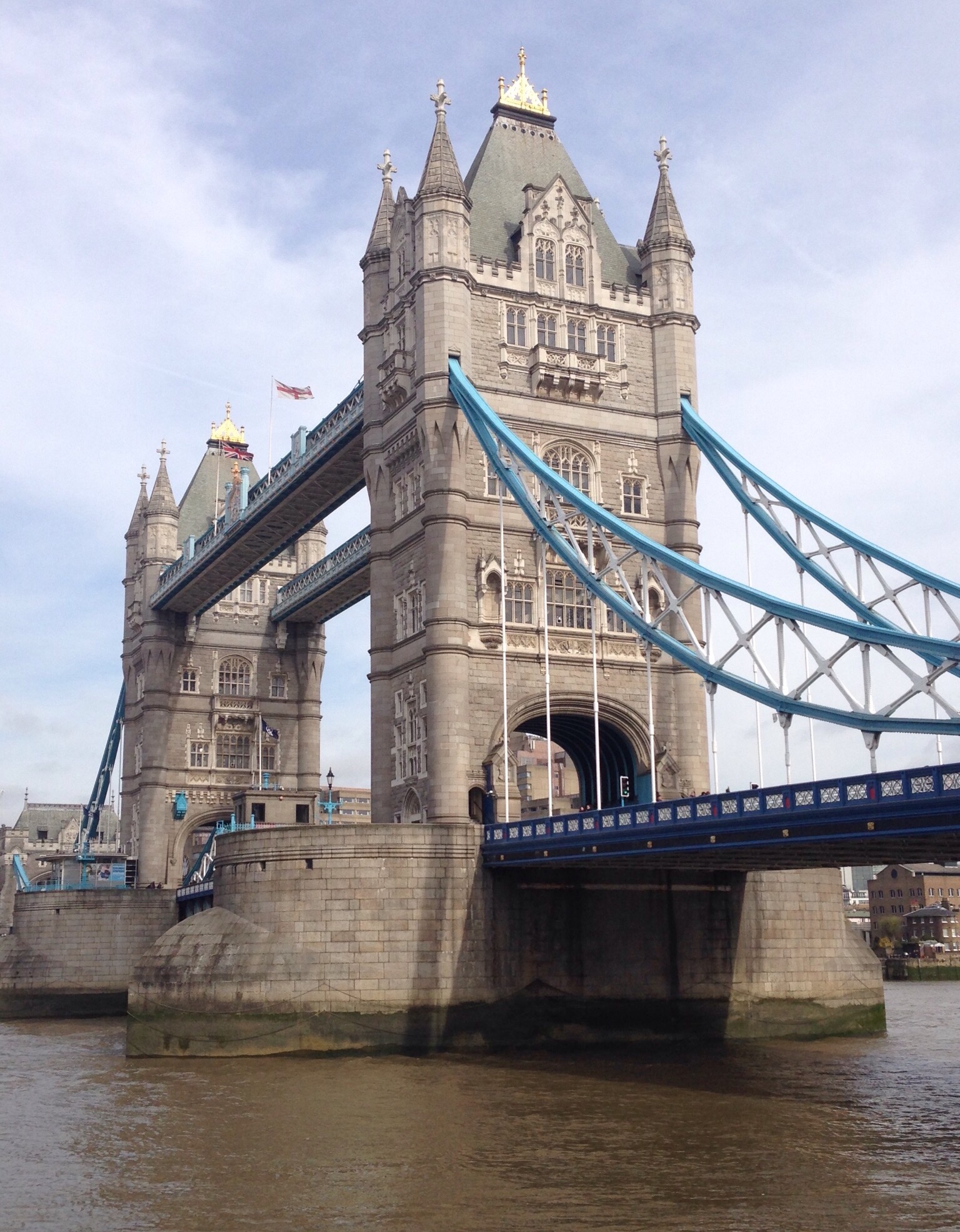
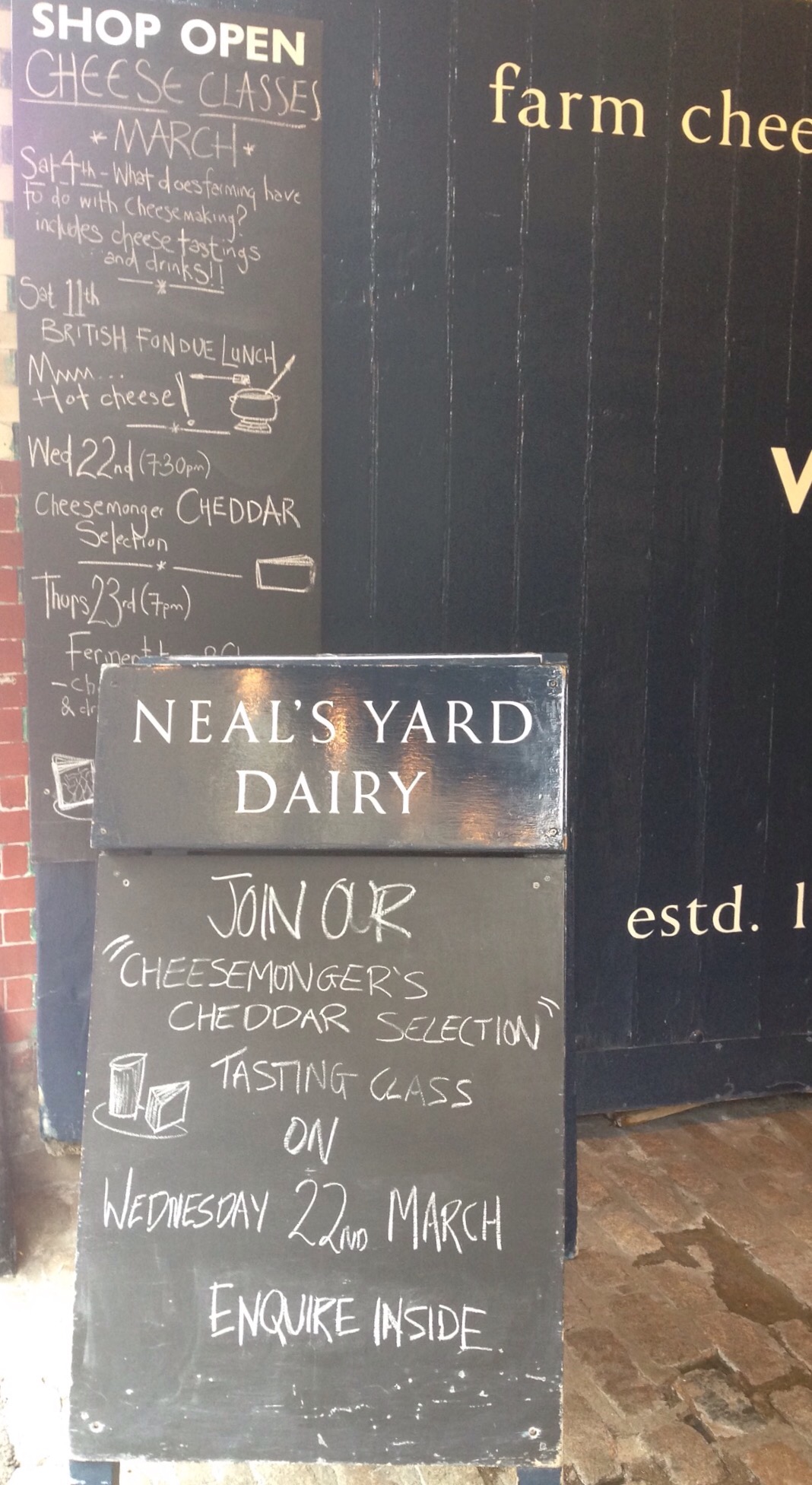
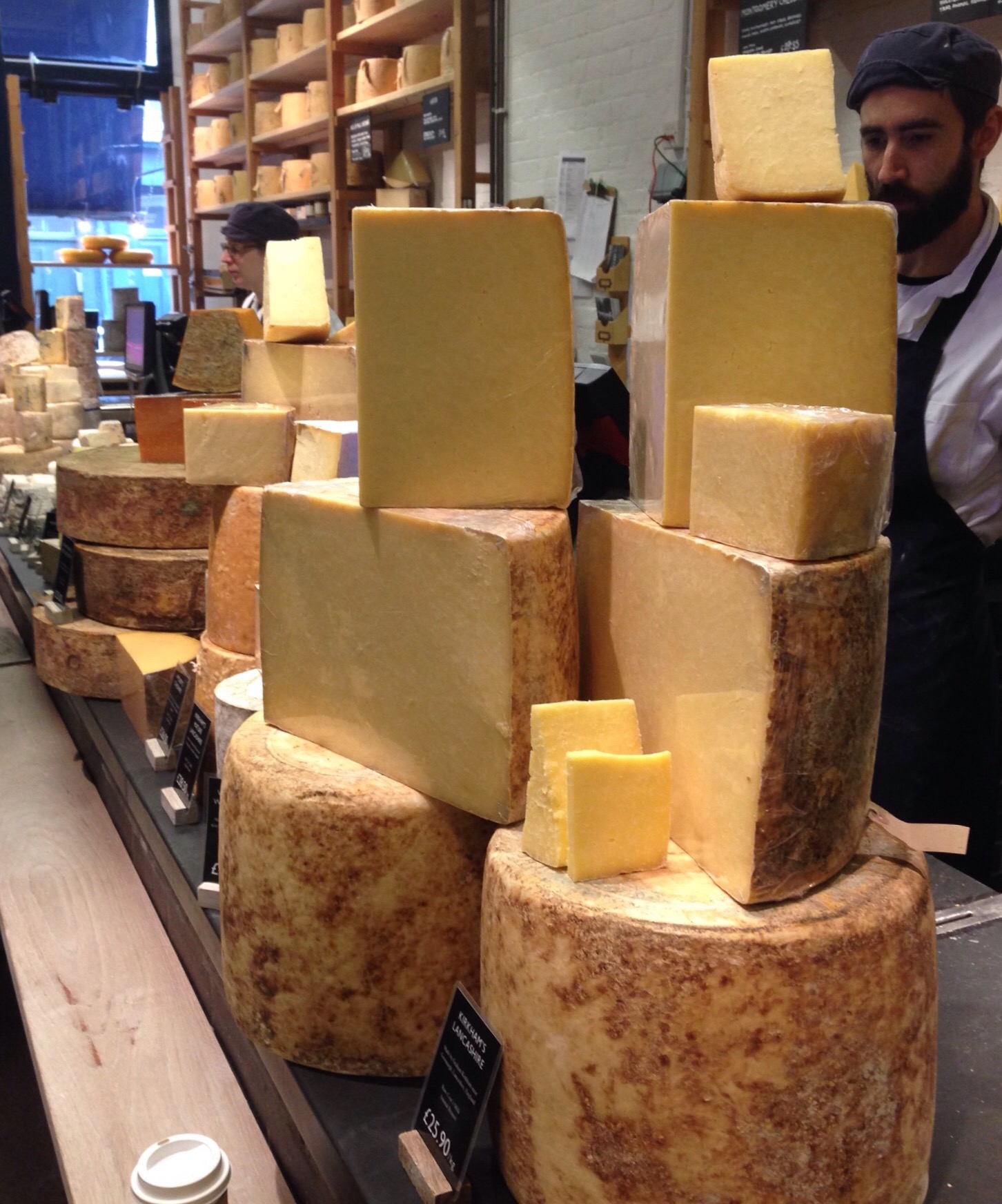
Getting started on our boat cruise on the Thames in the midst of a group of school children. The tour was narrated, but the nice man and his microphone were no match for the kids’ banter!An eye for an eye — our view from the boat before our ride later that day.Some modern buildings along the Thames. Note the one in the center-right of the photo. This is known as the “walkie-talkie” building which houses the Skygarden discussed later in the post.A newer bridge for trains with the red posts from the former bridge retained as it was determined to be too dangerous and expensive to destroy them.Tower Bridge (but then you knew that)Bob and I queuing for the Eye, as you doI spy with the help of an Eye — BT Tower, etc.In the Eye pod with 20 or so of our closest friendsOur fellow travelers in the next podLooking down on the Thames and the HMS Belfast from the top section of the Skygarden, the 36th floor of the “walkie-talkie” building.Looking in the opposite direction, the building on the right is apparently known as the “gherkin”Looking out over part of the garden and cafe areas of the SkygardenMore of the gardenThe Tower of London from the SkygardenThe Shard, a 95 story building, the tallest building in the UK and the fourth tallest in EuropeLamps on London Bridge with the Millenium Bridge in the backgroundA different view of the Tower BridgePart of the Borough MarketA famous store for cheese-o-philes, per BobPart of their cheesy selection
So, the title of this post is punnier (maybe?) if you know that the name of the town is pronounced Eye-zell-worth rather than I’ll-worth. Anyhoo, here’s the latest from Pecklandia.
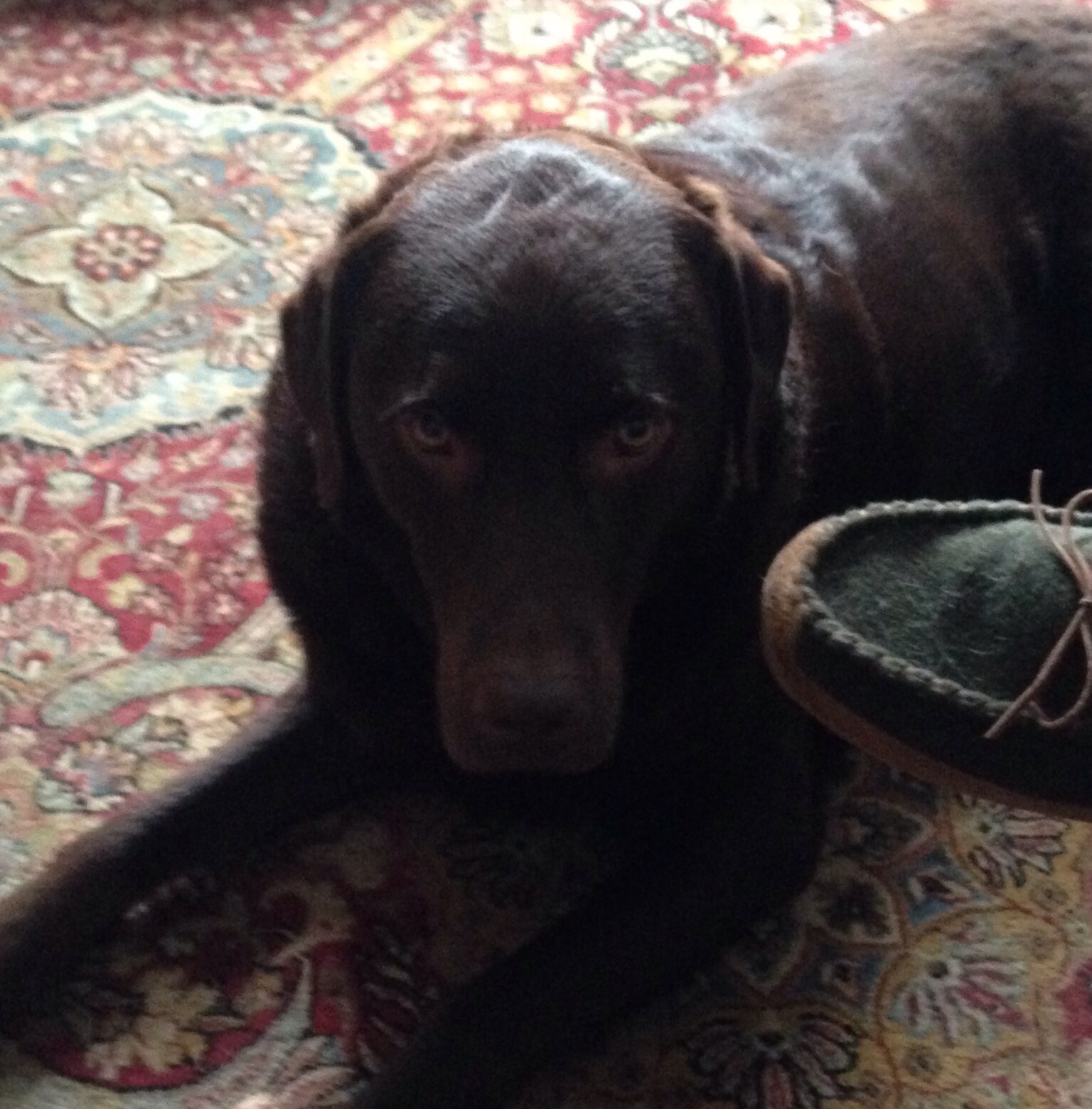
First, you should meet our newest pets — Zoe, a Jack Russell and Queen of the house, Charlie (our 2nd Charlie), a chocolate Labrador and all-around Mr. Nice Guy and tail-wagger, and Tino, the puuurrr machine who knows that orange is the new black!
Awesome dog — her best move is her 4-off-the-floor happy dance before and after a walk. She also has a cute little squeal for offending twigs and unexpected human moves.He is the sweetest boy but has such a sober look when not being petted, played with, fed, or walked.Tino is an indoor/outdoor cat — indoors to eat, drink, sleep, and cuddle; outdoors for play and bathroom duties. Easy care and super sweet!We are located in the parish of Isleworth in West London. It is located along the Thames and has a lot of schools and parks. There are children everywhere. The younger ones are often on push scooters with their parents on their way to or from school. We are generally dodging the older ones who are walking while texting or otherwise involved with their phones. In less mundane matters, we are learning a bit about the history and royal ties of the local area.
Syon House in the 200-acre Syon House Park. It is still the London residence of the Duke of Northumberland.Osterley Park mansion — former country home of an earlPond in Osterley Park, site which was once used to train local defense volunteers
The very cute nearby town of Richmond is part of the borough of Richmond-upon-Thames which straddles the Thames River. It has a large number of parks and conservation areas. It has been home to royalty and is currently home (so we are told) to rock royalty including Mick Jagger.
We have enjoyed walking and running along the paths that follow the Thames but have been surprised by flooding on them on more than one occasion. One day I ran out on the path only to have part of it be under water when I ran back. With London being so far inland we were sure it couldn’t be tidal, but we have learned we were wrong. The Thames has one of the most powerful tidal flows of any river in England. It is a tidal river for 55 miles from the outer estuary between the Essex and Kent coasts to just past Richmond. The difference between high and low tide at Tower Pier can be up to 26 feet and it takes about 5 hours for the tide to come in and more than 7 to go back out.(londonsriver.com)
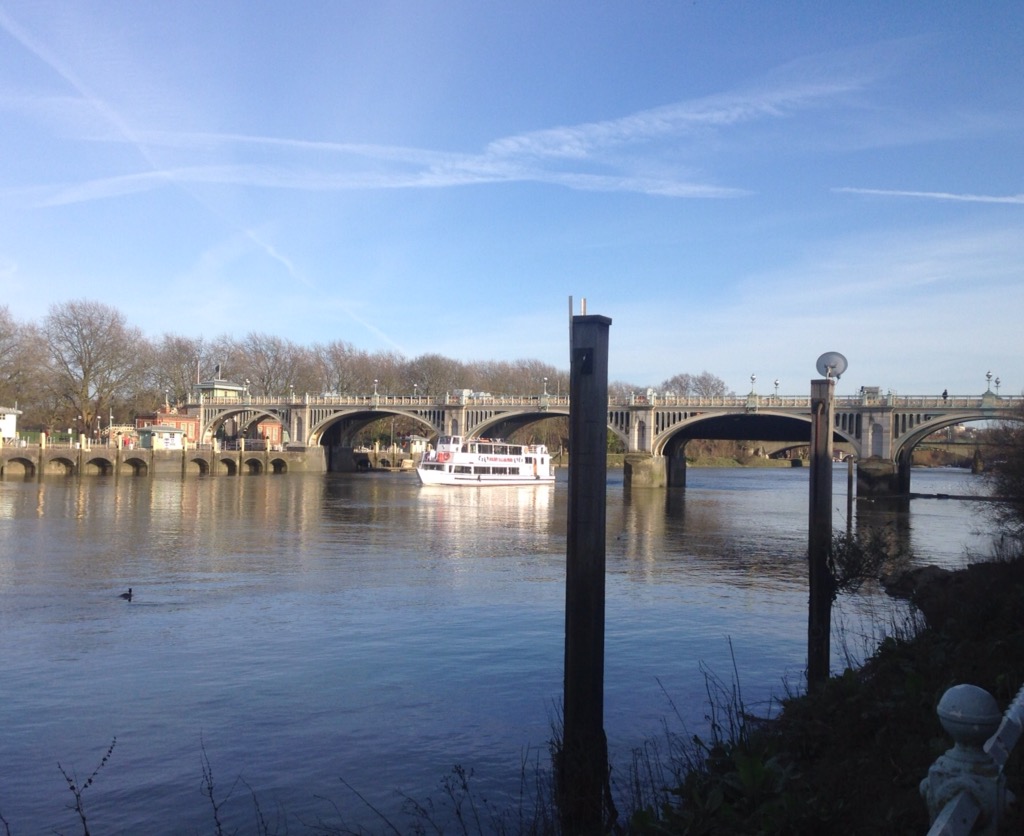
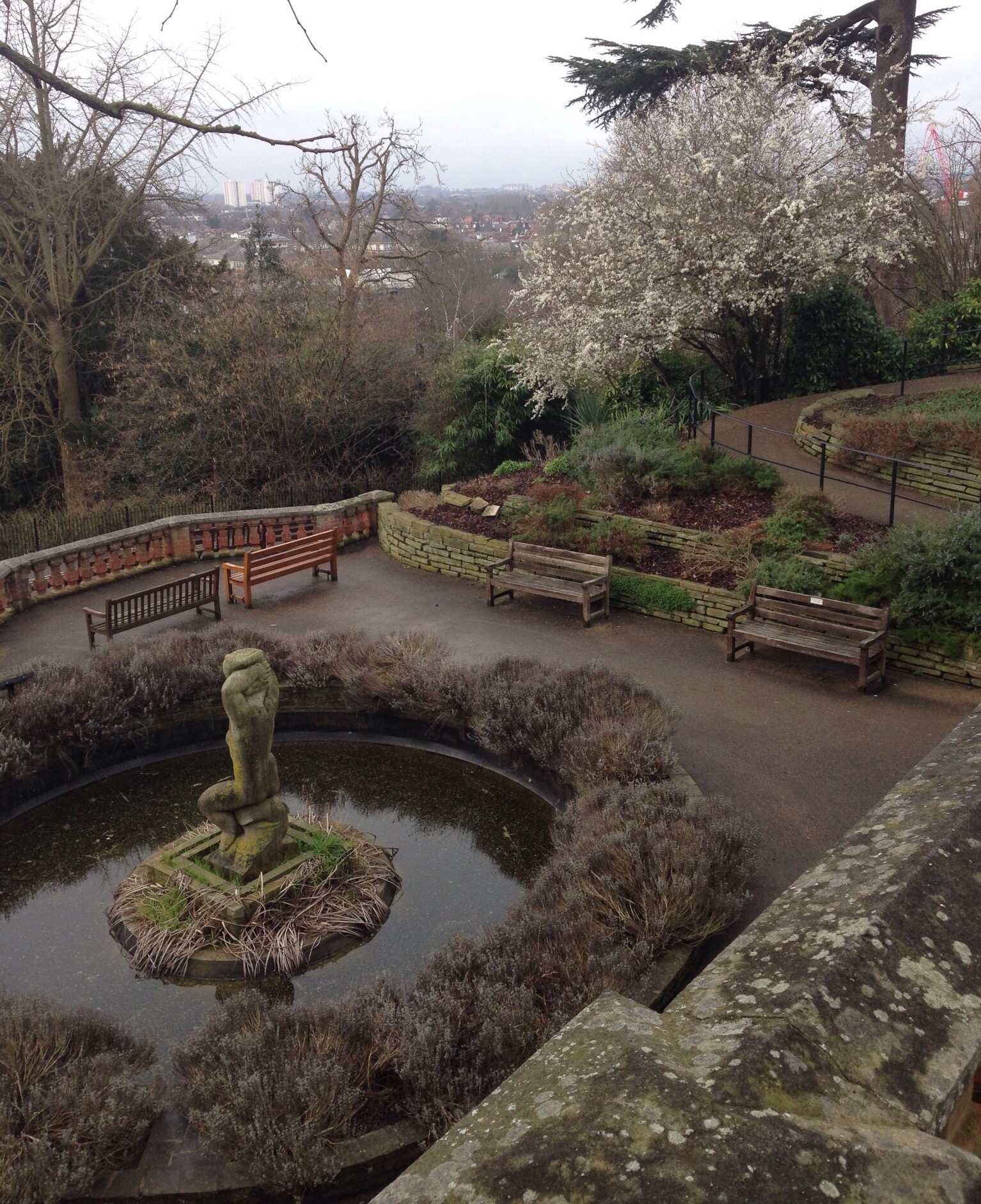
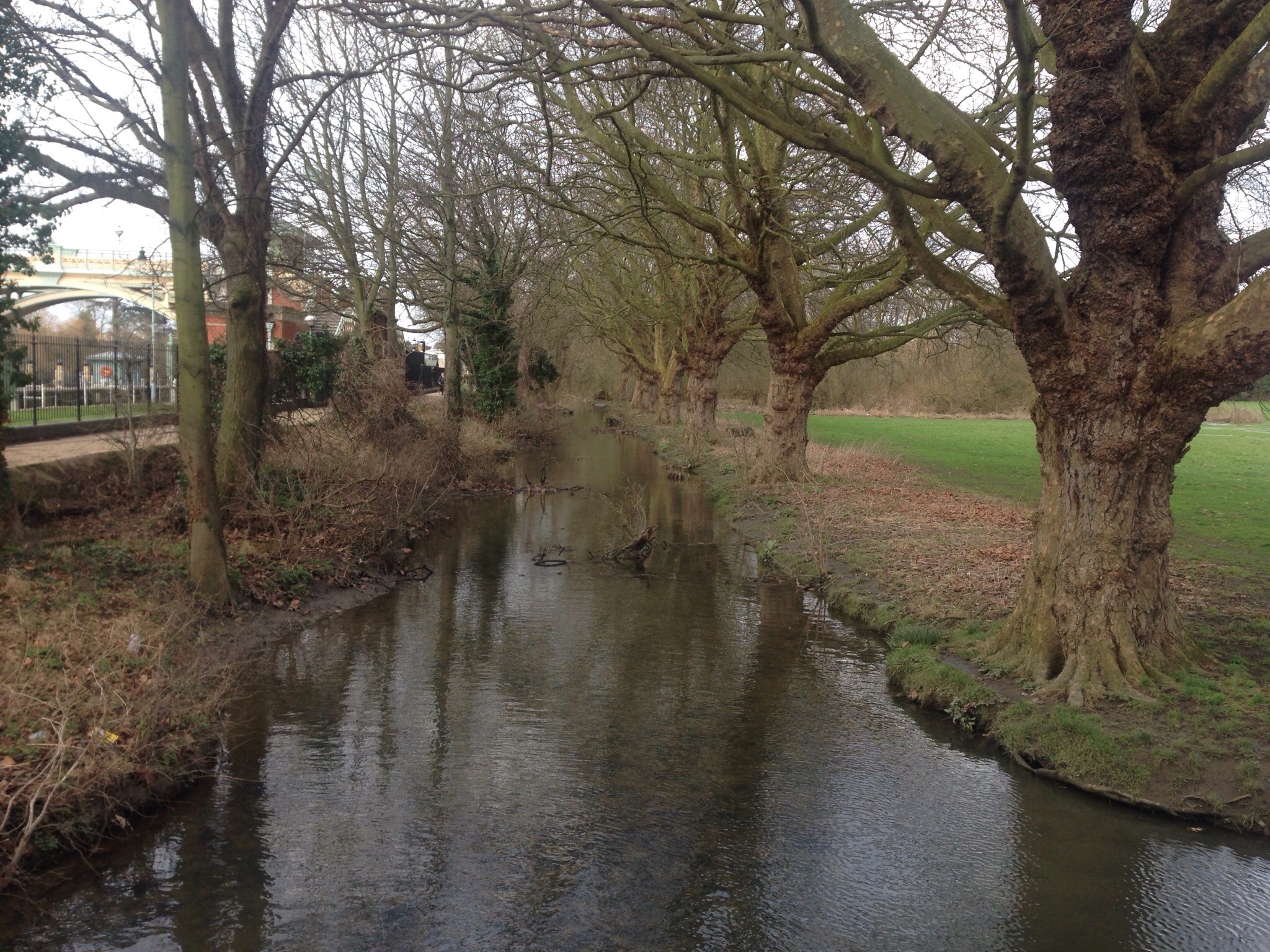
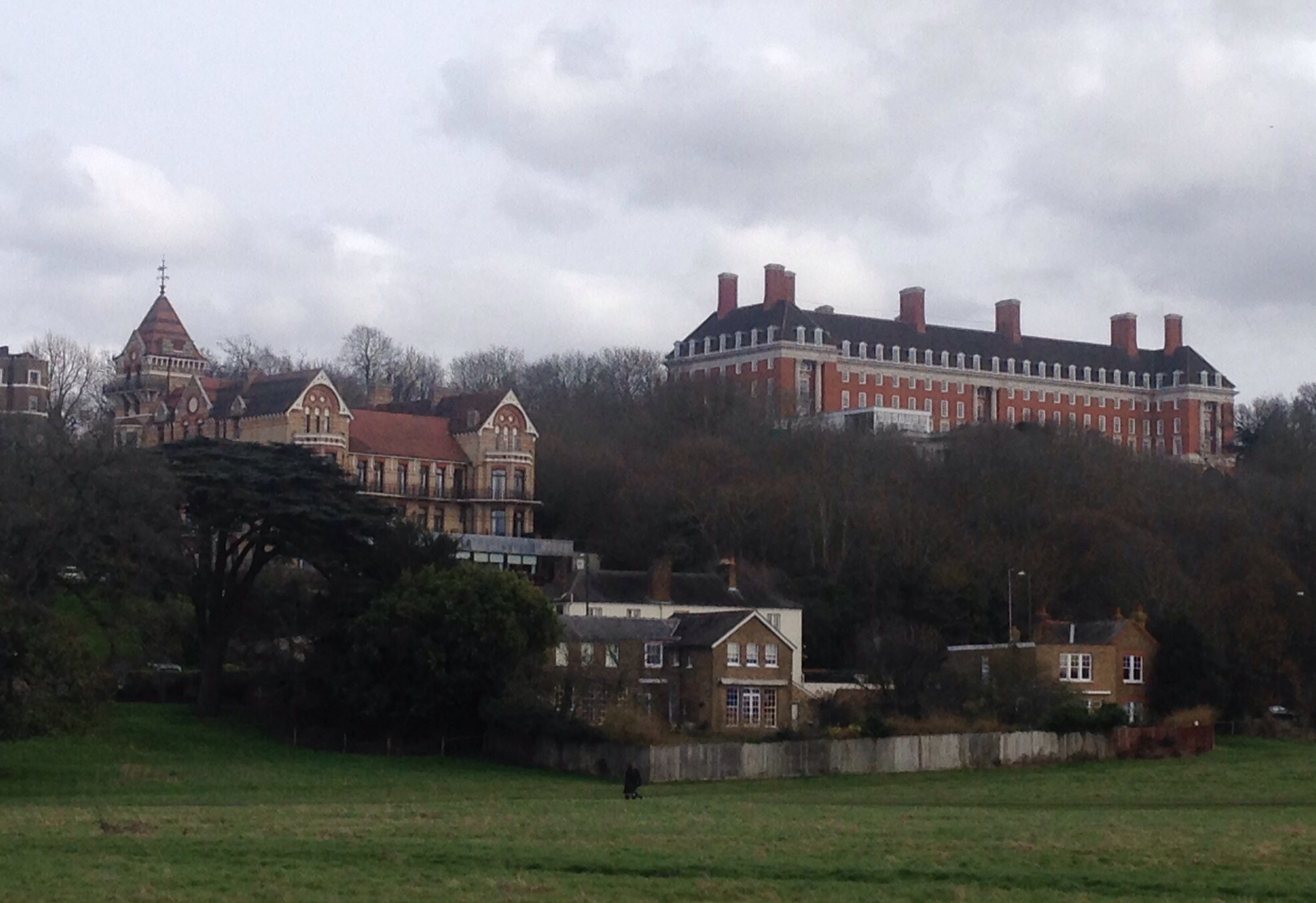
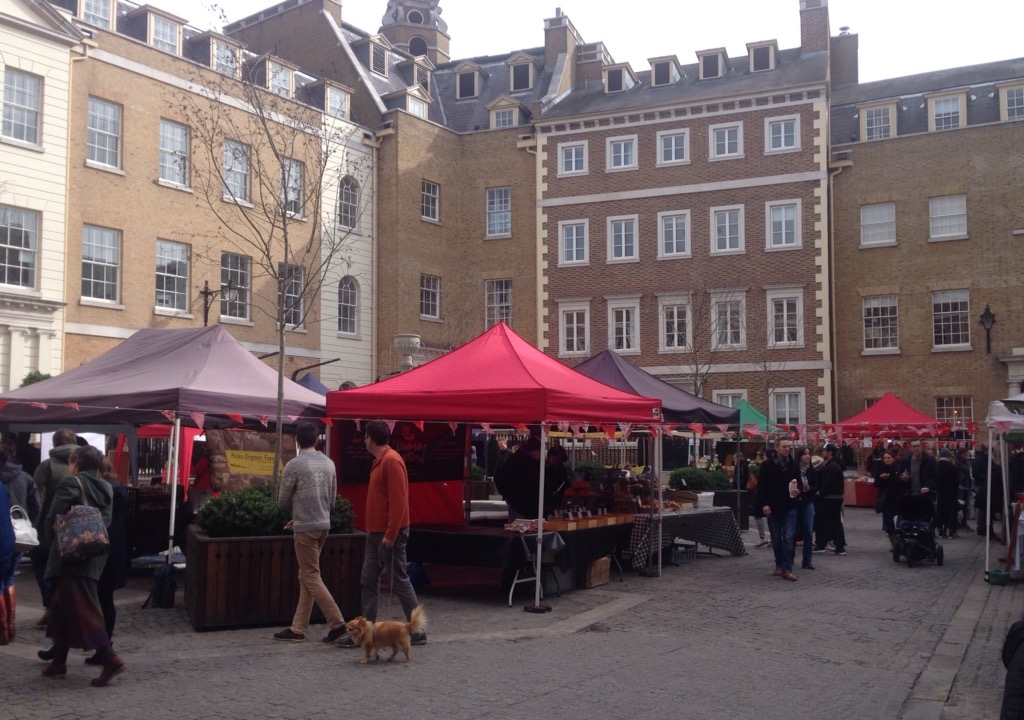
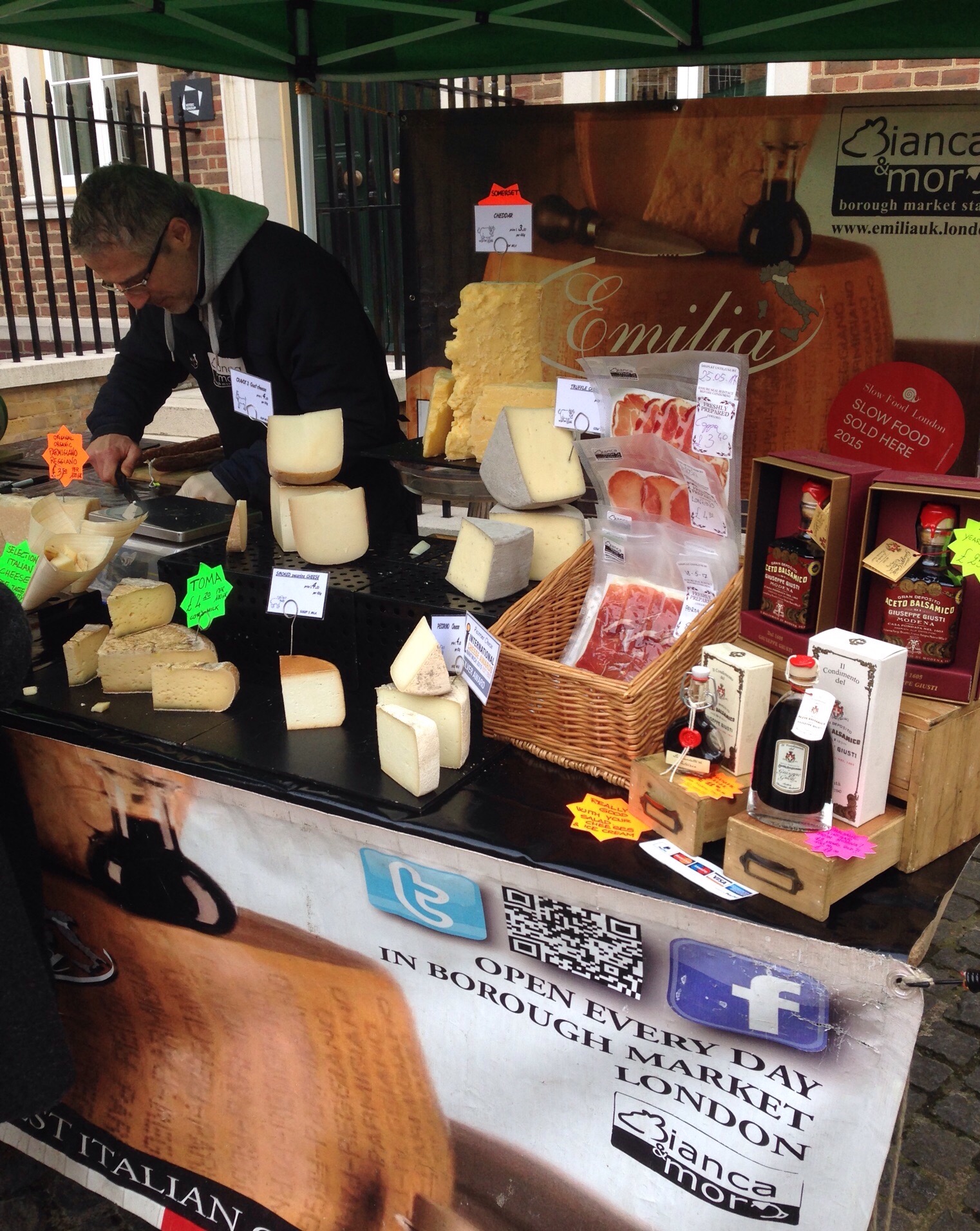
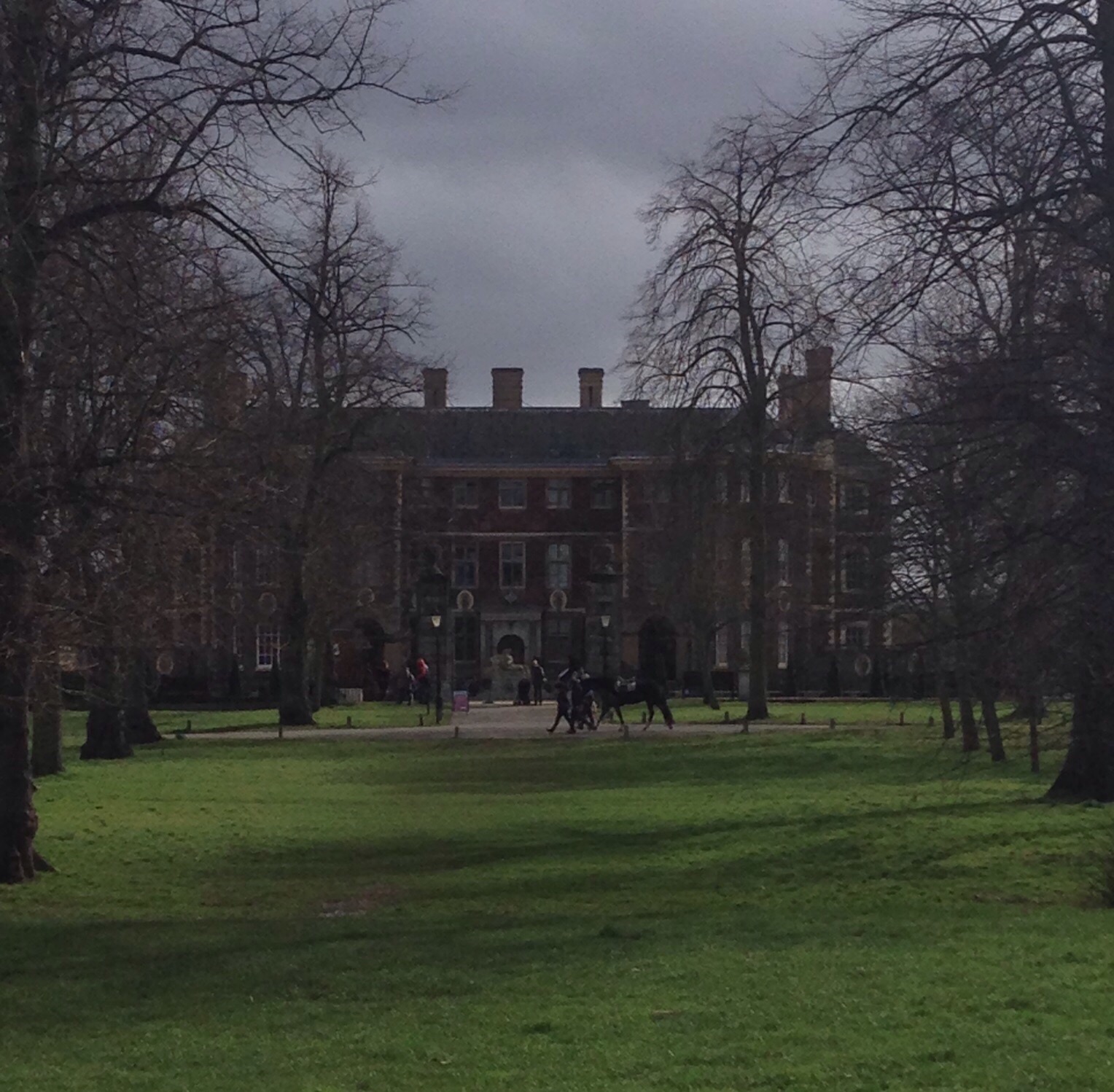
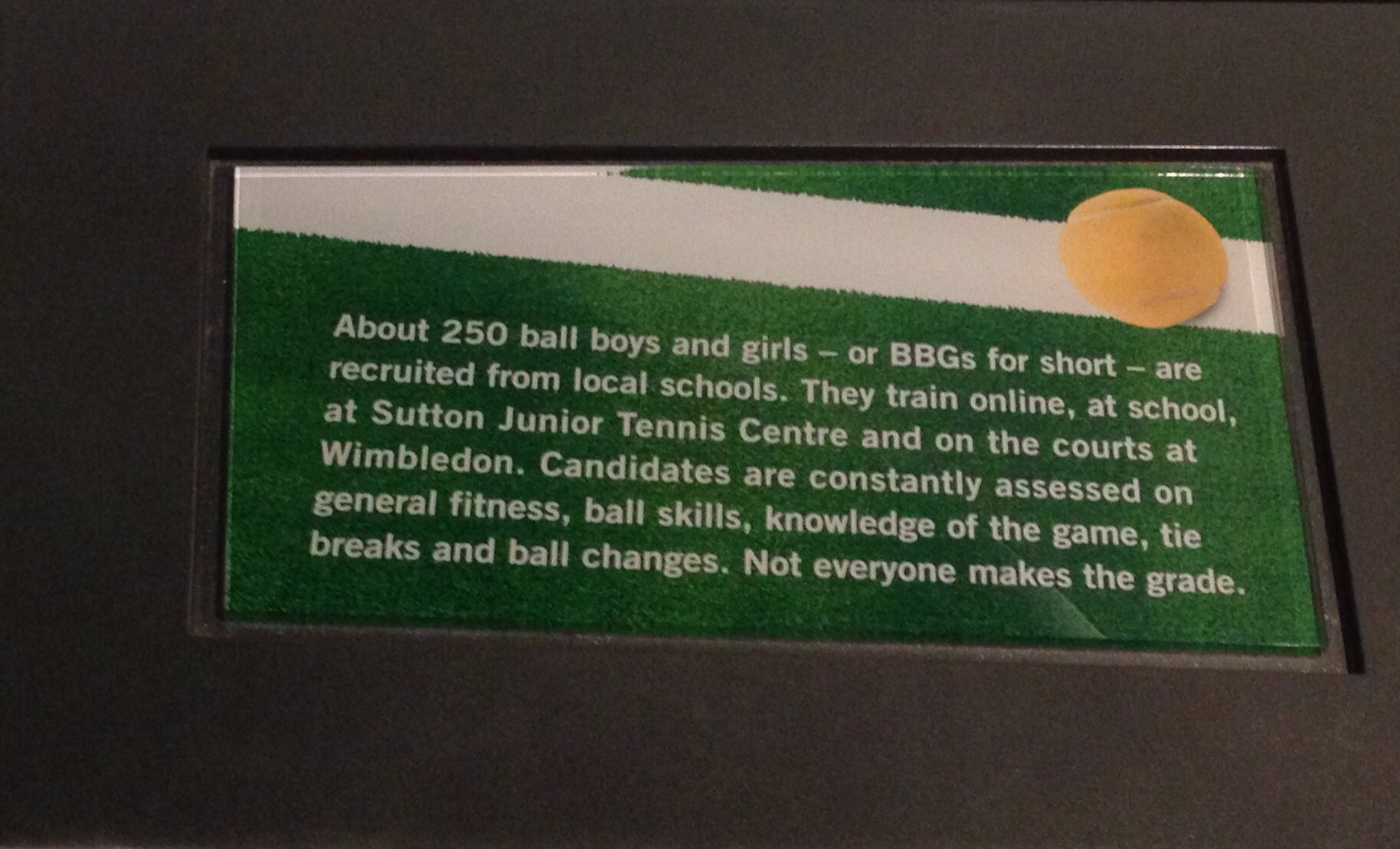
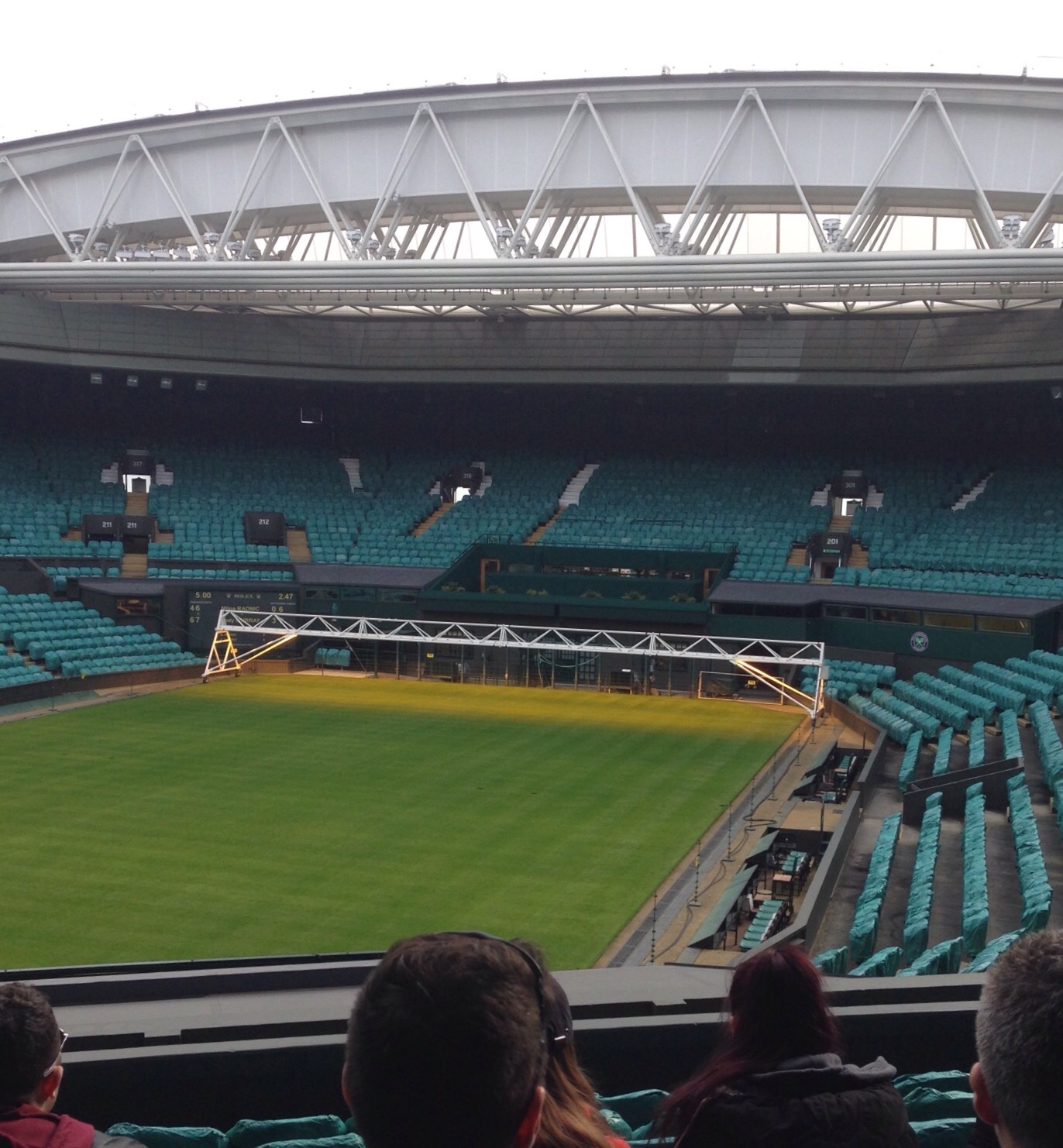
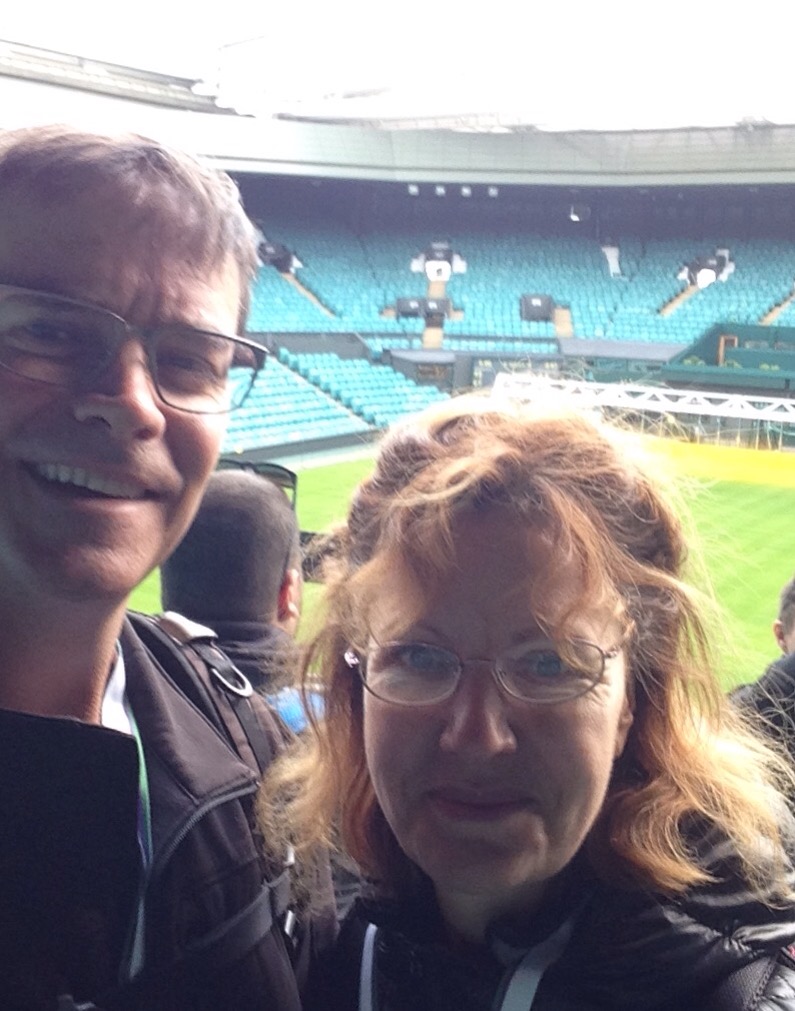
The pedestrian bridge over the Richmond Lock and Weir walking from Isleworth to Richmond.Walking up Richmond Hill to Richmond ParkTerrace Park in RichmondA creek between the Thames Trail and Old Deer Park in RichmondLooking back at Richmond from the trail — Petersham Hotel is on the left and the Rose and Garter (former hotel and then care home for veterans) above on the rightA Saturday market in Heron Square in RichmondThe cheese stall at the marketHam House, located besides the Thames, south of Richmond. It was commissioned to be built by James 1 for his son Henry, Prince of Wales.The Victorian Petersham Hotel overlooking the ThamesWe spent a lovely afternoon at Wimbeldon touring the grounds, visiting the museum, and wishing we could come back some July to watch the games. The most amazing part of the tour (since Rafael Nadal wasn’t around) was learning about all the work that goes into the seeding and maintaining of the grass. The grass has to be sufficiently dry before it is cut and then they only cut 1 mm at a time! The ideal height for the grass is 8 mm.
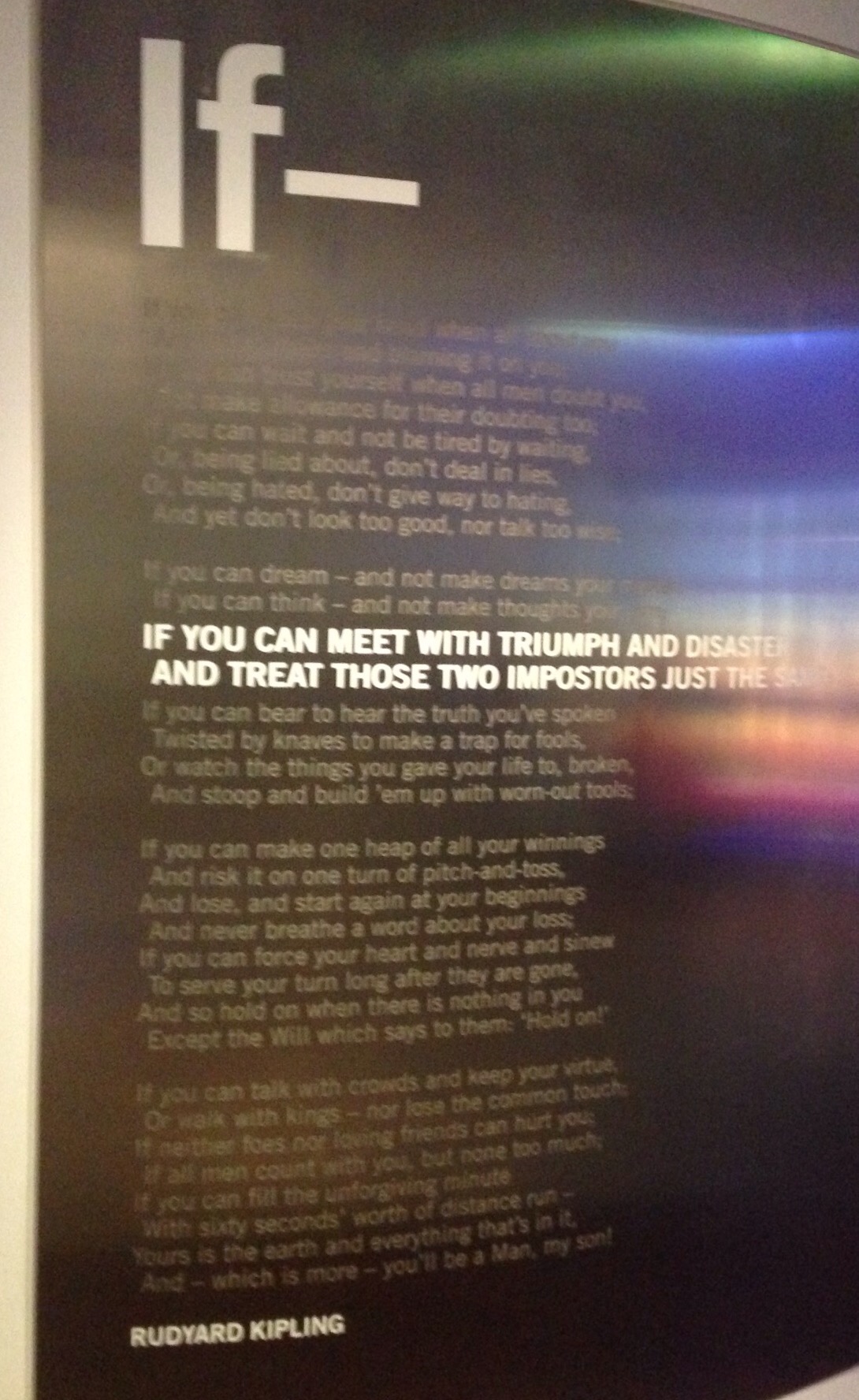
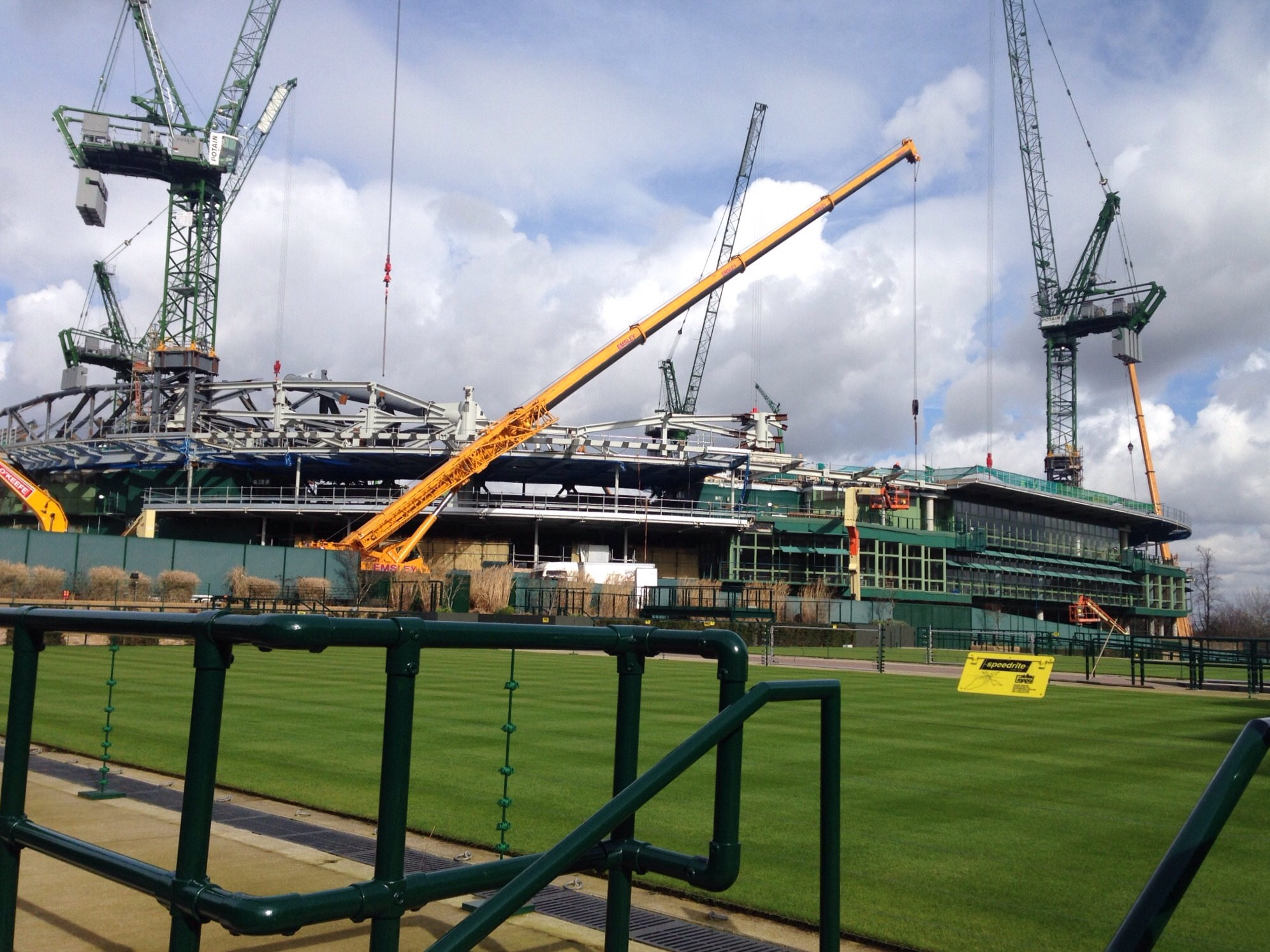
The (almost) name of the club that hosts Wimbledon. The actual name is the All England Tennis and Croquet Club.The 2016 roster of championsA poem by Rudyard Kipling the highlighted quote of which is posted in the players’ dressing roomHedge ArtCourt #1 (2nd in size to Centre Court) getting a new, retractable roof which will be completed for the 2019 seasonJust thought this was interestingLooking towards the Royal Box in Centre CourtThey let anybody in — as long as you pay for the tour
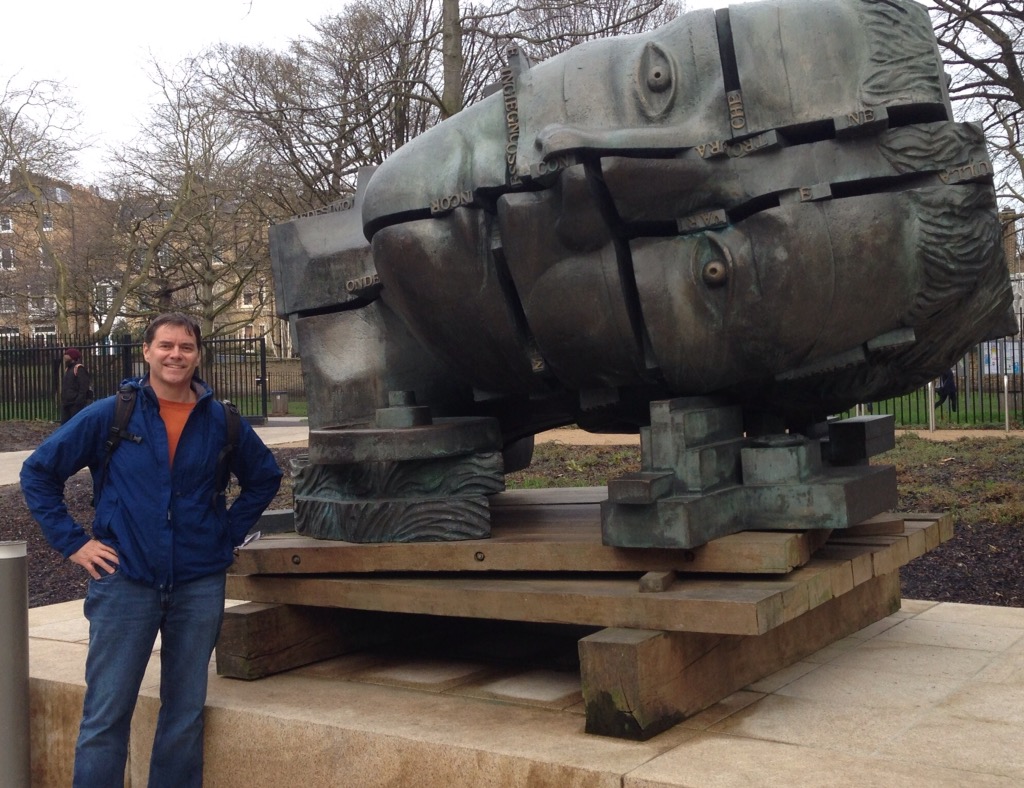
We have made it into London a few times as well. We have the best of both worlds. We are living in a lovely residential area but close enough to pop into the big city. Our first trip into London was to the Kensington area to find a big head sculpture that we had seen in a brochure. All we knew was that it was suppose to be near the High Street Kensington tube stop. We checked in the station, outside of the station, in a couple of nearby parks, and at City Hall and the library without luck. We even asked a few passers by, but they didn’t know either. Bob finally asked in the library, and they suggested we check the School of Design a few blocks away. So you can thank a London librarian for the photo below.
The Head of Innovation and the Innovator of the Big Head photo
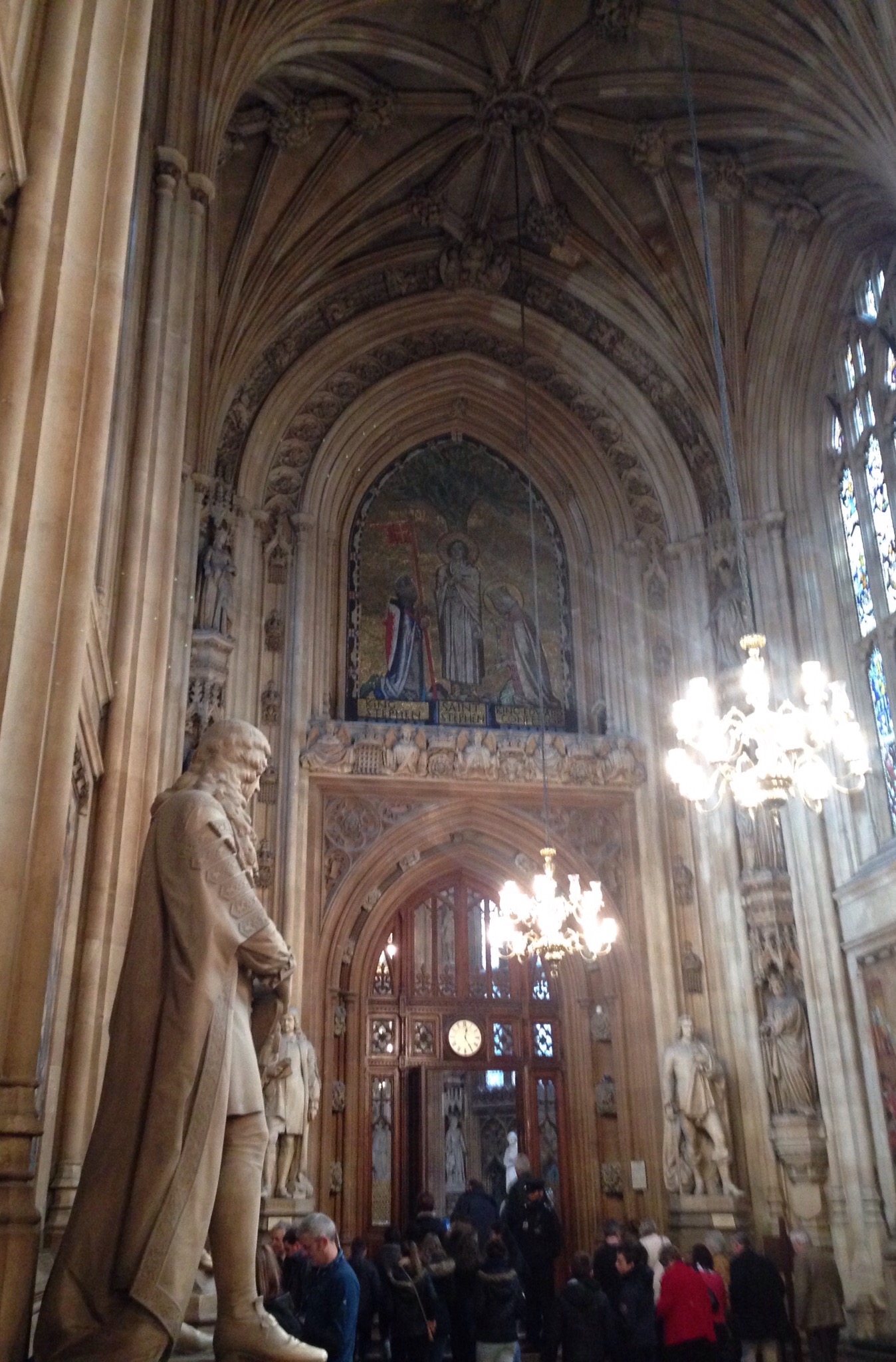
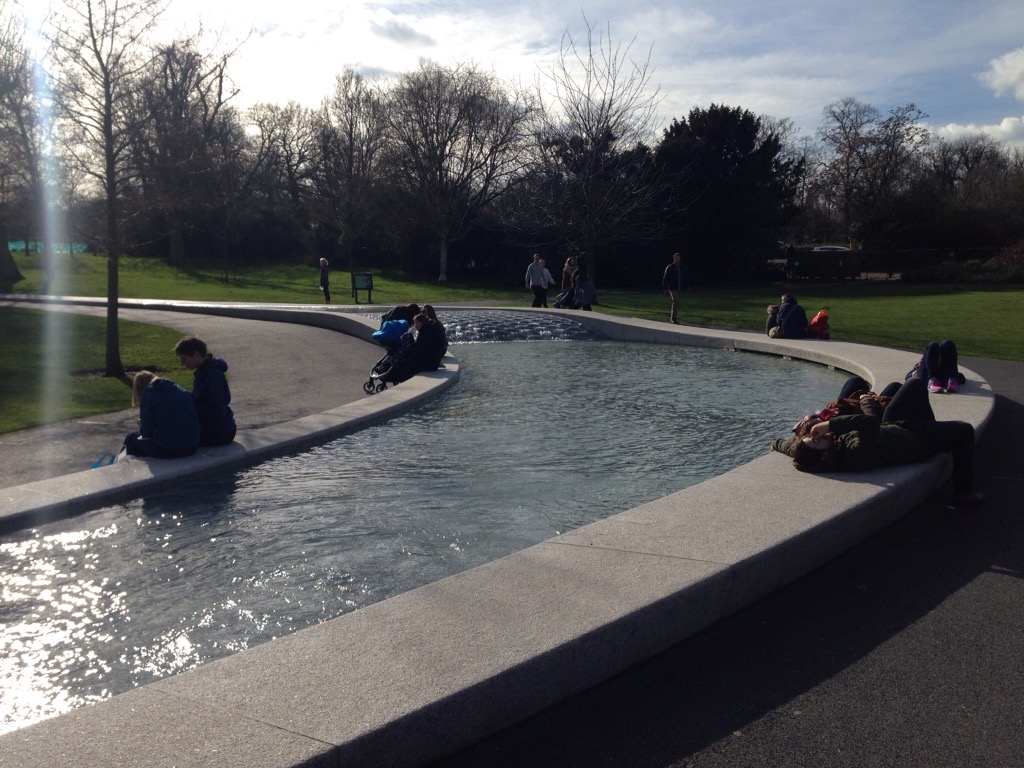
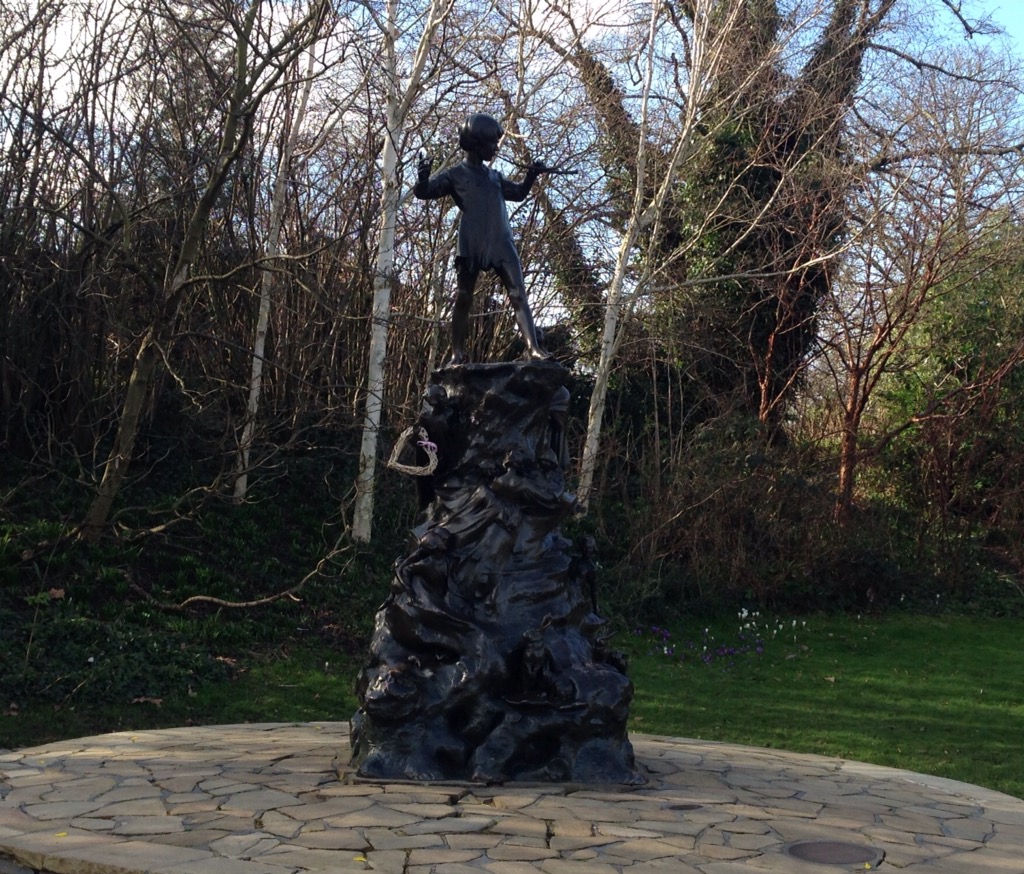
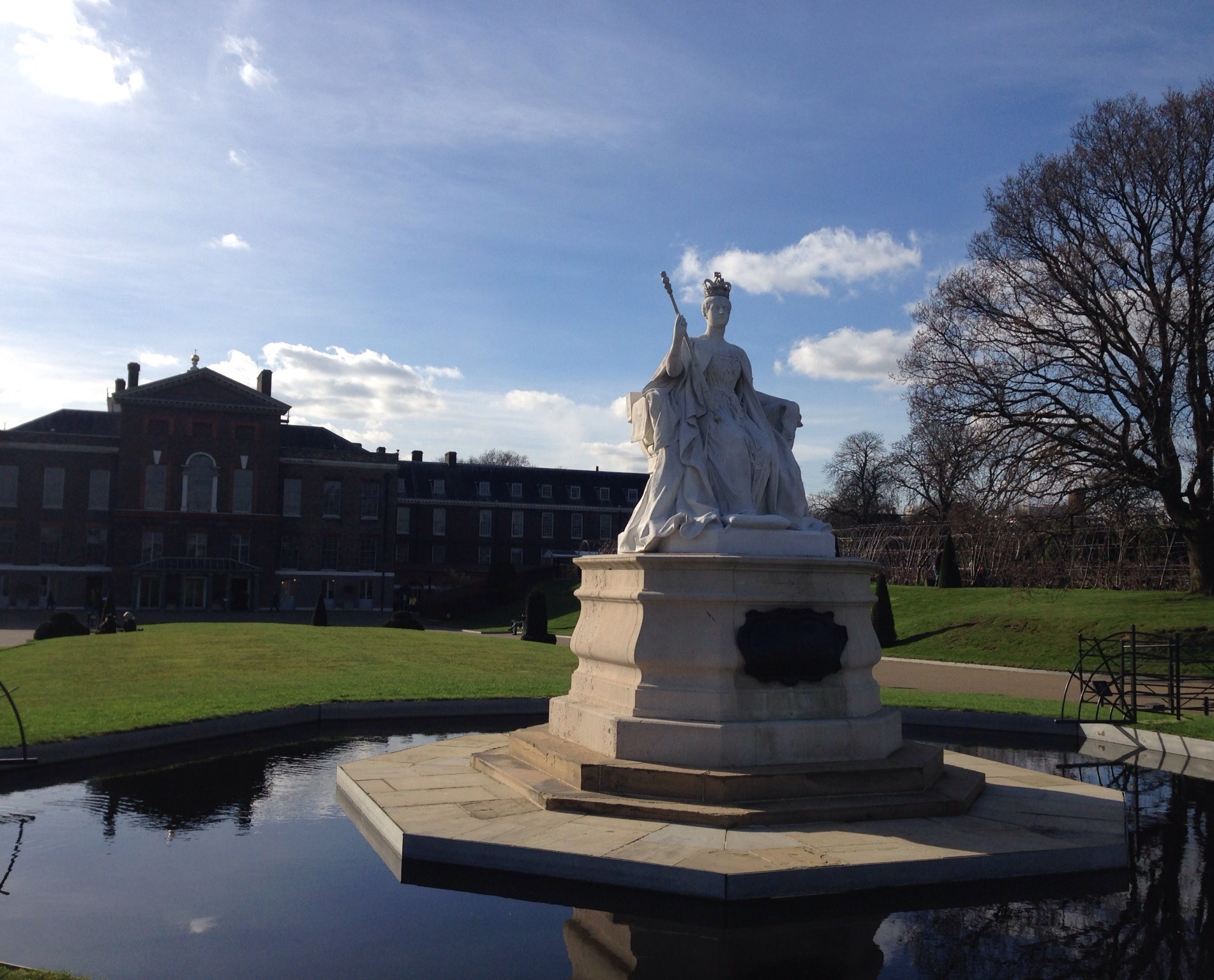
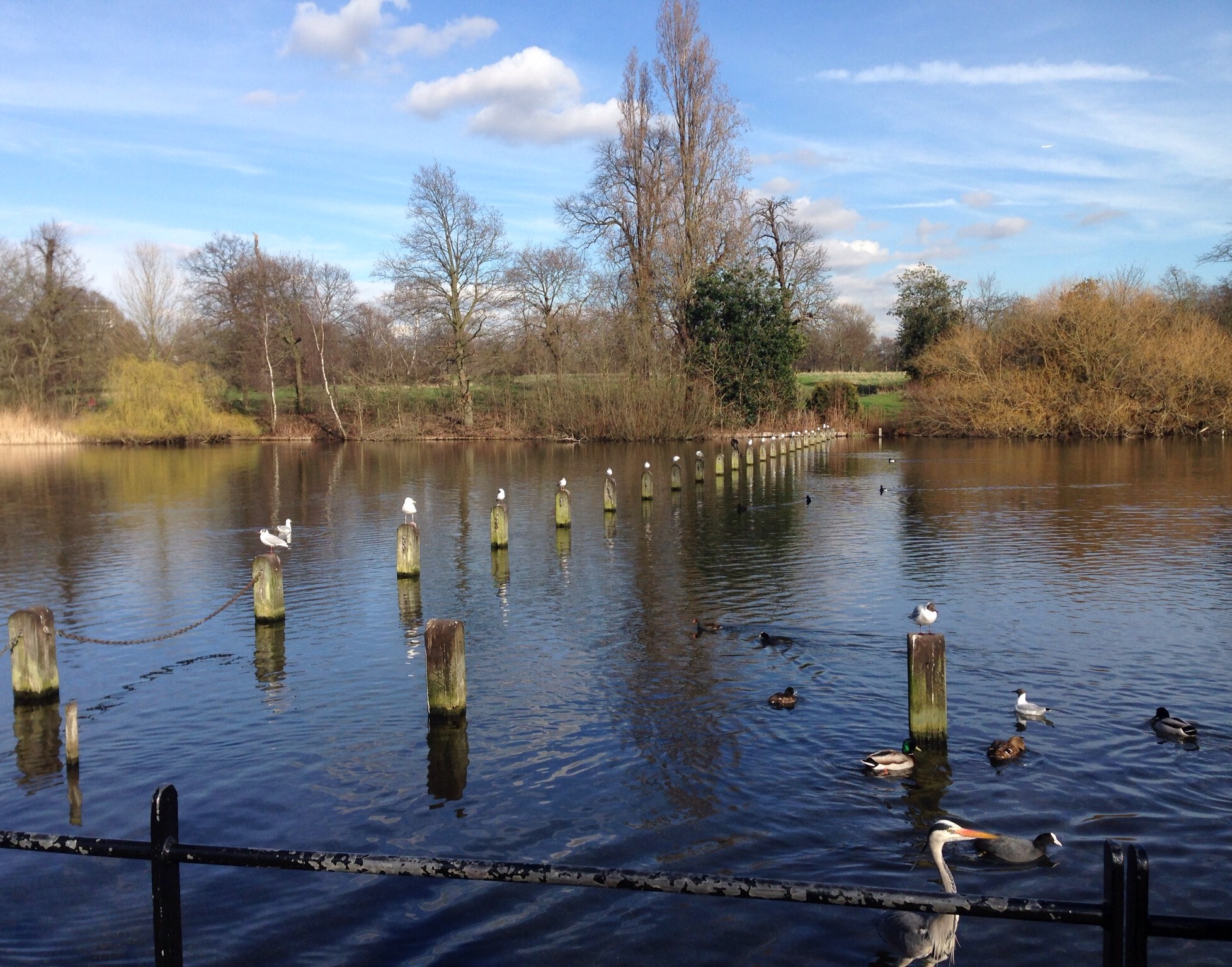
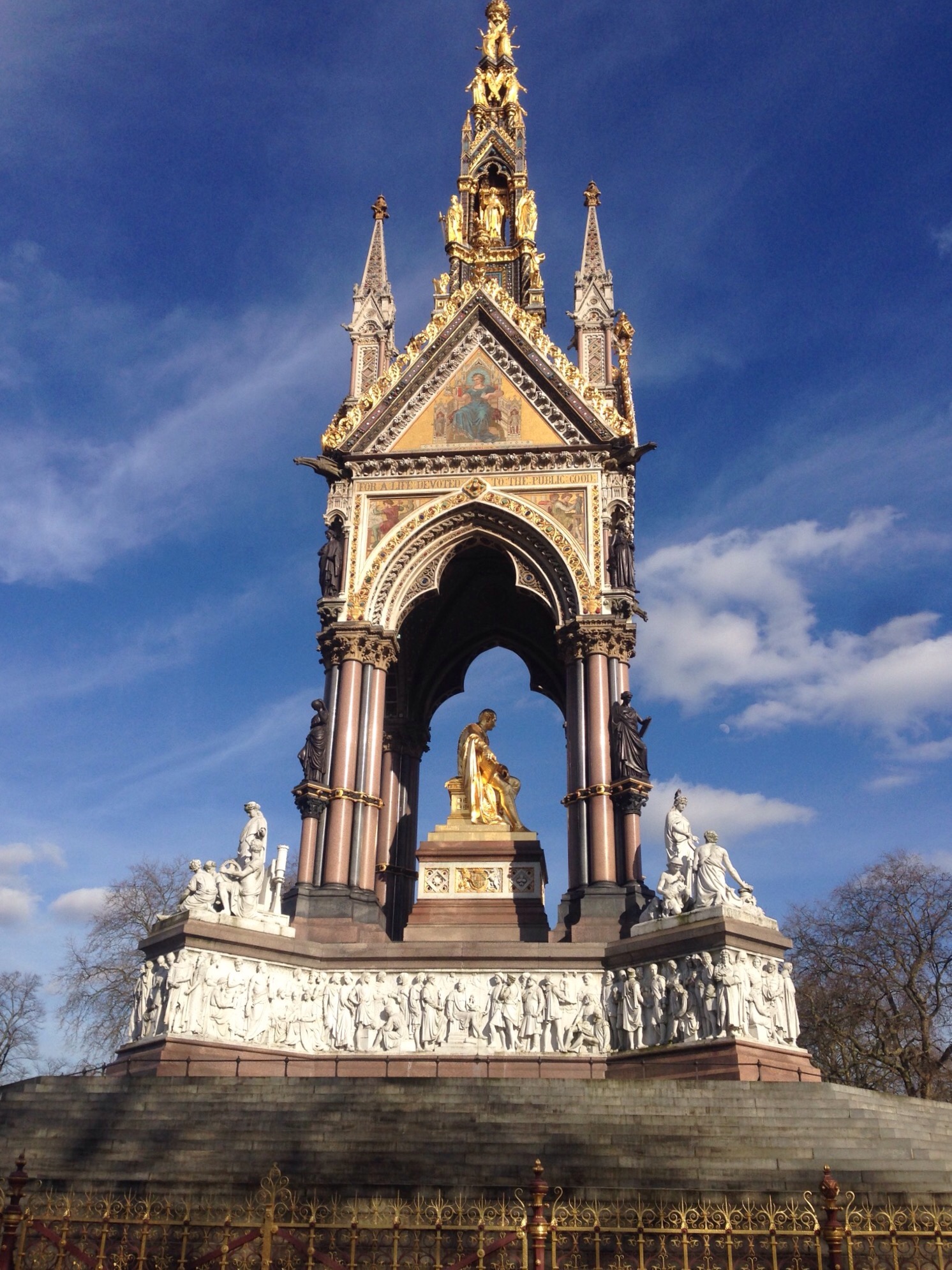
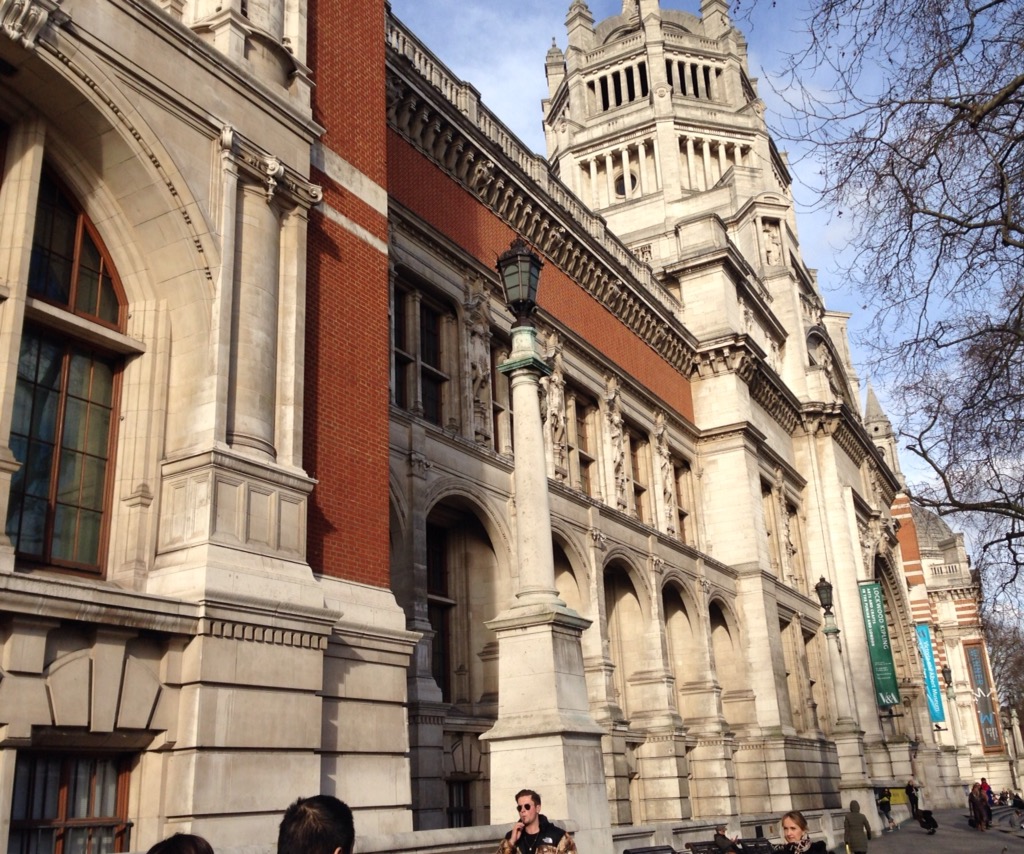
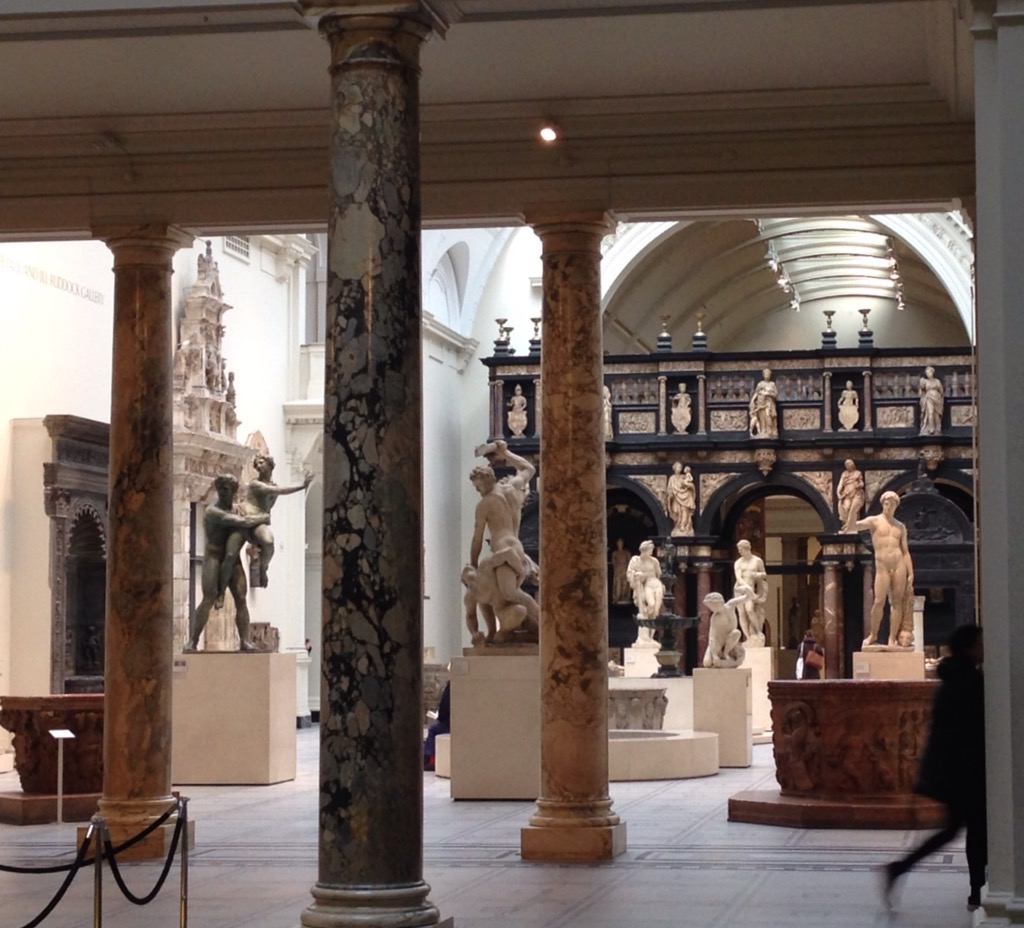
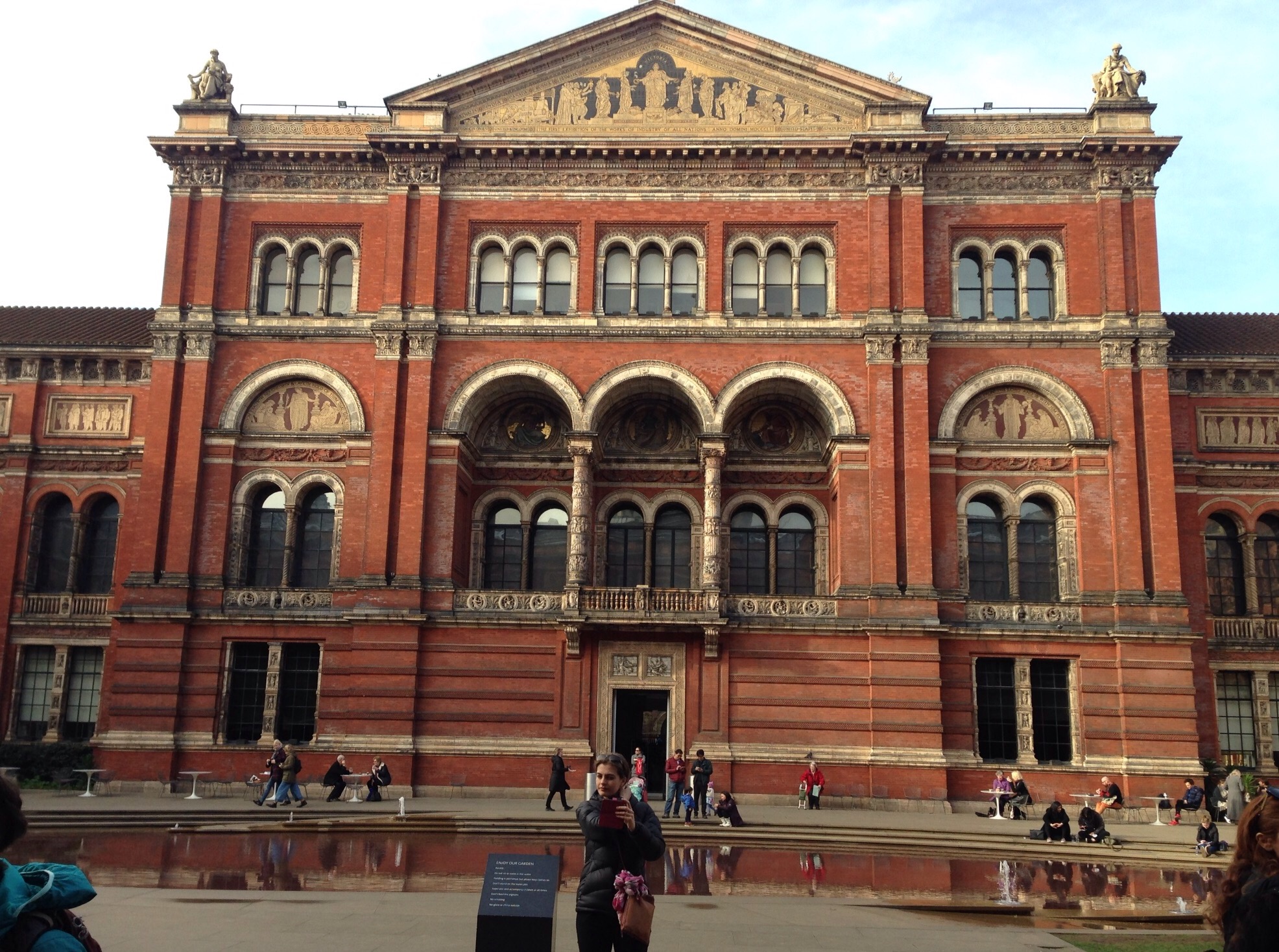
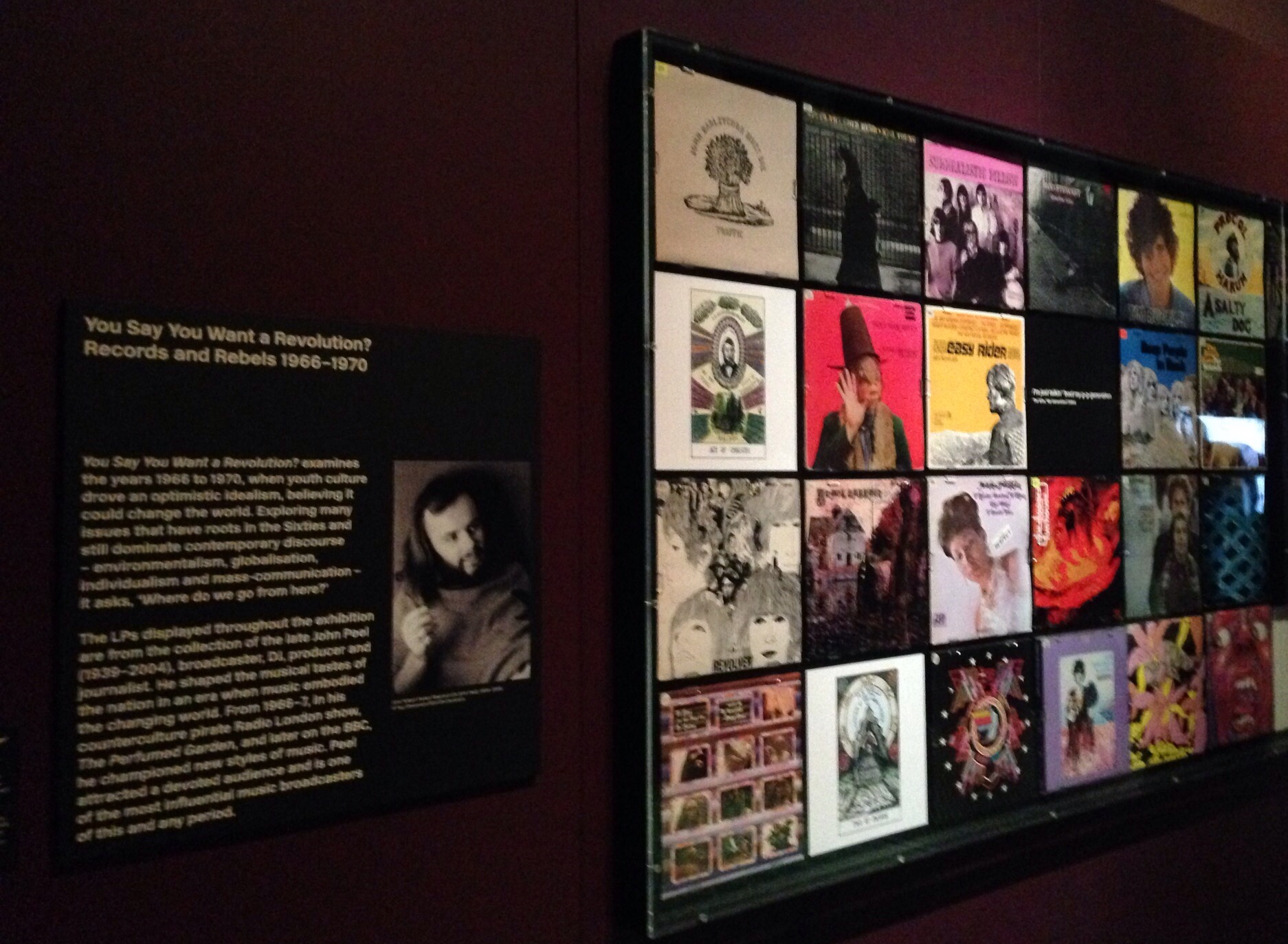
We also spent a good part of a day visiting the Palace of Westminster (Houses of Parliament) and walking through some of London’s lovely parks. We sat in on part of a session of the House of Commons and heard them debate a government proposal to address youth homelessness and heard another member propose that the nation hold celebrations later this year to mark the Queen’s Sapphire Anniversary on the throne.Our first view of the London EyeThe Houses of Parliament and the Clock (now Elizabeth) Tower — Big Ben is actually the nickname for the bell inside the towerSt. Stephens HallA portion of the circular Princess Diana Memorial Fountain at the end of Hyde Park near Kensington GardensThe Peter Pan statue in Kensington ParkA statue of Queen Victoria in front of Kensington PalaceA pond in Kensington ParkThe modest Albert Memorial in Hyde ParkThe modest Albert Memorial in Kensington ParkThe amazing and free! Victoria and Albert Museum of decorative artsA Chiluly art sculpture in the main entrance to the Victoria and Albert MuseumOne of the wings of the museumThe inner courtyard of the museumPart of the exhibit on revolutionary music of the 60s
We spent a couple of mostly wet days in Derby (pronounced more like Dawby) between house sits. Derby is a city of about 230,000 located on the River Derwent. It is home to the world’s second largest aero-engine manufacturer, Rolls Royce, but also for its lovely ceramics.
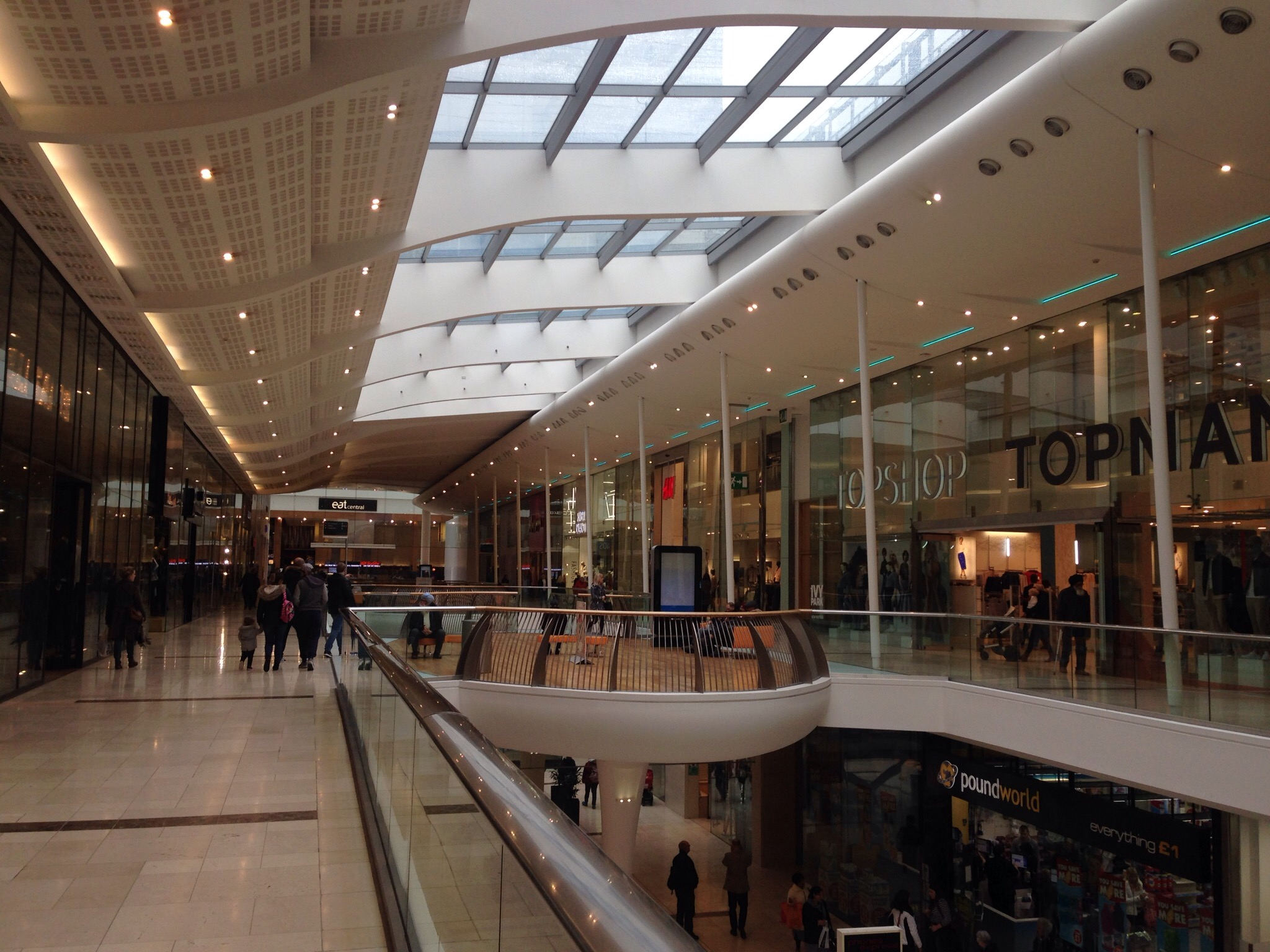
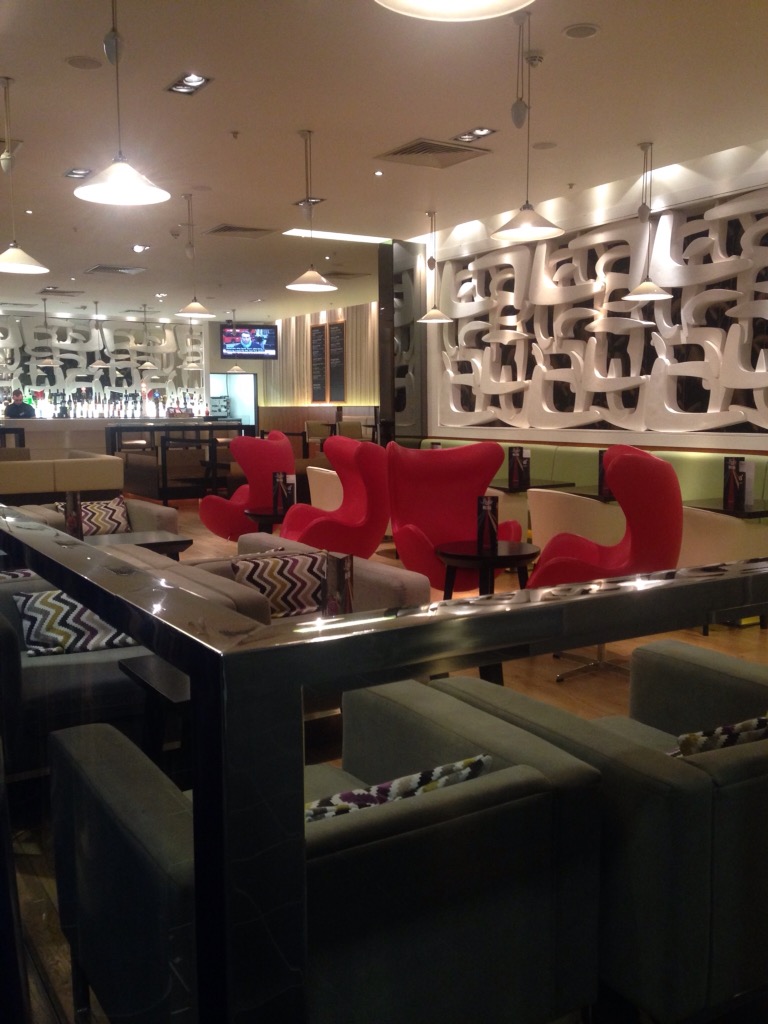
It also has a great, new mall called Intu Derby which houses one of the best cinemas we have seen. We took in a late matinee, with wine and beer, to catch the (almost) Oscar-winning film, La La Land.
The following is a quick pictorial overview of our stay.
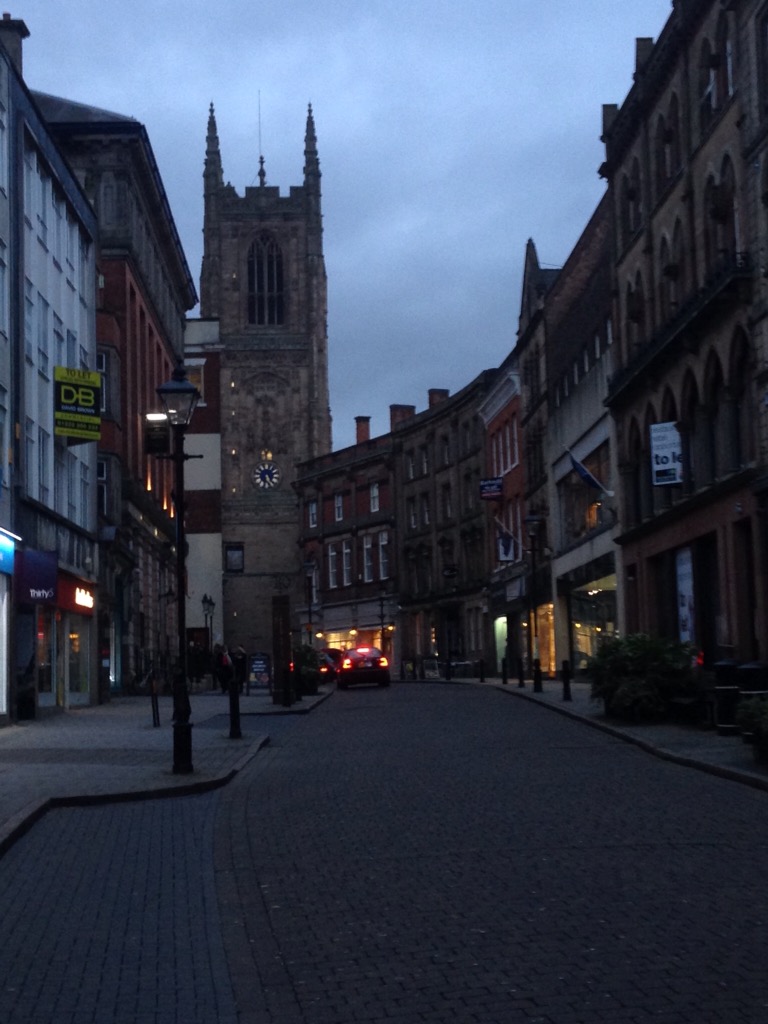
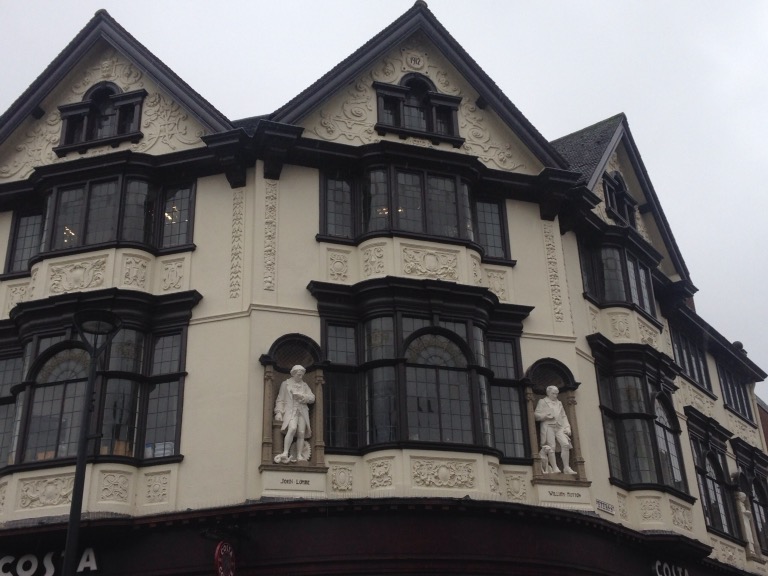
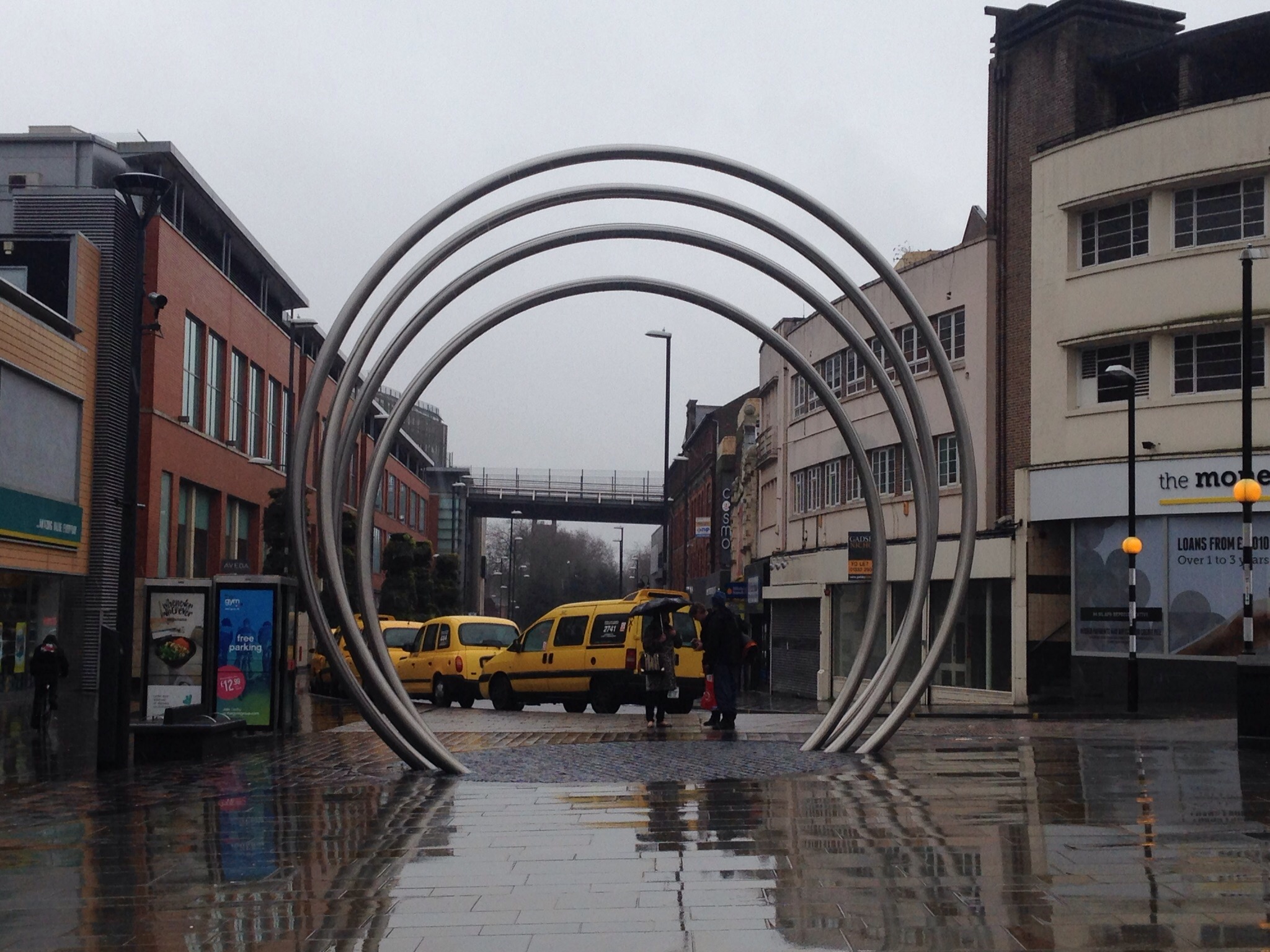
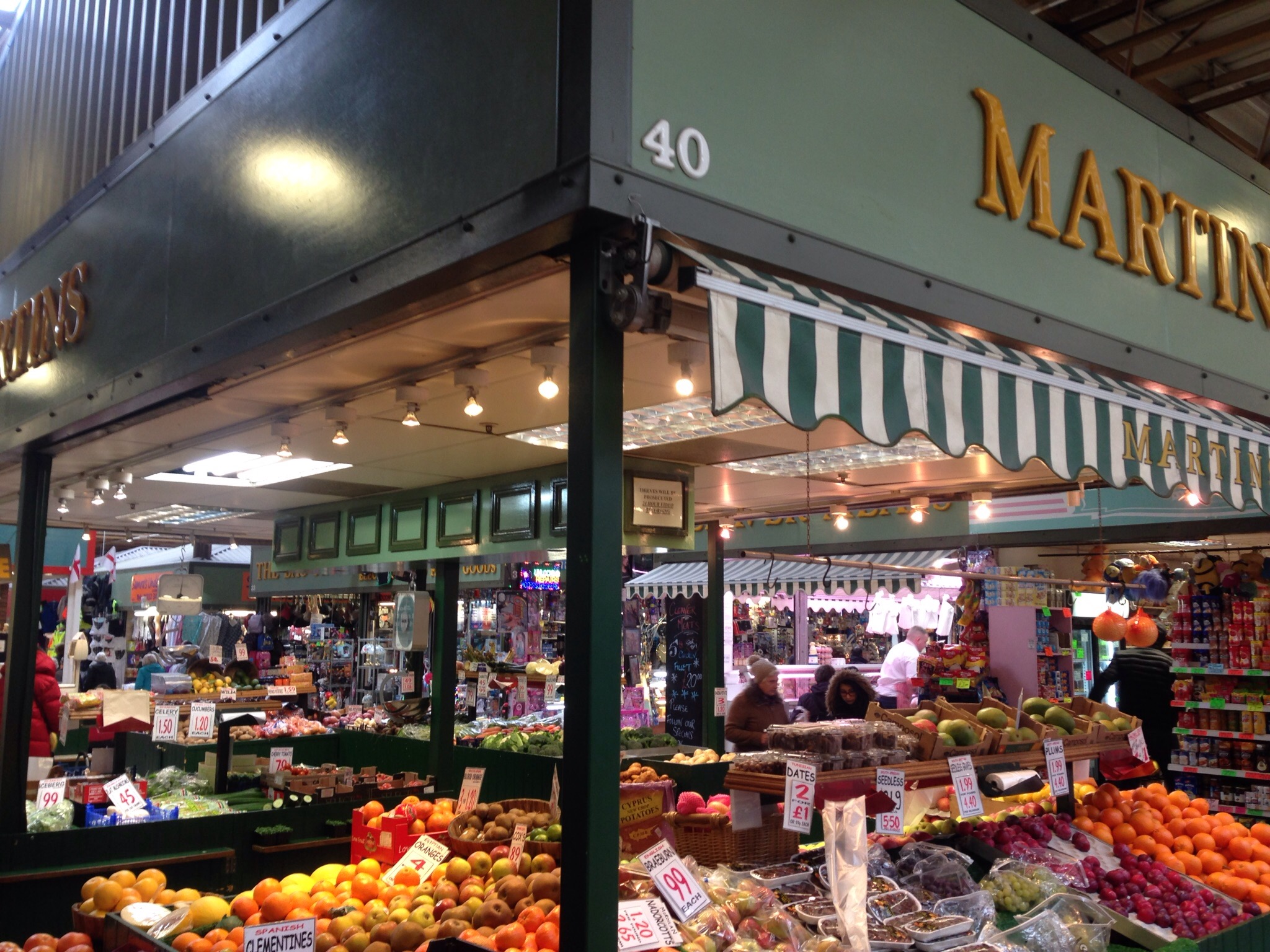
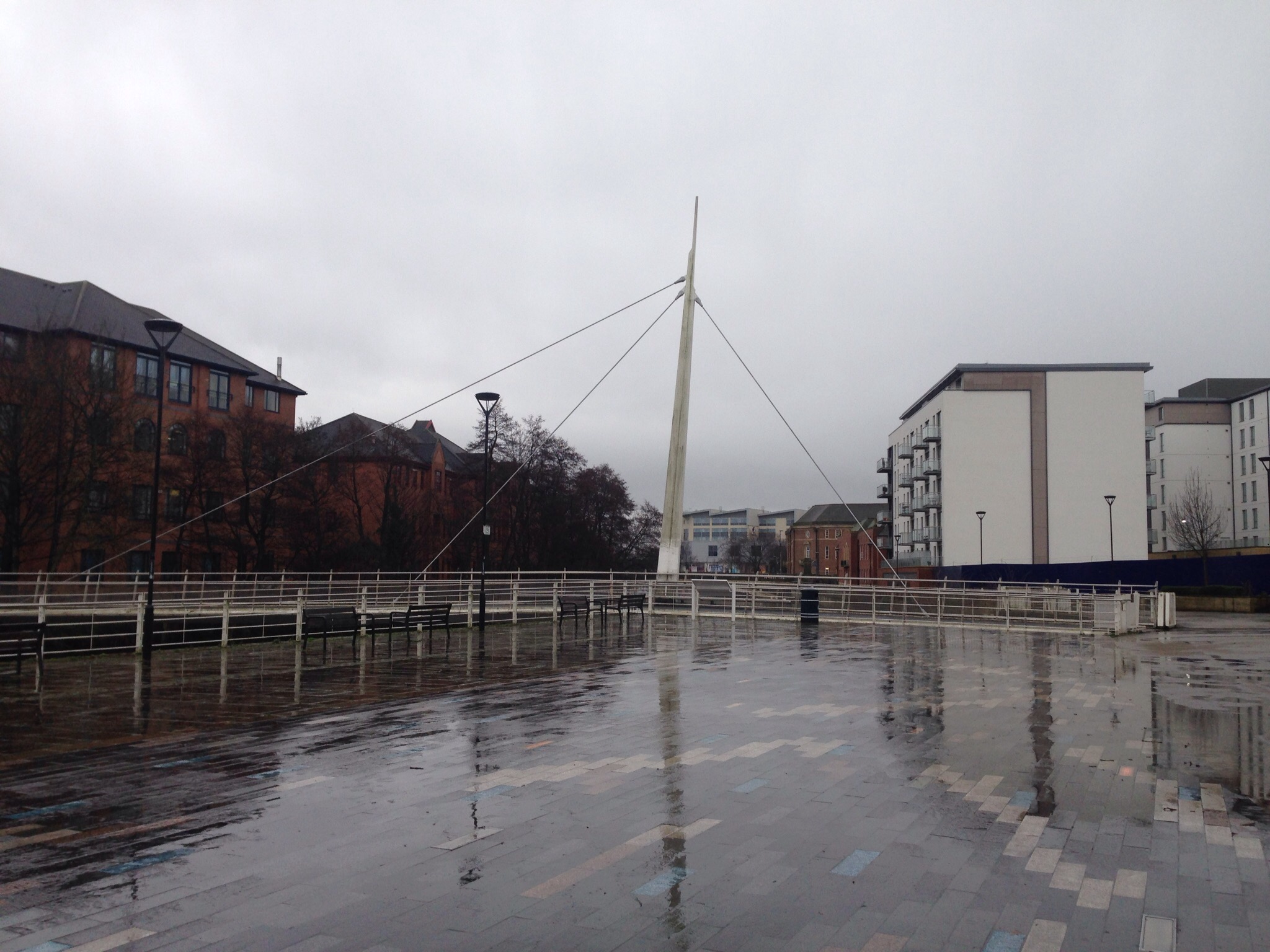
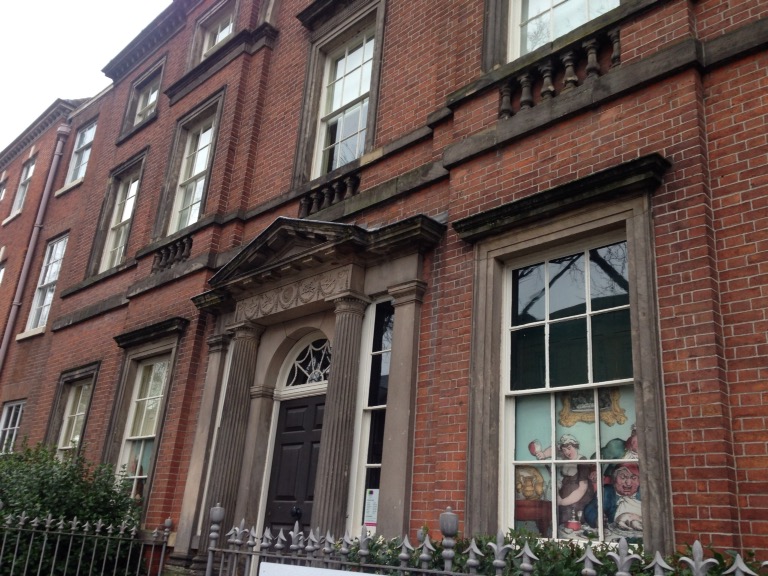
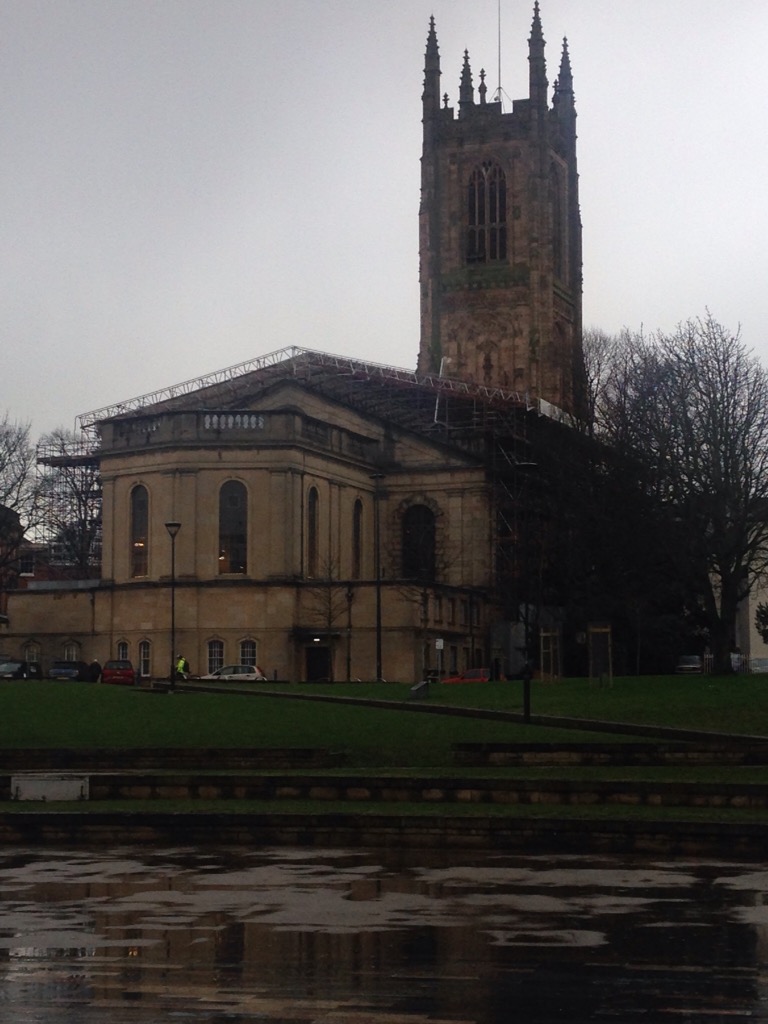
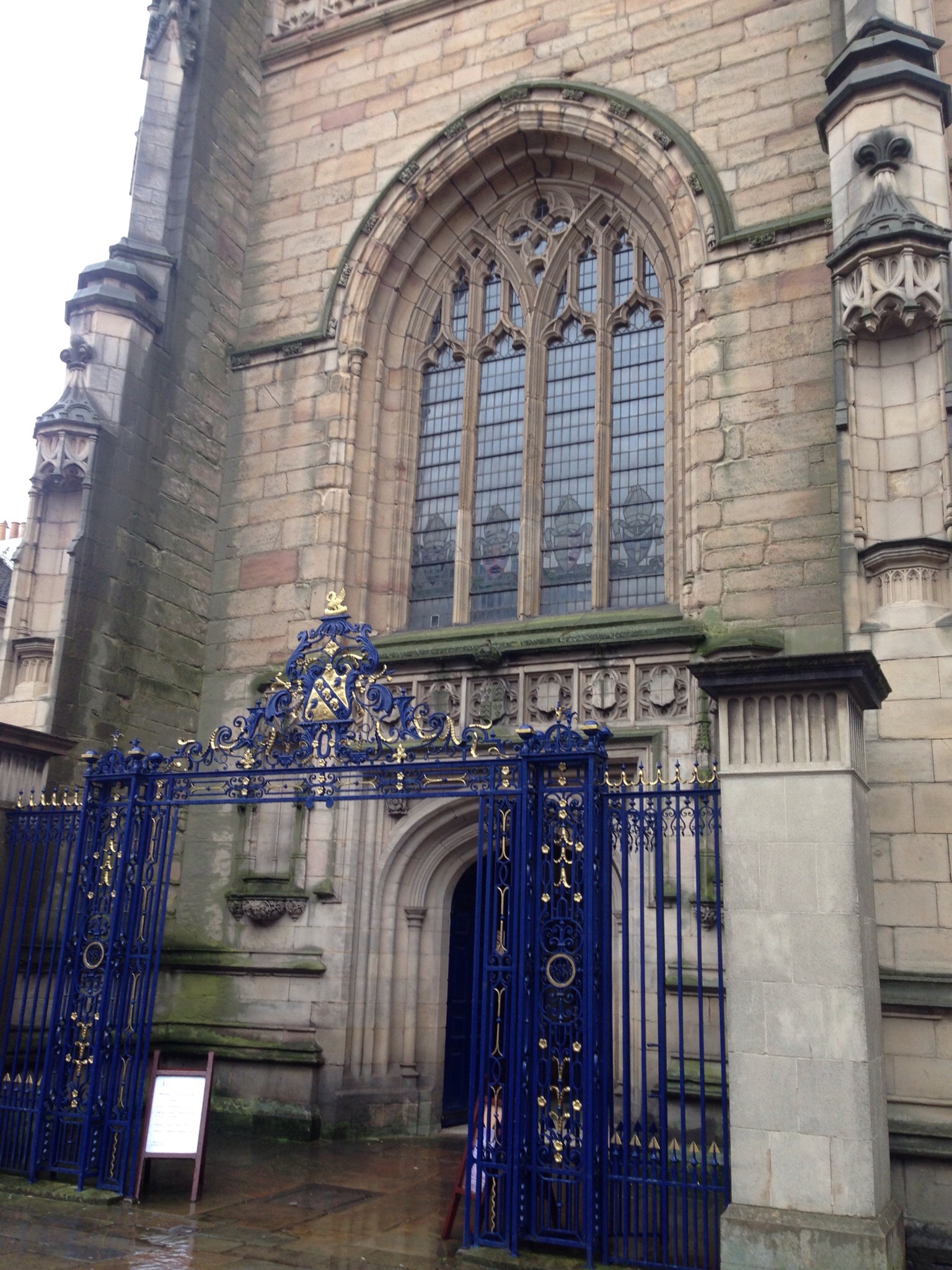
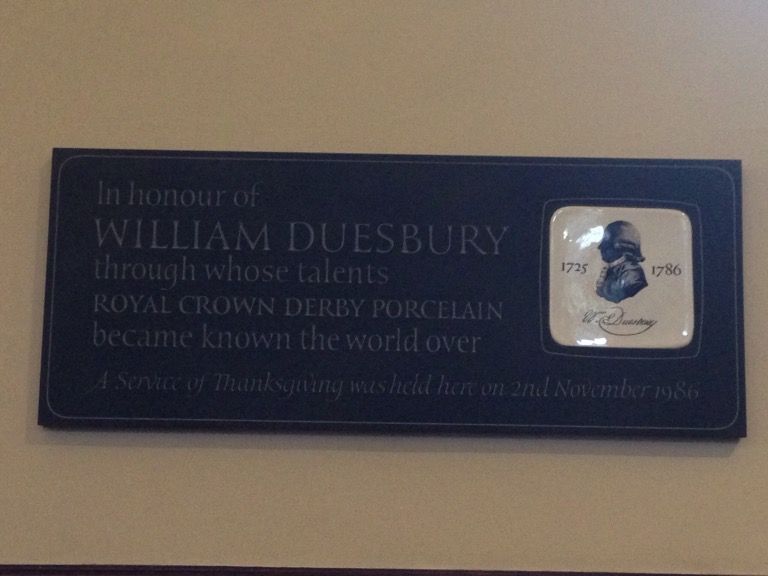
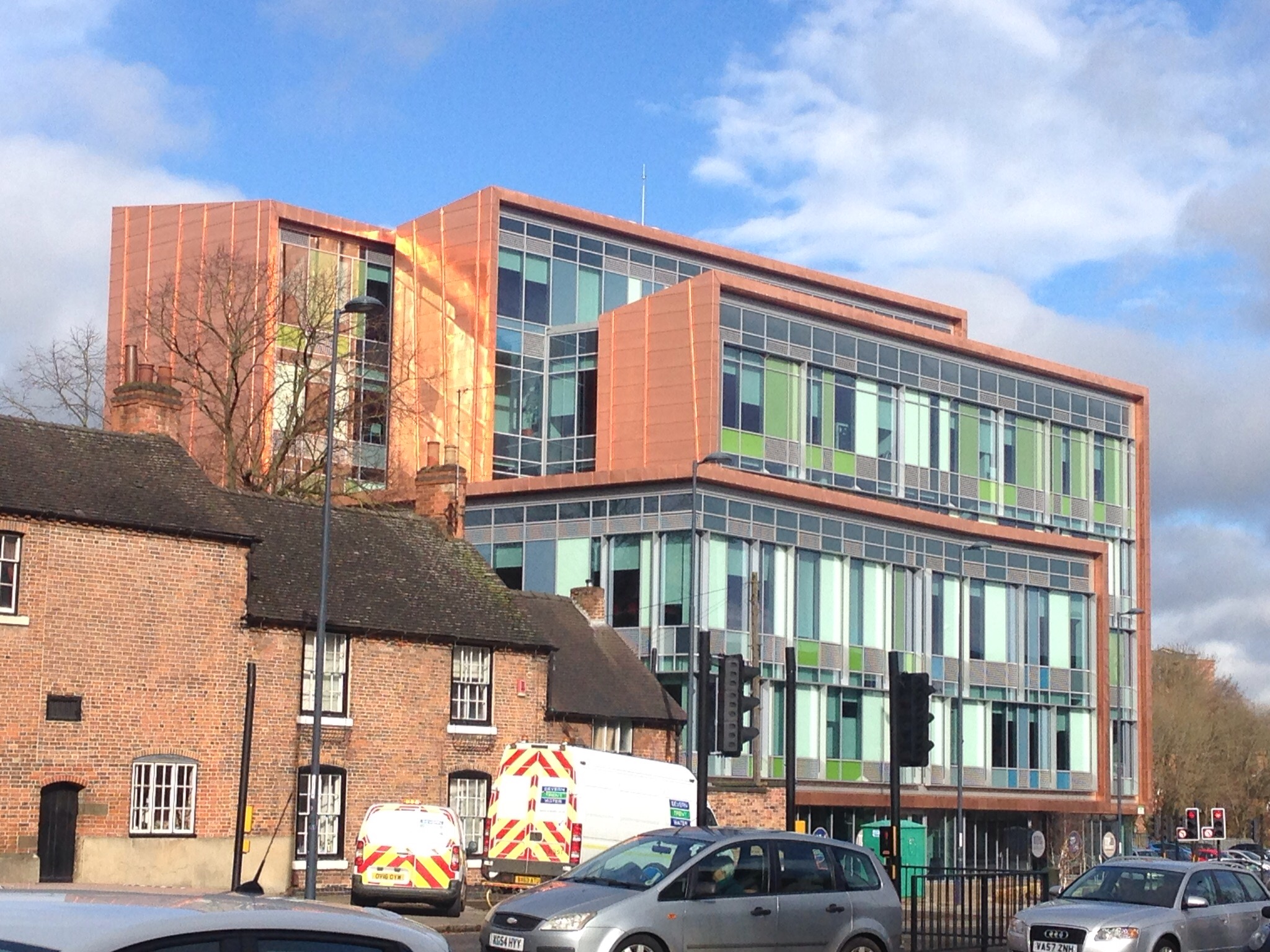
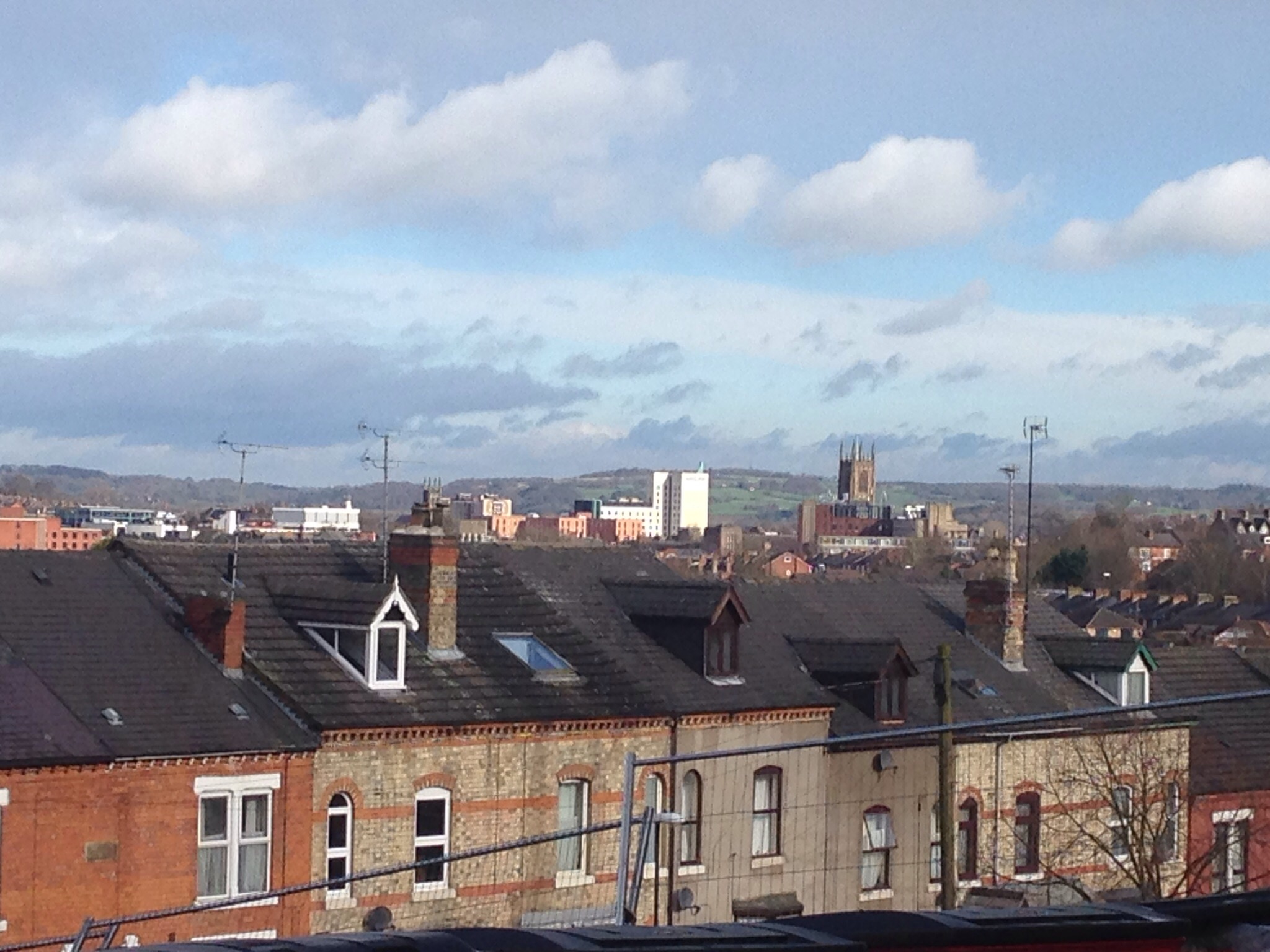
A twilight stroll through town after an awesome tapas mealCool architecture in the central city areaFun public artThe Eagles Market incorporated into the new Intu Derby mallInside Intu DerbyThe bar/lounge inside the Intu Derby cinemaThe old silk mill, opened in 1718 as Britain’s first factory. It is now Derby’s Industry Museum — unfortunately not open on days when we were in townA pedestrian bridge over the River DerwentThe Museum and Rt Gallery which featured many of the works of the local artist, James Wright, as well as natural history. It is housed in the same building as the public library.This was in the natural history exhibit — not a creature we had heard of beforeThe Pickford House — the Georgian home and office of Derby architect Joseph PickfordThe Pickford House gardenDerby is known for the fine porcelain that has been made in this site since 1878 though it was started in 1750. Many of the tea sets used in Downton Abbey were Derby porcelain.The rear of the Derby Cathedral — the scaffolding is there to replace the lead roofThe front of the cathedralA plaque for the founder of the Royal Crown Derby China The copper-coated building is one of the buildings of Derby UniversityA view of Derby from the back of our hotel
Bob and I completed our Cardiff house sit with the Very Lovable Rita on Saturday evening February 25. We left for Derby, England the next day and have now begun our London-area house sit, but more about all of that later.One last Rita photo — such a sweetie, and an amazingly agile ball catcher
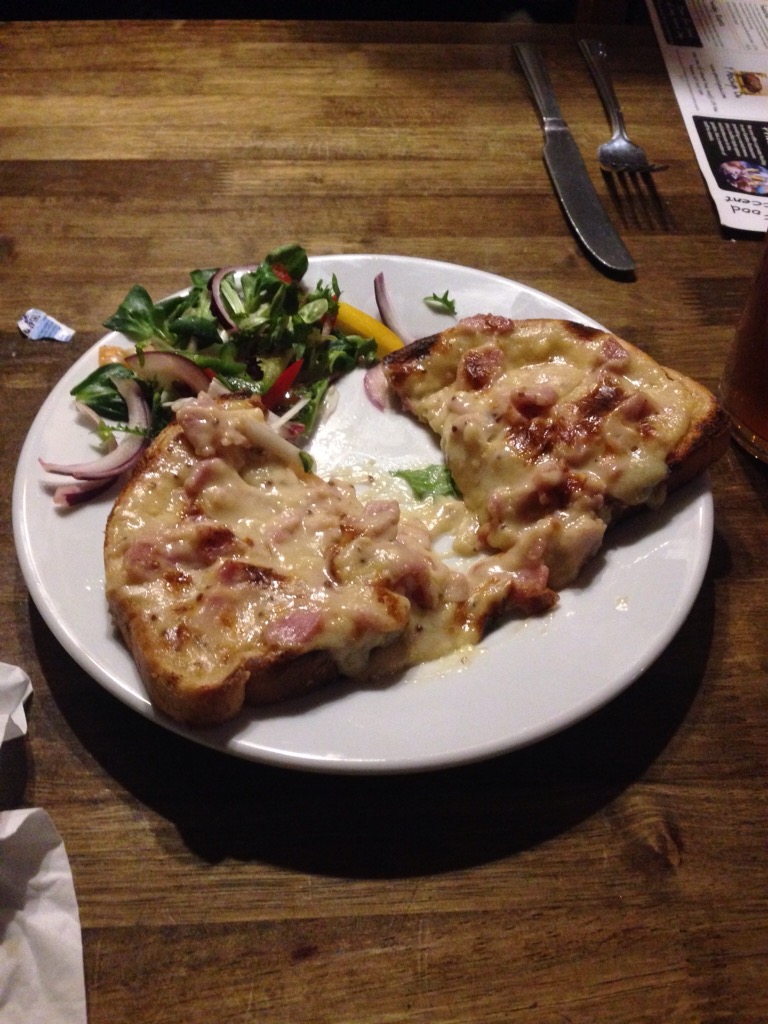
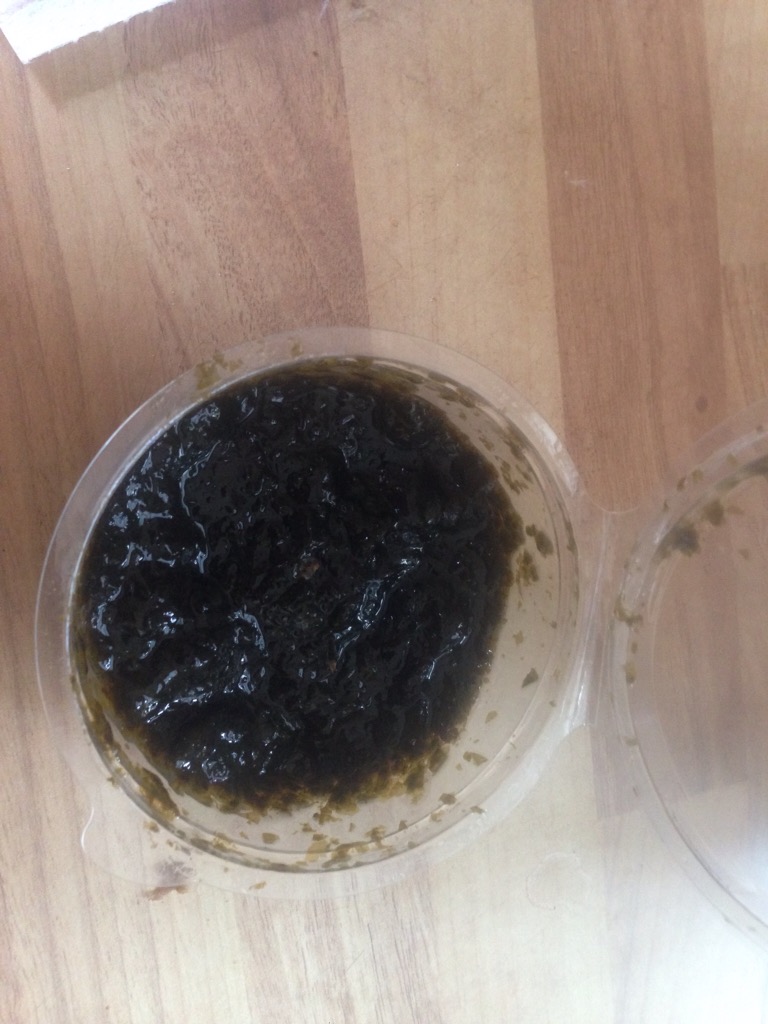
Along with learning a couple of Welsh words, and watching our homeowners perform (on tv) in a Welsh- language soap opera, we also tried a few traditional Welsh dishes. The first two dishes below we had at a lovely local pub. The third we tried a sample of at a local market before buying some at the grocery. Due to its name (laverbread), we initially had a bit of trouble finding it. We assumed that it was in bread so we were looking for it in bakeries. It can be (sort of — see below). But It is sold in its “raw” form in the seafood section.
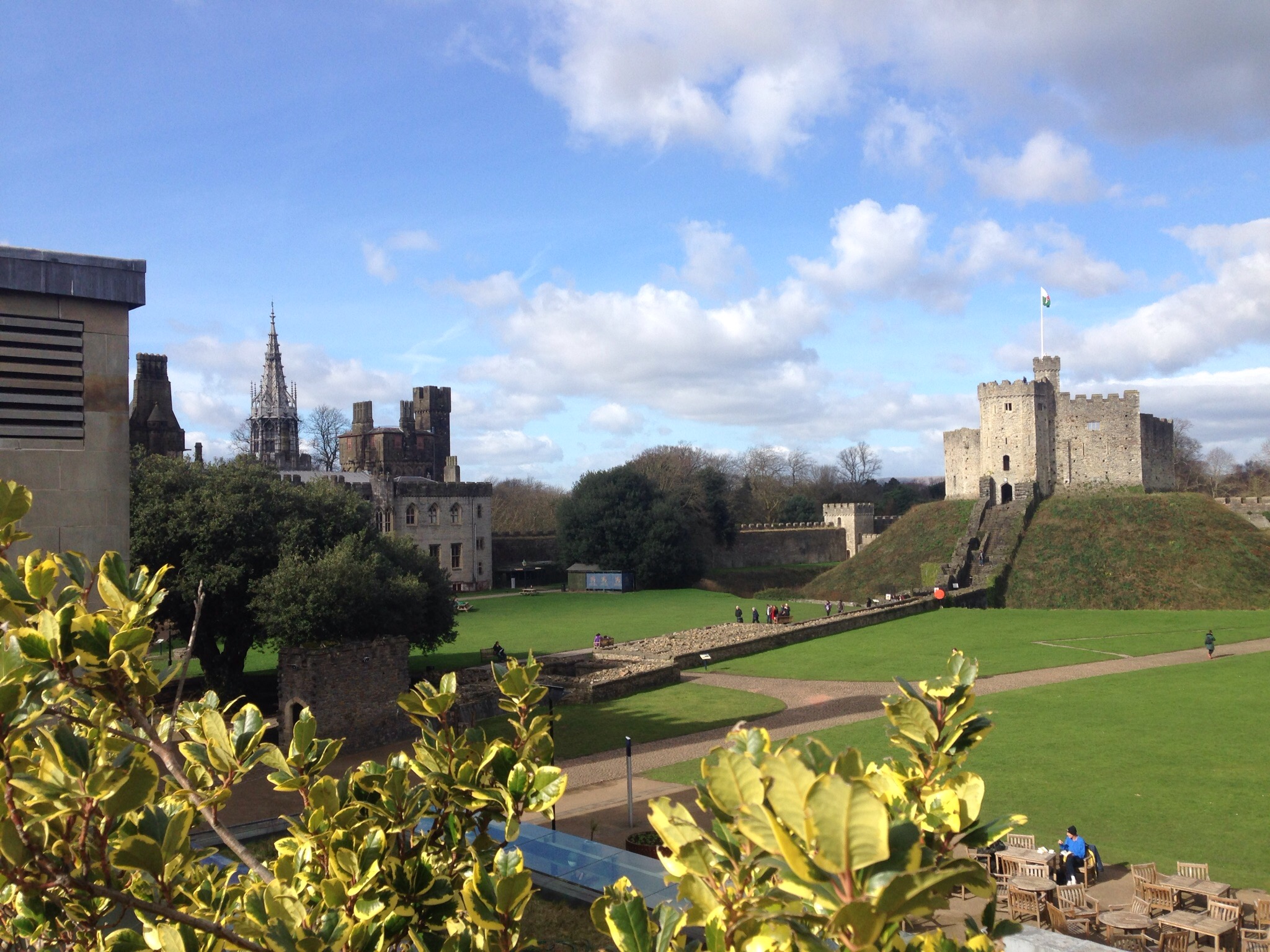
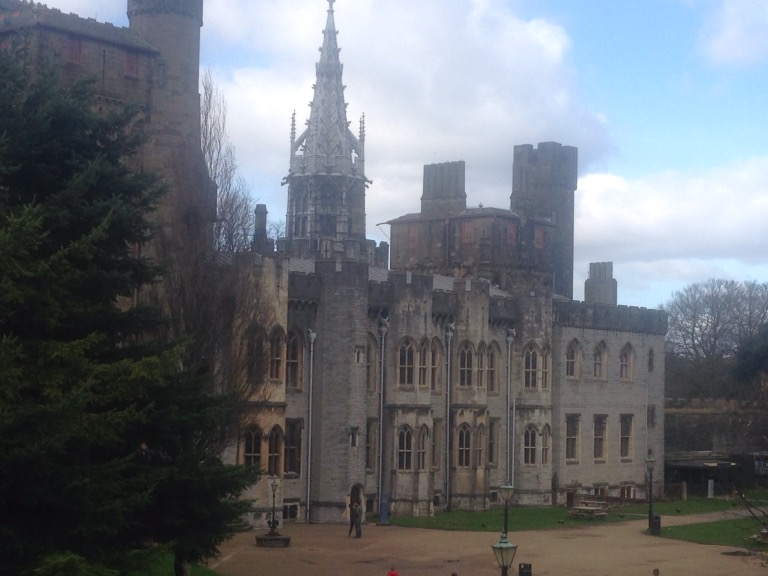
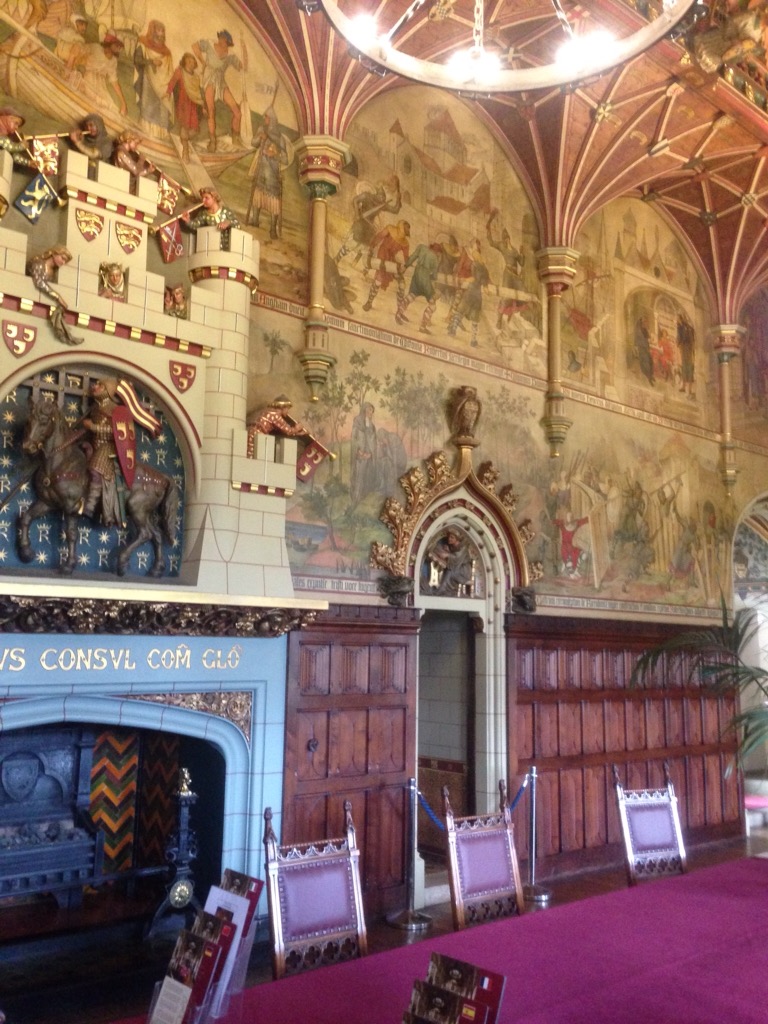
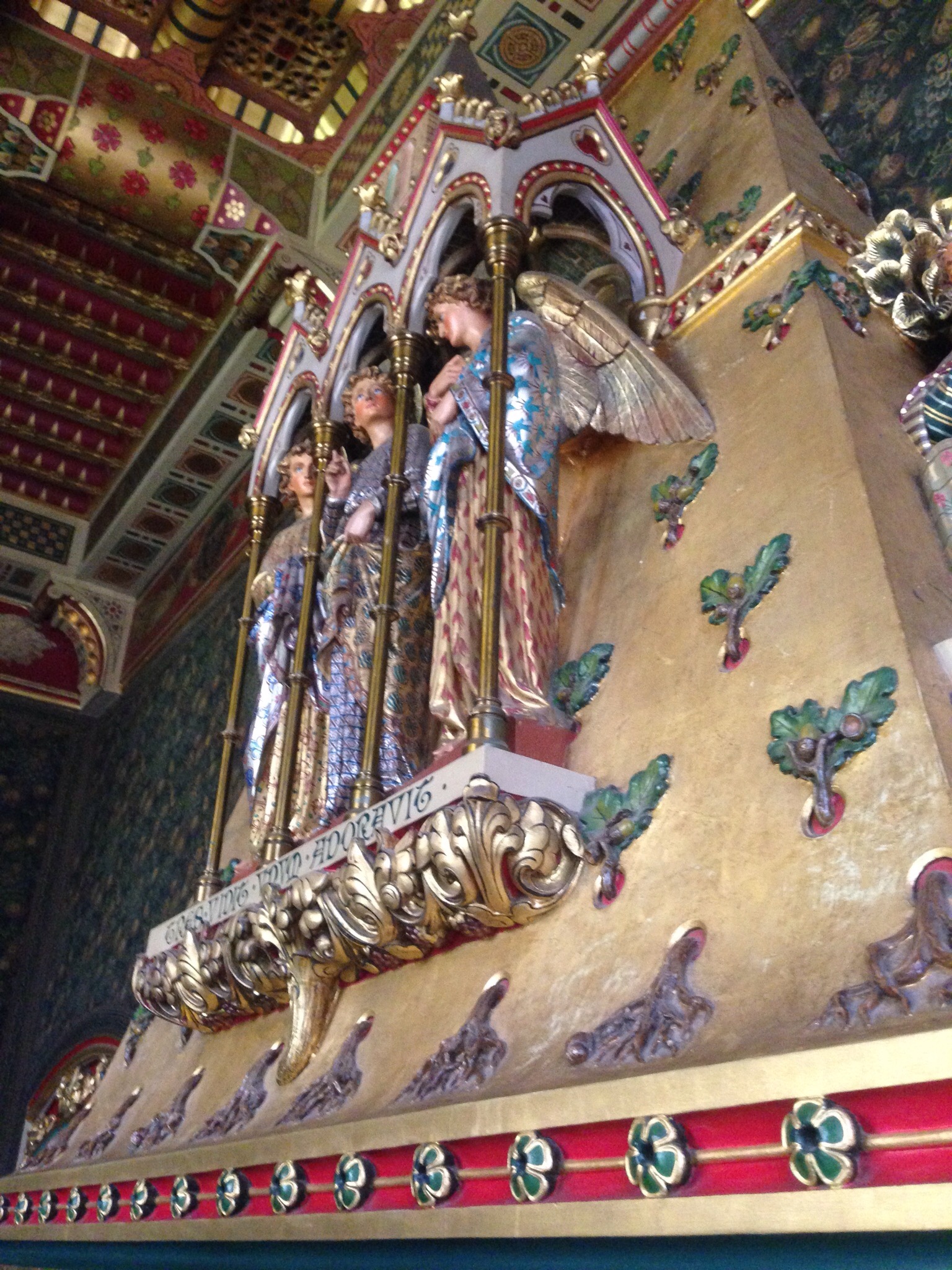
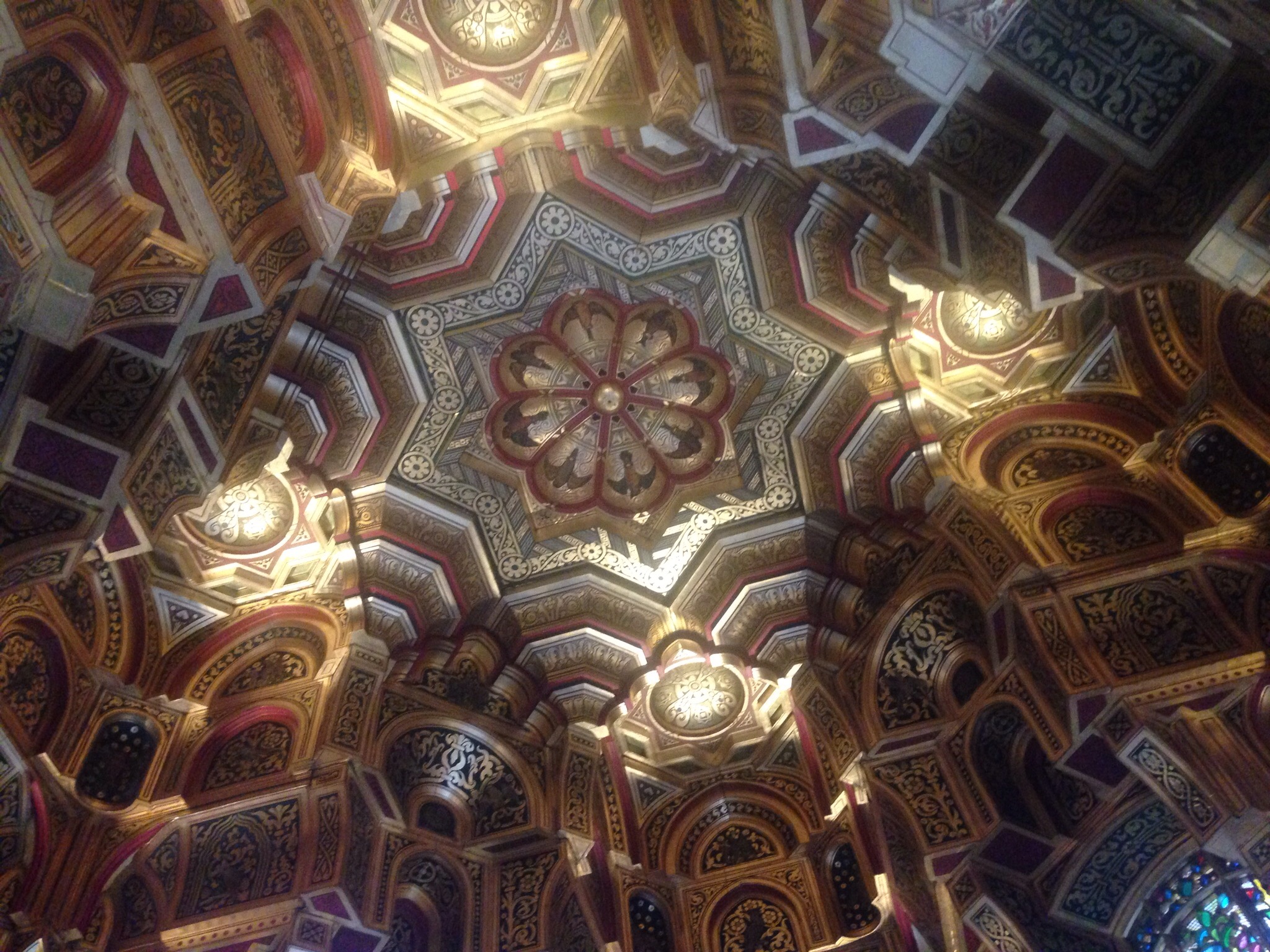
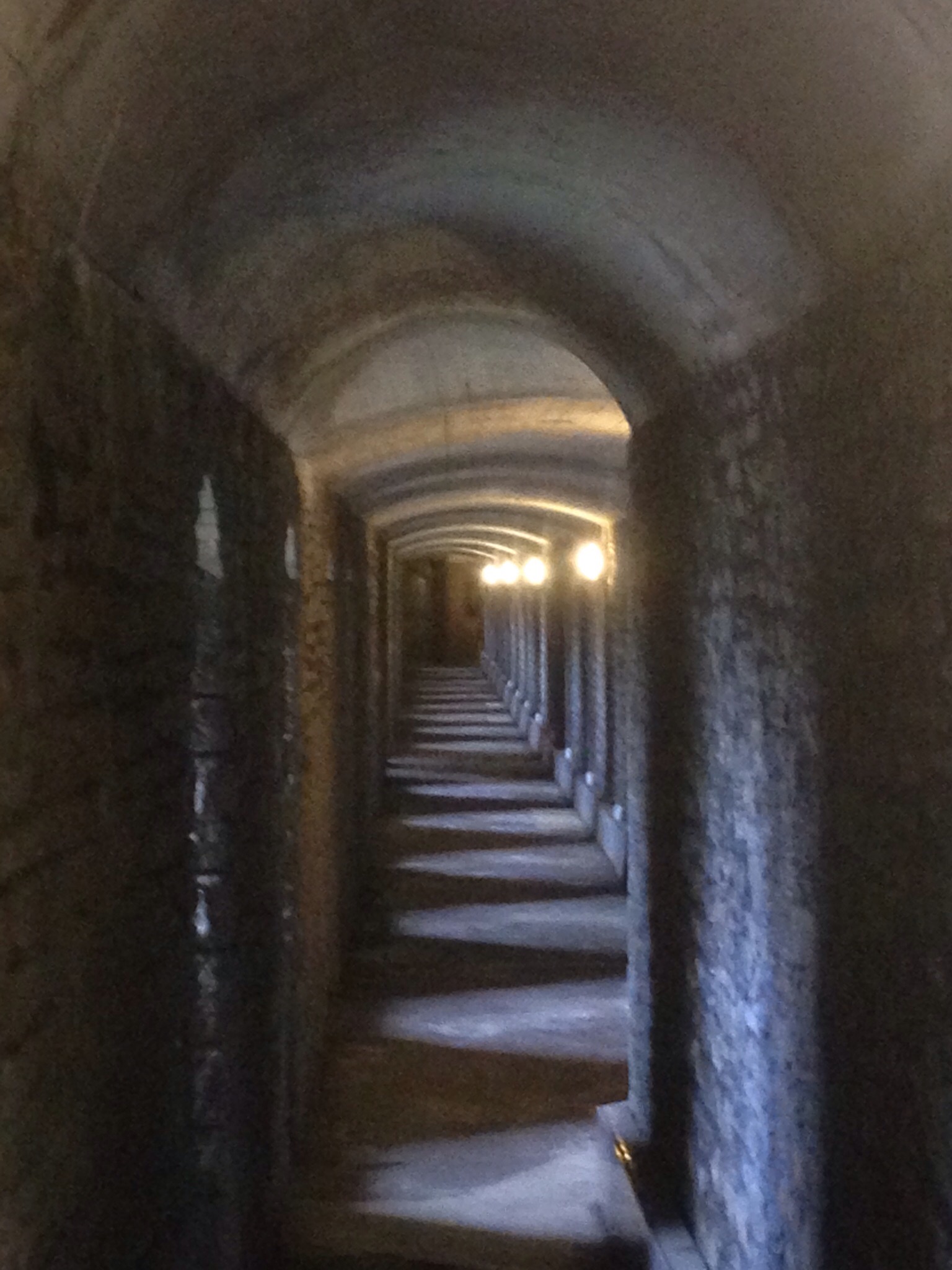
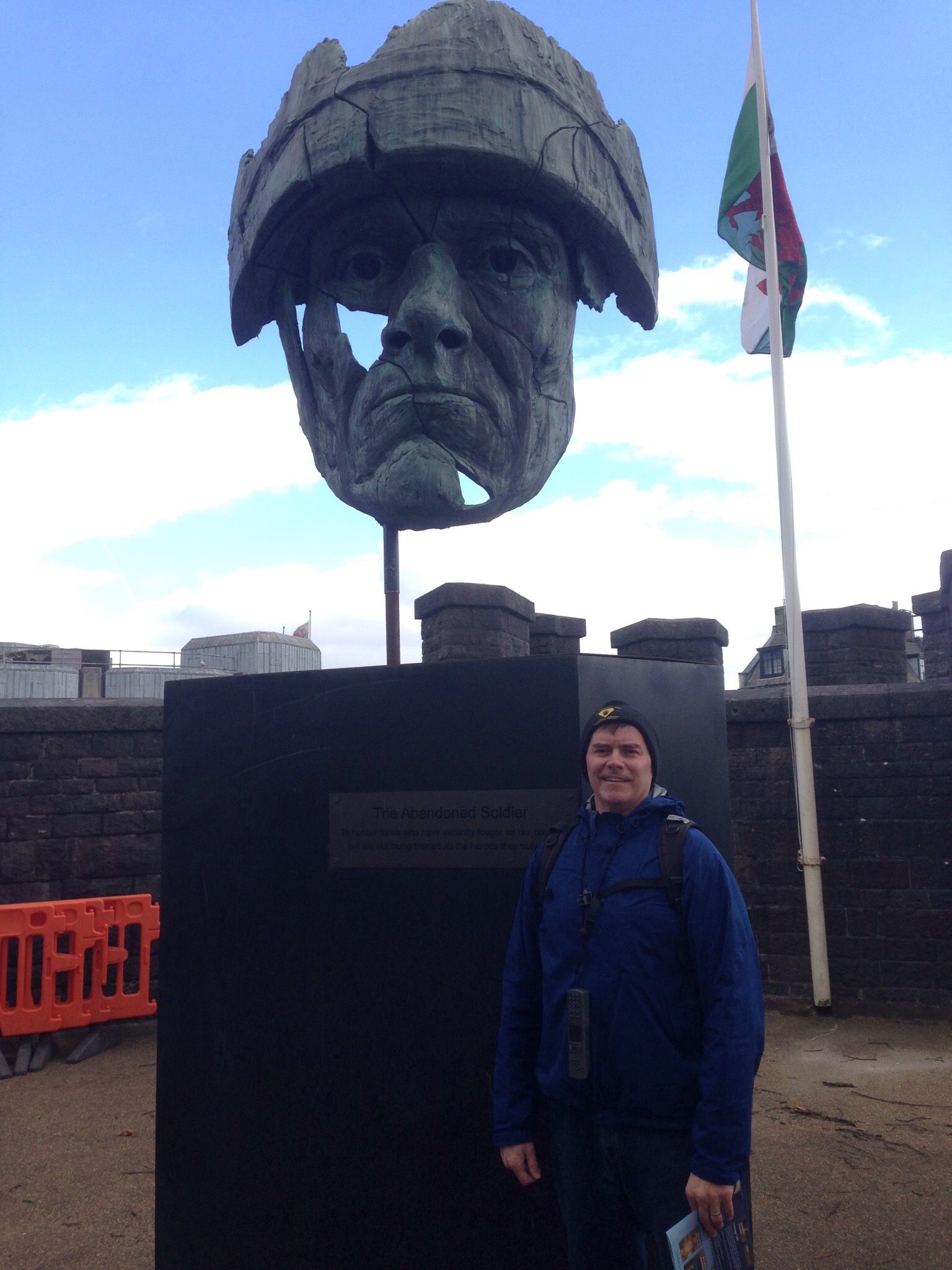
This is Welsh Rarebit, basically toast with a savory cheese sauce (has a bit of Worcestershire sauce in it) and some bacon bitsSausage and MashLaverbread, basically boiled seaweed. I ate it plain or mixed in some Wheatabix with it. Despite its appearance, I liked it. Apparently, it is typically rolled in oatmeal and then fried as part of a Welsh breakfast that would also include bacon and cockles.We spent much of our last full day in Cardiff touring Cardiff Castle in central Cardiff. We had stopped here on our last visit but hadn’t toured the grounds. This time we toured the grounds as well as the house. The grounds were originally the site of a Roman fort built around 50 AD. Some of the Roman walls still remain. It was later used by the Normans as a fort as well. The property passed through the hands of many noble families before being inherited by the 2nd Marquess of Bute, a Scott, who renovated much of the facilities, including turning the home into his view of a Medieval Castle. He and his family lived here only 6 weeks per year, but he is fondly regarded in Cardiff as he turned the city into one of the world’s leading coal exporters. Bob and I kept thinking that the name sounded familiar and through the power of Google we were able to confirm that he is the same gentleman who also had the castle in Thornhill, Scotland that we toured last year!The “house” that we touredThe banquet room that is still used today. You can rent this for the small sum of 600 pounds — per hour!Figures over the fireplace in one of the roomsThe beautiful ornamental ceiling in the Arab roomA broader view of the grounds with the house on the left and the moat-surrounded keep (fort) on the hillLooking into the center of the keep from the towerThe inside of the walls that run along the perimeter of the grounds. These were opened to the public as shelter during WWII.Another Big Head moment for Bob — a sculpture in support of soldiers who were not always treated well upon their return from war.











































 Peckish Travels