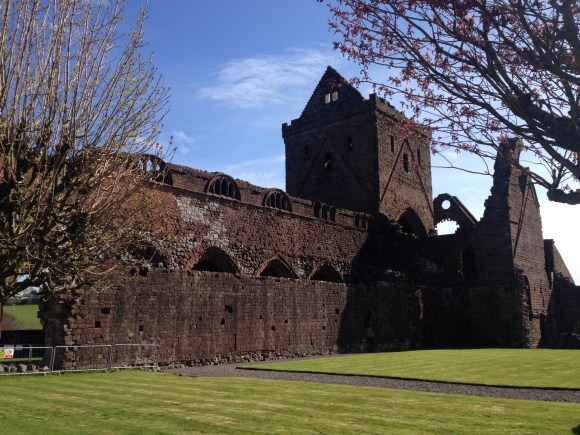
We continue to explore the local area even as the weather has decided to return to more winter-like conditions. Wednesday we had a great, challenging hike near a lovely little village called New Abbey. It is located, as is Thornhill where we are staying, in the Dumfries and Galloway region of Scotland. The village is dominated by the ruins of the beautiful Sweetheart Abbey. An impressive structure, founded in 1273 by Lady Devorgila to commemorate her husband John Balliol. Their remains are said to be buried in the Abbey, and one of their sons became King John 1 of Scotland.
Sweetheart Abbey
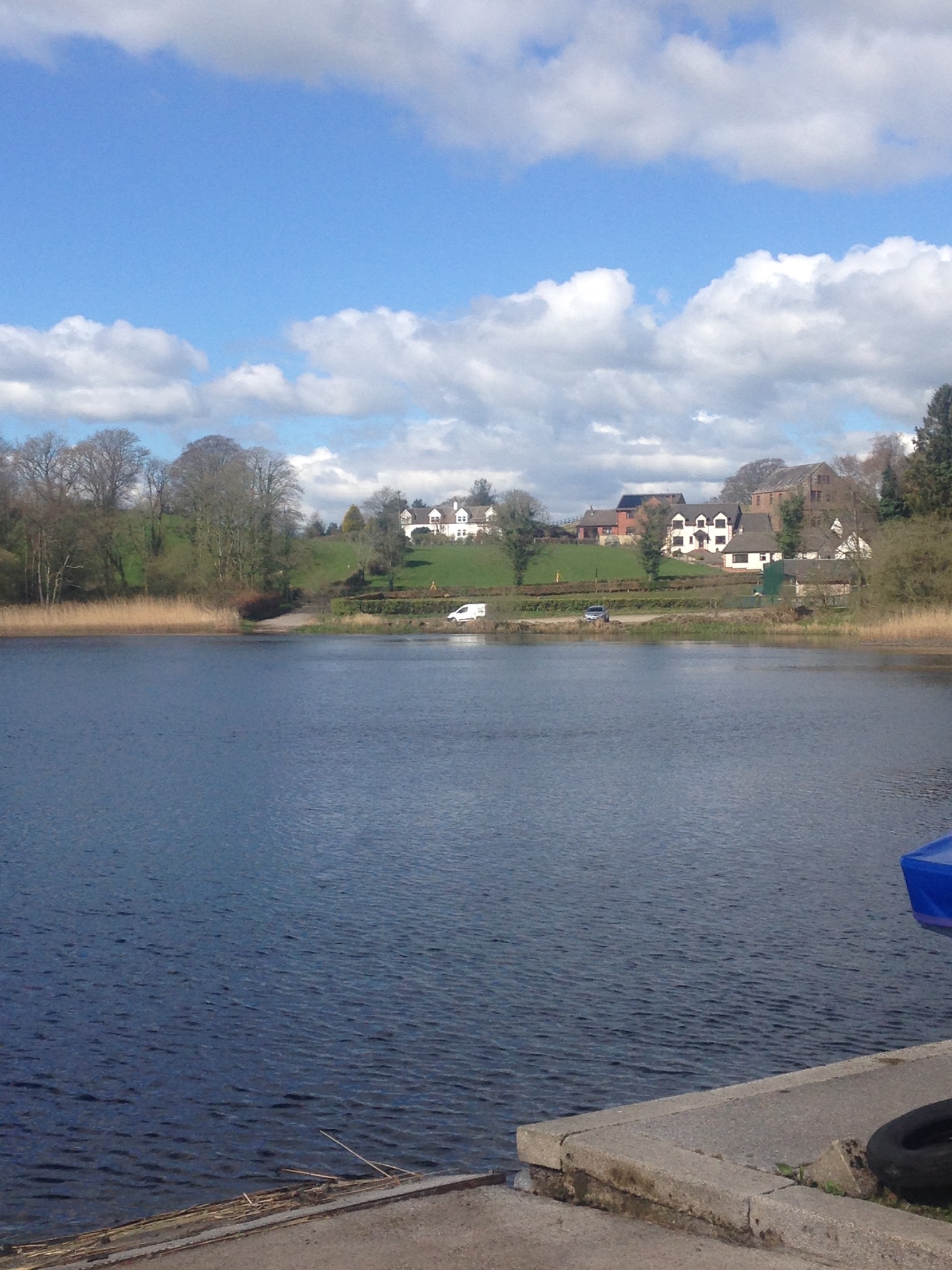
The village has a lovely square and corn mill and a number of scenic walks. Bob and I hiked up to the Waterloo Monument which was erected in 1816 to commemorate the British, Belgian, and Prussian soldiers who won the Battle of Waterloo. Once we reached the monument, we climbed the spiral staircase inside to the top before descending and hiking up to the top of Criffel Hill. From the top of the Hill, you can see Loch Kindar, the village of New Abbey, much of the local countryside, and a bit of the Solway Coast. Lots of heather on the way up — and lots of mud due to recent rains — it was a slow slog, but the views were worth it. (On the multi-photo sections below, you can access the captions by clicking on the photo.)
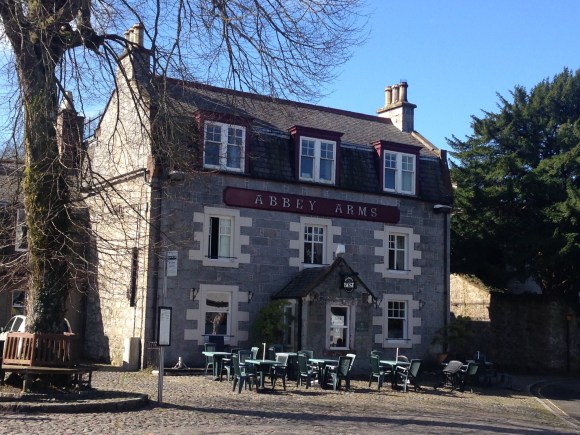
Inn and pub on the square
Pond along pedestrian path
Waterloo Monument
Meeting a friendly local on the way up Criffel
View of the Loch and Bay
Reaching the summit
Coming back down
Yesterday, we toured the Robert Burns Center in Dumfries. It provides a great overview of the life of the poet with a focus on the last years of his life which were lived in Dumfries and where some of his best work was written. Along with being an awesome poet and song writer, he was quite the philanderer and had a very forgiving wife! The home of J M Barrie, of Peter Pan fame, is currently being restored in Dumfries and is to open in 2018.
We have also stopped at 2 local farm stores which sell lovely home-grown meats and local cheeses as well as other specialty groceries and gifts.
The last few days have seen unseasonably low temps as well as snow and sleet. This continues to be the craziest weather we’ve experienced with what often feels like 3, if not 4 seasons, coming on the same day.
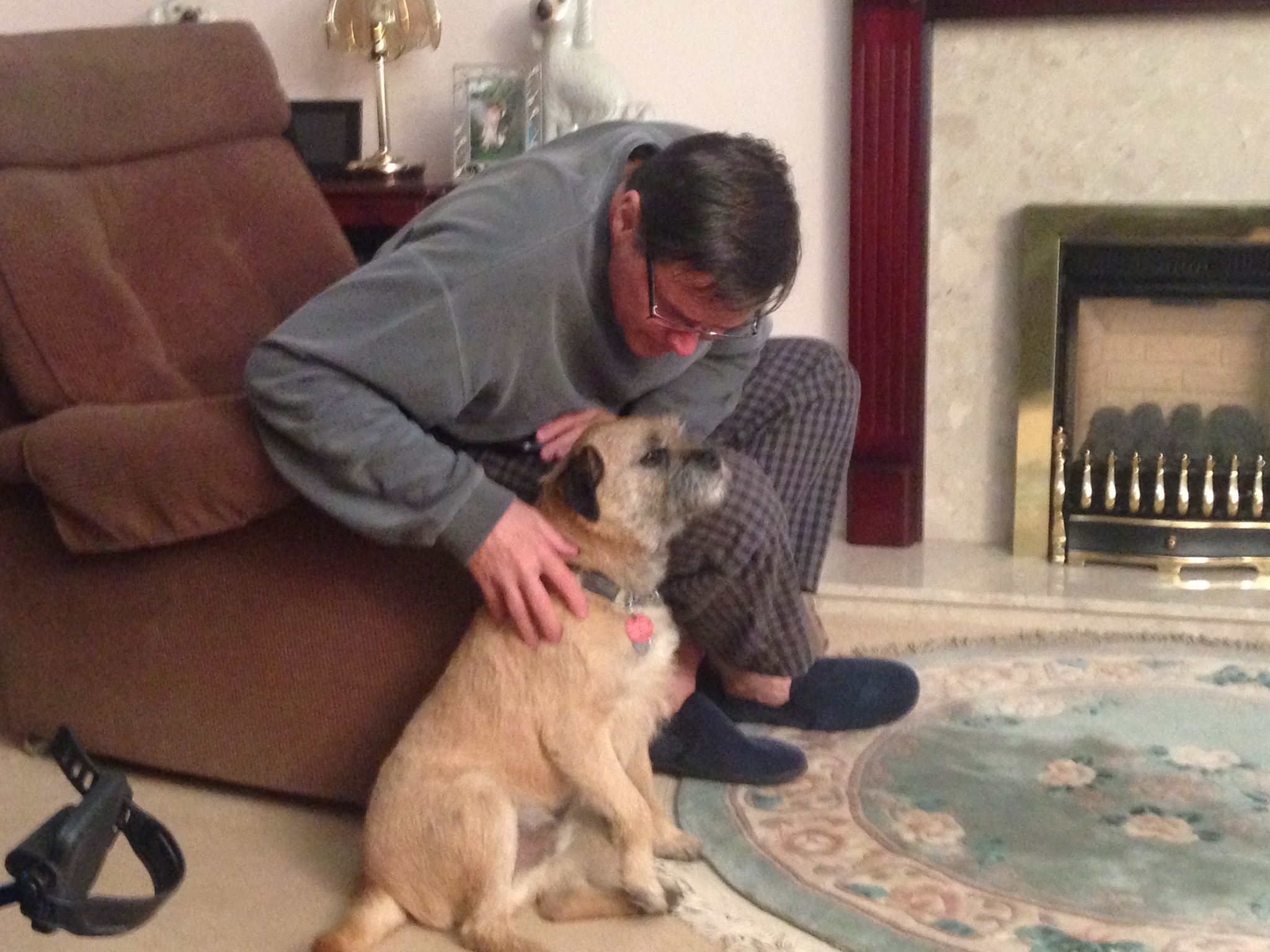
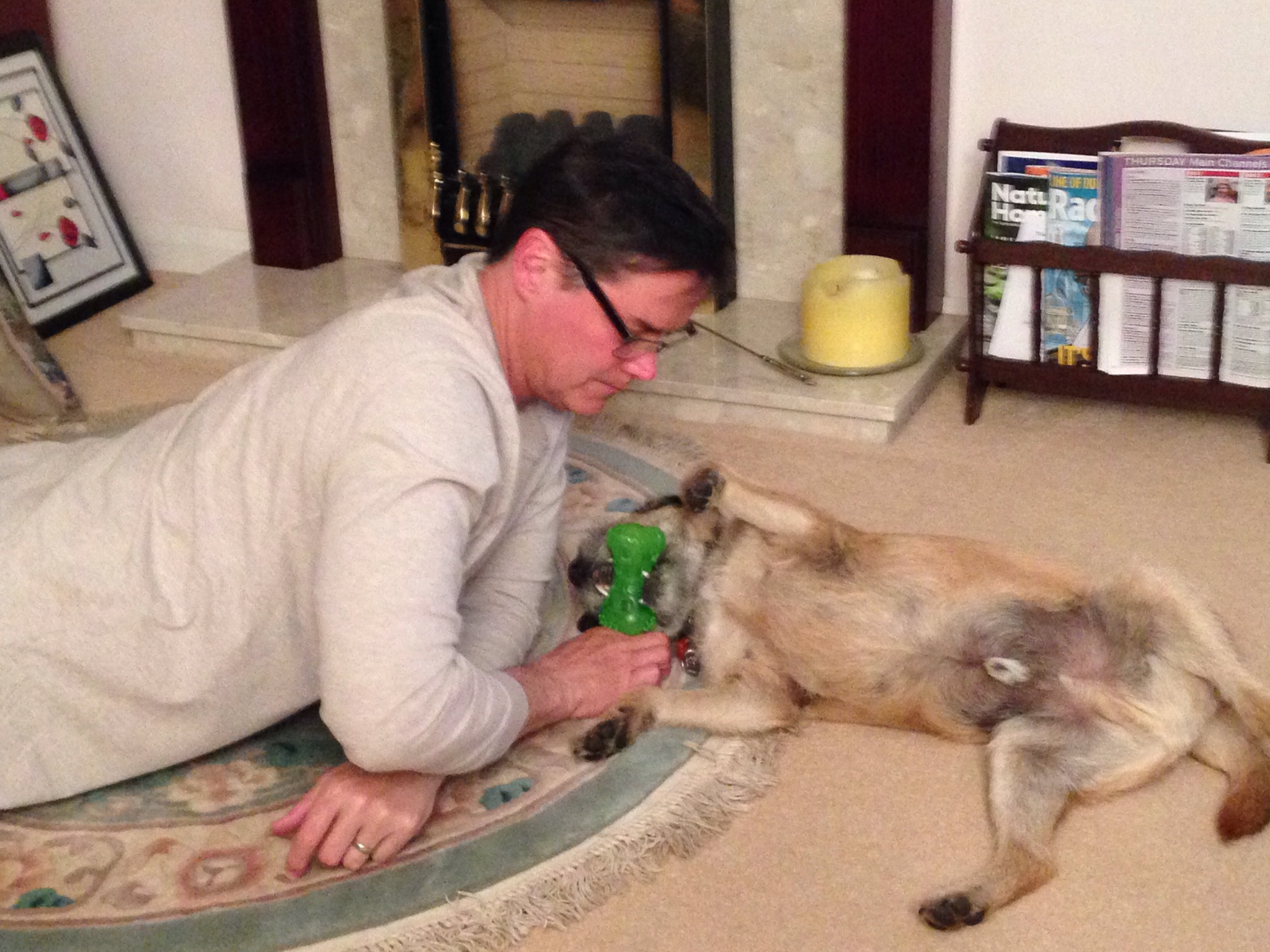
We are settled into our Scotland house sit after a great transition with our host couple. We are now enjoying their lovely home in the beautiful Scottish countryside and caring for the very lovable border terrier, Bruce, as well as keeping the bird feeders, etc. filled in the garden. We are treated daily to a lovely array of birds and have even glimpsed a red squirrel or two. At night we put out food for a hedge hog! It’s awesome.
Bob with Bruce at home.Bob playing with Bruce and his favorite toy.
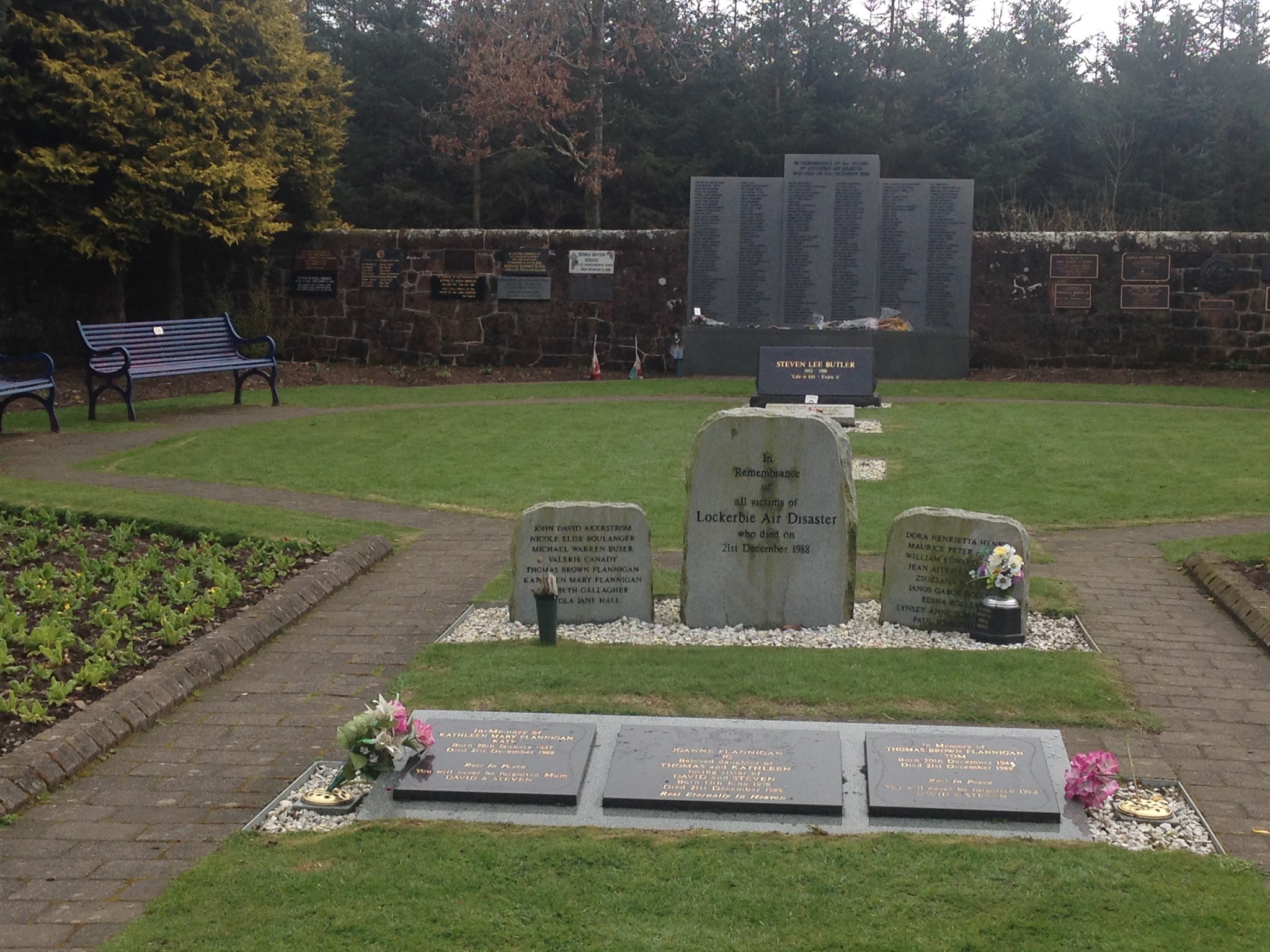
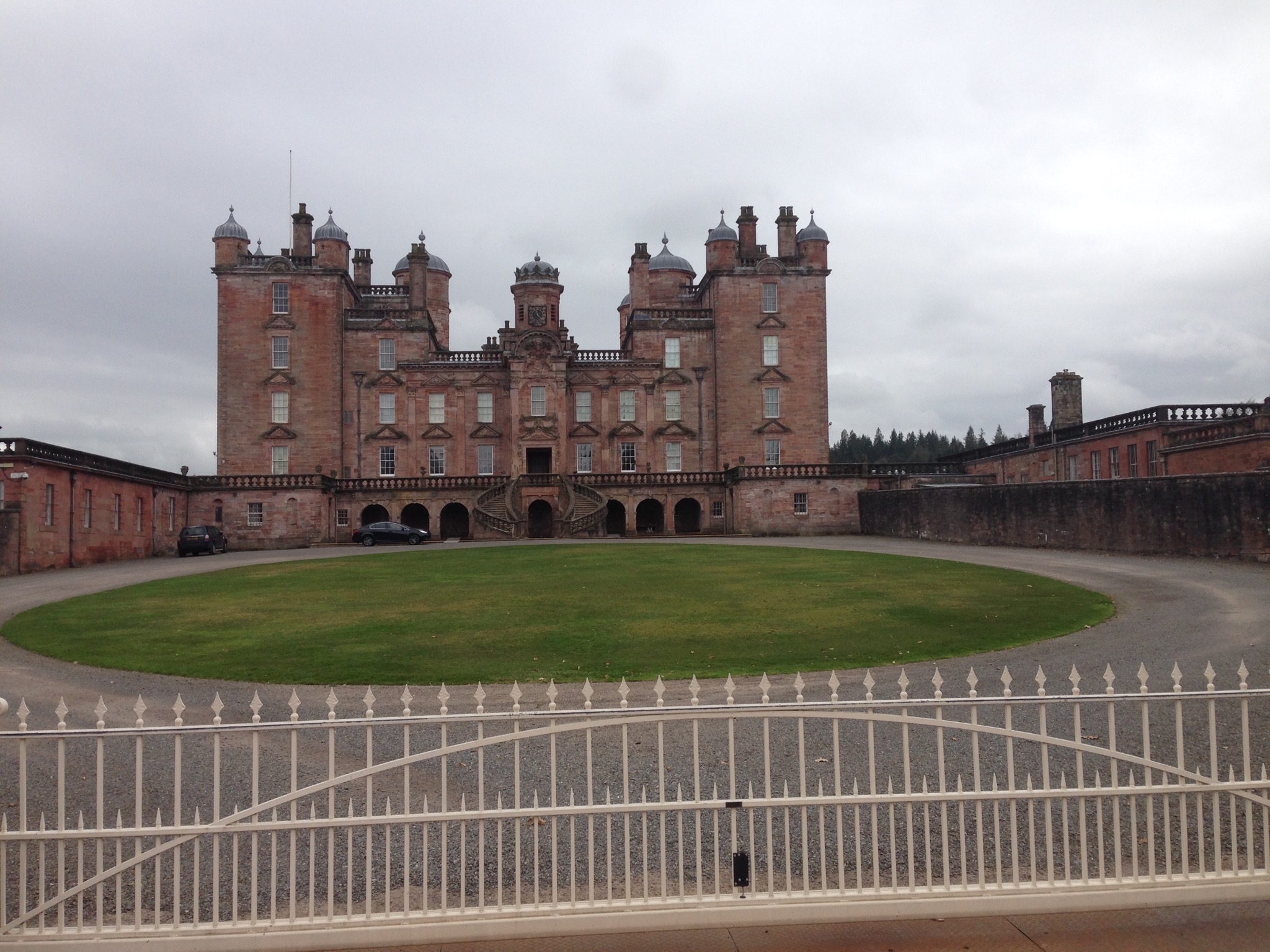
Bruce is a good walker, so we have had him out for walks both within Thornhill as well as up around the lochs closer to Locherbie. We have visited the memorial there to the victims of the plane crash and have walked the Robert Burns trail around Dumfries, the closest town to Thornhill and where Robert Burns lived for the last years of his life. Yesterday, we did a 90 minute hike to the Drumlanrig castle with quite the scramble thru the brambles at the end (truly –I pulled thorns out of my hair when we got back!) due to a bridge being out across the creek. Once we got to the castle, however, we learned (not being smart enough to check these things ahead of time) that the castle would only be open to the public during the upcoming weekend. So, we scrambled and then hiked our way back — but not before snapping a couple of photos of the gorgeous place.
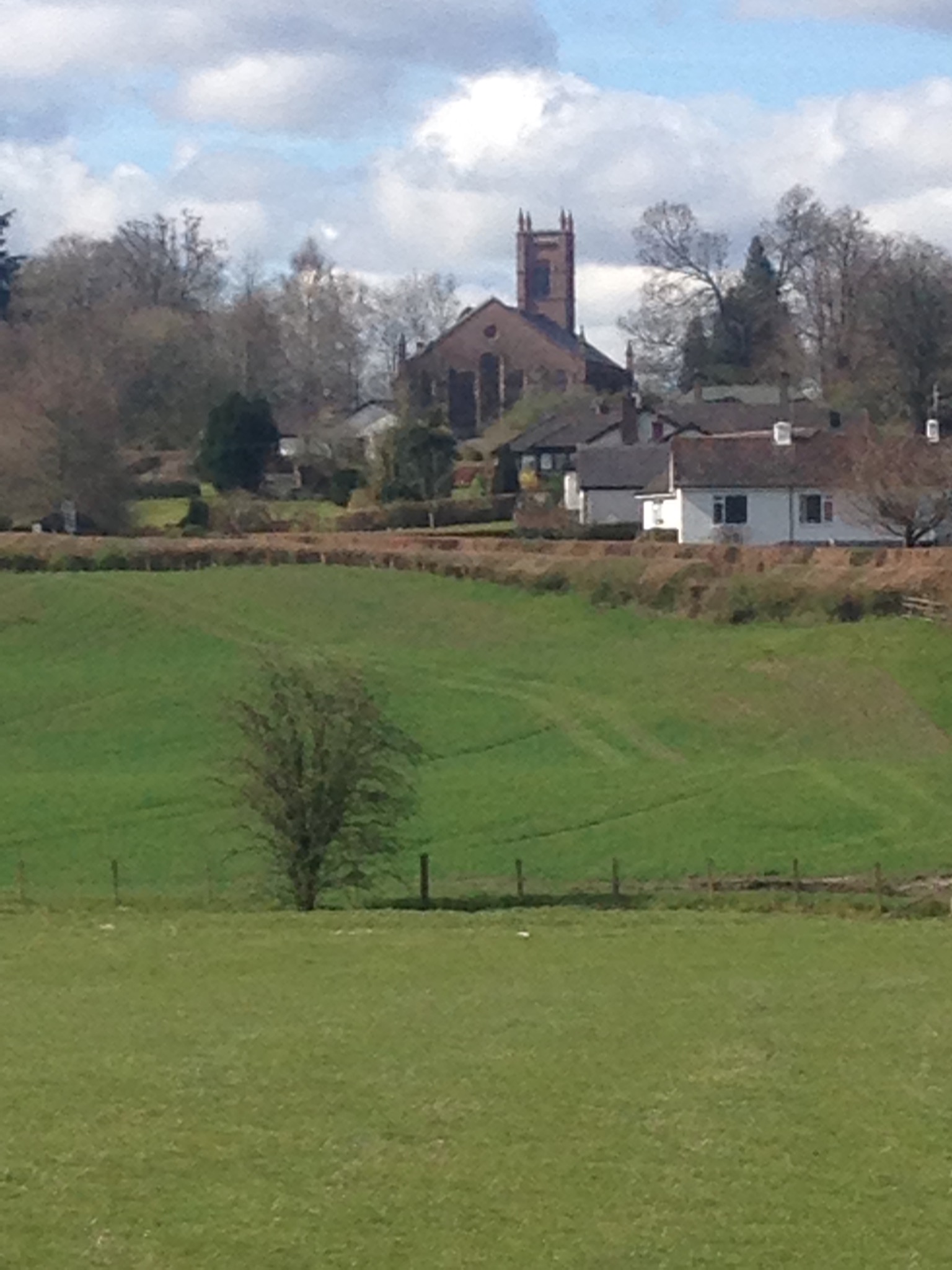
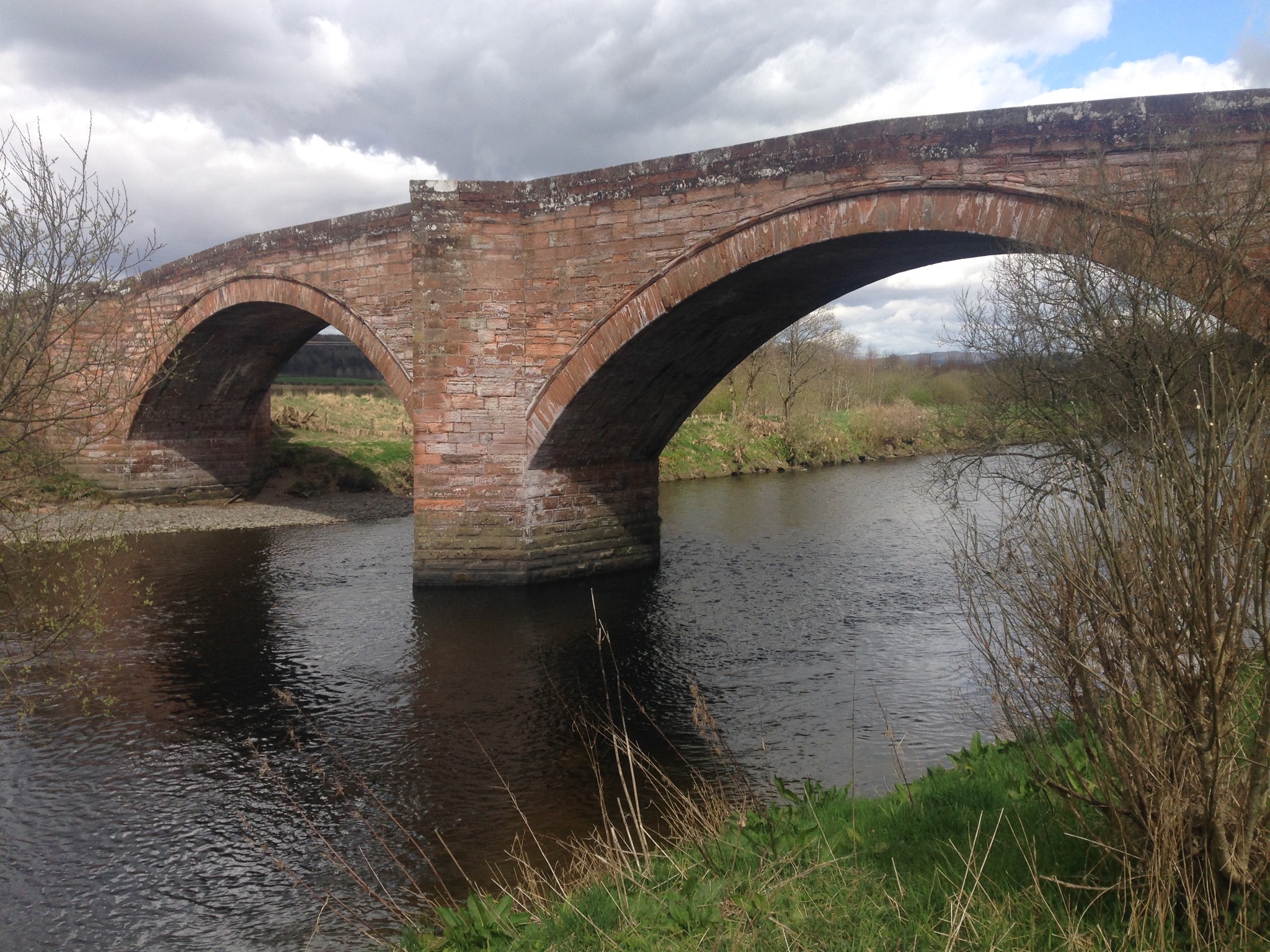
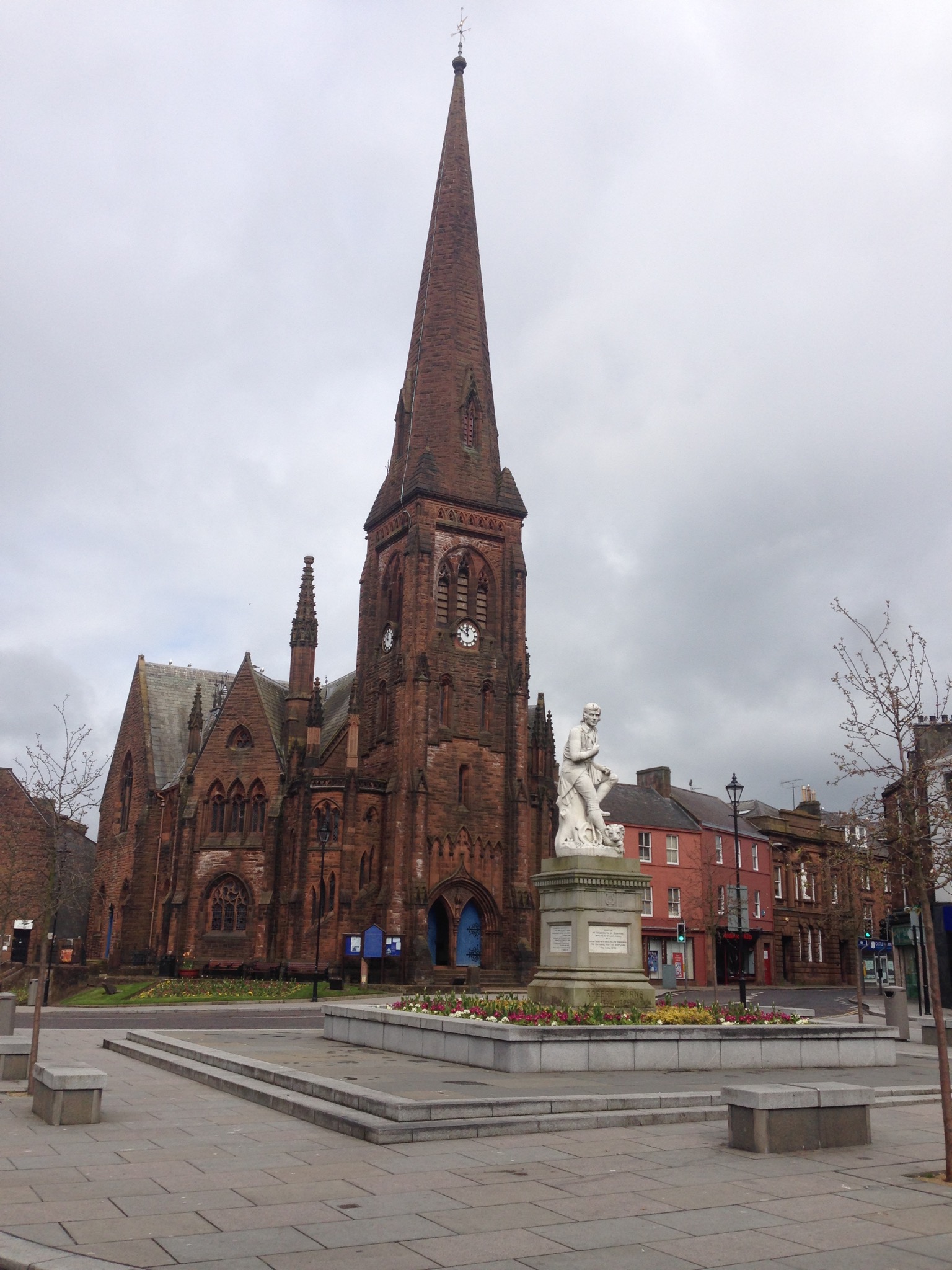
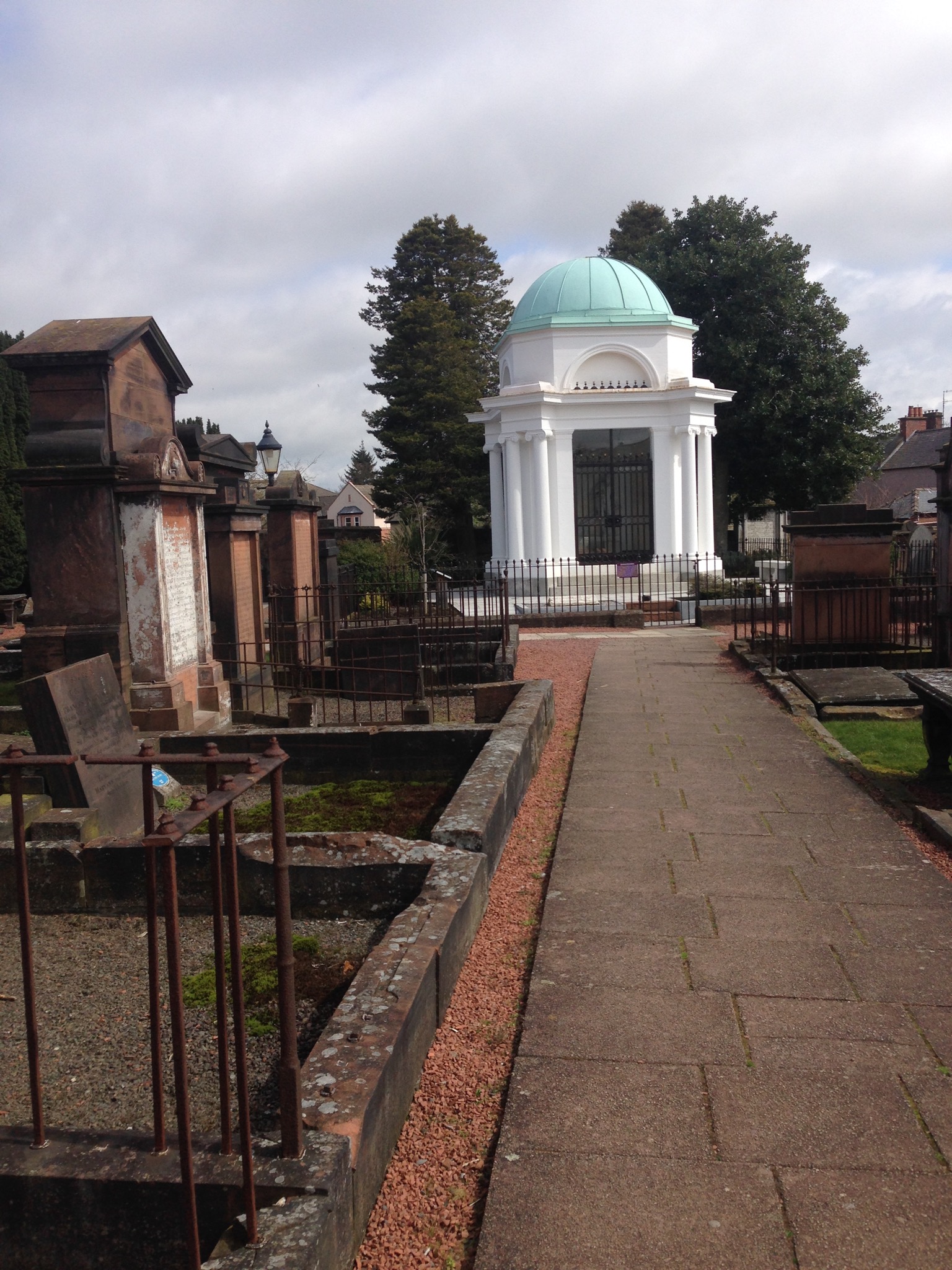
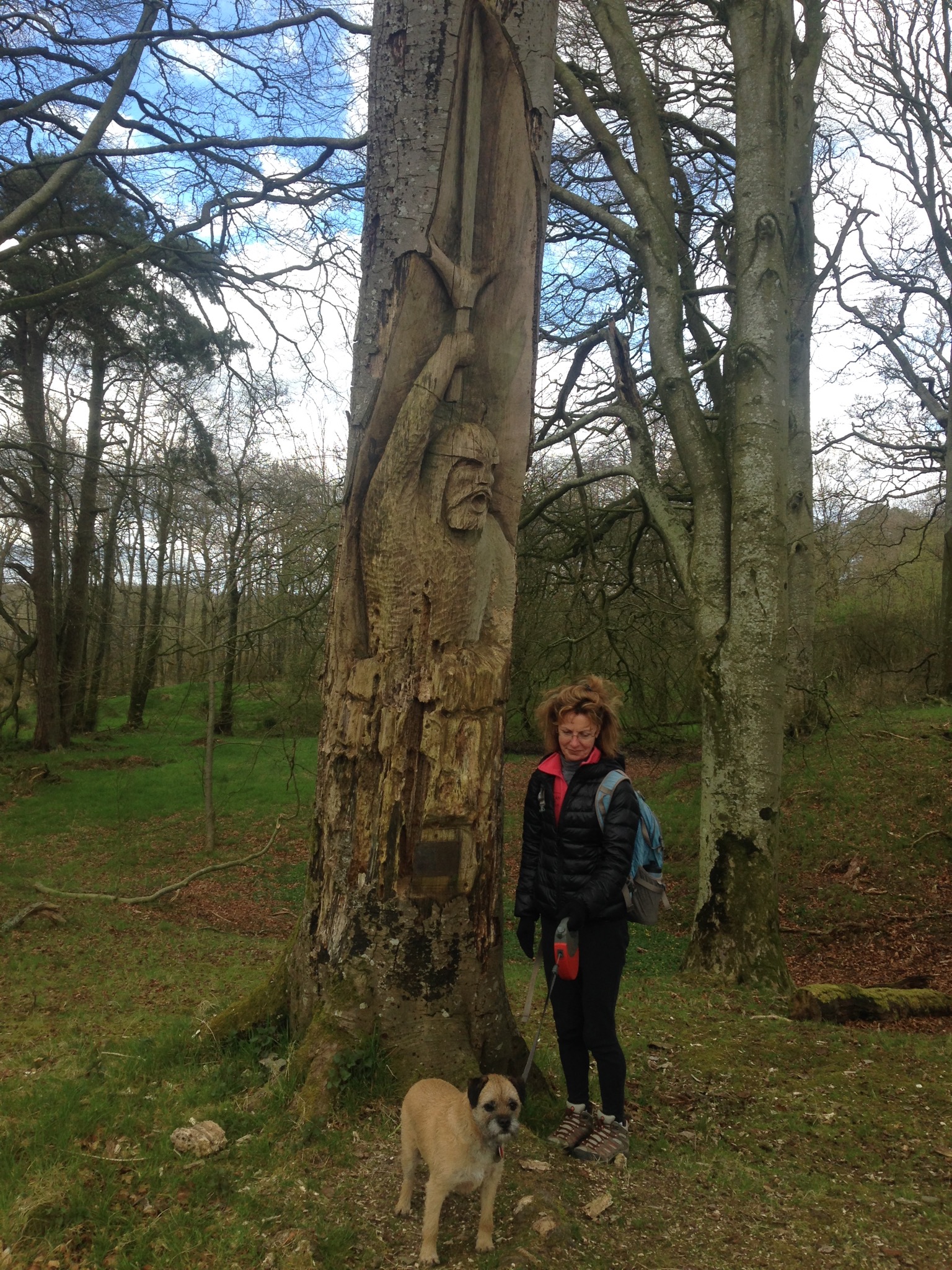
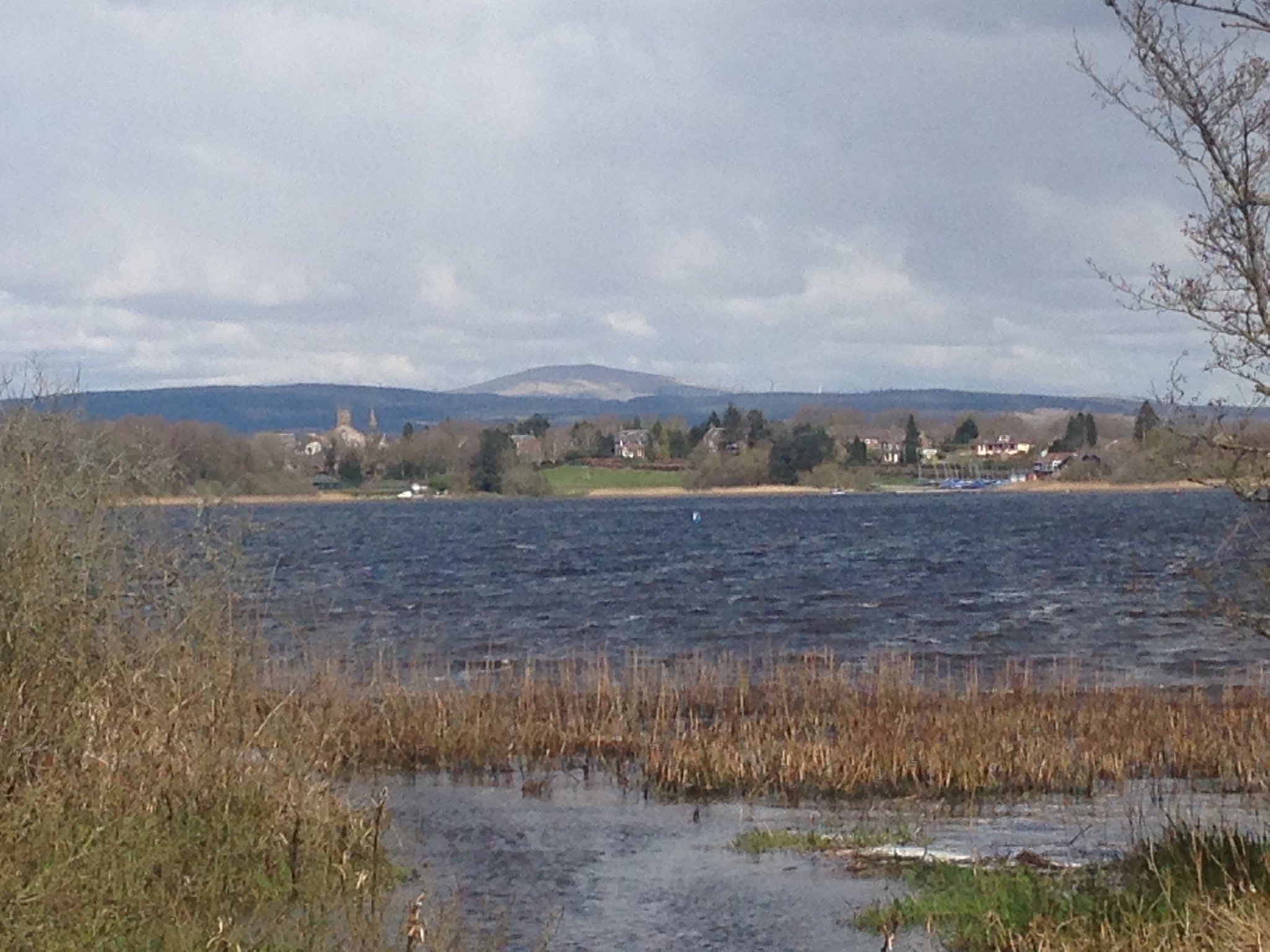
View 1 around Thornhill — on the way to the castleView 2 of Thornhill – bridge over River NithMemorial to the victims of the airplane bombing over LocherbieRobert Burns statue on Dumfries Robert Burns WalkRobert Burns mausoleumRobert Burns quote on a stone in a park across from the home where he diedThe castle that we need to get back toBeth and Bruce on a hike around Loch Castle near a tree with a carving of Robert the BruceView 1 from Loch Castle WalkView 2 from Loch Castle Walk
On Tuesday of this week, we traveled by train for an hour out of Edinburgh to Glasgow, Scotland’s largest city (600,000) and the third largest city in the UK. We had a bit of a time finding the I-site to determine how to schedule our day, as the city maps have an old location. Luckily, Bob had taken a photo of a gps map which had the correct location, so we weren’t wandering aimlessly for too long.
We decided that doing some of the walking tour to view works by the Scottish architect, Charles Rennie Mackintosh, might be a good way to get a good overview of much of the central district. Mackintosh lived from 1868 to 1928 and was the best known representative of Art Nouveau in the UK. He was born in Glasgow and met his wife, Margaret MacDonald also an artist, at the University of Glasgow School of Art. The did a lot of collaborative projects.
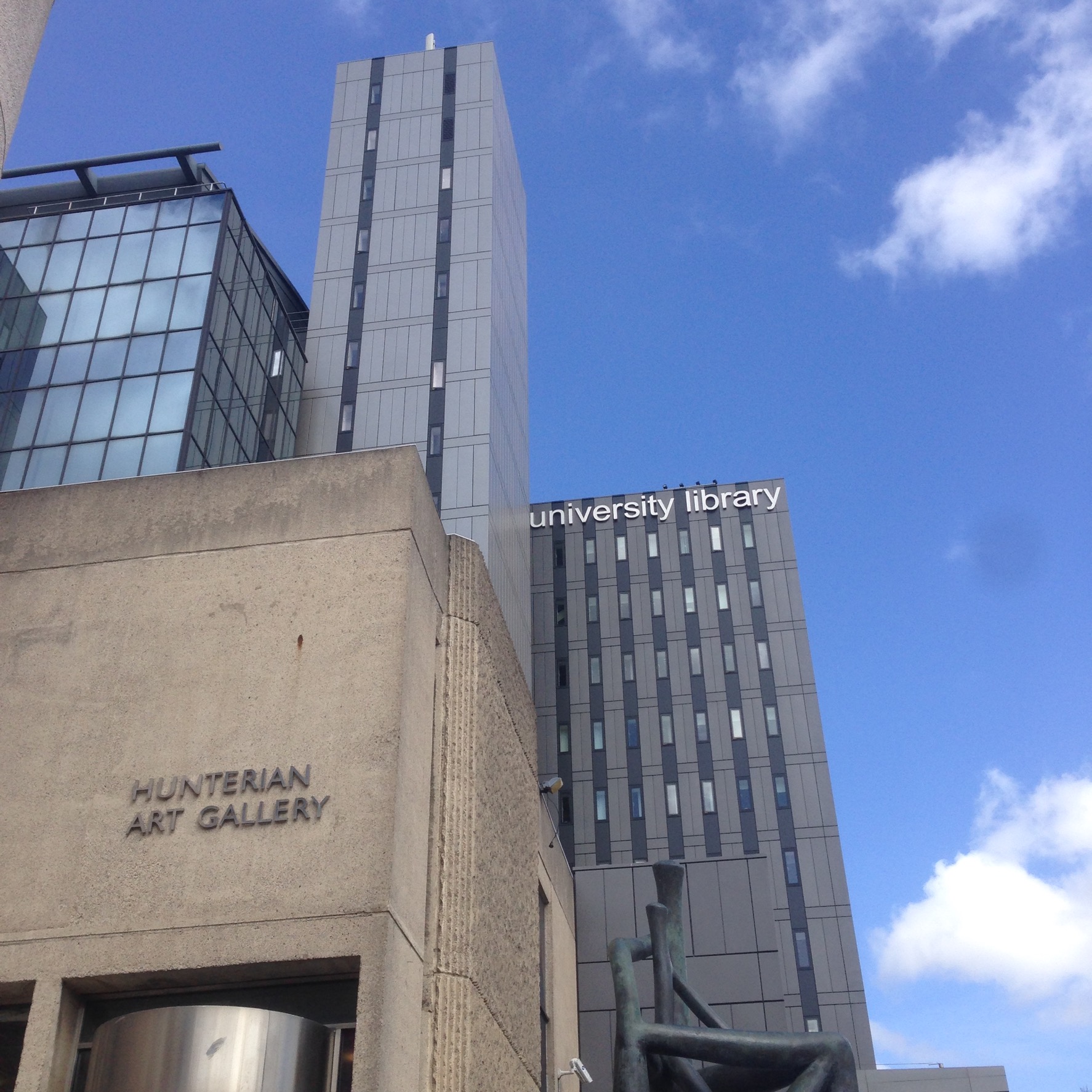
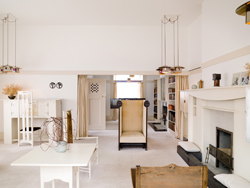
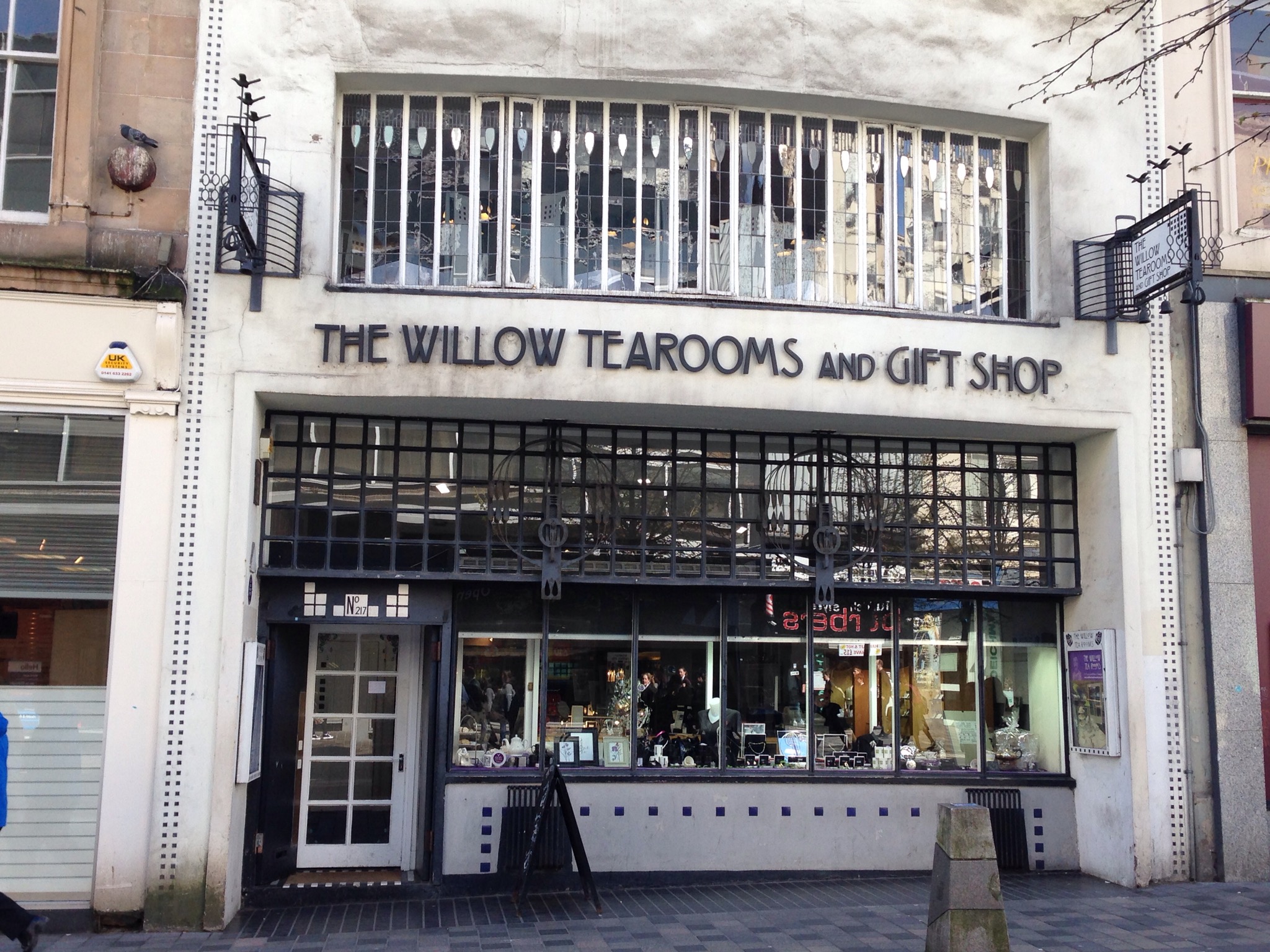
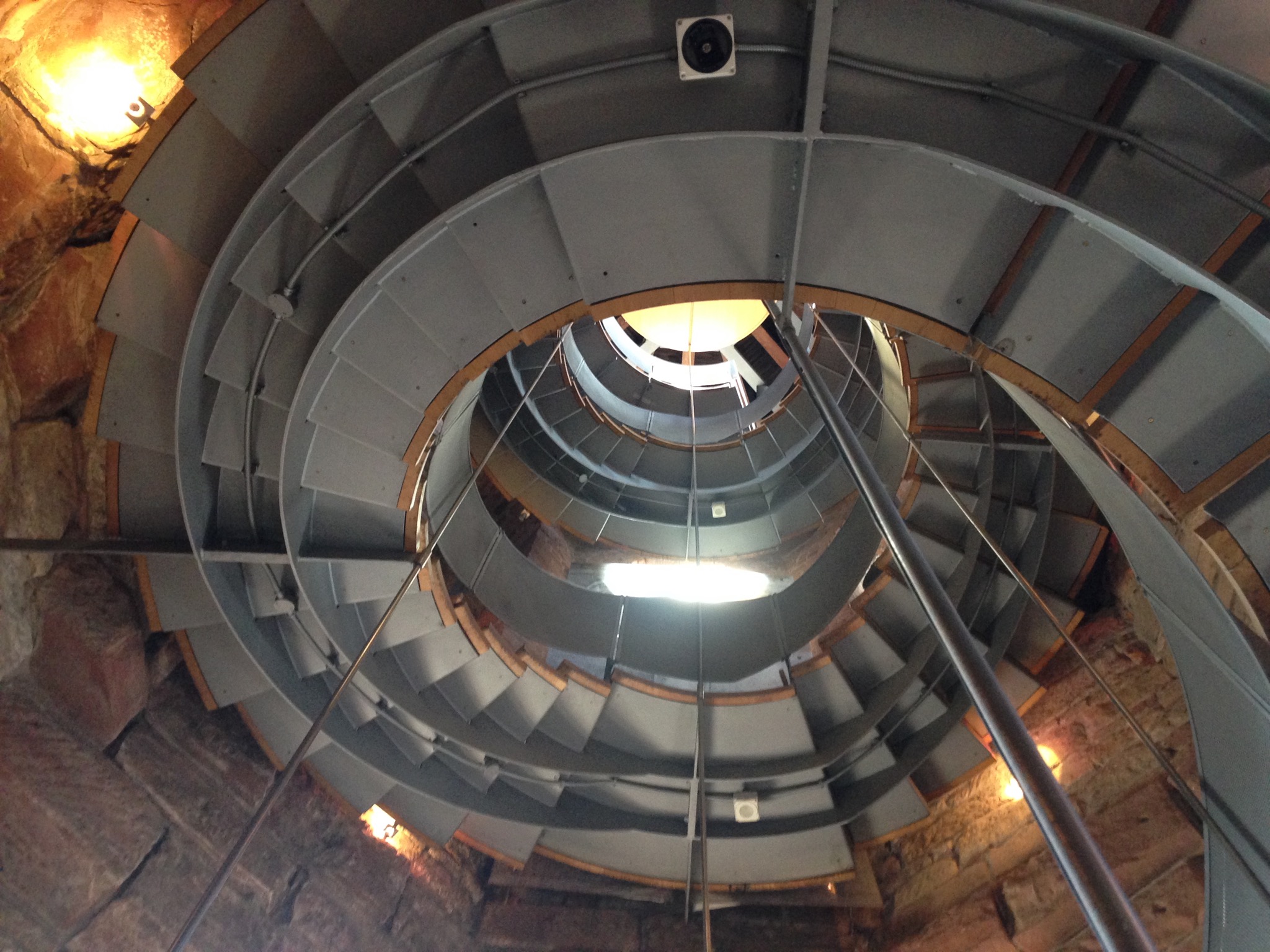
We started our walking tour at the Hunterian Museum on the University of Glasgow campus. This is housed in the Glasgow home of the Mackintoshes that he redesigned to better align with his artistic vision. We actually took a tour of the rooms that have his architecture, furniture and design features some of which also include Margaret’s painting or metal etchings. Very cool and reminded us a bit of some of the Frank Lloyd Wright properties that we have toured. Also, along the route we were able to see the Willow Tea Room for which he designed the interior and furnishings, and the Lighthouse which was a building in which he use to work but which has been converted into a Centre for Architecture and Design. The Lighthouse had information on the history of the building, Mackintoshes work in Glasgow, other art exhibits, and a research area. However, one of the features that we really enjoyed was the rooftop terrace that provided lovely views of Glasgow. The biggest disappointment, however, was not being able to see the University of Glasgow’s School of Art library which is considered his masterpiece but which burned in 2014 and is now closed for renovation.
Walking up to the Hunterian Art Gallery and MuseumSitting room in Mackintosh House that he used to show pieces of his work for possible future commissions (from museum website as couldn’t take photos)Exterior of Willow TearoomStairs leading up to rooftop terrace on top of LighthouseView 1 of Glasgow from atop LighthouseView 2 of Glasgow from atop Lighthouse
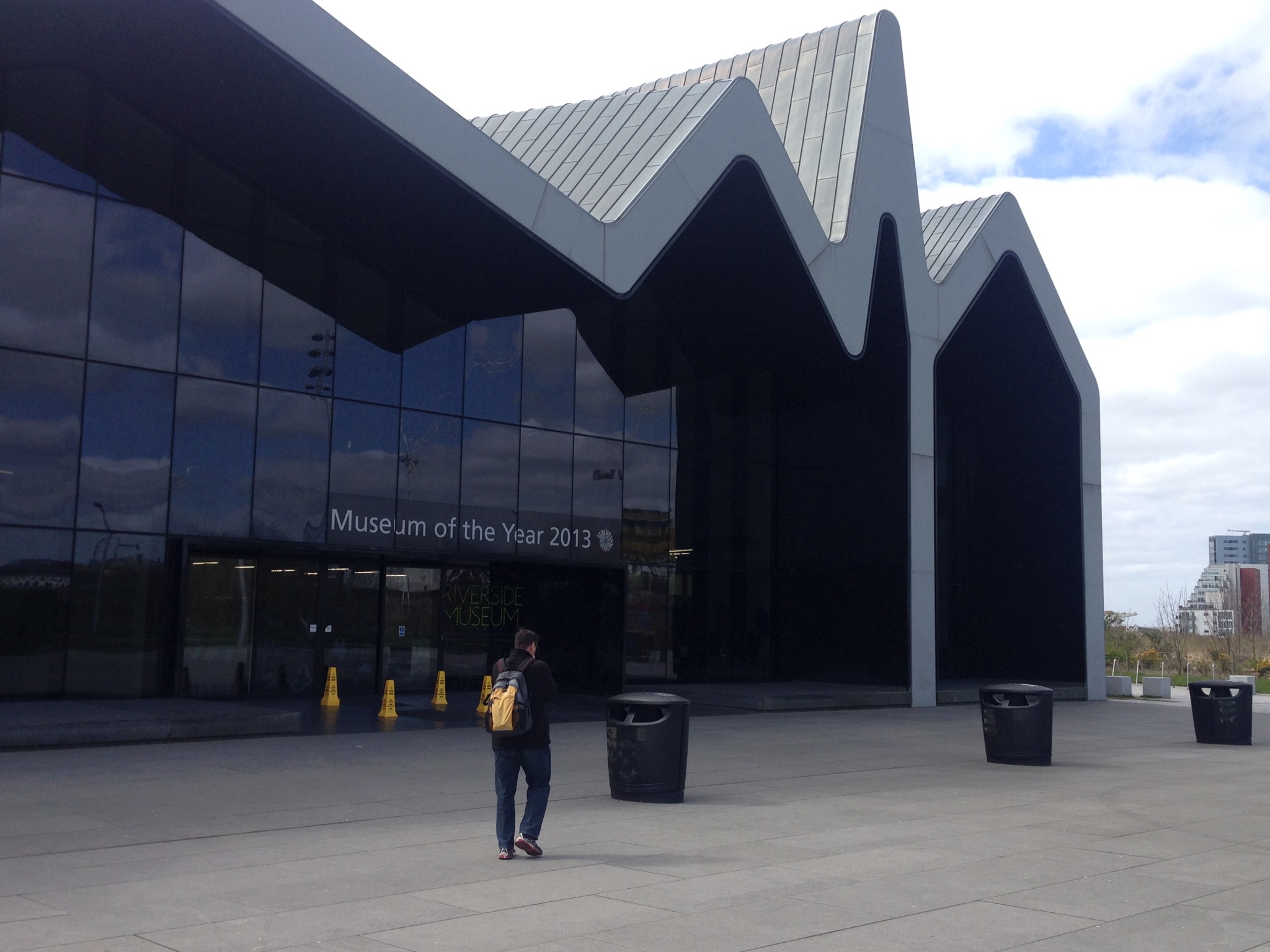
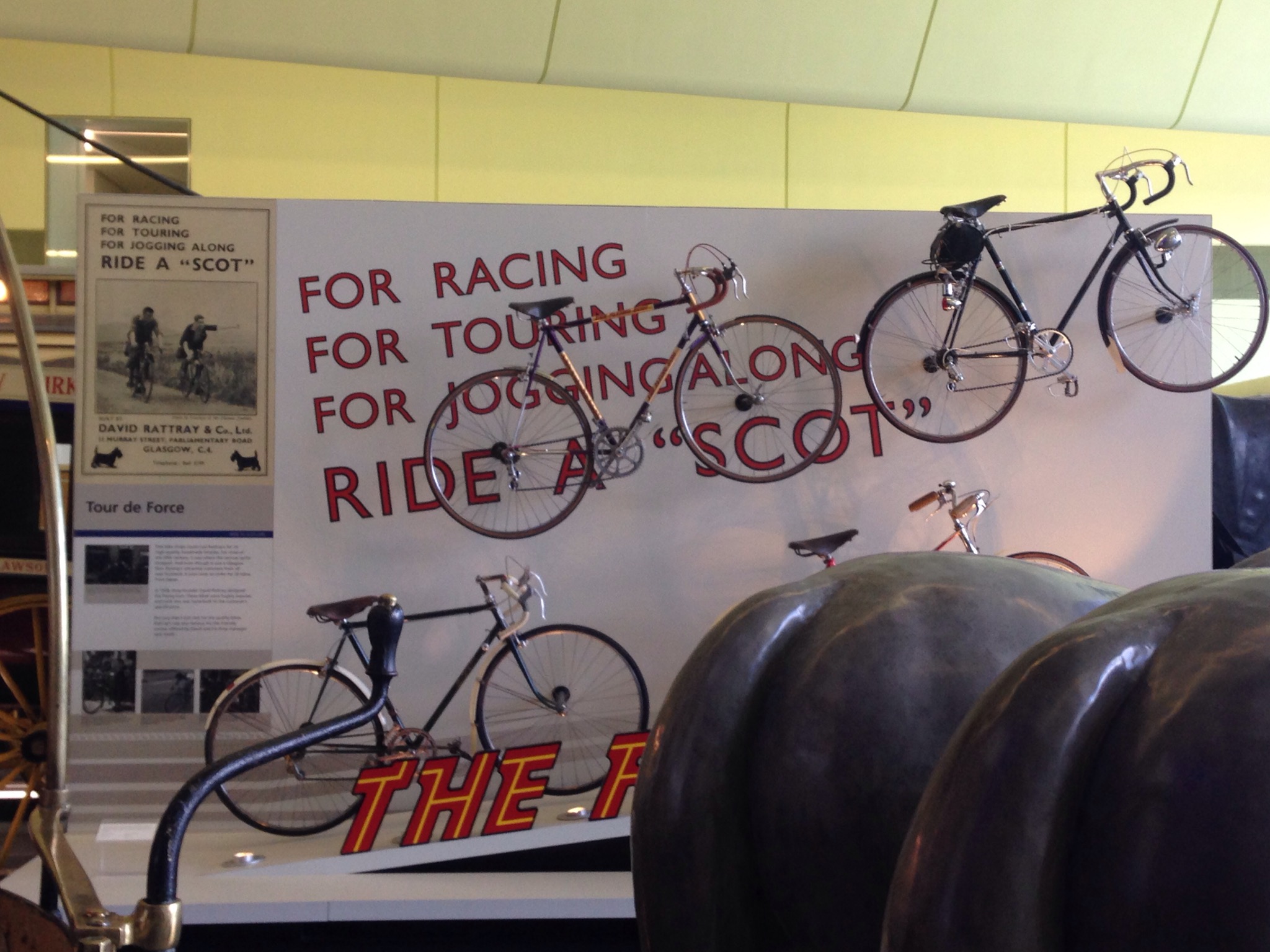
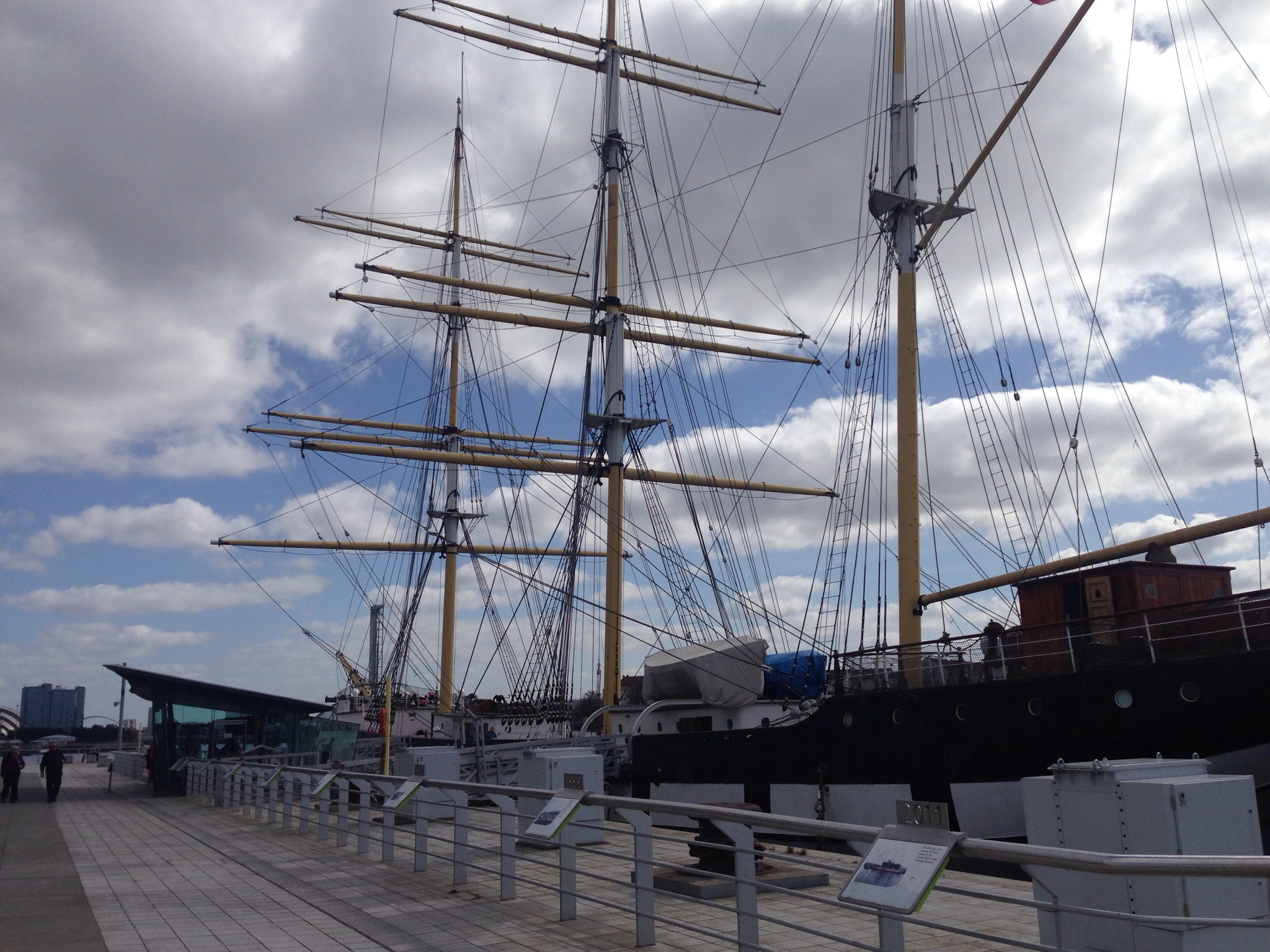
On our walkabout, we also stopped at the Riverside Museum, a part of the Glasgow Museum of transport. It is housed in a stunning building designed by the Iraqi-born UK architect Zaha Hadid, who sadly just passed away a few weeks ago. The museum opened in 2011. It covers all types of transportation from bikes to trams to motorcycles and cars, as well as boats. The sailing ship Glenlee is docked behind the museum and open for touring as well.
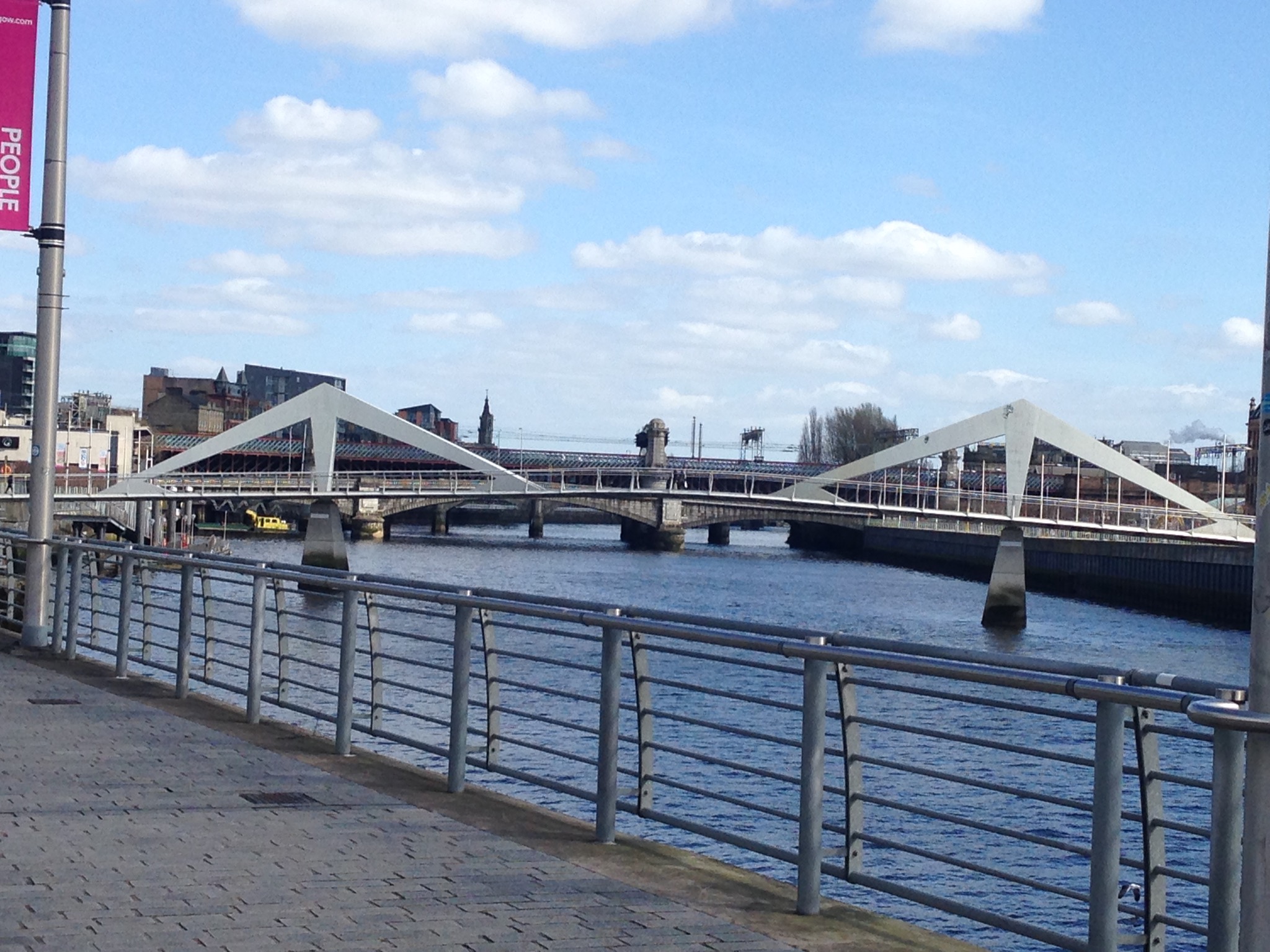
Exterior of Riverside MuseumOne of the bike exhibitsThe Glenlee sailing ship which circumnavigated the world 4 timesView 1 along the waterfront as we made our way back into downtownPart of the convention center along the waterfront, informally termed “the armadillo”
We popped into the Glasgow city chambers to look at the architecture in there as well as learn a bit more about the city. The current Glasgow City Council structure only came into existence in 1996 following an Act of Parliament which reorganized the local government structure in Scotland for the third time this century. The motto for the city is “Let Glasgow flourish.” It’s name is derived from Saint Mungo, who lived in the early 6th century AD, who named the area Glasgui which translates as “dear green space.”
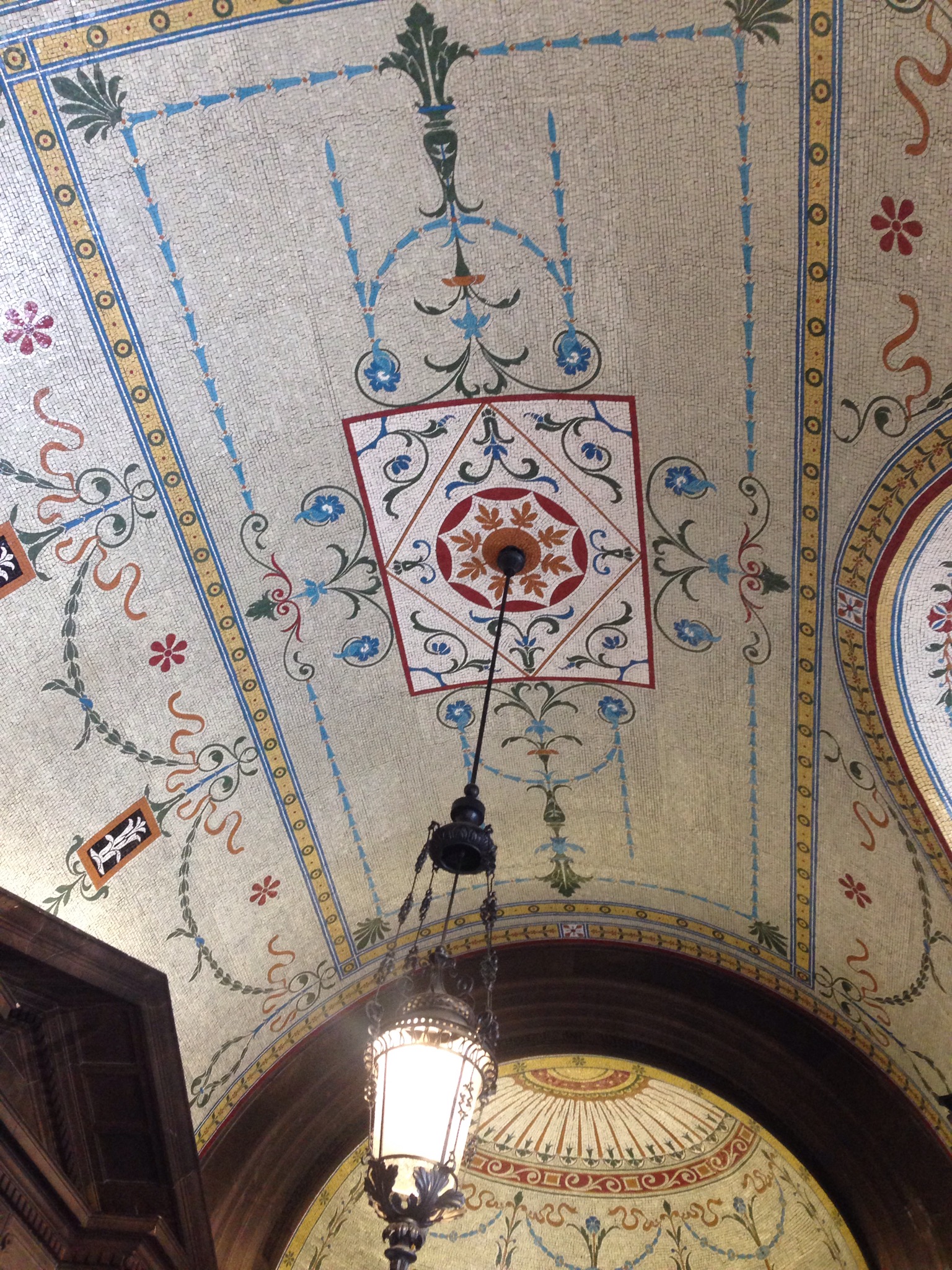
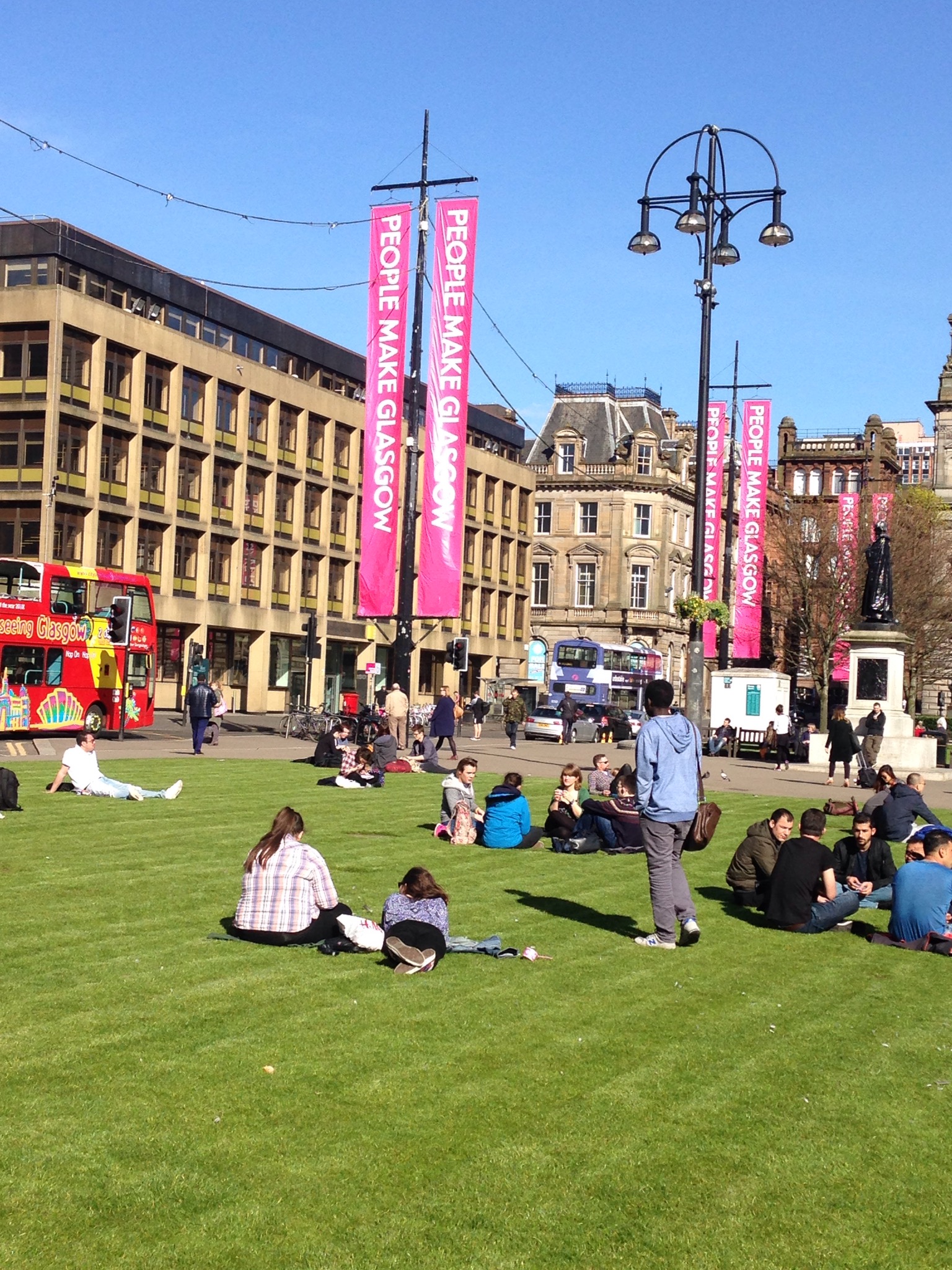
Ceiling in City ChambersMuch used George Square outside across from Queen Street rail station and bounded on one side by Council Chambers
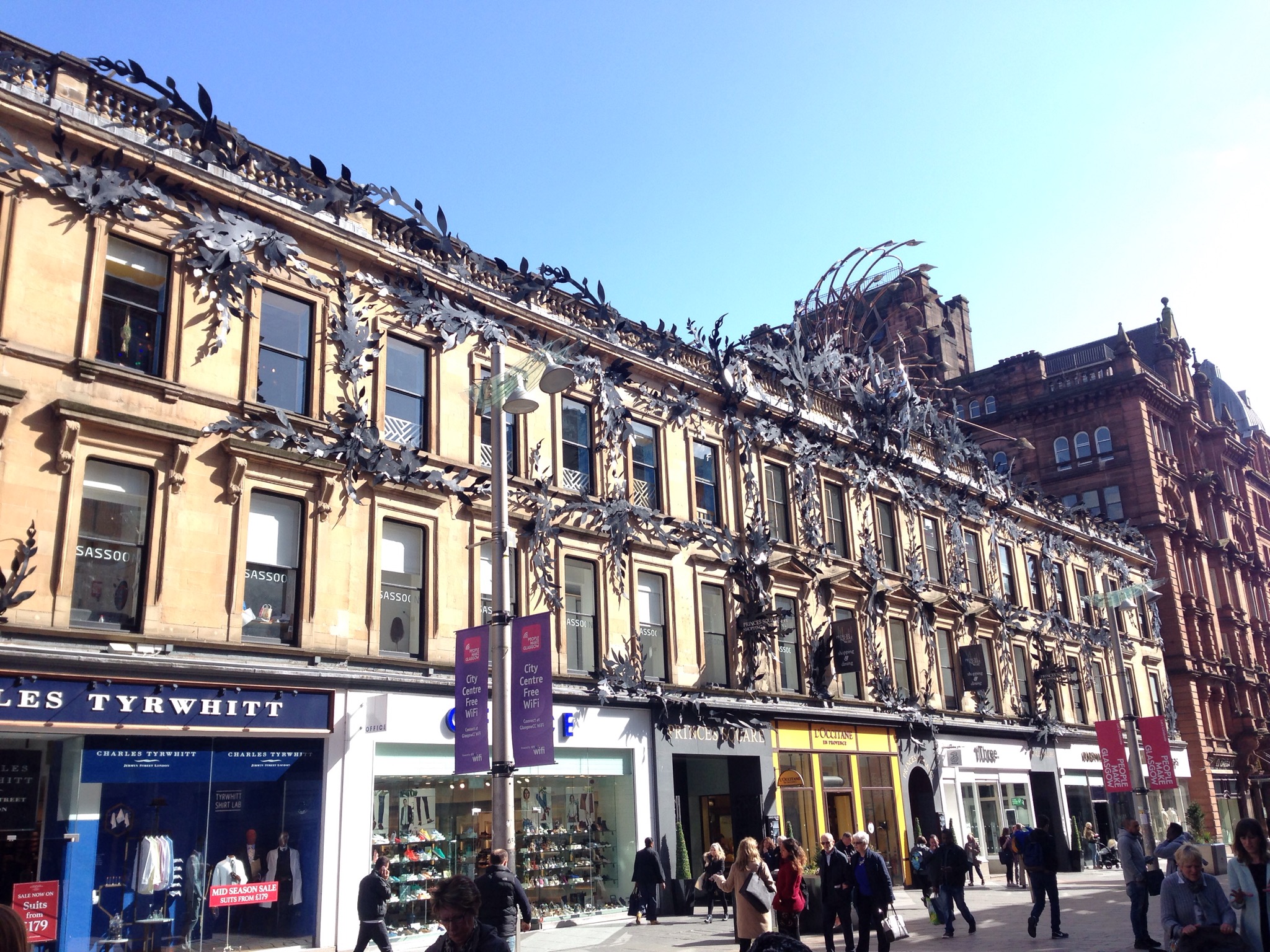
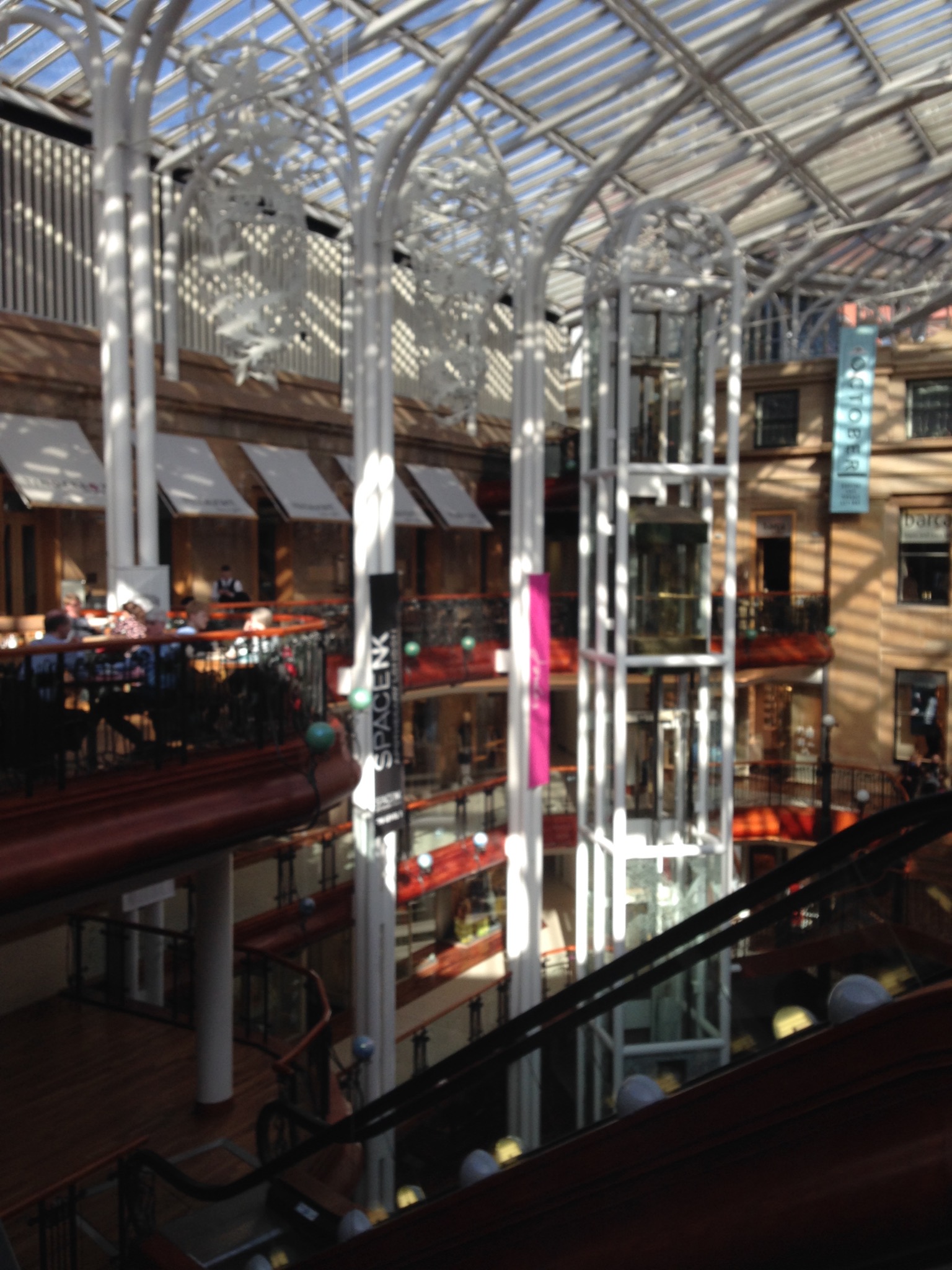
Finally, we ended the day with some lovely Spanish tapas at Barcas in the very cool looking Princes Square shopping center.
Exterior of Princes SquareInterior of Princes Square
We are just completing our Edinburgh interlude and heading now to our house sit in Thornhill, Scotland. Today, April 21, is the real birthday of Queen Elizabeth, although most of the official observances will be held in May and June. She is the first monarch to reach the age of 90.
Edinburgh is an amazing city. We fell in love with it straight away, as every corner we turned seemed to elicit another “wow” comment from us. It is a lovely mixture of old and new with a museum or tour to meet anyone’s area of interest. In fact, the city itself has been designated a World Heritage Site.
Some of the highlights of our week here include
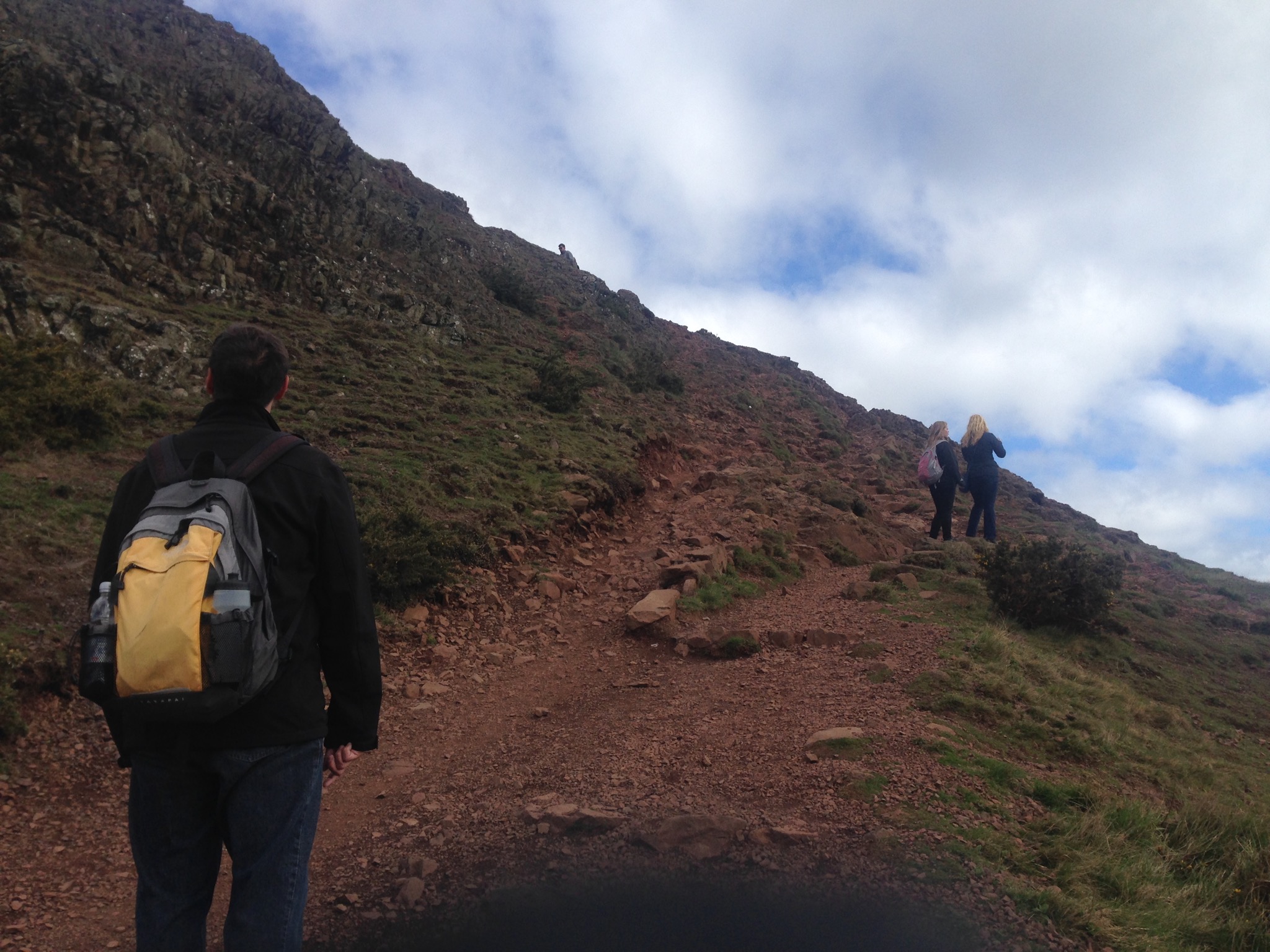
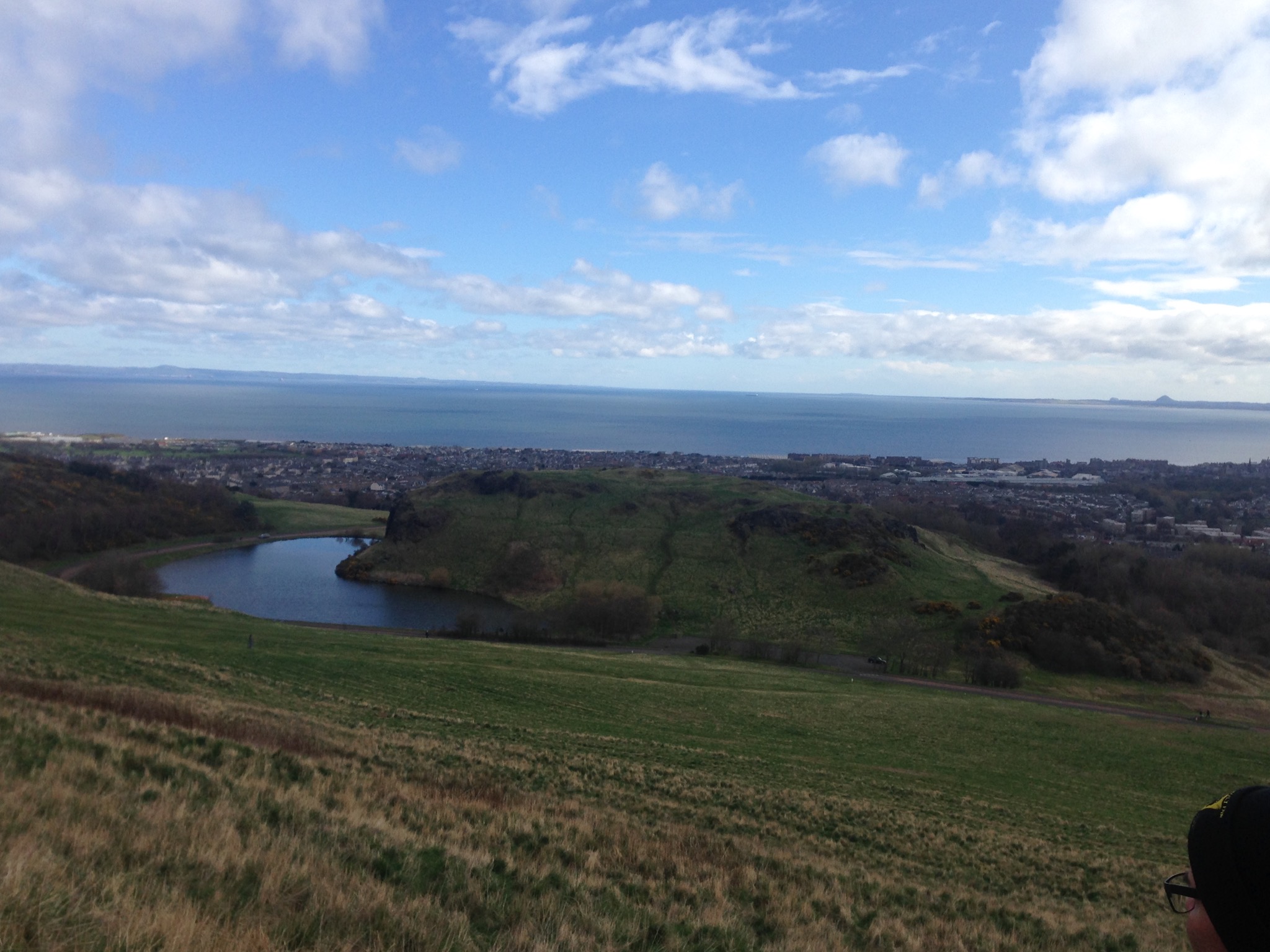
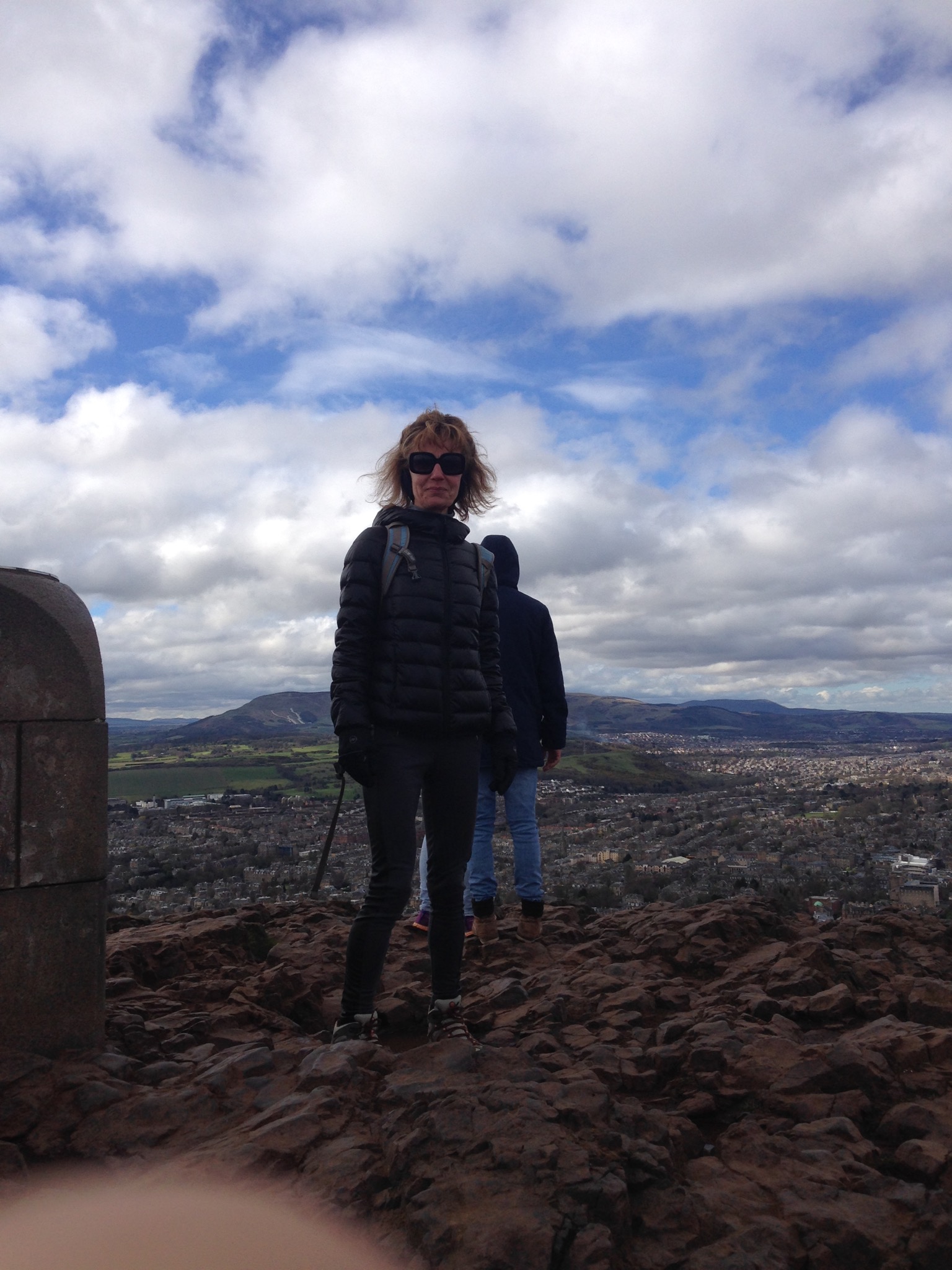
Climbing Arthur’s Seat, the highest point of the volcanic-formed hills in Holyrood Park for a lovely, 360 degree view of the area;
View of Holyrood Park and the crags, as we head towards Arthur’s Seat.Part of the trail up and around the hillView from one side of the hill on the way upReaching the top and getting shamed by watching a lot of people run up the hill
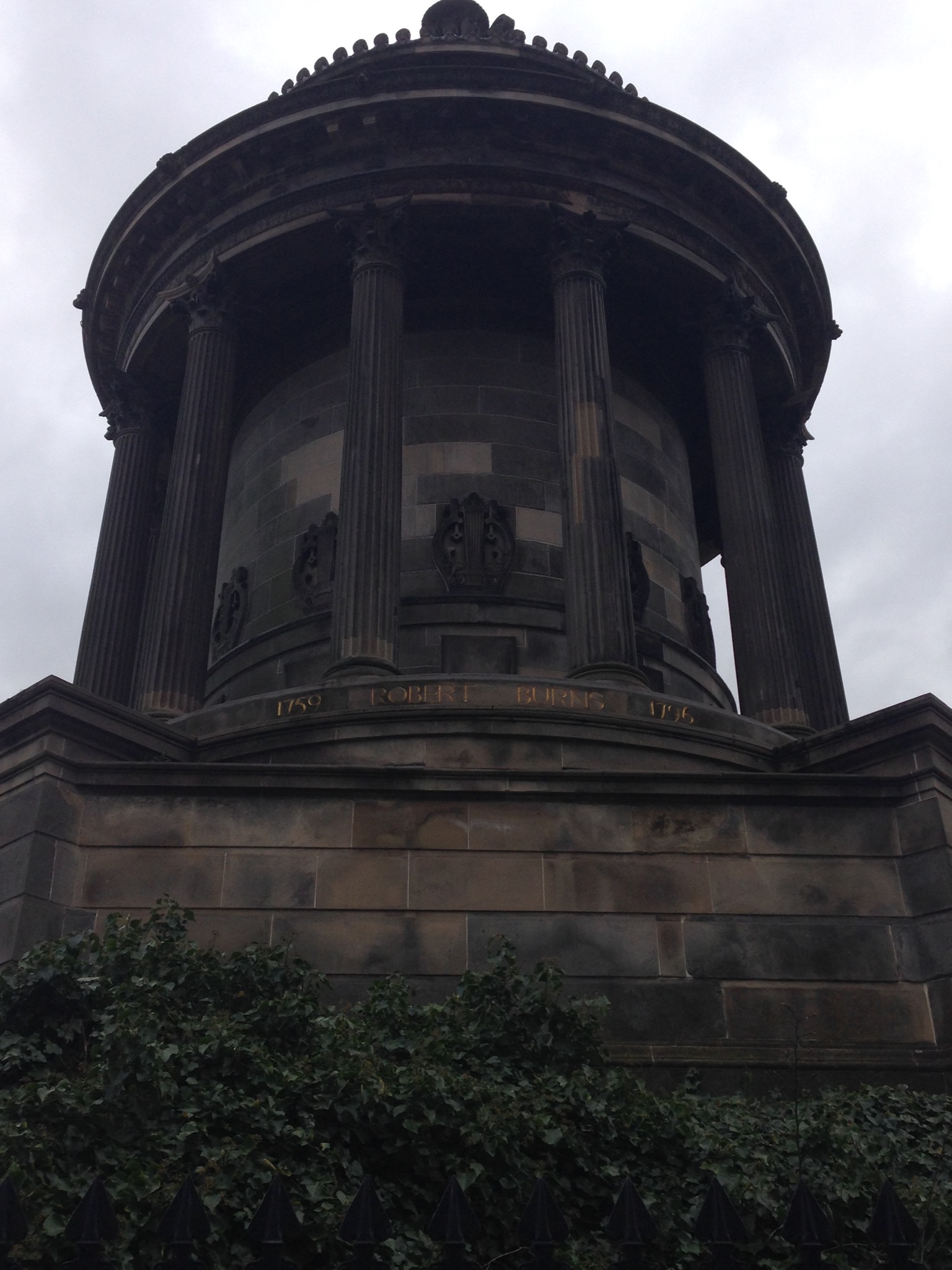
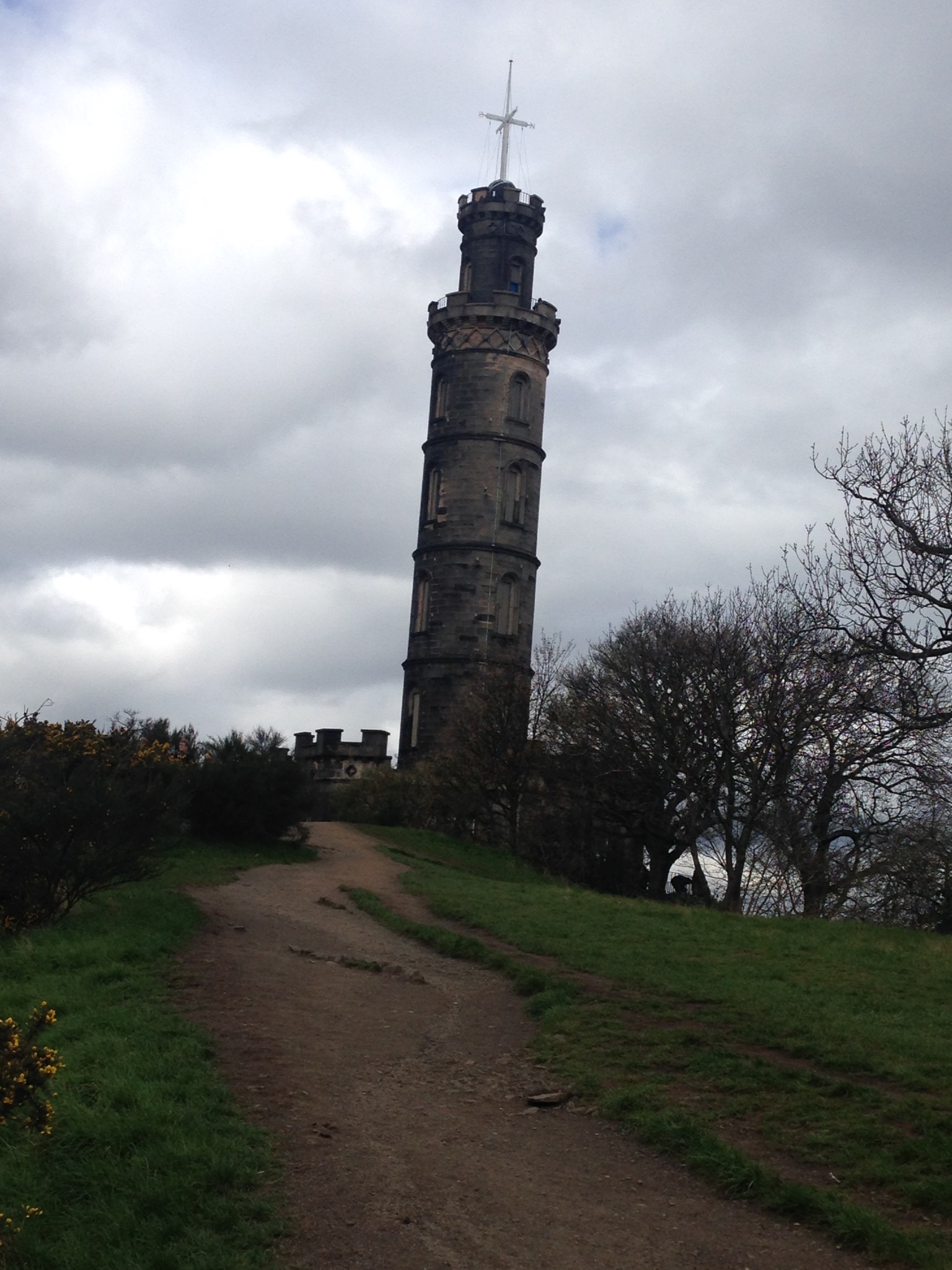
Climbing up Calton Hill (and passing the monument to Robert Burns) to summit the 143 steps of the Nelson Monument for another great view of the city;
Monument to Scotland’s beloved poet Robert Burns — “a man’s a man for a’ that,” “for auld lang syne”Nelson Monument is to celebrate Lord Nelson’s victory at Trafalgar during Napoleonic Wars. A time ball at top of monument was used in conjunction with a gun shot from the castle at 13:00 each day to help ships know the time.National Monument of Scotland (incomplete Parthenon) built to commemorate Scotts who died in the Napoleonic Wars. Construction started in 1826 but was left incomplete in 1829 due to lack of funds.View of Holyrood Palace (Queen’s residence when in Scotland) from top of tower. The park grounds were being prepped for start of Great Edinburgh Race to take place the following day.
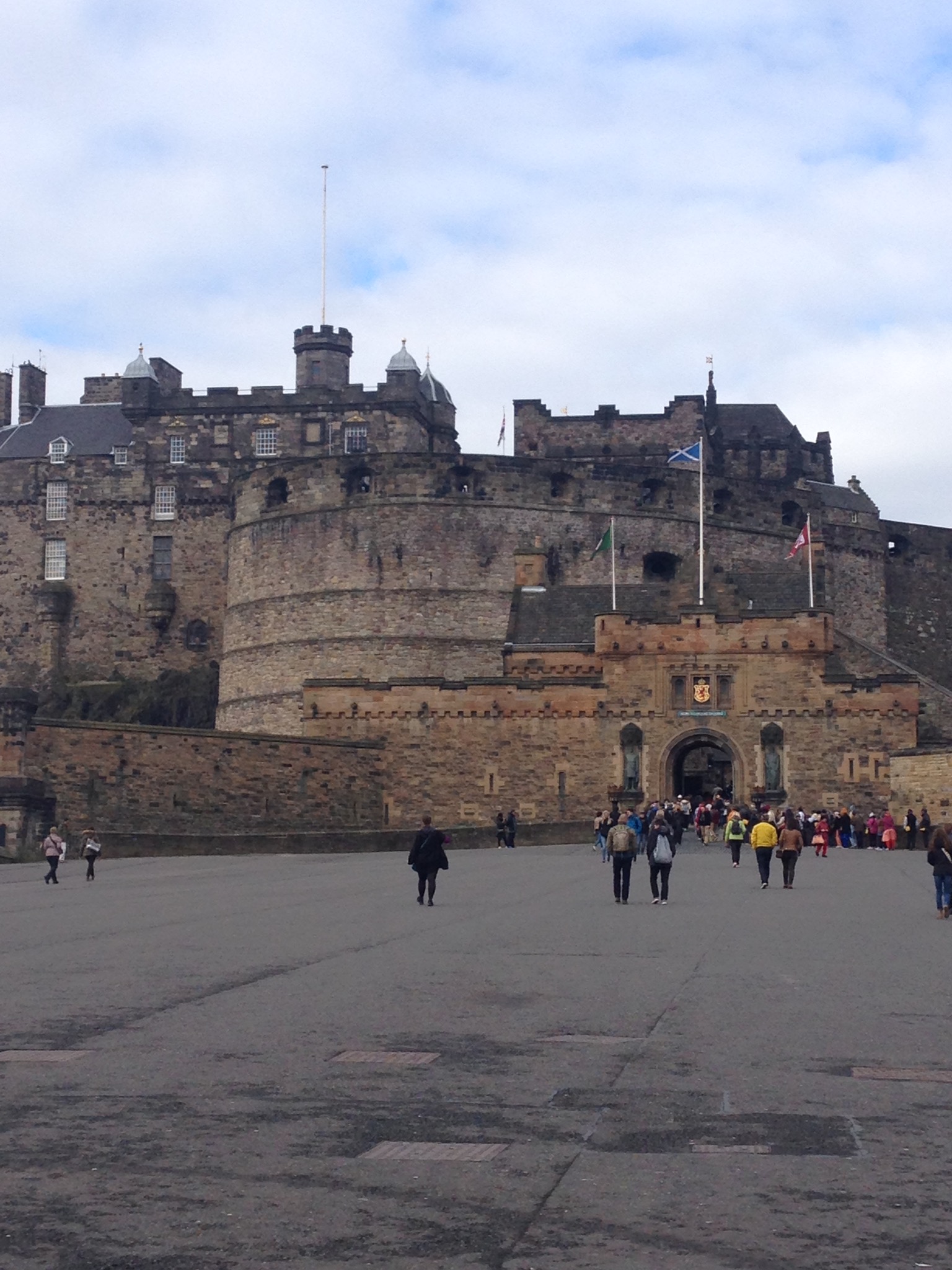
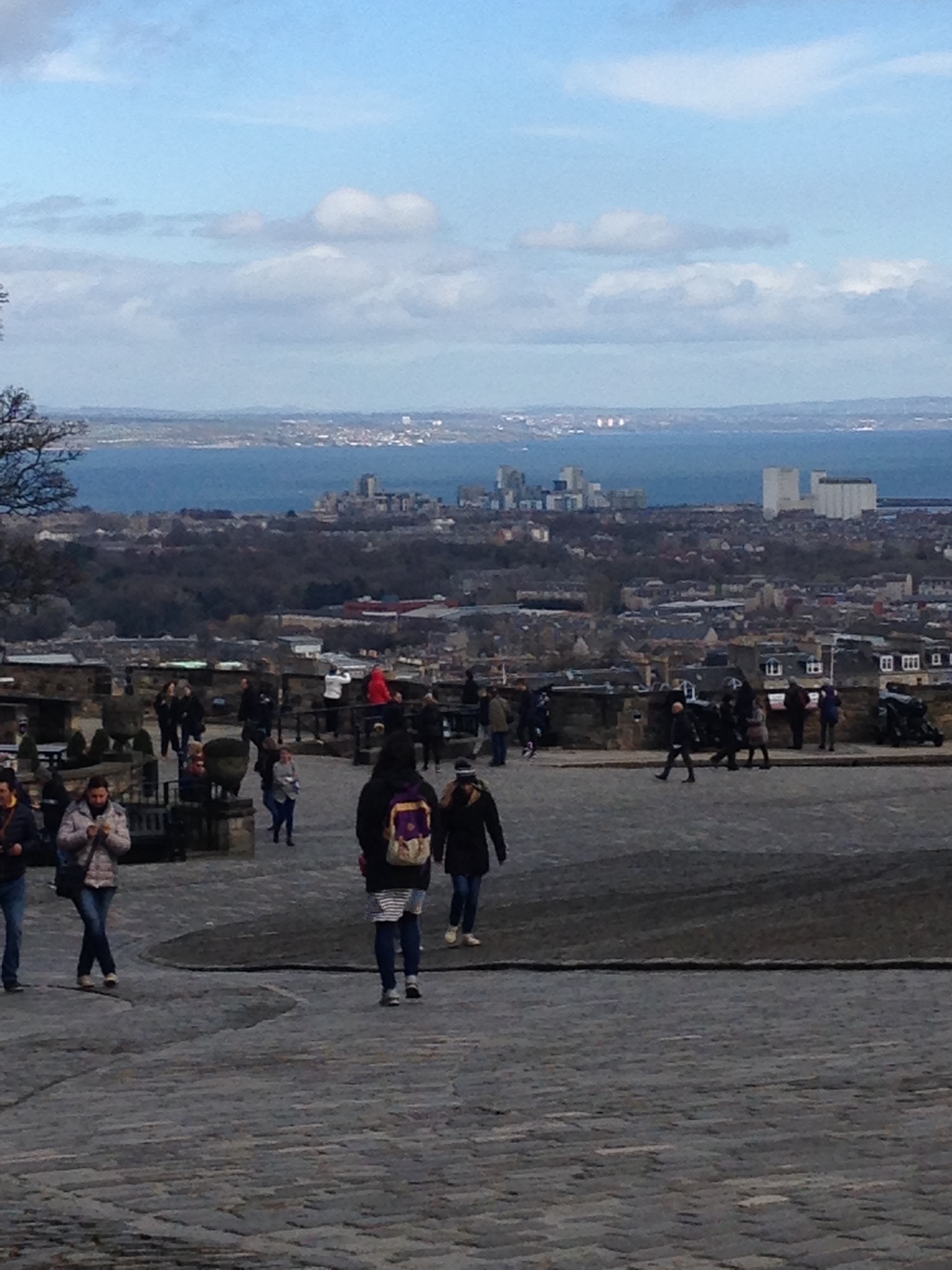
Spending at least 3 hours touring the Edinburgh Castle where we could take in great views of the New and Old Town, watch the runners in the Great Edinburgh 10 mile run, sample some whisky, and learn about the history of Edinburgh and the castle;
Walking towards Edinburgh CastleSelfie in front of the CastleView of city from Castle grounds
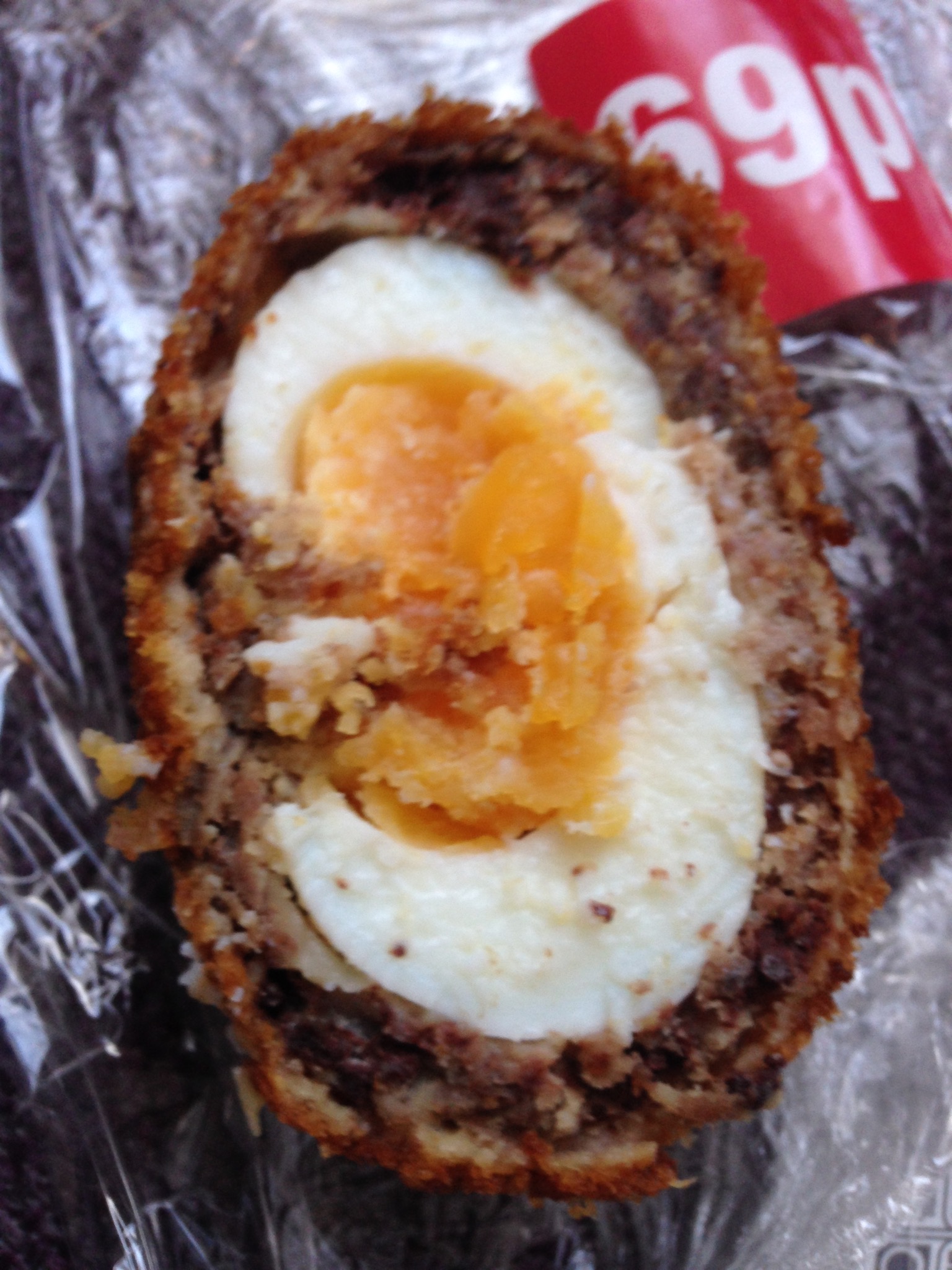
Walking to the Leith Market (open on Saturday) near the edge of the Firth of Forth (body of water that connects with the North Sea) to peruse the vendors and purchase a Scottish Egg to split;
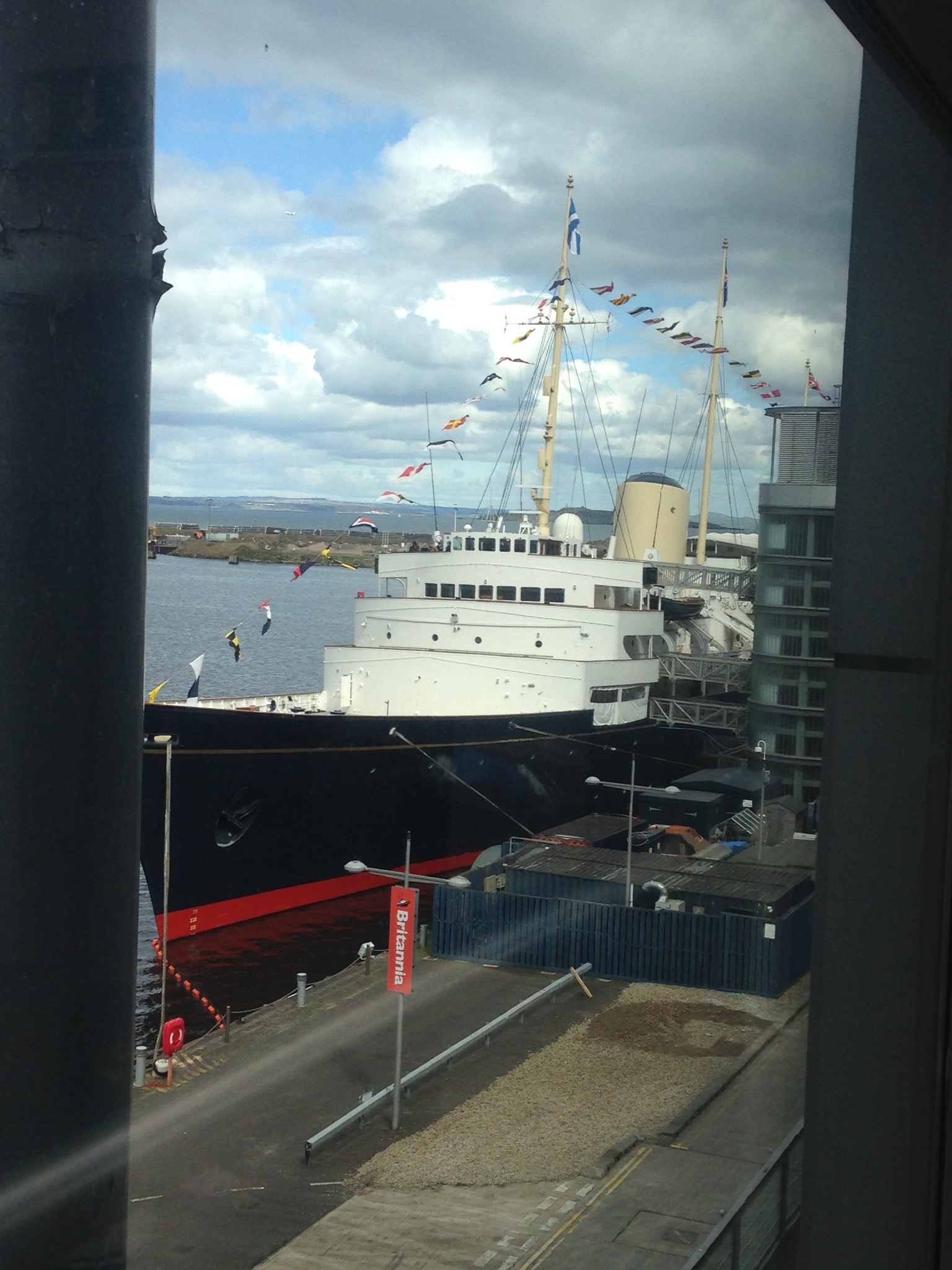
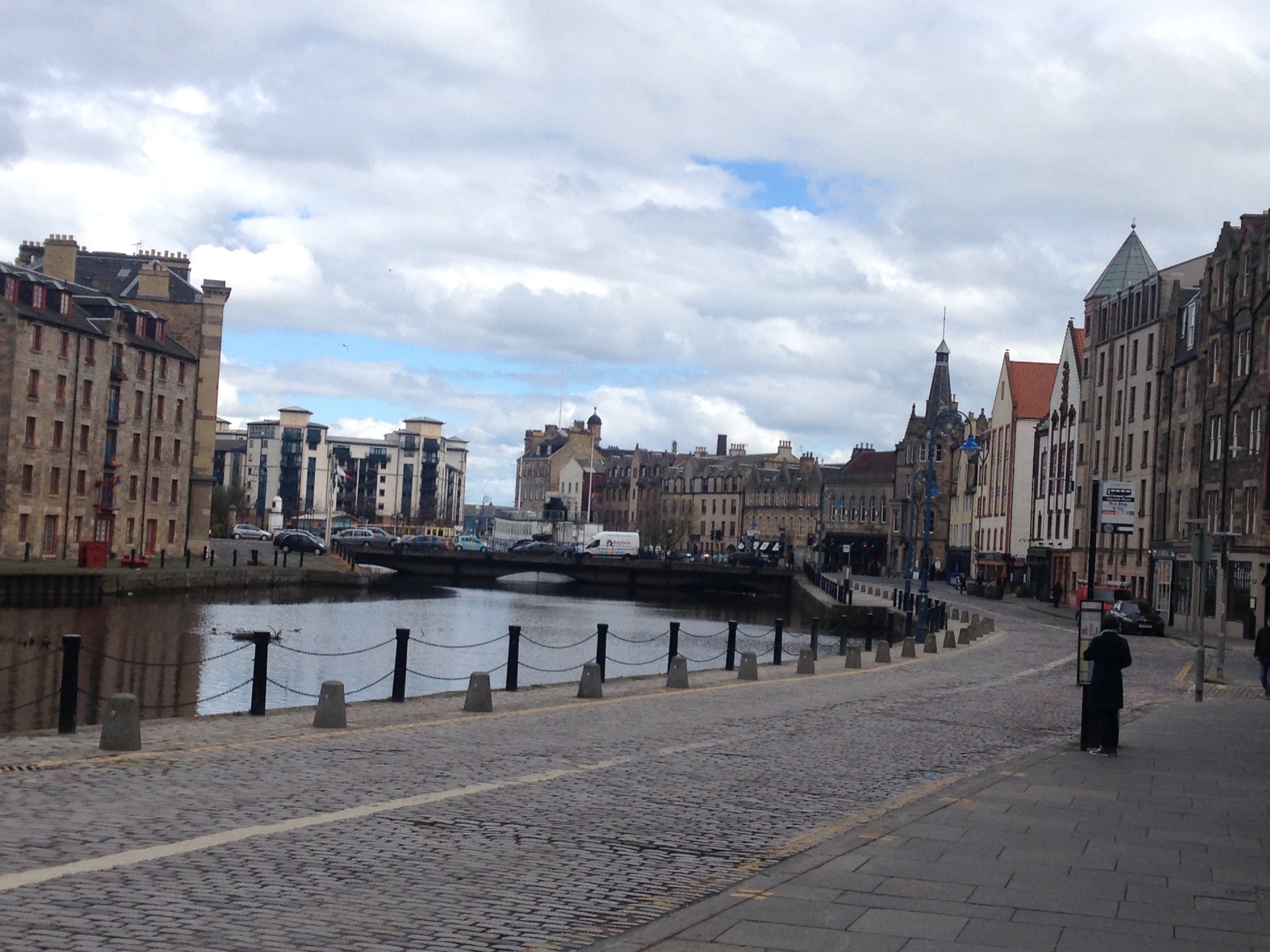
Inside a Scottish EggThe Royal Britannia now docked in the Firth of ForthThe Leith canal area
Walking to the Stockbridge Market (open on Sunday) to peruse the vendors;
Walking to (via a pedestrian/bike path) and through, the beautiful Royal Botanical Gardens;
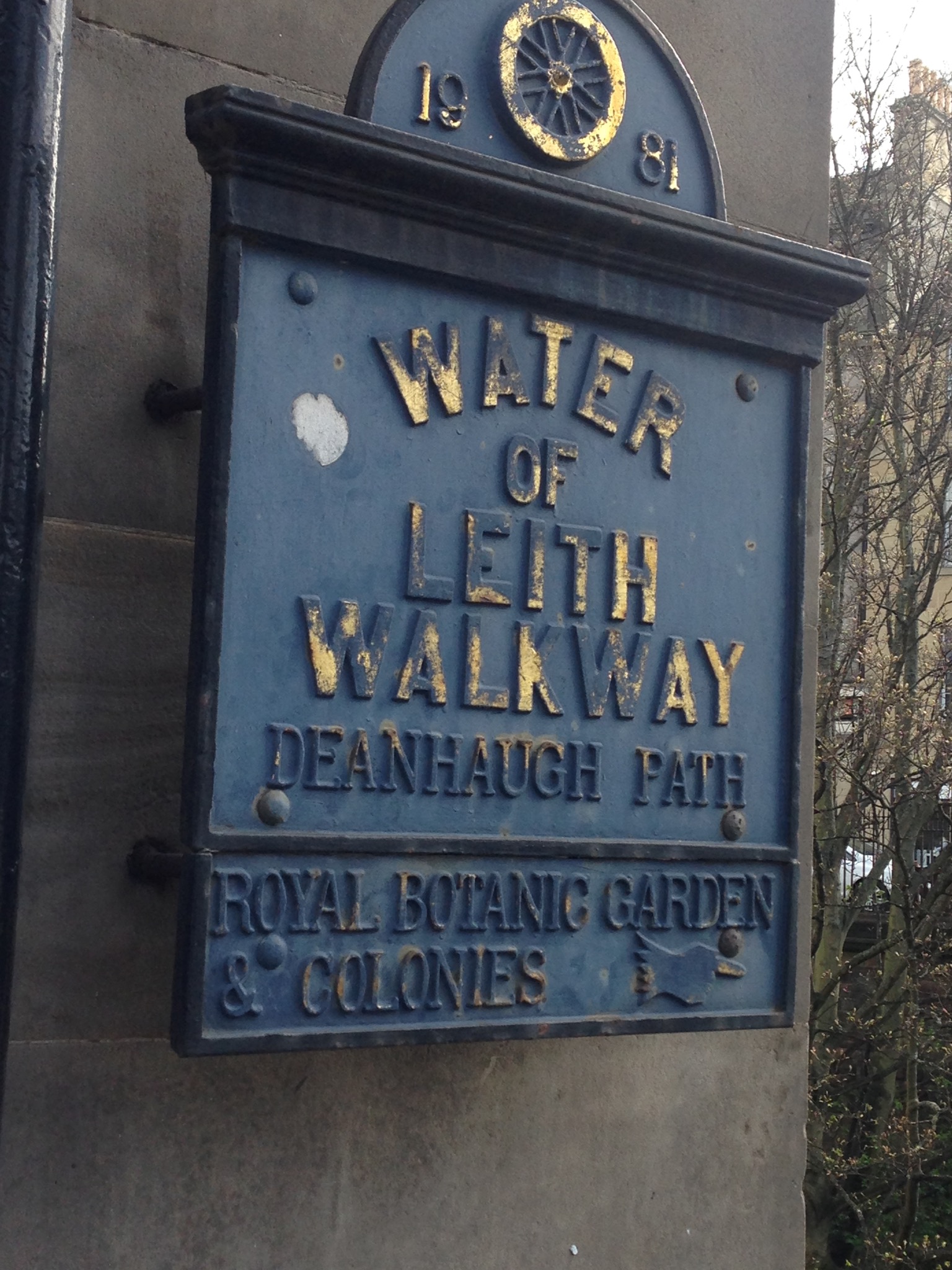
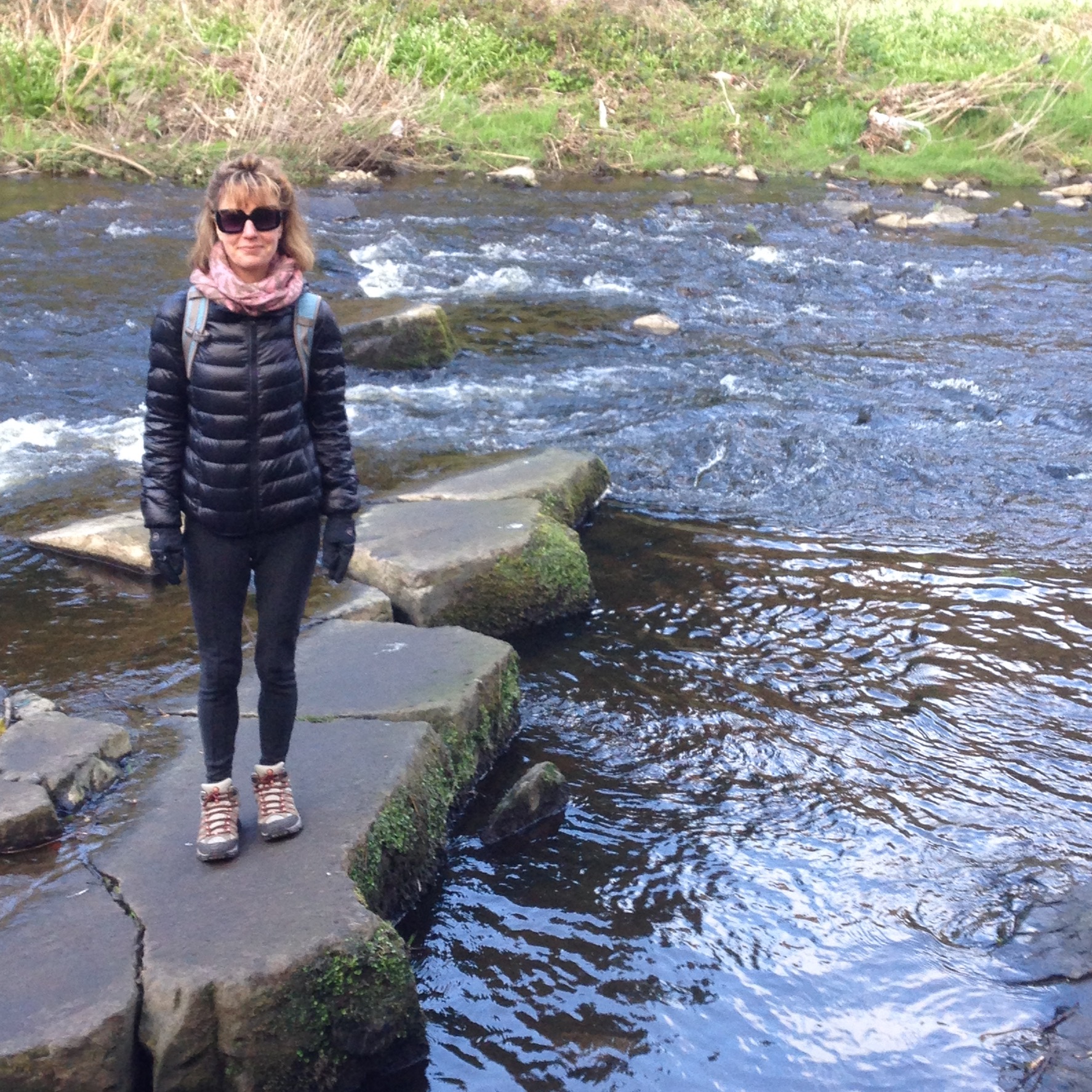
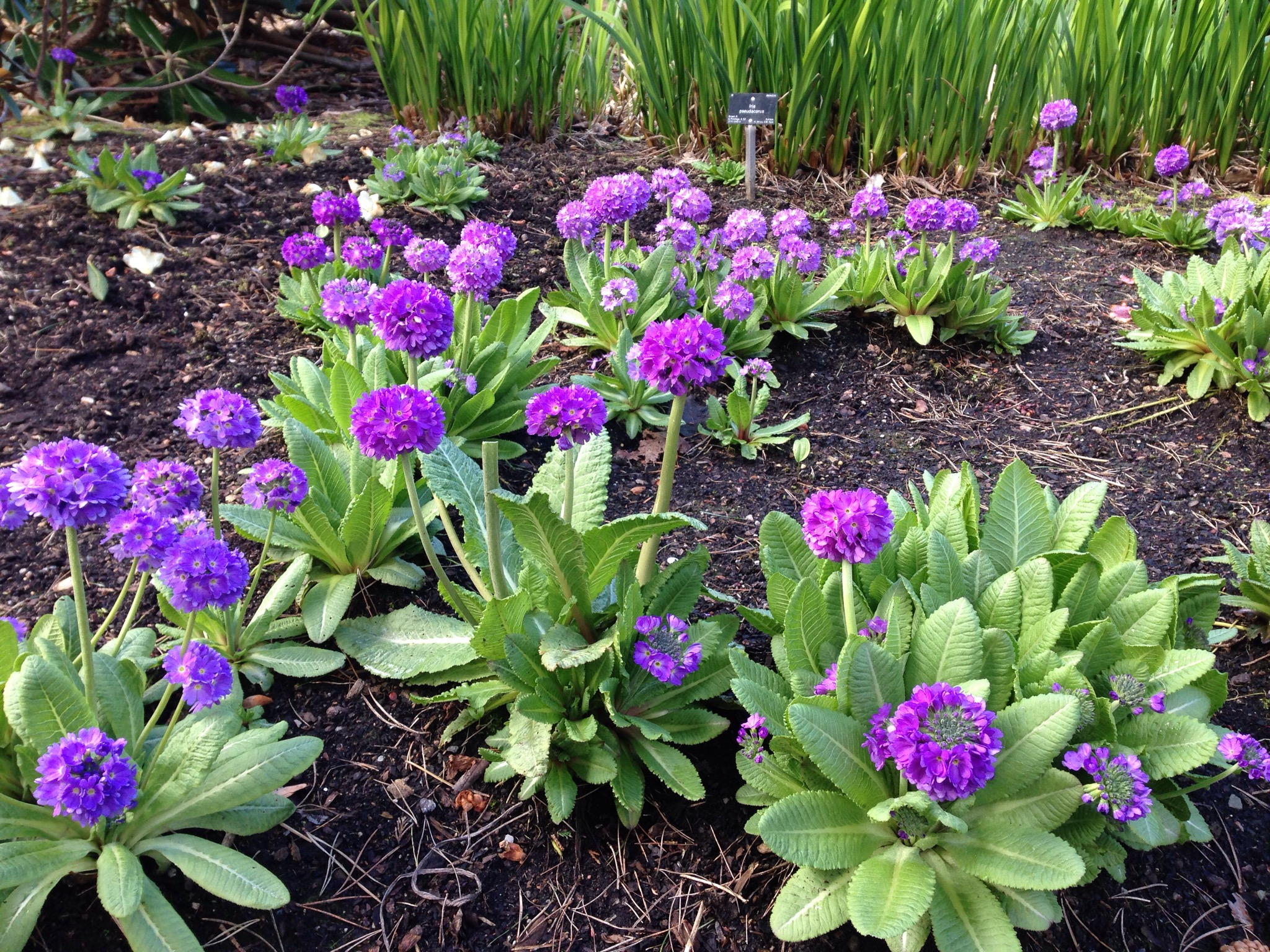
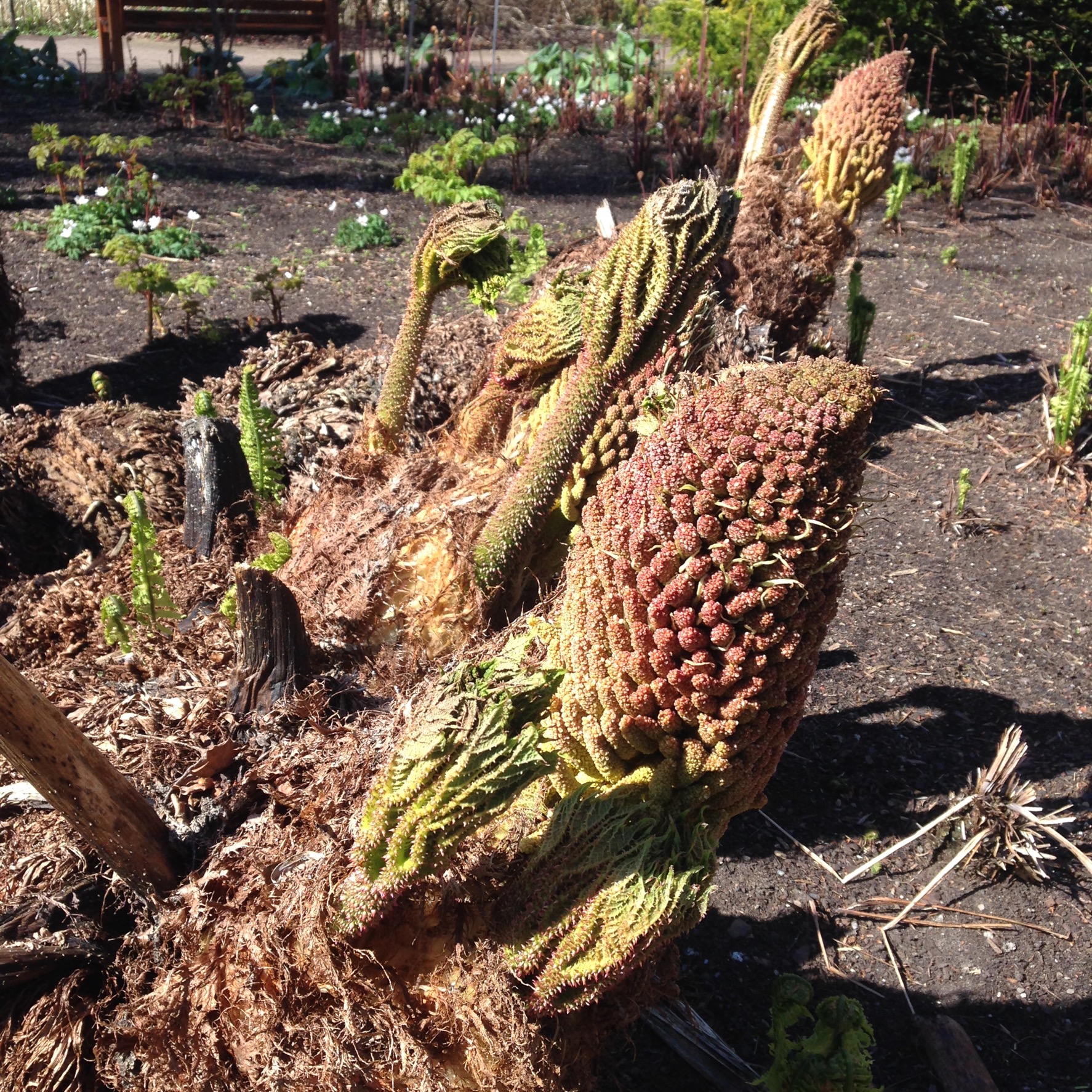
Water of Leith Walkway, along Leith and mostly below street levelWater of LeithMonkey Puzzle Tree at Botanical GardensFlowers at Botanical GardensPlants growing in limestone or turba
Exploring some of the highlights of the Writers’ Walking Tour around town;
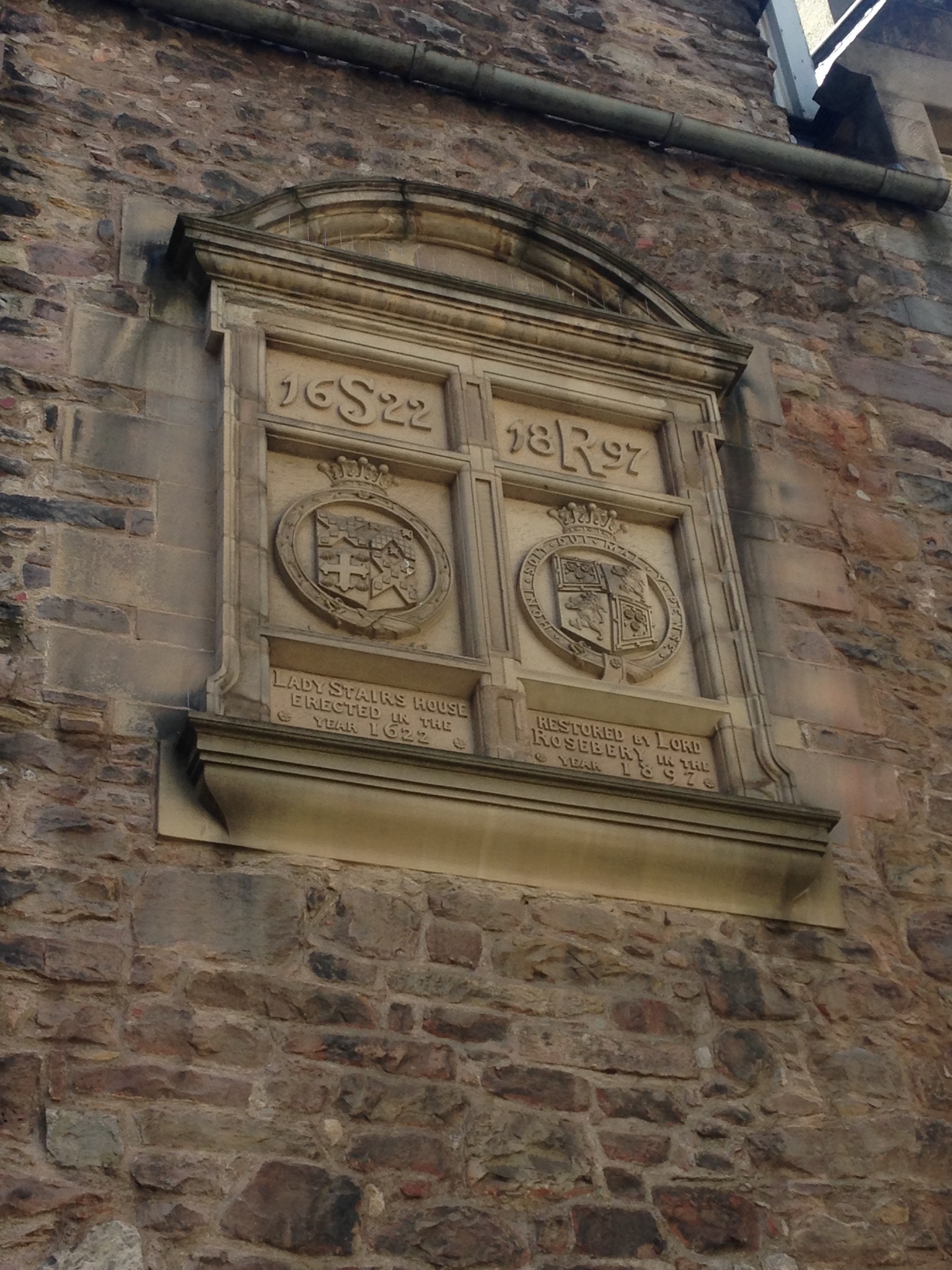
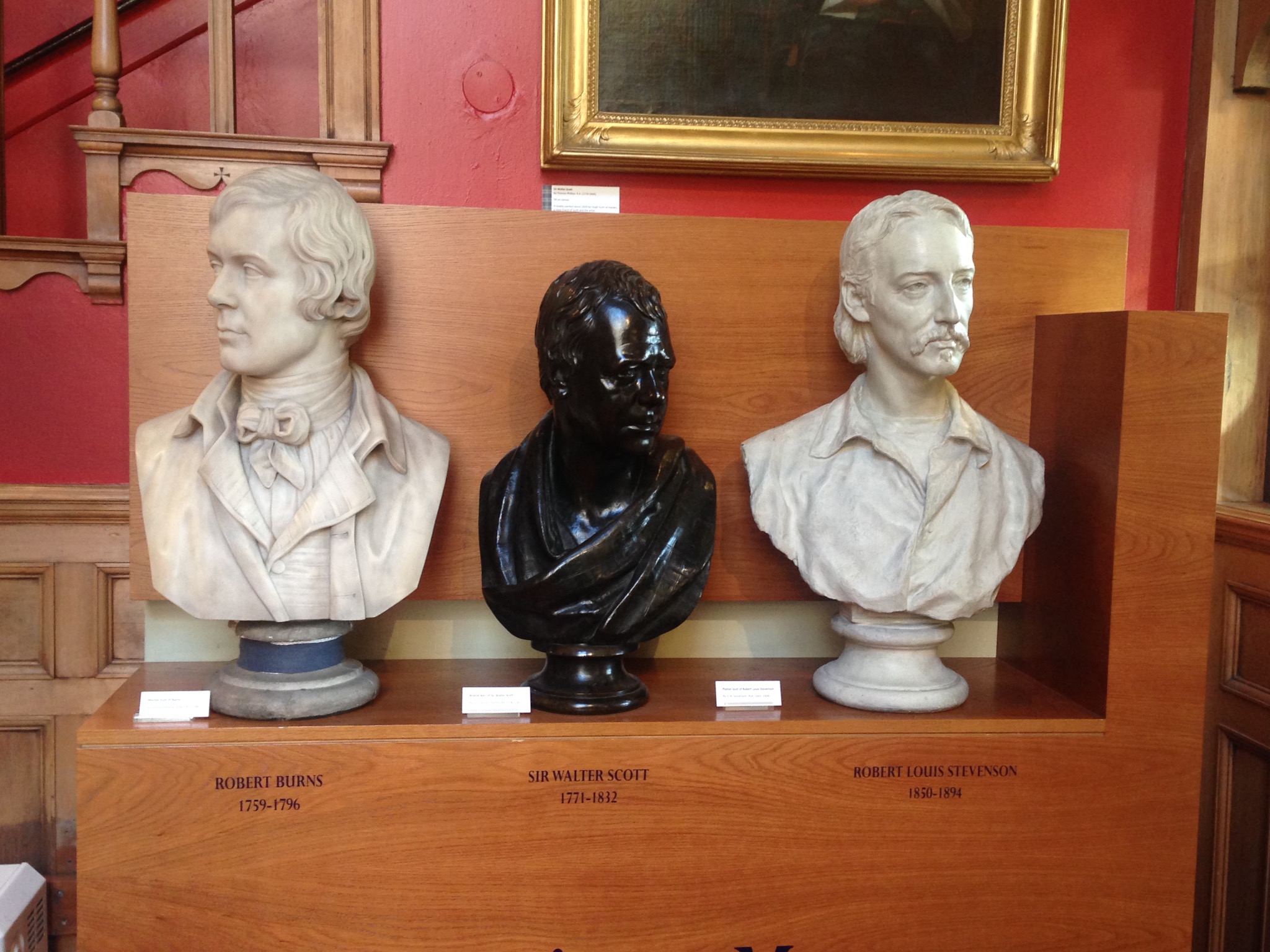
The former residence of Lady Stair that is now the Writers’ MuseumBusts of Sir Walter Scott, Robert Burns, and Robert Louis Stevenson — the 3 authors of focus at the Writers’ MuseumThe Elephant Room Cafe where JK Rowling wrote many of the Harry Potter stories
Enjoying a real Scottish Whisky experience with a 2.5 hour transport, tour, and tastings at the Glenkinchie Distillery outside of Edinburgh;
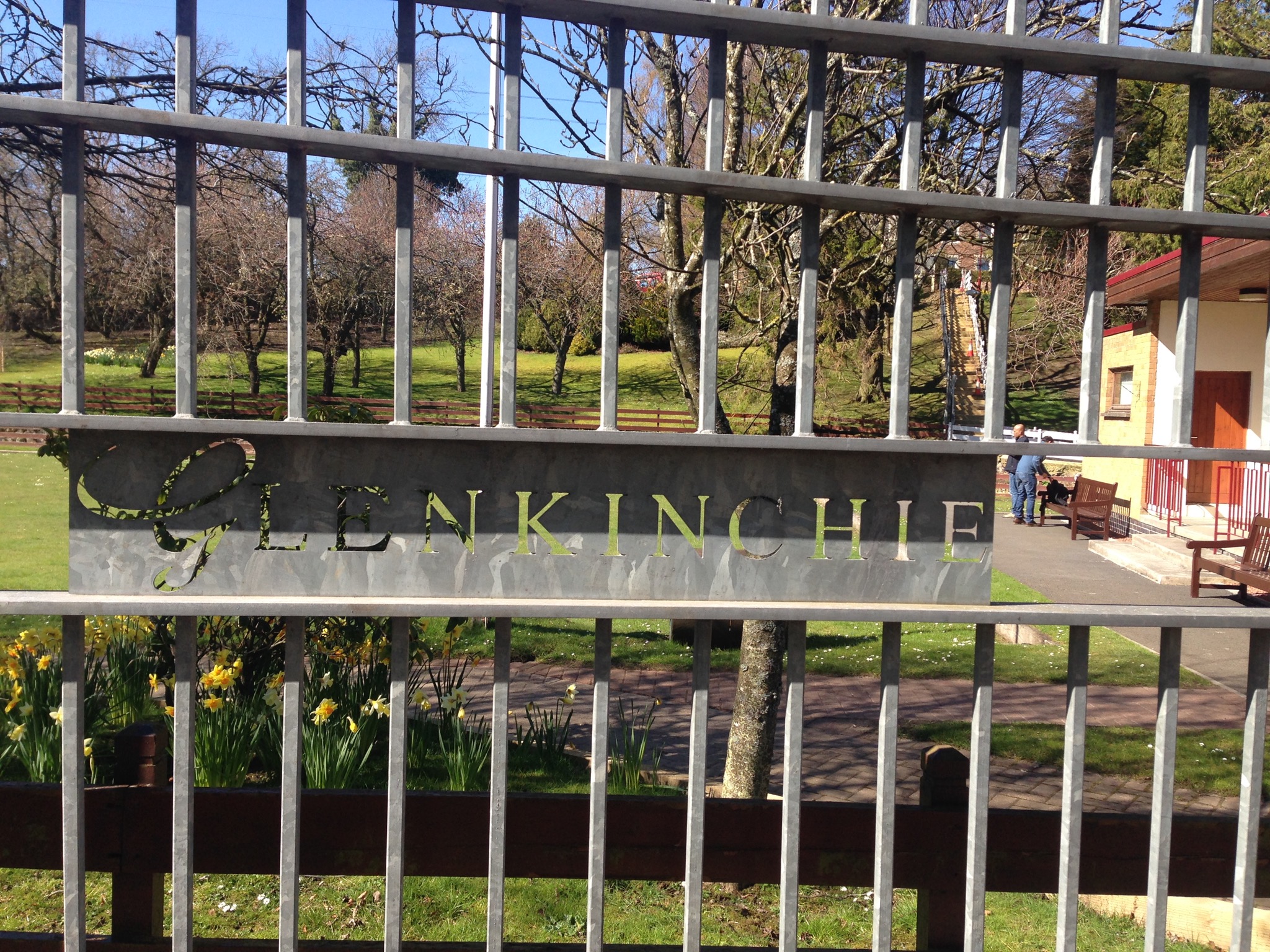
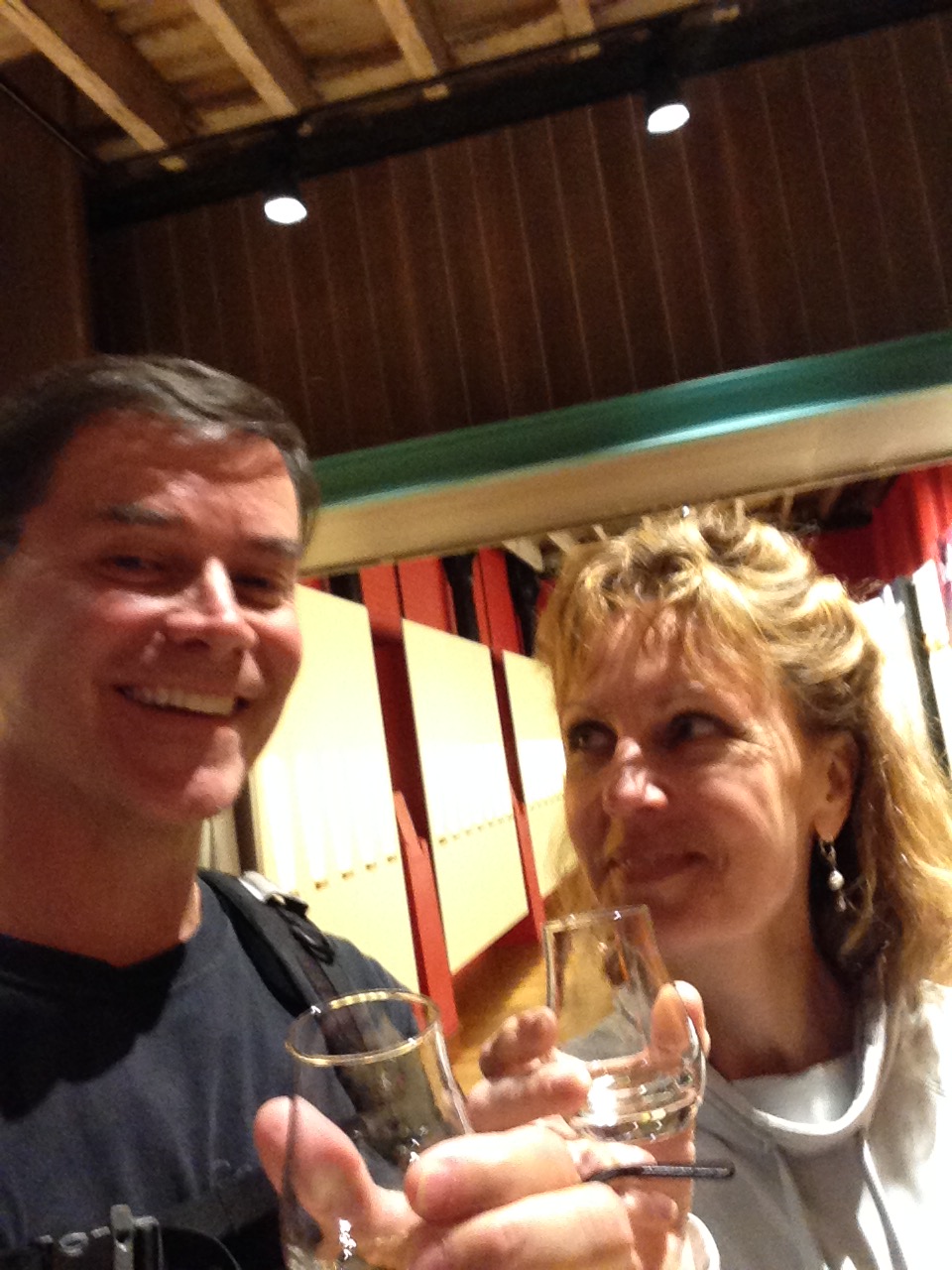
Gate into distilleryLearning the different taste profiles of Scottish whiskiesEnjoying our samples
Exploring Glasgow with a day trip out of Edinburgh (more on that in a separate post).
Incredibly, it is time again to move on. I really, really cannot believe how fast the time goes! We leave today (4/15 — how are taxes coming?) for Scotland. We will spend a few days in Edinburgh — with a couple of day trips to other towns before our next house sit in the small town of Thornhill.
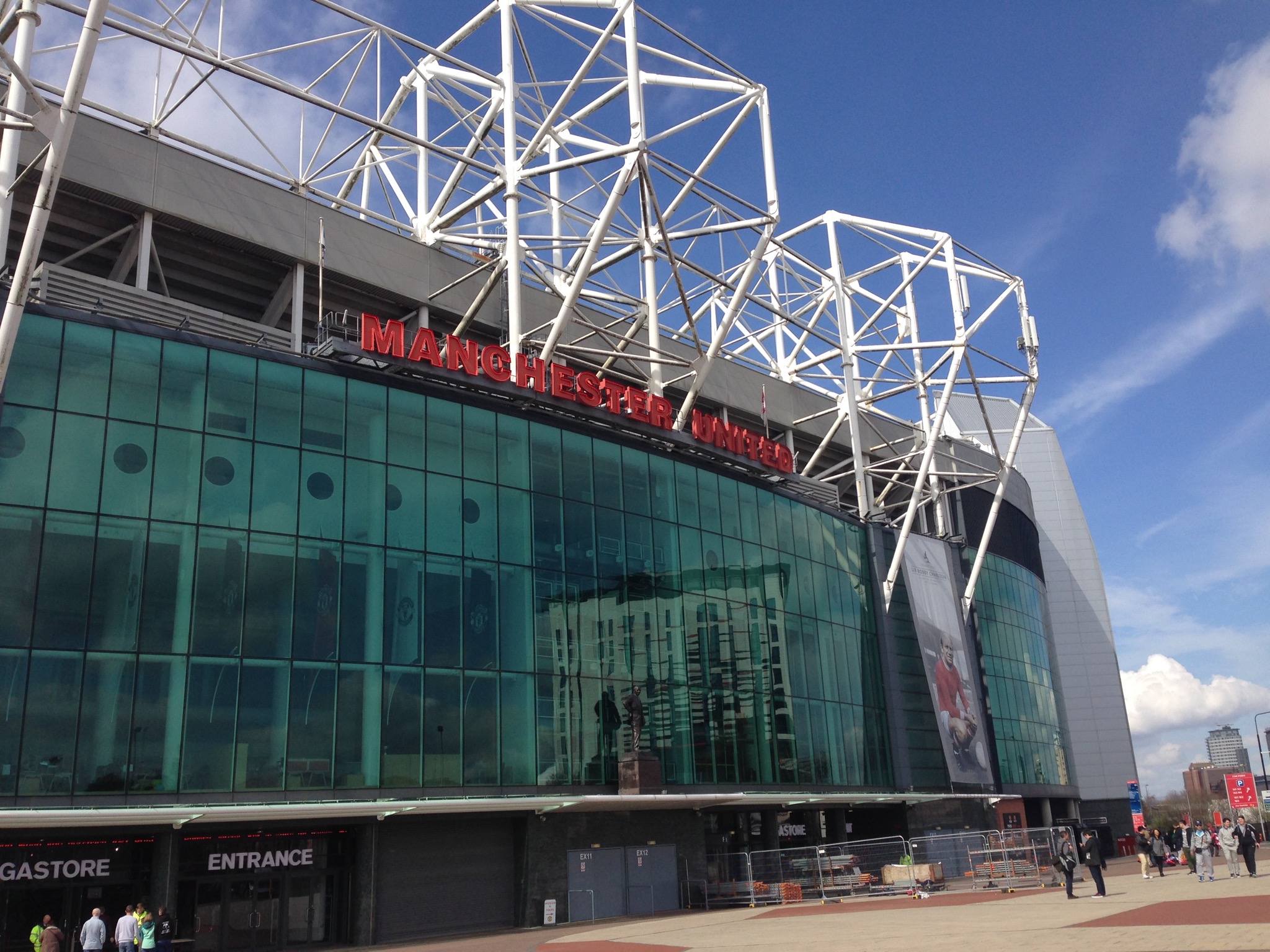
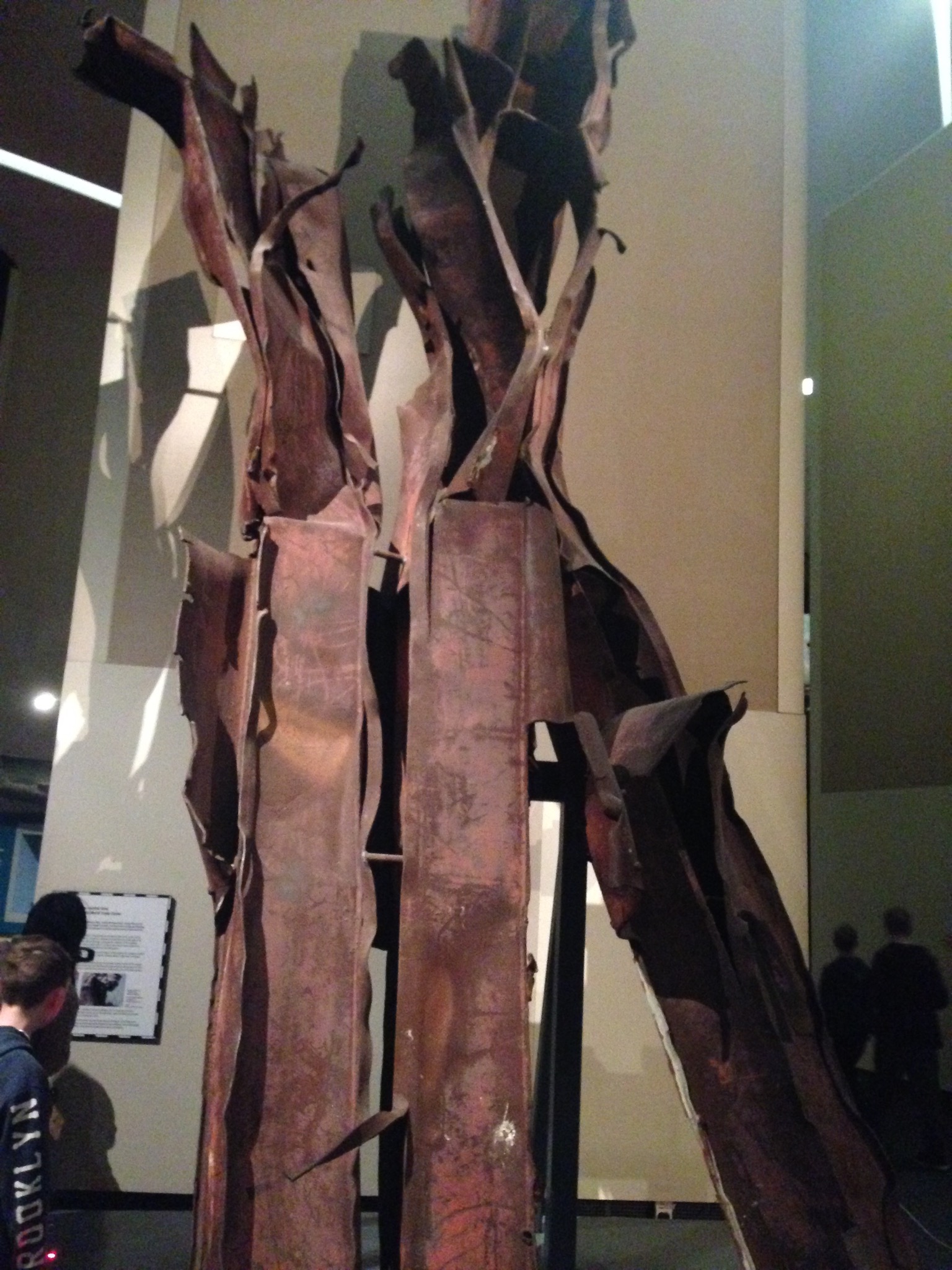
In the last week, we have walked (12 miles one day!), run (Beth survived the Manchester Marathon), bussed, and trammed our way around the greater Manchester area. Much of our time was spent exploring the Trafford area where the marathon began and ended. This is a lovely area with a large outlet mall (under a gym and residential building, a theatre, an Imperial War Museum, and, most importantly, the stadium for the Manchester United football team and the Old Trafford cricket grounds. The Imperial War Museum (free) is a comprehensive look at the UK’s involvement in various wars. We perused the WWII section but also did a 20 minute tour on spies (lots of women) in WWI and WWII and watched a film that spoke to the transitions that countries go through after wars.
See highlights from the Trafford area —
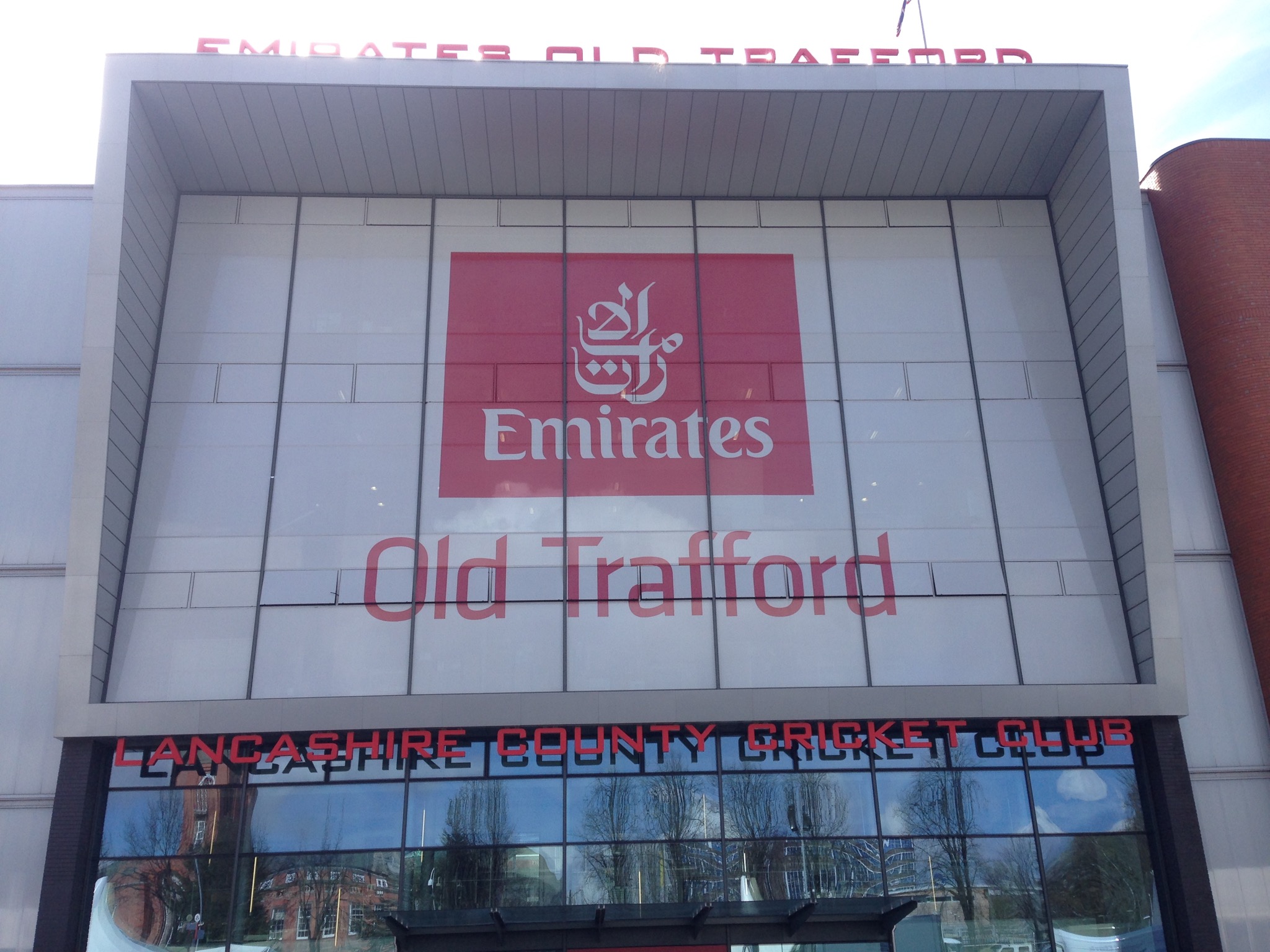
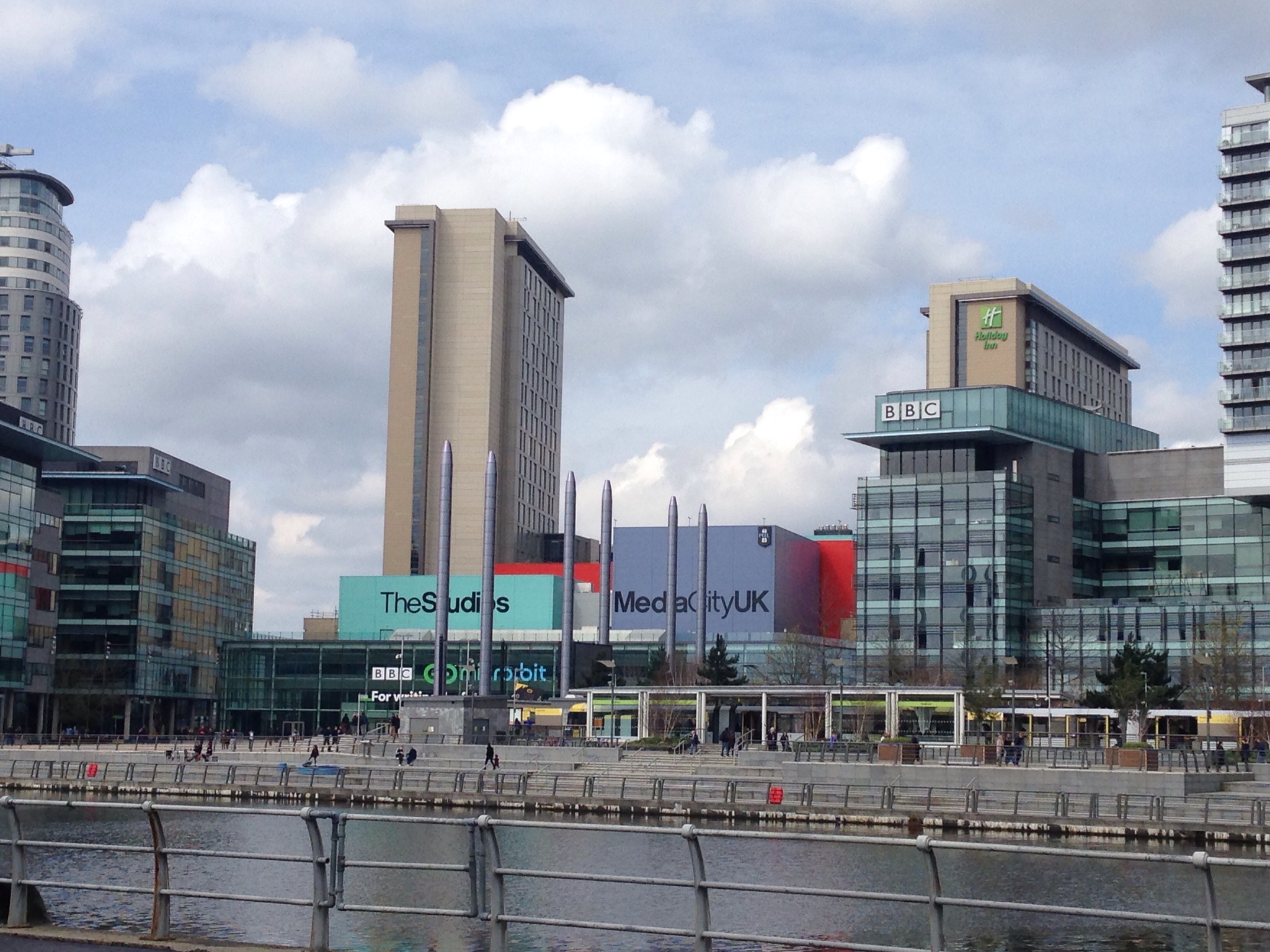
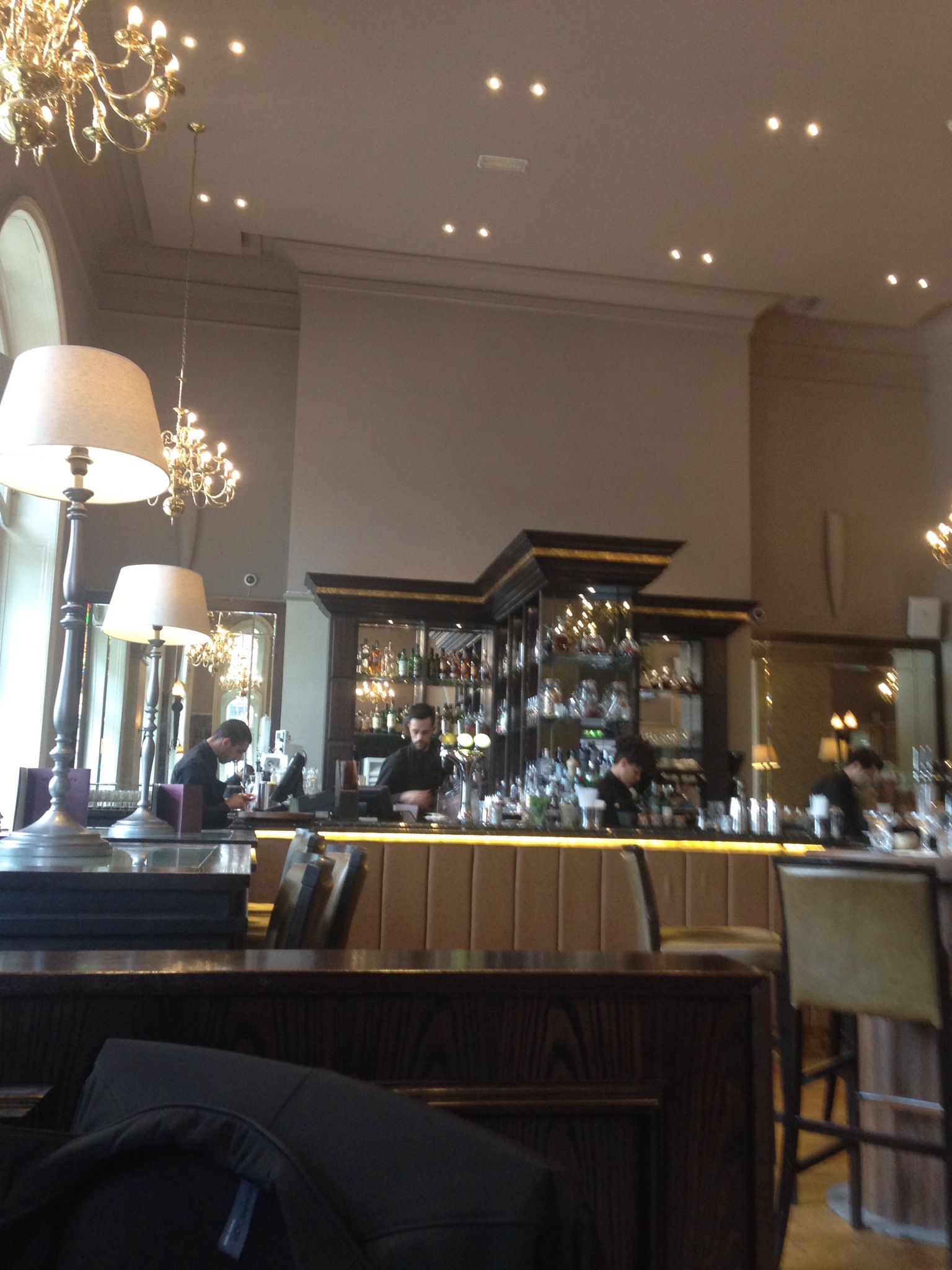
Old Trafford Cricket Grounds — site of packet pick-up and end of marathonManchester United StadiumView of media complex in TraffordOne of the bridges across the River Irwell in TraffordBeth running the marathon — I’m the one with the long clothes on!Midland Hotel — site where Mr. Rolls and Mr. Royce met to form a little car co. that you may have heard ofThe celebratory post-race cocktail at the MidlandSteel girders from the Twin Towers in the Imperial War Museum
The other fun thing that we did recently in Manchester was to go the Bury Market. This is a huge market in the community of Bury that has anything you could possibly want in terms of goods (any item that you would shop for at Target you can get here), food (fresh meat, fish, produce, as well as ready-made food to sit and eat) and services (on-site clothing alterations, funeral planning and headstones — maybe because it’s the Bury market?).
Finally, we have to give a shout-out to our Manchester host. She initially wanted us to come to care for her home and pet while she was away on holiday. Sadly, after plans were set, her pet died unexpectedly. She was so lovely to allow us to come anyway and was a lovely host during our hand-off time by showing us around, taking us to dinner, and just making us feel at home. We have made a great new friend and hope that our paths cross again.
This week, also on Tuesday, we headed to the west coast of England to walk in the steps of John, Paul, George, and Ringo. It was a fun trip in a town with an interesting history.
We again took an Off-Peak train at 8:32 from Levenshulme into Manchester Piccadilly and then transferring there to our train to Liverpool, which was a quick 45 minute trip. Awesome public transportation!
We had better weather this time with a high of about 11 C (52 F) with little wind and only a short drizzle. There was a lot to see and do, so we got after it upon our arrival. We had thought about doing a viewing from the Radio City Tower but since it was so overcast we doubted we’d be able to fully experience the view. Instead, we started our day at the Liverpool Cathedral, which is a truly impressive structure which might be expected since it took 74 years to complete. It is not overly ornate, but it has a number of beautiful stained glass windows and an impressive altar and organ and choral area. Our favorite section, however, may have been the much smaller, but really lovely, ladies’ chapel. While we are used to seeing gift shops and cafes located within the grounds of cathedrals, this one seemed a bit over-the-top. Hopefully, the earnings help to maintain the lovely building. Alongside the cathedral is a lovely park that was formerly a cemetery and many of the headstones remain on the grounds.
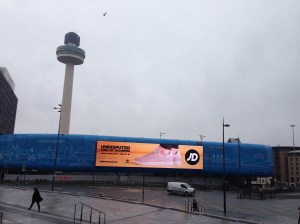
View of Radio City Tower from Rail Station
Exterior of Liverpool Cathedral
View of Altar
Mezzanine level cafe over gift shop
Views of Liverpool Cathedral
Views of former cemetary that is now a park next to the cathedral
From the cathedral we walked to Albert Dock, an area along the waterfront (Mersey River) that includes many of Liverpool’s impressive museums as well as restaurants, residences, and retail. We did most of the museums with the exception of the Beatles Story which was 27£ (app. $40) per adult. We love the, Beatles but not that much and also had read that it was just OK. We started at the (free) Maritime Museum where the 3rd floor is specifically dedicated to the slave trade in general and Liverpool’s role specifically. It was really well done and also spoke to the impact of the slave trade on Africa’s development as well as on-going slave trade activities still on-going (bonded labor, sex trafficking, etc.) throughout the world.
Views around Albert Dock
We then went onto the Tate Liverpool (free) which is the Liverpool venue of London’s Tate museum. The Tate Liverpool had a great Matisse exhibit which showed his development as an artist over time. They also had two additional floors of exhibits dedicated to modern art. They were staged in “silos” based on specific themes, using one piece as a jumping off point — really interesting and we got to see some cool paintings, sculptures, and short films.
An exhibit at the museum and more views around the Albert Dock area
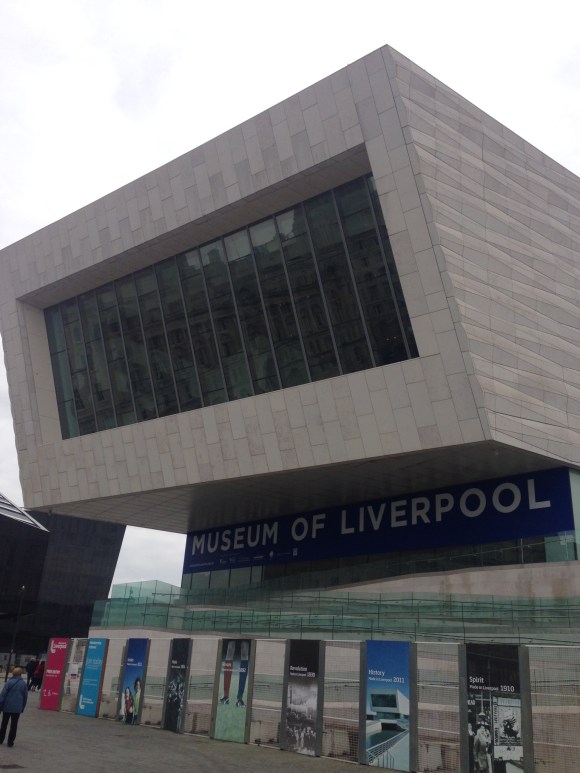
Finally, we were off to the Liverpool Museum (free). This was a multi-dimensional overview of the City from which we learned a lot and still left so much unseen. We focused our attention on their Beatles and Liverpool music exhibit including the 10 minute film on the Beatles that they show multiple times per day. The film is shown in a room with the stage from the church where John and Paul first performed together. Some fun post-Beatles facts: George had the first solo #1 (My Sweet Lord) after the break-up; Ringo was the most successful in the early 70s; and John had only three #1 hits with one coming shortly before his death. Liverpool was and is a live music town.
The other part of the museum that we focused on was Liverpool civic facts and issues. The museum did not shy away from the city’s “opportunities for improvement” including its high unemployment rate, poor health status, and significant population loss over recent decades.
To continue with the Beatles theme, we made our way into the town center to see the Cavern Club where the Beatles initially performed. Sadly, the original club was destroyed some years ago to make room for a rail line, but the original entrance is noted, and a new Cavern Club is open nearby.
The current venue
Information on the original Cavern Club
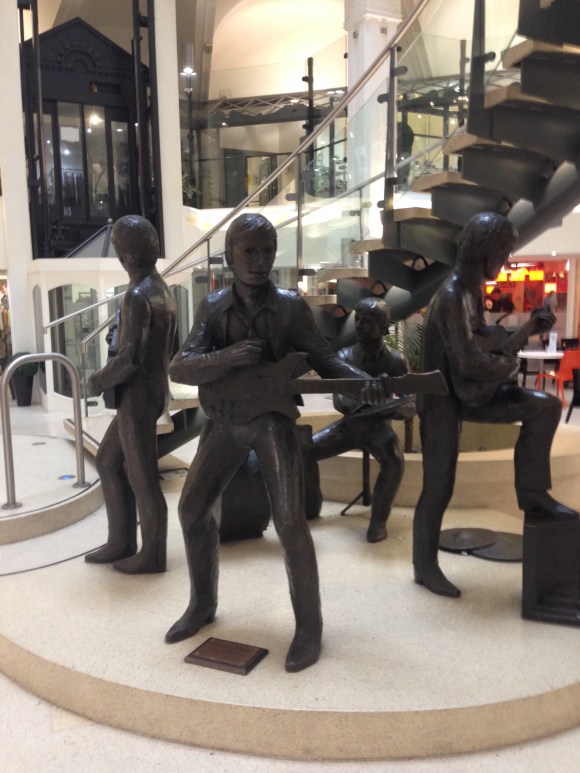
Statues of the Beatles in the Cavern Walk in the Town Center
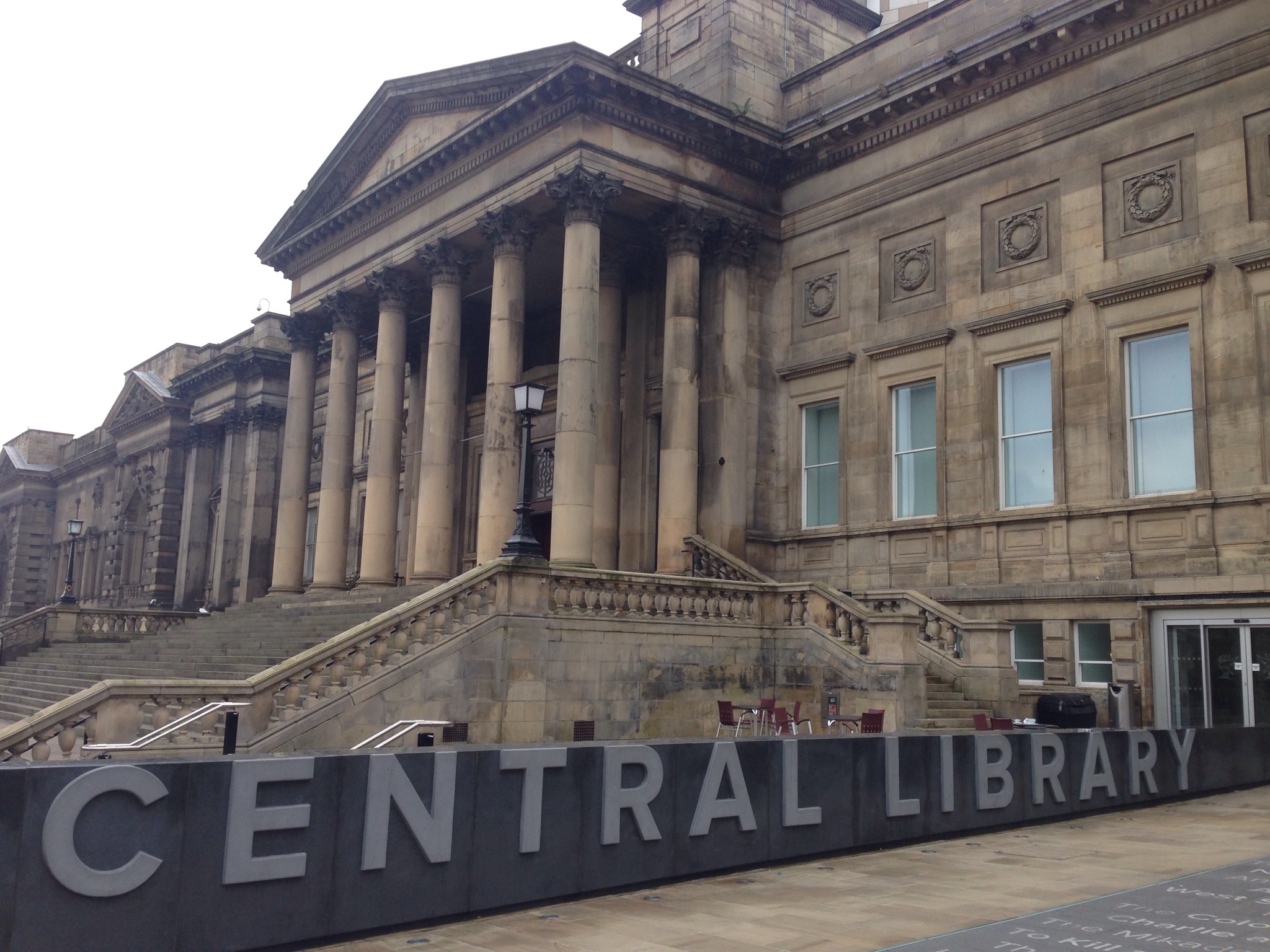
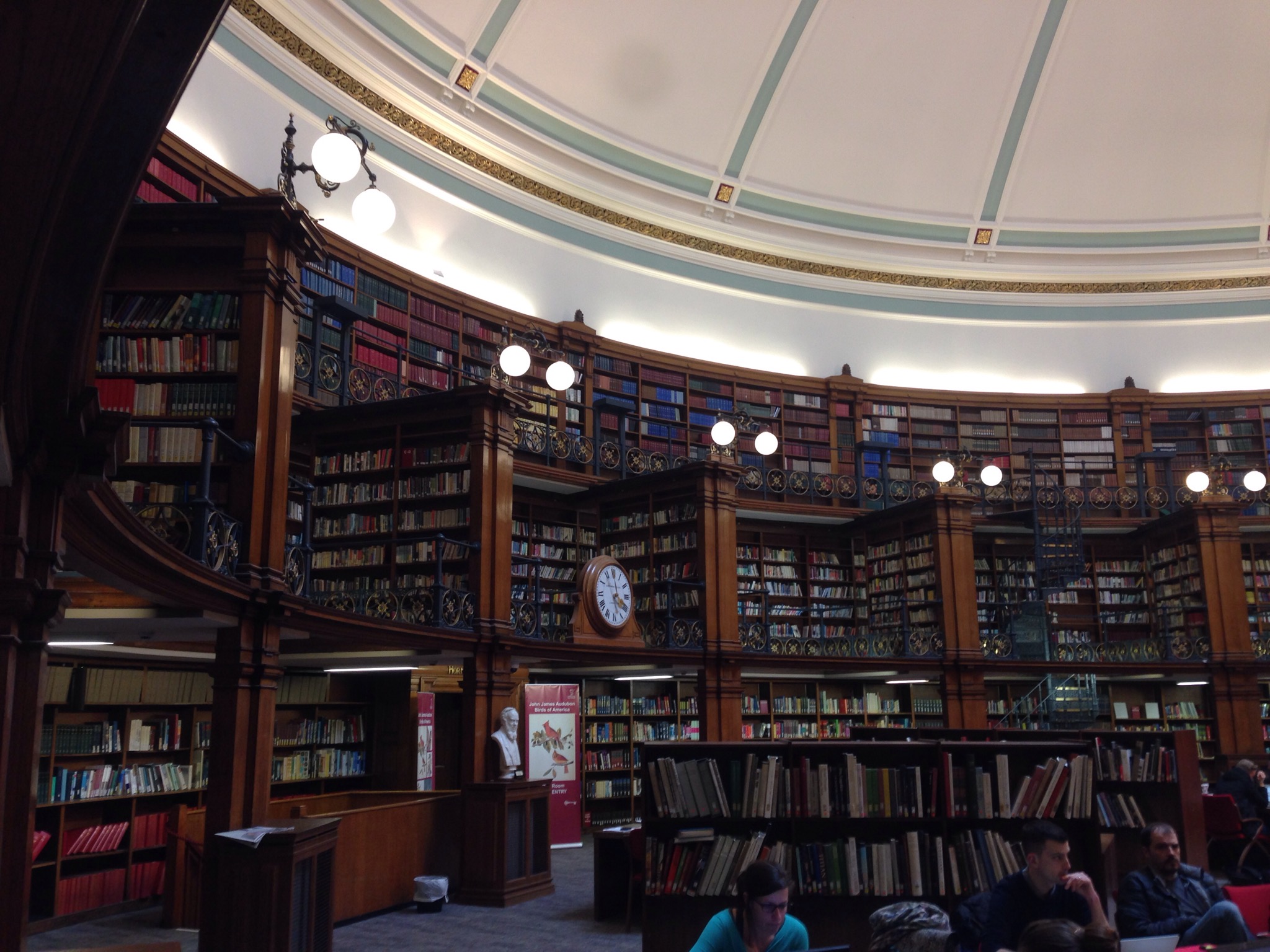
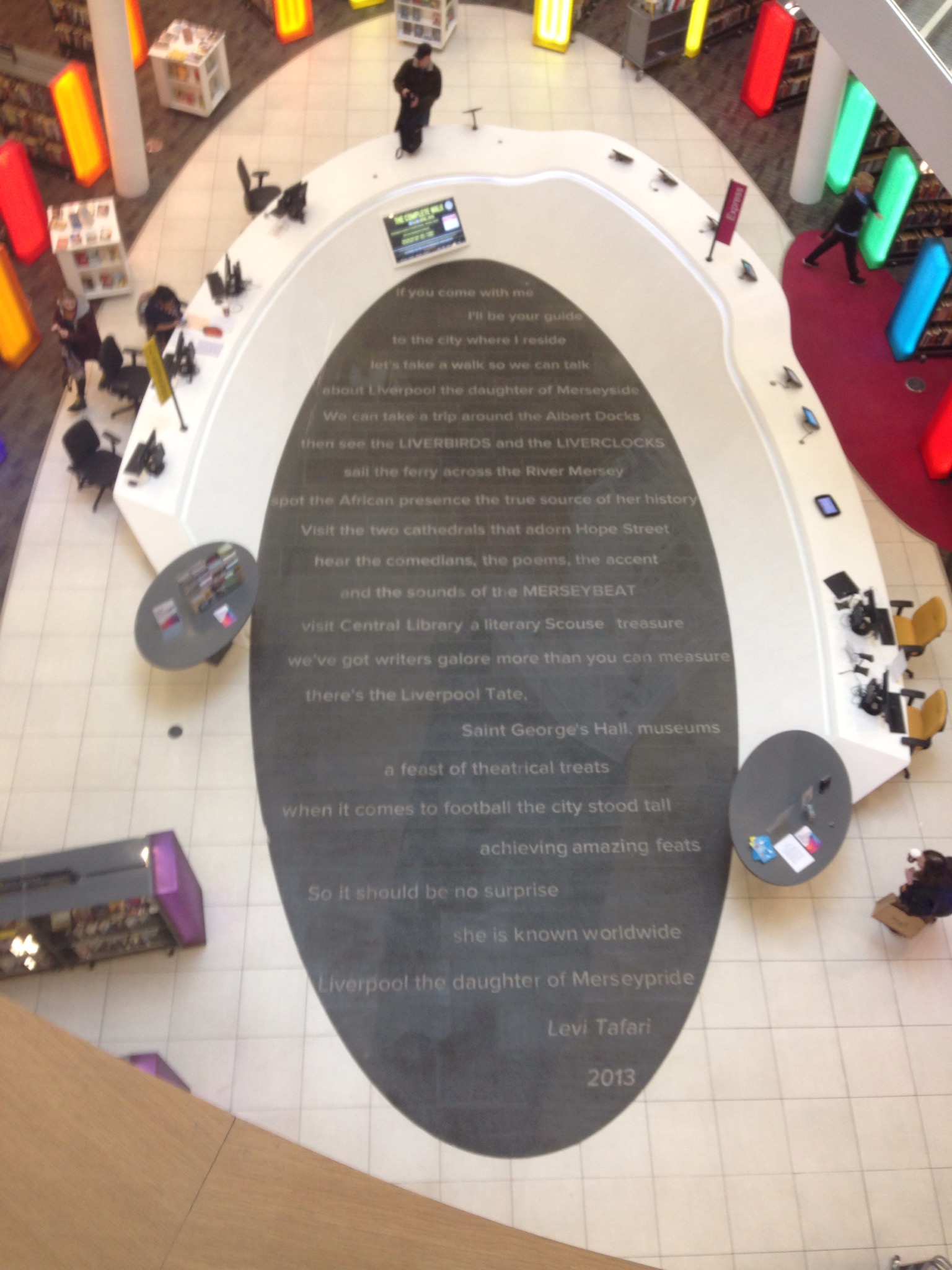
We had a couple of surprise finds at the end of the day as well. The first was the Liverpool Central Library. It is housed in an impressive older building but looks unexpectedly modern and unique inside. It also has a beautiful reading room that is located in an adjacent rotunda. I also liked the word art on both the sidewalk entering the building as well as the atrium floor.
Exterior of the libraryStaircase in library from atrium to upper floorsReading RoomThe poem on the floor of the atrium which describes best things to see and do in Liverpool
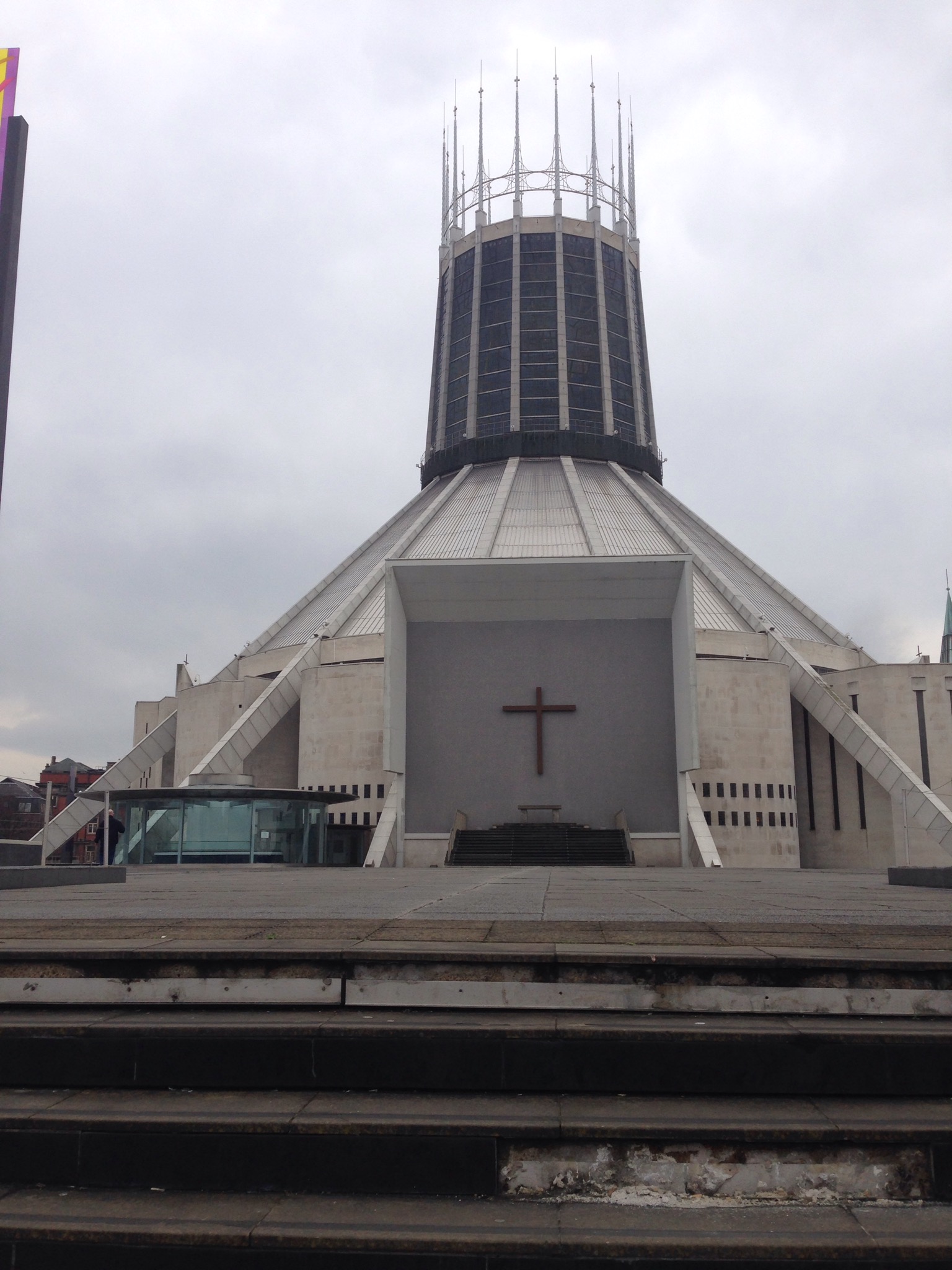
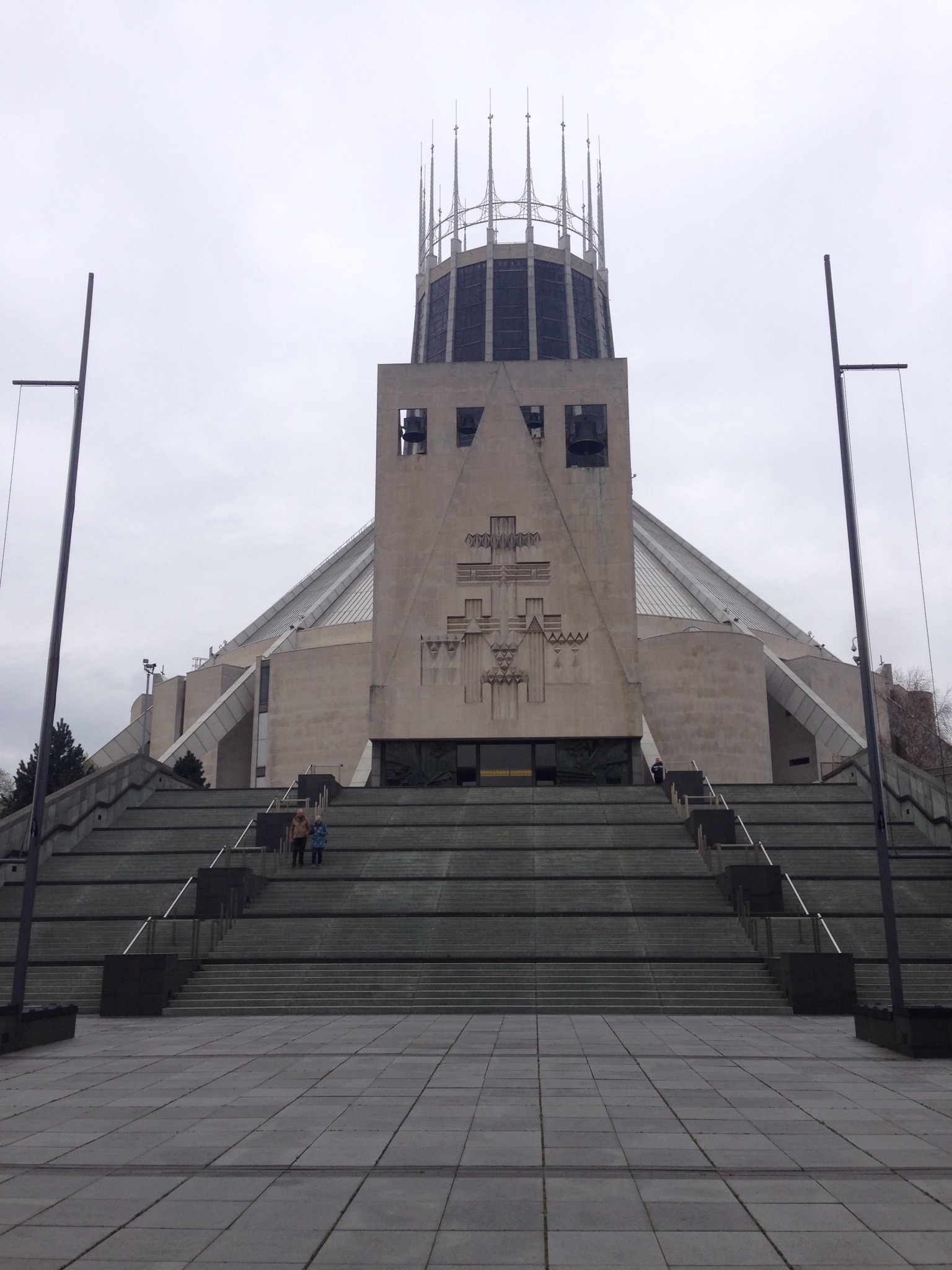
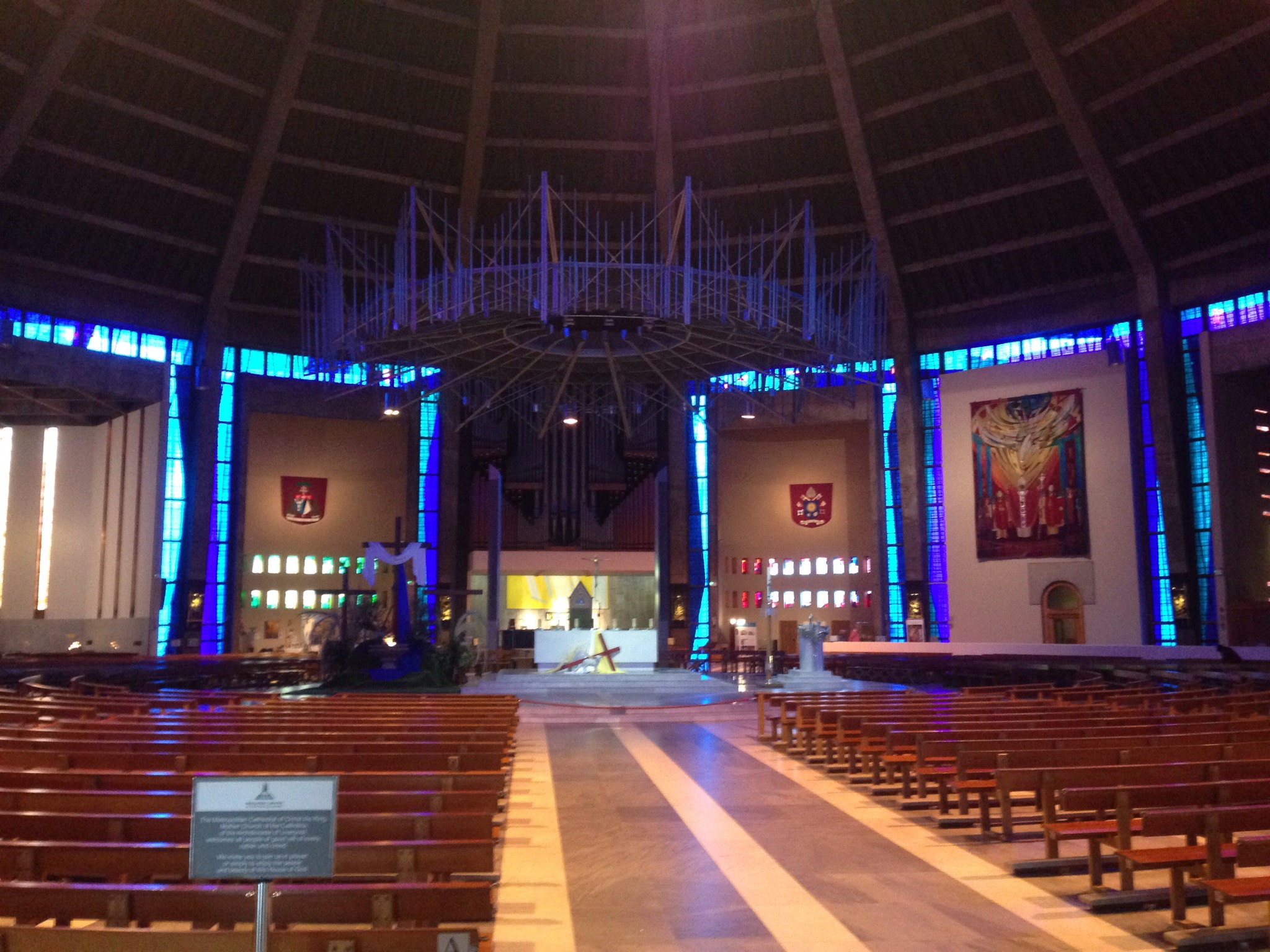
The other find in the afternoon was the Metropolitan Cathedral. This may be the most unique cathedral we’ve seen. Not much to look at on the outside — in fact from one side it looks like the top of a space capsule — but it was a bit more attractive on the inside.
“Space capsule” side of the cathedralOpposite side of the capsule — I mean cathedralInterior
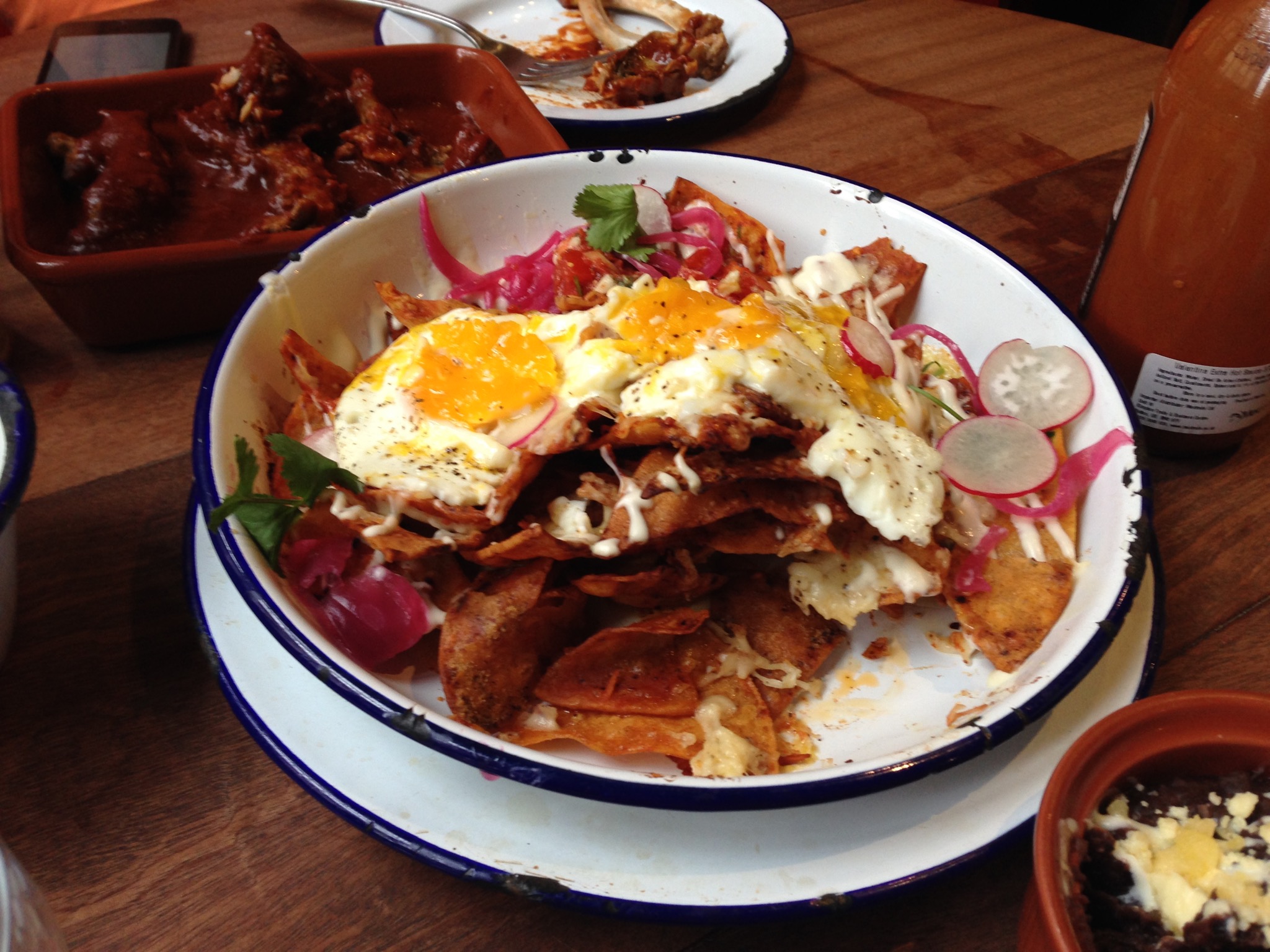
We ended the day at Lucha Libre, Liverpool’s version of Mexican food. Check out the chilaquiles below — a unique take on nachos with homemade chips, a bit of cheese, radish slices, pickled onions, and a fried egg–and it was very tasty.
When telling others about our stay in Manchester we received 3 recommendations for day trips out of the city — Chester, York, and Liverpool. As we had visited Chester prior to our housesit, we pegged York and Liverpool as our targeted day trip excursions. Last week we spent Tuesday in the lovely (even when wet and chilly) town of York. It was an easy excursion by train. We bought Off Peak tickets and left from the Levenshulme station which is only a couple of blocks from our temporary home. We switched trains at the Manchester Piccadilly station and then were off to York. The whole trip took about 2 hours. It was a full day, as we left on a 9:20 am train and returned a little after 9 that evening.
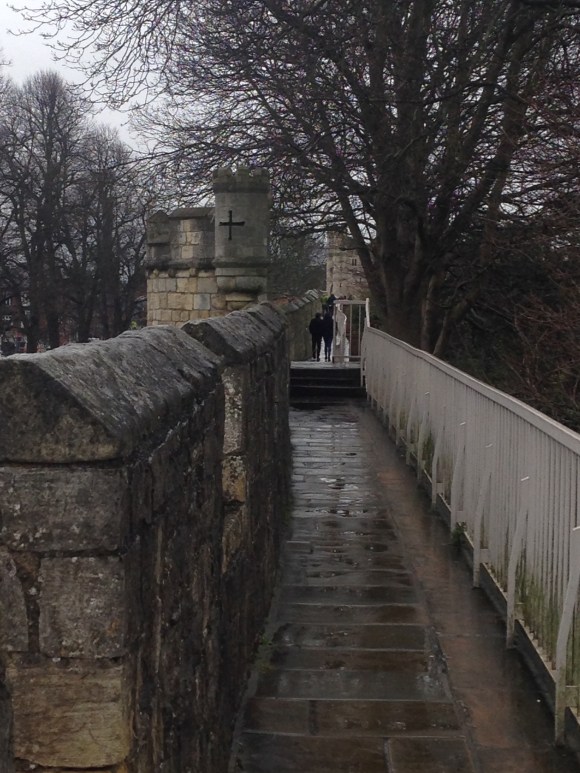
York is another walled town. After an introductory boat ride on the Oise River, we walked the wall around the main town center. It gave us great views of York Minster (main cathedral), pretty residential houses and lawns, the York Castle (what remains), and portions of the town. It is a fun perspective from which to view a town. As opposed to the Roman wall in Chester, York’s is not a complete loop. Following the town map we had picked up, we walked on sidewalks between the three separate sections.
Views from the boat
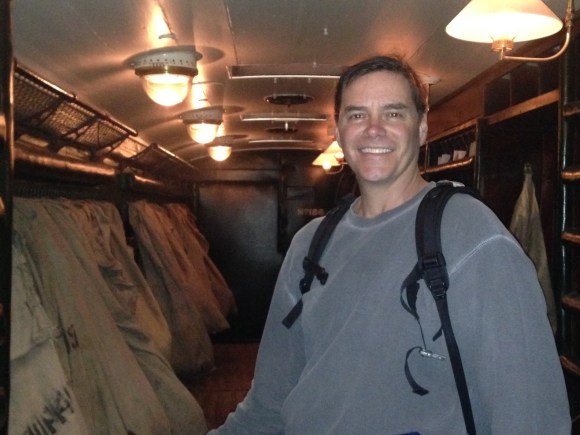
Walking along the wallView of local residences with York Minster Cathedral in backgroundBob on a mail car at the National Rail Museum
Model of full castle structure
What remains of York Castle
The Great Tower built by order of King Henry III between 1245 and 1260 and a scale of the full original structure.
The upside of rain is the gorgeous green grass and flowers that it brings. We saw lots of evidence of this during our walkabout in York and enjoyed poking around the many cute shops in the lovely town center which had many pedestrian-only streets.
Before our return, we stopped in a Spanish tapas (with Yorkshire twists) restaurant and split a sherry flight and nibbled on a few yummy selections.
I know that we could have seen and done more with more time, but it provided a fun day out and a great introduction to this part of England.
Bob and I have been getting acquainted with the greater Manchester area and have even taken a day trip out of town to the lovely city of York (more on that in separate blog). We have been doing this in all sorts of weather, though rain has been a constant. We’ve only had one rain-free day during our stay. The changing weather factors have been — 1) whether the sun will make an appearance, 2) if so, for how long and will it be in place of the rain or in conjunction with the rain, 3) how gusty will the wind be and from what direction, and (as of yesterday) will the rain come in the form of hail? Yes, no drought worries in this corner of the world.
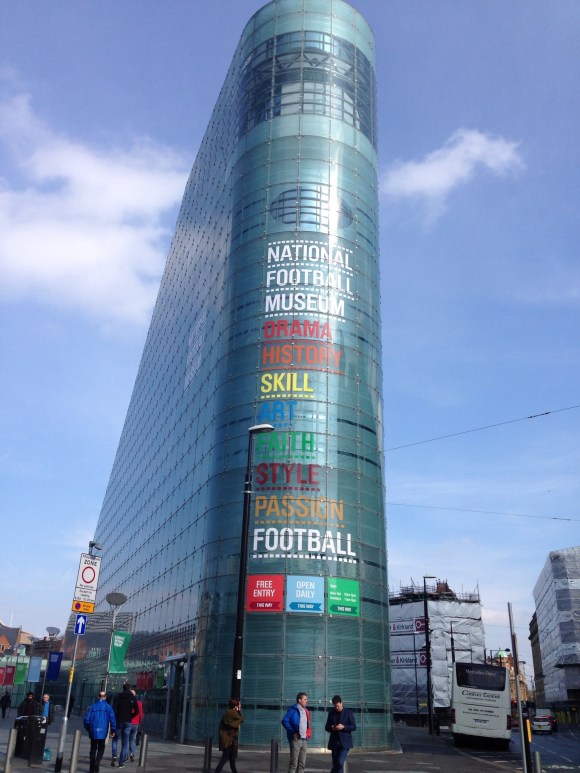
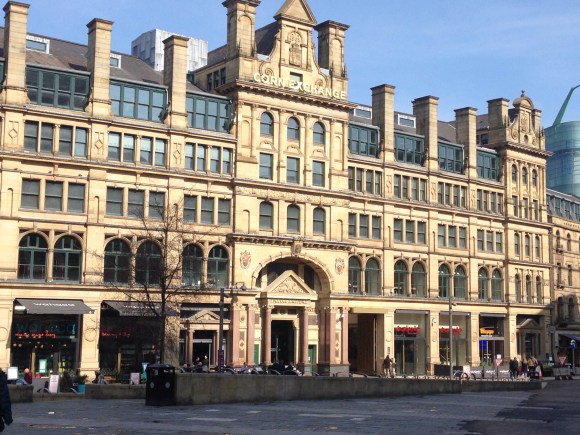
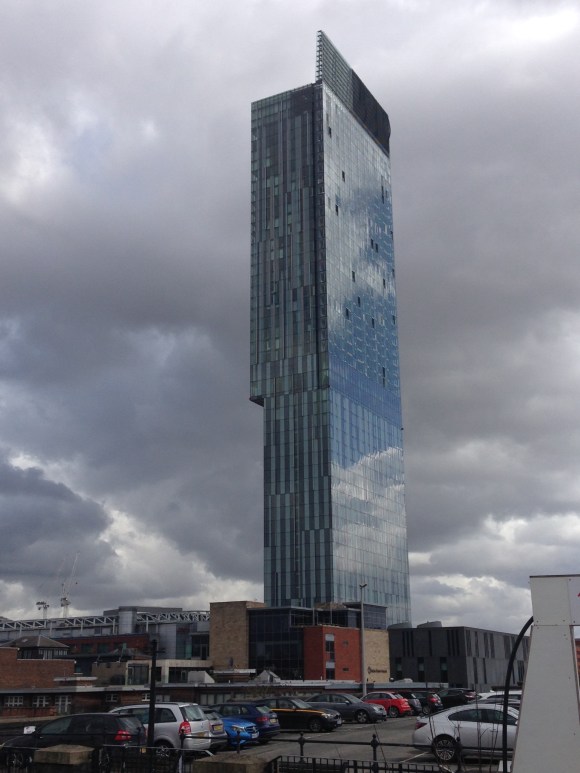
We have found a lot to enjoy in the City Center as well as in some outlying boroughs. In Manchester itself, our favorite finds recently have been the Levenshulme Saturday market, Whitworth Art Gallery on the University of Manchester campus, the Printworks and Corn Exchange complexes, the National Football Museum, the Beetham tower, and the Museum of Science and Industry. In Stockport, we discovered a fun old city center and cathedral the other day and are returning today to tour a local brewery (Robinson’s Brewery) and Air Raid station. They have a hat museum as well that we are not planning to visit, though it sounds unique.
Beth hanging out with Alan Turing who helped break the German code in WWIIThe Printworks Building with lots of dining optionsNational Football Museum — Visited on game day for Manchester United — it was busy!
Sign for MOSI
Inside the Air and Space building
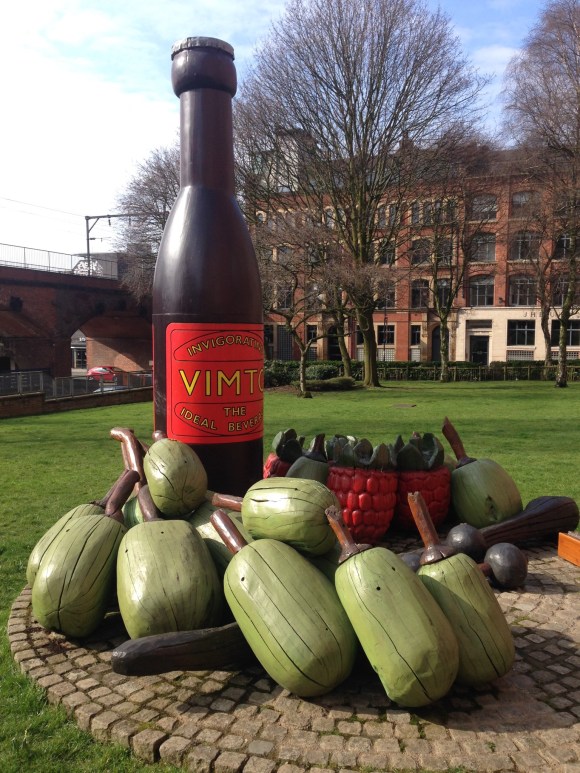
Public art celebrating Vimto a soft drink that originated in England and was first promoted as a health tonic.The Corn Exchange Building — more dining opportunitiesThe Beetham Tower — lower half is a Hilton, upper half is residential. We’re going back sometime to have a drink at the bar at the top of the Hilton (where the wider portion starts)
We have also been following the news here and the biggest story right now (apart from concern over a possible sell-off of a British steel company) is Brexit, the term used to describe the UK’s (Note: UK stands for United Kingdom of England, Scotland, Wales, and Northern Ireland.) possible exit from the European Union. There is a national referendum/vote on this scheduled for June. The latest polls indicate a near even split on the issue.
From a health perspective, there are strikes by junior doctors over the work requirements in the government’s latest contract offer and issues, as in the states, with rising costs around caring for an aging and sicker population. This is all further complicated by costs for treating recent immigrants as well as non-Brit EU residents who can access health care here. While care for EU members is apparently to be reimbursed by the home country while Britain reimburses other countries for health care provided to its residents, more non-Brits come to the UK for healthcare than Brits leave to seek care elsewhere.
Bob and I have gotten into the UK version of Master Chefs, and I must say that a reality show can survive and be entertaining while the contestants remain civil to each other. However, we have noted the frequency of the use of the term “gutted” in relation to how the contestants say they will feel if they are sent home. Hope this doesn’t find any of you gutted about anything! Also, in terms of truth in television (or a CYA technique) the home search shows always state the year when the quoted home price was valid.
In terms of money, we have had to flip flop how we do our cost calculations. In Canada, since the US dollar was higher whenever we saw a price listed, we new that our real cost in US dollars was actually less (about 75%) of the Canadian price by the time we left. In the UK the dollar is lower than the pound, so things seem cheaper than they actually are for us, so we have to remember to multiply the stated price in pounds by about 1.5.
Bob and I are now settled into our new temporary home in Levenshulme (Levy), a suburb or district of Manchester. We are getting acquainted with the local supermarkets (quite a selection!) and starting to learn our way around the neighborhood and larger area as we have begun our sight-seeing. Our first full-day out we walked to the Fletcher Moss Parsonage and Garden in Didsbury — another district of Manchester. It was a little over an hour walk there. The parsonage has a lovely garden and is still used for art and other classes. There is a church with very old tombstones, a visitors center with educational information on the local birds, a rockery, and a large green space with a walking path that goes close to the River Mersey across which is a golf course. In the visitors center we picked up a brochure for one of the health walks that starts at the park. It took us close to where we are staying but had us walk through a number of local, community parks on our way back. Very nice. It was also the nicest day weather wise with a high of about 12 C and no rain. Both of us were jacket less for a bit in the afternoon.
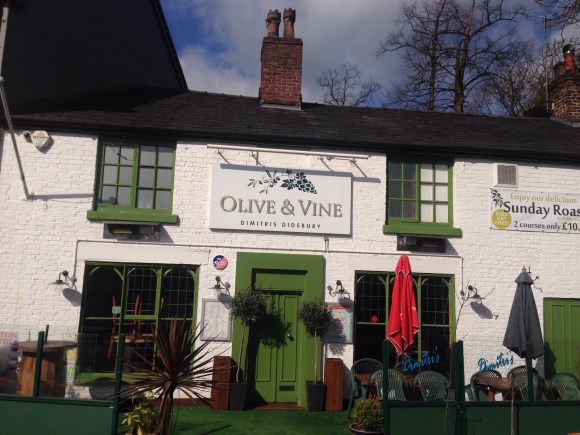
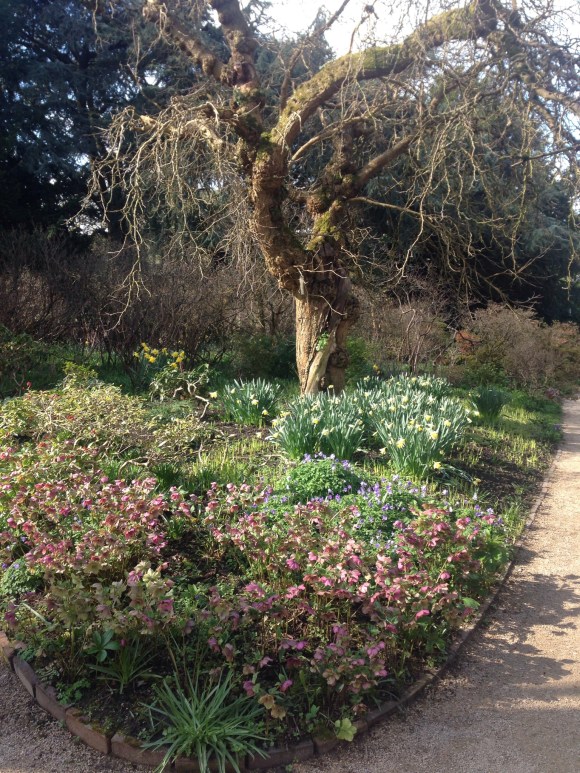
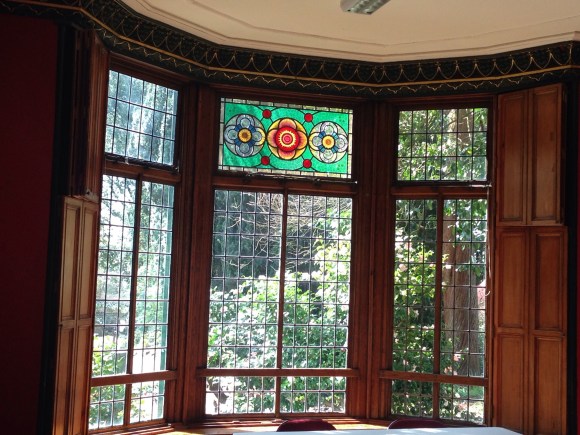
Restaurant near the Fletcher Moss ParsonageFog Hill Park on our walk backInside the GardensWalking the path along the groundsStained glass window inside the parsonage
Yesterday we walked into the city center of Manchester to find the Visitor Information Center. This was also about an hour walk. We got a great map of the downtown area as well as a free brochure on things to see and do in Manchester. We had googled some free activities so did some of these as well while we were in town. The first stop was the Manchester Art Gallery which was 3 stories and had everything from impressionist paintings, landscapes and portraiture and a fun modern exhibit inspired by Alan Turing (WWII code breaker — see Imitation Game movie) and his query as to whether we can teach computers to think.
From the Art Gallery we headed to the Ryland Library where we got to see a huge array of old volume books in a gorgeous old building and an exhibit on the beliefs and prosecution of witchcraft.
We found the Manchester canals, some of the local big shopping centers, and some parks. We stopped in the People’s History Museum for a high-level overview of Manchester’s history. Who knew that it plays an important role in the sale and pricing of cotton?
Manchester Town Hall
The Oast House Restaurant
Public Art
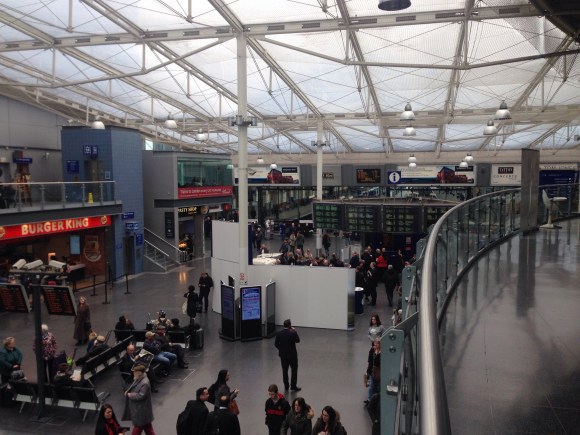
People watching over a glass of wine at the Piccadilly Train StationShopping Center next to People’s History Museum
Okay, a very obscure title reference, likely only understood by anyone who went to camp as a kid in WI. It is sung while touching corresponding body parts and keeps getting sung faster and faster until only one person is still keeping up with the song. To Bob’s chagrin, I regaled him with this tune while we were in Chester cuz it’s just one of those songs you can’t not think of once it’s in your head. Anyhoo, about our visit —
Our first stop in the UK was a lovely 3 1/2 day holiday in Chester, England. On Thursday night, March 24, we flew from Calgary to London on BritishAir where we caught our connection to Manchester. In Manchester, we picked up a train at the airport to Crewe where we changed trains to head to Chester. We arrived at our hotel about 7:00 pm on 3/25.
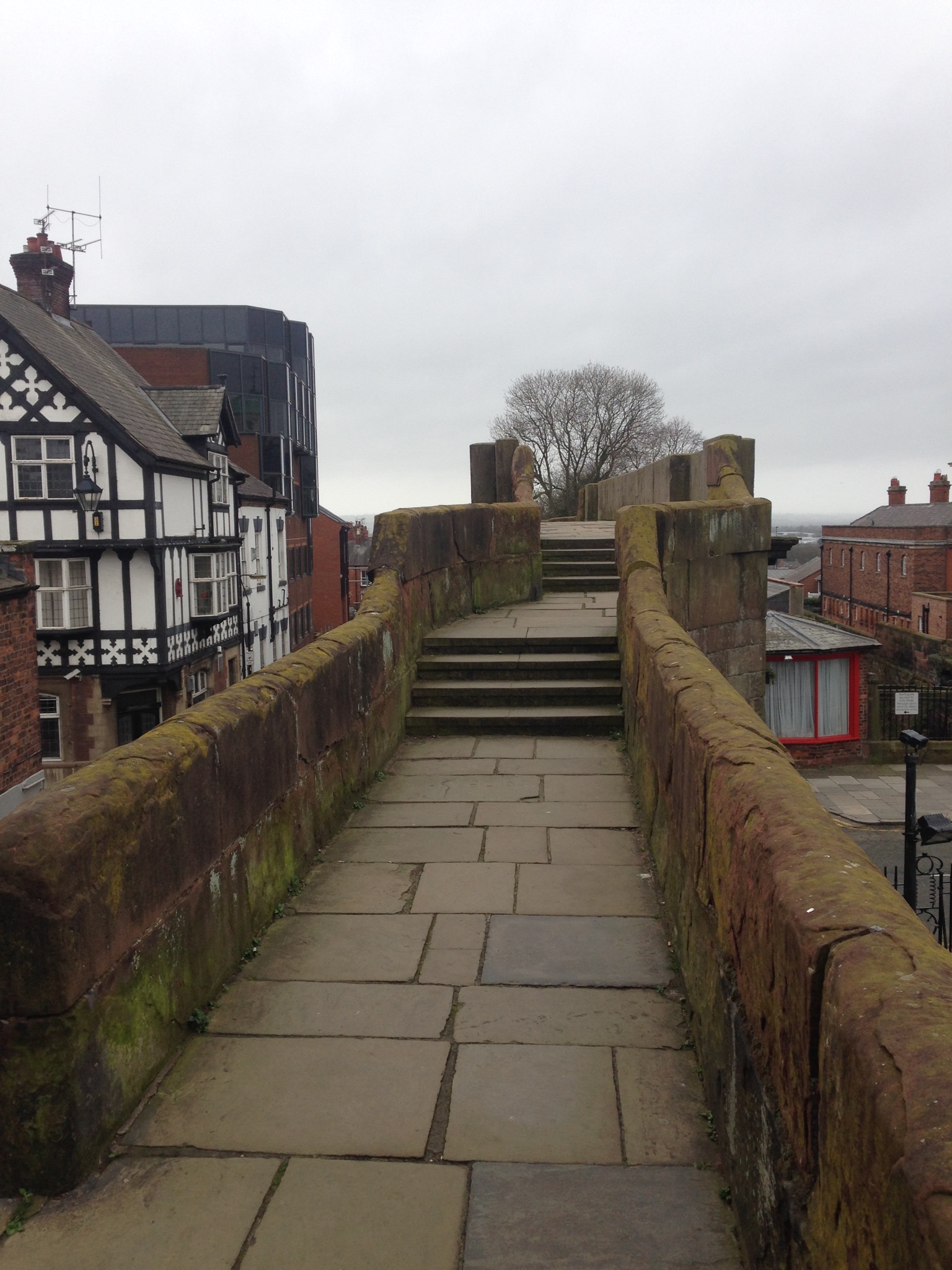
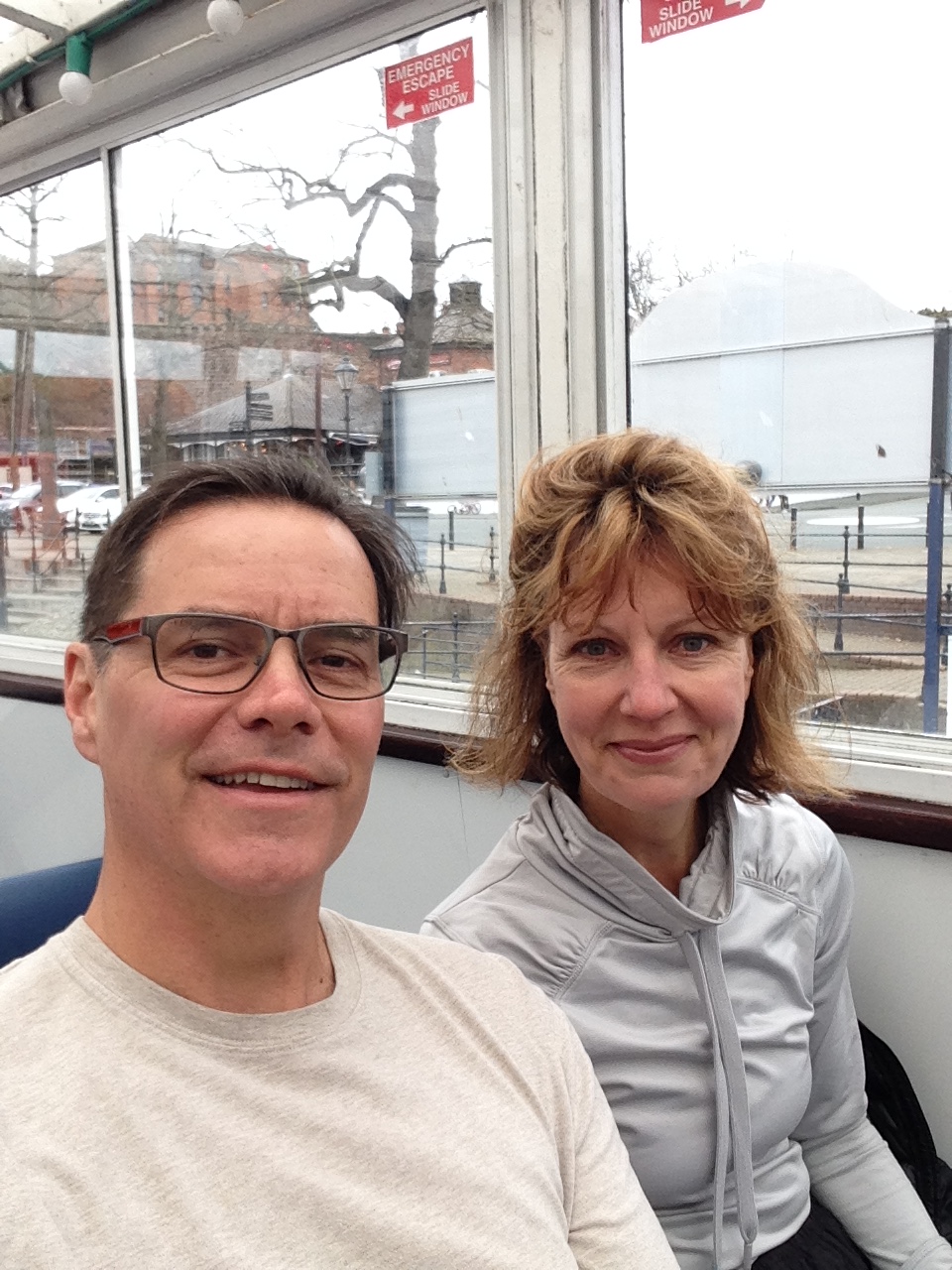
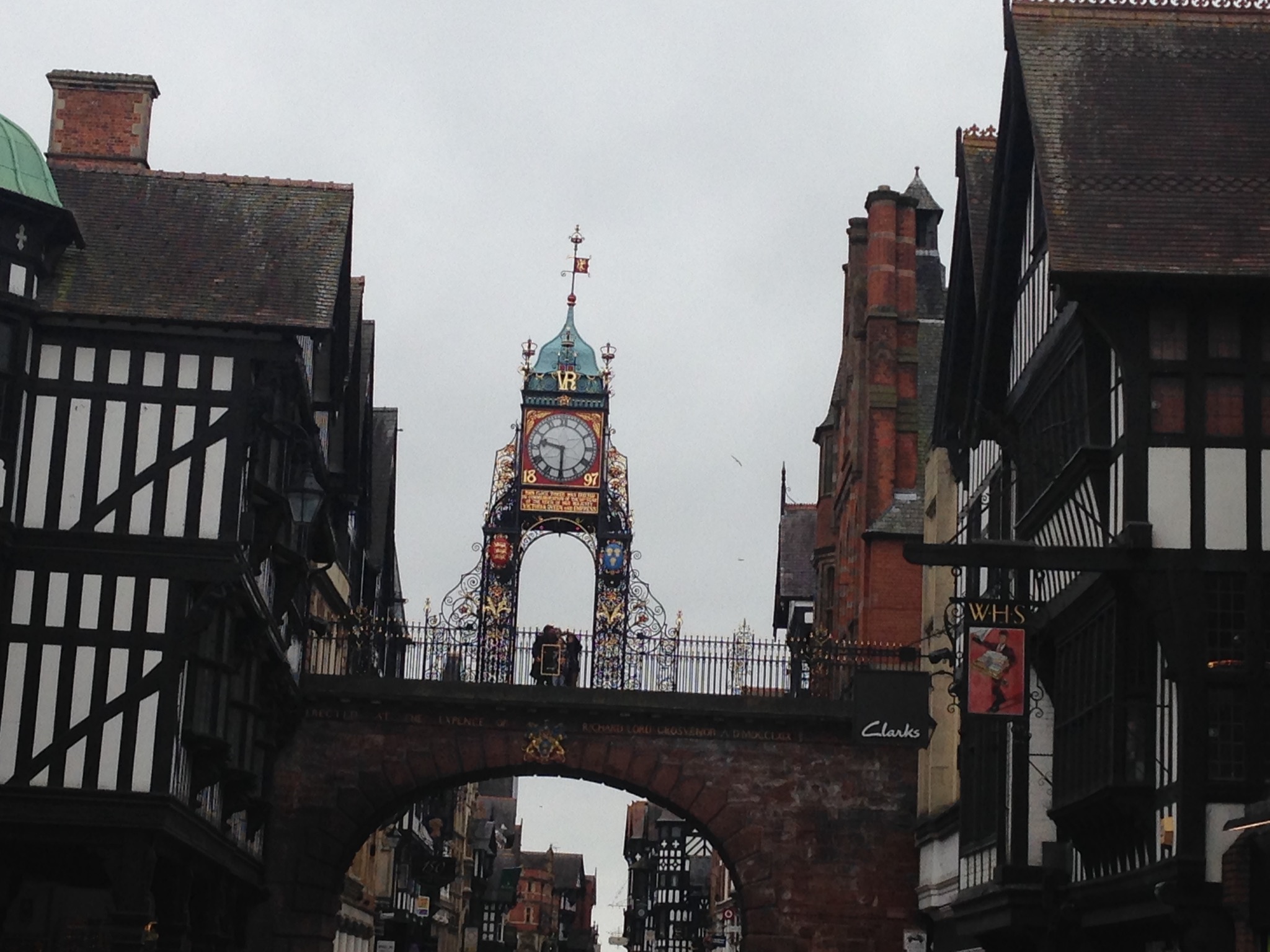
Chester is in the county of Cheshire. It is a gorgeous little community with lots of history. We started our introduction to the community with a walk around the Roman wall that still circles the town center (some portions were rebuilt during the Norman Conquest). The wall allows a 2 mile walk and provides views of the town center, town square clock, oldest race horse grounds in England (on site of old Roman aqueduct), cathedrals, other Roman ruins, as well as the canal and River Dee. We had a great time exploring the town center, taking a boat ride on the River Dee, learning more about the local history at the Grovesnor museum, viewing the half-timber architecture of many of the buildings, going to a local market, and exploring some of the local walking paths. Beth even found a greenway (hiking and biking path) to run on.
We were there over a holiday weekend — Easter and a bank holiday Monday. Little Chester was hopping with lots of people out on the wall on Easter and shopping in the town center on Monday. There was also a big food festival being held in Chester over the weekend at the racecourse. It rained (of course), it was sunny, it changed within minutes, and sometimes it was both (rainy and sunny) at once.
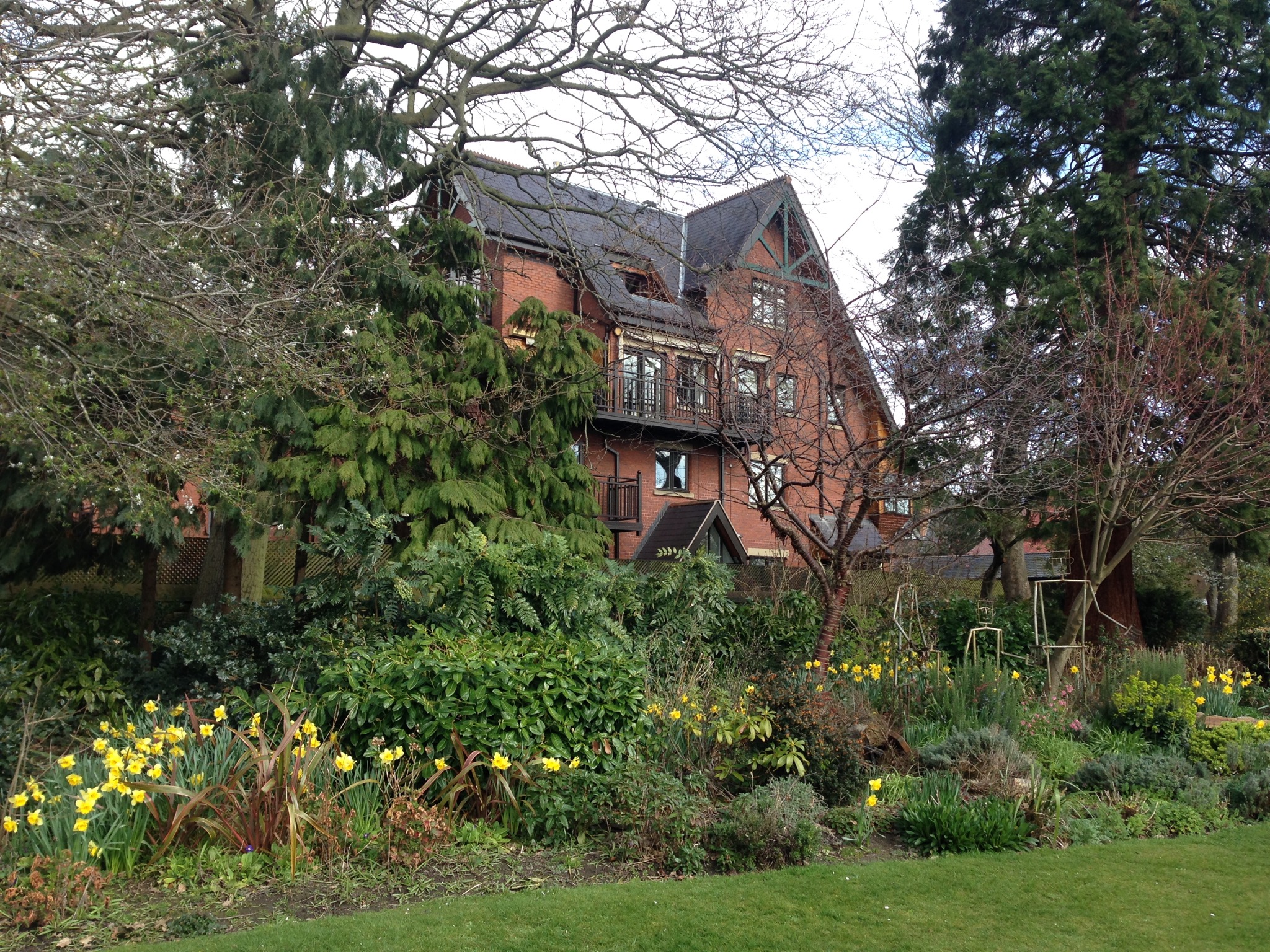
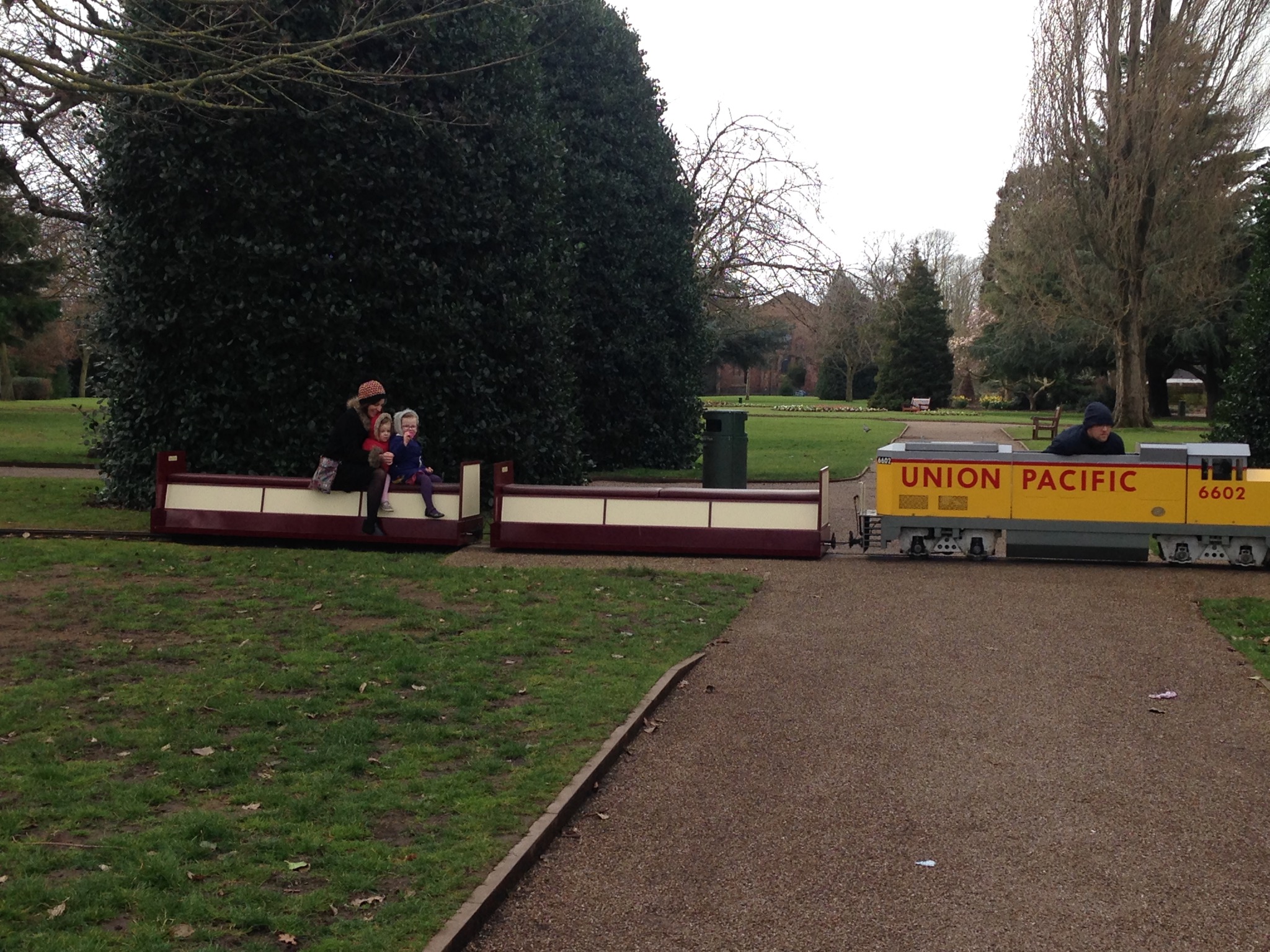
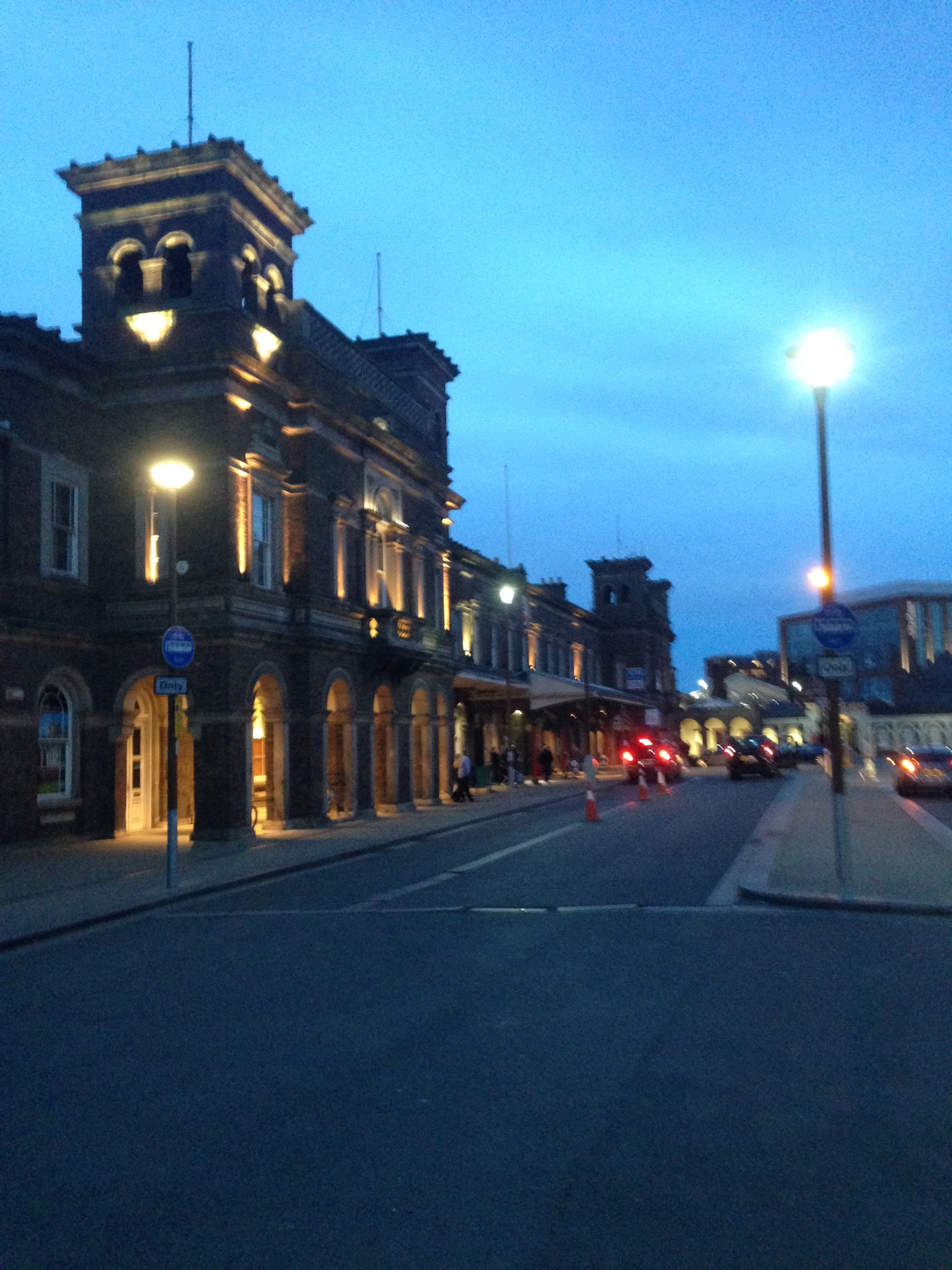
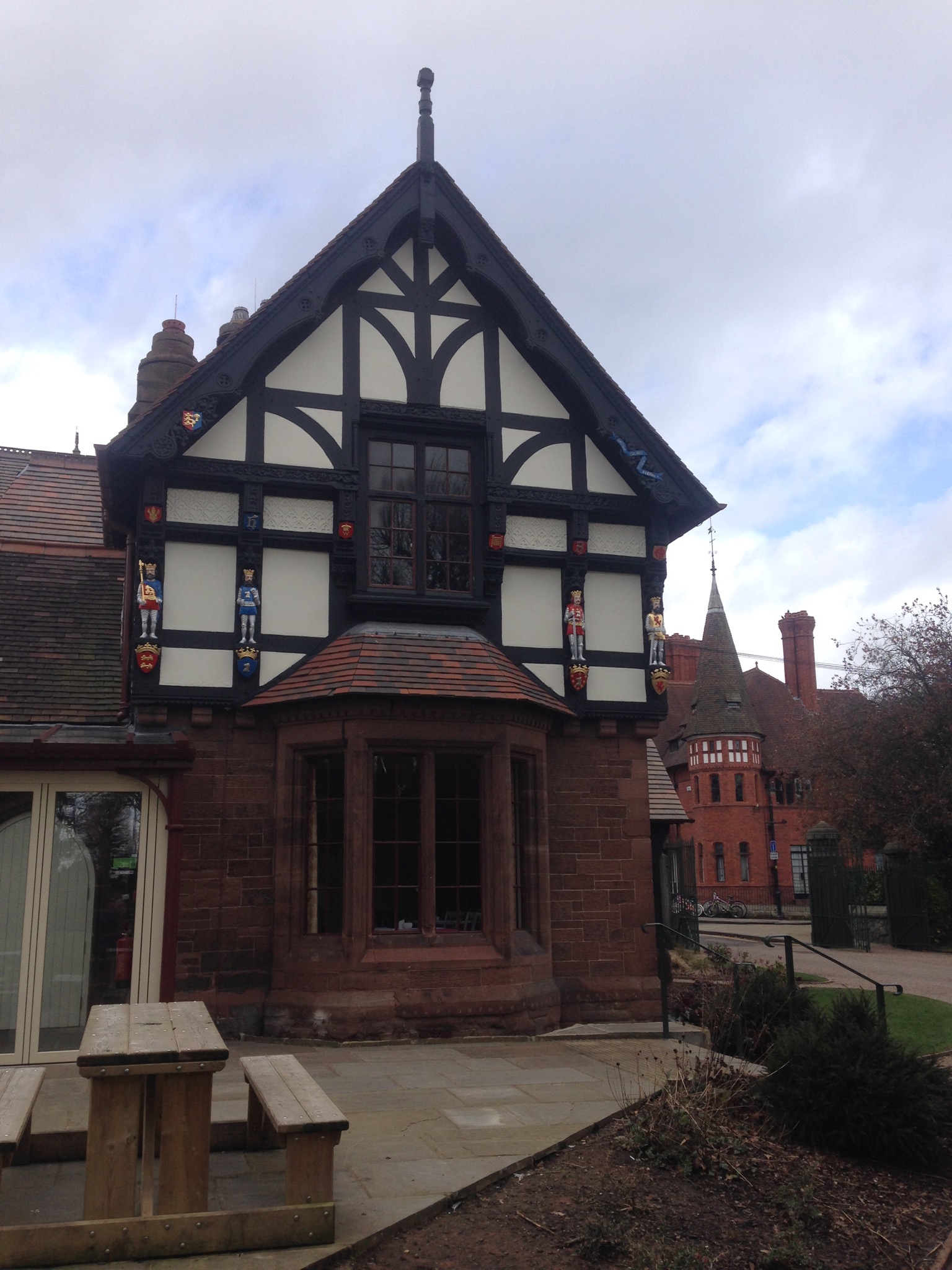
Walking atop the Roman wallOut on the River DeeOne of the gorgeous local homes with lovely landscapingA family riding the miniature train (really!) in Grovesnor Park on EasterThe town center clock (2nd most photographed clock in England after Big Ben)View of the Chester train station at nightThe half-timber architecture characteristic of ChesterBoats docked along the canal. It was fun to watch them navigate the lock system manually.After a day of rain and sun — an Easter rainbow from our room.
Now, we are getting acquainted with Manchester. More on that later. . .



































 Peckish Travels